Vicuña
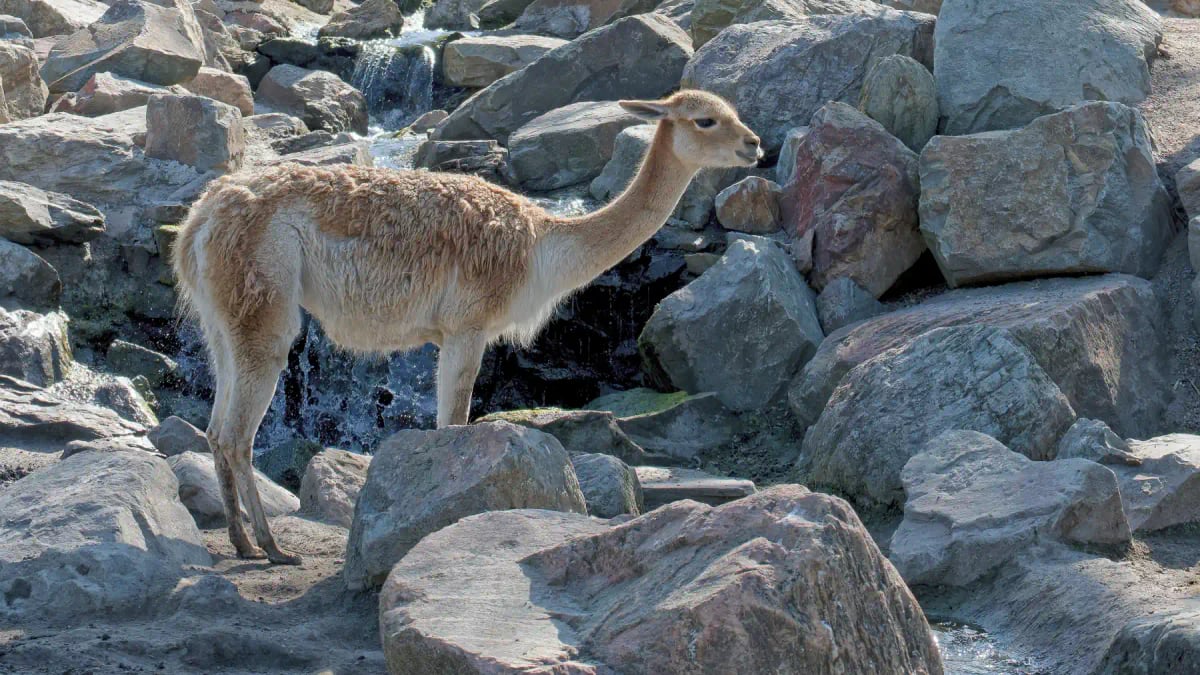
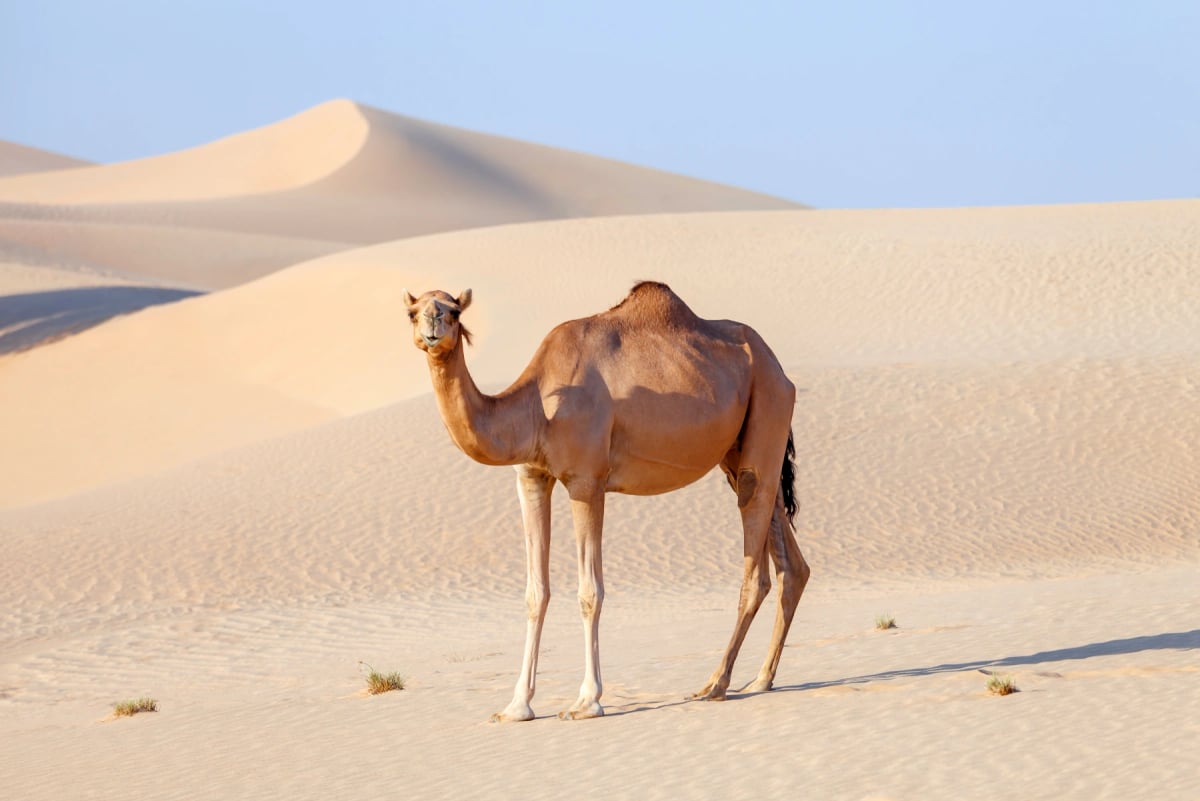
The vicuña is the smallest wild camelid in South America, roaming the puna grasslands of the Andes at elevations above 3,500 metres. Its slender legs, long neck, and coat of soft cinnamon fur are instantly recognizable. That coat is no ordinary fleece: each fibre measures just 12 to 14 microns in diameter, making it the finest natural animal fibre on Earth. Inca rulers once held exclusive rights to vicuña cloth, and a single garment required the wool of dozens of animals. By the 1960s, uncontrolled hunting had reduced the global population to fewer than 10,000 individuals. International protection and community managed shearing programs known as chaku turned that around, and numbers have climbed past 400,000. The vicuña now stands as one of conservation's clearest success stories and remains a living emblem of Andean culture.
Habitat and distribution
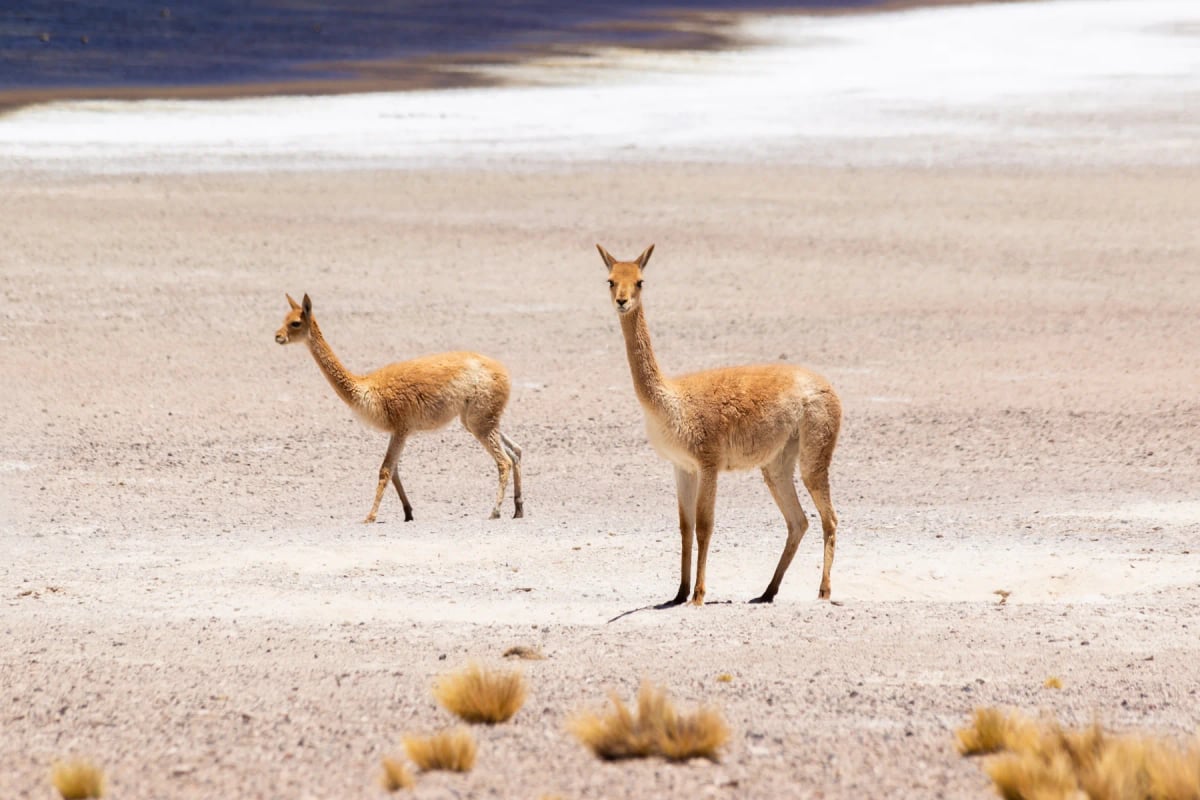
Vicuñas are creatures of altitude, spending their lives on the puna, the vast treeless plateau that stretches across the Andes above 3,500 metres. They are most abundant in Peru, which holds the largest national population, but healthy numbers also roam the altiplano of Bolivia, the arid puna of northwestern Argentina, and the high cordillera of northern Chile. Within this landscape they favour open, gently sloping grasslands close to water sources, where short ichu grasses grow in dense tufts. They avoid steep rocky terrain and rarely descend below 3,500 metres, though in some areas individuals have been recorded above 5,750 metres. The cold, dry conditions of the puna suit them well. Their blood carries an unusually high concentration of red blood cells, allowing them to absorb oxygen efficiently in the thin mountain air.
Diet
Grazing takes up a large part of the vicuña's day. Their teeth never stop growing, an adaptation that allows them to crop the short, tough grasses of the puna without wearing their dentition down to nothing. Ichu grass makes up the bulk of their diet, supplemented by low herbs, mosses, and the occasional succulent plant found near bogs and wetlands called bofedales. Because streams and standing water are scarce at high altitude, vicuñas meet most of their daily need for moisture through the plants they eat, particularly those growing in and around the wet bofedales. They are selective grazers rather than indiscriminate feeders, moving slowly through their territory and choosing shoots and leaves of higher nutritional value. This careful approach helps them extract enough energy from a landscape that is, by most measures, surprisingly poor in food.
Behavior
Social life among vicuñas follows a clear structure. The basic unit is a family group made up of one adult male, several females, and their young. The dominant male is highly territorial and will chase off rival males with loud calls and, if necessary, biting and chest shoving. Bachelor males, those without a family group, form separate all male herds and spend years waiting for a chance to claim a territory of their own. Vicuñas are active during the day, feeding in the morning and resting through the coldest midday hours before grazing again in the afternoon. At night the whole group retreats to slightly higher ground, where the rocky terrain offers some shelter from predators such as the puma and the Andean fox. Their senses of sight and hearing are sharp, and a single alarm call from any member sends the whole group running.
Wool and fiber
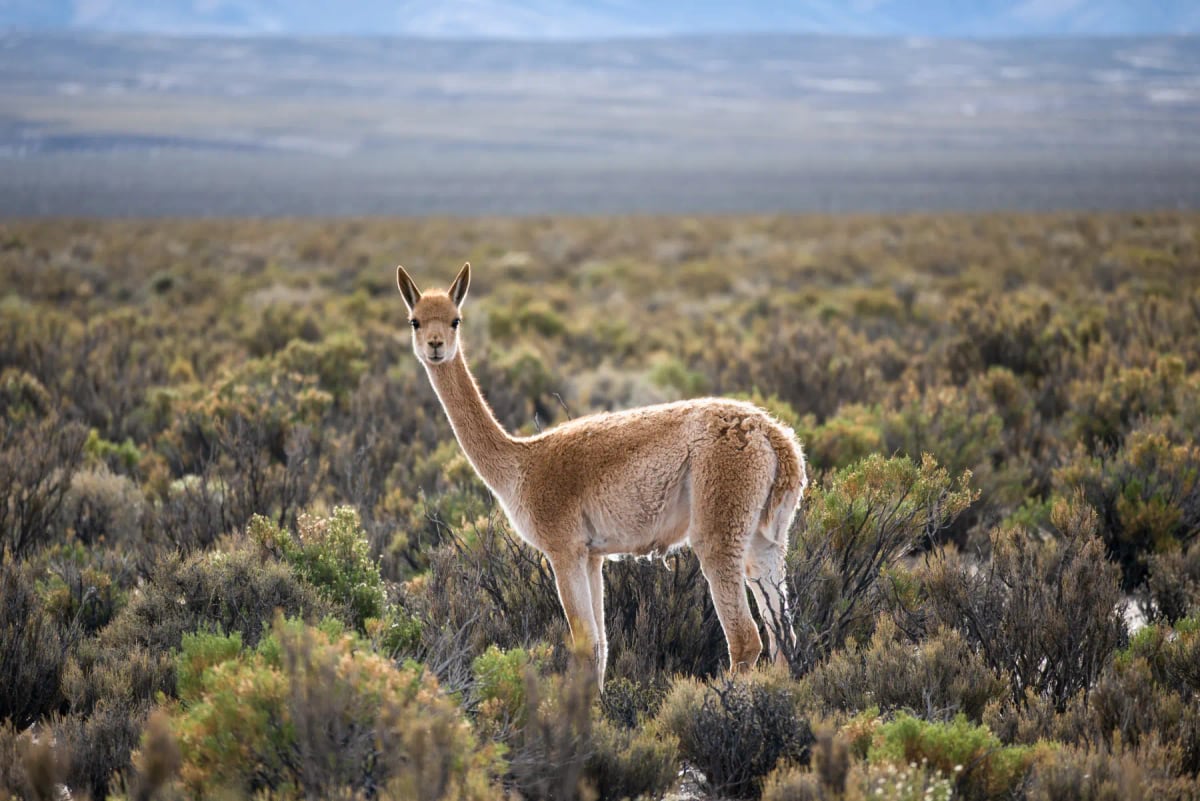
Few natural materials rival vicuña fiber for fineness. Each strand measures between 12 and 14 microns in diameter, thinner than the finest merino wool and about a fifth the width of a human hair. This extraordinary delicacy comes from the structure of the fibre itself: tiny scales lie flat along each strand, creating a surface that traps warmth without adding bulk. For the Inca, vicuña cloth was a mark of supreme status, worn only by the emperor and offered to the gods. Today it remains one of the most expensive textiles on Earth. A single kilogram of raw fiber can fetch over 300 US dollars at source, and finished garments made from it sell for thousands. Critically, vicuñas cannot be shorn in captivity with any ease; the fiber is harvested through the traditional chaku, a community roundup in which animals are shorn live and then released unharmed.
Conservation
The recovery of the vicuña is one of the most striking turnarounds in the history of wildlife conservation. By the late 1960s, relentless hunting for its fiber had pushed the global population below 10,000 individuals, and extinction seemed a genuine possibility. The 1969 La Paz Declaration and the later CITES listings brought international trade in vicuña products under strict control, giving populations room to recover. Community management programs, particularly the revival of the traditional chaku in Peru and Bolivia, gave local Andean communities a direct economic stake in keeping vicuña populations healthy. Numbers climbed steadily and today stand at more than 400,000 animals across the four range countries. The IUCN currently lists the species as Least Concern, a status that reflects real and sustained progress. Continued monitoring and community involvement remain essential to ensuring that recovery holds over the long term.
Researched and written by Juan Pablo. Sources: IUCN Red List, scientific literature and regional field guides. Last updated: .
Technical factsheet

Frequently Asked Questions
What do vicuñas eat?
Vicuñas graze mainly on ichu grass, the short, tough grass that covers the Andean puna. They also eat low herbs, mosses, and plants found near mountain wetlands called bofedales. Because water is scarce at high altitude, they get most of their daily moisture from the plants themselves. They are careful, selective grazers, picking the most nutritious shoots rather than eating everything in sight.
Where do vicuñas live?
Vicuñas live on the puna, the high Andean plateau above 3,500 metres, across Peru, Bolivia, Argentina, and Chile. Peru holds the largest population. They prefer open grasslands close to water sources, where ichu grass grows in dense clumps. They rarely come down below 3,500 metres and have been spotted as high as 5,750 metres. Their blood is specially adapted to absorb oxygen in the thin mountain air.
Are vicuñas endangered?
Vicuñas are currently listed as Least Concern by the IUCN, but that was not always the case. By the late 1960s, hunting had reduced the global population to fewer than 10,000 animals, pushing the species close to extinction. International trade controls and community shearing programs helped numbers recover to more than 400,000 today. It is considered one of the greatest conservation success stories in South America.
How do vicuñas behave in groups?
Vicuñas live in family groups made up of one dominant male, several females, and their young. The male defends his territory fiercely, using loud calls and physical confrontations to drive away rivals. Males without a family form separate herds and wait for a chance to claim their own territory. The whole group is active during the day, resting at the coldest midday hours and retreating to higher ground at night.
Why is vicuña wool so valuable?
Vicuña fiber is the finest natural animal fiber on Earth, with each strand measuring just 12 to 14 microns in diameter. This makes it softer and warmer than even the best merino wool. Raw fiber can fetch over 300 US dollars per kilogram, and finished garments sell for thousands. The fiber can only be harvested through a traditional community roundup called the chaku, in which animals are shorn and then released alive.
What predators does the vicuña face?
The main predators of the vicuña are the puma and the Andean fox. Vicuñas rely on sharp eyesight and keen hearing to detect danger early. When one animal spots a threat and calls out, the entire group bolts immediately. At night, family groups move to slightly higher, rockier ground where terrain makes a surprise attack harder. Human hunting was historically the most serious threat, nearly wiping the species out by the 1960s.
How do vicuñas survive the cold at high altitude?
Vicuñas are built for life in the cold, thin air of the Andes. Their blood contains an unusually high concentration of red blood cells, which allows them to absorb oxygen efficiently where the air is thin. Their coat of fine, dense fiber traps body heat without adding much weight. Teeth that never stop growing let them feed on tough mountain grasses without wearing down. Every part of their biology is tuned to one of the harshest environments on Earth.