Dhole
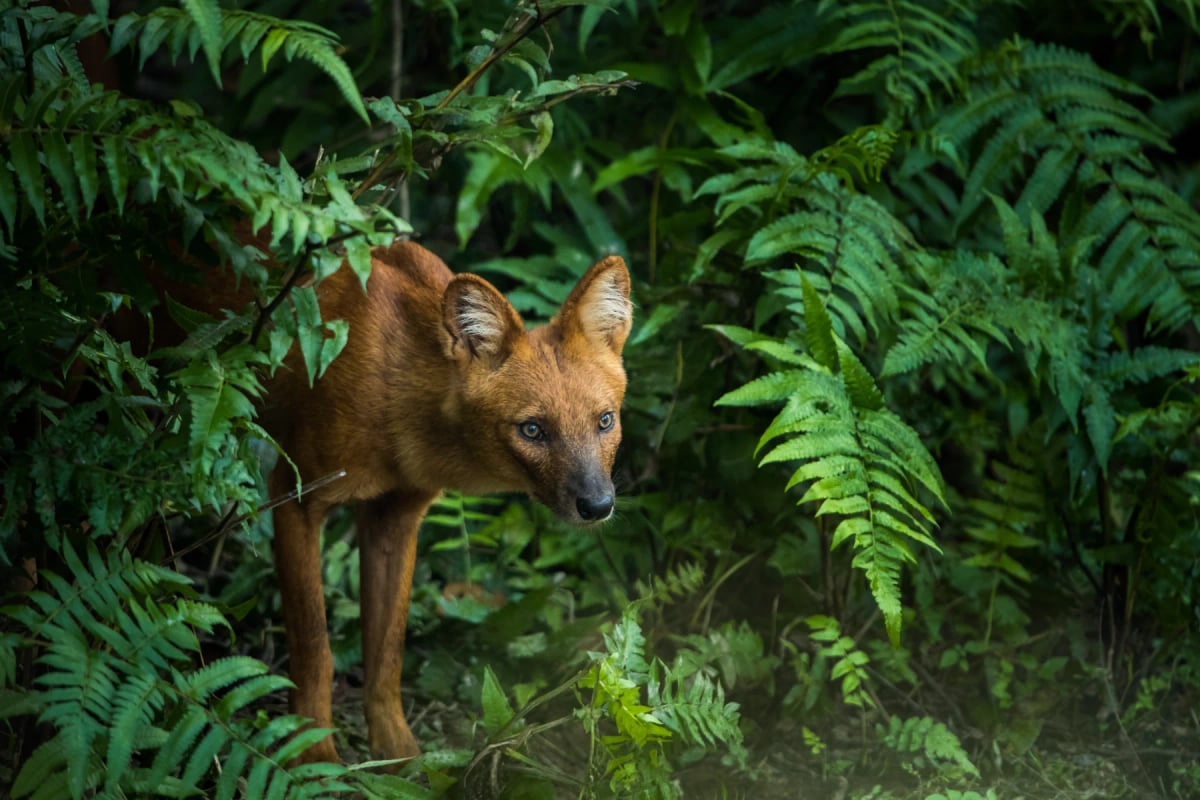
The dhole (Cuon alpinus) is a wild canid found across South and Southeast Asia, from the forests of India and Nepal to the islands of Sumatra and Java. It has a compact, athletic build, a coat that ranges from tawny red to brownish, a bushy tail with a dark tip, and distinctively large, rounded ears. Dholes live in close-knit packs that typically number between 5 and 12 individuals, though larger groups are occasionally recorded. They are cooperative hunters capable of bringing down animals far larger than themselves, including sambar deer and gaur calves. Their communication is remarkable: they produce a wide range of whistles, screams, and clucks that set them apart from every other member of the dog family. Classified as Endangered by the IUCN, dholes face serious pressure from habitat loss, depletion of prey, and disease passed on by domestic dogs.
Habitat and distribution
Dholes once ranged widely across Asia, from the Indian subcontinent through Southeast Asia and into parts of China and the Russian Far East. Today their range has contracted significantly, with the strongest populations concentrated in India, Bhutan, and scattered patches of mainland Southeast Asia. They are remarkably adaptable in terms of habitat, occupying tropical and subtropical forests, dry deciduous woodlands, alpine meadows, and dense scrub. In India, they are closely associated with tiger reserves such as Nagarhole and Bandipur, where prey is relatively abundant. On the islands of Sumatra and Java they persist in fragmented forest blocks. Elevation is no barrier to them. Dholes have been recorded at altitudes above 3,000 metres in the Himalayas, moving through terrain that few other large predators regularly use.
Diet
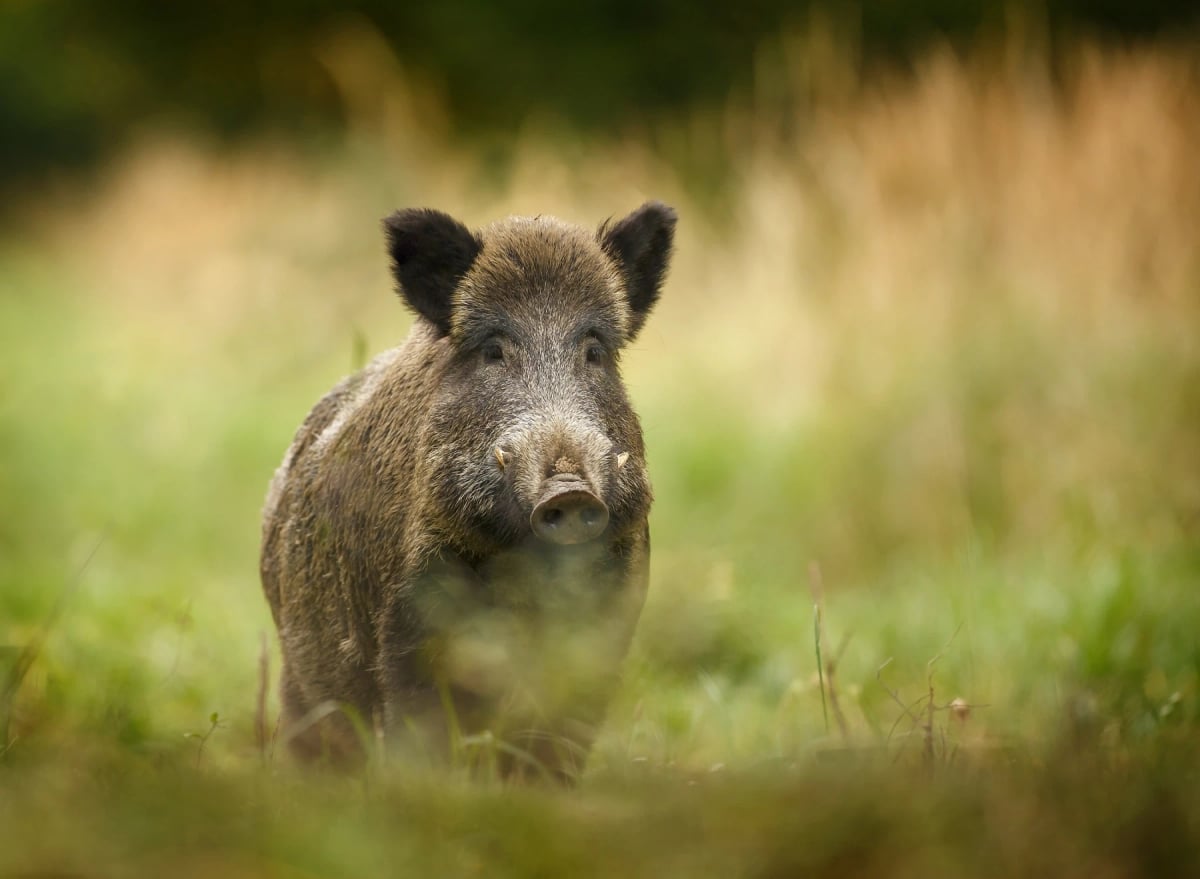
Meat is the foundation of the dhole's diet, and the pack's cooperative hunting style allows it to target prey far larger than any single individual could handle. Sambar deer, chital, and muntjac make up a large share of kills across most of their range, while wild boar and gaur calves are taken where those species occur. Studies in Indian reserves show that ungulates of medium to large size dominate the diet year round. Smaller prey such as lizards, hares, and berries are consumed opportunistically but do not form a significant part of the diet. After a successful kill, food is shared across the pack, including with pups at the den. This willingness to share distinguishes dholes from many other large predators and reinforces the tight bonds within the group.
Behavior and communication
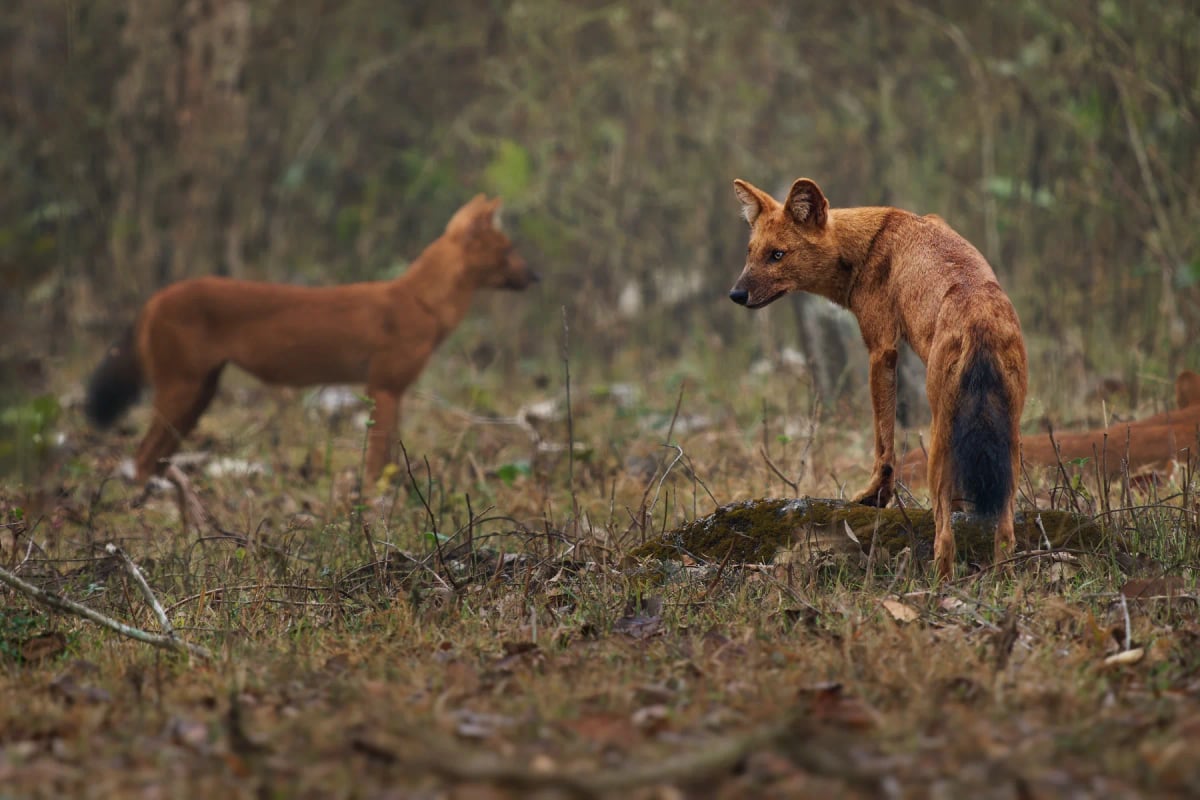
Few canids are as socially sophisticated as the dhole. Packs typically consist of 5 to 12 individuals, though groups of up to 40 have been observed on rare occasions. Within the pack, members show strong cooperative behavior during hunts, pup rearing, and territorial defense. What truly sets dholes apart from every other member of the dog family is their vocal repertoire. Rather than relying on howls, they communicate through a series of whistles, clucks, screams, and twitter sounds that carry well through dense forest. These calls allow separated individuals to regroup quickly and help coordinate chases over long distances. Dholes are also active primarily during daylight hours, which is unusual for large predators sharing habitat with tigers and leopards. This daytime activity pattern likely reduces direct competition with those nocturnal hunters.
Reproduction
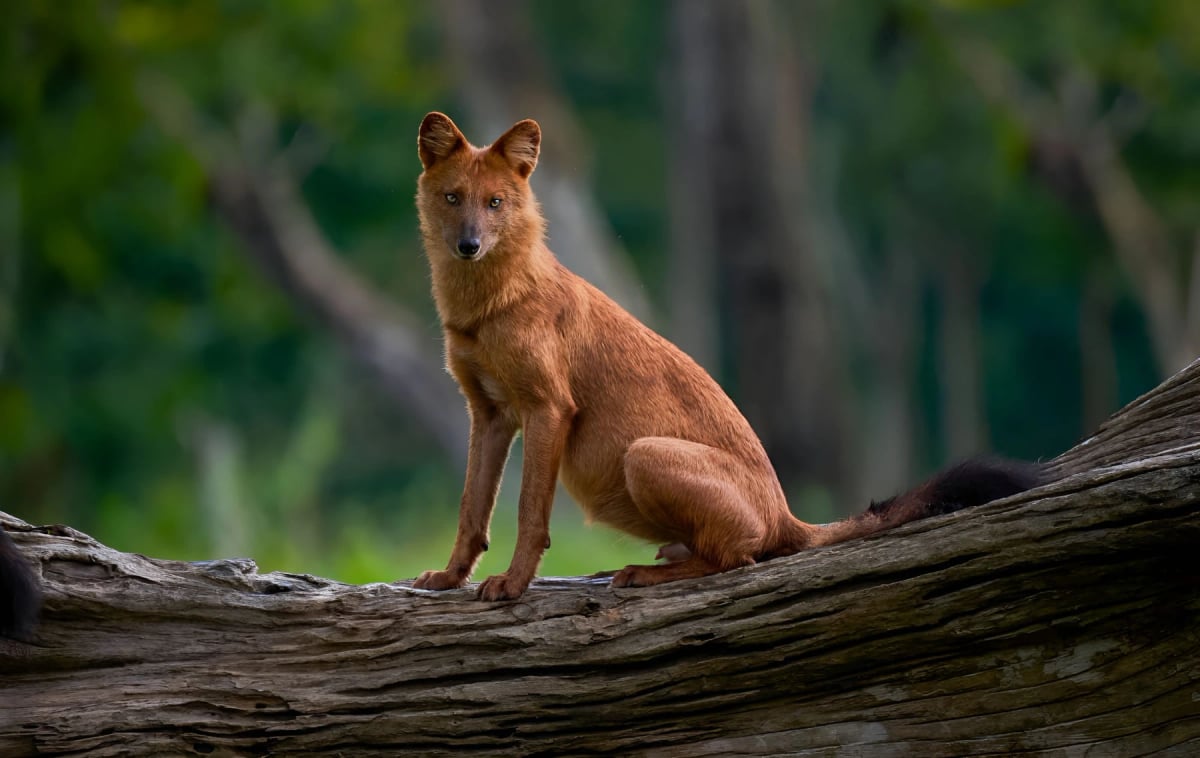
Breeding in dhole packs is generally restricted to the dominant female, though subordinate females sometimes assist with nursing. The mating season runs from October to February across most of the range, and after a gestation period of roughly 60 to 63 days the female gives birth to a litter that typically contains between 4 and 8 pups. The den is usually dug in an earth bank or found among rock crevices and hollow logs close to water. What makes dhole reproduction especially notable is the level of involvement shown by the whole pack. Adults regurgitate food for the pups, stand guard at the den entrance, and actively play with the young. Pups begin accompanying the pack on hunts at around 8 months of age, gradually learning the coordinated strategies that make dholes such effective predators.
Conservation
The IUCN lists the dhole as Endangered, and current estimates suggest fewer than 2,500 mature individuals remain in the wild. The pressures bearing down on the species are several. Deforestation and the expansion of agriculture have shrunk and fragmented the forests dholes depend on, while the decline of prey species through poaching leaves packs without enough food to sustain themselves. Persecution by livestock farmers, who view dholes as a threat to cattle and goats, also takes a toll. Disease transmitted by domestic and feral dogs, including rabies and canine distemper, can devastate entire packs. Effective conservation relies on protecting large, connected reserves where prey populations are healthy, reducing conflict with local communities through compensation schemes, and controlling disease at the boundary between wildlife and domestic animals.
Where it is found
The Dhole can be found in places such as:
Researched and written by Juan Pablo. Sources: IUCN Red List, scientific literature and regional field guides. Last updated: .
Technical factsheet


Frequently Asked Questions
Are dholes dangerous to humans?
Dholes are naturally shy around people and attacks on humans are extremely rare. They are wild predators capable of taking down large deer and even gaur calves, so caution near wild packs is sensible. However, there are no well-documented cases of dholes hunting humans. In most encounters they retreat quickly. Your biggest risk near dholes is simply startling a pack that is denning or feeding.
How do dholes hunt?
Dholes hunt as a pack, which is the key to their success. Several individuals work together to chase prey over long distances, often splitting into smaller groups to cut off escape routes. Once the prey tires, the pack moves in together. This teamwork allows them to bring down animals much larger than themselves, such as sambar deer. Whistles and clucks help them coordinate during the chase without losing contact.
What sounds do dholes make?
Dholes do not howl like wolves or bark much like domestic dogs. Instead they use a remarkable range of whistles, clucks, screams, and twittering sounds that carry well through thick forest. These calls help separated pack members find each other and coordinate hunts over long distances. This vocal variety is unique among wild members of the dog family and is one of the most fascinating things about the species.
How many dholes are left in the wild?
Current IUCN estimates put the number of mature dholes remaining in the wild at fewer than 2,500 individuals, which is why the species is classified as Endangered. India holds the largest share of the surviving population, particularly inside protected reserves. Numbers continue to fall due to habitat loss, the decline of prey animals, disease spread by domestic dogs, and conflict with farmers who lose livestock to dhole packs.
Where do dholes live?
Dholes are found across parts of South and Southeast Asia, with the strongest populations in India, Bhutan, and pockets of mainland Southeast Asia. They are highly adaptable and live in tropical forests, dry woodlands, and even alpine meadows high in the Himalayas. They also survive on the islands of Sumatra and Java, though in much smaller, fragmented groups. Countries such as Cambodia, Laos, and Malaysia still hold small populations.
Are dholes related to wolves or domestic dogs?
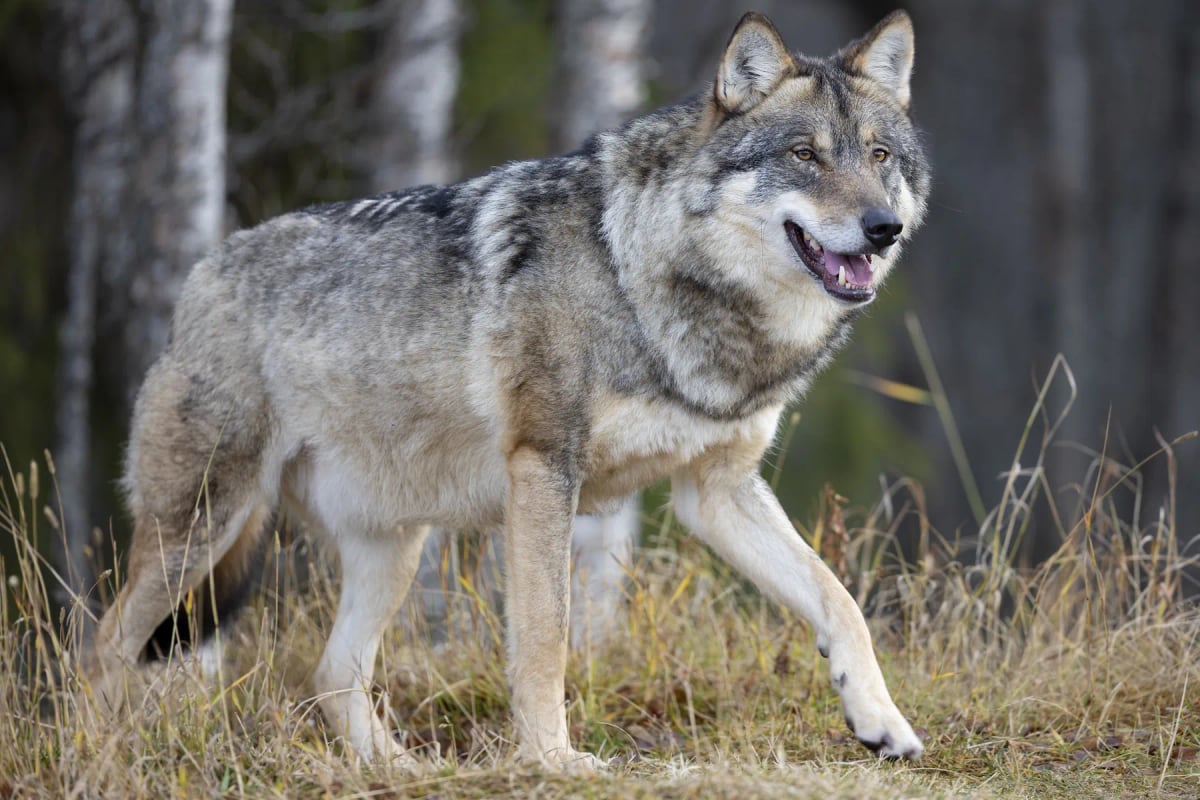
Dholes belong to the family Canidae, which makes them relatives of wolves, foxes, and domestic dogs. However, they sit in their own genus, Cuon, which separates them from true wolves and dogs. One noticeable physical difference is that dholes have fewer teeth than most other canids. Despite sharing a family, dholes evolved along a distinct path, and their unique whistling calls, pack structure, and hunting style set them apart from all other wild canids.
Do dholes get along with tigers?
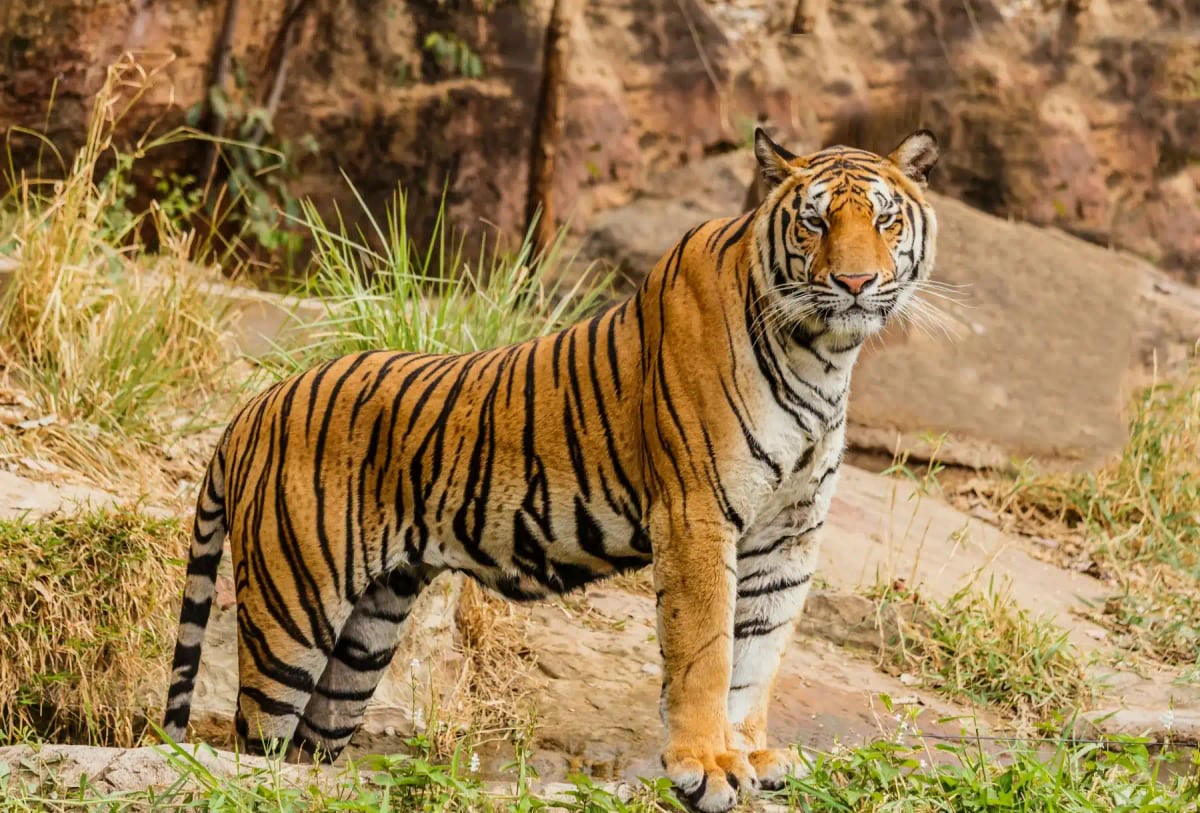
Dholes and tigers share the same forests across much of South Asia, which means they inevitably compete for prey and occasionally come into direct conflict. Tigers have been known to kill dholes, and packs sometimes lose members in confrontations with big cats. Interestingly, dholes are sometimes recorded chasing tigers away from kills. Their daytime activity also helps reduce encounters, since tigers are most active at night. The relationship is one of competition rather than cooperation.