Animals in Uganda
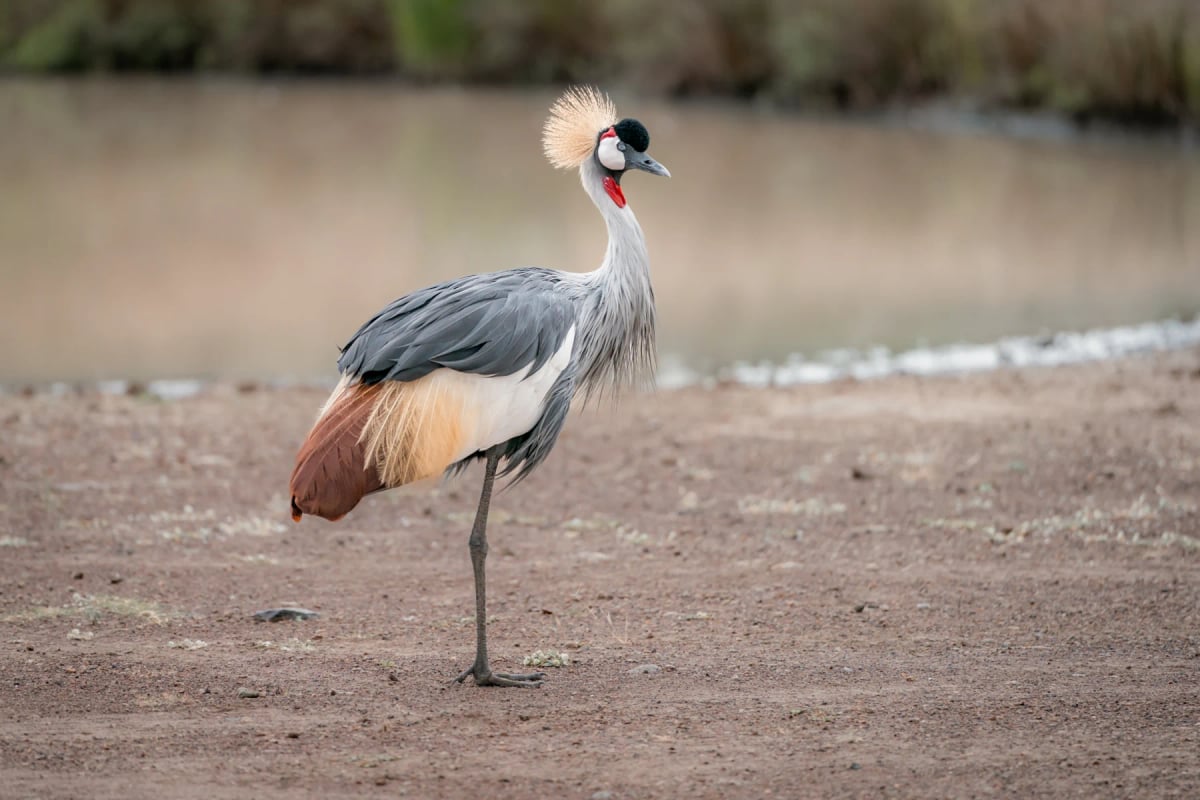
Grey Crowned Crane
Balearica regulorum
The grey crowned crane, Uganda’s national bird, lives in wetlands and grasslands across the country. Its golden crest and calm behavior make it a symbol of peace and prosperity. Seen often in conservation and tourism materials, the crane represents national pride and the harmony between people and nature.
View details→Wildlife in Uganda
Uganda offers exceptional biodiversity through its mix of savannas, wetlands and tropical forests. The country is known for its mountain gorillas, chimpanzees, elephants and leopards, along with an extraordinary diversity of birds. National parks such as Bwindi and Queen Elizabeth attract visitors seeking authentic experiences in African wildlife observation.
Most Dangerous Animals in Uganda
Some animals in Uganda demand caution, including hippos, elephants, crocodiles, lions and leopards. Many live near water sources or within protected parks. Guided safaris and respect for park rules ensure safety while allowing visitors to enjoy the country’s unique balance between wilderness and conservation.
Top 10 Animals in Uganda
Uganda’s wildlife includes elephants, lions, leopards, hippos, gorillas and chimpanzees, species that reflect its rich variety of ecosystems. Travelers visit Bwindi, Murchison Falls and Queen Elizabeth National Park to experience both tropical forests and open savannas, making Uganda a leading destination for nature tourism.
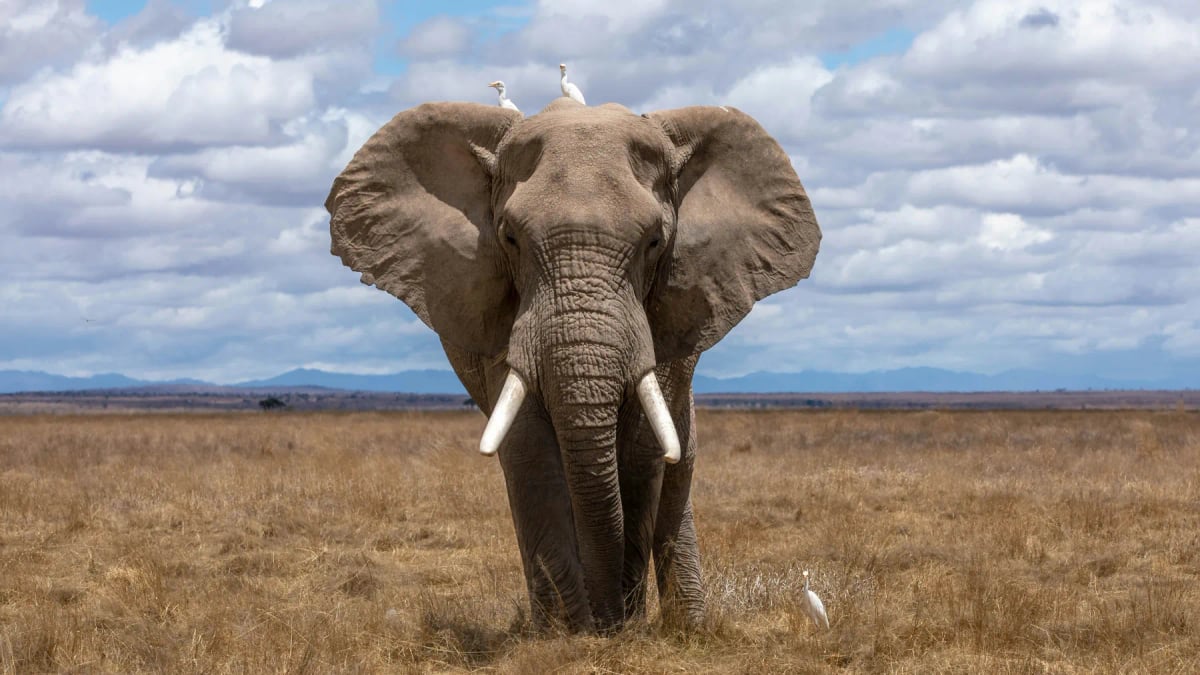
African Elephant
Loxodonta africana
Uganda's elephants are concentrated in two main areas: Queen Elizabeth National Park in the southwest and Murchison Falls National Park in the northwest. Both parks hold several thousand individuals and offer excellent elephant viewing. Uganda's elephant population was nearly wiped out during the Idi Amin era in the 1970s, when poaching was rampant and wildlife management collapsed entirely. Recovery has been slow but sustained over the following decades through active conservation and improved park management.
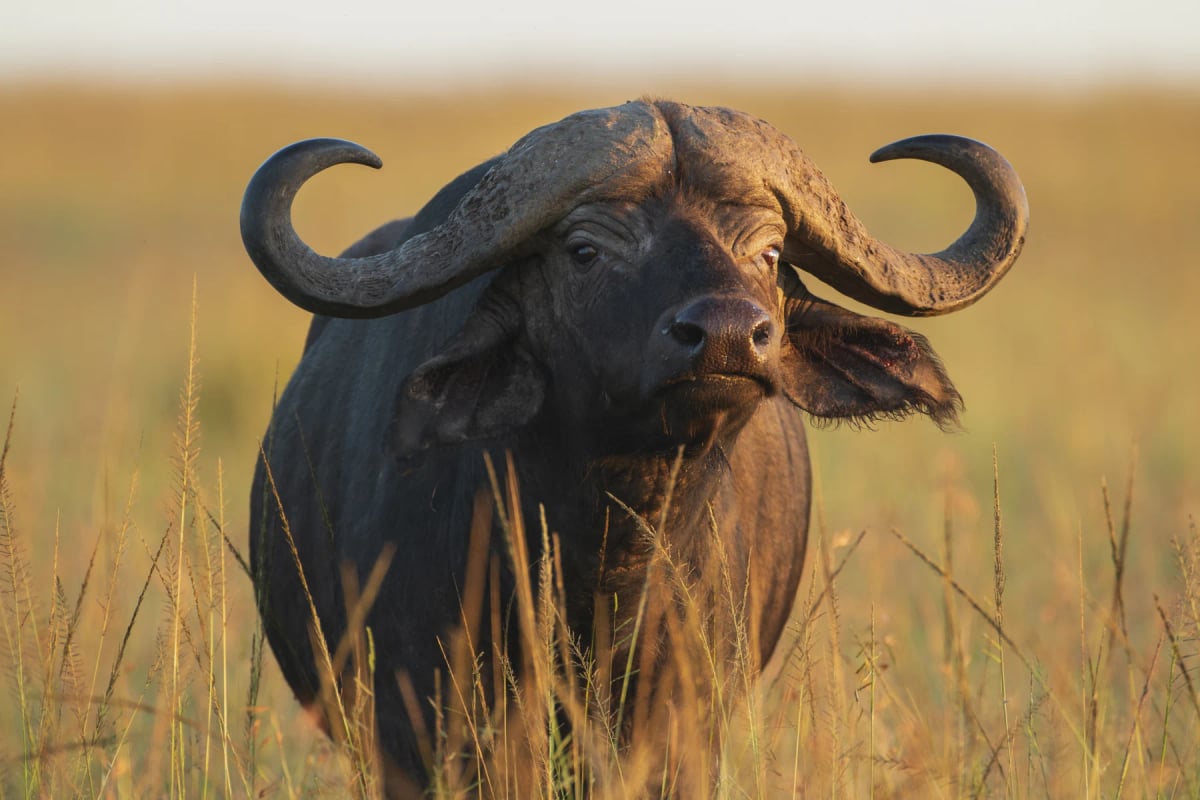
Buffalo
Syncerus caffer
Uganda's buffalo populations are distributed across several protected areas, including Queen Elizabeth National Park, Murchison Falls National Park, and Kidepo Valley National Park. These animals thrive in the open savannas and grasslands of the country's national parks, where they form large herds. Bovine tuberculosis has been a concern near areas where buffalo and livestock share grazing land, prompting ongoing monitoring by wildlife authorities. IUCN status: Least Concern.
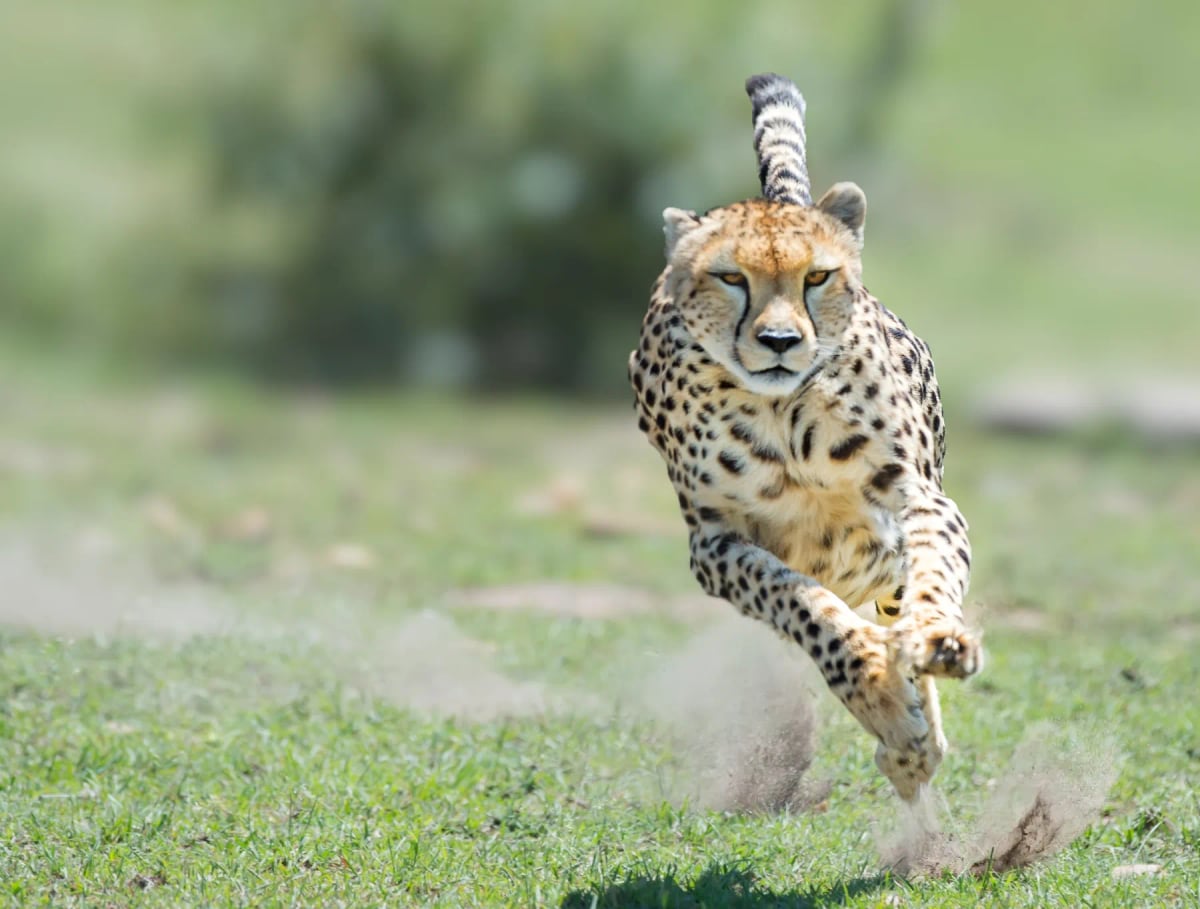
Cheetah
Acinonyx jubatus
Cheetahs in Uganda are rare and largely restricted to the semi-arid savanna of Kidepo Valley National Park in the remote northeast of the country. This isolated park, bordering South Sudan and Kenya, holds one of the few viable populations in Uganda. Limited survey data makes precise population estimates difficult, but the species is considered scarce and vulnerable to further decline within the country.
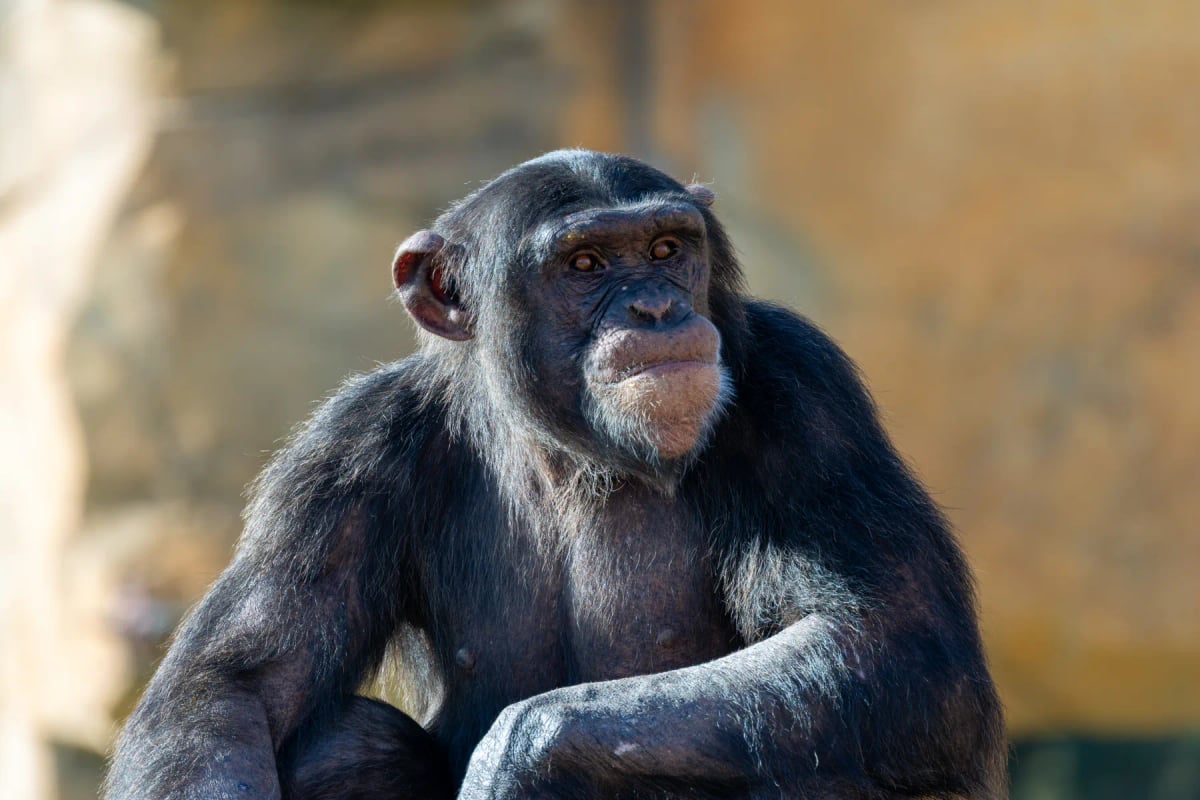
Chimpanzee
Pan troglodytes
Uganda supports a healthy population of chimpanzees distributed across several protected areas, including Kibale National Park, Budongo Forest, and Bwindi Impenetrable National Park. Kibale in particular is renowned for its high density of chimpanzees and has been a center for behavioral research for decades. Habituation programs allow visitors close access, making chimpanzee tracking a major draw for ecotourism and a vital source of conservation funding.
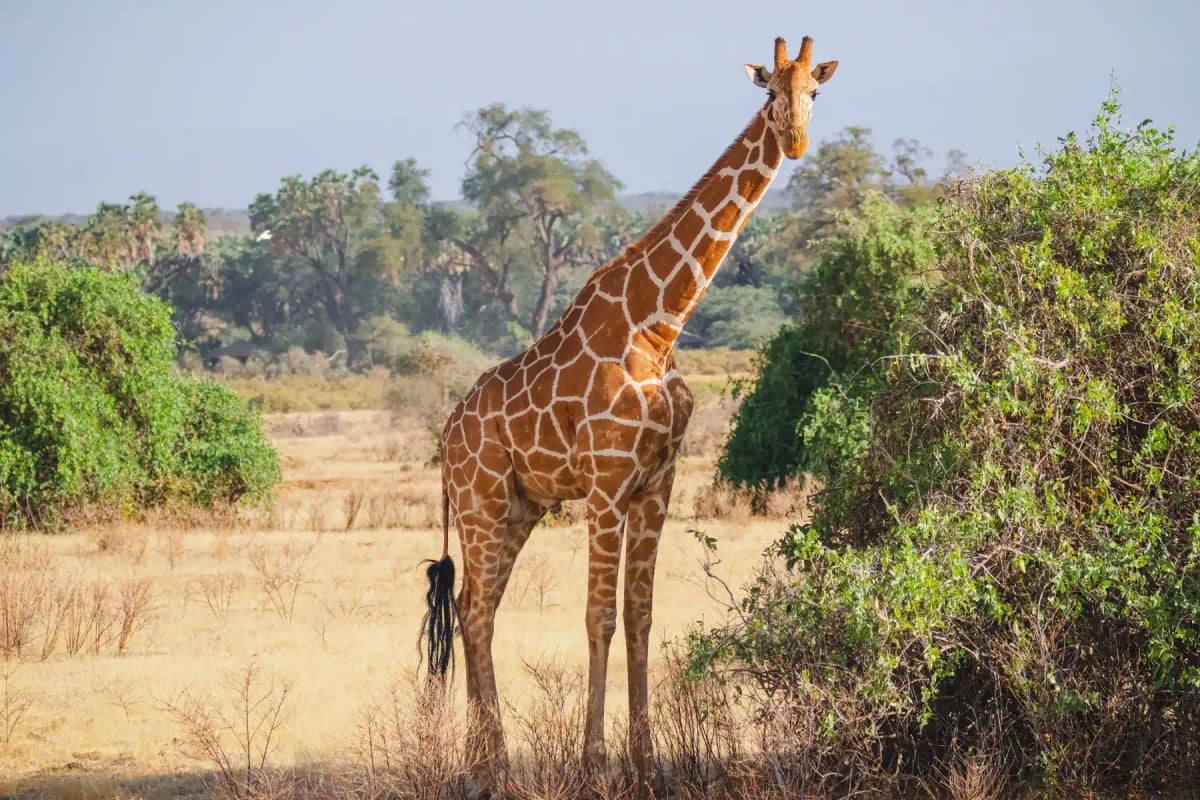
Giraffe
Giraffa camelopardalis
Uganda is home to the Nubian giraffe, one of the rarest giraffe subspecies in the world. Murchison Falls National Park holds the largest population in the country and has become a symbol of conservation success, as numbers have grown thanks to dedicated protection efforts. The open savannas along the Victoria Nile provide ideal feeding grounds. The IUCN classifies the giraffe as Vulnerable, and Uganda's work to protect the Nubian subspecies has drawn international recognition.
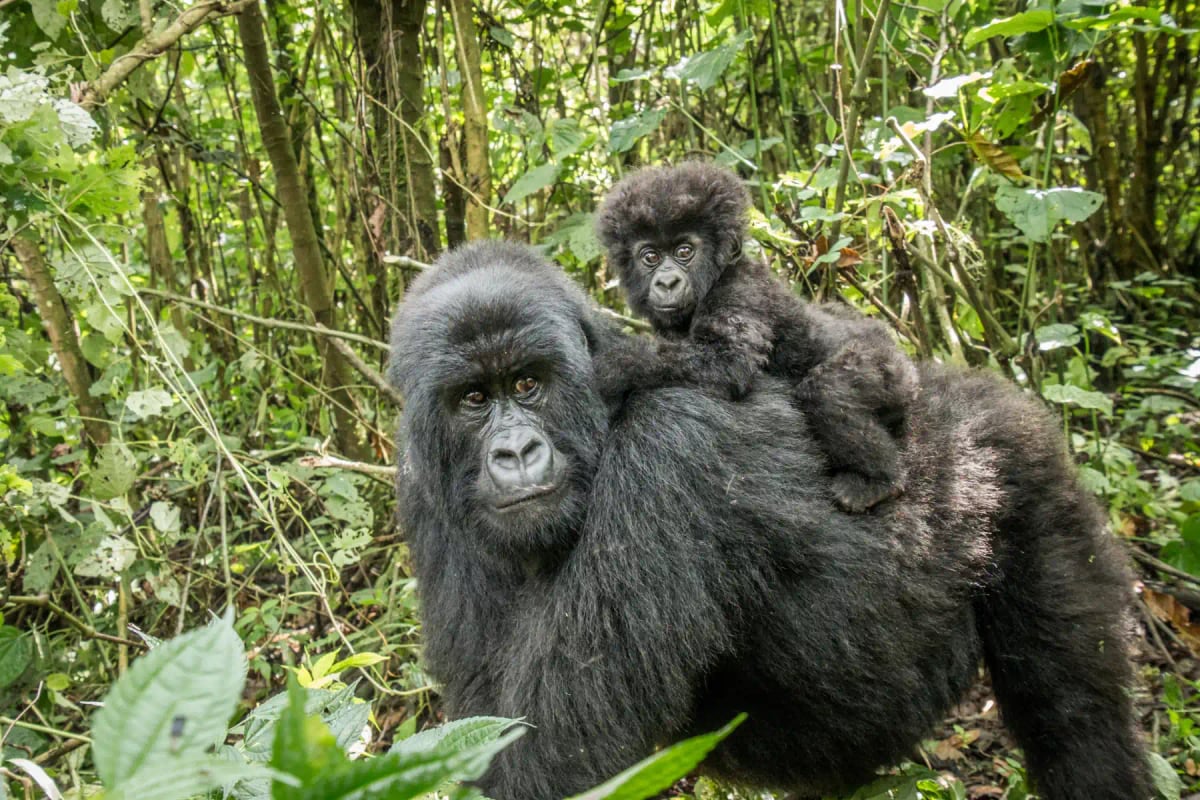
Mountain Gorilla
Gorilla beringei beringei
Uganda is home to mountain gorillas in two areas: the Bwindi Impenetrable Forest and the Mgahinga Gorilla National Park, both in the southwest of the country. Bwindi alone shelters more than half of the entire world population of this subspecies. Gorilla trekking in Uganda brings vital funding to conservation programmes and has helped this Endangered species grow past 1,000 individuals in total.
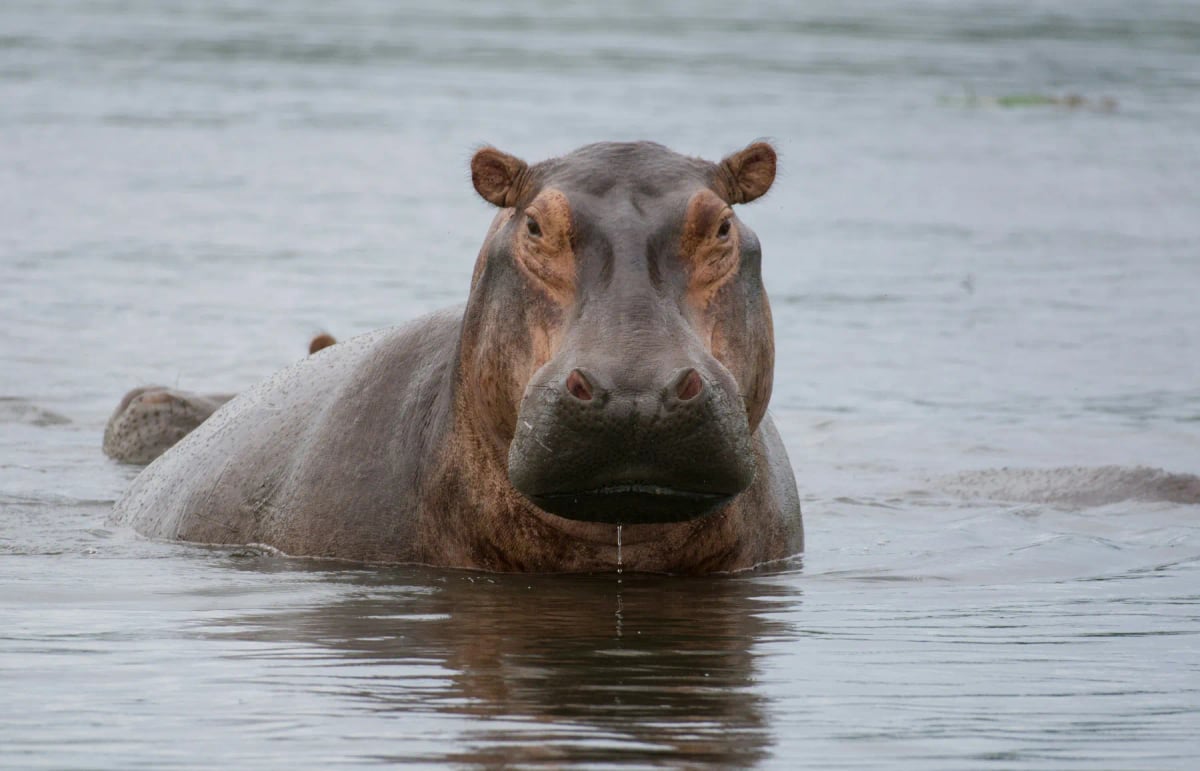
Hippopotamus
Hippopotamus amphibius
Uganda has a healthy hippo population spread across the shores of Lake Edward, Lake George, the Kazinga Channel, and the Victoria Nile within Queen Elizabeth and Murchison Falls national parks. The Kazinga Channel is particularly well known for its dense concentrations of hippos. They are a major draw for visitors on boat cruises through these protected waterways. The IUCN lists the hippopotamus as Vulnerable.
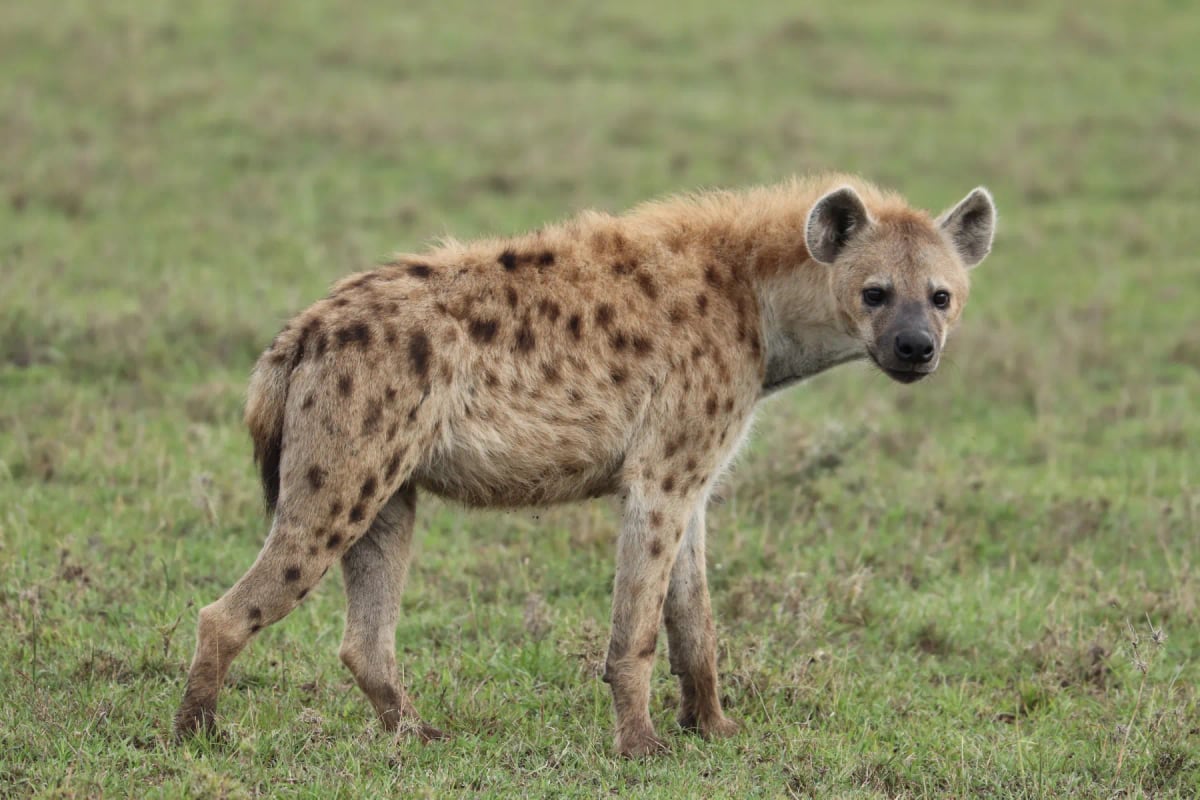
Spotted Hyena
Crocuta crocuta
In Uganda, spotted hyenas are found mainly in the savanna areas of the north and northeast, including Queen Elizabeth National Park and Kidepo Valley National Park. Kidepo, bordering South Sudan and Ethiopia, supports a particularly notable population in open grasslands and rocky terrain. Outside protected areas, hyenas face pressure from communities protecting livestock. They are important for ecosystem health as both predators and scavengers. Their IUCN status is Least Concern.
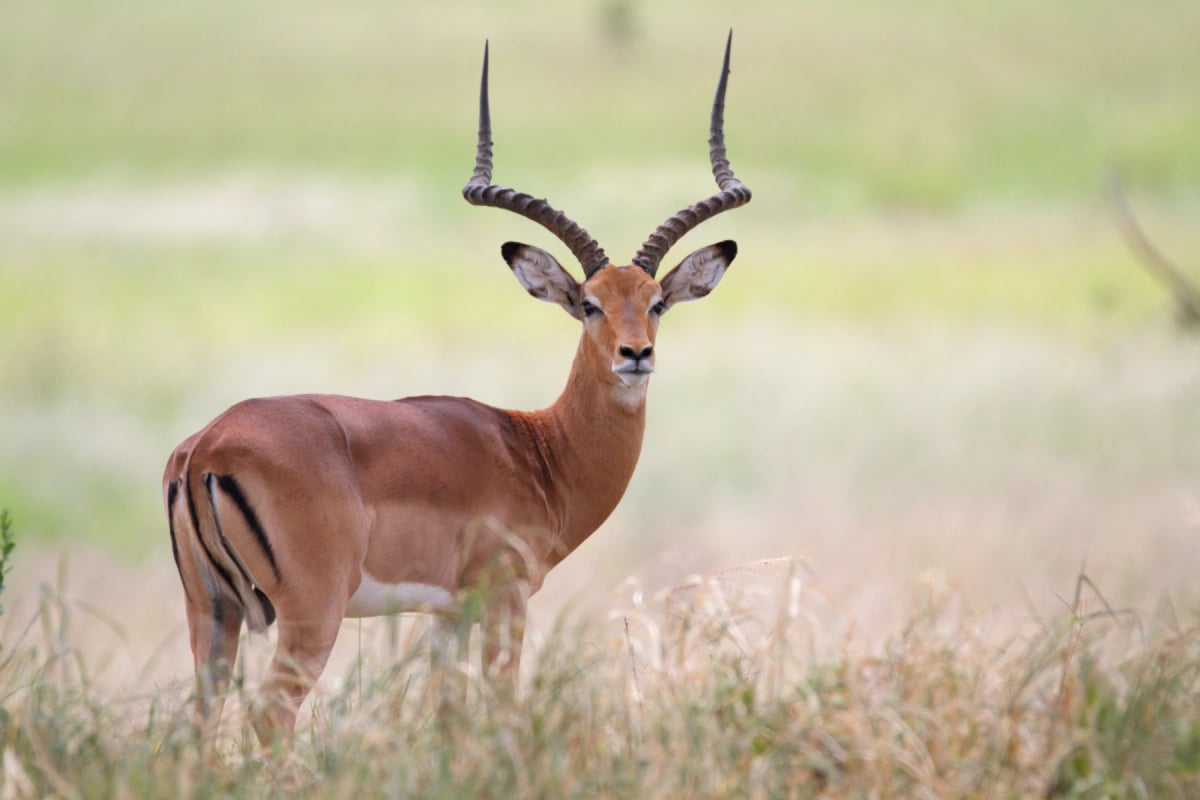
Impala
Aepyceros melampus
In Uganda, impalas are found in the northern and northeastern savanna regions, particularly around Lake Mburo National Park, which holds the country's most accessible population. They graze on open grasslands and browse woodland edges depending on the season. Males carry long, lyre-shaped horns and can leap up to 10 metres when startled. The species is listed as Least Concern by the IUCN.
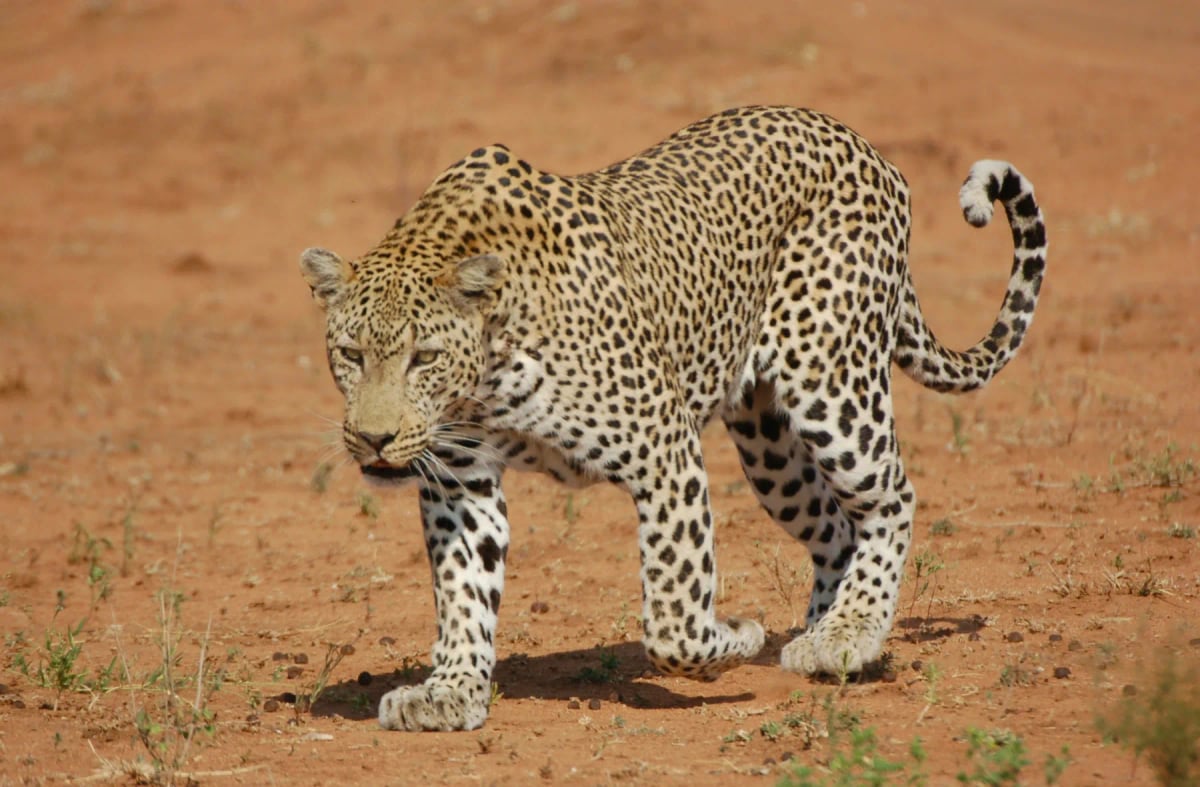
Leopard
Panthera pardus
In Uganda, leopards are present across savanna parks such as Kidepo Valley and Murchison Falls, as well as in forest areas including Bwindi. They are nocturnal and solitary, and sightings are far less common than those of lions or elephants. Leopards in Uganda face threats from snaring, retaliatory killing by farmers, and habitat loss at the edges of protected areas. IUCN status: Vulnerable.
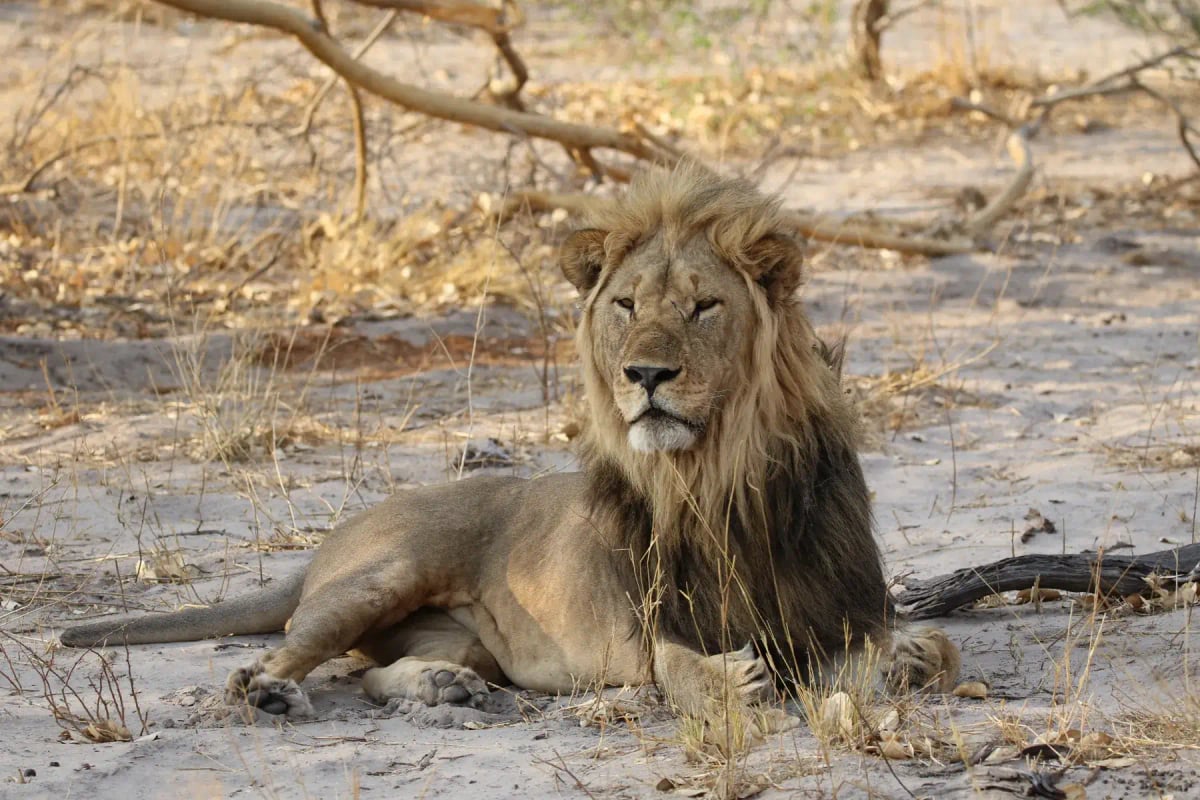
Lion
Panthera leo
In Uganda, lions are found mainly in Queen Elizabeth National Park, where tree climbing lions are one of the park's most distinctive attractions. The population is relatively small and has faced pressure from poisoning by herders in areas bordering the park. Kidepo Valley National Park in the northeast also holds a significant lion population in a more remote and less visited landscape.
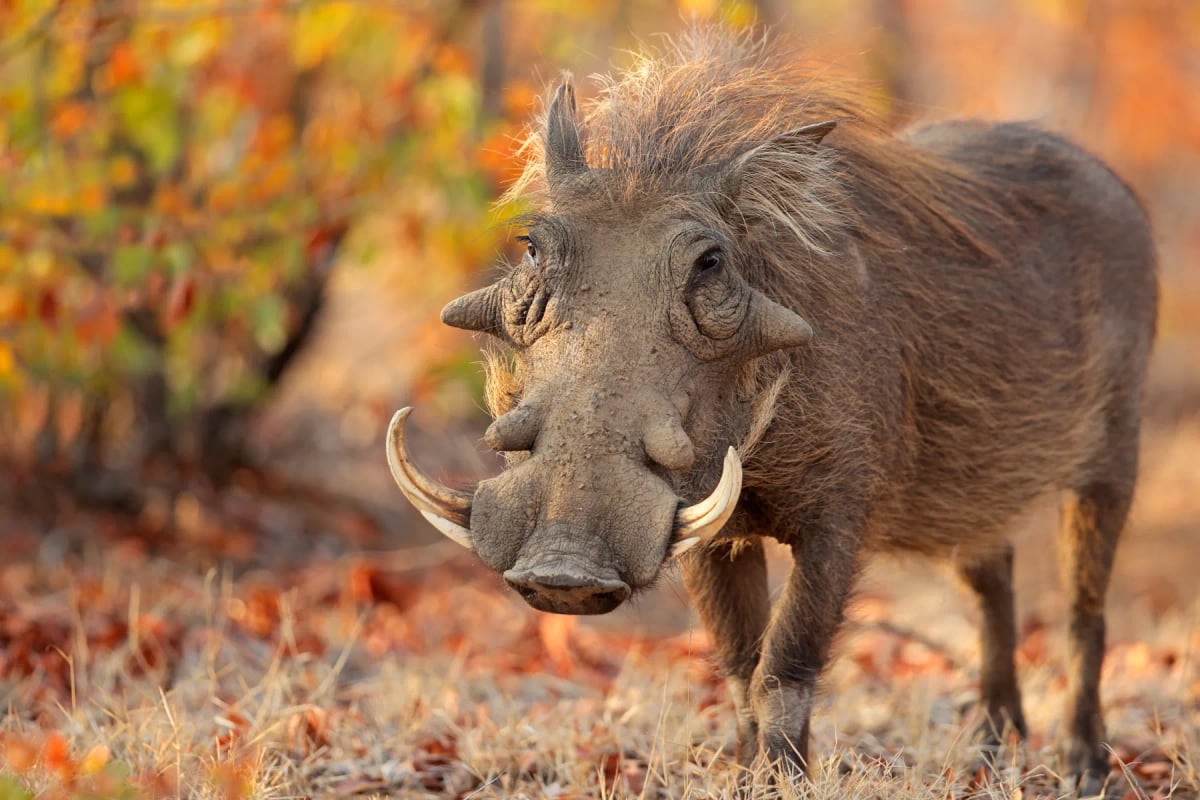
Warthog
Phacochoerus africanus
Warthogs are widely distributed across Uganda's savanna zones, with strong populations in Queen Elizabeth National Park, Murchison Falls National Park, and Kidepo Valley National Park. They are a familiar and lively presence on open grasslands, often seen in small family groups. Uganda's well-managed national parks provide reliable protection for the species, and encounters with warthogs are a highlight for many visitors to the country.
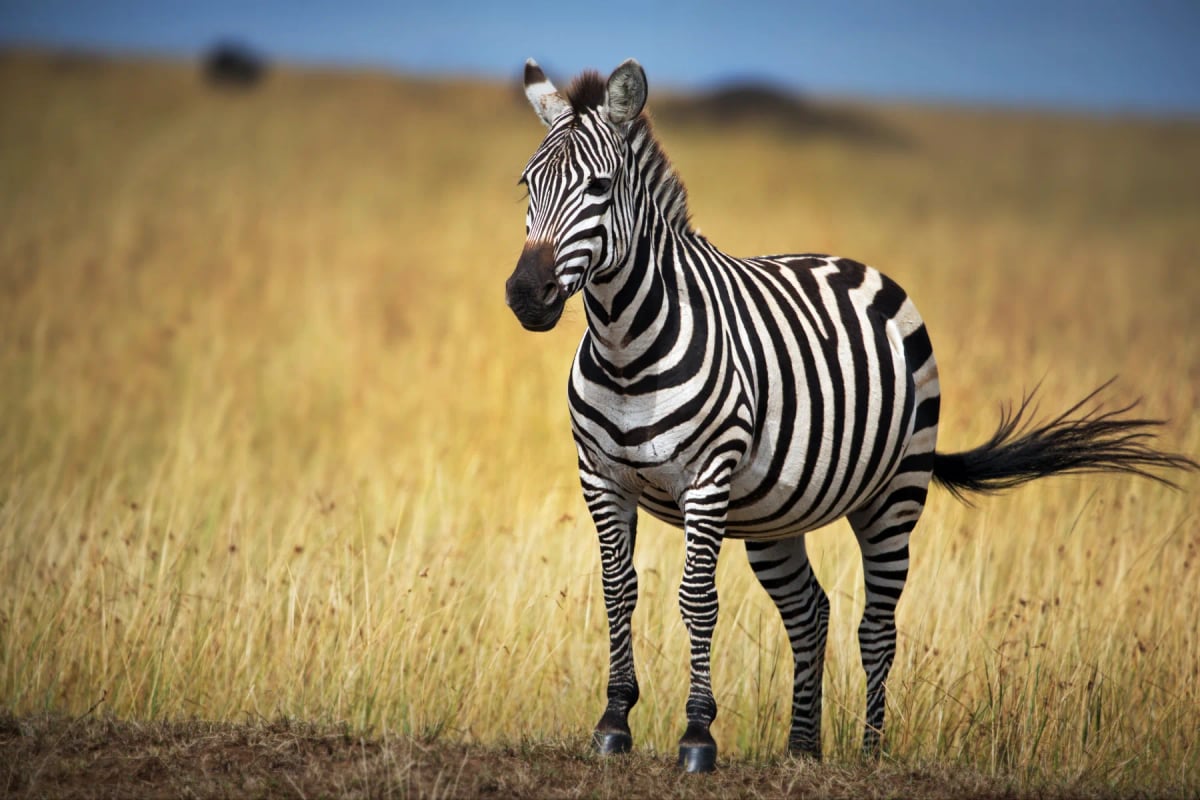
Zebra
Equus spp.
In Uganda, plains zebras are most reliably seen in Lake Mburo National Park, one of the few reserves in the country where they occur in good numbers, as well as in Kidepo Valley National Park in the far northeast. Compared with other grazing animals, zebras have a more limited distribution in Uganda, making these two parks especially important for viewing them.
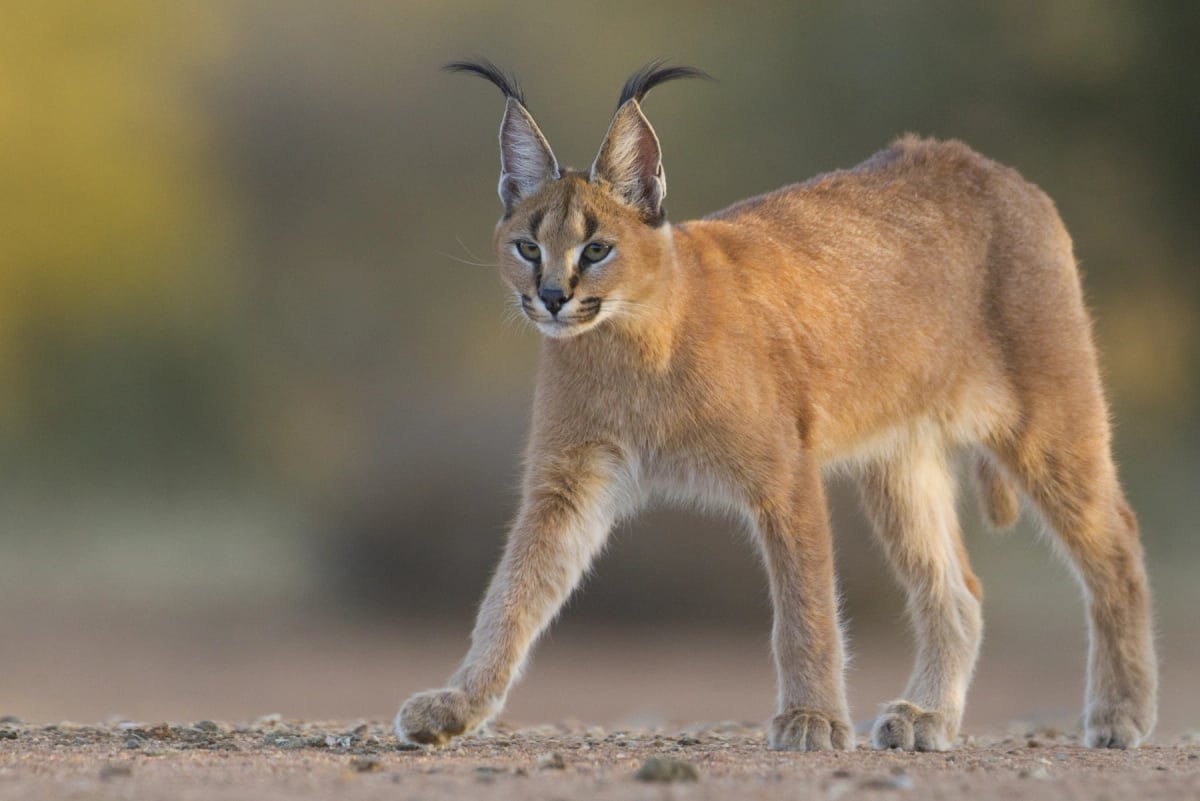
Caracal
Caracal caracal
In Uganda, the caracal is present in savanna and dry woodland areas, particularly in the drier northern and northeastern regions of the country. It tends to avoid the dense equatorial forests that dominate much of central Uganda. Nocturnal and elusive by nature, it preys on rodents, birds, and small antelopes. The IUCN lists it as Least Concern, though habitat conversion remains an ongoing concern across its range.
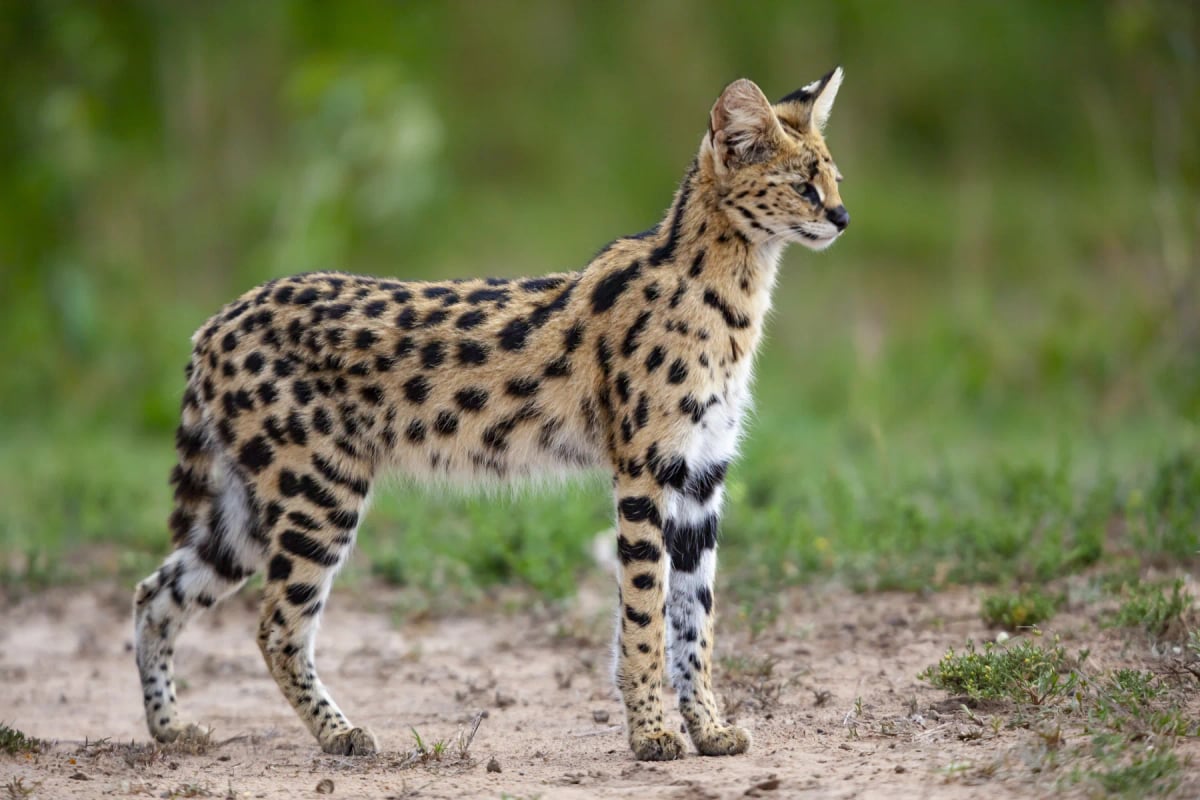
Serval
Leptailurus serval
Uganda's well-watered landscape, including the wetlands around Lake Victoria and the grasslands of Queen Elizabeth National Park, provides excellent habitat for the serval. It is a solitary hunter that relies on tall vegetation to stalk prey, leaping up to 3 meters to catch rodents and birds. The IUCN rates the serval as Least Concern, and Uganda's network of national parks offers meaningful protection for the species.
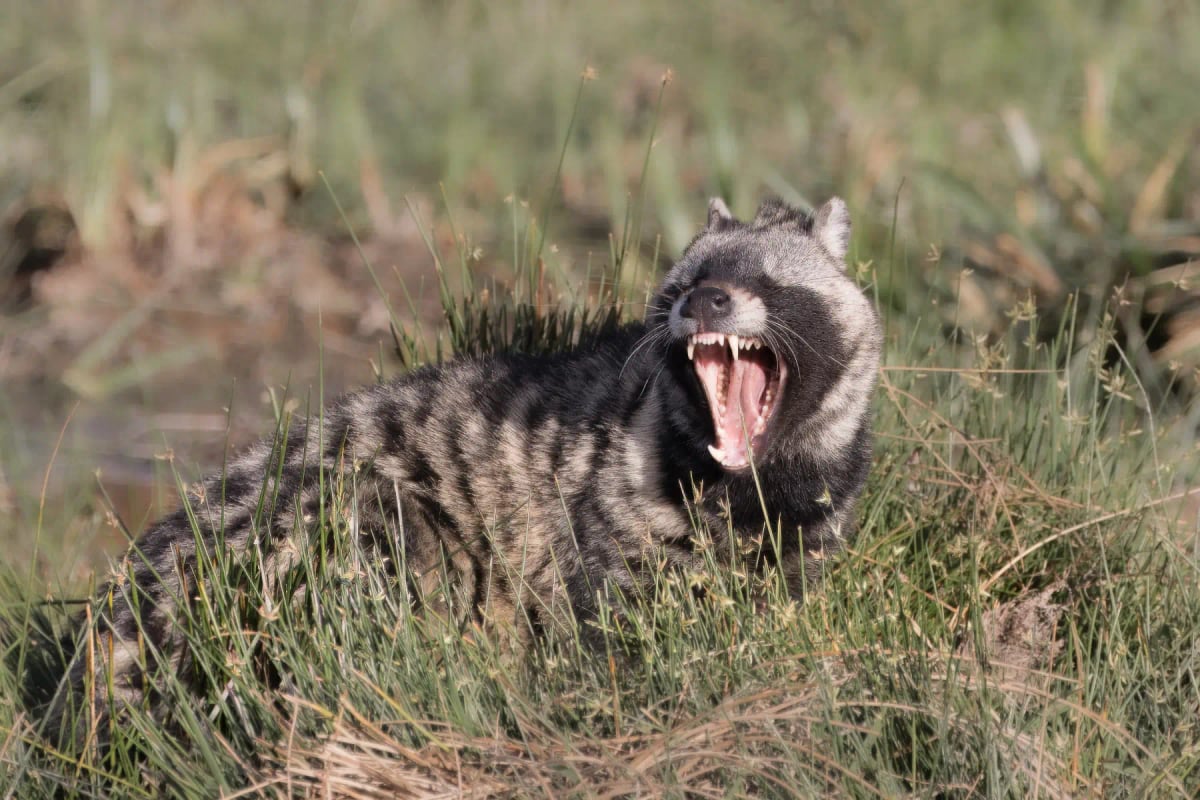
African Civet
Civettictis civetta
Uganda's diverse habitats make it one of the most important East African countries for the African civet. The species ranges from the rainforests of Bwindi and Kibale in the west to the savanna woodlands of Queen Elizabeth and Murchison Falls National Parks. Night drives across Uganda's major parks produce regular sightings as civets patrol roads and river margins after dark.
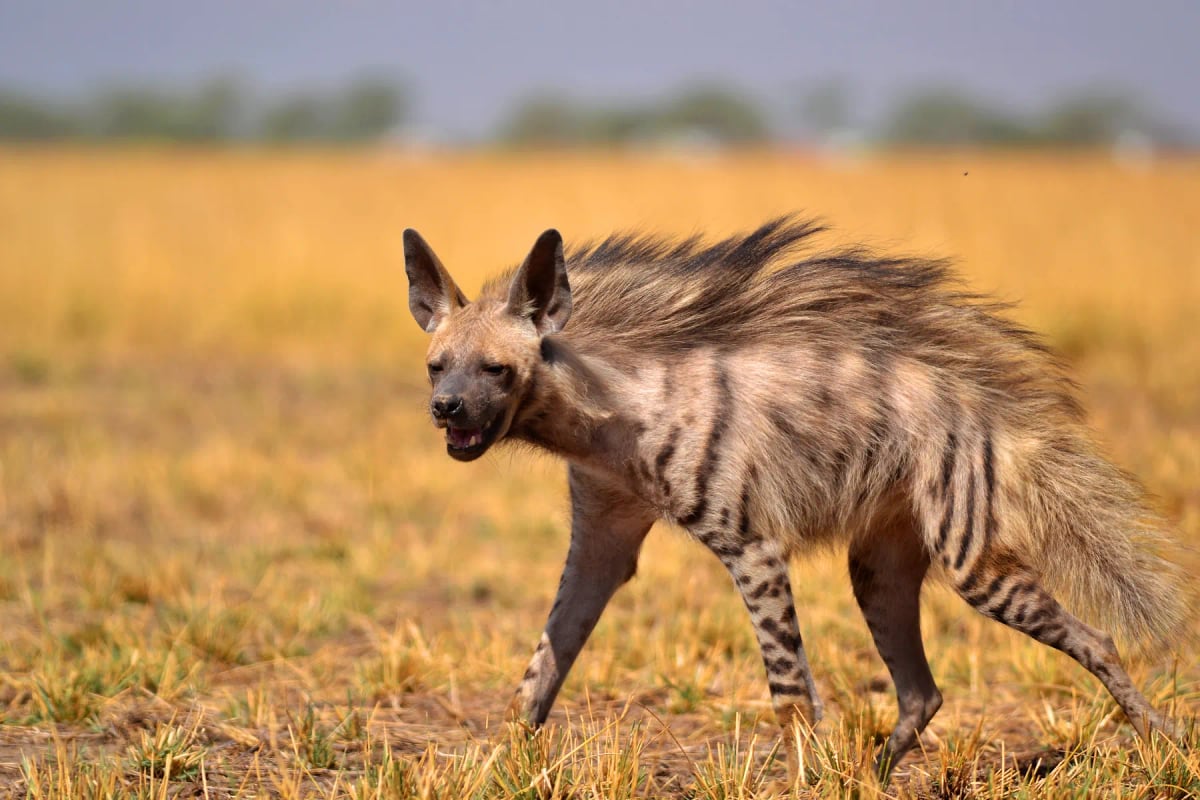
Striped Hyena
Hyaena hyaena
The striped hyena has a limited and poorly documented presence in Uganda, where it may occur in dry, semi-arid areas in the northeast of the country. It is far less common and less studied here than elsewhere in East Africa. Nocturnal and solitary by nature, it avoids areas of dense human activity. The IUCN lists it as Near Threatened globally, and in Uganda its status is uncertain, partly due to the scarcity of reliable sighting records.
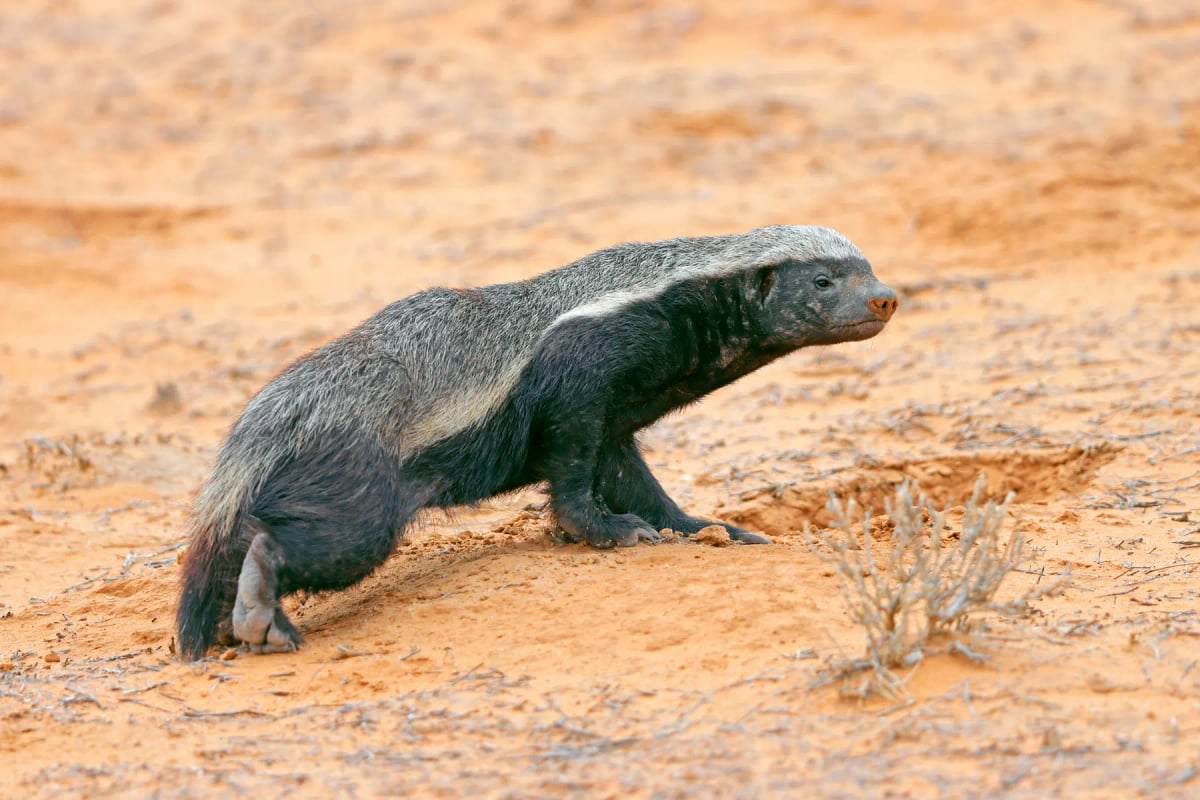
Honey Badger
Mellivora capensis
The honey badger is found across Uganda's savanna parks, including Murchison Falls and Queen Elizabeth National Park, as well as drier woodland in the north and northeast. It digs for rodents, reptiles and insects and is known to raid beehives, which sometimes brings it into conflict with local farmers. Habitat loss from agriculture is a growing pressure, though the species remains listed as Least Concern by the IUCN.
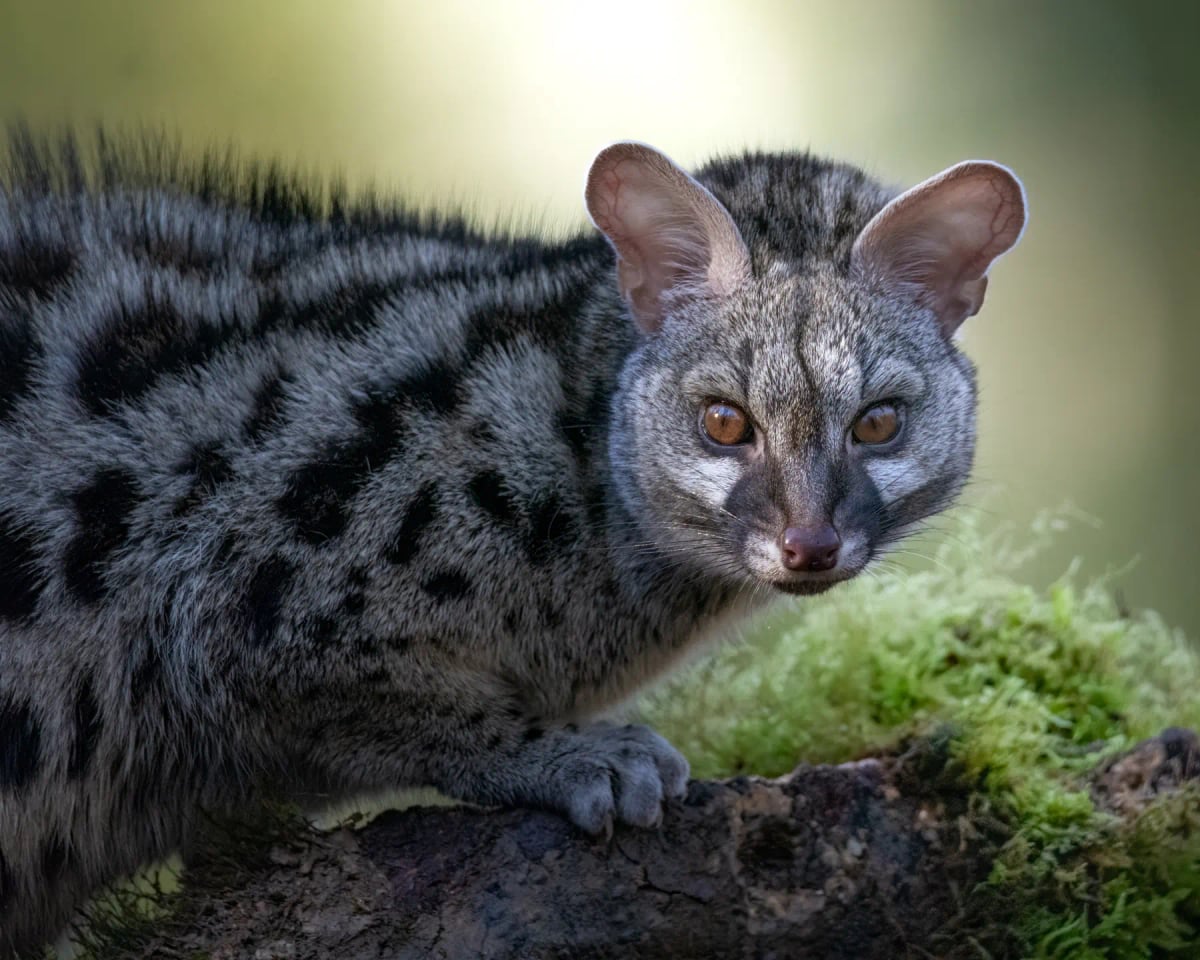
Common Genet
Genetta genetta
Uganda's forests, woodland savannas, and areas around the Albertine Rift provide good habitat for the common genet. The species is nocturnal and stays well hidden, making it more often detected by its droppings or tracks than by direct sighting. It hunts small mammals, birds, and insects. Across Uganda and the broader East African region, it is classified as Least Concern by the IUCN.
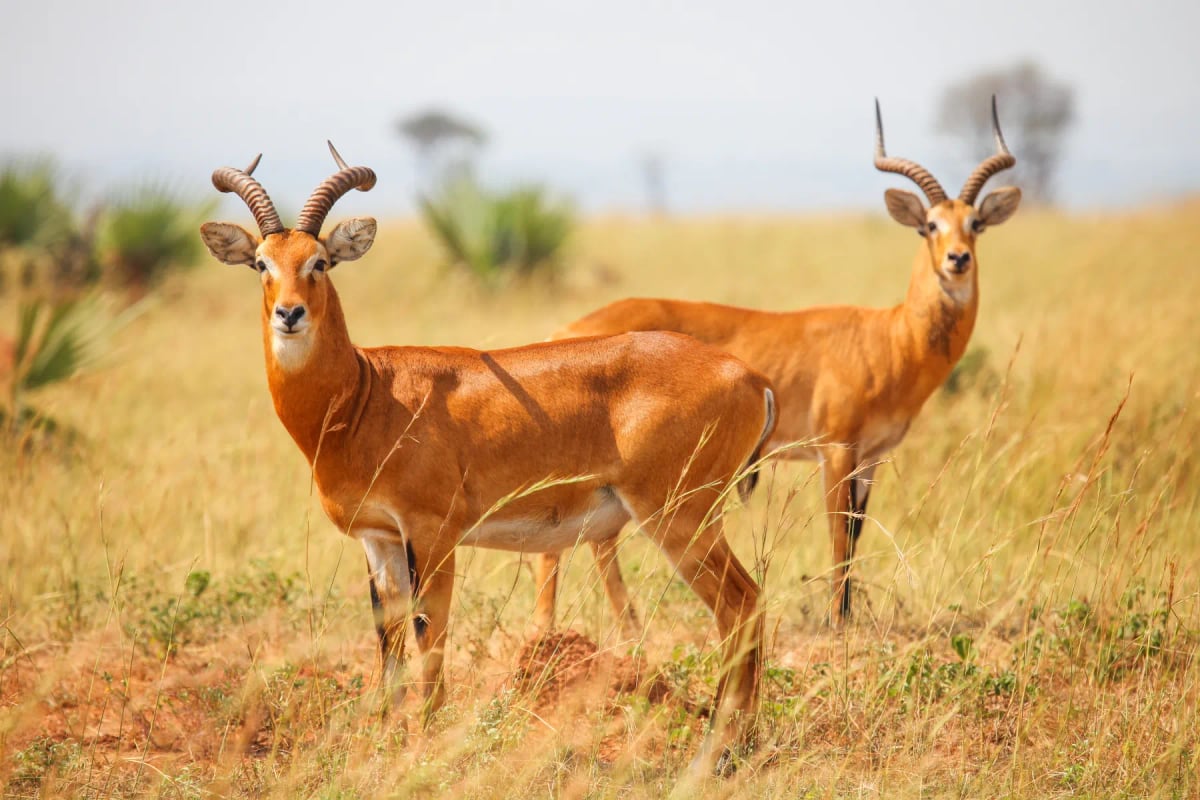
Kob
Kobus kob
Uganda holds a significant kob population, and the Uganda kob is even featured on the country's coat of arms. It is abundant in Queen Elizabeth National Park and Murchison Falls National Park, where it grazes on open floodplains close to water. The lekking behavior of males, where they compete on small packed territories to attract females, is frequently observed here. The IUCN lists the kob as Least Concern, and Uganda's protected areas support healthy numbers.
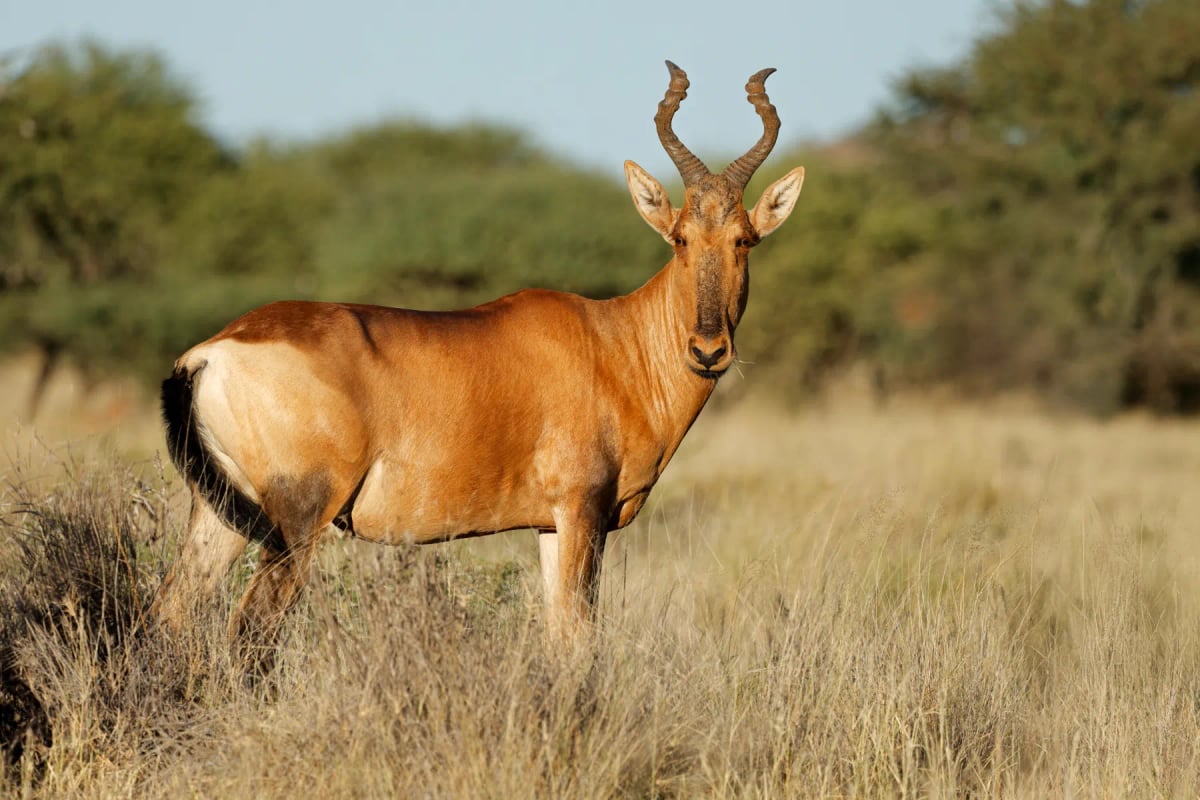
Hartebeest
Alcelaphus buselaphus
Uganda's hartebeests, belonging to the Lelwel subspecies, are found mainly in the northeastern and northern parts of the country, including Kidepo Valley National Park and Murchison Falls National Park. These open savanna areas provide the grasses they depend on year-round. The subspecies faces threats from poaching and habitat encroachment, and Uganda's populations are considered vulnerable at the local level, making ongoing park management essential for their survival.
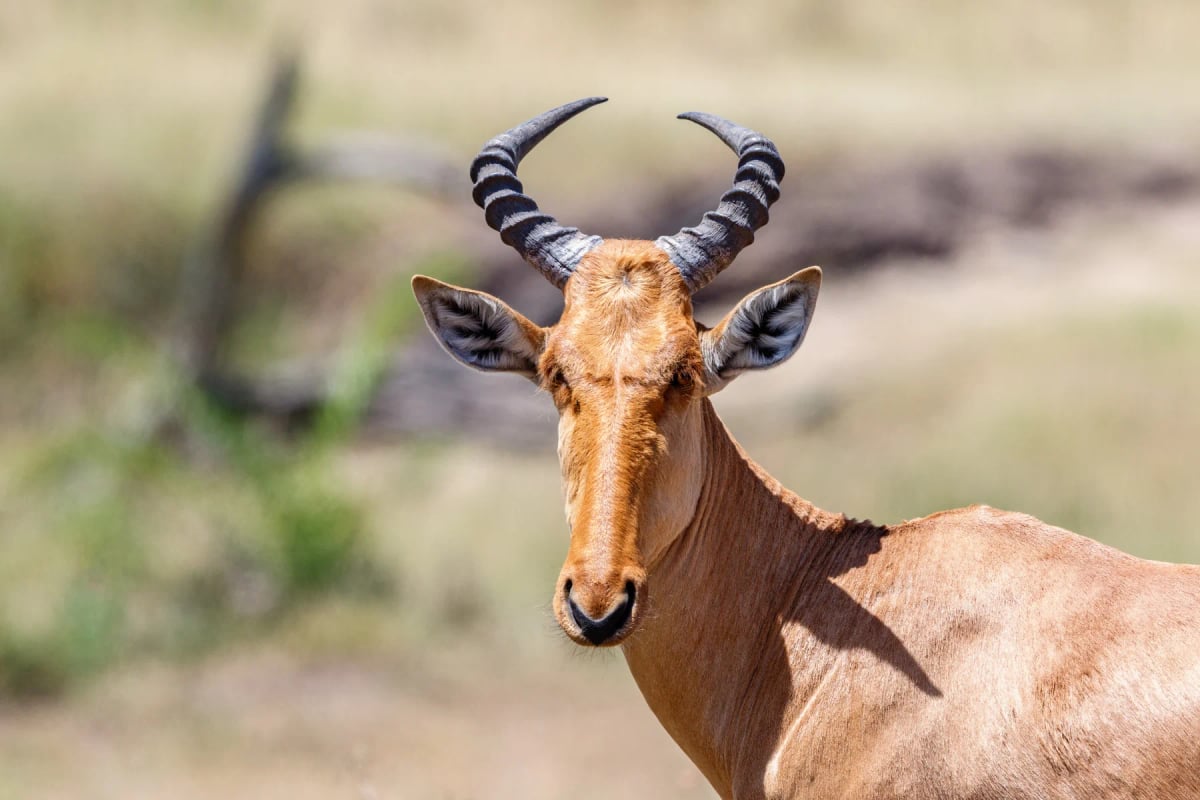
Topi
Damaliscus lunatus
In Uganda, topis are found mainly in the grasslands of Kidepo Valley National Park in the far north and in Queen Elizabeth National Park in the west. Kidepo's remote savanna, which borders South Sudan and Kenya, provides open grazing land that suits this antelope well. Uganda's protected areas have played a key role in maintaining topi populations through periods of broader regional instability. IUCN status: Least Concern.
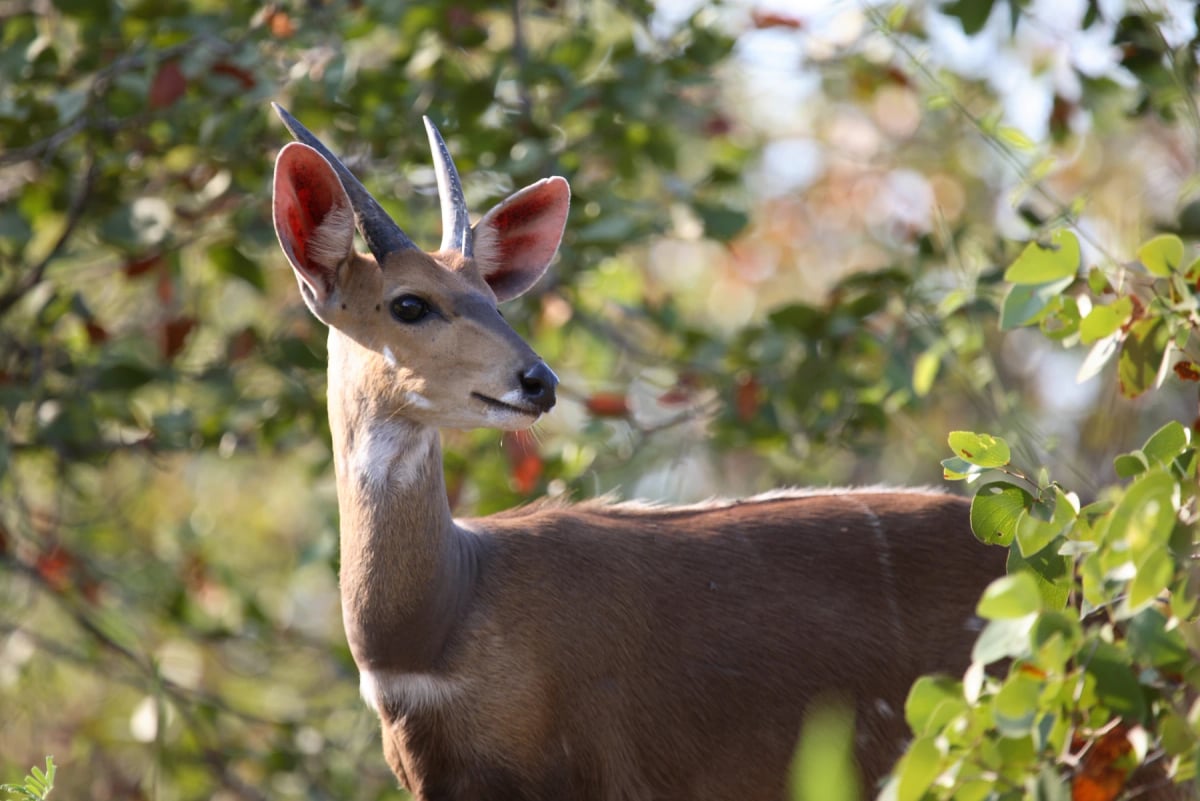
Bushbuck
Tragelaphus scriptus
Uganda's bushbucks thrive in the country's diverse habitats, including forest edges, woodland areas, and dense vegetation along rivers and streams. These shy, solitary antelope prefer areas with thick protective cover where they can evade predators and disturbance. Their reddish brown coloring with distinctive white markings provides excellent camouflage within forest understory. Bushbucks are primarily nocturnal, emerging to feed on leaves, shoots, and fruits during darkness and twilight hours.
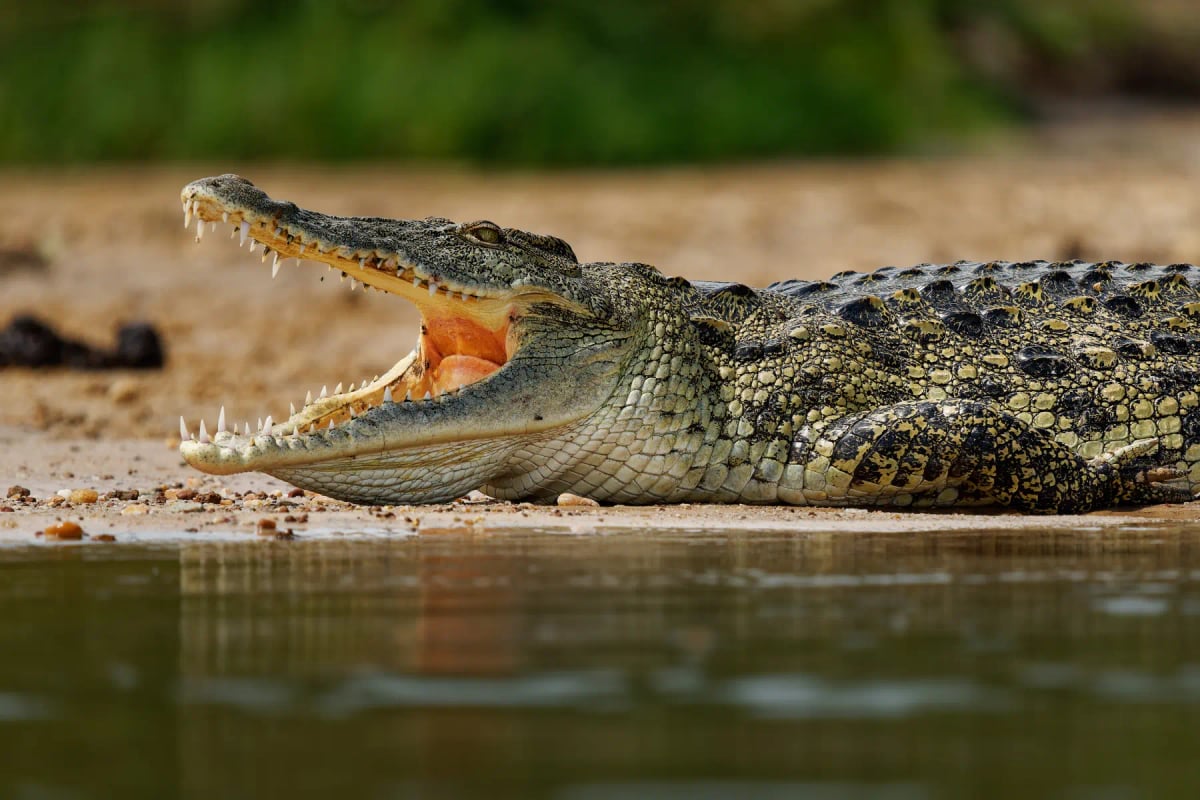
Nile Crocodile
Crocodylus niloticus
Uganda's Nile crocodiles are closely associated with the Victoria Nile, particularly around Murchison Falls National Park, where the river thunders through a narrow gorge before widening into calmer waters ideal for these reptiles. Boat trips along this stretch offer reliable sightings. The species also inhabits the shores of Lake Victoria, where interactions with local fishing communities require ongoing management and awareness efforts.
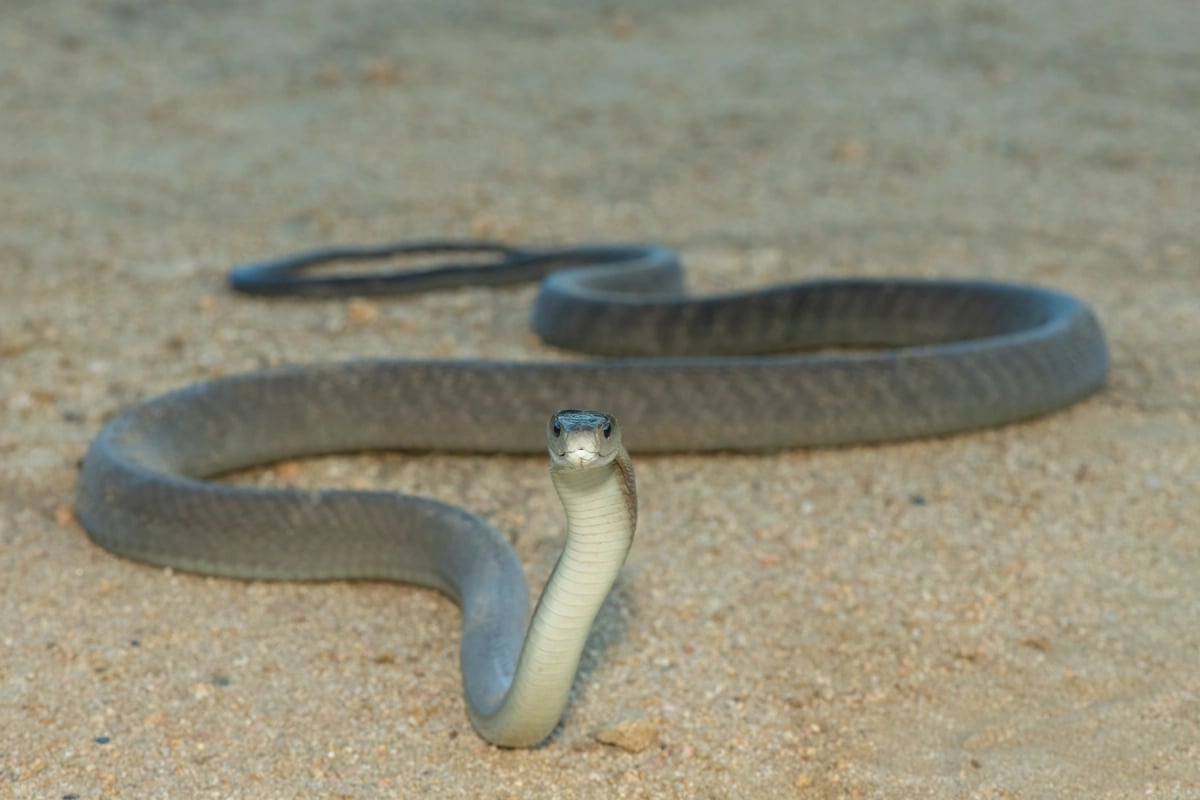
Black Mamba
Dendroaspis polylepis
In Uganda, the black mamba is found in savanna corridors and open woodland habitats, including areas bordering national parks such as Kidepo Valley and Murchison Falls. Though encounters with people are relatively uncommon, bites pose a serious medical risk given the snake's highly potent venom. Conservation efforts across Uganda help maintain the broader ecosystems that support this species alongside other wildlife. IUCN status: Least Concern.
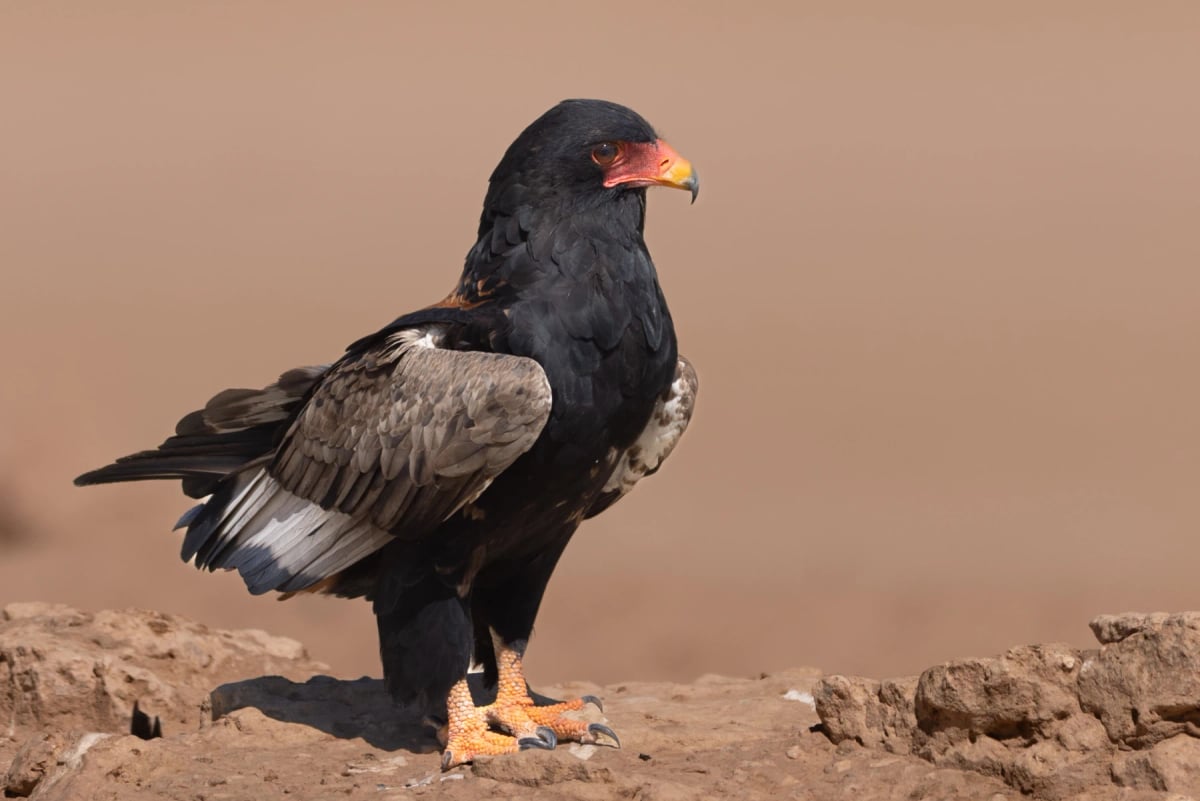
Bateleur
Terathopius ecaudatus
Uganda's savanna regions, especially in the north and northeast around Kidepo Valley and Murchison Falls National Parks, provide habitat for the Bateleur. This eagle is known to soar over open terrain for much of the day, often covering 300 km in a single outing. Classified as Endangered, it is vulnerable to poisoning and power line collisions. Conservation within Uganda's national parks is central to protecting remaining populations.
Grey Crowned Crane
Balearica regulorum
The Grey Crowned Crane is Uganda's national bird, proudly displayed on the country's flag and coat of arms. It thrives in the wetlands and moist grasslands surrounding Lake Victoria and the Albertine Rift. Despite its cultural importance, the species is Endangered nationwide, threatened by wetland drainage and the illegal pet trade. Conservation efforts in Uganda are central to protecting the future of this iconic bird across all of Africa.
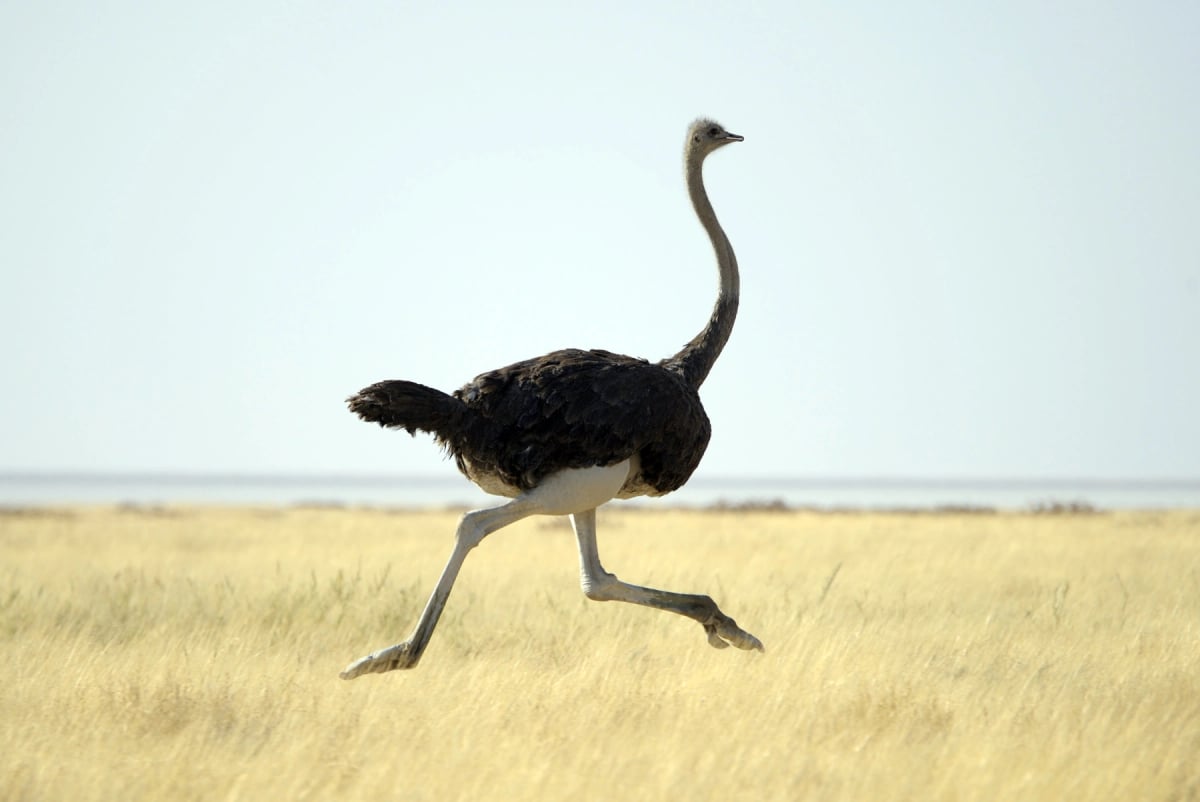
Ostrich
Struthio camelus
In Uganda, ostriches are found in the semi-arid savannas of the northeast, particularly around Kidepo Valley National Park, one of the few protected areas in the country where wild populations persist. The park's open, rugged landscape suits their need for wide visibility and room to run. They live in small groups and feed on seeds, grasses, and leaves. Their IUCN status is Least Concern.
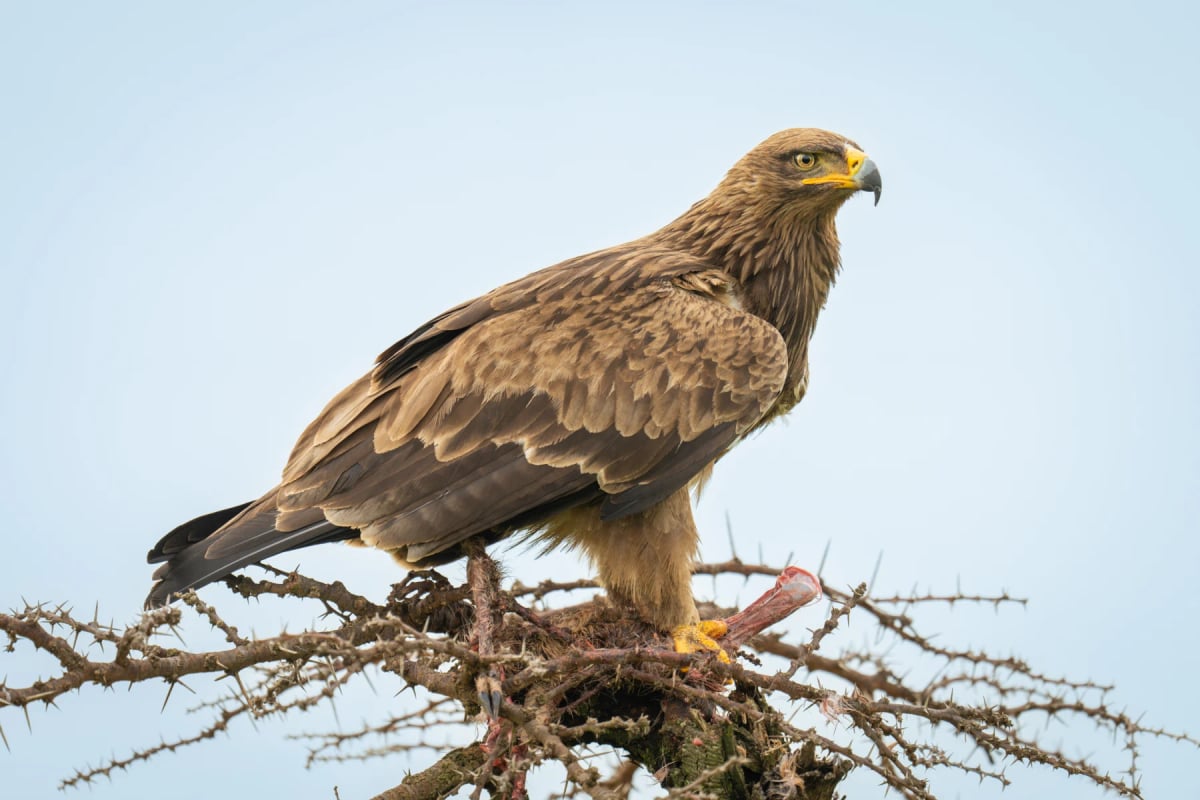
Steppe Eagle
Aquila nipalensis
Uganda's open savanna and grasslands in the north and east attract wintering Steppe Eagles on their long journey from the breeding grounds of Central Asia. The birds often congregate around sources of carrion or mass termite flights, feeding opportunistically. Uganda forms part of the East African wintering belt for this Endangered species, and maintaining intact grassland habitats in the country contributes directly to its prospects over the long term.
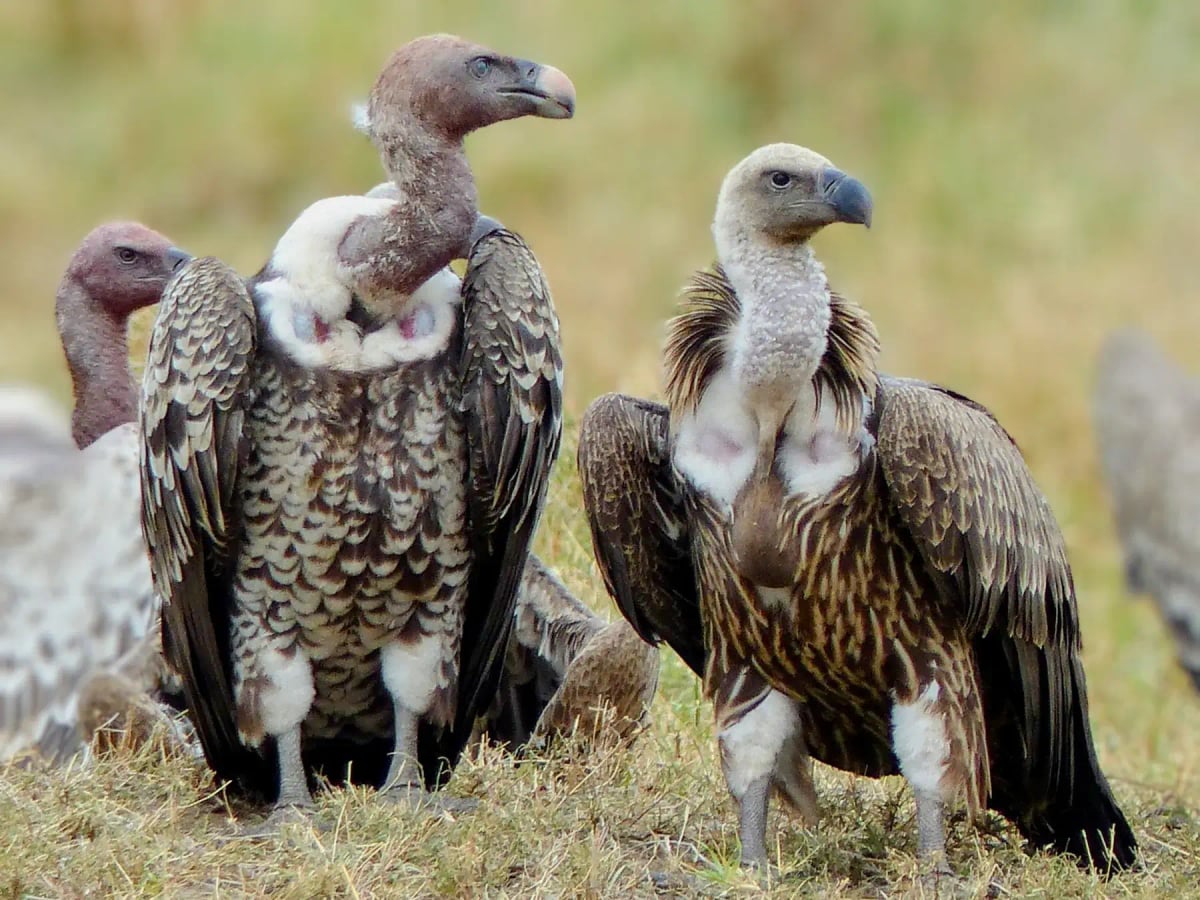
White backed Vulture
Gyps africanus
In Uganda, the white backed vulture is found mainly in Queen Elizabeth and Murchison Falls national parks, where savanna habitats support the large mammals it depends on for food. Outside protected areas, the species faces pressure from habitat loss and poisoning. Uganda's park system plays a vital role in keeping viable numbers of this Critically Endangered bird within the country's borders.
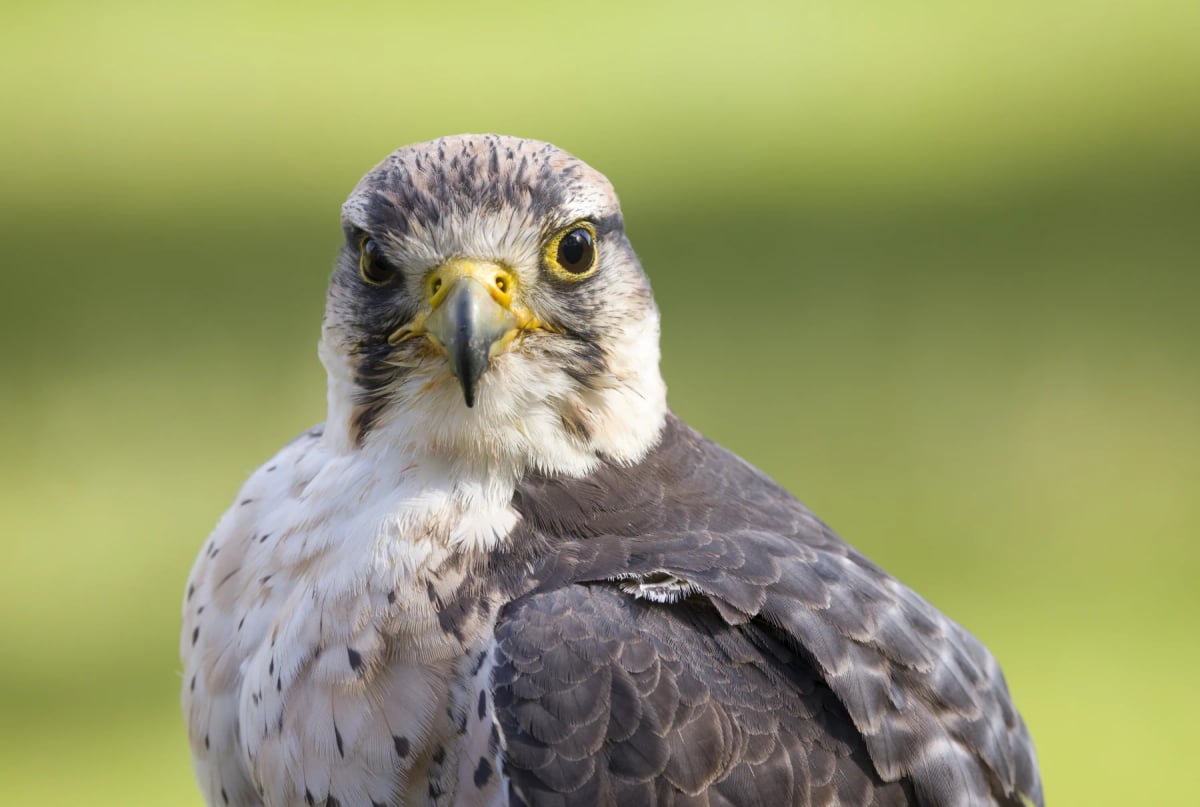
Lanner Falcon
Falco biarmicus
In Uganda, the lanner falcon is found across open savanna and rocky areas, including around the Rift Valley escarpments. It is an opportunistic hunter that targets birds flushed from grassland and scrub. Habitat loss due to agricultural expansion poses a local threat. The species is listed as Least Concern by the IUCN, and sightings are recorded across several national parks.
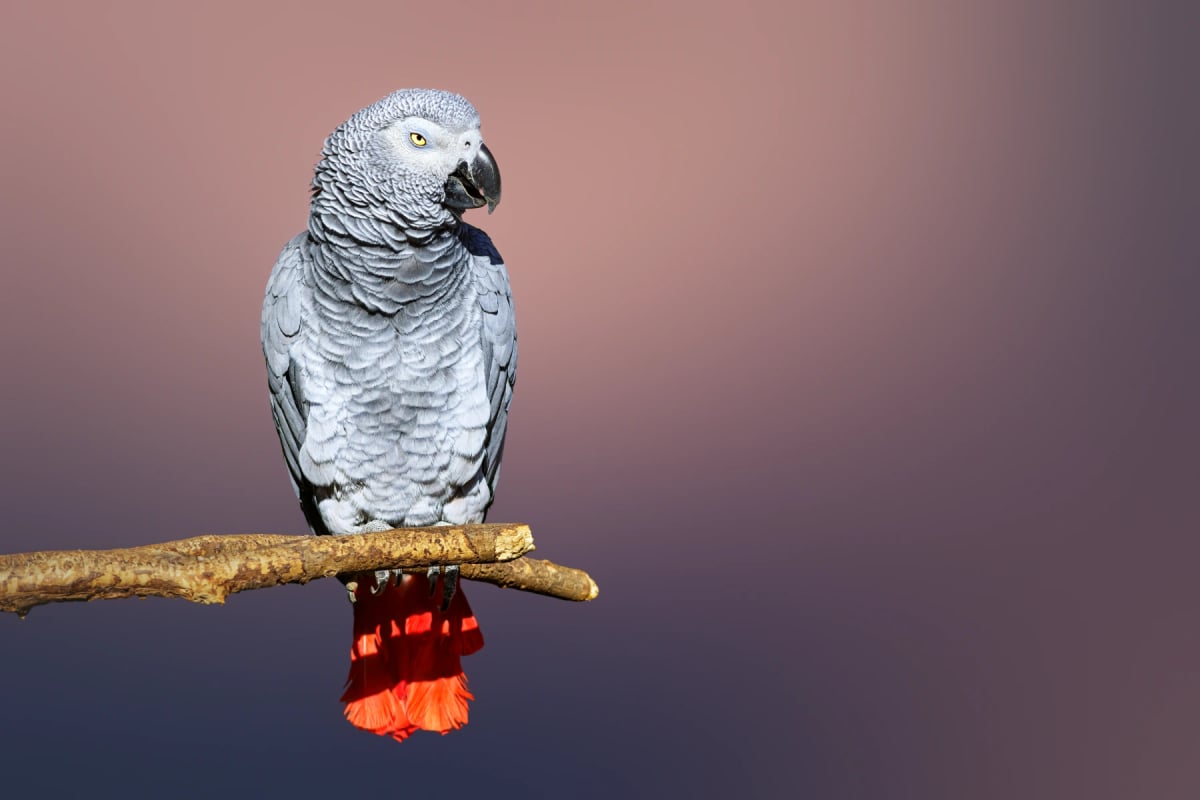
African Grey Parrot
Psittacus erithacus
Uganda holds African grey parrots in the tropical forests of the west and northwest, with Budongo Forest and Bwindi Impenetrable National Park among the most important sites. The species also occurs in forests along the shores of Lake Victoria and on some of the lake's islands, representing one of the easternmost extensions of its range on the African mainland. Uganda was identified as one of the countries with documented population declines from trapping, and forest loss driven by agricultural expansion continues to reduce available habitat across the western forest zone.
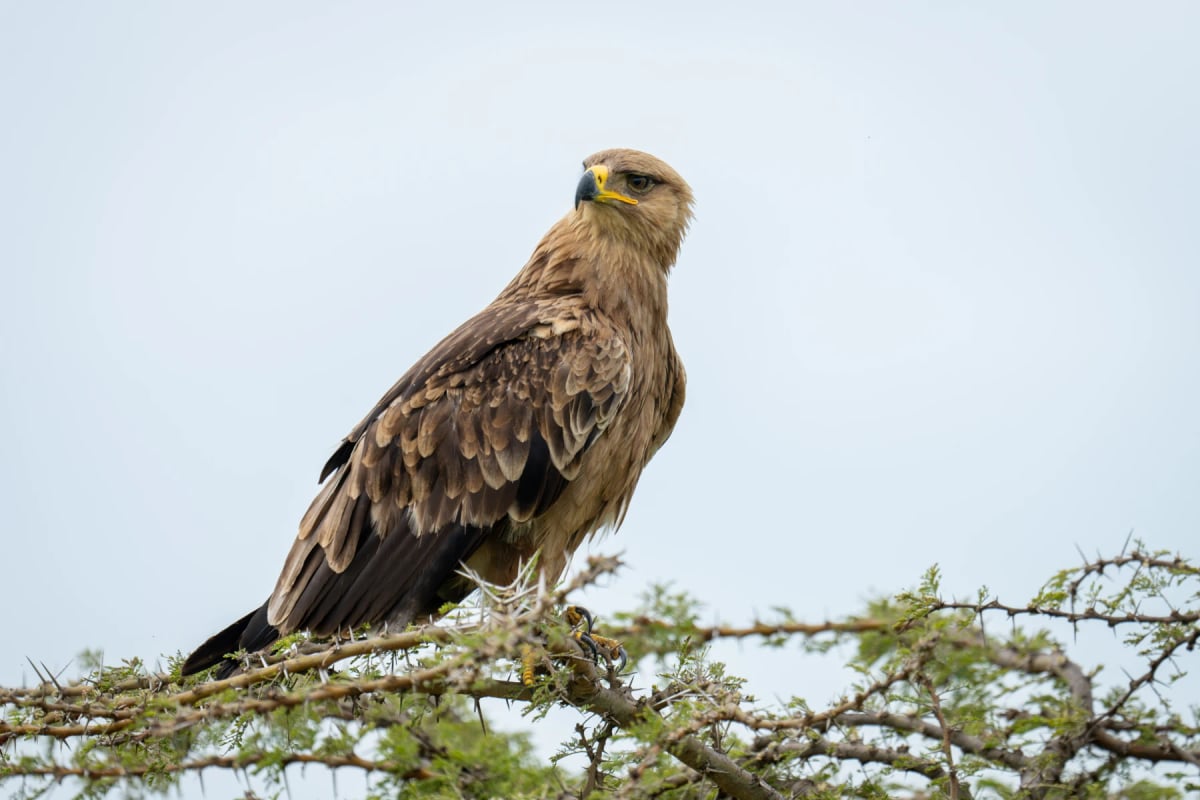
Tawny Eagle
Aquila rapax
In Uganda, the tawny eagle is found mainly in the drier savanna areas of the north and northeast, such as Kidepo Valley National Park. It hunts over open ground and is also drawn to carrion. Expanding agricultural land and the accidental poisoning of carcasses intended for large predators have contributed to population declines across the region. The IUCN currently classifies it as Vulnerable.
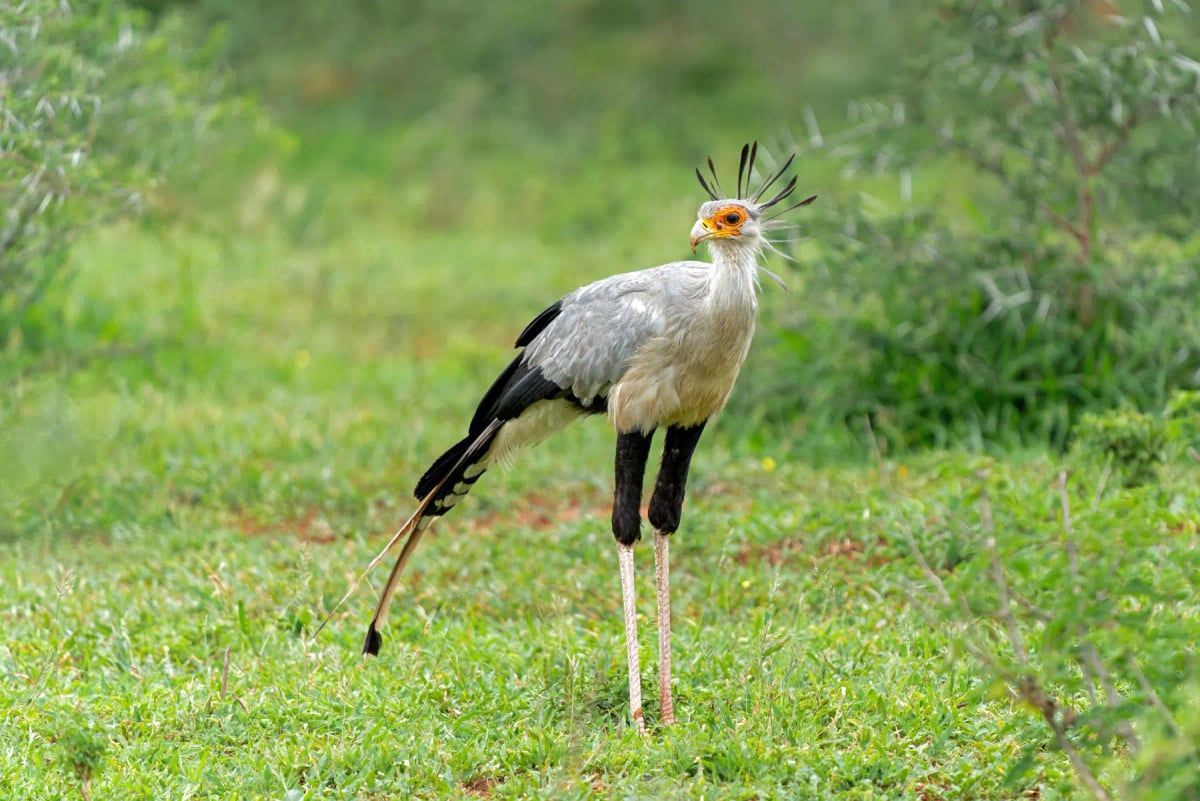
Secretary Bird
Sagittarius serpentarius
In Uganda, the secretary bird occurs mainly in the grasslands and open savannas of the north and northeast, including areas around Kidepo Valley National Park. It hunts on foot across these flat, open terrains, taking snakes, rodents, and insects. Uganda's growing agricultural sector puts pressure on natural grasslands, threatening this Endangered species. Its tall, upright silhouette striding through the savanna is one of Africa's most striking wildlife sights.
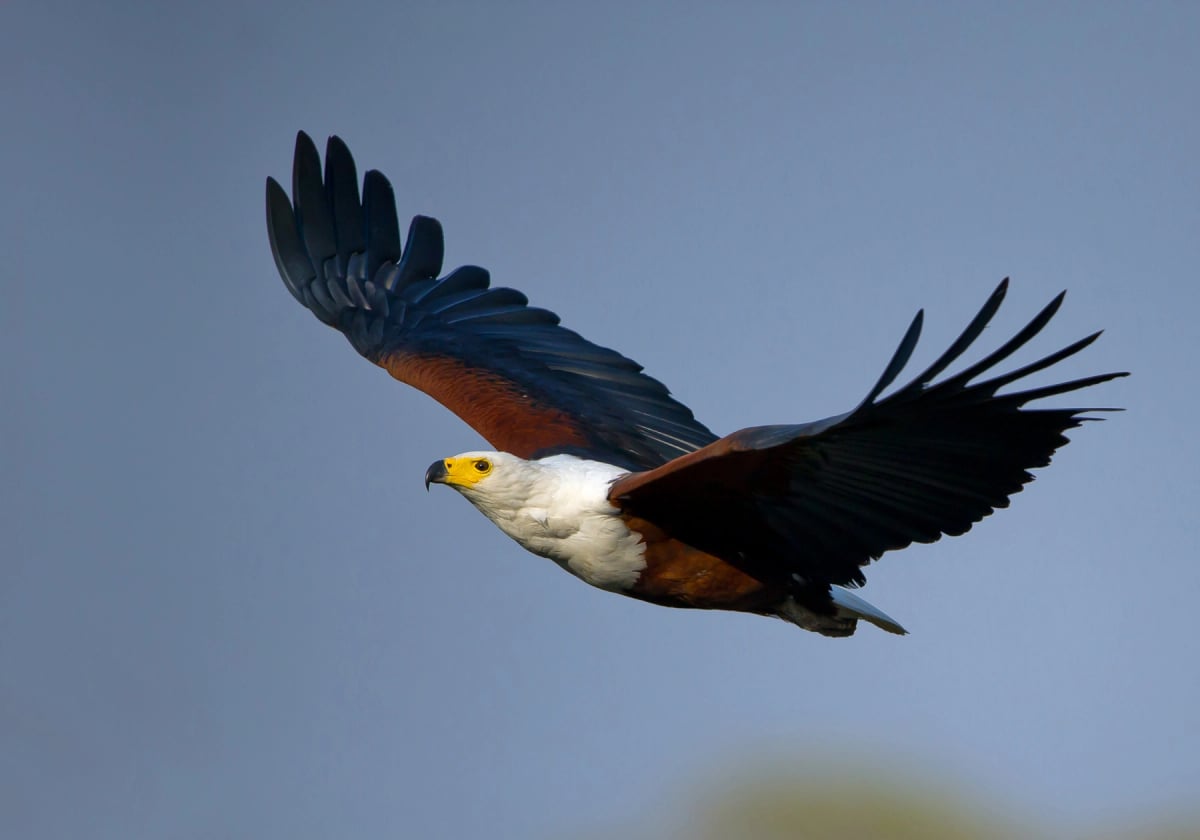
African Fish Eagle
Haliaeetus vocifer
Uganda is one of the strongholds of the African fish eagle in East Africa. Lake Victoria, Lake Albert, Lake Edward, Lake George and the Victoria Nile provide extensive and productive freshwater habitat across the country. The bird is abundant and easy to observe at nearly every major water body, including Murchison Falls National Park, Queen Elizabeth National Park and the Kazinga Channel. Its call is one of the defining sounds of the Ugandan wilderness.
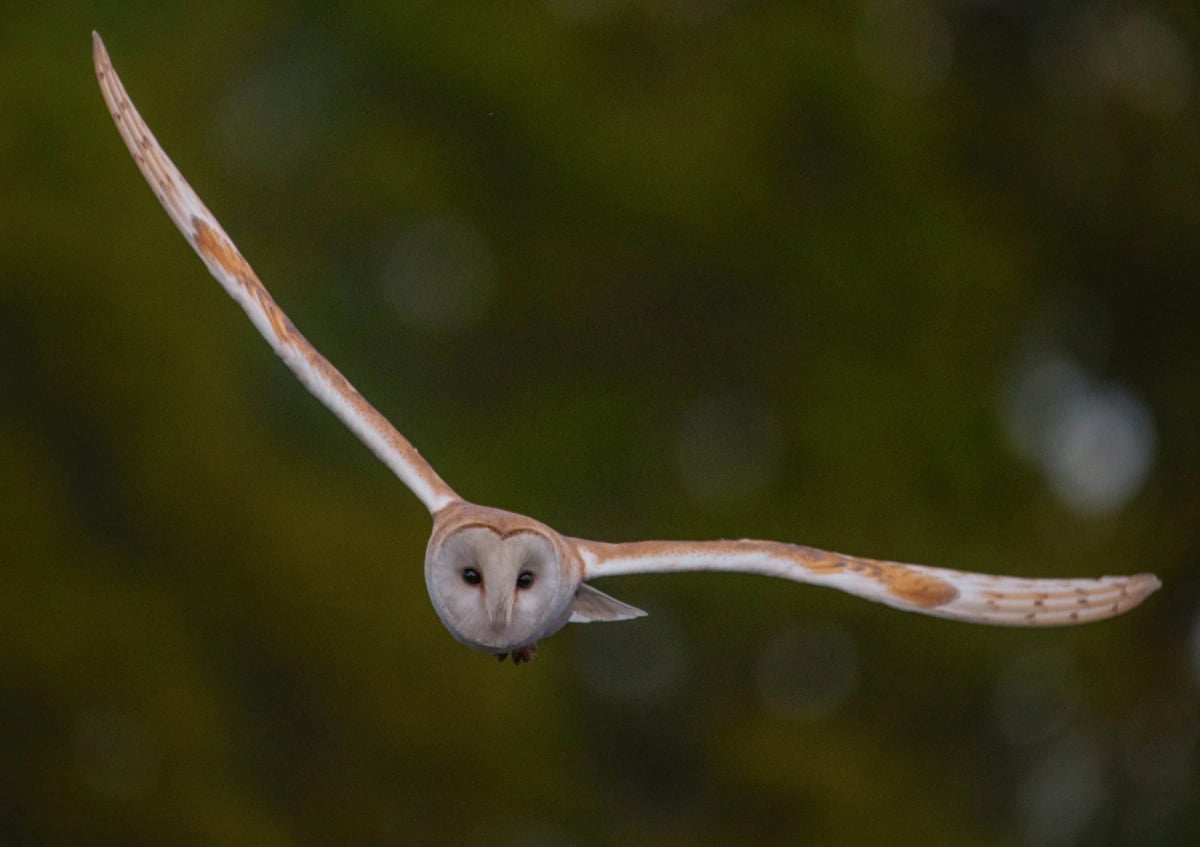
Barn Owl
Tyto alba
The barn owl is found across Uganda in open farmland, grassland, and areas near villages and towns throughout the country, from the shores of Lake Victoria to the highland areas of the west and southwest. It nests in old buildings, hollow trees, and cliff faces, and hunts rodents at night with exceptional precision. In Uganda's densely farmed landscapes it plays a useful role in controlling the small mammal populations that damage stored maize, millet, and other crops. It is one of the more commonly encountered owls across the country's open habitats.
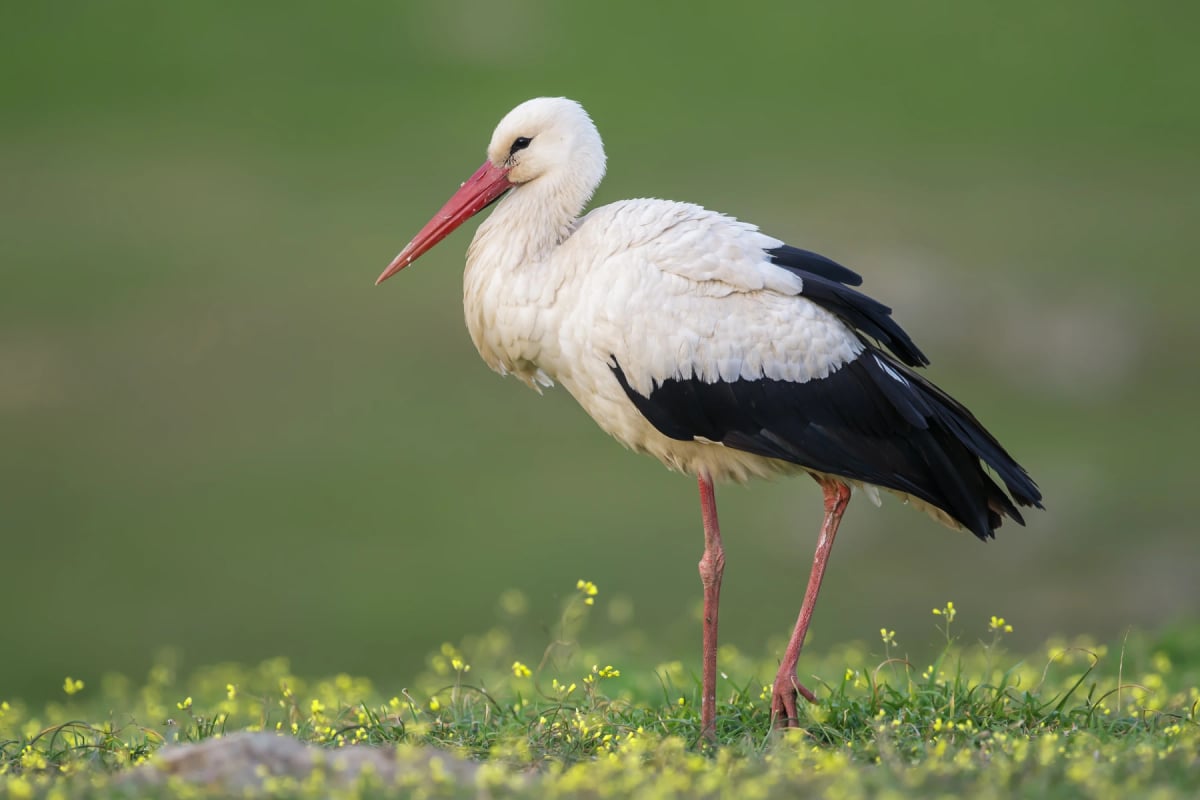
Stork
Ciconia ciconia
The white stork visits Uganda as a non-breeding migrant, arriving from Europe during the northern winter. Open grasslands, wetlands around Lake Victoria, and the broad plains of the north provide feeding grounds where birds hunt insects, frogs, and small animals. Uganda's position along the East African Rift makes it a natural stop on the migratory route through the continent. Storks can gather in impressive numbers in suitable open habitats. IUCN status: Least Concern.
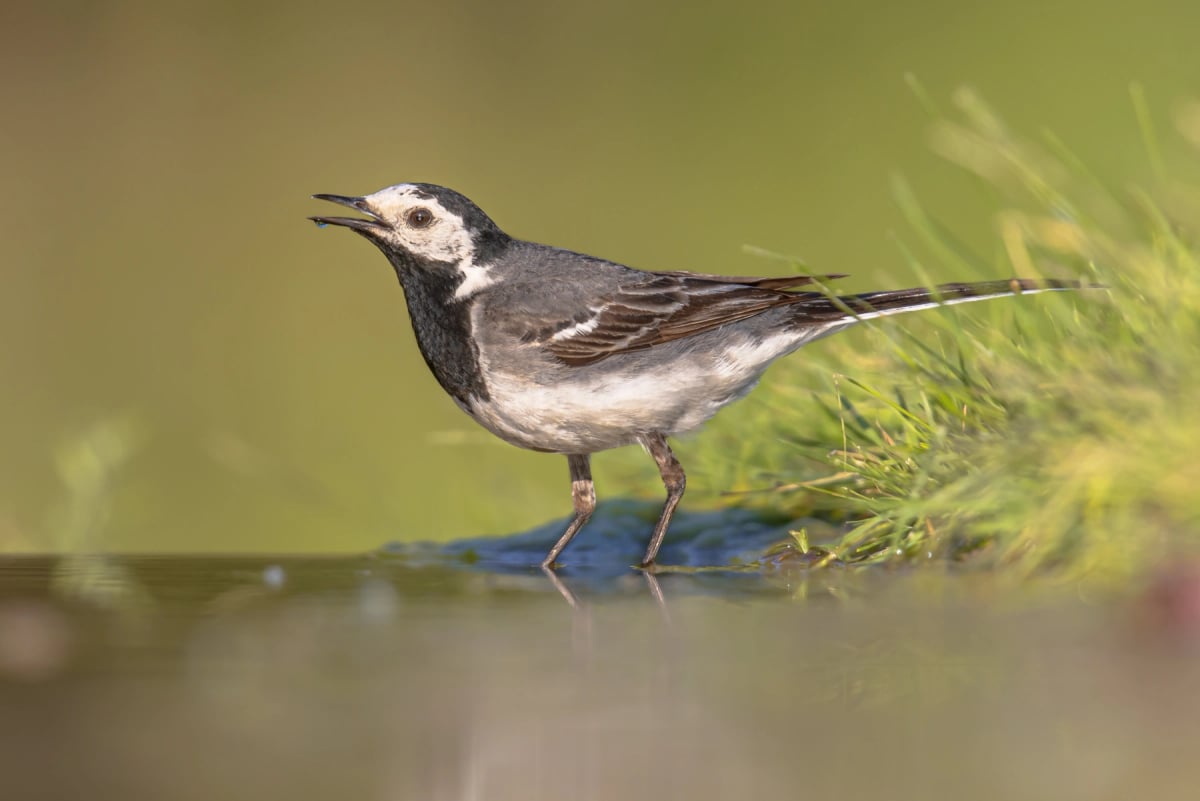
White Wagtail
Motacilla alba
Small black, white and grey bird with a slender tail that bobs up and down as it walks and feeds along the edges of water and open ground.
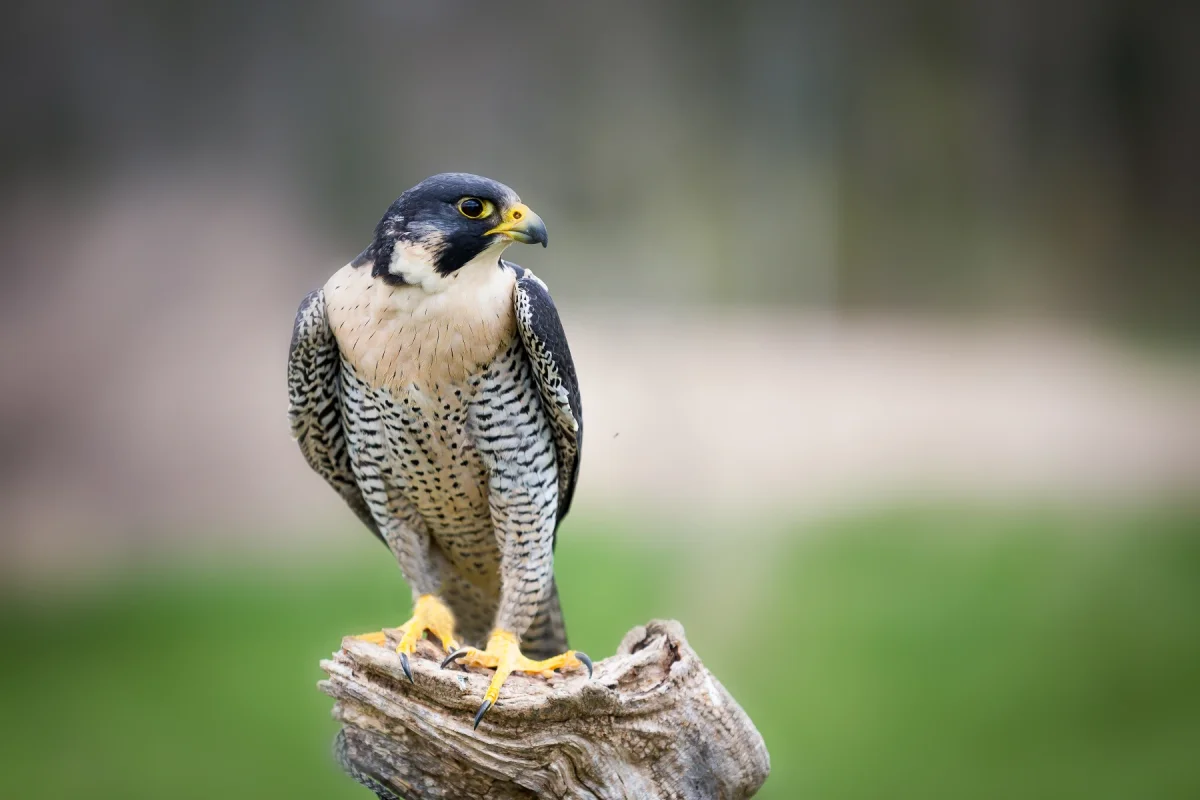
Peregrine Falcon
Falco peregrinus
The peregrine falcon is a non-breeding visitor to Uganda, arriving from its northern breeding grounds during the African winter. It hunts over open savanna, wetlands, and the shores of lakes such as Victoria and Albert. The Rift Valley escarpments and the highlands near the Rwenzori Mountains also provide suitable rocky terrain. Uganda's rich birdlife means this fast falcon has no shortage of prey during its stay. IUCN status: Least Concern.
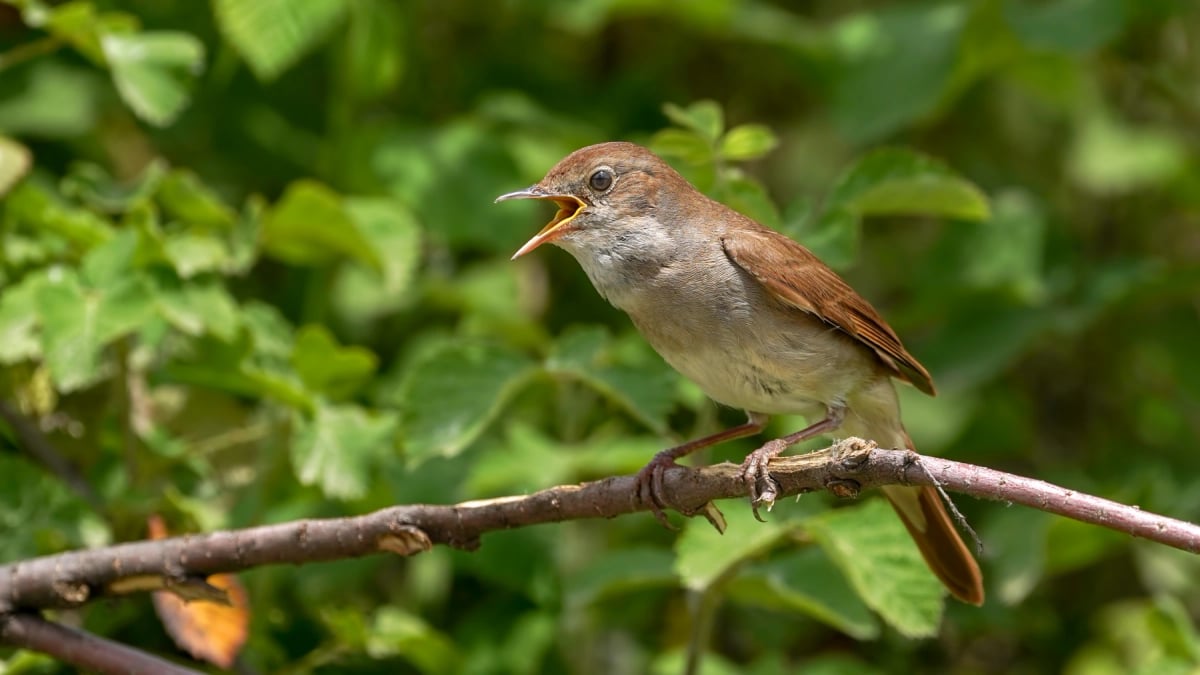
Nightingale
Luscinia megarhynchos
Uganda lies within the nightingale's sub-Saharan wintering range, and the bird is recorded in areas of woodland, dense scrub, and bush in various parts of the country. It arrives after a remarkable journey from its European and Asian breeding grounds and spends the months from October to April foraging quietly. Uganda's rich mix of habitats provides good conditions for wintering migrants of this kind. Its IUCN status is Least Concern.
Researched and written by Juan Pablo. Sources: IUCN Red List, scientific literature and regional field guides. Last updated: .