Animals in Libya
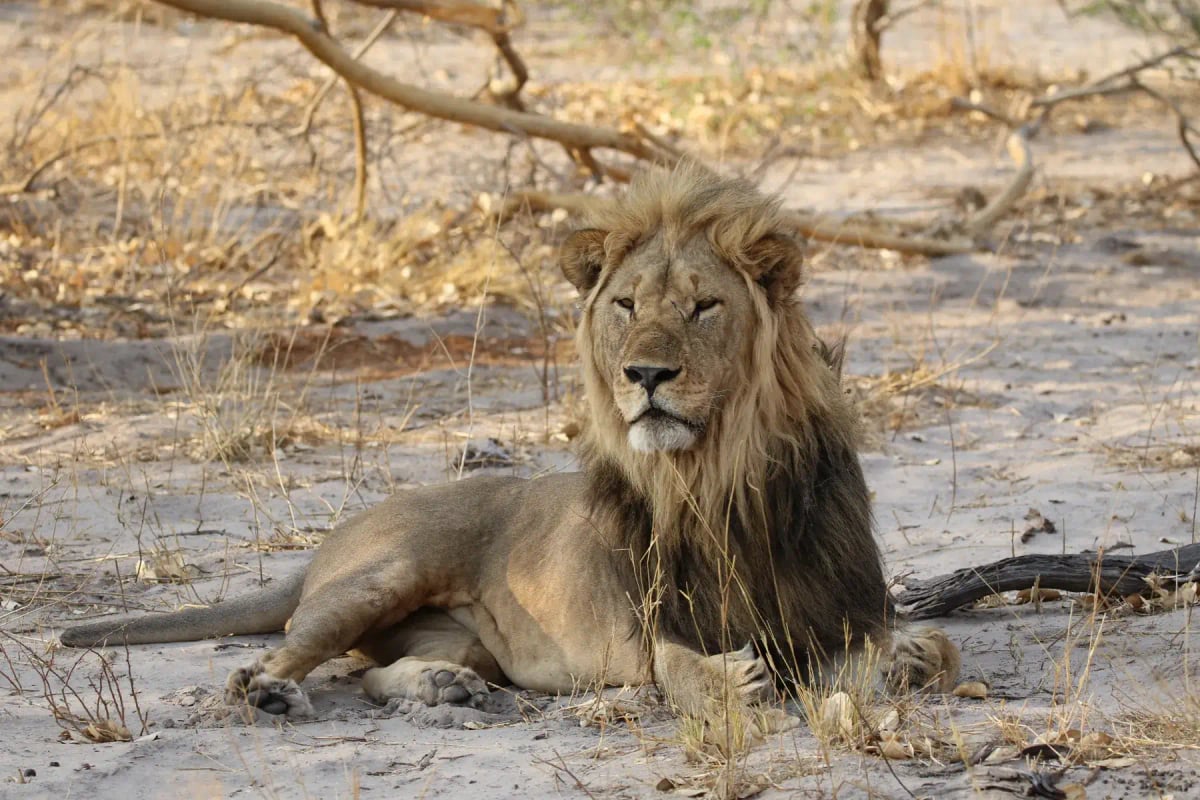
Lion
Panthera leo
The lion, long linked to Libya’s history and art, remains a national symbol of power and pride. Though extinct in the wild, it appears in sculptures, emblems and legends that honor its strength. It reminds Libyans of their ancient connection to the wildlife once roaming North Africa.
View details→Wildlife in Libya
Libya’s wildlife survives between the vast Sahara and the Mediterranean coast. Fennec foxes, desert cheetahs, gazelles and migratory birds live in areas shaped by sand, wind and sea. Despite the arid climate, oases and coastal wetlands sustain surprising biodiversity that attracts scientists and eco travelers alike.
Most Dangerous Animals in Libya
Few animals in Libya are truly dangerous, but caution is advised in wild regions. Desert snakes and scorpions are common, and large sharks patrol the Mediterranean waters. Respecting nature and avoiding isolated areas help ensure a safe experience while exploring the country’s wilderness.
Top 10 Animals in Libya
Libya’s deserts and coasts host resilient animals such as cheetahs, foxes, hyenas and gazelles. These species show how life adapts to scarcity and heat. Travelers exploring southern oases or the coastal plains may glimpse traces of wildlife that endures quietly in this harsh but beautiful land.
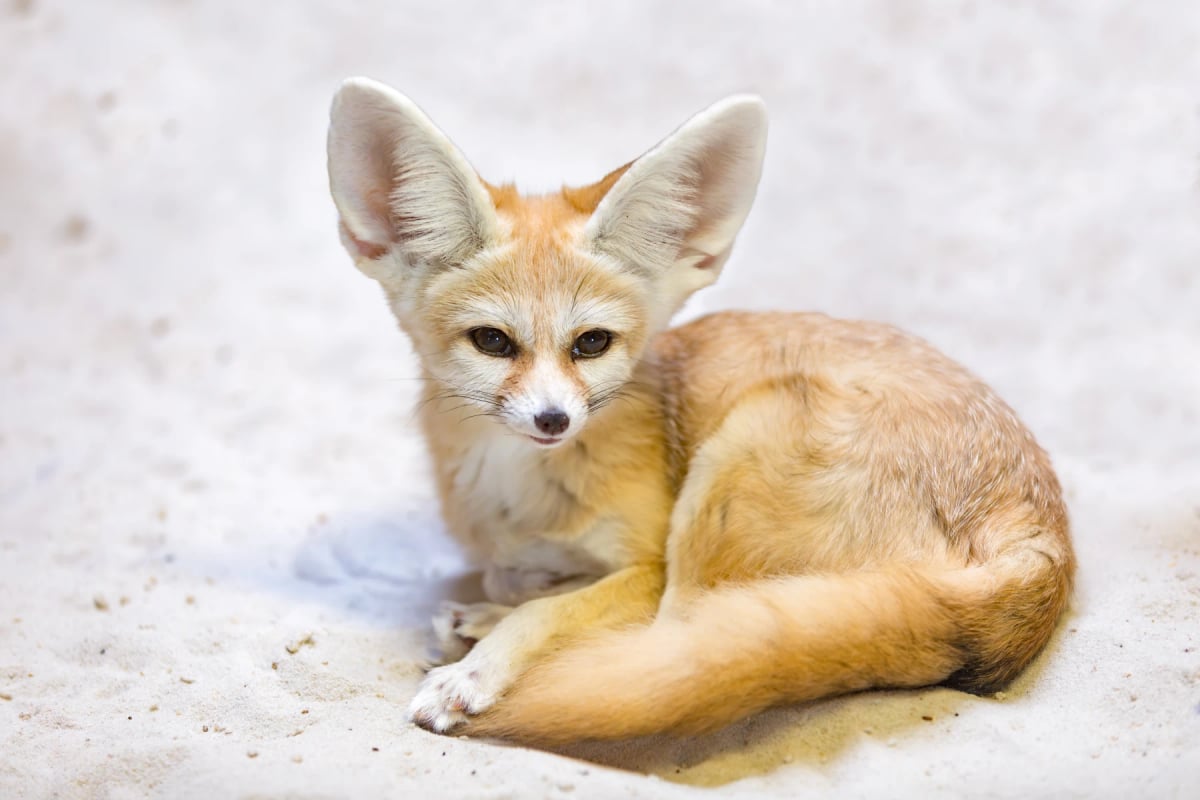
Fennec Fox
Vulpes zerda
Libya's vast Saharan interior provides ideal habitat for the fennec fox, particularly in the Fezzan region and the sandy dunes of the south. It shelters in burrows to escape the intense daytime heat and emerges at night to hunt insects, small rodents and other prey. The fennec is one of the most characteristic small mammals of the Libyan desert.
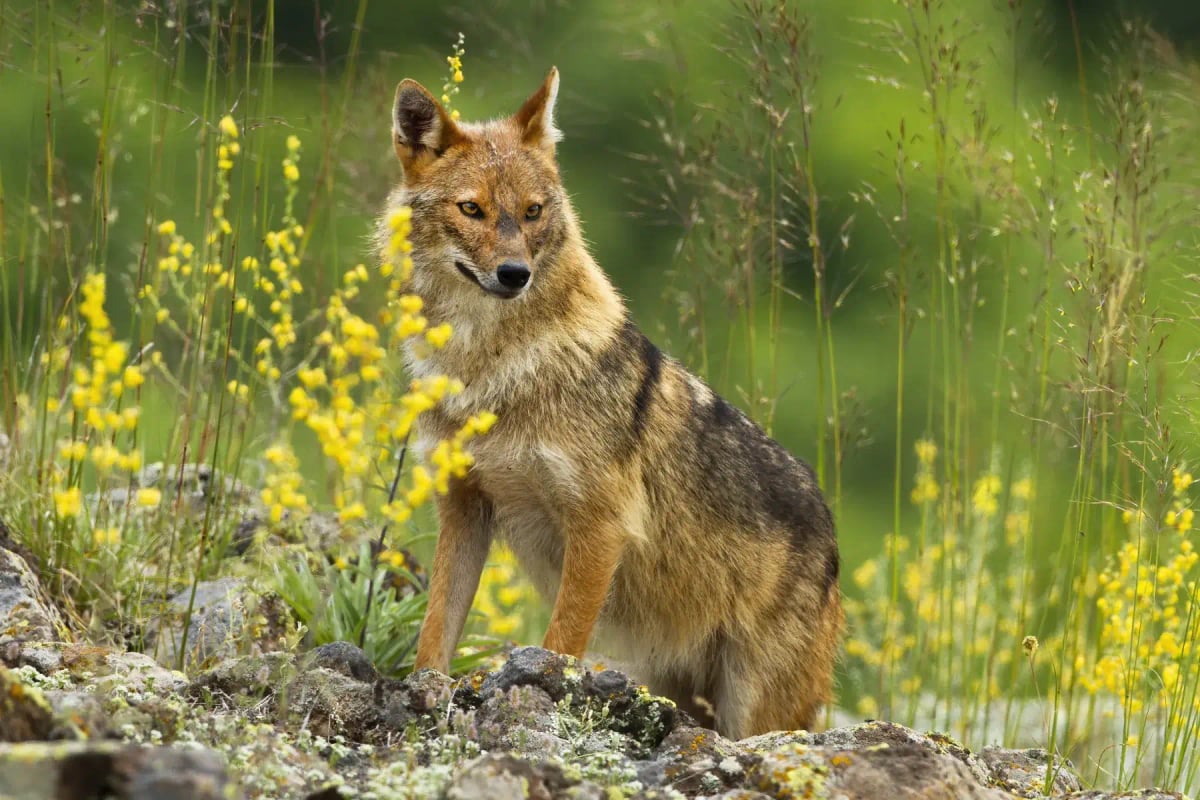
Golden Jackal
Canis aureus
In Libya, the golden jackal is found mainly in the northern coastal regions and the Jebel Akhdar uplands, where Mediterranean scrub and agricultural land provide reliable food and cover. It avoids the vast interior desert but makes good use of wadis and vegetated corridors. Encounters with people are most common near farms and small settlements. IUCN status: Least Concern.
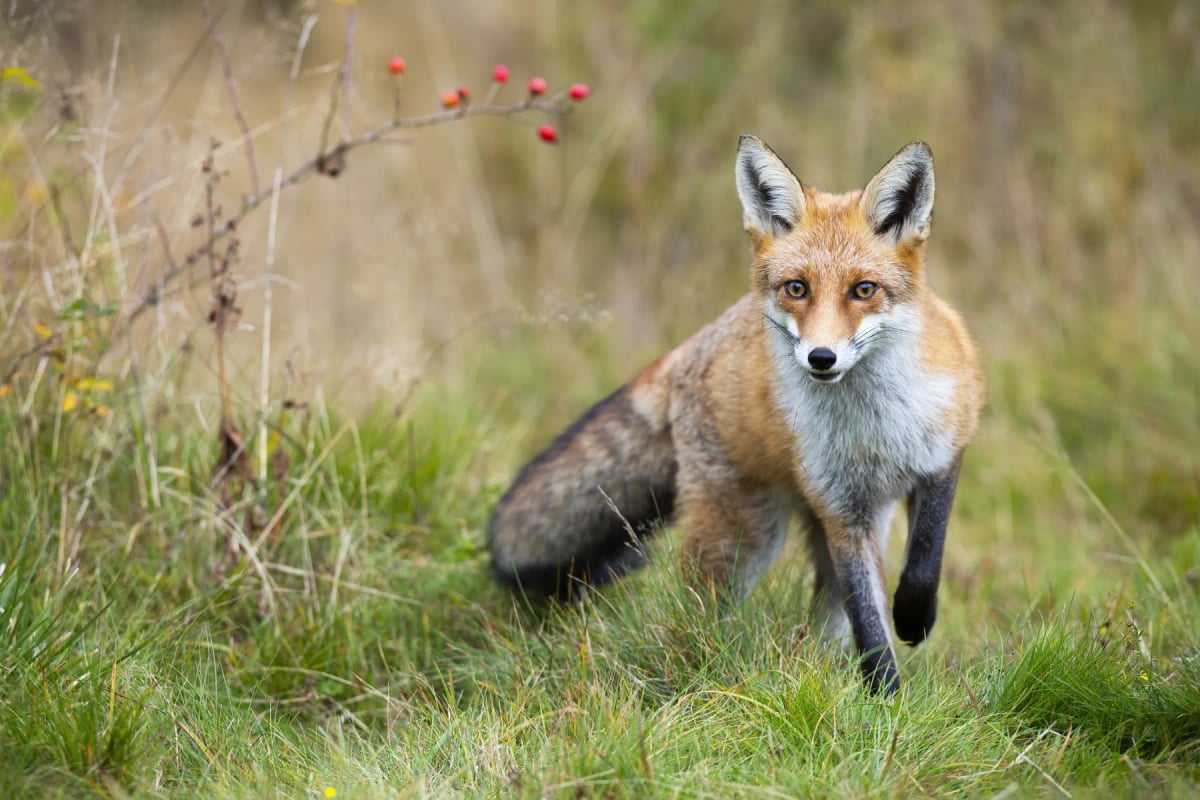
Red Fox
Vulpes vulpes
The red fox is found across Libya, adapting well to the country's vast desert landscapes and coastal Mediterranean scrublands. In the Saharan interior, it survives on scarce resources, hunting rodents and insects and scavenging when needed. Its thick fur provides insulation against the cold desert nights. Classified as Least Concern globally, it remains one of Libya's most resilient and widespread wild mammals.
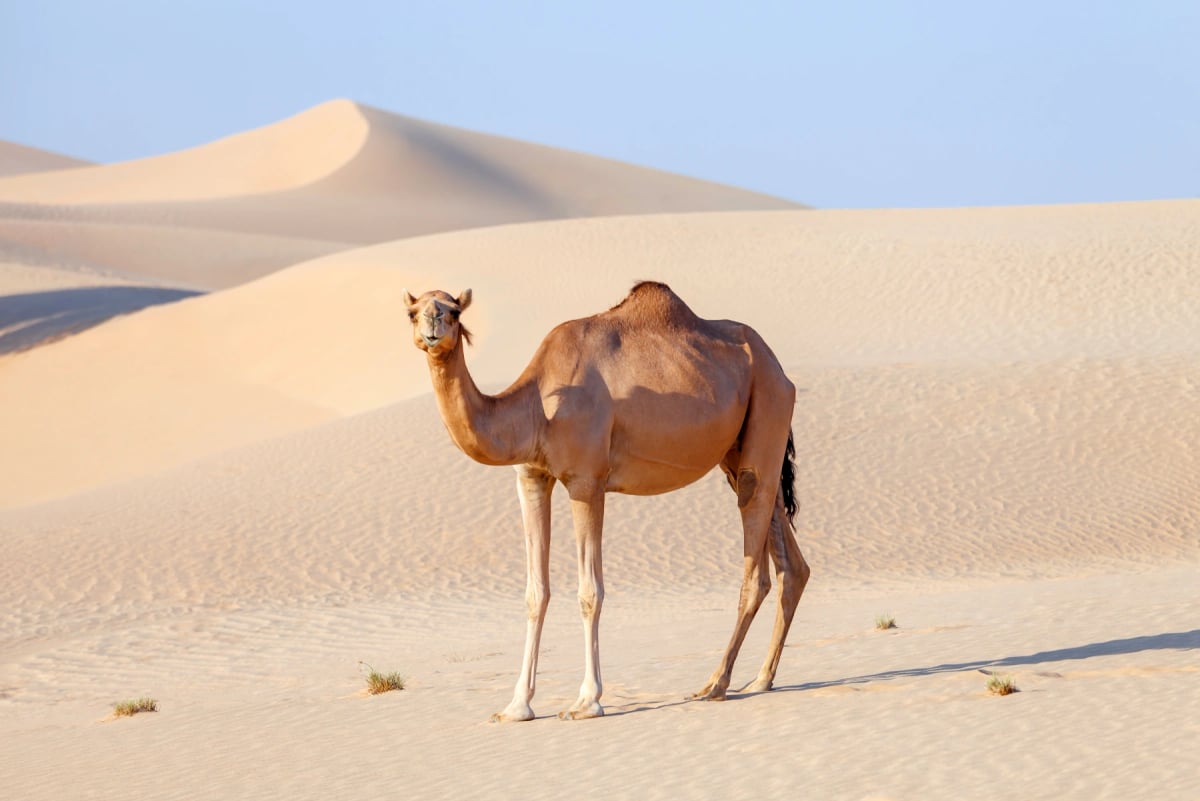
Dromedary Camel
Camelus dromedarius
Libya is dominated by the Sahara and the Libyan Desert, two of the harshest environments on Earth, and the dromedary camel is perfectly suited to both. Tuareg and other nomadic groups have depended on these animals for centuries to cross enormous distances between oases. Camels continue to provide milk and transportation in the country's remote southern regions, where roads are scarce and temperatures are extreme.
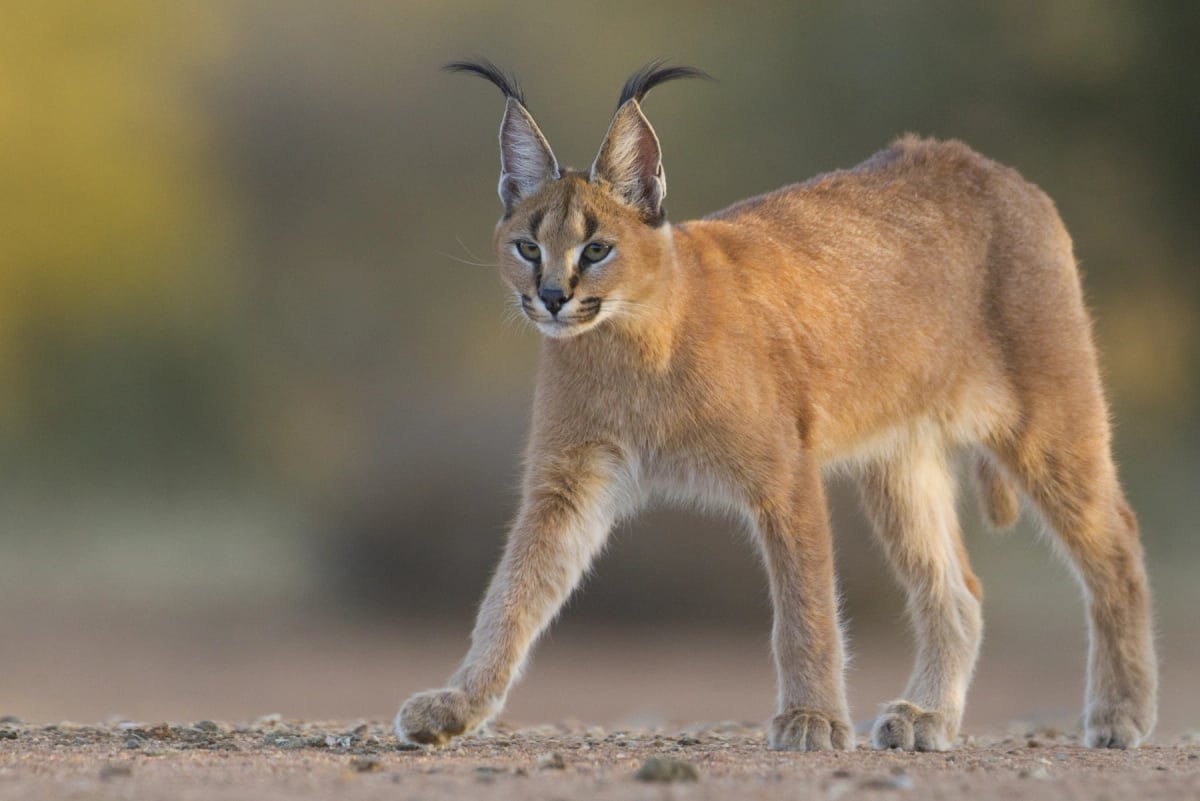
Caracal
Caracal caracal
In Libya, the caracal occupies arid scrublands and rocky terrain across the northern coastal regions and into the Saharan fringe. Its tawny coat blends seamlessly with the pale, stony landscape. This solitary cat hunts hares, rodents, and birds under the cover of darkness. Sparse human population in many areas offers some refuge, though habitat degradation and occasional persecution by herders remain concerns. The IUCN lists it as Least Concern.
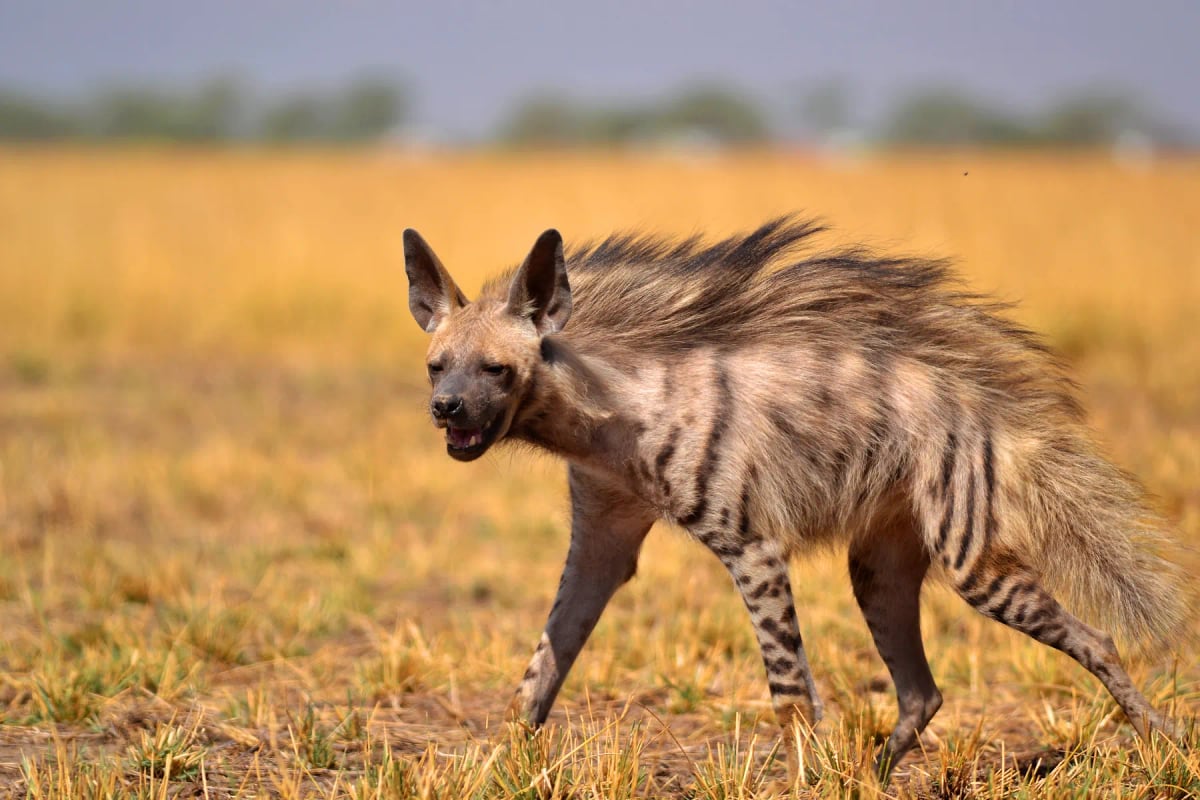
Striped Hyena
Hyaena hyaena
Across Libya's vast desert and semi-arid landscapes, the striped hyena occupies scattered territories, particularly in areas with rocky terrain and dry riverbeds in the north and northeast. The country's low human population density in interior regions offers the species some refuge. However, it remains Near Threatened globally, and in Libya the ongoing instability and lack of formal wildlife monitoring make it difficult to assess the true state of local populations.
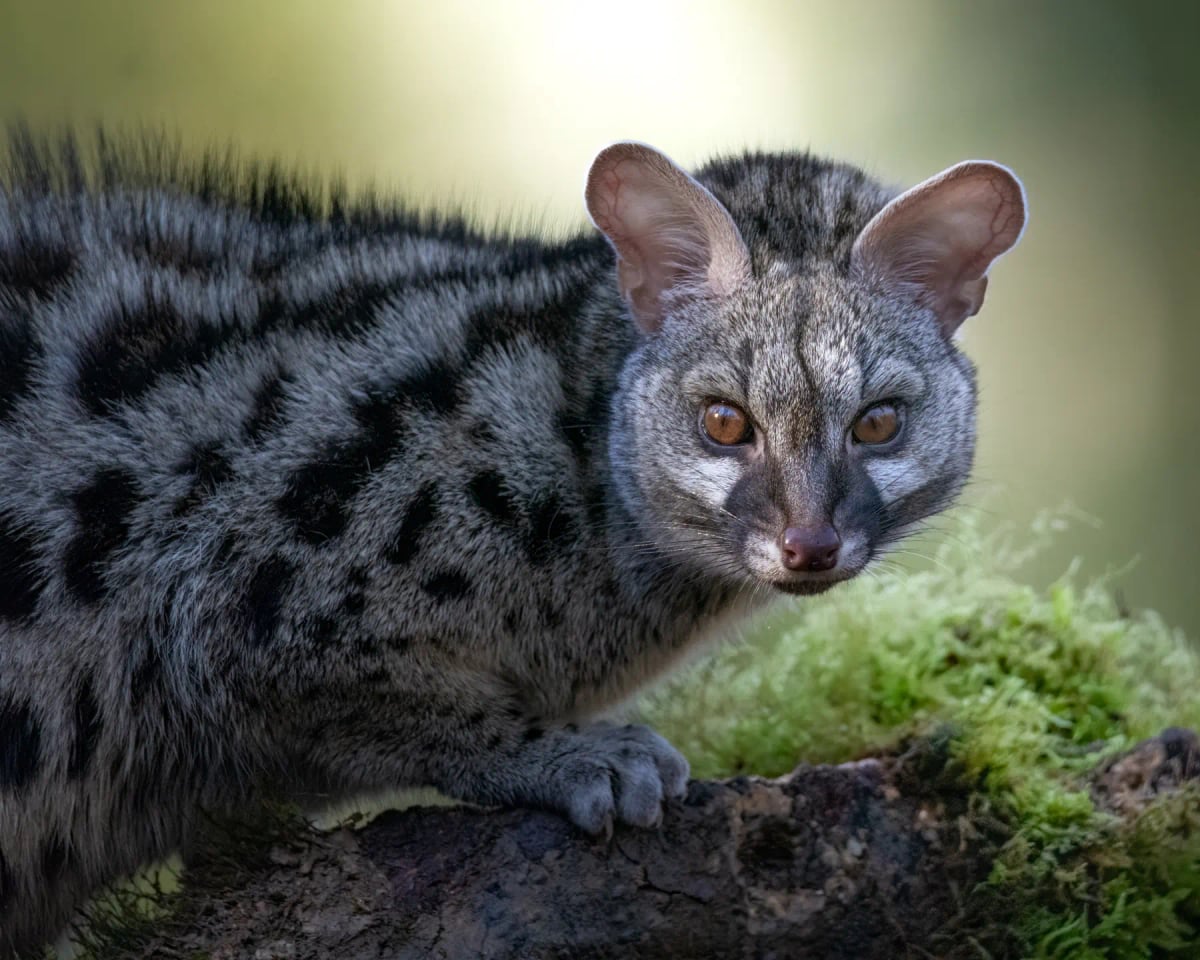
Common Genet
Genetta genetta
The common genet in Libya is largely confined to the Jebel Akhdar region in the northeast, where Mediterranean scrubland and rocky terrain offer suitable habitat in an otherwise arid country. It rests in rock crevices or dense thickets by day and hunts at night, feeding on small rodents, birds, insects, and reptiles. The Jebel Akhdar's relatively mild climate and varied vegetation make it the most important area for this carnivore in Libya. IUCN status: Least Concern.
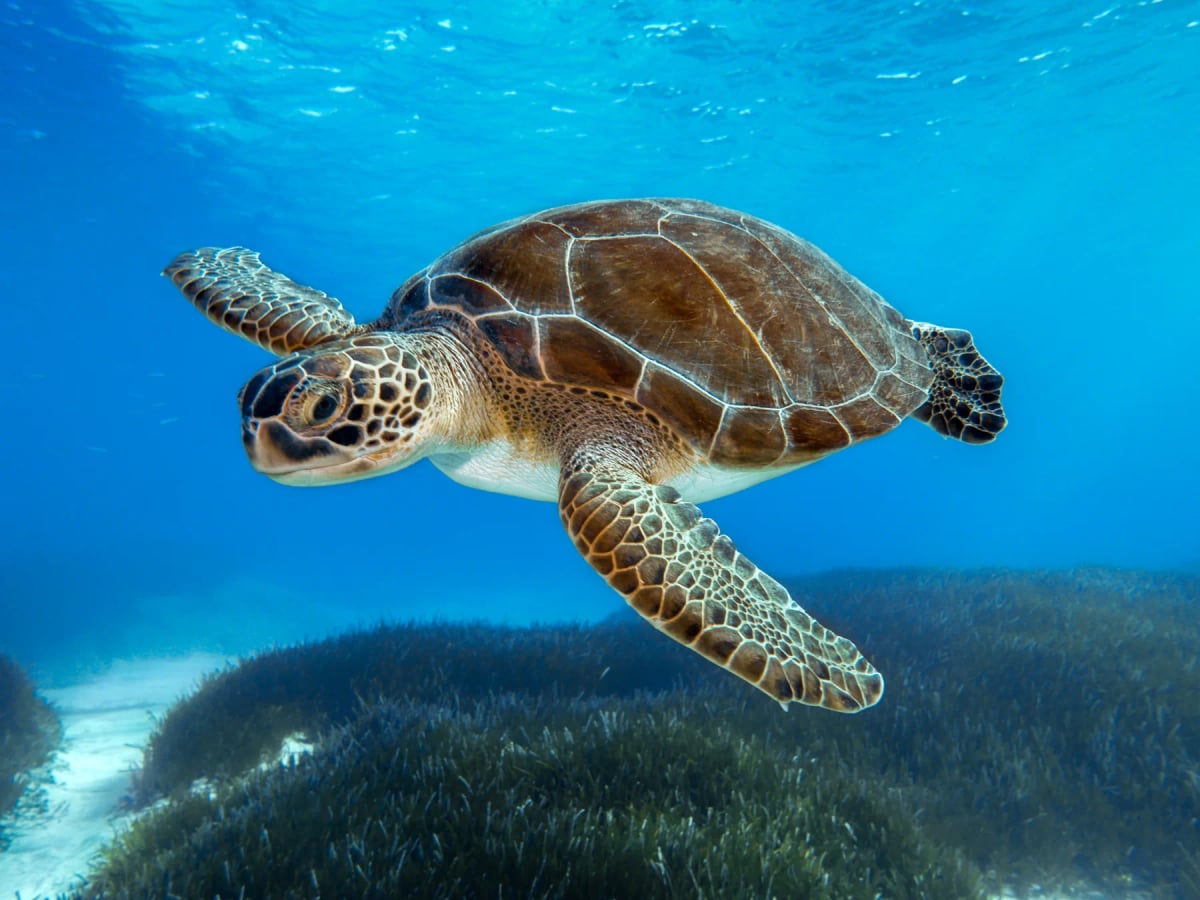
Sea Turtle
Cheloniidae & Dermochelyidae (families)
Libya's Mediterranean coastline supports one of the less studied but potentially significant loggerhead sea turtle nesting populations in the region. Several beaches along the Libyan coast, particularly in the Gulf of Sidra and the northeastern shoreline, have recorded nesting activity. Libya's relatively undeveloped coastline compared to other Mediterranean countries may provide important undisturbed nesting habitat, though the limited conservation infrastructure and ongoing instability have made systematic monitoring difficult.
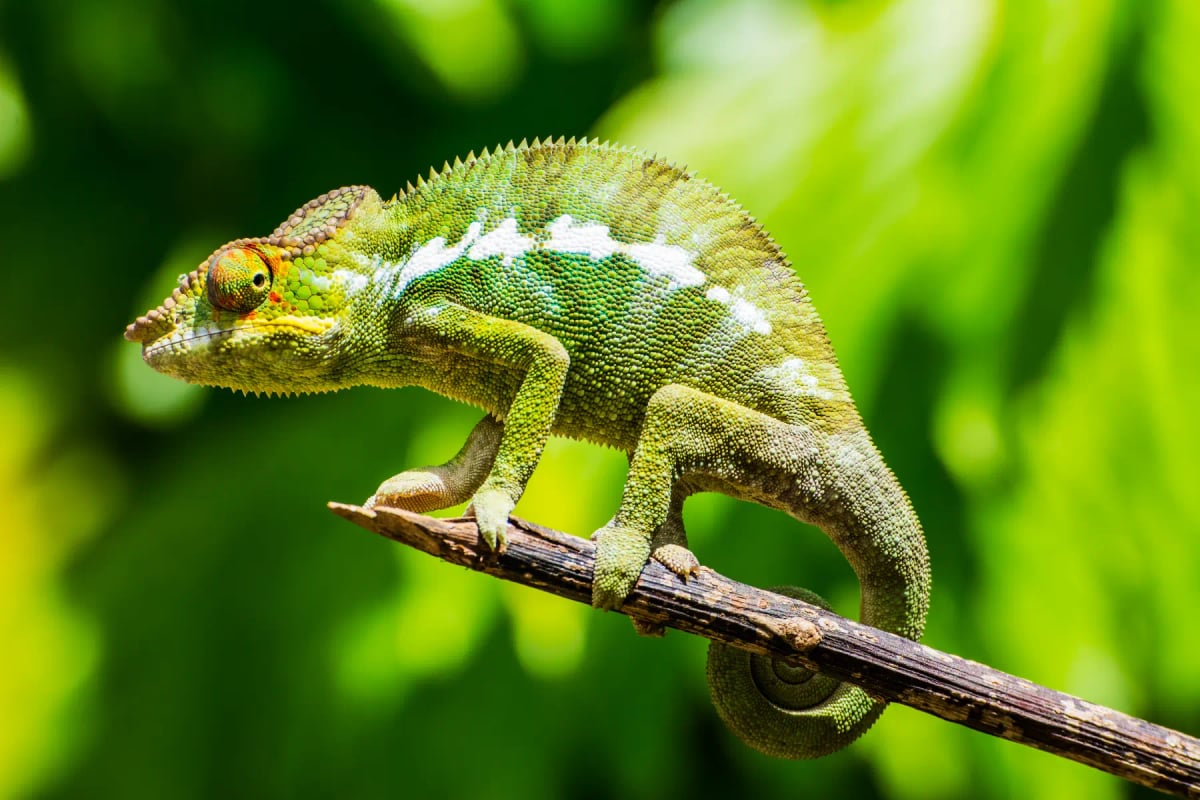
Chameleon
Chamaeleo chamaeleon
The common chameleon (Chamaeleo chamaeleon) in Libya is largely restricted to the coastal Mediterranean strip, particularly in Tripolitania and Cyrenaica, where scrublands and agricultural land provide suitable cover. Arid conditions further inland limit its spread. Its color shifts, produced by iridophore cells beneath the skin, serve primarily as social signals and responses to temperature rather than strict background matching. IUCN status: Least Concern.
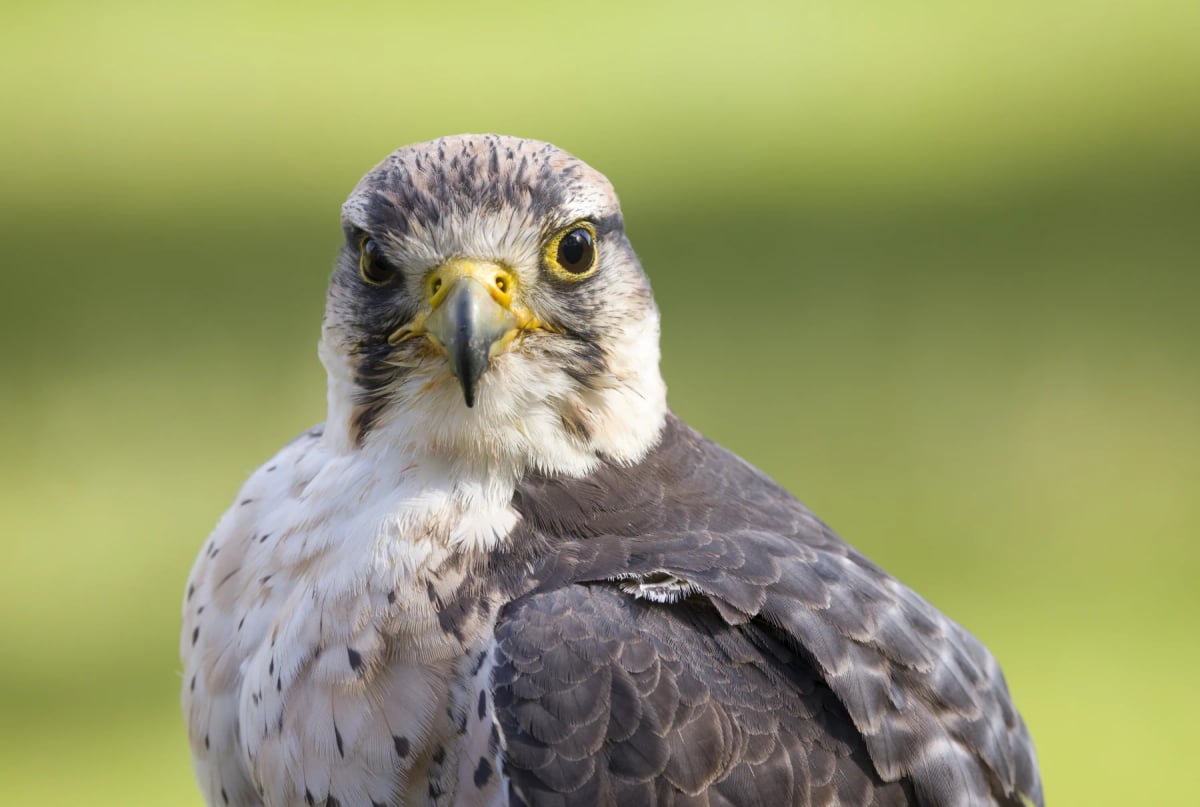
Lanner Falcon
Falco biarmicus
In Libya, the lanner falcon inhabits the rocky desert plateaus, wadis, and escarpments that span the interior, as well as areas along the Mediterranean coast. It is well adapted to the harsh, arid conditions that cover most of the country. The species nests on cliff ledges and hunts birds and small prey across open terrain. Its connection to falconry traditions in North Africa adds cultural significance. IUCN status: Least Concern.
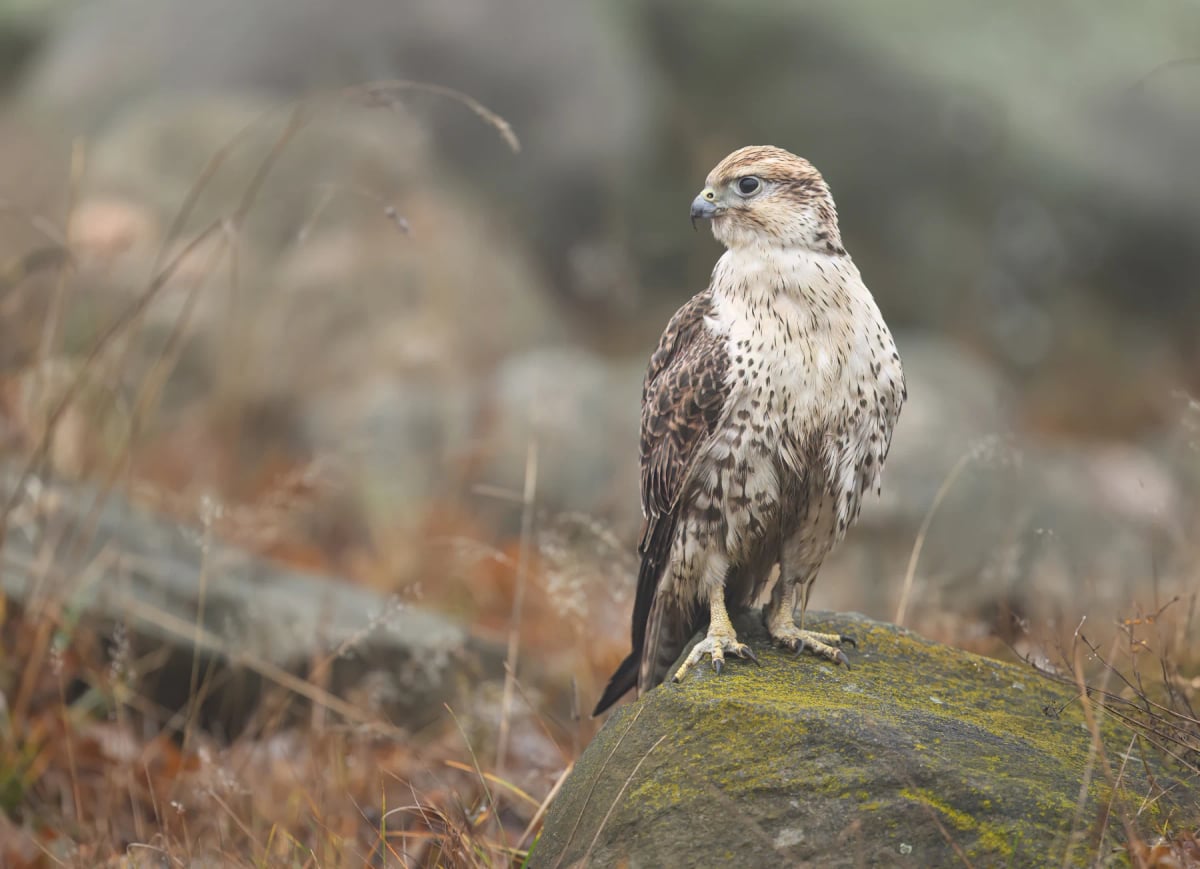
Saker Falcon
Falco cherrug
The saker falcon passes through Libya during its seasonal migrations between breeding grounds in Central Asia and Eastern Europe and its wintering areas further south. Across Libya's vast desert and semi-arid terrain, it may be spotted hunting pigeons and other birds near oases and agricultural areas. Though not a breeding resident, it is a recognised visitor, and the IUCN lists it as Endangered.
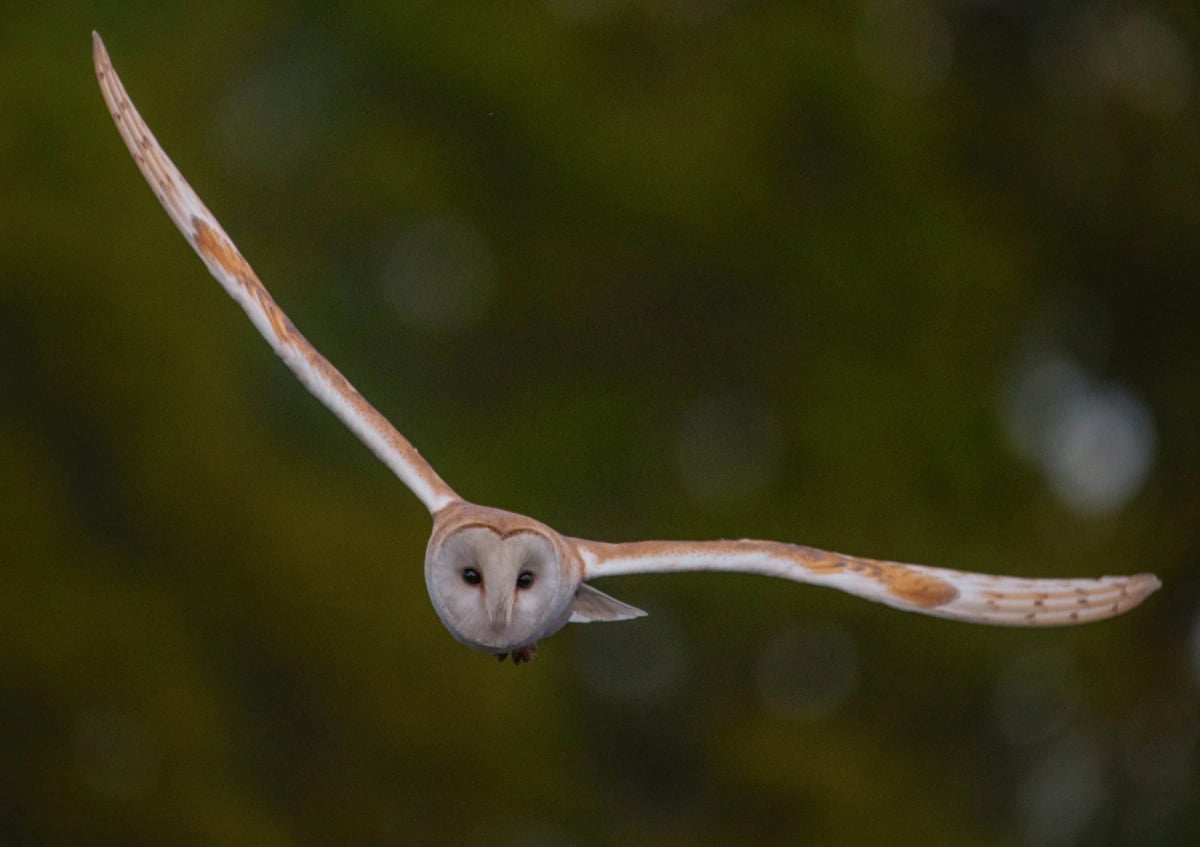
Barn Owl
Tyto alba
The barn owl is found in Libya mainly along the Mediterranean coastal strip, in the Jebel Akhdar highlands, and in oases scattered across the northern desert fringe. It nests in old buildings, ruins, cliff faces, and palm groves, and hunts rodents at night. In the agricultural areas of the Gefara Plain and the Jebel Akhdar it provides natural control of small mammal populations. Its ability to survive in arid environments makes it one of the more resilient birds of prey in Libya's largely desert landscape.
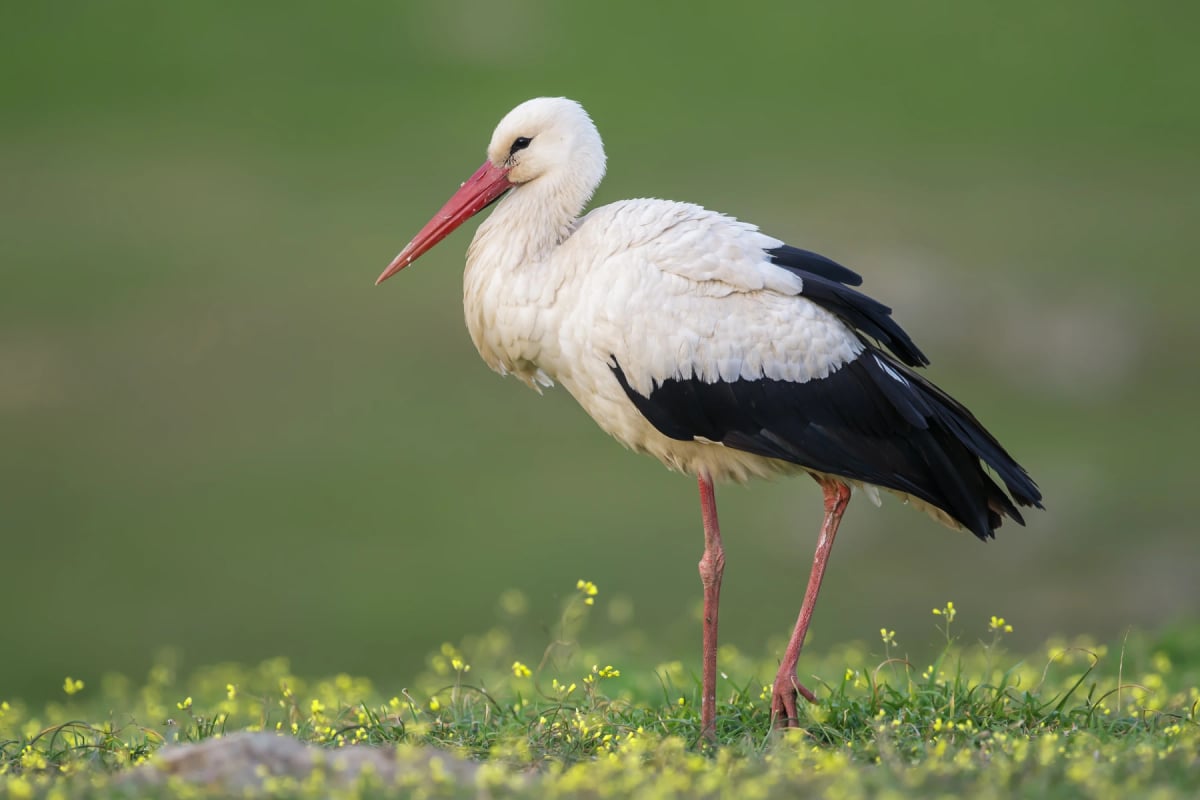
Stork
Ciconia ciconia
Libya serves as an important transit country for white storks migrating between Europe and sub-Saharan Africa. Birds crossing the central Mediterranean route may pass over or rest along the northern coastal strip, where wetlands and agricultural areas near Tripoli and Benghazi offer temporary feeding opportunities. The Saharan interior presents a formidable barrier, so most storks keep to coastal and semi-arid zones as they move south in autumn and north again in spring.
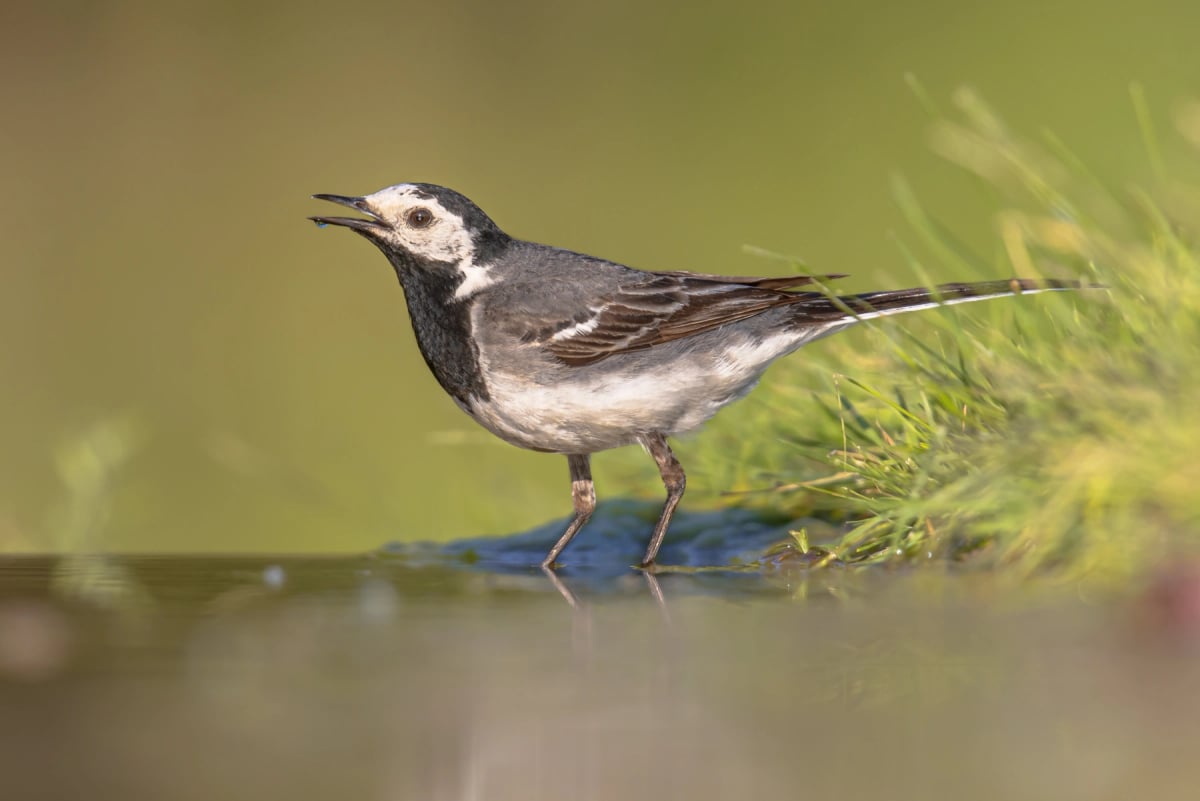
White Wagtail
Motacilla alba
The white wagtail visits Libya mainly as a migrant and winter guest, favouring the narrow coastal strip along the Mediterranean and oasis areas in the interior. The Jefara Plain and wetlands near Tripoli and Benghazi offer the open ground and moisture it prefers. It feeds on insects near water channels and cultivated fields. Its IUCN status is Least Concern.
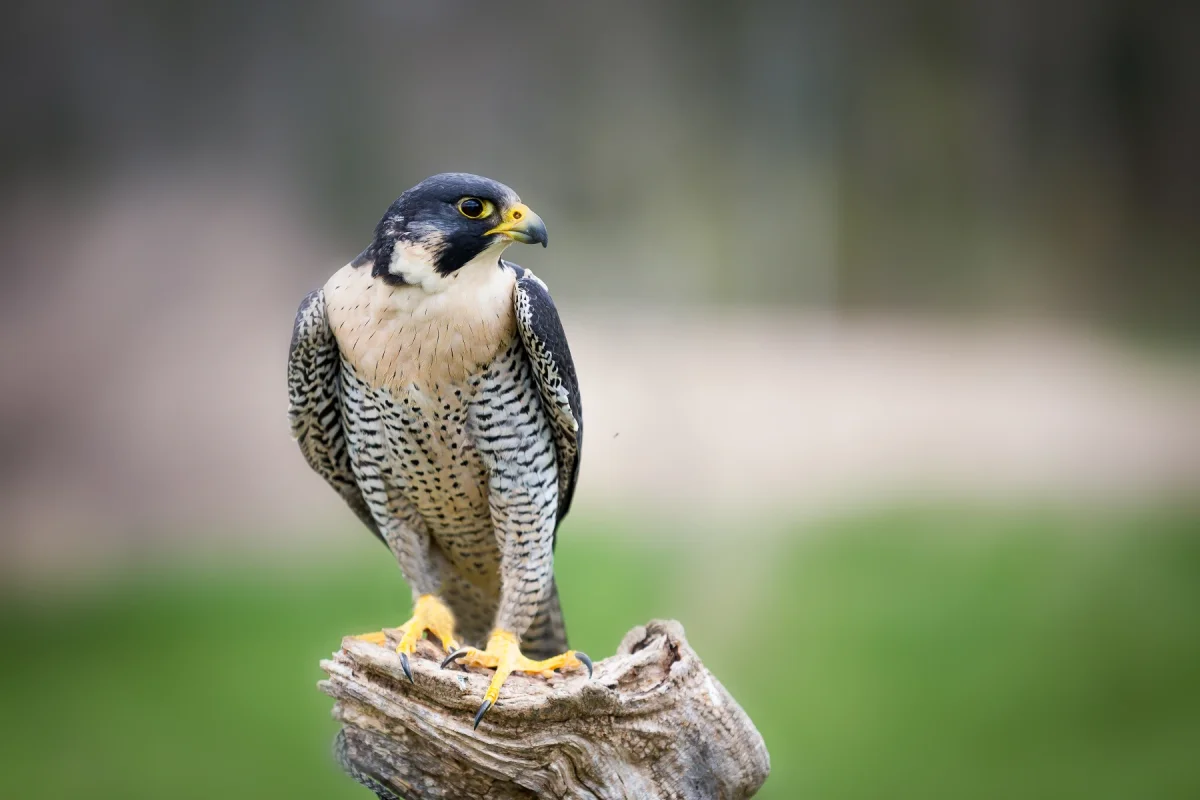
Peregrine Falcon
Falco peregrinus
The peregrine falcon is recorded in Libya largely as a bird of passage, moving between Europe and sub-Saharan Africa along ancient migration corridors. Rocky outcrops and the escarpments of the Saharan interior can provide temporary perches and hunting grounds. Along the Mediterranean coast, this falcon also appears during winter months. Populations moving through North Africa remain stable overall. The IUCN lists the species as Least Concern.
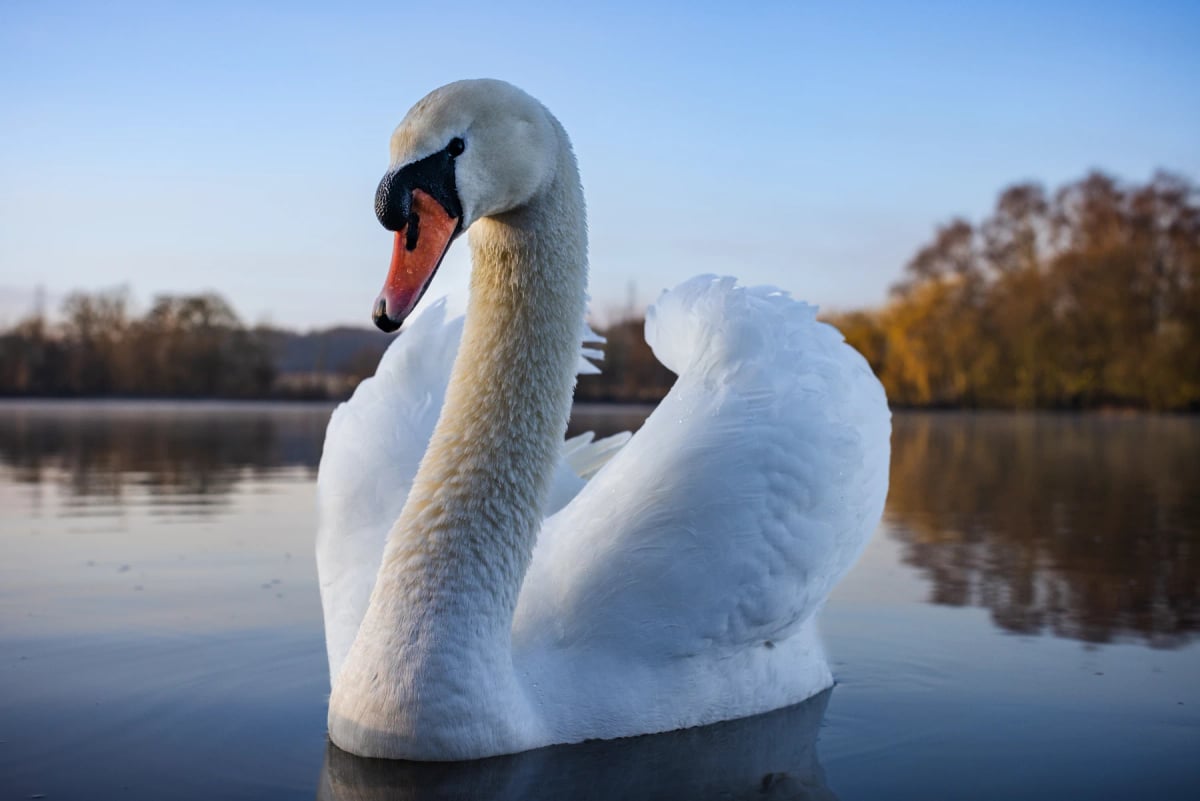
Mute Swan
Cygnus olor
The mute swan is an occasional visitor to Libya, recorded mainly along the Mediterranean coastline and associated wetlands during migration and winter. It travels from breeding populations in Europe and central Asia, stopping to rest in suitable freshwater or brackish habitats. The species is not a regular breeder in the region. The IUCN lists it as Least Concern.
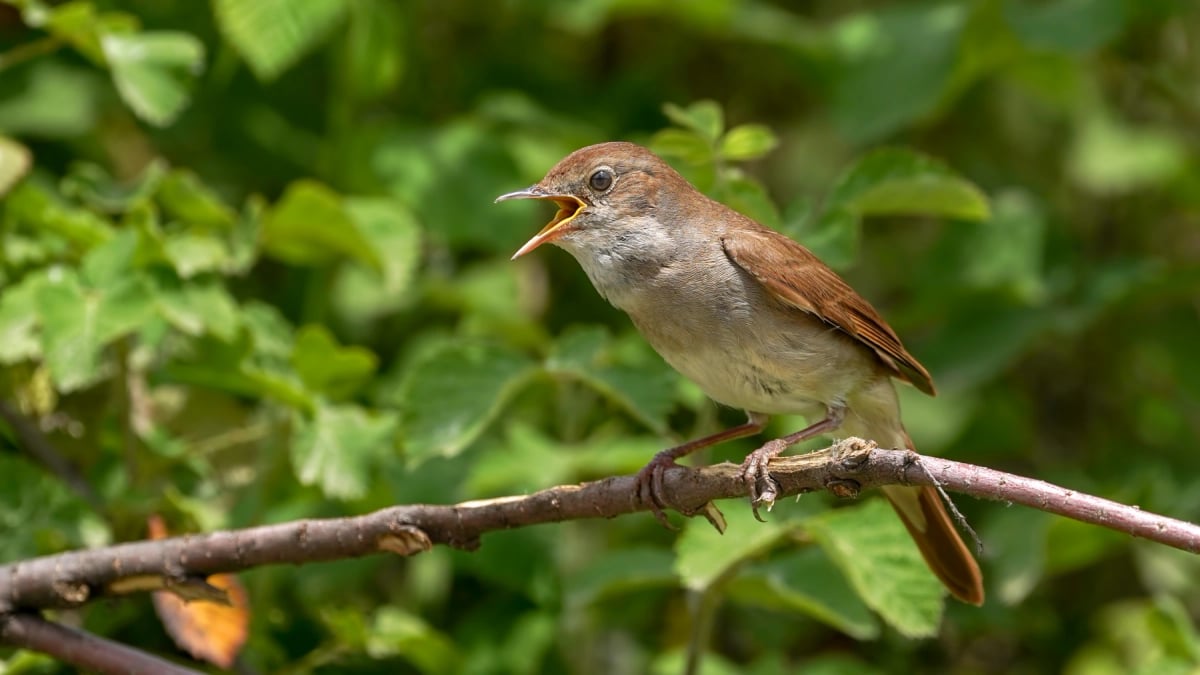
Nightingale
Luscinia megarhynchos
In Libya, the nightingale appears mainly as a passage migrant, moving through coastal areas and oases during spring and autumn as it travels between its European breeding grounds and its wintering areas in Africa. These stopover sites in the arid Libyan landscape are vital for rest and feeding. It is a small brown bird with a reddish tail and one of the most celebrated songs of any bird in the world. Its IUCN status is Least Concern.
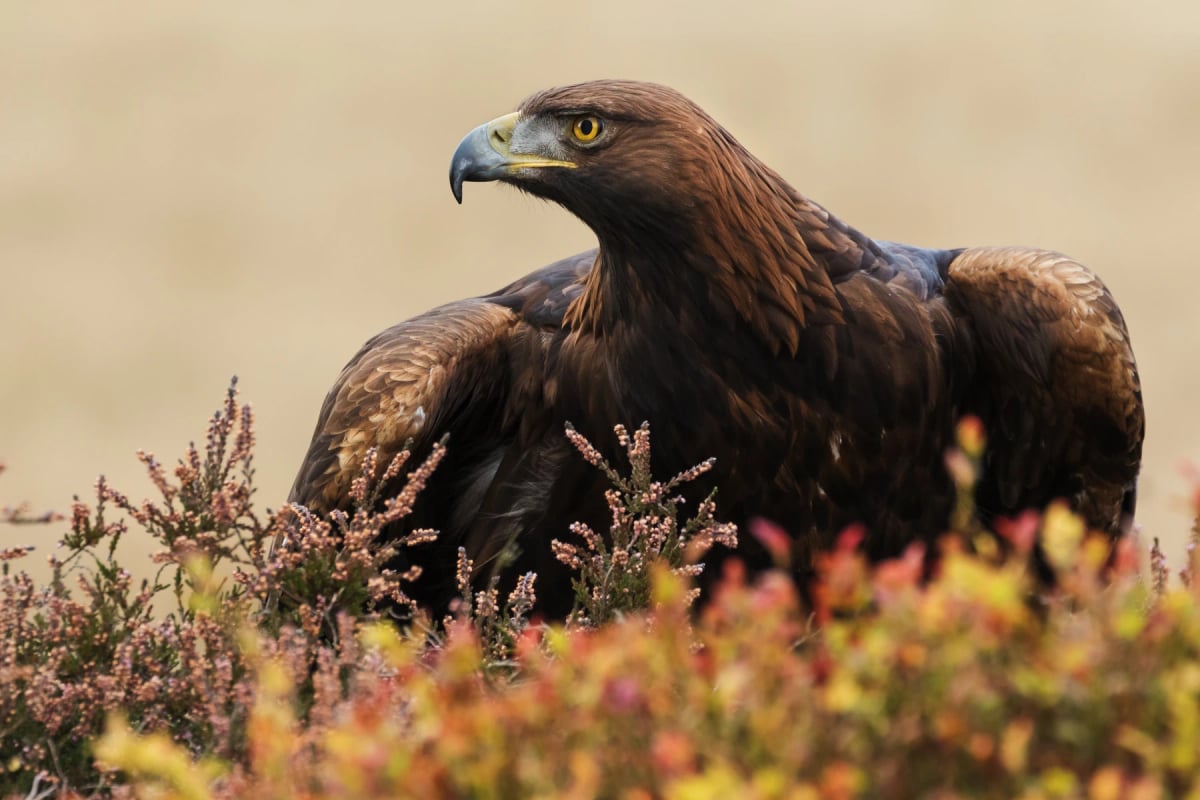
Golden Eagle
Aquila chrysaetos
The golden eagle occurs in Libya mainly along the Jebel Akhdar highlands in the northeast and in some areas of the Saharan interior. It favors rocky escarpments and open terrain where it can scan for prey from altitude. The population in Libya is not well studied, and ongoing instability makes conservation monitoring difficult. The IUCN considers the species Least Concern at a global level.

Bottlenose Dolphin
Tursiops truncatus
Bottlenose dolphins inhabit the central Mediterranean waters along Libya's extensive northern coastline, where they find refuge in bays and feed in open coastal stretches. As in much of the southern Mediterranean, they face threats from bycatch in artisanal and commercial fisheries. The IUCN classifies the species as Least Concern globally, but marine conservation efforts along the Libyan coast remain underdeveloped due to limited research and ongoing political instability.
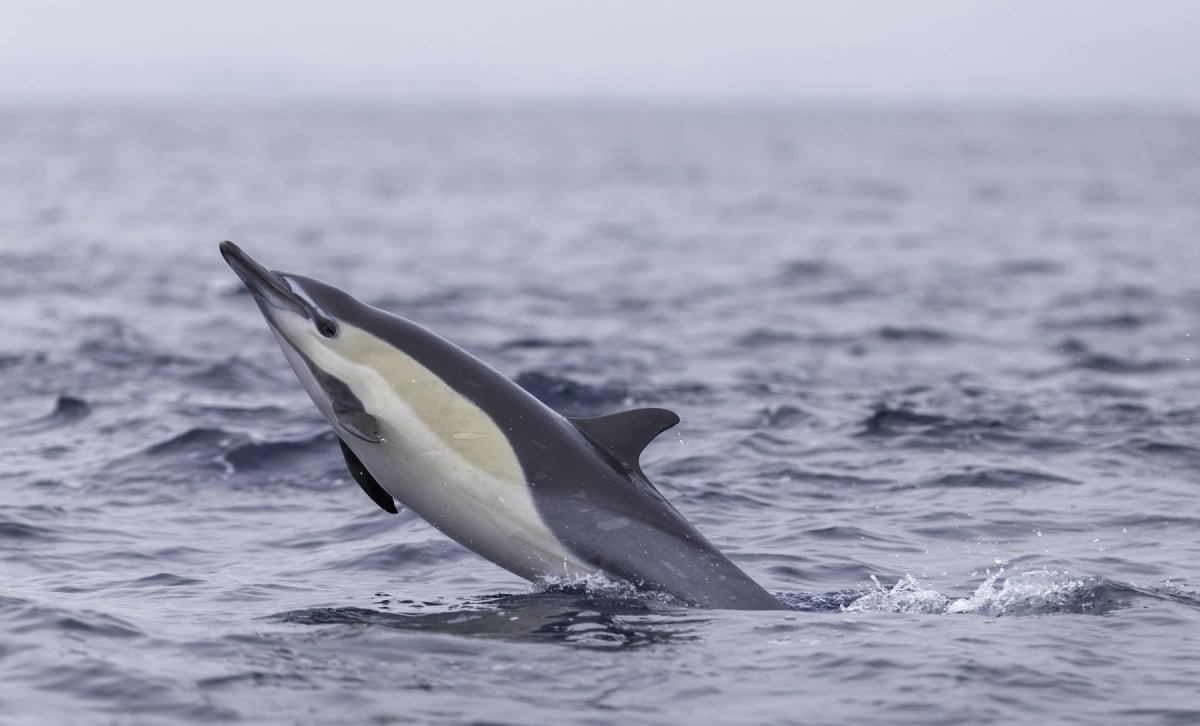
Common Dolphin
Delphinus delphis
Libya's long Mediterranean coastline provides habitat for the common dolphin in the central Mediterranean Sea. These dolphins feed on anchovies and sardines that are common in this basin and often travel in groups that can number in the hundreds. Fishing pressure across the Mediterranean has affected prey availability over the years, making conservation awareness increasingly important in Libyan coastal communities.
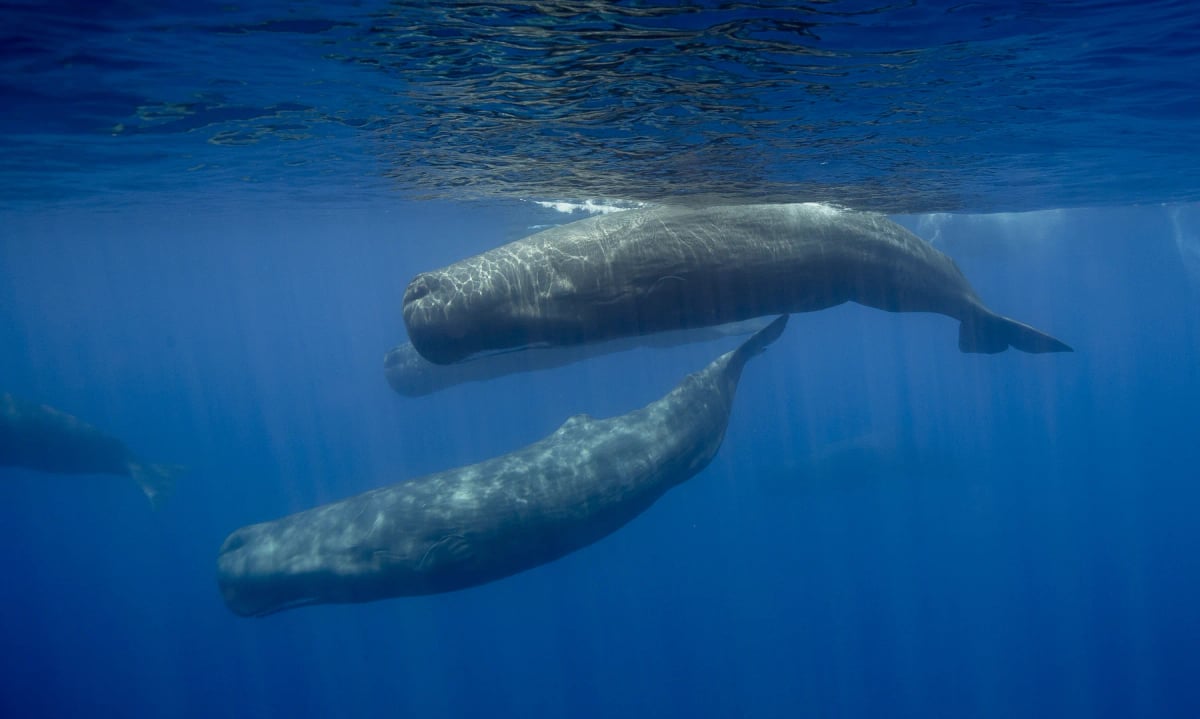
Sperm Whale
Physeter macrocephalus
Libya borders the central Mediterranean Sea, a region where sperm whales are regularly observed navigating deep offshore basins. These whales are drawn to the depth and productivity of the Mediterranean's submarine canyons, where squid and fish are plentiful. Shipping routes along this coastline pose a persistent collision risk. The sperm whale is classified as Vulnerable globally, and Mediterranean subpopulations face particular pressure from vessel traffic and underwater noise.
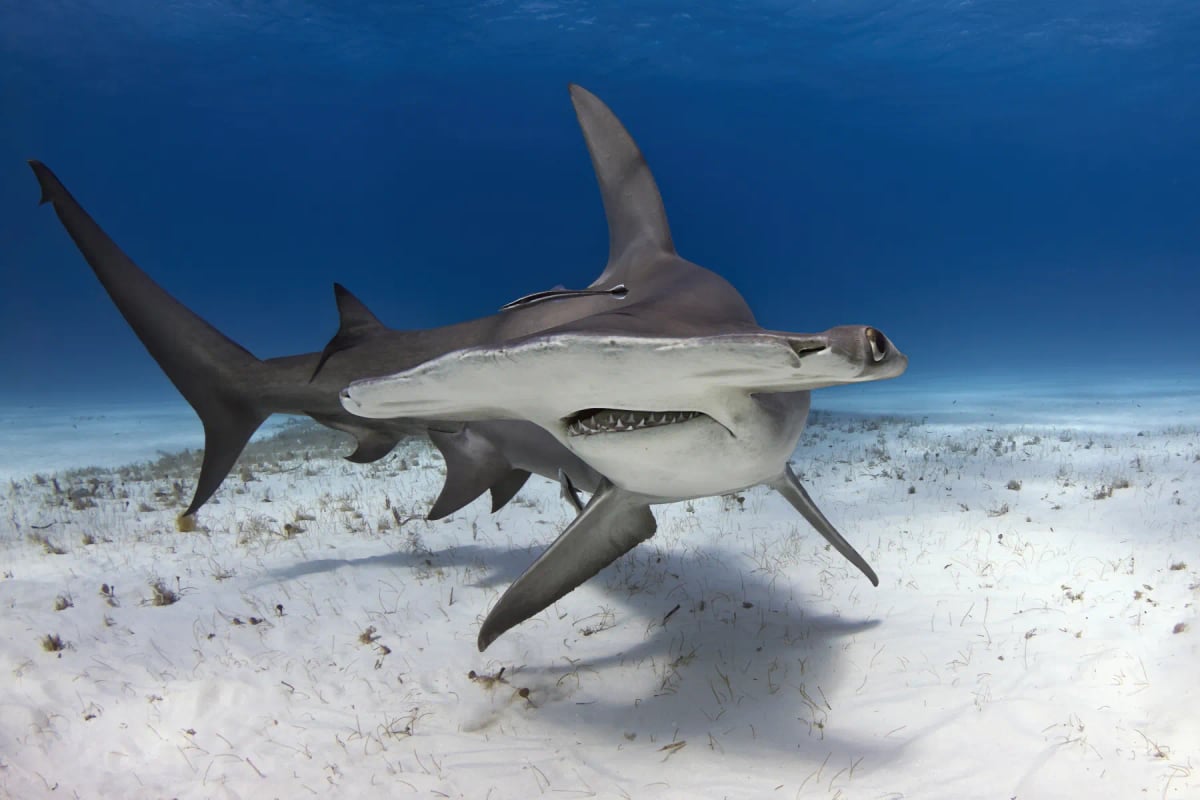
Hammerhead Shark
Sphyrna spp.
The central Mediterranean waters along Libya's long coastline are part of the historic range of hammerhead sharks in this sea. Mediterranean hammerhead populations have declined sharply due to decades of overfishing and bycatch. These sharks hunt fish, rays, and cephalopods in offshore and coastal habitats. Several species are Critically Endangered, and the broader Mediterranean region is considered one of the most at-risk areas for sharks globally.
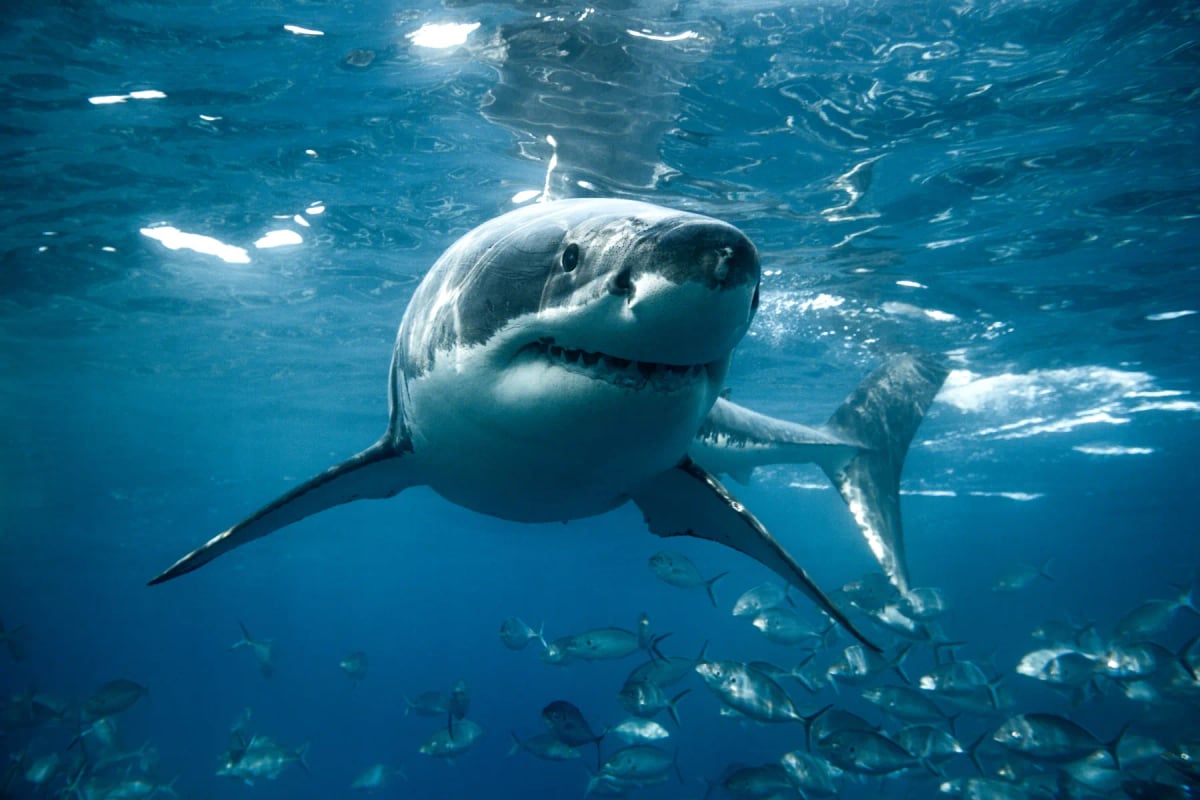
Great White Shark
Carcharodon carcharias
The great white shark has been recorded in Libyan waters in the central Mediterranean, a sea where the species has historically been documented, including some of the largest individuals ever reported. Today the shark is classified as Vulnerable and its numbers in the Mediterranean have declined significantly. Limited protections and active fishing fleets in Libyan waters make conservation of this apex predator particularly challenging in the region.
Researched and written by Juan Pablo. Sources: IUCN Red List, scientific literature and regional field guides. Last updated: .