Animals in China
Giant Panda
Ailuropoda melanoleuca
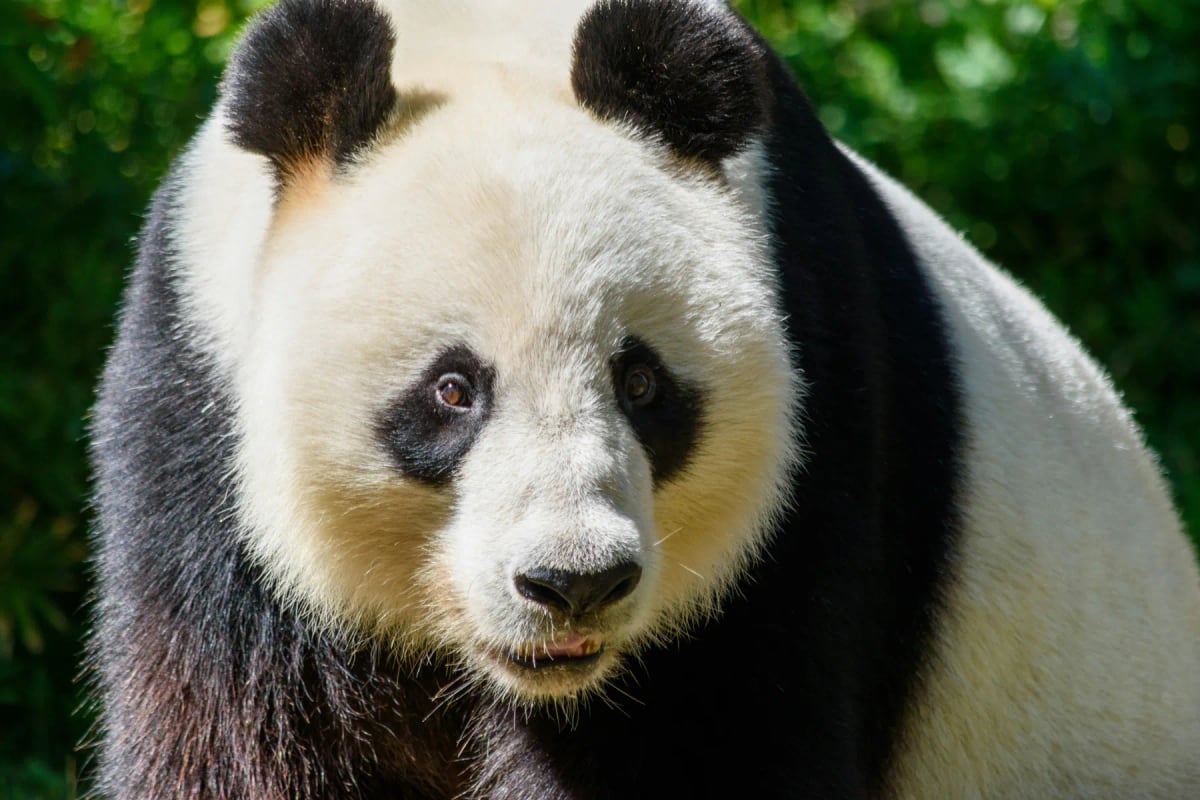
The giant panda is the national symbol of China and one of the most recognized animals in the world. Although it belongs to the bear family, its diet consists almost entirely of bamboo, which provides very little energy. To compensate, pandas spend most of their waking hours eating and rest for long periods each day. Once critically endangered, the species has recovered through decades of strict protection and breeding programs centered in Sichuan province, particularly around Chengdu. Today it is listed as vulnerable and remains one of the most celebrated conservation successes of recent times.
View details→Wildlife in China
China is one of the most biodiverse countries in the world, with a territory that covers an extraordinary range of environments. The Gobi Desert and the grasslands of the north give way to the high plateaus and mountain ranges of the west, while the south holds tropical forests, river valleys and long coastlines along the South China and East China seas. This variety supports camels, elephants, tigers, giant pandas, monkeys, cranes and a wide range of marine life. A growing network of nature reserves across the country has made it easier to reach many of these habitats on guided trips and wildlife tours.
Most Dangerous Animals in China
China is home to several animals that can be dangerous if people get too close or disturb them in the wild. In forested mountain areas, bears and wild boars can react aggressively when surprised, and the gray wolf remains present in remote northern regions. Venomous snakes including cobras are a real concern for hikers in the warmer southern and central provinces, particularly in areas with dense undergrowth. In popular mountain parks, macaques are bold and will approach people looking for food, which can lead to bites or scratches. Keeping a safe distance from all wildlife and following reserve guidelines greatly reduces the risk of incidents.
Top 10 Animals in China
The animals highlighted for China bring together some of the most varied wild environments on the planet, from the cold forests and grasslands of the north to the tropical south and the high mountain ranges of the west. Several are large mammals with deep roots in Chinese culture and history, while others are rare species found in very few places outside of China. The range of habitats covered by these animals gives a sense of how geographically and ecologically diverse the country really is, making China one of the most compelling destinations for wildlife in all of Asia.
Leopard
Panthera pardus
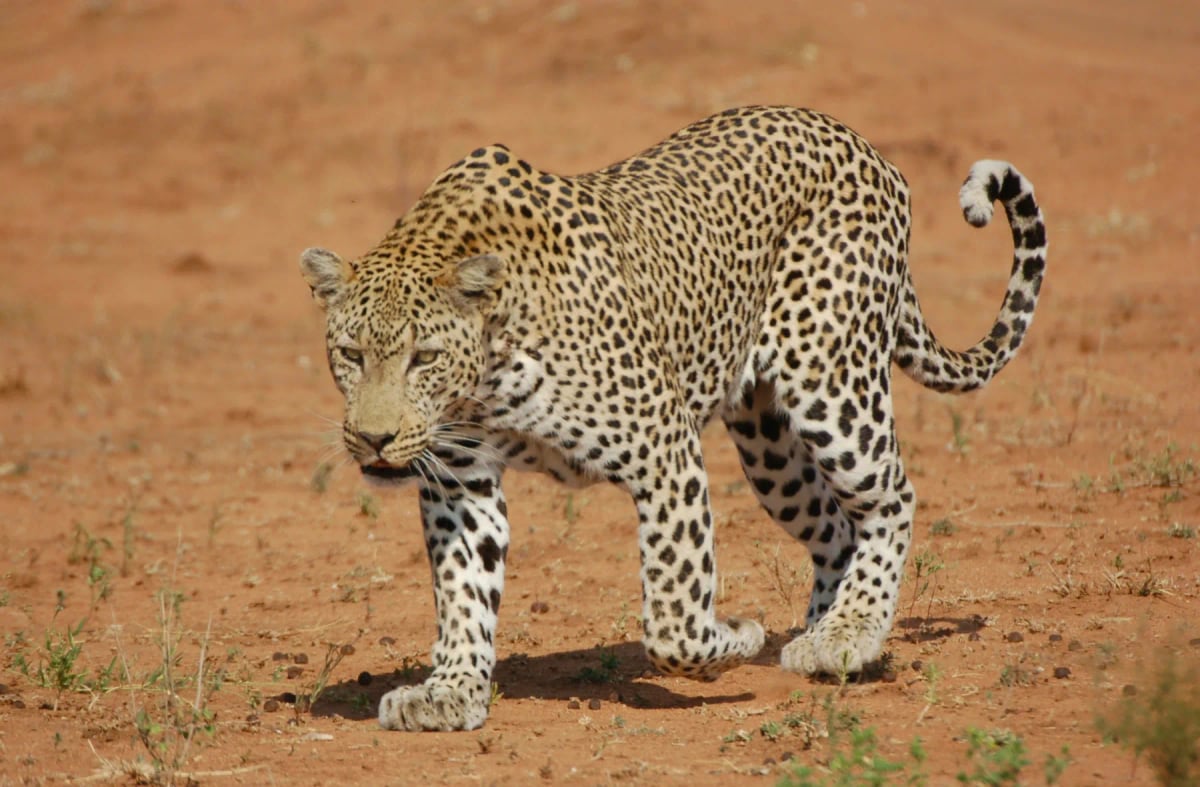
In China, leopards survive in scattered populations across the northeast, northwest, and southwest, including Amur leopards near the Russian border and leopards in the mountain ranges of the Tibetan Plateau. Habitat fragmentation and the loss of prey such as deer and wild boar have reduced their numbers significantly. Conservation programs are underway in several provinces. The species is listed as Vulnerable on the IUCN Red List.
Asian Elephant
Elephas maximus
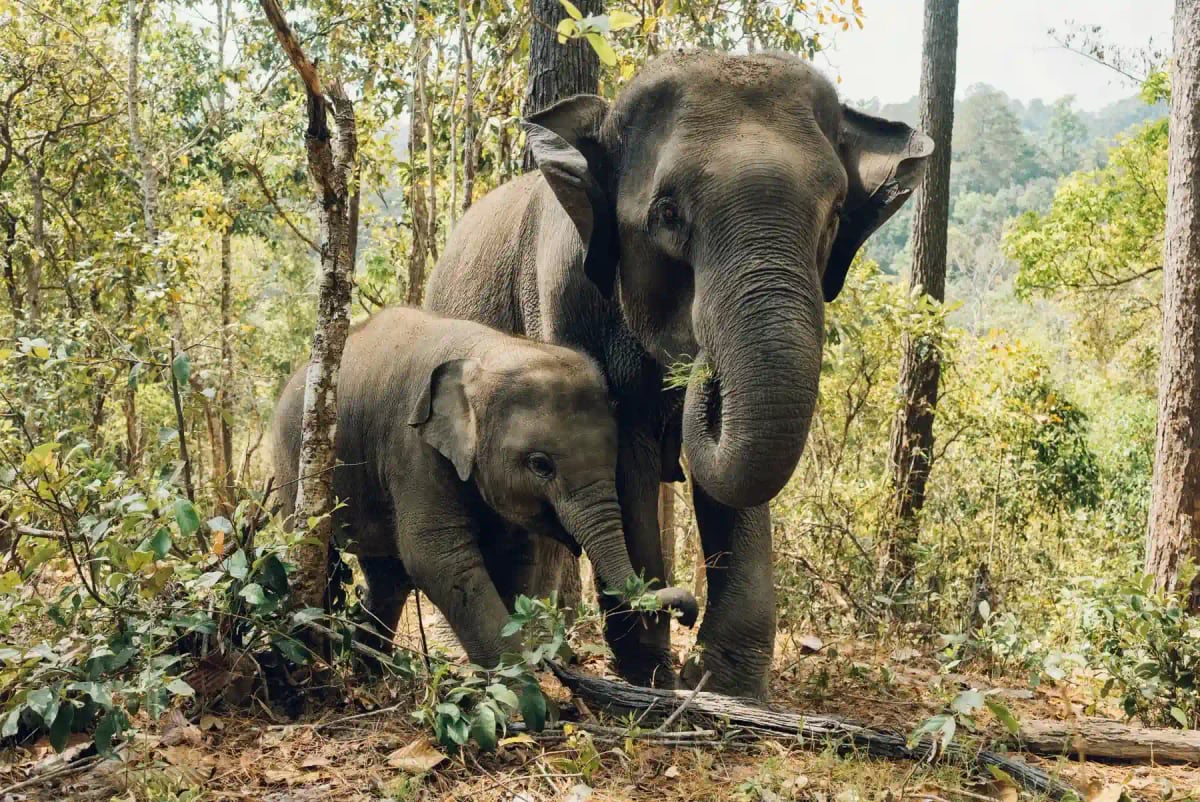
The Asian elephant survives in China in the tropical forests of southern Yunnan province, where a population of several hundred individuals lives in and around the Xishuangbanna National Nature Reserve near the border with Myanmar and Laos. China's elephant population gained international attention in 2021 when a herd of around fifteen animals walked hundreds of kilometers northward from their home range before returning south. Conservation efforts have focused on reducing conflict between elephants and local farming communities in the region.
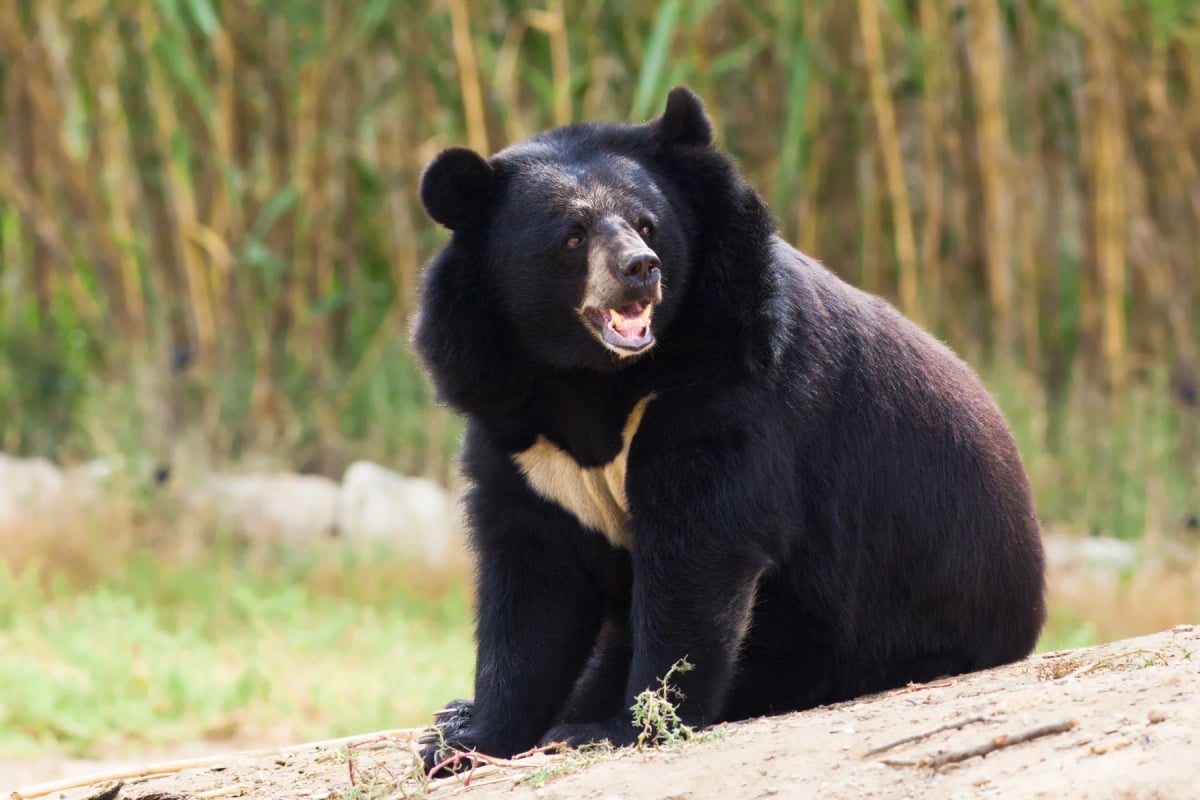
Asiatic Black Bear
Ursus thibetanus
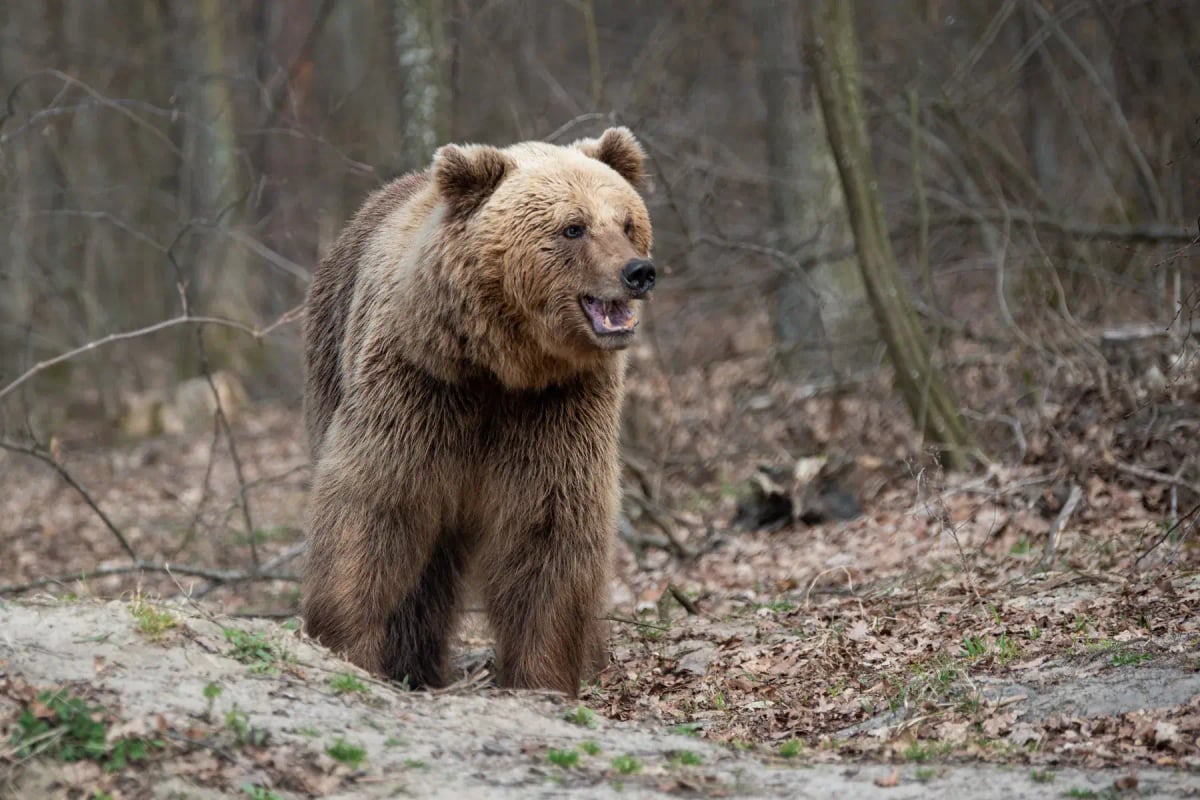
The Asiatic black bear lives in the forests of southern, central and northeastern China, from the mountain ranges of Sichuan and Yunnan through the forests of Shaanxi and Gansu to the northeast. It spends more time in trees than most bears and feeds on fruit, nuts, insects and small animals. The species faces serious threats in China from habitat loss and poaching, particularly for bile used in traditional medicine. It is protected under Chinese law but illegal hunting and the bear bile farming industry remain conservation concerns.
Giant Panda
Ailuropoda melanoleuca
The giant panda lives in the cool, misty mountain forests of central China, today restricted to Sichuan, Shaanxi, and Gansu provinces. Almost entirely dependent on bamboo, it can eat up to 38 kilograms of it each day. China's nature reserves and captive breeding programs have driven real recovery for the species, leading the IUCN to reclassify it from Endangered to Vulnerable in 2016.
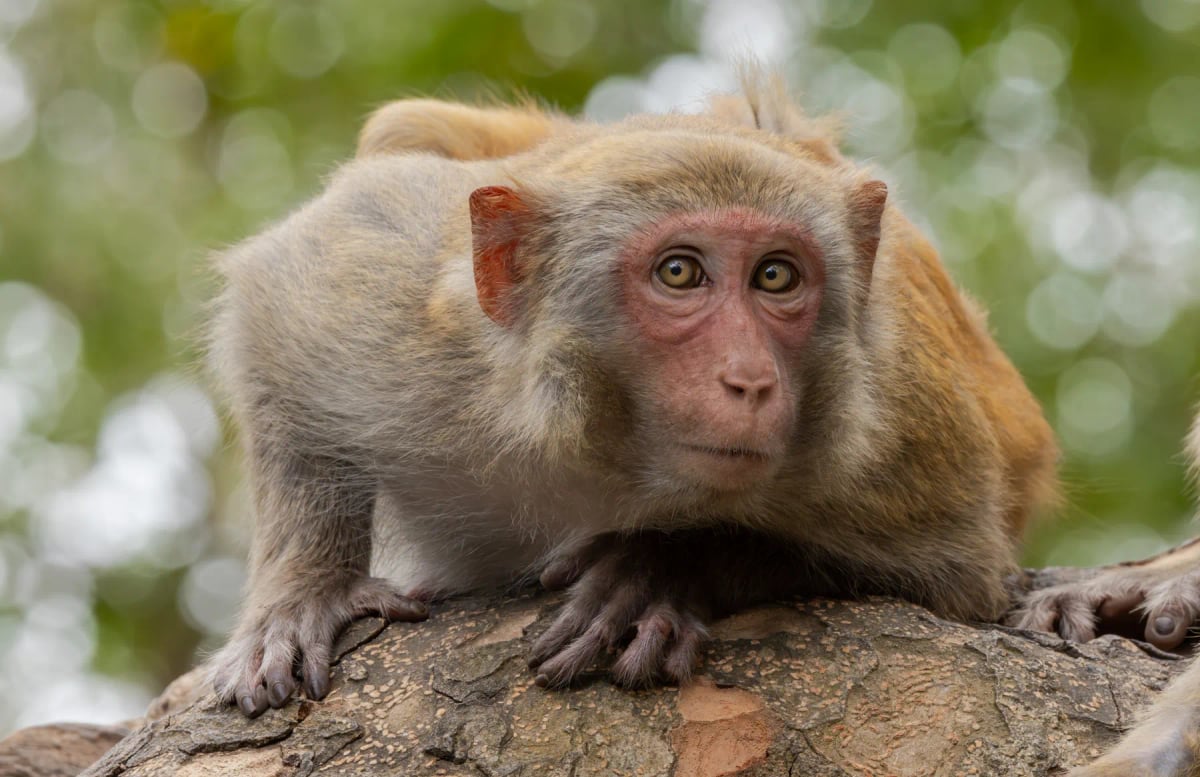
Macaque
Macaca spp.
China hosts several macaque species, including the rhesus macaque across much of the south and the Tibetan macaque in mountain forests of central and eastern regions. The snub-nosed macaques of Yunnan and Sichuan live at high elevations in cold conifer forests. Some populations, particularly in Zhangjiajie and Huangshan, have become well known through wildlife tourism and long-running scientific studies.
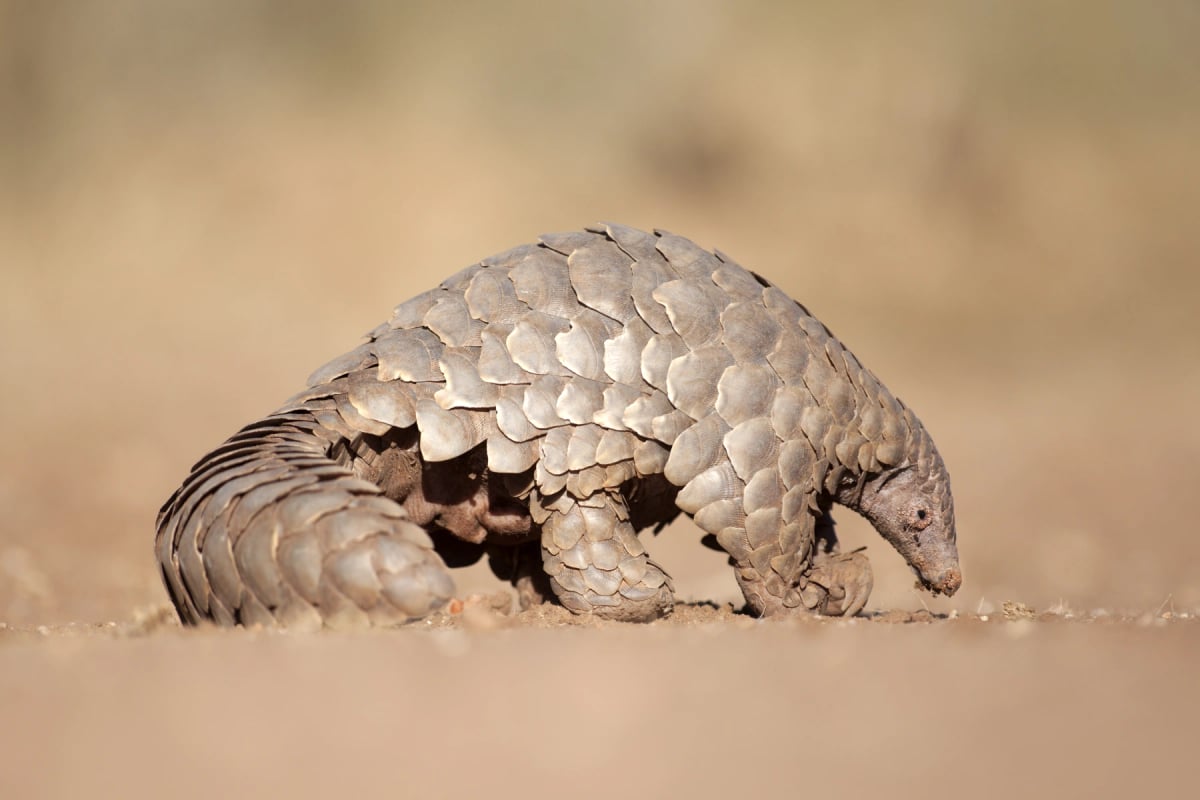
Pangolin
Manis spp.
The Chinese pangolin (Manis pentadactyla) once lived across southern China, from Yunnan to Fujian, in forests and grasslands rich in ant and termite colonies. Today it is one of the most trafficked wild animals on Earth. Demand for its scales in traditional medicine and its meat as a luxury food has driven it to the edge of extinction. Conservation efforts are growing, but illegal trade remains a serious threat.
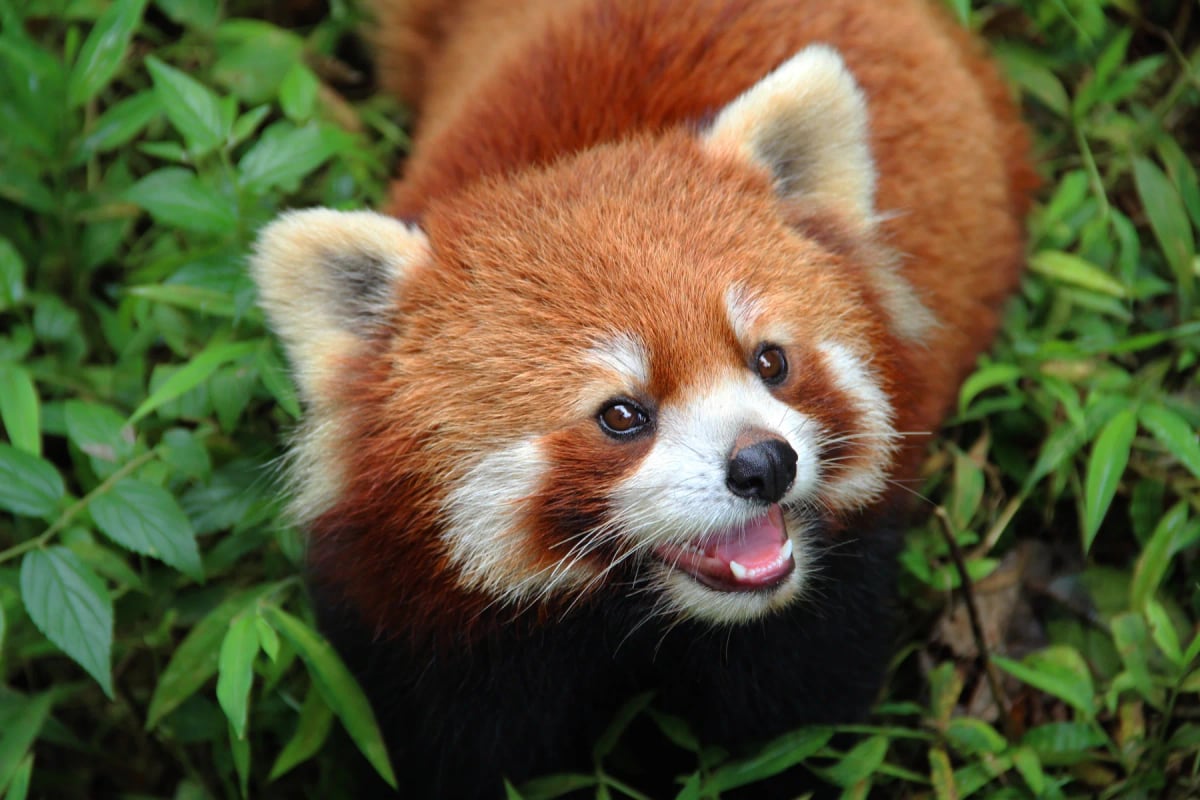
Red Panda
Ailurus fulgens
In China, the red panda is found in the mountain forests of Sichuan, Yunnan, and Tibet, where dense bamboo understories provide its main food source. China holds a significant share of the species' total range, yet habitat loss from logging and agricultural expansion remains a serious pressure. Conservation programs and nature reserves such as those in Sichuan work to protect remaining populations. Its status is Endangered.
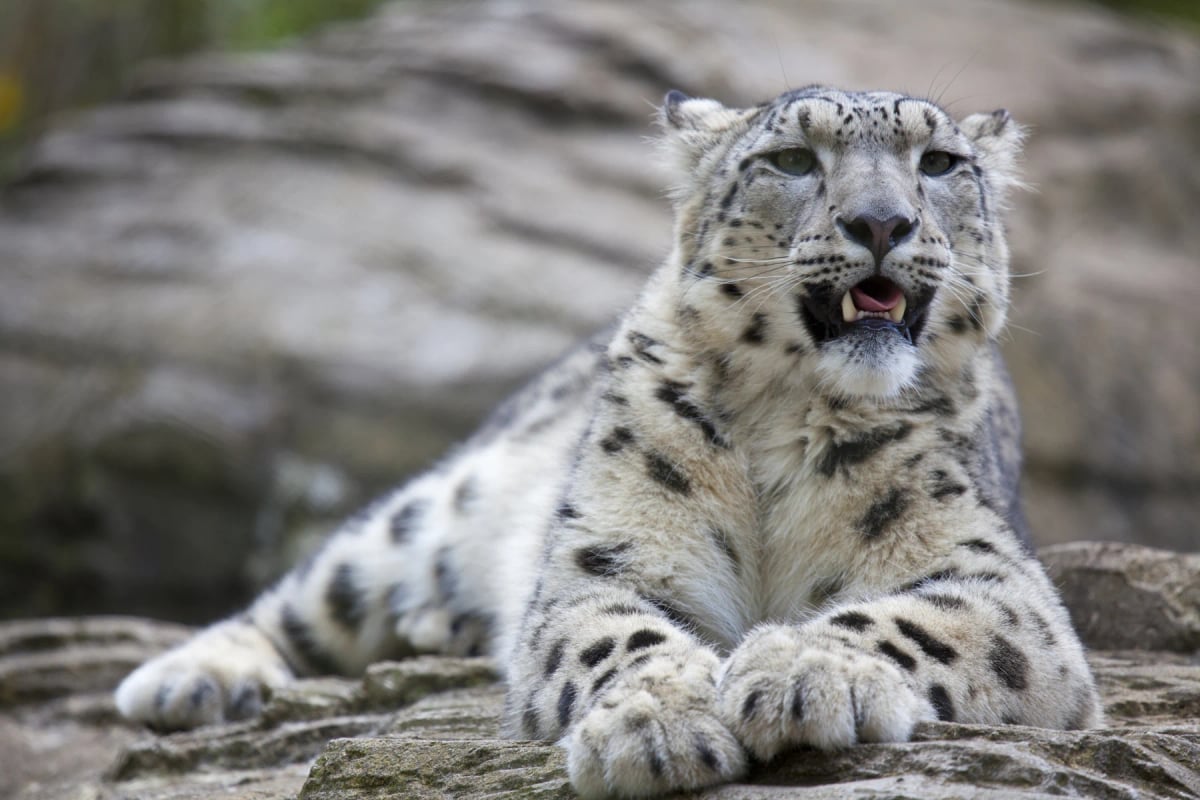
Snow Leopard
Panthera uncia
China holds the largest share of snow leopard habitat in the world, spanning the Tibetan Plateau, the Himalayas, the Karakoram, and the Tian Shan ranges. Estimates suggest roughly half the global population may live within Chinese borders. Sanjiangyuan National Park on the Tibetan Plateau has become a key site for research and protection. Prey availability and conflict with herders remain the main pressures on the species here. IUCN status: Vulnerable.
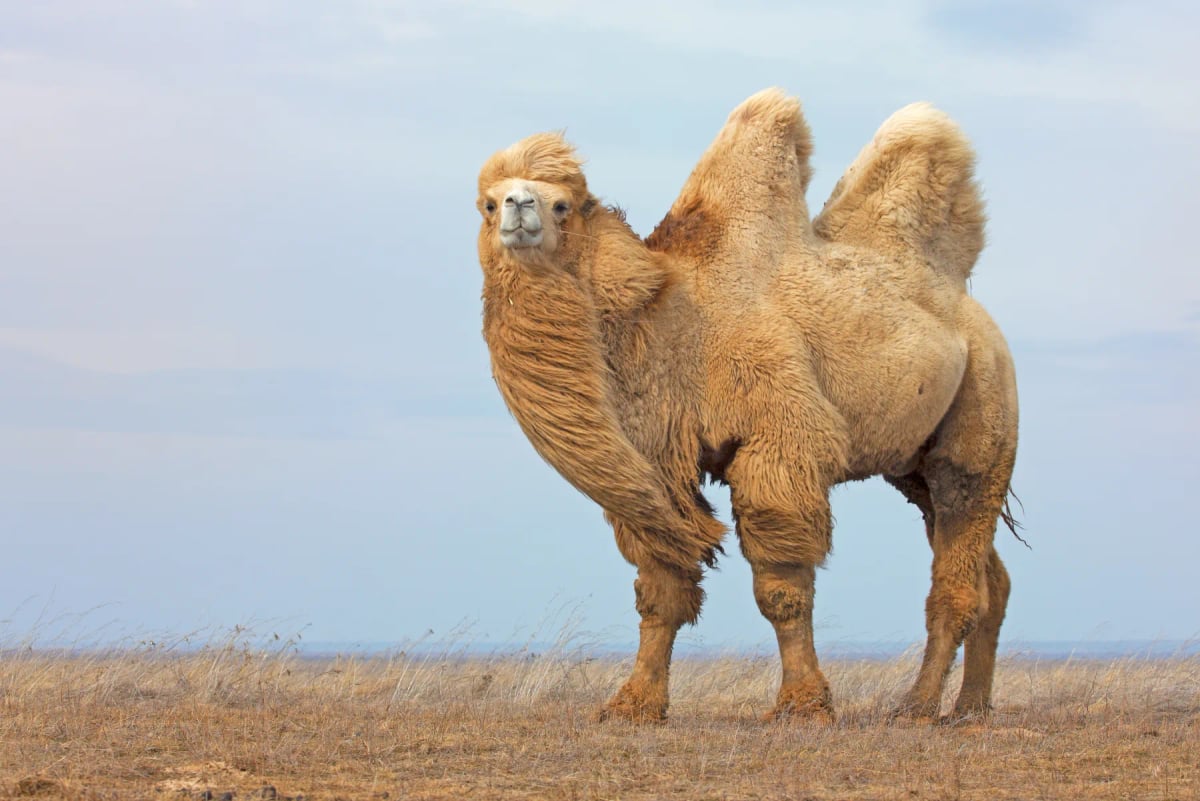
Bactrian Camel
Camelus bactrianus
The wild Bactrian camel is one of the rarest large mammals in the world and survives in China in the Gashun Gobi desert of Xinjiang and in the Lop Nur region, where a small population lives in one of the most remote and inhospitable landscapes on Earth. China and Mongolia share the remaining wild population, which numbers in the hundreds. The wild Bactrian camel is considered critically endangered and is genetically distinct from domesticated Bactrian camels. A nature reserve in Xinjiang has been established specifically to protect the remaining wild population.
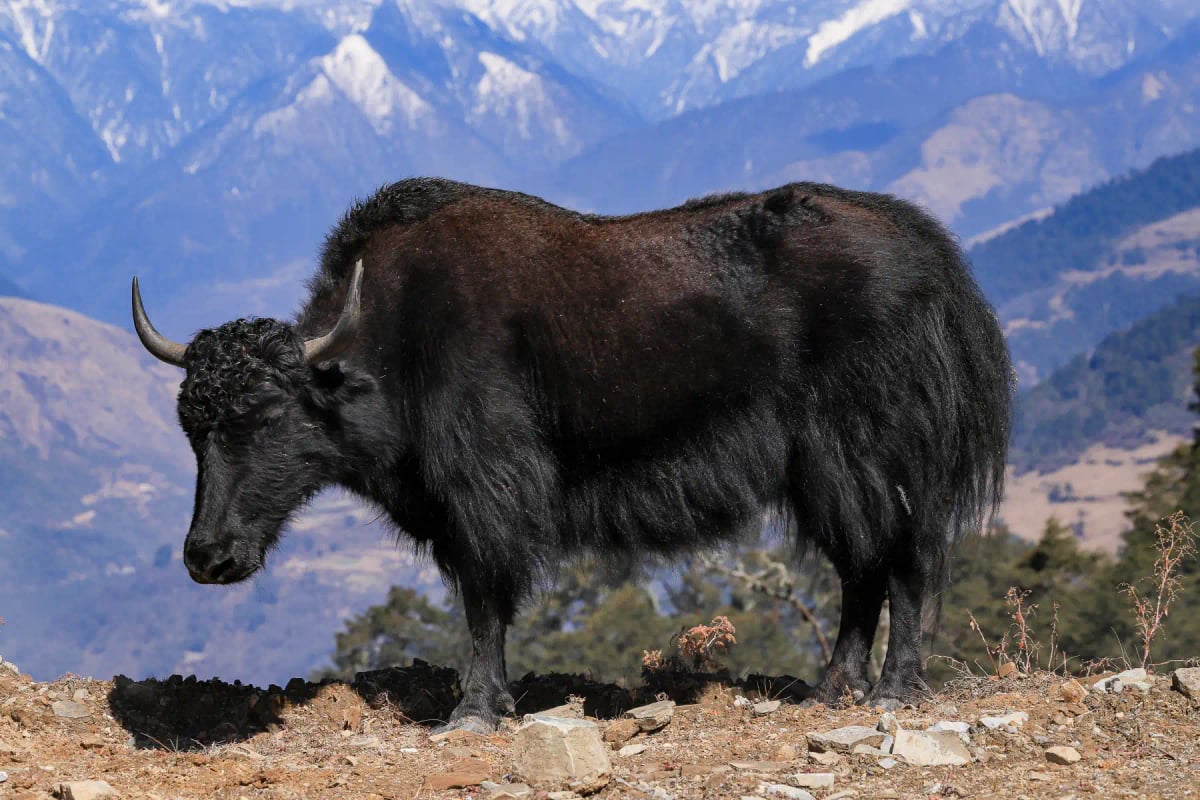
Yak
Bos grunniens
The wild yak lives on the high altitude grasslands and plateaus of the Tibetan Plateau in China, at elevations typically above 4000 meters. It is one of the largest bovids in the world and is adapted to extreme cold and low oxygen conditions through its thick coat and large lung capacity. Wild yaks are found mainly in Qinghai and Xizang and are considered vulnerable due to hunting and competition with domesticated yaks. Domesticated yaks are central to the culture and livelihoods of Tibetan communities across the plateau, providing milk, meat, wool and transport.
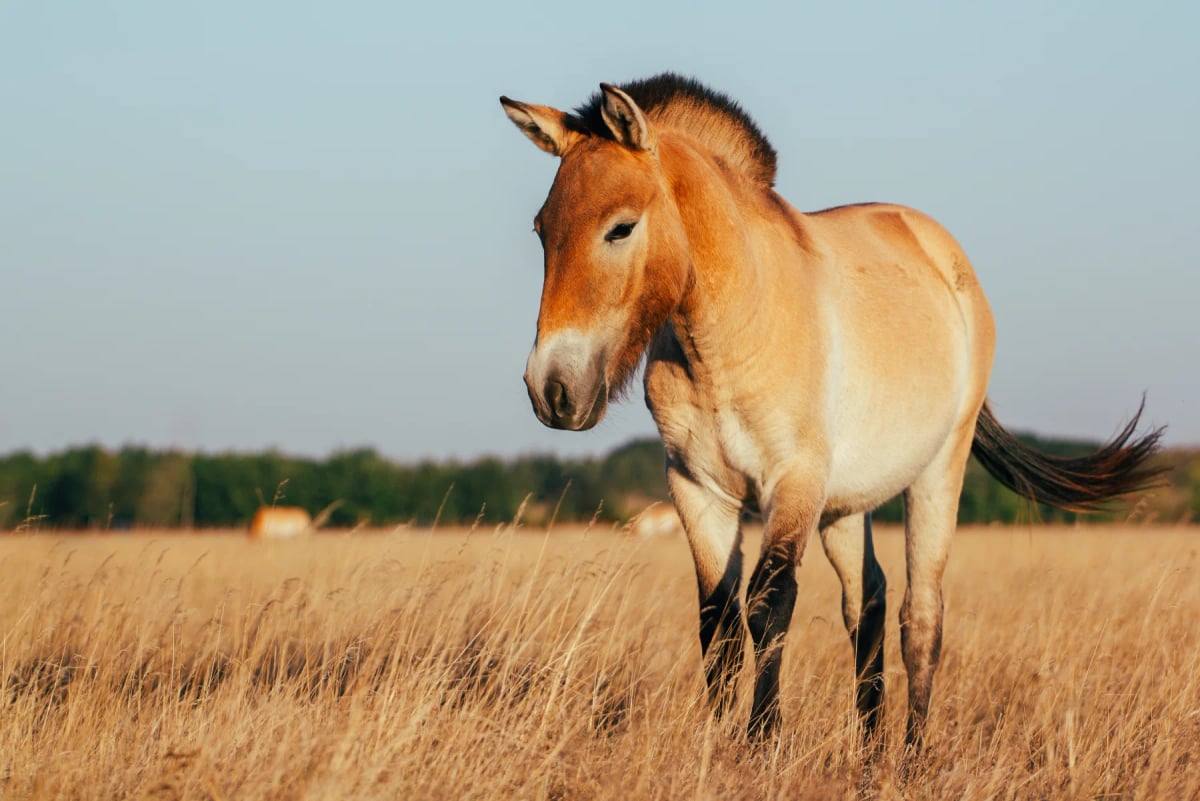
Przewalski's Horse
Equus ferus przewalskii
In China, Przewalski's Horse was reintroduced to the Kalamaili Nature Reserve in Xinjiang, a vast steppe and semi-desert landscape in the north of the country. Small bands graze the open grasslands and dig through snow in winter to reach forage beneath. The population depends on active protection and ongoing management, making the Kalamaili reserve a critical stronghold for the recovery of this endangered species.
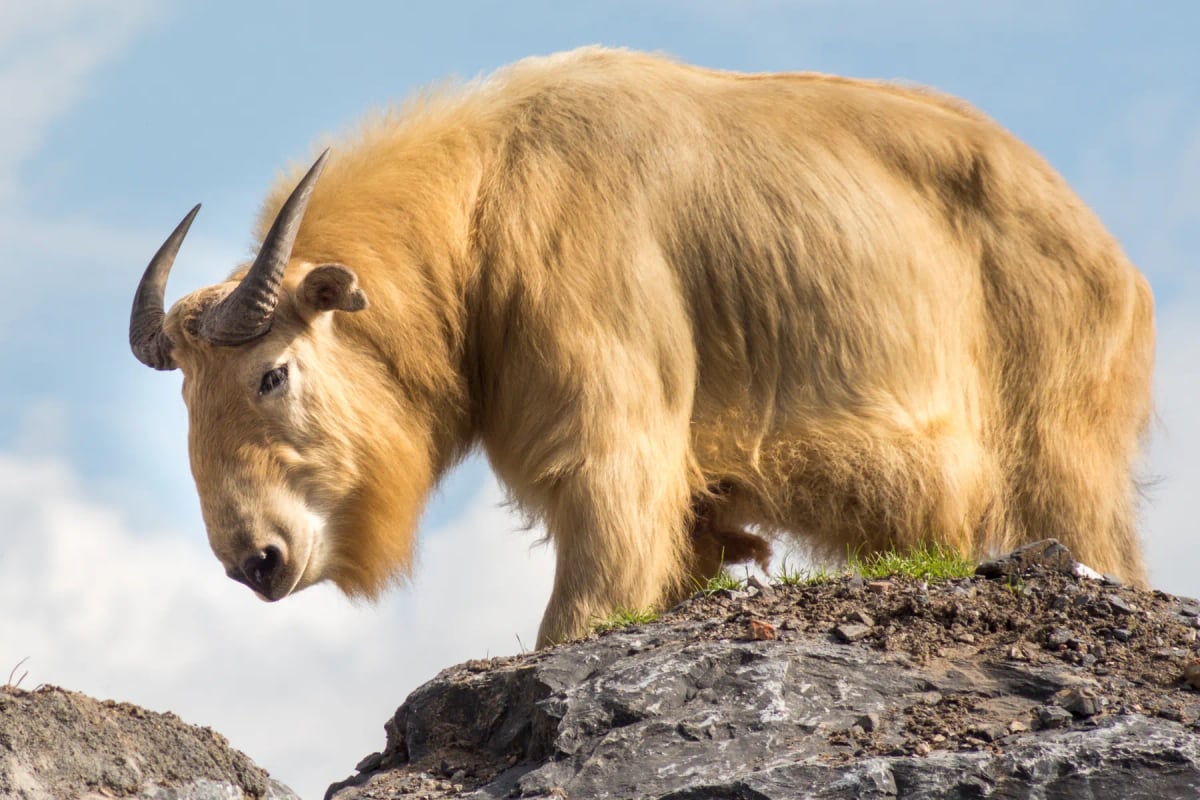
Takin
Budorcas taxicolor
In China, takins are found across several mountain ranges, including the Qinling Mountains of Shaanxi and the forests of Sichuan and Tibet. Four subspecies are recognized, and China is home to more than one of them. Herds feed on grasses, bamboo shoots, and shrubs, following seasonal routes between lower forests in winter and higher alpine zones in summer. The IUCN lists the species as Vulnerable, with habitat loss and hunting as the main threats.
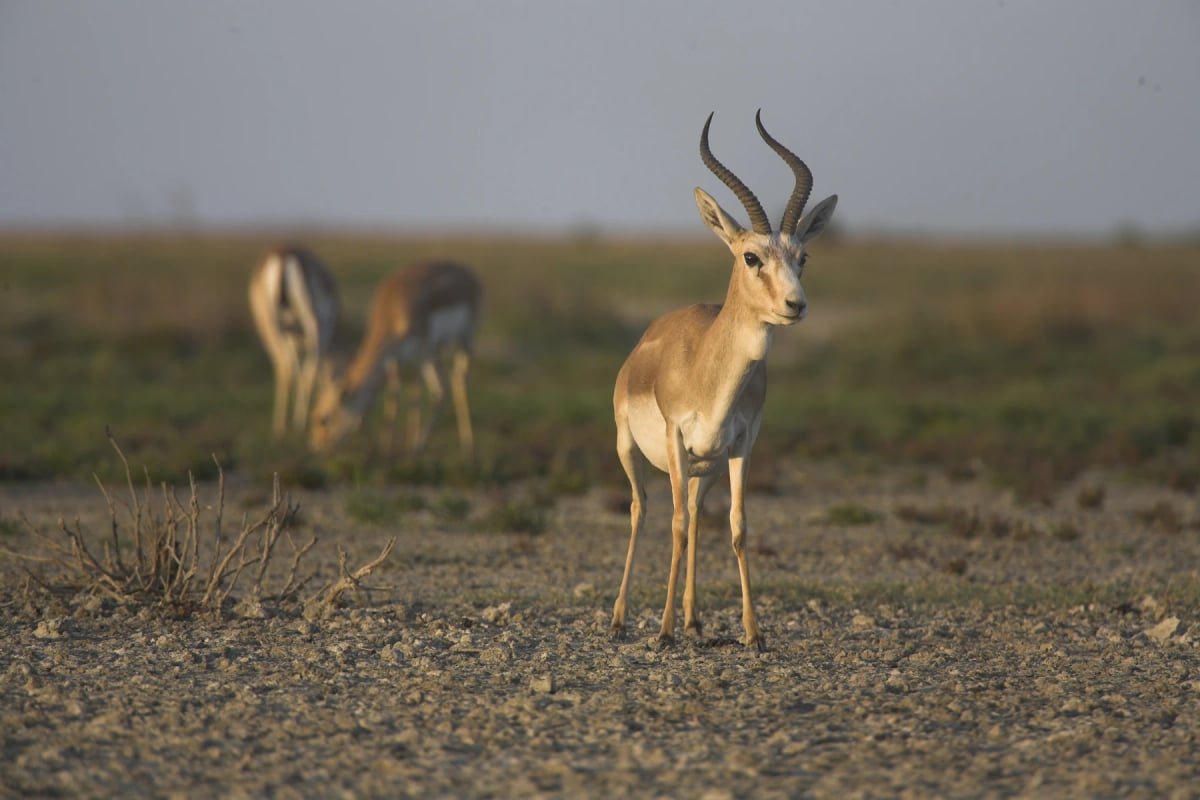
Goitered Gazelle
Gazella subgutturosa
In China, the goitered gazelle inhabits the deserts and stony plains of Xinjiang and extends into parts of Inner Mongolia. It navigates extreme temperatures and sparse vegetation, relying on grasses and seasonal herbs. Fencing for agriculture and infrastructure development has fragmented migration routes, isolating groups from one another. The IUCN lists the species as Vulnerable, and its status in China reflects wider pressures across Central Asia.
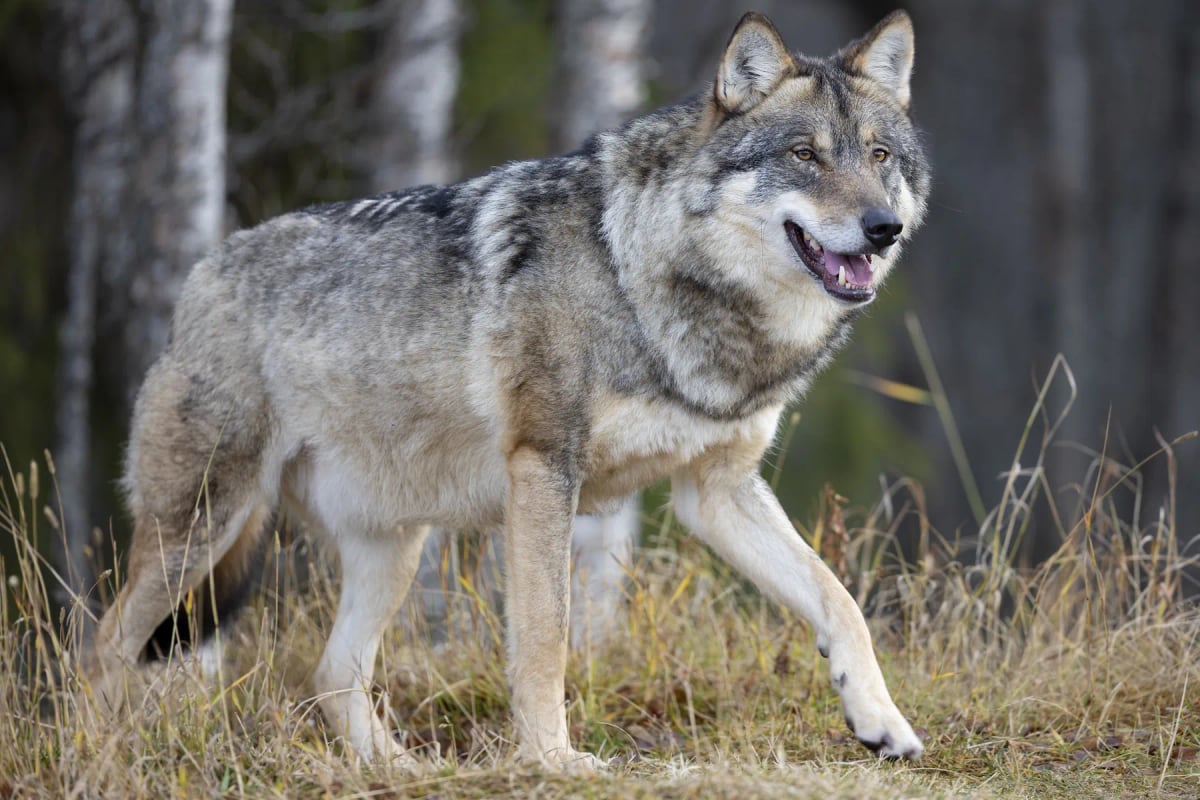
Gray Wolf
Canis lupus
Gray wolves range across several parts of China, including Inner Mongolia, Tibet, Xinjiang and parts of the northeast. They inhabit grasslands, deserts and high plateau terrain. In areas like the Tibetan Plateau, wolves share the landscape with snow leopards and brown bears. Prey includes Tibetan antelope, gazelles and domestic livestock. Conflict with herders is common, and attitudes toward wolves vary greatly across different regions.
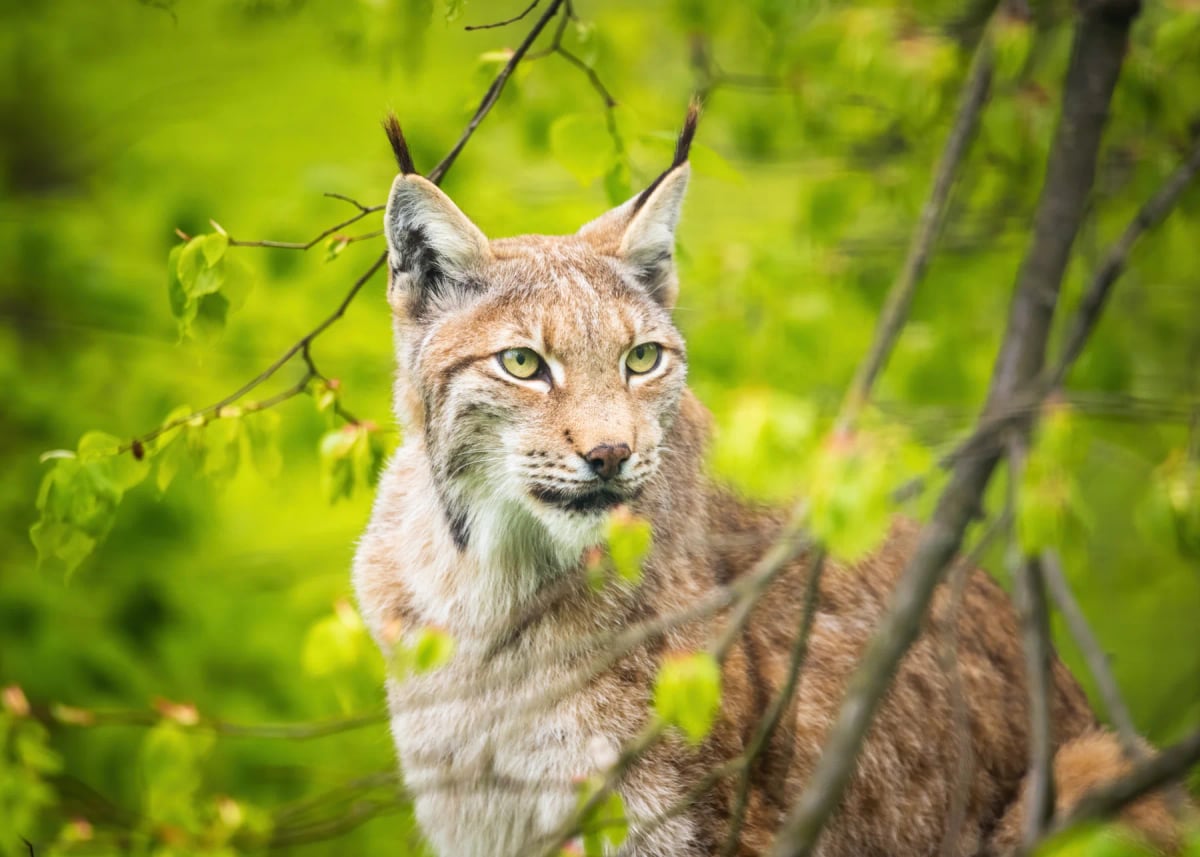
Eurasian Lynx
Lynx lynx
In China, the Eurasian Lynx is found across a broad arc of northern and western regions, including the boreal forests of the northeast, the Altai Mountains, and parts of Tibet and Xinjiang. It is one of the larger predators in these ecosystems, feeding mainly on roe deer, musk deer, and hares depending on the area. Habitat remains extensive but faces pressure from logging and human expansion. Its IUCN status is Least Concern.
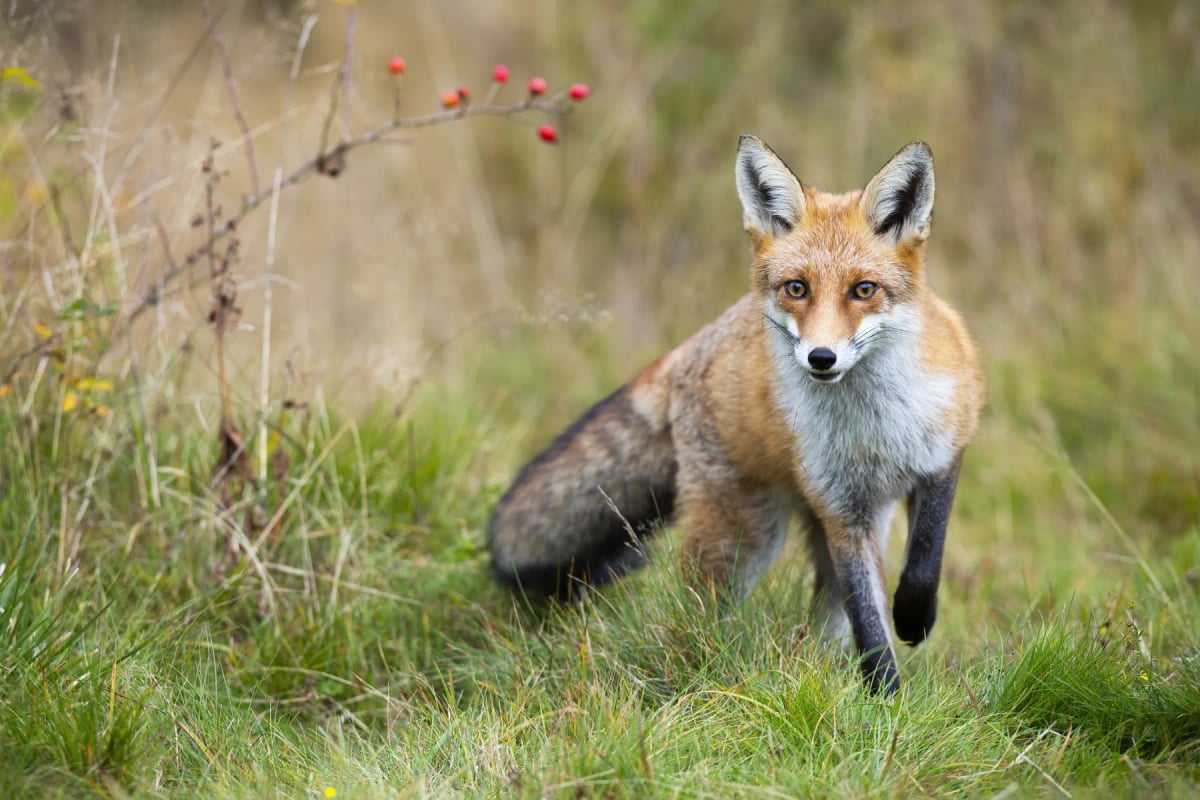
Red Fox
Vulpes vulpes
The red fox is found across a vast portion of China, from the cold grasslands of Inner Mongolia and the Tibetan Plateau to temperate forests in the northeast and the farmlands of central regions. Several subspecies occur within Chinese territory. It is an important predator of rodents in agricultural areas and steppe ecosystems. The species is common and widespread, though habitat loss in some regions puts local pressure on populations.
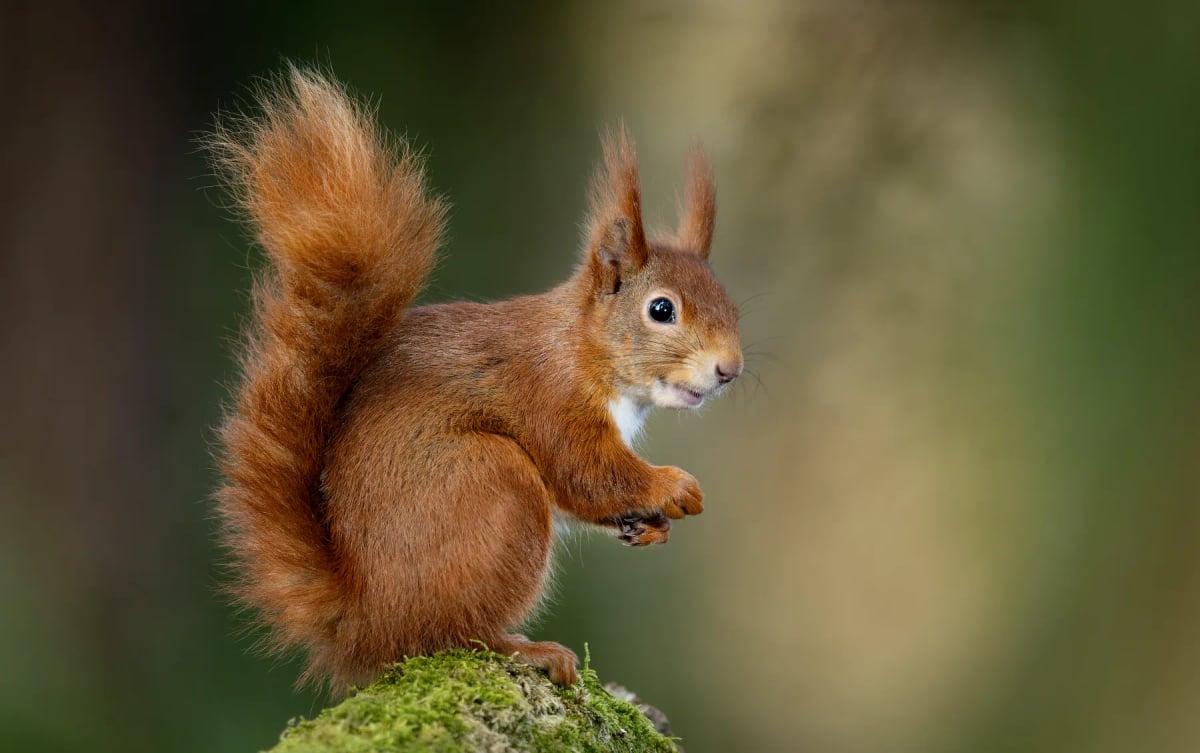
Red Squirrel
Sciurus vulgaris
In China, the red squirrel is found across the northeastern provinces and in forested mountain regions further west, including parts of Xinjiang and the Greater Khingan range. Its coat is often darker than in European populations. It inhabits coniferous and mixed forests, feeding on seeds and stored caches through the long winters of northern China. IUCN status: Least Concern.
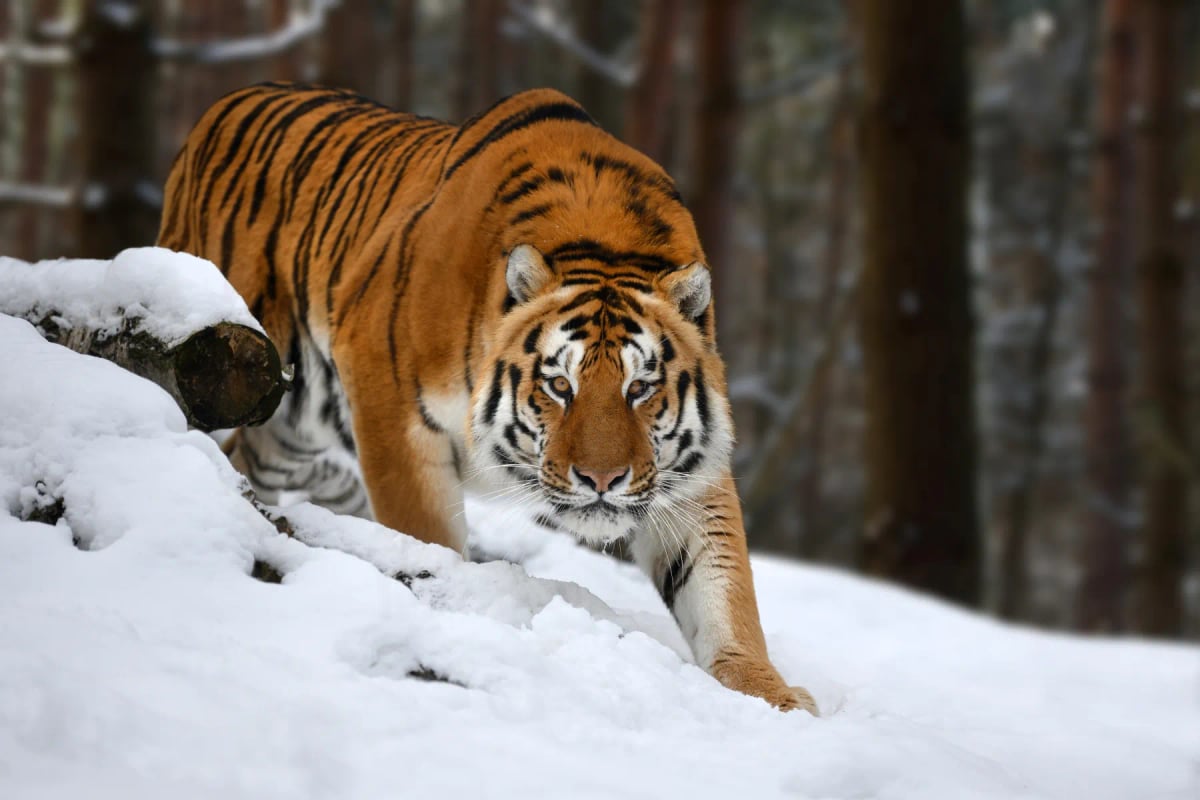
Siberian Tiger
Panthera tigris altaica
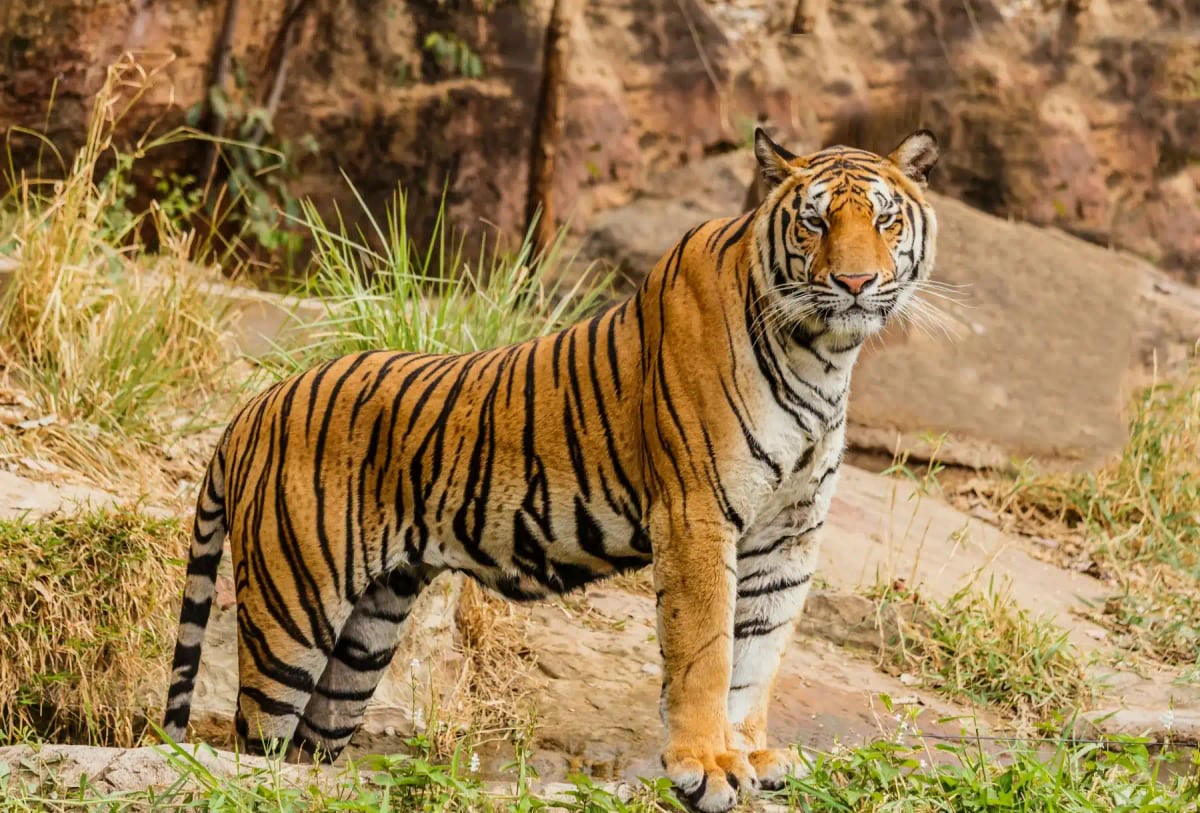
In China, the Siberian tiger clings to survival in a narrow stretch of forest along the northeastern border with Russia, in Jilin and Heilongjiang provinces. Only a handful of individuals are thought to roam this area in the wild. China has established the Northeast China Tiger and Leopard National Park to protect this habitat and support the tiger's slow recovery across the border region.
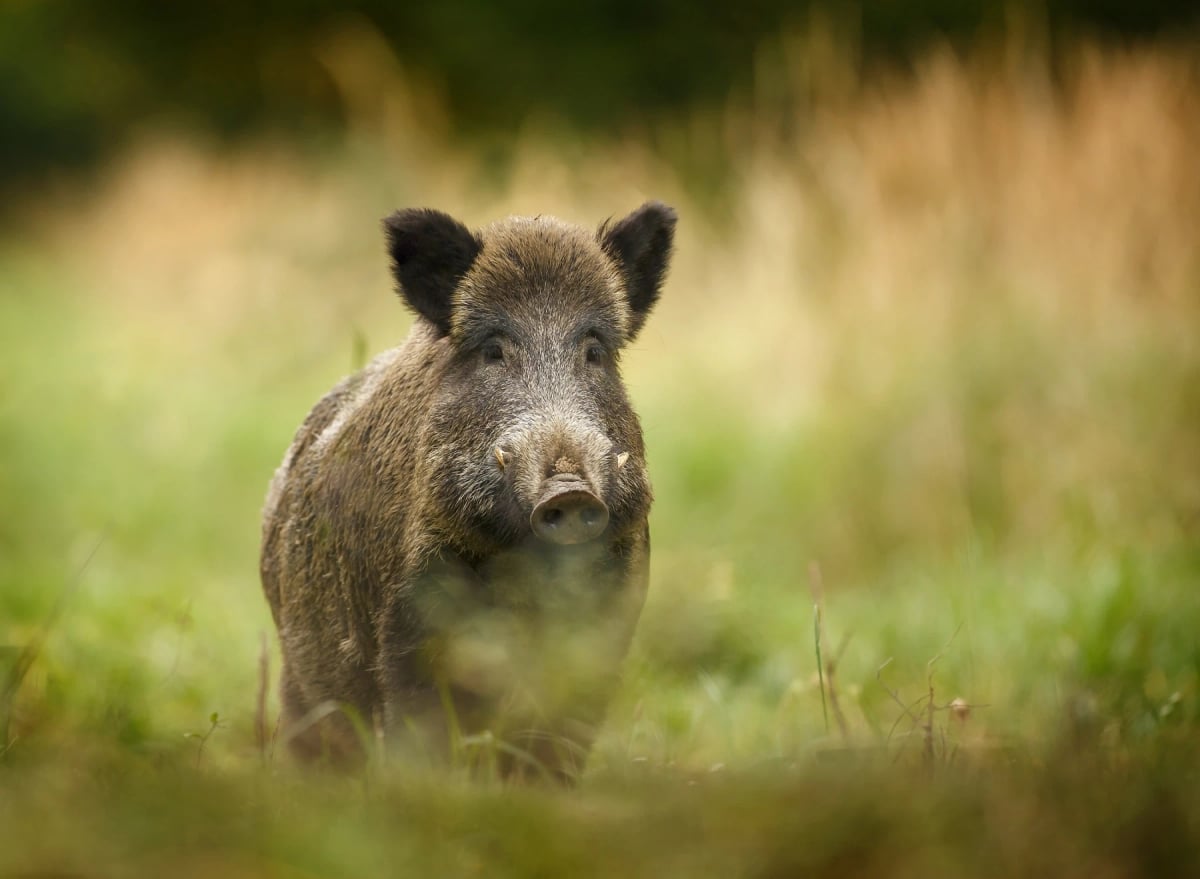
Wild Boar
Sus scrofa
The wild boar is found across a wide range of habitats in China, from the forests and wetlands of the northeast through central mountain ranges to the tropical south. It is one of the most widespread large mammals in the country, living in forests, farmland edges and river valleys. Wild boars are widely hunted and remain prey for tigers, leopards and wolves where these predators survive, while also damaging crops in some farming regions.
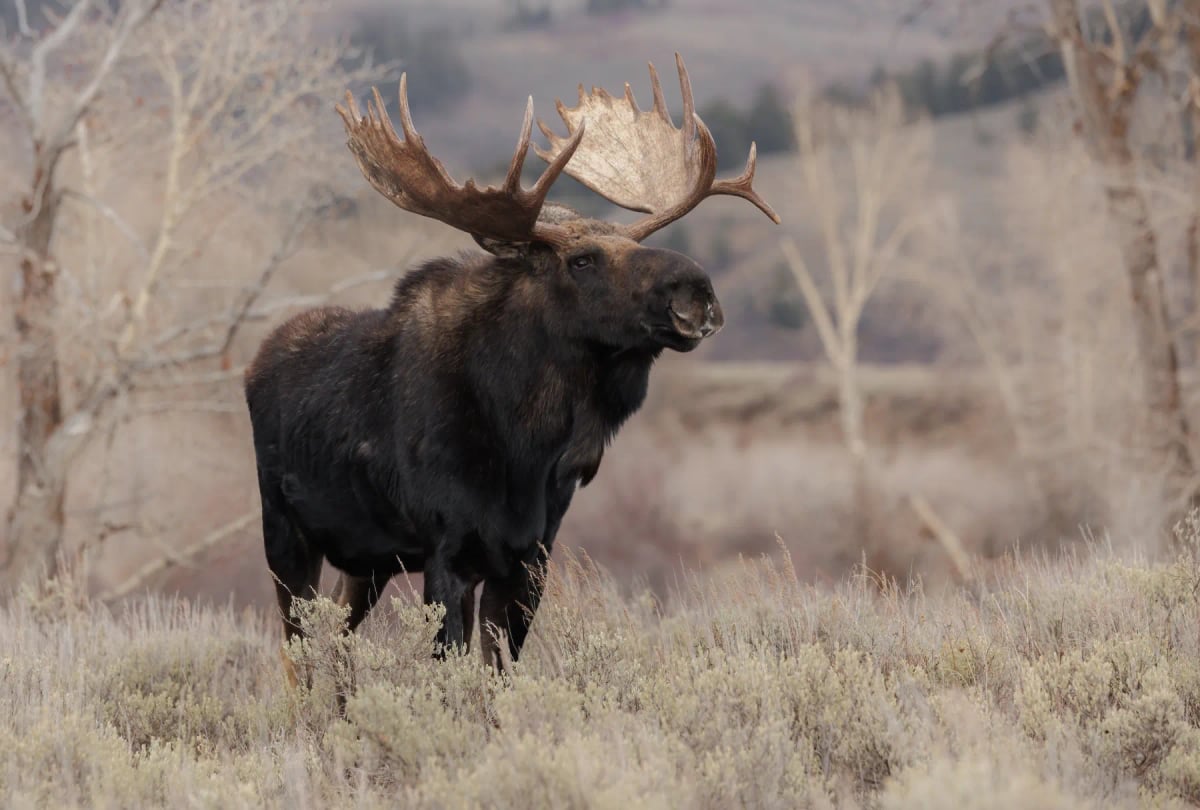
Moose
Alces alces
In China, moose are found in the dense conifer and birch forests of the Greater Khingan Range in northeastern Heilongjiang province, close to the Russian border. The population is relatively small compared to those further north and has faced pressure from habitat loss and past overhunting. Conservation efforts and legal protections have helped stabilise numbers, and the species is considered of least concern at the global level.
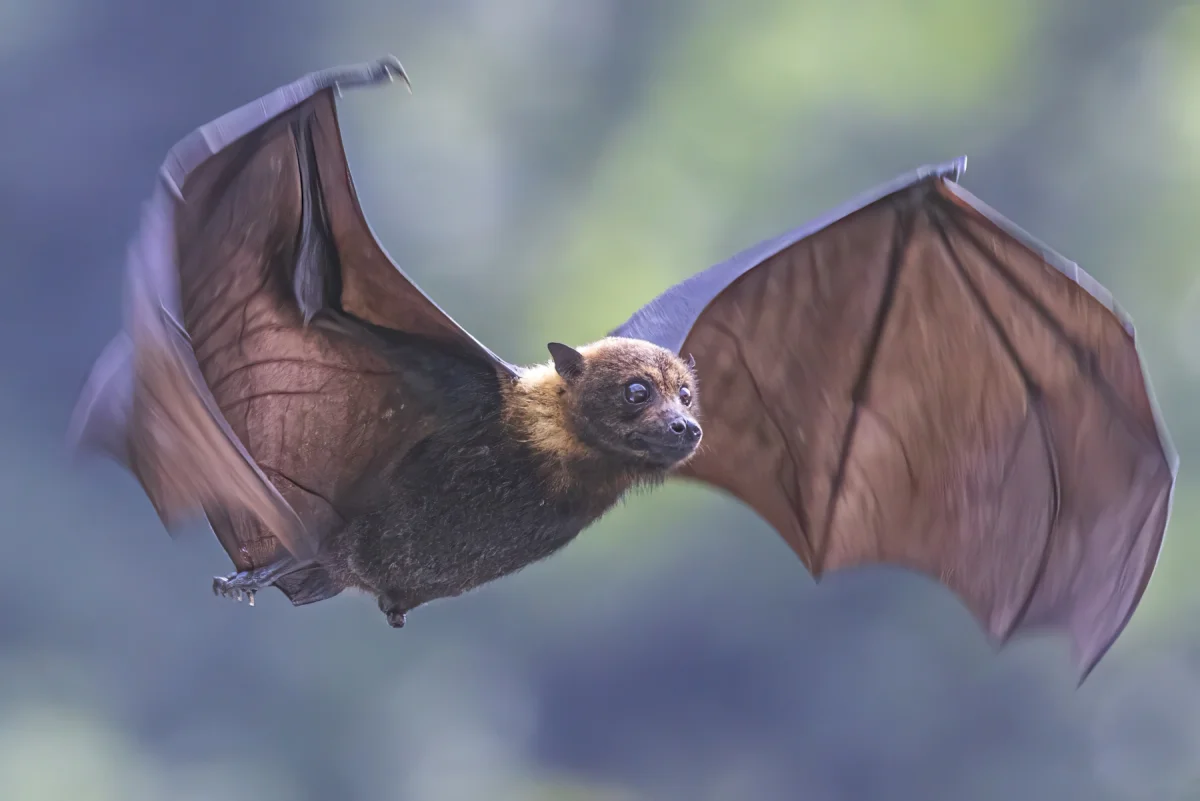
Fruit Bat
Pteropodidae
Fruit bats in China are found mainly in the tropical and subtropical regions of Yunnan province and on Hainan Island. They inhabit dense forest edges and cave systems, roosting in colonies during daylight hours. Their role as pollinators and seed dispersers supports the health of southern China's remaining tropical forests. Some species also appear in traditional medicine, which has contributed to localised hunting pressure.
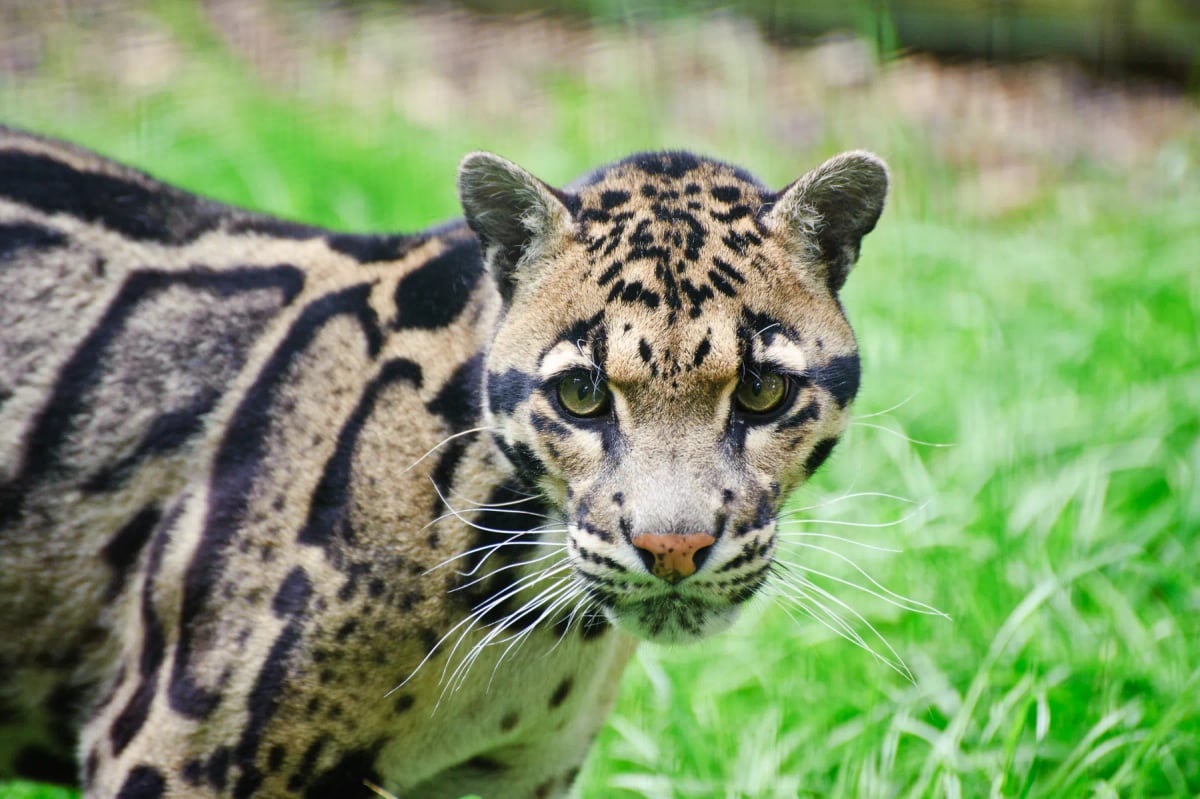
Clouded Leopard
Neofelis nebulosa
In China, the clouded leopard occurs in subtropical forests across Yunnan, Sichuan, and parts of southern Tibet. It favors dense, hilly woodland and is considered extremely rare throughout its Chinese range. Significant habitat fragmentation and a long history of hunting have put pressure on local populations. The species is protected under Chinese law, and forest reserves in Yunnan represent some of the most important habitat remaining for this cat.
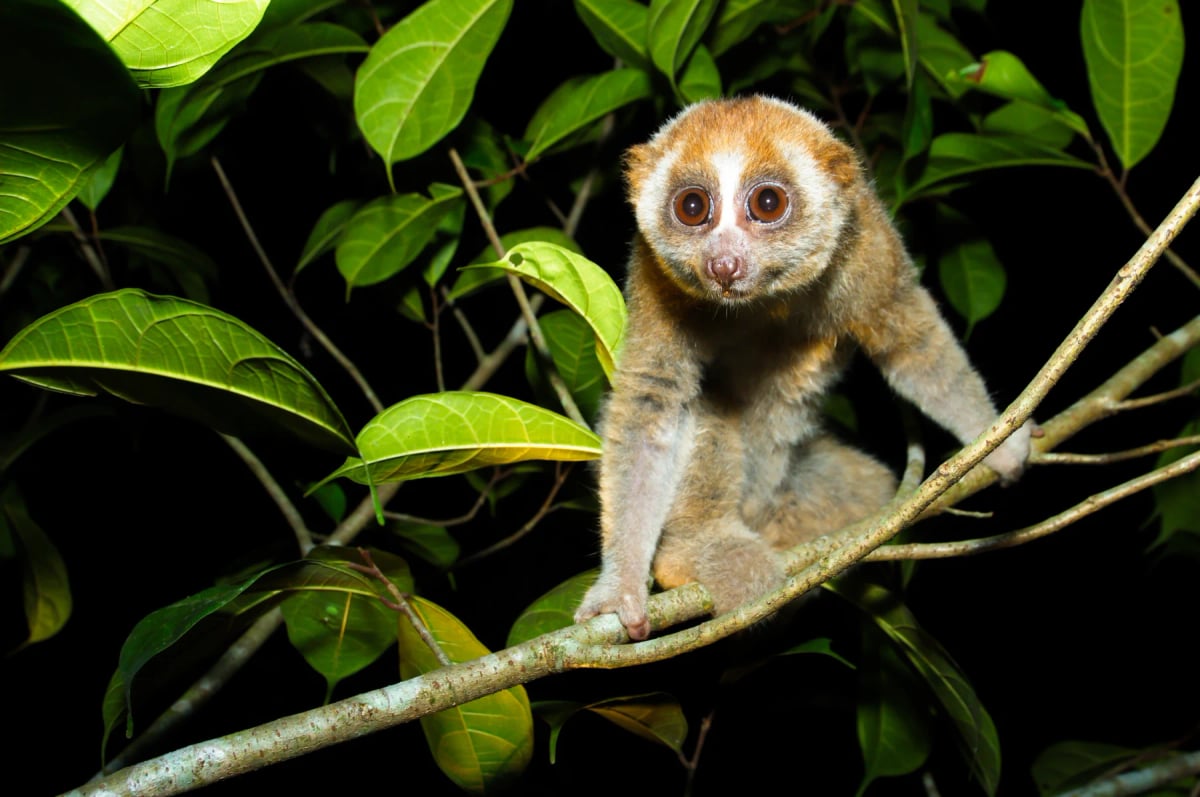
Bengal Slow Loris
Nycticebus bengalensis
In China, the Bengal slow loris is restricted to Yunnan Province, where it inhabits tropical and subtropical forest edges at the southwestern border of its global range. Populations here are considered small and fragmented. Deforestation and the illegal pet trade have driven significant declines. The species is listed as Vulnerable by the IUCN, and it receives legal protection under Chinese wildlife conservation law.
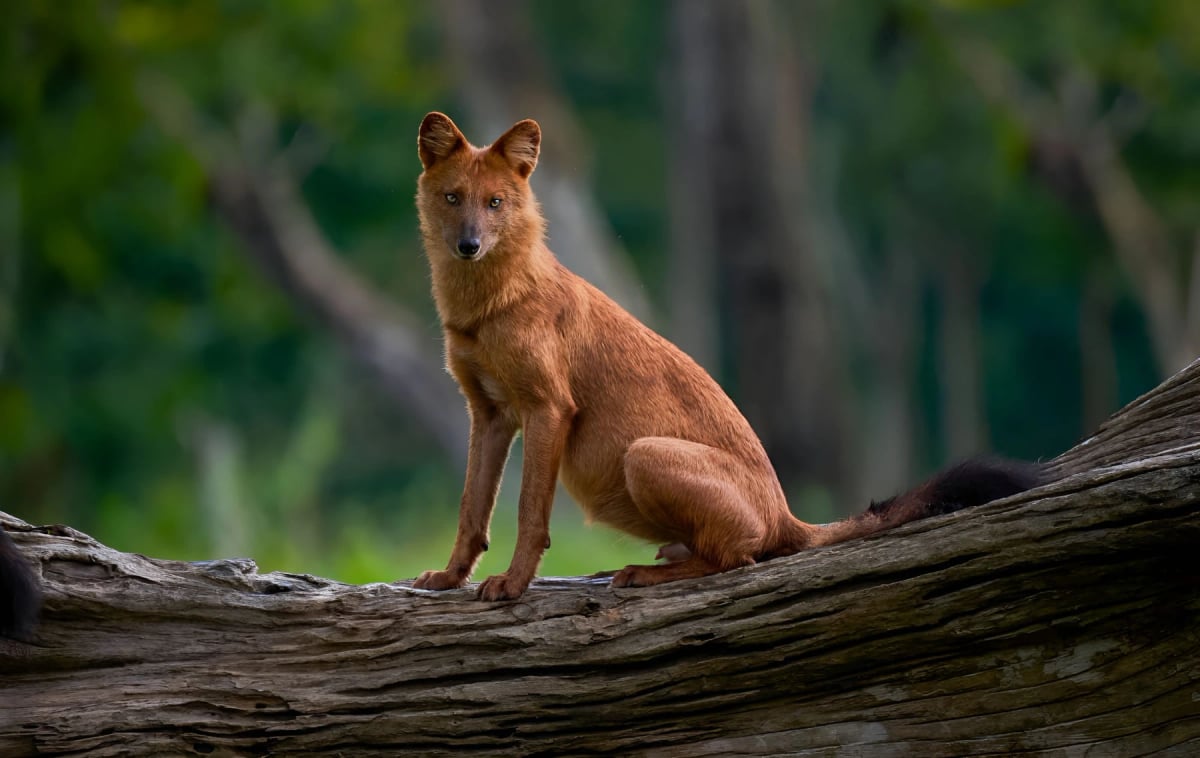
Dhole
Cuon alpinus
In China, dholes historically ranged across vast areas but today survive in small, scattered populations, mainly in Yunnan province and parts of the southwest. Deforestation, loss of prey, and persecution have caused a dramatic decline. They favor forests and mountainous terrain where prey like deer remain available. Conservation efforts in China are ongoing but the species faces serious pressure. The IUCN lists the dhole as Endangered.
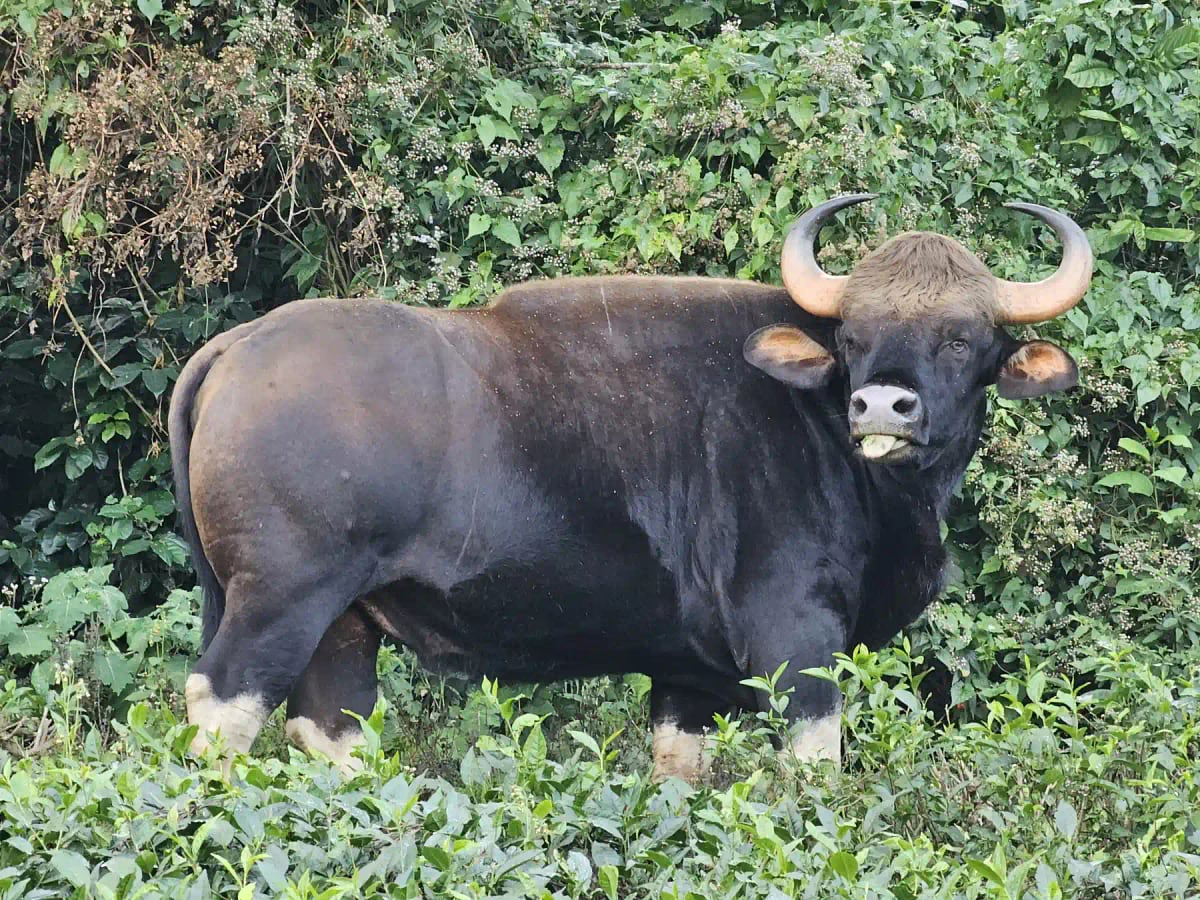
Gaur
Bos gaurus
The gaur has a very limited presence in China, found only in small numbers in the tropical forests of Yunnan province, near the border with Myanmar and Laos. Habitat fragmentation has reduced the population significantly over recent decades. The species receives legal protection in China, and efforts are ongoing to monitor the remaining animals and reduce conflict with local farming communities.
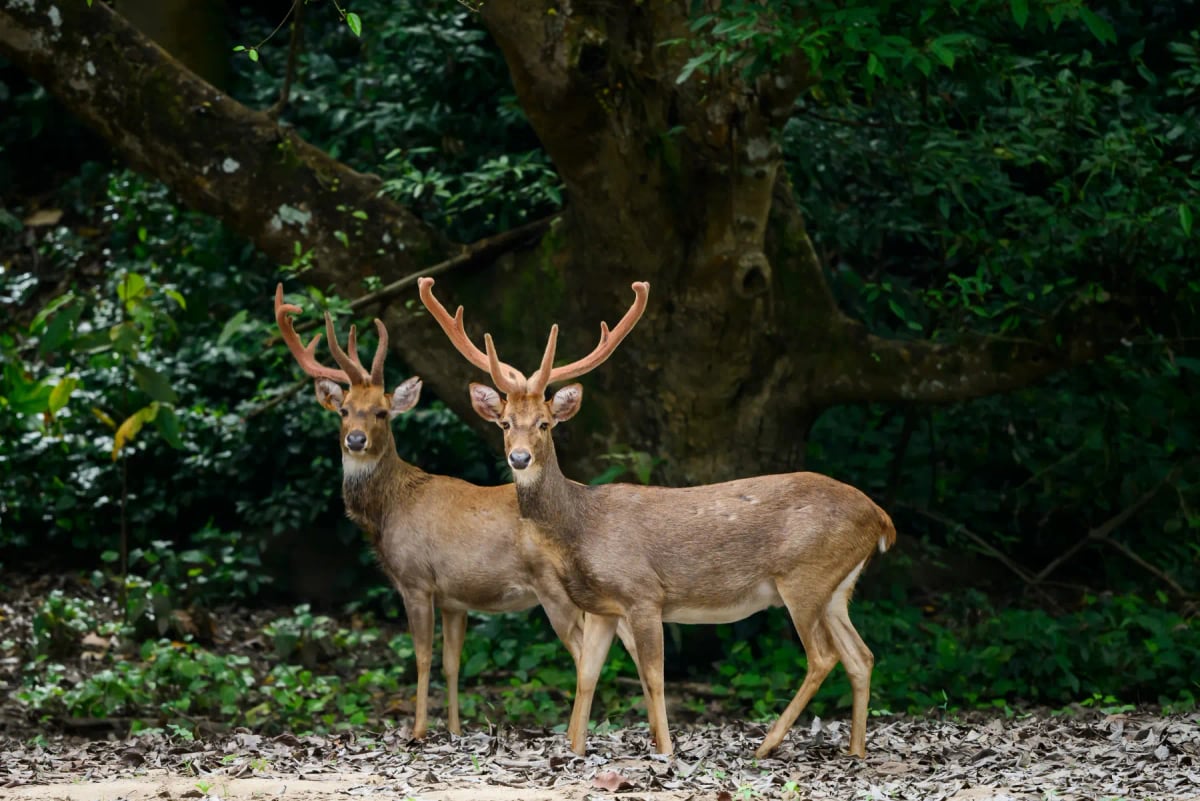
Eld's Deer
Rucervus eldii
In China, Eld's deer is found only in Yunnan province, where a critically small population persists in isolated pockets of suitable habitat. The subspecies present here has suffered heavily from agricultural expansion and poaching over many decades. Chinese conservation authorities have worked to protect key areas, but the deer remains extremely rare. The IUCN lists the species as Endangered, and its future in China depends on continued habitat protection efforts.
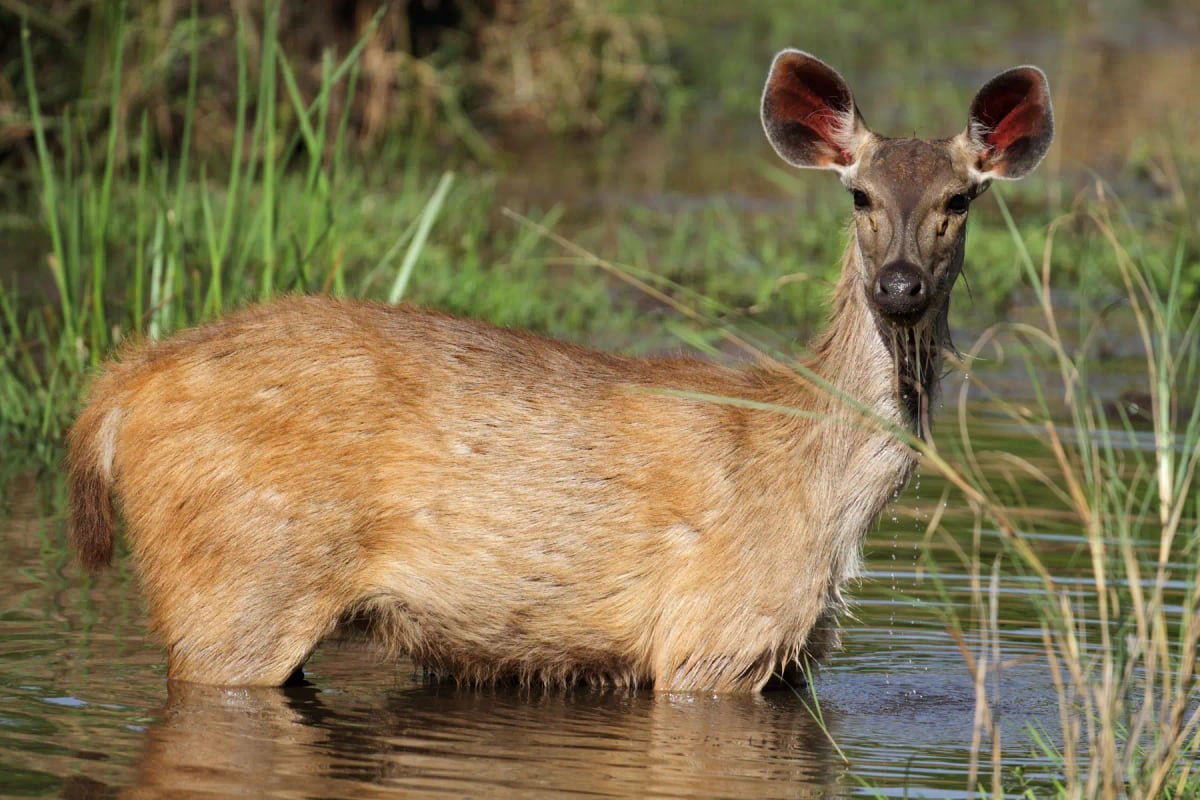
Sambar Deer
Rusa unicolor
Sambar deer occur in southern China, particularly in Yunnan province and parts of Sichuan and Guangdong, in subtropical and tropical forest habitats. Their range in China overlaps with areas where tigers and leopards historically roamed. Populations have declined significantly due to hunting and forest clearance. The sambar is listed under national wildlife protection regulations in China, and the IUCN considers the species Vulnerable globally.
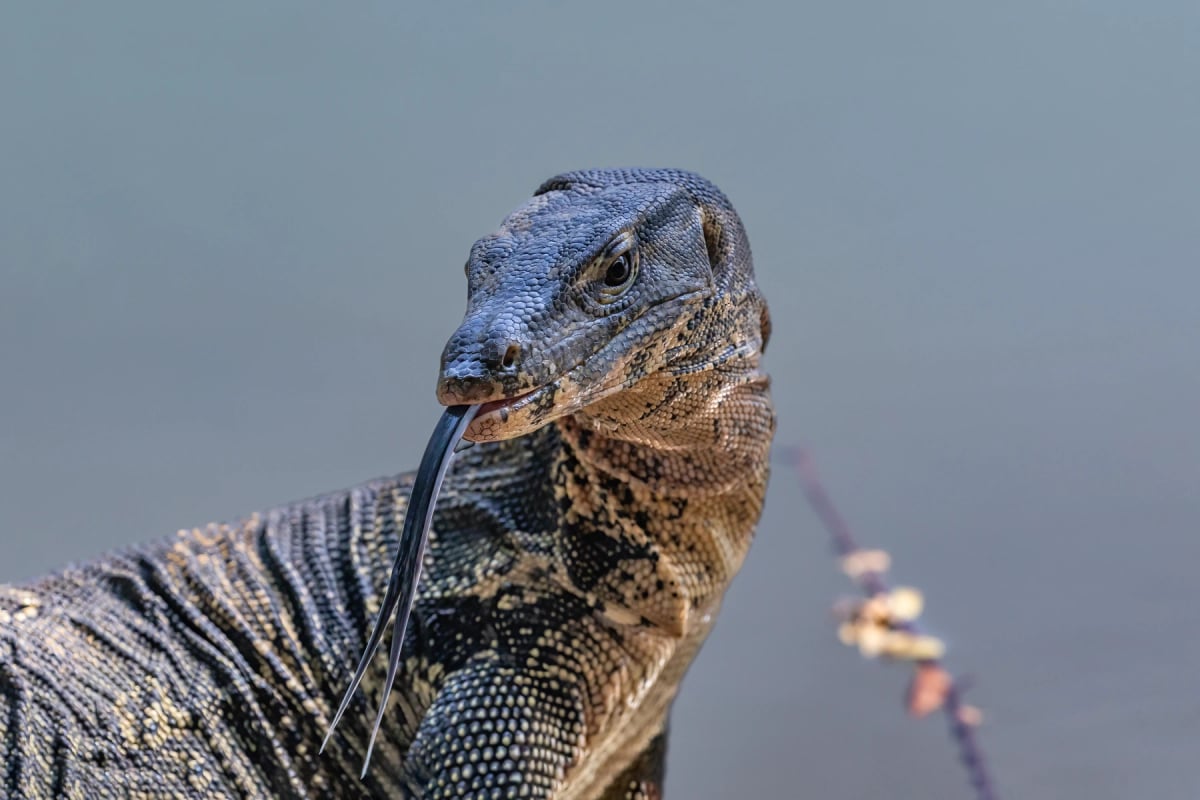
Monitor Lizard
Varanus salvator
The Asian water monitor is found in the southernmost parts of China, mainly in the coastal provinces of Guangdong, Guangxi and Yunnan, and on Hainan Island. It inhabits rivers, wetlands and coastal forests and represents the northern edge of the species' range. Listed as a Class I protected animal in China since 2021, it faces pressure from habitat loss and is now rarely seen in the wild.
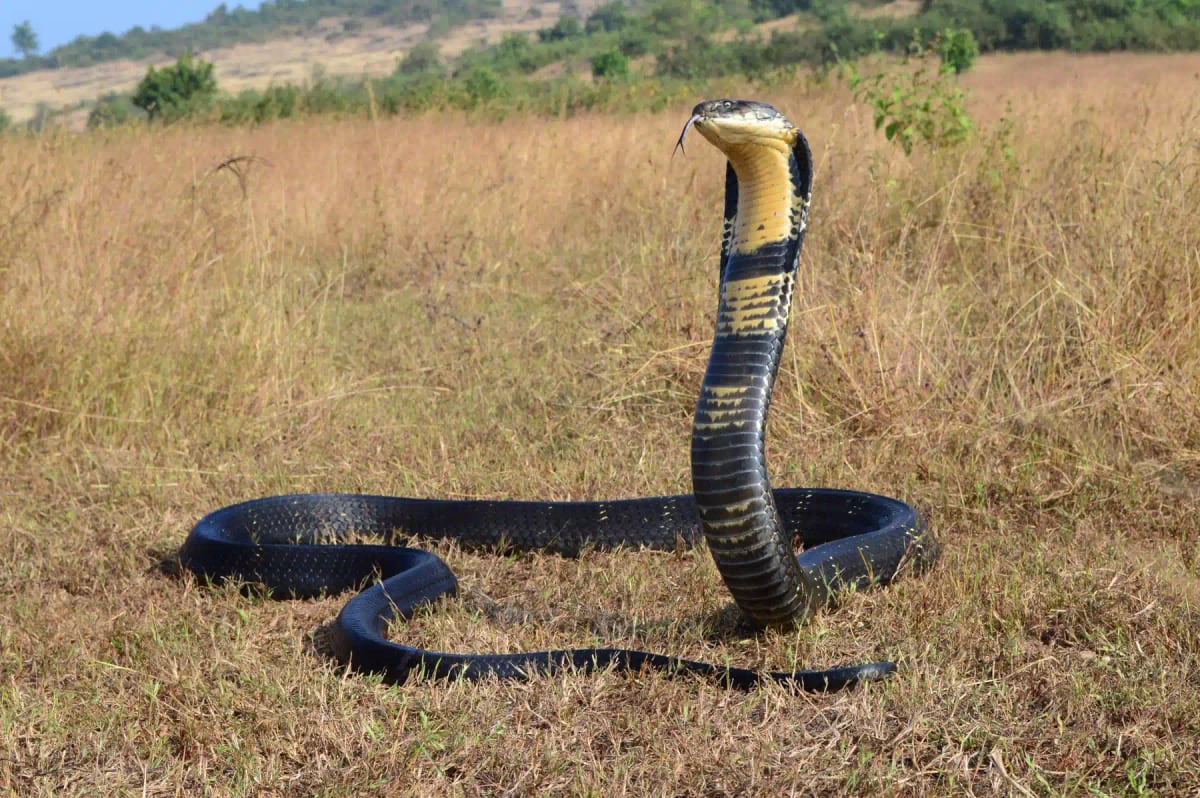
King Cobra
Ophiophagus hannah
The king cobra is found in the tropical forests of southern China, mainly in Yunnan, Guangxi, Guangdong and Hainan, where it lives in dense jungle and near streams. It is the longest venomous snake in the world and feeds almost exclusively on other snakes. Despite its fearsome reputation it is shy and avoids contact with people when possible. The king cobra is protected in China and its populations have declined due to habitat loss and collection for traditional medicine and the food trade.

Sea Turtle
Cheloniidae & Dermochelyidae (families)
Several sea turtle species use the coastal waters and beaches of China, with green and hawksbill turtles being the most commonly recorded. The South China Sea has historically been an important feeding and nesting area, though populations have declined significantly due to hunting, egg collection and coastal development. Hainan Island and the Xisha Islands hold some of the most important remaining sea turtle habitats in Chinese waters. Conservation programs have been established to protect nesting beaches and monitor populations.

Sea Snake
Hydrophiinae / Laticauda spp.
Sea snakes are found along the coastlines of southern China, particularly around Hainan Island and the South China Sea, where warm waters and coral reef habitats support several species. Sea kraits of the genus Laticauda also frequent rocky shores in the region. Bycatch in commercial and artisanal fishing operations poses the most serious threat to their populations. IUCN status: Data Deficient.
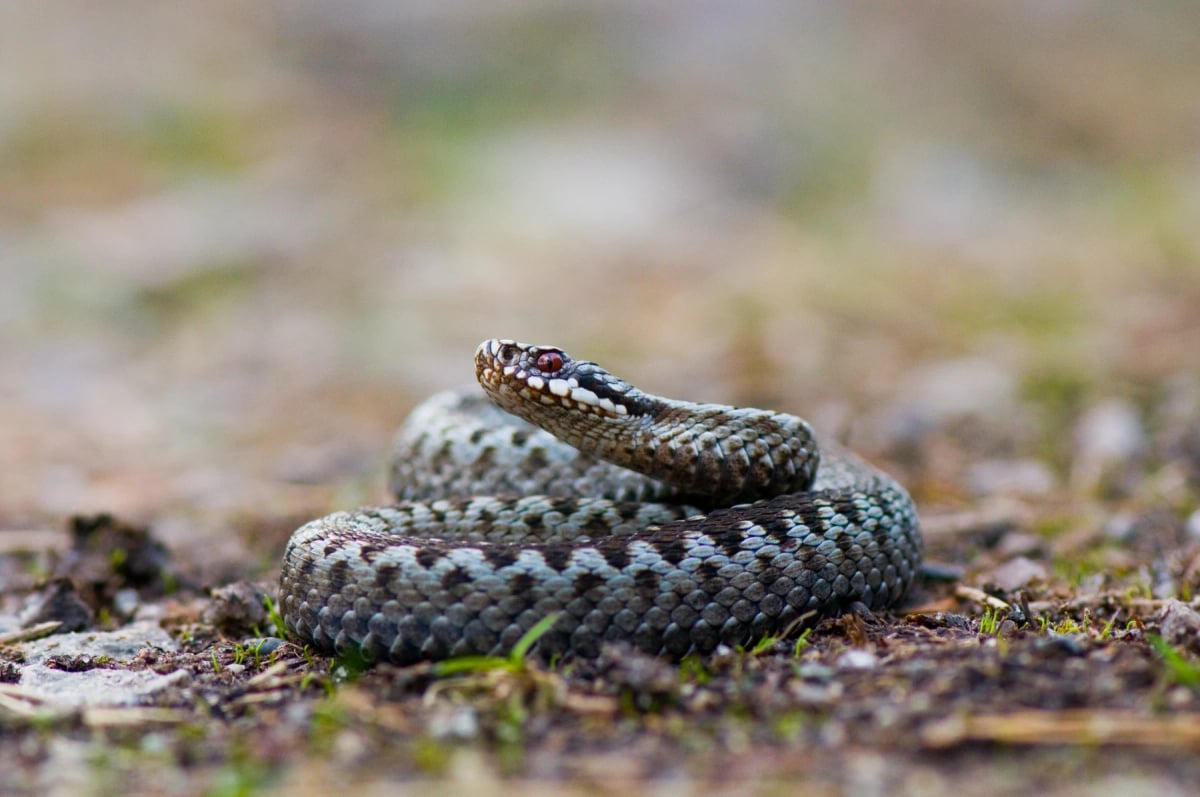
European Adder
Vipera berus
The European adder reaches the eastern edge of its vast range in northwestern China, where it has been recorded in the Xinjiang region. Here it occupies cooler highland habitats amid steppe and mountain terrain. This makes China one of the few countries outside Europe where the species is found. Populations in this part of its range remain relatively little studied. Its IUCN status is Least Concern.
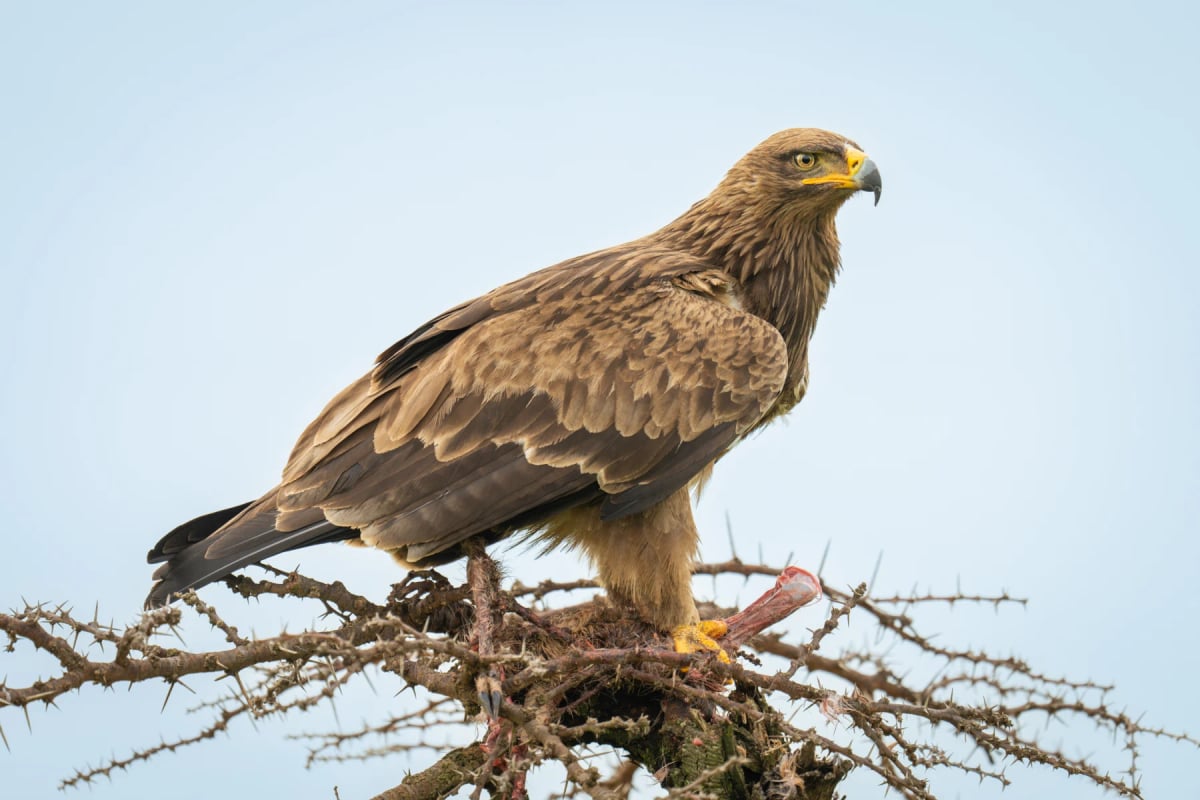
Steppe Eagle
Aquila nipalensis
In China, the Steppe Eagle breeds in the grasslands and steppes of Inner Mongolia and other northern regions, then migrates south and west for the winter. It is one of the larger eagles recorded on passage across the country's vast interior. Classified as Endangered by the IUCN, the species faces mounting pressure from habitat degradation on its breeding grounds and the risk of electrocution on poorly insulated power infrastructure throughout its range.
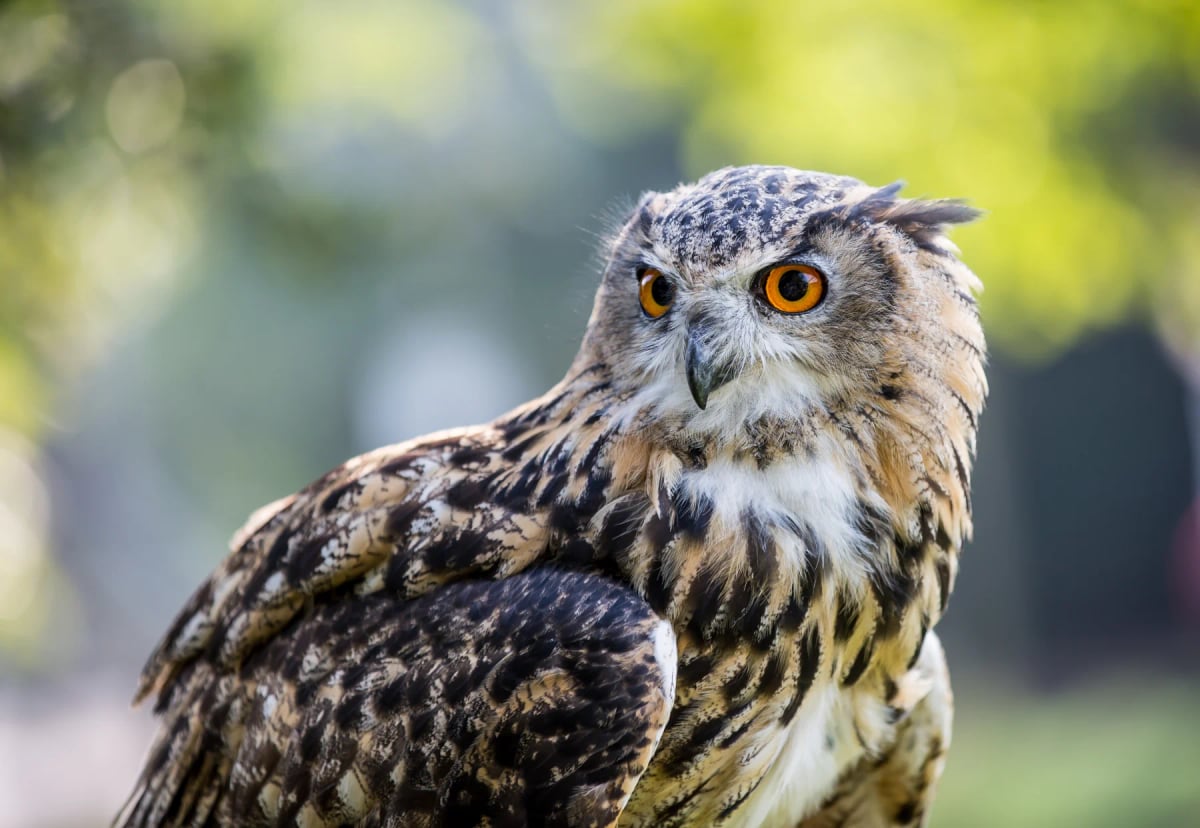
Eagle Owl
Bubo bubo
In China, the Eurasian eagle owl has a broad distribution across the northern and western regions, including the mountains of Xinjiang, the Tibetan Plateau, Inner Mongolia, and the forests of Manchuria. It adapts well to a variety of habitats from arid steppes to wooded mountain valleys. The species nests on rocky ledges and hunts a wide range of prey. The IUCN rates it as Least Concern.
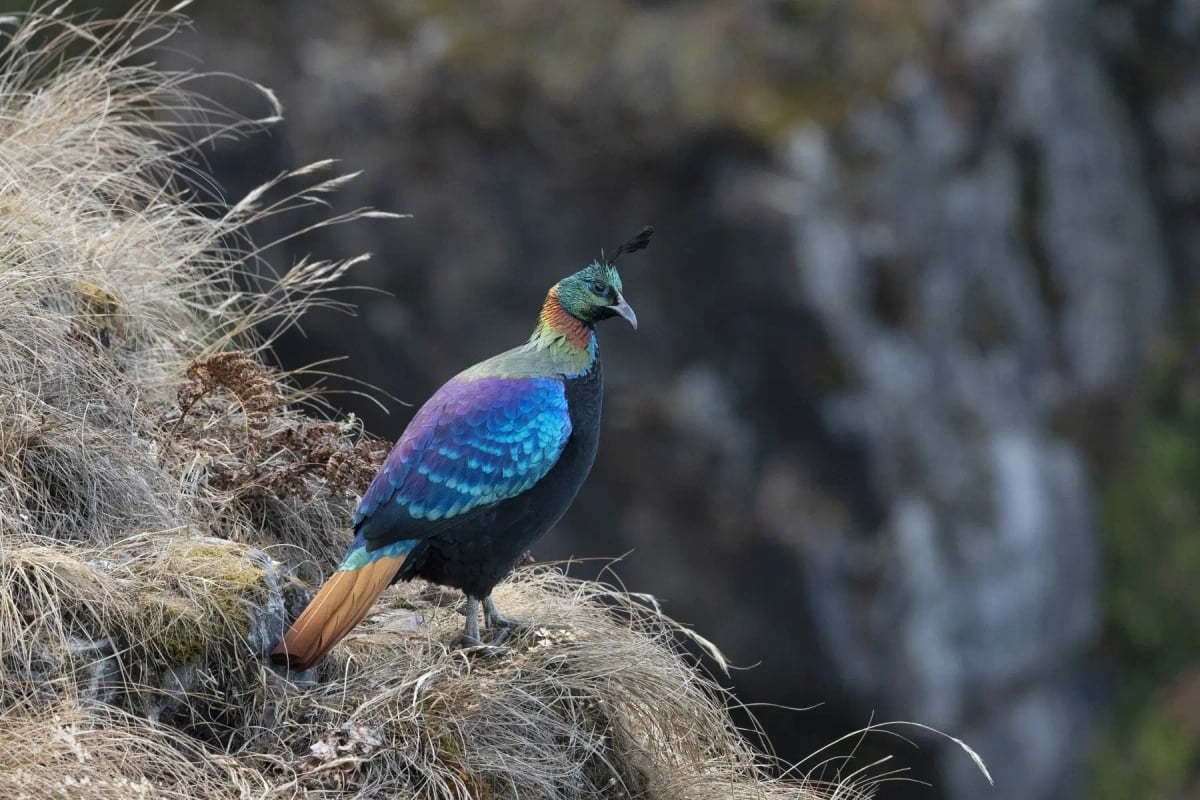
Himalayan Monal
Lophophorus impejanus
In China, the Himalayan monal inhabits the subalpine forests and rocky slopes of the southern and southwestern ranges, including parts of Tibet and Yunnan. Males display feathers that shimmer in metallic greens, blues, and copper as mountain light catches them. The species forages by digging into soil with its sturdy curved bill, uncovering roots and tubers. It is listed as a protected species under Chinese wildlife law.
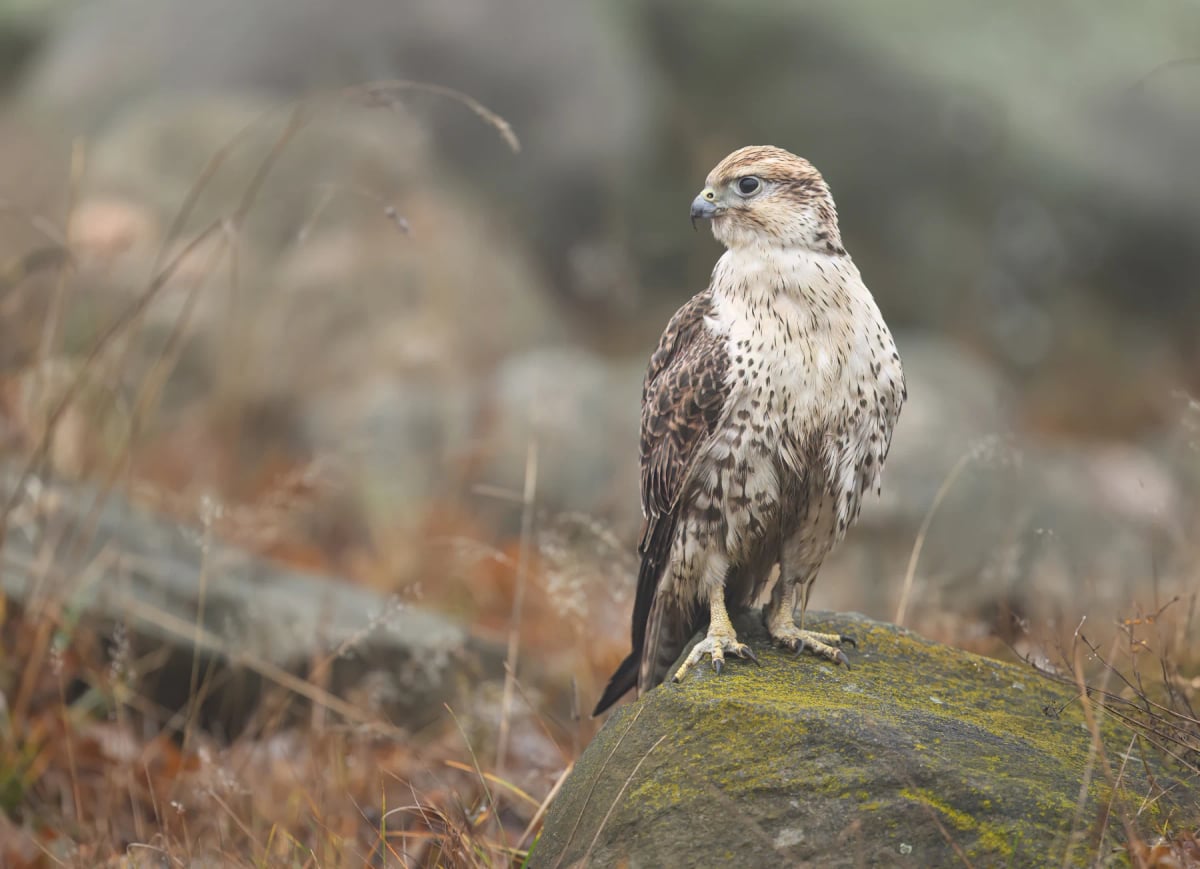
Saker Falcon
Falco cherrug
China is one of the most important countries for the saker falcon. Breeding populations inhabit the vast grasslands and steppes of Inner Mongolia, Xinjiang, and the Tibetan Plateau margins. China is also a key wintering destination for birds from further north. Habitat loss due to agricultural expansion, illegal trapping for the falconry trade, and collisions with power lines all pose serious risks. The IUCN lists the saker falcon as Endangered.
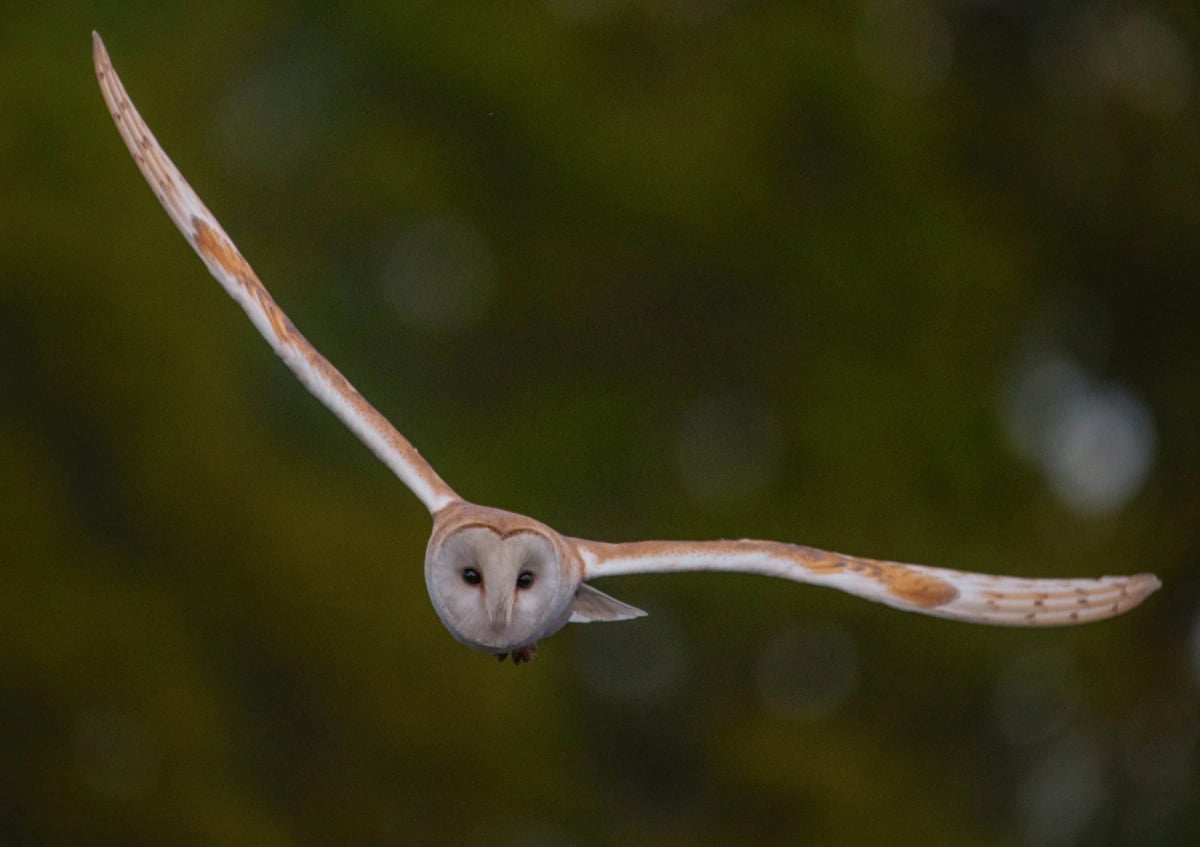
Barn Owl
Tyto alba
The barn owl is found across much of China, from the agricultural plains of the east and south through the river valleys of the interior. It is less common in the cold north and in the high altitude regions of the west. In China it lives in farmland, open woodland and the edges of towns and villages, where it hunts mice and other small rodents at night. It nests in old buildings, temples and tree hollows and is generally beneficial to farmers as a natural controller of rodent populations.
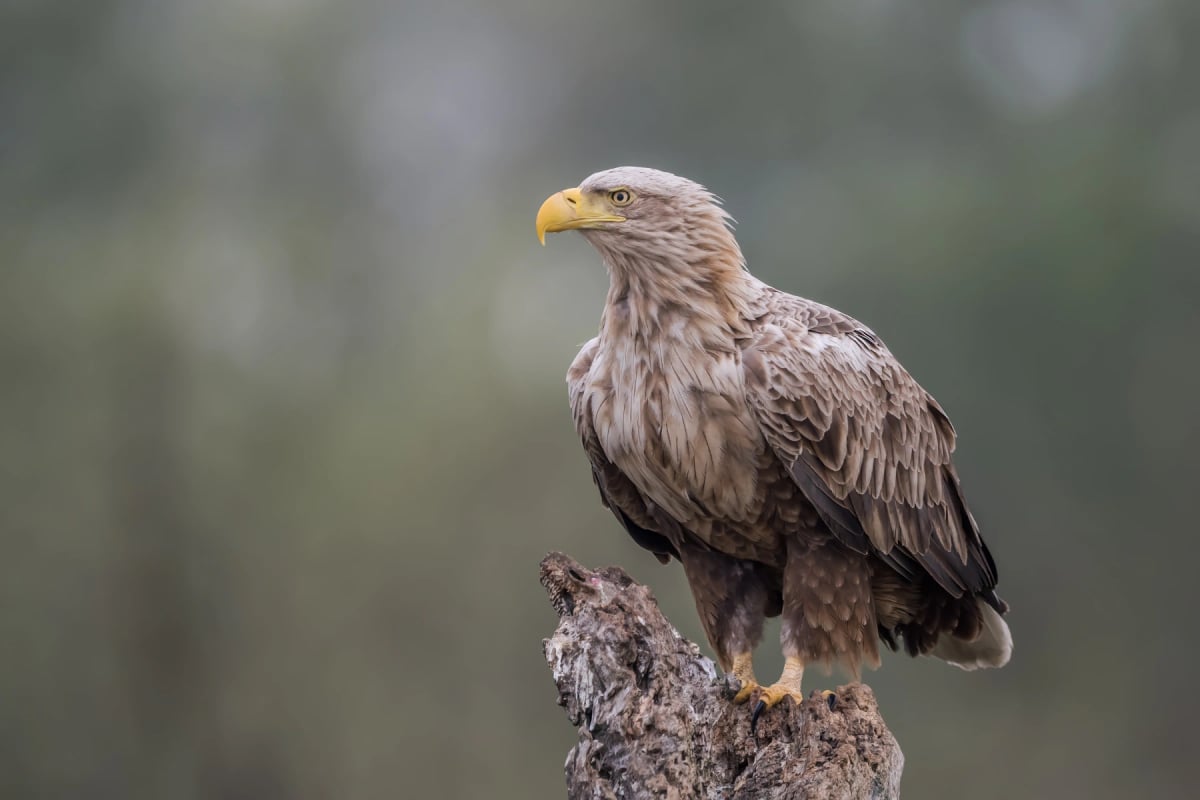
White tailed Eagle
Haliaeetus albicilla
The white-tailed eagle is a widespread winter visitor across much of China, occurring from the northeastern provinces down through the central river systems and coastal wetlands. It breeds in the far northeast near the Russian border. Large lakes, river deltas, and coastal marshes provide rich feeding grounds during winter. It hunts fish and waterfowl with great skill. The IUCN lists it as Least Concern.
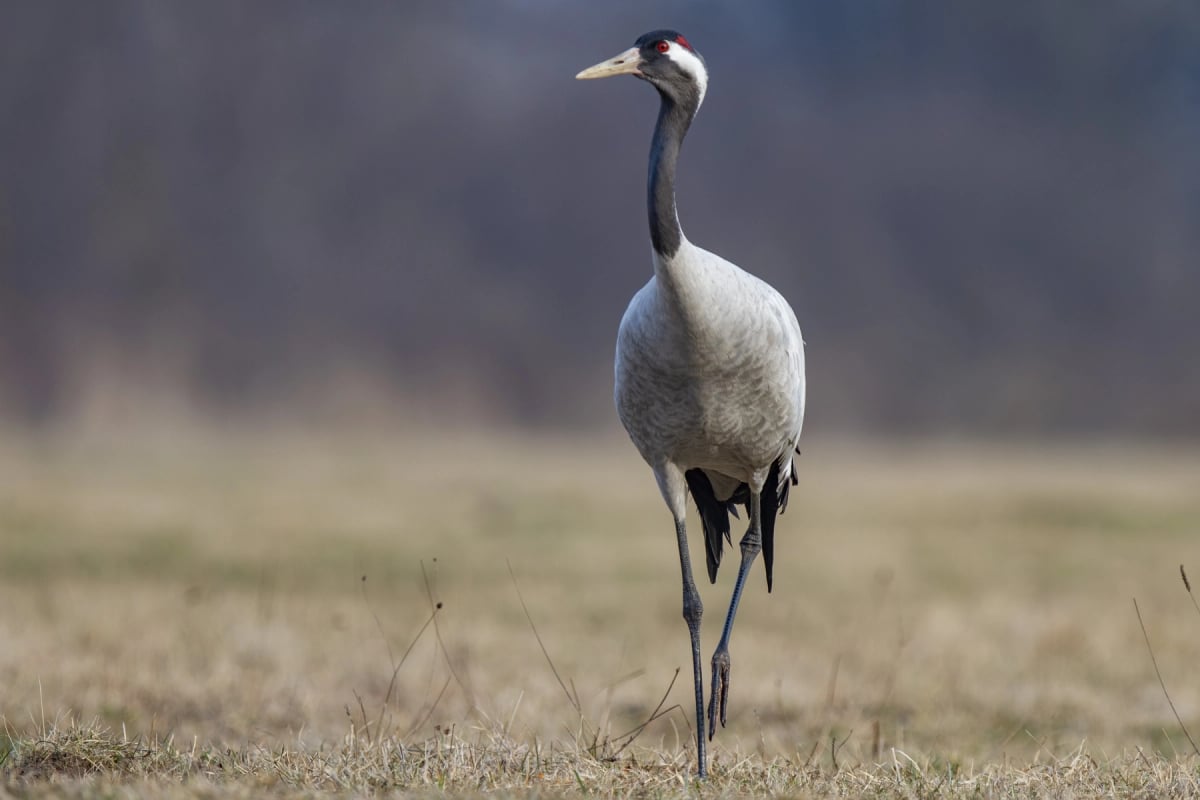
Crane
Grus grus
In China, the common crane is mainly recorded as a winter visitor and passage migrant in the northern and northeastern regions, including areas around the Yellow River delta and coastal wetlands of Bohai Bay. It shares wintering grounds with several other crane species. Standing up to 120 centimetres tall with its signature grey and black plumage, this crane is classified as Least Concern. Wetland conservation in eastern China is increasingly important for the species during the winter months.
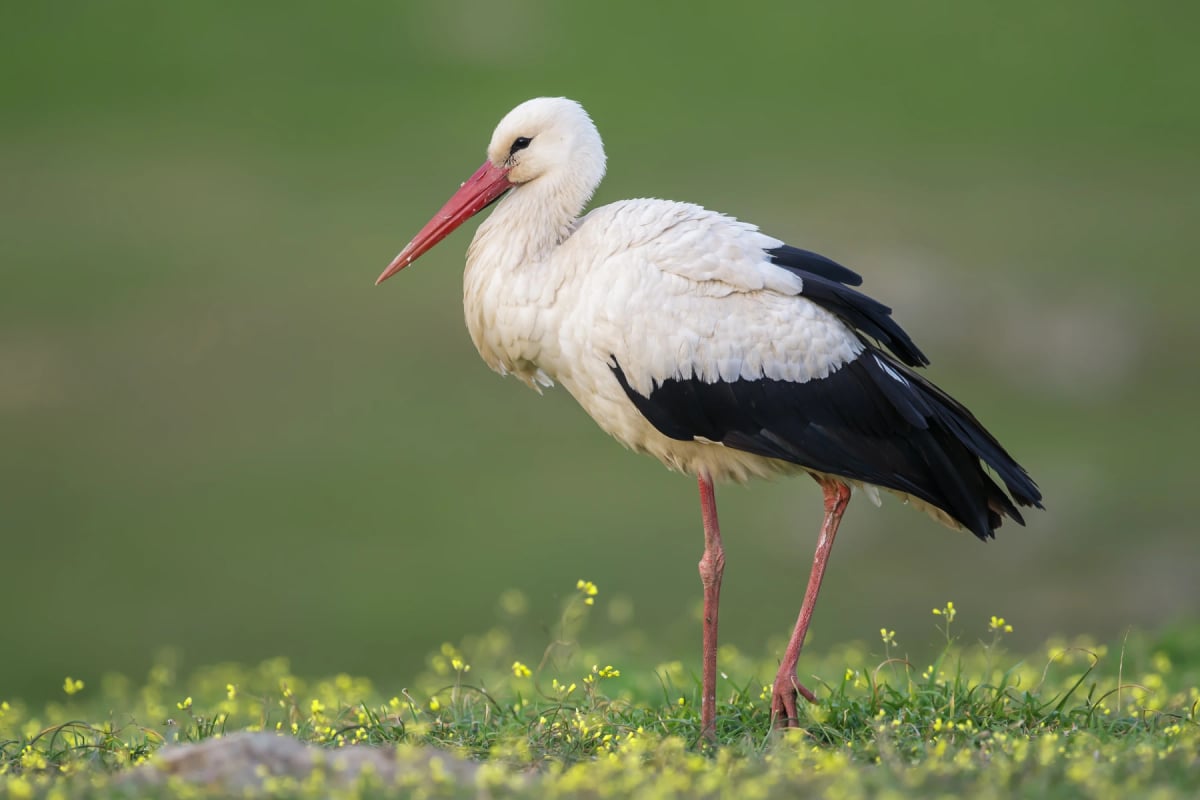
Stork
Ciconia ciconia
The white stork occurs as a rare visitor to parts of western and northwestern China, occasionally recorded during migration in regions such as Xinjiang. This area sits at the eastern edge of the species' range in central Asia. Sightings are infrequent, and the birds that reach China are likely following migration routes through the Asian flyway rather than forming established wintering or breeding populations in the country.
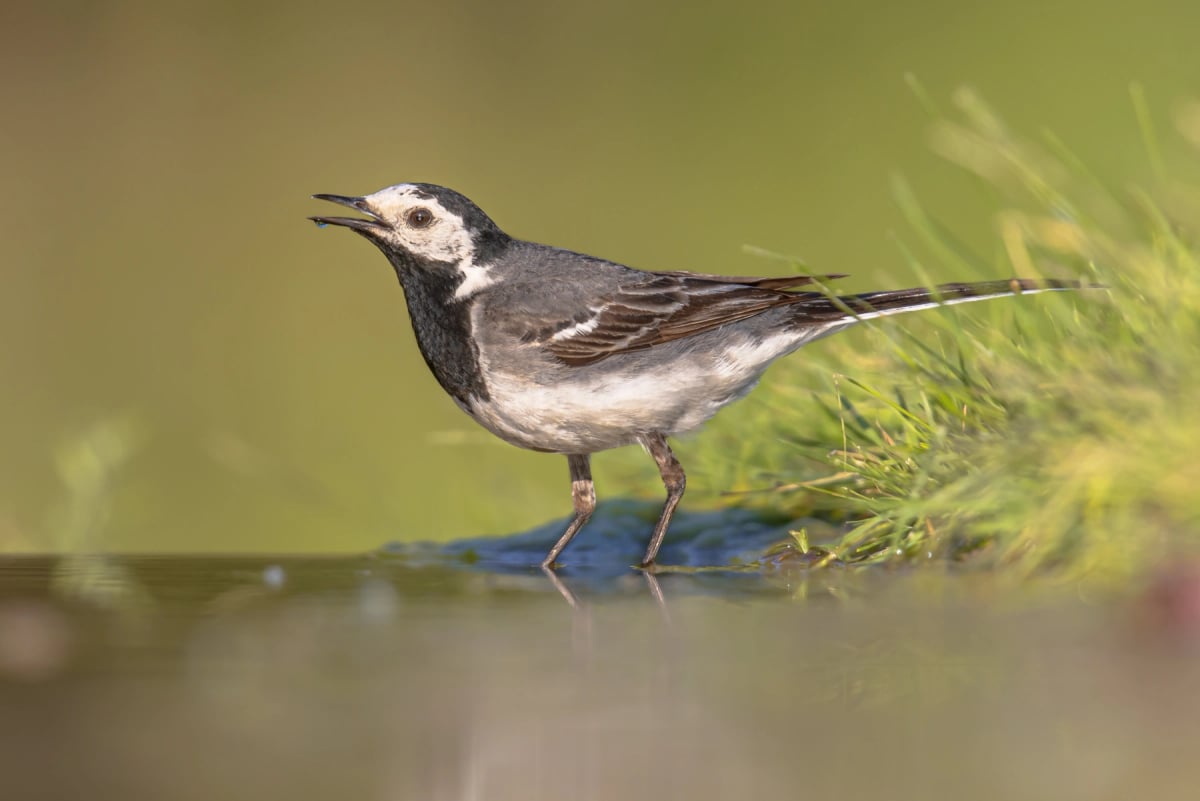
White Wagtail
Motacilla alba
The white wagtail is one of the most familiar small birds across China and is found in virtually every region of the country throughout the warmer months, from the river valleys of the south to the grasslands of the north and the edges of villages and cities across the interior. Several subspecies occur in China due to the country's enormous size and varied geography. It is a common sight near water, along roadsides and in farmland, where it walks quickly and bobs its tail in its characteristic way.
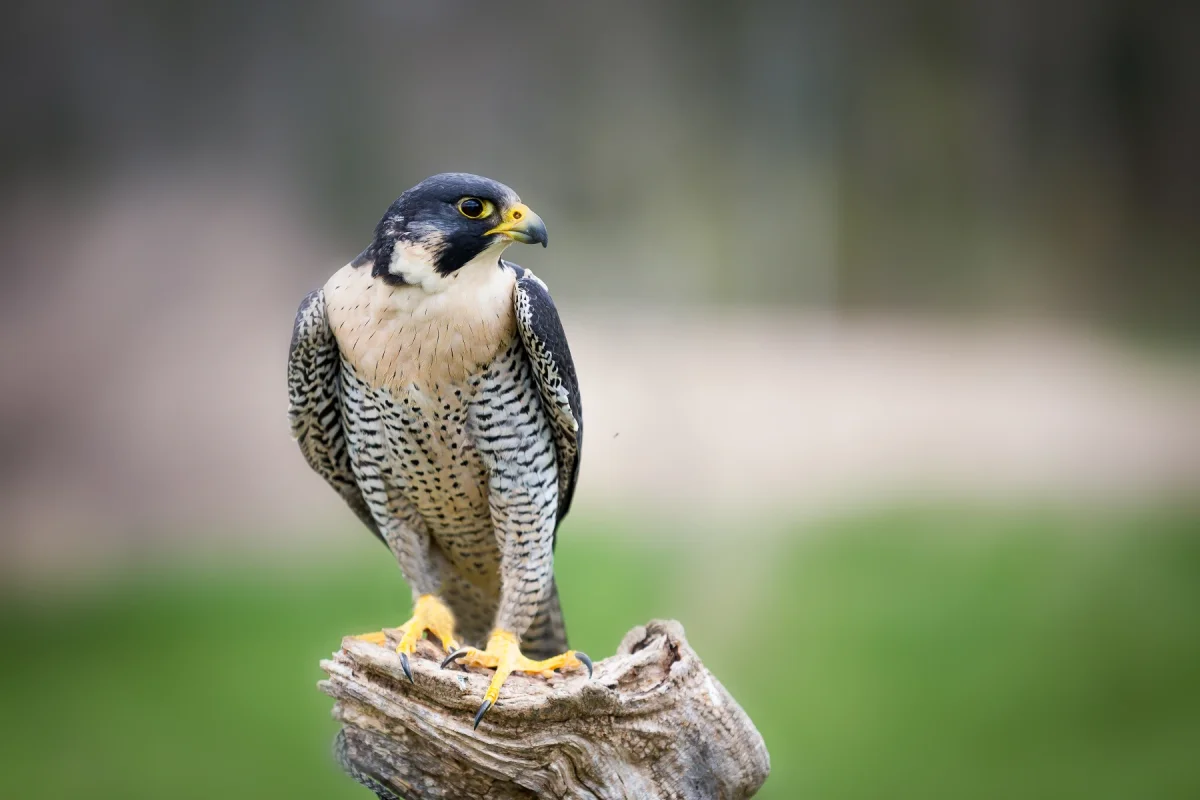
Peregrine Falcon
Falco peregrinus
China hosts several subspecies of the peregrine falcon, with birds breeding across the Tibetan Plateau, the cliffs of Sichuan, and northeastern mountain ranges, while others pass through on migration along the coast and major river valleys. The species adapts well to China's vast and varied terrain. Some individuals have also taken up residence in large cities. Its IUCN status is Least Concern, and populations are considered broadly stable.
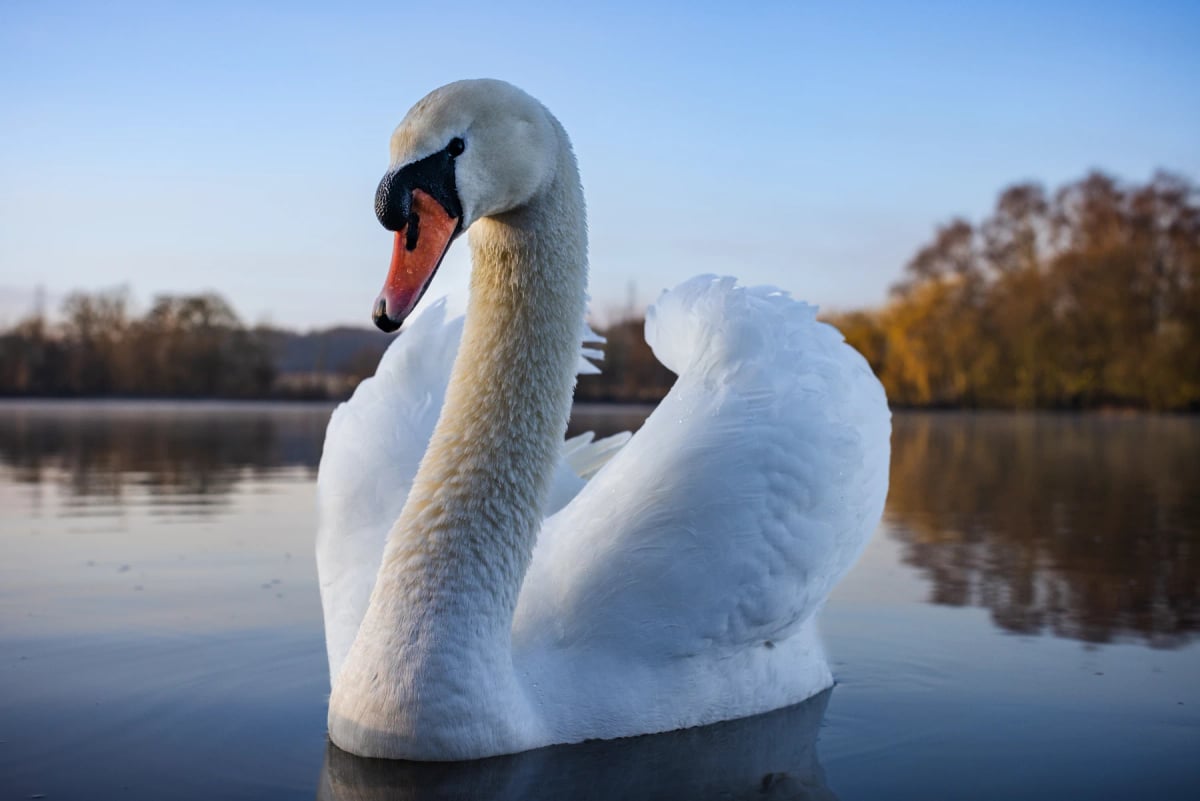
Mute Swan
Cygnus olor
The mute swan breeds in parts of northwestern and northeastern China, favoring lakes and wetlands across steppe and semi-arid regions. During winter, birds move south and east, appearing on larger lakes and coastal wetlands. It is one of several swan species found in China, though less numerous than the whooper swan in many areas. The IUCN lists this species as Least Concern.
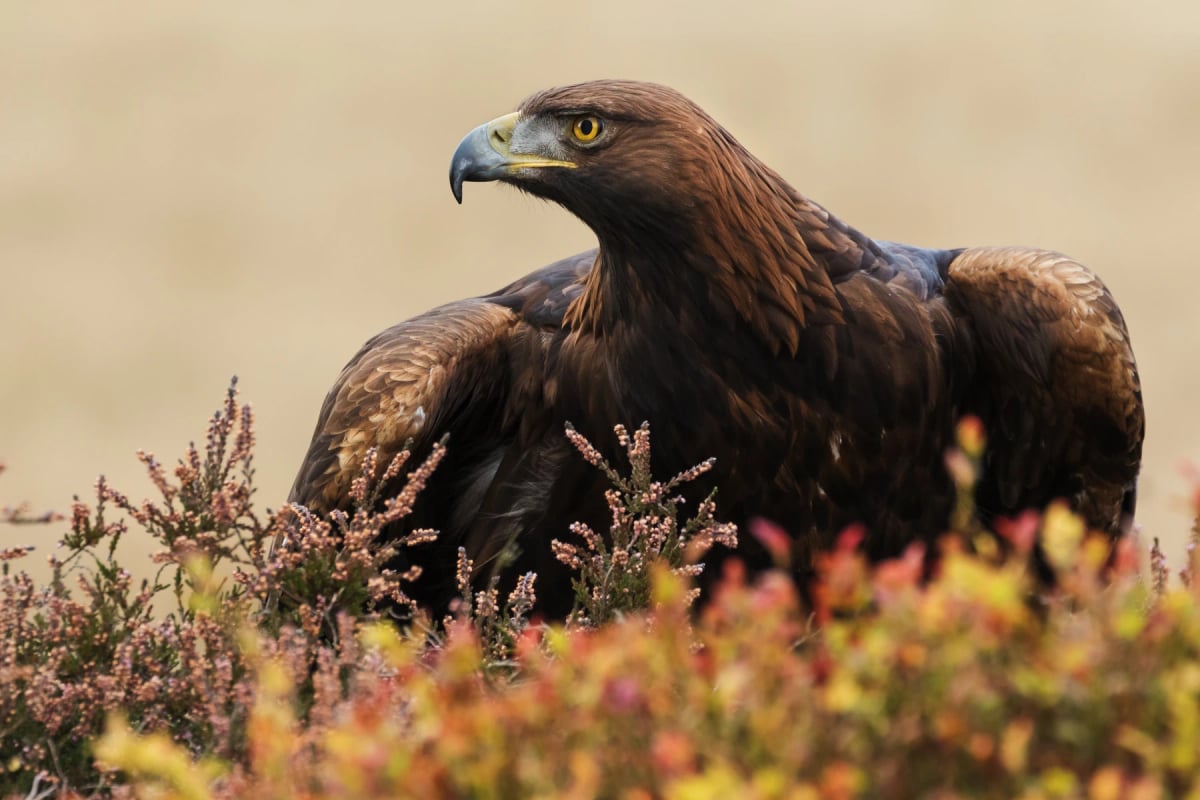
Golden Eagle
Aquila chrysaetos
In China, the golden eagle is found across a wide sweep of the country, from the Tibetan Plateau and the ranges of Qinghai to the grasslands of Inner Mongolia. It hunts over open, high altitude terrain, targeting pikas, hares, and ground squirrels. Pairs nest on remote cliff faces far from human activity. The species is protected under Chinese wildlife law and is listed as Least Concern by the IUCN.
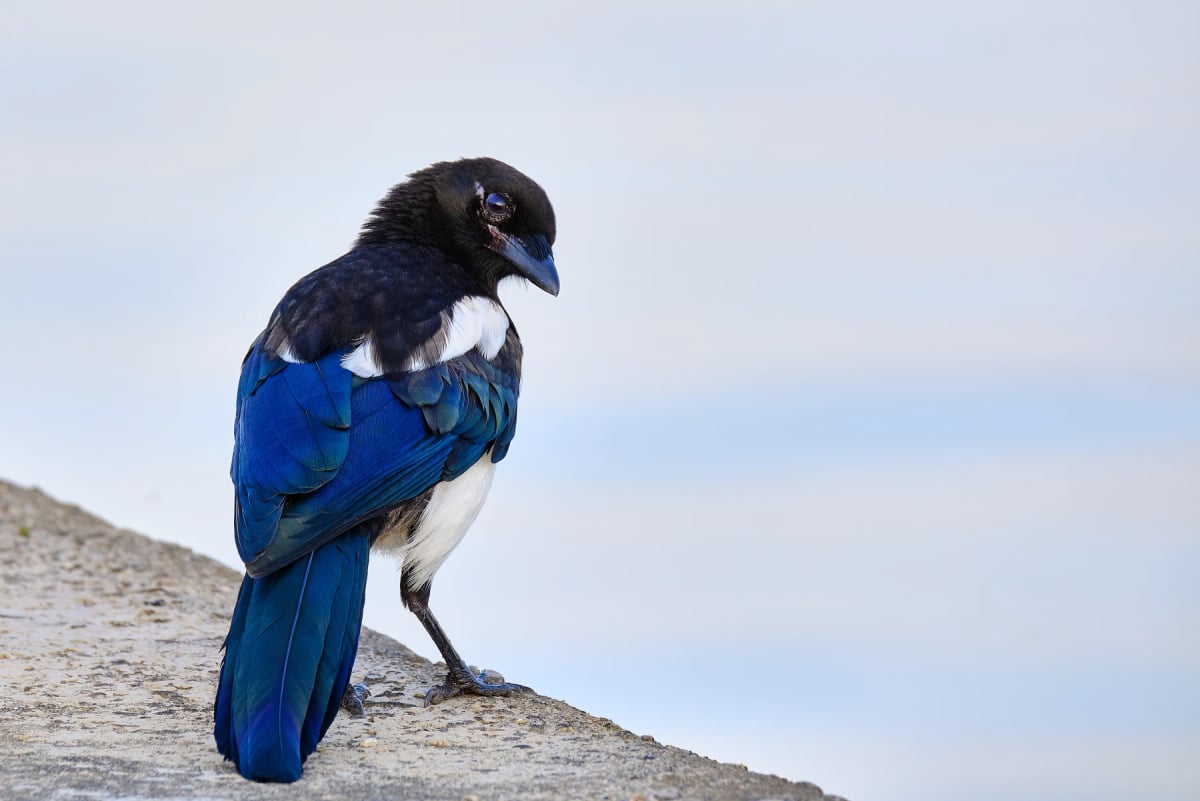
Eurasian Magpie
Pica pica
The Eurasian Magpie has an extensive presence in China, ranging from the northeastern provinces of Manchuria down through central regions and into parts of the west. It thrives in farmland, woodland edges, and the outskirts of towns. In Chinese culture it carries a long tradition of symbolizing good luck and happiness, making it one of the most celebrated birds in the country. Its IUCN status is Least Concern.
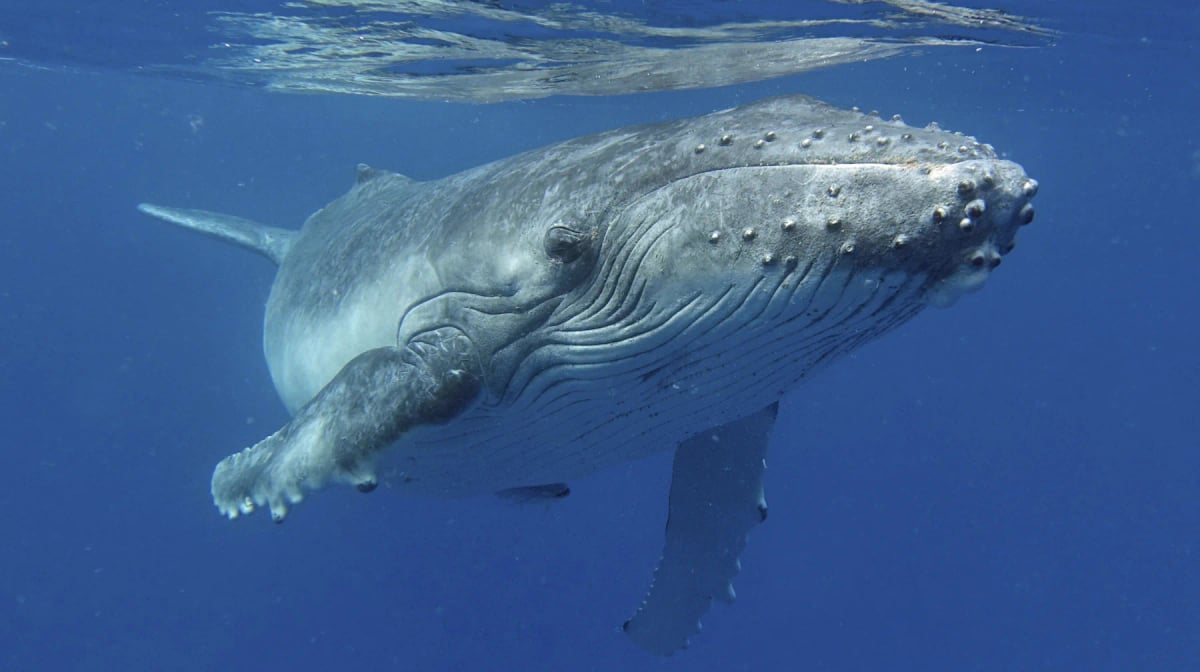
Humpback Whale
Megaptera novaeangliae
Humpback whales occur in the seas around China, including the South China Sea and waters off the southern coast. They are considered rare visitors in this part of their range, and sightings are infrequent. China has increased its marine conservation efforts in recent decades, and raising public awareness about large cetaceans remains an important goal as these animals pass through heavily trafficked shipping lanes in the region.
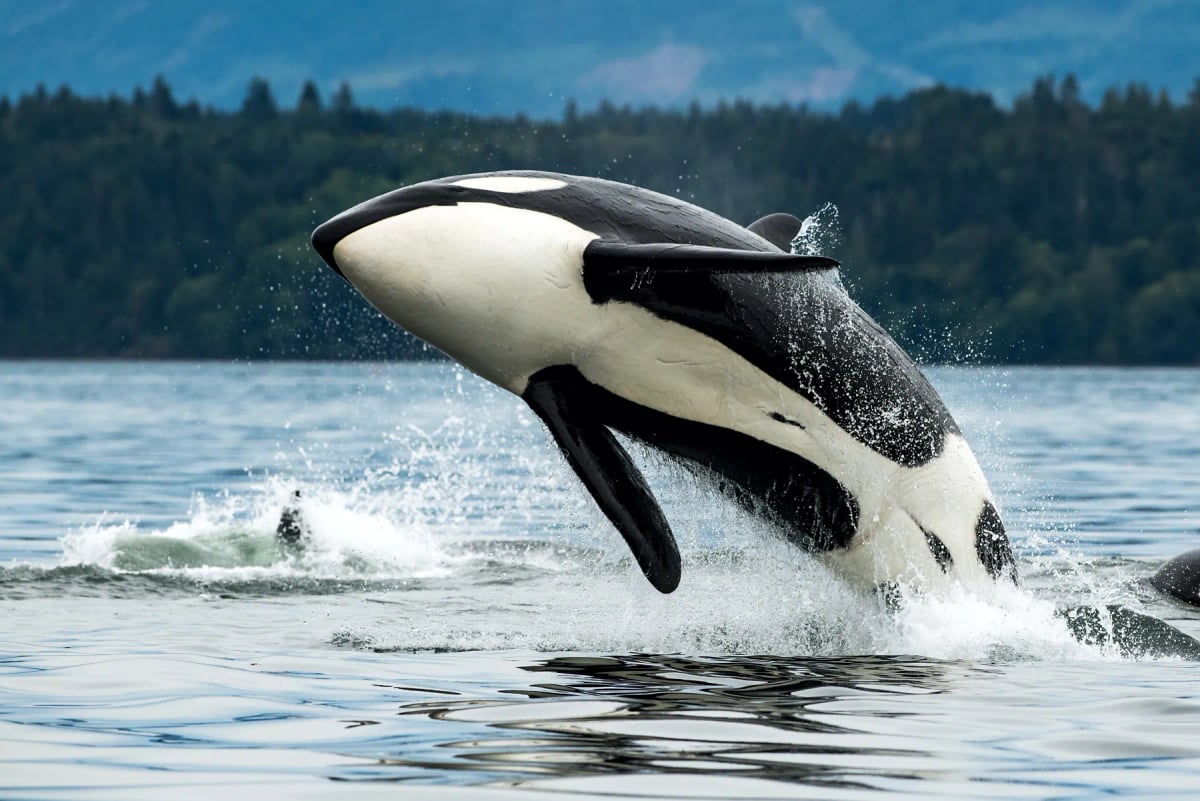
Orca
Orcinus orca
Orcas have been recorded in the seas around China, including the Yellow Sea and the South China Sea, though sightings remain relatively rare. China's vast coastline and busy shipping lanes create a challenging environment for marine mammals. Noise from heavy vessel traffic and pollution from industrial and agricultural runoff are significant concerns. Their appearances in Chinese waters tend to be by transient individuals rather than established resident groups.

Bottlenose Dolphin
Tursiops truncatus
Bottlenose dolphins are found across China's extensive coastline, from the Yellow Sea in the north to the South China Sea in the south, including waters around Hainan Island. They frequent coastal bays, estuaries, and offshore zones, often sharing habitat with other cetacean species. Rapid coastal development, heavy shipping traffic, and pollution present serious challenges in Chinese waters. Globally the species is classified as Least Concern.
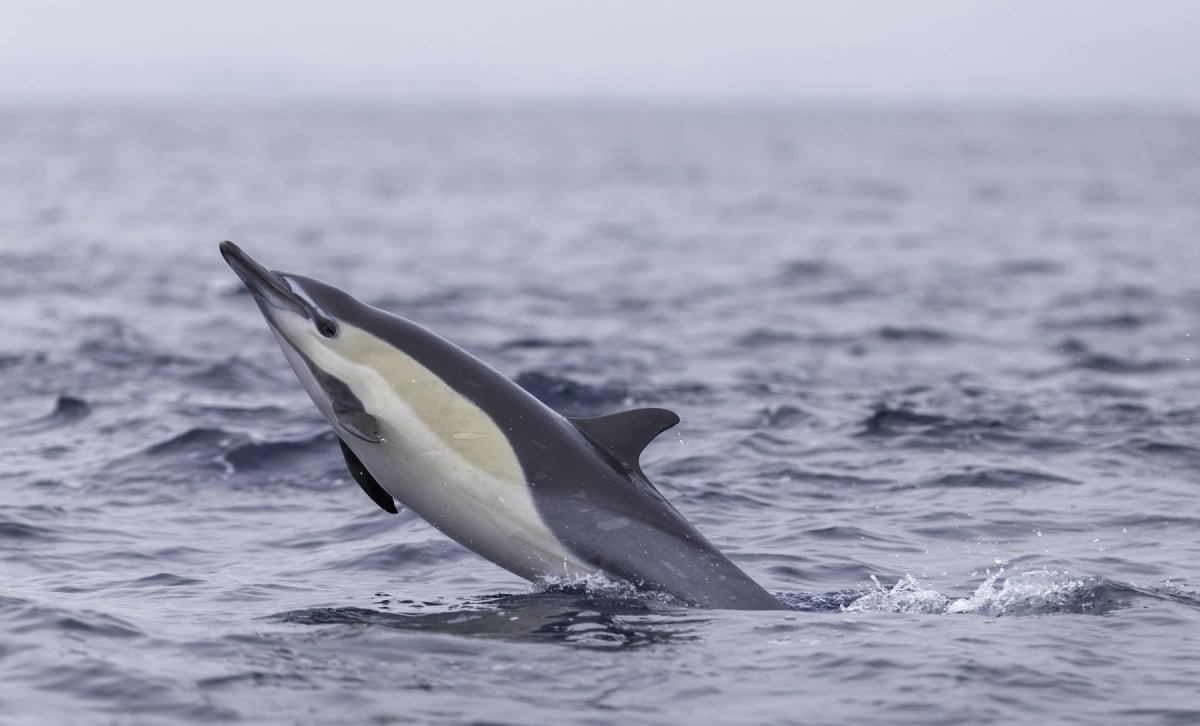
Common Dolphin
Delphinus delphis
Common dolphins occur in the coastal and offshore waters of China, including the East China Sea and the South China Sea. They feed on small schooling fish and squid, often forming large, fast-moving groups. Fishing pressure and heavy maritime traffic pose ongoing challenges for dolphins in these busy waters. Despite this, the species remains widespread and is rated Least Concern by the IUCN.
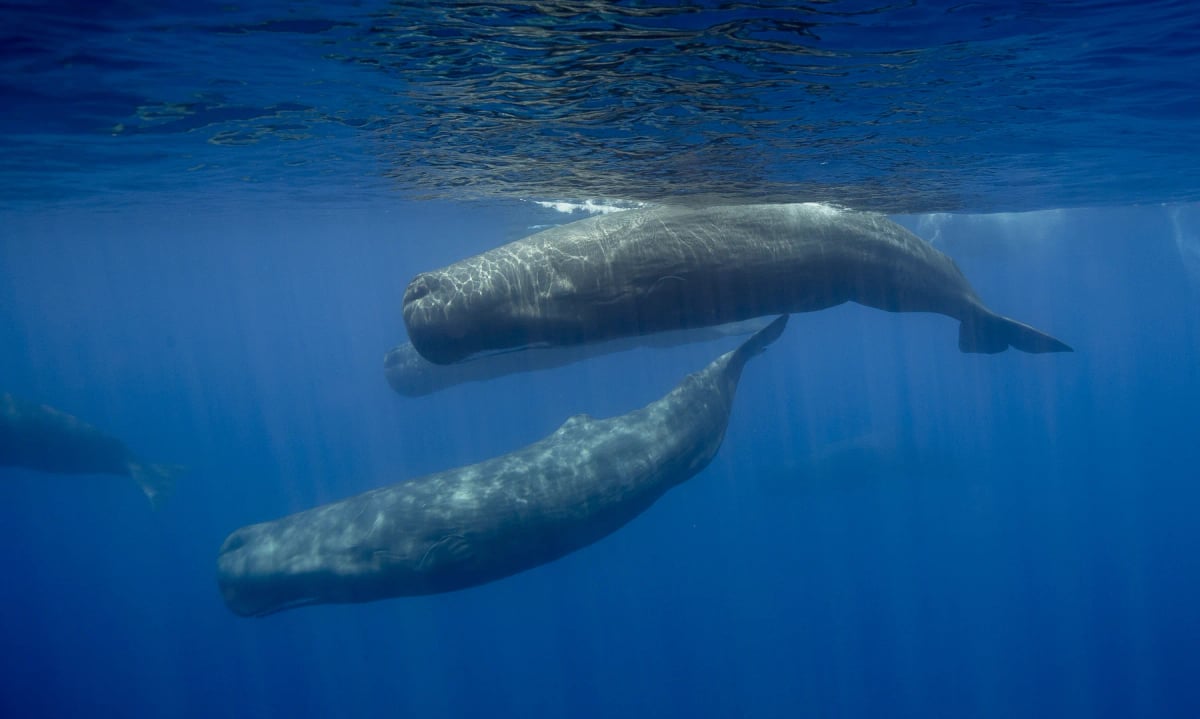
Sperm Whale
Physeter macrocephalus
Sperm whales occur in the deep waters of the South China Sea and the western Pacific Ocean bordering China. The submarine canyons and oceanic basins in these seas provide the depth needed for their characteristic long dives. China's coastal development and heavy maritime traffic create significant noise and collision risks for the species. Research on cetaceans in Chinese waters has grown in recent decades, and the sperm whale holds protected status under Chinese wildlife law.
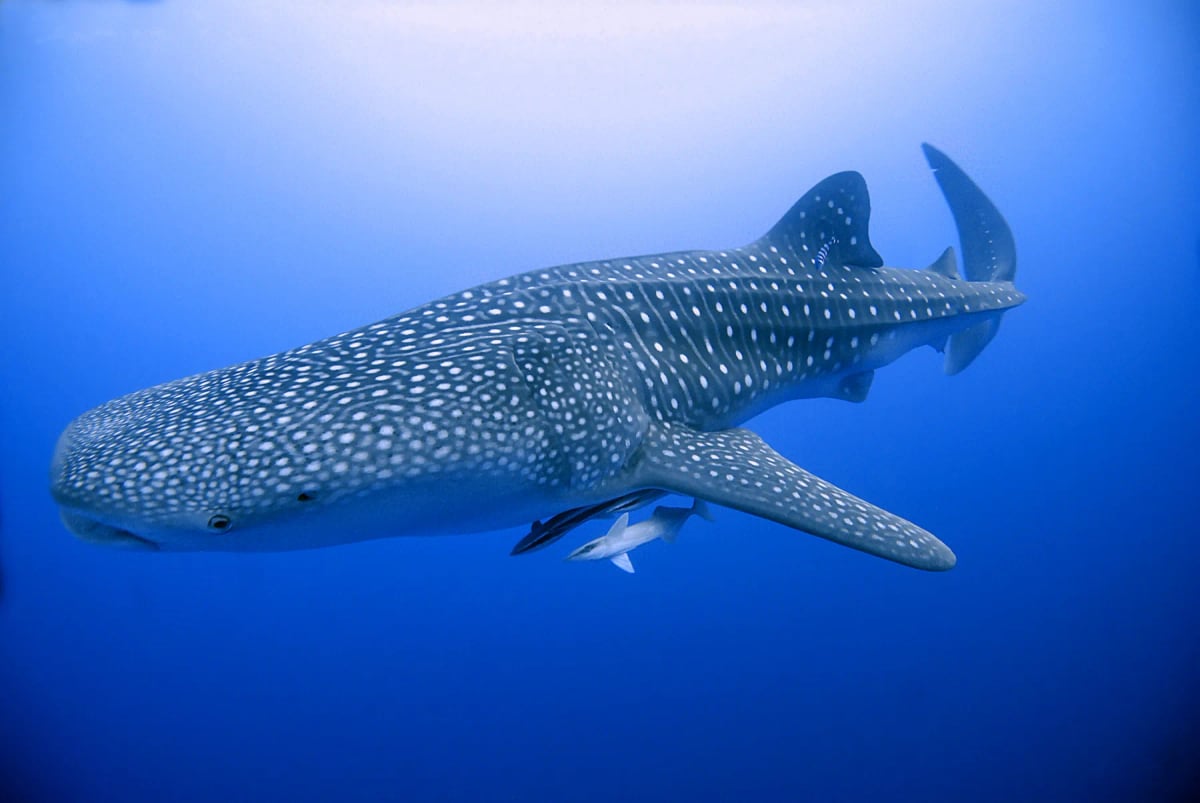
Whale Shark
Rhincodon typus
Whale sharks occur in the warm coastal and offshore waters of southern China, particularly in the South China Sea around Hainan Island and off Guangdong province. They are seasonal visitors that follow plankton concentrations, seen more often in warmer months. China has historically been a major consumer of whale shark products, and despite legal protections the species still faces pressure from fishing. Diving trips from Hainan offer chances to see them.
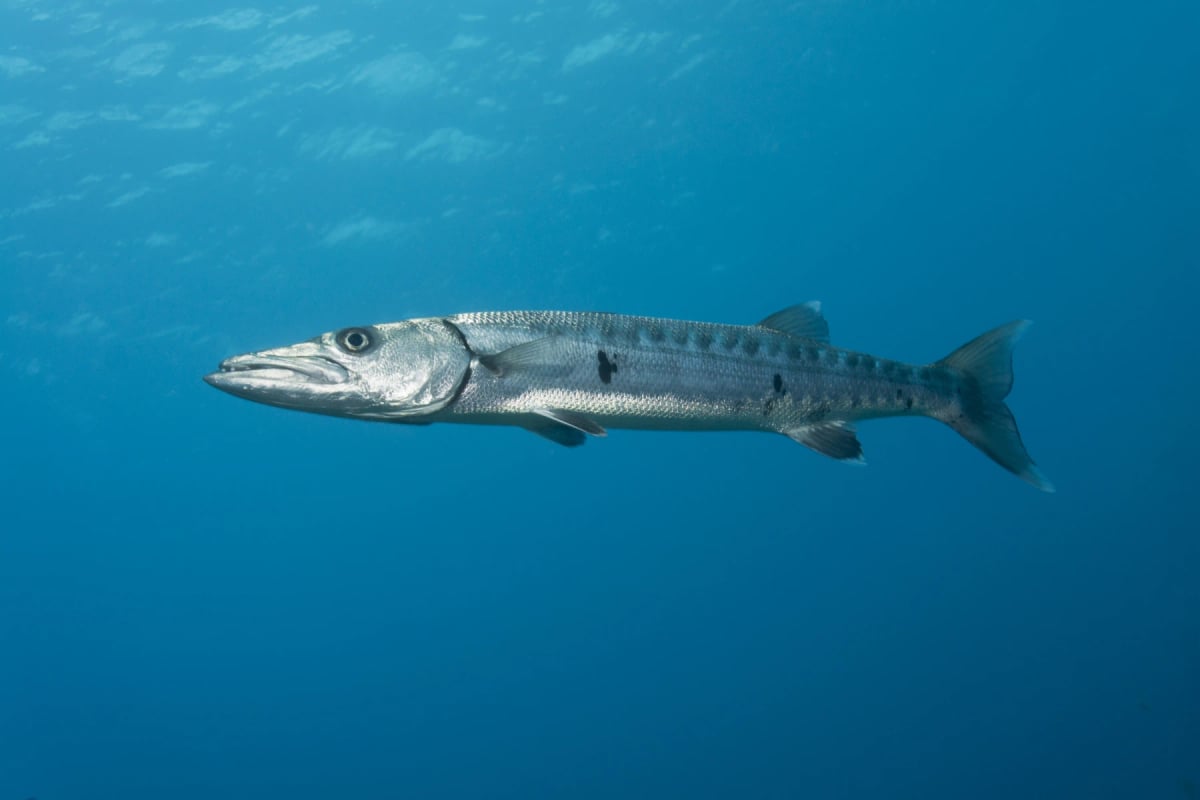
Barracuda
Sphyraena spp.
Several barracuda species are found in the tropical and subtropical coastal waters of southern China, particularly around Hainan Island, the Xisha Islands and the South China Sea reefs. They are a common presence on coral reef dives and are regularly seen by divers exploring the reefs of Hainan and the southern coastal waters. Barracudas are fast and opportunistic predators but incidents with people are rare. They are also caught commercially by fishermen throughout the South China Sea.
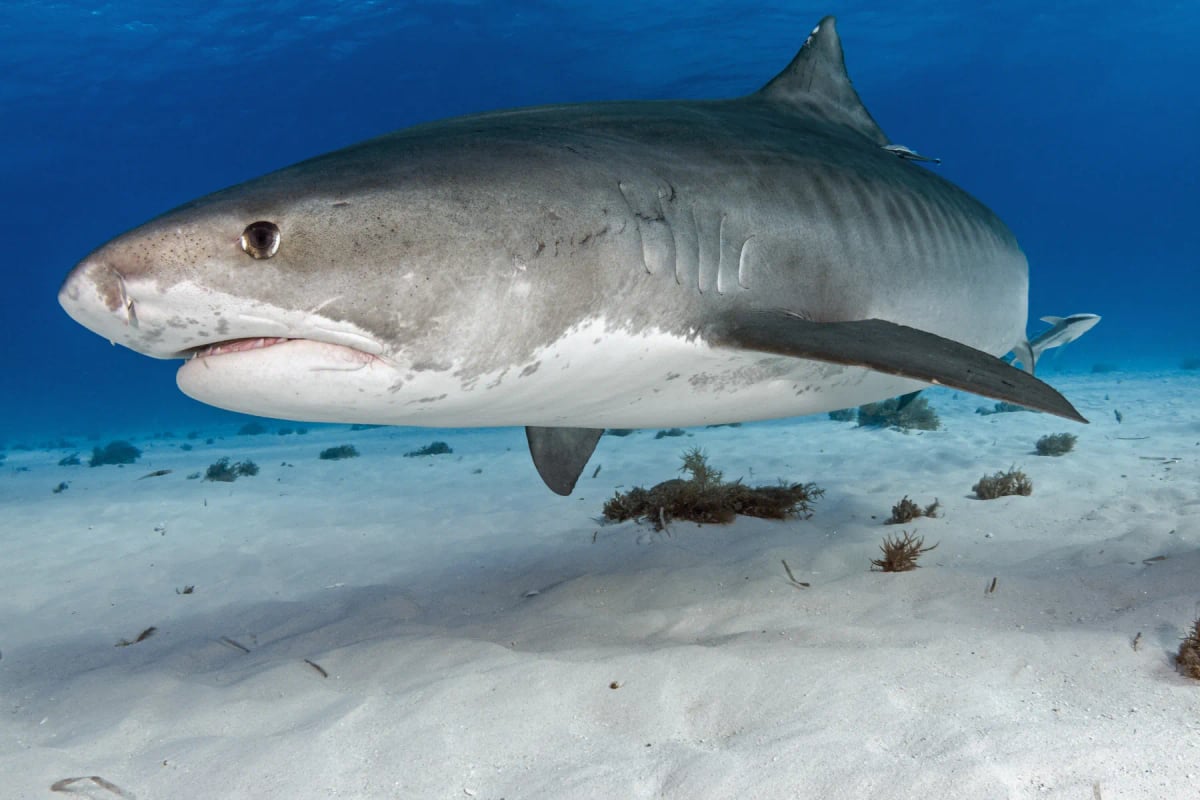
Tiger Shark
Galeocerdo cuvier
Tiger sharks occur in the tropical and subtropical coastal waters of southern China, including areas of the South China Sea. They have been recorded around Hainan Island and other southern coastal zones. China is one of the world's largest consumers of shark fins, and this demand contributes significantly to global fishing pressure on the tiger shark, which the IUCN lists as Near Threatened partly for this reason.
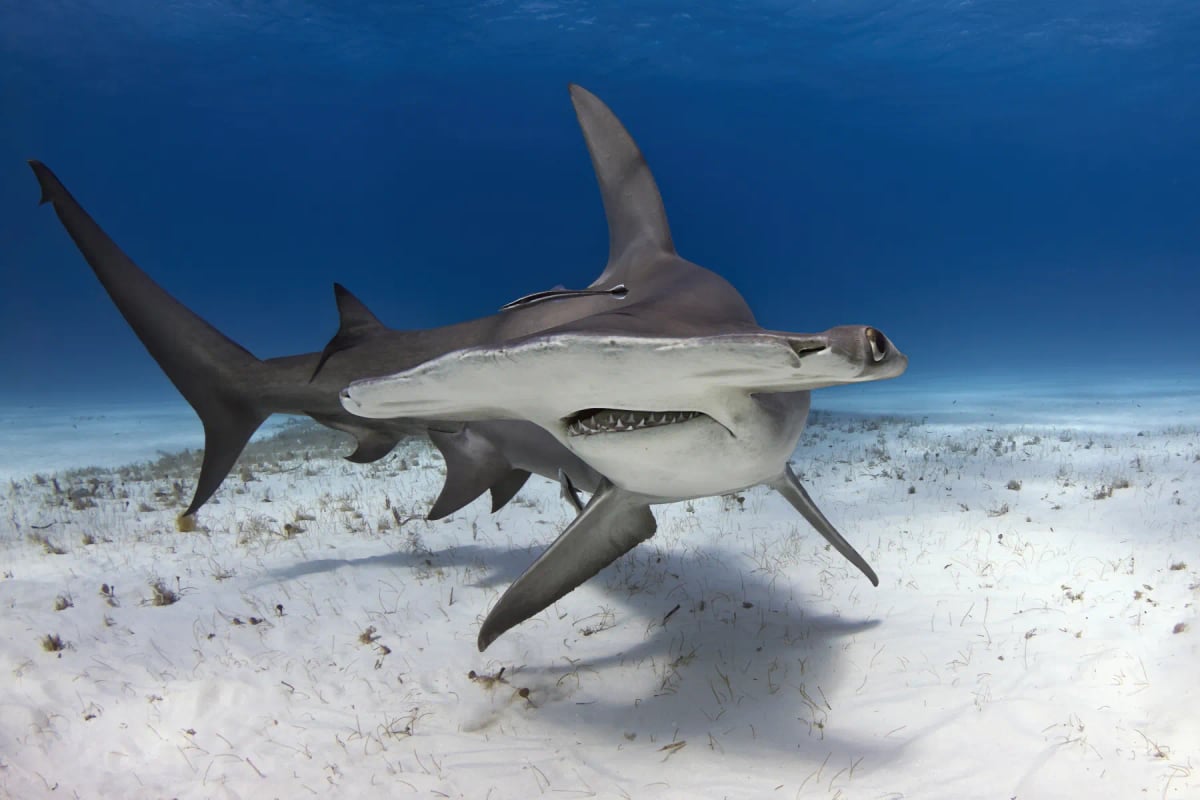
Hammerhead Shark
Sphyrna spp.
Hammerhead Sharks are found in the South China Sea and along China's extensive coastline. Sadly, China is one of the world's largest consumers of shark fin, a trade that has placed hammerheads under enormous pressure. Populations in Chinese waters have declined sharply over recent decades. Awareness campaigns and some domestic regulations are beginning to shift attitudes, but the fin trade remains a serious threat to survival.
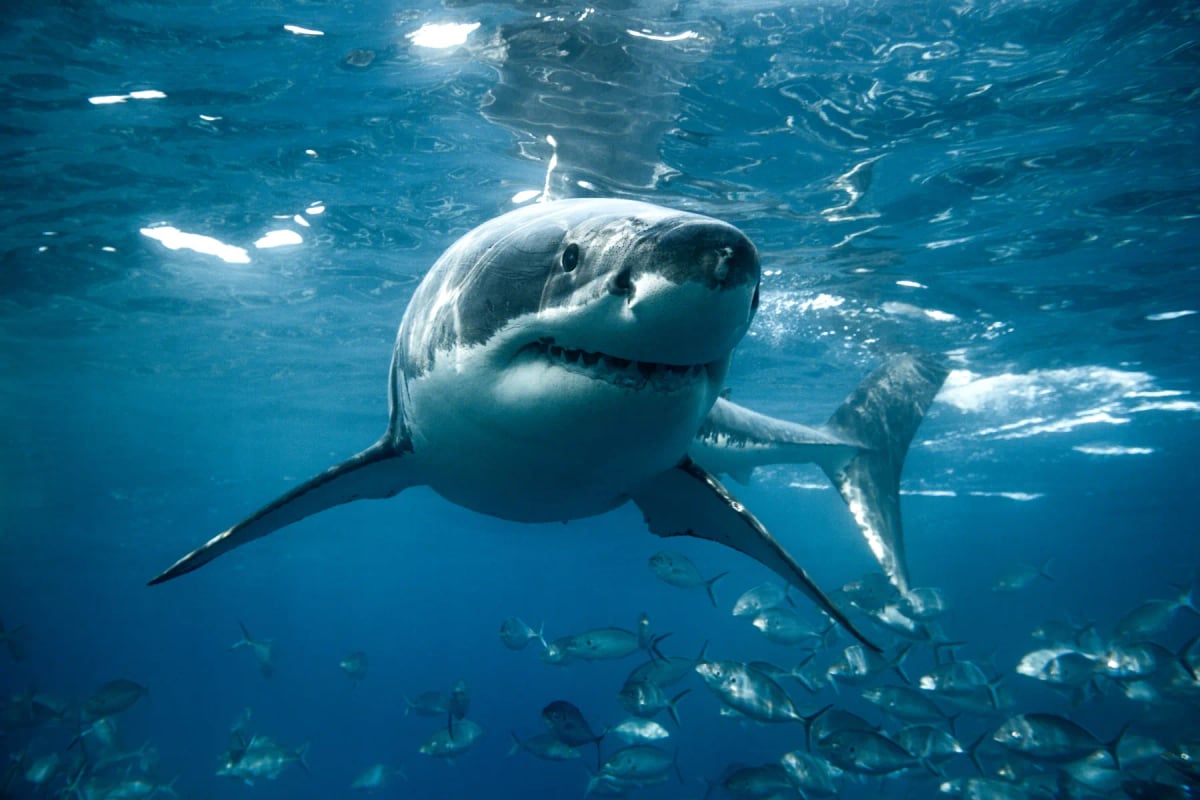
Great White Shark
Carcharodon carcharias
Great white sharks occur in the coastal waters of China, including the Yellow Sea, East China Sea, and South China Sea. Historically, demand for shark fin and liver oil has placed considerable pressure on shark populations in Chinese waters. Conservation awareness has grown in recent years, and China has introduced some trade restrictions, but the great white remains a Vulnerable species facing significant challenges throughout its range in the region.
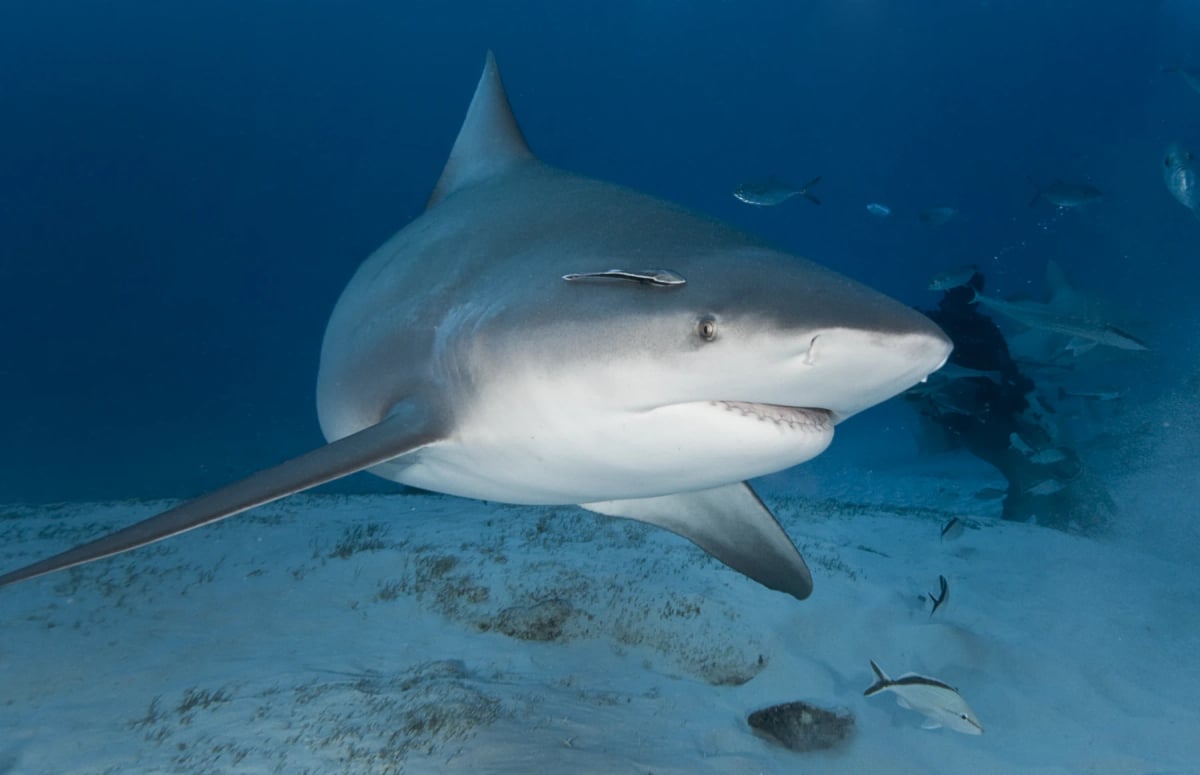
Bull Shark
Carcharhinus leucas
Bull sharks are found along China's southern coastline, particularly in the warm, shallow waters of the South China Sea and the Pearl River estuary. Their tolerance for fresh water allows them to push into river mouths and coastal wetlands. Classified as Near Threatened globally, they face significant pressure in Chinese waters from targeted fishing and as bycatch, with fins valued in regional markets.
Researched and written by Juan Pablo. Sources: IUCN Red List, scientific literature and regional field guides. Last updated: .