Animals in Qatar
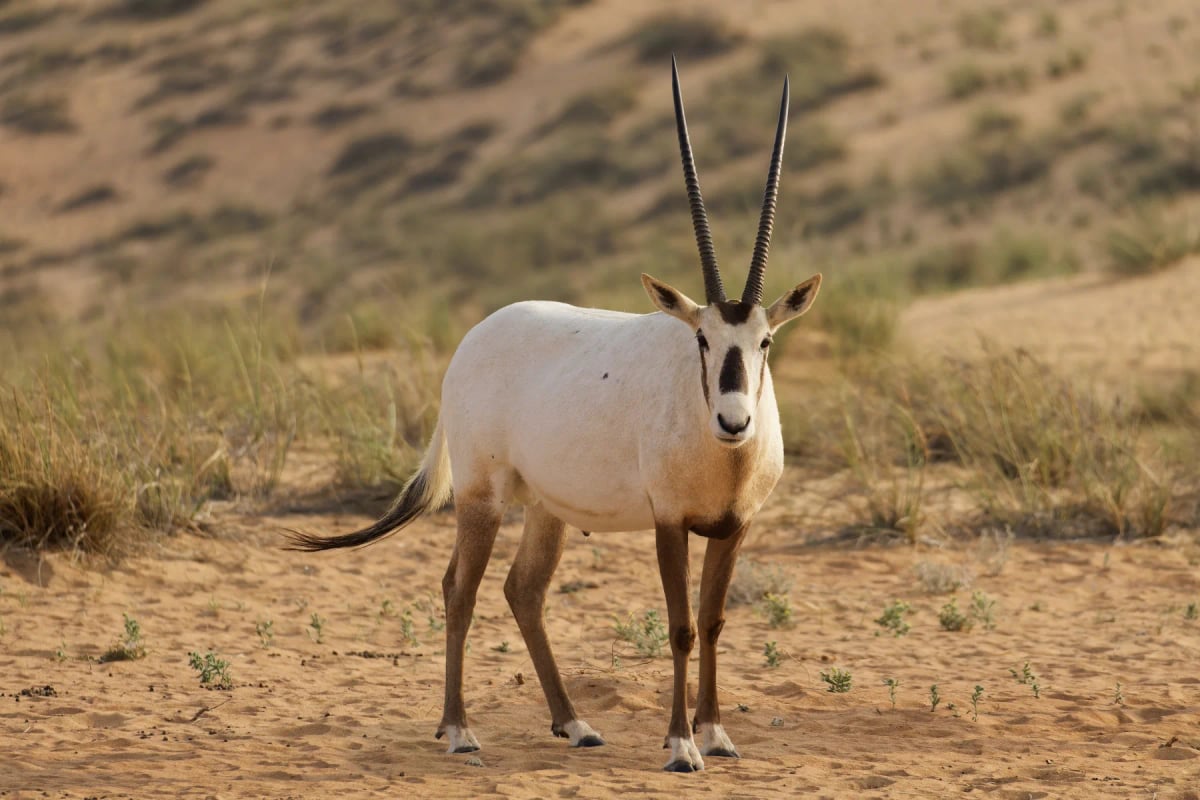
Arabian Oryx
Oryx leucoryx
The Arabian oryx is a national symbol linked to desert life and patient recovery. Once lost in the wild, it was bred in protected herds and returned to fenced reserves that keep natural behavior and open views. Its pale coat, long straight horns and steady walk across gravel flats are used in logos, stamps and museum displays, where the animal stands for care, endurance and shared heritage.
View details→Wildlife in Qatar
Qatar mixes open desert, rocky plains and a long shallow coast. Day trips often join a desert drive with time by the sea. The Inland Sea at Khor Al Adaid shows dunes that meet clear water, while the Al Thakira mangroves host calm kayak routes and easy walks at high tide. Near towns, small parks and coastal paths let visitors watch birds at sunrise and see dolphins from lookout points in quiet weather.
Most Dangerous Animals in Qatar
The sense of risk in Qatar comes more from setting than from frequent encounters. In the interior, the honey badger is strong and bold but rarely seen in daylight. Offshore, large sharks such as hammerhead, bull and tiger move through deep channels and far reefs, while most beaches stay calm and shallow. Wildlife is usually met at a distance, and reports focus on brief sightings rather than close contact.
Top 10 Animals in Qatar
Our Top 10 in Qatar highlights names that define local outings and that most visitors ask about. The dromedary camel anchors desert travel and gives the country a clear image of movement across dunes and plains. The peregrine falcon links towns and open coast, with towers and sea cliffs that suit fast flights. Together they frame a simple guide for photography, festivals and wildlife shows through the year.
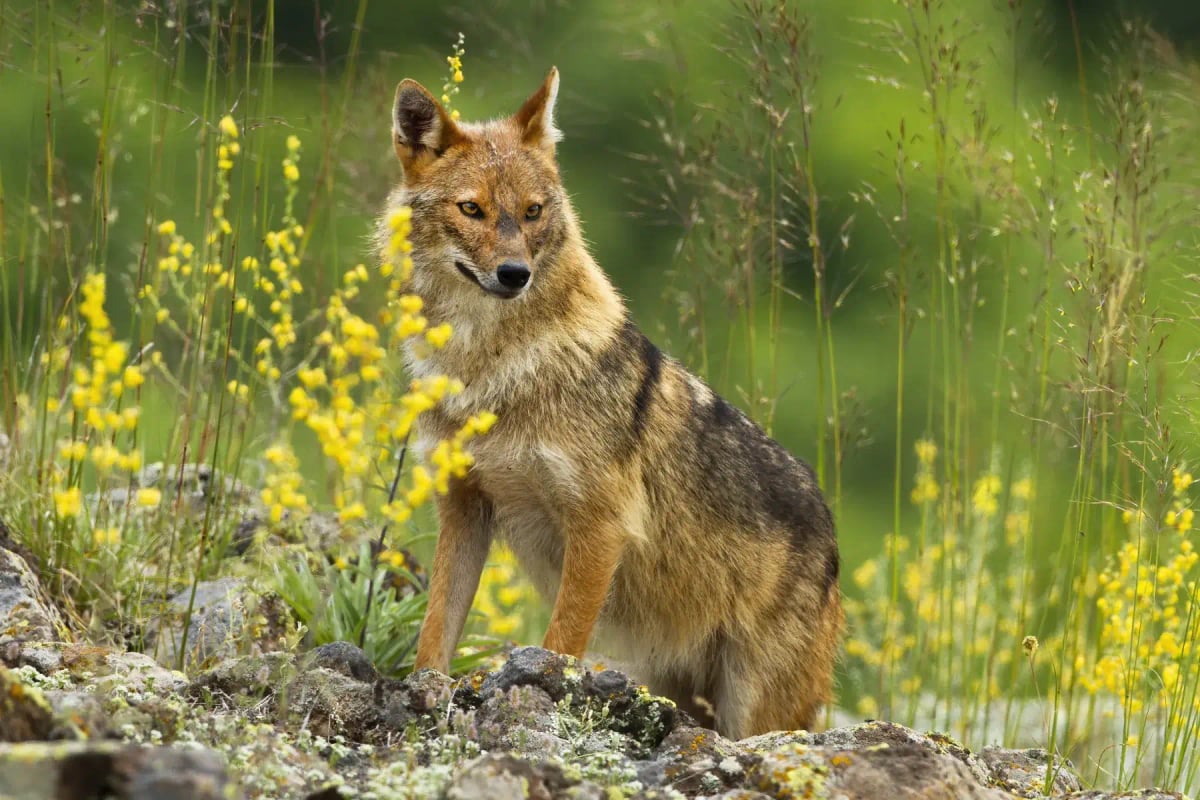
Golden Jackal
Canis aureus
The golden jackal has been recorded in Qatar, where it makes use of the limited scrub, coastal margins, and areas near human settlement that exist across this largely arid peninsula. It is an opportunistic feeder, and its ability to live close to people helps it persist in a landscape with little natural cover. Its IUCN status is Least Concern.
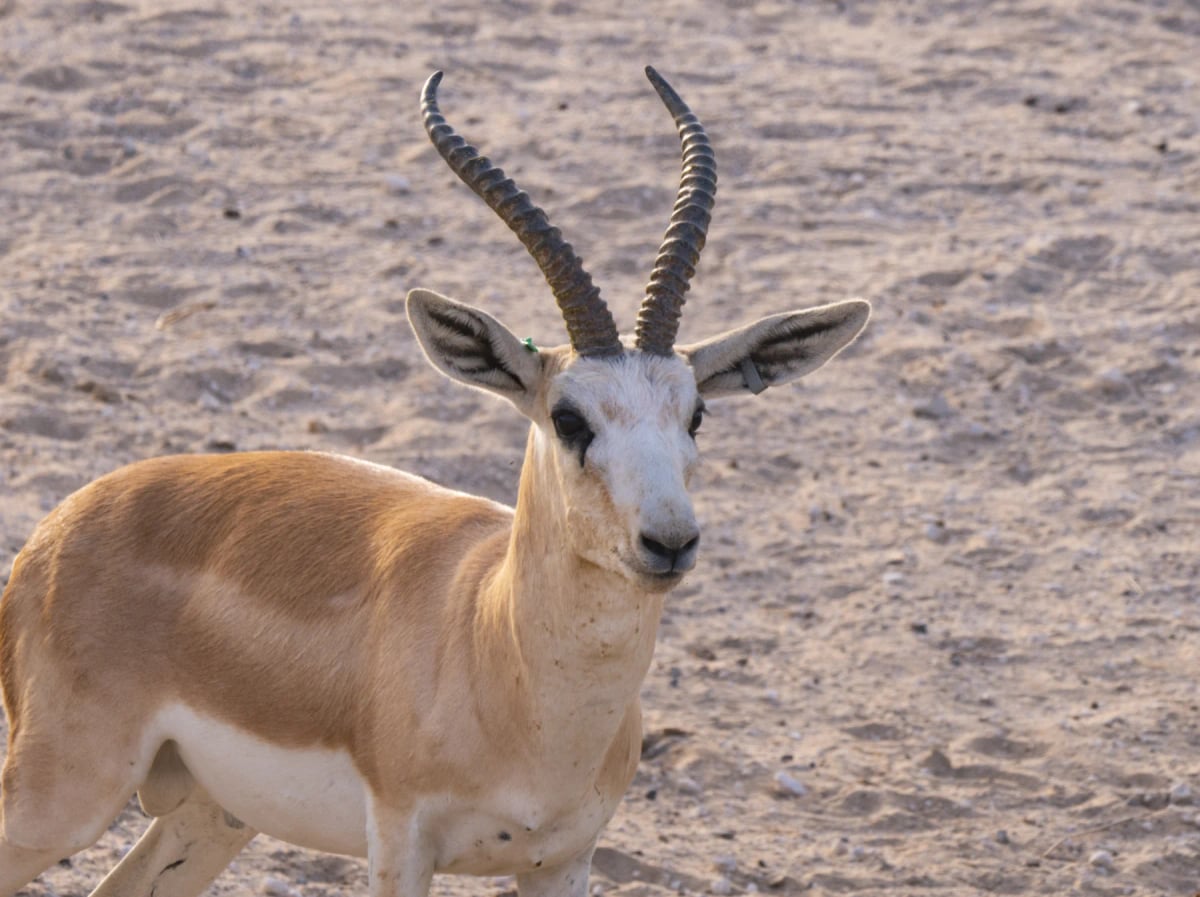
Sand Gazelle
Gazella marica
Qatar is home to a small but notable population of sand gazelles, and the country has made meaningful efforts to protect them. The Al Maha reserve and other managed areas provide safe ground for the reem to graze and breed away from disturbance. Qatar's flat, sandy terrain suits this gazelle well. Captive breeding initiatives in the country have also contributed to regional conservation goals for this species across the Arabian Peninsula.
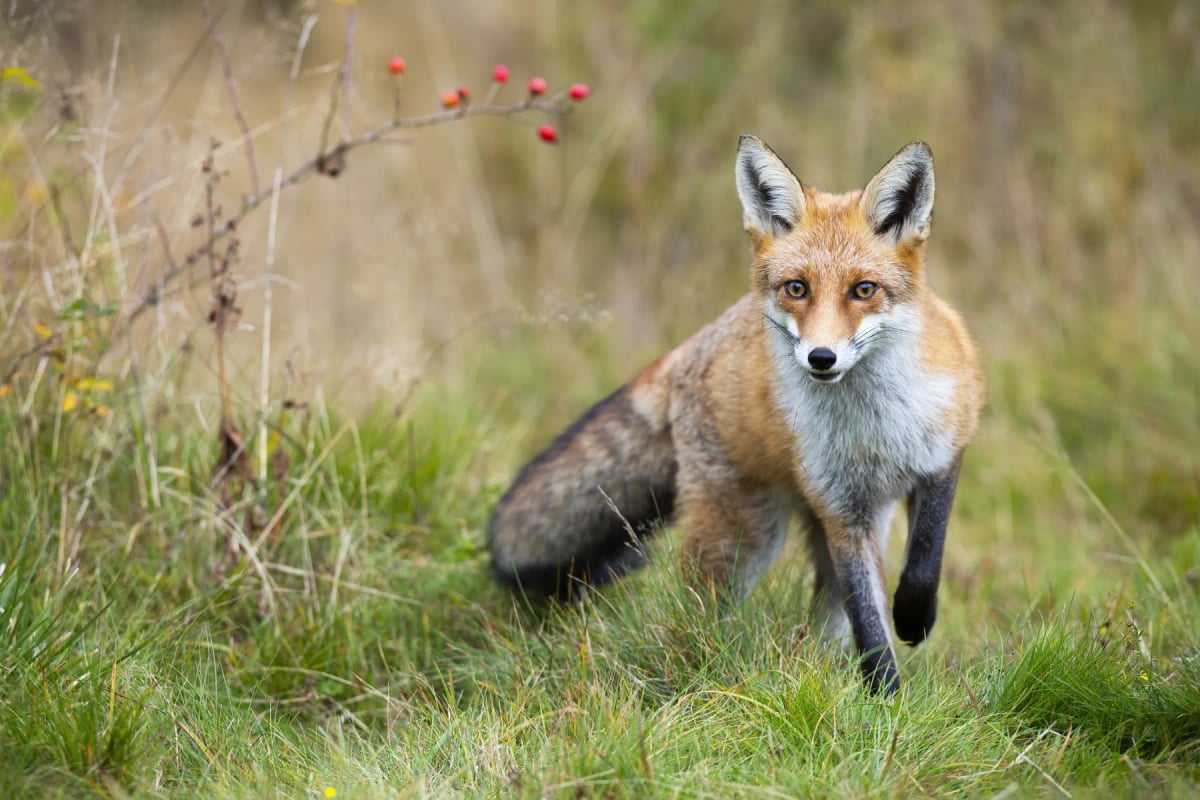
Red Fox
Vulpes vulpes
The red fox is present in Qatar, where it navigates a landscape of desert plains, coastal sabkhas, and areas near human development. Nocturnal by habit in this hot climate, it feeds on rodents, invertebrates, dates, and food waste. It is sometimes spotted on the outskirts of Doha. Though not studied in depth locally, it is considered stable across the wider Arabian Peninsula. Its status is Least Concern.
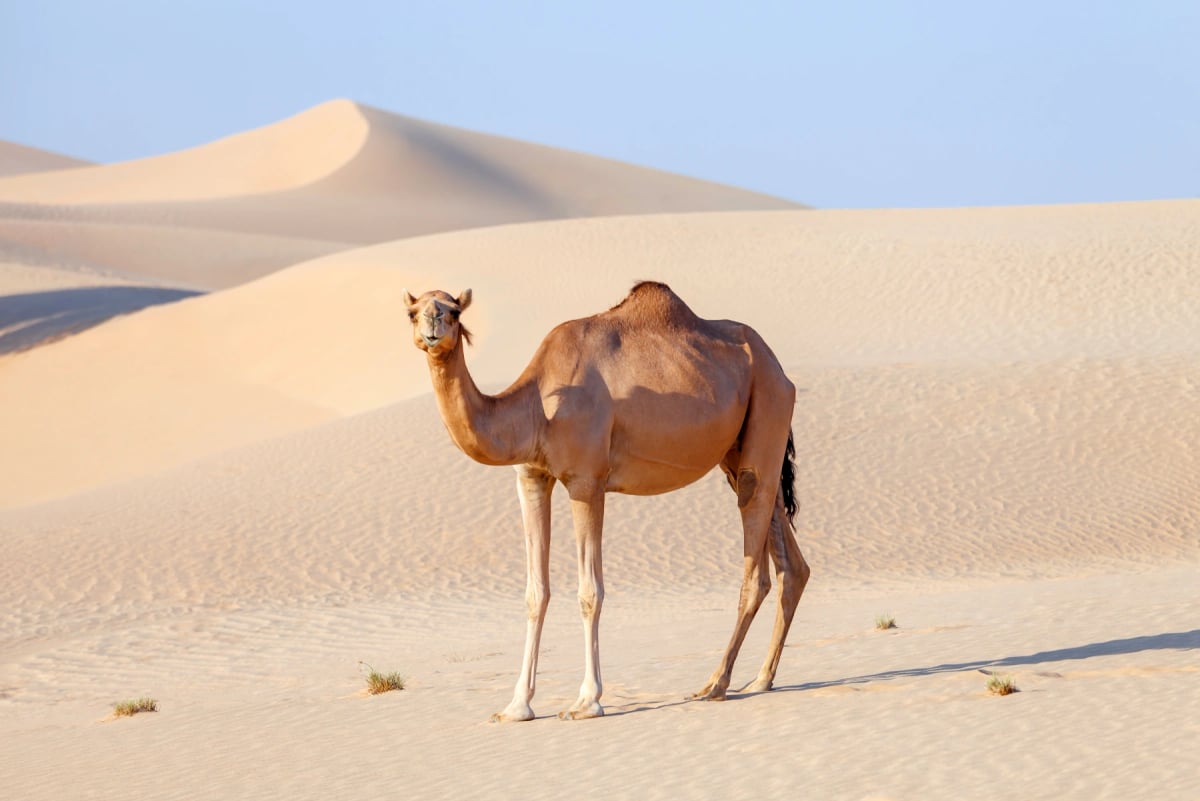
Dromedary Camel
Camelus dromedarius
Qatar's flat desert landscape has supported dromedary camels for centuries, and the animal remains a national symbol today. Camel racing is a beloved tradition, with modern tracks and robot jockeys now used in organized competitions across the country. Camels are also kept for milk and as a connection to Bedouin heritage. Despite Qatar's small size, its camel culture is vibrant and continues to attract attention at major sporting and cultural events.
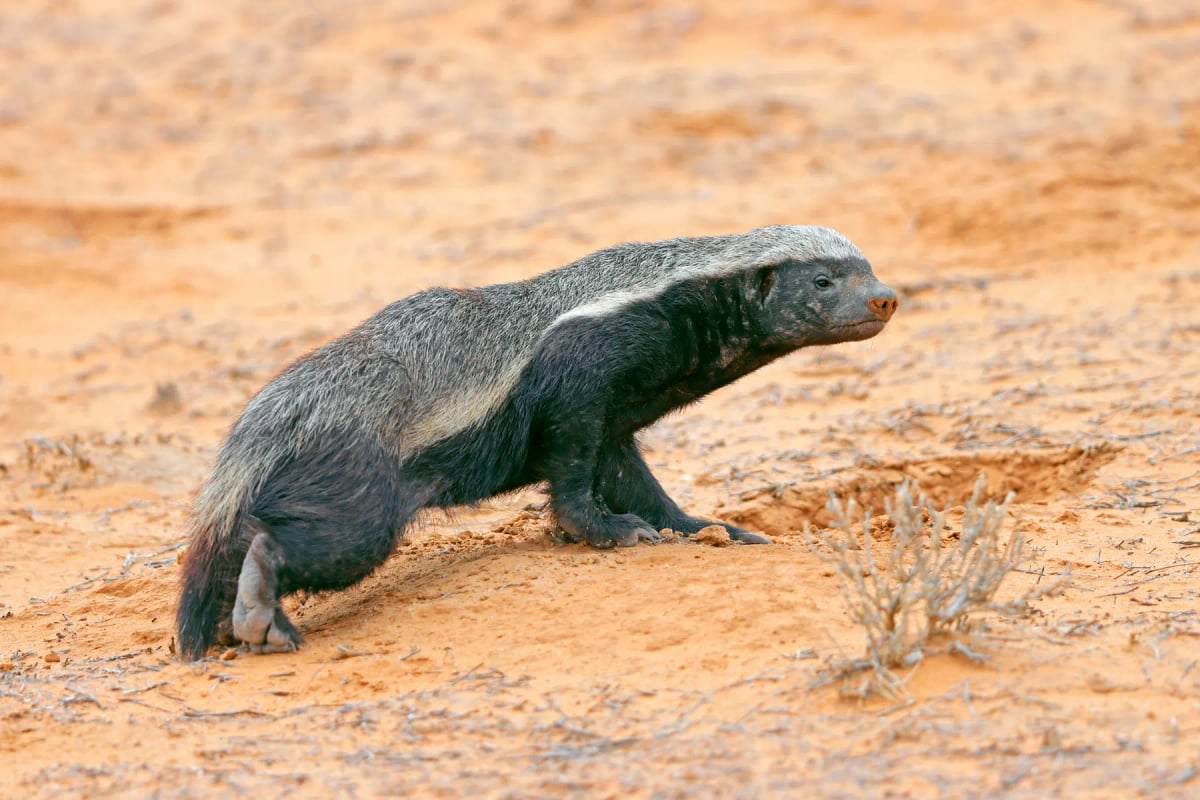
Honey Badger
Mellivora capensis
The honey badger has a thin but documented presence in Qatar, within the flat gravel and sand desert that covers most of the peninsula. Its numbers here are low, reflecting both the limited vegetation cover and the country's small land area. It survives on small vertebrates and insects and digs shelters where the ground allows. The species is listed as Least Concern by the IUCN across its wider range.
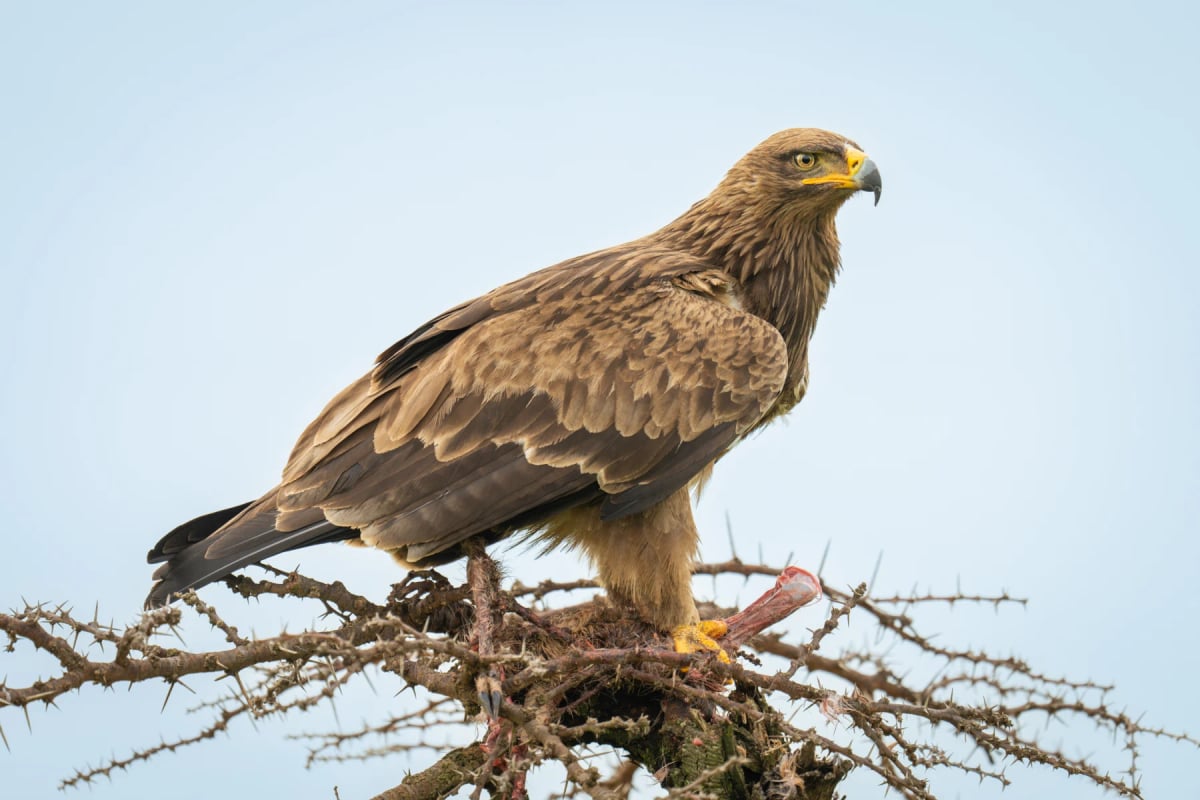
Steppe Eagle
Aquila nipalensis
Qatar records Steppe Eagles mainly as passage migrants and occasional winter visitors, with birds stopping over in the open desert plains and along the coast during their long journey between Central Asia and Africa. Though sightings are irregular, this eagle is among the larger raptors observed in the country. The IUCN classifies it as Endangered, and its declining numbers make every confirmed record in Qatar significant for regional monitoring.
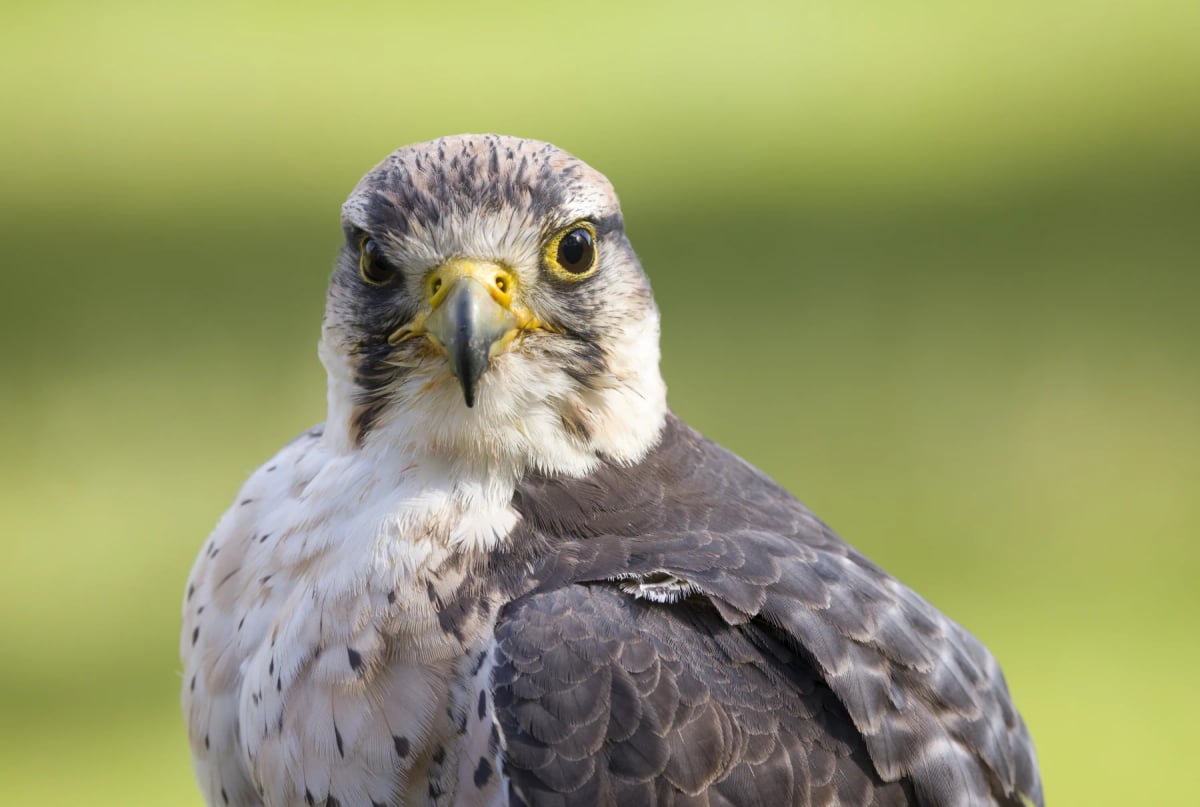
Lanner Falcon
Falco biarmicus
Qatar records the lanner falcon mainly as a passage migrant, with birds passing through the peninsula's arid plains and coastal zones during spring and autumn movements. The Gulf region serves as a corridor for raptors traveling between breeding grounds in Europe and western Asia and their wintering areas in Africa. Falconry holds deep cultural roots in Qatar. The IUCN lists the species as Least Concern.
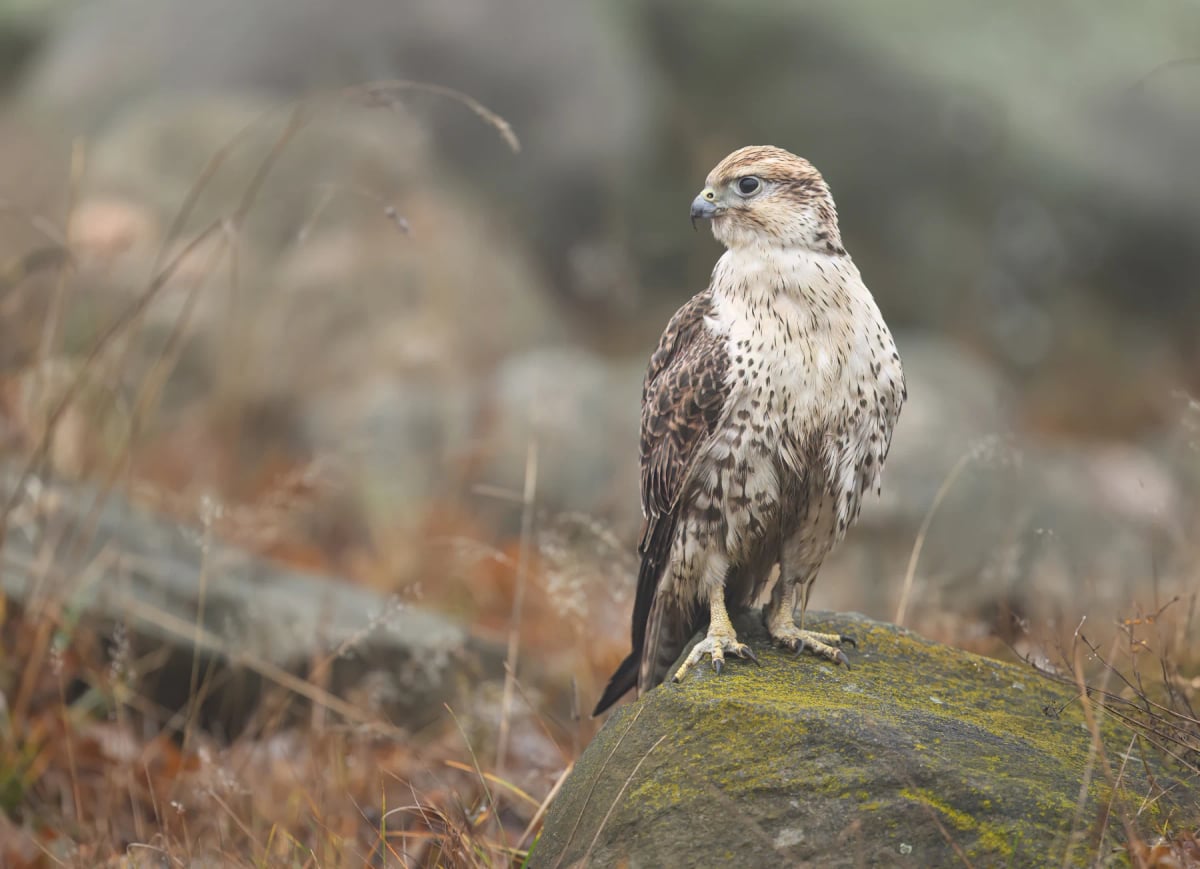
Saker Falcon
Falco cherrug
Qatar is a key destination for saker falcons kept for falconry, one of the most culturally significant traditions in the Arabian Peninsula. Wild sakers winter across the broader Gulf region, and Qatar has invested in captive breeding programs to reduce pressure on wild populations. The IUCN lists the saker falcon as Endangered, largely due to illegal trapping that supplies demand across the Middle East.
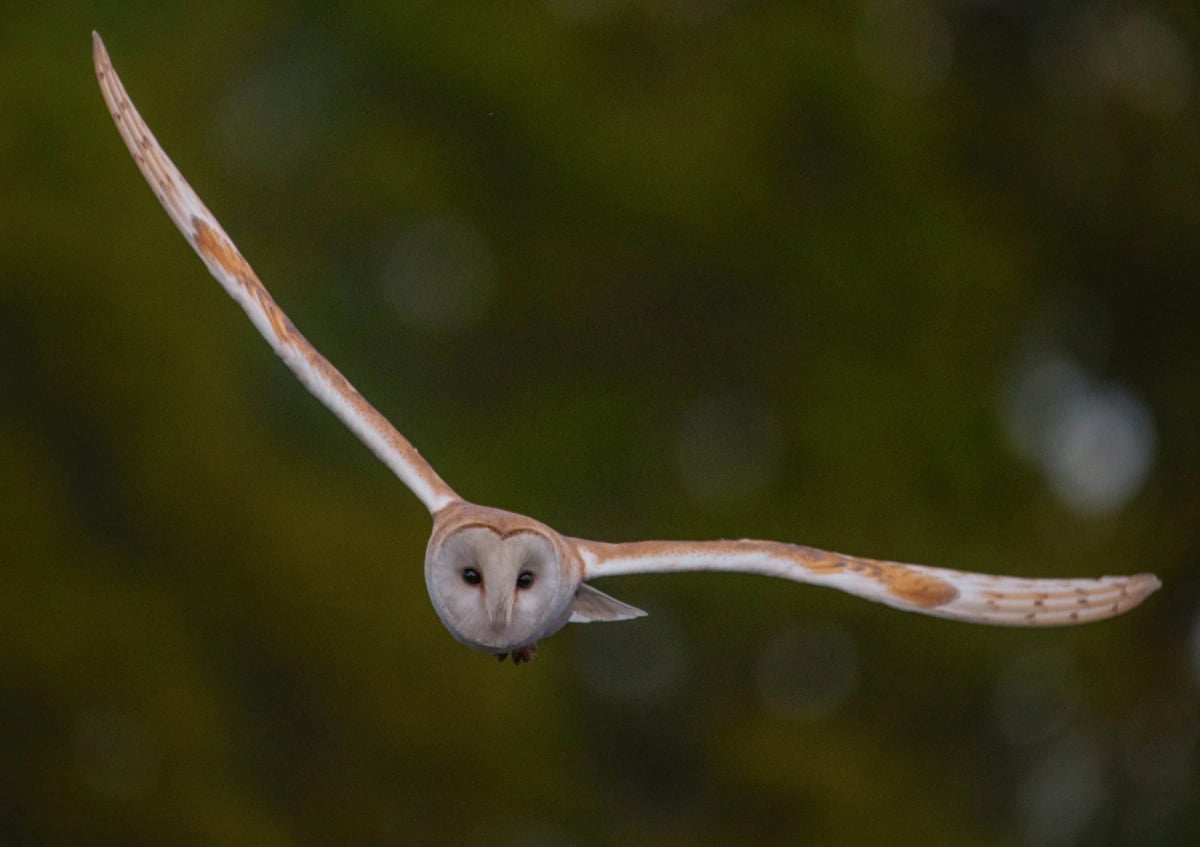
Barn Owl
Tyto alba
The barn owl is a rare resident and occasional visitor in Qatar, found mainly near agricultural areas, date palm gardens, and the outskirts of Doha and other towns where rodent prey is available. Qatar's largely desert and urban environment offers little suitable open hunting habitat, and the species is far less common here than in neighboring countries with more extensive farmland. Most sightings occur near the irrigated green spaces and market garden areas in the north of the peninsula.
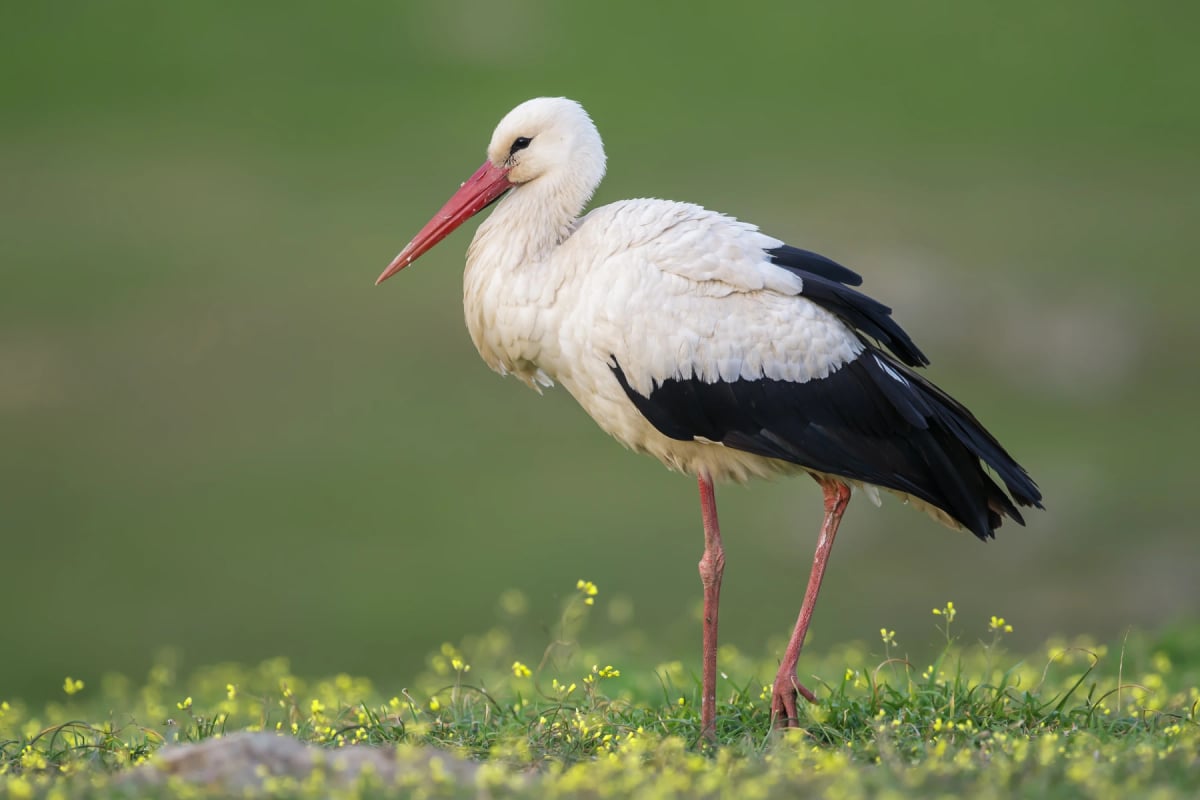
Stork
Ciconia ciconia
Qatar lies along the migration route of the white stork, and the species has been recorded passing through the country, particularly along coastal and agricultural areas where the birds stop briefly to rest and feed. Although Qatar is far from the core breeding and wintering range, storks do appear here during the long journey between Europe and Africa. Wetland reserves and managed green spaces offer the best chance of spotting one. IUCN status: Least Concern.
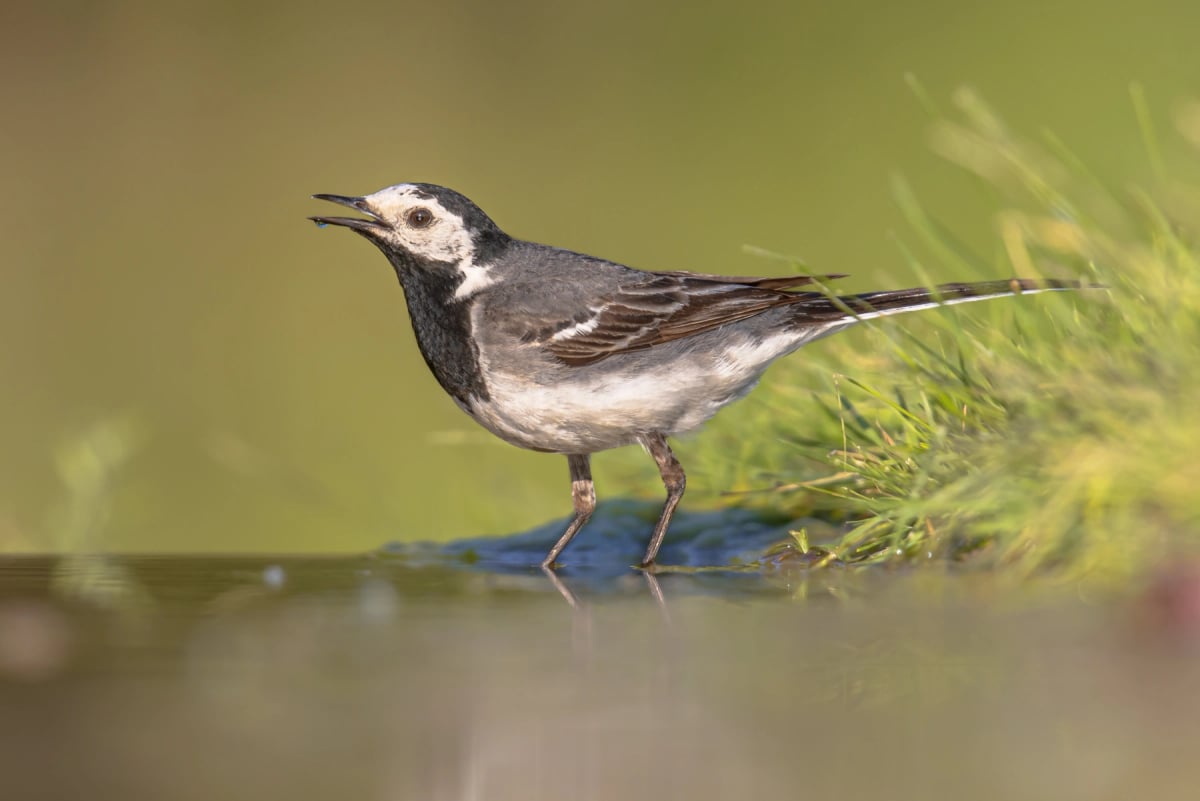
White Wagtail
Motacilla alba
Qatar receives white wagtails as winter visitors and birds on passage, taking advantage of the country's coastal habitats, parks and irrigated green spaces. Given Qatar's position on the Arabian Peninsula, it lies along a migration route used by many birds moving between Eurasia and Africa. Wagtails are often spotted near water features, grassy areas and the shoreline of the Persian Gulf. They are among the more recognisable small birds seen in Qatar during the cooler months.
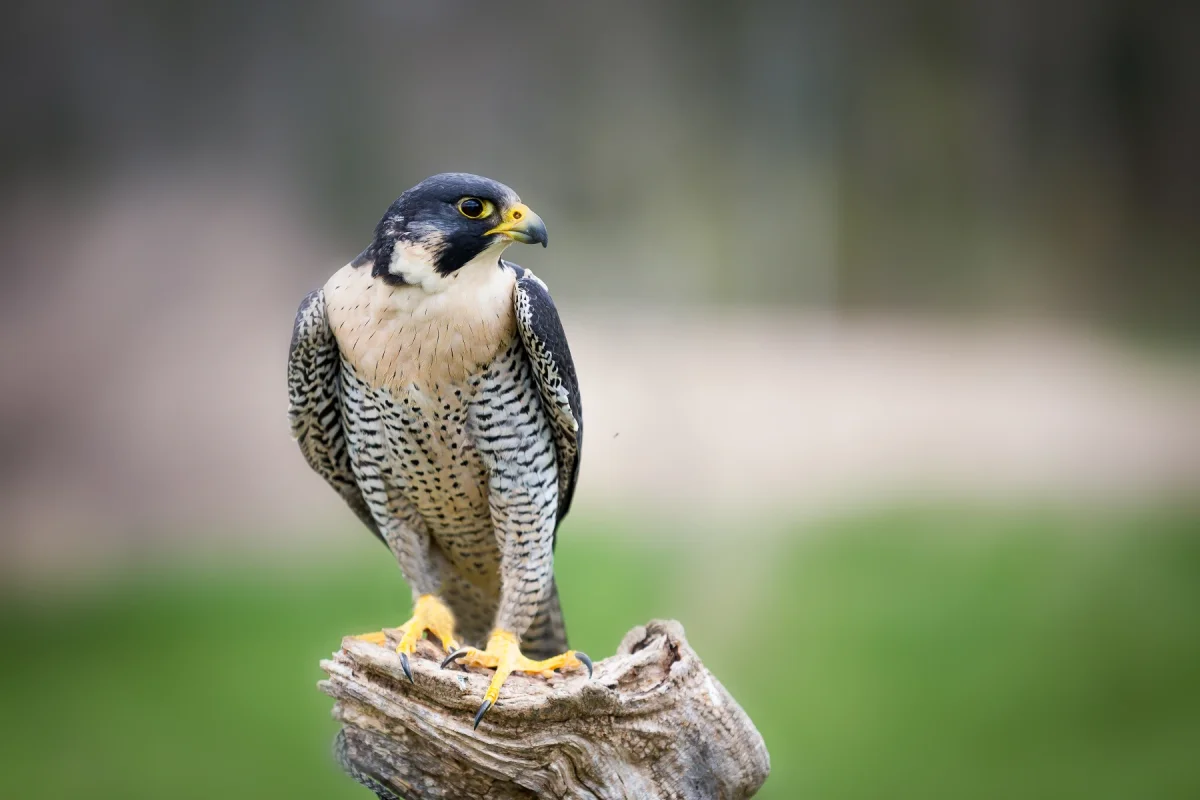
Peregrine Falcon
Falco peregrinus
The peregrine falcon is a winter visitor to Qatar, arriving from breeding grounds in northern Europe and Asia. It hunts waders, doves, and other birds along the Gulf coastline and around wetlands such as Al Thakira. Falconry holds deep cultural importance across the Arabian Peninsula, and the peregrine is among the most prized species in that tradition. Its IUCN status is Least Concern.
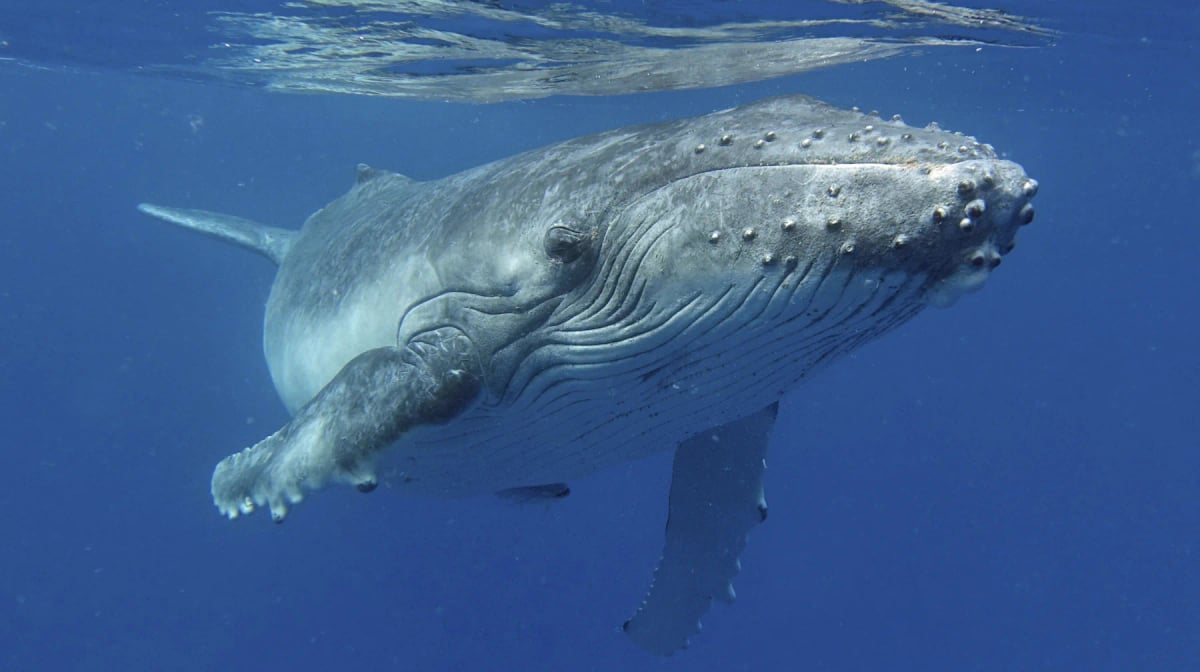
Humpback Whale
Megaptera novaeangliae
Humpback whales are occasional visitors to the waters of the Arabian Gulf and the Gulf of Oman near Qatar. These seas lie along migratory routes connecting the Indian Ocean to shallower coastal waters. Sightings are rare but documented. At up to 16 metres long and 40 tonnes, this marine mammal is instantly recognisable by its long pectoral fins and the knobbly bumps covering its head. The IUCN lists it as Least Concern.
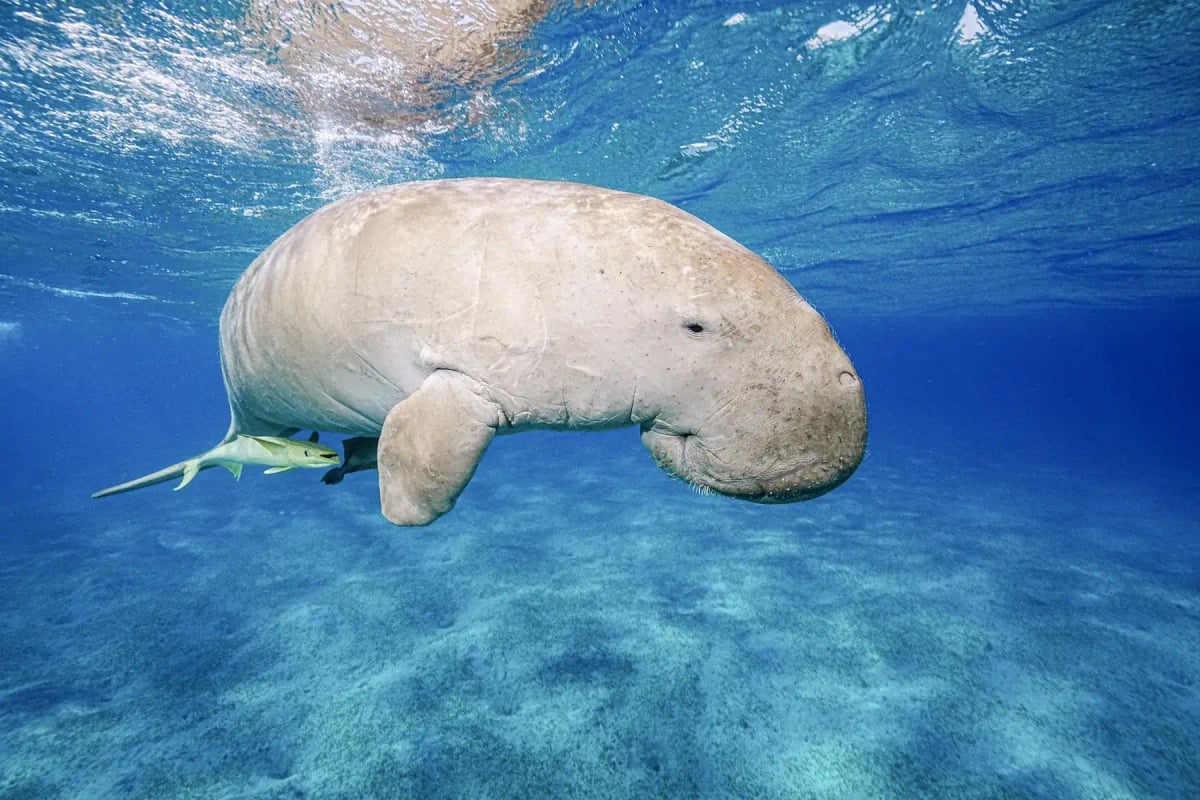
Dugong
Dugong dugon
Qatar's shallow coastal waters in the Persian Gulf support one of the more notable dugong populations in the Arabian region. The sheltered bays and extensive seagrass beds along the Qatari coastline provide reliable feeding habitat. Qatar has taken steps to raise awareness about dugong conservation, and sightings are relatively regular compared to many neighboring countries. Boat traffic in these busy Gulf waters remains a key concern for the safety of dugongs. IUCN status: Vulnerable.
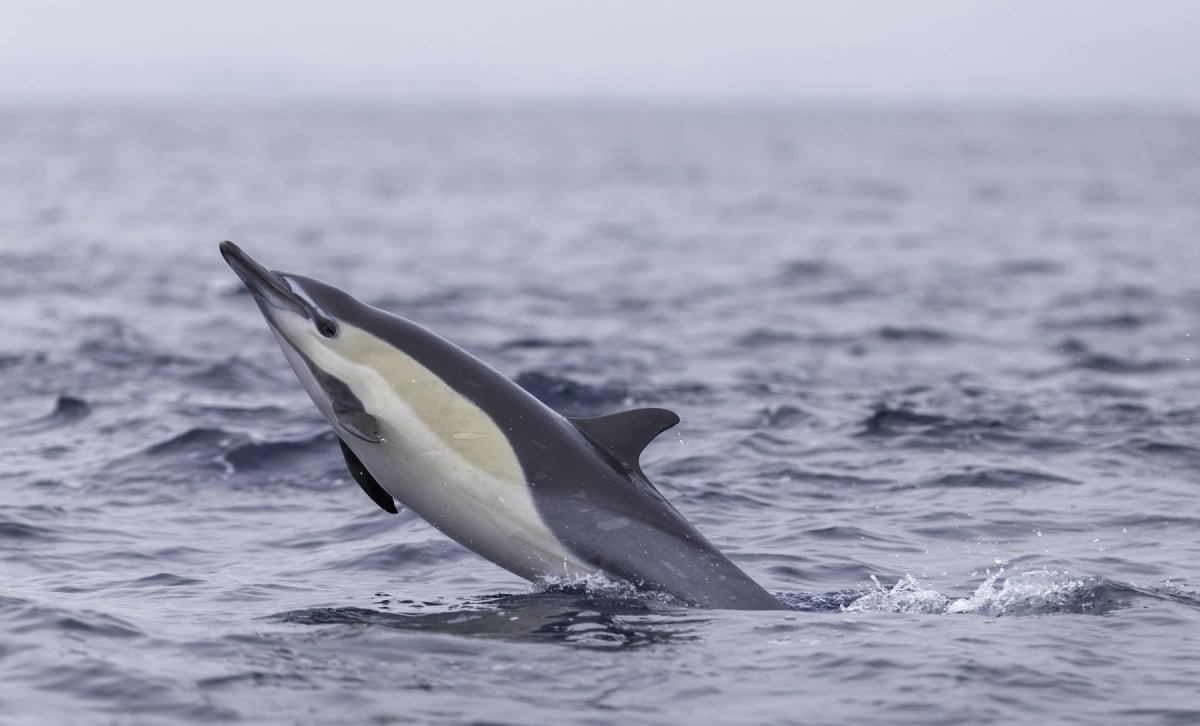
Common Dolphin
Delphinus delphis
Common dolphins are recorded in Qatari waters of the Arabian Gulf, though the Gulf's shallow depth, high salinity, and extreme summer temperatures make it a challenging environment for cetaceans. Sightings tend to occur in the deeper channels and along the northern reaches of the Gulf. Research on dolphin populations in this region is still developing, and local records contribute valuable data. IUCN status: Least Concern.
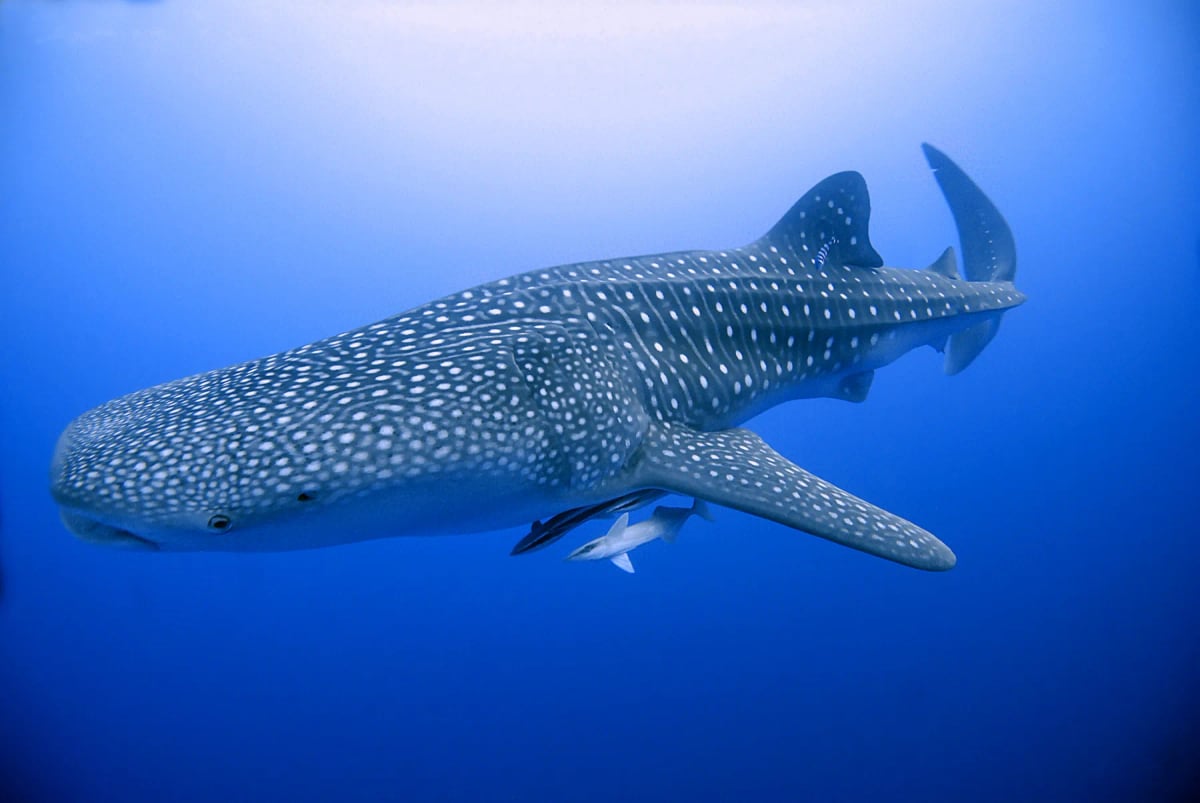
Whale Shark
Rhincodon typus
Qatar's waters host one of the largest known whale shark aggregations on Earth, with hundreds of individuals gathering each year near the Al Shaheen oil field in the Arabian Gulf, drawn by seasonal tuna spawning events. Discovered relatively recently by researchers and oil industry observers, this aggregation has become an important site for studying whale shark behavior in an otherwise heavily industrialized marine area.
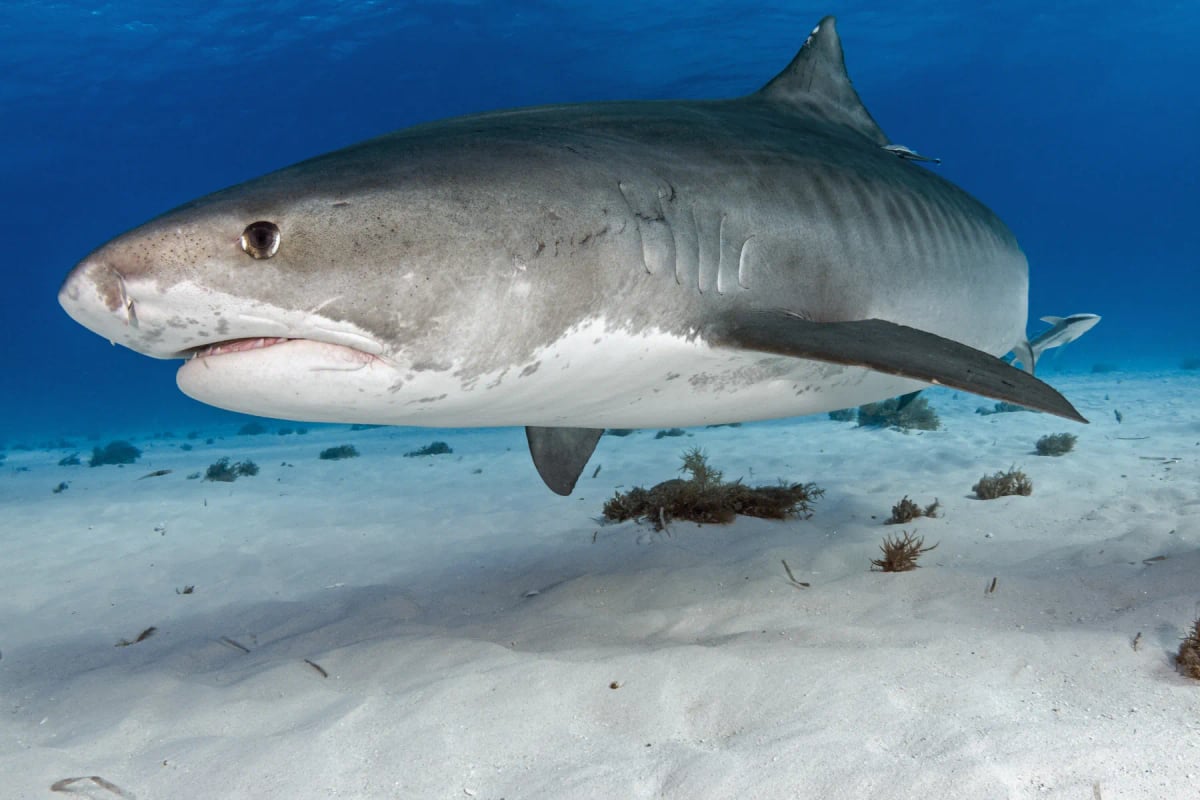
Tiger Shark
Galeocerdo cuvier
The tiger shark inhabits the warm, shallow waters of the Arabian Gulf surrounding Qatar. Though sightings are uncommon, this powerful predator is part of the Gulf's marine ecosystem and has been documented in the region. It feeds on fish, rays, and sea turtles, growing to around 5 metres in length. The IUCN lists it as Near Threatened due to fishing pressure and the fin trade.
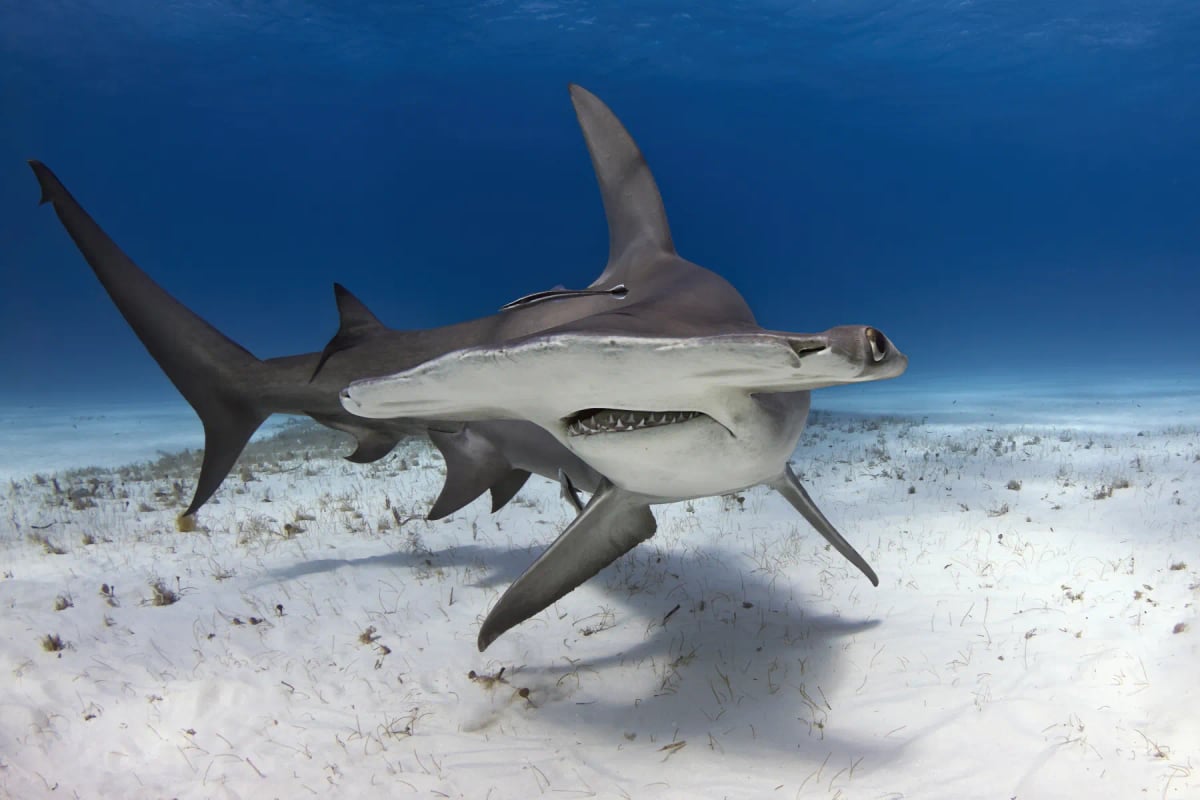
Hammerhead Shark
Sphyrna spp.
Qatar sits along the Persian Gulf, where hammerhead sharks inhabit the warmer offshore waters and are occasionally encountered by fishers. The shallow, productive gulf provides feeding grounds for rays and fish that hammerheads prey upon. Shark fishing pressure in the region has contributed to population declines. Qatar has been developing its marine conservation frameworks, though protecting open ocean species remains an ongoing challenge.
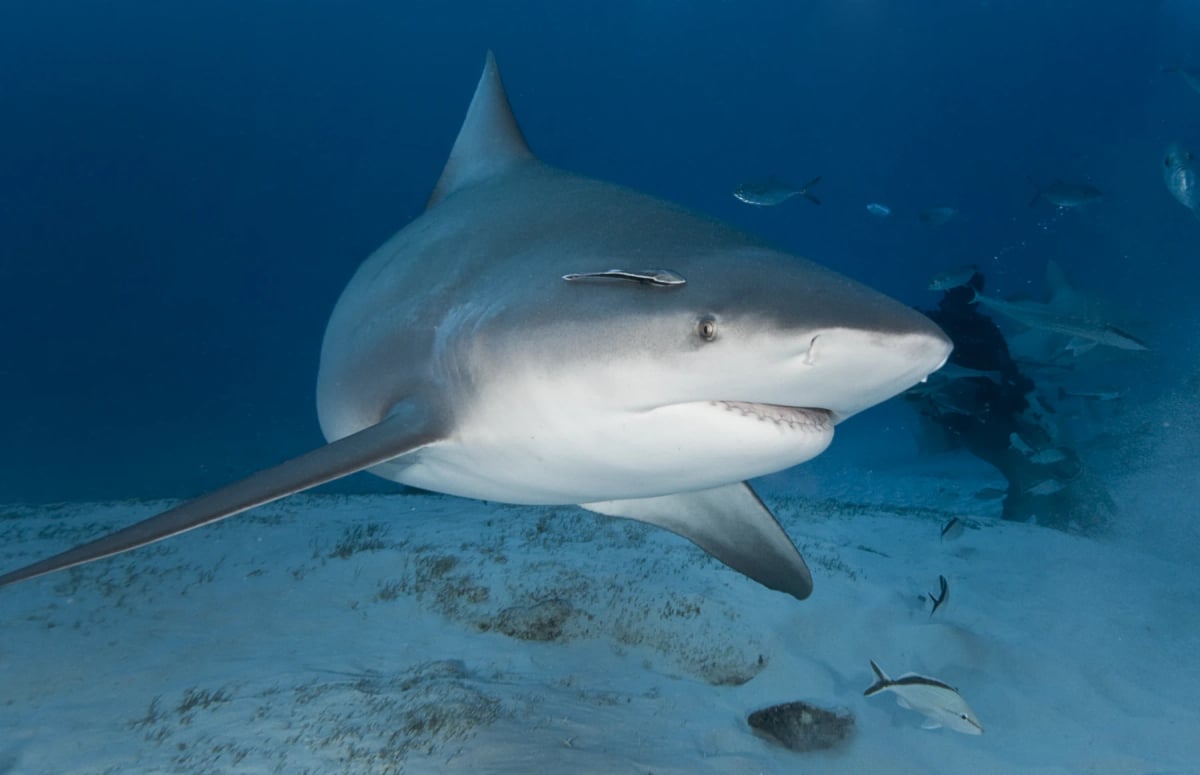
Bull Shark
Carcharhinus leucas
In the shallow, warm waters of the Arabian Gulf off Qatar, bull sharks occupy coastal and estuarine habitats. They are capable hunters in turbid inshore environments, preying on fish and rays. The species is listed as Near Threatened globally, and fishing pressure in the Gulf region poses a concern for local populations. Their presence in Qatar's waters reflects the species' broad tolerance for warm, enclosed seas.
Researched and written by Juan Pablo. Sources: IUCN Red List, scientific literature and regional field guides. Last updated: .