Animals in Latvia
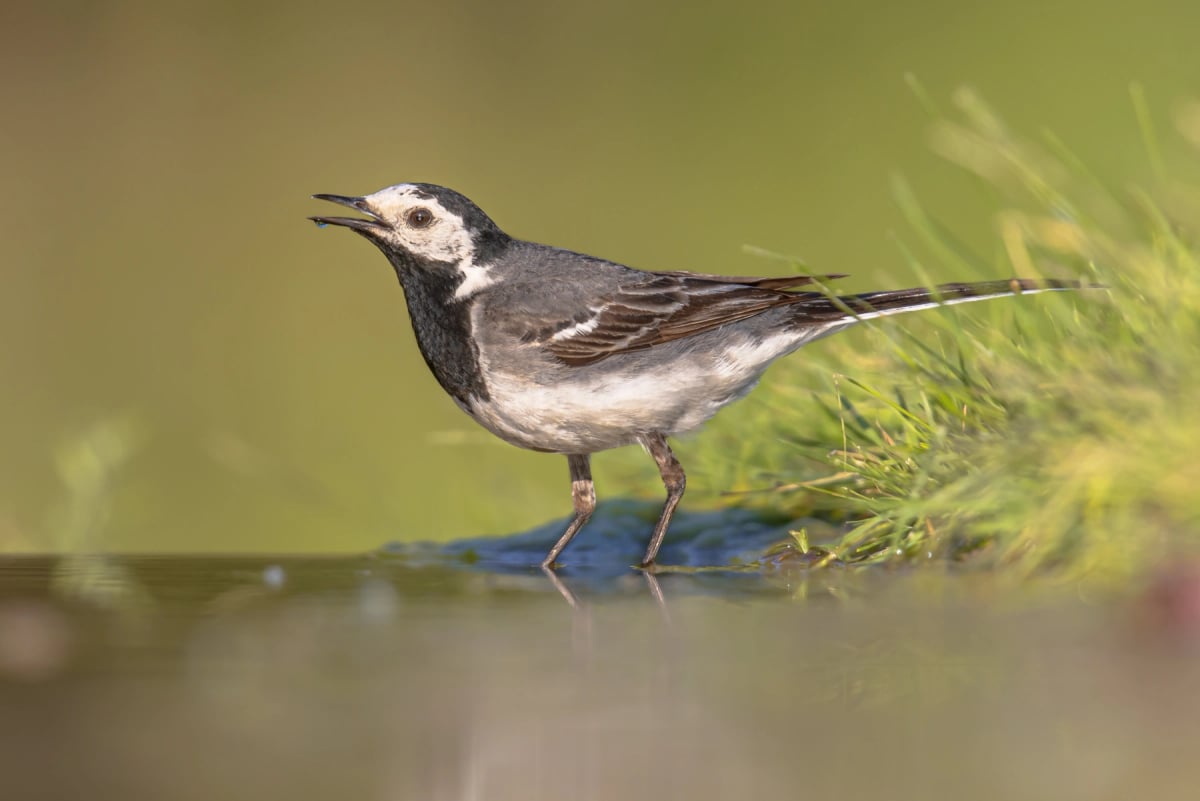
White Wagtail
Motacilla alba
The white wagtail is Latvia’s national bird and one of its most recognizable symbols. It is often seen near rivers, gardens and open fields, moving with its characteristic tail motion. Its cheerful presence marks the arrival of spring and is celebrated in Latvian songs and cultural traditions.
View details→Wildlife in Latvia
Latvia is one of the greenest countries in the Baltic region, with forests, rivers and wetlands that provide shelter for lynxes, moose, wolves and brown bears. Birds such as cranes, storks and eagles are common, especially near lakes and marshes. Protected areas and national parks help preserve these habitats for future generations.
Most Dangerous Animals in Latvia
Latvia’s wildlife includes animals that require caution, such as brown bears, moose, wild boars and wolves. European bison and adders are also present in some areas. Although encounters are rare, visitors are advised to keep distance and respect local guidelines when exploring wild regions.
Top 10 Animals in Latvia
Among Latvia’s most emblematic animals are the brown bear, moose, Eurasian lynx, gray wolf, red deer and peregrine falcon. These species represent the country’s wild and diverse nature. National parks such as Gauja and Slitere are popular destinations for those who want to see them in their natural habitat.
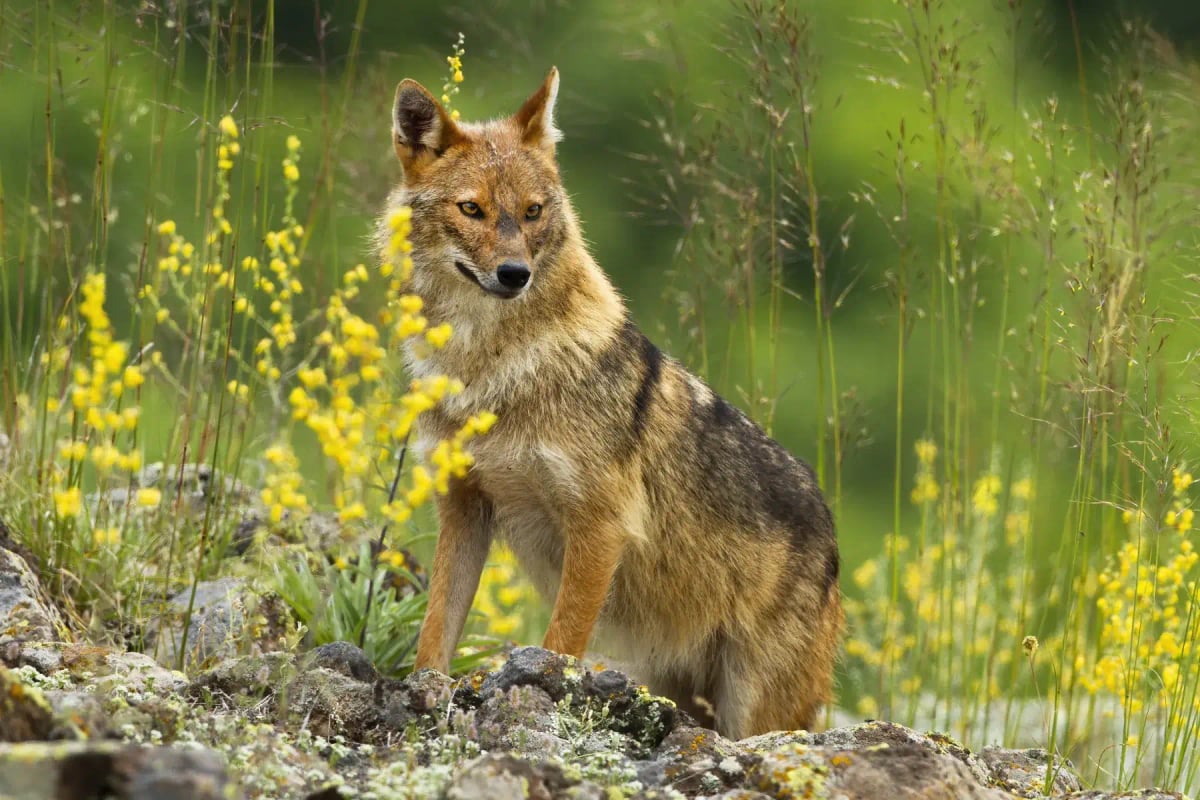
Golden Jackal
Canis aureus
The golden jackal has reached Latvia as part of its ongoing northward expansion through the Baltic region. It tends to favor the country's river valleys, forest edges, and agricultural land near the coast. Sightings remain infrequent, and the population has not yet established itself firmly. Latvian wildlife authorities track reports carefully, as this canid of medium size continues to test the limits of its range in northern Europe. IUCN status: Least Concern.
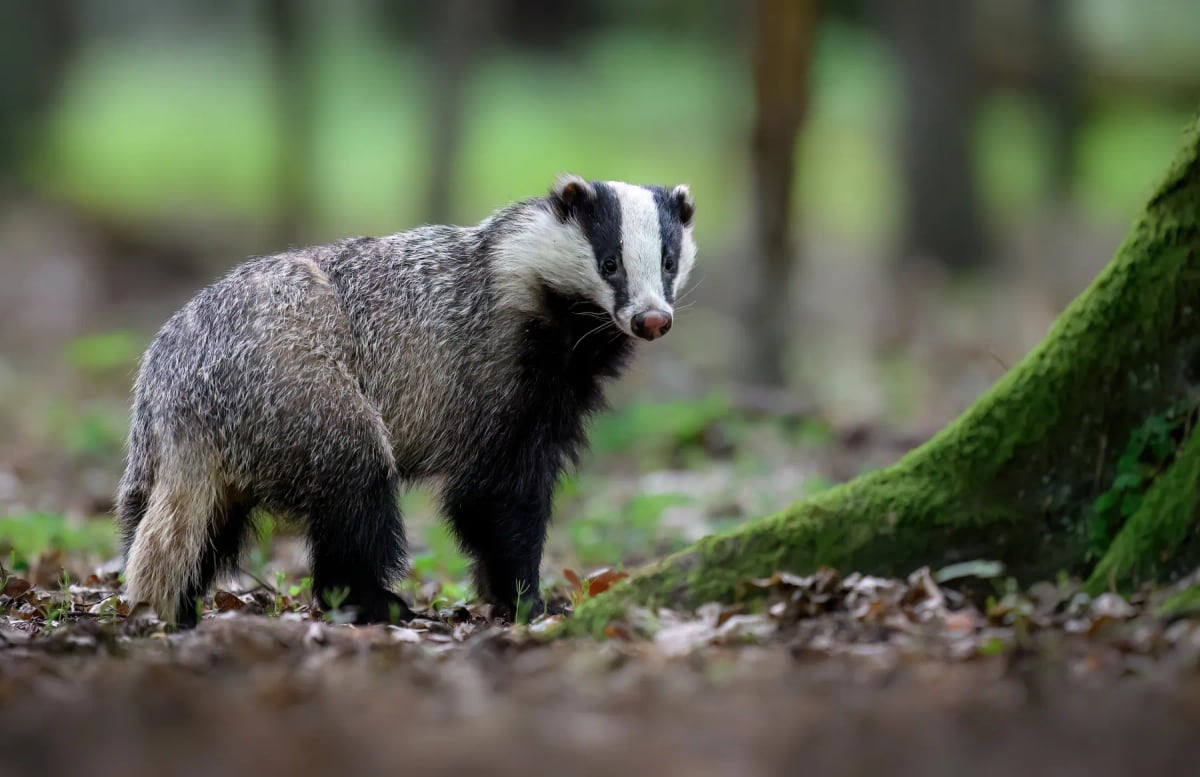
Badger
Meles meles
The Eurasian badger is found across Latvia in mixed and deciduous forest, farmland and forest edges throughout the country. It prefers areas with light, well-drained soils suitable for digging extensive setts, and lives in family groups that use the same burrow systems across generations. In Latvia badgers are less active during the coldest winter months but do not hibernate fully. They feed on earthworms, insects, berries, roots and small animals, and populations are stable.
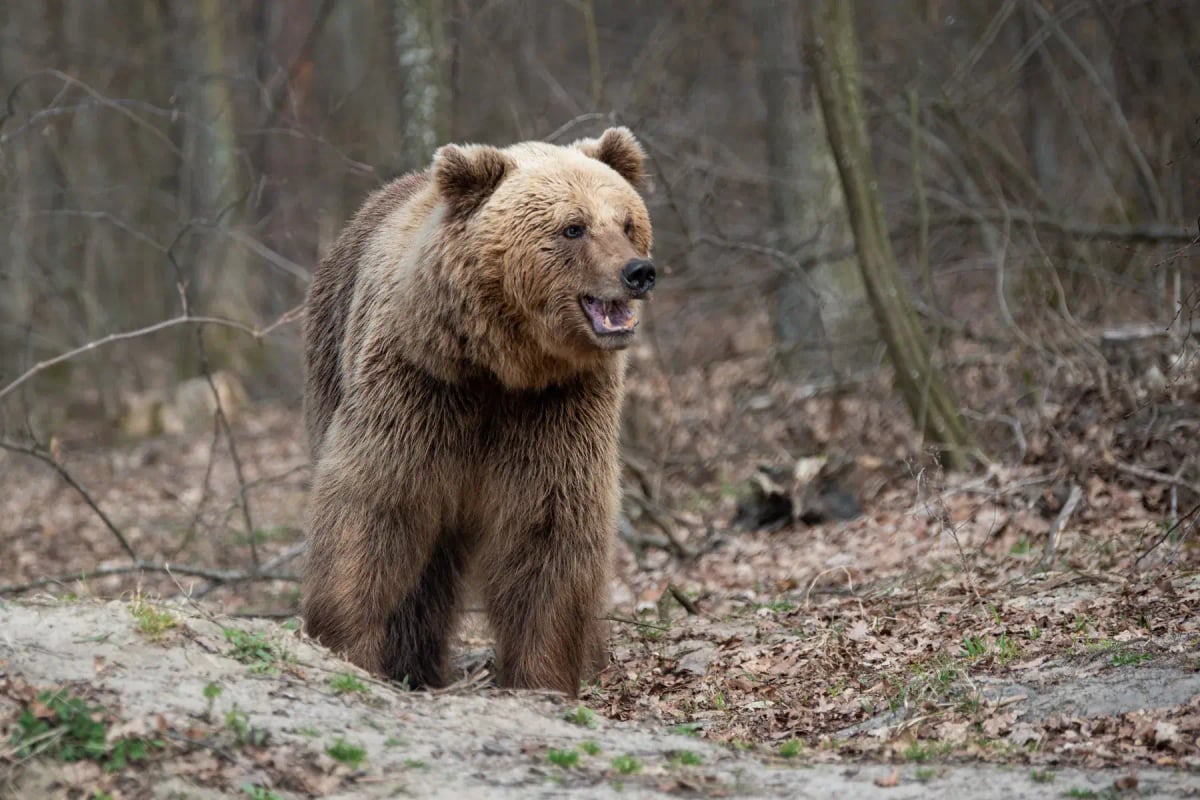
Brown Bear
Ursus arctos
Latvia supports a modest but stable brown bear population, largely concentrated in the forests of the eastern and northeastern regions of the country. These bears rely on dense boreal woodland for cover and foraging. The population has shown a gradual increase in recent decades, and hunting is regulated under national wildlife management plans. Encounters with humans remain infrequent given the low population density in rural forested areas.
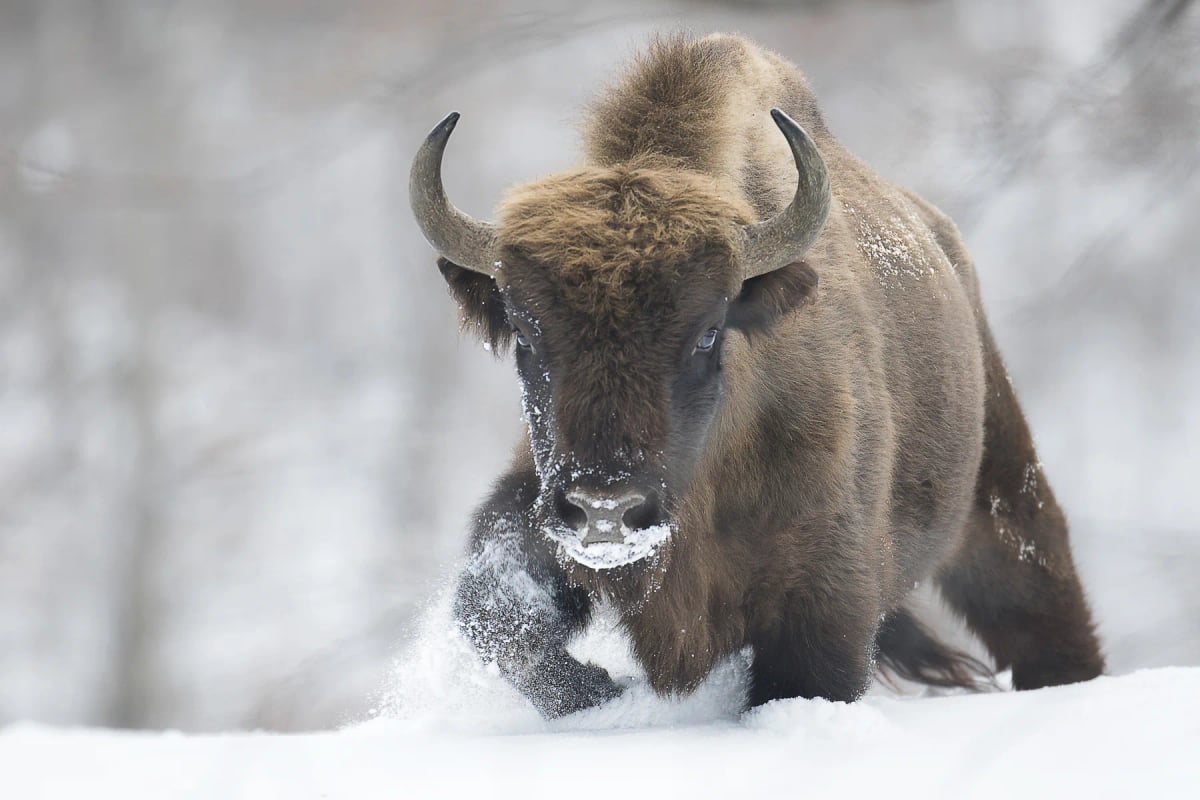
European Bison
Bison bonasus
European bison were reintroduced to Latvia after being absent from the country for hundreds of years. Herds now live in forested regions, benefiting from Latvia's extensive woodland cover and relatively low human pressure in rural areas. The animals feed on grasses, leaves, and bark depending on the season. Latvia's efforts form part of a coordinated network of reintroduction programs working to secure the species across its historic European range. IUCN status: Near Threatened.
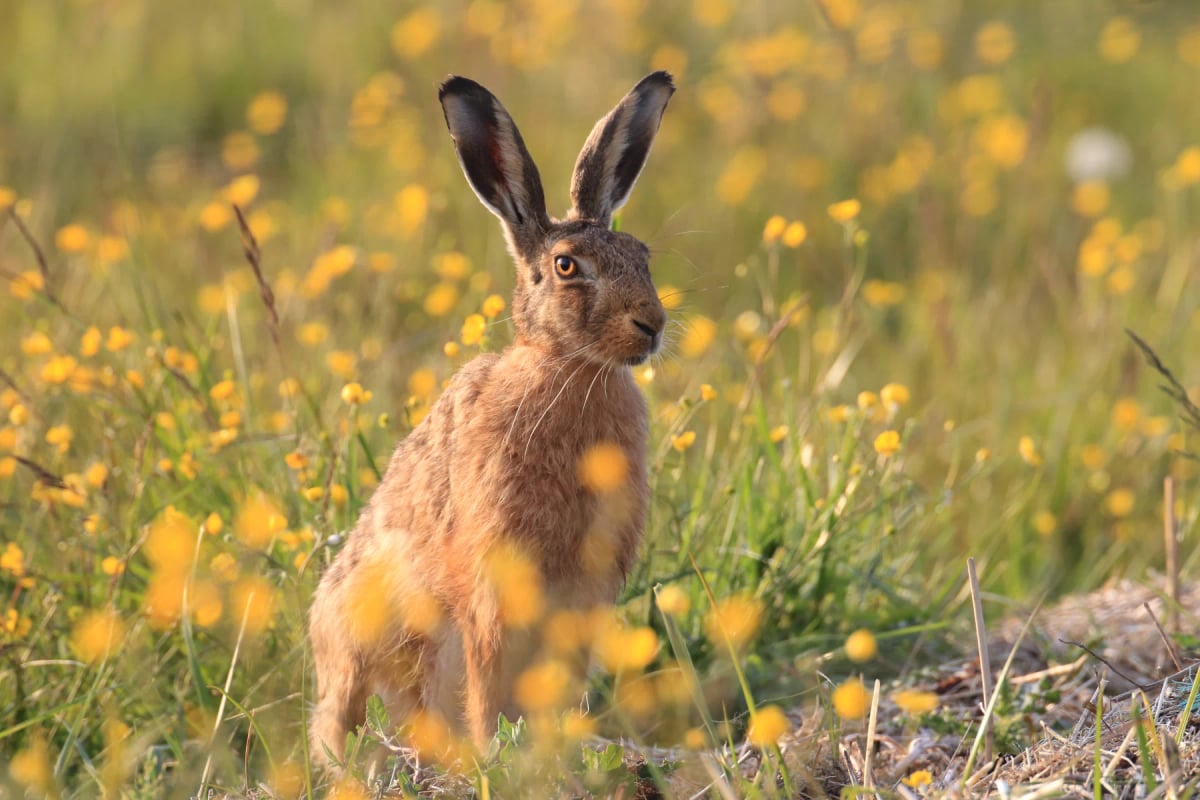
Hare
Lepus europaeus
In Latvia, the European hare inhabits farmland, meadows, and forest edges across the country. It shares its range with the mountain hare in some northern areas. The species relies on open ground for feeding and shelter, using shallow depressions in the soil to rest. Agricultural changes have affected populations across the Baltic region, though the hare remains a common and recognisable animal throughout Latvia.
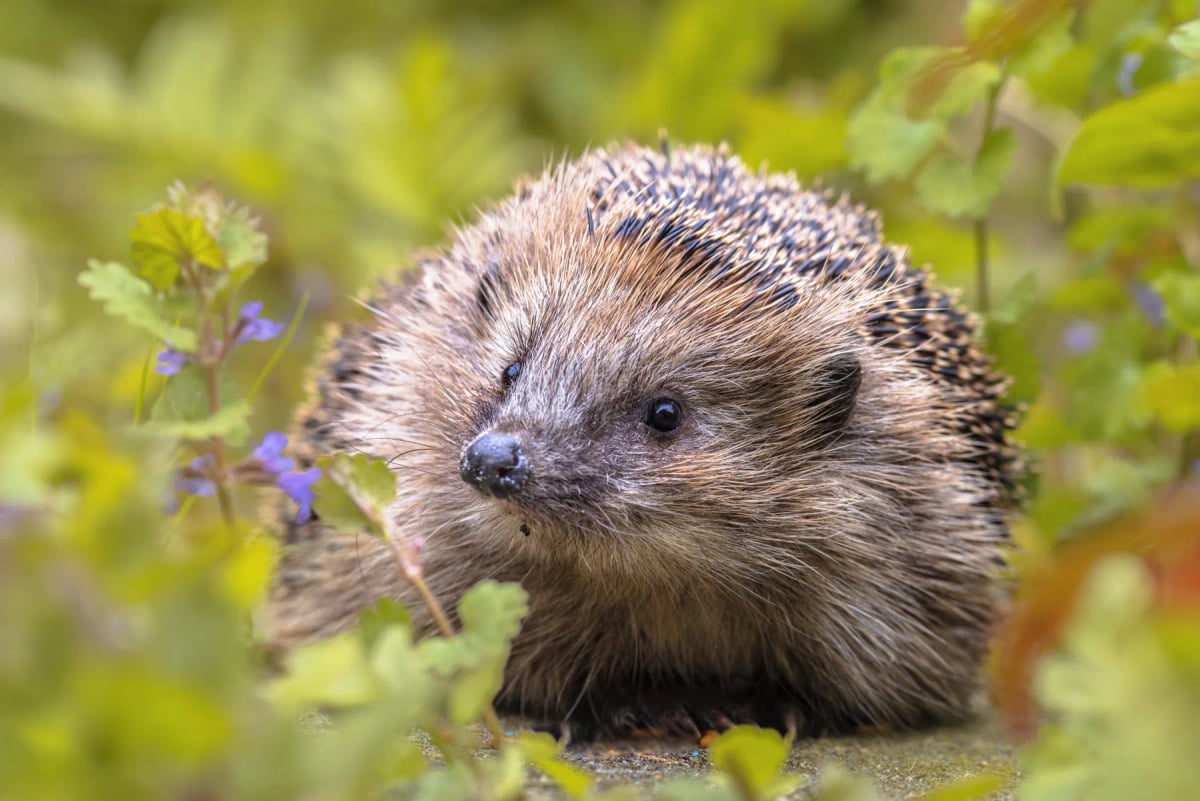
Hedgehog
Erinaceus europaeus
In Latvia, the European hedgehog inhabits gardens, forest margins, and hedgerows across the country, including the lowland farmland that covers much of the interior. It is most active from spring through autumn before entering hibernation as the Baltic winter sets in. Populations here face pressure from road traffic and the loss of the mixed hedgerows and rough grassland that provide both shelter and foraging ground. IUCN status: Least Concern.
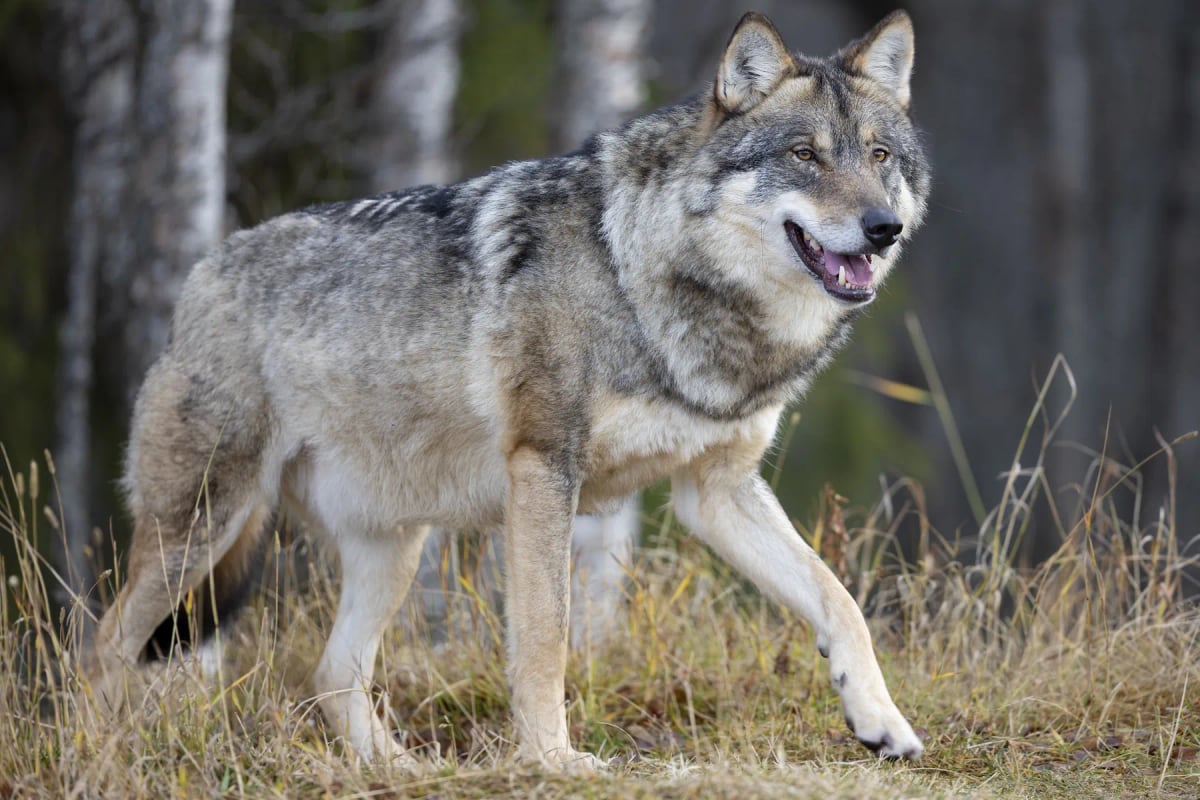
Gray Wolf
Canis lupus
Latvia holds one of the more robust wolf populations in the Baltic region. Wolves thrive in the country's extensive forests and wetlands, feeding mainly on deer and wild boar. The population has grown over recent decades and Latvia permits regulated hunting to manage numbers. Wolves sometimes come into conflict with farmers and are legally classified as a game species. Globally, the gray wolf is listed as Least Concern by the IUCN.
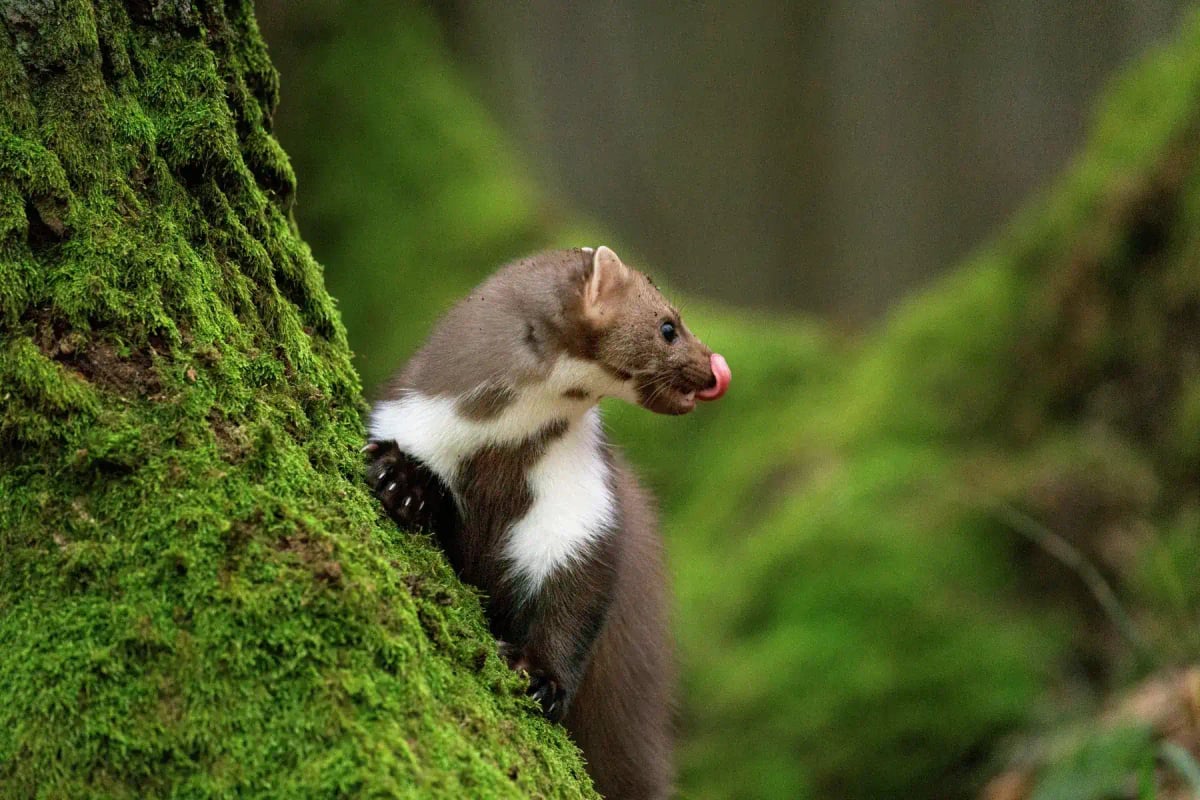
Marten
Martes martes / Martes foina
Latvia's extensive boreal and mixed forests make it well suited to the pine marten. The species is found throughout the country, thriving in areas with mature woodland and good tree cover. Pine martens here hunt rodents, squirrels, and birds, and will take berries and insects when available. Latvia's relatively low human population density and large forest reserves give this agile carnivore plenty of room to roam. Its IUCN status is Least Concern.
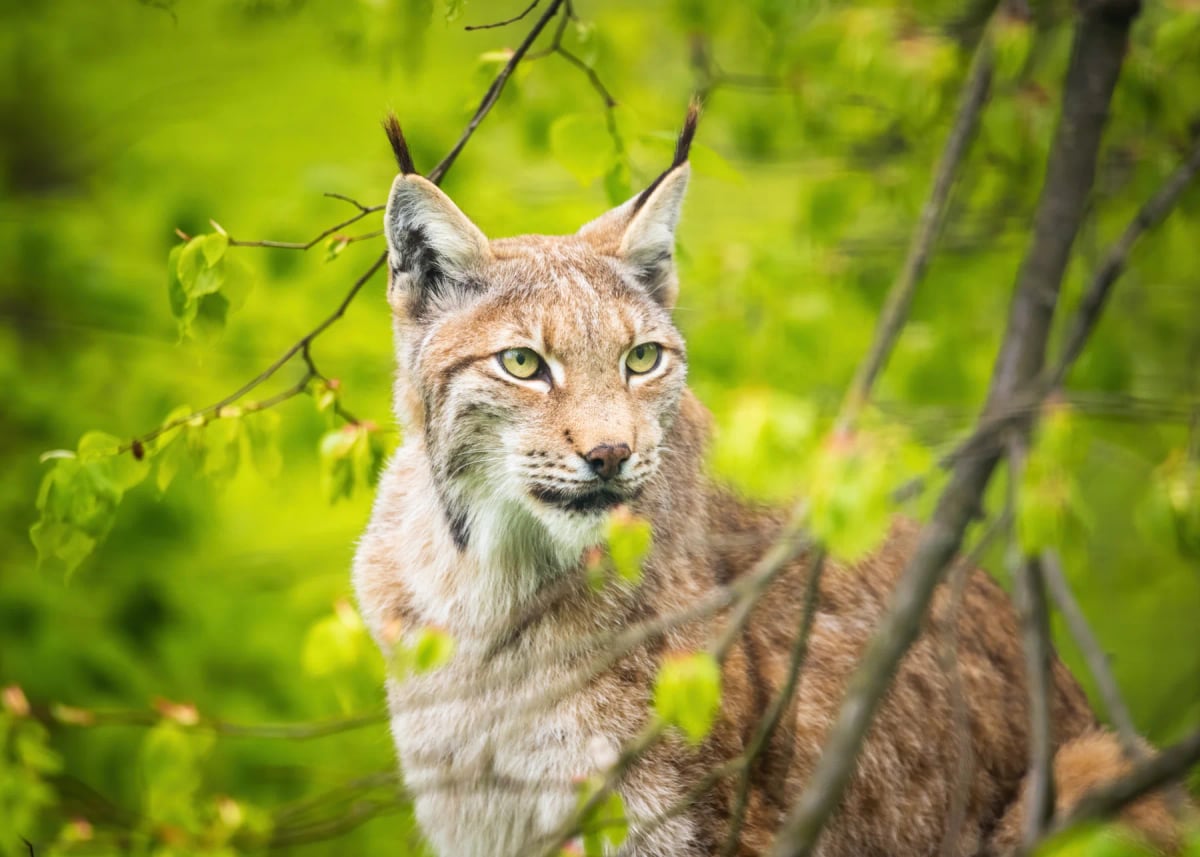
Eurasian Lynx
Lynx lynx
Latvia holds one of the healthiest Eurasian Lynx populations in the Baltic region. The country's extensive boreal forests provide ideal cover and prey, mainly roe deer and hares. Latvian authorities monitor the population closely, and hunting has been regulated to keep numbers stable. This large cat is a key part of the forest ecosystem. The IUCN lists it as Least Concern.
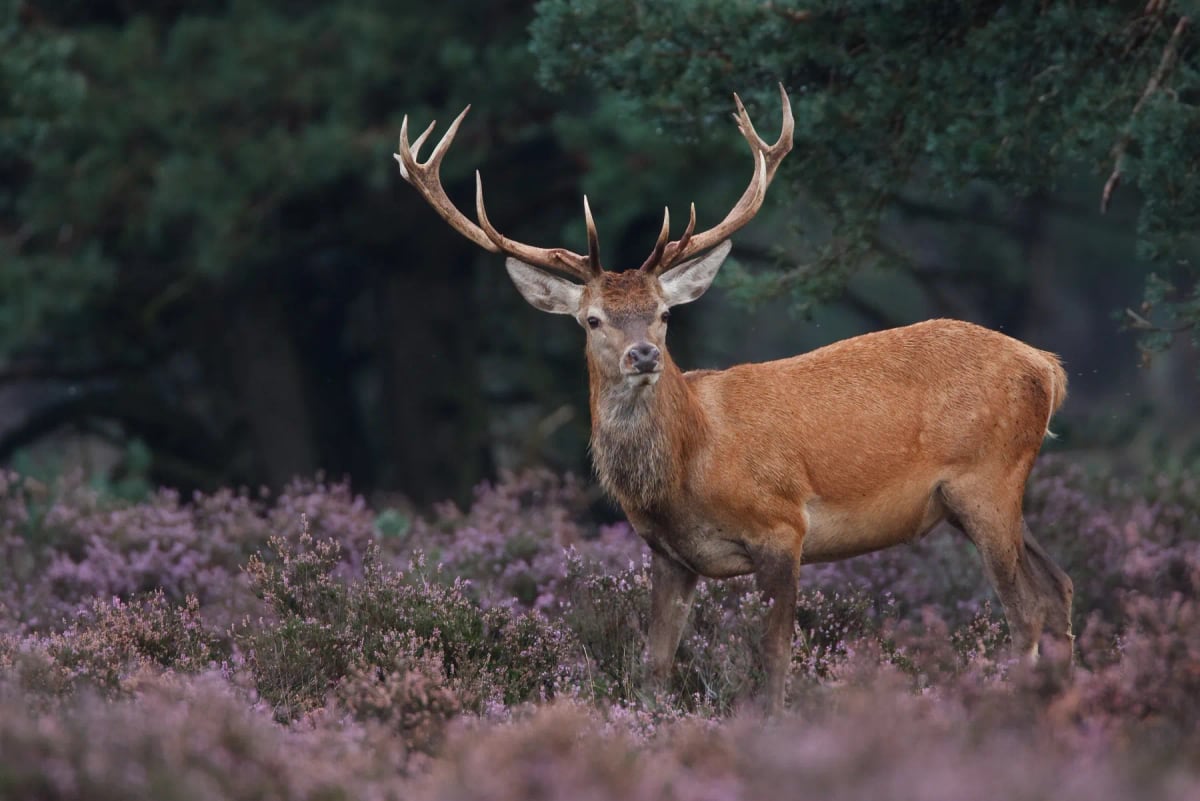
Red Deer
Cervus elaphus
The red deer (Cervus elaphus) is one of the largest deer species in Europe and a well established resident of Latvia's mixed forests and river valleys. Populations here have grown steadily in recent decades, supported by regulated hunting and forest management. Stags are recognized by their broad antlers, and their bellowing calls echo through Latvian woodlands each autumn during the rut. The species is listed as Least Concern by the IUCN.
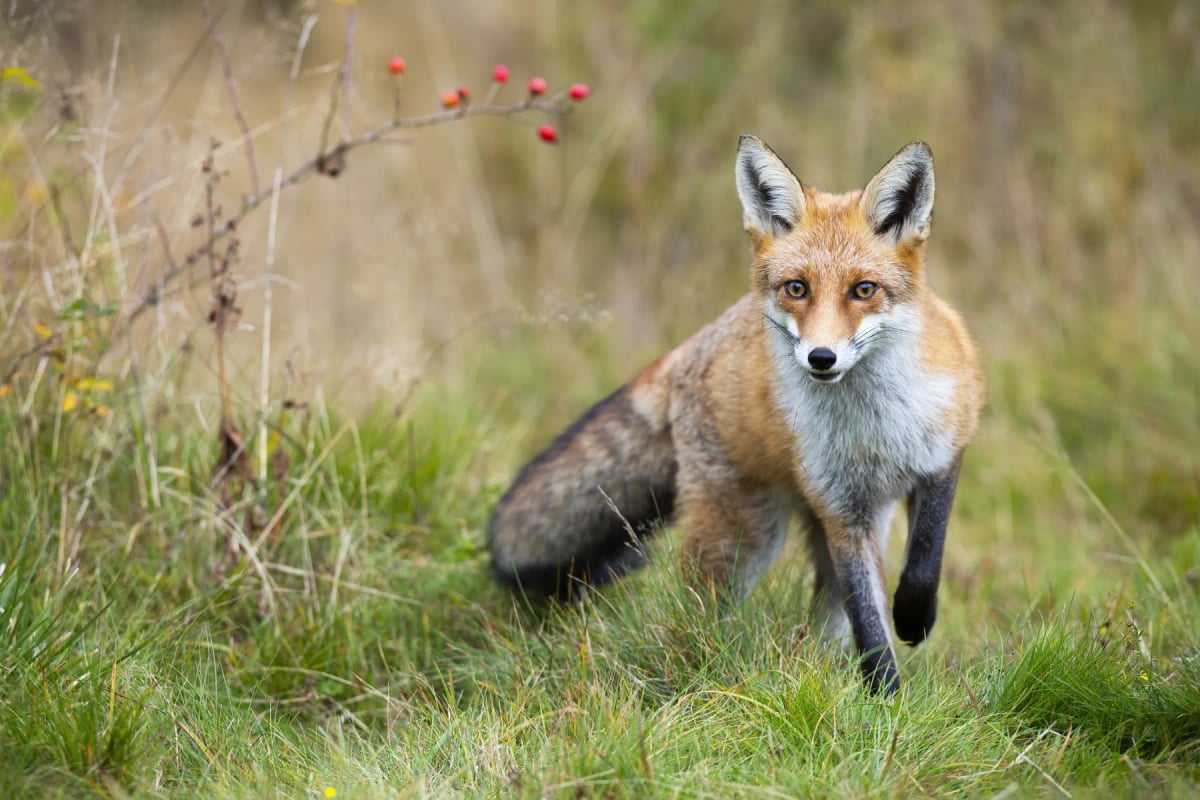
Red Fox
Vulpes vulpes
Latvia's mix of dense forests, wetlands, and farmland makes it excellent habitat for the red fox. It is one of the most abundant carnivores in the country and is managed as a game species, with annual hunting quotas set to keep populations in check. It is also monitored for rabies, as Latvia has worked to control the disease through oral vaccination programs. Its IUCN status is Least Concern.
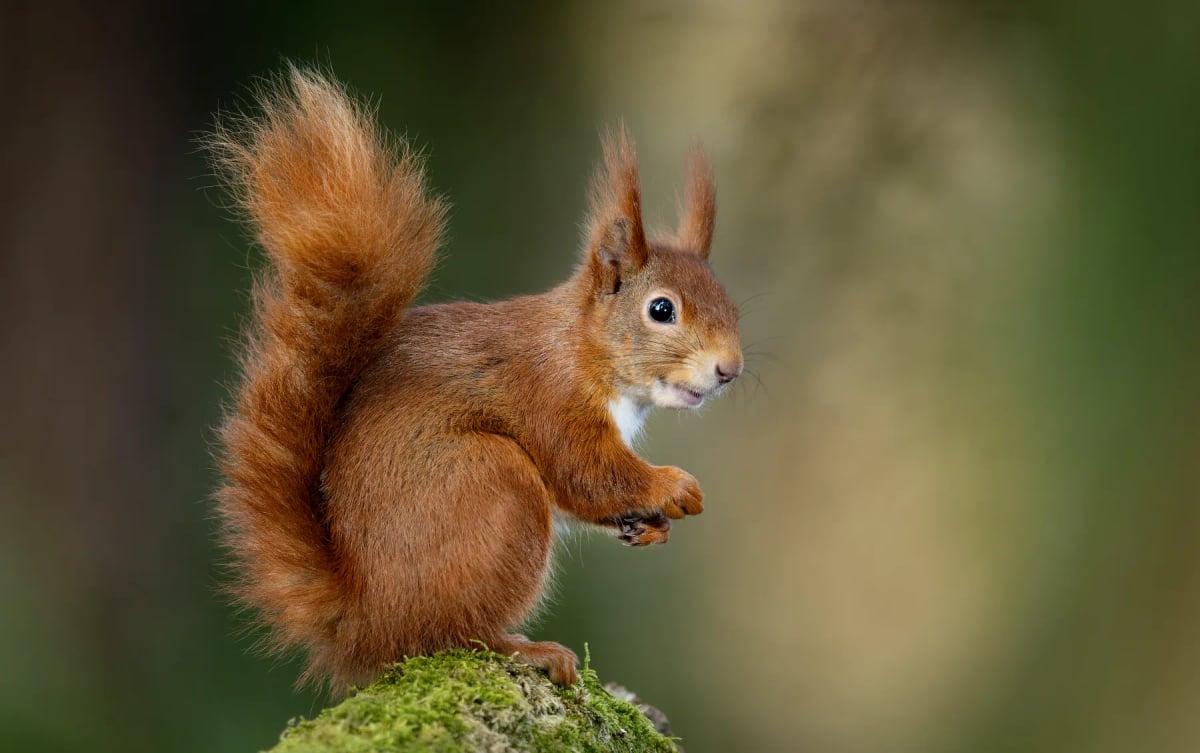
Red Squirrel
Sciurus vulgaris
Latvia's extensive conifer and mixed forests make it excellent habitat for the red squirrel. The species is common throughout the country, thriving in the boreal woodlands that cover much of the landscape. It feeds heavily on spruce and pine seeds and caches food ahead of winter. Latvia holds a healthy population, and the red squirrel is a familiar presence in both rural forests and larger urban parks.
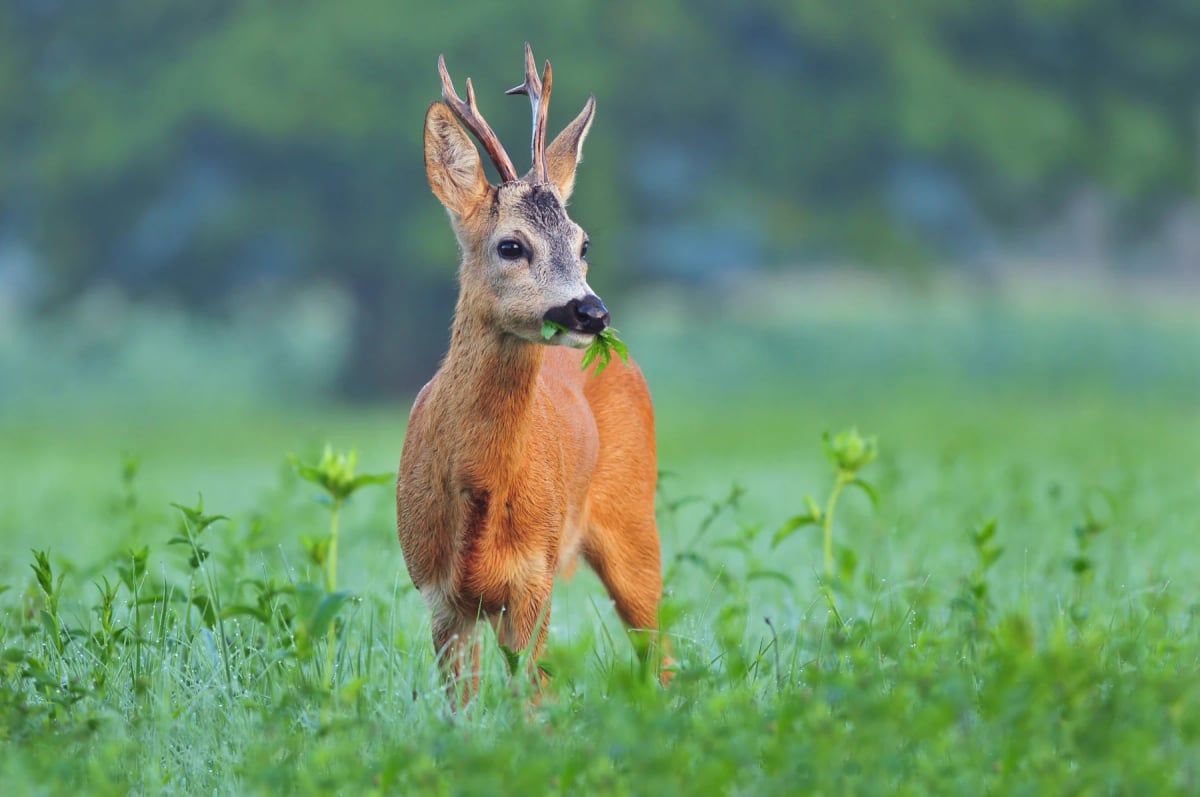
Roe Deer
Capreolus capreolus
Latvia's extensive forests and mosaic of farmland make it excellent habitat for the roe deer. The species is found across the whole country and is one of the most commonly seen large mammals in Latvian woodlands. It favours the edges where trees meet open fields, feeding on the rich plant growth that flourishes in those transition zones. Populations are monitored through national hunting records, and the deer remains abundant and widely distributed throughout Latvia.
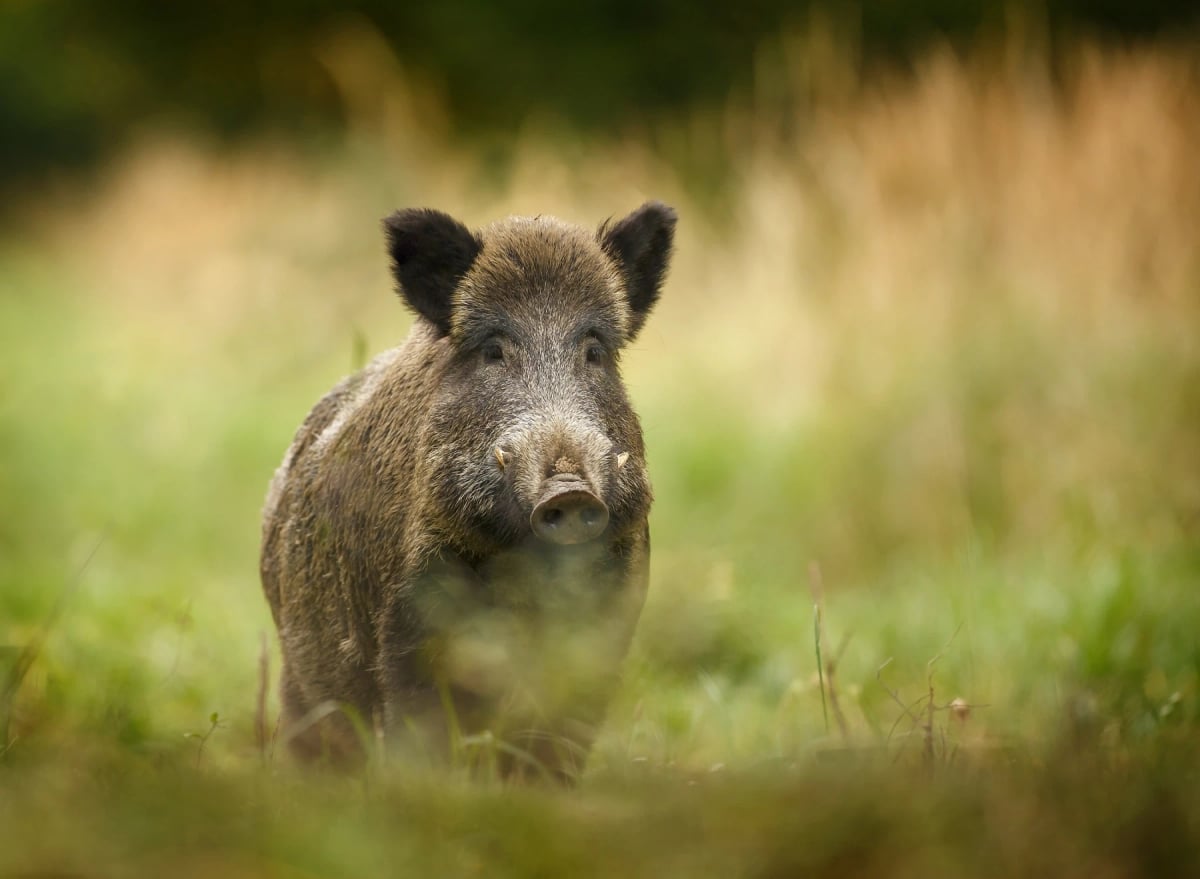
Wild Boar
Sus scrofa
Wild boars are common throughout Latvia's extensive forests, which cover much of the country and provide ample cover, acorns and other food. The species is a popular game animal managed through licensed hunting, and growing populations in recent decades have increased crop damage near farmland. Authorities monitor wild boar closely because of the risk of African swine fever spreading among wild and domestic pig populations.
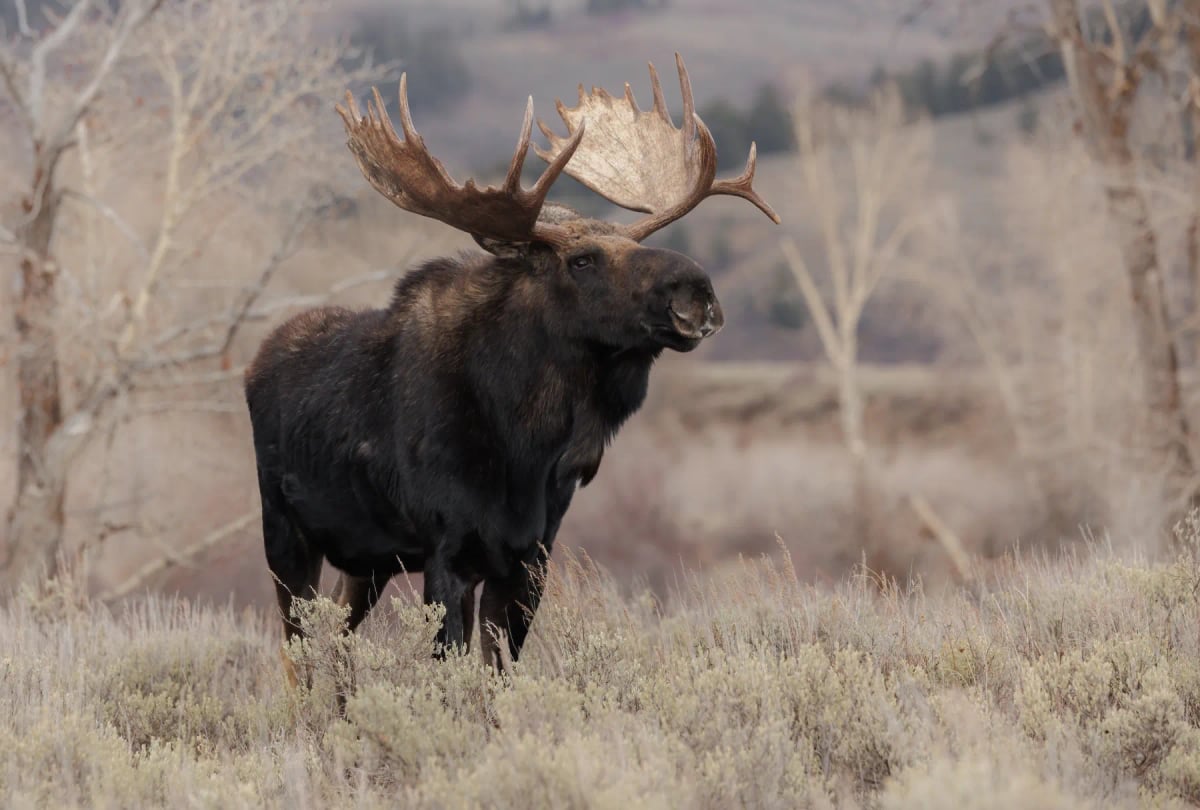
Moose
Alces alces
Latvia is one of the most moose-rich countries in Europe relative to its size, with populations spread across its vast mixed and boreal forests. Moose here favour the wetlands and river valleys of Vidzeme and Latgale, feeding on willows and aquatic plants. Hunting is carefully regulated, and the moose remains both an ecological cornerstone and a cultural symbol of Latvian wild nature. IUCN status: Least Concern.
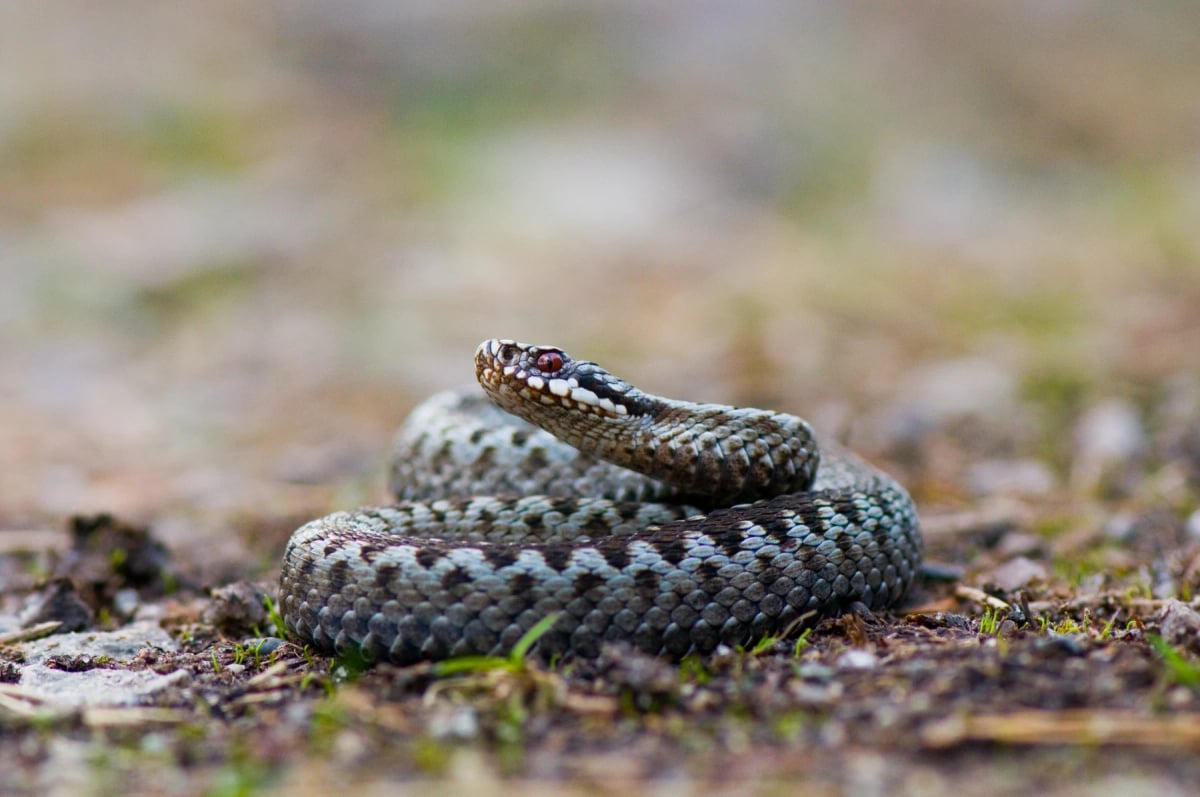
European Adder
Vipera berus
The European adder is Latvia's only venomous snake and is found throughout the country in forests, peatlands, and meadows. It is especially common in areas with a mix of open sunny patches and dense vegetation, which provide ideal conditions for basking and shelter. In Latvia, it has cultural significance and is one of the most recognised wild reptiles in the country. It hibernates from autumn through early spring. Its IUCN status is Least Concern.
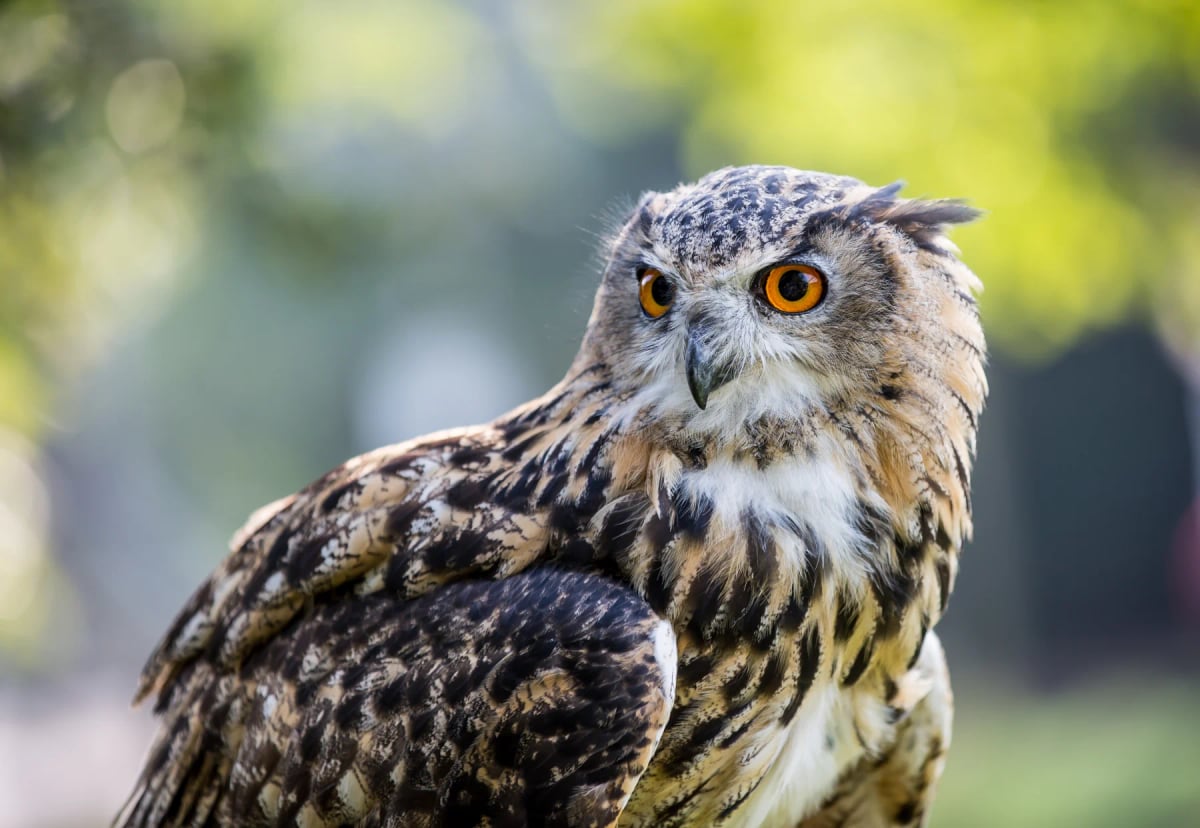
Eagle Owl
Bubo bubo
The Eurasian eagle owl is a rare but established breeder in Latvia, favouring rocky outcrops, quarries, and the edges of mature forest. Its vivid orange eyes and prominent ear tufts make it unmistakable. Population numbers here are small, and the species benefits from legal protection. It hunts at night across open farmland and woodland, taking hares, rodents, and birds. The IUCN lists it as Least Concern.
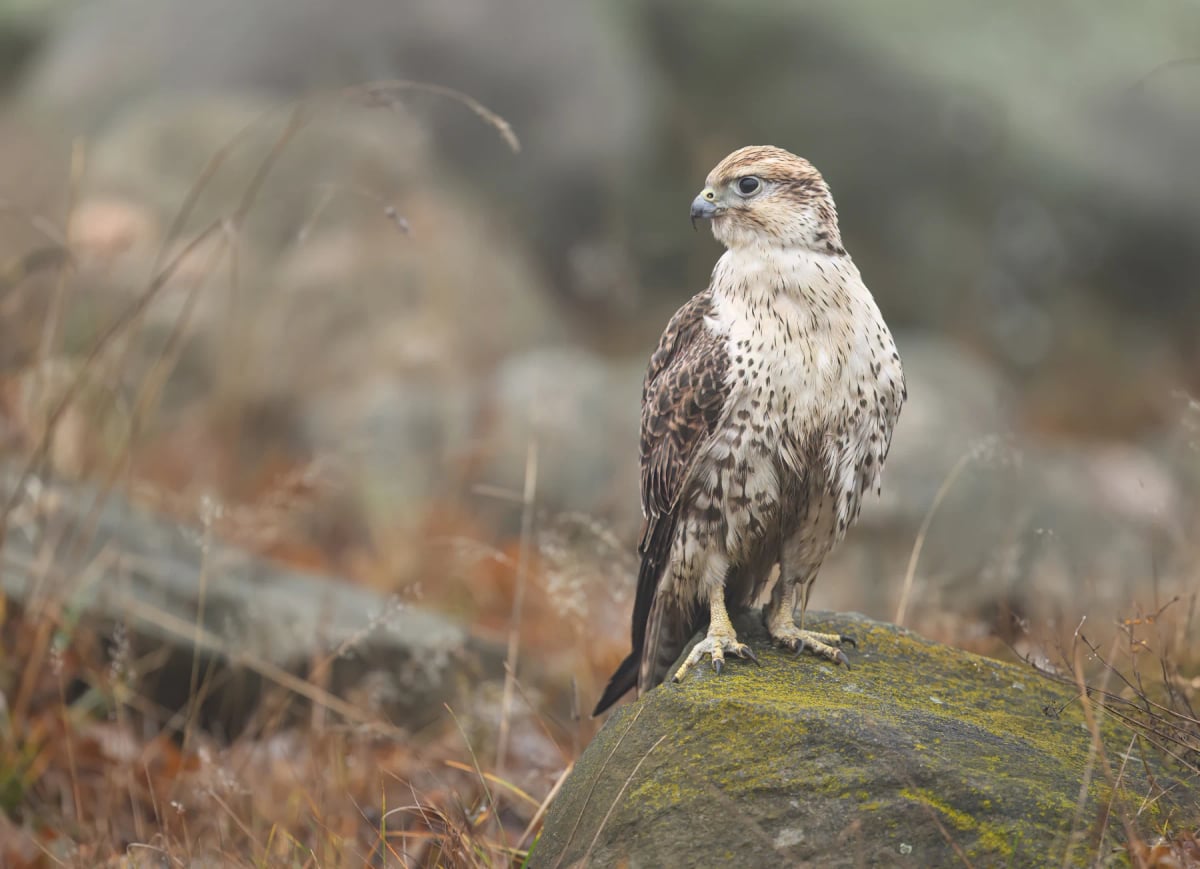
Saker Falcon
Falco cherrug
Latvia lies at the northern boundary of the saker falcon's European distribution, where the species is an occasional migrant rather than a breeding bird. The open mosaic of farmland and wetlands across Latvia may provide brief resting habitat during seasonal movements. Across Eastern Europe, saker populations have declined considerably due to illegal trapping and the degradation of steppe habitats. The IUCN lists the species as Endangered.
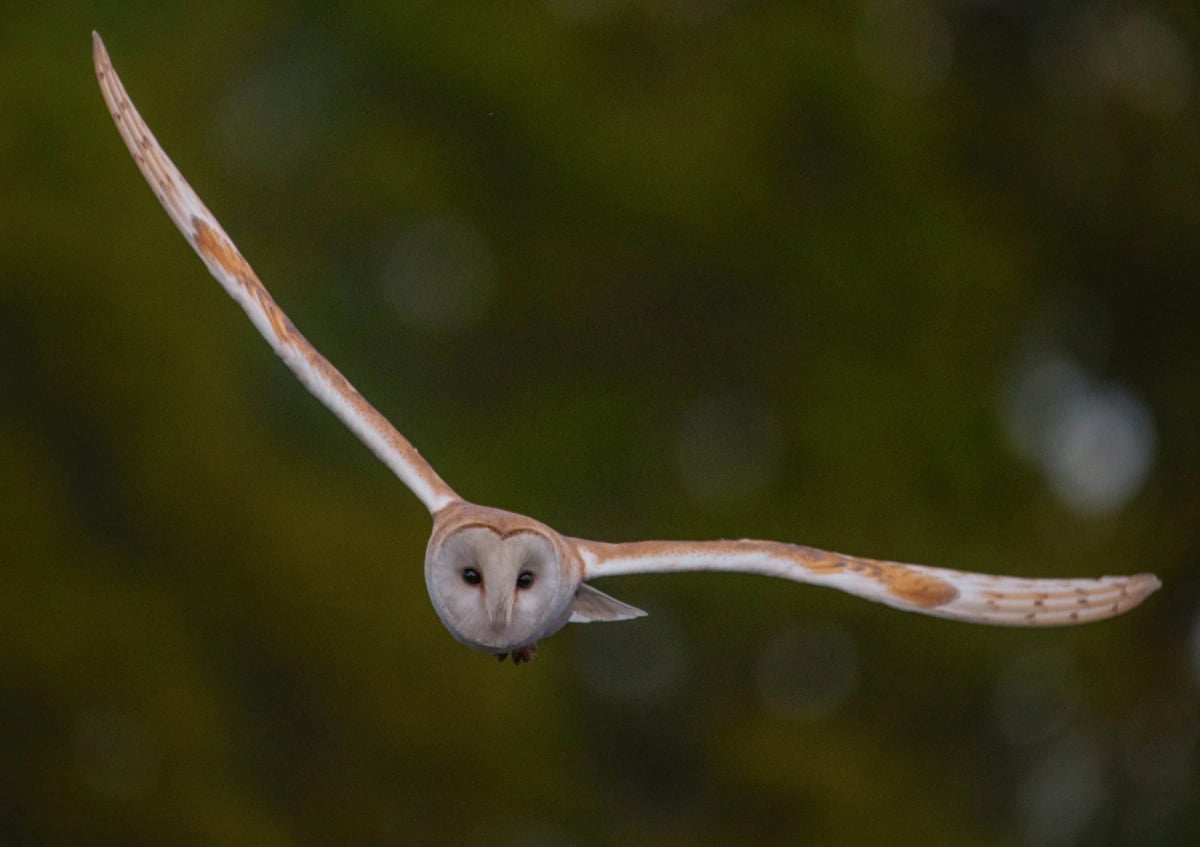
Barn Owl
Tyto alba
The barn owl reaches the northern limit of its range in Latvia, where it is considered a rare and vulnerable resident. It is found mainly in the western lowlands and the Courland region, nesting in old farm buildings and church towers in open agricultural areas. Latvia's cold winters cause significant mortality and limit population recovery. Conservation programs including nest box installation have been implemented to support the small breeding population. It is far less common than other owl species in Latvia and is monitored closely by local conservation organizations.
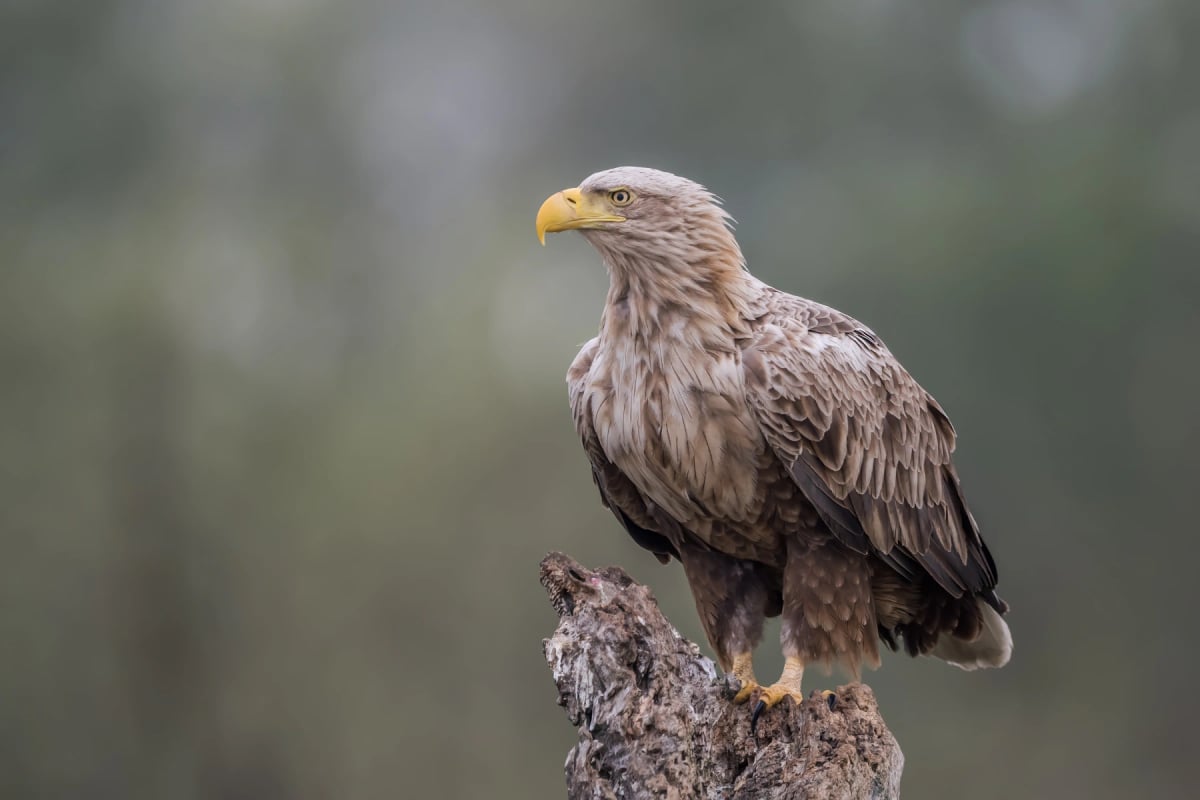
White tailed Eagle
Haliaeetus albicilla
Latvia is one of the strongholds of the white tailed eagle in the Baltic region. The country's vast forests, river floodplains, and coastal lagoons along the Gulf of Riga provide ideal nesting and foraging habitat. Latvia holds a healthy breeding population, and the species benefits from protected areas such as the Gauja National Park. It is listed as Least Concern, though disturbance near nest sites remains a concern.
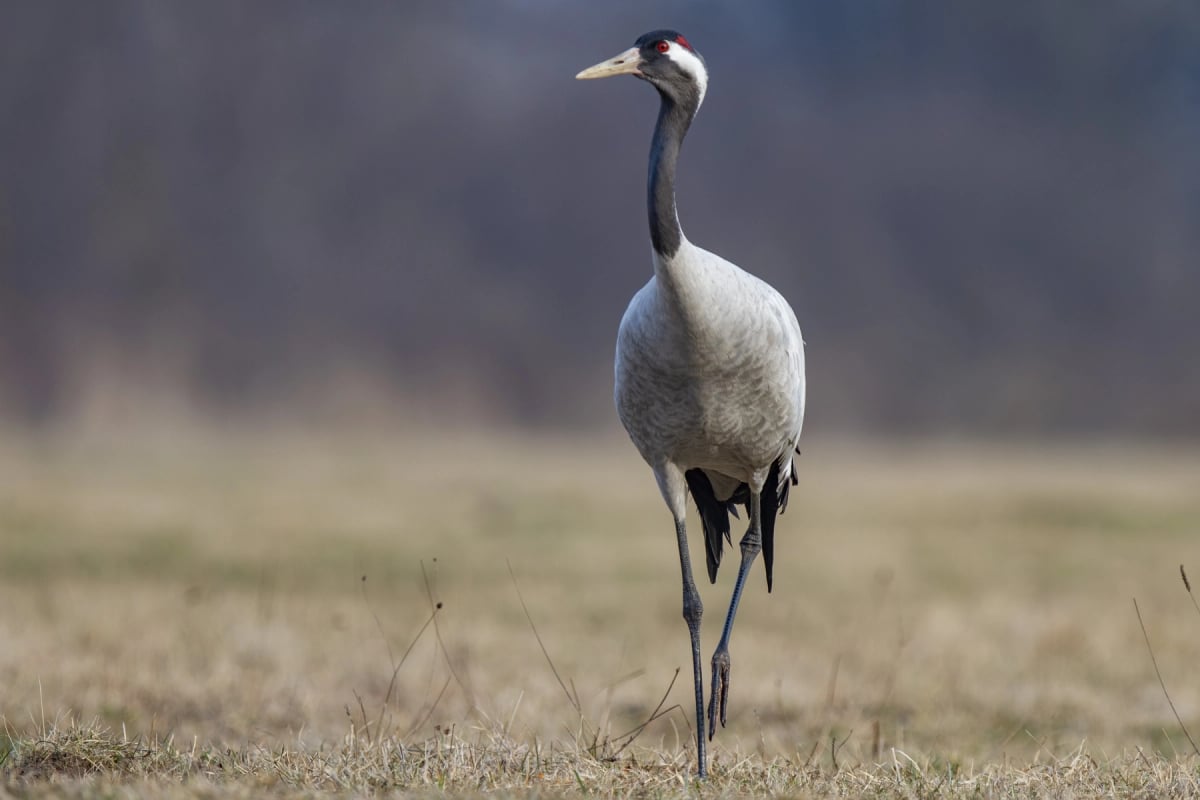
Crane
Grus grus
Latvia is an important breeding and staging country for common cranes. The country's extensive bogs, fens and forest wetlands provide ideal nesting habitat, and cranes breed widely across the Latvian countryside. In autumn, large flocks gather in agricultural fields before departing south. Latvia's protected wetland areas, including sites within the Natura 2000 network, play a meaningful role in supporting both nesting pairs and birds on passage. The species is listed as Least Concern.
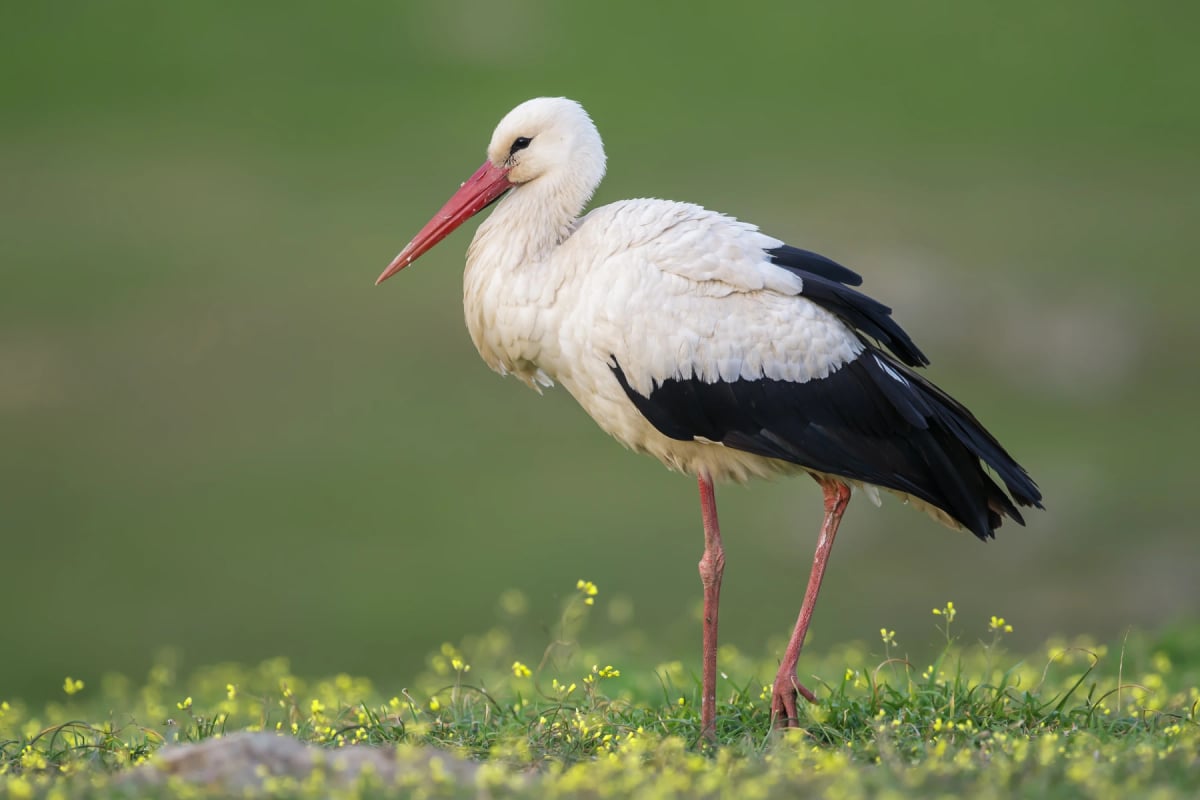
Stork
Ciconia ciconia
Latvia holds one of the densest white stork populations in the Baltic region, with the bird deeply woven into local rural culture. Storks nest widely across the country, favouring lowland meadows, river floodplains, and farmland that is rich in the amphibians and insects they depend on. Many Latvians consider it good luck to have a stork nest on their property. The species arrives each spring from sub-Saharan Africa and departs again in late summer.
White Wagtail
Motacilla alba
The white wagtail is a familiar summer visitor across Latvia, arriving in early spring and nesting near rivers like the Daugava, along lakeshores and around farmyards. It runs across open ground in pursuit of insects, constantly bobbing its tail. Most birds leave in autumn for warmer regions in Africa, though small numbers may linger into mild spells. Its IUCN status is Least Concern.
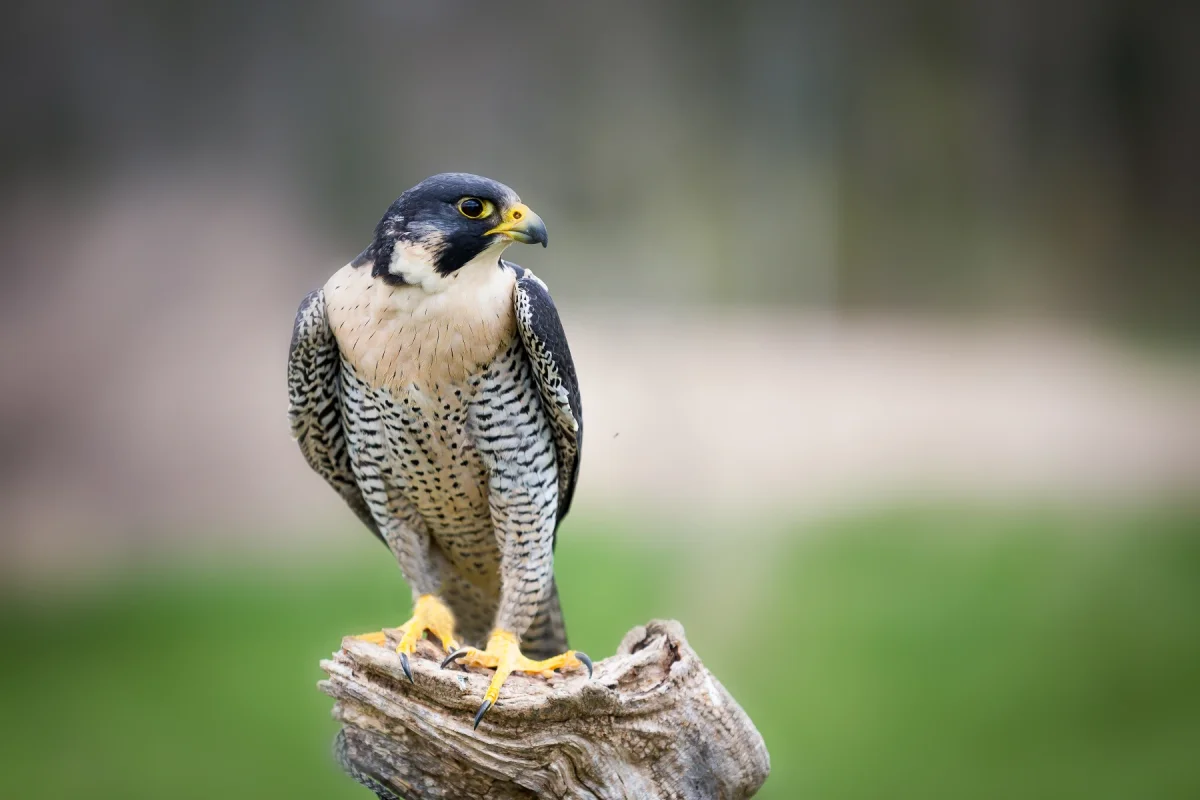
Peregrine Falcon
Falco peregrinus
In Latvia, the peregrine falcon was nearly lost as a breeding species during the twentieth century due to the effects of DDT and habitat disturbance. Conservation efforts and the banning of harmful pesticides allowed a gradual recovery. Today, small numbers nest in forested areas and near river valleys. During migration, larger numbers pass through Latvia, hunting shorebirds and waterfowl along the Baltic coast. IUCN status: Least Concern.
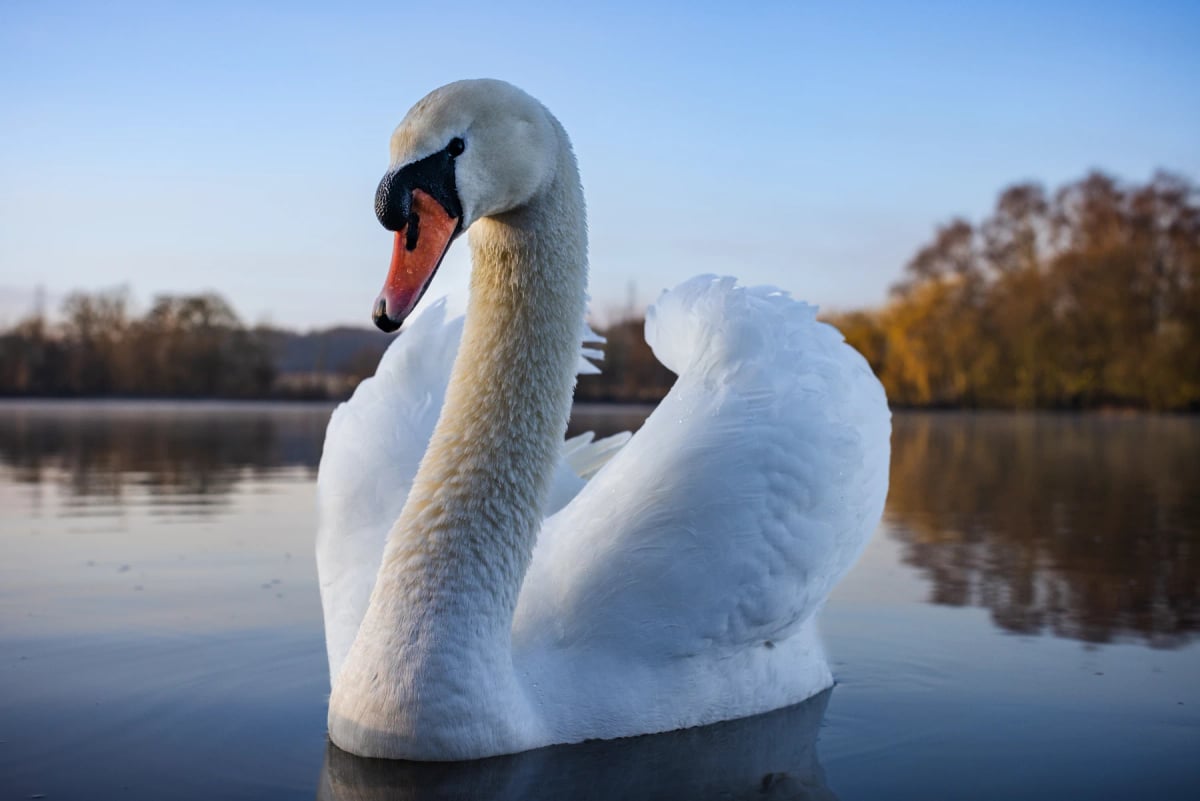
Mute Swan
Cygnus olor
The mute swan breeds widely across Latvia, making use of the country's rich network of lakes, rivers, and coastal bays along the Baltic Sea. Pairs nest among reeds and aquatic vegetation, and flocks gather on sheltered stretches of water during autumn and winter. Latvia's wetlands are well suited to this species, and the population here is stable and healthy. The IUCN lists the mute swan as Least Concern.
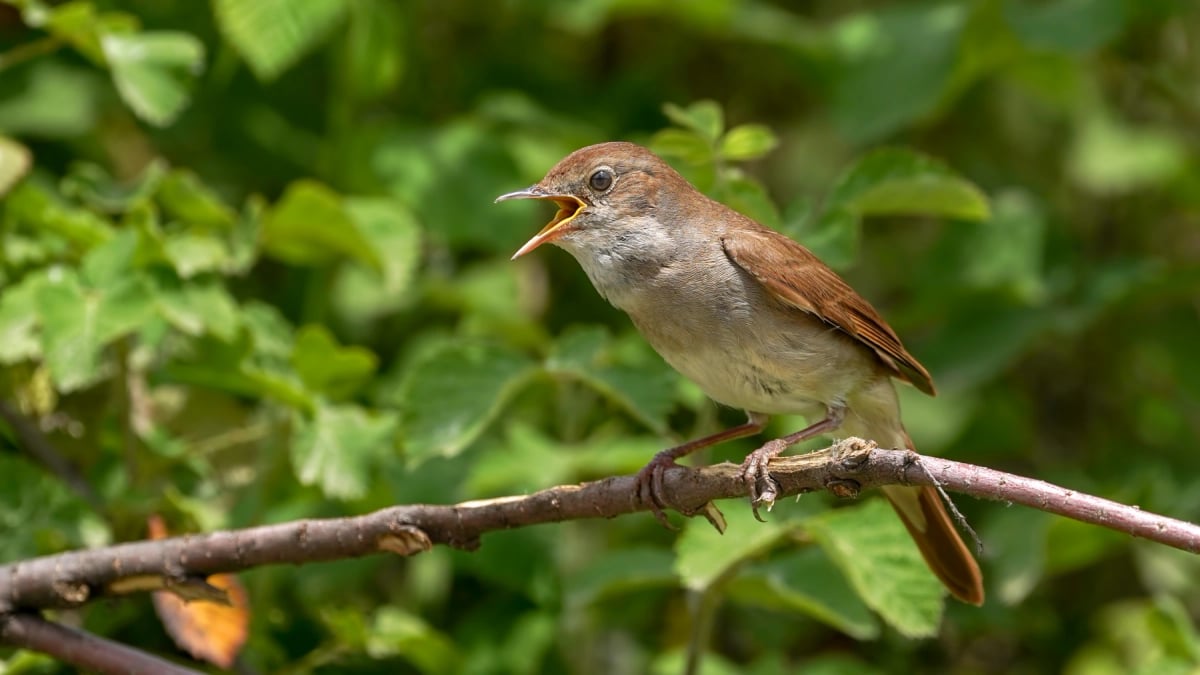
Nightingale
Luscinia megarhynchos
Latvia lies near the northern boundary of the nightingale's European breeding range. The species occurs mainly in the southern half of the country, nesting in moist thickets beside rivers and lakes, and in shrubby woodland edges. The Daugava river corridor is a particularly suitable area. Though not among the most common birds in Latvia, the nightingale is well known there thanks to its extraordinary song, which can be heard on warm nights in late spring.
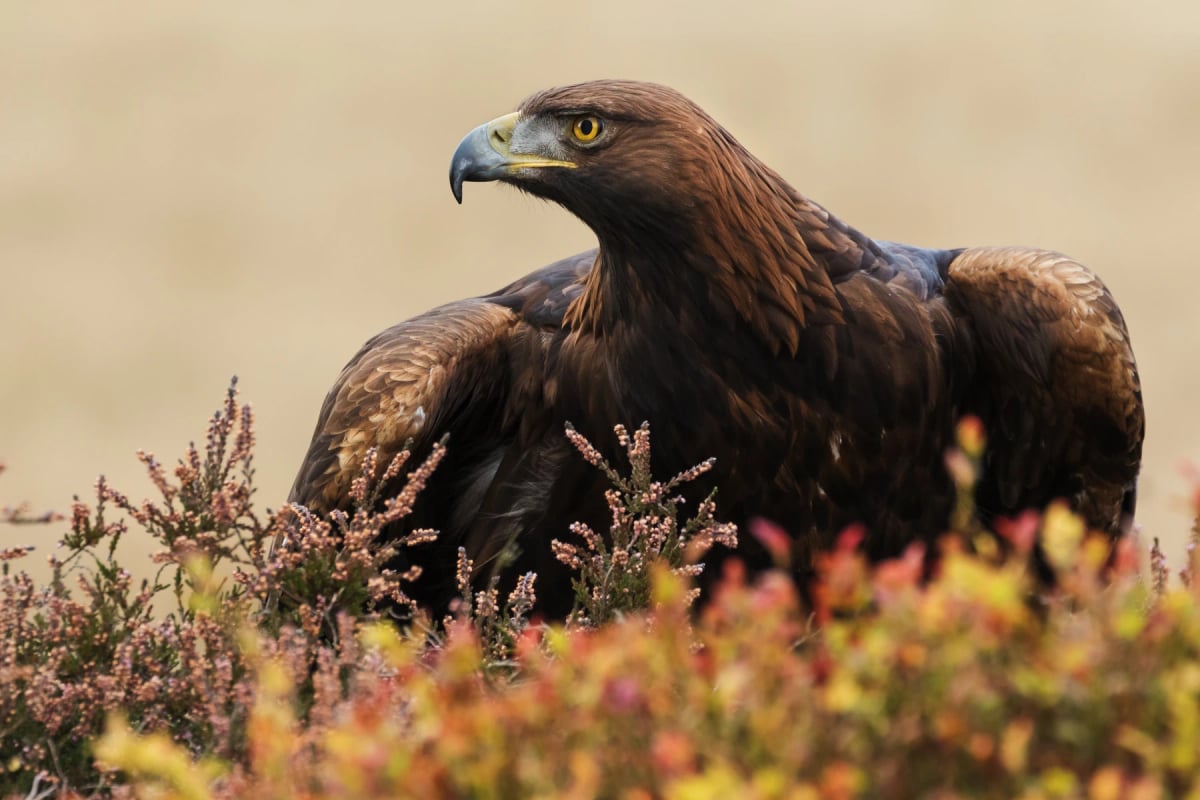
Golden Eagle
Aquila chrysaetos
The golden eagle is a rare breeding bird in Latvia, found mainly in extensive forested areas and wetland complexes in the eastern and northern parts of the country. It nests in large, old trees and hunts across open bogs and forest clearings. The population is small and carefully monitored. Latvia includes it among its strictly protected species. The IUCN lists it as Least Concern.
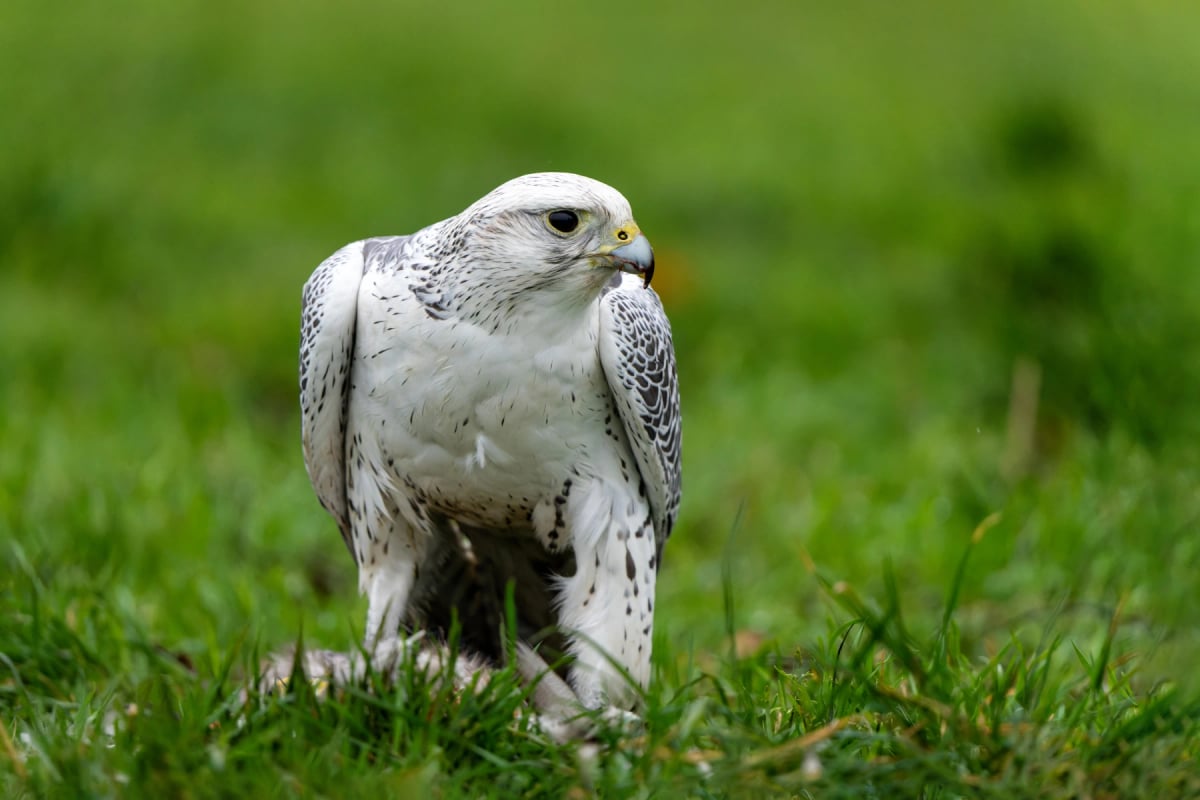
Gyrfalcon
Falco rusticolus
The gyrfalcon is not a resident of Latvia but appears here as a rare winter visitor, occasionally drifting south from its Arctic breeding grounds when food becomes scarce. Birdwatchers in Latvia consider any sighting a genuine event worth recording. This falcon, the largest of its kind on Earth, typically hunts open farmland and coastal areas during its brief stays, preying on birds and small mammals. Its IUCN status is Least Concern.
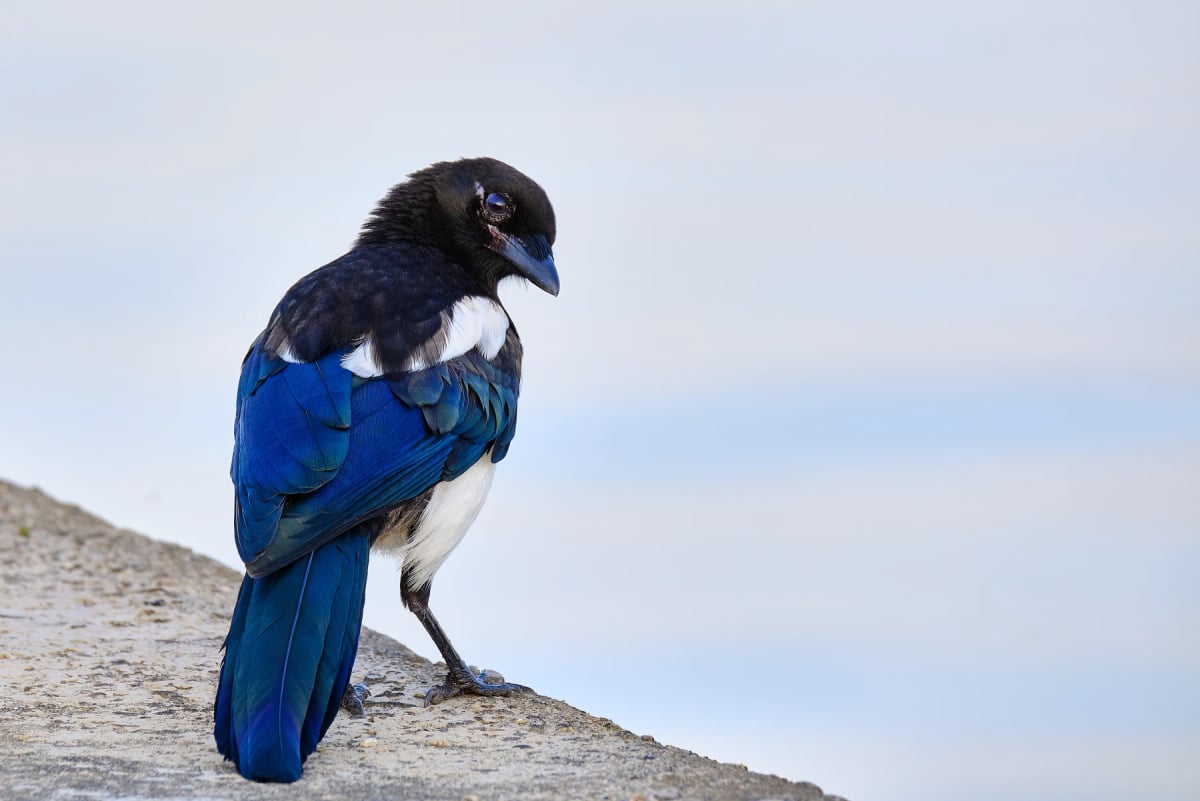
Eurasian Magpie
Pica pica
The Eurasian Magpie is a common resident across Latvia, thriving in the mix of farmland, river valleys, and woodland edges that cover much of the country. It stays through the winter, often moving closer to human settlements in search of food during the coldest months. Noisy and sociable, it is easy to spot in both rural and urban areas. Its IUCN status is Least Concern.
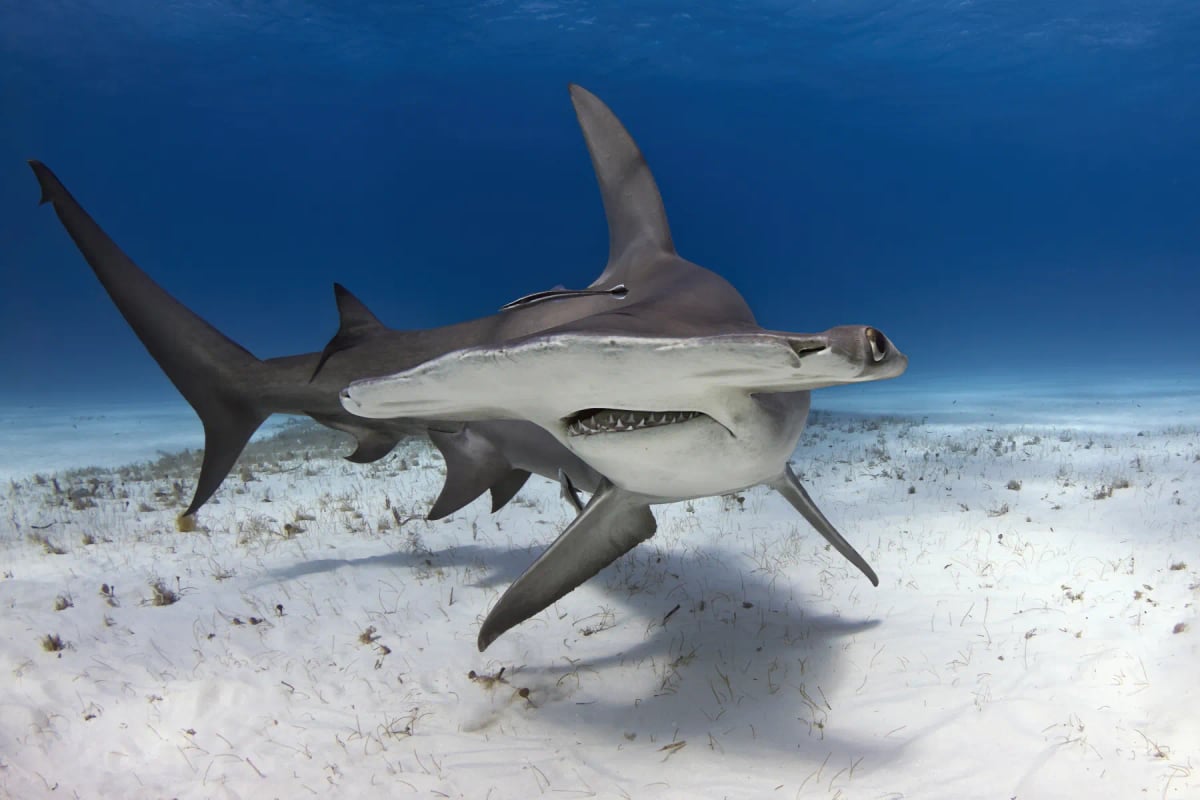
Hammerhead Shark
Sphyrna spp.
Latvia borders the Baltic Sea, where hammerhead sharks are not a resident species. However, hammerheads occasionally move into the northeastern Atlantic, and Latvia's fishing fleets operating in broader Atlantic waters may encounter them. The global decline of hammerhead populations due to overfishing and the fin trade affects the entire Atlantic. Several species carry Critically Endangered status on the IUCN Red List.
Researched and written by Juan Pablo. Sources: IUCN Red List, scientific literature and regional field guides. Last updated: .