Animals in Jordan
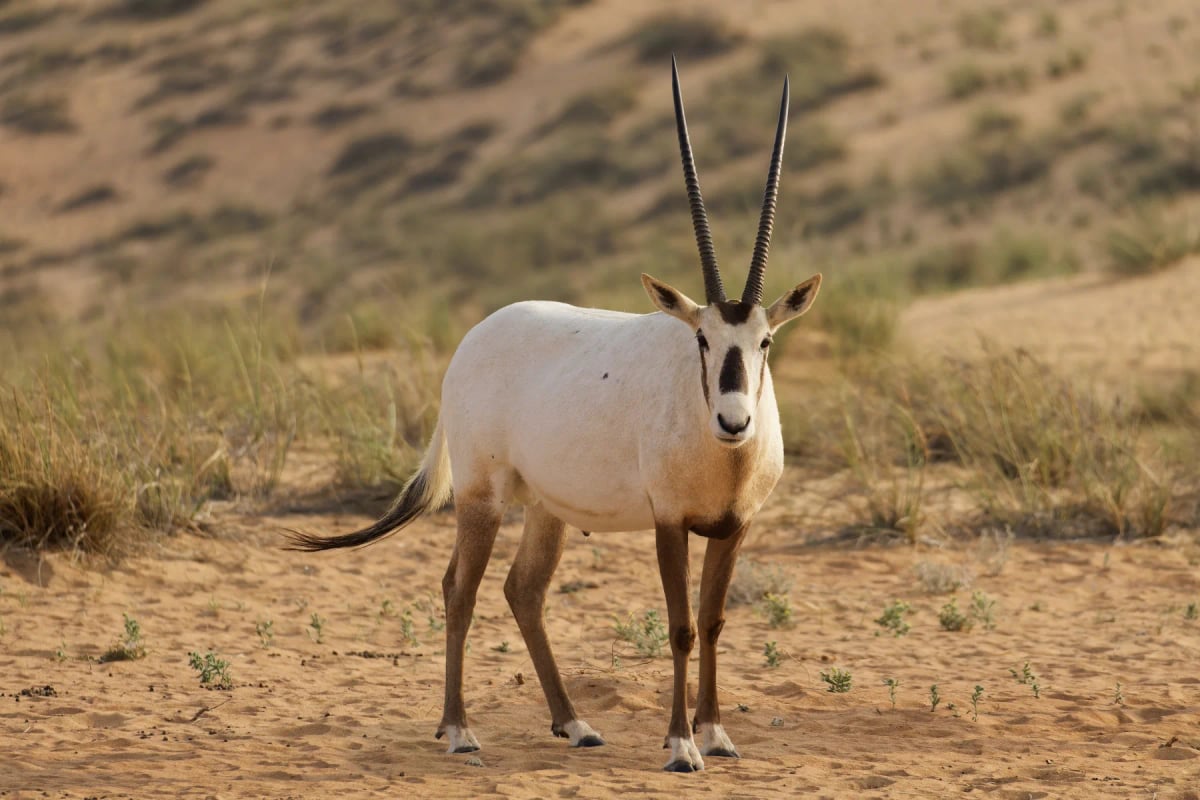
Arabian Oryx
Oryx leucoryx
The oryx is used as a national animal symbol for Jordan and represents life in open desert plains. Its pale coat and long straight horns make it easy to recognise in photos, visitor centres and education material. Stories about oryx often appear in parks, museums and school programs that explain how modern conservation helped return this desert antelope to protected areas.
View details→Wildlife in Jordan
Jordan combines desert plateaus, rocky canyons, river valleys and a short Red Sea coast. Visitors usually meet wildlife in nature reserves, jeep tours across desert landscapes and easy trails near canyons or oases. From these routes it is possible to see gazelles, ibex, foxes, wolves and many birds while still staying close to villages and simple tourist camps.
Most Dangerous Animals in Jordan
Danger for visitors in Jordan appears mainly in quiet rural or desert areas. Wild boar can defend themselves with force if they feel cornered in dense scrub, and wolves, striped hyenas and honey badgers are strong carnivores that usually avoid people. Most visitors only notice tracks, distant calls or short views from vehicles or marked paths at dusk or dawn.
Top 10 Animals in Jordan
The top 10 list for Jordan highlights desert camels, wolves and a fast bird of prey that match its main landscapes. Dromedary camels move across open plains and are common images in desert tours. Grey wolves use quiet hills and steppe zones, while the peregrine falcon hunts near cliffs and ridges that many visitors see from road viewpoints and simple hiking routes.
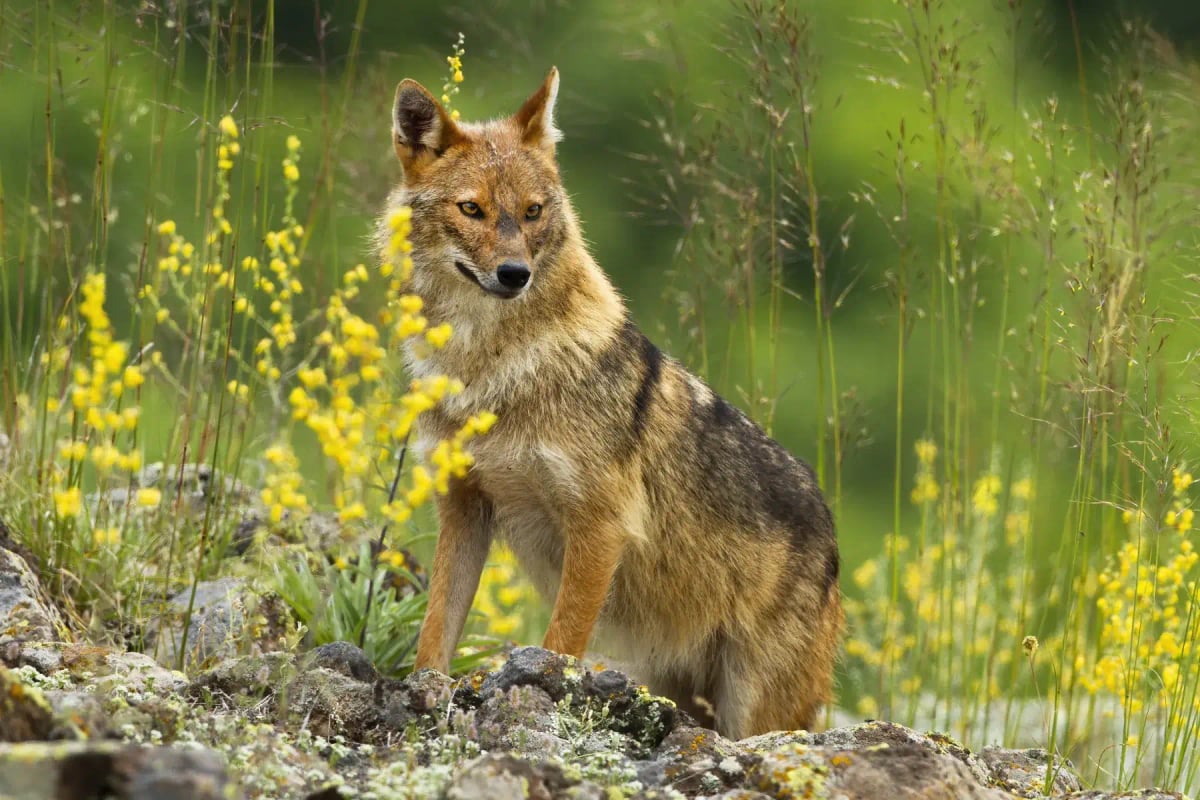
Golden Jackal
Canis aureus
In Jordan, the golden jackal inhabits the Jordan Valley, the highlands near the Dead Sea, and the northern woodlands around Ajloun. It is one of the country's most adaptable wild carnivores, feeding on small mammals, invertebrates, fruit, and refuse near human settlements. Pairs and small family groups are most vocal at night. Its status is Least Concern.
Arabian Oryx
Oryx leucoryx
Jordan launched one of the earliest Arabian oryx reintroduction programs in 1978 at the Shaumari Wildlife Reserve, east of Azraq. The herd grew to over 200 individuals by the mid-1990s, earning recognition as the largest captive population among Gulf countries at the time. Flooding and planned dispersals reduced numbers in subsequent years, but Shaumari remains an active site. The oryx also roams the Wadi Rum Protected Area in the south of the country.
Sand Gazelle
Gazella marica
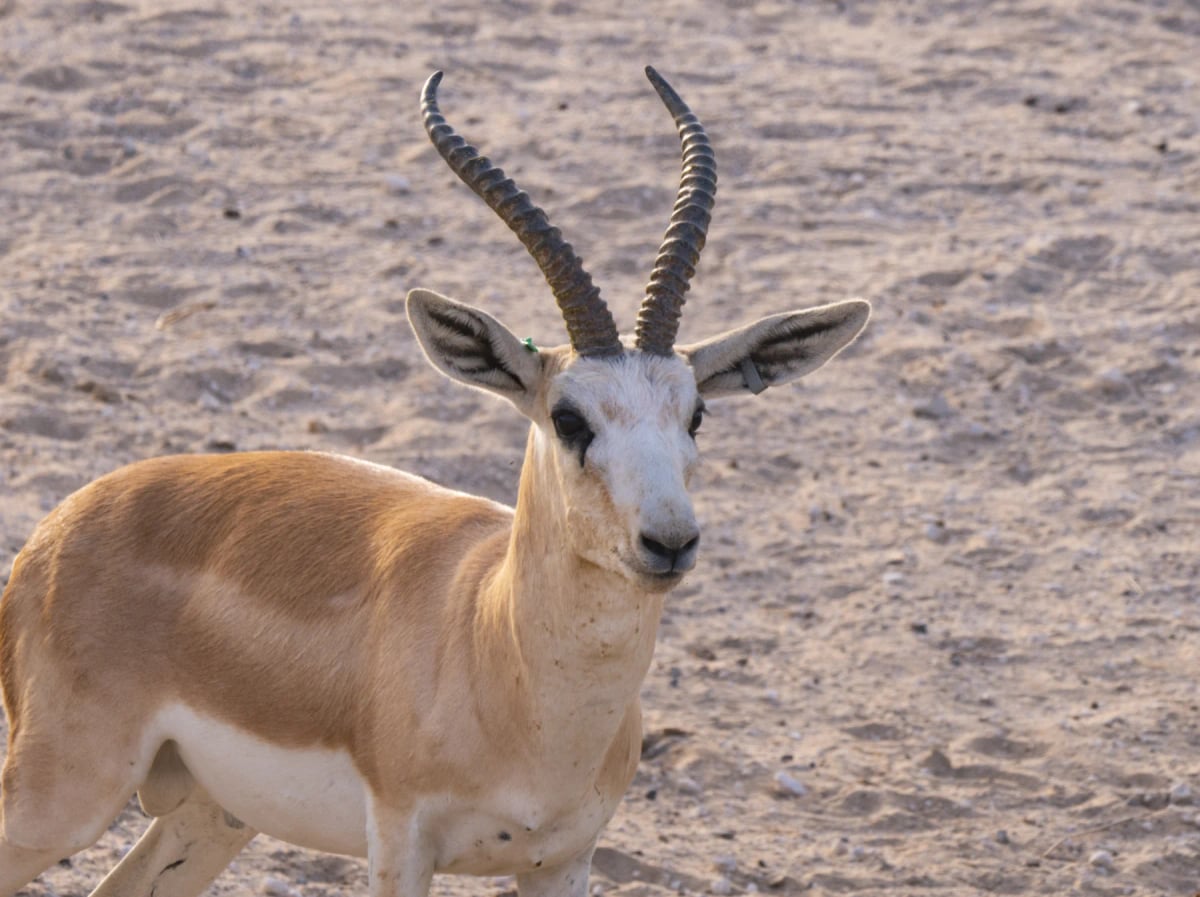
In Jordan, the sand gazelle historically inhabited the eastern desert known as the Badia, a vast steppe and gravel plain stretching toward the Iraqi and Saudi borders. Hunting and habitat pressure reduced its presence considerably over the twentieth century. Conservation work within protected areas such as the Wadi Rum Protected Area offers some hope, and the gazelle's ability to extract moisture from desert plants helps it persist in this dry landscape.
Nubian Ibex
Capra nubiana
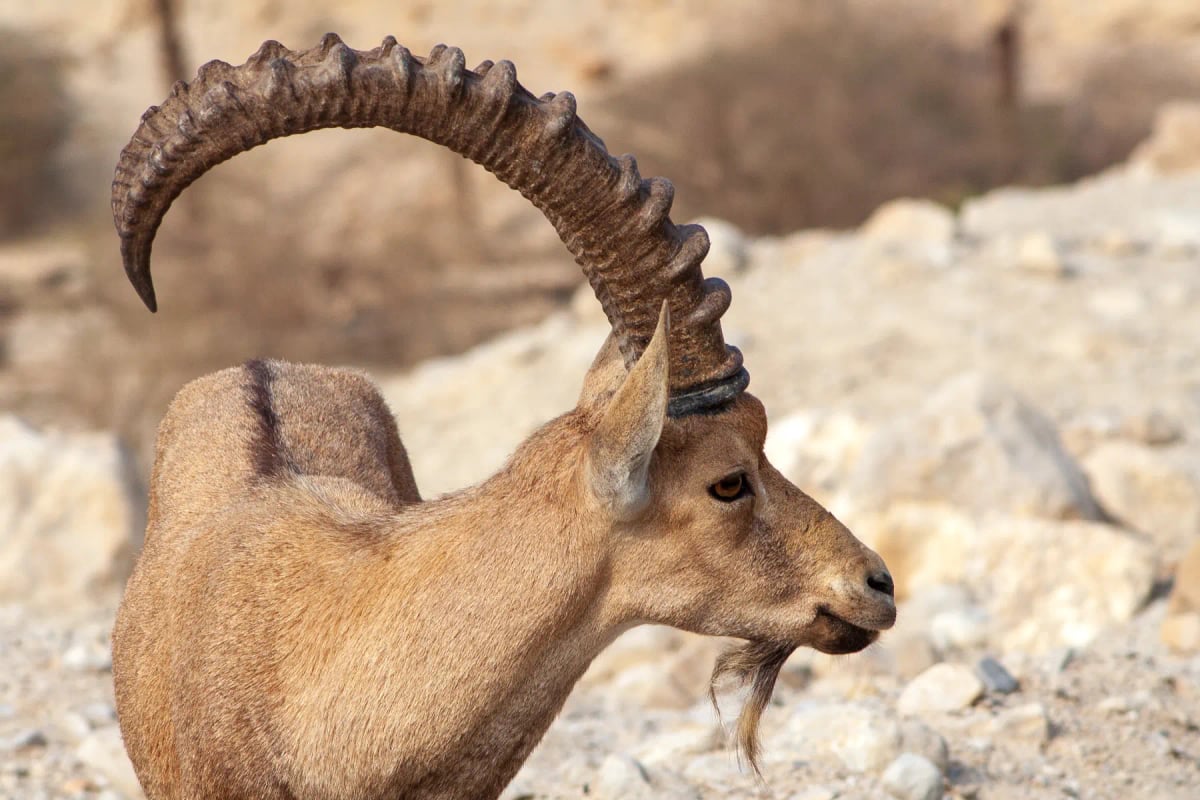
The Nubian ibex roams the sandstone canyons and rocky highlands of southern Jordan, with Wadi Rum and the Dana Biosphere Reserve among its key strongholds. The species thrives on the dramatic terrain here, using cliff faces to escape predators and raise young. Jordan's protected areas have played an important role in keeping local populations stable, though grazing pressure from livestock and habitat disturbance continue to pose challenges. IUCN status: Vulnerable.
Mountain Gazelle
Gazella gazella
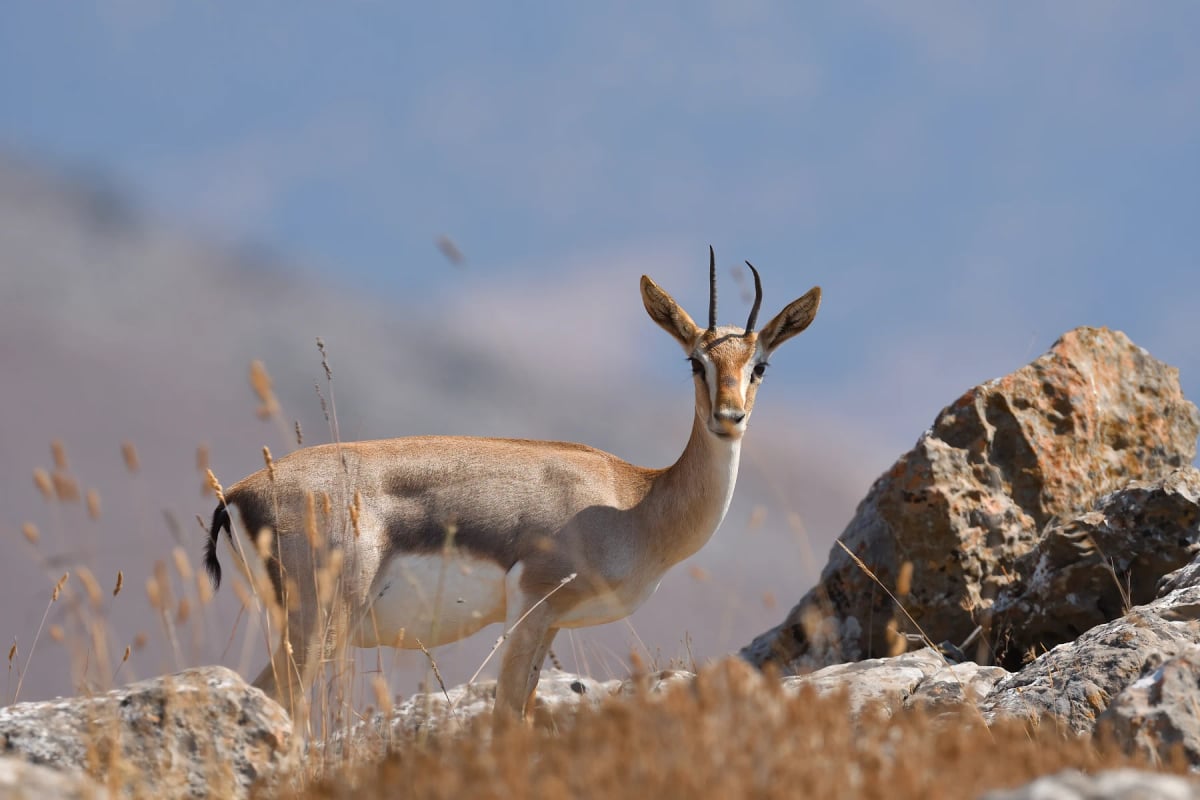
In Jordan, the mountain gazelle inhabits rocky slopes and open scrublands, with notable populations found in the highlands north and west of Amman. The Dana Biosphere Reserve and Ajloun Forest Reserve offer critical refuge. Habitat loss and illegal hunting have reduced numbers sharply over the decades, and ongoing conservation efforts by the Royal Society for the Conservation of Nature aim to stabilize remaining groups.
Gray Wolf
Canis lupus
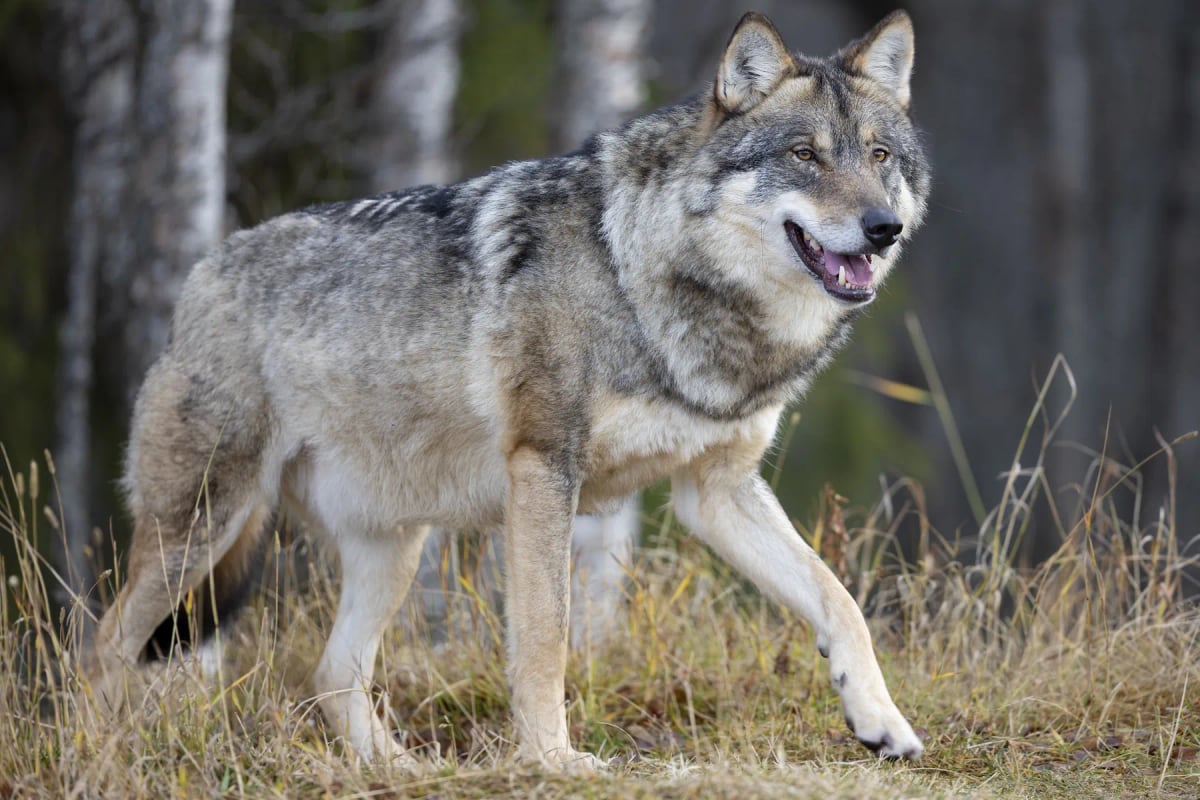
Gray wolves in Jordan are rarely seen and exist in very small numbers, primarily in the more remote areas of the north and east of the country. Jordan lies near the southern edge of the wolf's range in the Levant region. Habitat loss and human pressure have greatly reduced their presence over time, and the species is considered locally rare, often moving across borders with neighboring countries.
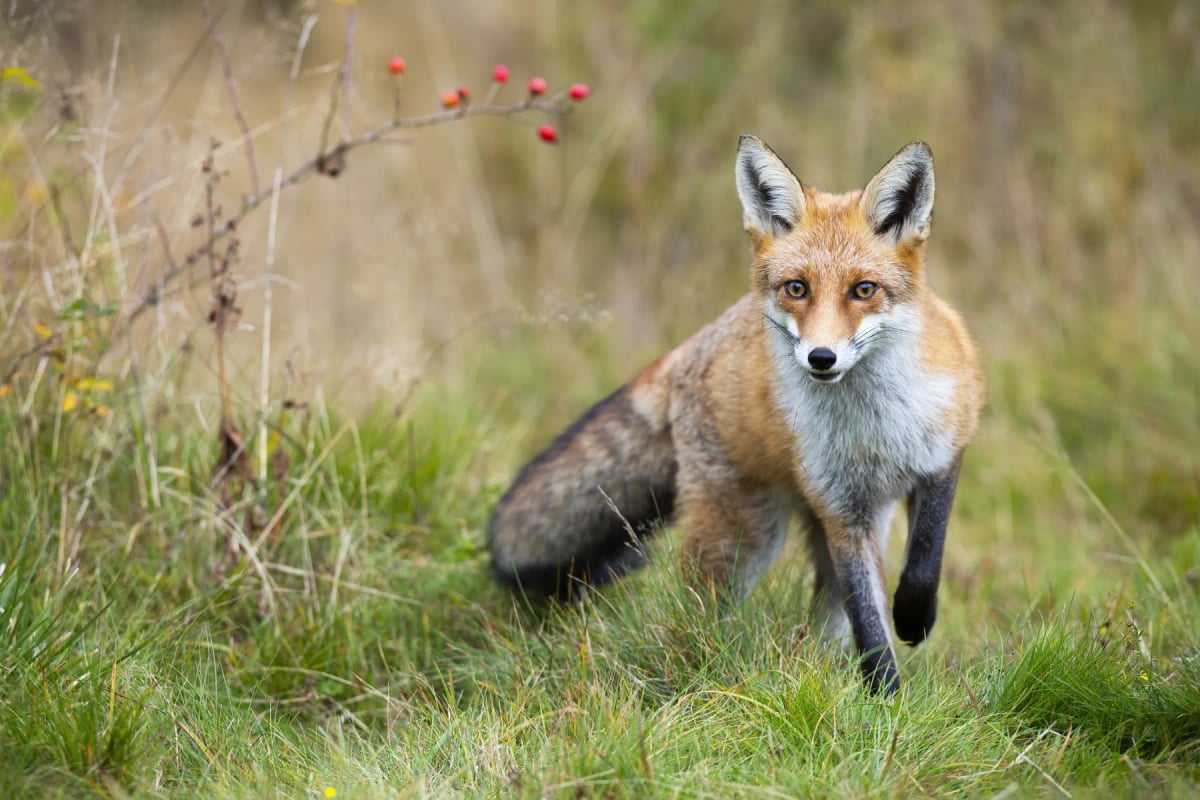
Red Fox
Vulpes vulpes
The red fox in Jordan inhabits a wide range of environments, from the rocky highlands of the Dana Biosphere Reserve and the Ajloun forests in the north to the arid stretches of Wadi Rum in the south. It is a generalist that can survive in dry scrubland and semi-desert conditions by adjusting what it eats with the seasons. Its IUCN status is Least Concern.
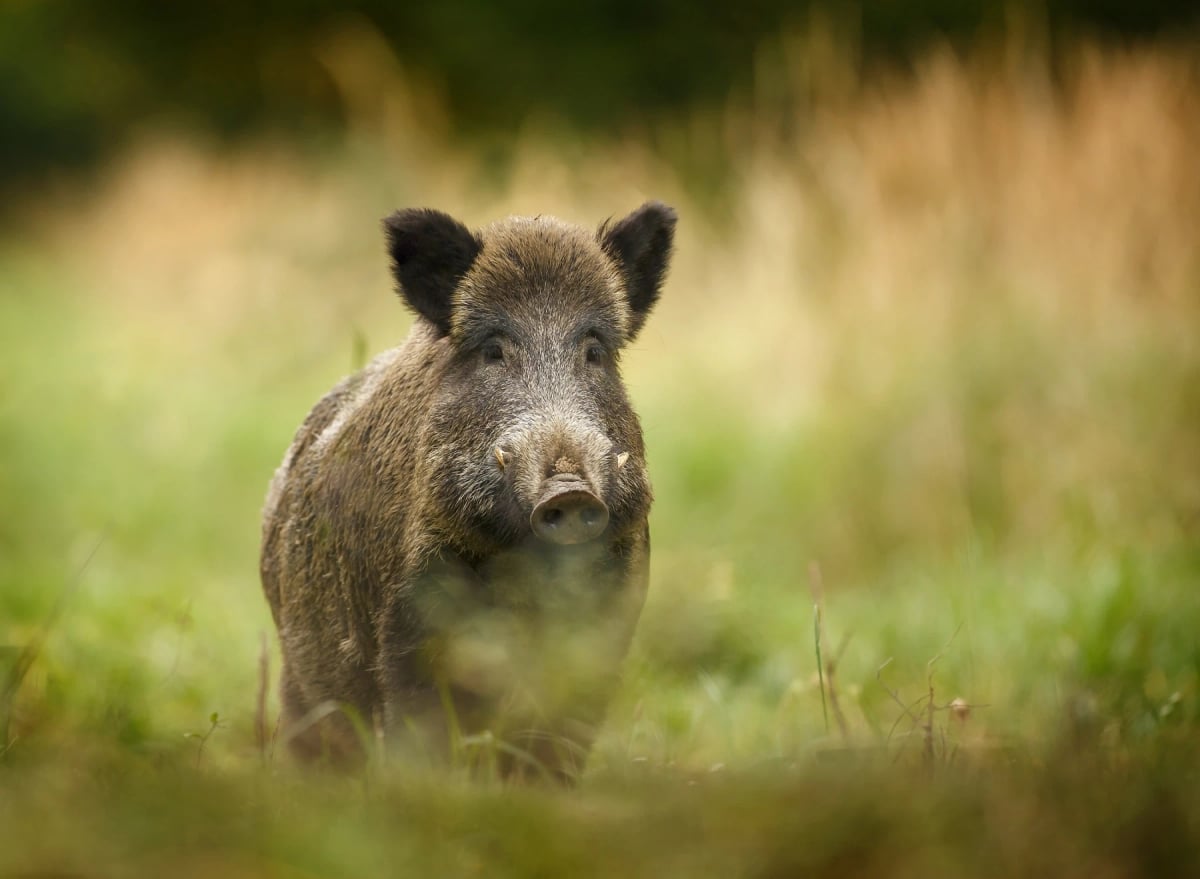
Wild Boar
Sus scrofa
Wild boars in Jordan are found mainly in the forested highlands around Ajloun and Dibbeen, as well as in wetlands along the Jordan Valley. Because pork is not eaten for religious reasons, boars face little traditional hunting pressure and are generally regarded as agricultural pests rather than game animals. Farmers sometimes seek permits for controlled culling when boars damage crops near forested farmland in the north of the country.
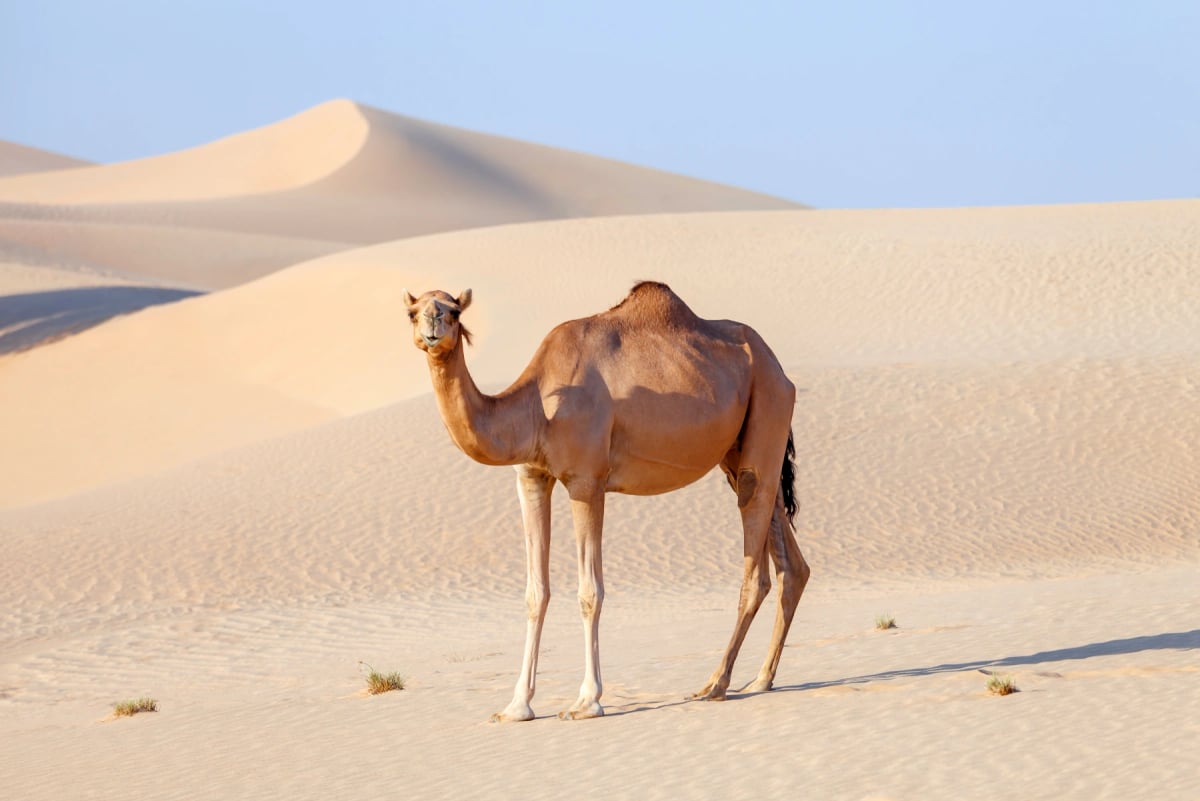
Dromedary Camel
Camelus dromedarius
Dromedary camels are a familiar sight across Jordan's eastern desert, known as the Badia, as well as in the famous Wadi Rum valley, where they have carried traders and travellers for millennia. Bedouin families in Jordan keep camels for milk, meat, and tourist trekking. The animals are well suited to Jordan's rocky desert terrain and remain an important part of both the rural economy and the country's cultural identity.
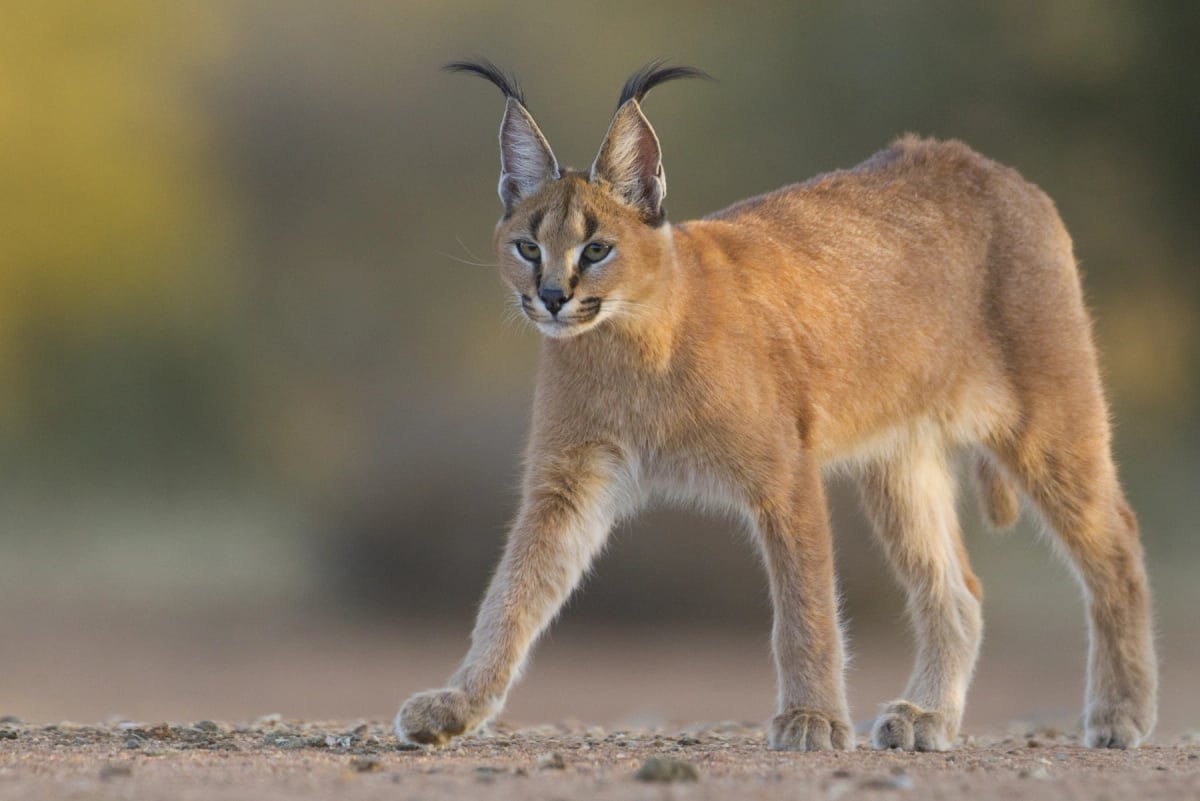
Caracal
Caracal caracal
The caracal occurs in Jordan across desert and semi-arid zones, including the wadi systems and rocky escarpments of the south and east of the country. It is a nocturnal predator that targets small mammals and birds. Sightings have been recorded in areas such as Wadi Rum and the eastern badia. Though the IUCN considers it Least Concern globally, habitat loss and human conflict remain concerns at the local level.
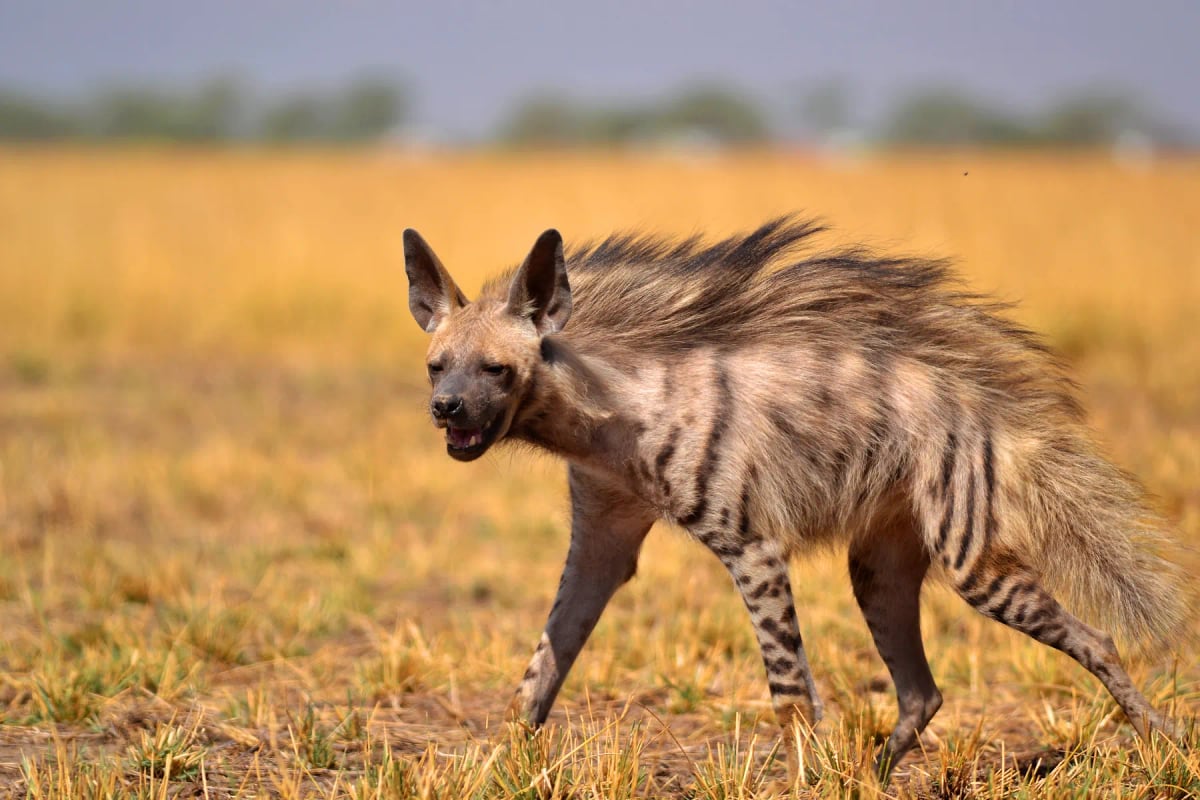
Striped Hyena
Hyaena hyaena
The striped hyena inhabits arid and rocky landscapes across Jordan, including the Wadi Rum desert region and the hills of the northern highlands. It is largely nocturnal and avoids human settlements when possible, though it occasionally scavenges near villages. Conservation concern for the species in Jordan centers on illegal killing and the loss of prey animals. It is classified as Near Threatened on the global IUCN Red List.
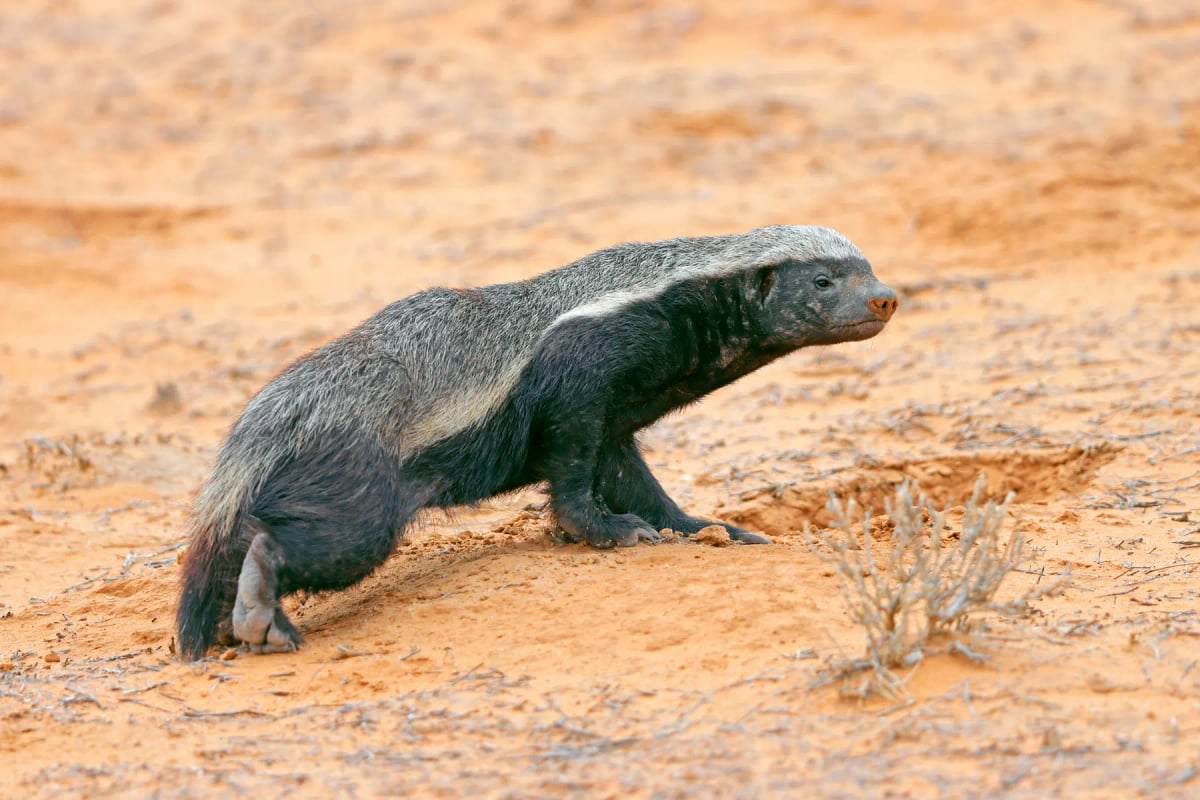
Honey Badger
Mellivora capensis
The honey badger occurs in Jordan across the eastern desert and the drier hill country, part of a range documented since the early 2000s. It is a tough, solitary hunter that digs for rodents and reptiles and can raid beehives where they are available. Sightings remain infrequent given its nocturnal behavior and the harsh terrain it favors. The species is listed as Least Concern by the IUCN.
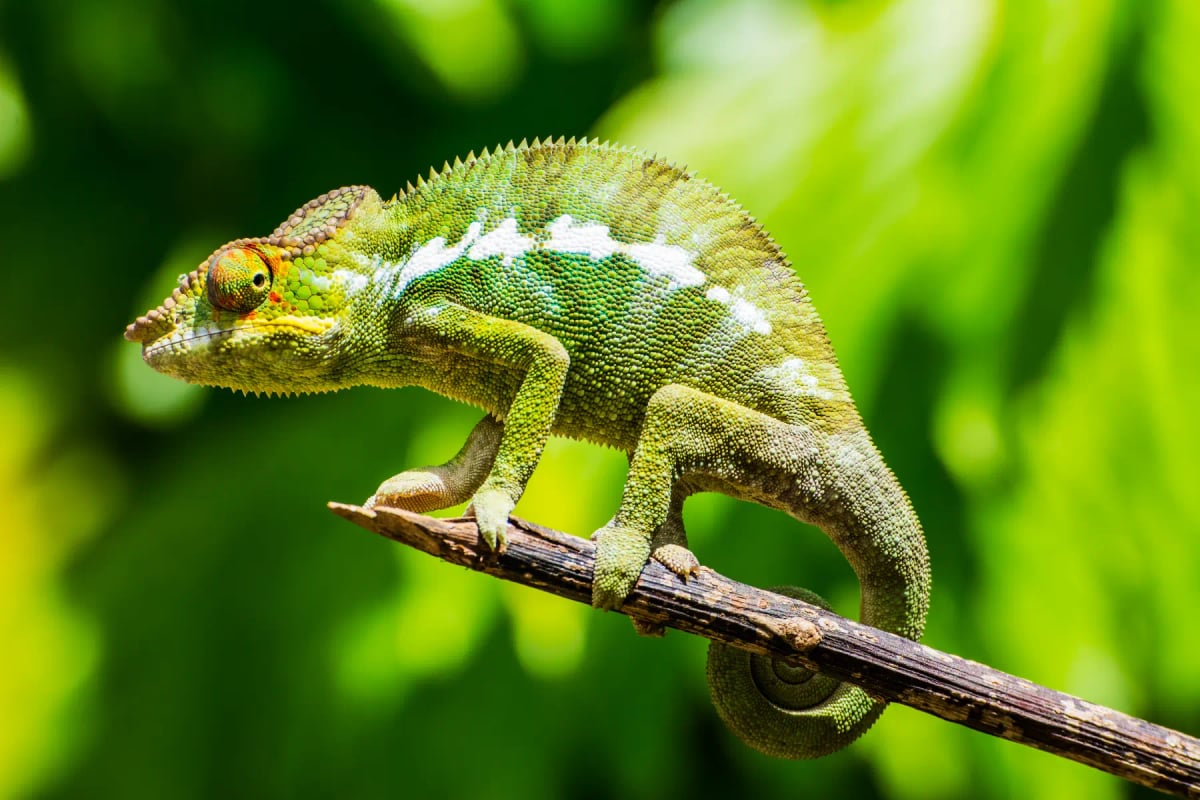
Chameleon
Chamaeleo chamaeleon
Jordan's populations of the common chameleon (Chamaeleo chamaeleon) are concentrated in the Jordan Valley and the northwestern highlands, where Mediterranean scrub and fruit orchards provide both shelter and prey. The species moves slowly and deliberately, relying on color change and stillness to avoid detection. Habitat degradation and collection for local trade put pressure on an already limited distribution within the country. IUCN status: Least Concern.
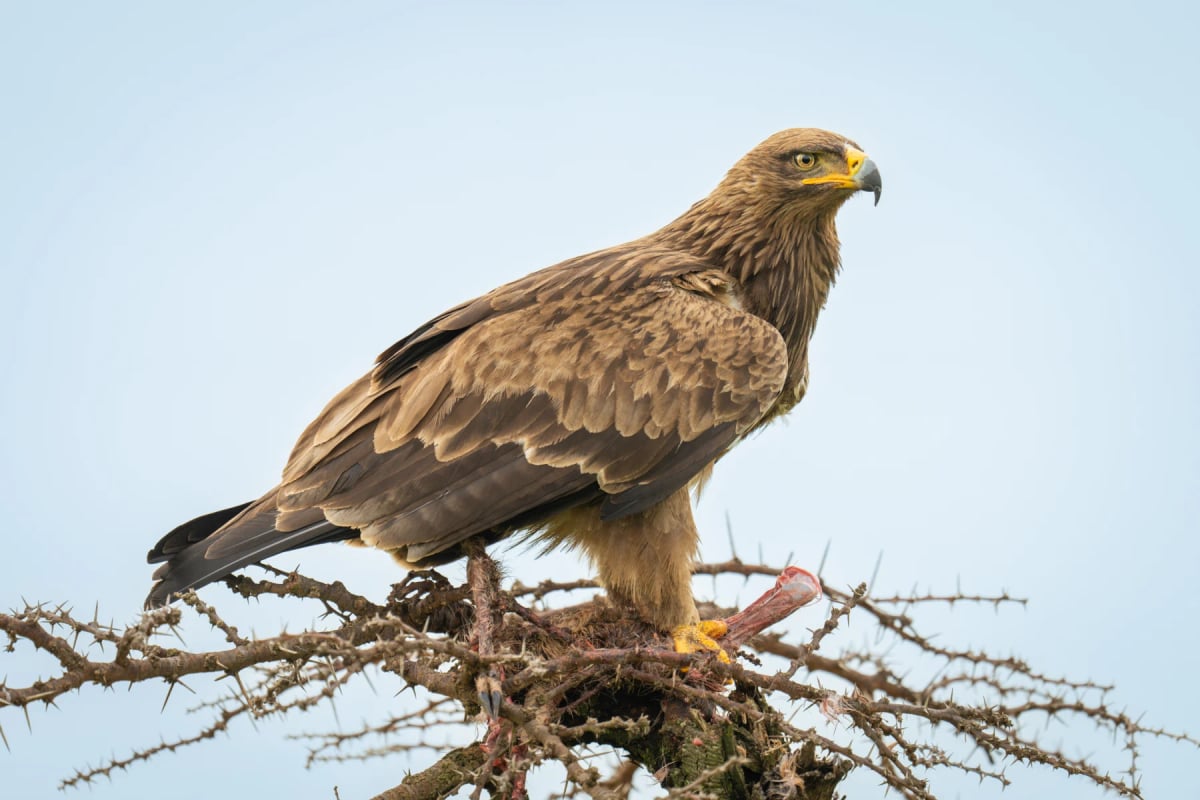
Steppe Eagle
Aquila nipalensis
Jordan's position along the Great Rift Valley makes it a key passage point for Steppe Eagles migrating between their Central Asian breeding grounds and African wintering areas. The Wadi Araba and the skies above Aqaba see regular counts of these broad winged raptors each spring and autumn. As an Endangered species with a declining global population, the eagles recorded in Jordan are an important part of international monitoring efforts.
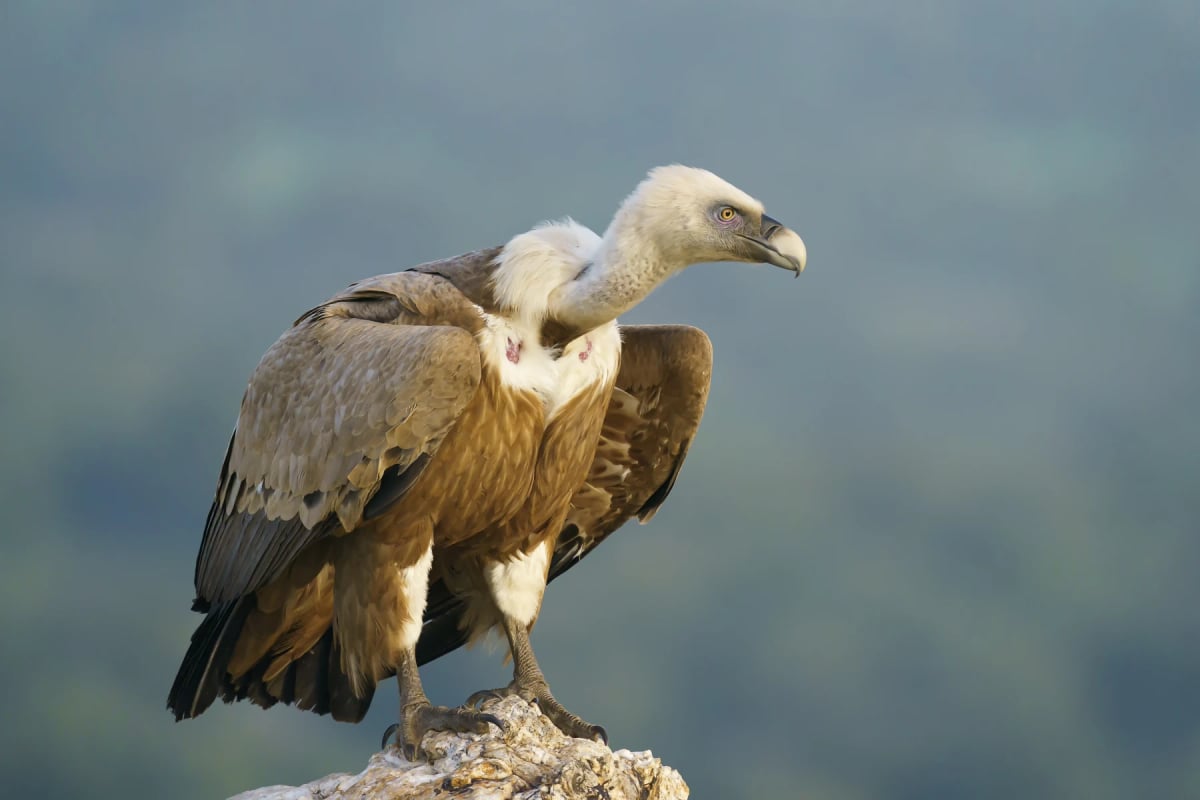
Griffon Vulture
Gyps fulvus
The griffon vulture is found in Jordan's highland regions, particularly around the cliffs of Wadi Dana, Petra, and the Mujib Biosphere Reserve. These protected areas provide the undisturbed cliff faces the species needs to nest and raise its young. It also soars over the Jordan Rift Valley, scanning the ground for carrion far below. Conservation work within Jordan's nature reserves has helped maintain a small but stable population. Its IUCN status is Least Concern.
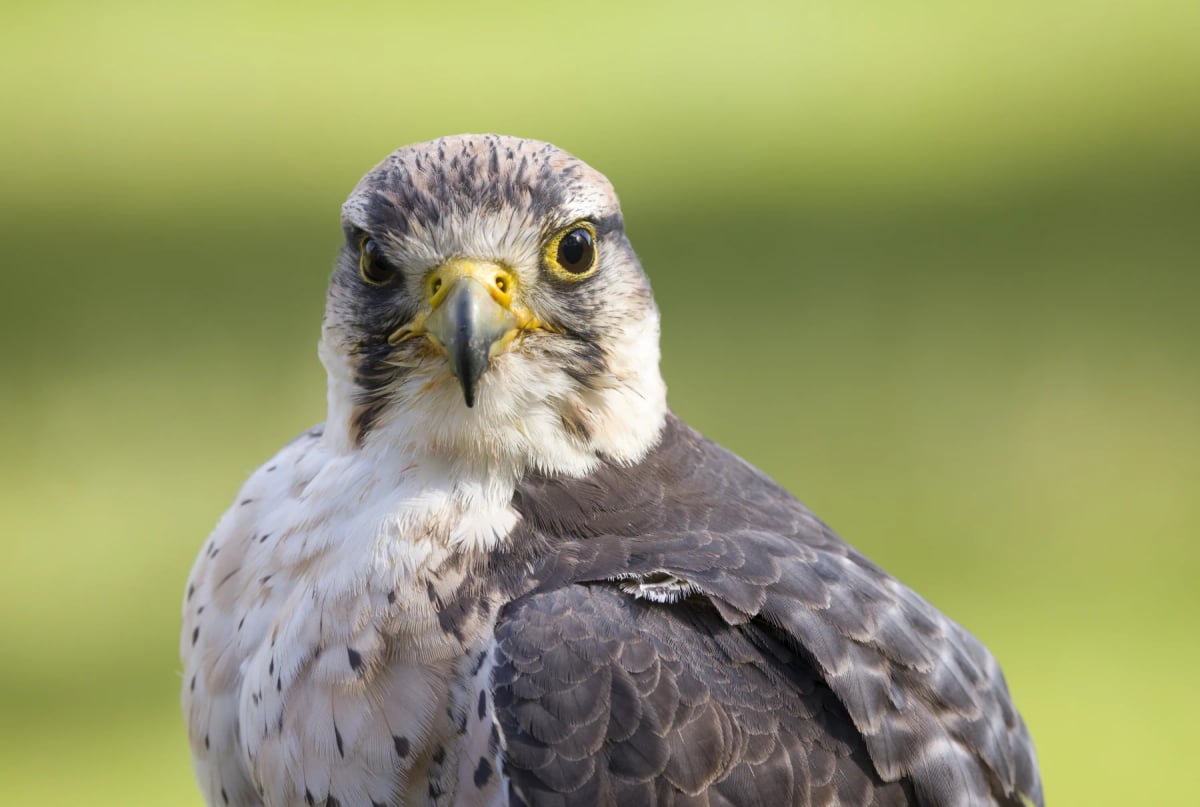
Lanner Falcon
Falco biarmicus
The lanner falcon is a resident bird in Jordan, found in the desert wadis, sandstone cliffs, and rocky highlands that stretch across much of the country. It feeds mainly on birds and is well suited to arid conditions. Jordan sits within the species' Middle Eastern range, and the bird has a long association with falconry culture in the region. IUCN status: Least Concern.
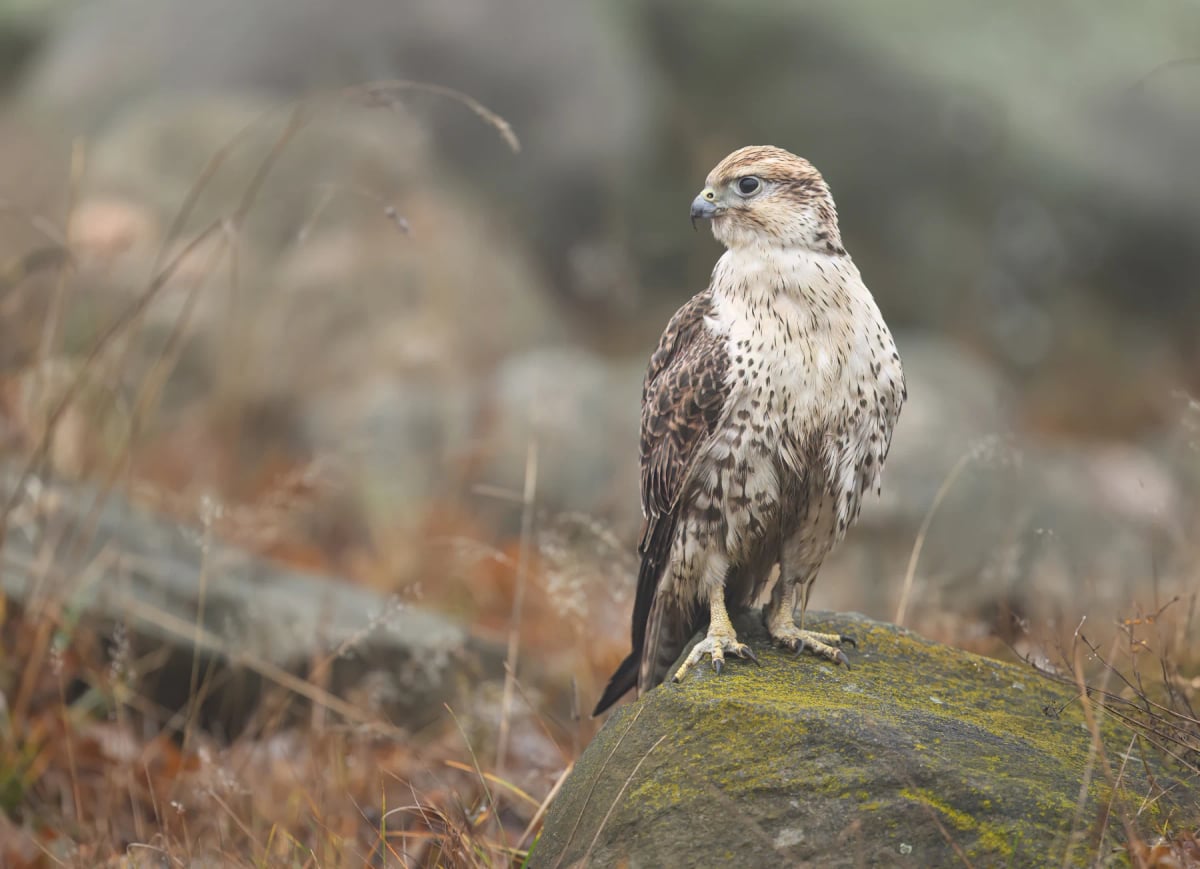
Saker Falcon
Falco cherrug
Jordan lies along the migration route of the saker falcon, and the bird is recorded as a passage migrant and winter visitor in the country's arid eastern deserts and open plains. The Azraq wetland reserve and the eastern Badia region are among the areas where the species has been observed. Illegal trapping for the falconry trade is a known threat throughout the Arabian region. The IUCN lists the saker falcon as Endangered.
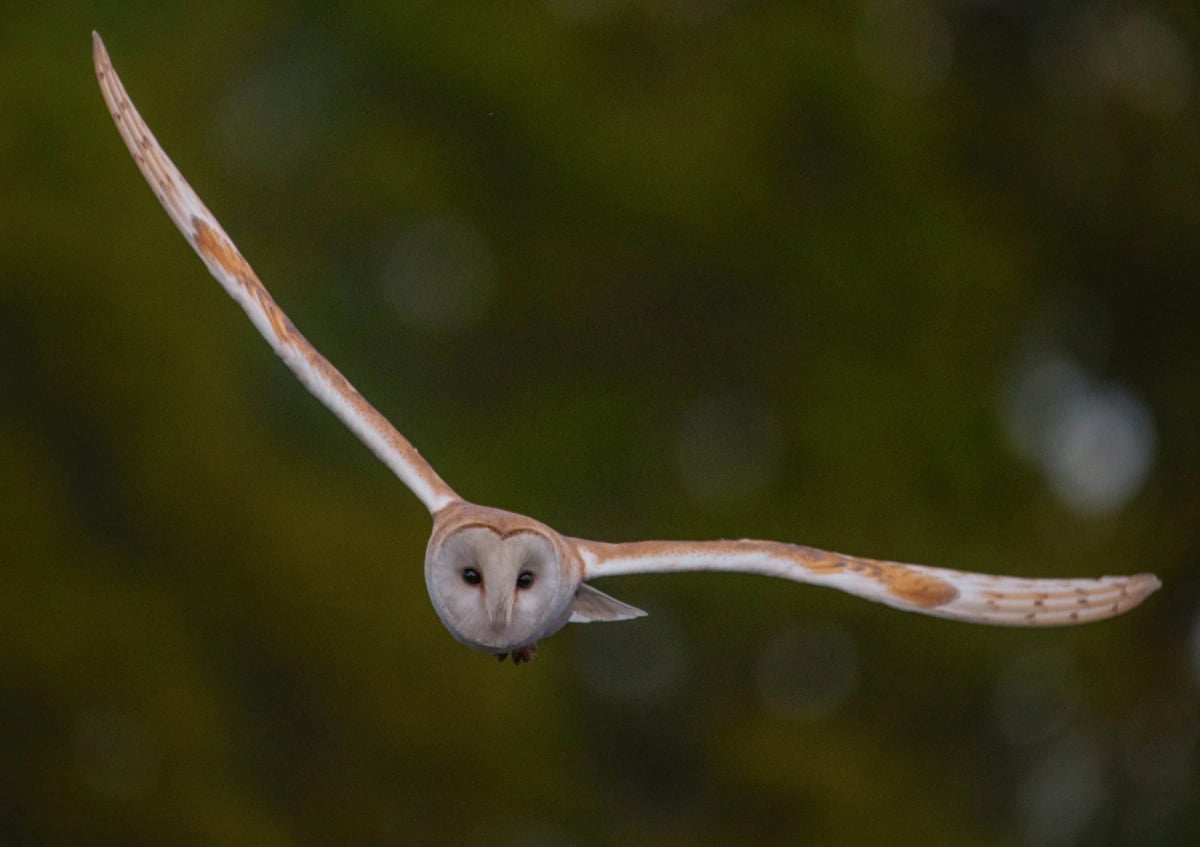
Barn Owl
Tyto alba
The barn owl is found across Jordan in open farmland, scrubland, and rocky desert fringes from the Jordan Valley and the northern highlands to the desert regions of the south. It nests in old buildings, ruins, cliff faces, and rock crevices, and hunts rodents and other small prey at night. In the agricultural areas of the northern highlands and the Jordan Valley it is a useful rodent controller. Its ability to survive in arid conditions makes it one of the more adaptable birds of prey in Jordan's diverse landscape.
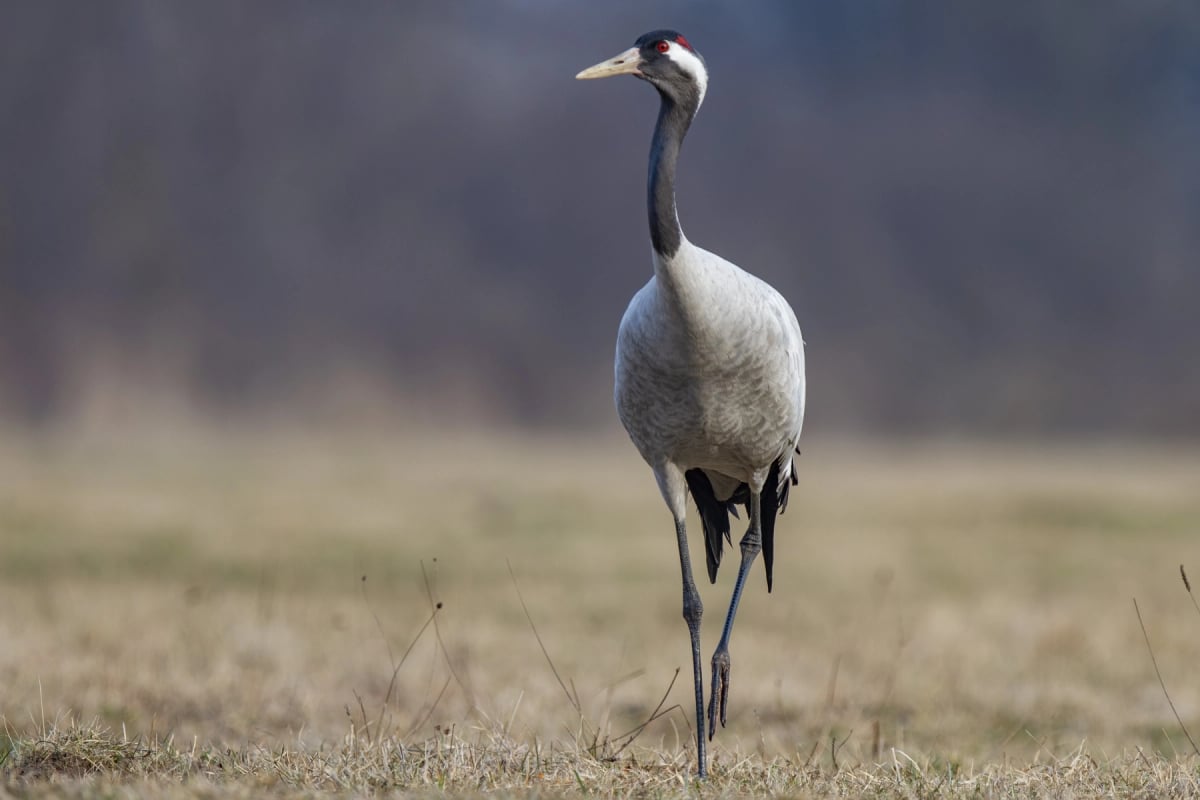
Crane
Grus grus
Jordan lies on a major migration route between Europe and Africa, and common cranes are regular visitors during autumn and spring passage. The Azraq Wetland Reserve in the eastern desert is among the most notable stopover sites, offering water and food in an otherwise arid landscape. Conservation work at Azraq has helped restore habitat that supports cranes and many other migratory birds making the long journey south each year.
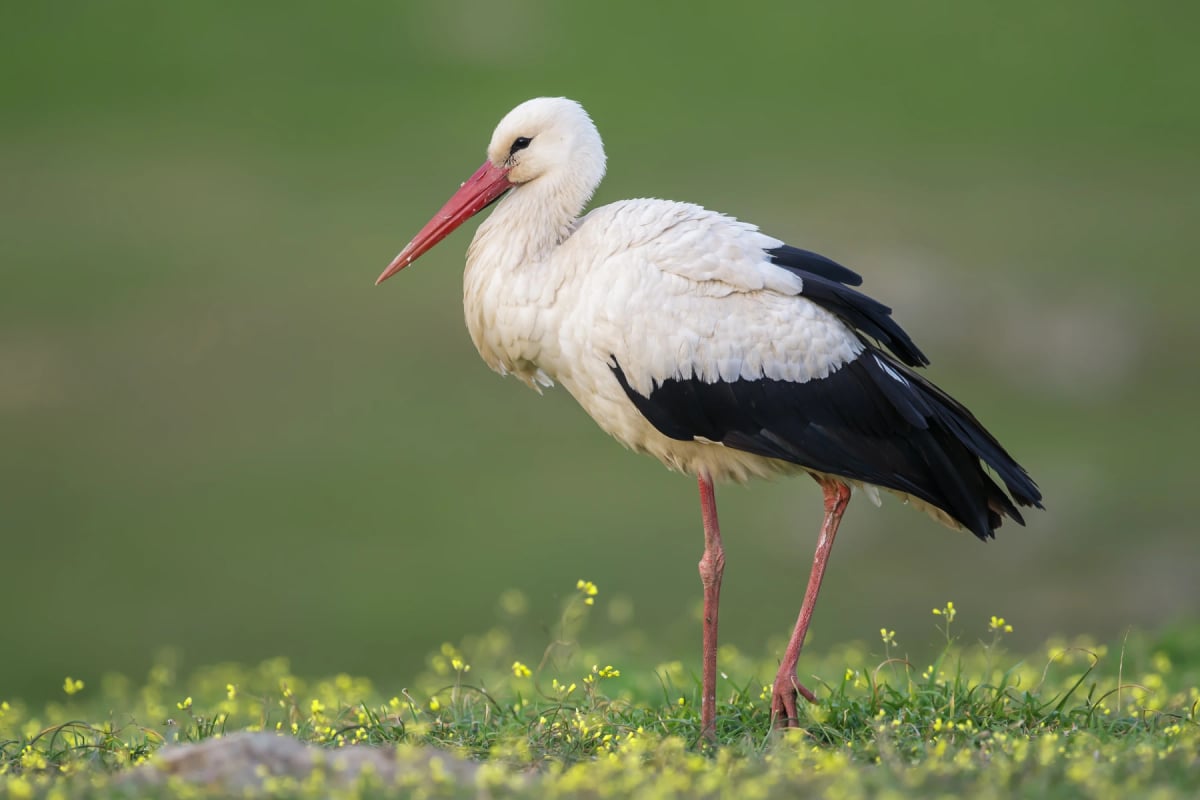
Stork
Ciconia ciconia
Jordan sits directly beneath one of the world's busiest bird migration routes, and the white stork is a spectacular sight each spring and autumn as large flocks ride thermals northward or southward through the Jordan Valley. The Azraq Wetland Reserve and the fertile farmland of the north provide resting and feeding stops for migrating birds. The species does not breed in Jordan but passes through in considerable numbers. It feeds on frogs, insects, and small vertebrates. It is listed as Least Concern by the IUCN.
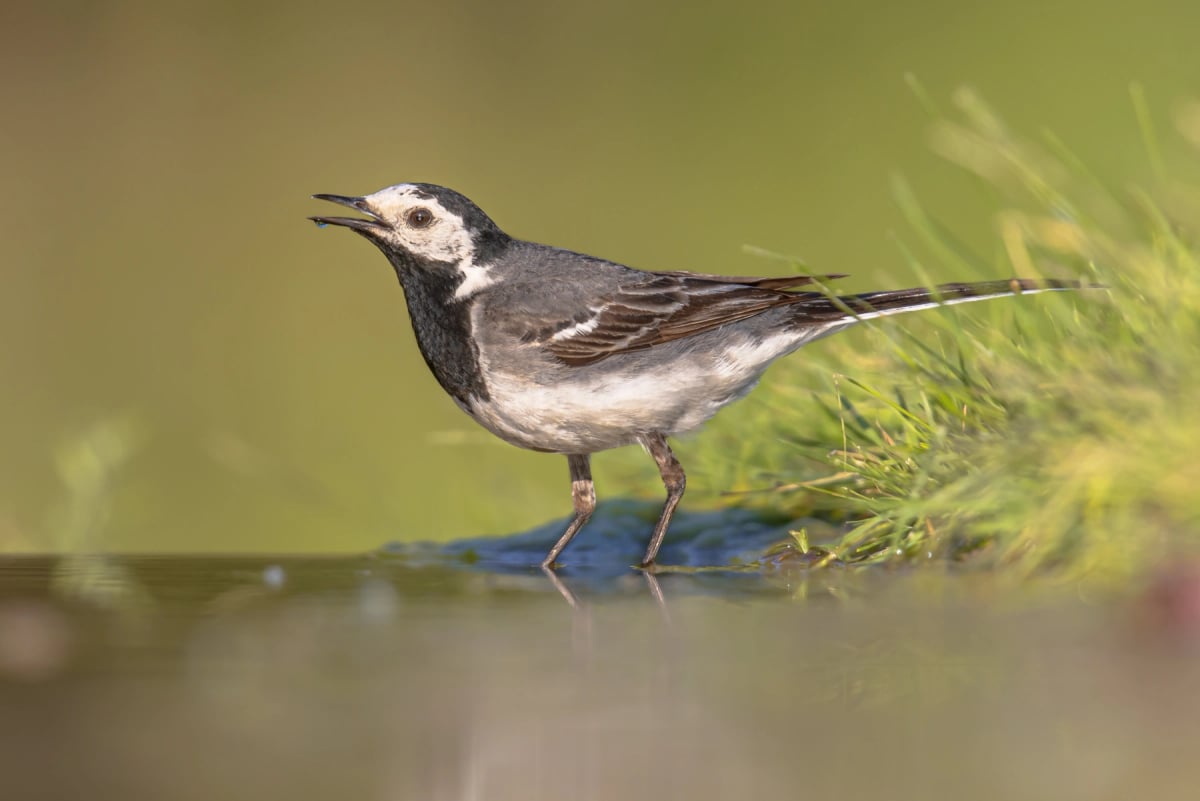
White Wagtail
Motacilla alba
The white wagtail passes through Jordan in considerable numbers during spring and autumn migration, following the Great Rift Valley, one of the most significant bird migration corridors in the world. It also winters in the country, particularly around the Jordan River, the Azraq Wetland Reserve and irrigated farmland. Its bold black and white plumage and restless tail movement make it a standout bird in Jordan's open landscapes.
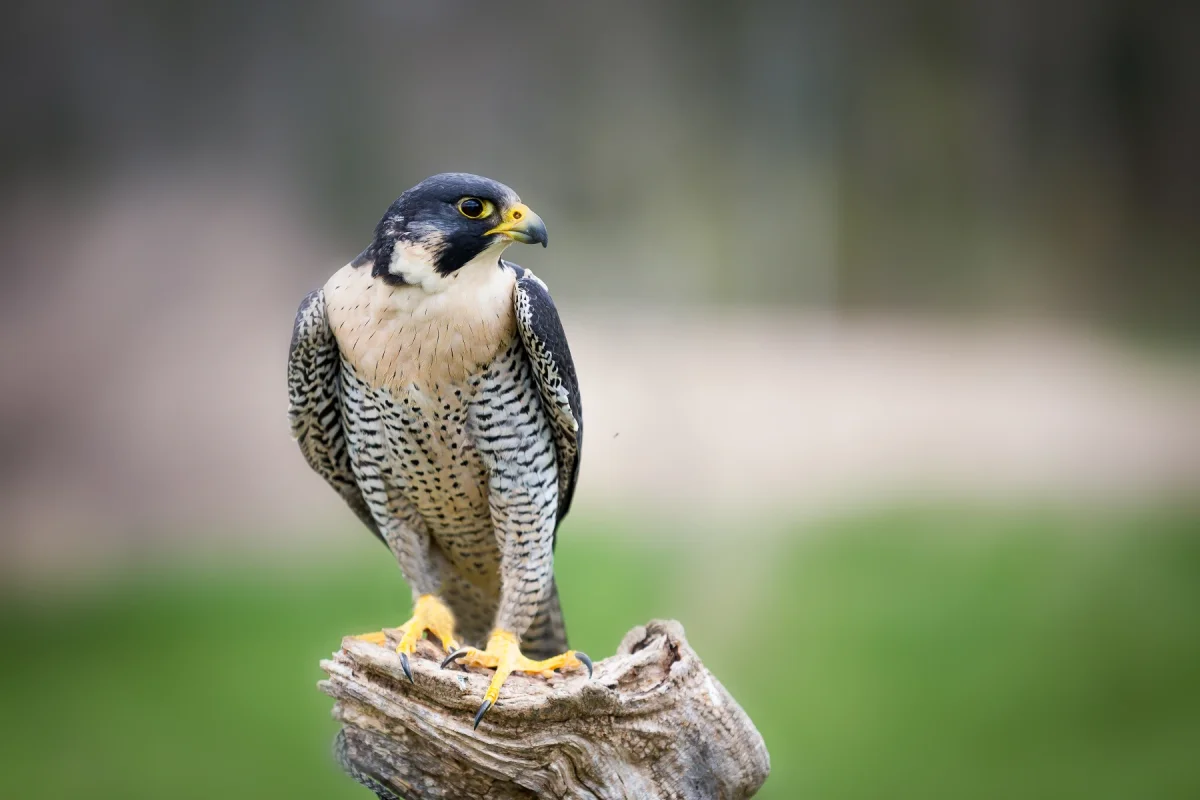
Peregrine Falcon
Falco peregrinus
In Jordan, the peregrine falcon is seen regularly along the cliffs of Wadi Rum and the rocky escarpments of the Dead Sea region during migration and winter. Some pairs nest on the sandstone walls of the country's dramatic desert canyons. Jordan lies along a major migratory corridor connecting Europe and Africa, making it an important stopover point for this species each year. IUCN status: Least Concern.
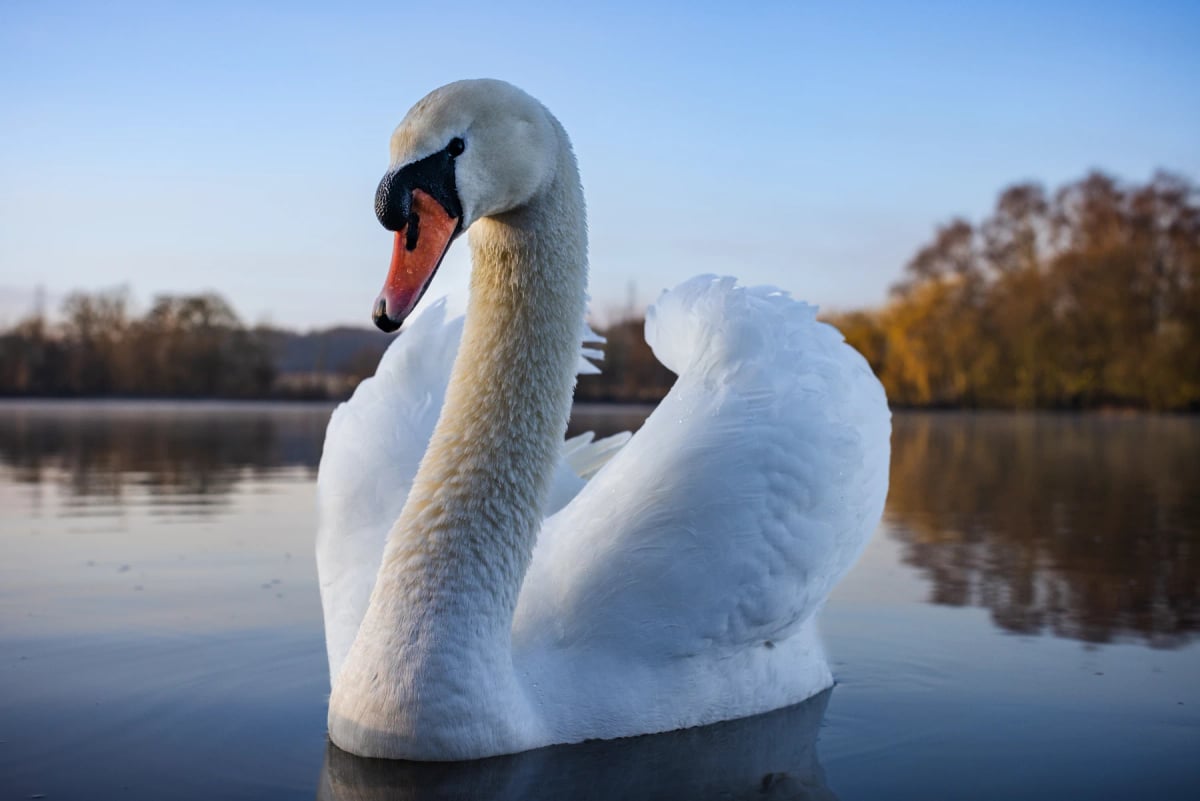
Mute Swan
Cygnus olor
The mute swan is a rare winter visitor to Jordan, occasionally recorded at wetland sites such as the Azraq Wetland Reserve, an important oasis in the eastern desert. This reserve serves as a critical stopover for migratory birds crossing between Europe, Asia, and Africa. Mute swans turning up here are typically birds that have drifted off their usual migration routes. Its IUCN status is Least Concern.
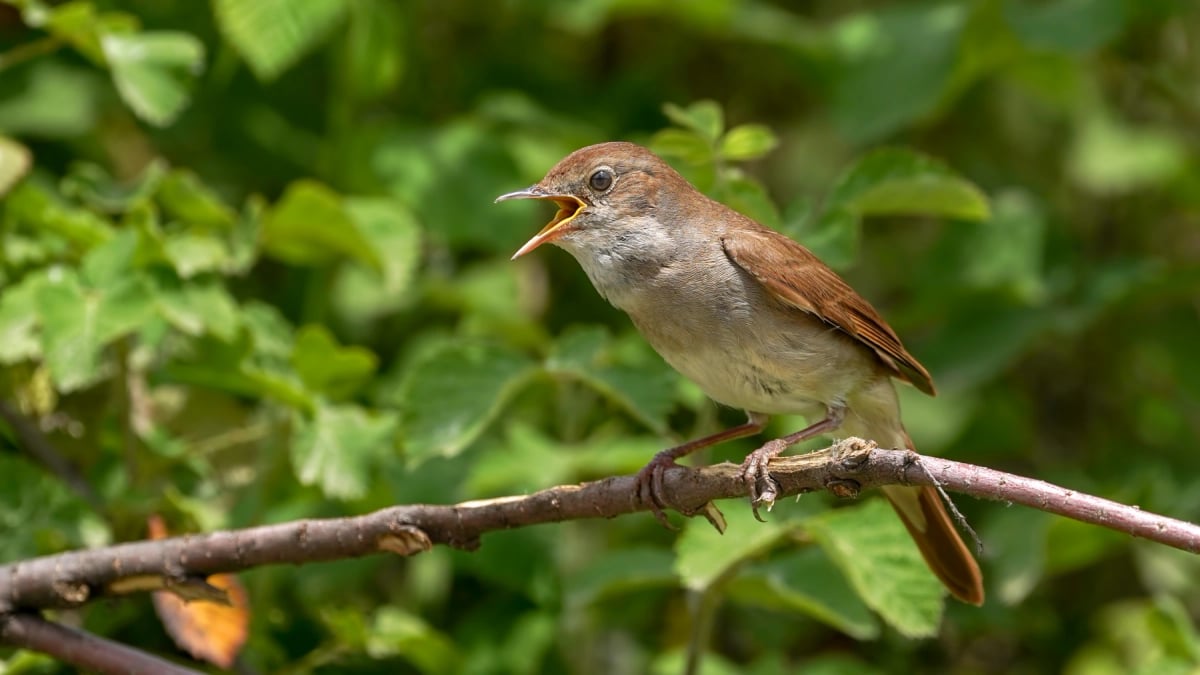
Nightingale
Luscinia megarhynchos
In Jordan, the nightingale occurs mainly as a passage migrant moving between Europe and Africa, though some birds also breed in suitable areas with dense vegetation in the north of the country. The wooded valleys and scrubby hillsides of northern Jordan, including areas around Ajloun, provide stopover and nesting habitat. Its IUCN status is Least Concern.
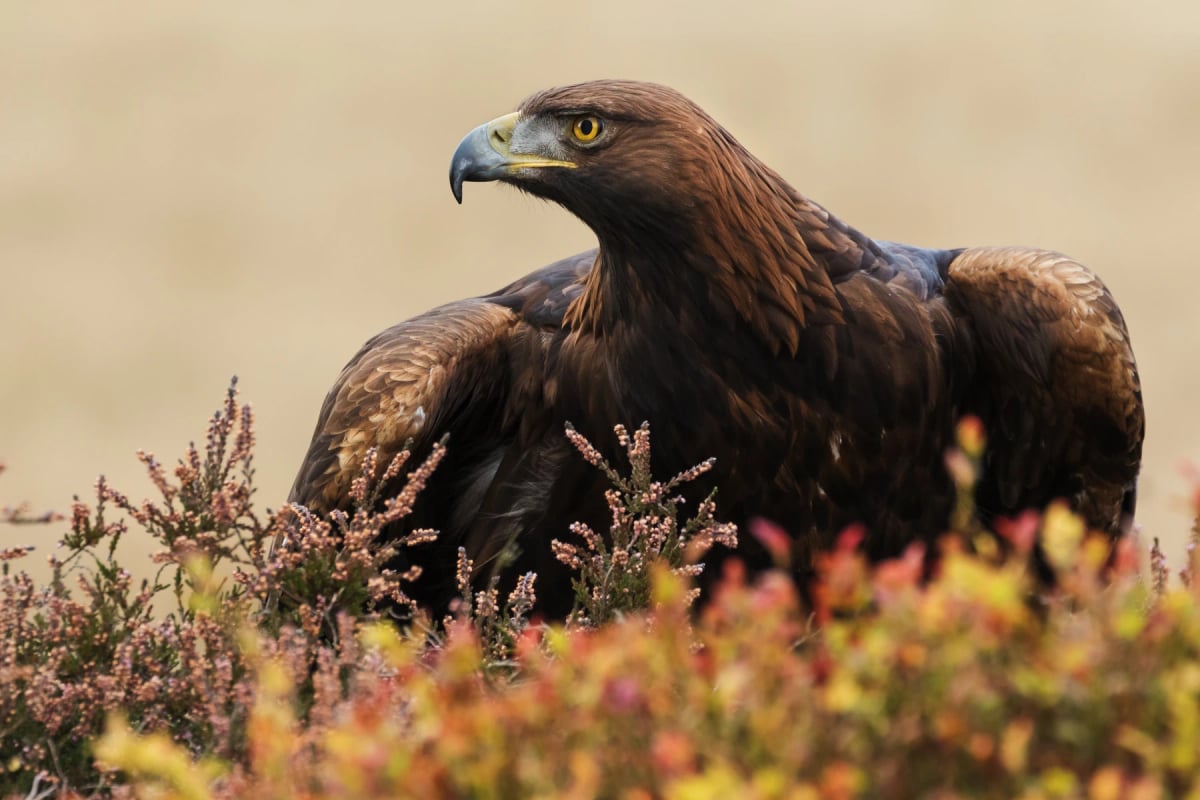
Golden Eagle
Aquila chrysaetos
The golden eagle is recorded as a passage migrant and winter visitor in Jordan, crossing through the Rift Valley and resting in the highlands of Wadi Rum and Dana Biosphere Reserve. Some birds may also winter in the rocky terrain of the north. It is one of the most impressive raptors seen in the country each season. The IUCN lists it as Least Concern, though resident breeding is not confirmed in Jordan.
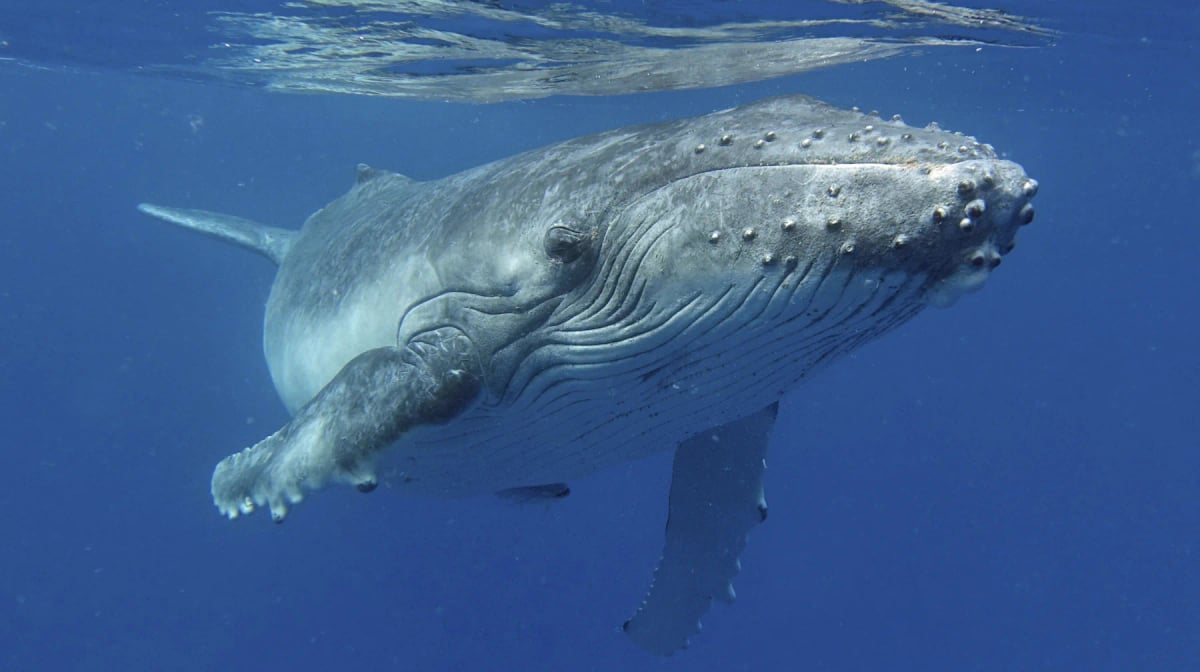
Humpback Whale
Megaptera novaeangliae
Jordan has a small coastline along the Gulf of Aqaba, the narrow northeastern arm of the Red Sea. Humpback whale records from this area are extremely rare, as the species typically moves through the wider Red Sea rather than its northern reaches. Any sighting in Jordanian waters would be considered exceptional. The humpback whale is classified as Least Concern by the IUCN across its global range.
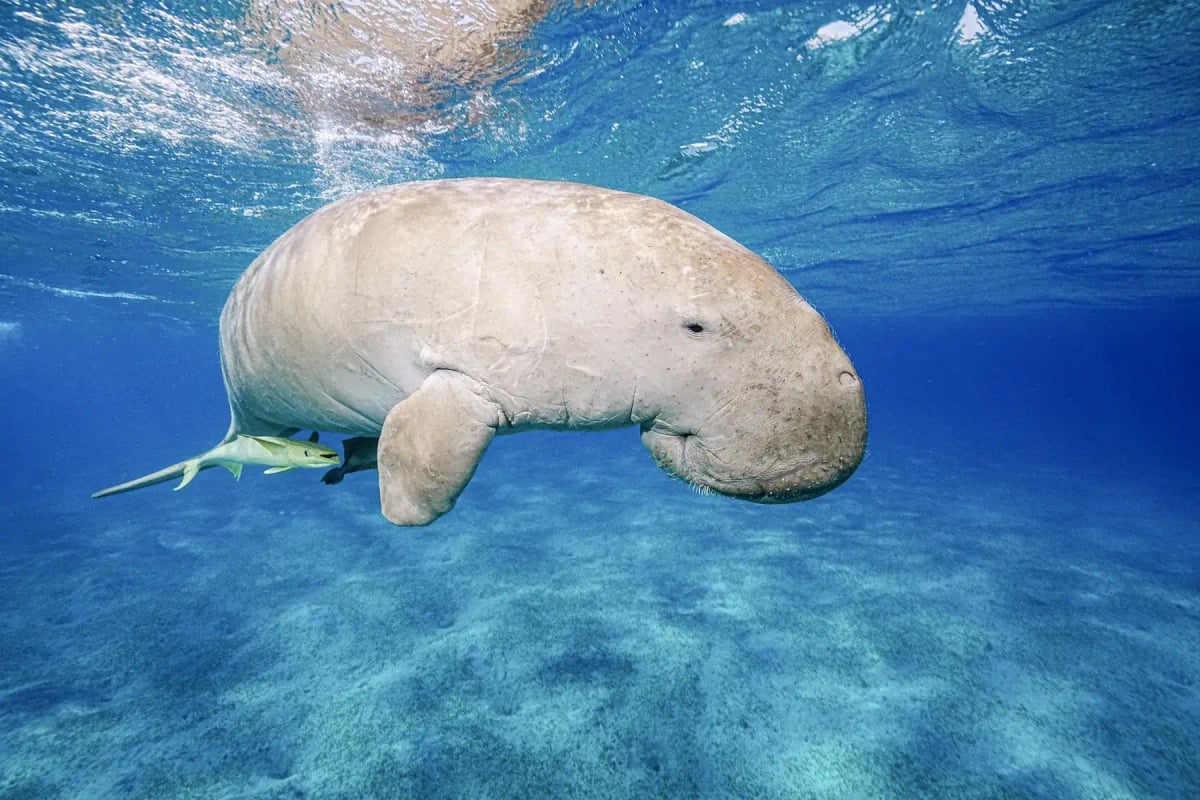
Dugong
Dugong dugon
Jordan's short coastline along the Gulf of Aqaba in the northern Red Sea provides habitat for small numbers of dugongs. The seagrass beds near Aqaba serve as feeding grounds, and the species has been documented in this area over the years. Boat traffic, coastal tourism infrastructure, and limited marine conservation capacity present challenges, though regional cooperation on Red Sea conservation has brought some increased attention to the species. IUCN status: Vulnerable.
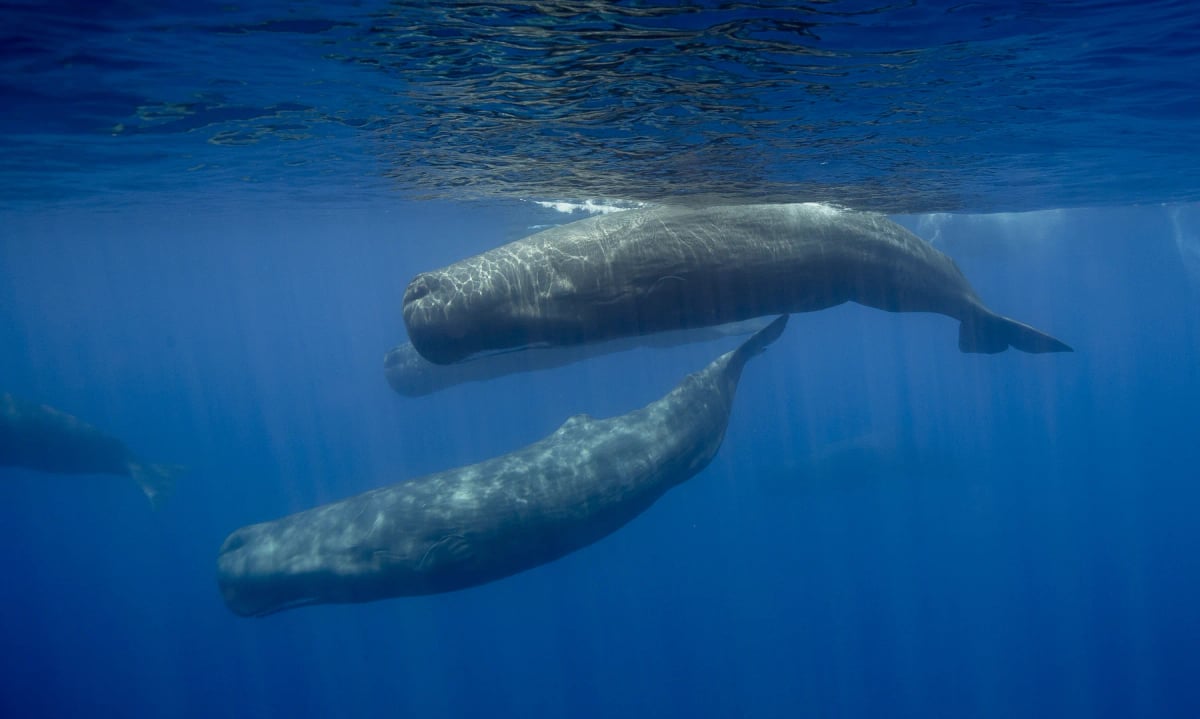
Sperm Whale
Physeter macrocephalus
Although Jordan has a small coastline along the Gulf of Aqaba at the northern tip of the Red Sea, sperm whales have been recorded in these waters. The Red Sea's deep central rift provides the depth these whales need to hunt. Their presence here is relatively rare compared to open ocean habitats, but the connectivity of the Red Sea with the Indian Ocean allows occasional visits from this Vulnerable species.
Researched and written by Juan Pablo. Sources: IUCN Red List, scientific literature and regional field guides. Last updated: .