Animals in Malawi
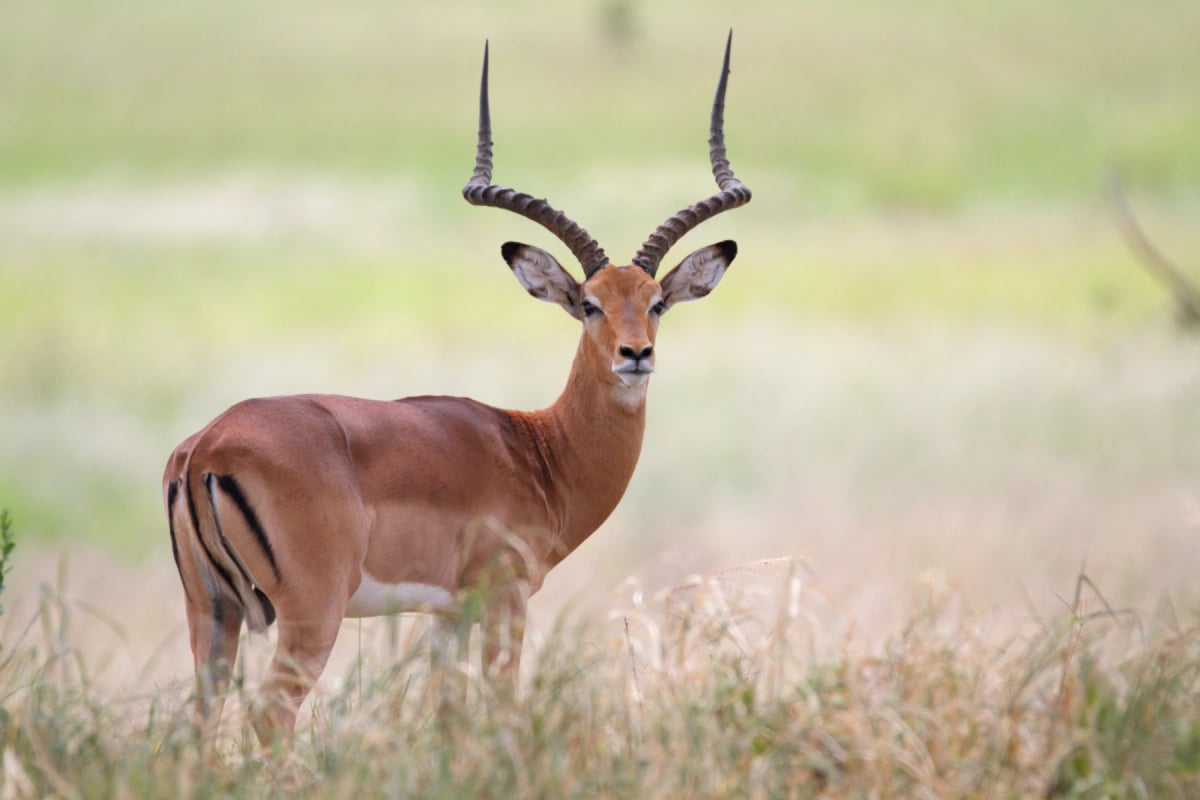
Impala
Aepyceros melampus
The impala, Malawi’s national animal, is known for its speed and graceful movements across open plains. Often seen in herds within reserves such as Liwonde and Nyika, it represents balance, harmony and the vitality of Africa’s savannas, values that reflect the spirit of the country itself.
View details→Wildlife in Malawi
Malawi’s wildlife thrives in forests, savannas and around the vast Lake Malawi, one of Africa’s great inland seas. Elephants, hippos and hundreds of bird species share this landscape with colorful fish that fill the lake’s clear waters. The mix of land and aquatic life makes Malawi a peaceful destination for safaris and nature tourism.
Most Dangerous Animals in Malawi
Some of Malawi’s wildlife can be dangerous, especially hippos and elephants near rivers or lake shores. Crocodiles and snakes also require attention in certain areas. Guided excursions help visitors experience nature safely while learning how local rangers protect both animals and people.
Top 10 Animals in Malawi
Elephants, leopards, hippos and crocodiles are among Malawi’s most remarkable animals. National parks such as Liwonde, Nyika and Majete offer safaris, boat trips and walking tours where visitors can observe these species and enjoy landscapes that unite mountains, plains and rivers in a single ecosystem.
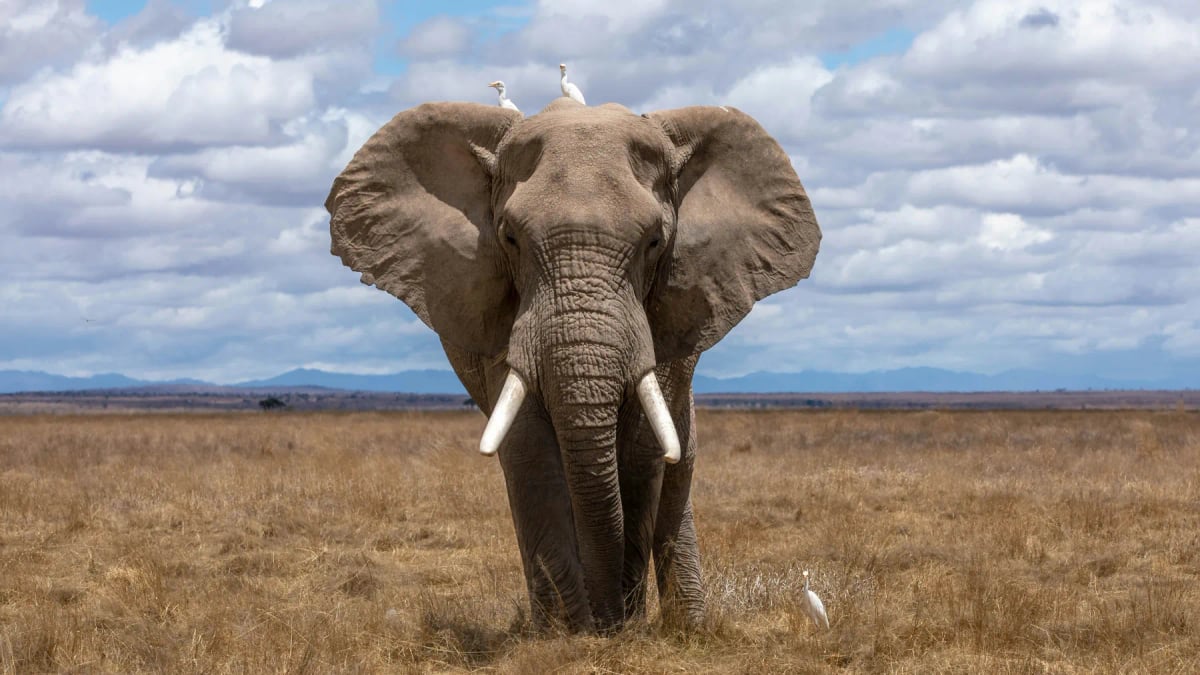
African Elephant
Loxodonta africana
Malawi carried out one of the largest elephant translocations in history, moving over 500 animals from the overcrowded Liwonde National Park to Nkhotakota Wildlife Reserve, where elephants had been absent for decades. This project, done in partnership with African Parks, restored a key ecosystem and established a new viable population. Liwonde National Park and Majete Wildlife Reserve remain the country's main elephant strongholds today.
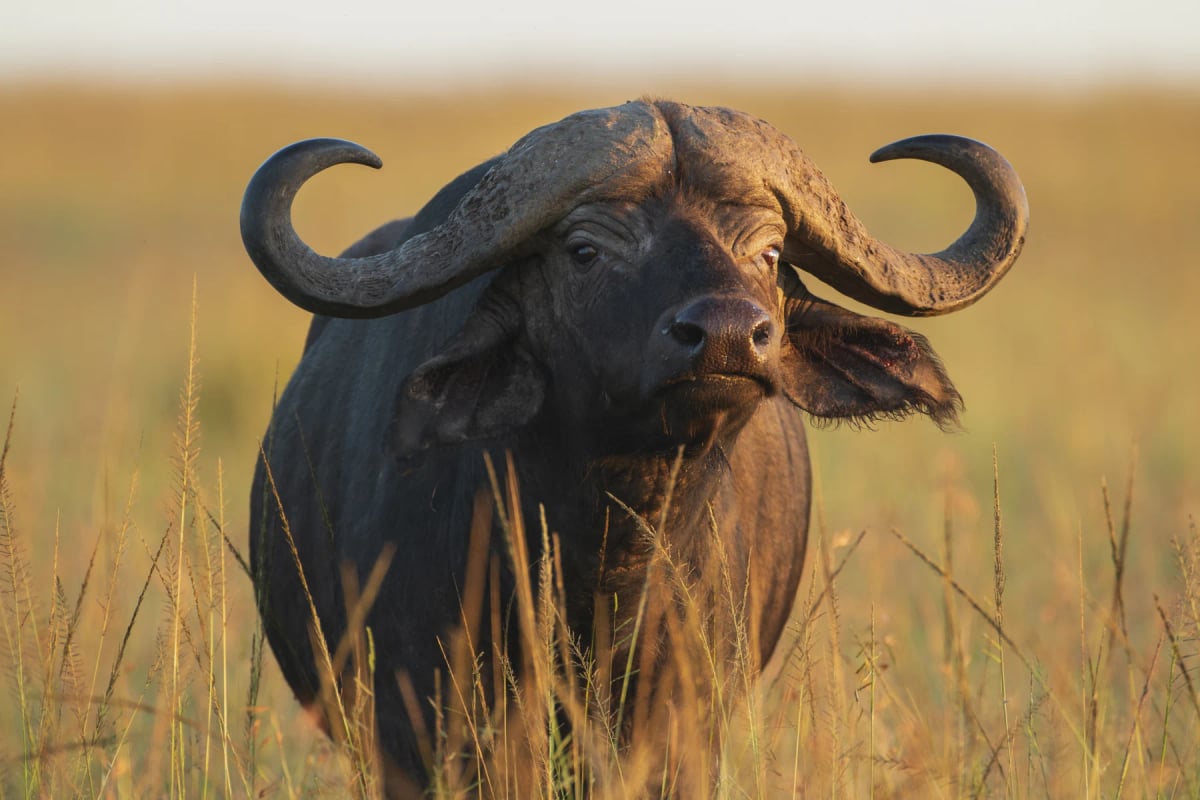
Buffalo
Syncerus caffer
Malawi's African buffalo populations are concentrated in its major protected areas, particularly Liwonde National Park along the Shire River and Nyika National Park in the north. The Shire River valley provides rich grazing and permanent water, making it a stronghold for the species. Conservation efforts led by organizations working in Liwonde have helped stabilize local numbers following historical declines linked to poaching.
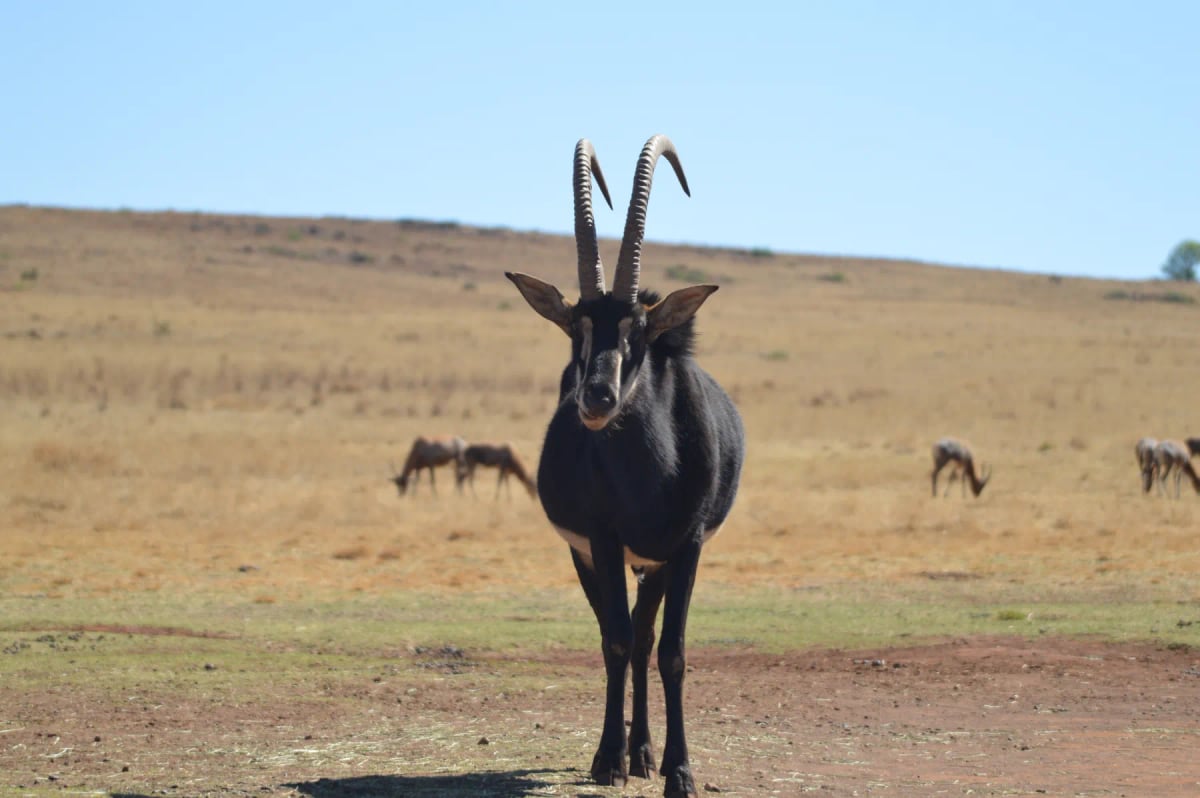
Sable Antelope
Hippotragus niger
Sable antelopes in Malawi are found in the miombo woodlands and grassland areas of Kasungu National Park and the Nyika Plateau. Habitat loss and poaching have put pressure on these populations over the years. Conservation programs within the national parks remain the main line of defense for the species, which plays an important role in the broader savanna ecosystem of the country.
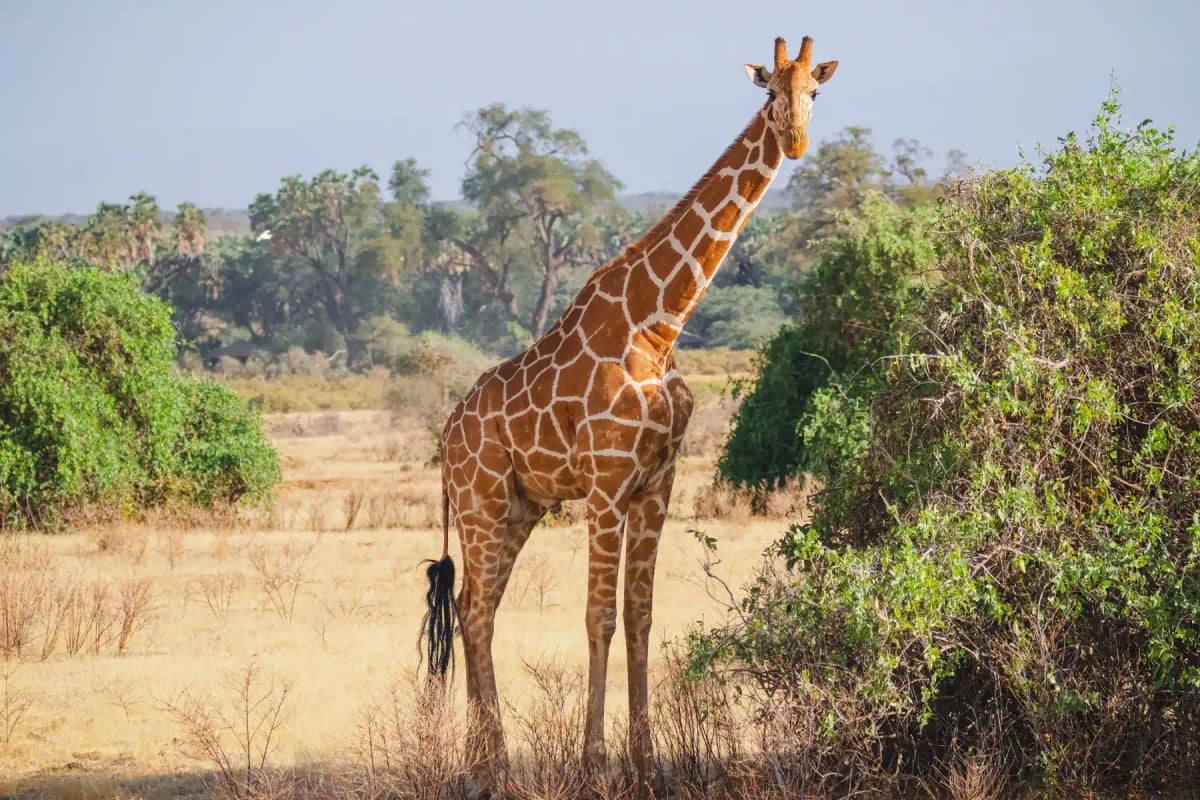
Giraffe
Giraffa camelopardalis
Giraffes are not historically native to Malawi but have been successfully reintroduced into the country. Small populations now live in Liwonde National Park and Majete Wildlife Reserve, where conservation efforts have worked to restore wildlife across these protected areas. Standing up to 5.5 metres tall, they browse on acacia and other trees in the woodland, representing an important symbol of Malawi's growing wildlife recovery story.
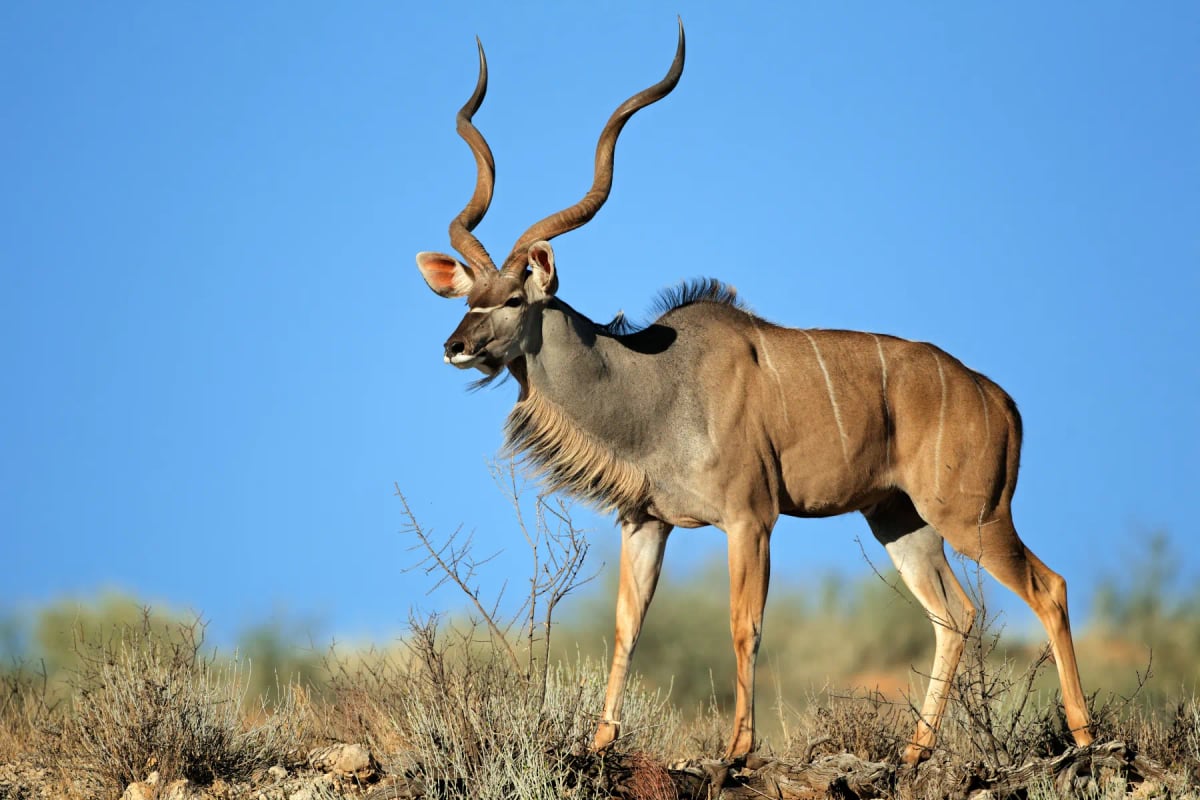
Greater Kudu
Tragelaphus strepsiceros
In Malawi, greater kudus are found in the woodland areas of the Luangwa Valley escarpment and in reserves such as Nyika National Park and Liwonde National Park. They browse on leaves, pods and wild fruits in areas with thick vegetation cover. The species tends to stay close to rocky hillsides and dense bush for shelter. Malawi's protected areas are important for maintaining viable populations, and the IUCN lists the greater kudu as Least Concern.
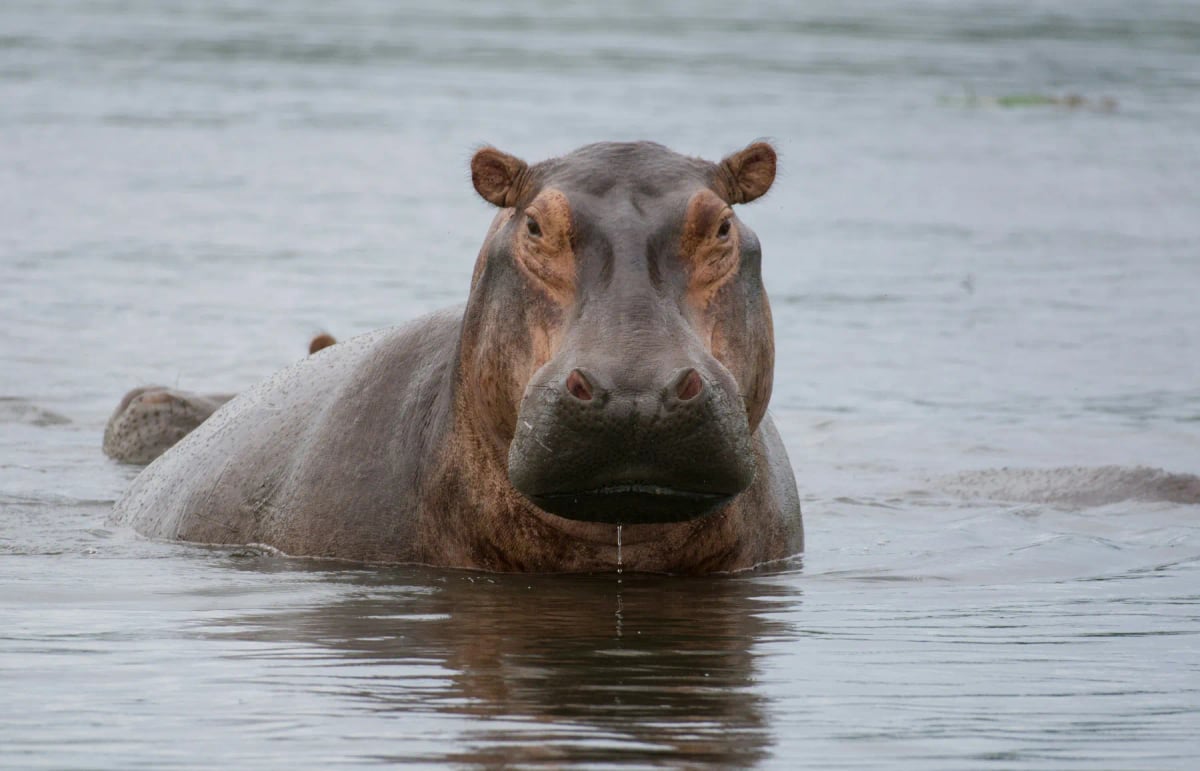
Hippopotamus
Hippopotamus amphibius
In Malawi, hippos are most commonly found in the Shire River and along the shores of Lake Malawi, where water levels and reed beds provide ideal resting spots. Liwonde National Park is one of the best places to see them. They graze on land at night and spend their days in the water. The IUCN lists the hippopotamus as Vulnerable.
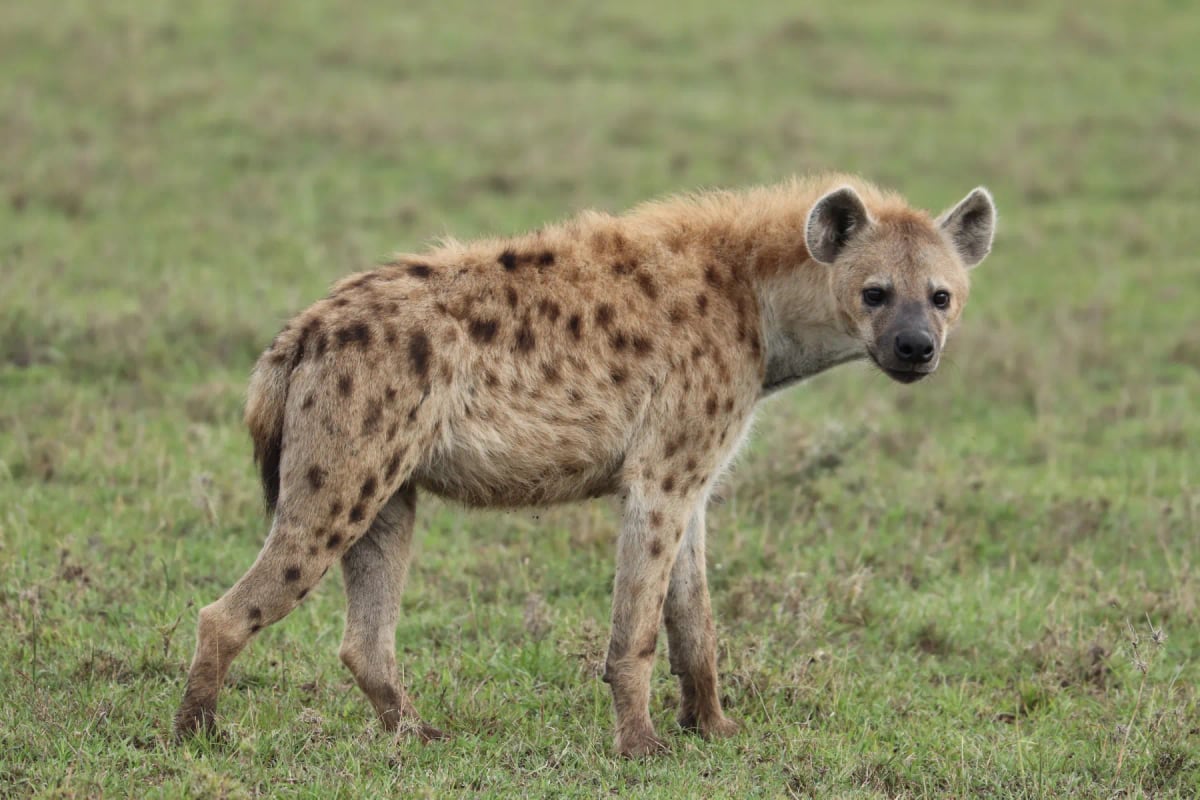
Spotted Hyena
Crocuta crocuta
In Malawi, spotted hyenas are found mainly within Liwonde National Park and Nyika National Park, where miombo woodland and riverside habitats offer reliable food sources. They play a key role in keeping ecosystems healthy by consuming carcasses and controlling prey populations. Habitat loss outside protected areas and retaliatory killing by farmers place pressure on hyena populations across the country.
Impala
Aepyceros melampus
Impalas are found in several of Malawi's national parks and wildlife reserves, including Liwonde National Park along the Shire River, where riverine woodlands and grassy plains provide ideal habitat. These slender antelopes are mixed feeders, grazing on fresh grass after rains and browsing on foliage and shrubs in drier months. Their reddish brown coats and the males' elegant, lyre-shaped horns make them easy to recognise. The IUCN lists the impala as Least Concern globally.
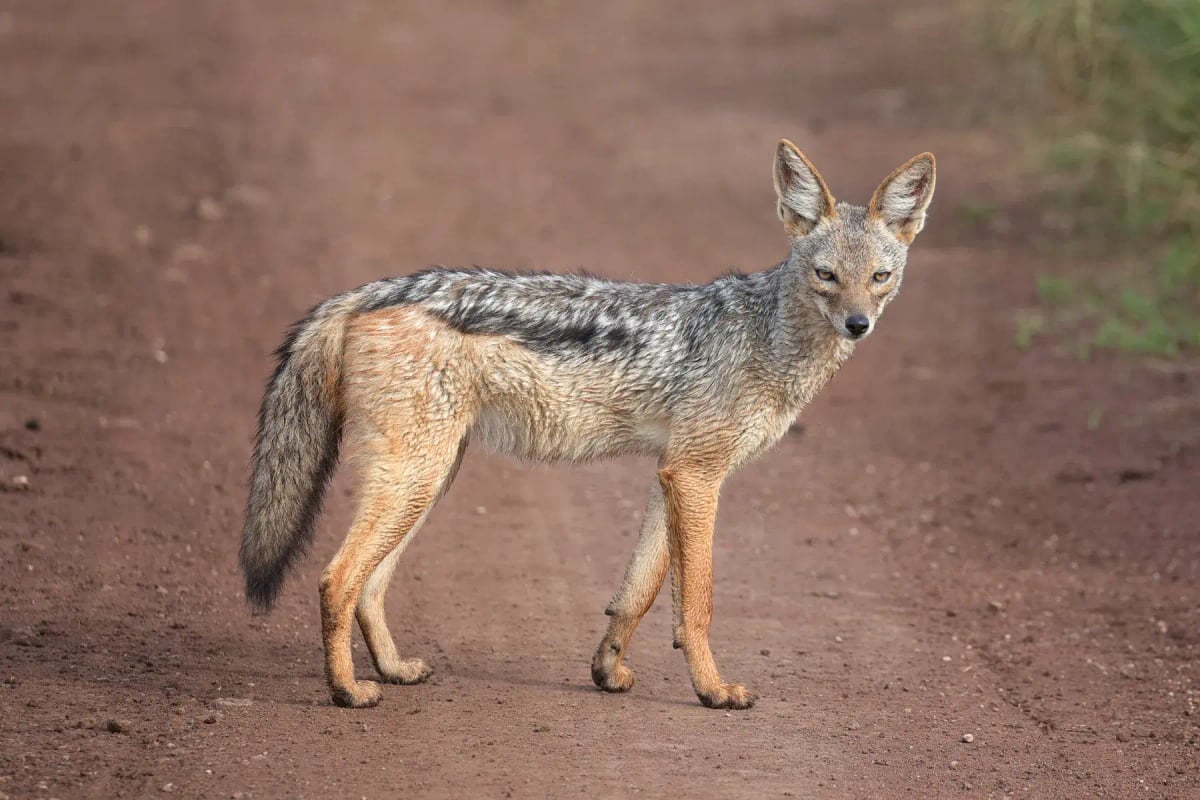
Black backed Jackal
Canis mesomelas
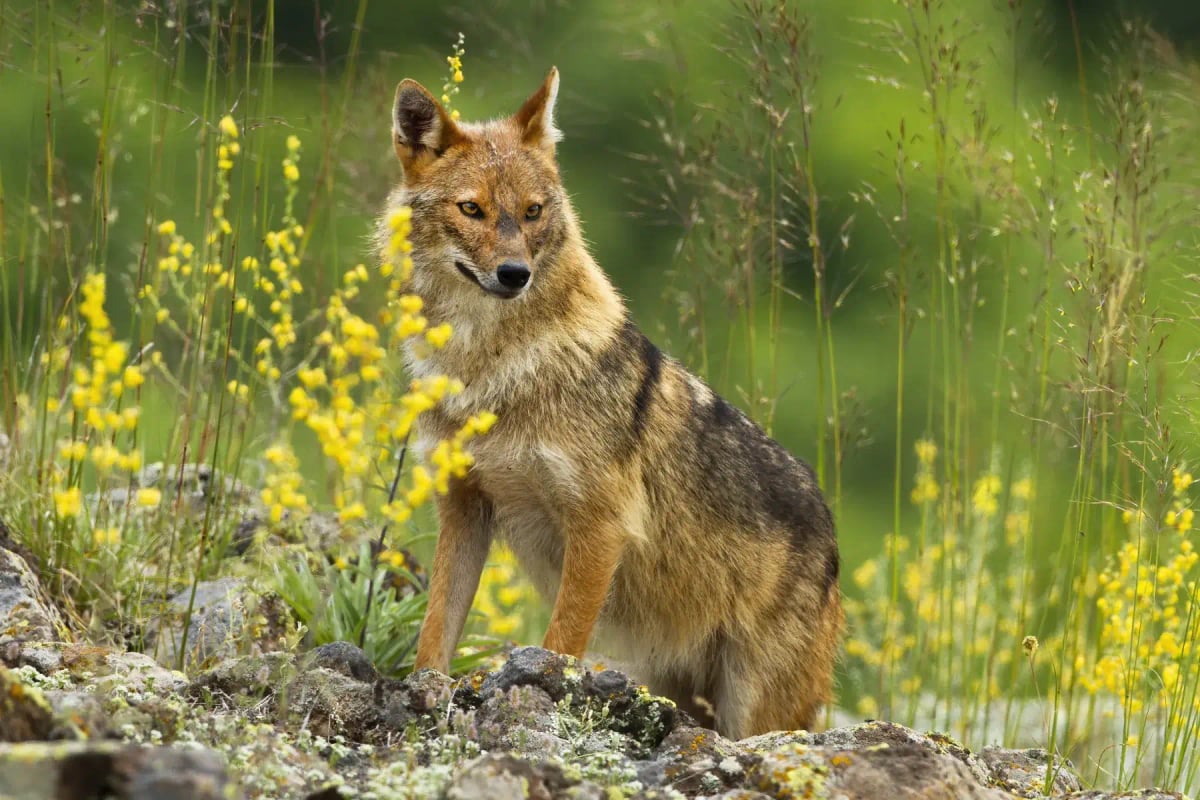
The black backed jackal is present in parts of Malawi, where it occupies open woodland, scrub, and grassland habitats. It tends to appear in areas bordering protected reserves, where prey such as rodents, insects, and small vertebrates are readily available. Highly adaptable and opportunistic, this canid also scavenges carrion. Pairs bond for life and often rear pups with help from young of previous litters. Its IUCN status is Least Concern.
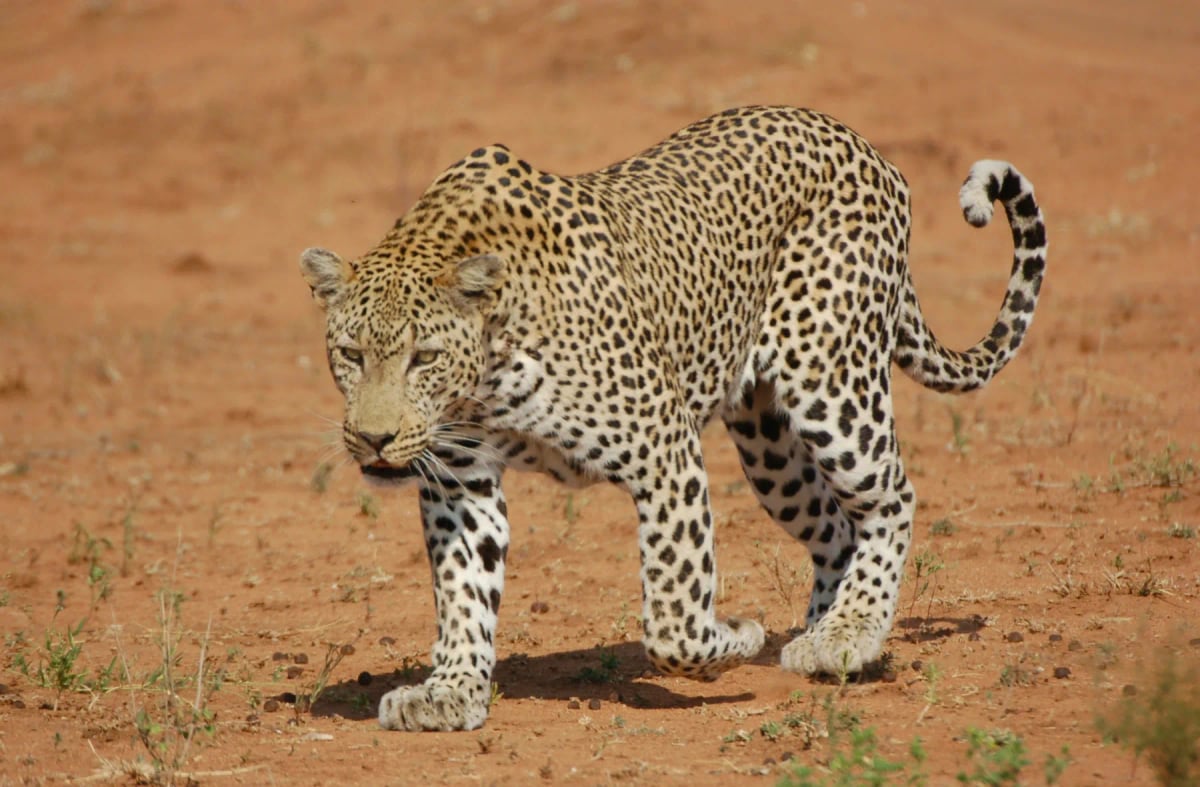
Leopard
Panthera pardus
In Malawi, leopards are found in national parks and wildlife reserves such as Liwonde, Majete, and Nyika. The Nyika Plateau in the north, with its montane grasslands and forests, provides particularly suitable habitat. Leopards in Malawi face pressure from habitat loss outside protected areas and occasional conflict with communities living near park boundaries. Conservation management within reserves has helped stabilize some local populations.
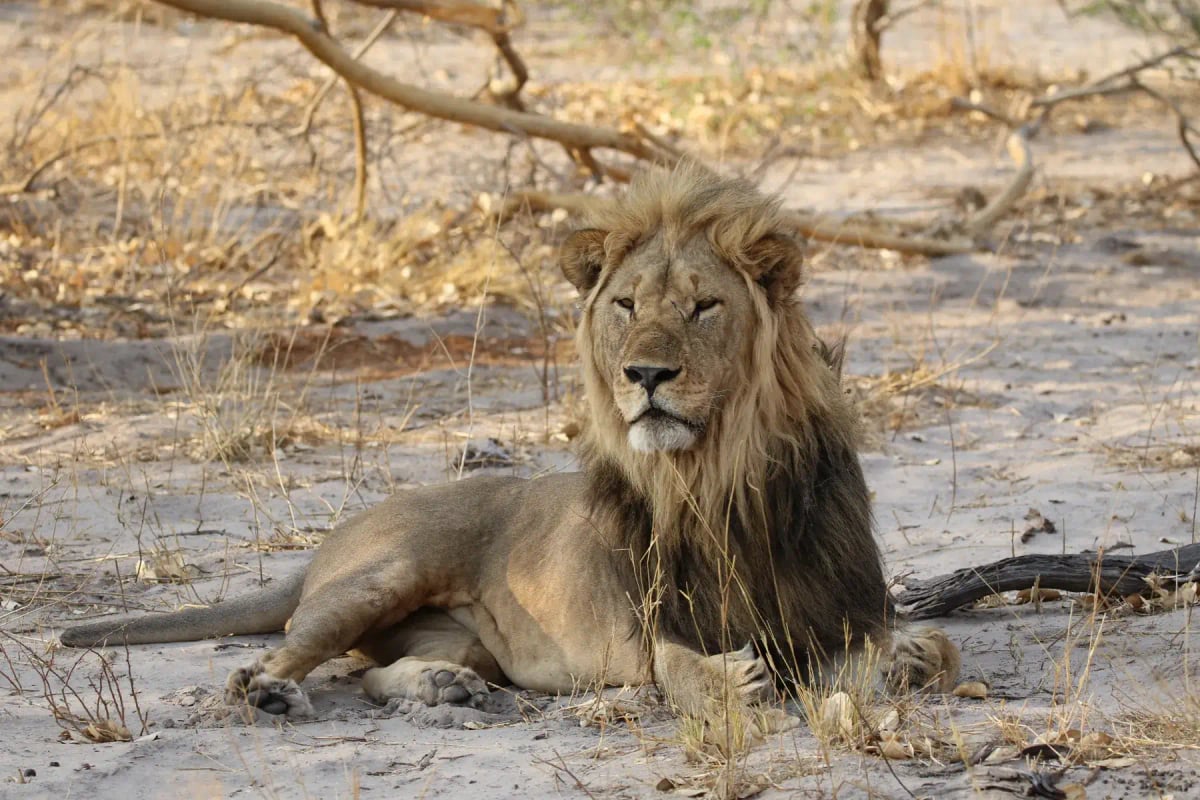
Lion
Panthera leo
In Malawi, lions are found mainly in Liwonde National Park and Majete Wildlife Reserve, where reintroduction programs have helped rebuild populations after the species had largely disappeared from the country. These efforts, led in partnership with conservation organizations, have made Malawi one of the more encouraging examples of lion recovery in southern Africa. Nkhotakota Wildlife Reserve has also received reintroduced lions in recent years.
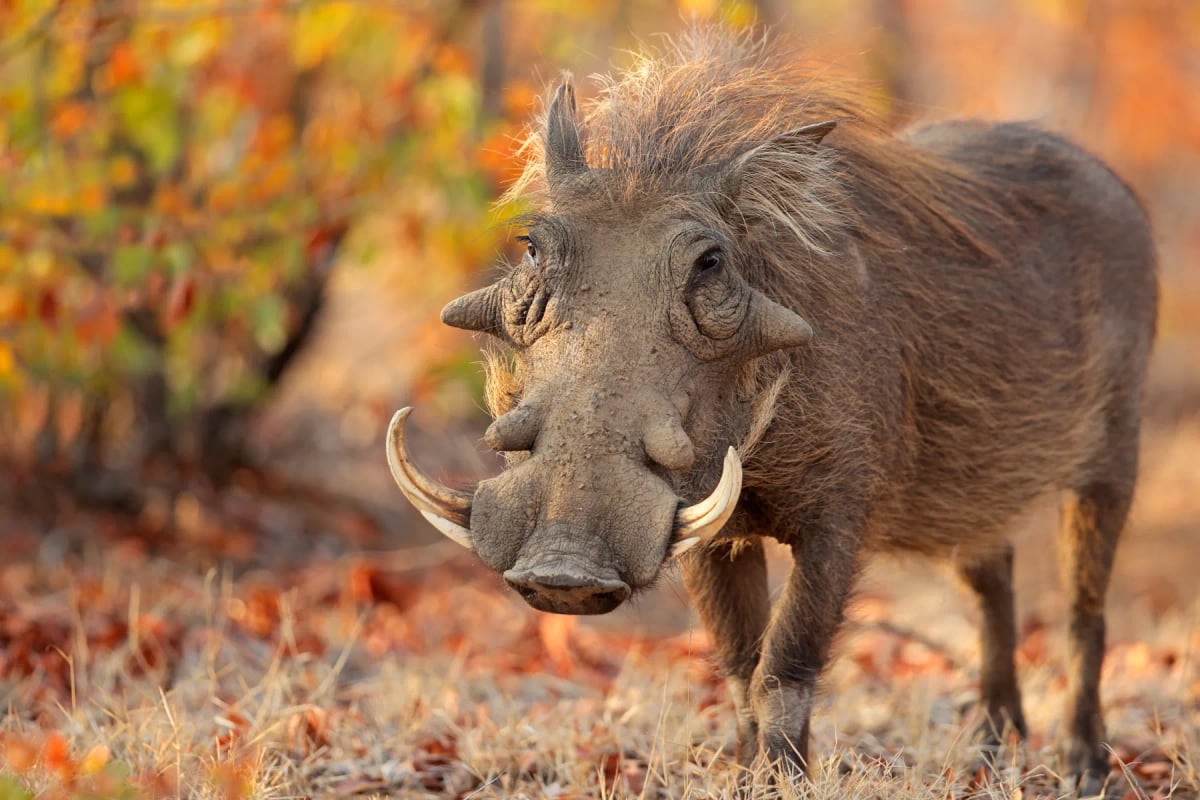
Warthog
Phacochoerus africanus
Warthogs are present in Malawi's national parks and wildlife reserves, including Liwonde National Park and Nyika National Park, where they inhabit open grasslands and woodland edges. They feed on grasses and roots and shelter in burrows. Predators such as lions and leopards share their habitat in some reserves. The species is stable in Malawi and is listed as Least Concern by the IUCN.
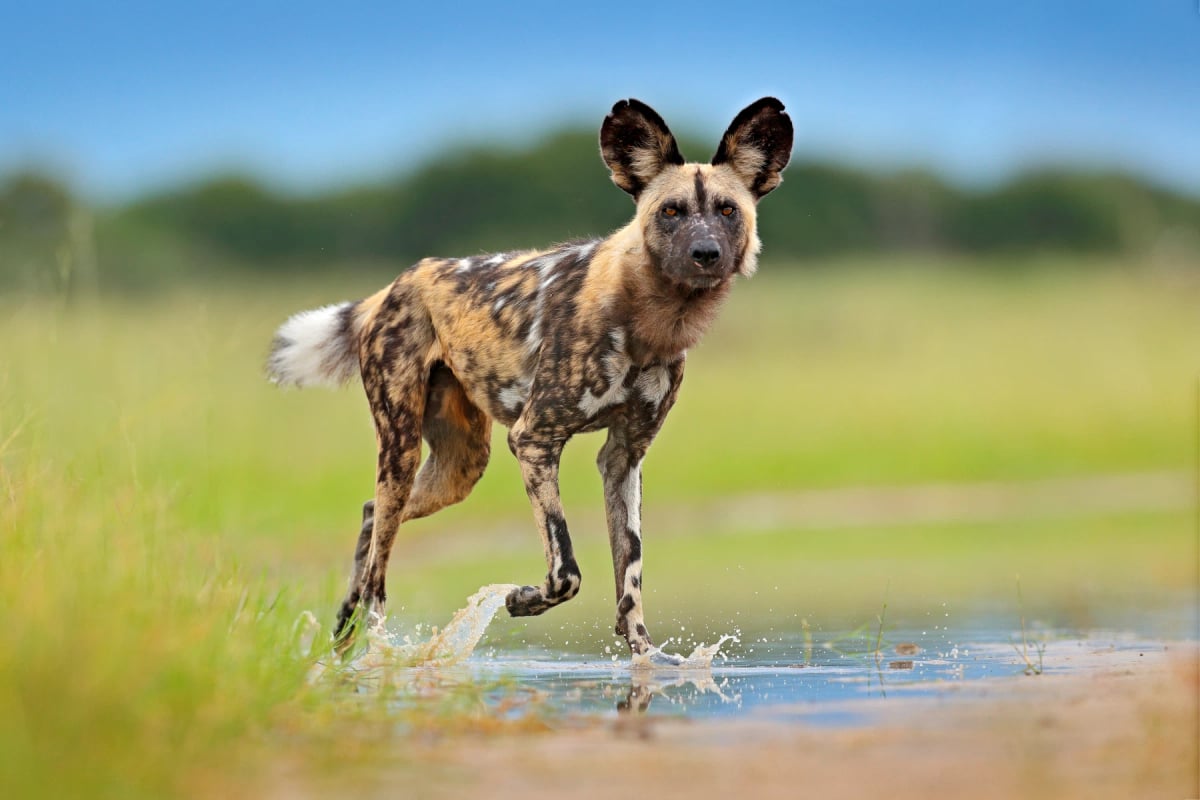
Wild Dog
Lycaon pictus
The African wild dog has a very limited presence in Malawi, with the Nyika Plateau and Liwonde National Park among the areas where sightings have been recorded. The species was historically more widespread but has declined sharply due to habitat fragmentation and human pressure. Reintroduction efforts have been explored as a way to restore a more stable population in protected areas across the country. IUCN status: Endangered.
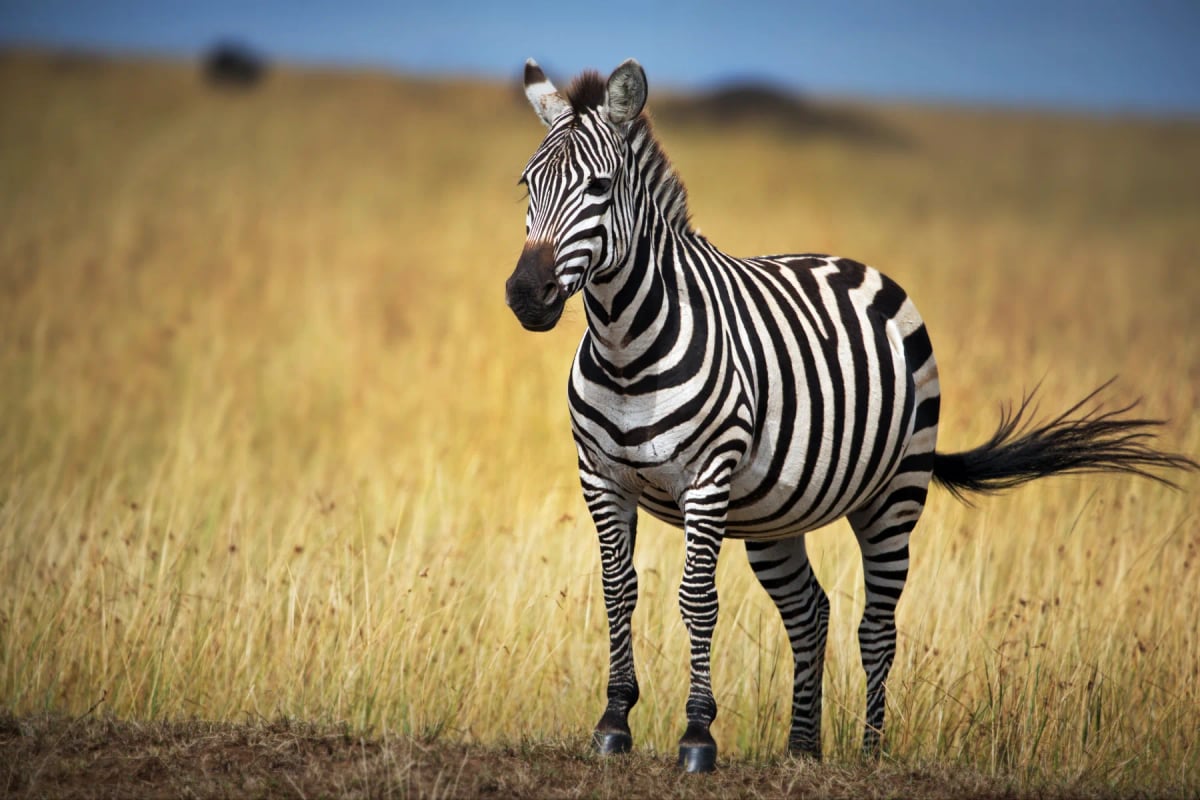
Zebra
Equus spp.
In Malawi, plains zebras are found in several protected areas, including Liwonde, Vwaza Marsh and Nyika National Park, where they graze open grassland and miombo woodland. Numbers fell sharply during periods of heavy poaching in the late twentieth century, but conservation programs and stronger park management have helped several populations recover. Zebras now rank among the more reliably seen large mammals on safari drives in Malawi's main reserves.
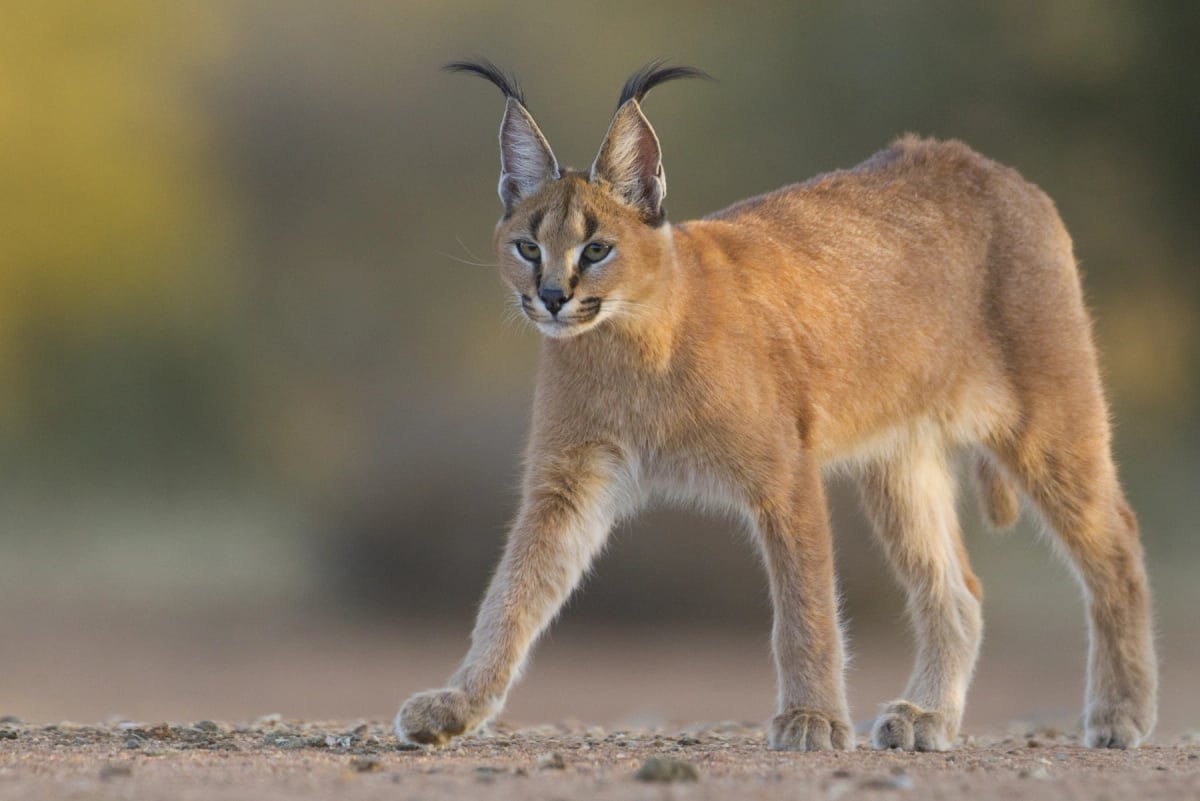
Caracal
Caracal caracal
The caracal is present in Malawi across miombo woodlands and the more open, rocky escarpments bordering the Rift Valley. It preys on small antelopes, hares, and birds, relying on dense cover and boulders for ambush. Pressure from expanding agriculture and retaliatory killing by livestock farmers poses a threat to its numbers in the country. The IUCN currently classifies the species as Least Concern.
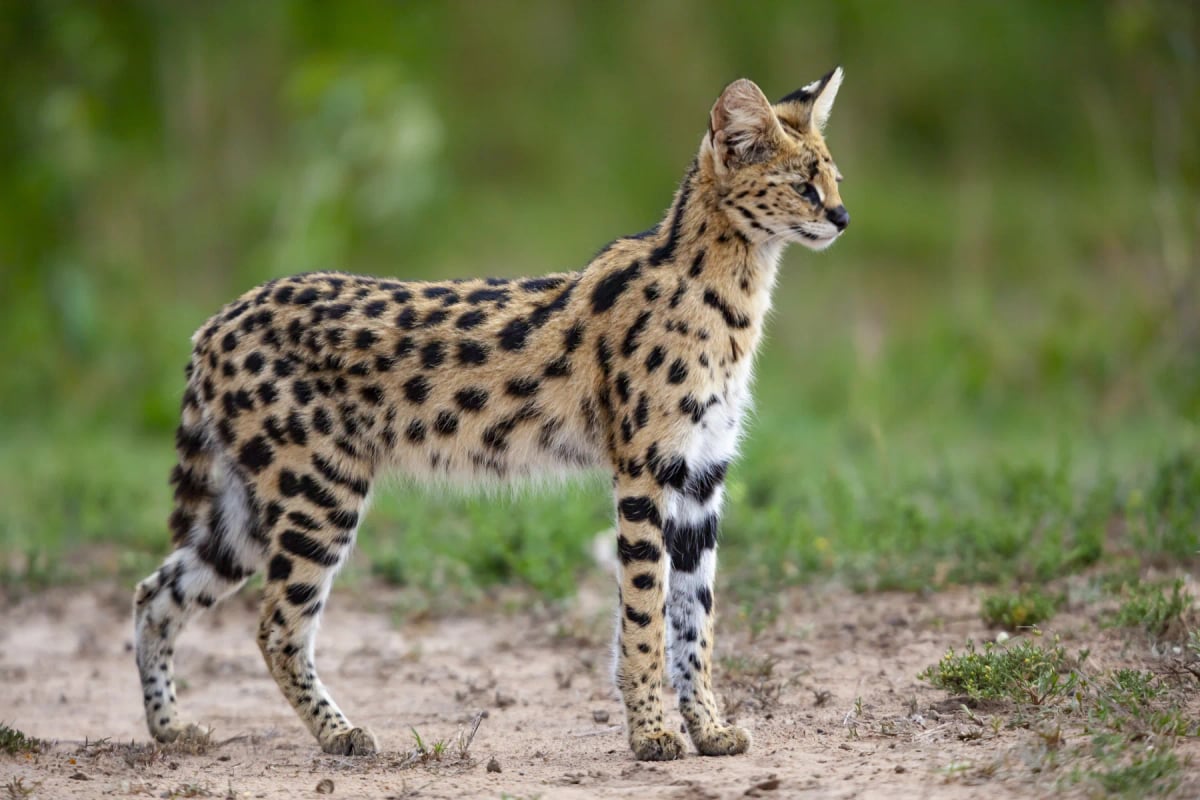
Serval
Leptailurus serval
Servals are found in the wetland margins and moist grasslands of Malawi, particularly around the shores of Lake Malawi and in protected areas such as Nyika National Park. They hunt alone at dusk, relying on their sharp hearing to locate rodents. The IUCN lists the serval as Least Concern, though in Malawi the trade in pelts and loss of wetland habitat remain genuine concerns for local populations.
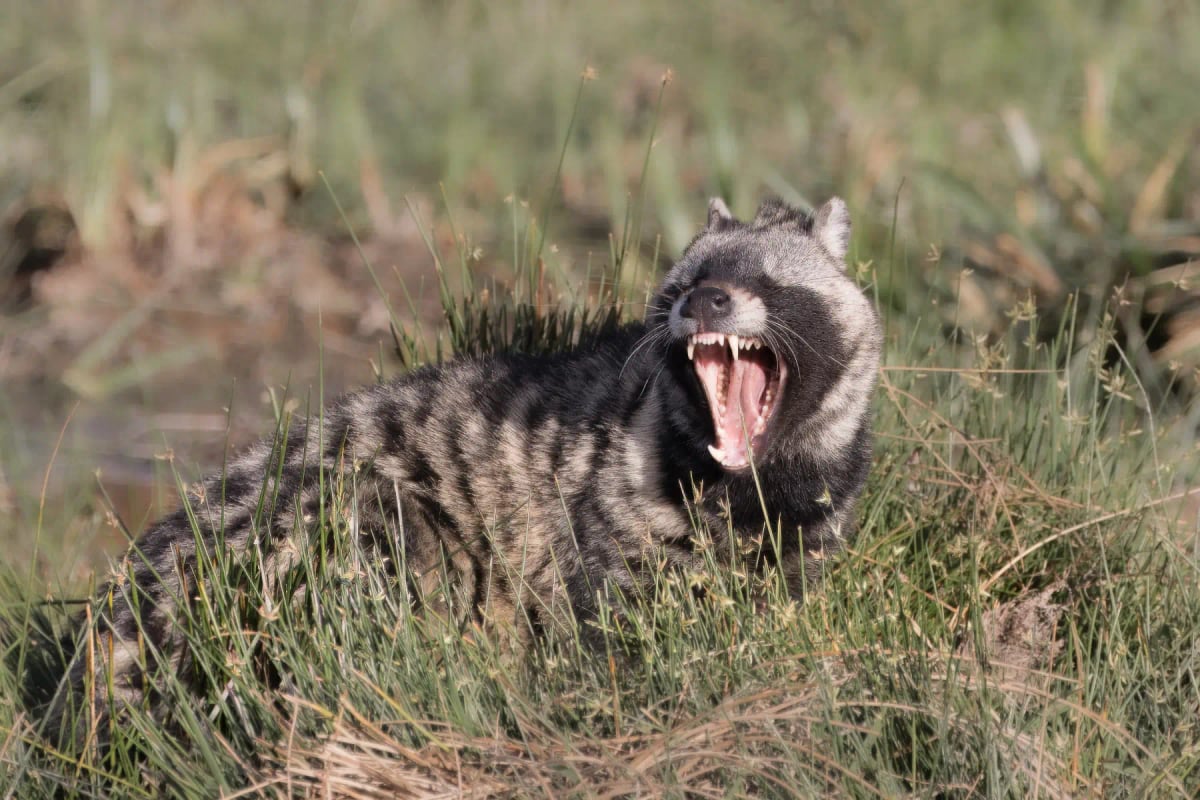
African Civet
Civettictis civetta
The African civet is found throughout Malawi in the rift valley forests, miombo woodlands and riverine strips along Lake Malawi's shores and the Shire River valley. Liwonde National Park is the most reliable site for nocturnal sightings. Agricultural pressure on habitat is high across the country, making protected areas increasingly essential for maintaining viable civet populations in this densely farmed landscape.
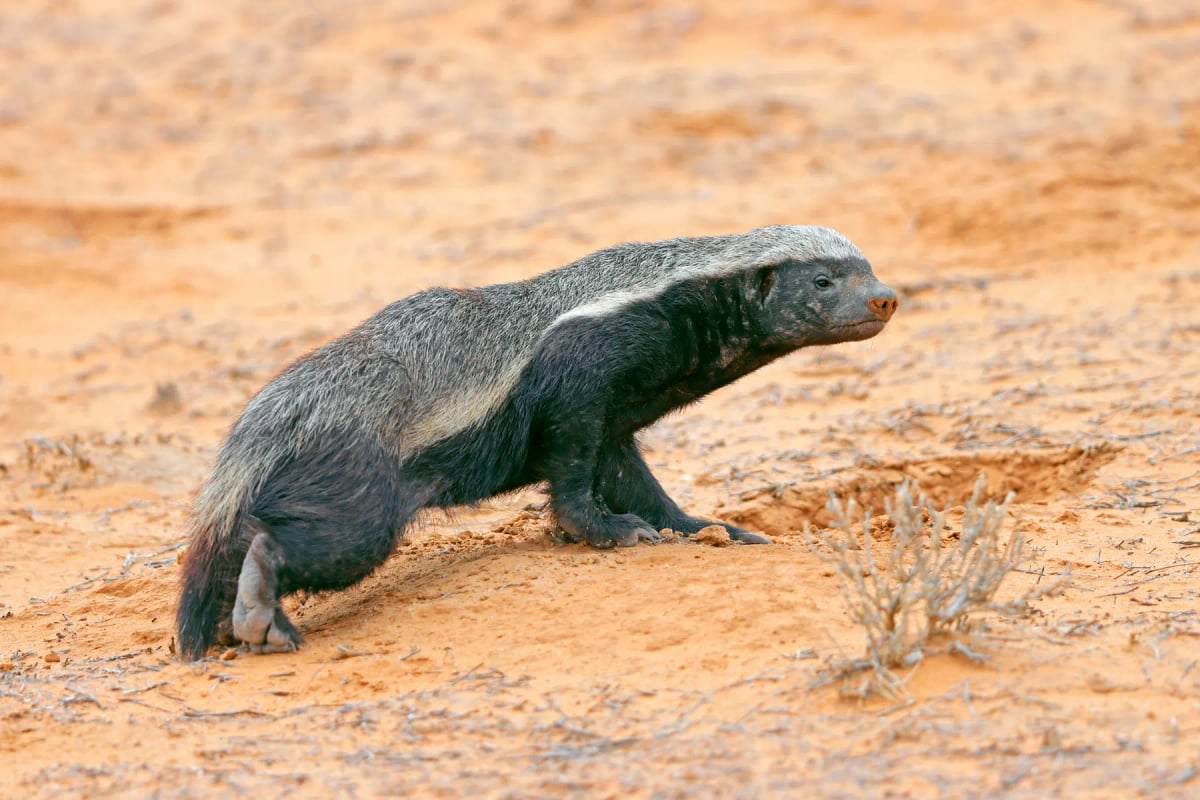
Honey Badger
Mellivora capensis
The honey badger is found across Malawi in miombo woodland and savanna habitats, including areas near Lake Malawi and the country's protected reserves. It digs for rodents, insects and reptiles and is known to raid beehives, sometimes bringing it into conflict with local beekeepers. Its low population density and nocturnal habits make sightings uncommon. The IUCN lists the species as Least Concern across its broader range.
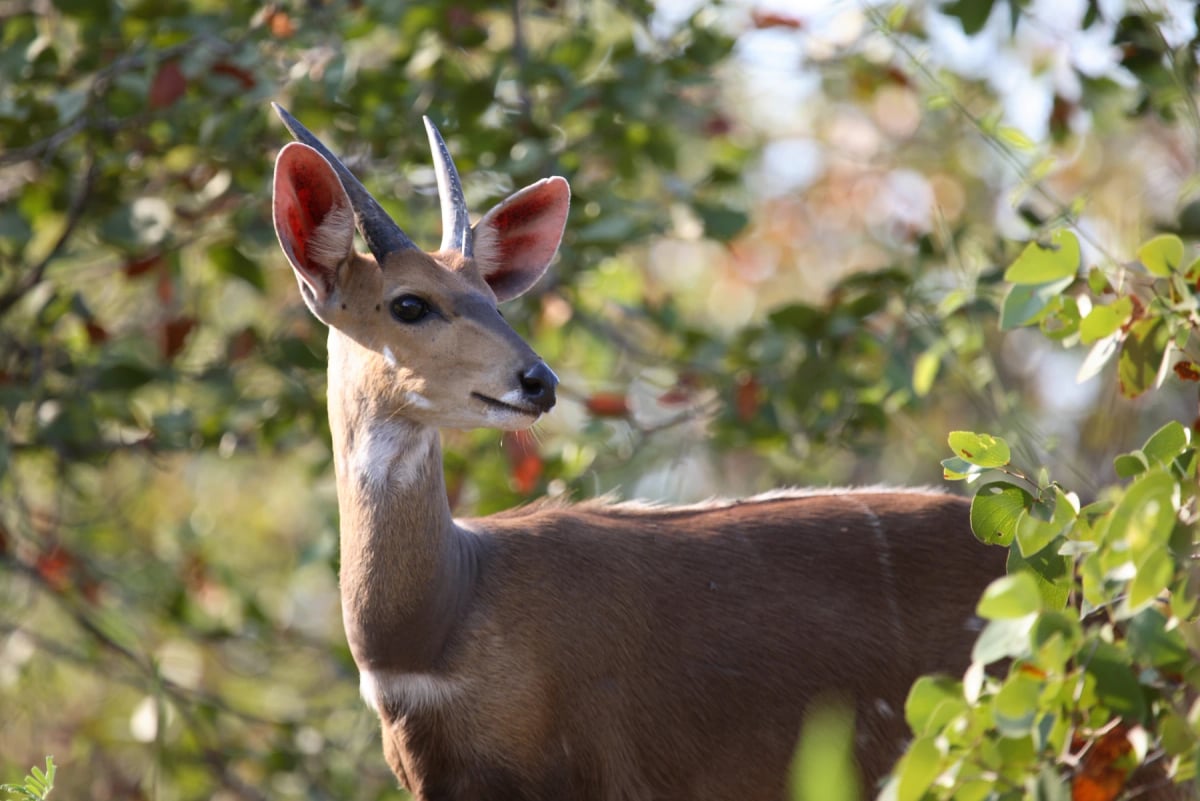
Bushbuck
Tragelaphus scriptus
Malawi's bushbucks inhabit the miombo woodlands and dense thickets that characterize much of the country's landscape. These medium sized antelopes browse solitary through vegetation dense enough to provide shelter from predators. Males display the species' distinctive spiraled horns, while females lack horns entirely. Their reddish brown coats with white spots enable camouflage within shaded woodland environments where they feed primarily at dusk and dawn.
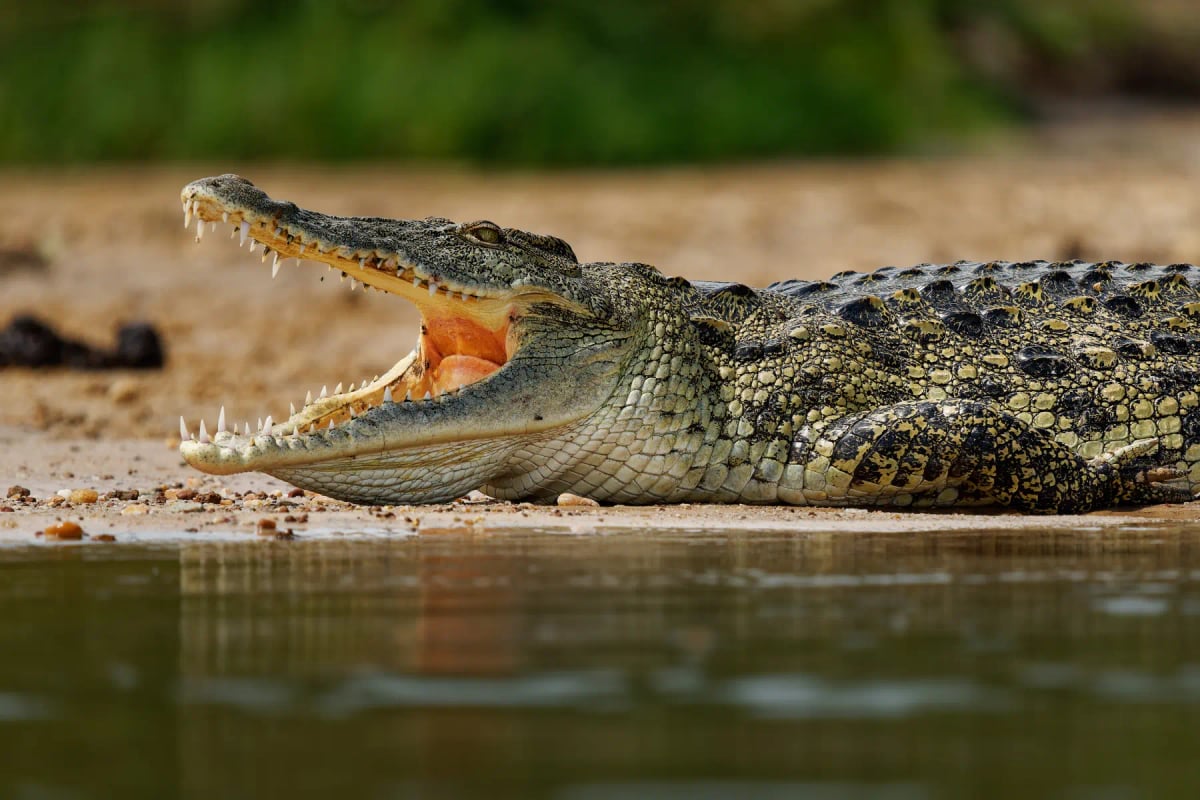
Nile Crocodile
Crocodylus niloticus
Lake Malawi and the Shire River are the main strongholds of the Nile crocodile in Malawi. The Shire River, which flows south from the lake through Liwonde National Park, supports a healthy population within a protected setting. These reptiles play a vital role in maintaining the balance of aquatic ecosystems. The IUCN considers the species Least Concern, but encounters between crocodiles and people living along the lakeshore remain a real and ongoing concern.
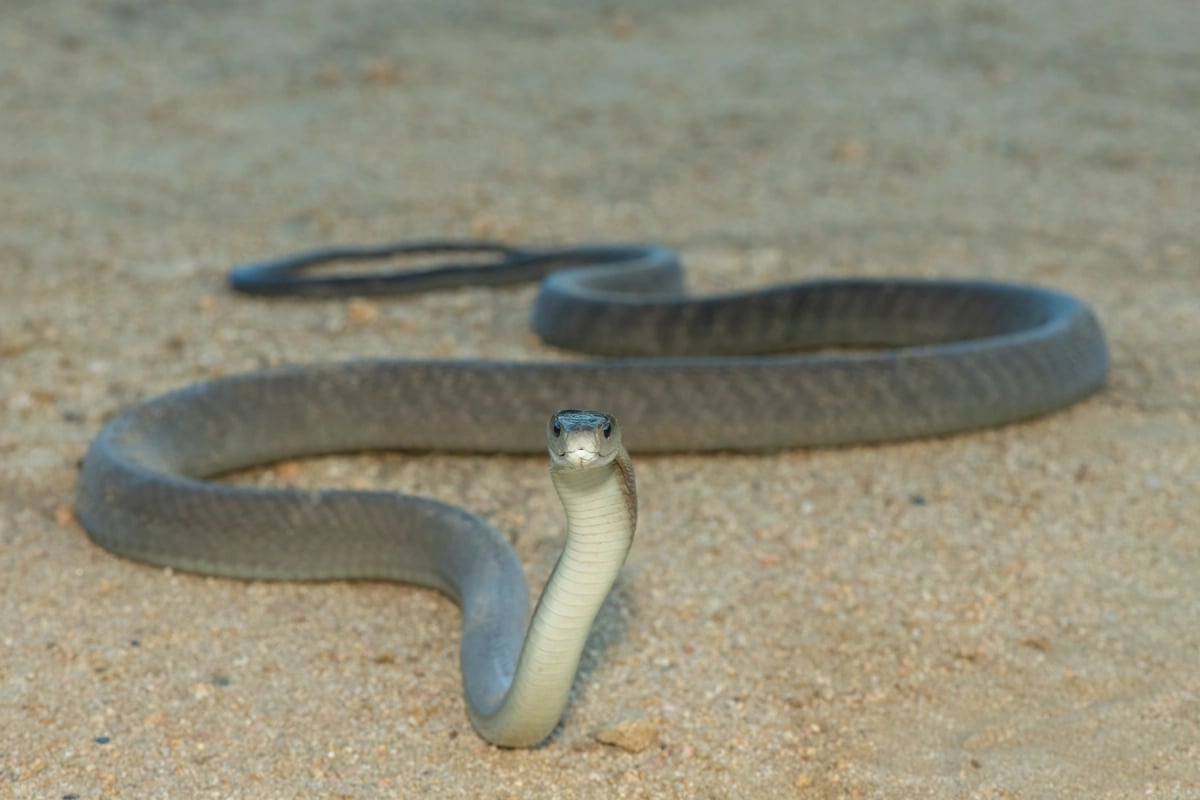
Black Mamba
Dendroaspis polylepis
In Malawi, the black mamba (Dendroaspis polylepis) is found in miombo woodlands, rocky slopes and savanna habitats throughout much of the country. It preys on birds and small mammals, dispatching them swiftly with a neurotoxic venom that can cause respiratory failure within hours if untreated. Listed as Least Concern by the IUCN, it is considered one of the most dangerous snakes encountered in rural parts of Malawi.
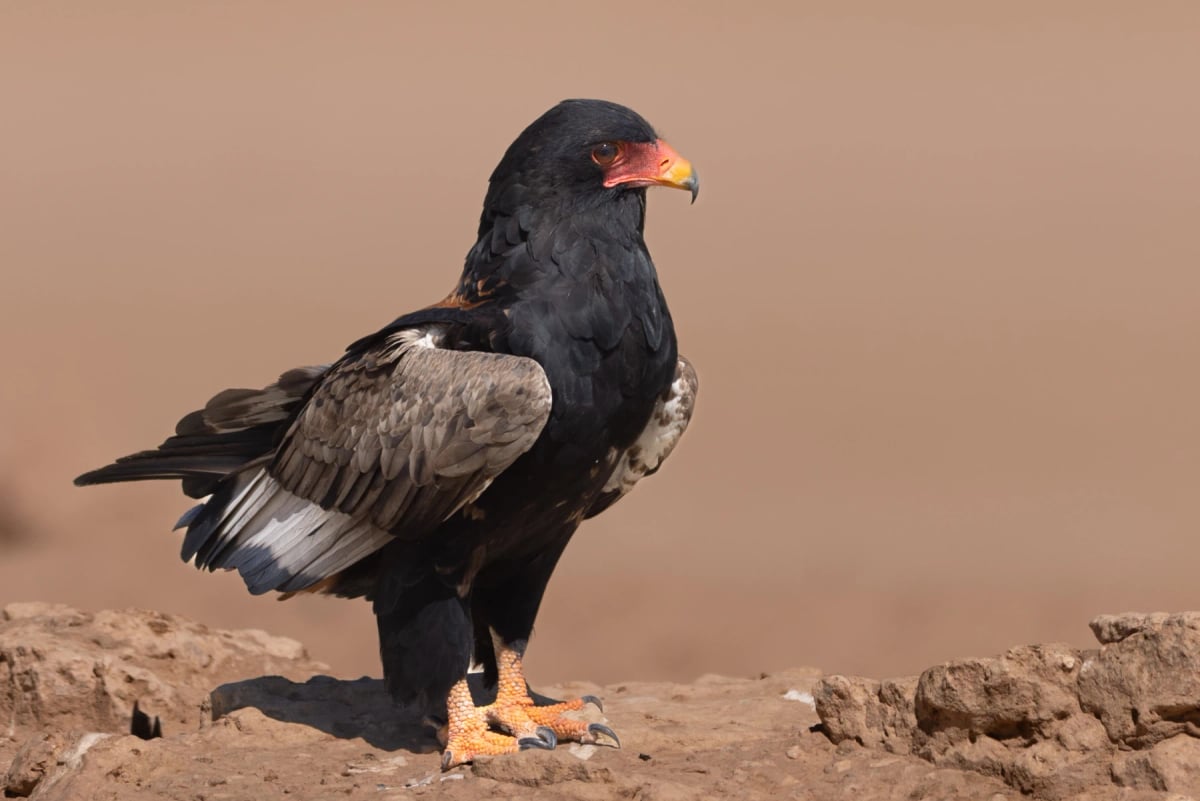
Bateleur
Terathopius ecaudatus
The Bateleur is an uncommon visitor across Malawi's open woodlands and savanna areas, with sightings most frequent around Liwonde National Park and the Shire Valley. It soars in wide arcs searching for carrion and small prey, its vivid red face and rocking flight making it unmistakable. Classified as Endangered by the IUCN, it faces threats from habitat loss and poisoning across its range.
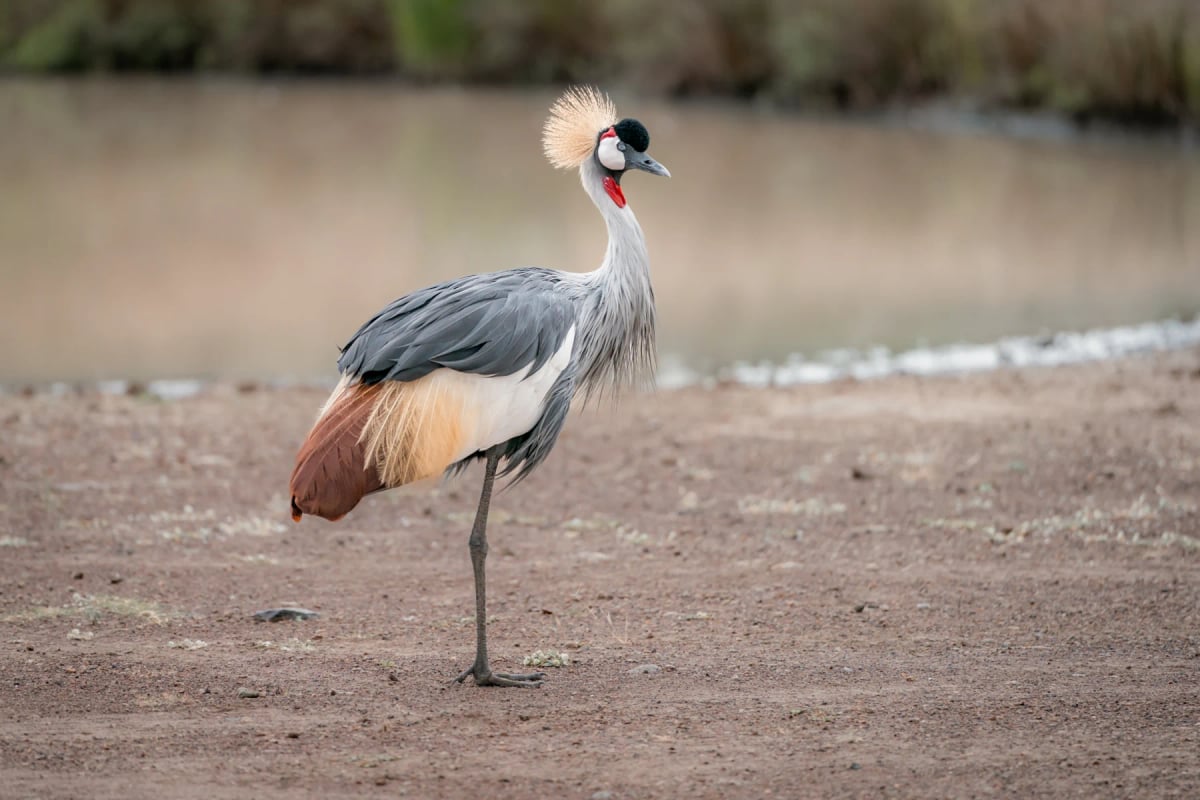
Grey Crowned Crane
Balearica regulorum
The Grey Crowned Crane is present in Malawi's wetlands and grasslands, particularly in the northern and central regions where suitable habitat remains. It forages in moist areas and farmland, feeding on seeds, insects, and small frogs. Wetland drainage for agriculture has reduced available habitat across the country. Malawi's conservation areas offer some protection, but pressure on wetland ecosystems continues. The species carries Endangered status globally, with a total population of around 25,000 to 35,000 birds.
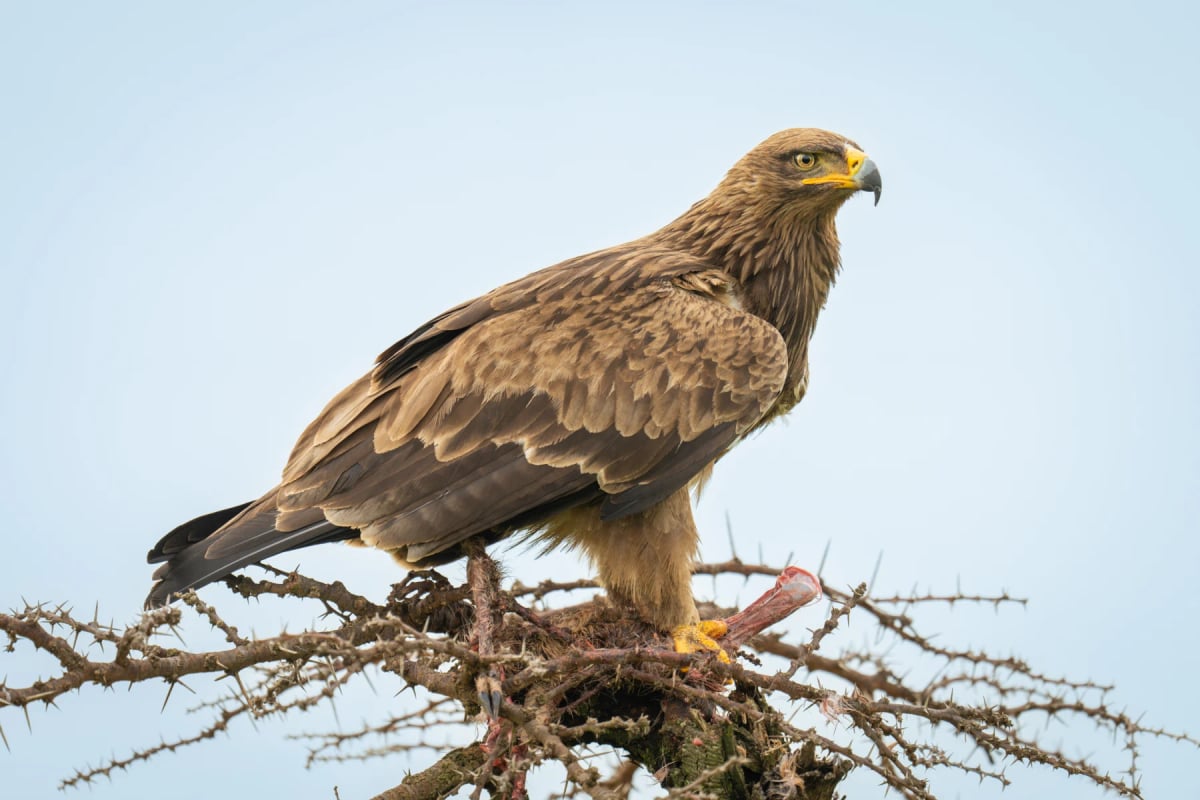
Steppe Eagle
Aquila nipalensis
Malawi's open woodlands and grasslands in the Rift Valley region provide wintering habitat for the Steppe Eagle as it travels south from its Central Asian breeding grounds. The species tends to favour areas with abundant termite activity or carrion, both of which occur in Malawi's miombo zones. The IUCN classifies this eagle as Endangered, with a global population of around 30,000 individuals continuing to fall.
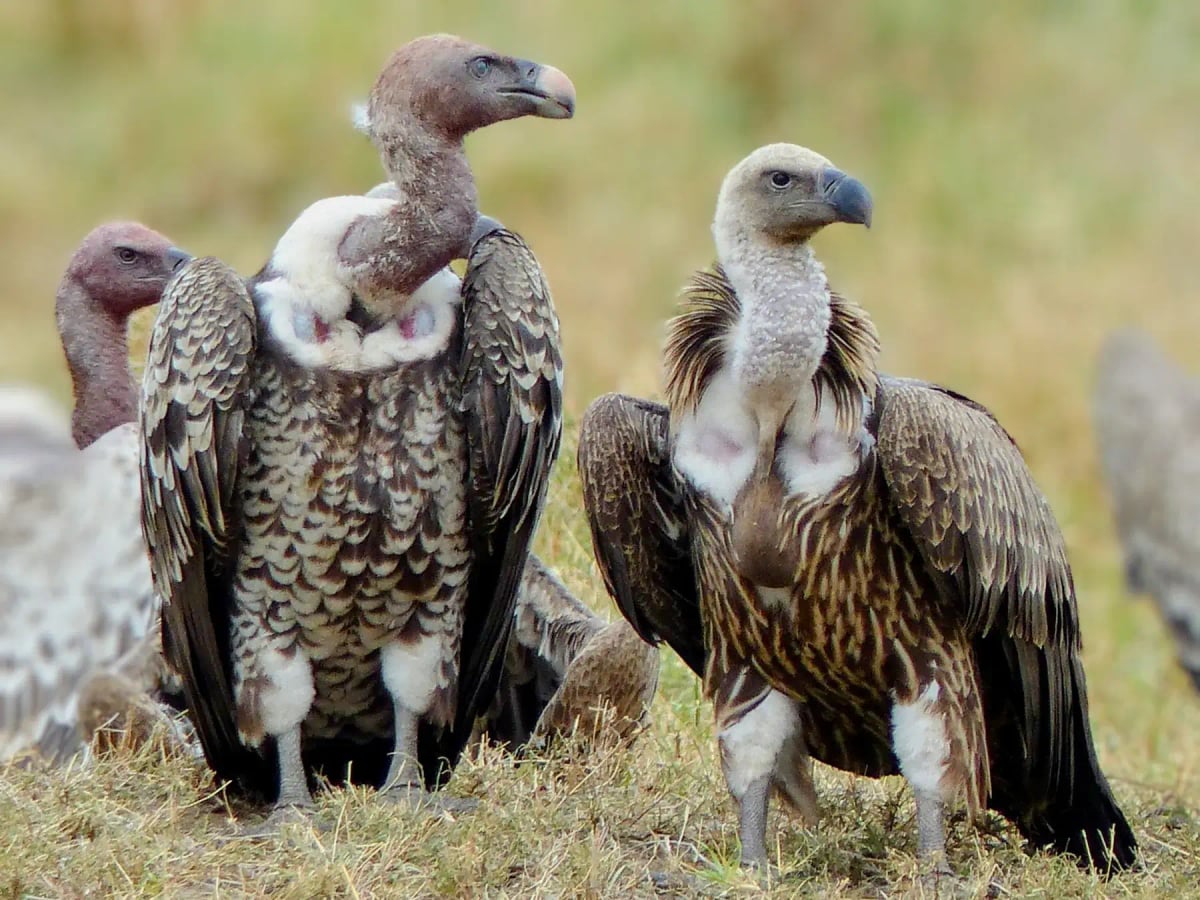
White backed Vulture
Gyps africanus
The white backed vulture is found across Malawi's national parks, including Liwonde and Kasungu, where large mammal populations provide reliable food sources. Critically endangered, this bird faces serious threats from poisoning and habitat loss. Its strong stomach acid neutralises deadly pathogens in carcasses, making it vital to ecosystem health. Conservation efforts in Malawi's protected areas are essential to its survival over the long term.
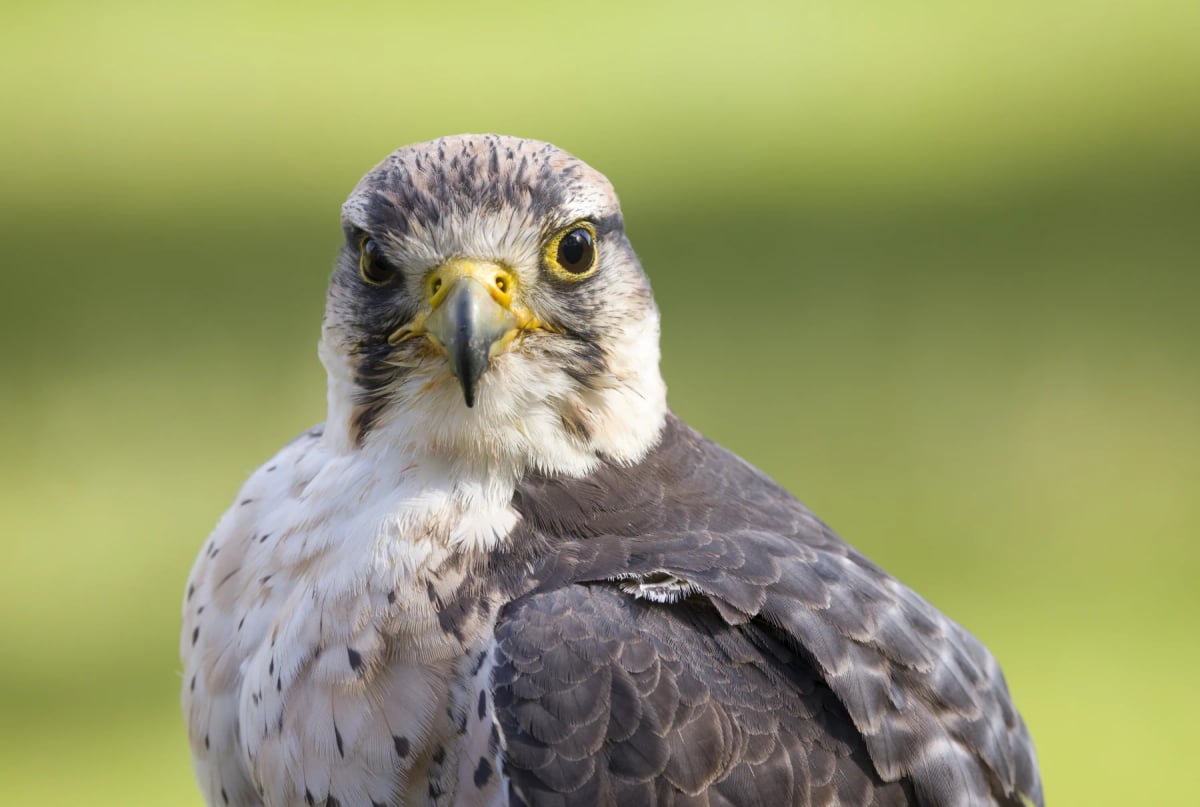
Lanner Falcon
Falco biarmicus
The lanner falcon is a resident species in Malawi, found in open woodlands, rocky areas, and grasslands, including around the escarpments bordering the Rift Valley. It preys mainly on birds, which it catches in fast, low pursuit flights. Malawi's varied terrain supports a healthy raptor community, and the lanner is recorded across several regions of the country. It is not currently under significant threat here. IUCN status: Least Concern.
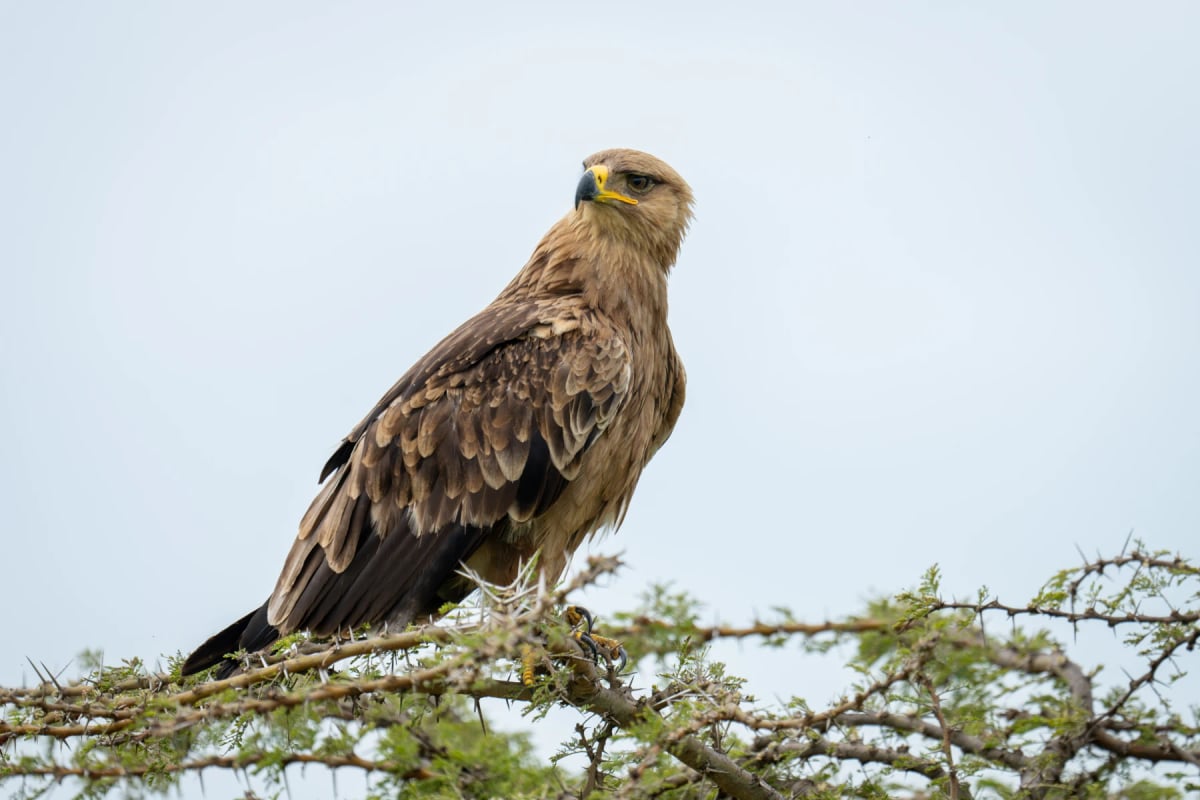
Tawny Eagle
Aquila rapax
In Malawi, the tawny eagle is found in open woodland and savanna habitats, particularly in the lower-lying valleys and protected areas such as Liwonde National Park. It feeds on small animals and carrion, and is sometimes seen soaring above the Rift Valley escarpment. Pressure from deforestation and agricultural encroachment affects suitable habitat across the country. The IUCN lists the species as Vulnerable globally.
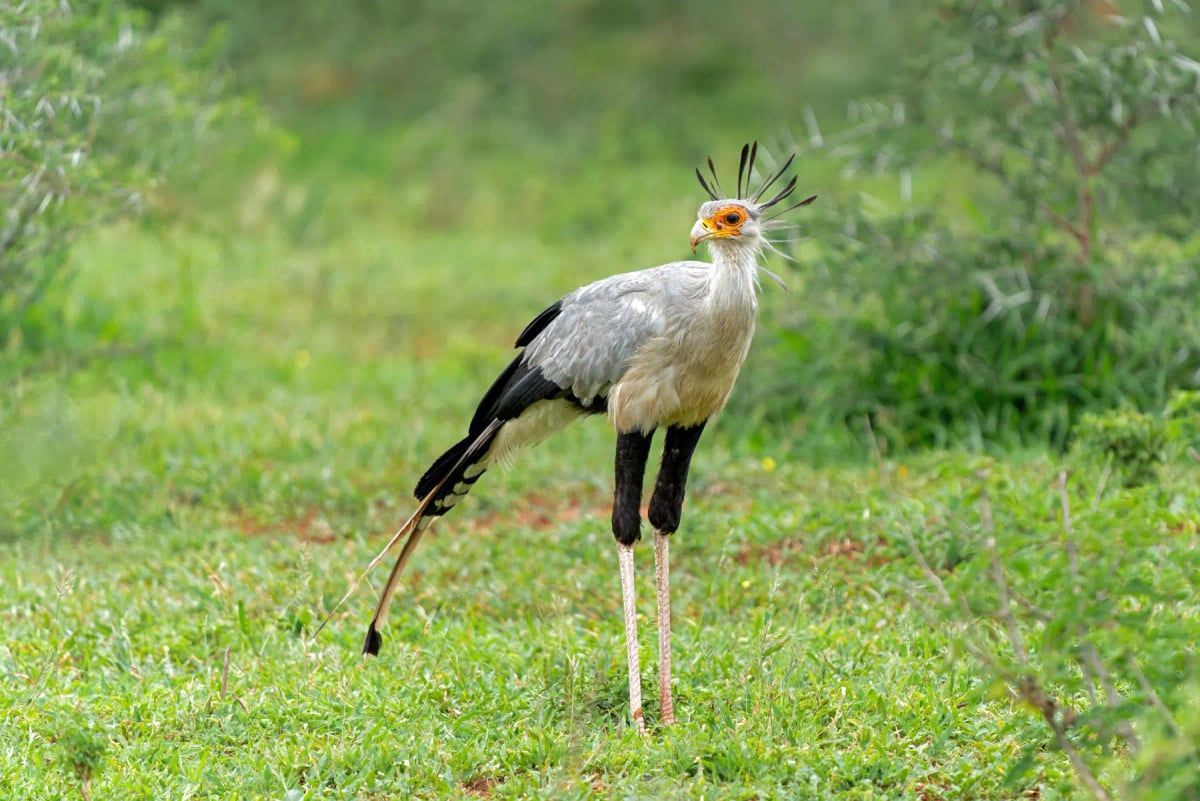
Secretary Bird
Sagittarius serpentarius
The secretary bird is present in Malawi in open grassland and savanna habitats, including areas within Liwonde National Park and the Vwaza Marsh Wildlife Reserve. It hunts on foot through tall grass and open plains, using forceful kicks to subdue prey. Malawi has experienced significant habitat loss due to agricultural expansion and high population density, which reduces available grassland for this Endangered species. Conservation of remaining protected areas is critical for the bird's future in the country.
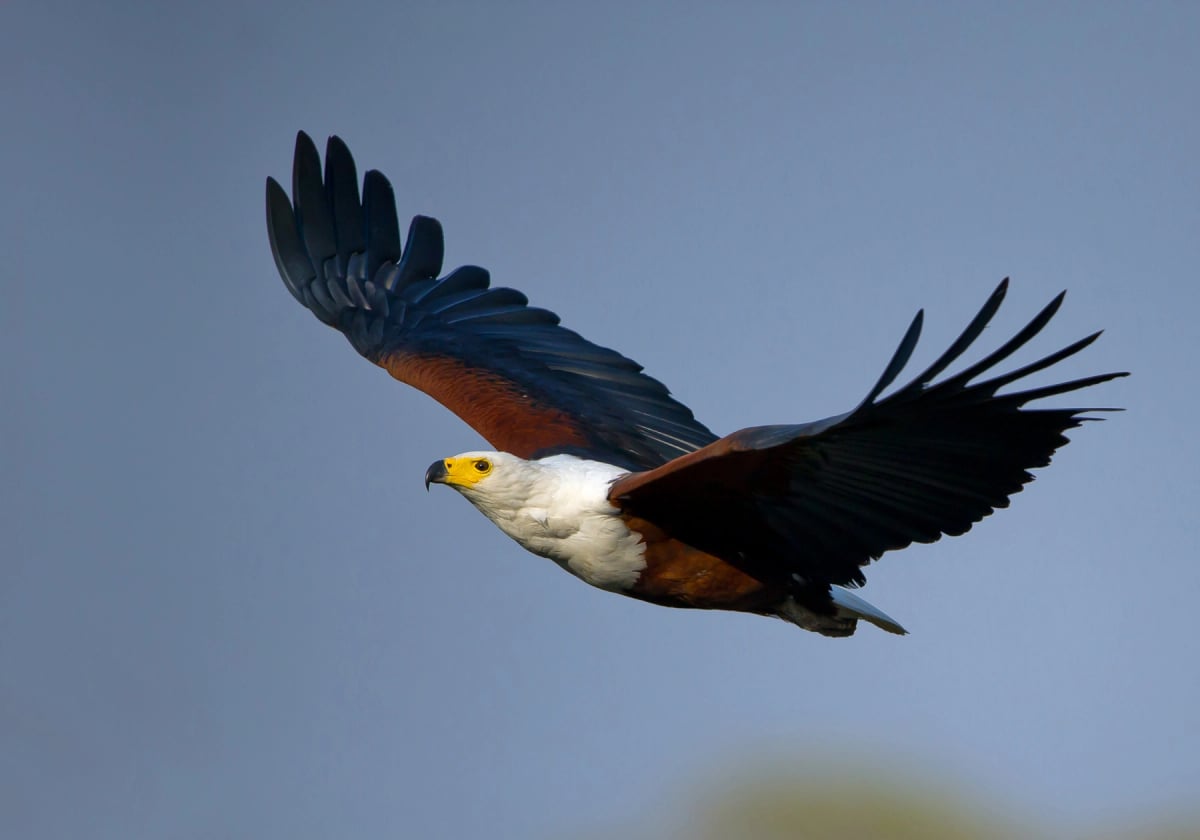
African Fish Eagle
Haliaeetus vocifer
The African fish eagle is one of the most iconic birds in Malawi and appears on the country's coat of arms. Lake Malawi, which covers nearly a fifth of the country's surface area, supports a large and visible population along its shores and islands. The bird is also common near Lake Chilwa, the Shire River and the wetlands of the Shire Valley in the south. Its call is a constant sound along Malawi's lakeshores throughout the year.
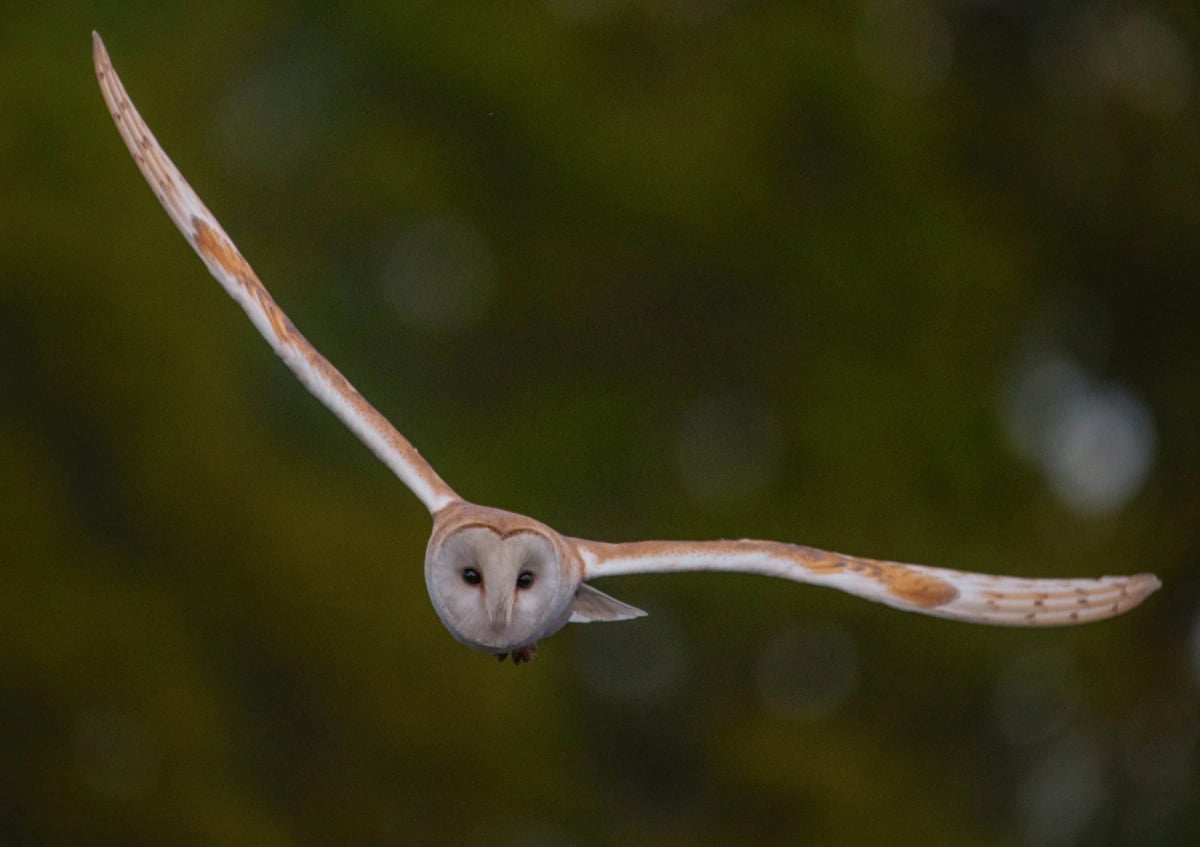
Barn Owl
Tyto alba
The barn owl is found across Malawi in open farmland, grassland, and areas near villages and towns from the lakeshore lowlands to the highland plateaus of the north and south. It nests in old buildings, cliff faces, and hollow trees, and hunts rodents at night with exceptional precision. In this heavily farmed country it plays a useful role in controlling the small mammal populations that damage stored maize and other crops. It is one of the more commonly encountered owls across Malawi's open agricultural landscapes.
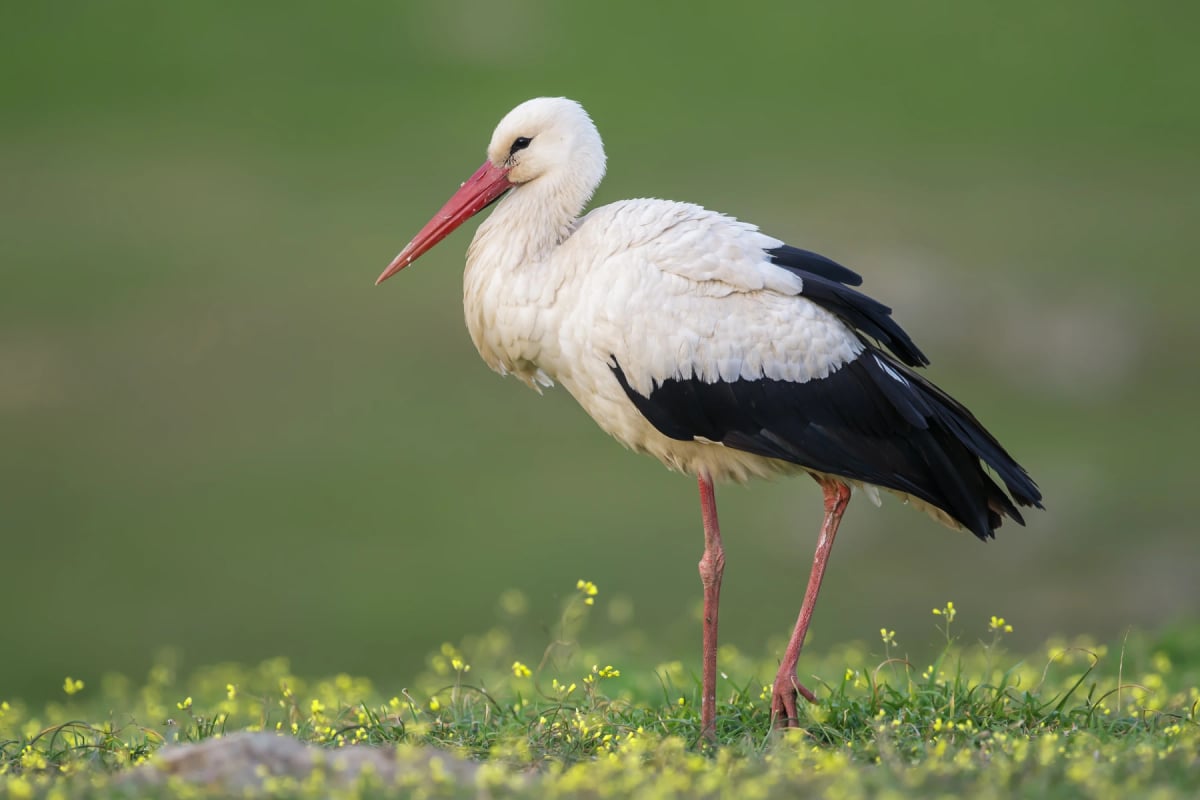
Stork
Ciconia ciconia
The white stork visits Malawi as a non-breeding migrant, passing through or wintering in open grasslands, floodplains, and the shores of Lake Malawi. Flocks often gather in agricultural areas where insects and small animals are easy to find after harvest. Standing nearly 1.15 metres tall, with white plumage and a red bill, it is hard to miss. The IUCN lists it as Least Concern.
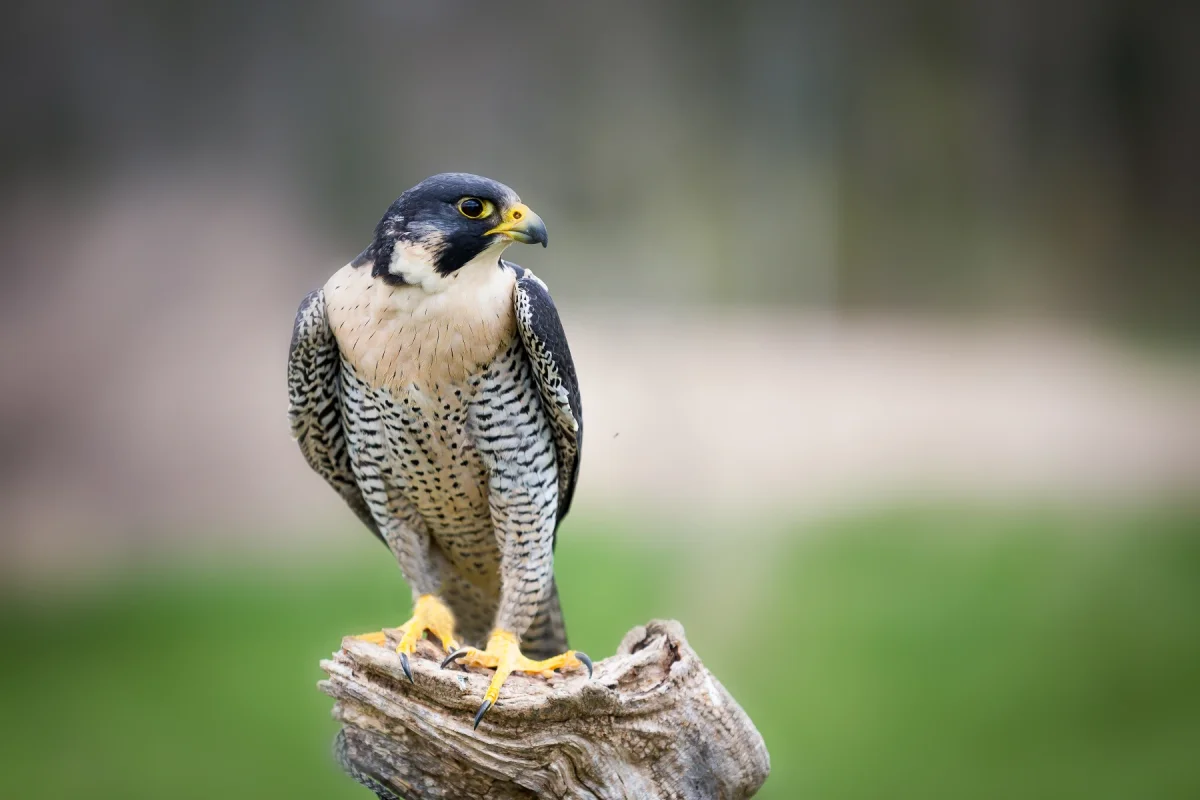
Peregrine Falcon
Falco peregrinus
The peregrine falcon is found in Malawi across highland regions and the dramatic escarpments that border the Great Rift Valley. The cliffs above Lake Malawi and the Nyika Plateau provide ideal nesting and hunting territory. This bird preys on other birds in open country, striking at speeds that can exceed 300 km/h. It is present year round in suitable habitat and is listed as Least Concern by the IUCN.
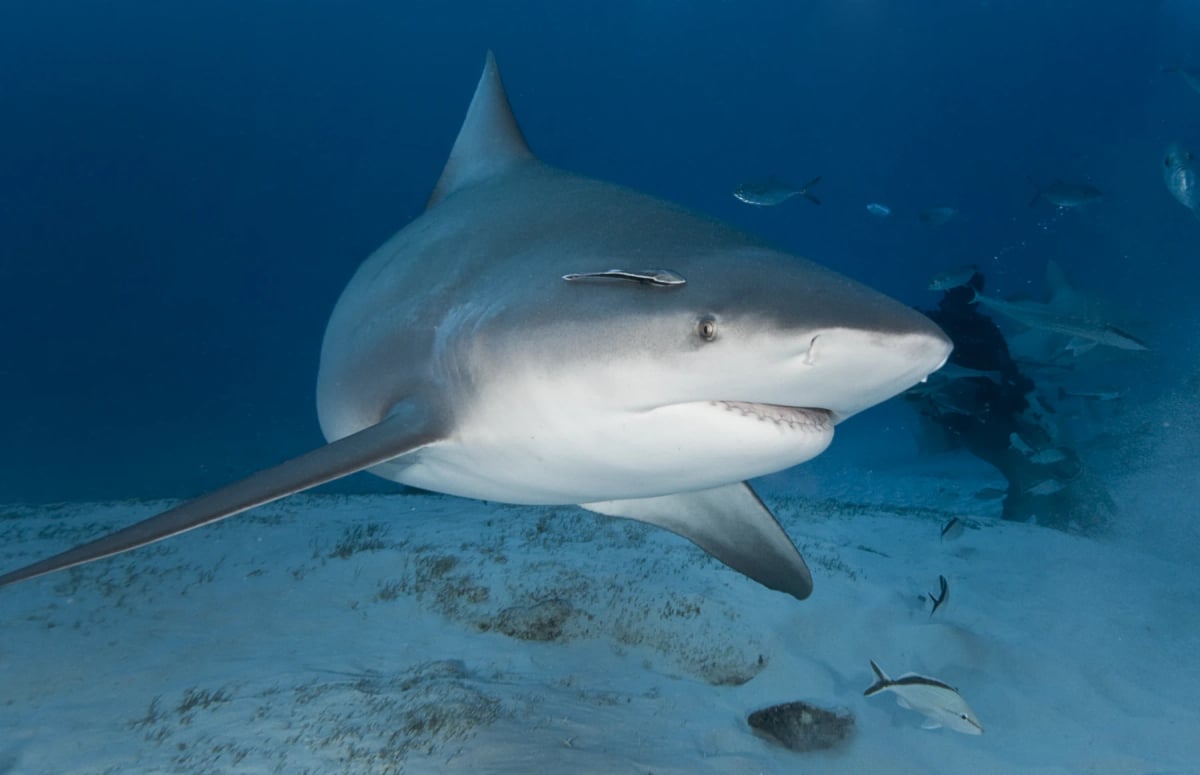
Bull Shark
Carcharhinus leucas
Lake Malawi is one of the few landlocked bodies of water where bull sharks have historically been recorded, having traveled up the Zambezi River system to reach it. Their presence in such a remote freshwater environment is a striking example of this species' extraordinary ability to osmoregulate. Sightings are rare today, and the population in this region, if it persists, remains very poorly understood.
Researched and written by Juan Pablo. Sources: IUCN Red List, scientific literature and regional field guides. Last updated: .