Animals in Chad
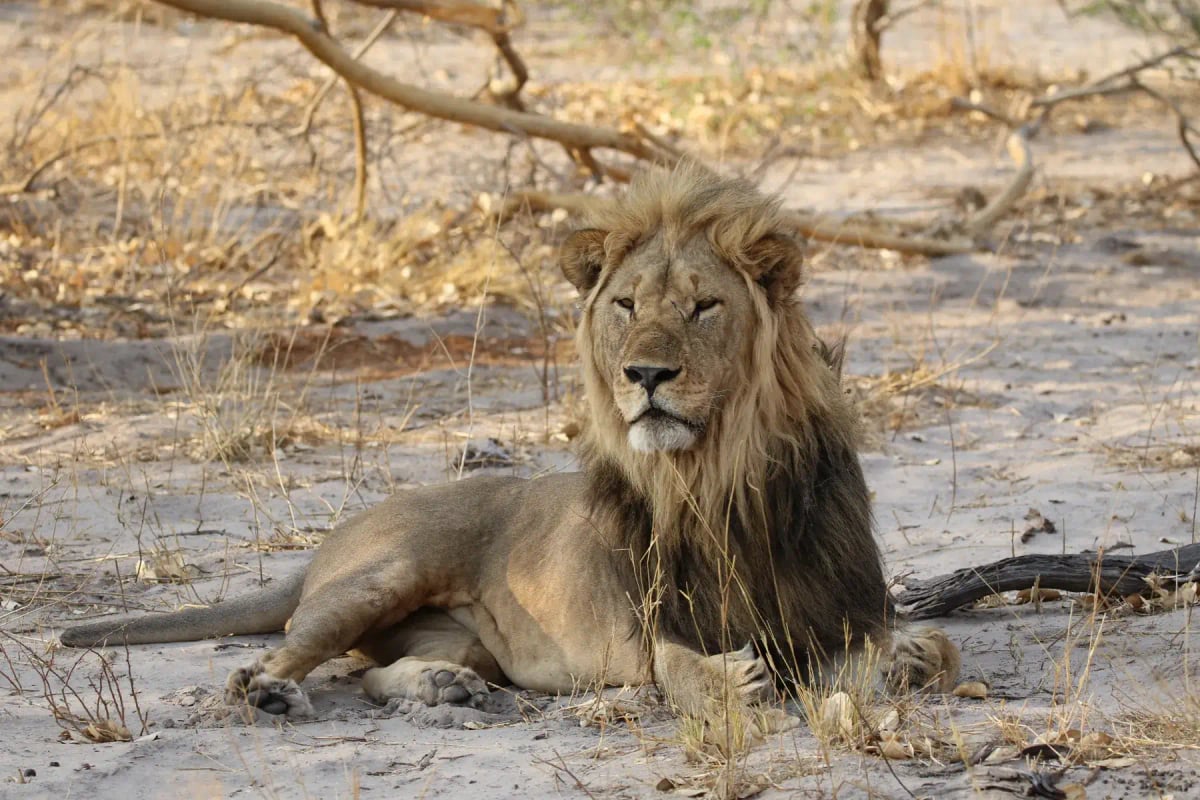
Lion
Panthera leo
The lion, Chad’s national animal, stands as a symbol of power and pride. Once widespread, it now survives mainly in protected reserves, where conservation programs seek to preserve its presence as part of the country’s natural and cultural heritage.
View details→Wildlife in Chad
Chad’s wildlife reflects its striking geography, stretching from the Sahara to the wetlands of Lake Chad. Lions, giraffes, cheetahs, elephants and desert specialists like the fennec fox inhabit dry savannas and floodplains that reveal the country’s remarkable ecological contrast.
Most Dangerous Animals in Chad
Wildlife in Chad that demands caution includes large mammals such as lions and elephants. These species occasionally cross rural areas and water zones. Guided expeditions and local knowledge are key to ensuring safe and respectful encounters in the wild.
Top 10 Animals in Chad
Chad’s most representative fauna includes lions, elephants, giraffes, cheetahs, hippos and fennec foxes. These species embody the transition from arid deserts to wetlands, making the country a significant yet underexplored destination for African wildlife observation.
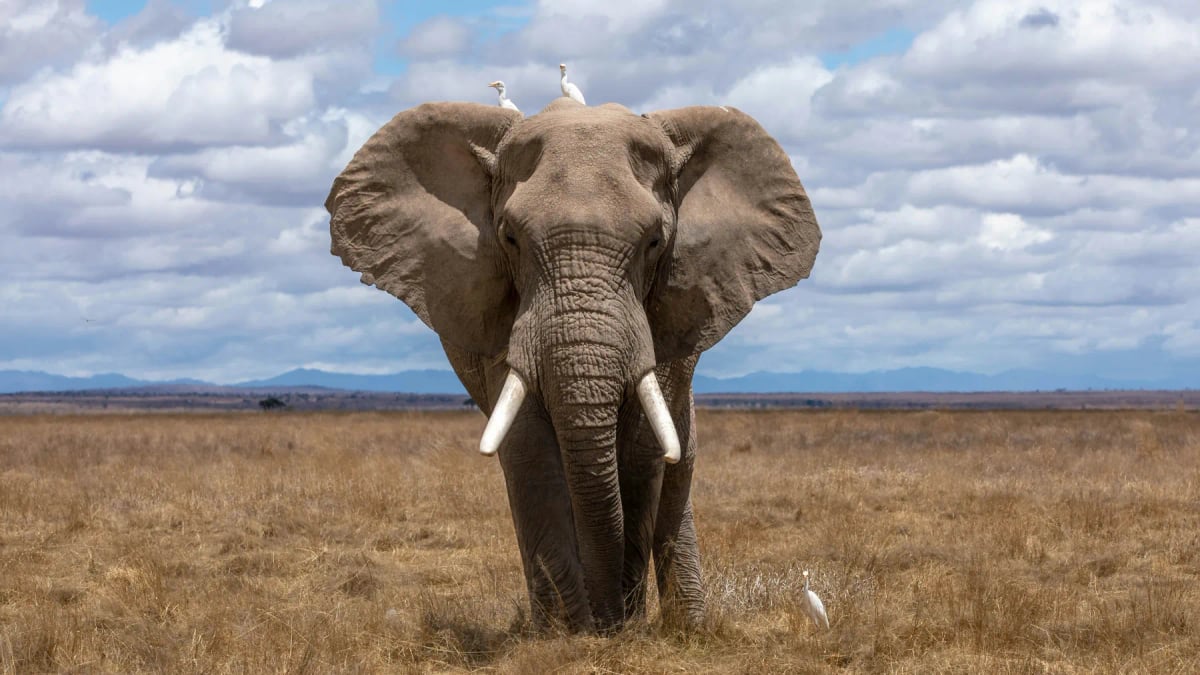
African Elephant
Loxodonta africana
Chad is home to one of Africa's most celebrated conservation comeback stories. Zakouma National Park saw its elephant population fall from around 4,000 in the early 2000s to under 500 by 2010 due to intense poaching. Under management by African Parks since 2010, the population has recovered to over 1,000 individuals. Zakouma's elephants represent a rare success story in central Africa and the park is now a growing ecotourism destination.
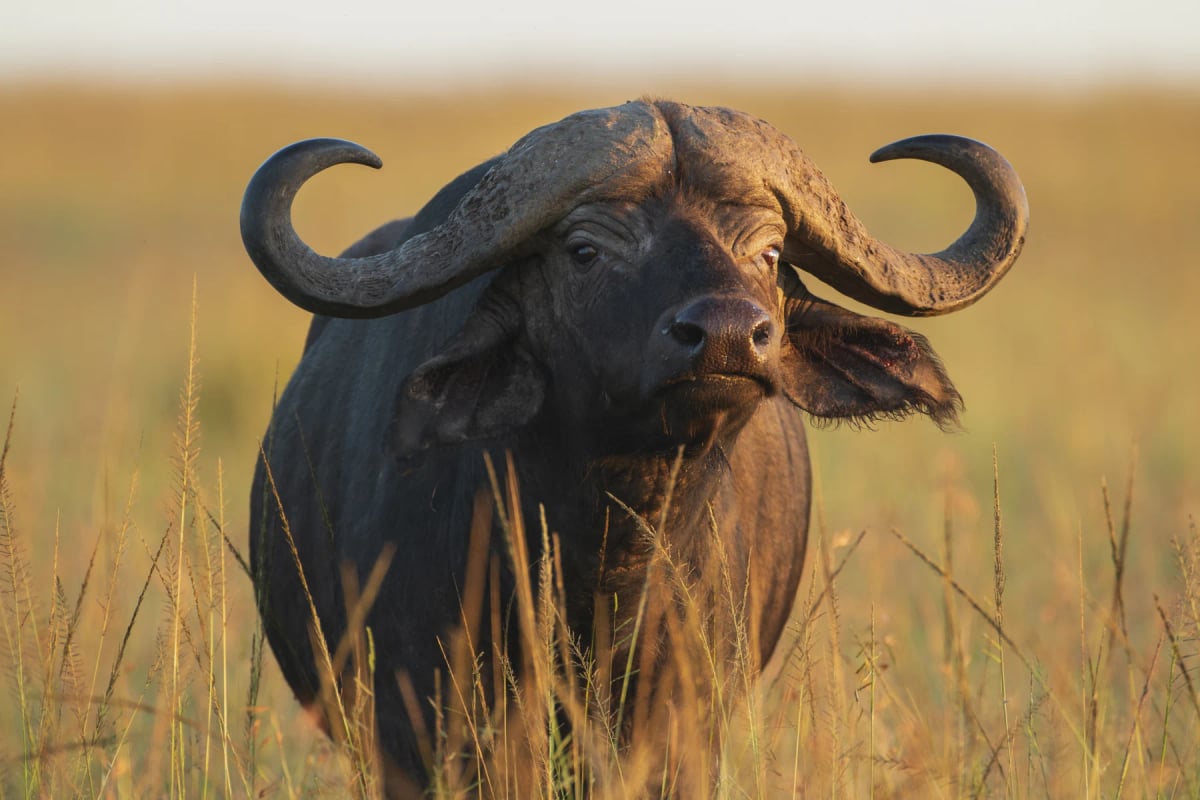
Buffalo
Syncerus caffer
In Chad, the African buffalo is found primarily in the southern savanna regions, particularly in Zakouma National Park, which has become one of the continent's most celebrated conservation success stories. After suffering dramatic losses to poaching in the early 2000s, buffalo numbers in Zakouma have rebounded significantly thanks to intensive protection efforts. The park's floodplain and woodland habitats are ideal for large herds. IUCN status: Least Concern.
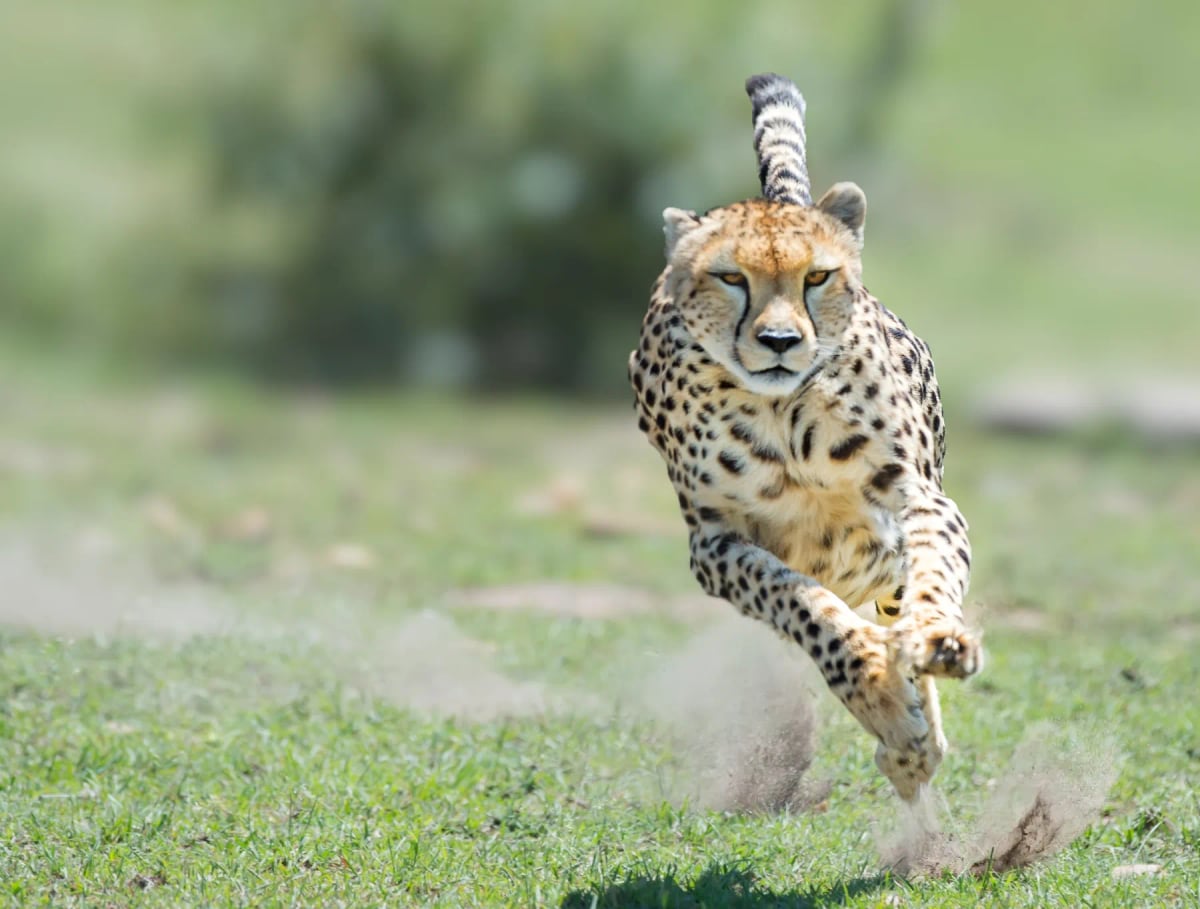
Cheetah
Acinonyx jubatus
Chad's cheetah population is spread across the Sahel and savanna regions in the south and center of the country. The Zakouma National Park area and surrounding landscapes provide some of the more intact habitat remaining. However, ongoing instability, low prey densities across much of the country, and limited conservation resources make monitoring difficult. Chad forms part of a wider central African population, and cross-border movement with neighboring countries is likely.
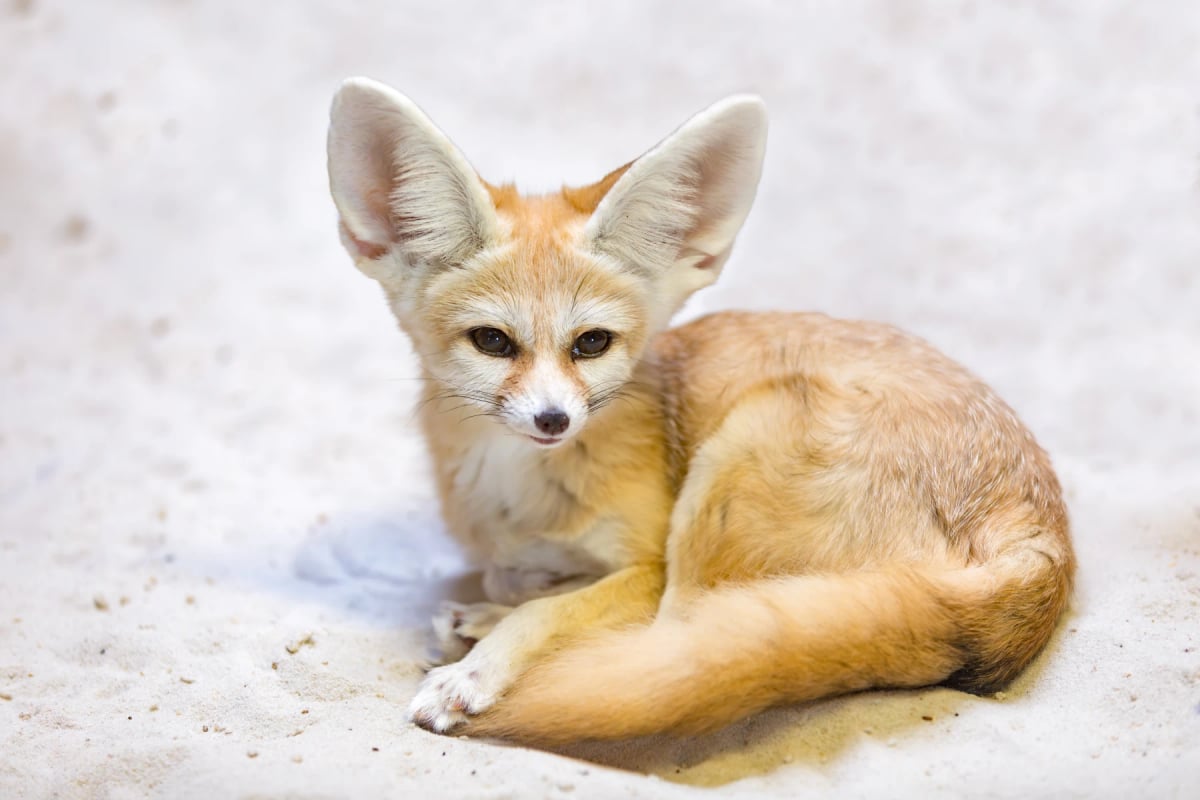
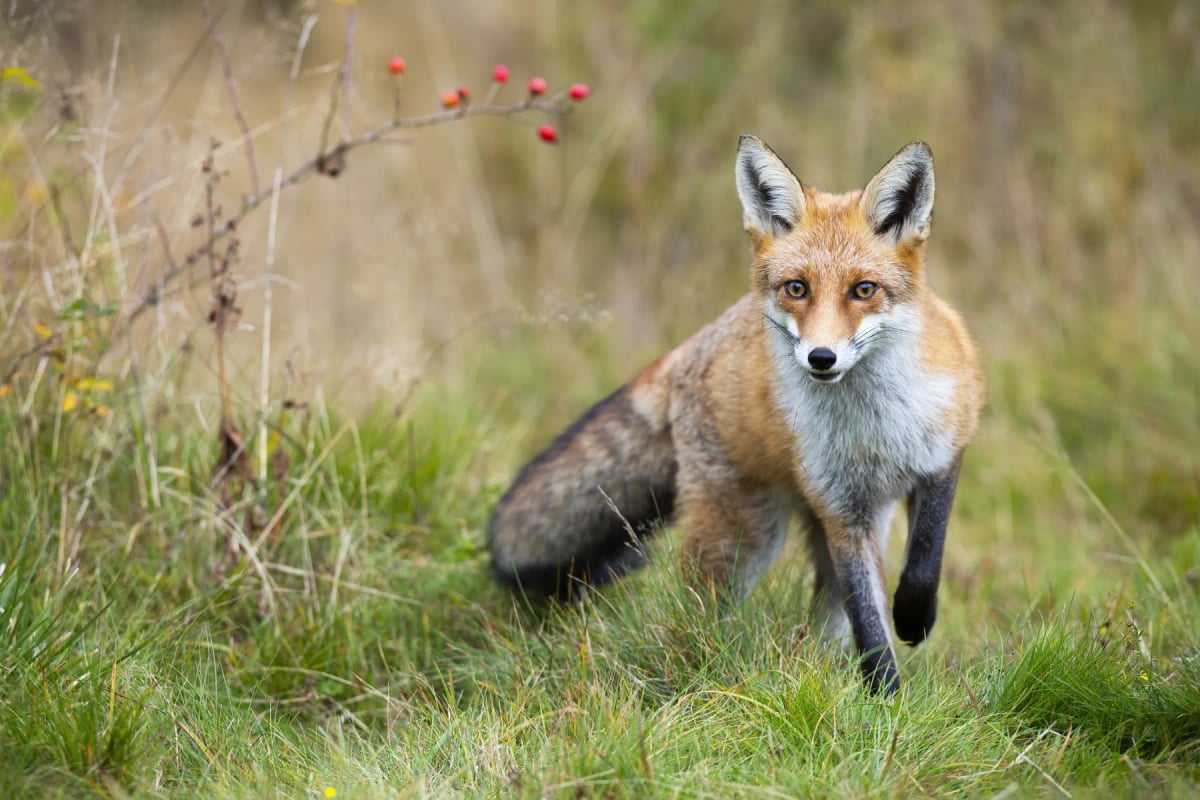
Fennec Fox
Vulpes zerda
In Chad, the fennec fox is found in the vast Saharan north, particularly in the Borkou and Ennedi regions where sandy dunes and rocky outcrops provide ideal habitat. It is a nocturnal hunter that survives the extreme heat by staying underground during the day. Local communities are generally familiar with its presence in the desert zones of the country.
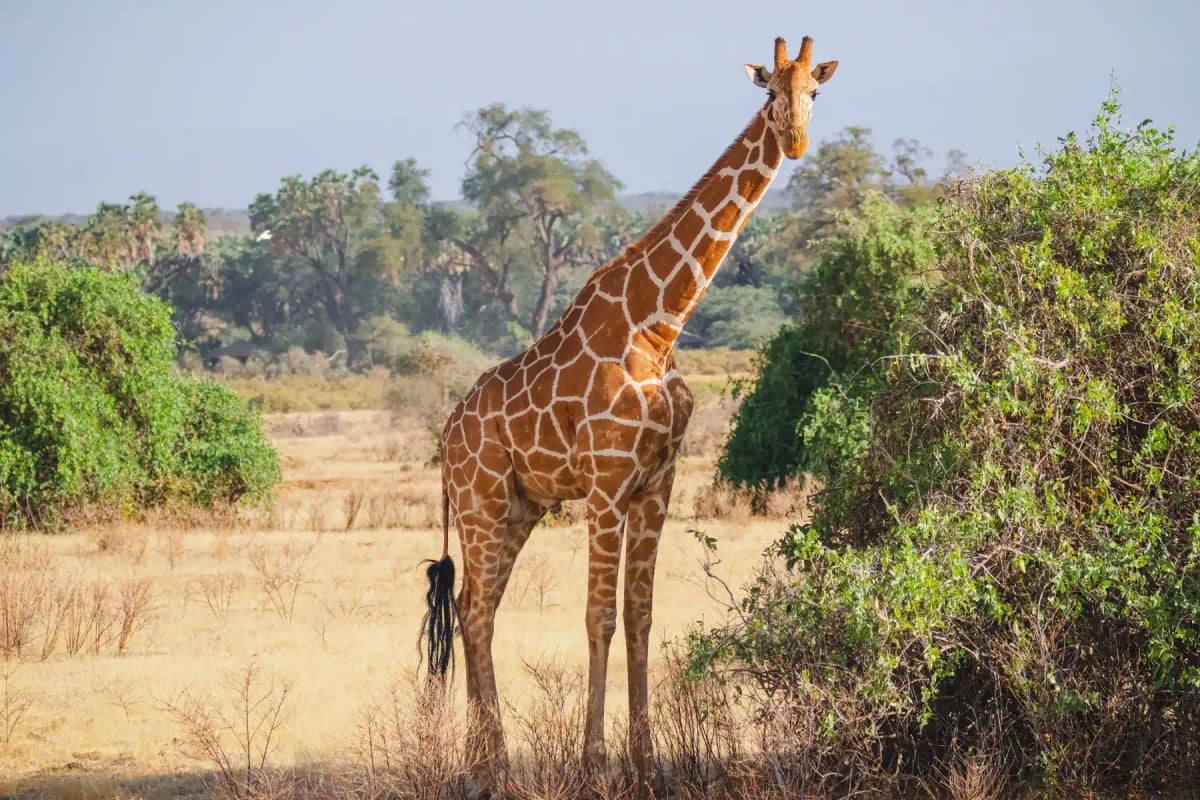
Giraffe
Giraffa camelopardalis
Chad holds one of the few remaining giraffe populations in West and Central Africa, found mainly in the Zakouma National Park area and surrounding regions in the south of the country. Conservation work led by African Parks has helped stabilize numbers after years of decline driven by poaching and habitat loss. The dry woodland and savanna of southern Chad provides ideal browsing conditions for these tall herbivores. Their IUCN status is Vulnerable.
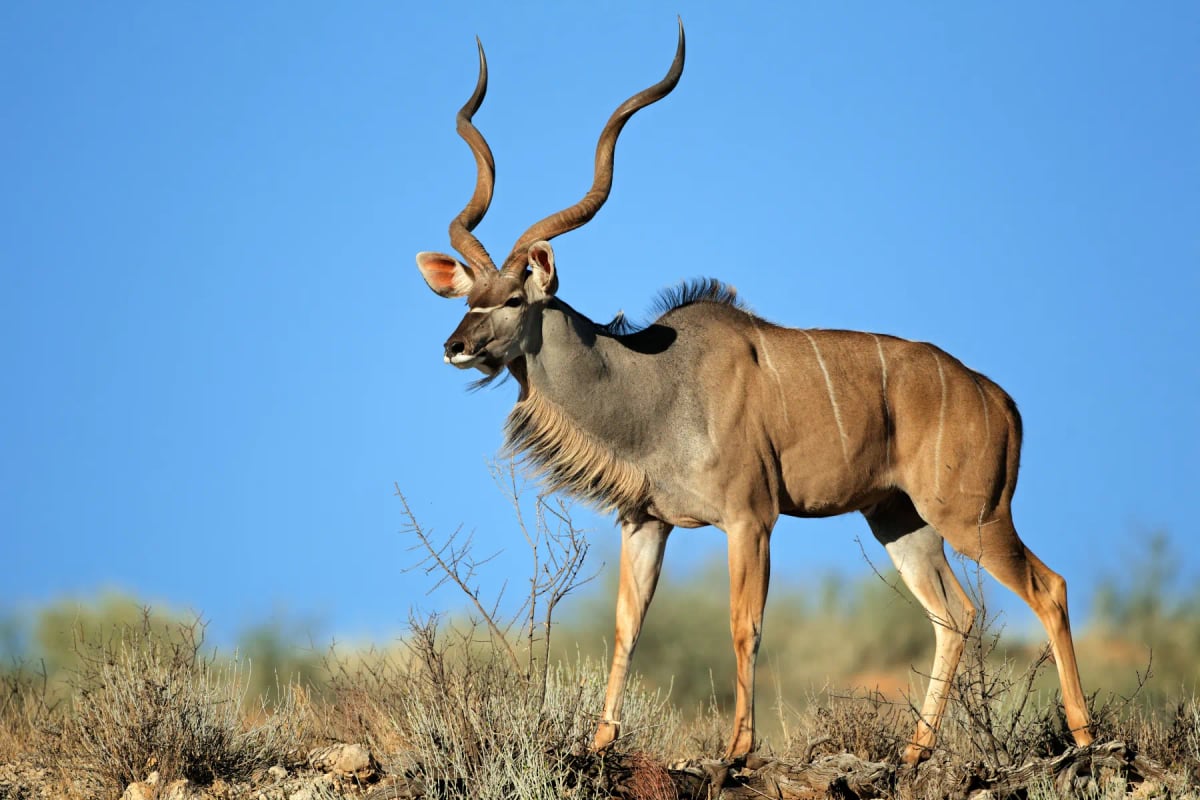
Greater Kudu
Tragelaphus strepsiceros
In Chad, greater kudus occupy the southern and central woodland belts where tree cover is sufficient for browsing and shelter. The species avoids the arid north and tends to stay close to areas with reliable vegetation. Males carry long spiral horns that take several years to fully develop. Ongoing habitat pressure from agriculture and livestock in the south poses a local challenge, though the IUCN rates the species as Least Concern worldwide.
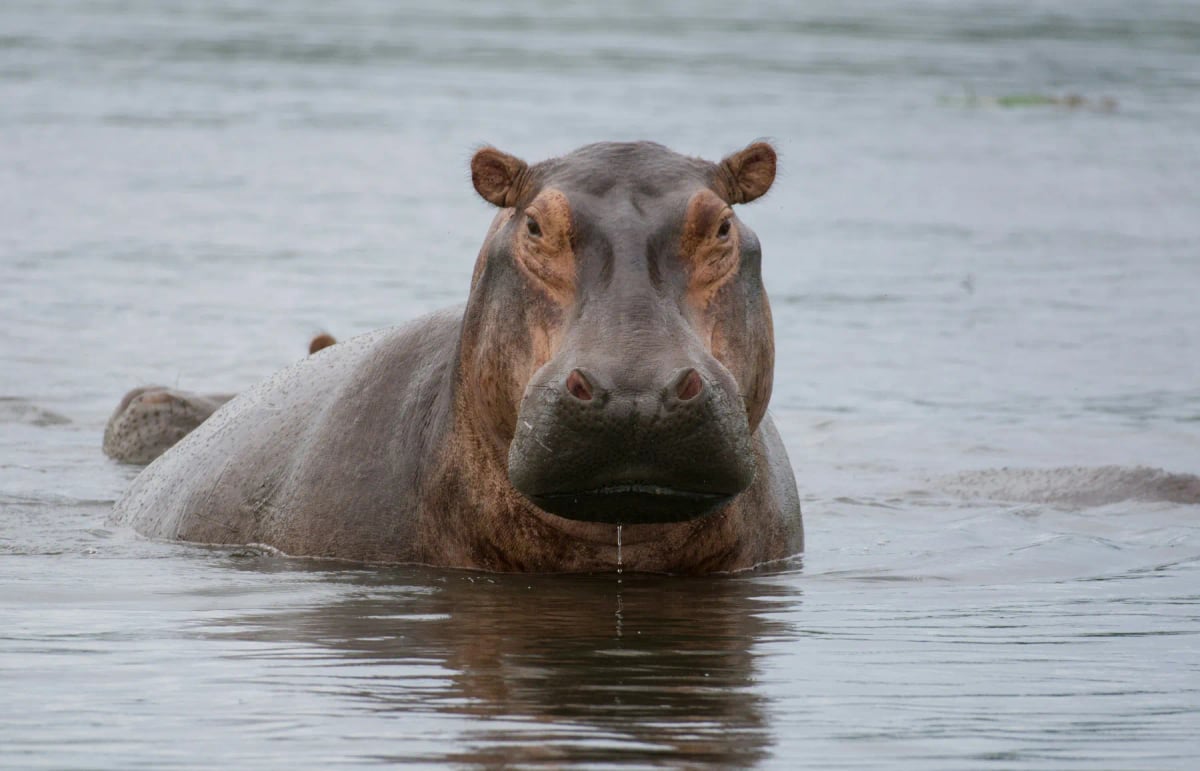
Hippopotamus
Hippopotamus amphibius
In Chad, hippopotamuses are closely tied to the Chari and Logone rivers in the south, which feed into Lake Chad. As Lake Chad has shrunk dramatically over recent decades due to drought and water extraction, the habitat available to hippos has decreased as well. Southern protected areas offer the most reliable refuge. Hippos here are an indicator of the overall health of the Chad Basin's water systems. The IUCN lists the hippopotamus as Vulnerable.
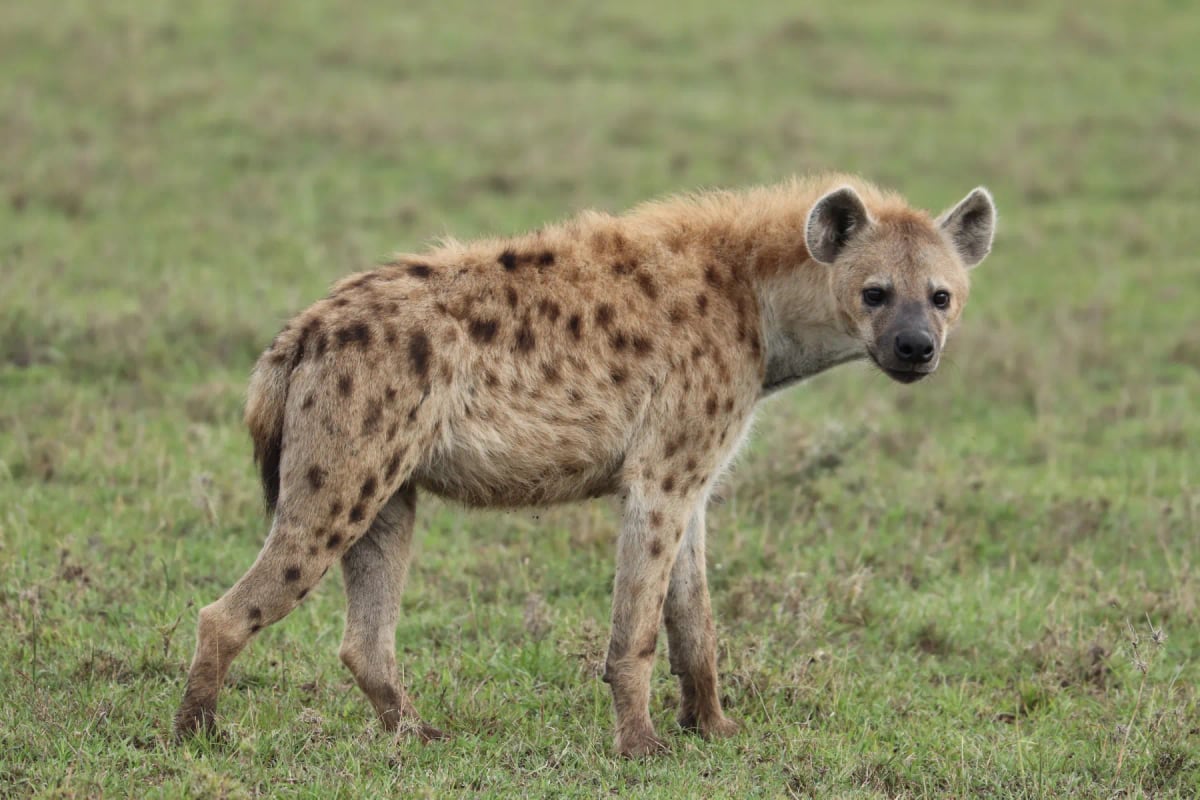
Spotted Hyena
Crocuta crocuta
In Chad, spotted hyenas range across the Sahel and Sudan savanna zones, with a stronger presence in the south where rainfall supports more prey. Zakouma National Park is one of the key refuges for large carnivores in the country, offering protected savanna habitat. Hyenas frequently come into conflict with nomadic and semi-nomadic herding communities across the Sahel, where livestock losses lead to retaliatory hunting of the species.
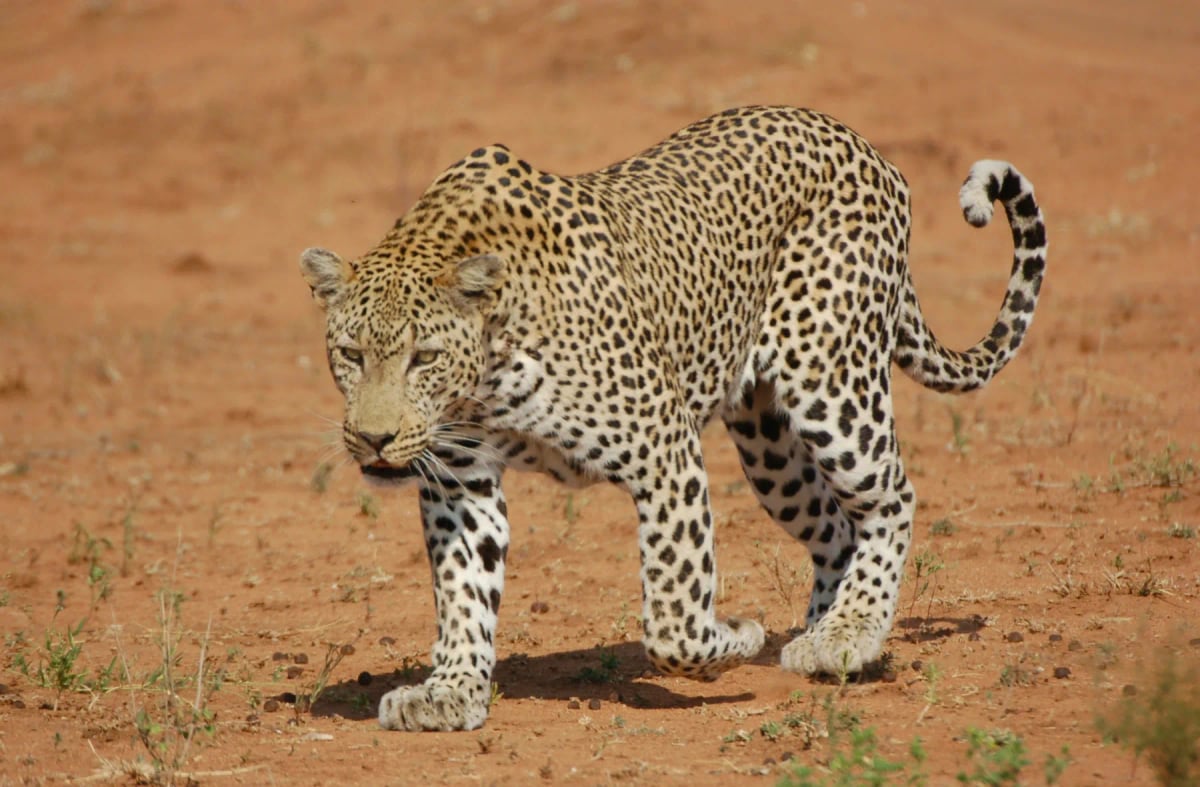
Leopard
Panthera pardus
In Chad, leopards inhabit the southern Sudanian savanna zone and areas around Zakouma National Park, one of the country's most important wildlife refuges. They are largely nocturnal in this region, avoiding both the intense heat and human activity. Poaching and the decline of prey species remain serious concerns. The leopard is listed as Vulnerable on the IUCN Red List, with populations under pressure across the Sahel region.
Lion
Panthera leo
In Chad, Zakouma National Park in the south has become one of the most important lion conservation stories in Central Africa. After dramatic declines caused by poaching, the lion population in Zakouma has recovered significantly under intensive protection. The park is now one of the best places in the region to see lions in a functioning savanna ecosystem.
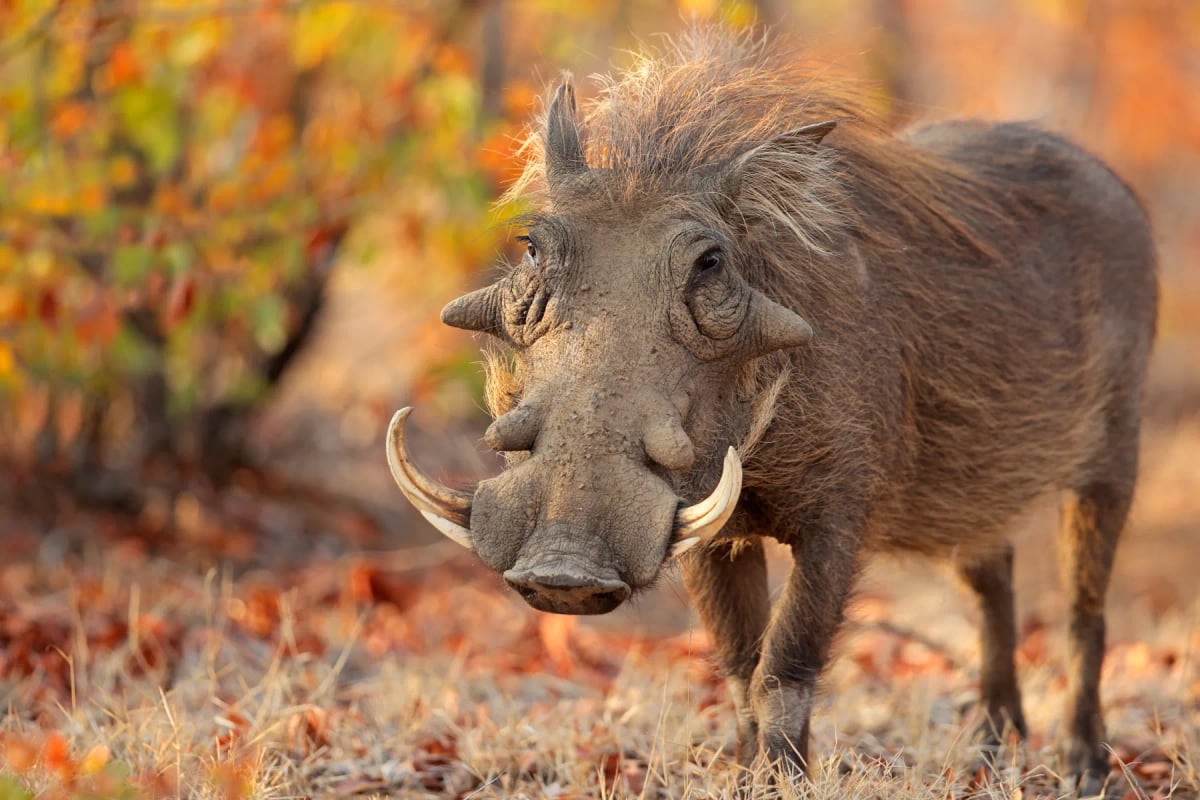
Warthog
Phacochoerus africanus
In Chad, the common warthog inhabits the Sudanian savannas in the southern part of the country, where rainfall supports enough grass and shrub cover to sustain the species. Zakouma National Park is one of the key areas where warthogs can still be reliably observed. They root through soil for bulbs and grasses and are regularly hunted by lions and spotted hyenas. Its IUCN status is Least Concern.
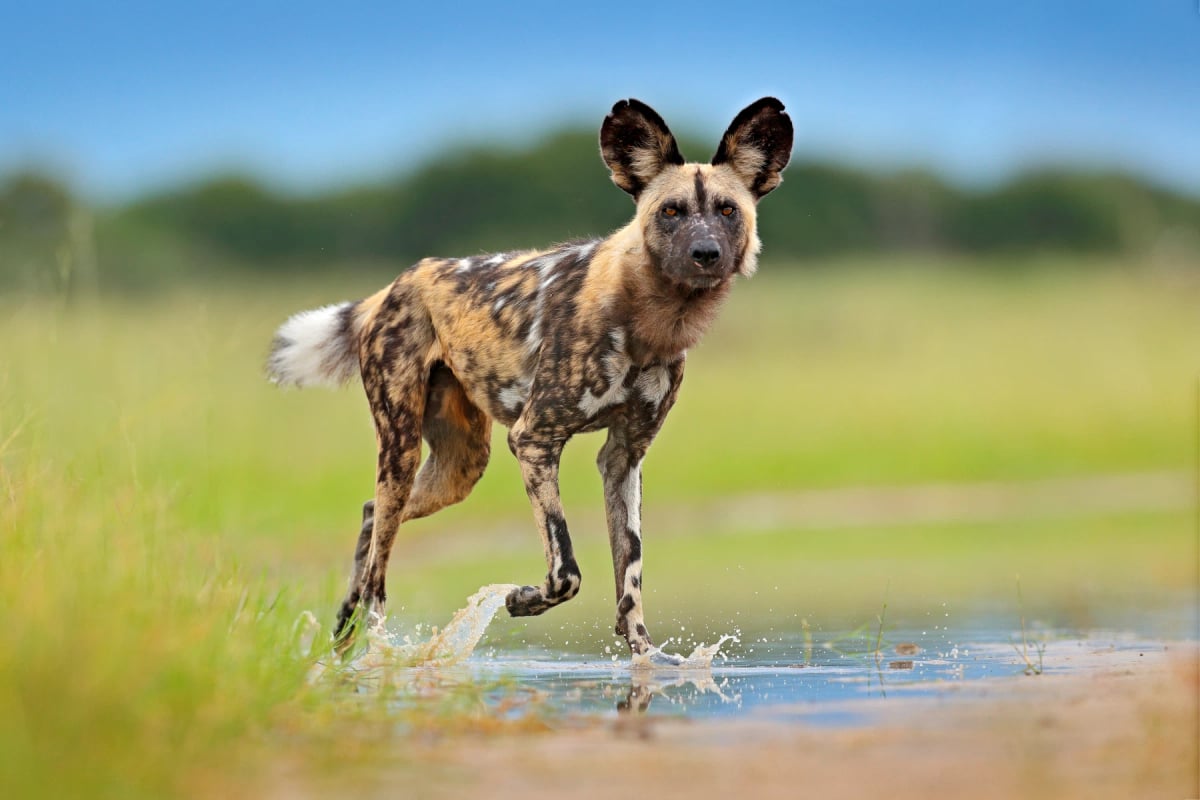
Wild Dog
Lycaon pictus
In Chad, the African wild dog is found in the southern savannas, with the Zakouma National Park area representing a key refuge. The country's wildlife has suffered decades of poaching and instability, and the painted wolf is among the most vulnerable species present. Conservation work led by African Parks in Zakouma has brought renewed attention to protecting the broader ecosystem that this predator depends on. IUCN status: Endangered.
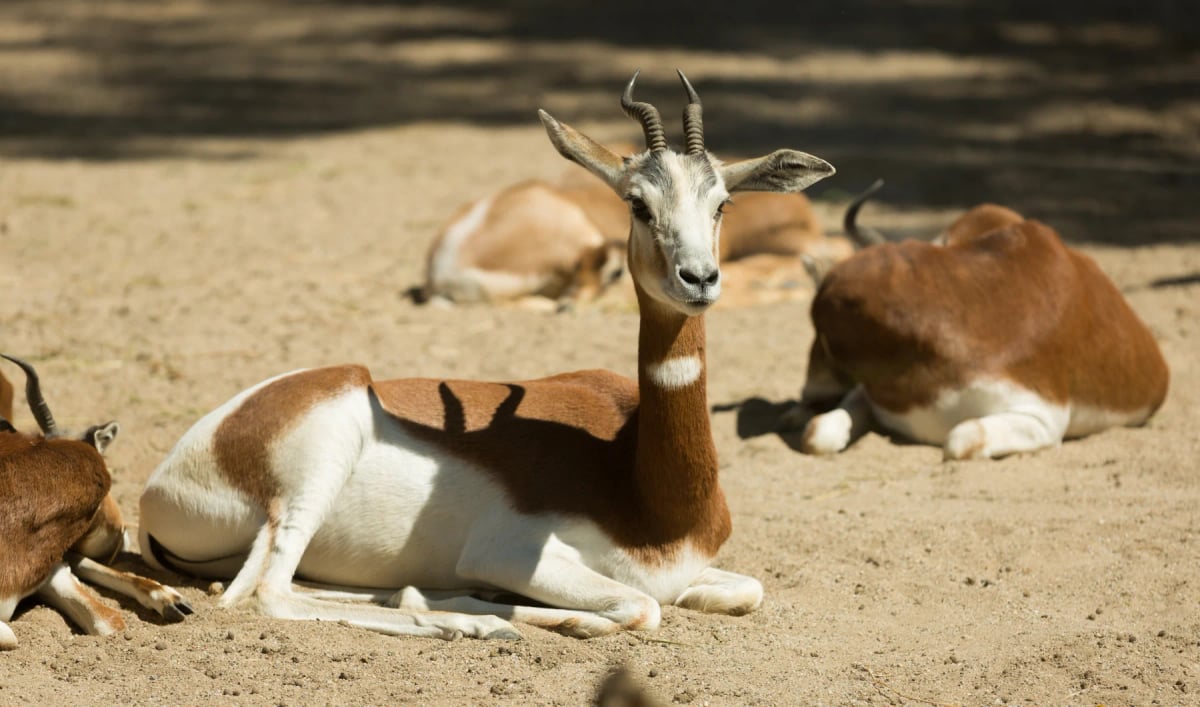
Dama Gazelle
Nanger dama
In Chad, the dama gazelle clings to survival in the Sahel and southern Sahara, particularly around the Ouadi Rimé-Ouadi Achim reserve. It is the largest of all gazelle species, recognizable by its white body and neck marked with reddish brown. Wild numbers are critically low, and Chad plays a key role in coordinated efforts to protect one of the last remaining populations of this rare mammal.
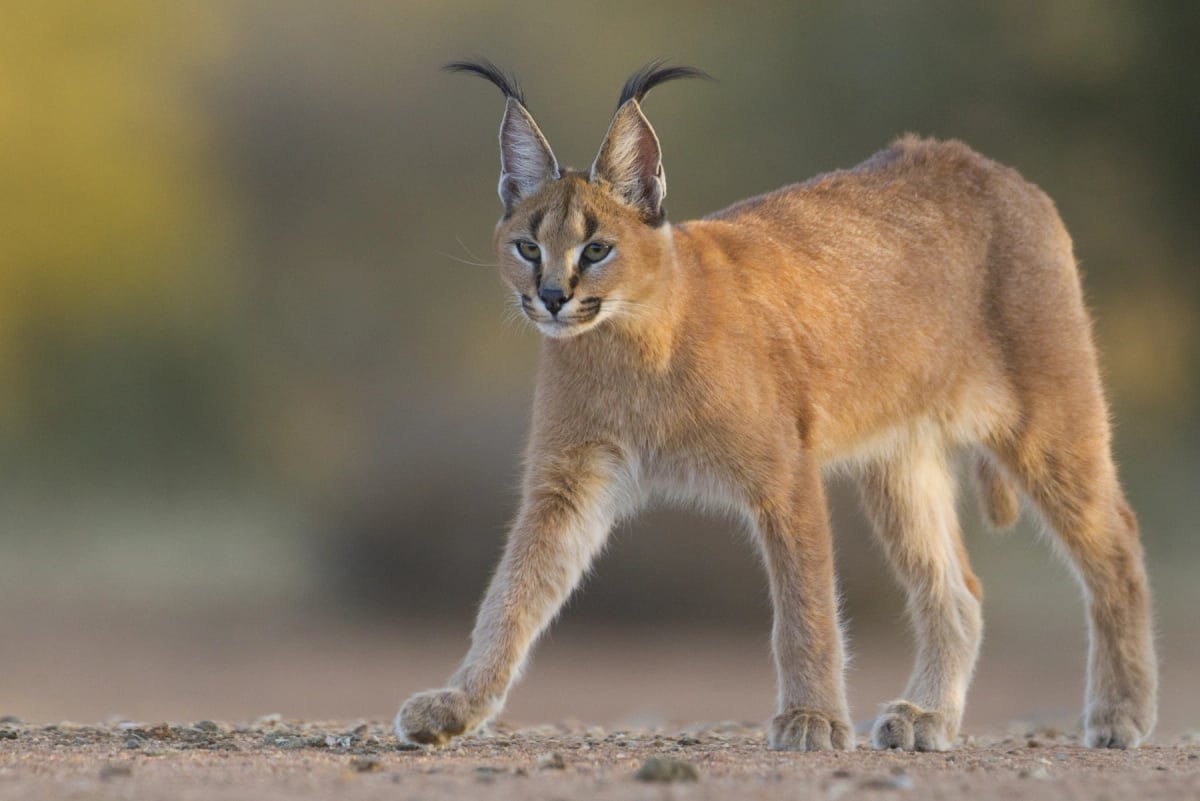
Caracal
Caracal caracal
In Chad, the caracal is found across the Sahelian belt and the savanna zones further south, where scrubland and rocky terrain provide shelter and hunting ground. It is well suited to the dry conditions across much of the country. Rodents, hares, and ground birds make up the bulk of its diet. As with much of central Africa, limited field research means that precise population data for Chad remains sparse. IUCN status: Least Concern.
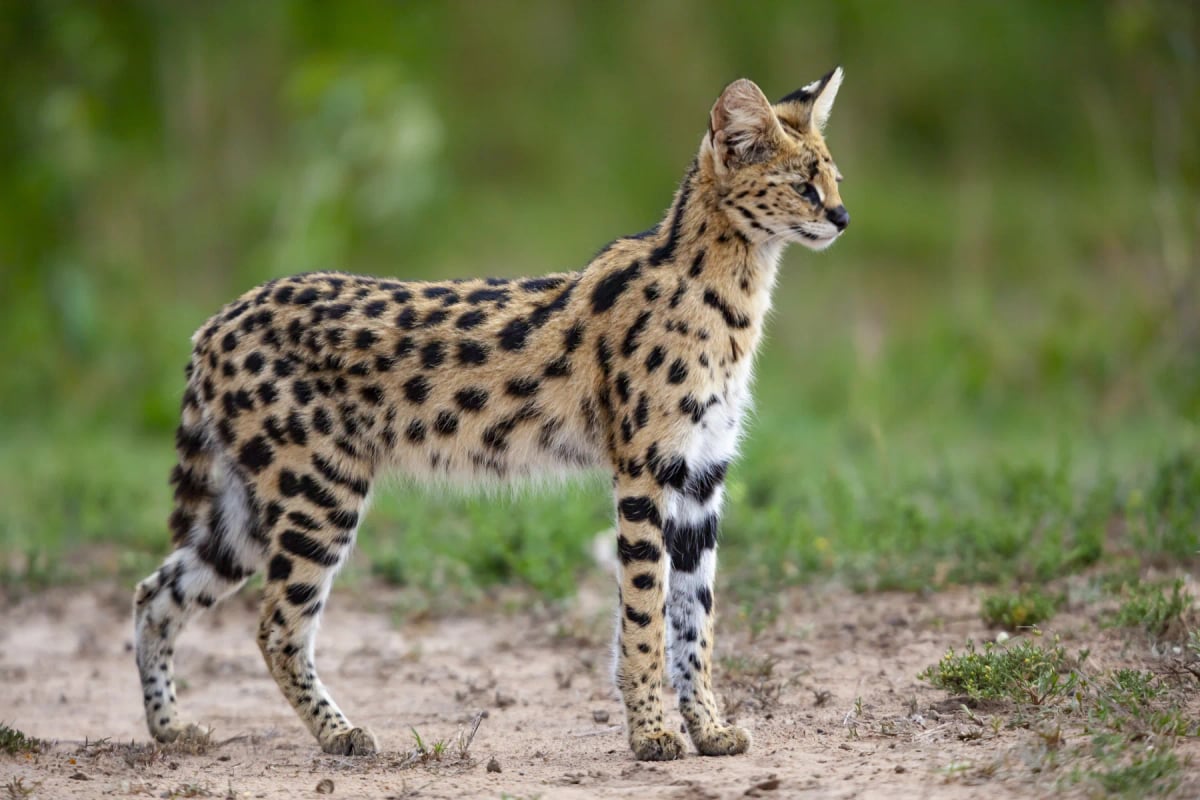
Serval
Leptailurus serval
In Chad, the serval is found in the wetter southern regions, including the savannas and flood zones around Lake Chad and the Chari River basin. It avoids the arid Saharan north entirely. This cat is a skilled hunter, launching leaps of up to 3 meters to pin down prey with its forepaws. Its diet consists mostly of rodents. The IUCN rates the serval as Least Concern, but shrinking wetlands in the Lake Chad region are a concern.
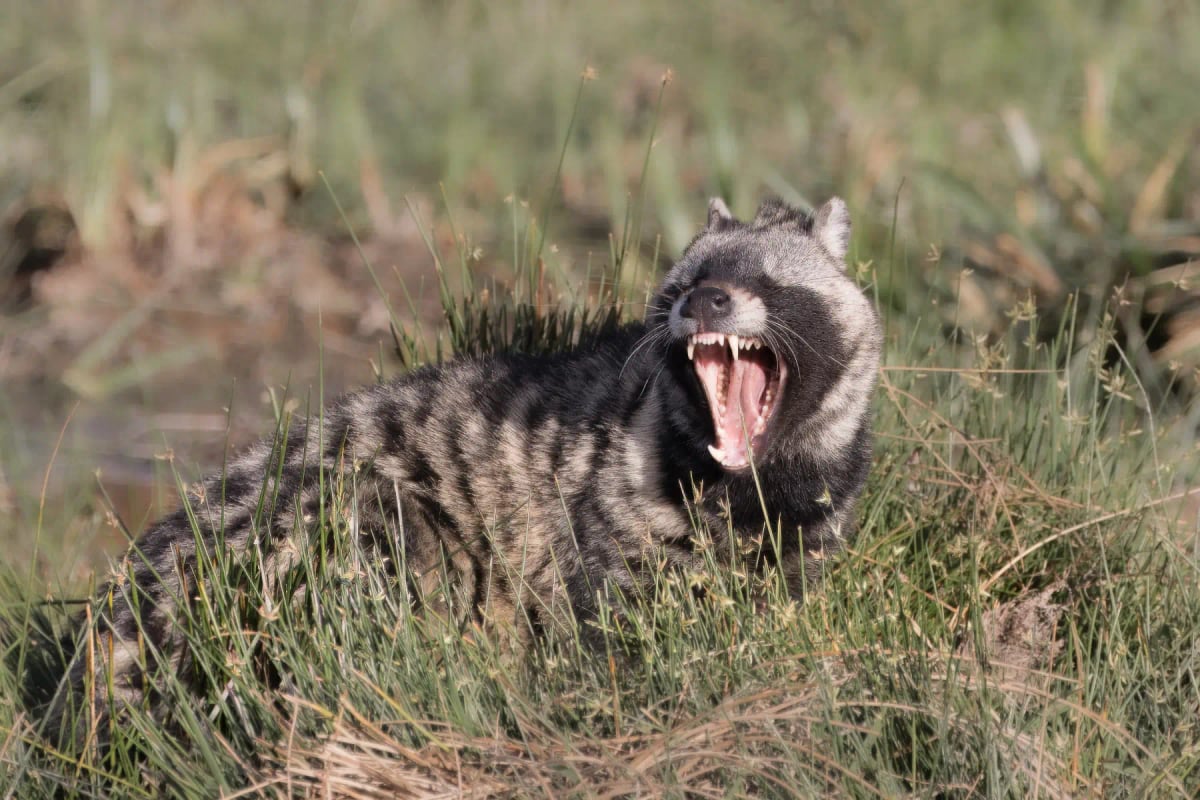
African Civet
Civettictis civetta
In Chad, the African civet follows river systems into the Sudan savanna zone of the south. It is found along the Chari and Logone rivers and in the woodland savannas of the southwest, including areas around Zakouma National Park. The northern two thirds of the country are too arid to support civets, but wherever permanent water and ground cover exist in the south, the species establishes itself readily.
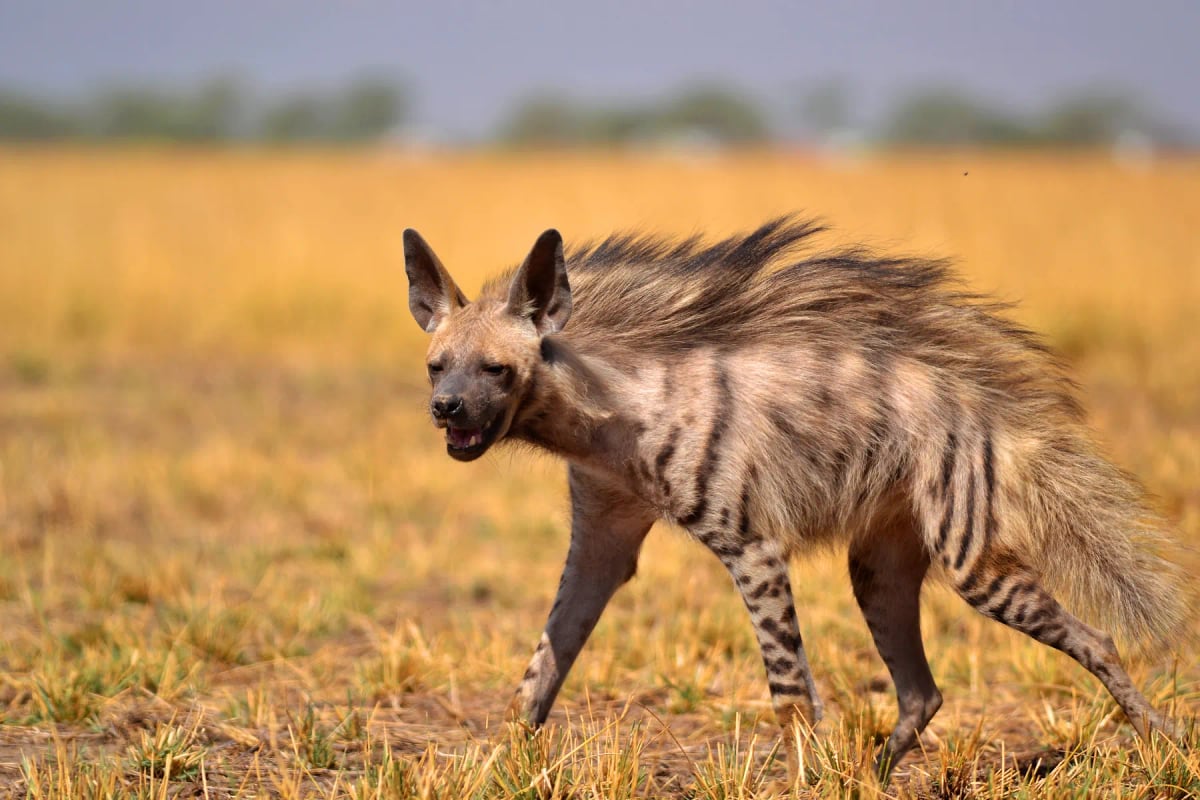
Striped Hyena
Hyaena hyaena
Shy nocturnal scavenger with a striped gray coat and an erectile mane that helps clean the landscape by consuming carcasses across Africa, the Middle East and Asia.
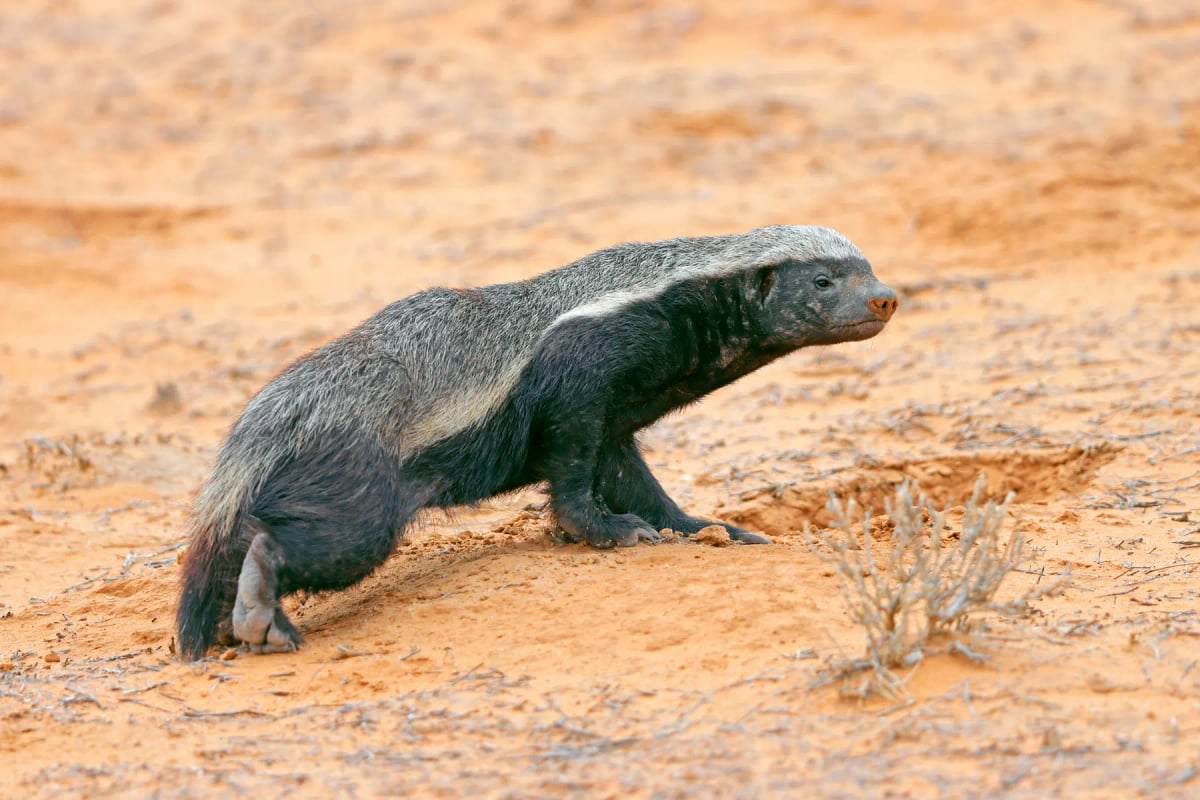
Honey Badger
Mellivora capensis
Chad's vast and varied landscape, from the Saharan north to the Sudanian savanna in the south, falls within the honey badger's range. The species is best suited to the savanna and semi-arid zones, where it hunts rodents, digs up insect colonies, and raids beehives. Water sources near the Lake Chad basin support more productive habitats for the species. It is listed as Least Concern by the IUCN.
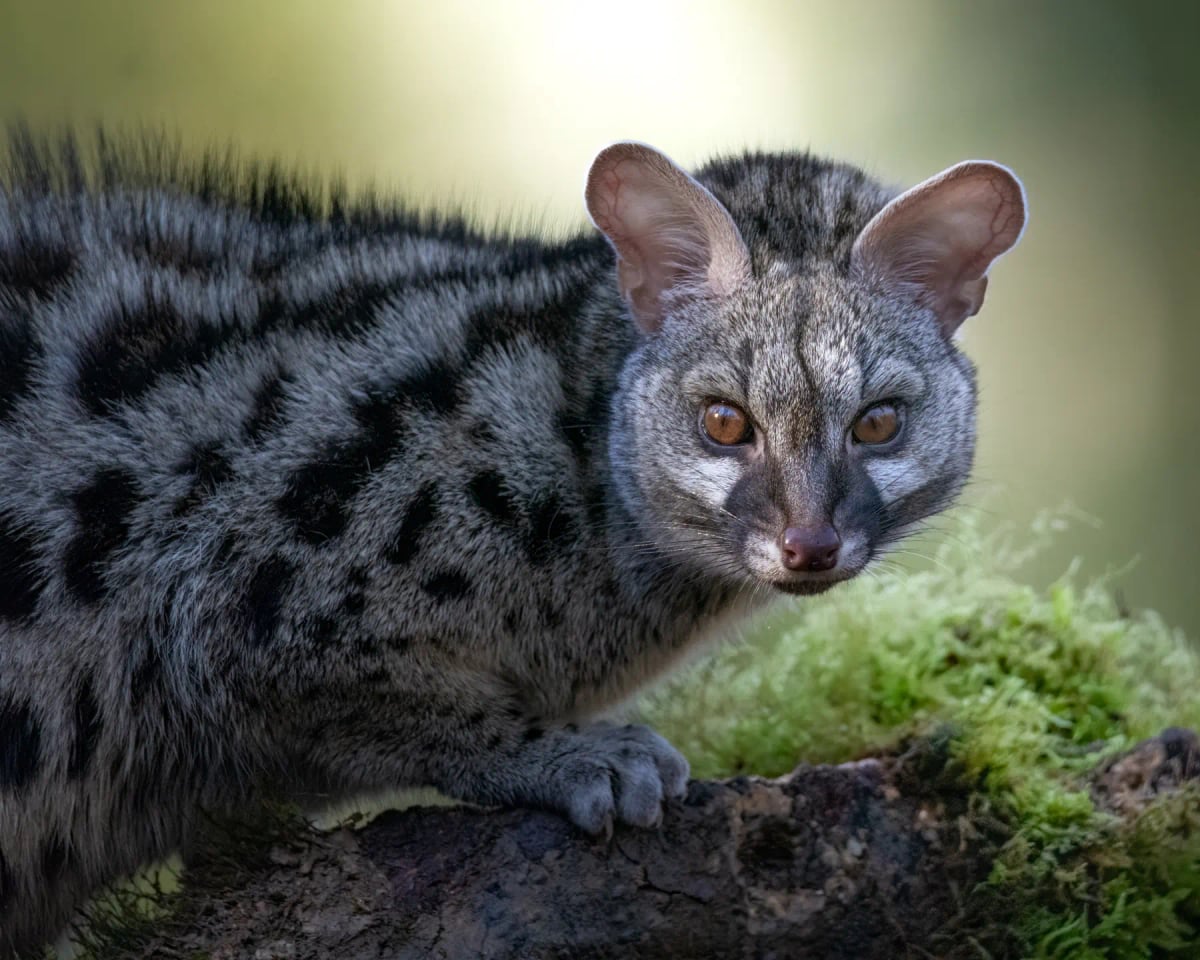
Common Genet
Genetta genetta
In Chad, the common genet is found mainly in the more vegetated southern regions, including gallery forests along rivers and wooded savanna zones. It avoids the arid north, preferring areas with sufficient tree cover and prey. As a nocturnal hunter, it targets small rodents, birds, insects, and reptiles. Its ability to thrive in a range of habitats allows it to occupy much of Chad's suitable landscape. Its IUCN status is Least Concern.
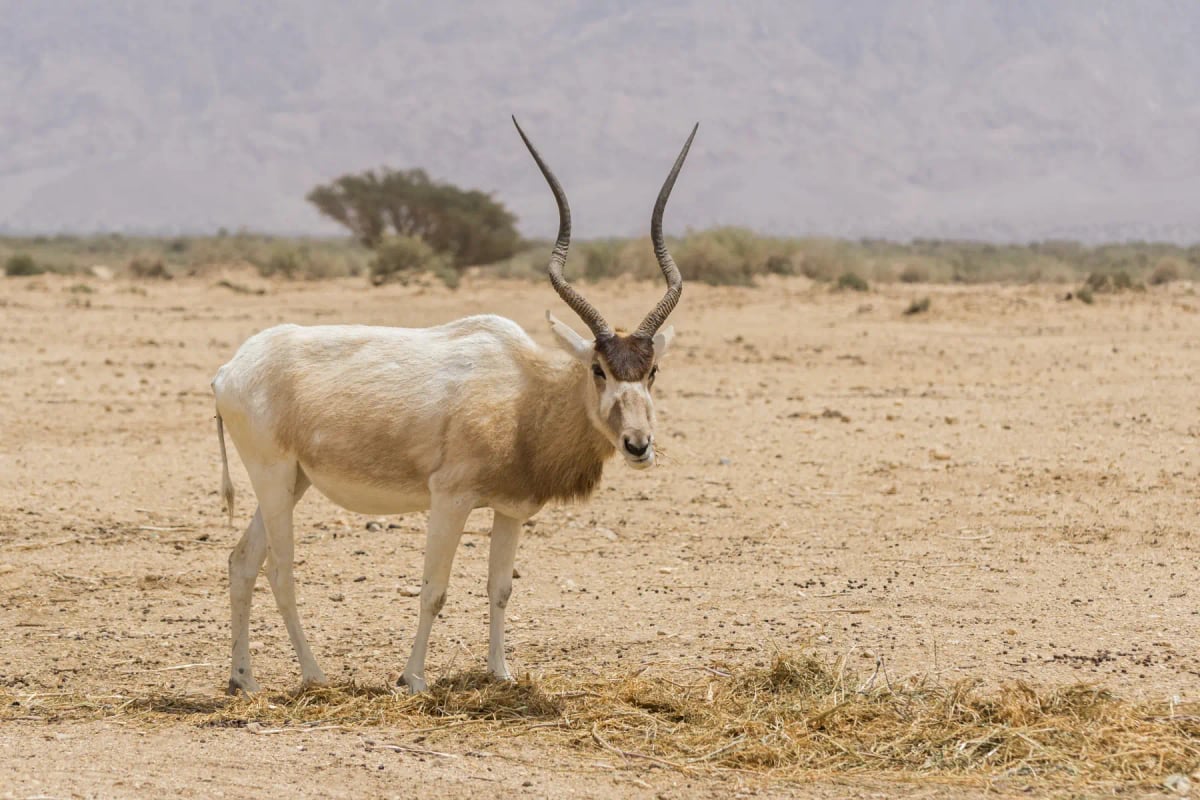
Addax
Addax nasomaculatus
Chad plays a dual role in addax conservation: scattered wild individuals persist in remote desert areas, while reintroduction programs have released over 150 animals into the Ouadi Rimé-Ouadi Achim Faunal Reserve and the Ennedi Natural and Cultural Reserve. These populations are now breeding successfully, making Chad one of the most active recovery sites for the species anywhere on the continent.
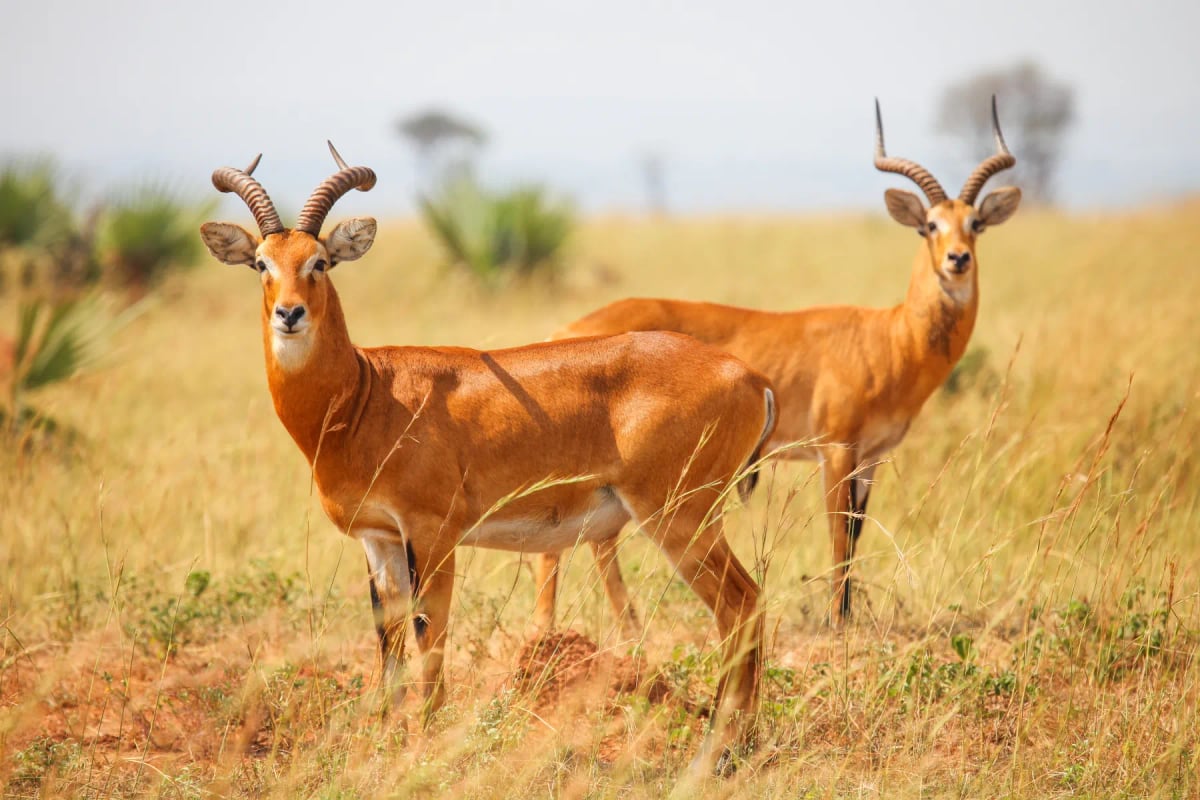
Kob
Kobus kob
The kob occurs in the wetter southern regions of Chad, where Guinea savanna and gallery forests along rivers like the Chari and Logone support grazing herds. These areas contrast sharply with the arid north, and kobs depend on the seasonal flooding of river margins to maintain green pasture. Populations here have been affected by unregulated hunting and expanding agriculture. The species is listed as Least Concern by the IUCN.
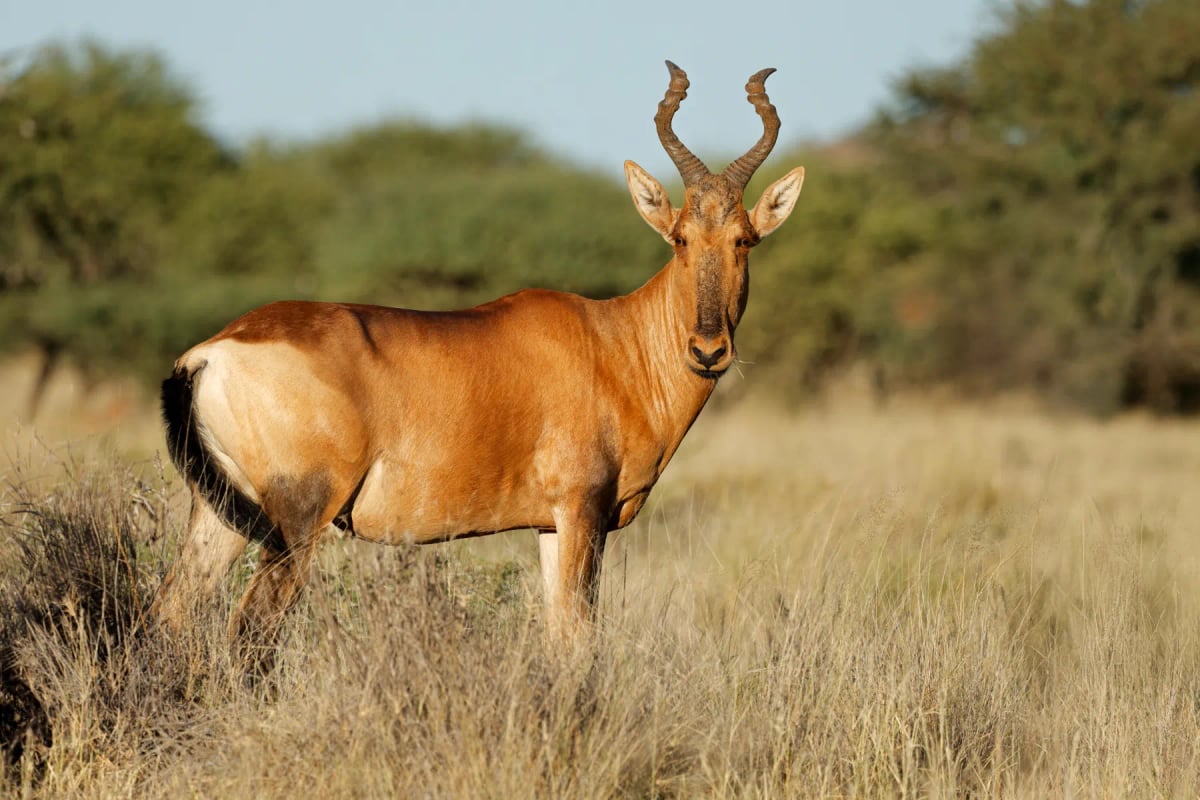
Hartebeest
Alcelaphus buselaphus
In Chad, the hartebeest roams the Sahelian and Sudanian savanna zones, where seasonal grasses support grazing herds. Zakouma National Park in the south is one of the most important refuges for wildlife in central Africa and shelters populations of this antelope. Prolonged drought, desertification in the north, and pressure from herders have pushed hartebeest populations into smaller, fragmented areas over recent decades.
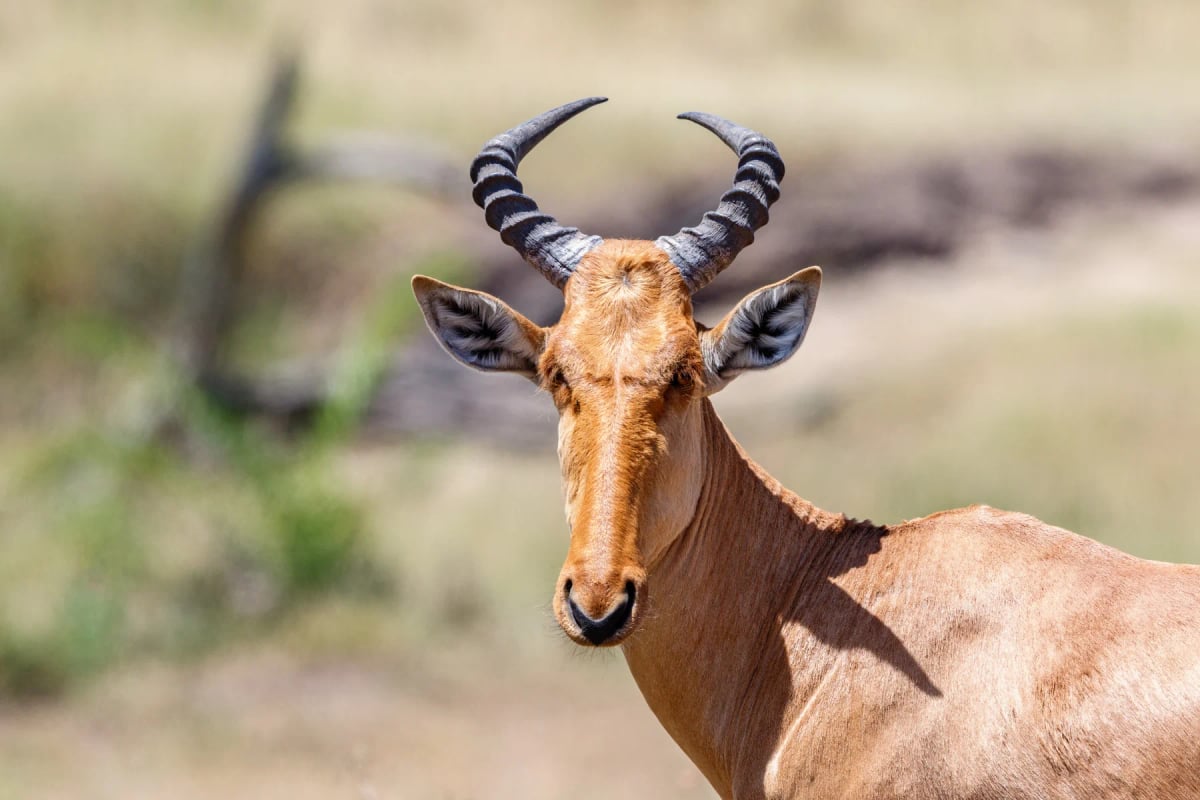
Topi
Damaliscus lunatus
The topi is found in the southern savannas of Chad, where seasonal flooding and rainfall support the grasslands it depends on. This part of the country connects ecologically with the broader Sudanian savanna belt that runs across Central Africa. Topis follow the rains to access fresh grass and live in herds that can number in the hundreds. Hunting pressure and habitat change have reduced populations across much of Chad's wildlife range. IUCN status: Least Concern.
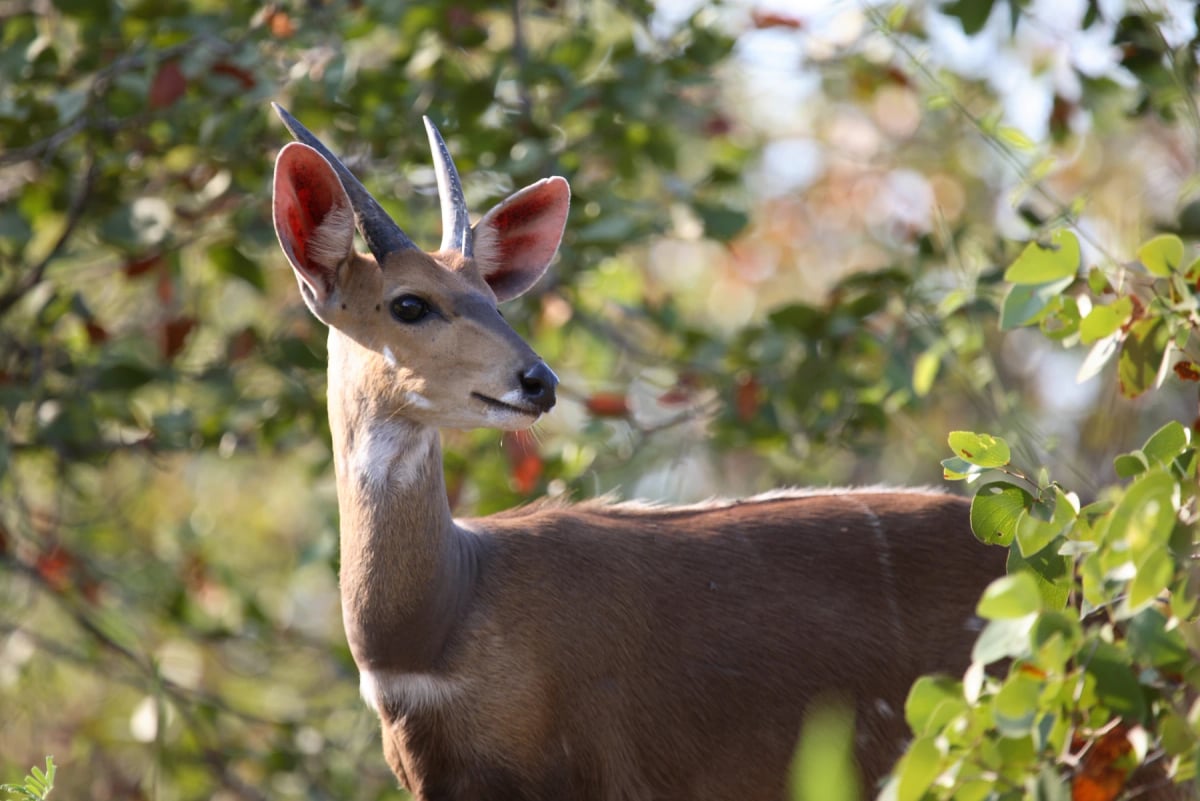
Bushbuck
Tragelaphus scriptus
In Chad's southern woodlands and along river valleys near the border with Cameroon, bushbucks inhabit patches of dense vegetation far from the arid north. Areas around Zakouma National Park and the Chari River corridor provide some of the most suitable habitat in the country. Nocturnal and elusive, they rely on thick cover to evade predators in one of Africa's most challenging wildlife environments.
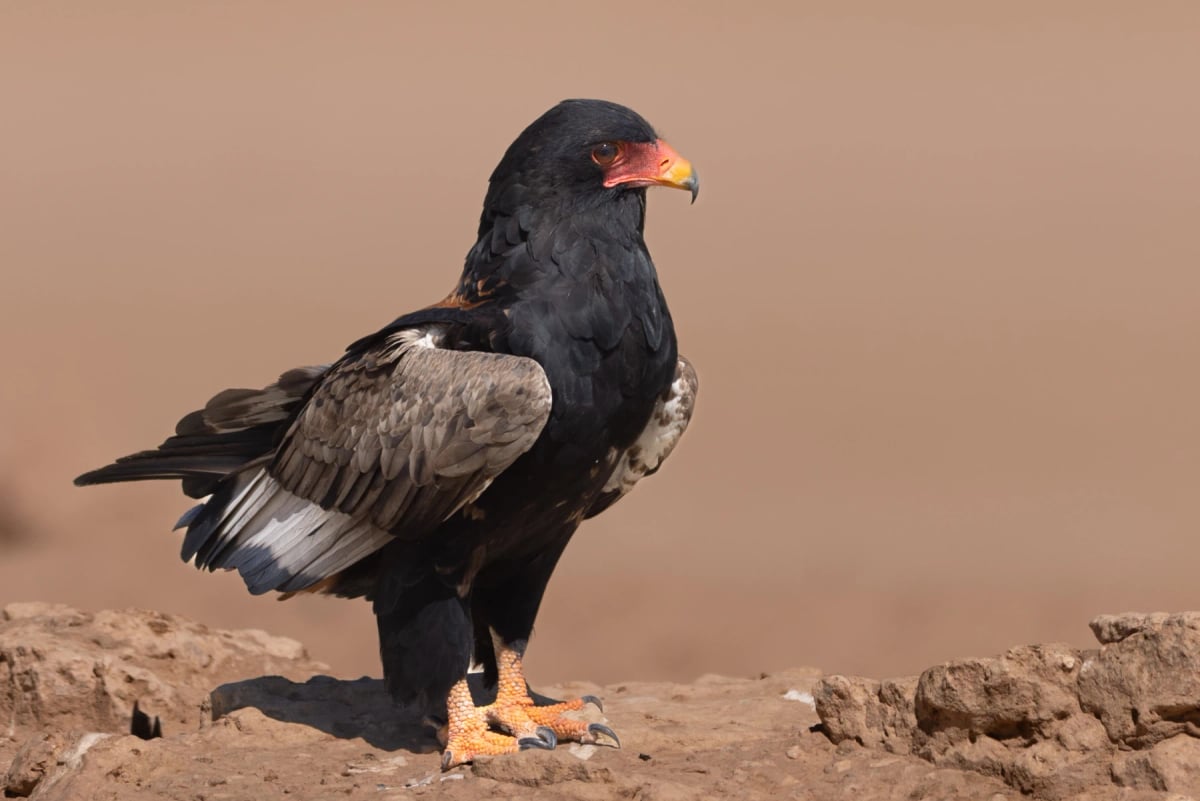
Bateleur
Terathopius ecaudatus
The Bateleur is a resident of Chad's Sahel and Sudan savanna zones, where it soars over open woodland and grassland in the south of the country. The Zakouma National Park area represents one of the more important refuges for large birds of prey in Chad. Classified as Endangered by the IUCN, the species faces pressure from poisoning, persecution, and the gradual shrinking of suitable habitat across the region.
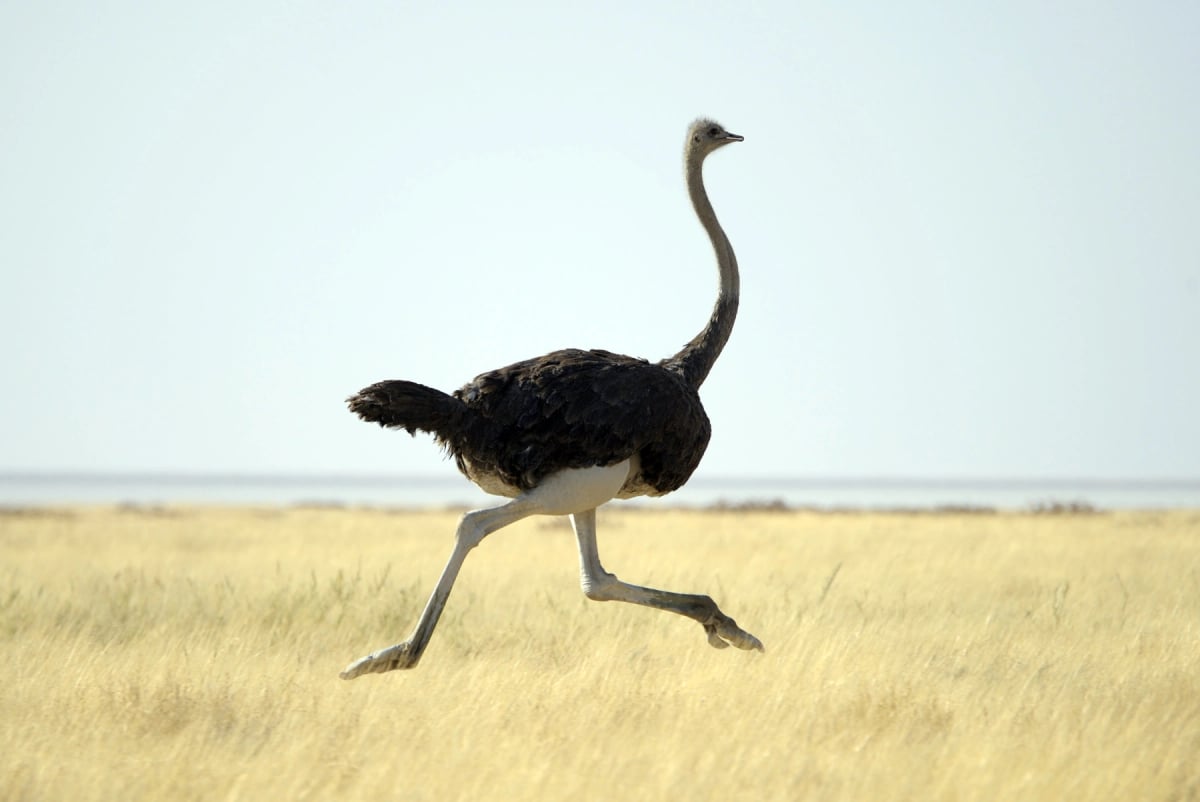
Ostrich
Struthio camelus
Chad is one of the key countries for ostriches in the Sahel and Sahara region. The birds range across the vast semi-arid and desert landscapes of central and northern Chad, including areas around Zakouma National Park in the south, where conservation efforts have helped stabilise wildlife populations. Ostriches here navigate enormous distances across open terrain in search of food and water during the dry season.
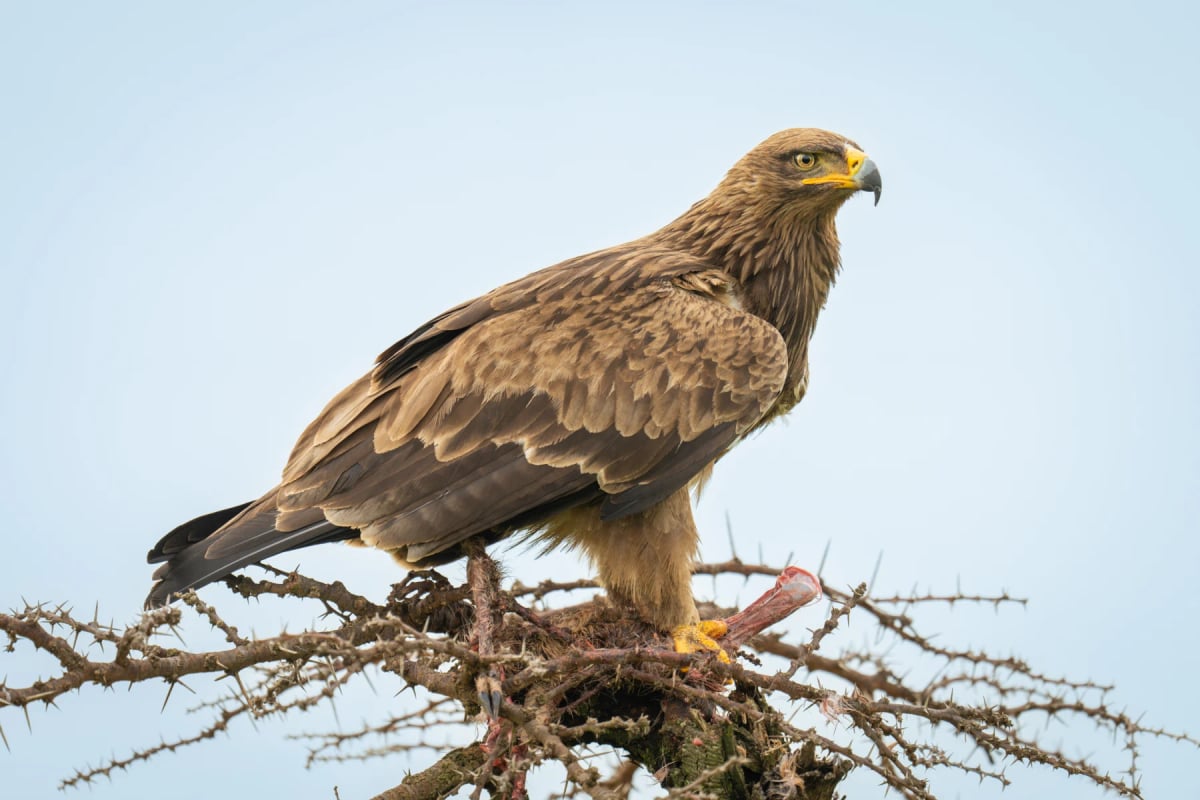
Steppe Eagle
Aquila nipalensis
Chad lies along a key migratory corridor for the Steppe Eagle, with birds crossing the Sahel and passing over the country's vast semi-arid plains during autumn and spring movements between Central Asia and sub-Saharan Africa. Some individuals may linger through the northern winter in areas with sufficient food, including carrion and large insect gatherings. The species is listed as Endangered globally, with electrocution on power lines among the leading causes of decline.
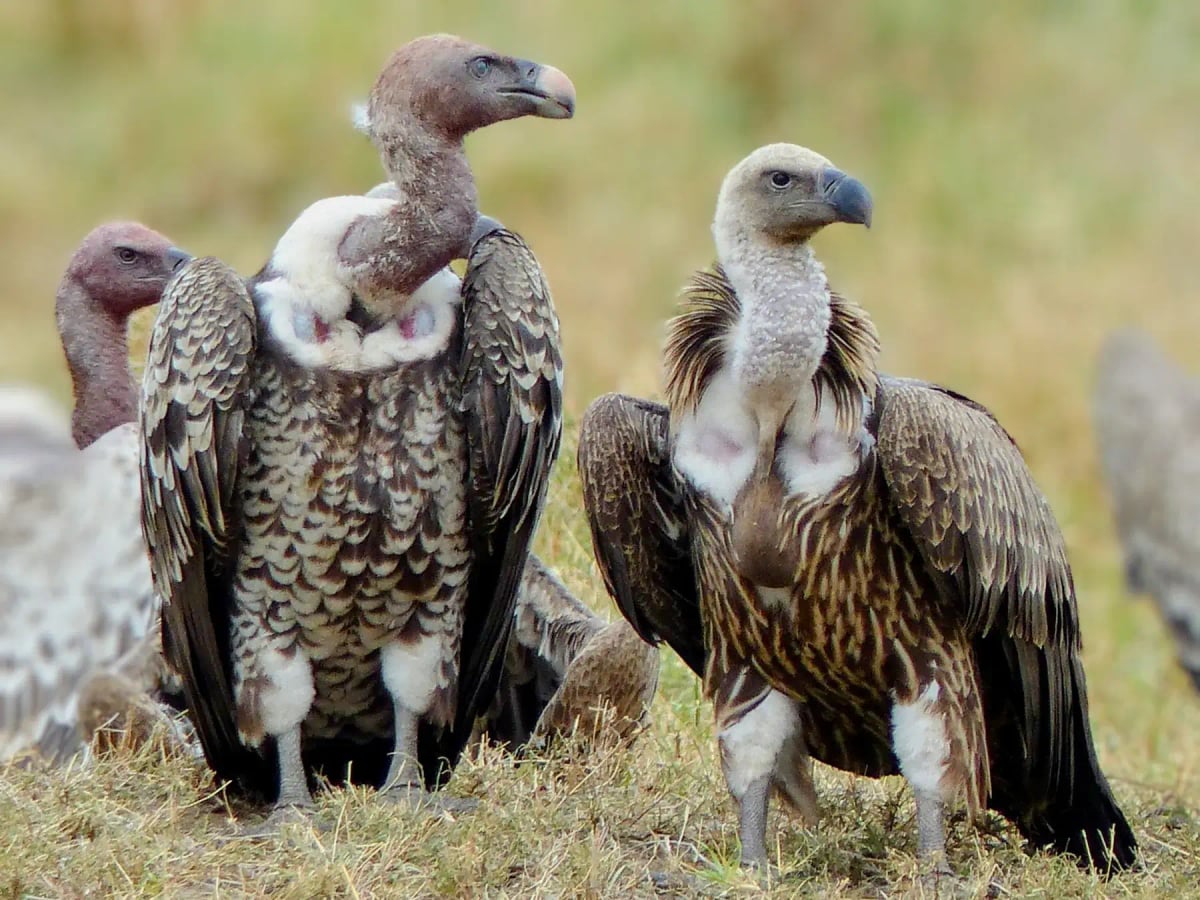
White backed Vulture
Gyps africanus
In Chad, the white backed vulture is found across the Sahel belt and the southern savannas, where it gathers near large mammal herds and livestock grazing areas. The Zakouma National Park represents one of the more important refuges for wildlife in the country, offering some protection. Poisoning events tied to poaching activity continue to threaten this Critically Endangered vulture throughout the region.
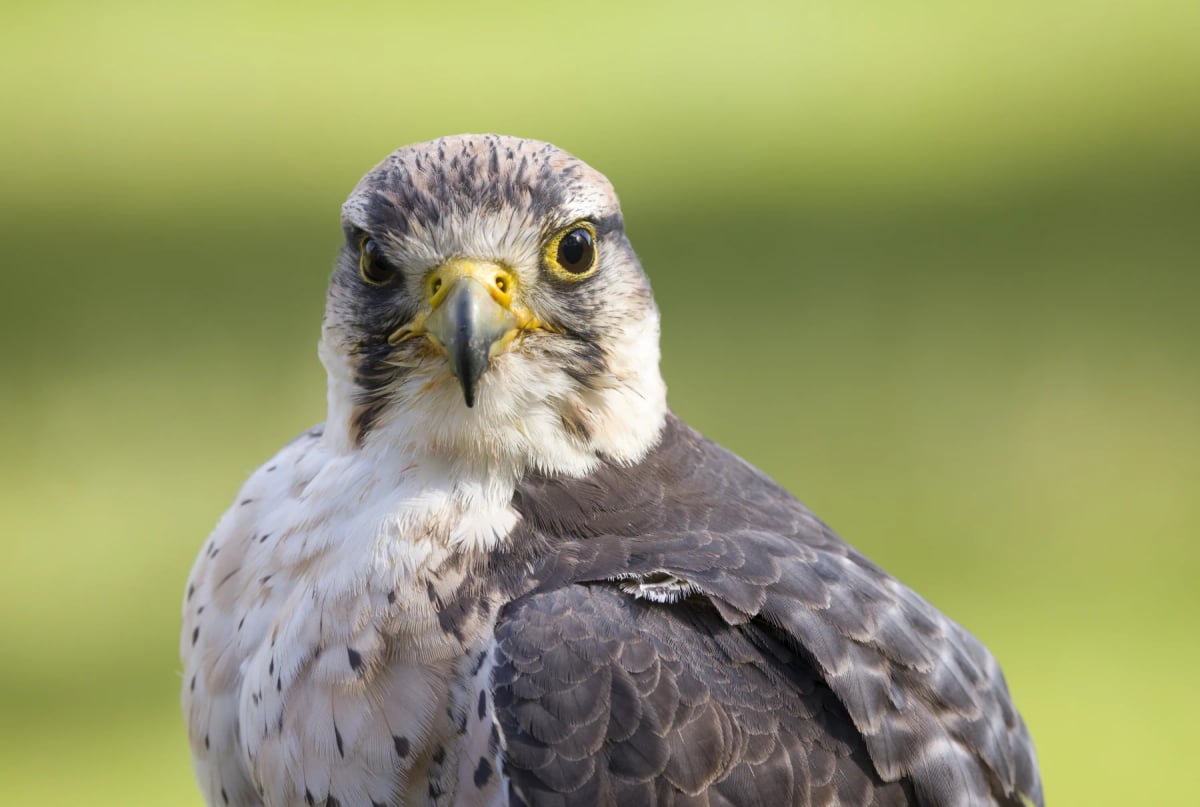
Lanner Falcon
Falco biarmicus
Chad's vast Sahel belt and semi-arid plains are well-suited to the lanner falcon. The species ranges widely across the country, hunting doves and other birds using low, fast pursuit flights over open ground. It nests on rocky escarpments in areas such as the Tibesti and Ennedi highlands. It is listed as Least Concern by the IUCN, though desertification puts gradual pressure on its habitat.
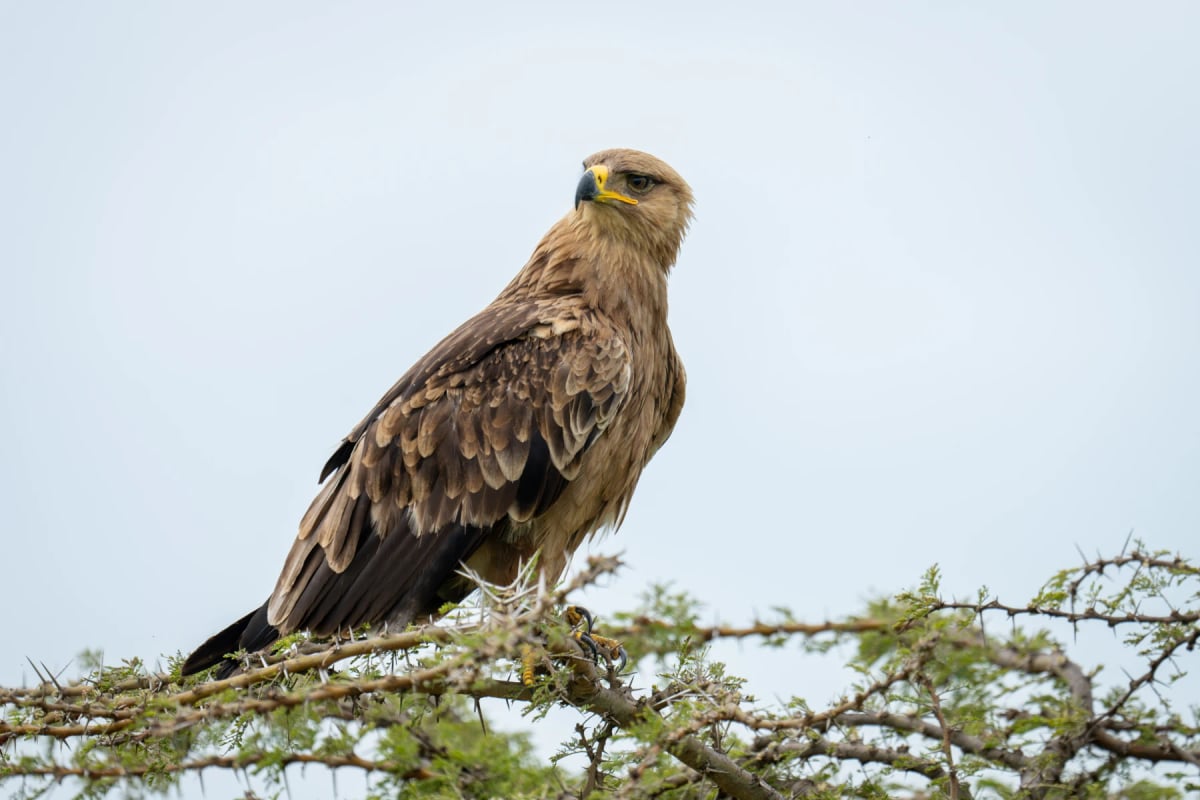
Tawny Eagle
Aquila rapax
Chad's Sahel belt and its extensive grasslands bordering the Lake Chad basin provide key habitat for the tawny eagle. It is a familiar sight soaring over the open terrain of the south and centre of the country. The species relies heavily on carrion in drier months and will harass other raptors for food. Desertification and poisoning are ongoing threats. The IUCN lists it as Vulnerable.
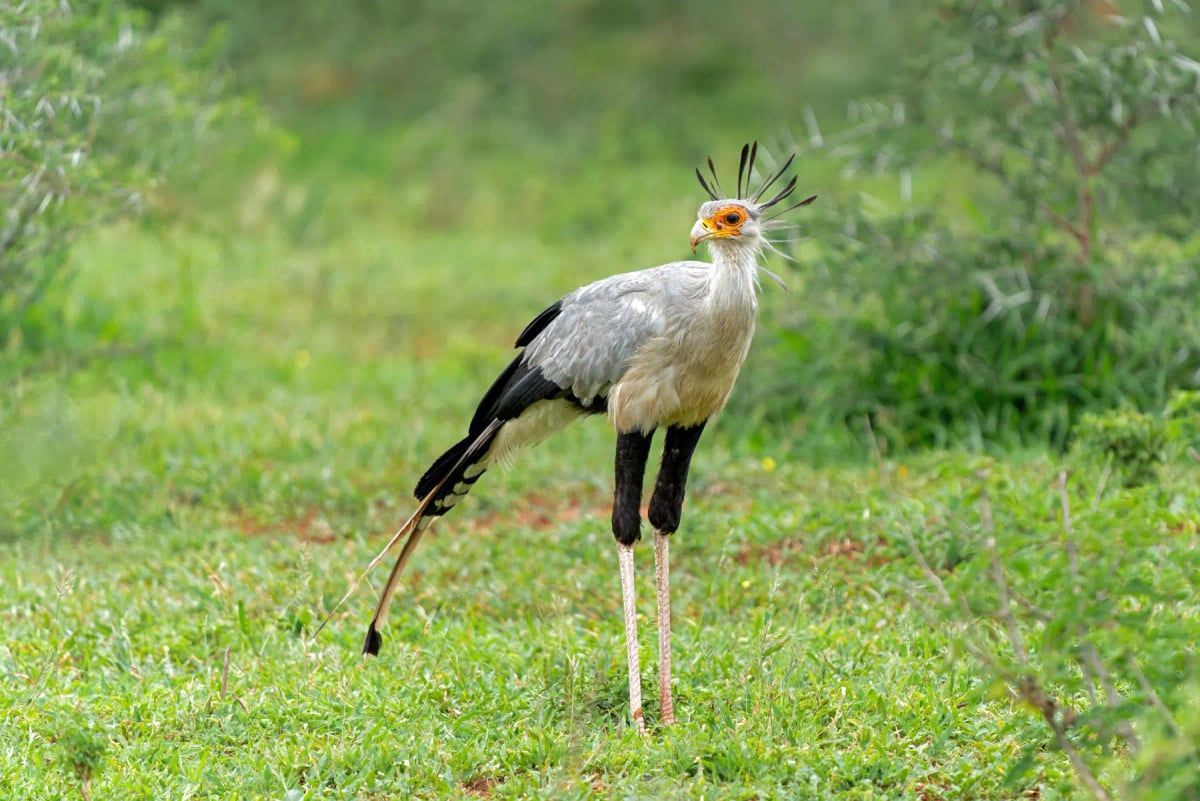
Secretary Bird
Sagittarius serpentarius
The secretary bird inhabits the Sudanian savanna belt in Chad's south and center, where open grasslands provide ideal hunting ground. It walks methodically through tall grass, striking snakes and other small animals with powerful kicks. As the Sahara expands southward and farmland spreads across Chad's wetter zones, the grassland habitat this bird needs is shrinking. The IUCN lists it as Endangered.
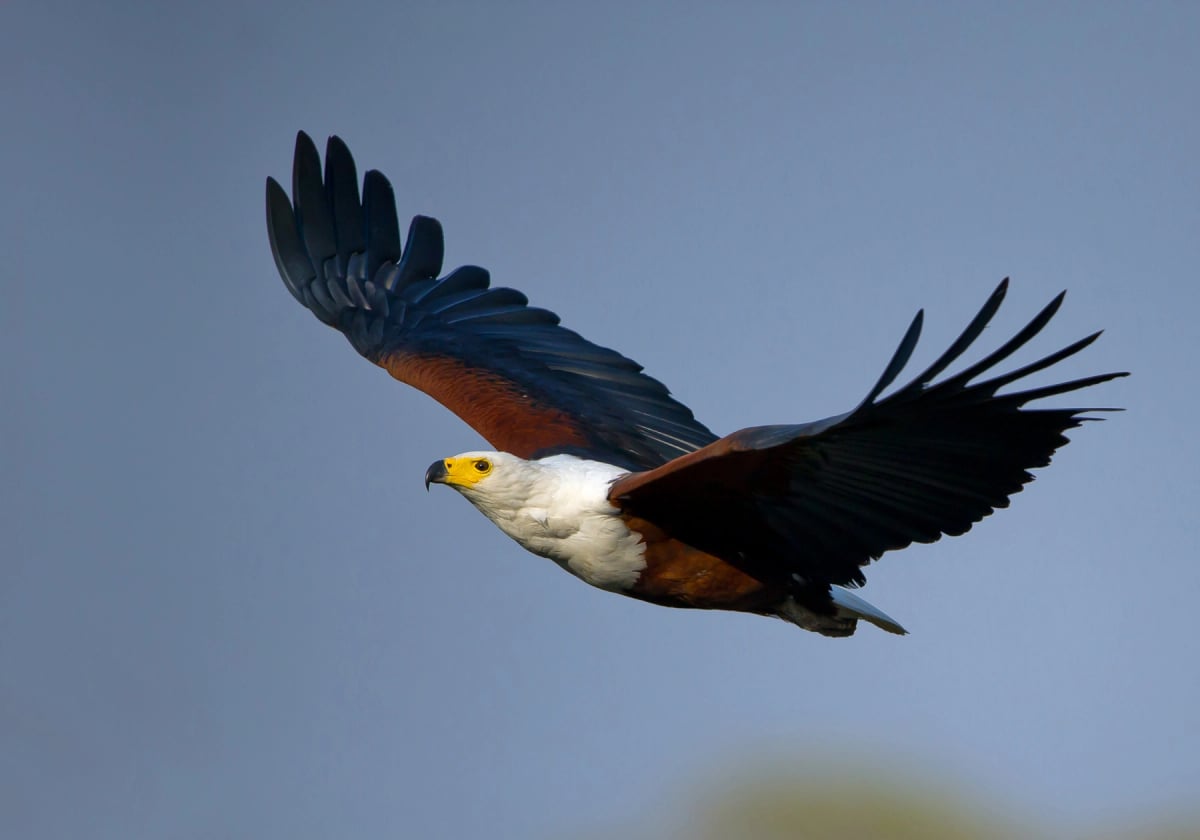
African Fish Eagle
Haliaeetus vocifer
In Chad, the African fish eagle is closely associated with Lake Chad and the Chari and Logone river systems that feed it from the south. Despite the lake having shrunk significantly over recent decades, it still supports fish eagles in its remaining open water and wetland fringe. The southern rivers and their floodplains concentrate the most consistent numbers, while sightings become increasingly rare toward the arid north.
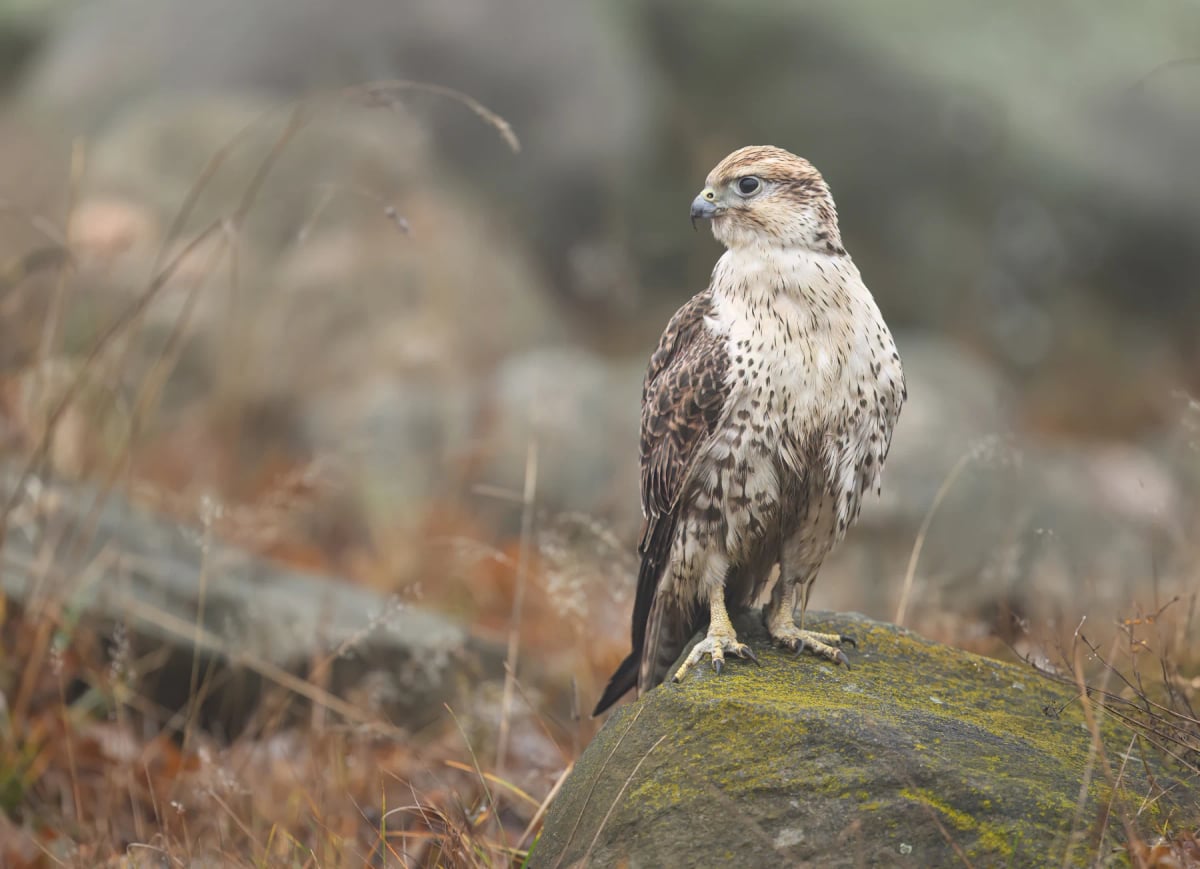
Saker Falcon
Falco cherrug
Chad forms part of the saker falcon's wintering range in sub-Saharan Africa, where birds arriving from Eurasian breeding grounds spread across the semi-arid Sahel zone. Open scrubland and the margins of the Lake Chad basin can offer foraging opportunities for wintering individuals. The long journey south exposes these birds to trapping pressure along migration routes. The IUCN lists the saker falcon as Endangered.
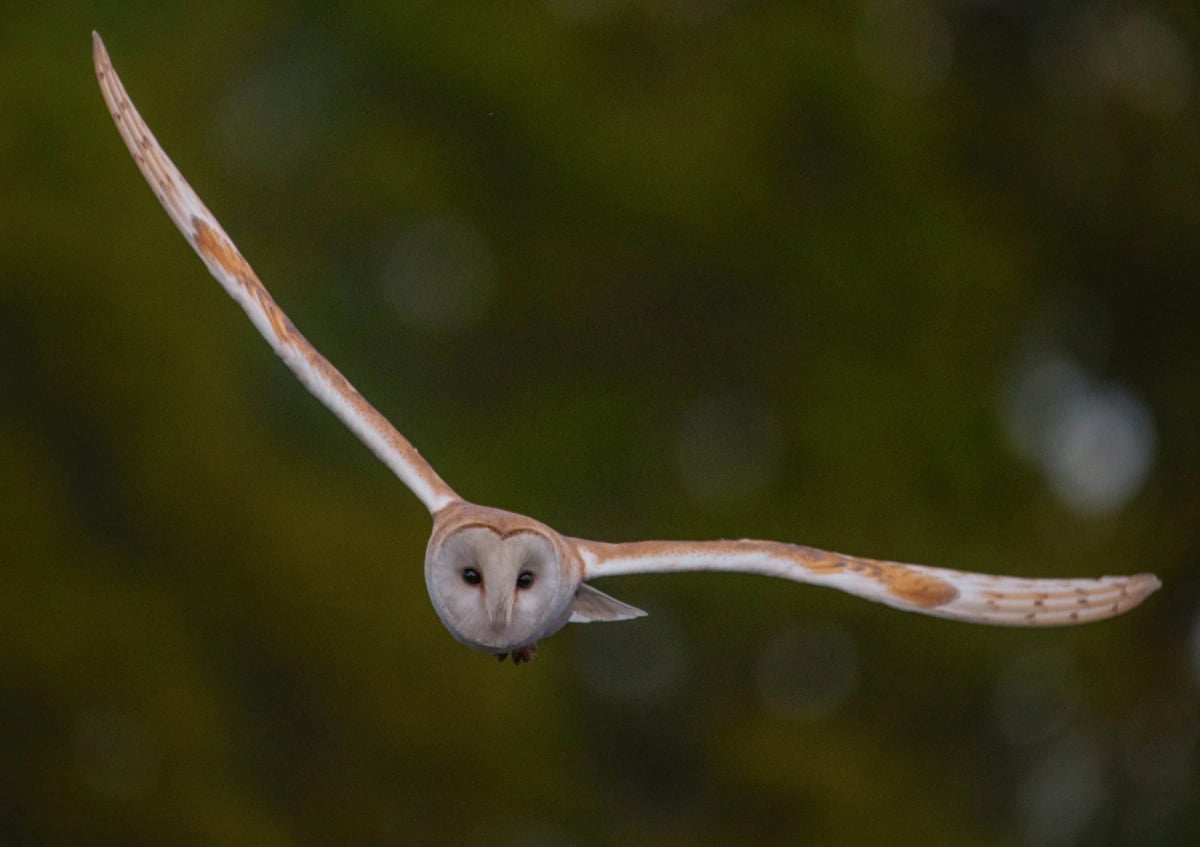
Barn Owl
Tyto alba
The barn owl is present in Chad in open dry savanna, farmland, and oases across the Sahel and Sudanian zones that cover the southern half of the country. It nests in old buildings, palm groves, and rocky outcrops, and hunts rodents at night by sound. In a country where rodent damage to grain stores is a persistent agricultural challenge, its role as a natural pest controller is significant in rural farming communities across the south.
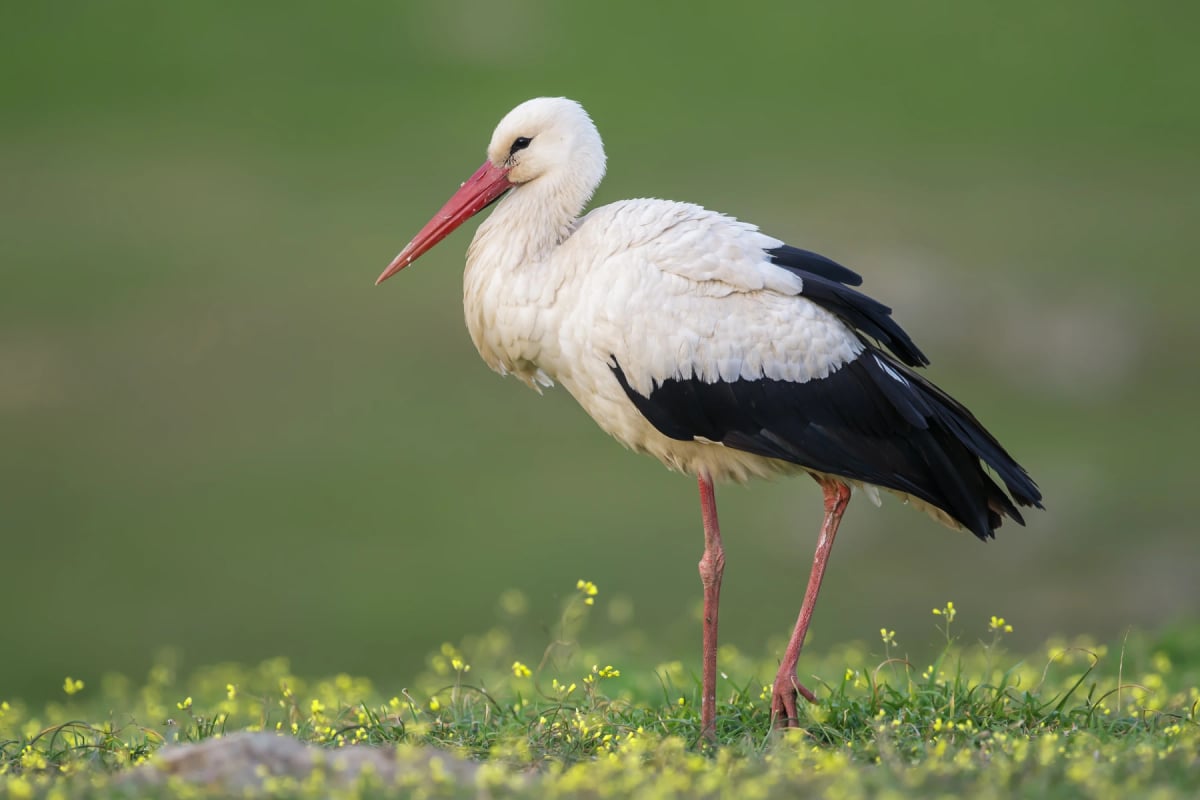
Stork
Ciconia ciconia
Chad lies along one of the white stork's key migration corridors into sub-Saharan Africa. The wetlands around Lake Chad and the surrounding Sahel grasslands provide essential feeding stops for thousands of birds travelling south each autumn. Frogs, fish, and insects are plentiful in these habitats. The health of the Lake Chad basin directly affects how well storks can rest and refuel during this demanding journey.
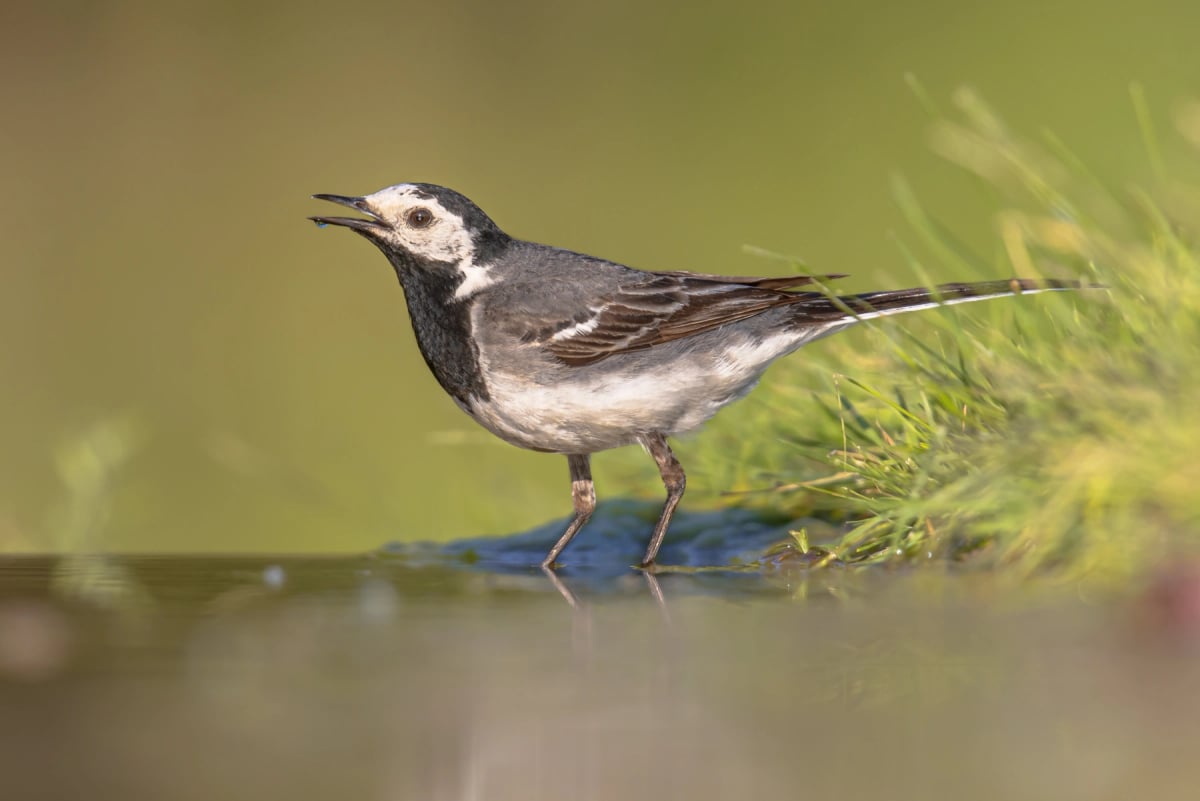
White Wagtail
Motacilla alba
Chad lies on an important migration corridor for the white wagtail, and good numbers of birds pass through or spend the winter here, particularly around Lake Chad and the river valleys of the south. The bird favours the edges of wetlands and open ground, hunting insects on foot. Its bobbing tail is one of the most recognisable sights along Chad's lakeshores. The IUCN lists it as Least Concern.
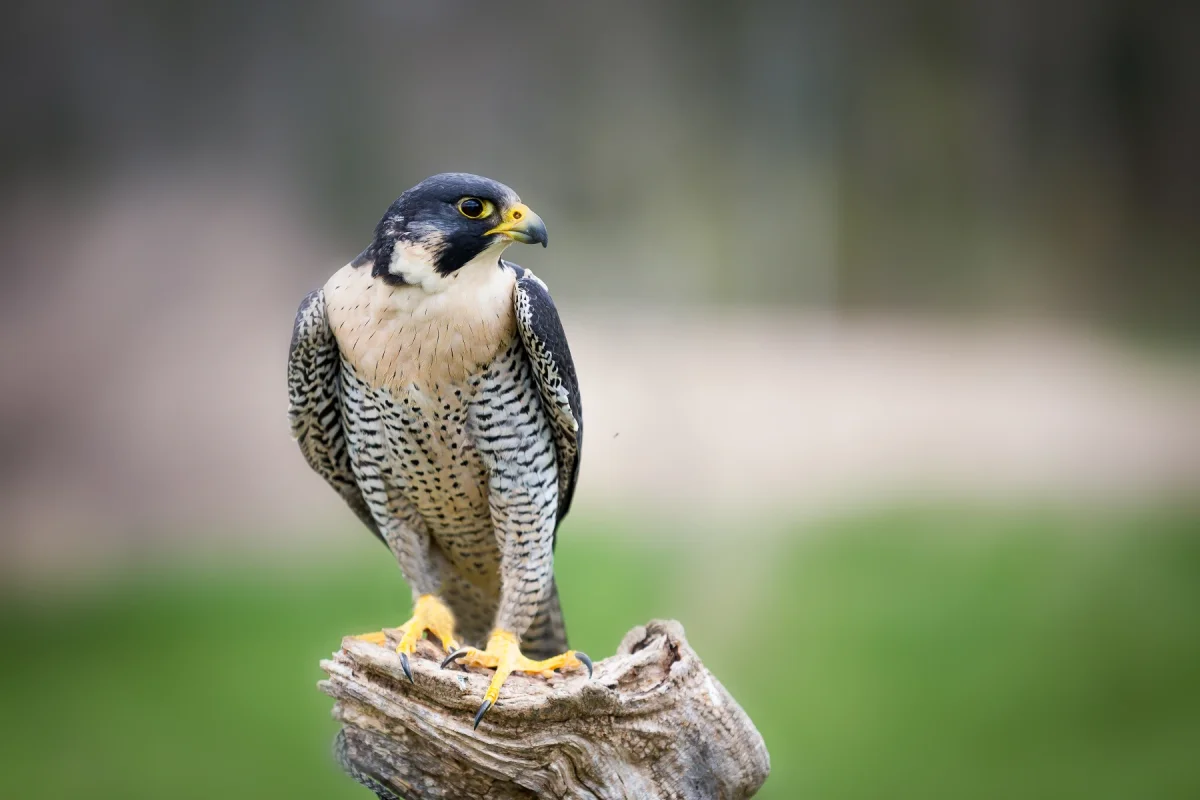
Peregrine Falcon
Falco peregrinus
The peregrine falcon passes through Chad during its long migrations between Europe and sub-Saharan Africa, using the Sahel zone and the Lake Chad basin as key stopover corridors. It hunts shorebirds and pigeons along wetland edges and open plains. Chad lies on one of the most important flyways on the continent, making it a critical transit country for this species each year.
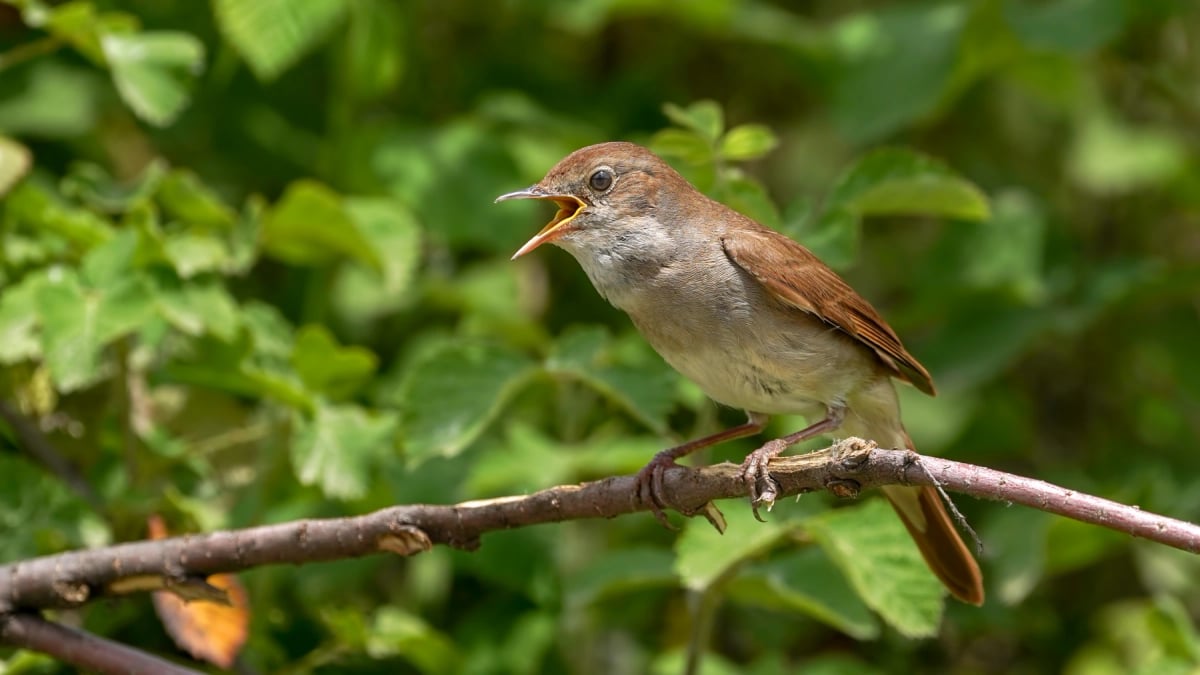
Nightingale
Luscinia megarhynchos
Chad lies along the nightingale's migration route and provides wintering habitat in the country's southern savannas and the scrub around Lake Chad. The bird tends to avoid the vast desert regions to the north. Wintering nightingales are quiet and secretive, feeding on insects and fruit in areas with adequate ground cover. Habitat in the Lake Chad basin has shifted considerably in recent decades due to the lake's shrinkage, which may affect stopover conditions. Its IUCN status is Least Concern.
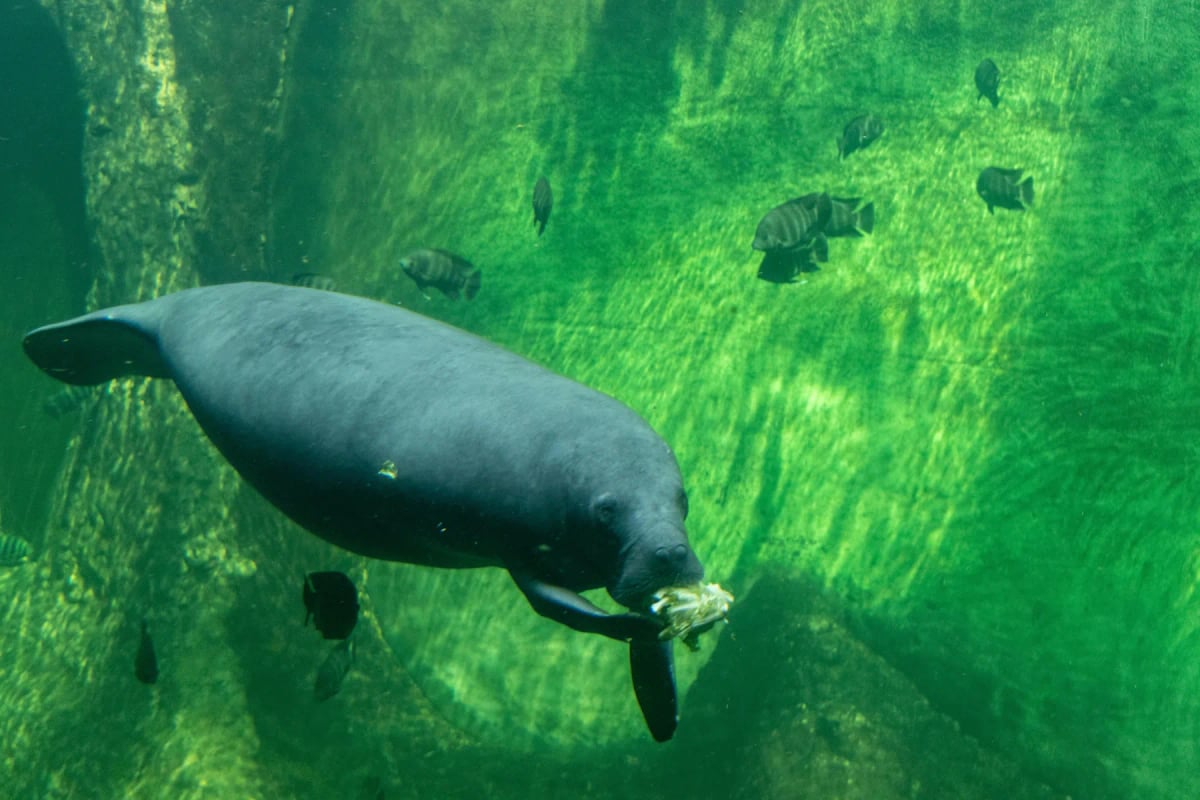
African Manatee
Trichechus senegalensis
Despite being landlocked, Chad hosts the African manatee in the Chari and Logone rivers, which drain into Lake Chad from the south. The species has been documented in Lake Chad itself, one of the most northeasterly points in its entire range. These inland populations are isolated and particularly threatened by water level fluctuations, dam construction upstream and hunting pressure.
Researched and written by Juan Pablo. Sources: IUCN Red List, scientific literature and regional field guides. Last updated: .