Animals in Iraq
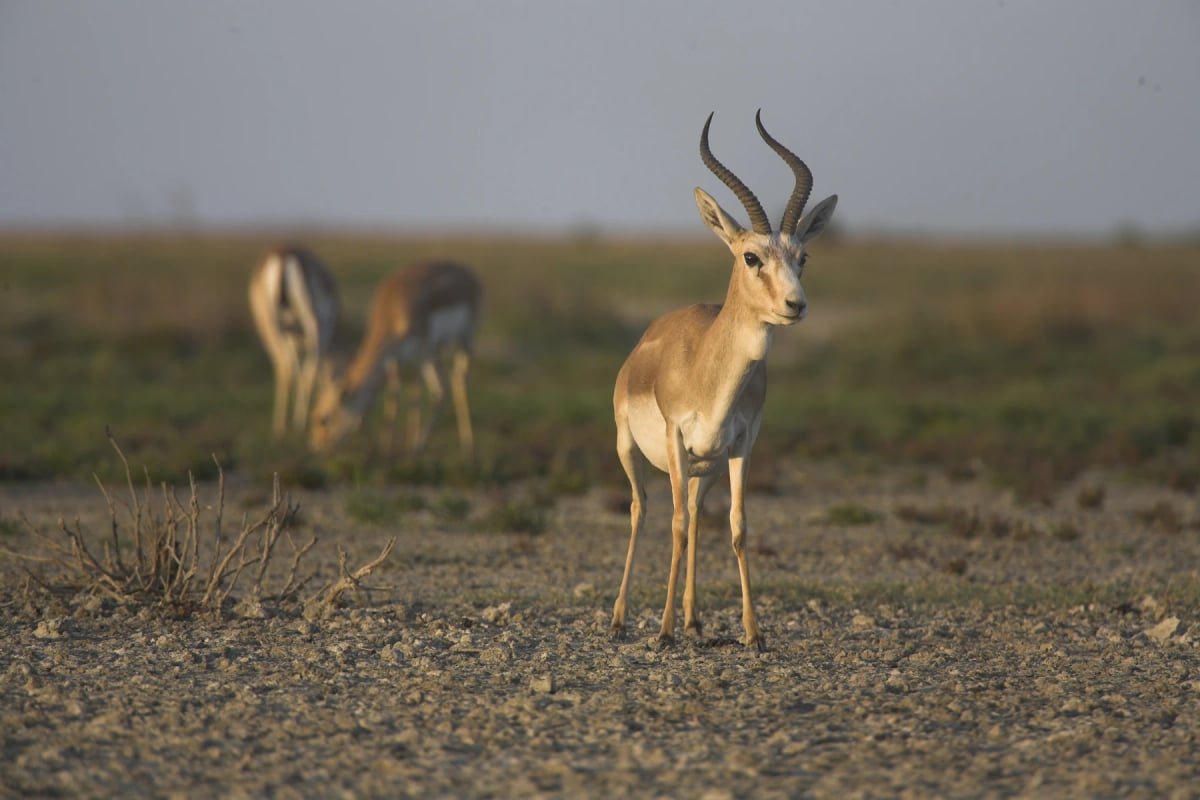
Goitered Gazelle
Gazella subgutturosa
The gazelle is an important animal symbol for Iraq and often appears in stories, drawings and stamps. Its light body and fast movement reflect open plains and quiet steppe areas where small groups still live. In some reserves and along rural roads visitors may see gazelles at a distance and link them with patient travel and long traditions of life in dry lands.
View details→Wildlife in Iraq
Iraq has river plains, marshes, deserts and low mountains, so landscapes change a lot between regions. Visitors often explore nature on short drives near rivers, guided walks in wetlands and simple boat trips on wide parts of the main waterways. From these routes they may see deer, foxes, gazelles, wolves or birds while staying close to towns.
Most Dangerous Animals in Iraq
Danger for visitors in Iraq appears mainly in remote rural areas and at sea. Wild boar may react with force if they feel trapped in dense scrub, while hyenas, leopards, wolves and badgers are strong carnivores that usually avoid people. In deeper coastal waters large sharks hunt far from beaches. On normal tourist routes encounters are rare and mostly distant.
Top 10 Animals in Iraq
The top 10 list for Iraq highlights big cats, desert camels, wolves, fast falcons and large sharks that match its main landscapes. Some species live on dry slopes and rocky hills, others along coasts and deep sea. Short trips from towns, road viewpoints and simple boat tours help visitors learn how these animals use plains, cliffs and offshore waters.
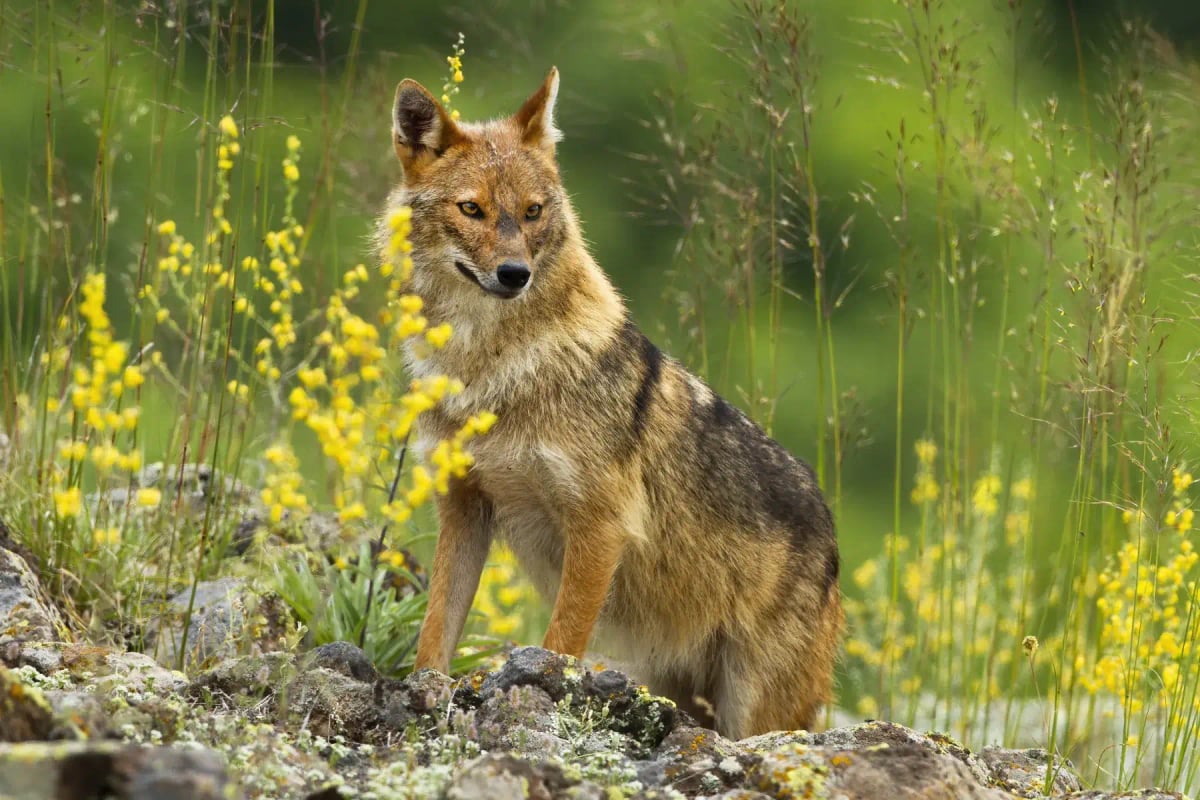
Golden Jackal
Canis aureus
In Iraq, the golden jackal is found mainly in the river plains of the Tigris and Euphrates and in the extensive marshlands of the south, including the Mesopotamian Marshes, a UNESCO World Heritage Site. These wetlands offer ideal conditions: abundant water, dense reed cover, and a reliable supply of small animals and fish scraps. It also ventures into agricultural zones and the edges of rural settlements. IUCN status: Least Concern.
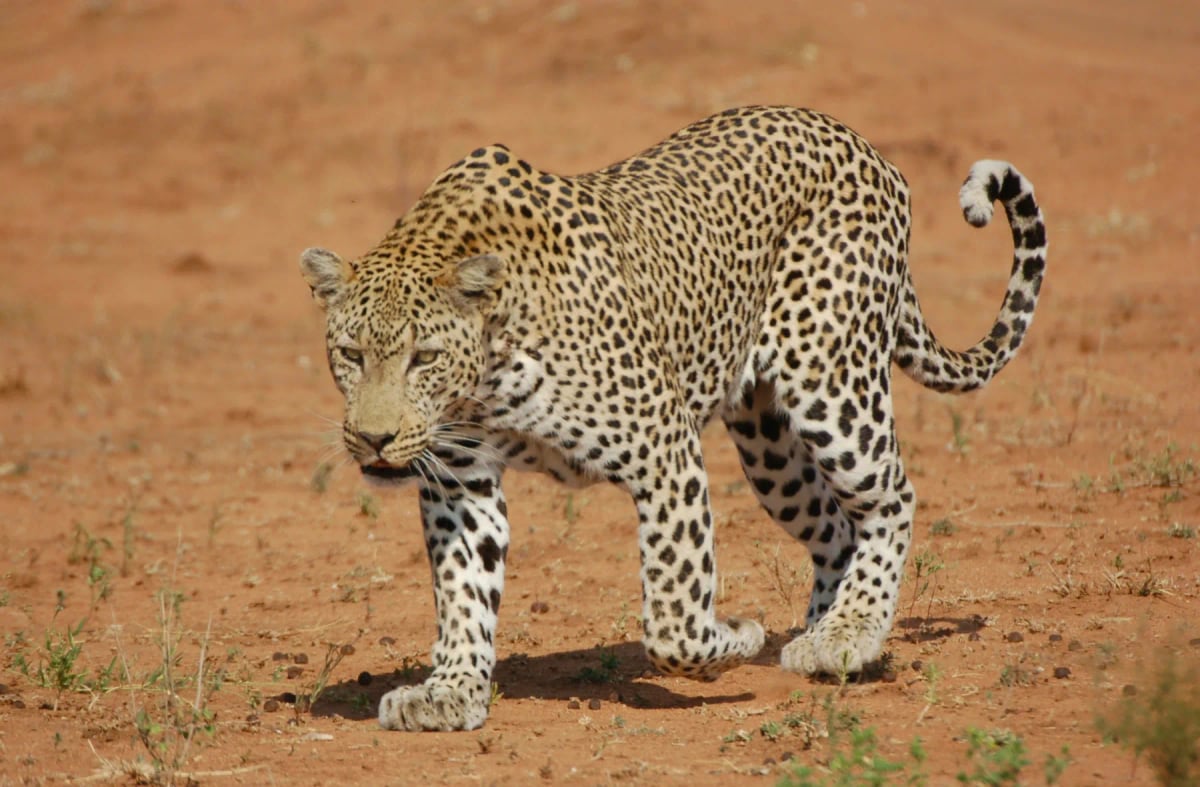
Leopard
Panthera pardus
Leopards have historically been recorded in the mountainous regions of northern Iraq, particularly in the Zagros range near the borders with Iran and Turkey. Confirmed sightings in recent decades are rare, and the population, if one still persists, is likely very small. Ongoing instability and limited wildlife monitoring make it difficult to assess the true status of leopards in this country.
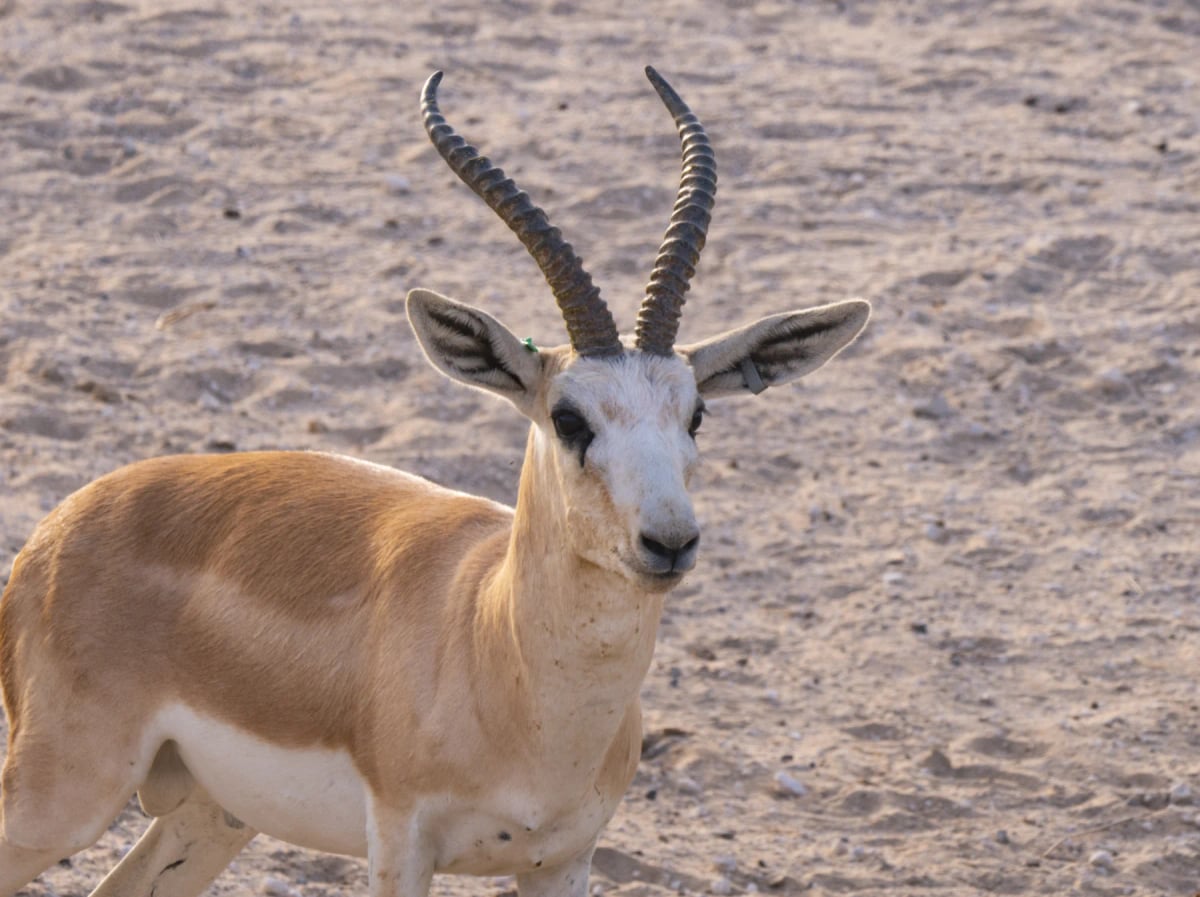
Sand Gazelle
Gazella marica
The sand gazelle, known locally as the reem, once roamed the arid western deserts of Iraq in healthy numbers. Decades of conflict and unregulated hunting pushed populations to critically low levels in the country. Today, sightings in the Syrian Desert region of western Iraq are rare. Its pale coat and ability to survive without drinking water make it well suited to the harsh terrain, but recovery efforts here remain limited.
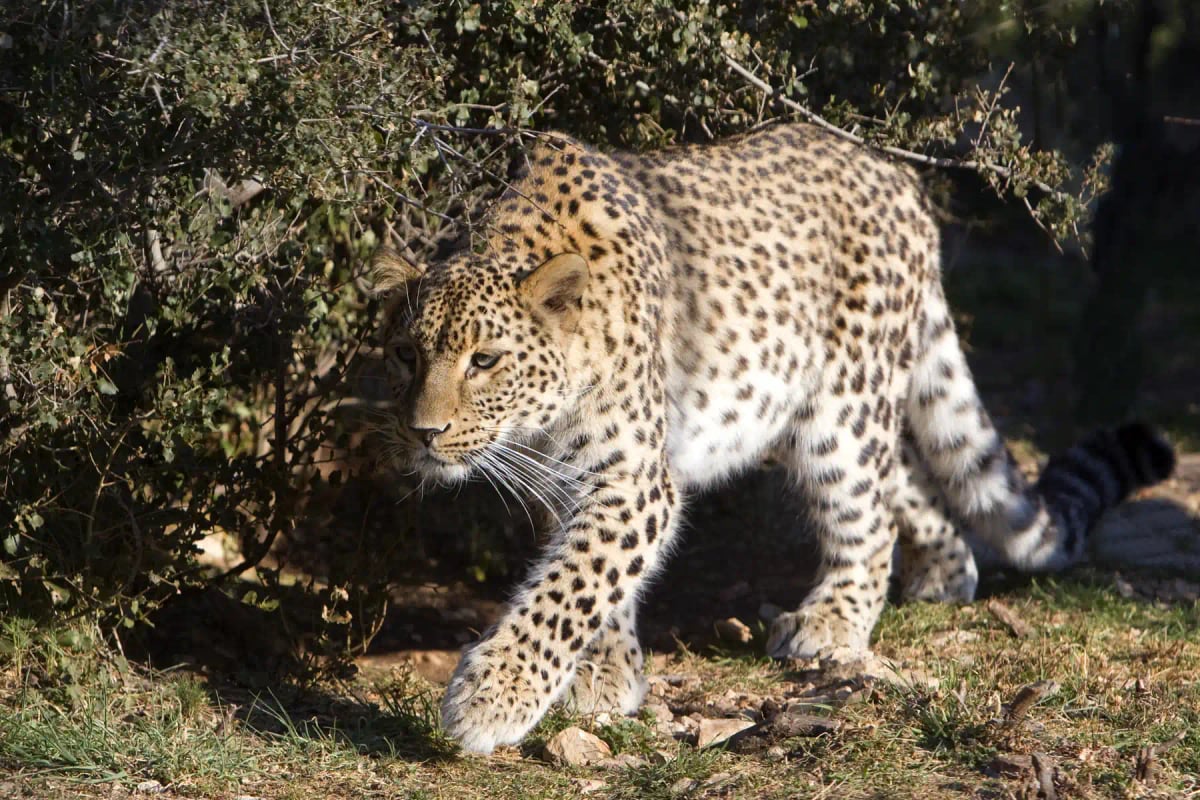
Persian Leopard
Panthera pardus tulliana
Persian leopards have been recorded in the Zagros mountain foothills that extend into northern Iraq, particularly in the Kurdistan region. The population is believed to be very small and under pressure from habitat disturbance and hunting. Its presence in Iraq sits at the western edge of the subspecies' range. Increased protection of forested highland areas would be necessary to support any lasting population in the country.
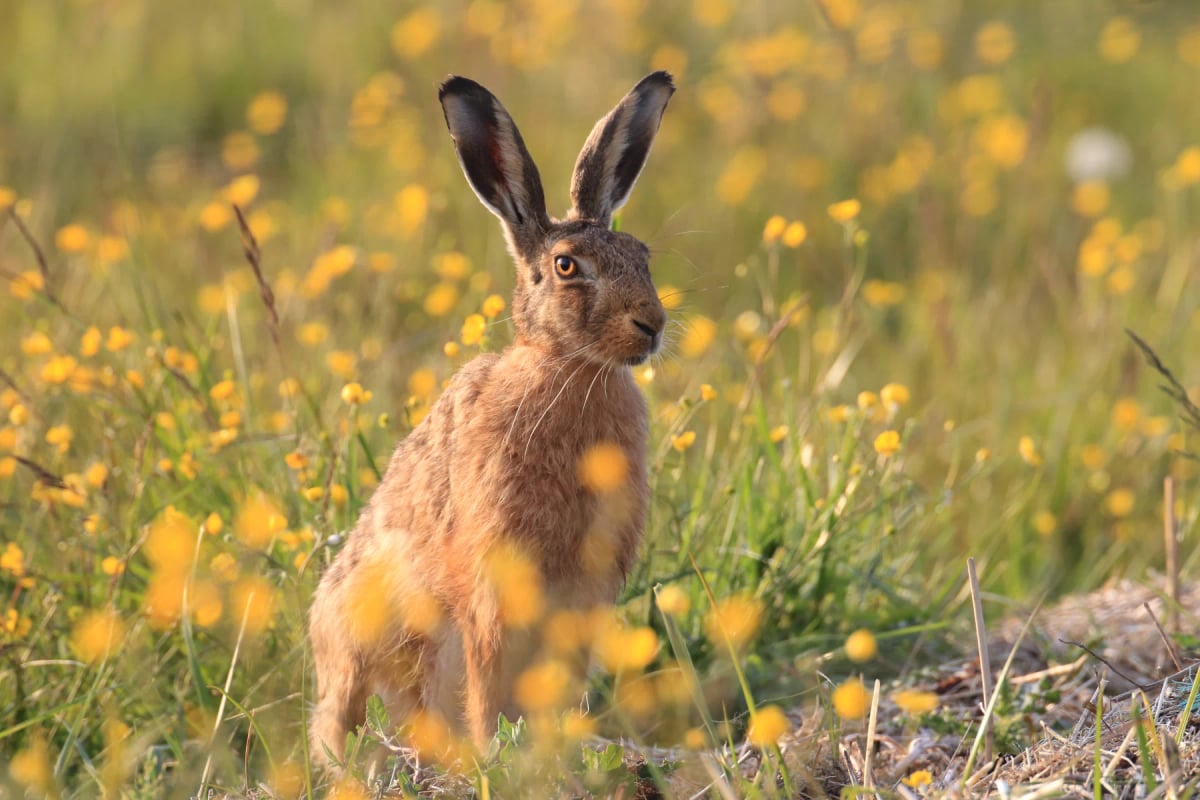
Hare
Lepus europaeus
In Iraq, the European hare occurs in the northern regions, particularly in the agricultural plains and grasslands of the Kurdish highlands and areas bordering Turkey and Iran. The rugged terrain and cooler climate of the north provide more suitable conditions than the arid south. Populations in the region face pressure from habitat degradation and hunting, though the species maintains a presence across suitable areas of the country. IUCN status: Least Concern.
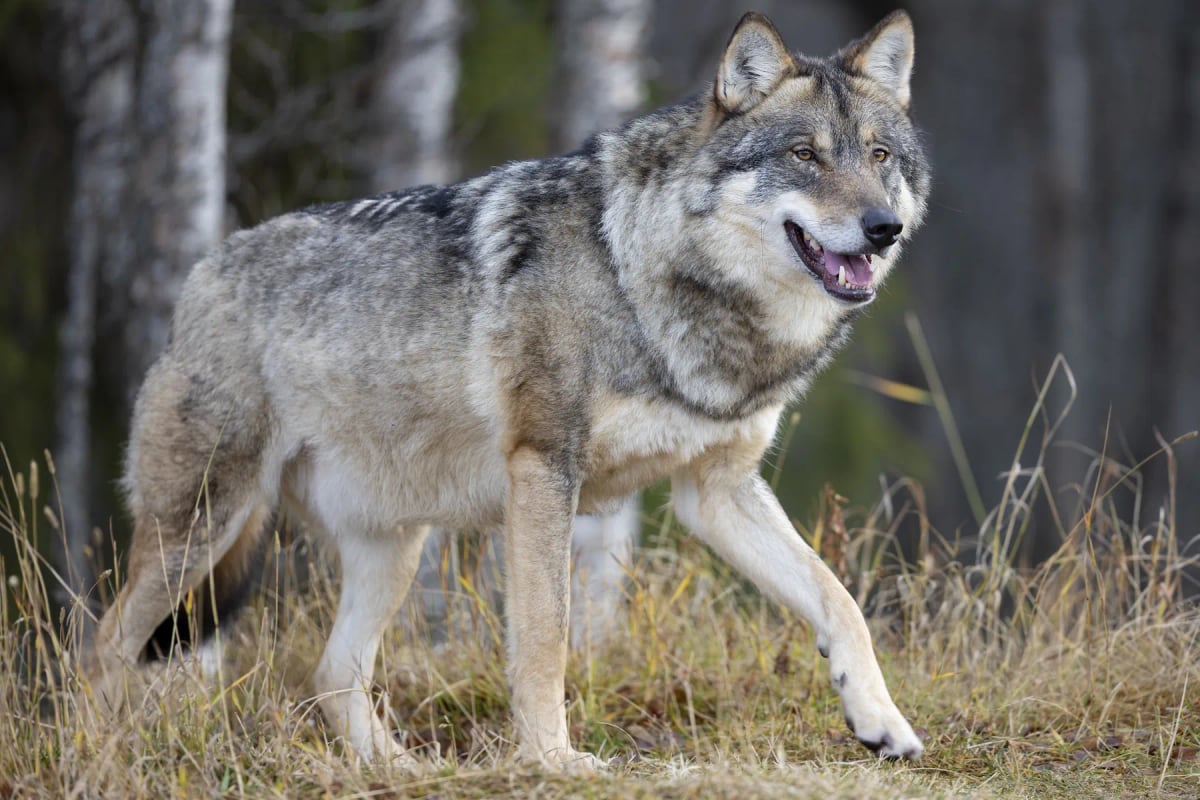
Gray Wolf
Canis lupus
In Iraq, gray wolves survive in low numbers across the northern highlands near the Kurdish region and in parts of the western desert. Their range has contracted significantly due to decades of conflict, habitat degradation, and hunting pressure. These wolves tend to move through remote and rugged terrain where human activity is limited, though their long-term prospects remain uncertain given ongoing pressures in the region.
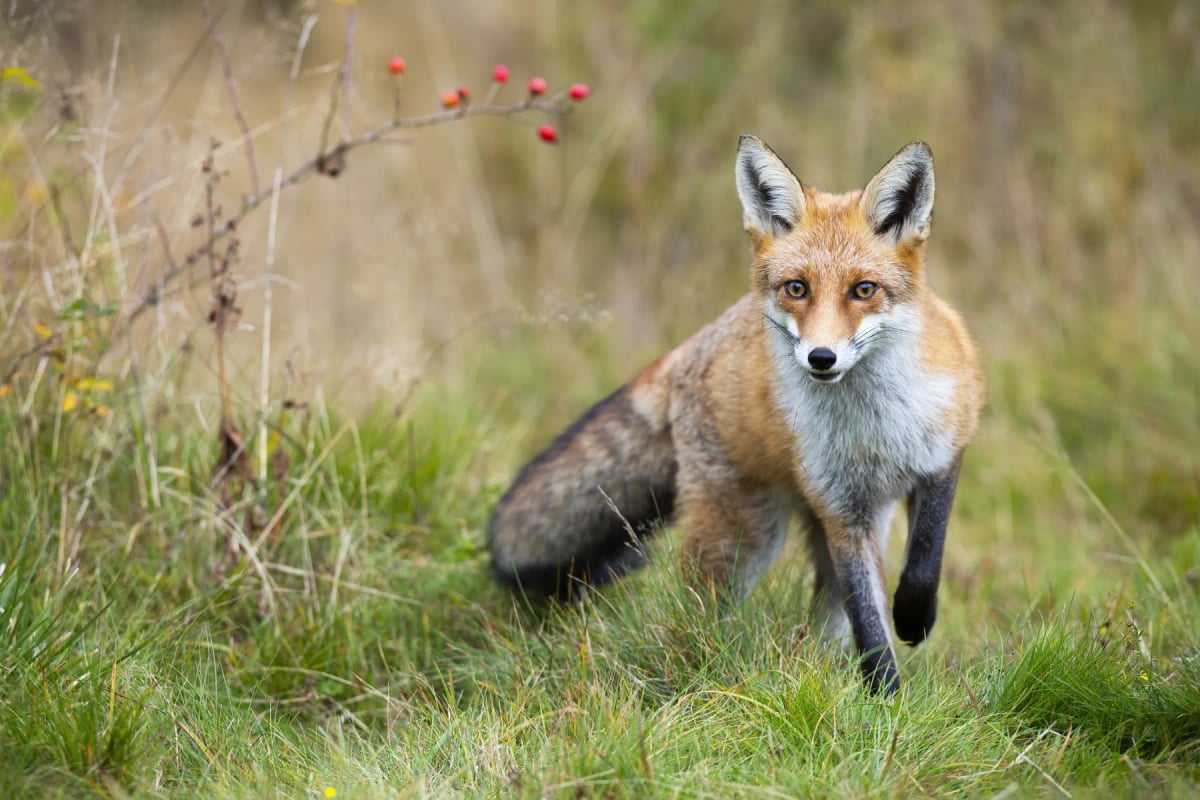
Red Fox
Vulpes vulpes
The red fox is found throughout Iraq, from the marshlands of the south near Basra to the agricultural valleys of the Tigris and Euphrates rivers and the foothills of the Zagros Mountains in the north. It is a resourceful and opportunistic feeder, taking rodents, birds, invertebrates, and food scraps near towns. Though widespread, the species has faced pressure in Iraq from habitat loss linked to the draining of the southern marshes in past decades.
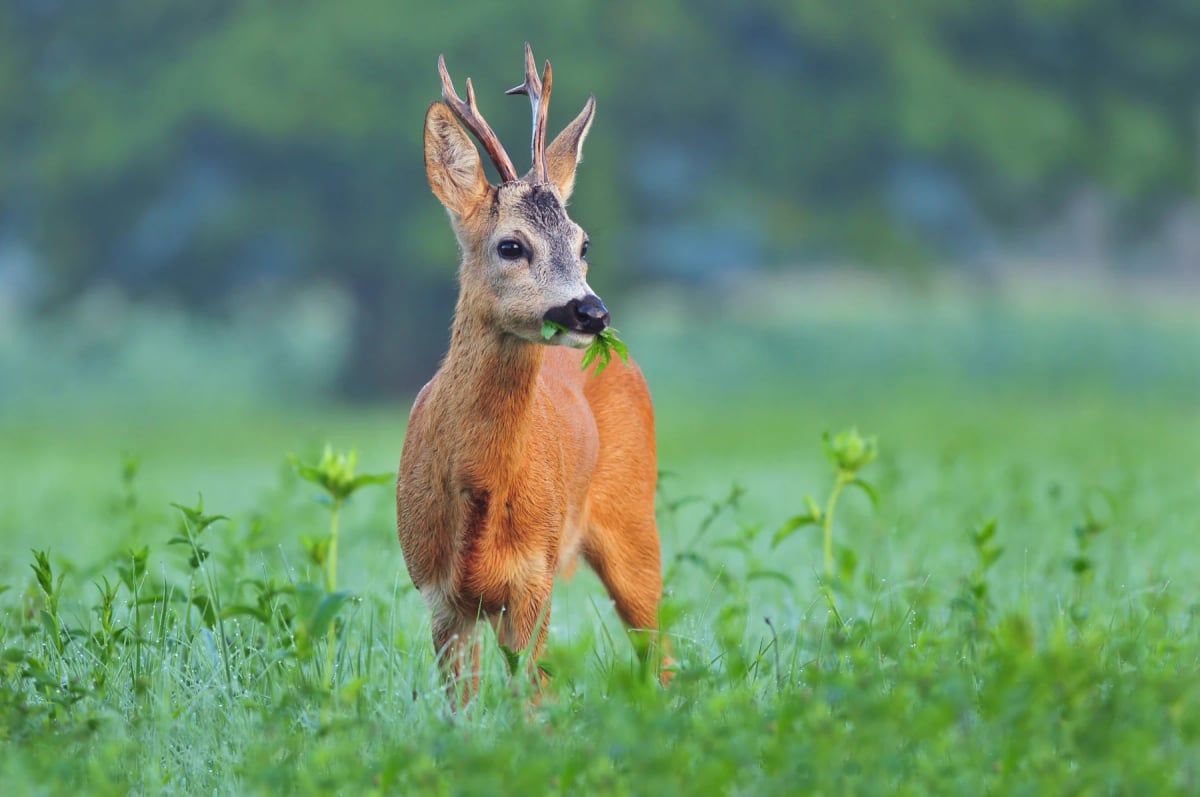
Roe Deer
Capreolus capreolus
The roe deer reaches the southeastern edge of its range in northern Iraq, where it shelters in the wooded valleys and foothills of the Zagros Mountains near the Kurdish region. Populations here are small and relatively isolated compared to those in Europe. The deer feeds on leaves, shoots, and herbs among the oak woodlands of the area. Its IUCN status is Least Concern globally, though local pressures from hunting and habitat loss are a concern.
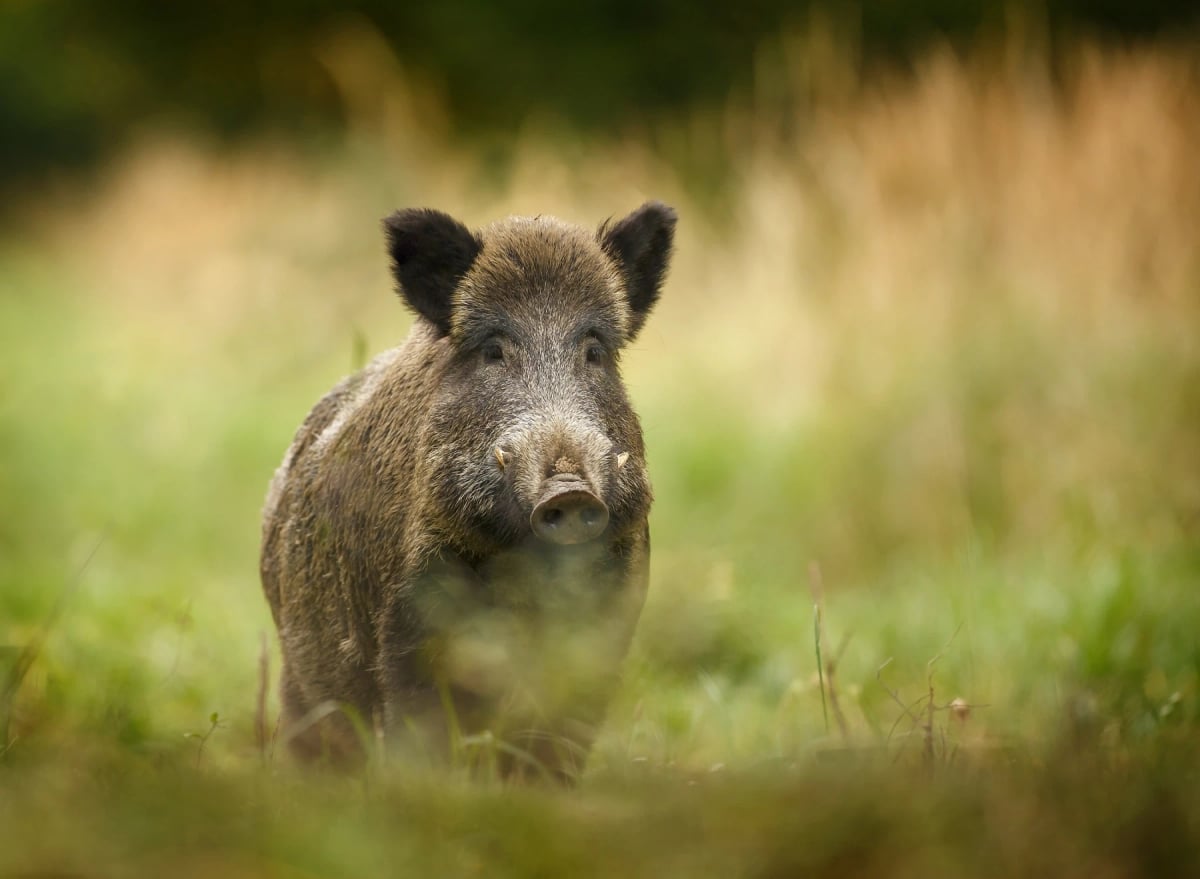
Wild Boar
Sus scrofa
Wild boars live in the marshes of southern Iraq, including the Mesopotamian Marshes, as well as along rivers and in forested parts of the Kurdistan region in the north. Dense reed beds and riverside vegetation provide cover and food. Because pork is not consumed for religious reasons, boars are rarely hunted for meat, though they are sometimes controlled when they damage crops near farmland and irrigation canals.
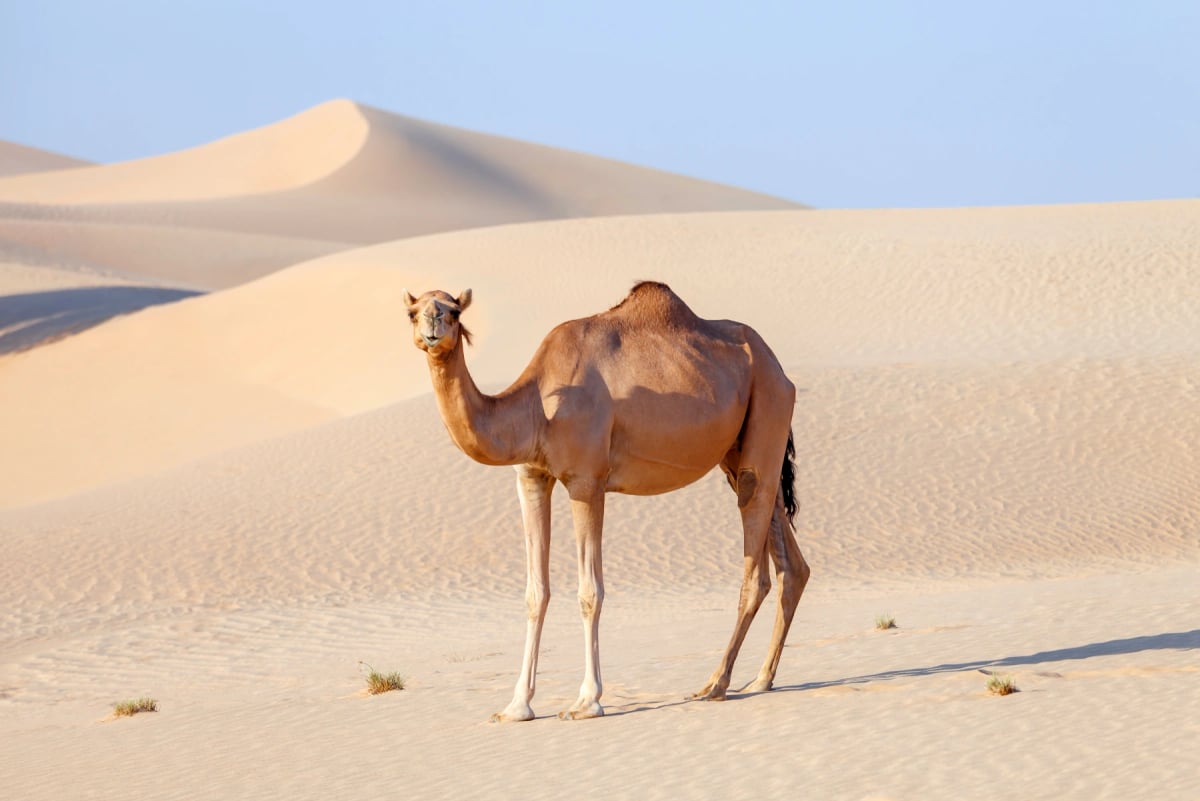
Dromedary Camel
Camelus dromedarius
In Iraq, dromedary camels are found mainly in the western and southern desert regions, where rainfall is scarce and temperatures climb very high in summer. Bedouin communities in Al Anbar and other desert provinces keep dromedaries for milk, meat, and transport. The animals are also raced at local festivals, reflecting a deep cultural connection to the camel that stretches back thousands of years across Mesopotamia.
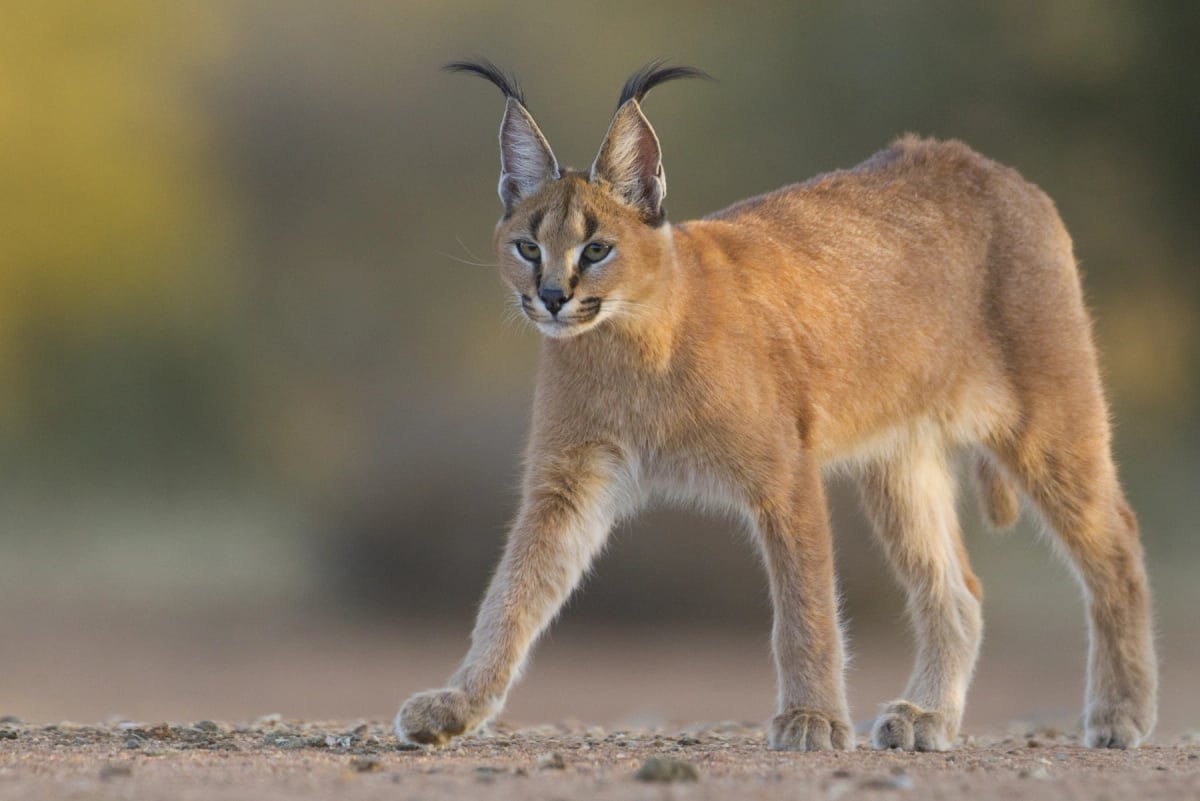
Caracal
Caracal caracal
The caracal has been recorded in Iraq, particularly in the drier western and northern parts of the country where scrublands and rocky terrain provide suitable cover. It is a solitary, largely nocturnal cat that preys on birds, rodents, and small mammals. Verified sightings in Iraq are sparse, making population assessments difficult. The IUCN lists the species as Least Concern globally, though local pressures remain a concern.
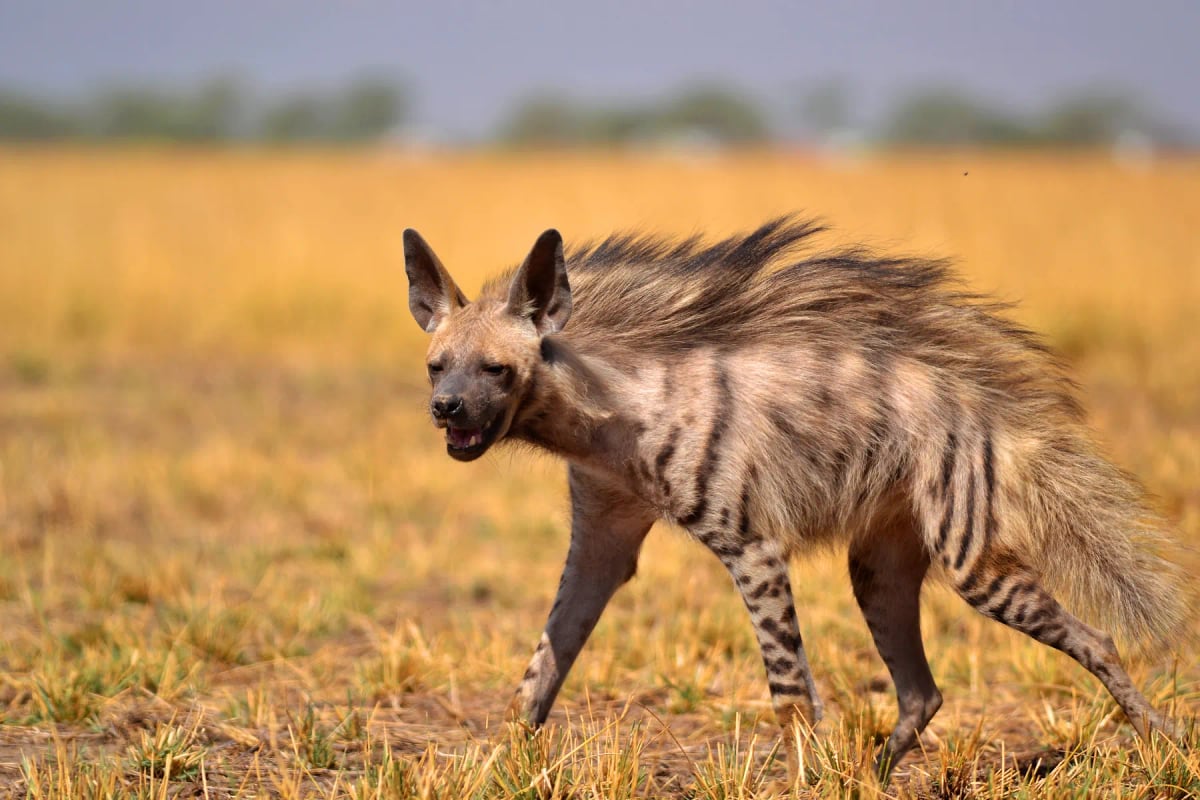
Striped Hyena
Hyaena hyaena
The striped hyena is found across much of Iraq, favoring rocky and semi-arid terrain in the western desert region and the foothills of the Zagros Mountains in the north. It plays an important role as a scavenger, cleaning up animal remains in areas where other large carnivores are scarce. Listed as Near Threatened, it suffers from hunting and the widespread decline of natural habitats across the country.
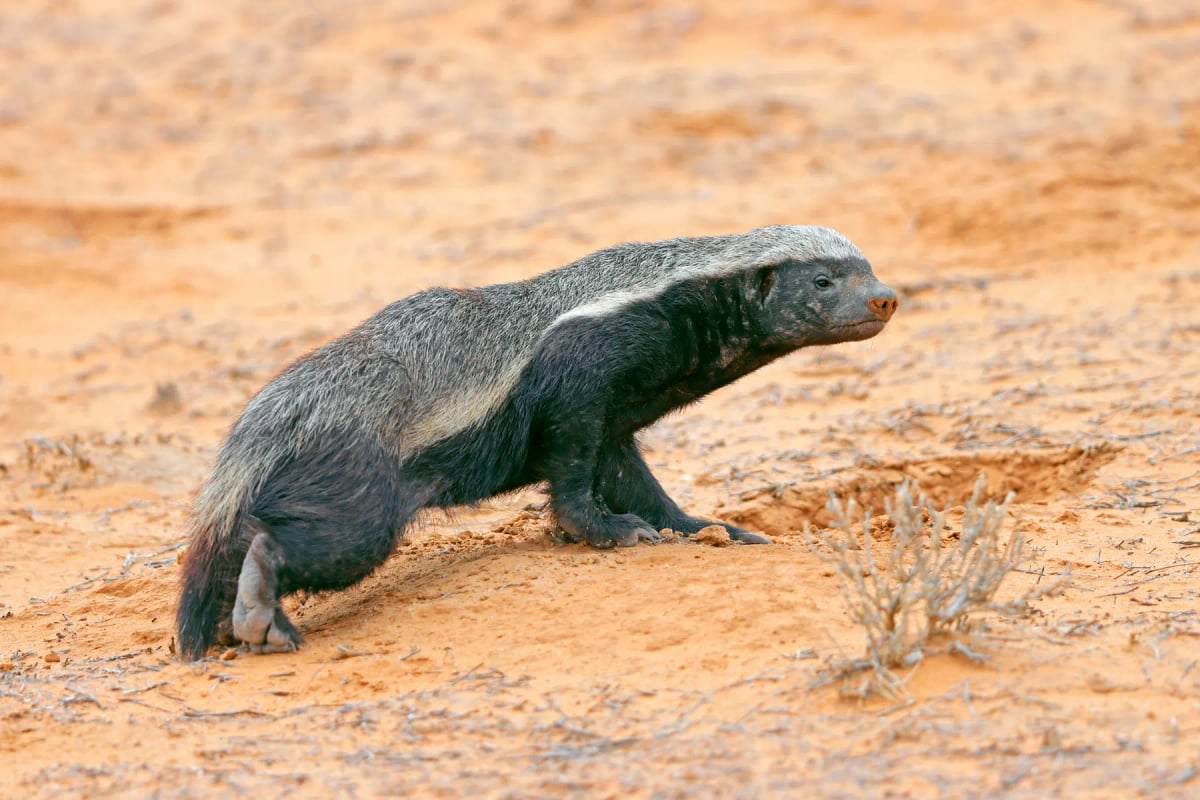
Honey Badger
Mellivora capensis
The honey badger has a presence in Iraq across the dry steppe and desert margins of the country, part of a range that stretches from Arabia through western Asia. It is poorly studied here, with most knowledge drawn from neighboring countries and older survey records. It feeds on rodents, reptiles and insects wherever it can find them. The IUCN lists the species as Least Concern overall.
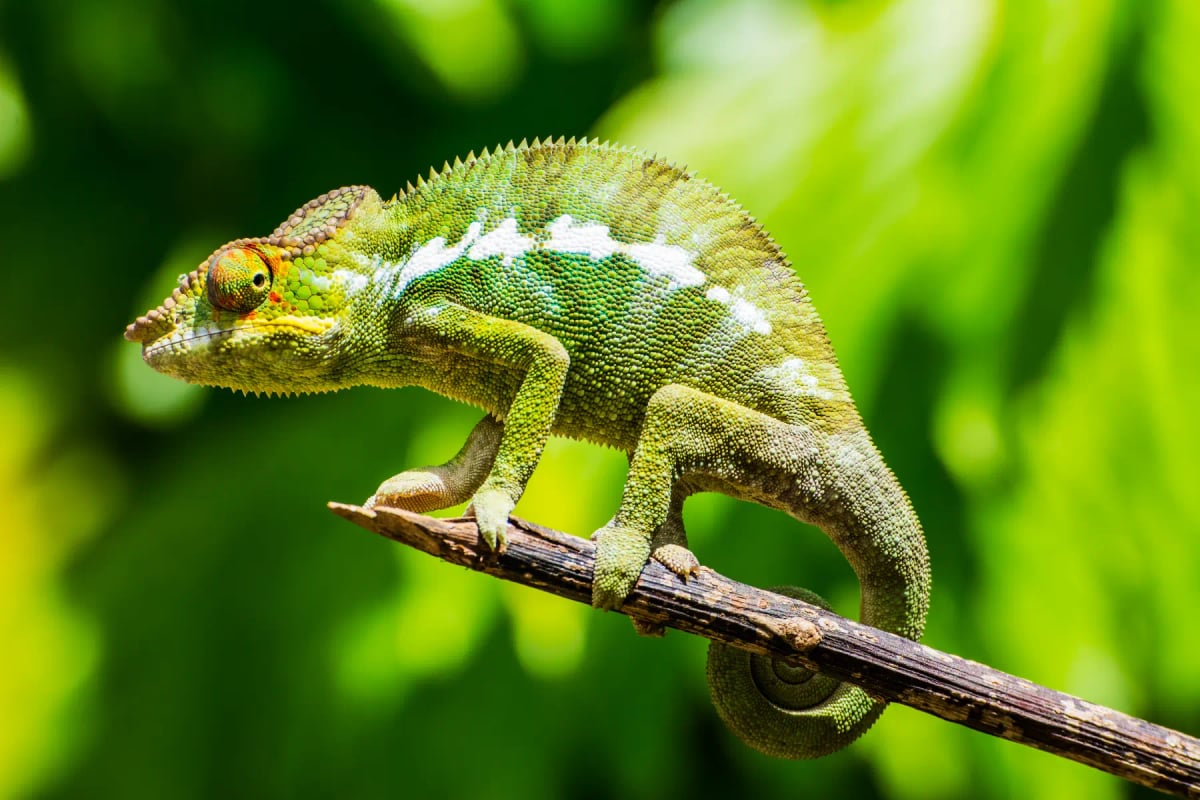
Chameleon
Chamaeleo chamaeleon
The common chameleon (Chamaeleo chamaeleon) reaches the western fringe of Iraq, where it occupies dry scrublands and areas with scattered vegetation near the borders with Syria and Jordan. Sightings are relatively infrequent, and the population is considered sparse. Its independently rotating eyes provide vision across almost every angle, while its tongue can extend to twice the length of its body. IUCN status: Least Concern.
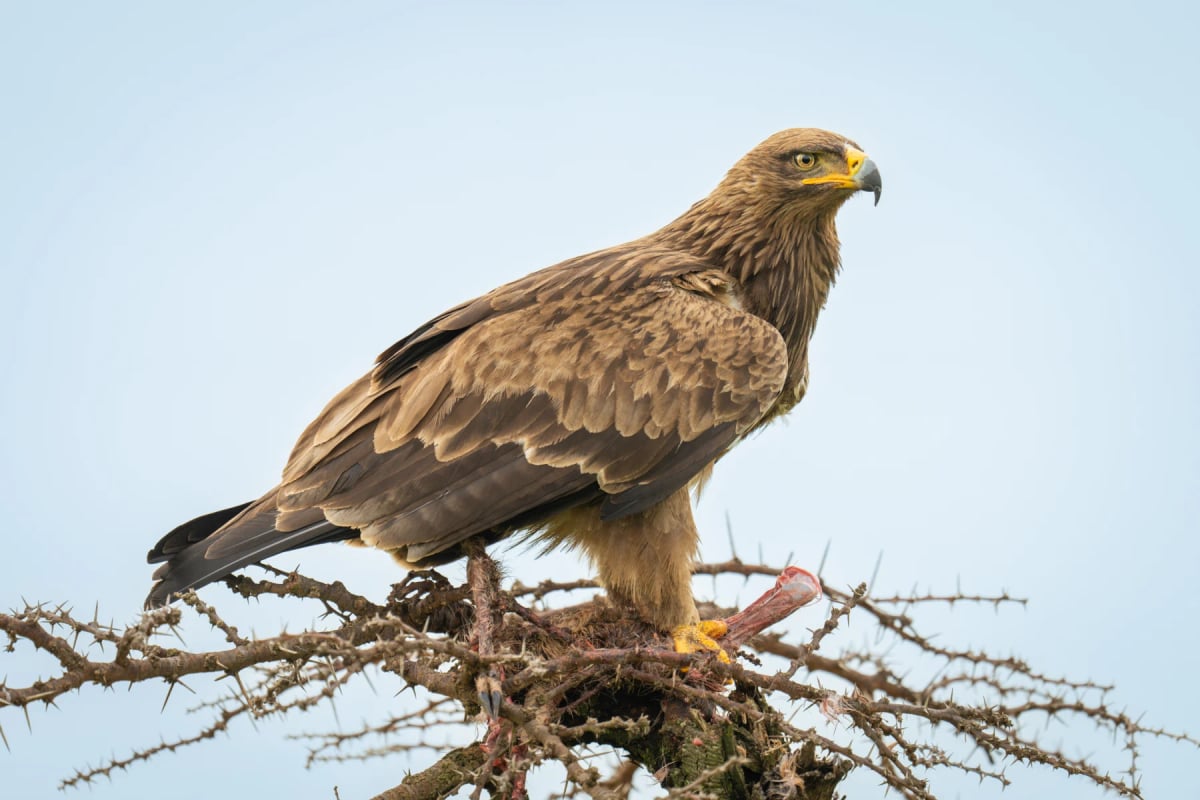
Steppe Eagle
Aquila nipalensis
The Steppe Eagle passes through Iraq during migration and is also recorded as a winter visitor in open habitats across the country, including the plains of the Tigris and Euphrates river valleys. It forages widely in these areas, feeding on carrion and whatever small prey it can find. Classified as Endangered by the IUCN, the species faces risks from electrocution and poisoning, and formal monitoring of raptors in Iraq remains limited.
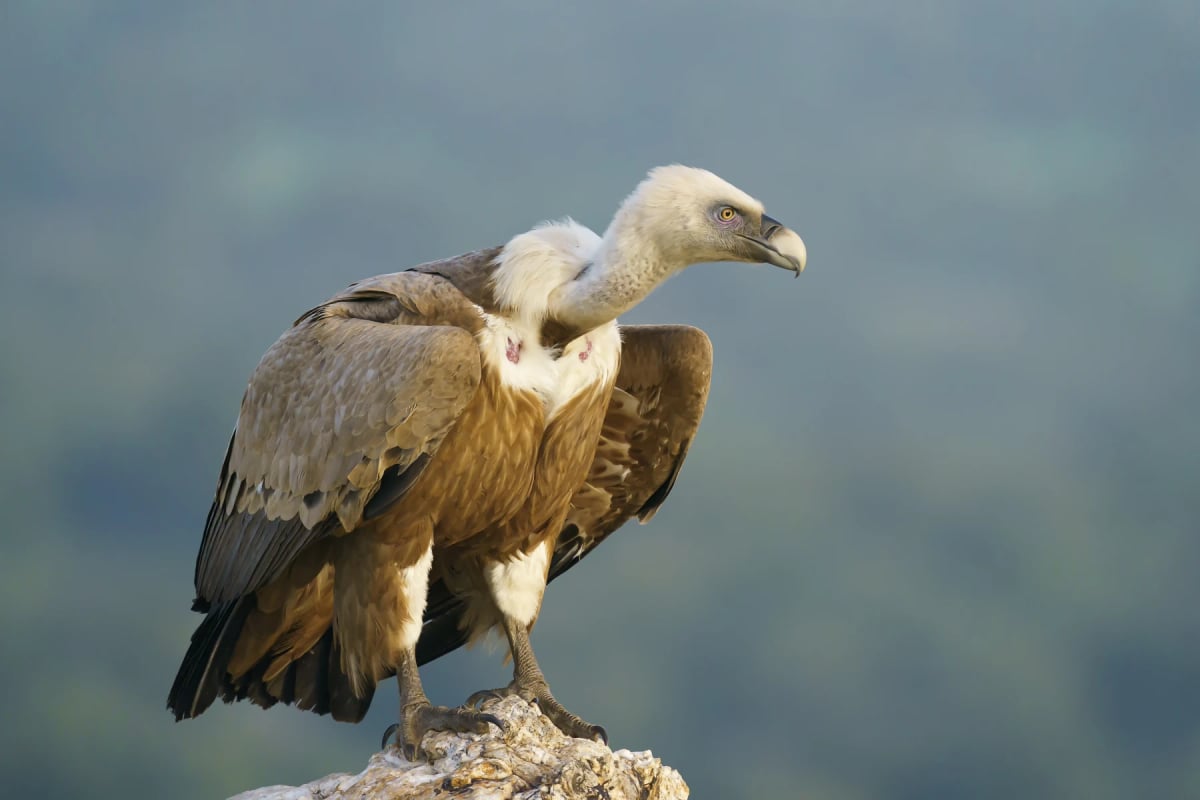
Griffon Vulture
Gyps fulvus
In Iraq, the griffon vulture is mainly recorded in the northern highlands near the Zagros Mountains, where Kurdish regions offer the rocky terrain it needs for nesting. It is more rarely seen in the lowland areas to the south. The species relies on open land and the presence of large animal carcasses to sustain itself. Ongoing habitat pressures in northern Iraq affect the availability of safe nesting sites. Its IUCN status is Least Concern.
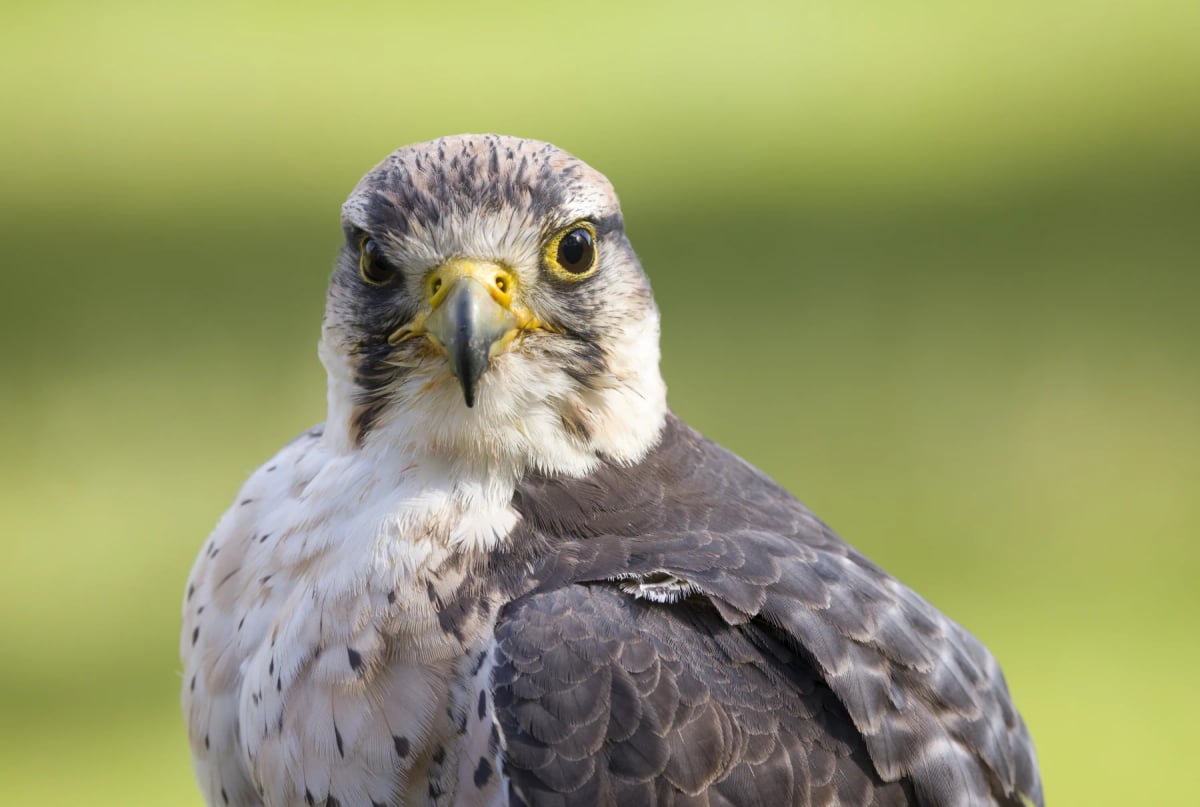
Lanner Falcon
Falco biarmicus
The lanner falcon occurs in Iraq primarily in open desert and semi-desert landscapes, as well as along river valleys such as those of the Tigris and Euphrates. It may breed on cliff faces in the country's more rugged western and northern regions. Falconry has a deep cultural history in Iraq, and the lanner has been valued in that tradition. The IUCN lists it as Least Concern.
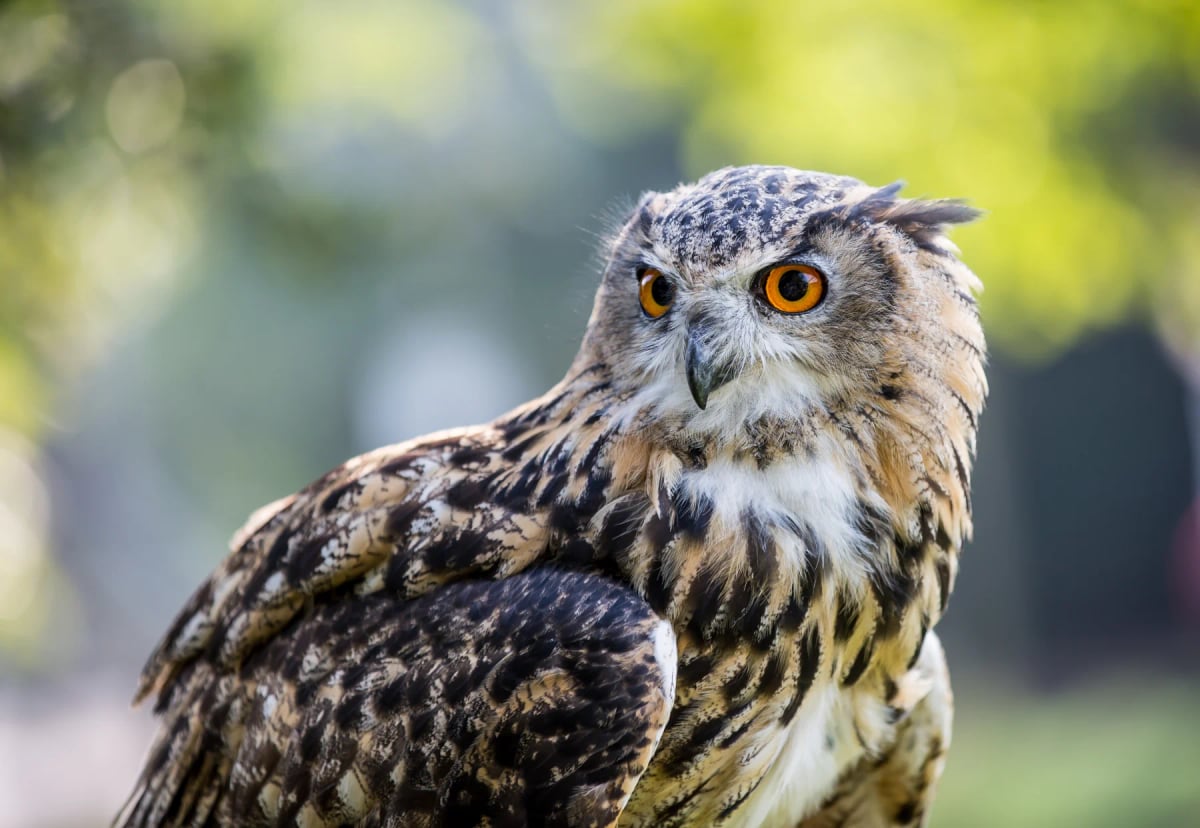
Eagle Owl
Bubo bubo
In Iraq, the Eurasian eagle owl is most associated with the rocky hills and mountain valleys of the northern Kurdistan region, where cliffs provide ideal nesting sites. It also appears in drier lowland areas near the Tigris and Euphrates rivers. Largely nocturnal, it preys on rodents, birds, and small mammals. The IUCN rates the species as Least Concern across its global range.
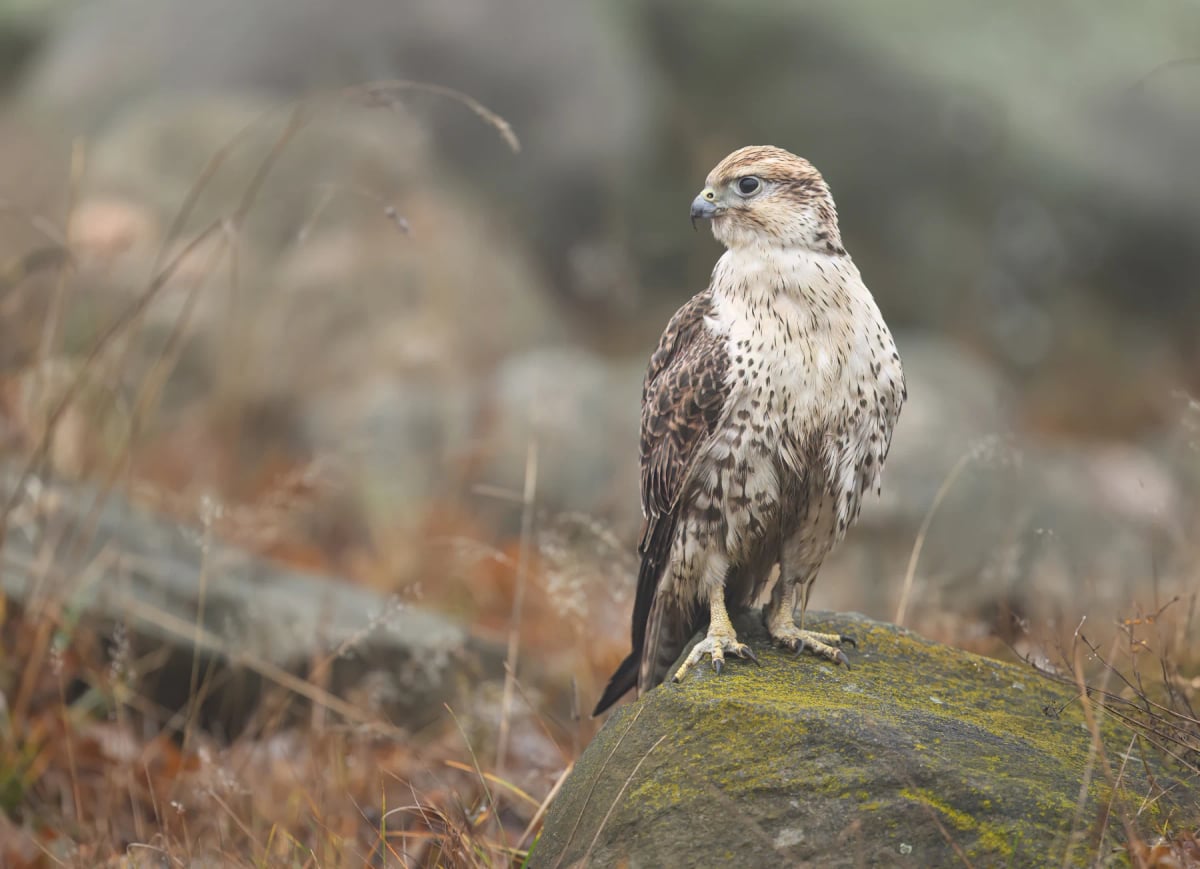
Saker Falcon
Falco cherrug
The saker falcon passes through Iraq during migration and is recorded as a winter visitor across the country's open desert and semi-desert landscapes. The broad flat terrain of central and western Iraq offers suitable conditions for the falcon's characteristic low, fast hunting style. The species faces pressure from illegal trapping linked to the falconry trade in the region. The IUCN lists the saker falcon as Endangered.
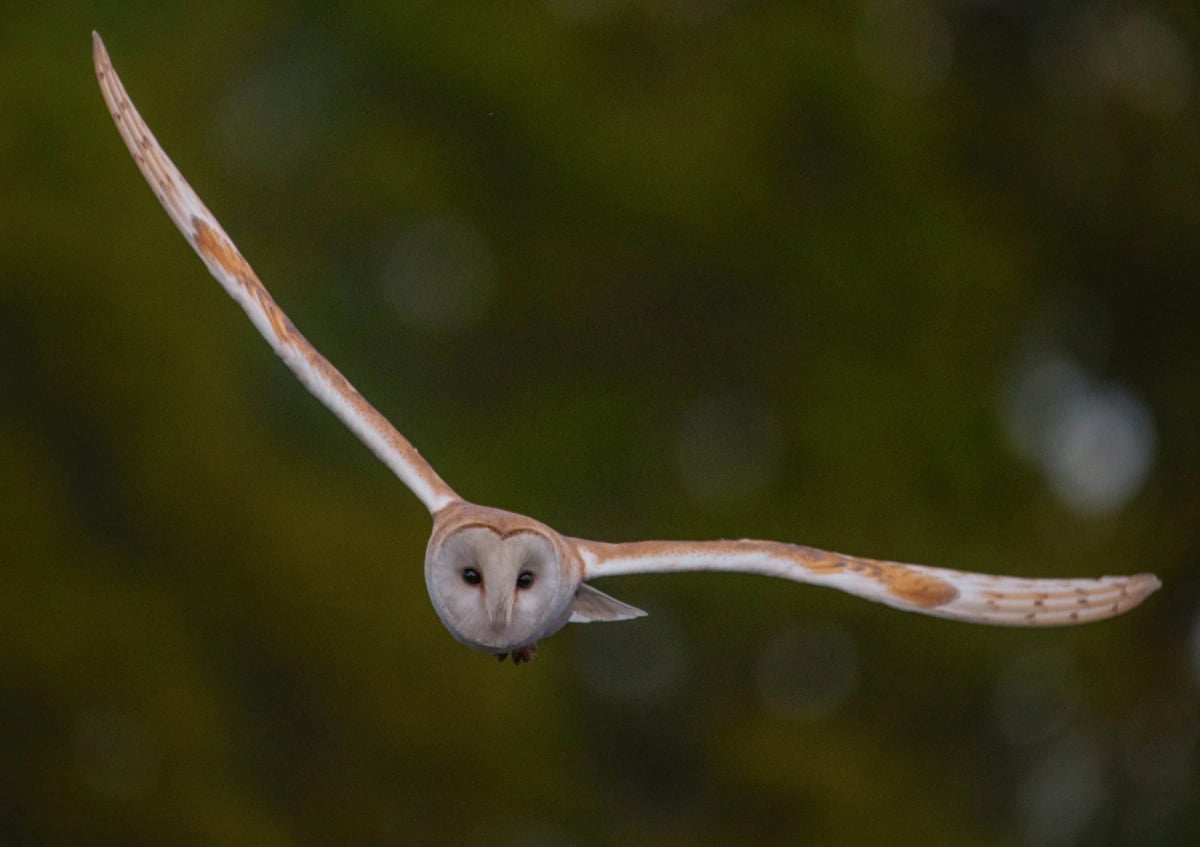
Barn Owl
Tyto alba
The barn owl is found in Iraq in open farmland, date palm groves, and areas near villages along the Tigris and Euphrates river valleys and the irrigated plains of Mesopotamia. It nests in old buildings, ruins, cliff faces, and palm groves, and hunts rodents at night. In the agricultural heartland between the two great rivers it plays a useful role in controlling small mammal populations that damage crops and stored grain. Its presence in ancient ruins and historic structures throughout the country gives it a distinctive character in the Iraqi landscape.
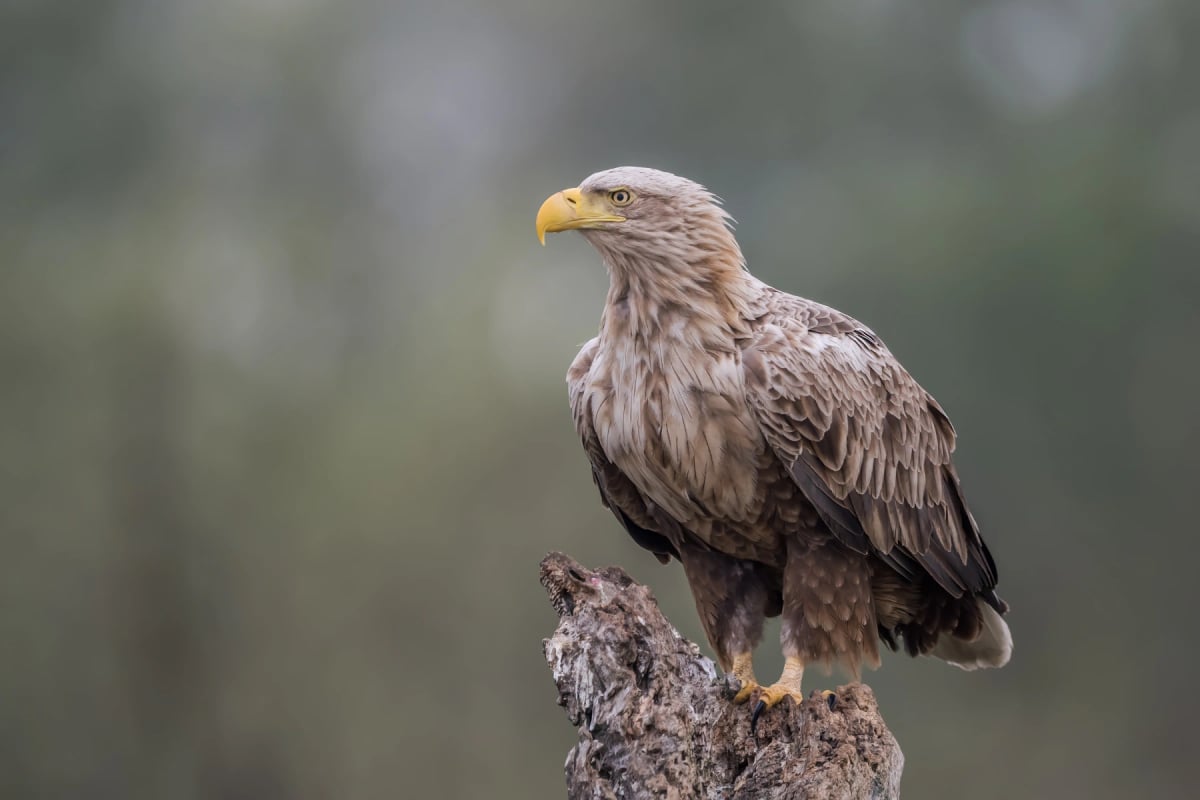
White tailed Eagle
Haliaeetus albicilla
The white tailed eagle visits Iraq during the winter months, making use of the extensive marshlands of the south, including the famous Mesopotamian Marshes near Basra, a UNESCO World Heritage Site. These vast wetlands provide ideal foraging ground, with abundant fish and waterfowl. The eagle is an uncommon but notable winter presence here, passing through or overwintering along major river corridors such as the Tigris and Euphrates.
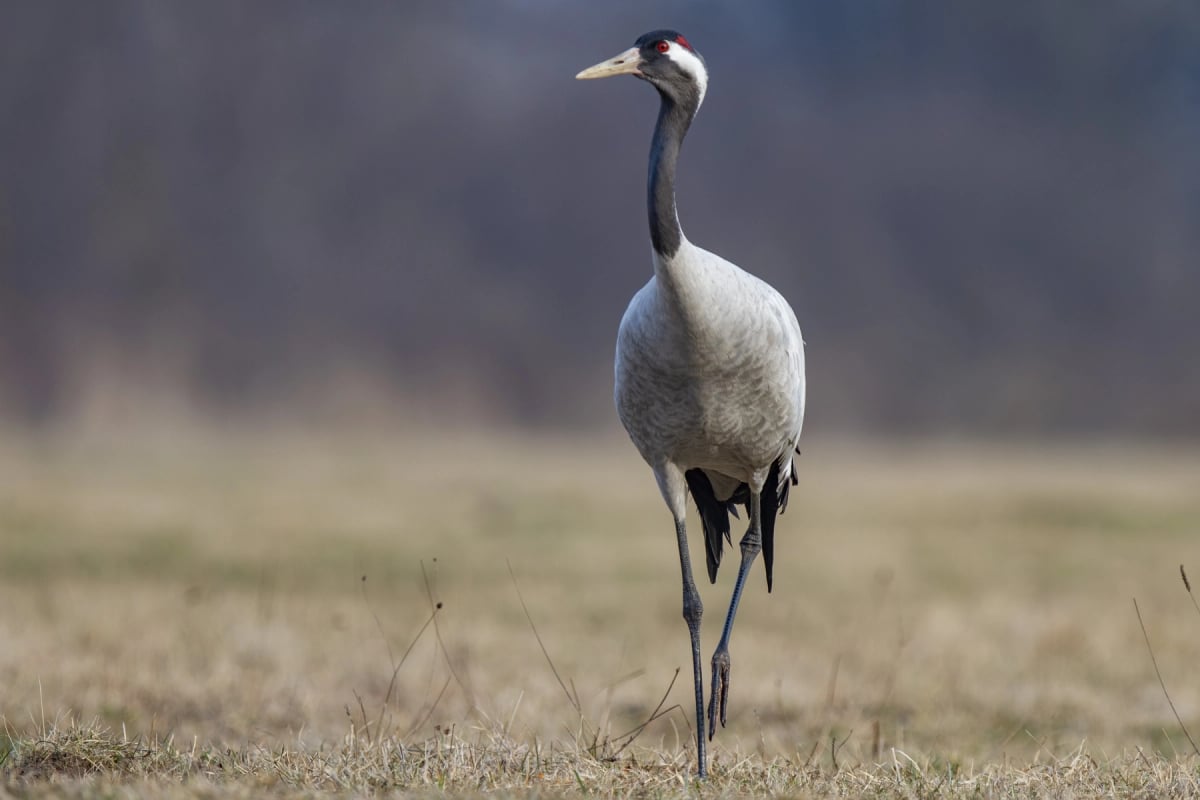
Crane
Grus grus
Common cranes visit Iraq during the winter months, making use of the country's river floodplains and marshes, including the famous Mesopotamian Marshes of the south, a UNESCO World Heritage site. These wetlands offer rich feeding grounds for cranes wintering along the Middle Eastern flyway. The IUCN lists the species as Least Concern. The ongoing restoration of the Mesopotamian Marshes after past drainage has benefited wintering waterbirds, including the crane.
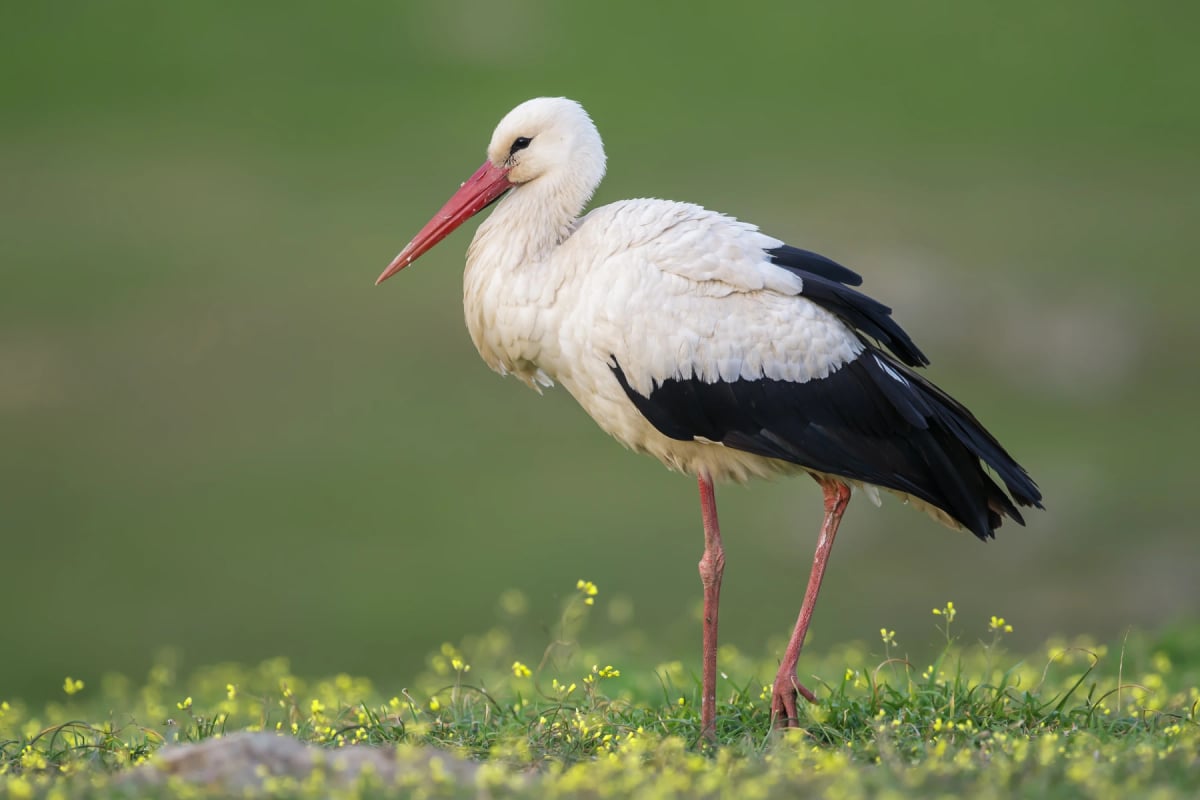
Stork
Ciconia ciconia
Iraq lies along a major migratory corridor for white storks moving between breeding grounds in Europe and western Asia and their wintering areas in Africa. The Mesopotamian Marshes of southern Iraq, a UNESCO World Heritage Site, serve as a valuable refuelling stop. Storks feed on fish, frogs, and invertebrates in these vast wetlands. Passage birds are most visible during spring and autumn, though small numbers may also linger in suitable habitat.
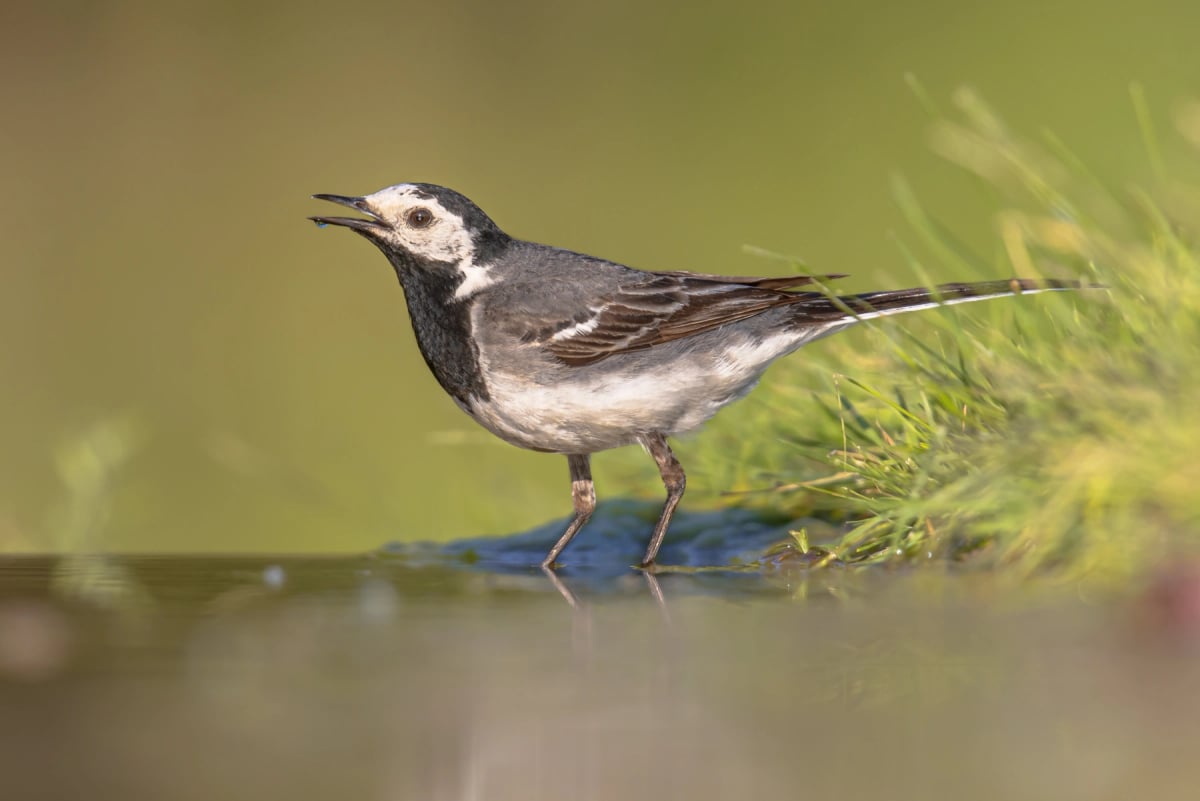
White Wagtail
Motacilla alba
In Iraq, the white wagtail is commonly seen along the Tigris and Euphrates rivers and around the famous Mesopotamian Marshes of the south, one of the most important wetland areas in the Middle East. It visits during the winter months and on migration, favouring open ground near water where insects are plentiful. Its lively tail bobbing makes it one of the easiest birds to recognise in the region.
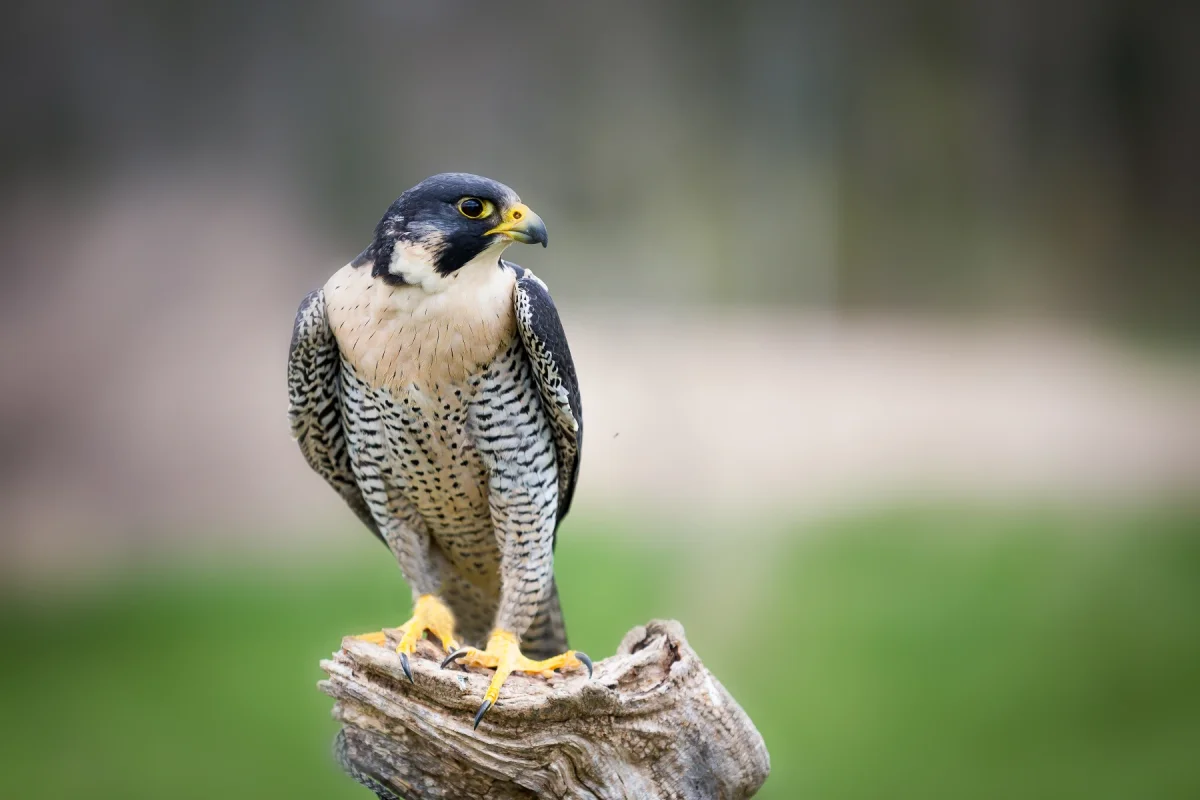
Peregrine Falcon
Falco peregrinus
The peregrine falcon is recorded in Iraq mainly as a passage migrant and winter visitor, moving through the country during its seasonal journeys between breeding and wintering areas. The marshlands of southern Iraq, the Mesopotamian wetlands near Basra, and the rocky uplands in the north all provide suitable habitat. Some individuals may also winter in the region, making use of the rich birdlife concentrated around the rivers and wetlands. IUCN status: Least Concern.
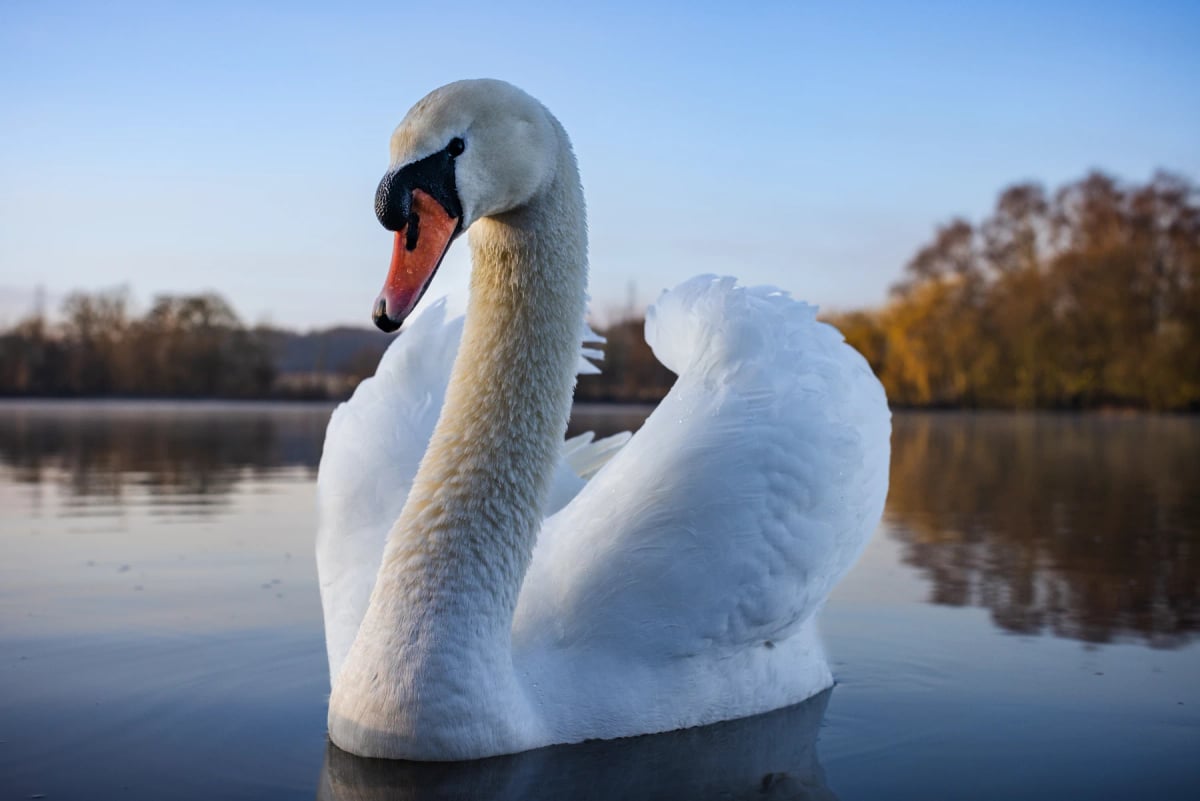
Mute Swan
Cygnus olor
The mute swan visits Iraq mainly in winter, appearing along the Tigris and Euphrates rivers and in the marshlands of southern Iraq, including the famous Mesopotamian Marshes. These wetlands provide rich feeding grounds where the birds rest during their seasonal movements. With its white plumage and orange bill, the mute swan stands out clearly among the reeds and open water. Its IUCN status is Least Concern.
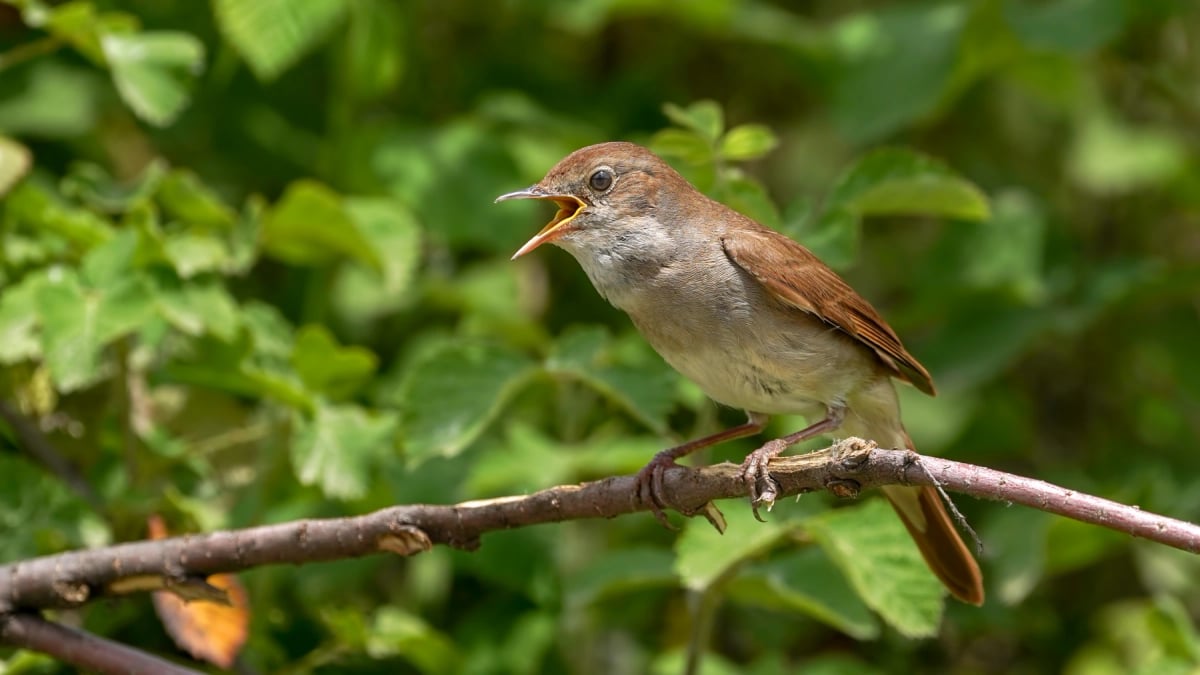
Nightingale
Luscinia megarhynchos
The nightingale breeds in parts of Iraq, particularly in the better-watered northern regions where riverside scrub, orchards and thickets of dense vegetation occur. It also passes through on migration, following river valleys such as the Tigris and Euphrates. Males can be heard singing in spring in suitable habitats in the north of the country. Its IUCN status is Least Concern.
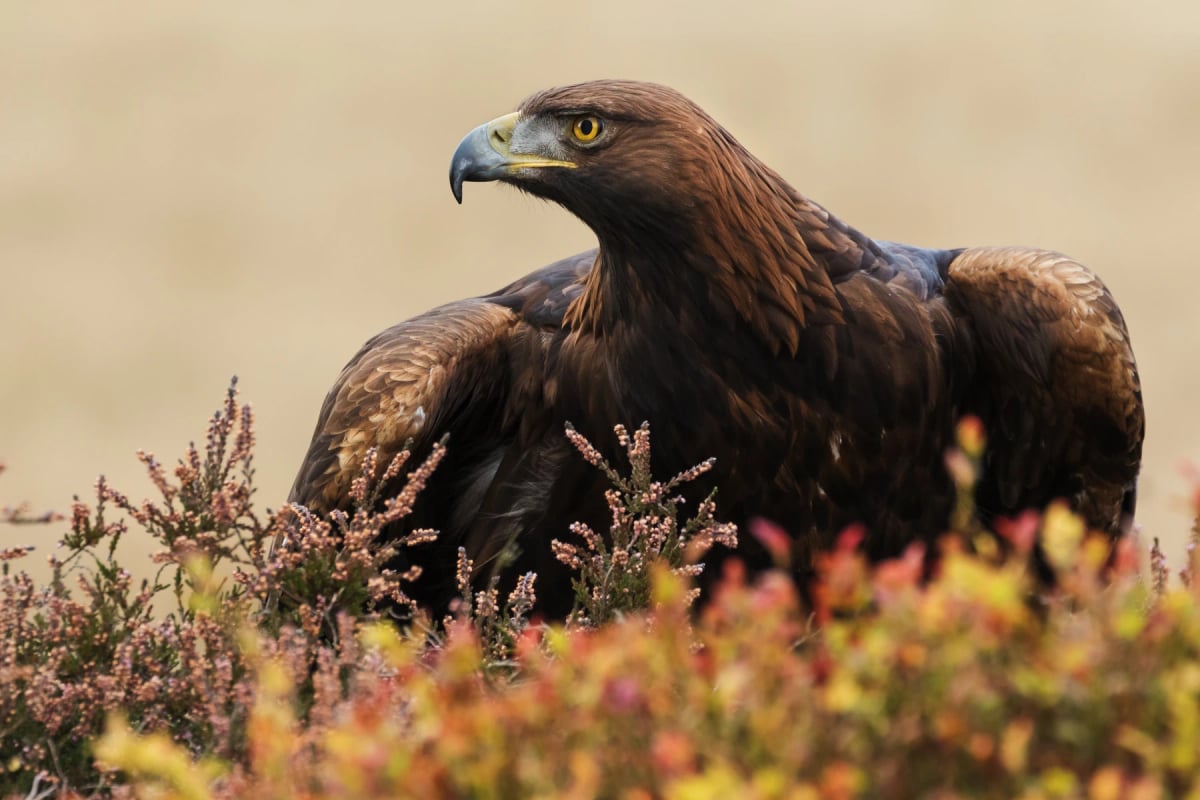
Golden Eagle
Aquila chrysaetos
In Iraq, the golden eagle is found mainly in the northern highlands and the Zagros foothills bordering Iran and Turkey. This rugged terrain of rocky ridges and open slopes provides good hunting ground for hares and other small animals. The species is less studied here than in neighbouring countries, but sightings are regularly recorded. The IUCN lists the golden eagle as Least Concern across its wide global range.
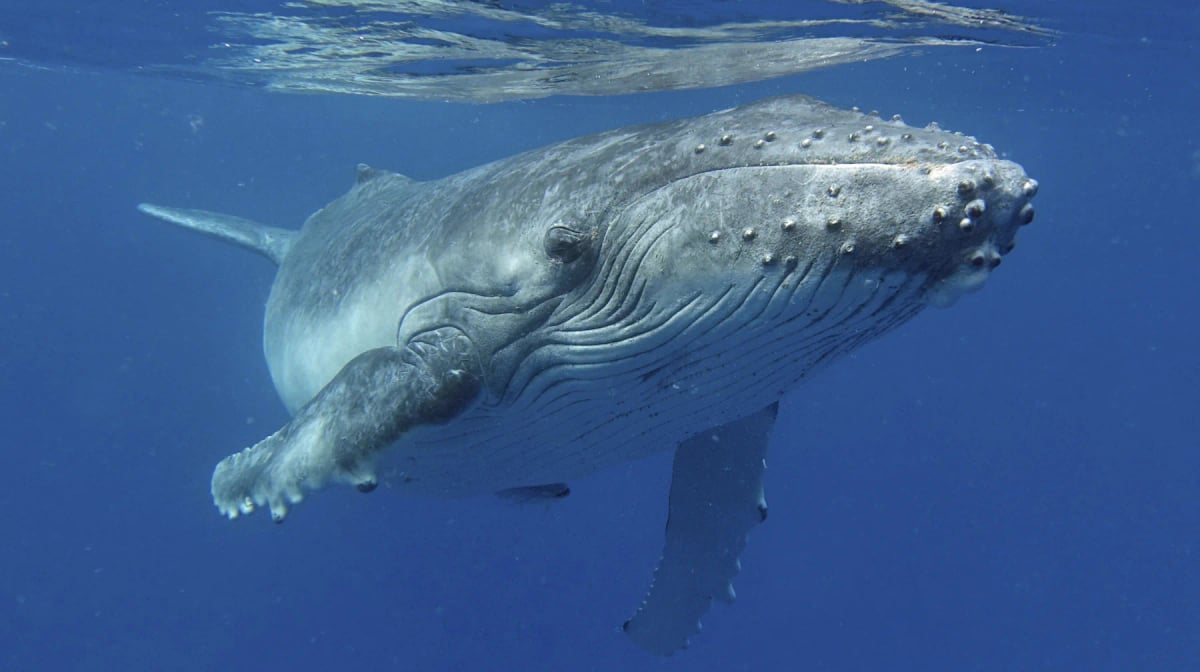
Humpback Whale
Megaptera novaeangliae
Iraq has a narrow coastline along the northern Persian Gulf, and humpback whale records here are extremely rare. Any individuals reaching these waters would be far from typical migration routes, making such sightings exceptional. The shallow and enclosed nature of the Persian Gulf limits the presence of large whales. The humpback whale is listed as Least Concern by the IUCN across its global range.
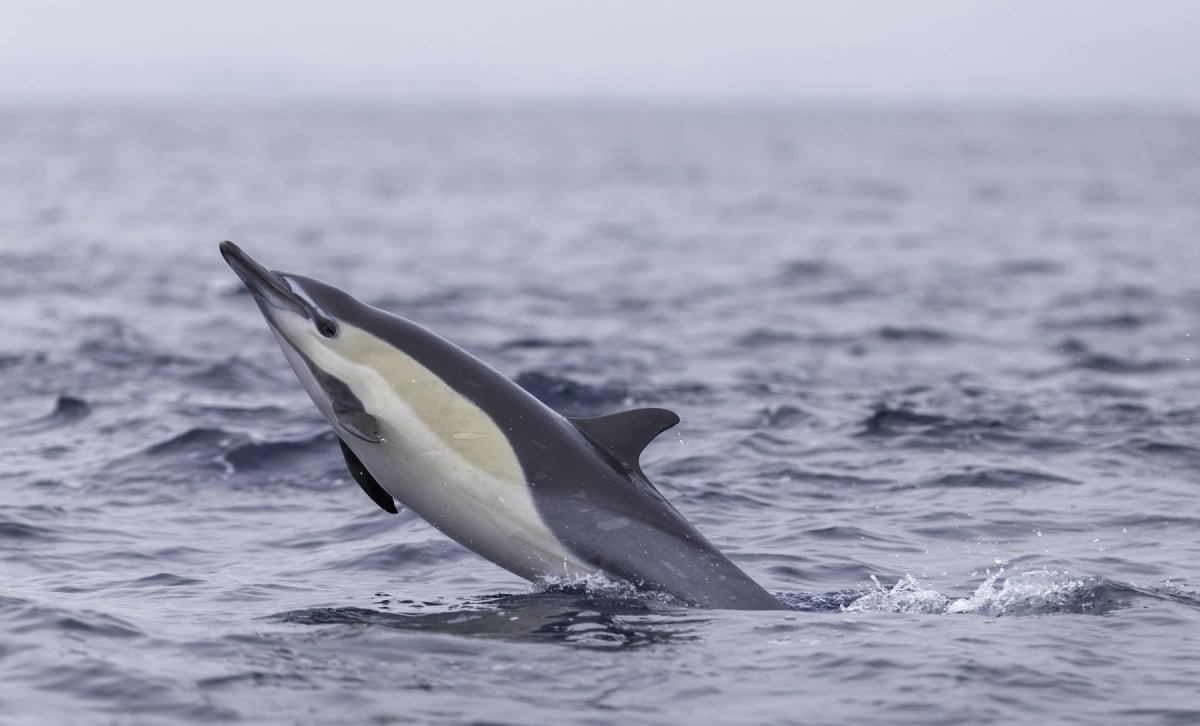
Common Dolphin
Delphinus delphis
The common dolphin has a limited presence in Iraqi waters, restricted to the narrow outlet to the Gulf at the northern tip of the Persian Gulf near the Shatt al-Arab waterway. This is one of the most confined marine ranges for this species anywhere in the world. The shallow, brackish conditions of the northern Gulf are not ideal habitat, but dolphins have been recorded passing through these waters. IUCN status: Least Concern.
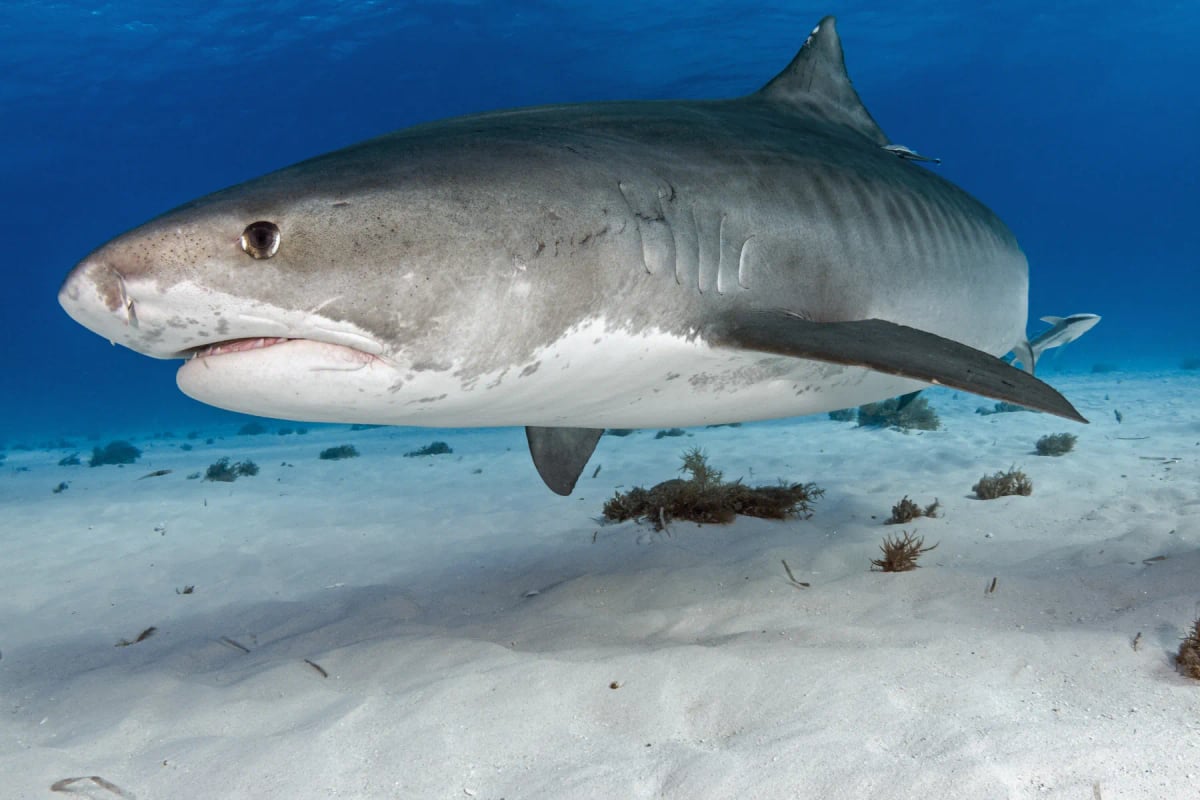
Tiger Shark
Galeocerdo cuvier
Iraq has a narrow stretch of coastline at the northern tip of the Persian Gulf, and tiger sharks have been recorded in these warm, shallow waters. The area near the Shatt al-Arab waterway provides the kind of murky, nutrient-rich coastal environment that tiger sharks are known to explore. Fishing activity in the Gulf affects the species throughout the region, which the IUCN classifies as Near Threatened.
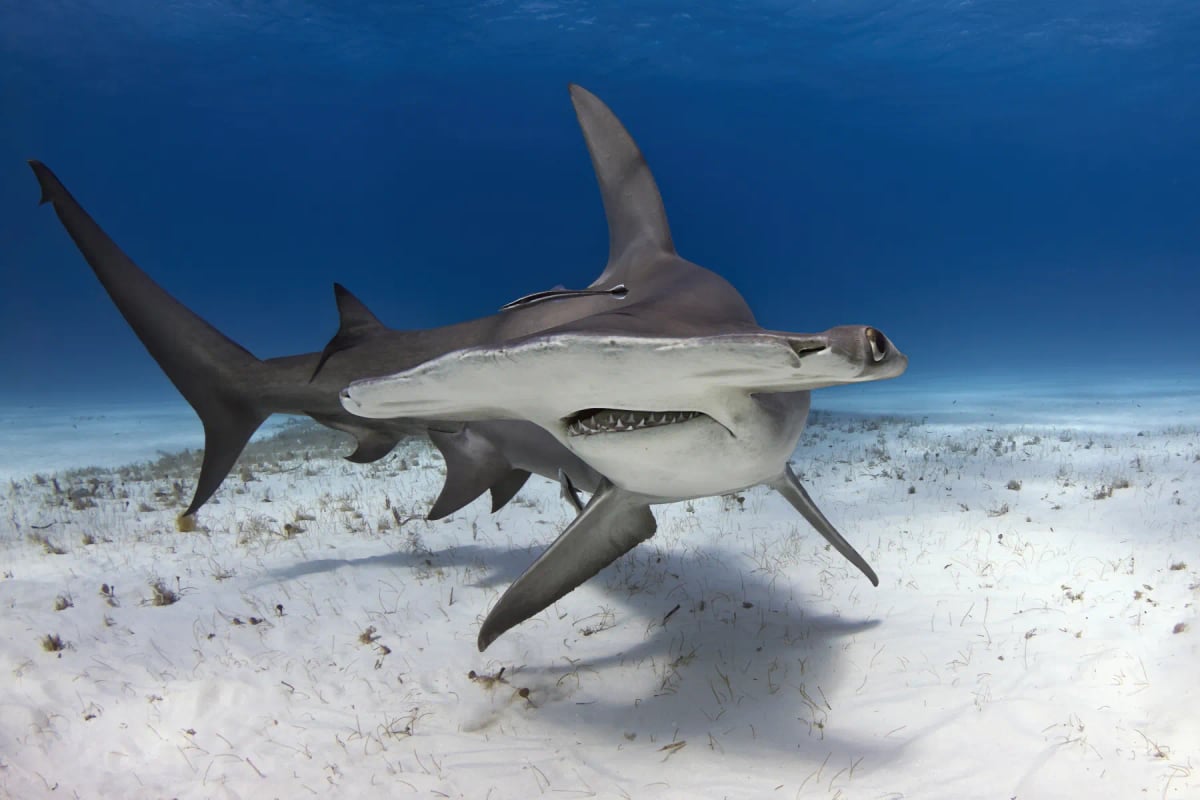
Hammerhead Shark
Sphyrna spp.
Iraq has a short coastline along the northern Persian Gulf, and Hammerhead Sharks have been recorded in these warm, shallow waters. The upper Persian Gulf is a productive marine environment, though heavily affected by industrial activity and fishing. Hammerheads face significant pressure throughout the Persian Gulf region. They are Critically Endangered worldwide, and their numbers in this northern corner of the gulf are very limited.
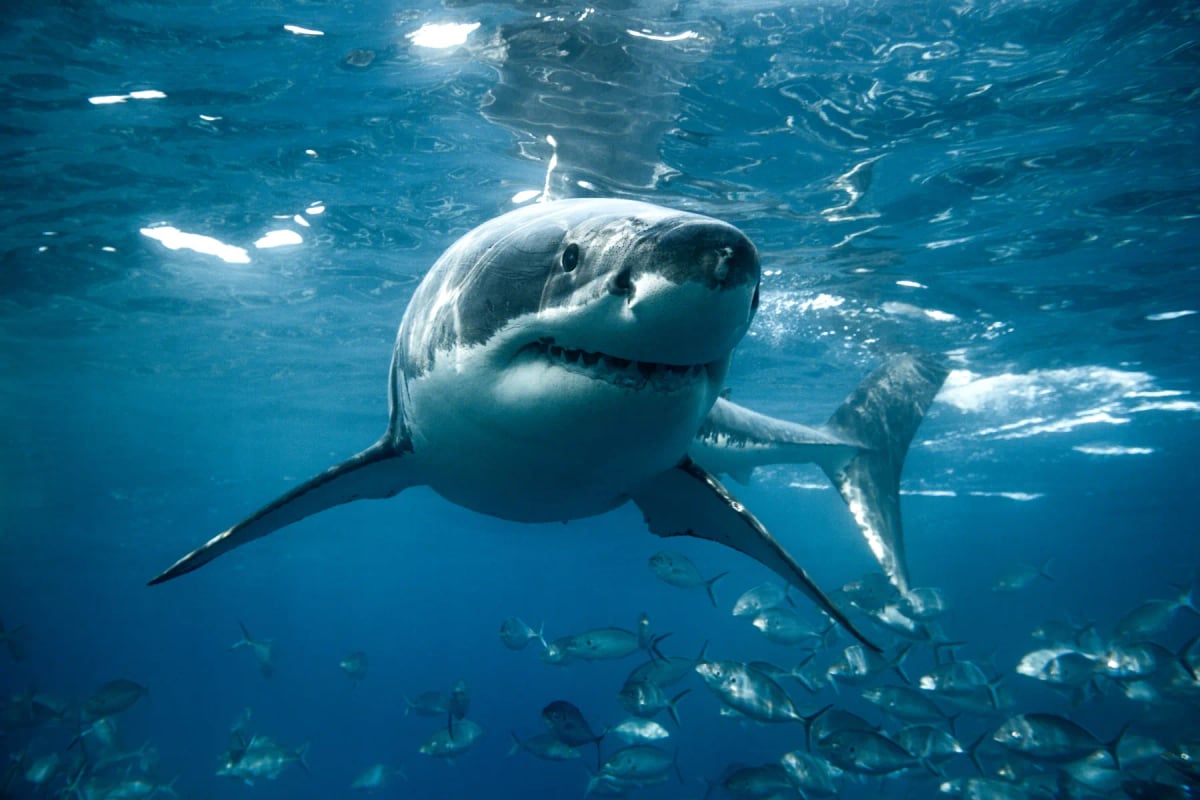
Great White Shark
Carcharodon carcharias
Iraq has a very limited coastline along the northern tip of the Persian Gulf near the Shatt al-Arab waterway. The great white shark's presence in the Persian Gulf is considered marginal, and any occurrence in Iraqi waters would be extremely rare. The species is more consistently found in open oceanic and cooler coastal environments. It is listed as Vulnerable by the IUCN due to pressures including bycatch and the fin trade.
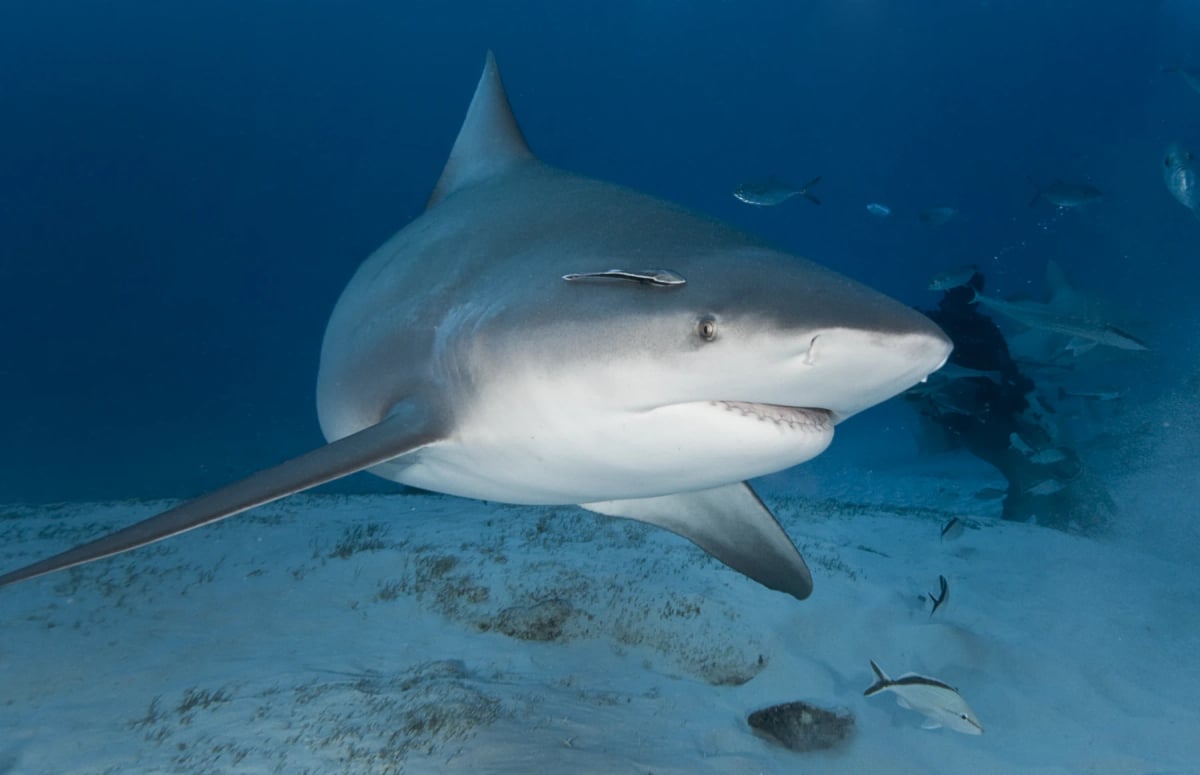
Bull Shark
Carcharhinus leucas
Iraq's access to the Persian Gulf via a short but ecologically significant coastline near the Shatt al-Arab waterway provides habitat for bull sharks. The Shatt al-Arab, formed by the confluence of the Tigris and Euphrates rivers, creates brackish and estuarine conditions well suited to this species. Bull sharks are capable of tolerating the variable salinity levels found in this delta environment. IUCN status: Near Threatened.
Researched and written by Juan Pablo. Sources: IUCN Red List, scientific literature and regional field guides. Last updated: .