Animals in Russia
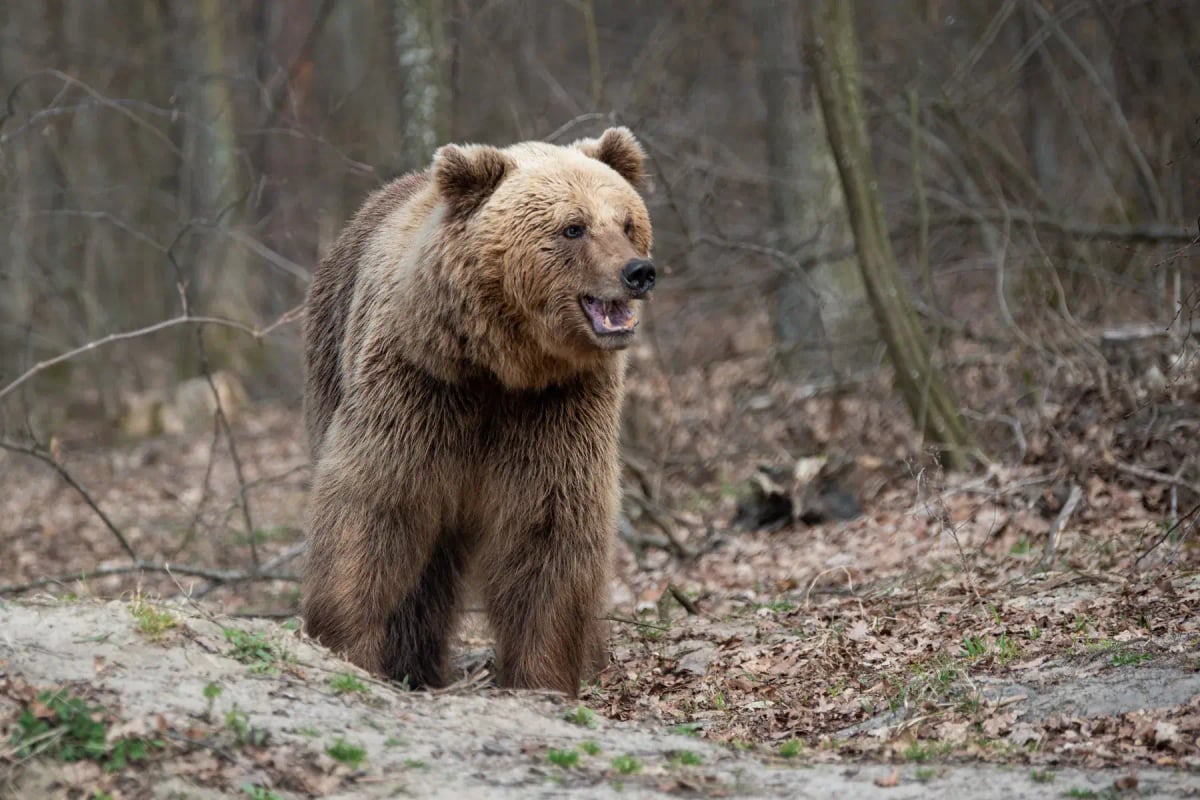
Brown Bear
Ursus arctos
The brown bear is widely seen as the national animal of Russia and appears often in stories, symbols and traditions going back many centuries. It lives in forests and mountain regions across large parts of the country, where it plays an important ecological role as an omnivore that feeds on plants, fish and small or medium sized animals. Its image is linked with ideas of strength and endurance and reflects the close relationship between Russian culture and wild landscapes. Protecting bear populations also supports the many other species that share the same forests and river systems.
View details→Wildlife in Russia
Russia spans enormous distances and includes landscapes such as Arctic tundra, taiga forests, steppe plains and long coastlines in the north and in the far east. This variety supports many types of wildlife, from large mammals and shy wild cats to grazing herds and rich marine life. Many areas, especially in Siberia and the Russian Far East, are still sparsely populated, which helps preserve natural habitats. Visitors can explore national parks and nature reserves for hiking, river trips and wildlife watching. Nature tourism is a growing way to experience these vast and largely untouched ecosystems throughout the country.
Most Dangerous Animals in Russia
Russia includes several species that can be dangerous to people at close range or when animals are surprised in the wild. Large carnivores in the taiga and mountains, strong grazing animals on open plains, venomous snakes in forests and rural areas, and some marine mammals along Arctic coastlines all require caution. Serious incidents remain uncommon when visitors follow local advice, keep safe distances and respect signs and rules in reserves and national parks. Simple preparation and basic knowledge of wildlife behaviour greatly reduce most risks, especially in the remote regions of Siberia and the Russian Far East.
Top 10 Animals in Russia
The animals highlighted for Russia bring together some of the country's most recognizable wild environments, from the dense taiga forests of Siberia and the open steppe to the Arctic coast and the rivers of the Far East. Several are large predators or iconic grazers that have shaped the way Russia is perceived around the world, while others are quieter species tied to specific landscapes that few visitors ever reach. Together they give a sense of how vast and varied the natural world of Russia really is.
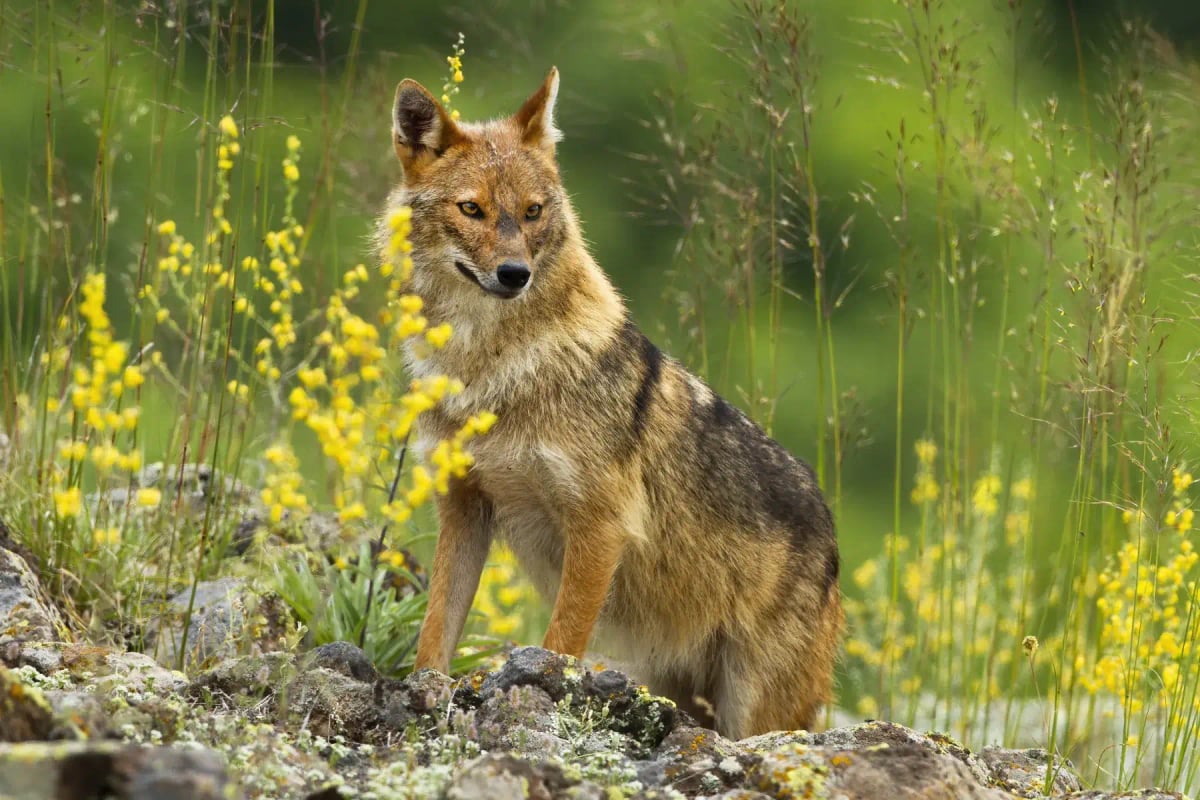
Golden Jackal
Canis aureus
In Russia, the golden jackal is present mainly in the southern regions, including the North Caucasus, the Krasnodar area, and the Caspian lowlands. It favors reedbeds, river valleys, and scrub at the edges of farmland. Its range within Russia has shifted over the decades alongside changes in climate and land use. Its IUCN status is Least Concern.
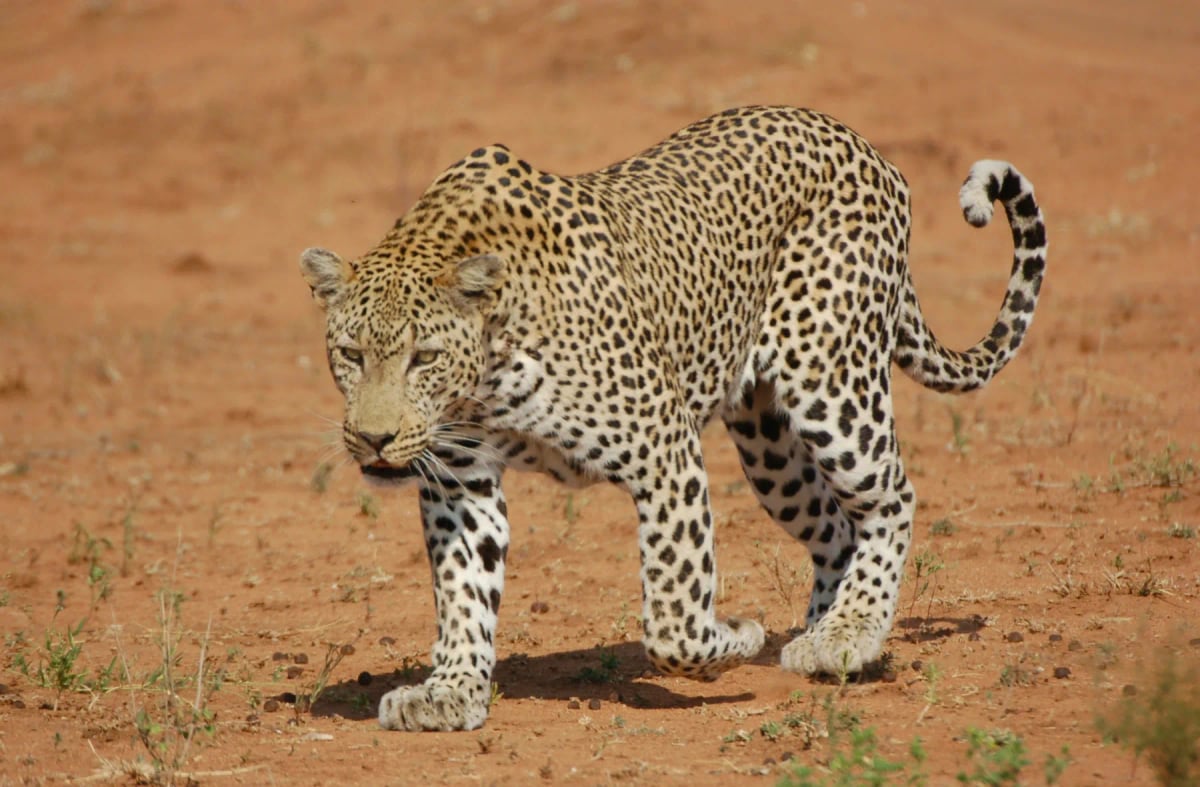
Leopard
Panthera pardus
Russia is home to the Amur leopard, one of the rarest wild cats on Earth. This subspecies survives in the temperate forests of Primorsky Krai in the Russian Far East, near the border with China and North Korea. Thanks to intensive conservation work, the wild population has grown from around 30 individuals in the early 2000s to over 100 today. Land of the Leopard National Park was established specifically to protect this subspecies.
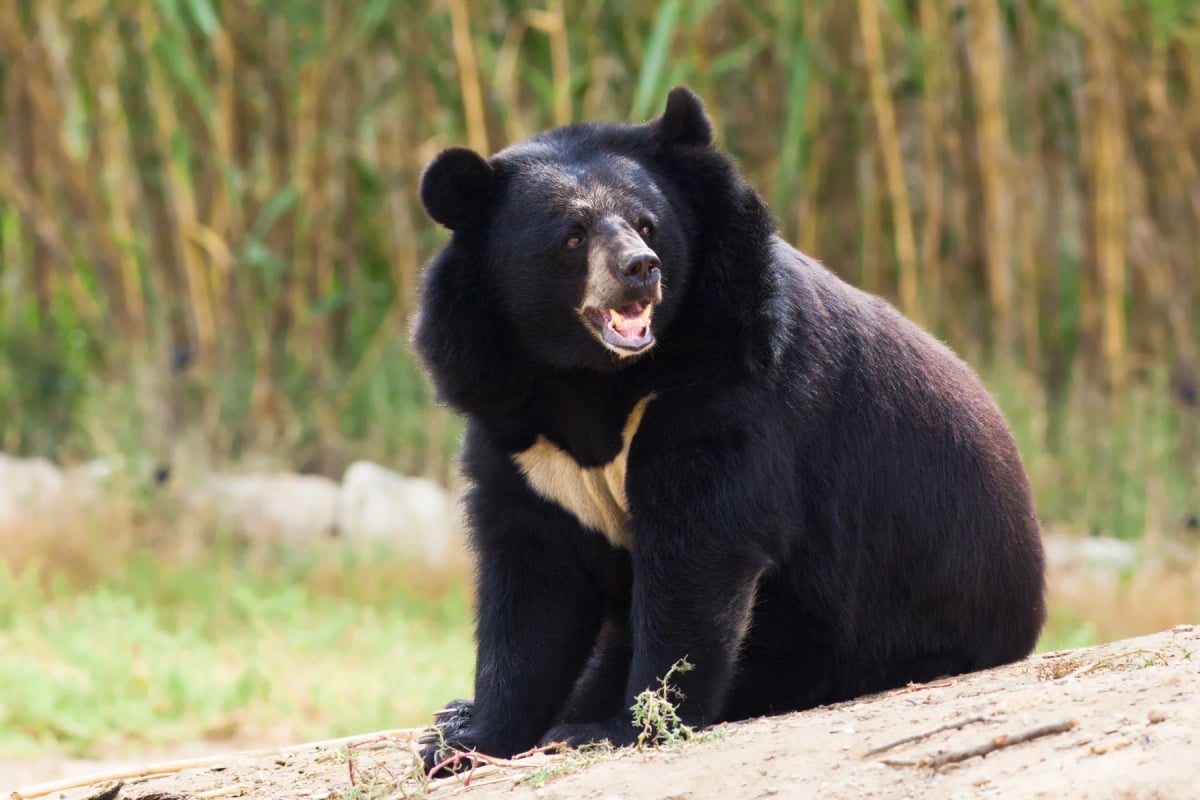
Asiatic Black Bear
Ursus thibetanus
The Asiatic black bear lives in the forests of the Russian Far East, mainly in Primorsky Krai and the southern part of Khabarovsk Krai, where it shares its range with the Siberian tiger. It is smaller than the brown bear and spends more time in trees, feeding on nuts, fruit and insects. Habitat loss and poaching for body parts used in traditional medicine are its main threats. It is considered vulnerable and is protected under Russian law.
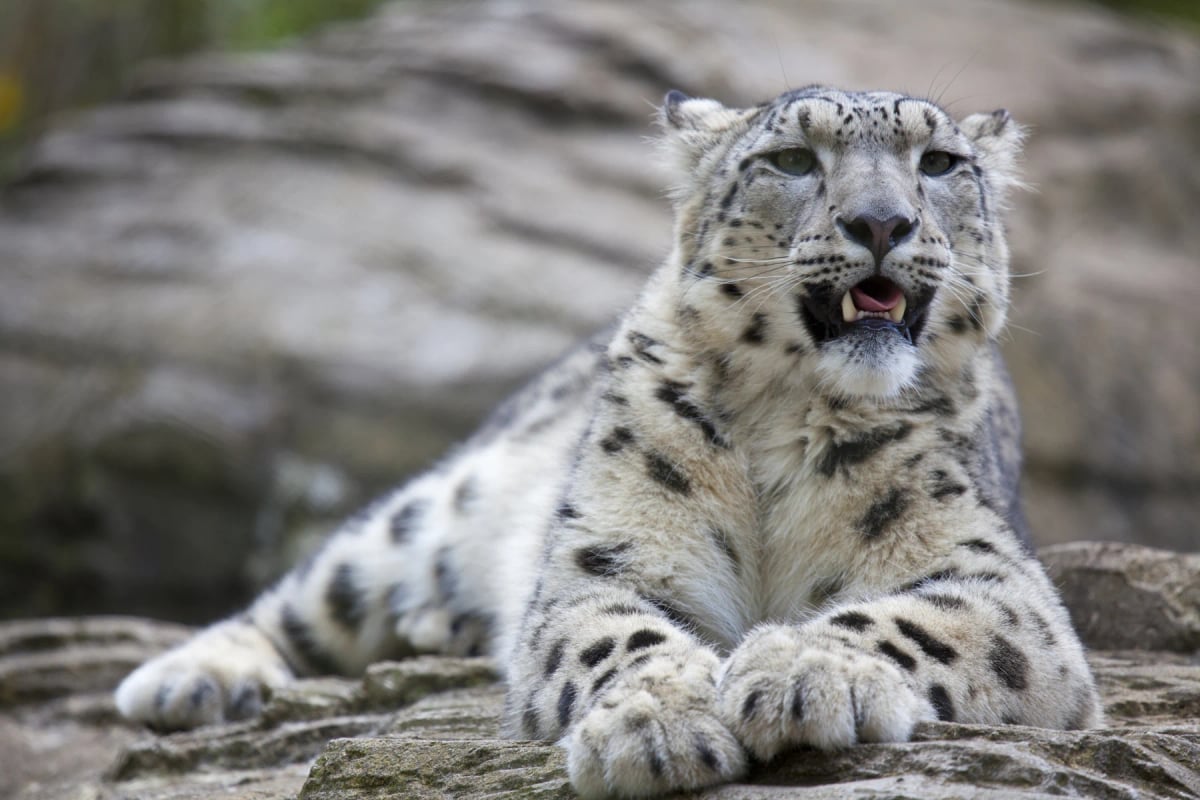
Snow Leopard
Panthera uncia
In Russia, snow leopards are found only in the Altai and Sayan mountain ranges of southern Siberia, making this one of the northern edges of the species' range. The Russian population is very small, with estimates of fewer than 100 individuals. The Sayano-Shushensky Nature Reserve is one of the most important protected areas for the cat in the country. Russia has invested in monitoring programs and participates in international recovery efforts. IUCN status: Vulnerable.
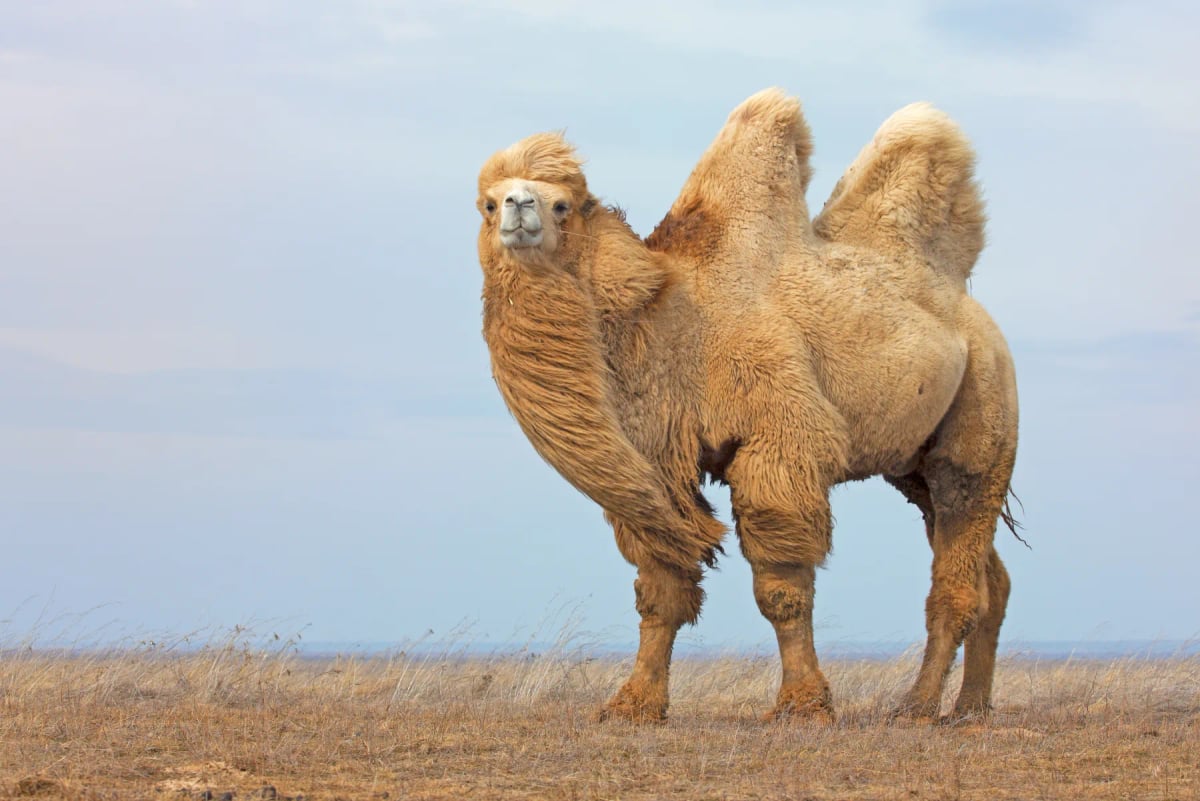
Bactrian Camel
Camelus bactrianus
The Bactrian camel has a long history of use across the steppes of southern Russia, where domesticated herds have been kept for centuries by nomadic and semi nomadic communities, particularly in the republic of Kalmykia and parts of the Astrakhan region. These two humped camels are well suited to extreme temperatures and dry open landscapes. Wild Bactrian camels do not live in Russia but domesticated populations remain an important part of traditional life in these southern steppe communities.
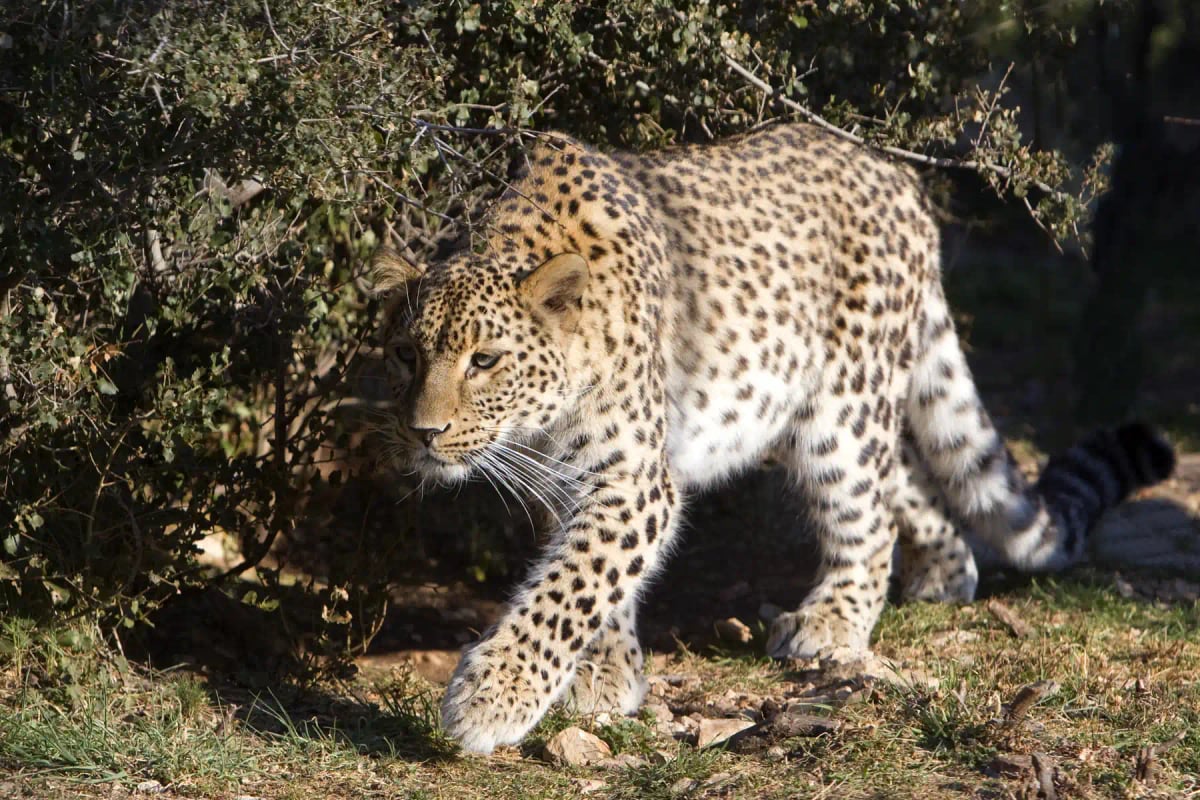
Persian Leopard
Panthera pardus tulliana
In Russia, the Persian leopard historically ranged across the Caucasus but was nearly eliminated during the twentieth century. Today, occasional individuals are detected in the western Caucasus, near the border with Georgia and Azerbaijan. A reintroduction program in the Caucasus Biosphere Reserve has worked to reestablish a breeding population using leopards from Iran and Turkmenistan. This project represents one of the most ambitious felid recovery efforts in Europe.
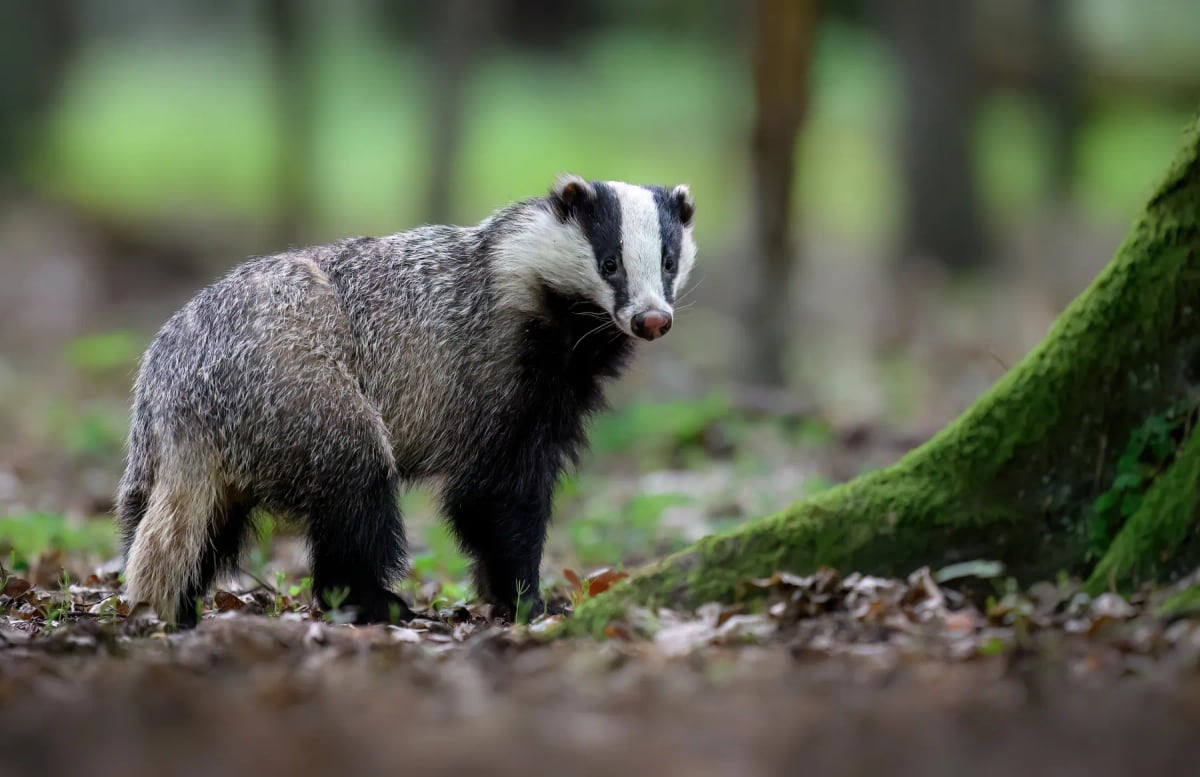
Badger
Meles meles
The Eurasian badger is found across most of European Russia and into western Siberia, living in forests and mixed woodland where the soil is suitable for digging its extensive burrow systems called setts. It is a nocturnal omnivore that feeds on earthworms, roots, berries and small animals. Badgers are rarely seen during the day but their setts are a common feature of Russian forest floors. They sleep deeply through the coldest months but do not go into full hibernation.
Brown Bear
Ursus arctos
Russia is home to the largest brown bear population in the world, with estimates exceeding 100,000 individuals. Bears inhabit an enormous range of ecosystems, from the taiga forests of Siberia to the tundra of the far north and the salmon rivers of Kamchatka. The Kamchatka Peninsula is particularly renowned for its dense bear population, where individuals gather along rivers during salmon runs to build up fat reserves before winter.
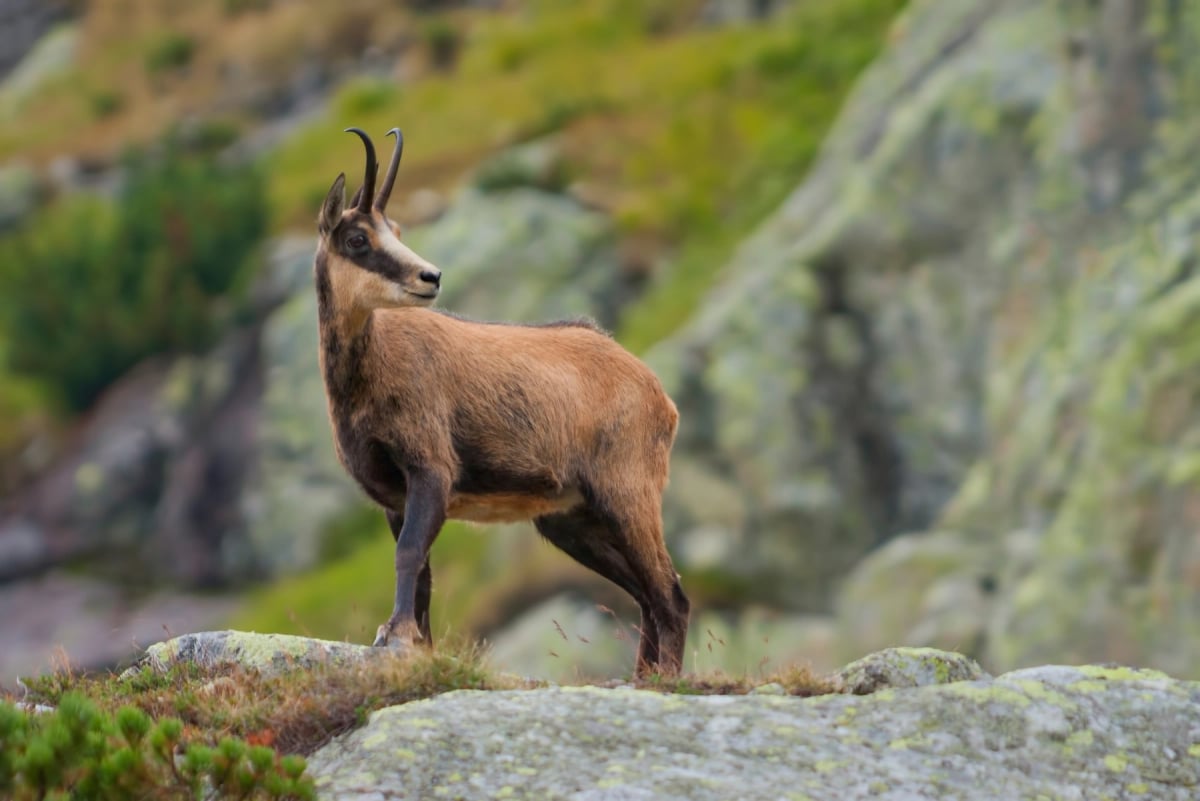
Chamois
Rupicapra rupicapra
In Russia, the chamois is present in the western Greater Caucasus range, where it occupies steep subalpine and alpine terrain. The Caucasian chamois subspecies inhabits this region alongside other large mountain ungulates. Protected areas such as the Caucasian Nature Reserve provide a refuge for these populations. Harsh winters at altitude, combined with historical hunting pressure, have shaped a relatively cautious and mobile population across these remote slopes. IUCN status: Least Concern.
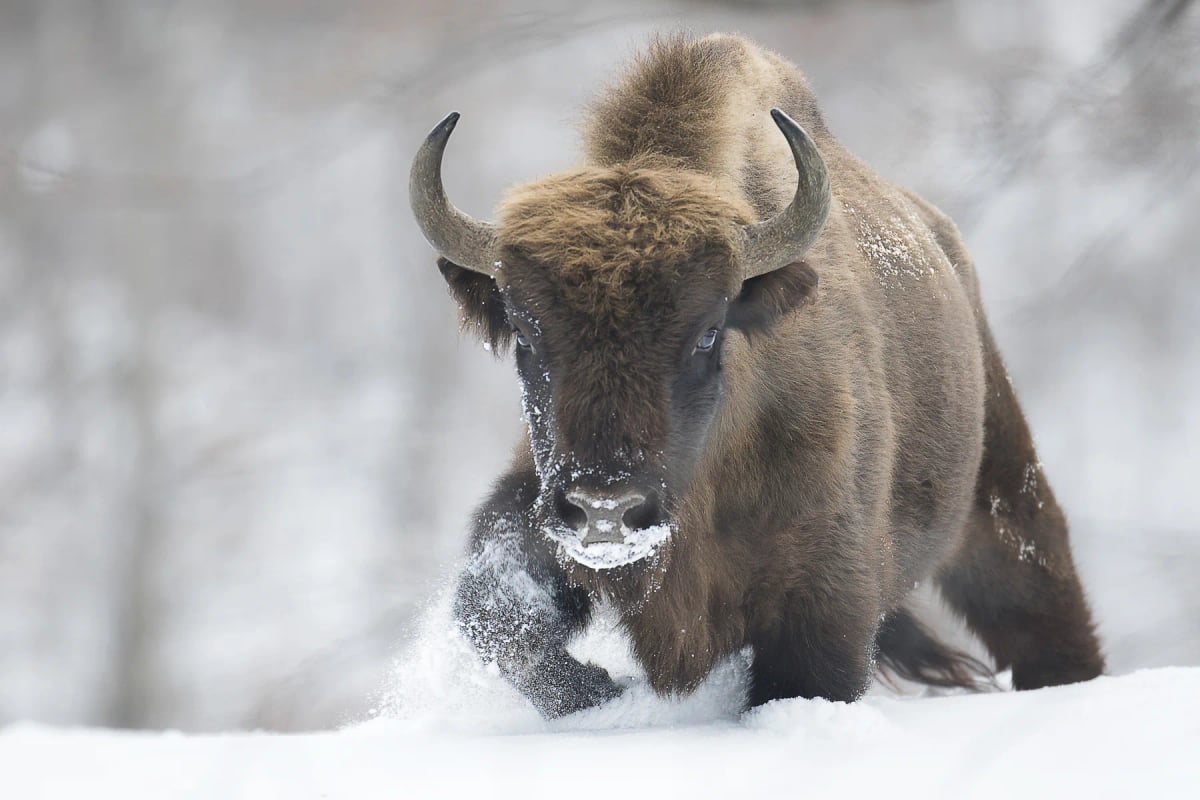
European Bison
Bison bonasus
Russia played a key role in early breeding programs that prevented the European bison from disappearing entirely, and reintroduction efforts have since established herds in several forested regions. The Caucasus and areas of European Russia have received animals as part of coordinated recovery plans. Russia's vast forest cover provides ample habitat, and multiple reserves protect roaming groups. The Russian population contributes meaningfully to the overall genetic diversity of the species. IUCN status: Near Threatened.
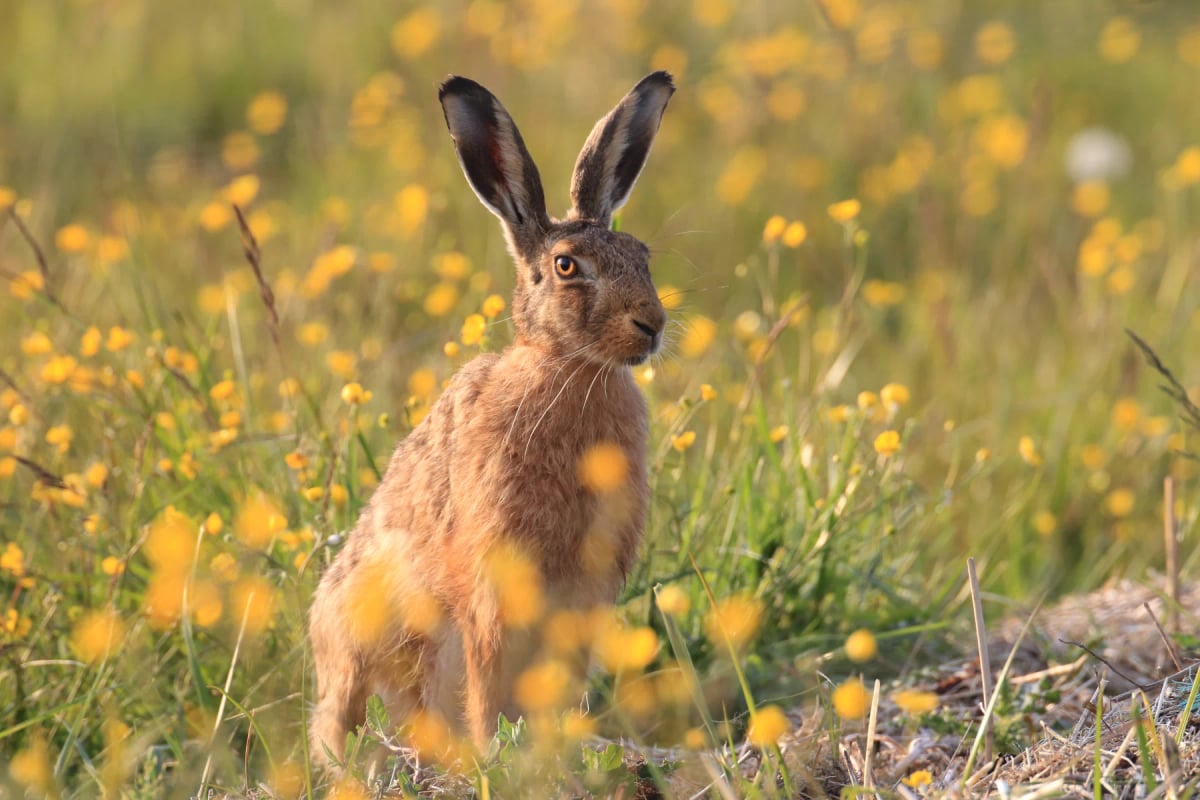
Hare
Lepus europaeus
The European hare is widespread across the western plains and southern steppes of Russia, where it shares territory with the mountain hare in some northern zones. It favours open farmland and grassland, resting in shallow ground hollows called forms. Populations have remained relatively stable, though agricultural intensification in parts of European Russia has put pressure on local numbers. Its speed and agility remain its best defences against foxes and raptors.
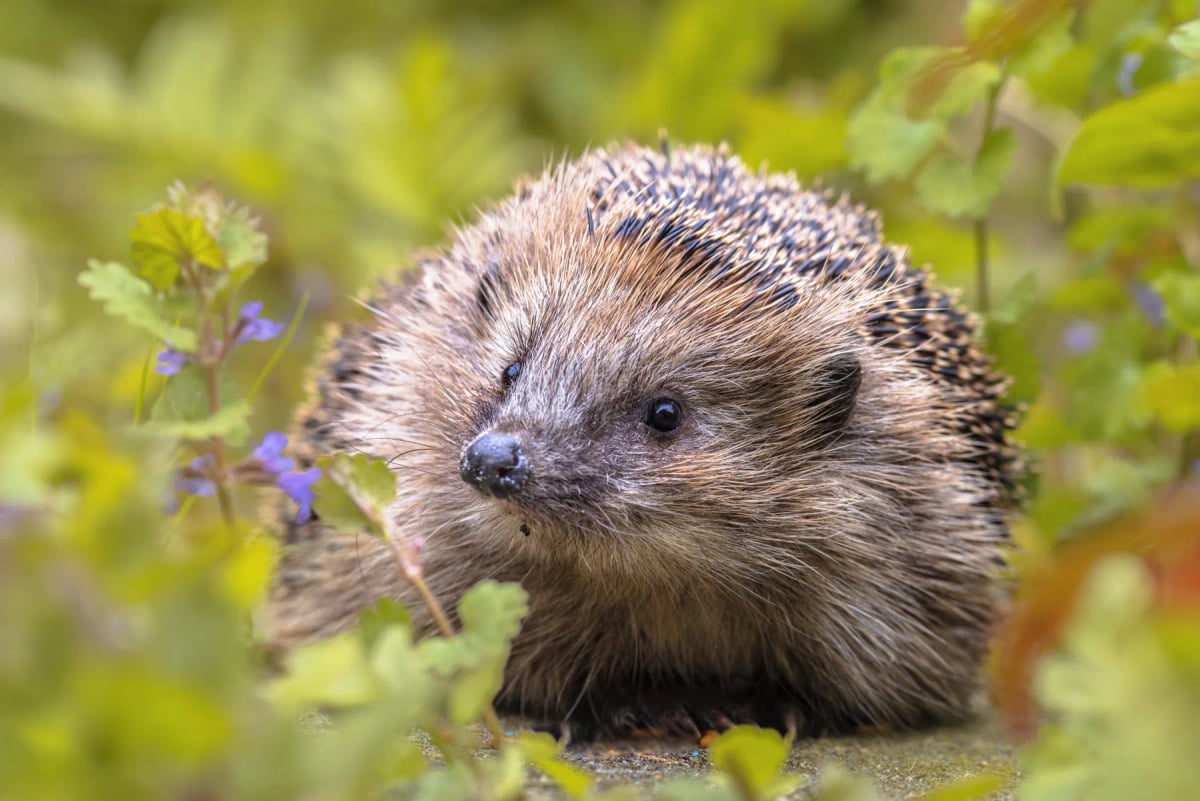
Hedgehog
Erinaceus europaeus
In Russia, the European hedgehog is found across a broad band of the west of the country, from the border regions near the Baltic states south through central European Russia. It lives in forest edges, river valleys, gardens, and farmland, generally avoiding the dense taiga further north and east. Russian winters are severe, so hedgehogs here hibernate for longer periods than populations in Western Europe. Habitat loss and road traffic affect numbers in more densely populated western areas. IUCN status: Least Concern.
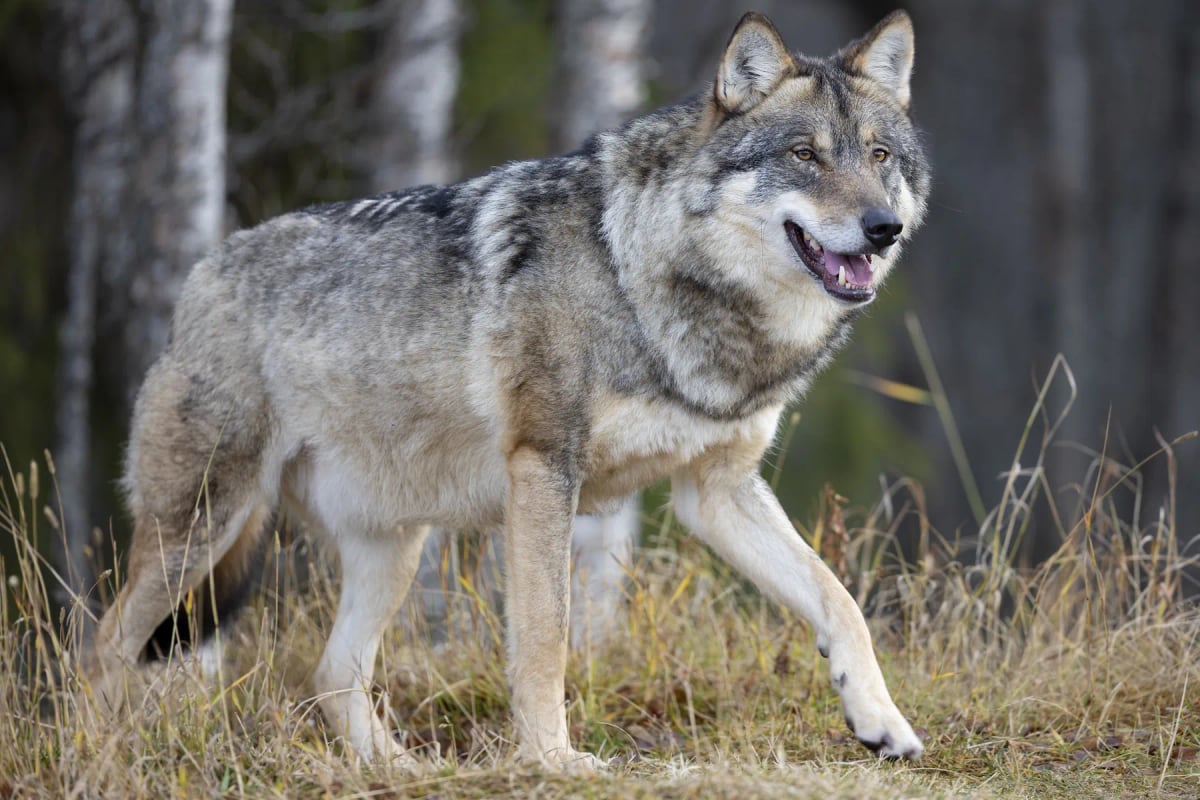
Gray Wolf
Canis lupus
Russia holds one of the world's largest gray wolf populations, with wolves found across nearly the entire country, from the forests of European Russia to the vast steppes and taiga of Siberia. Russian wolves face very few legal protections and are often hunted as predators of livestock. Despite this pressure, their numbers remain high, making Russia a global stronghold for the species. IUCN status: Least Concern.
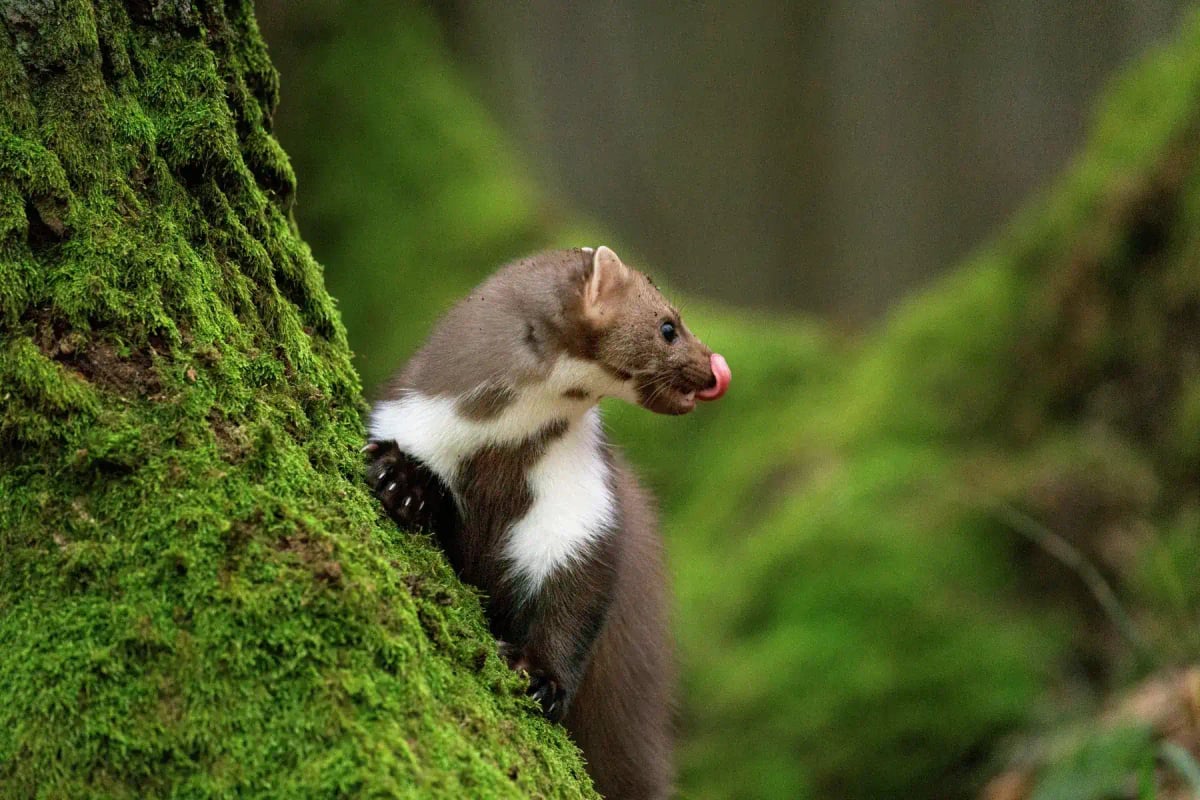
Marten
Martes martes / Martes foina
Russia holds some of the world's largest populations of pine martens, spread across the vast taiga forests of Siberia and European Russia. The stone marten is also present in the southern and western parts of the country. Pine martens are commercially trapped for their fur in some regions, though populations remain broad and widespread. Russia's immense forest cover gives martens plenty of undisturbed habitat. IUCN status: Least Concern.
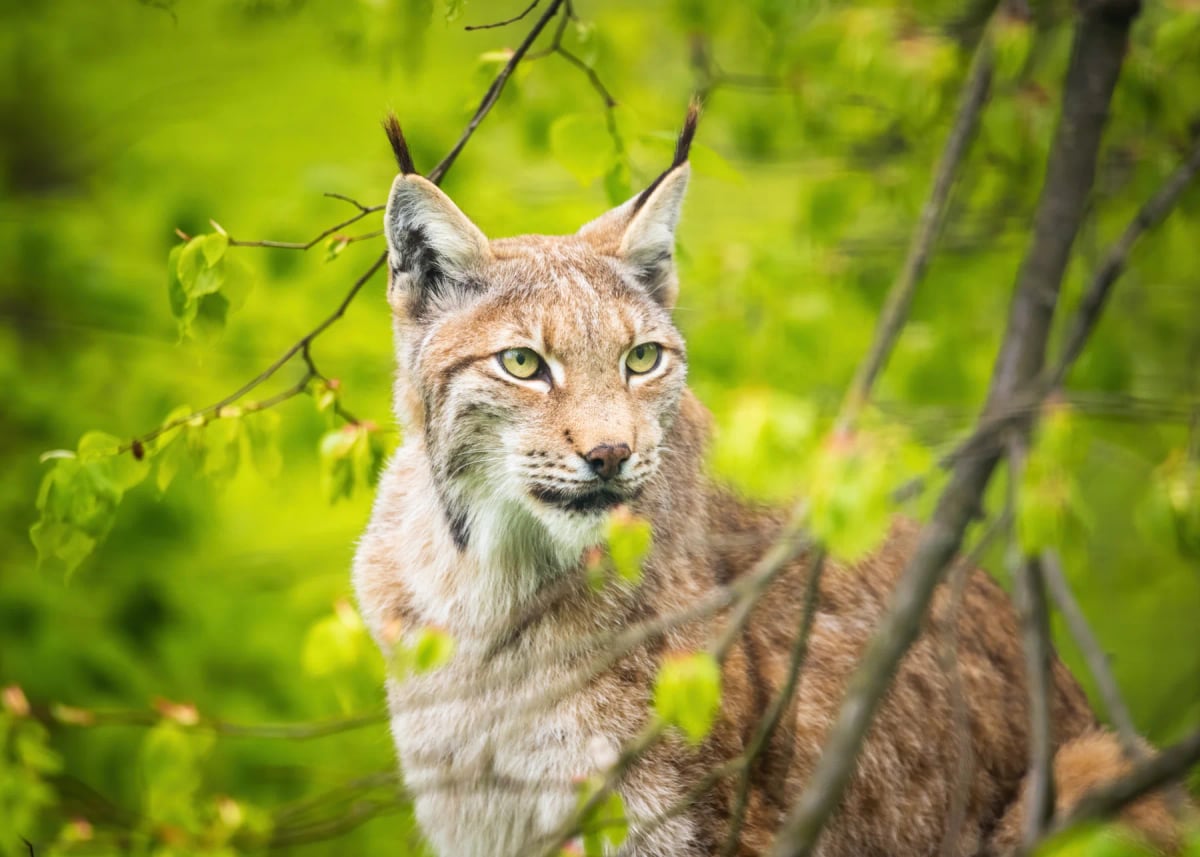
Eurasian Lynx
Lynx lynx
Russia holds the largest population of Eurasian Lynx in the world, spanning the vast taiga forests of Siberia, the Ural Mountains, and the Russian Far East. Here, the lynx roams enormous territories in search of hares and deer. Its thick, pale winter coat helps it blend into snowy landscapes. Russia is essential to the global survival of the species, and the IUCN lists it as Least Concern.
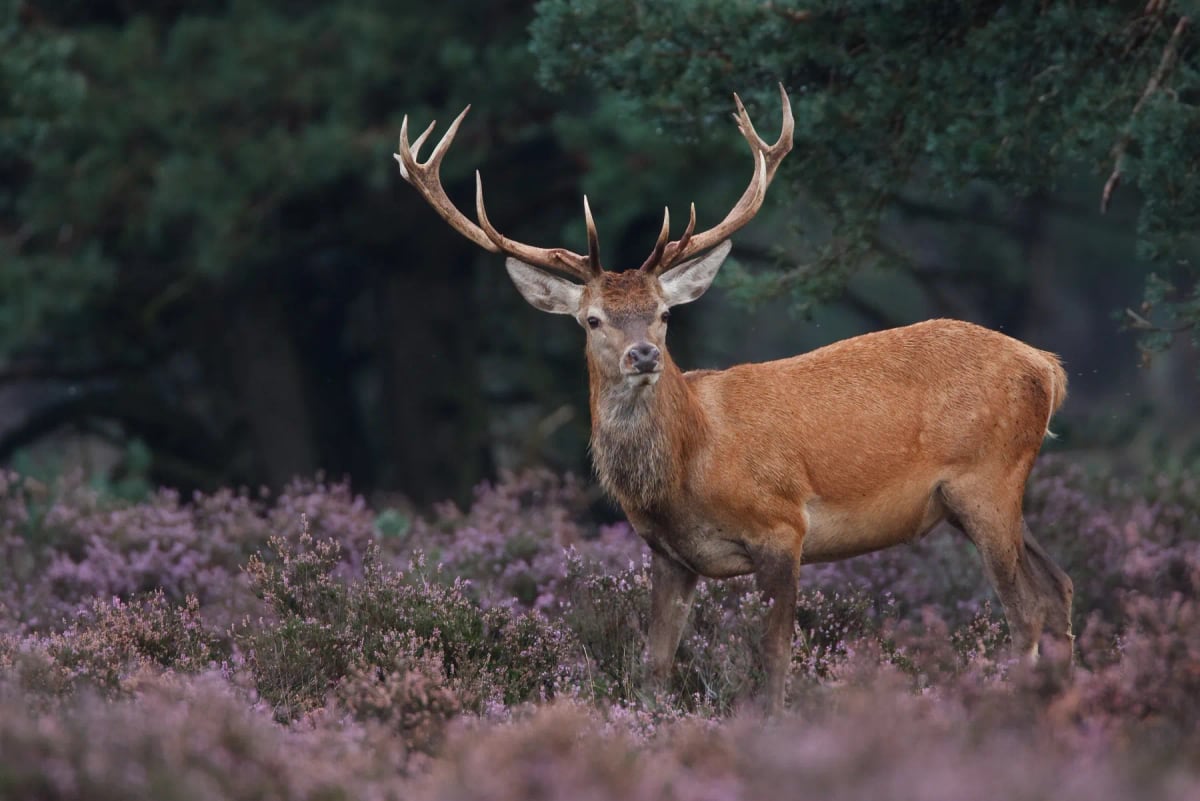
Red Deer
Cervus elaphus
The red deer is found across a wide stretch of Russia, from the forests of the European west to the woodlands of Siberia. Stags are well known for their loud roaring calls during the autumn rut. Russian populations are managed through regulated hunting, and the species thrives in forested river valleys and national parks such as those in the Caucasus region. Its IUCN status is Least Concern.
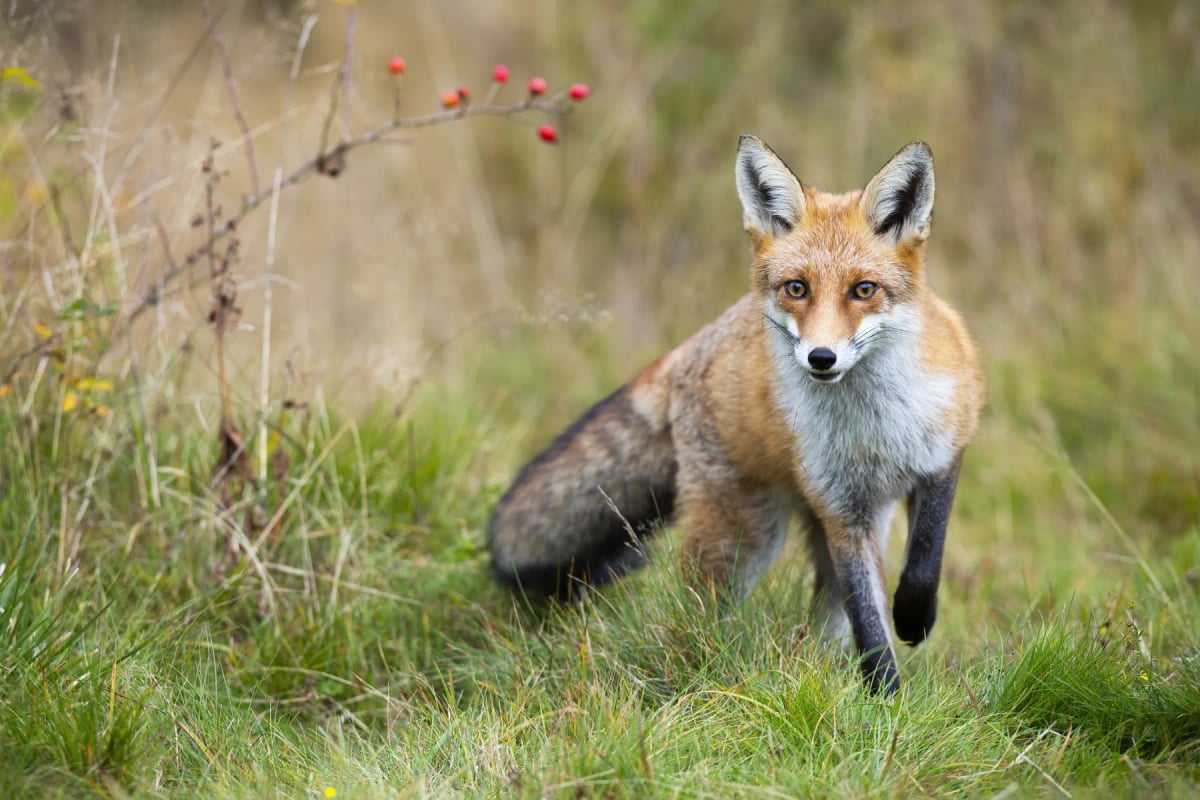
Red Fox
Vulpes vulpes
Russia is home to one of the largest red fox populations in the world, spanning taiga forests, open steppes, Arctic tundra, and river valleys from Kaliningrad to the Far East. Foxes are hunted and farmed for fur across parts of the country. In some Arctic regions, they compete with the native Arctic fox. Across this vast range, they fill an important role as predators and scavengers. Their status is Least Concern.
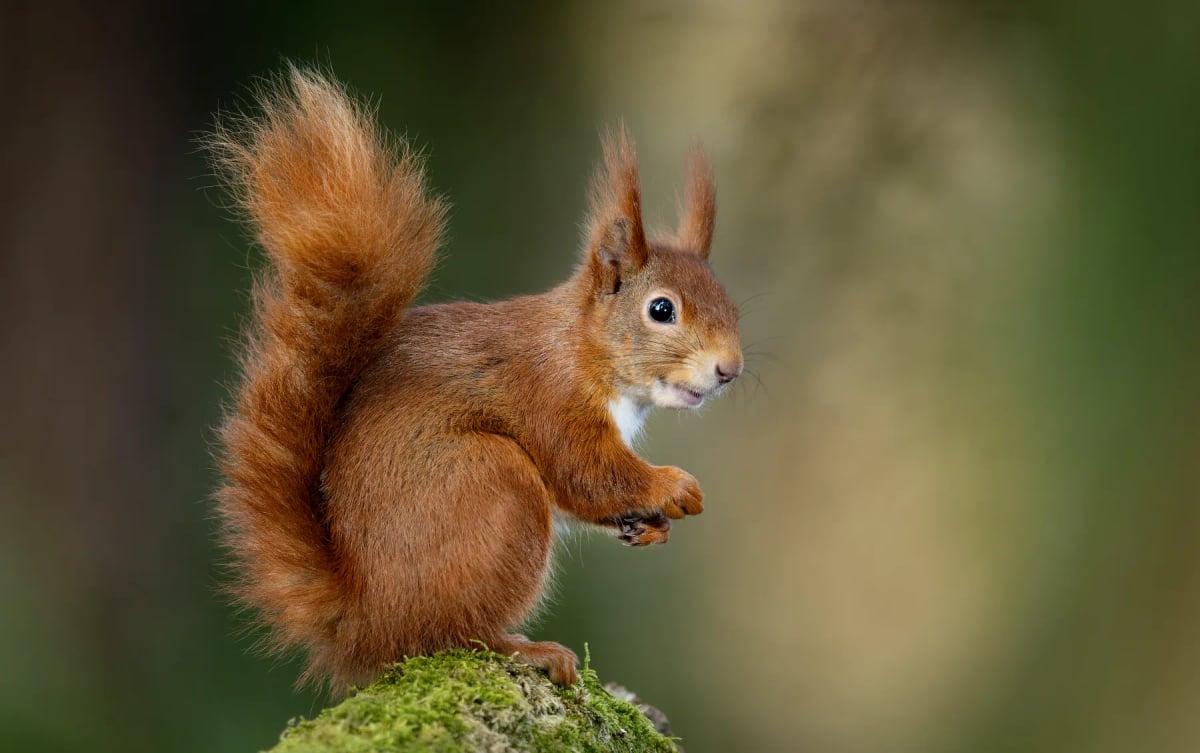
Red Squirrel
Sciurus vulgaris
Russia is home to one of the largest red squirrel populations on Earth. The species thrives across the vast boreal forests of Siberia, as well as mixed woodlands in the European part of the country. Its range stretches from the western borders all the way to the Pacific coast, making Russia central to the survival of this species. Its IUCN status is Least Concern.
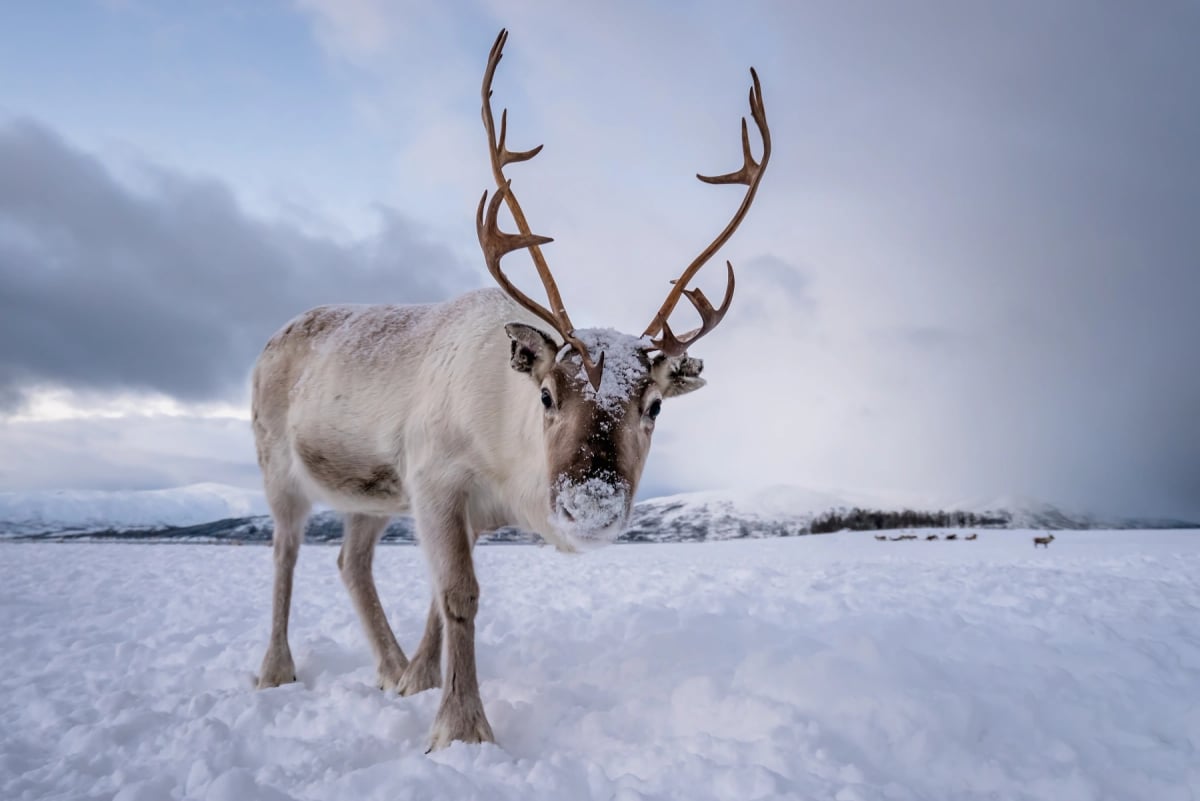
Reindeer
Rangifer tarandus
Russia holds the largest reindeer populations on Earth, both wild and domesticated, spread across Siberia, the Yamal Peninsula, and the Far East. Some wild herds number in the hundreds of thousands and carry out migrations of extraordinary distance across the tundra. Many Indigenous peoples, including the Nenets and Evenki, have herded reindeer for generations. Poaching and climate change now pose growing threats to these populations. IUCN status: Vulnerable.
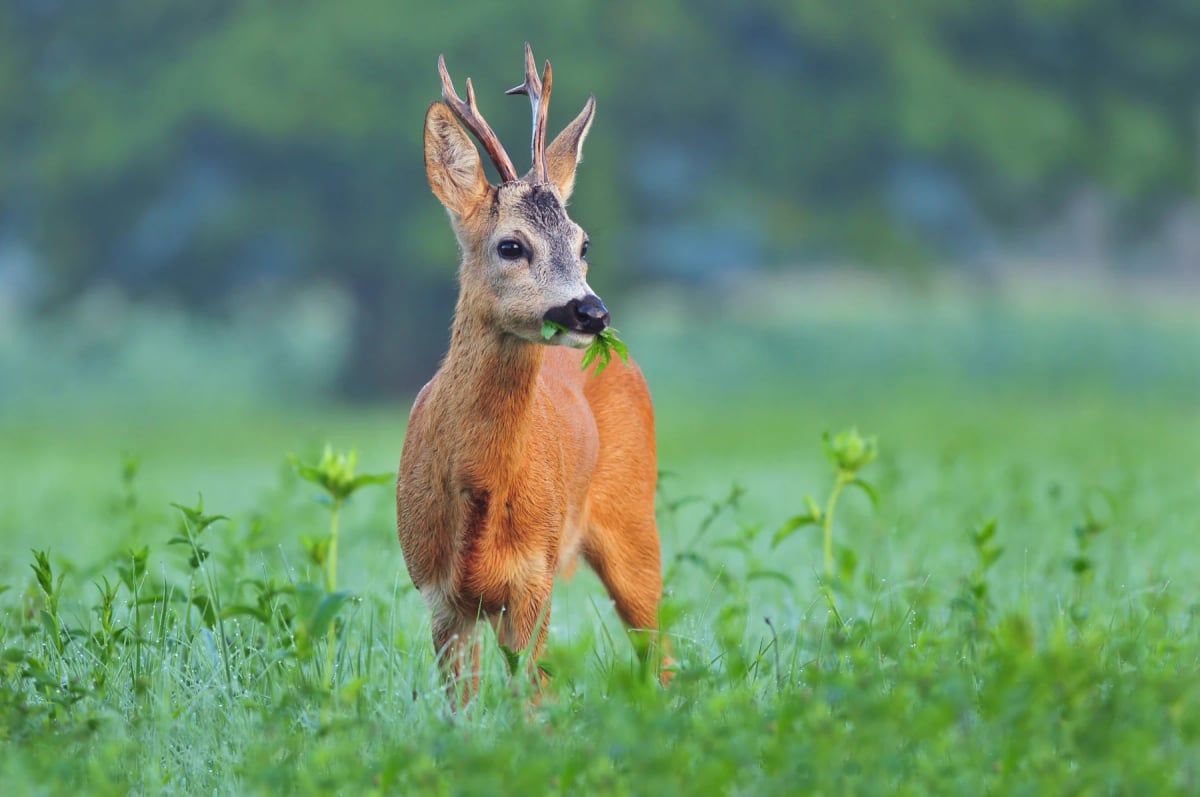
Roe Deer
Capreolus capreolus
The roe deer has a broad range across western and central Russia, inhabiting mixed and deciduous forests as well as the forest edges of the Ural region. Populations thin out toward the colder north and the drier southern steppes. In some areas, severe winters with deep snow can limit movement and food access. The species is hunted across much of its Russian range under regulated seasons. IUCN status: Least Concern.
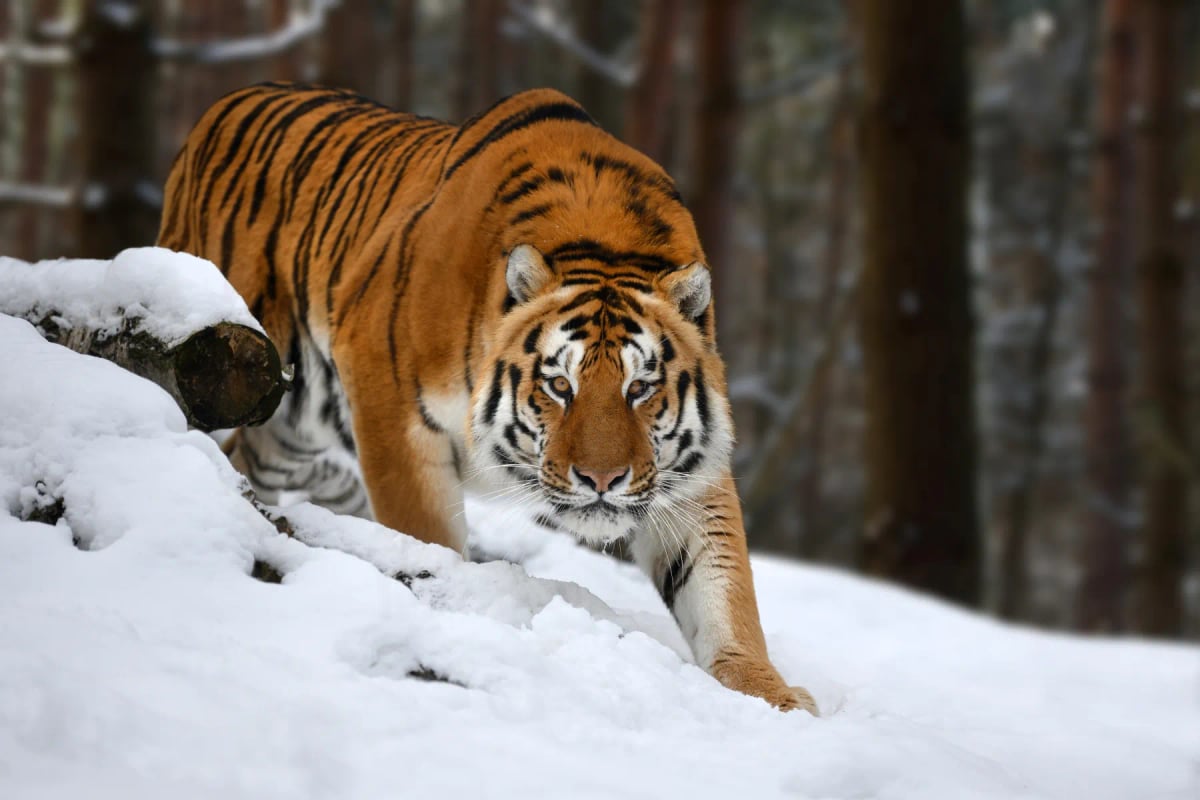
Siberian Tiger
Panthera tigris altaica
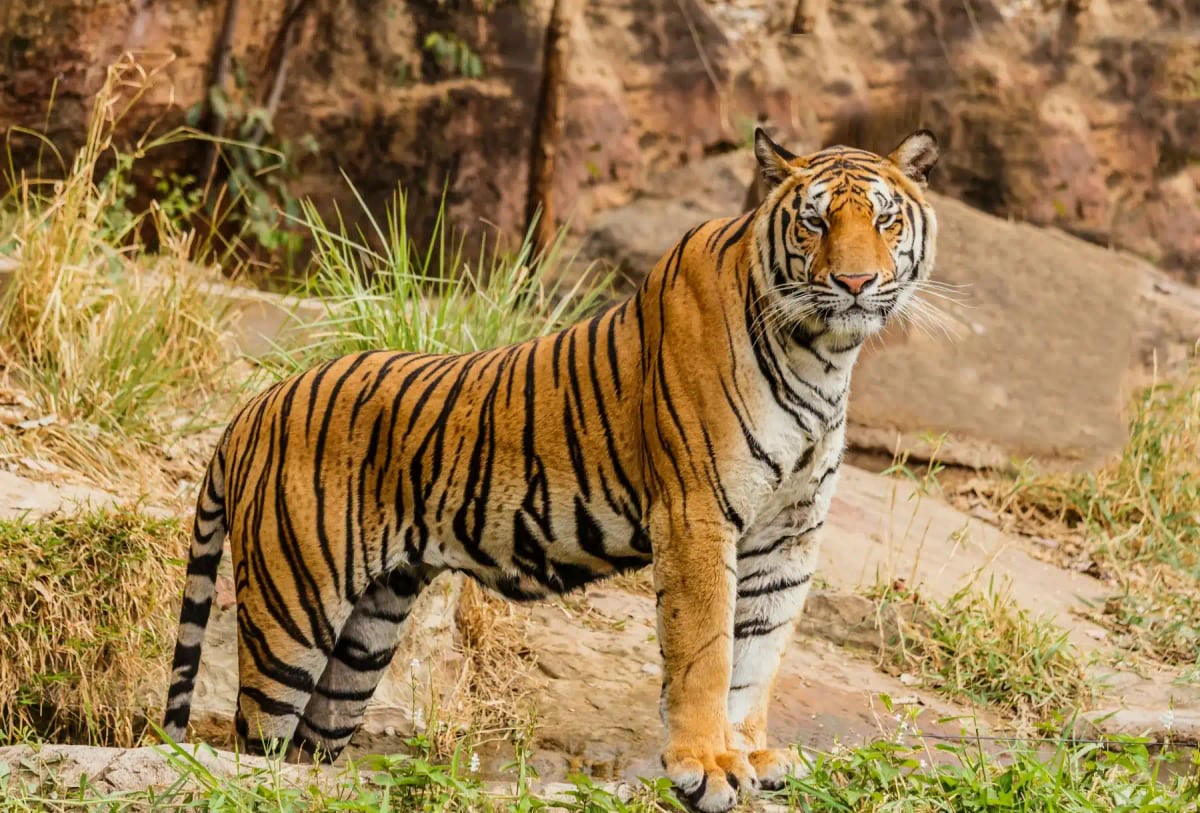
The Siberian tiger, also known as the Amur tiger, is the largest cat on Earth and the heart of wildlife conservation in Russia's Far East. It roams the temperate forests of Primorsky and Khabarovsk regions, enduring winters that drop below minus 40 °C. Around 500 to 600 individuals survive in the wild today, a recovery made possible by decades of anti-poaching efforts and protected forest reserves.
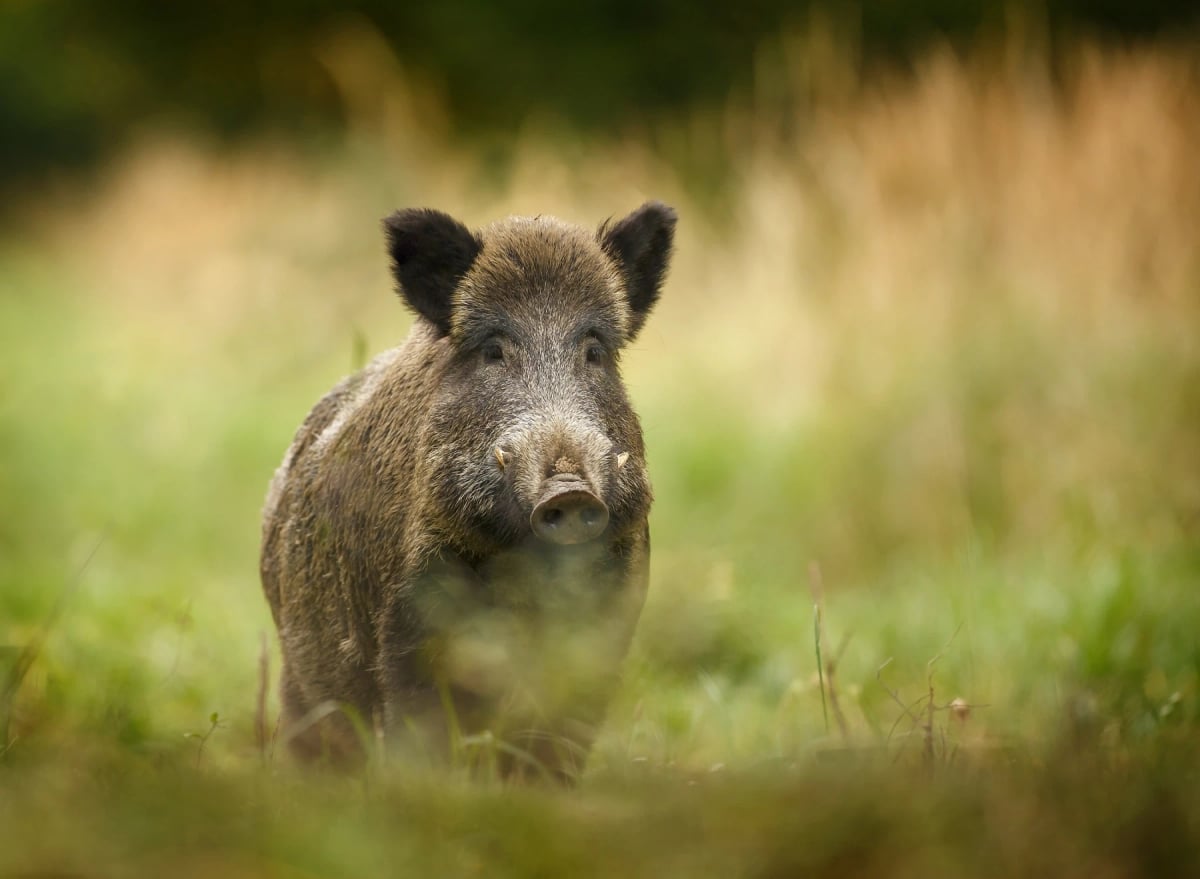
Wild Boar
Sus scrofa
The wild boar is found across a wide range of habitats in Russia, from the forests and wetlands of European Russia to the Far East, where it is an important prey species for the Siberian tiger. It is a highly adaptable omnivore living in forests and farmland, widely hunted for sport and food. In the Far East, populations are closely monitored as part of the prey base supporting tiger survival.
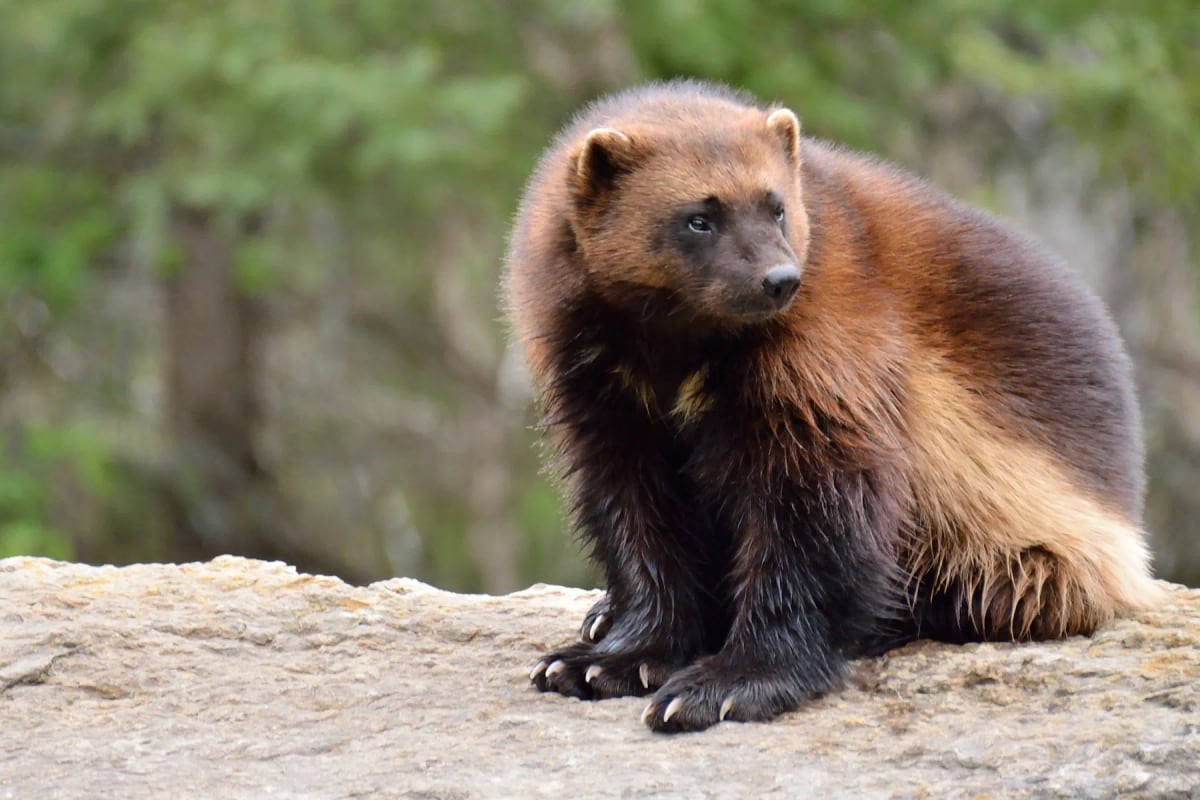
Wolverine
Gulo gulo
Russia supports the largest wolverine population in the world, spanning an enormous arc of boreal forest and tundra from the Kola Peninsula in the west to the Russian Far East. The sheer vastness of Siberia provides millions of square kilometers of habitat largely undisturbed by human activity. Russian wolverines are not well studied compared to Scandinavian populations, but the taiga wilderness gives them space to thrive with relatively little pressure.
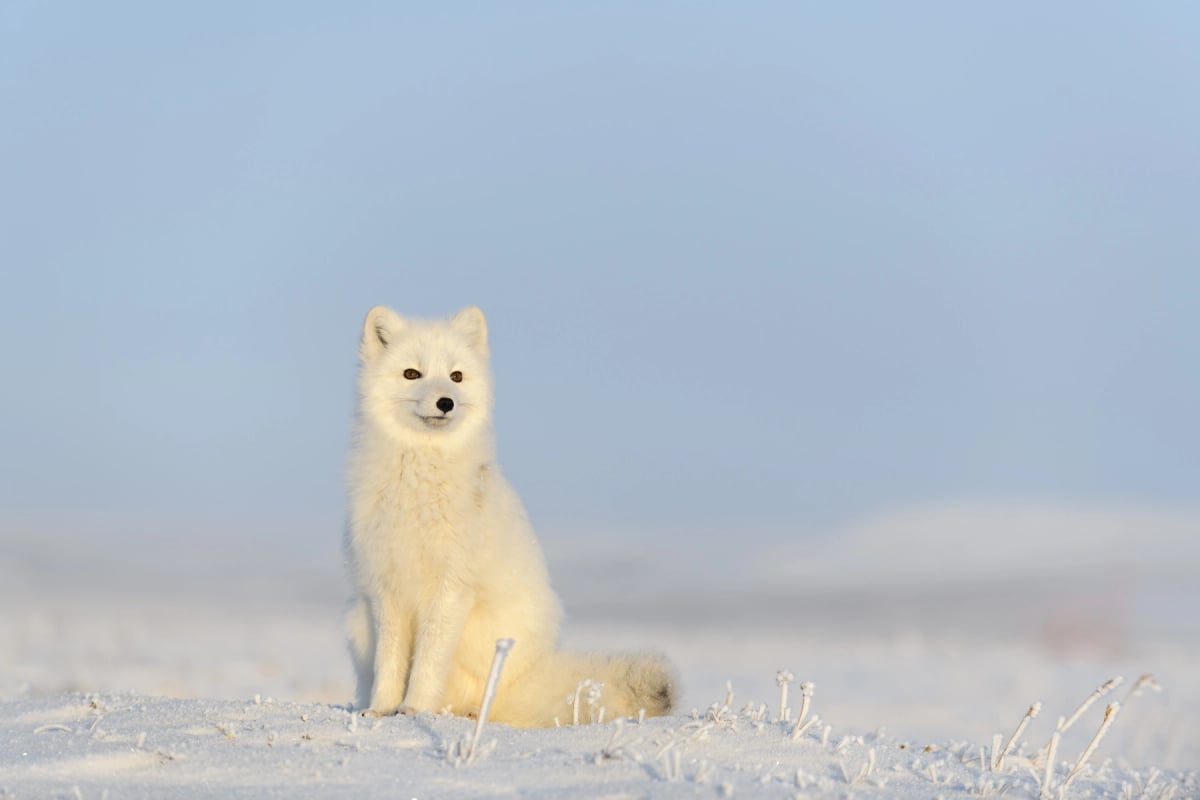
Arctic Fox
Vulpes lagopus
The arctic fox lives across the tundra of northern Russia, from the Kola Peninsula to Chukotka and the Arctic islands. Russia holds a large share of the global arctic fox population. It changes coat color with the seasons, turning white in winter and brown or grey in summer, and follows polar bears to scavenge from their kills. Along the Arctic coast it also relies on seabird colonies and marine food sources during summer. Some island populations have declined due to competition with introduced red foxes.
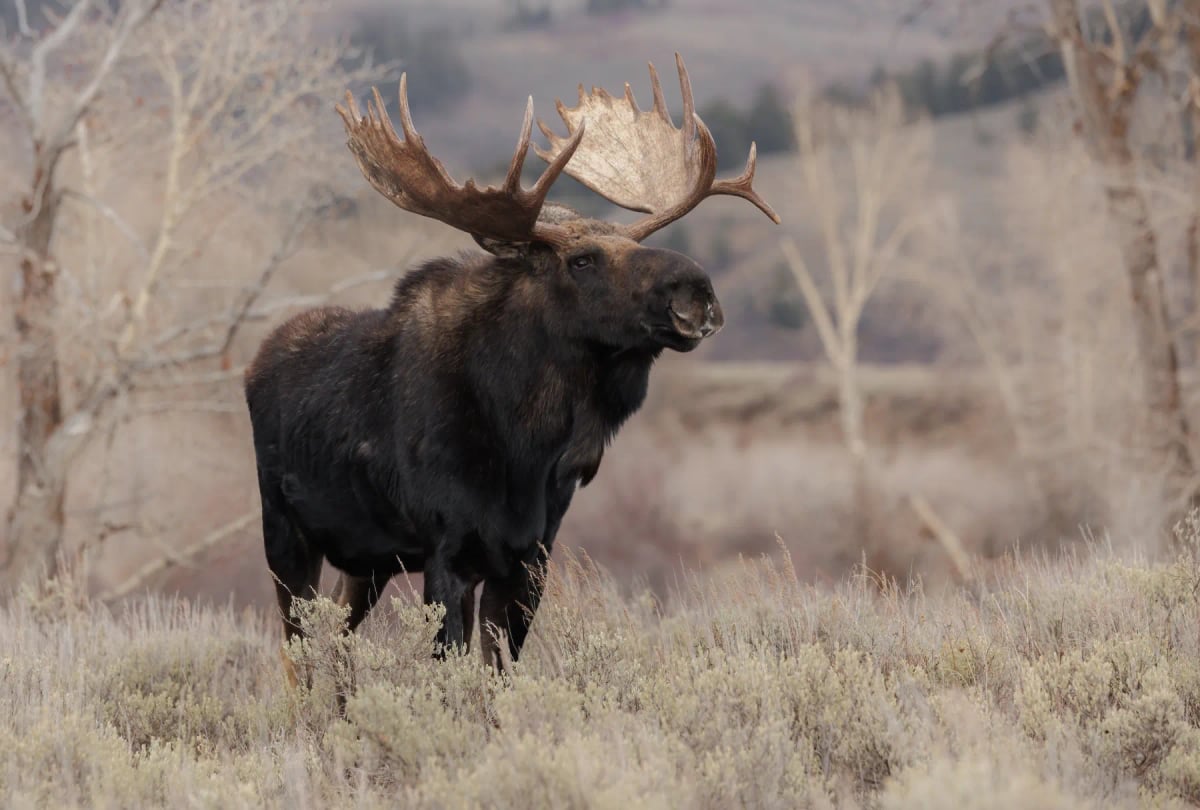
Moose
Alces alces
Russia holds the largest moose population on Earth, with millions of animals distributed across the boreal forests stretching from the Kola Peninsula to the Pacific coast. Key strongholds include the forests of Siberia and the Ural region. Moose thrive in the vast taiga, feeding along river corridors and in birch and willow thickets. They are an important game species and a defining animal of the Russian wilderness. IUCN status: Least Concern.
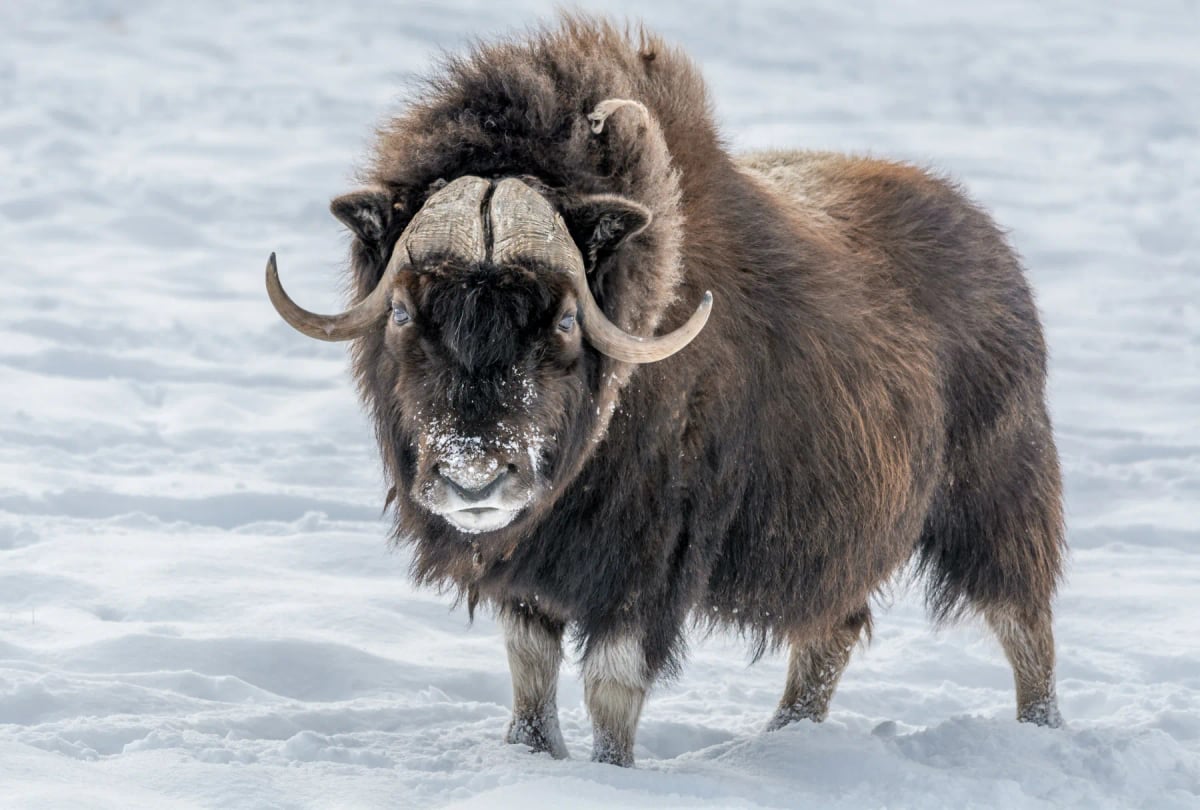
Musk Ox
Ovibos moschatus
Musk oxen disappeared from Russia thousands of years ago. Reintroduction efforts began in the 1970s, when animals were brought from Canada and the United States to the Taimyr Peninsula in Siberia. Additional populations were later established on Wrangel Island and in other parts of the Russian Arctic. These groups have grown steadily and now represent an important conservation success in one of the most remote corners of the Arctic. IUCN Status: Least Concern.
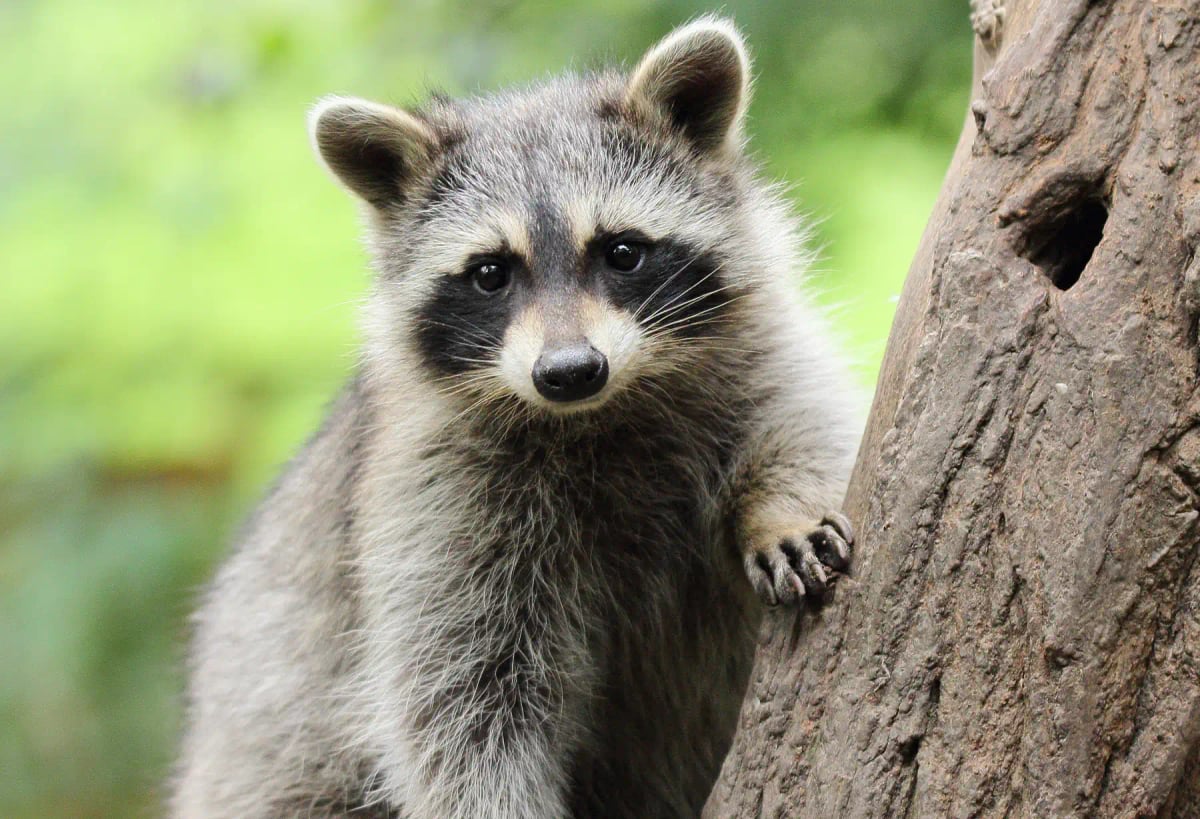
Raccoon
Procyon lotor
Raccoons were deliberately introduced to Russia during the Soviet era, with releases recorded as early as the 1930s in regions such as Azerbaijan and the Caucasus. Populations also developed in the southern European part of Russia. They have spread across a range of habitats, from broadleaf forests to river valleys. In Russia they are considered an acclimatized introduced species, and their interactions with native fauna continue to be studied.
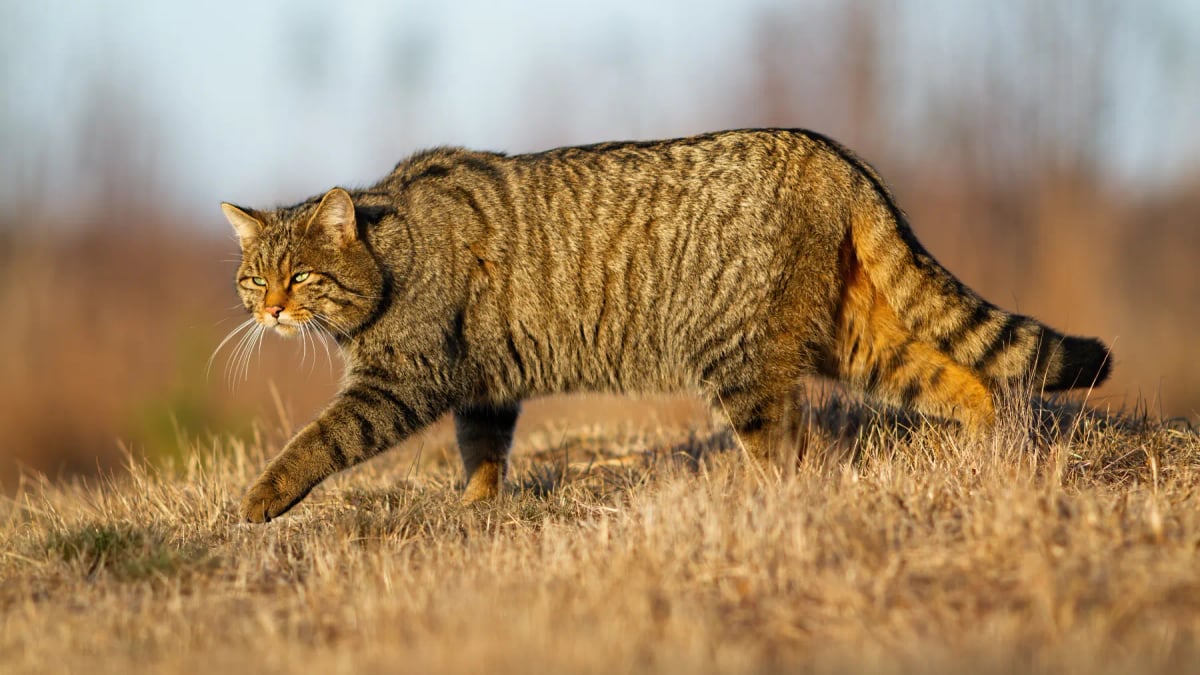
European Wildcat
Felis silvestris silvestris
In Russia, the European wildcat reaches the eastern edge of its range, with records concentrated in the Caucasus region and parts of the North Caucasus foothills. It favors dense forest cover and hunts small mammals and birds at night. Populations here are sparse and not well studied. Habitat disturbance and interbreeding with domestic cats pose ongoing threats. The IUCN lists the species as Least Concern overall.
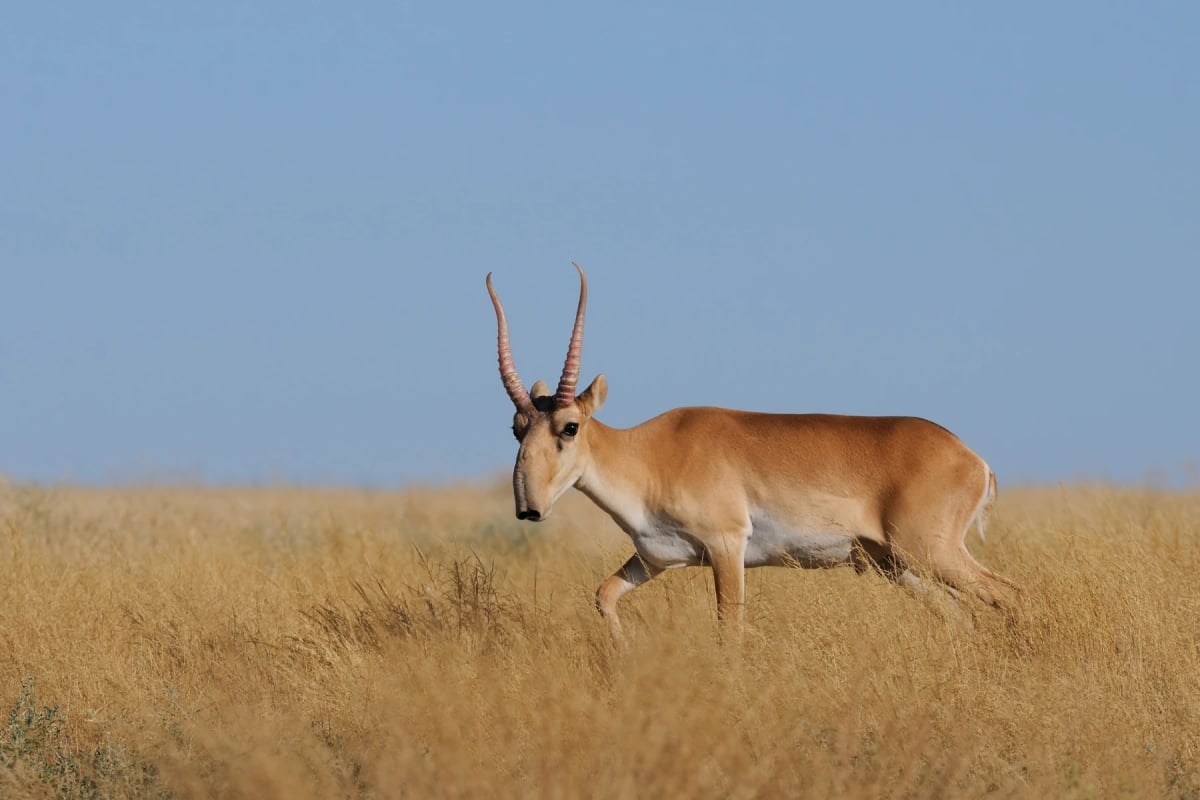
Saiga
Saiga tatarica
In Russia, saigas inhabit the arid steppes of the Republic of Kalmykia, near the Caspian Sea. This population declined sharply during the 20th century due to poaching and habitat loss. Conservation work by Russian wildlife agencies, including protected area management and anti-poaching enforcement, has supported a gradual recovery. The Kalmykian herds remain an important part of the species' overall survival.
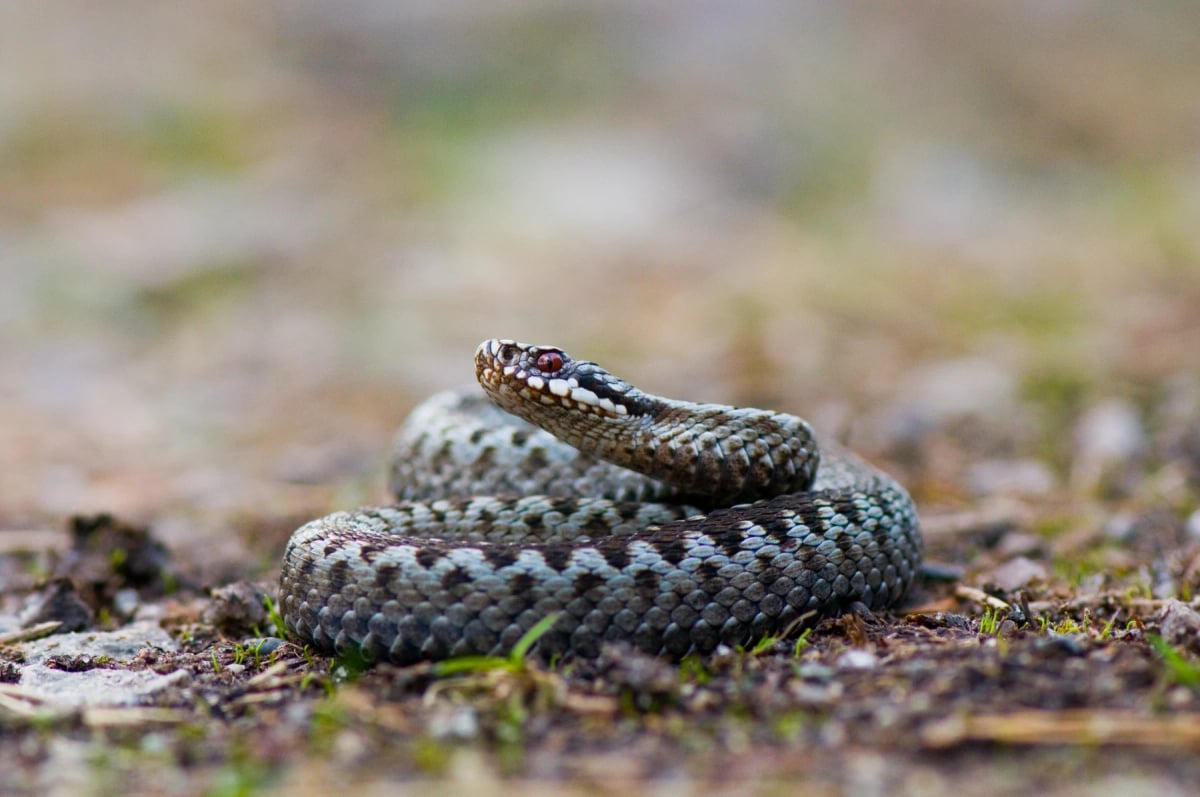
European Adder
Vipera berus
Russia holds the largest portion of the European adder's range of any country on Earth. It is found from the western borders all the way to the Pacific coast of Siberia, across taiga forests, moorlands, and mountain slopes. This extraordinary span makes it the most widely distributed venomous snake in the world. Populations vary greatly across such a vast territory. Its IUCN status is Least Concern.
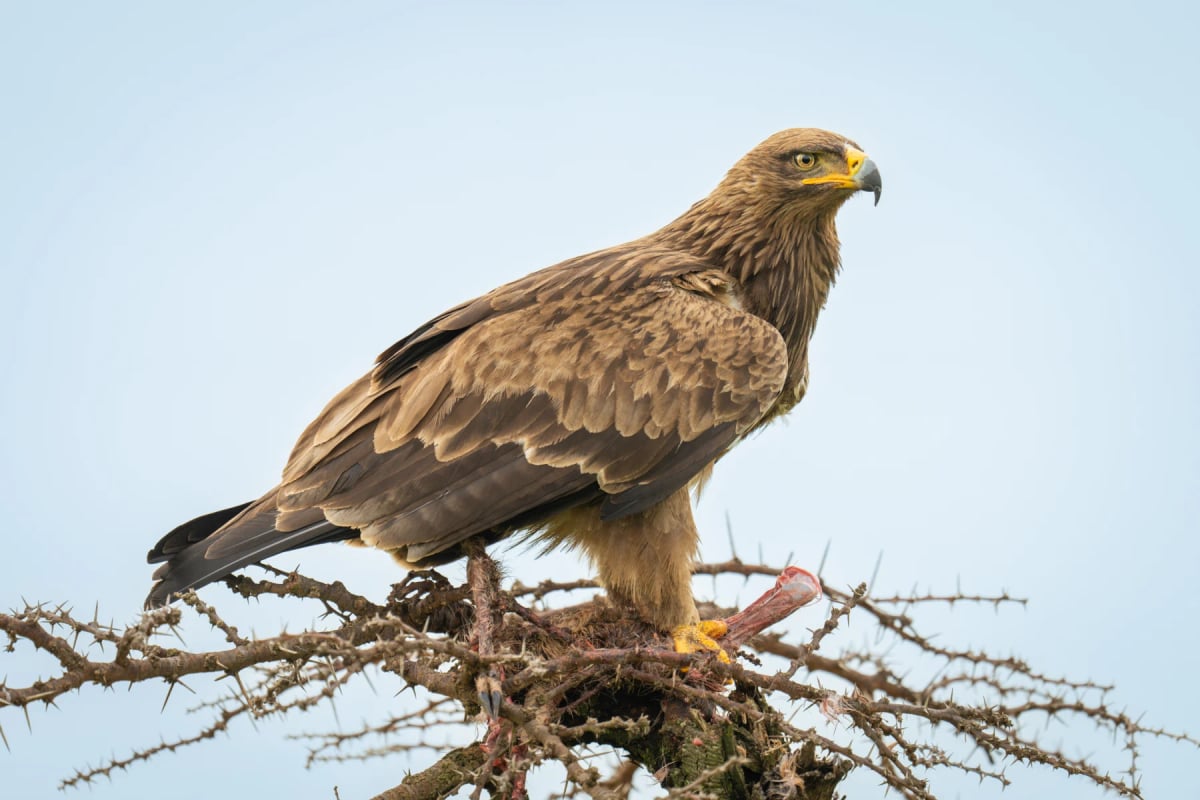
Steppe Eagle
Aquila nipalensis
In Russia, the Steppe Eagle breeds across the open grasslands of the southern regions, particularly in areas stretching toward Kazakhstan. Populations here have declined sharply in recent decades, largely due to electrocution on power lines and habitat degradation. After the breeding season, Russian birds join one of the most remarkable migrations of any raptor, heading south to spend the winter in Africa and South Asia.
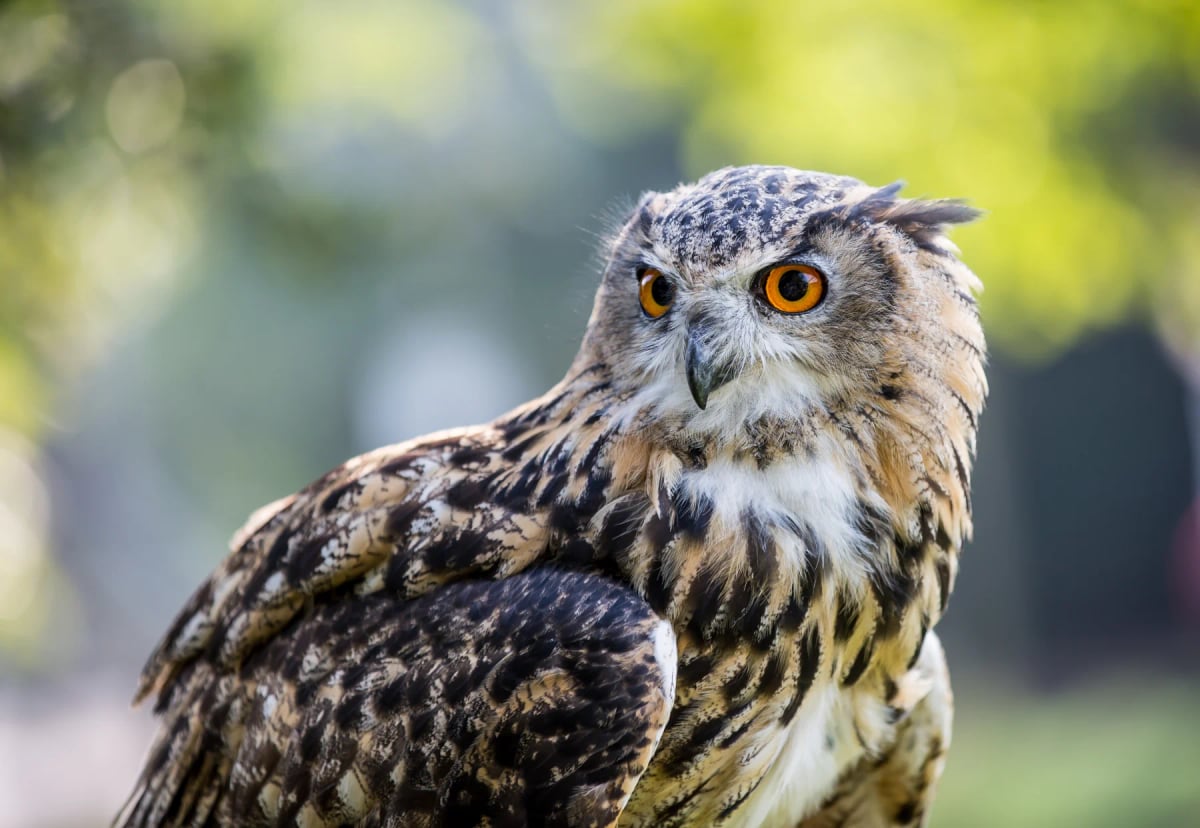
Eagle Owl
Bubo bubo
Russia holds one of the world's largest eagle owl populations, spread across an enormous range that stretches from the forests of European Russia to the steppes of Siberia and the rocky coasts of the Russian Far East. The species occupies a remarkable variety of habitats across this territory. Populations in remote areas remain largely undisturbed, though birds closer to human settlements face threats from power lines and collision. The IUCN lists it as Least Concern.
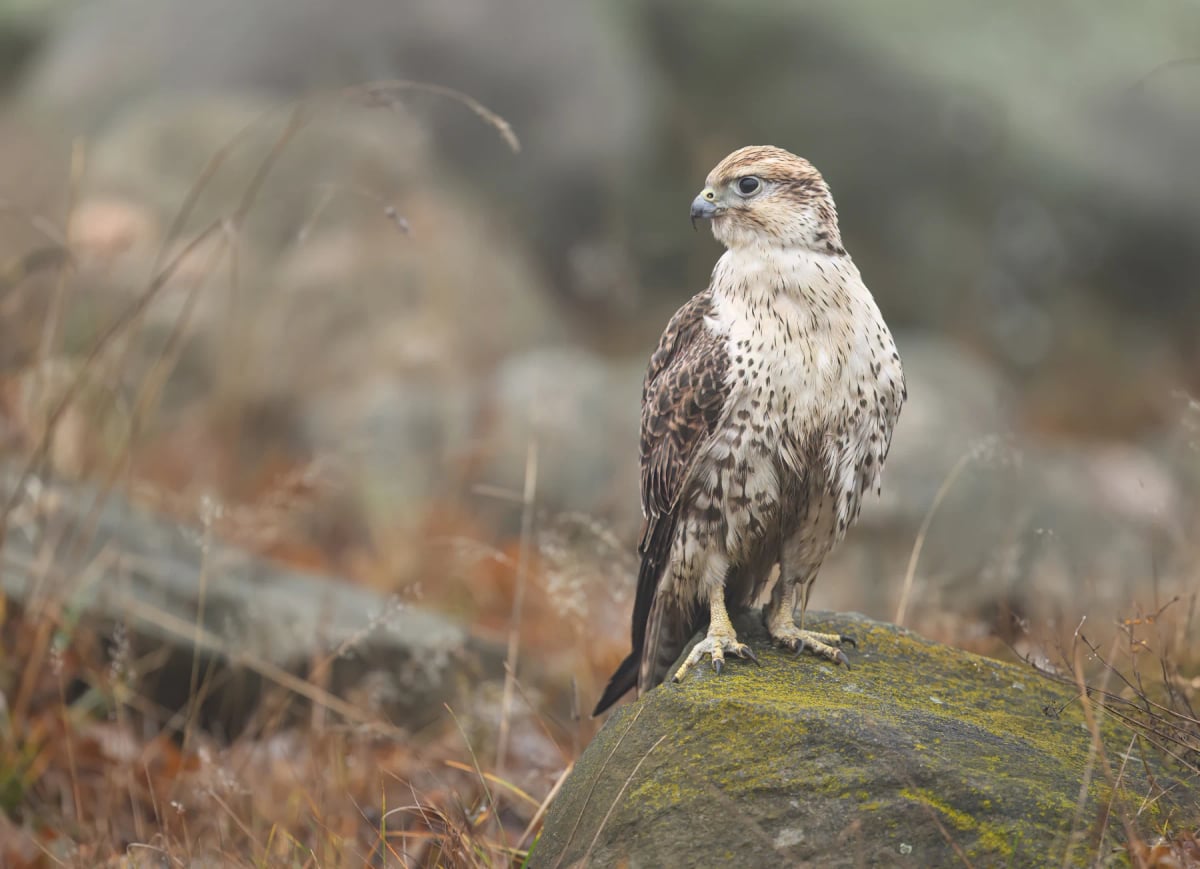
Saker Falcon
Falco cherrug
Russia holds some of the most important breeding grounds for the saker falcon, particularly across the vast steppes of southern Siberia and the Volga-Ural region. Populations here hunt ground squirrels and other small mammals across open grasslands. Habitat loss and illegal trapping for the falconry trade have driven serious declines, and conservation programs in Russia are working to protect nesting sites and restore stable populations. The species is listed as Endangered.
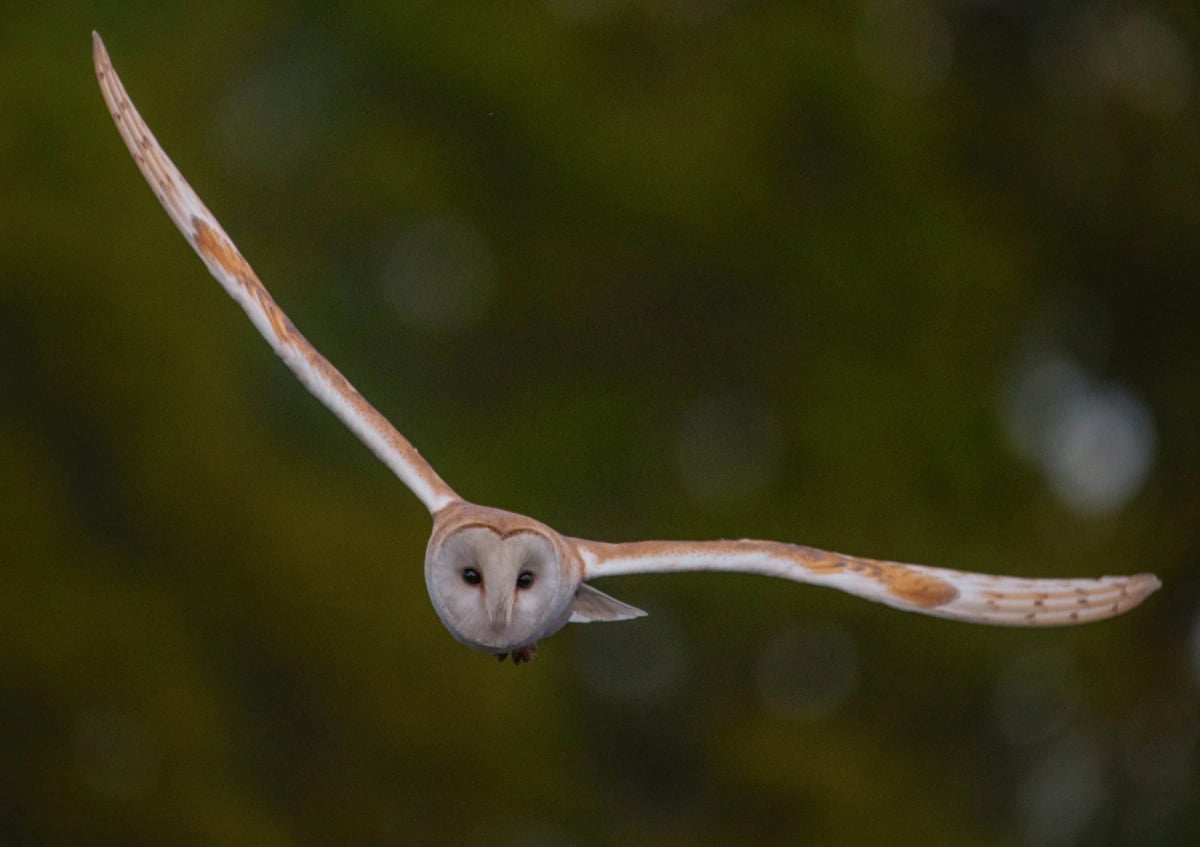
Barn Owl
Tyto alba
The barn owl lives mainly in the western and southern parts of Russia, where milder winters and open farmland provide the conditions it needs to hunt. It is far less common in Siberia and the far north, where harsh winters make survival difficult. In Russia as elsewhere it nests in old buildings, church towers and tree cavities and hunts mice and voles at night. Its eerie shrieking call is often heard near villages and old farms after dark.
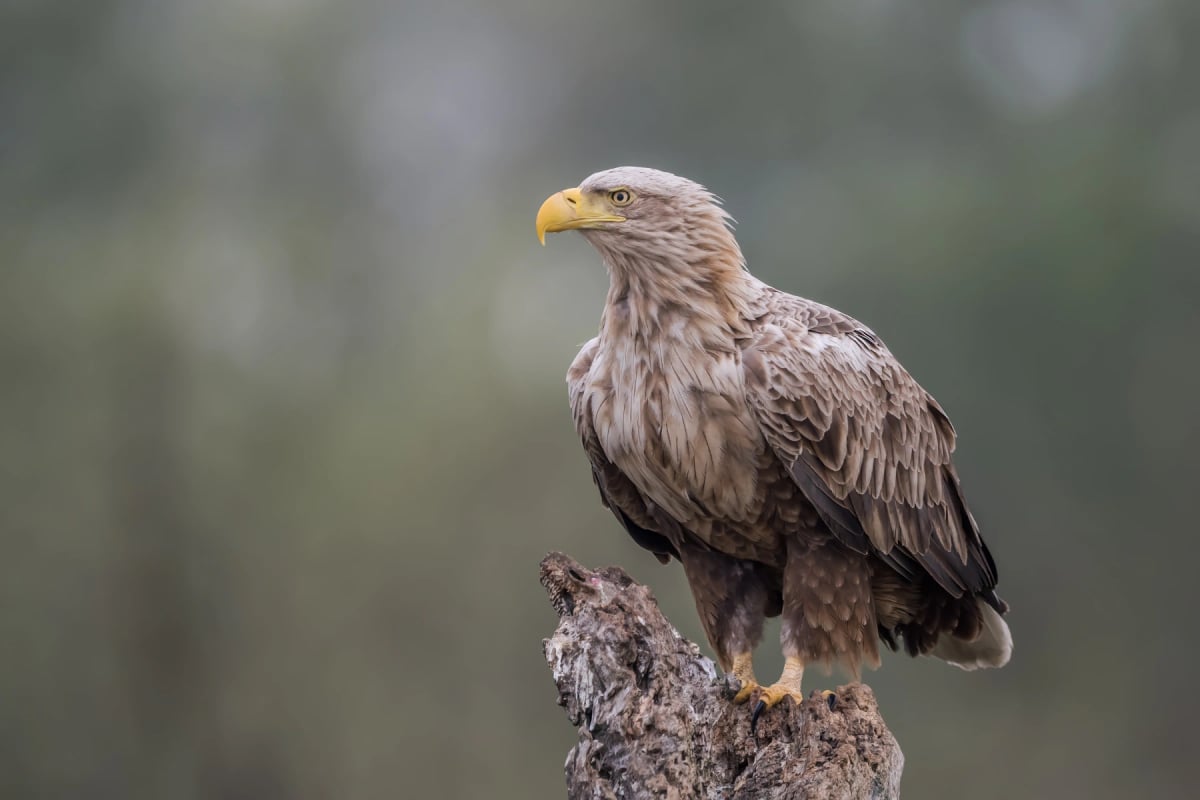
White tailed Eagle
Haliaeetus albicilla
Russia holds some of the largest populations of white tailed eagles in the world, with birds spread across Siberia, the Russian Far East, and the shores of Lake Baikal. These eagles nest along major rivers and wetlands, feeding on fish and waterfowl. The sheer size of Russia's wilderness gives this species room to thrive, though illegal poisoning and habitat disturbance remain ongoing concerns in some regions.
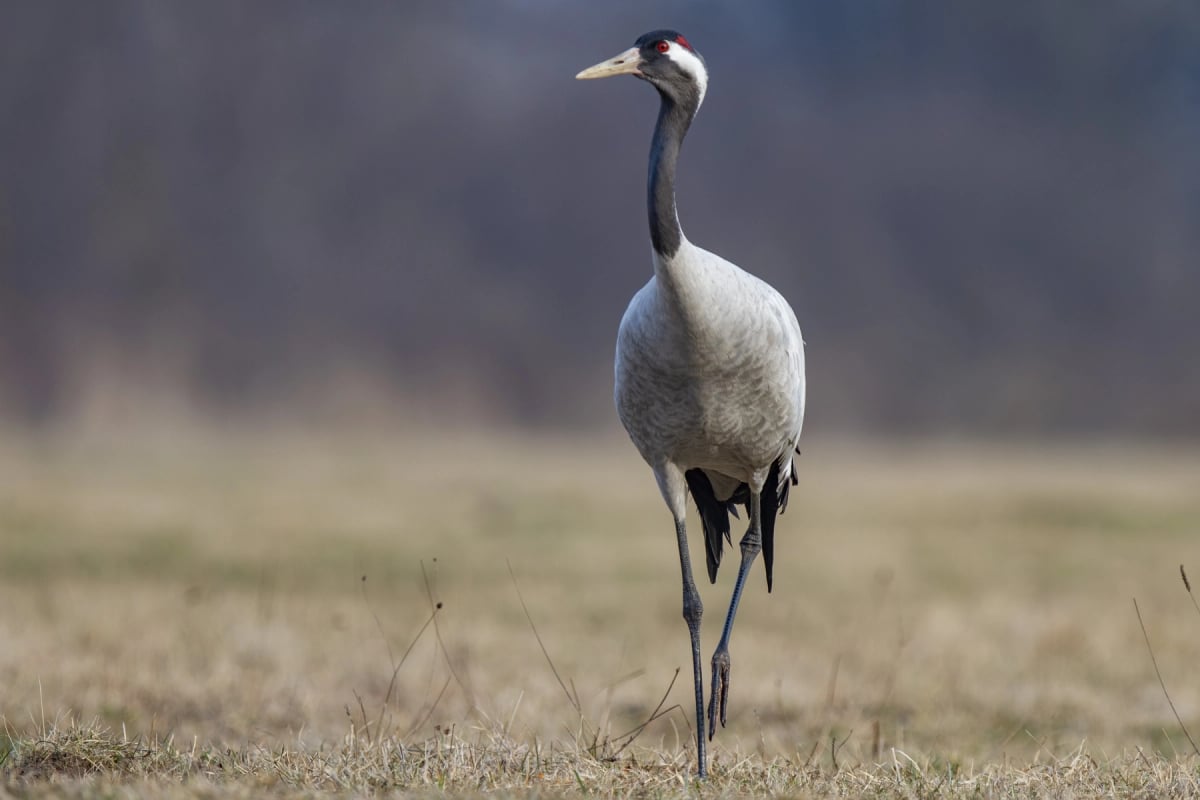
Crane
Grus grus
Russia holds some of the largest breeding populations of the common crane in the world. The species nests across a vast arc of boreal forest, bogs and wetlands stretching from the Baltic region to western Siberia. Birds breeding in Russia fan out across multiple flyways each autumn, reaching wintering grounds as far away as East Africa and the Middle East. Russia is central to the species' global abundance. Its IUCN status is Least Concern.
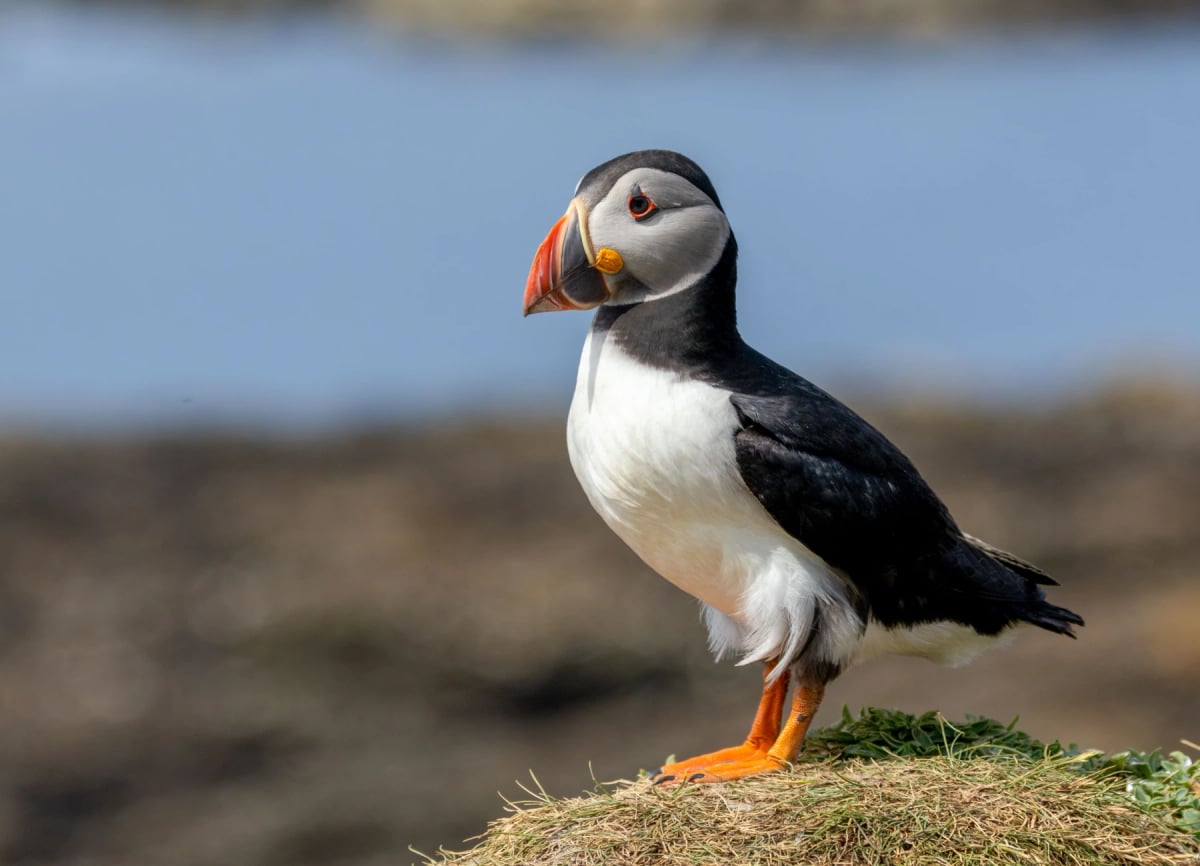
Puffin
Fratercula arctica
Atlantic puffins breed on rocky islands and coastal cliffs in the Barents Sea region and the Murman coast of northwestern Russia. These remote northern colonies are less studied than those further west, but they form part of the species' eastern range in Europe. The cold, productive waters of the Barents Sea have historically provided rich feeding grounds. Like other North Atlantic populations, Russian colonies face growing pressure from changes in ocean temperature and prey availability.
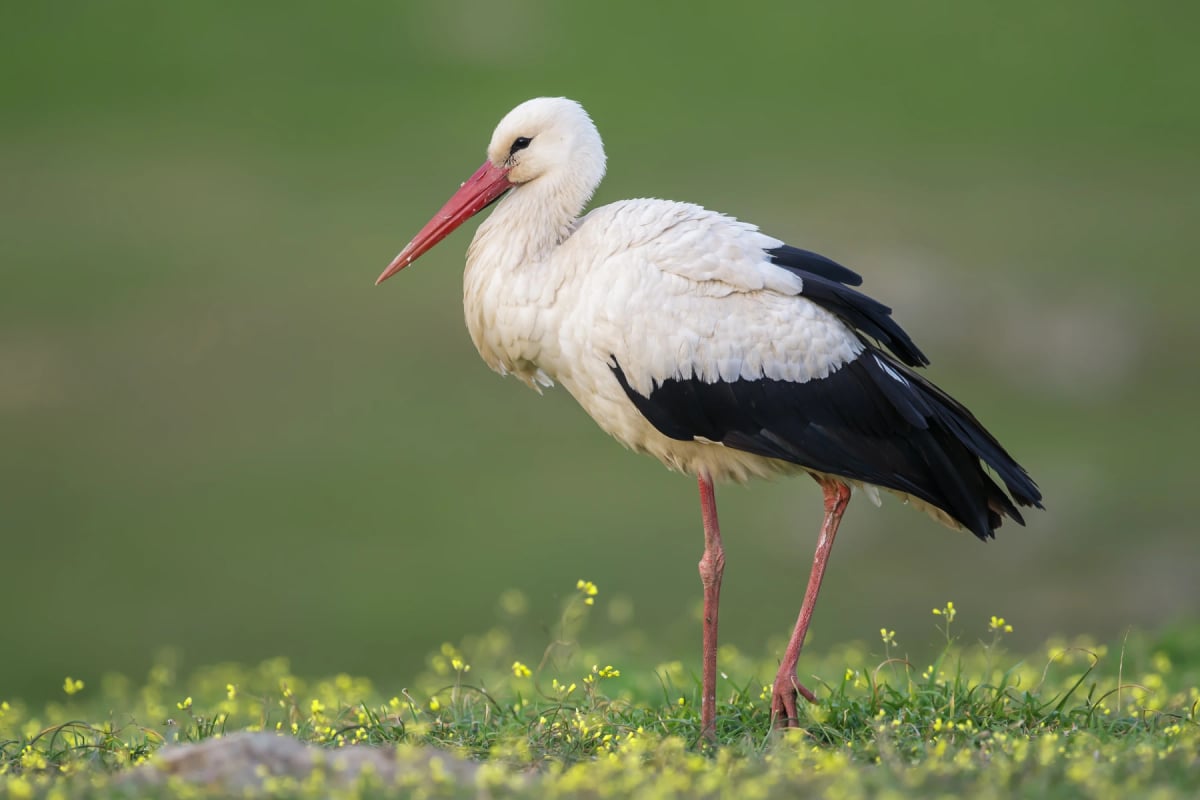
Stork
Ciconia ciconia
The white stork breeds across the western parts of Russia, particularly in the Kaliningrad exclave and through the regions bordering Belarus and Ukraine, including Pskov and Bryansk. It favours river valleys, wet meadows, and agricultural land where food is easy to find. Russia marks the northeastern edge of the species' breeding range. Populations in this part of the continent migrate south through the Bosphorus bottleneck each autumn on their way to Africa.
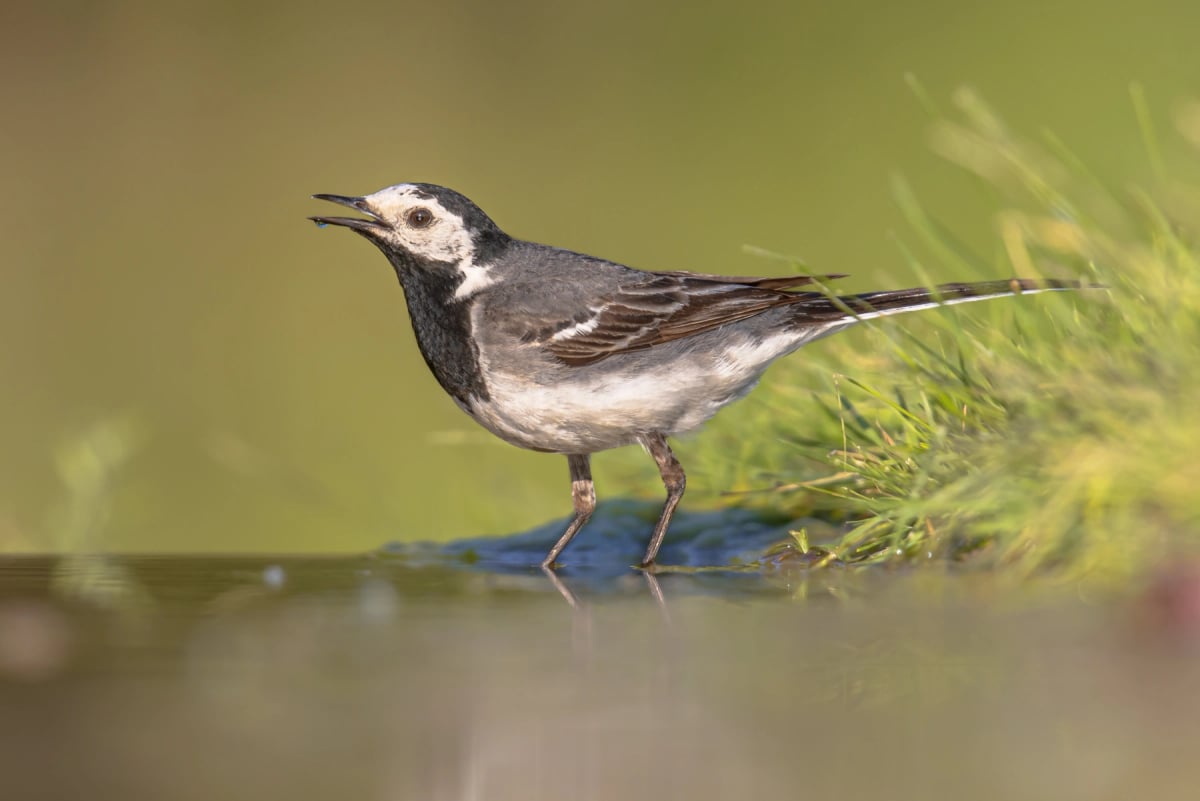
White Wagtail
Motacilla alba
The white wagtail is one of the most familiar small birds across Russia and is found in virtually every part of the country during the warmer months. It is a common sight near streams, riverbanks, farms and even city pavements, where it walks quickly and bobs its tail constantly. It migrates south for the winter and returns to Russia each spring as one of the first birds to announce the end of the cold season in towns and countryside alike.
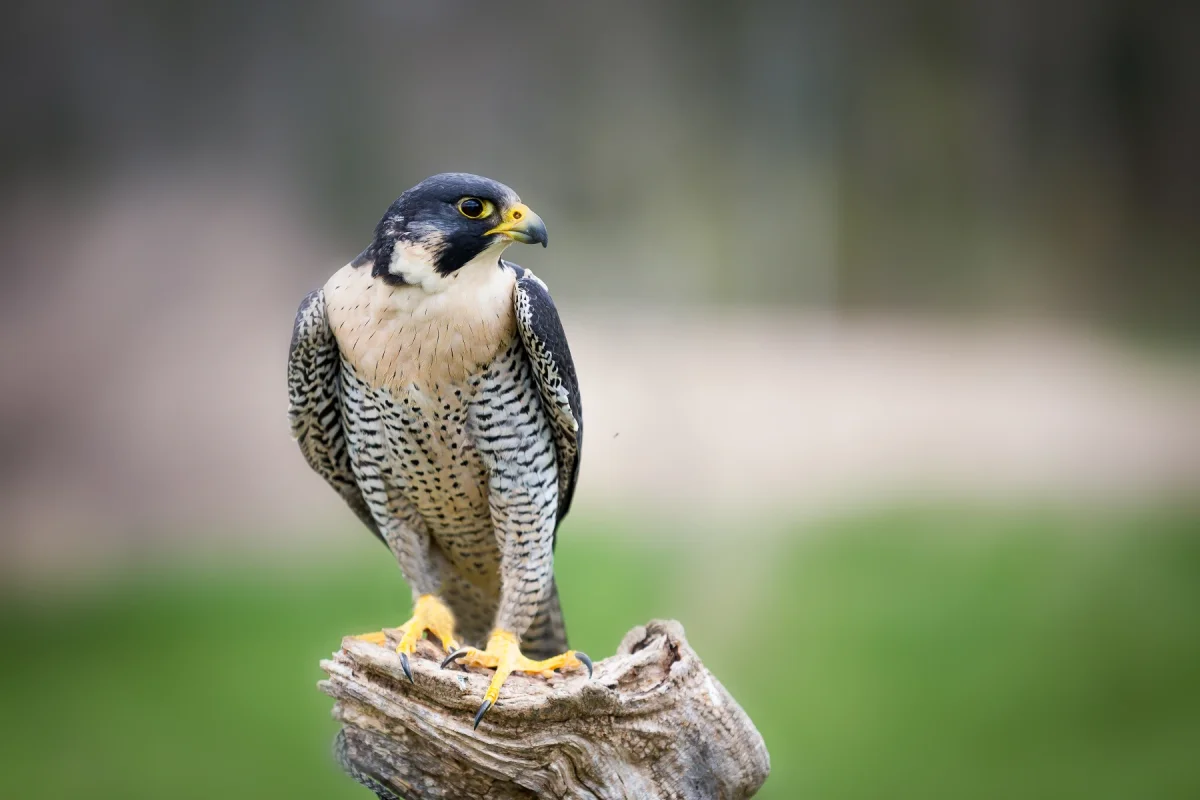
Peregrine Falcon
Falco peregrinus
Russia holds some of the most extensive breeding habitat for the peregrine falcon on Earth. Birds nest across the vast Siberian tundra, along river cliffs, and in forested mountain ranges from the Urals to the Far East. After severe population losses caused by DDT use during the twentieth century, numbers have recovered considerably. Russia's immense wilderness supports multiple subspecies, including the large and pale tundrius and calidus forms.
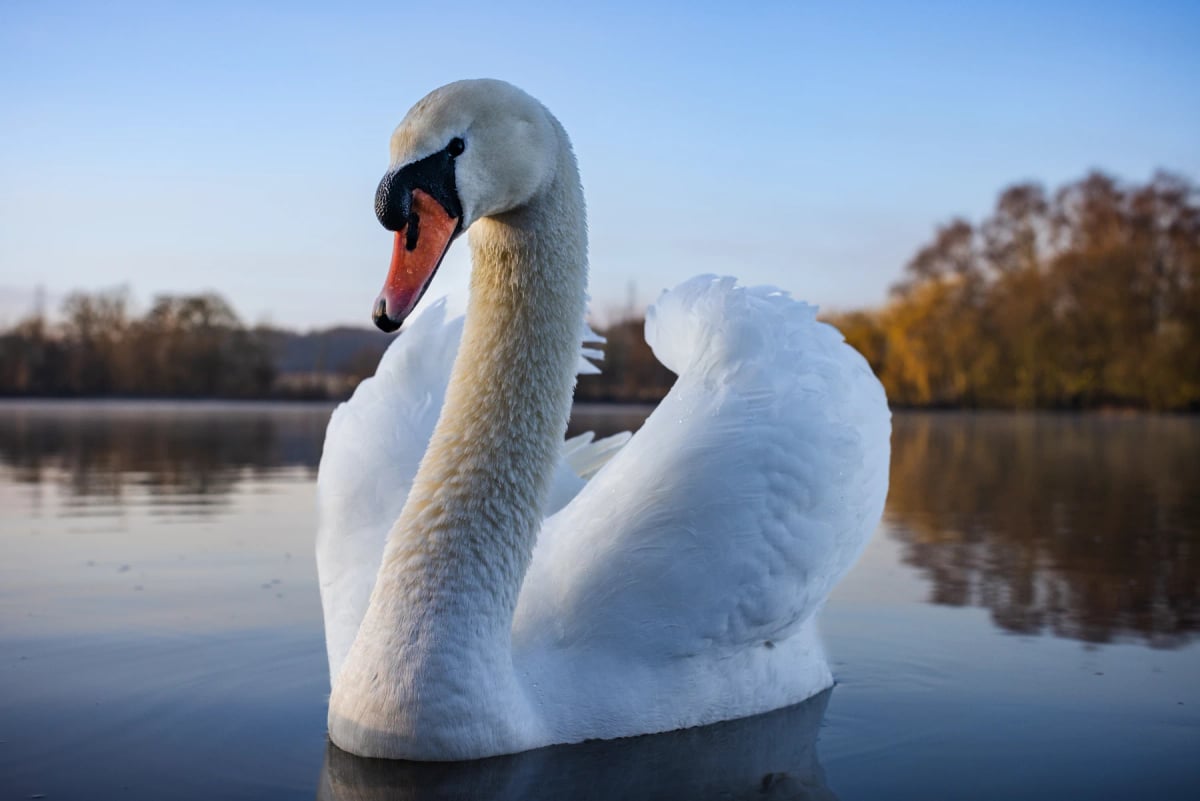
Mute Swan
Cygnus olor
In Russia, the mute swan breeds across a broad band of territory stretching from the western regions toward the Caspian lowlands and into parts of Siberia. It favors shallow lakes, river deltas, and coastal wetlands rich in aquatic vegetation. The Volga Delta is a key site, hosting significant numbers during both the breeding season and migration. The species is well established, and the IUCN lists it as Least Concern.
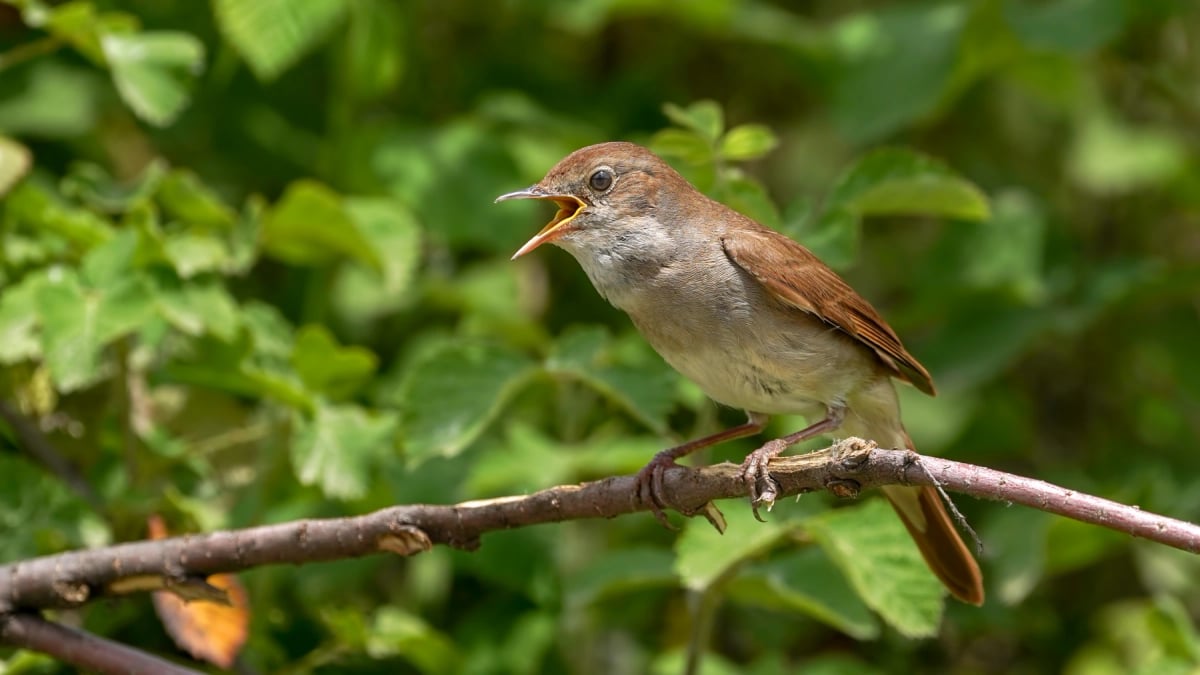
Nightingale
Luscinia megarhynchos
In Russia, the nightingale breeds mainly across the southern and central European parts of the country, extending into areas around the Volga basin and the Caucasus foothills. It favors thickets along riverbanks and woodland edges in these warmer southern regions. The species is deeply embedded in Russian culture and poetry as a symbol of song and longing. It departs for Africa in late summer, returning each spring.
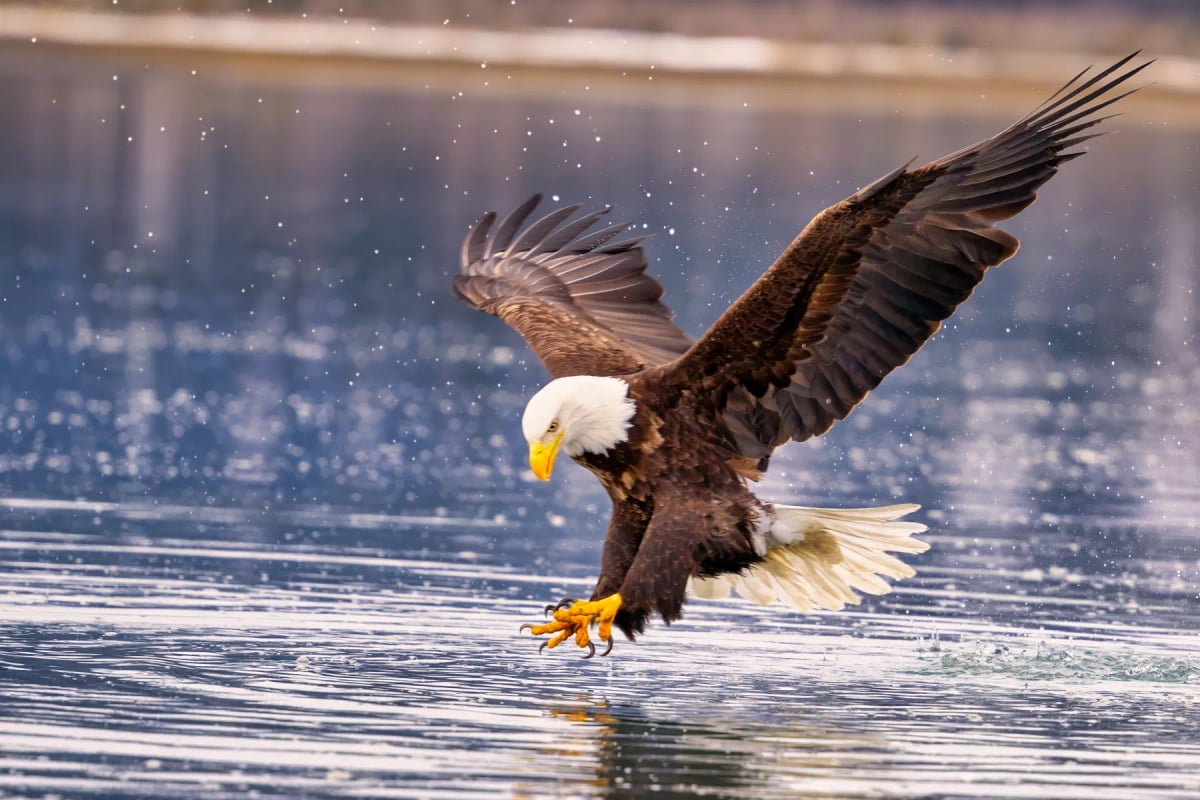
Bald Eagle
Haliaeetus leucocephalus
The bald eagle is found in the Russian Far East, along the coasts and islands of Kamchatka, the Commander Islands, and the Kuril archipelago. It is considered a rare resident and occasional visitor in these eastern territories. Most sightings occur near coastlines and large rivers where fish are plentiful. Its presence in Russia represents the western edge of what is otherwise a North American species.
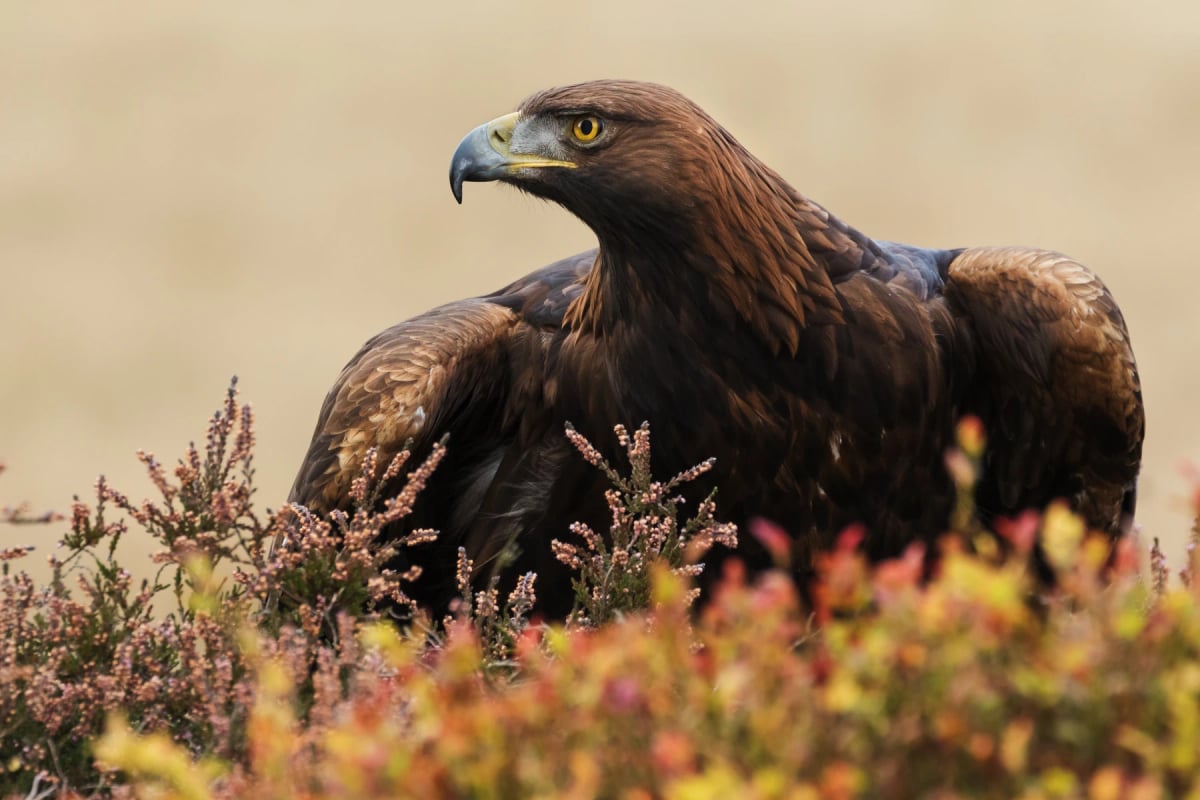
Golden Eagle
Aquila chrysaetos
Russia holds one of the largest golden eagle populations in the world, spread across the Caucasus, the Ural Mountains, Siberia, and the Russian Far East. It occupies a wide variety of habitats, from mountain ranges to open taiga and steppe. Prey varies by region and includes hares, ground squirrels, and marmots. The sheer size of Russia's wilderness areas means many populations here face relatively little direct pressure.
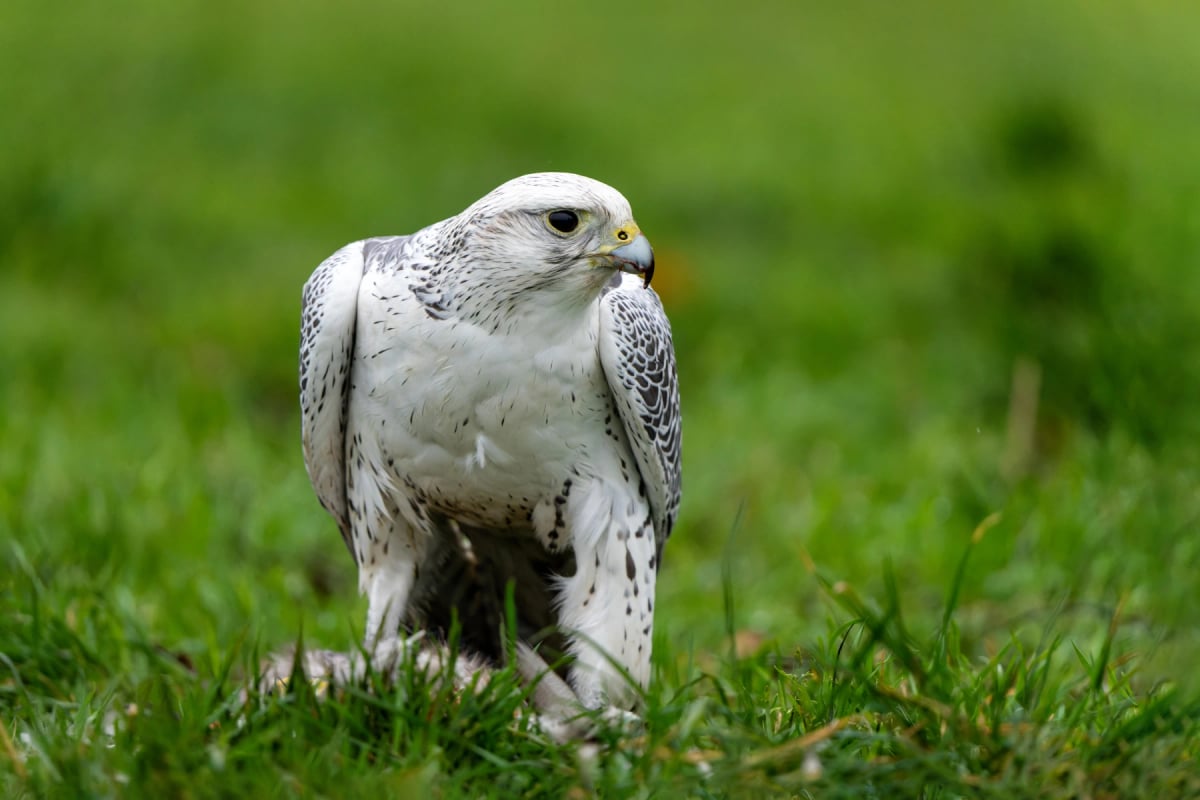
Gyrfalcon
Falco rusticolus
Russia holds the largest gyrfalcon range of any country on Earth, stretching from the Kola Peninsula in the west all the way to Chukotka in the far east. The species breeds across vast stretches of Siberian tundra and taiga edges, nesting on cliff outcrops and rocky river gorges. Because so much of this habitat is extremely remote, population data remains incomplete, but Russia is undoubtedly critical to the species globally. IUCN status: Least Concern.
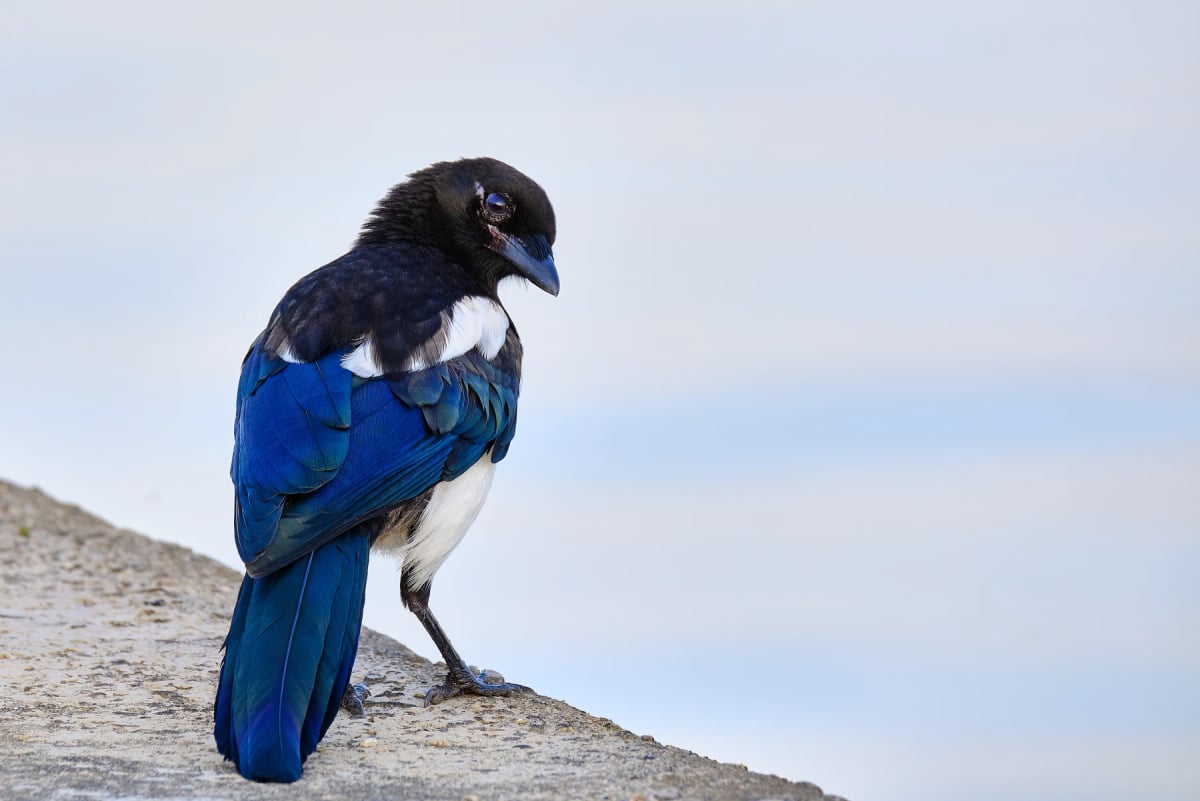
Eurasian Magpie
Pica pica
Russia holds one of the largest populations of the Eurasian Magpie in the world, with the bird found from the western plains all the way to the forests of Siberia and the Russian Far East. It favors woodland edges, river valleys, and land used for farming. In Siberia, it endures harsh winters by staying close to towns and villages. Its IUCN status is Least Concern, and it remains abundant across the country.
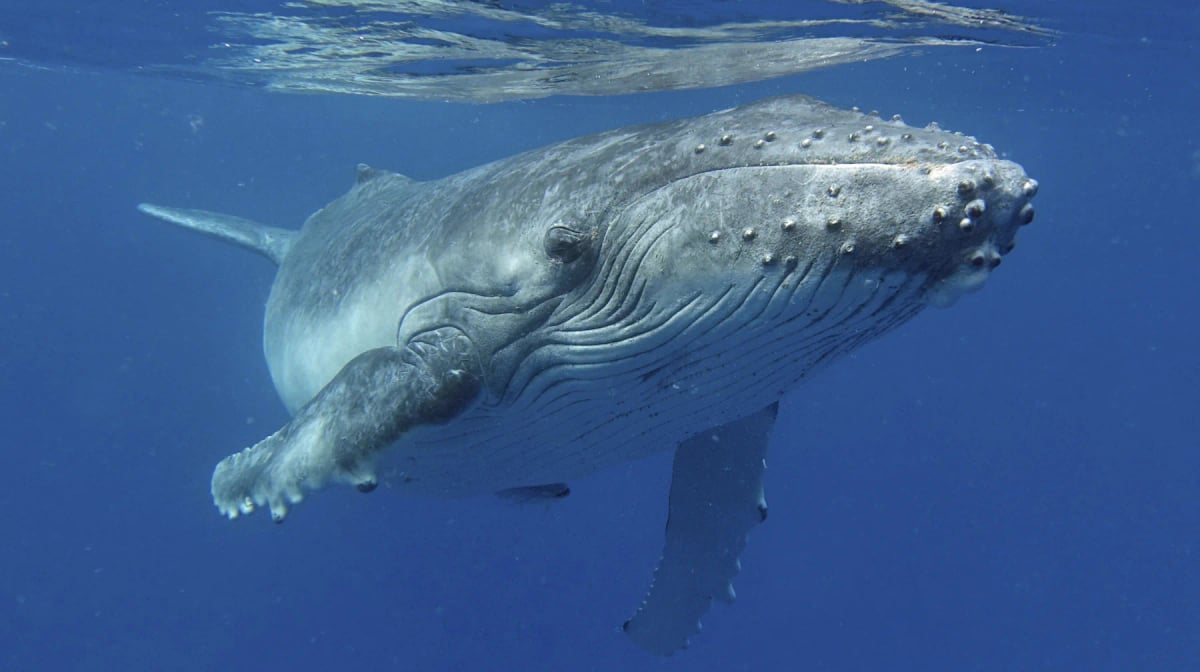
Humpback Whale
Megaptera novaeangliae
In Russian waters, humpback whales feed during summer in the nutrient-rich seas of the Far East, including the Sea of Okhotsk and waters off Kamchatka and Sakhalin. These cold, productive seas offer abundant krill and small fish. After feeding season, whales migrate to warmer tropical waters to breed. Russia's vast Pacific coastline provides some of the most important feeding habitat for North Pacific humpback populations. The IUCN lists the species as Least Concern.
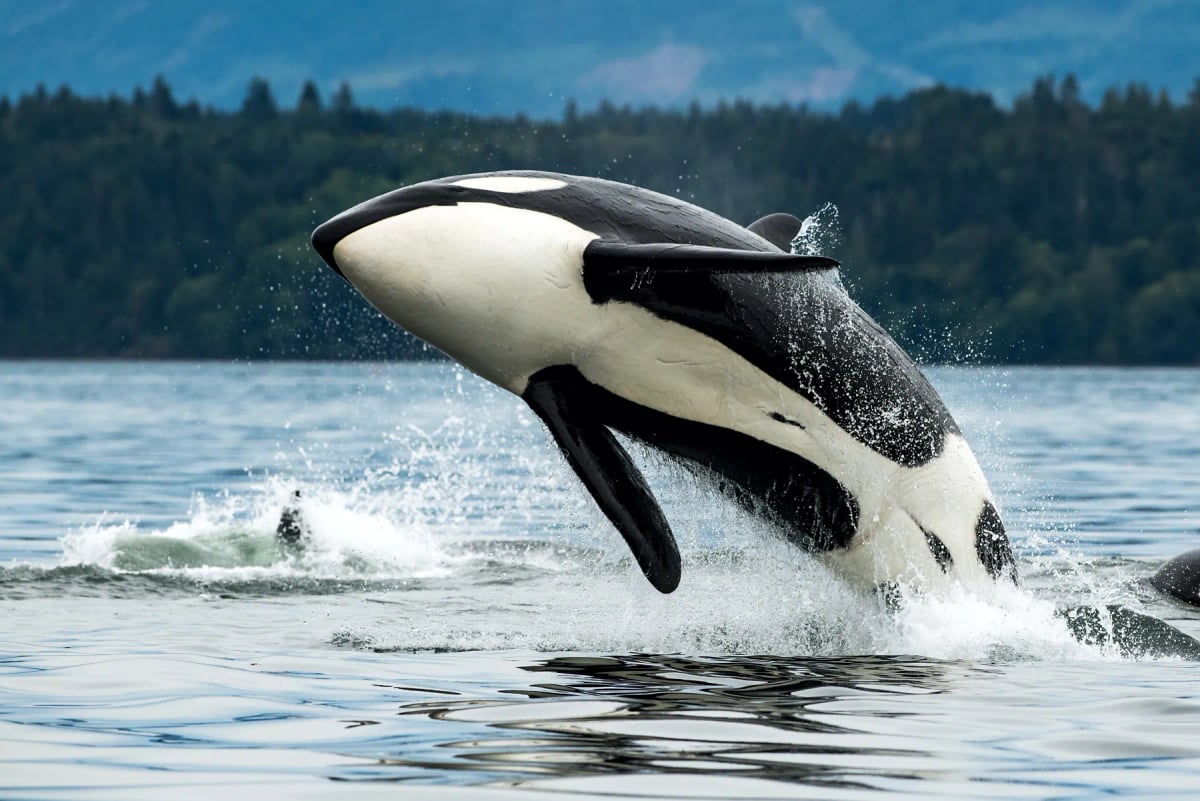
Orca
Orcinus orca
Orcas are well documented in Russian waters, particularly in the Sea of Okhotsk and around the Commander Islands in the North Pacific. These pods feed heavily on fish and marine mammals, including other cetaceans. Russian researchers have studied local populations closely, identifying distinct groups by their calls and markings. Noise from shipping and industrial fishing remains a serious concern for their survival over the long term.
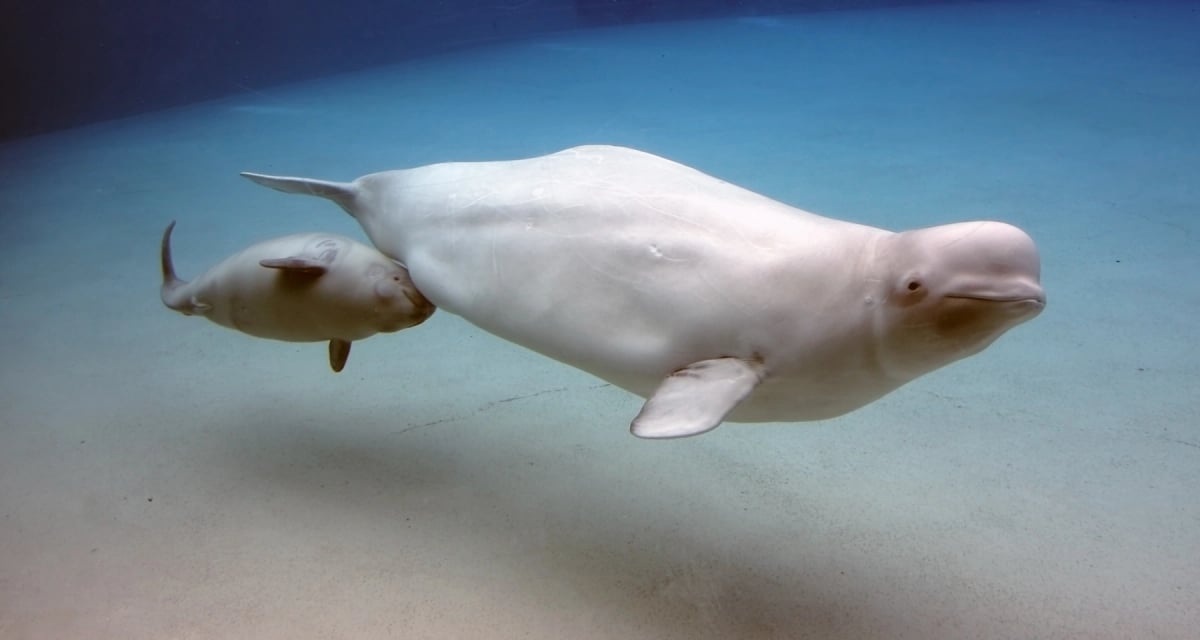
Beluga Whale
Delphinapterus leucas
Russia is home to some of the most extensive beluga populations on Earth, spread across the White Sea, Kara Sea, Sea of Okhotsk, and the estuaries of great Siberian rivers such as the Ob and Yenisei. Belugas use these rivers as summer feeding and calving grounds. Russia also maintains facilities for the study and, historically, the capture of belugas for aquariums. IUCN status: Least Concern.
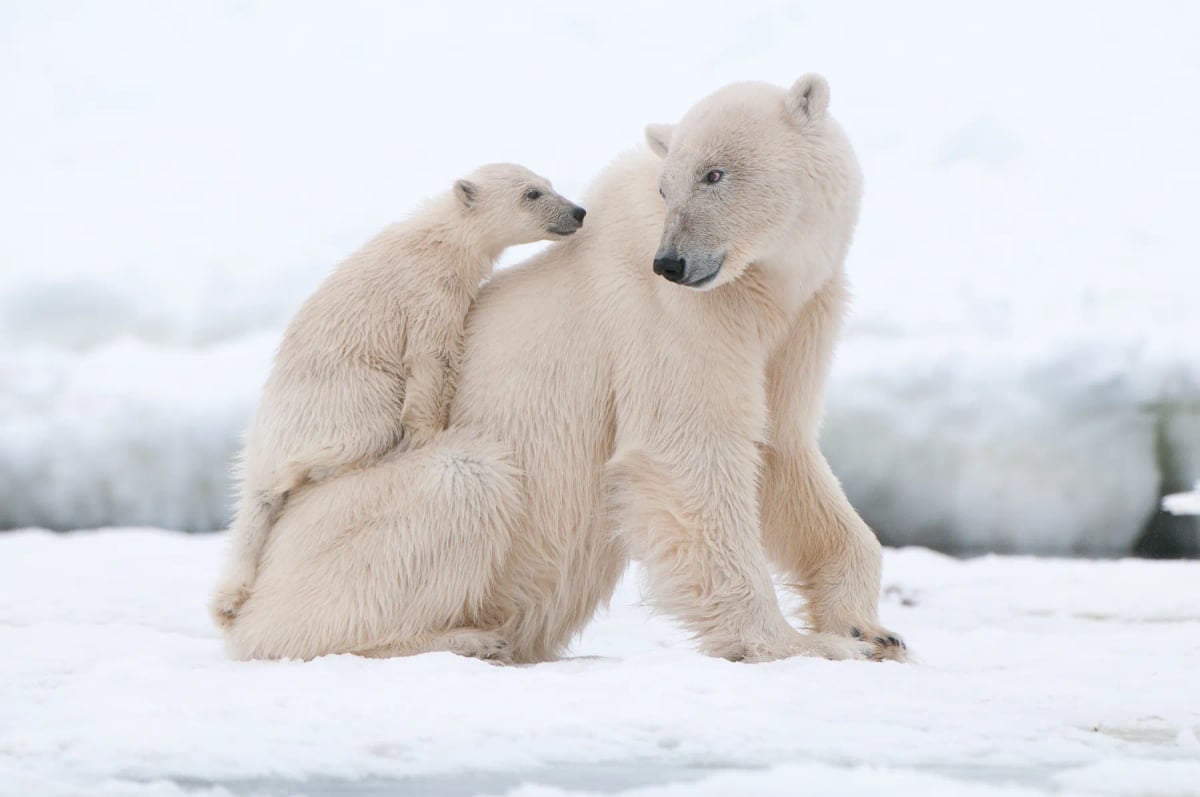
Polar Bear
Ursus maritimus
Russia hosts polar bears across a vast stretch of Arctic coastline, from the Barents Sea in the west to the Chukchi Sea in the east. The remote nature of much of this territory makes population surveys difficult. Bears in the Chukchi Sea form a shared population with Alaska and are considered to be in relatively stable condition. The IUCN lists the polar bear as Vulnerable, with sea ice loss posing the greatest threat.
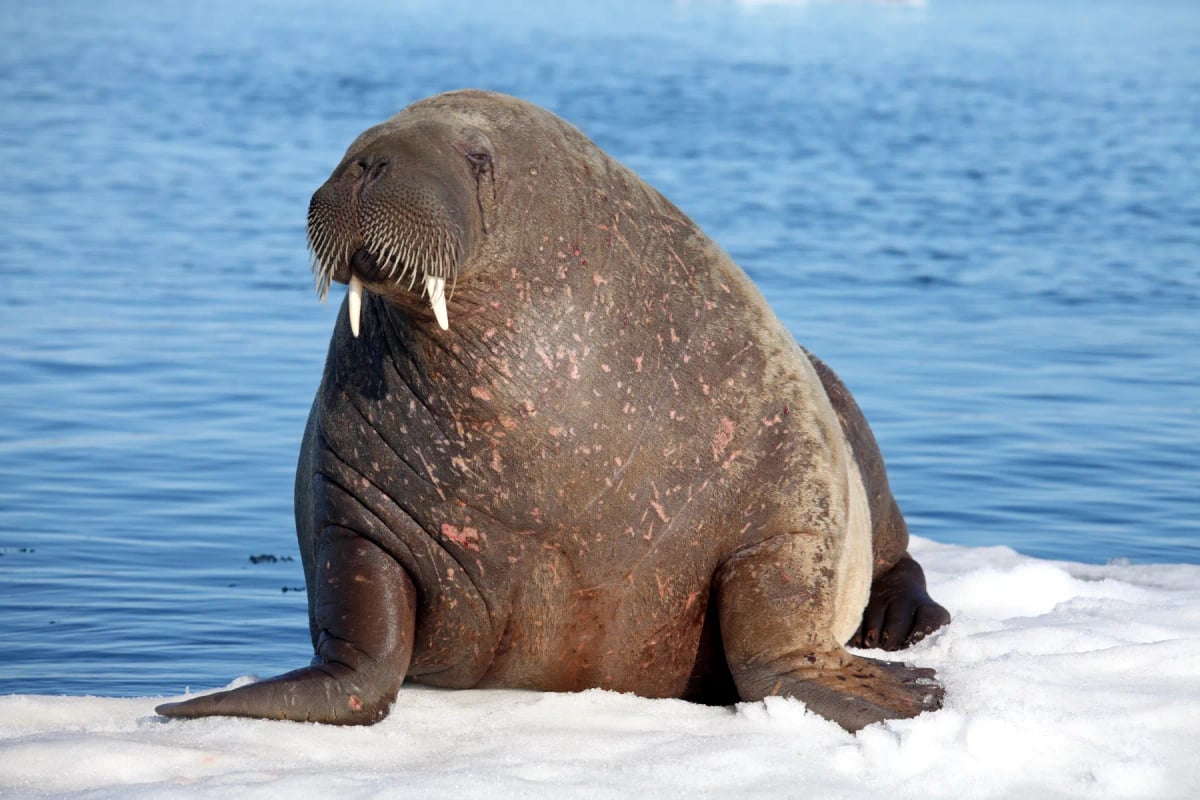
Walrus
Odobenus rosmarus
Russia holds some of the largest walrus populations in the world, particularly in the Chukchi and Laptev seas. The Laptev walrus is sometimes considered a distinct subspecies found only in Russian Arctic waters. Massive haul-out sites on Russian shores can host tens of thousands of animals at once, a striking behavior that has intensified as sea ice retreats and suitable resting platforms become scarcer.

Bottlenose Dolphin
Tursiops truncatus
In Russian waters, bottlenose dolphins appear primarily in the Black Sea and the Sea of Azov, where small coastal populations have been documented. These populations face considerable threats from historical hunting, now banned, as well as ongoing pollution and heavy maritime activity. Russian researchers have contributed to regional studies tracking the health and movement of these dolphins across the semi-enclosed Black Sea basin. IUCN status: Least Concern.
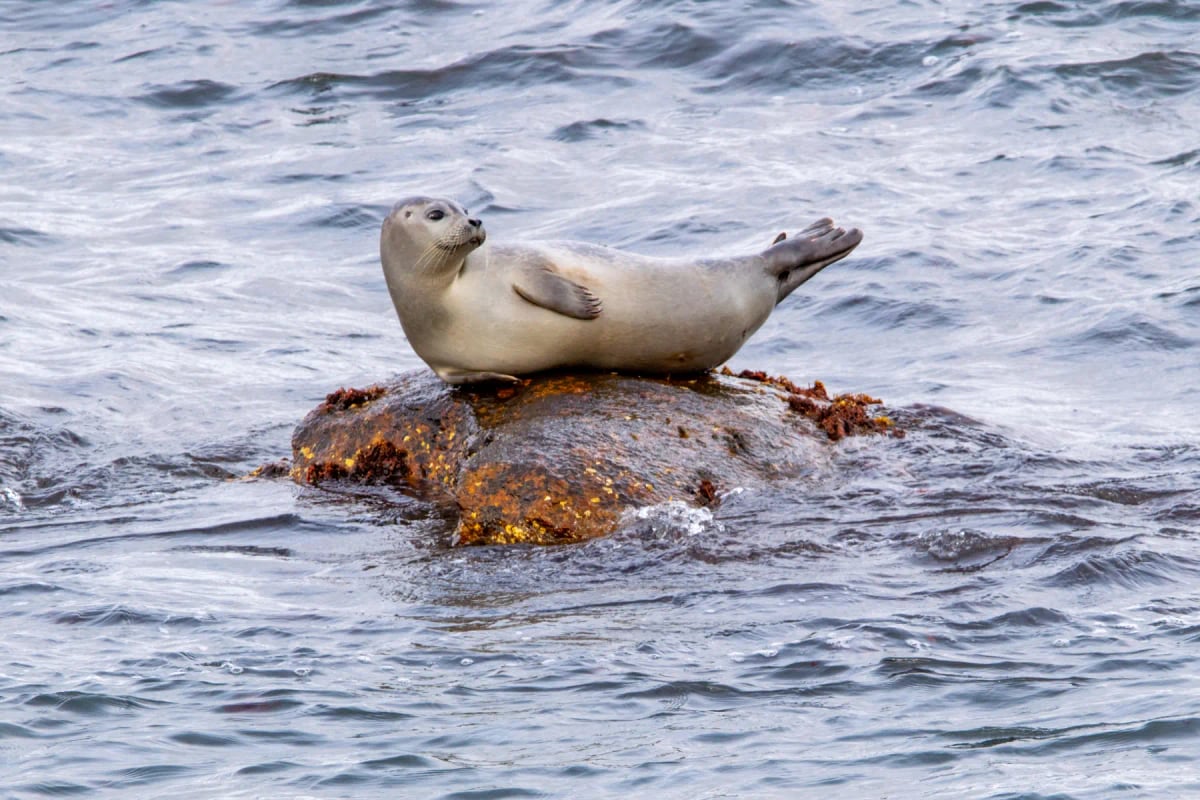
Seal
Phoca vitulina
In Russia, harbor seals inhabit coastal waters of the Pacific, including the Kuril Islands, Kamchatka, and the Sea of Okhotsk. These cold, productive seas offer rich hunting grounds full of fish and squid. Russian populations are part of the broader North Pacific subspecies. Industrial fishing activity and marine pollution in this region are among the main concerns for the health of seal populations over the long term.
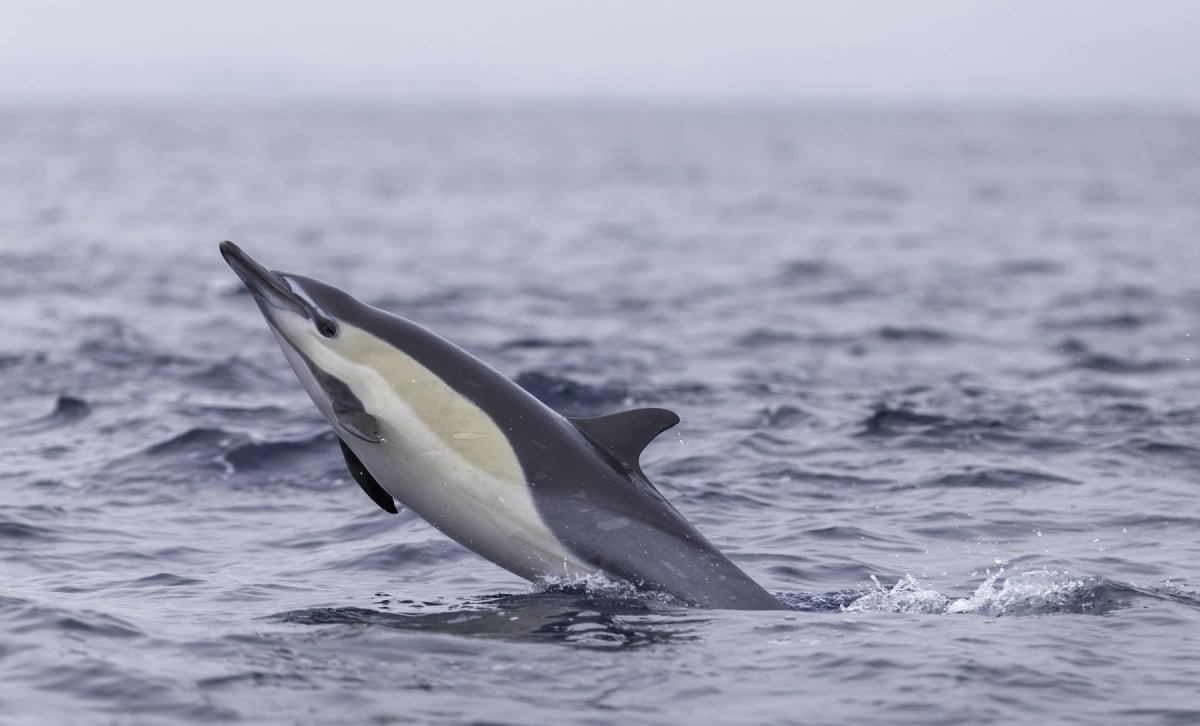
Common Dolphin
Delphinus delphis
In Russian waters, common dolphins are found mainly in the Black Sea and in the Sea of Japan, as well as in parts of the Pacific Ocean off the Russian Far East. The Black Sea population is genetically distinct from Atlantic dolphins and has historically been hunted commercially. Today, conservation efforts across the Black Sea region aim to protect this population and monitor its recovery over time. IUCN status: Least Concern.

Narwhal
Monodon monoceros
Narwhals appear in Russian Arctic waters, particularly around the Franz Josef Land archipelago and the northern Kara Sea, though they are far less numerous here than in Canadian or Greenlandic regions. They follow areas of pack ice and deep cold water where prey is plentiful. As sea ice continues to shrink across the Arctic, Russian populations face growing pressure on the habitats they depend on.
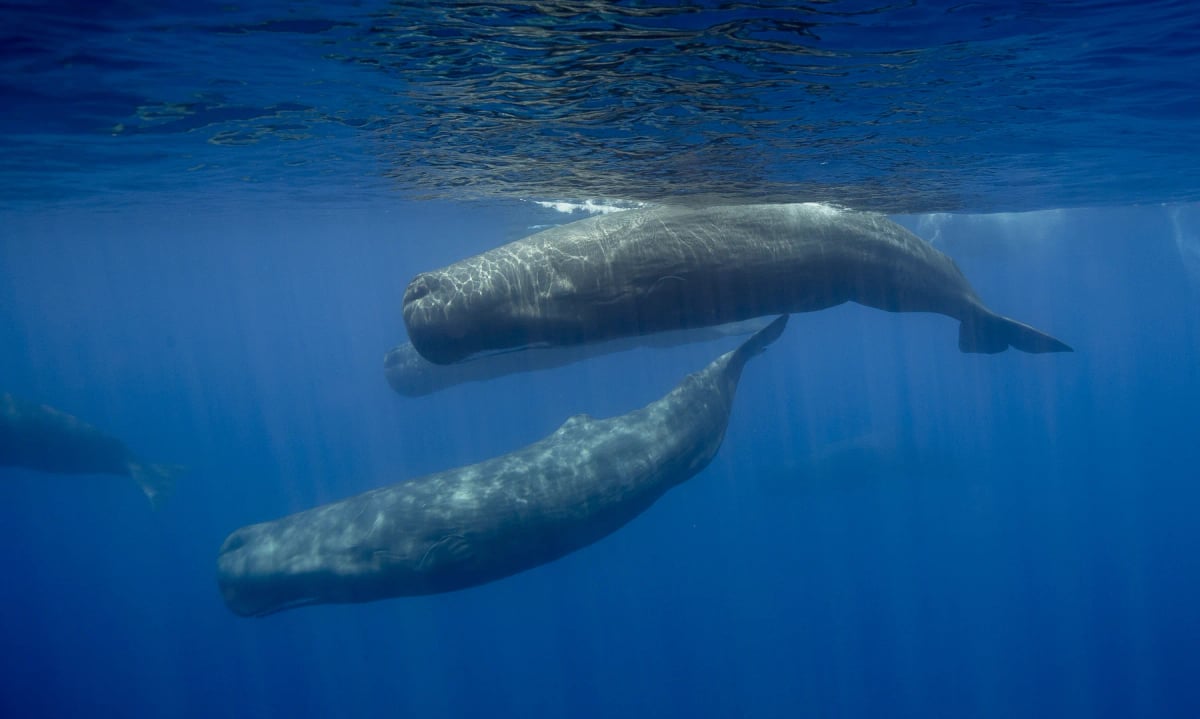
Sperm Whale
Physeter macrocephalus
Sperm whales are found in Russian waters across both the Pacific and Atlantic sides, including the Sea of Okhotsk and waters off the Kamchatka Peninsula, where cold, deep ocean conditions support large prey populations. Male sperm whales in particular venture into these higher latitude seas. As a Vulnerable species, they have historically suffered from intensive Soviet era whaling, and their populations in these regions are still considered to be in recovery.
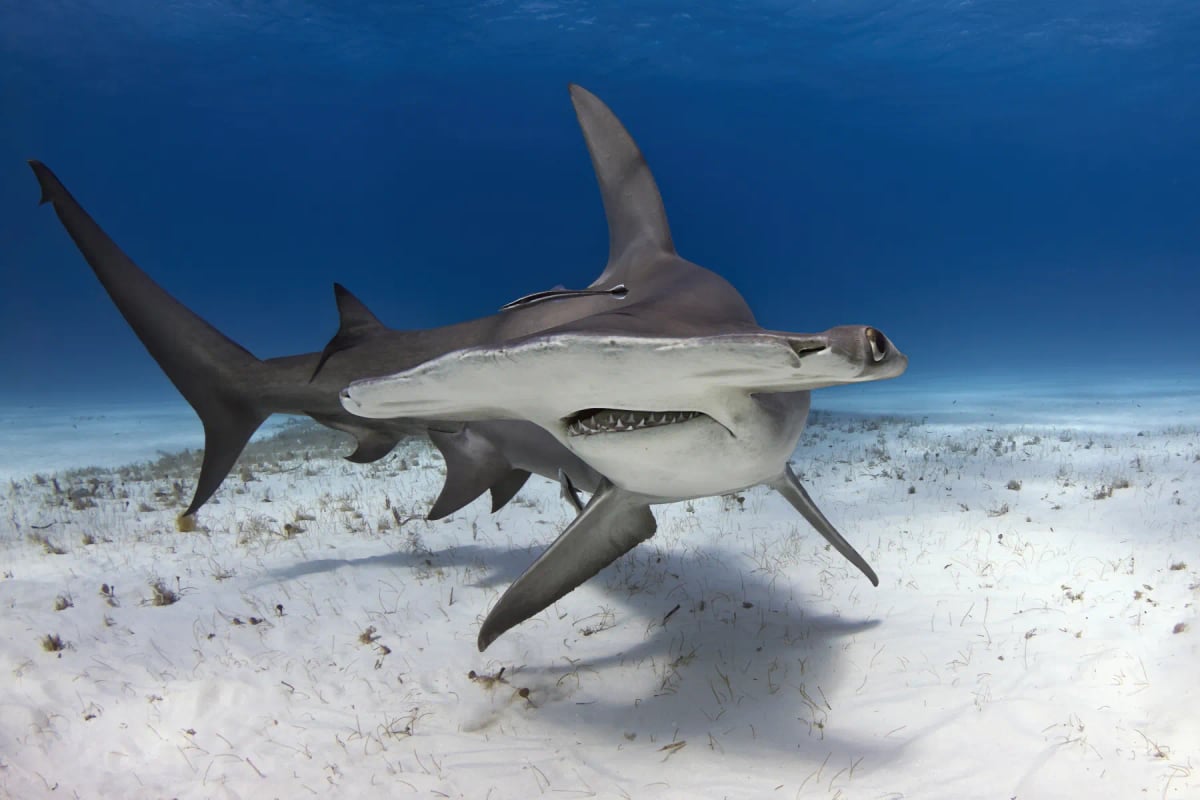
Hammerhead Shark
Sphyrna spp.
Russia has a vast coastline spanning several seas, but hammerhead sharks are generally found in the warmer Pacific waters off the Russian Far East, including the Sea of Japan. These sharks are not common in Russian waters but may pass through during seasonal movements. Russia's involvement in large scale commercial fishing means that bycatch of hammerheads in international waters remains a relevant conservation concern.
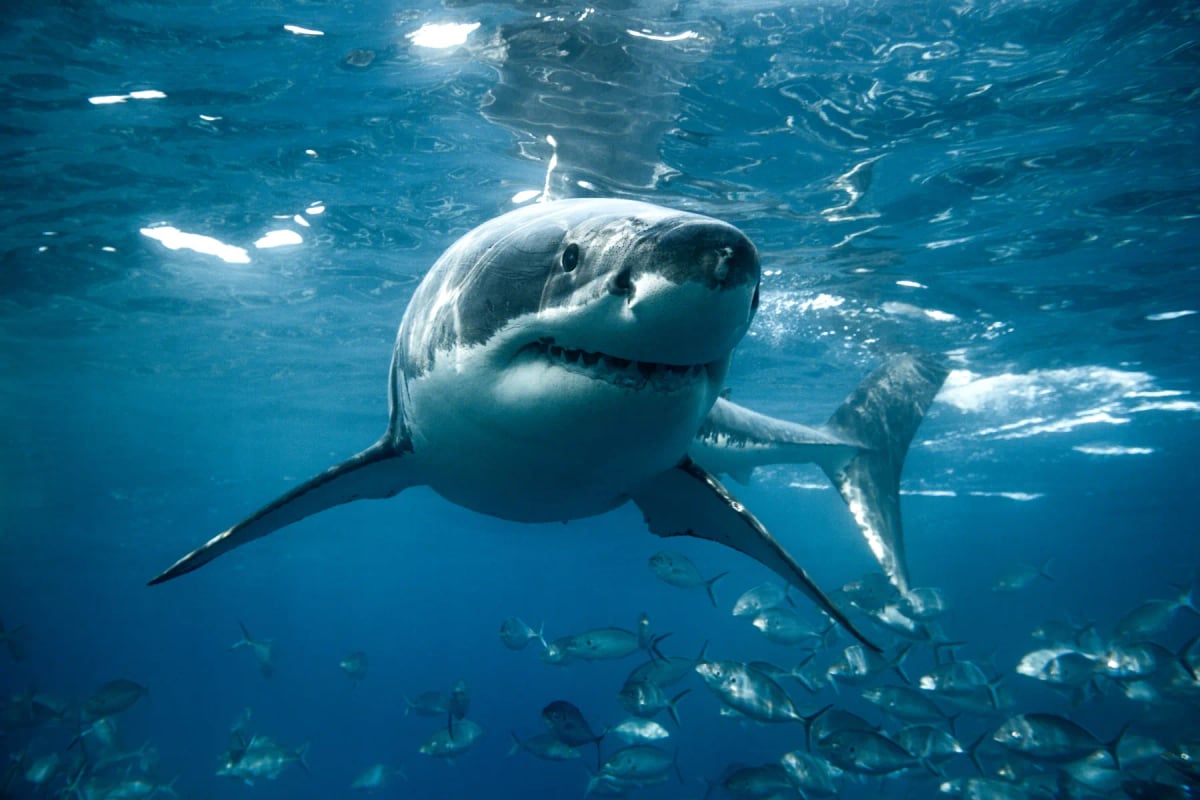
Great White Shark
Carcharodon carcharias
Great white sharks have been recorded in Russian waters, primarily in the Sea of Japan and along the Pacific coast of the Far East, including around Sakhalin Island. These cooler temperate and subarctic seas are at the northern edge of the species' known range. Encounters are uncommon, but the presence of large marine mammal populations in the region provides the type of prey that can attract great whites.
Researched and written by Juan Pablo. Sources: IUCN Red List, scientific literature and regional field guides. Last updated: .