Animals in Thailand
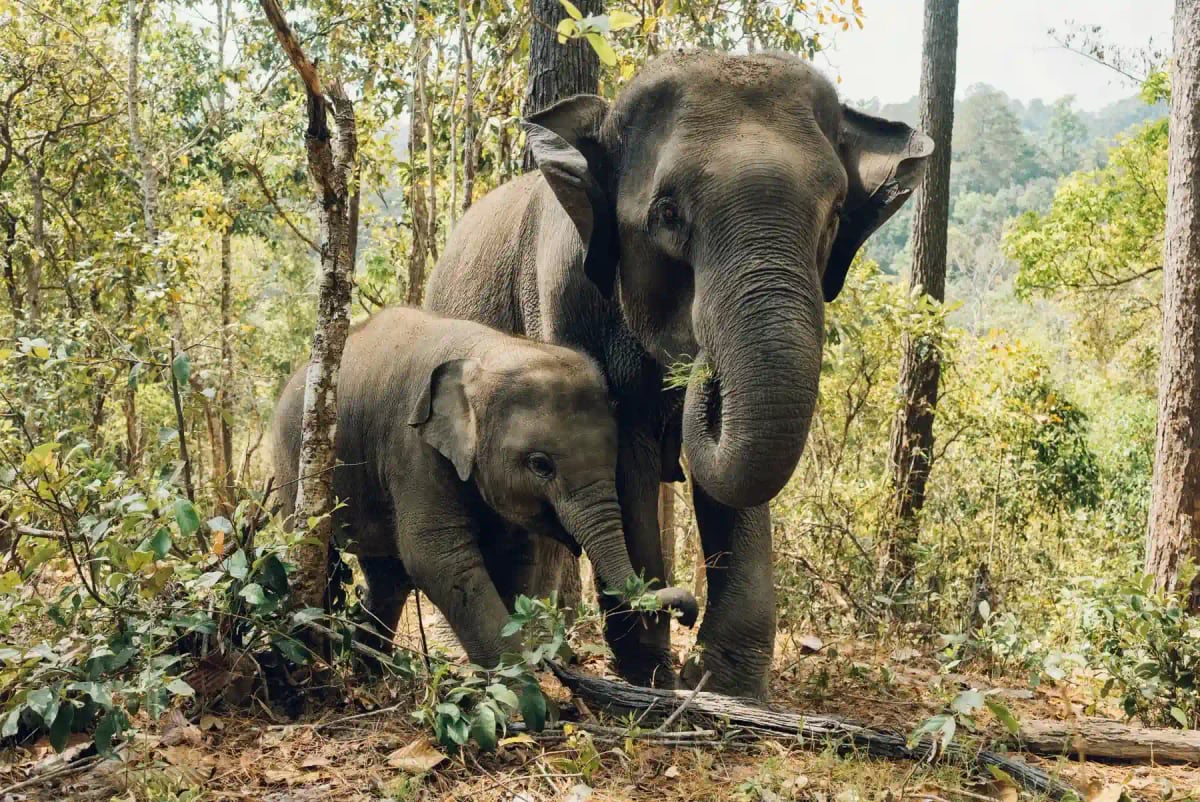
Asian Elephant
Elephas maximus
The asian elephant is a national symbol for Thailand and links religion, history and rural work. It appears in temple art, celebrations and tourism campaigns that present calm visits to responsible centers. For many people the elephant connects modern cities with older stories of forest travel, logging and farming on wet ground.
View details→Wildlife in Thailand
Thailand has tropical forests, rice fields, rivers and long coasts that visitors explore with simple day trips. Most routes follow marked paths in national parks, short walks to waterfalls or boat rides between islands. Wildlife such as macaques, water buffalo, sea turtle, reef shark and clownfish is often seen from viewpoints, beaches or calm bays.
Most Dangerous Animals in Thailand
Danger in Thailand appears in dense forest, rice fields and coastal waters where people and wildlife share space. Leopard, water buffalo, dhole, clouded leopard, bengal slow loris, asiatic black bear, wild boar, asian elephant and gaur can be dangerous at close range. Reticulated python, king cobra, monitor lizard, sea snake, orca, reef shark and bull shark add risk in rivers, bays and open sea, though most encounters stay brief or distant.
Top 10 Animals in Thailand
The top ten list for Thailand focuses on animals that many visitors know from parks and coast tours. Leopard and asian elephant represent land wildlife linked to forest reserves and open clearings. Reticulated python, peregrine falcon and clownfish add species that people often notice from viewpoints, boat trips and shallow reef areas.
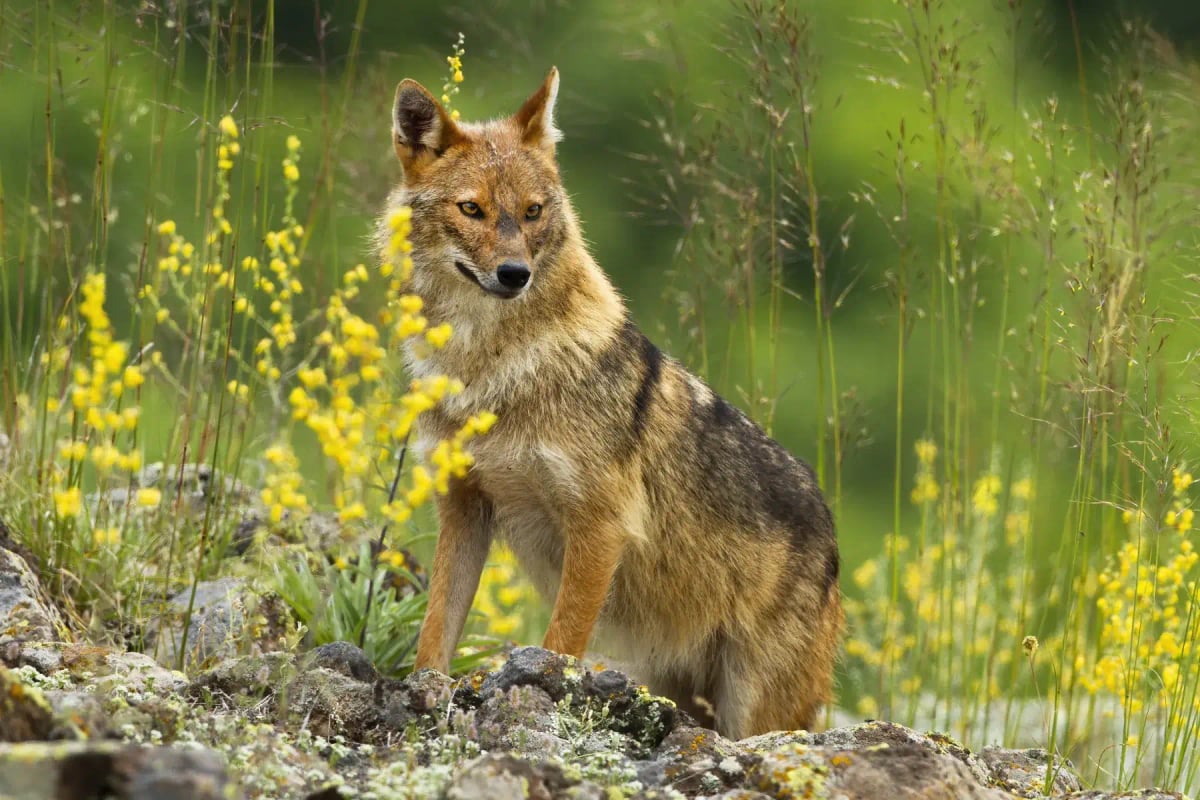
Golden Jackal
Canis aureus
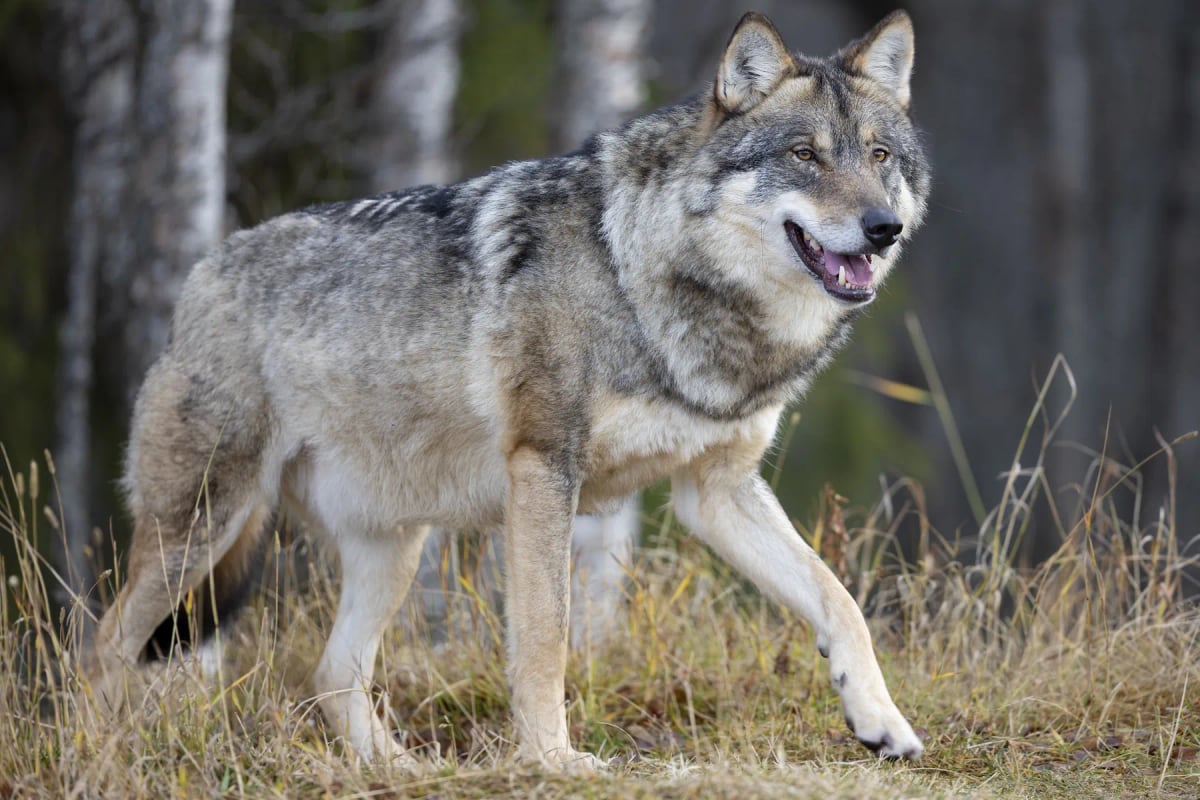
In Thailand, golden jackals inhabit open grasslands, scrub, and the margins of cultivation in the central plains and parts of the north and west. They are also present in some protected areas, including Kaeng Krachan National Park. Largely nocturnal, they feed on rodents, birds, insects, and fruit. They are generally shy and rarely seen, though their calls can be heard after dark in rural areas. IUCN status: Least Concern.
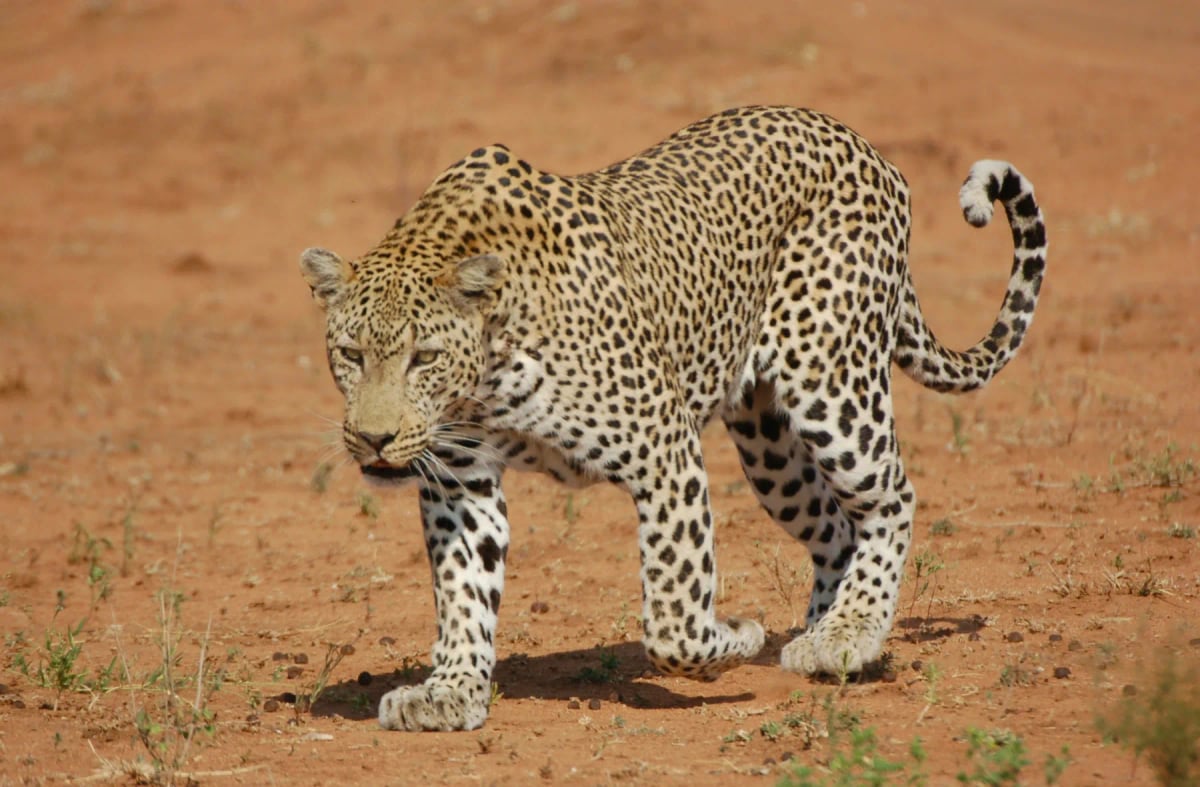
Leopard
Panthera pardus
Leopards survive in Thailand's remaining forest blocks, particularly in the Western Forest Complex near the Myanmar border and in Kaeng Krachan National Park. Camera trap surveys confirm their presence but suggest that numbers are low. Prey depletion from poaching is a serious concern, as leopards struggle to find enough food in forests where deer and wild pigs have also been heavily hunted. IUCN status: Vulnerable.
Asian Elephant
Elephas maximus
Thailand has around 2,000 to 3,000 wild elephants in forests across the north, west, and south, alongside a large captive population embedded in the country's tourism and culture. The elephant is a national symbol and holds deep significance in Thai Buddhist tradition. Key wild populations are found in Kaeng Krachan, Khao Yai, and Doi Inthanon national parks. Conflict over crops remains the main threat to wild herds living outside protected areas.
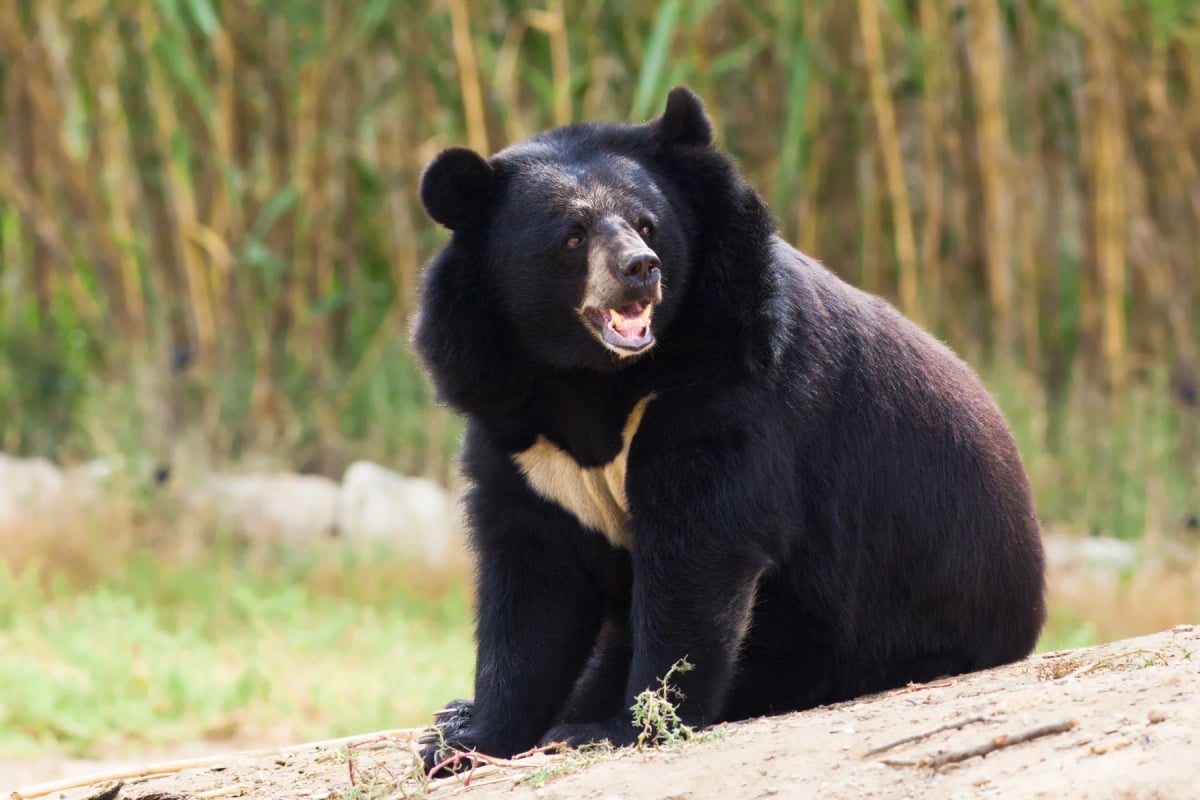
Asiatic Black Bear
Ursus thibetanus
The Asiatic black bear is found in forested mountain areas across northern and western Thailand, including Doi Inthanon, Khao Yai, and the Western Forest Complex along the border with Myanmar. It shares habitat with the sun bear in many of these areas. Poaching for the traditional medicine trade and habitat loss from agricultural expansion are the primary threats. Camera trap surveys in protected areas have confirmed its presence, though population estimates for Thailand remain limited due to the difficulty of surveying dense forest terrain.
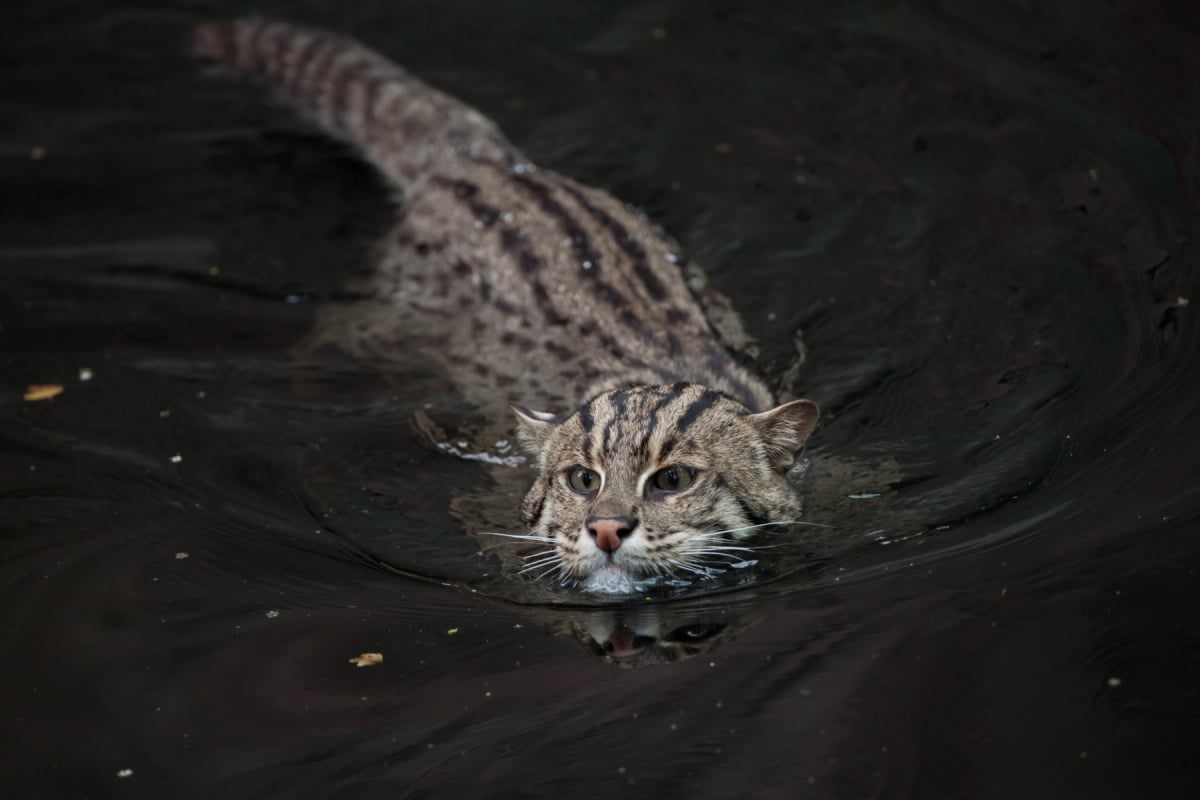
Fishing Cat
Prionailurus viverrinus
In Thailand, the fishing cat is considered rare and its range has contracted significantly due to the widespread loss of wetland habitat. It is most likely to occur in mangrove areas along the Gulf of Thailand and in freshwater marshes of the central plains and southern peninsula. Very few confirmed records exist in recent years, raising concern that the population may be critically small. Conservation attention for the species in Thailand remains limited. IUCN status: Vulnerable.
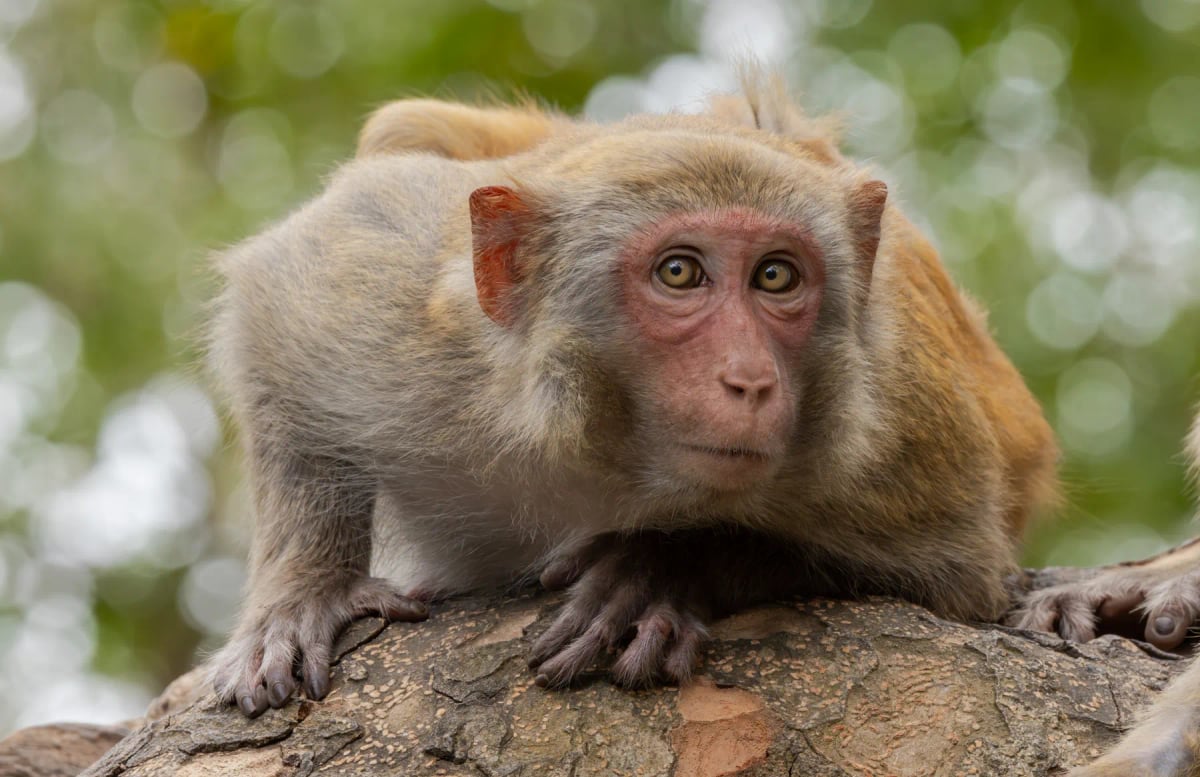
Macaque
Macaca spp.
Thailand is home to several macaque species, including the crab-eating macaque and the pig-tailed macaque. They live in forests, mangroves, and around Buddhist temples, where they are often fed by visitors. In some coastal areas, trained pig-tailed macaques have traditionally helped harvest coconuts. Habitat loss and the illegal wildlife trade put pressure on some populations, and conservation efforts are ongoing across the country.
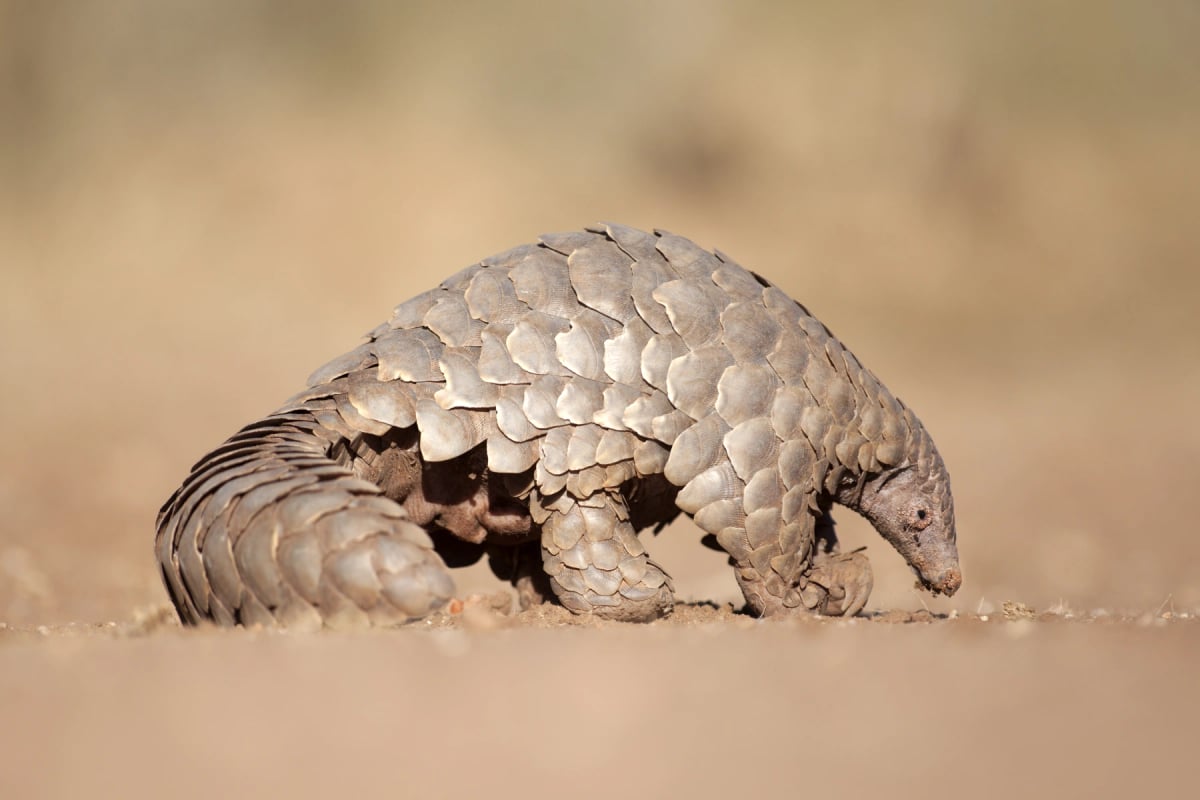
Pangolin
Manis spp.
Pangolins once roamed Thailand's forests widely, from the northern highlands to the southern peninsula. Today they are critically endangered, driven to the edge by poaching for their scales and meat. Wildlife rangers in protected areas like Kaeng Krachan work hard to guard remaining populations. Pangolins are solitary and nocturnal, curling into a tight ball when threatened. Their survival in Thailand depends entirely on stopping illegal wildlife trade.
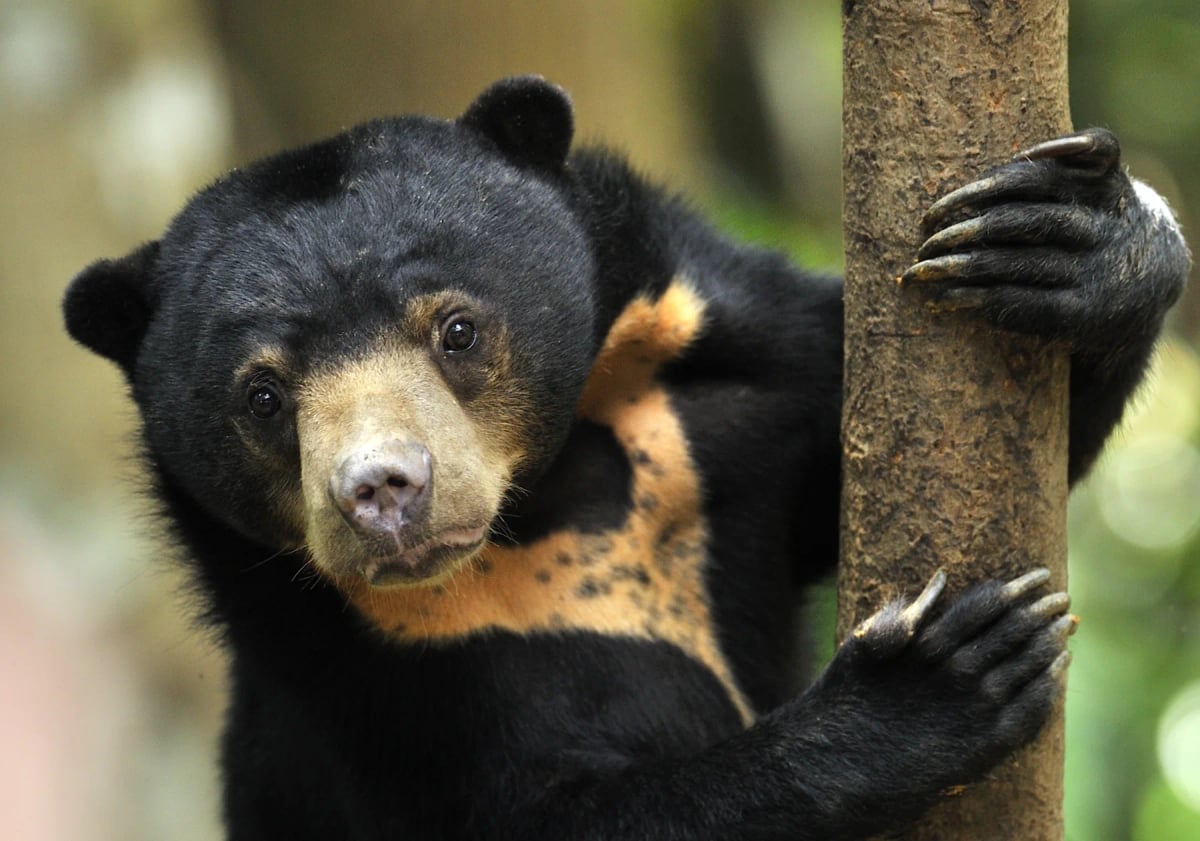
Sun Bear
Helarctos malayanus
The sun bear is found in forested regions across Thailand, including the Western Forest Complex and protected areas in the south near the Malaysian border. It is the smallest bear species in the world and spends much of its time in the treetops. Illegal hunting and forest clearance have reduced its numbers considerably. Conservation programs within Thailand's national parks aim to support this Vulnerable species over the long term.
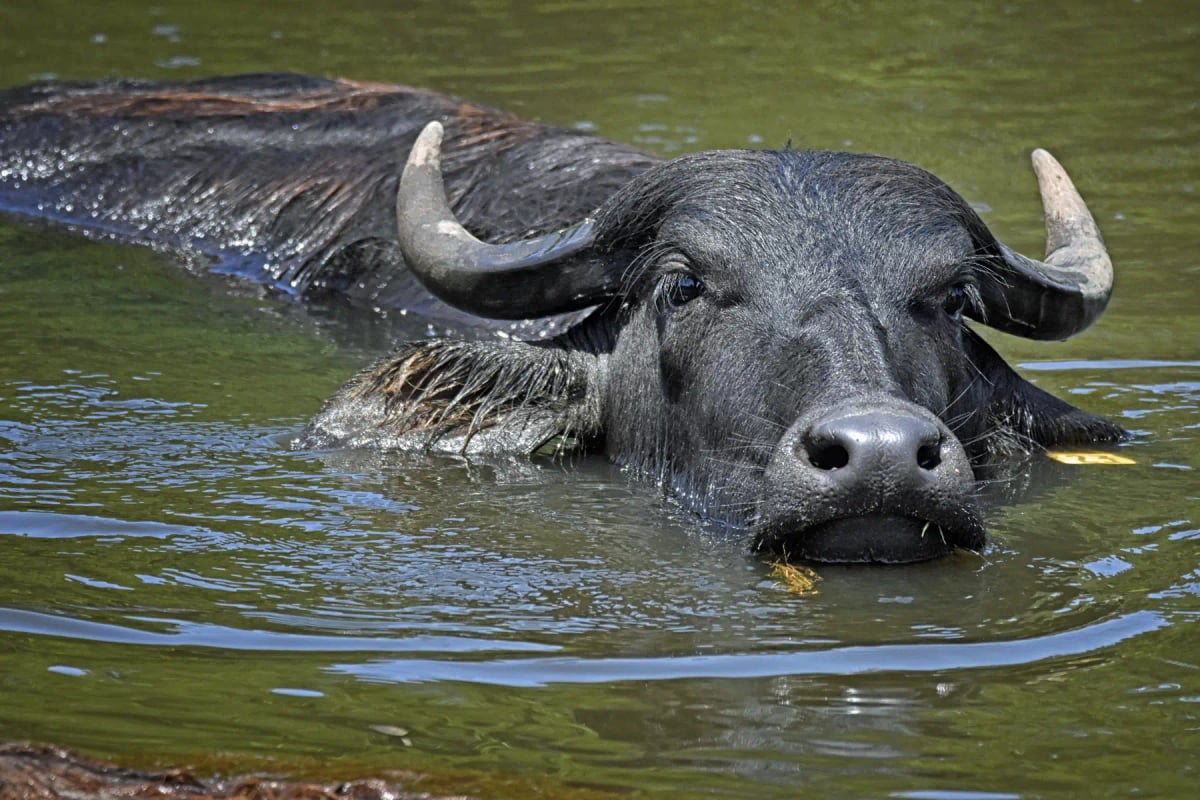
Water Buffalo
Bubalus arnee
Thailand's wild water buffalo population is critically small, with any surviving individuals believed to live in remote areas near the border with Myanmar and in protected areas in the north. The species has been largely displaced by habitat loss and crossbreeding with domestic animals over recent decades. Adults can reach over 1,000 kg and carry sweeping curved horns. The species is Endangered across its entire range.
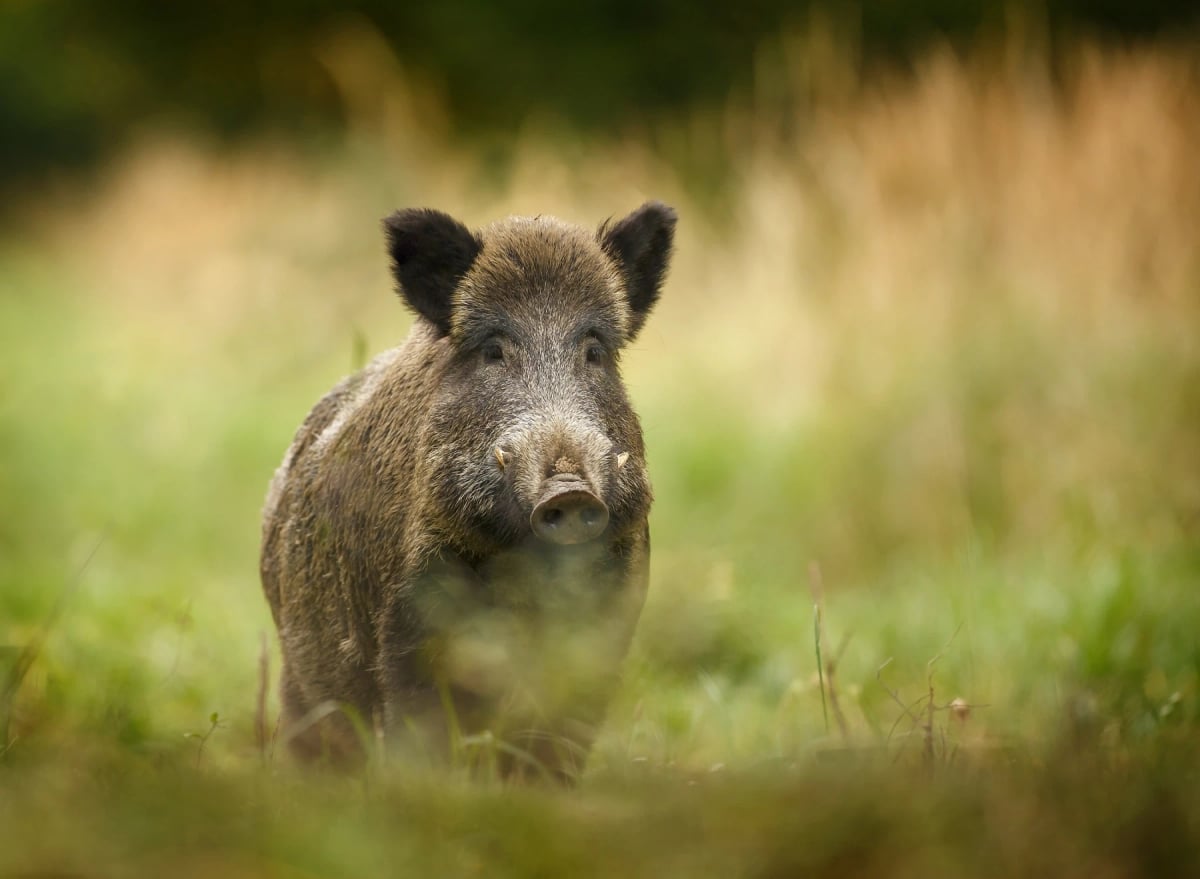
Wild Boar
Sus scrofa
Wild boars are widespread across Thailand's forests, from the hills of the north to protected areas such as Khao Yai and Kaeng Krachan, where they remain an important prey species for tigers and leopards. They frequently raid crops near farmland on the edges of forests, creating ongoing conflict with rural communities, while also being hunted by some hill tribe groups for traditional food.
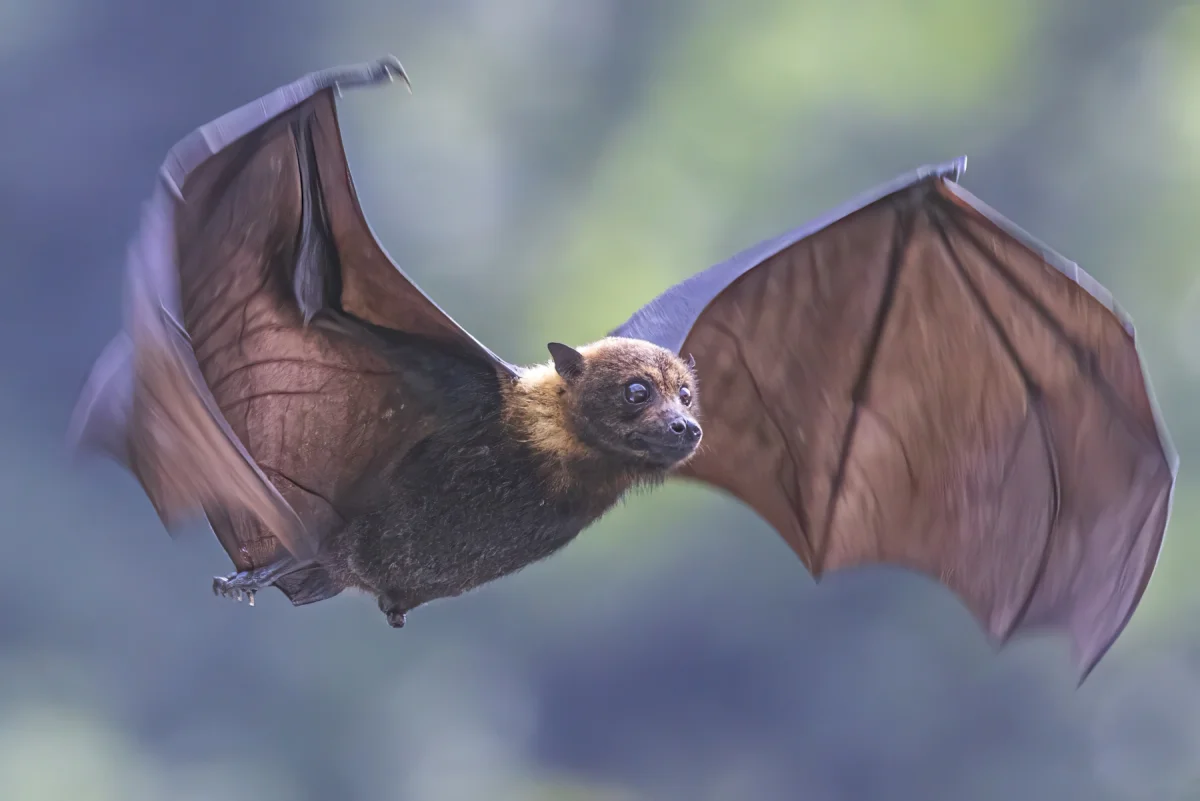
Fruit Bat
Pteropodidae
Thailand's fruit bats include the large flying fox and several smaller species that inhabit tropical forests, mangroves, and rural areas from the northern highlands down to the southern peninsula. Enormous roosts can be found in temple grounds and old-growth trees, where local communities sometimes protect them for cultural reasons. They are essential for the health of durian, rambutan, and other fruit trees that are economically important to Thai farmers.
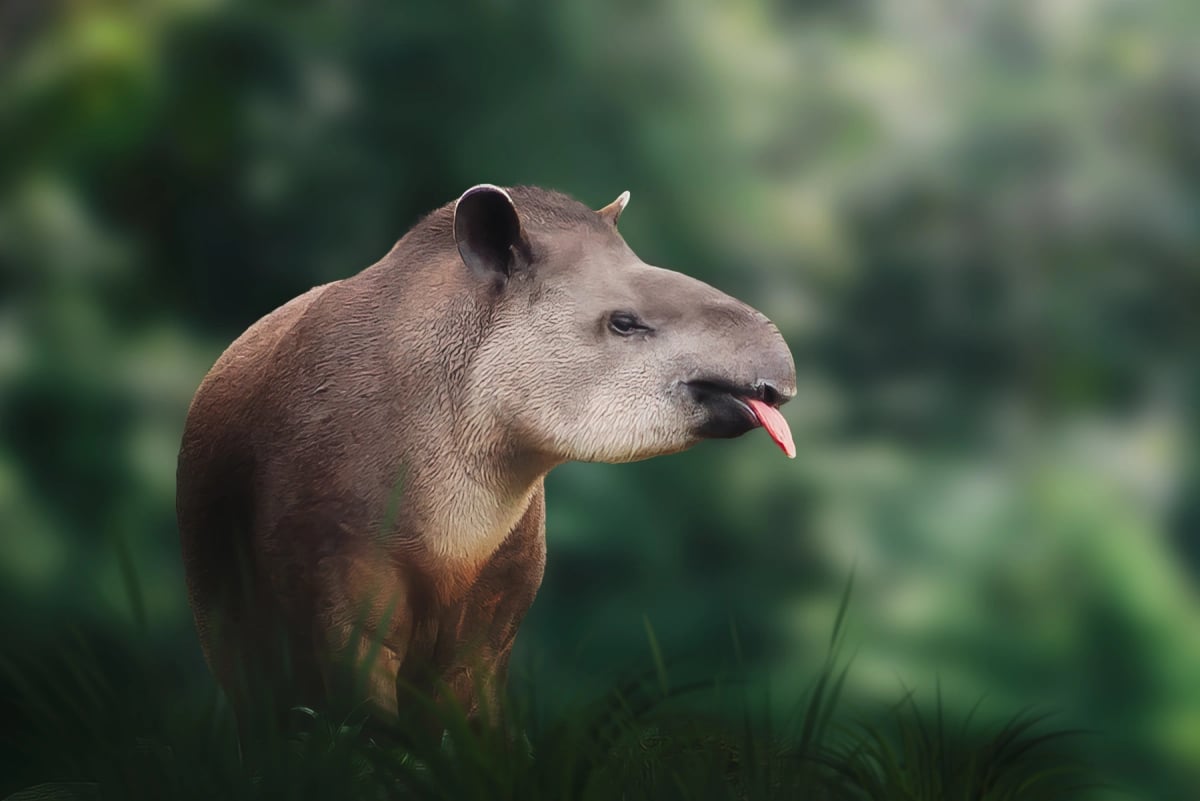
Tapir
Tapirus spp.
The Malayan tapir is present in southern Thailand, where it lives in lowland rainforests and areas with dense vegetation near rivers. Its range in the country has shrunk considerably due to deforestation and road construction. Key populations survive in protected areas like Hala-Bala Wildlife Sanctuary near the Malaysian border. The species is considered Endangered, and Thailand plays an important role in regional efforts to protect it.
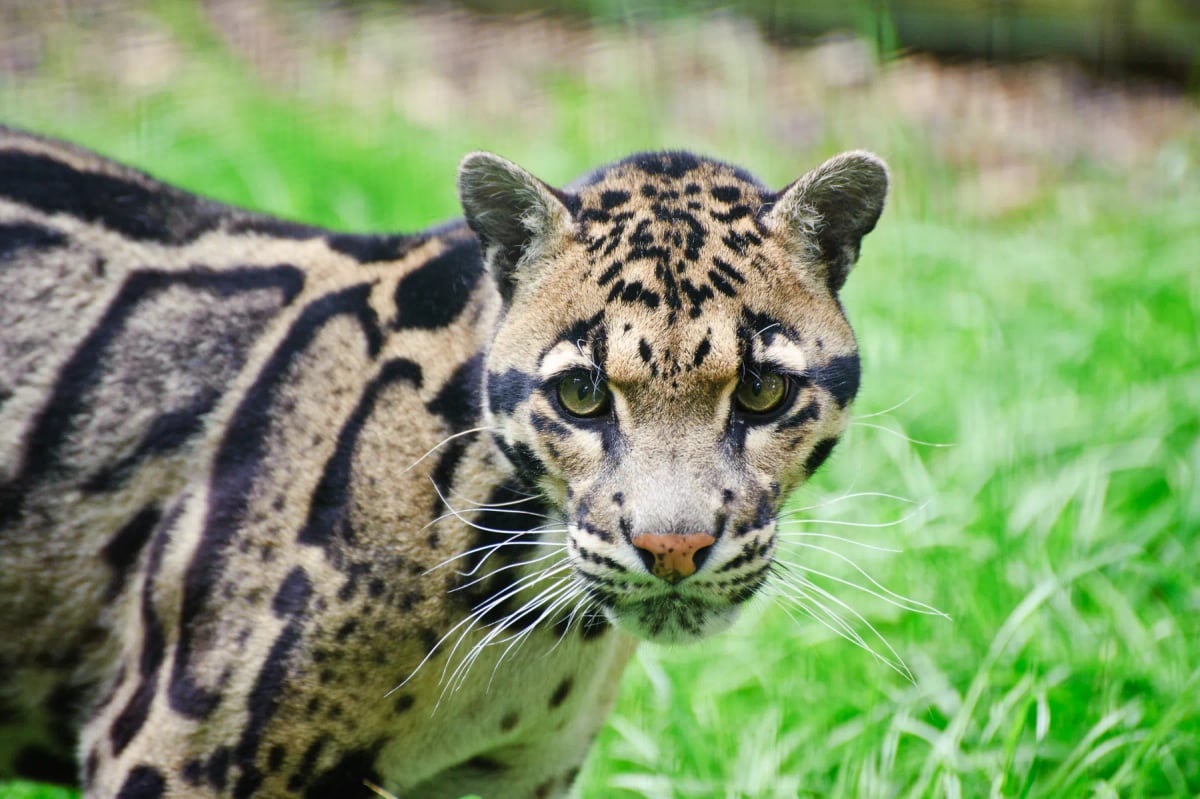
Clouded Leopard
Neofelis nebulosa
The clouded leopard is present in the tropical and subtropical forests of Thailand, with strongholds in the Western Forest Complex along the Myanmar border and in forested areas of the south. It is considered rare throughout the country. Wildlife sanctuaries such as Huai Kha Khaeng, a UNESCO World Heritage Site, provide protected habitat. Continued efforts to reduce poaching and maintain forest connectivity are essential for this cat in Thailand.
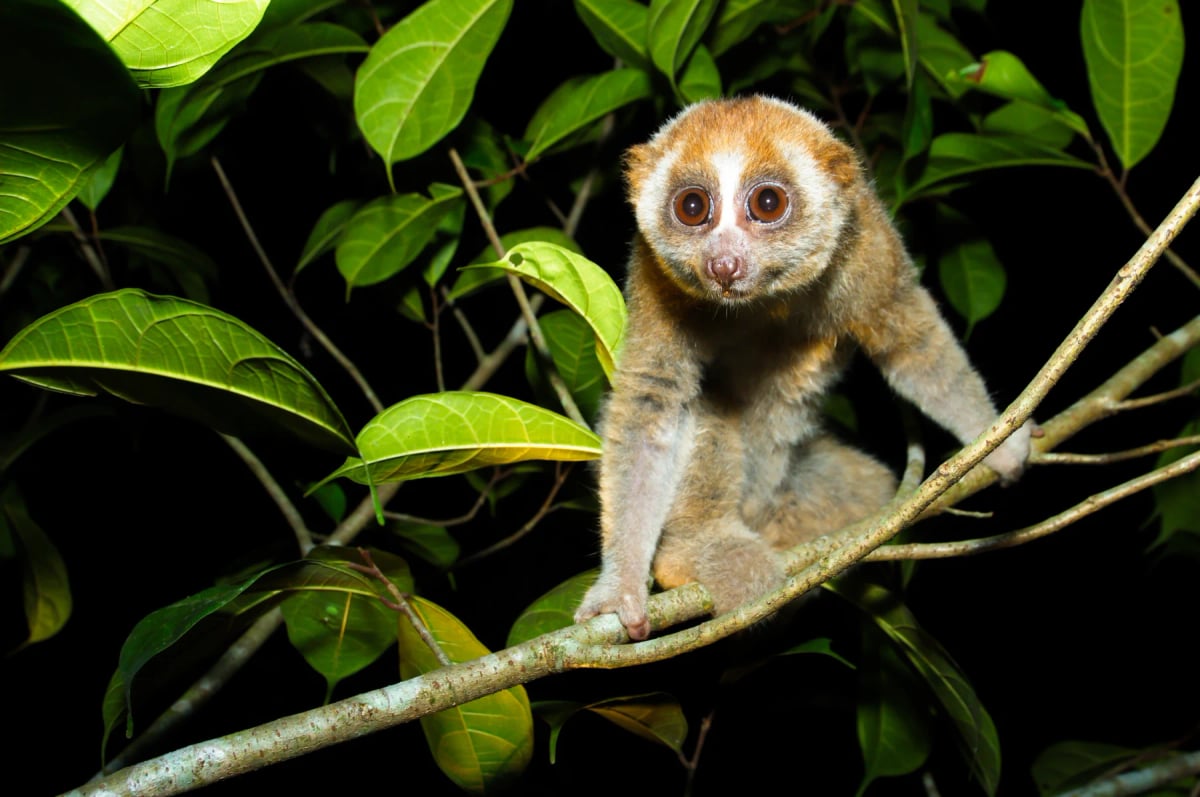
Bengal Slow Loris
Nycticebus bengalensis
The Bengal slow loris is found in forested areas of northern and western Thailand, where it occupies tropical and subtropical forest at lower elevations. It spends the night foraging for gum, fruit, insects, and small vertebrates, gripping branches with remarkable precision. The illegal pet trade has been well documented in Thailand and remains a serious threat. The IUCN lists the species as Vulnerable.
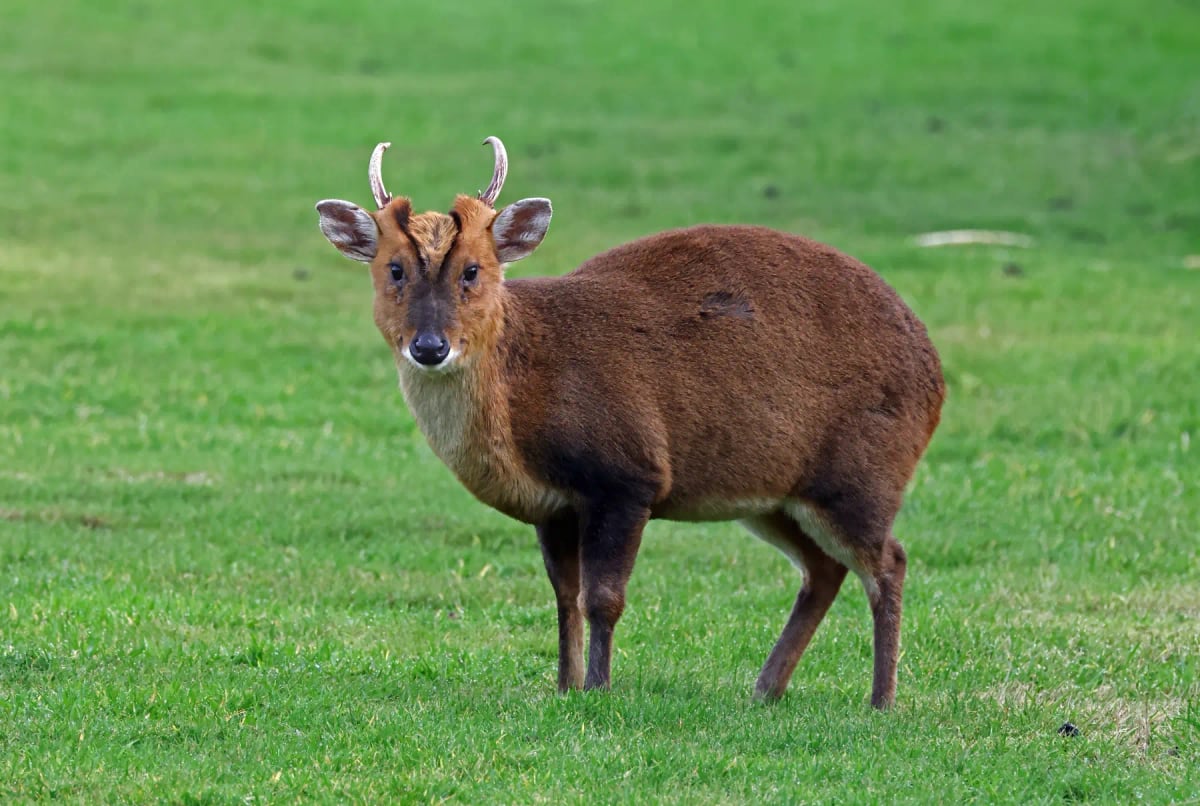
Southern Red Muntjac
Muntiacus muntjak
The southern red muntjac is widespread across Thailand, from the northern highland forests to lowland areas and scrublands in the south. It is one of the most commonly encountered deer in Thai forests, often active at dusk and dawn. Males use short antlers and elongated canine teeth during territorial encounters. Hunting and habitat loss affect some local populations, but the species is listed as Least Concern by the IUCN.
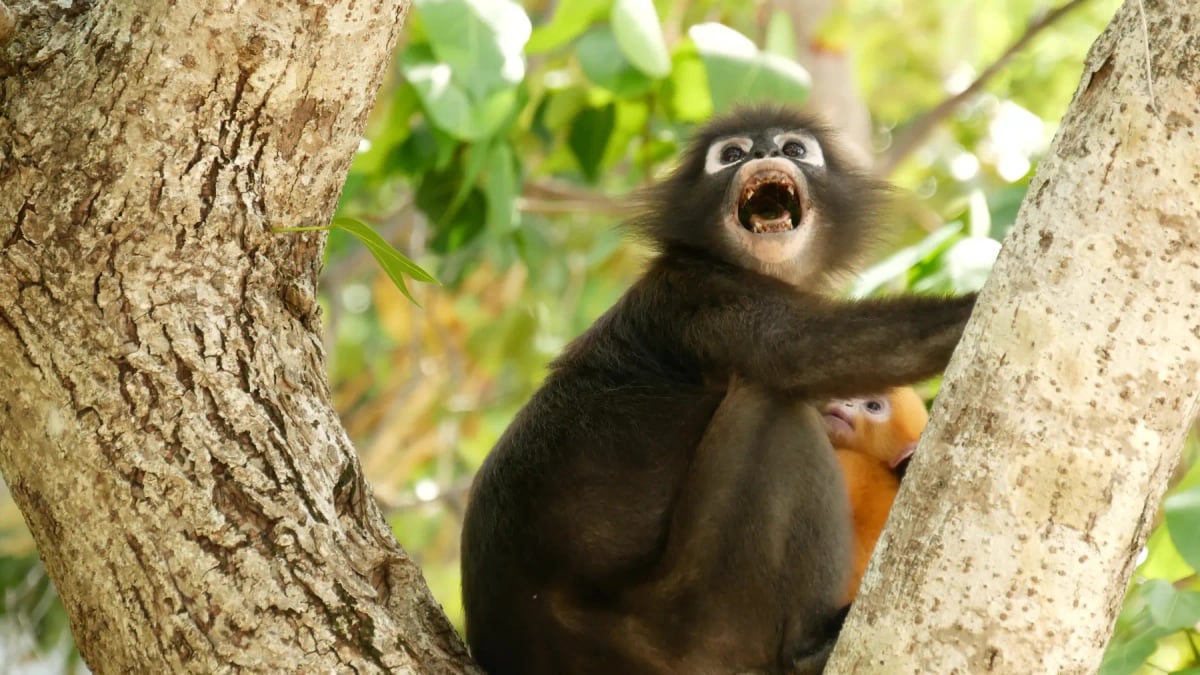
Dusky Langur
Trachypithecus obscurus
The dusky langur is a leaf-eating monkey native to the forests of southern Thailand, particularly around Khao Sam Roi Yot and the Thai-Malaysian border region. Adults wear dark grey fur with striking white rings around the eyes, while newborns are born bright orange. Groups live in the forest canopy under a one-male structure. The IUCN lists this species as Near Threatened, with habitat loss being the key pressure.
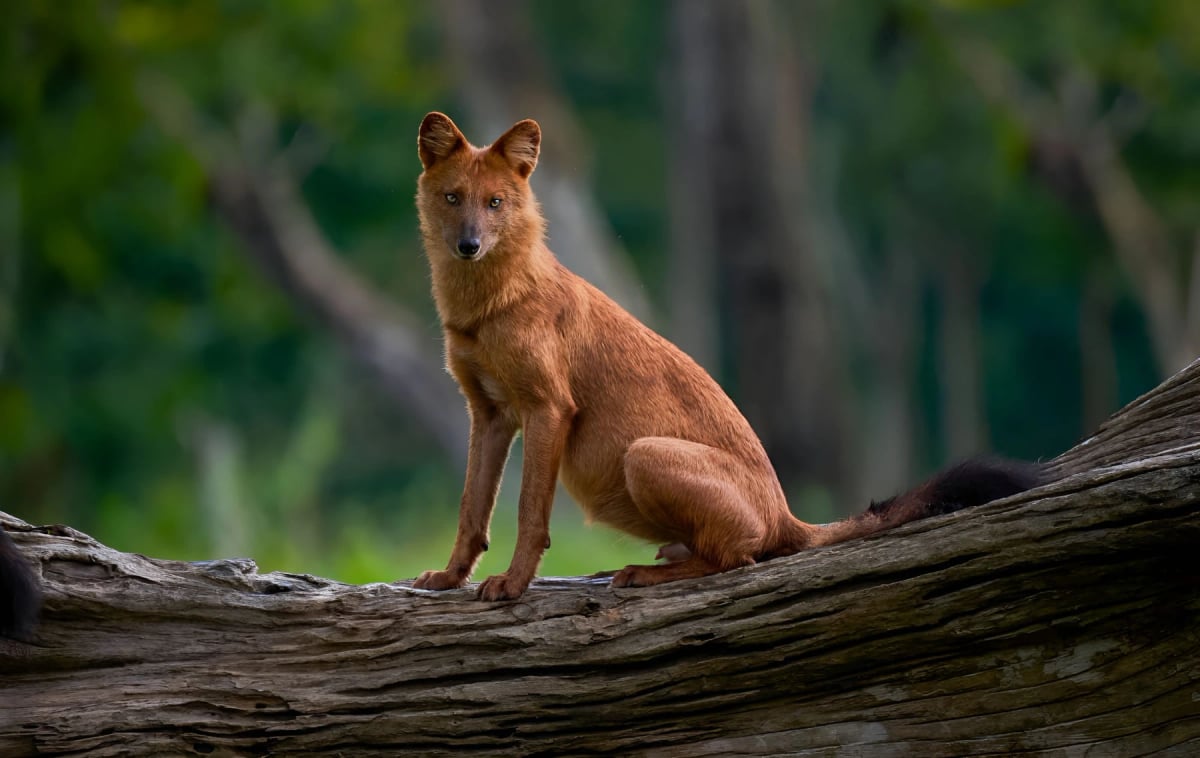
Dhole
Cuon alpinus
In Thailand, dholes are found primarily in the Western Forest Complex, a vast stretch of connected forests along the Myanmar border, as well as in Khao Yai and Doi Inthanon national parks. These wild dogs live in tight packs and hunt deer and wild pigs across dense woodland. Habitat loss and a decline in prey have pushed the dhole to Endangered status, making protected areas vital to its survival in the country.
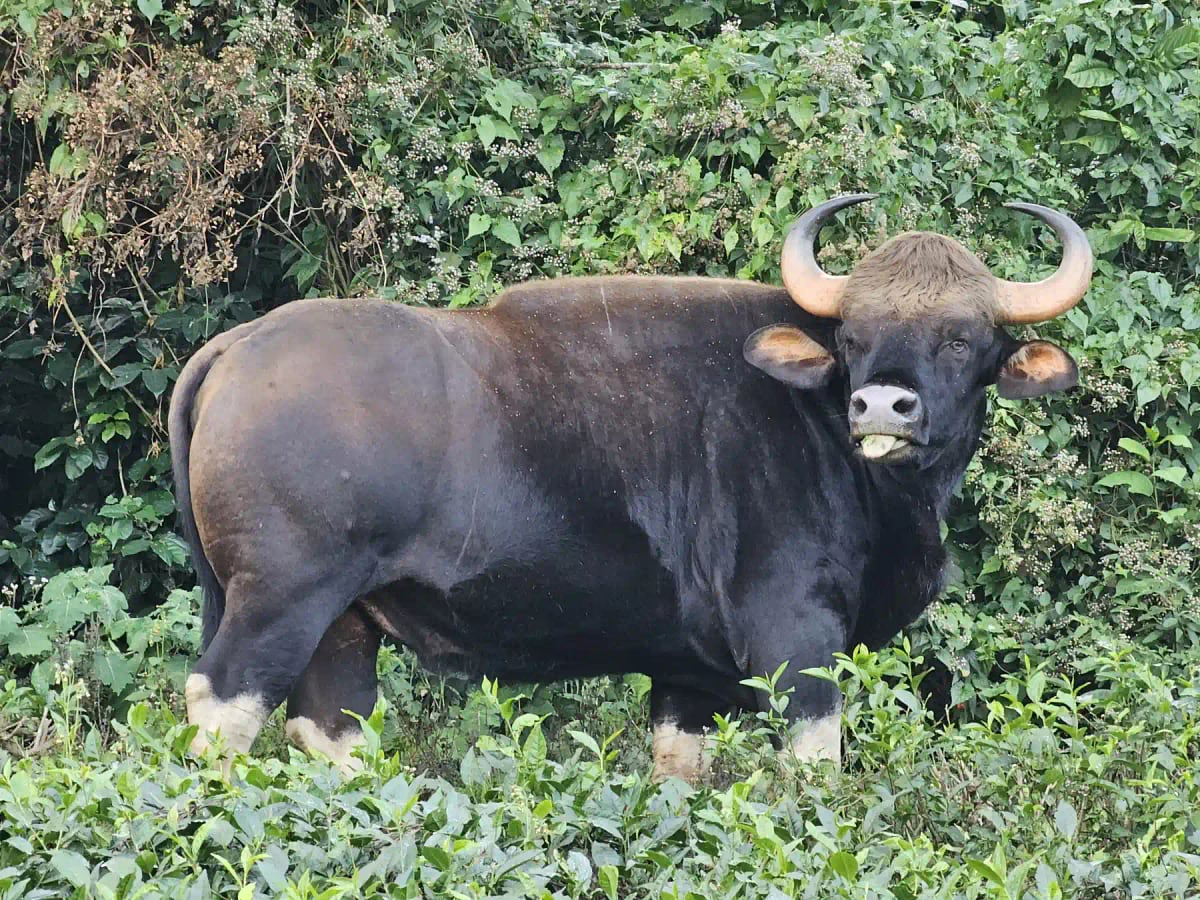
Gaur
Bos gaurus
Thailand has a notable gaur population spread across protected forest complexes such as Khao Yai, Doi Inthanon, and the Western Forest Complex near the Myanmar border. The species is legally protected, and wildlife corridors between forest patches are a conservation priority. Camera trap studies have recorded herds regularly, and Thailand is considered an important refuge for the species across mainland Southeast Asia.
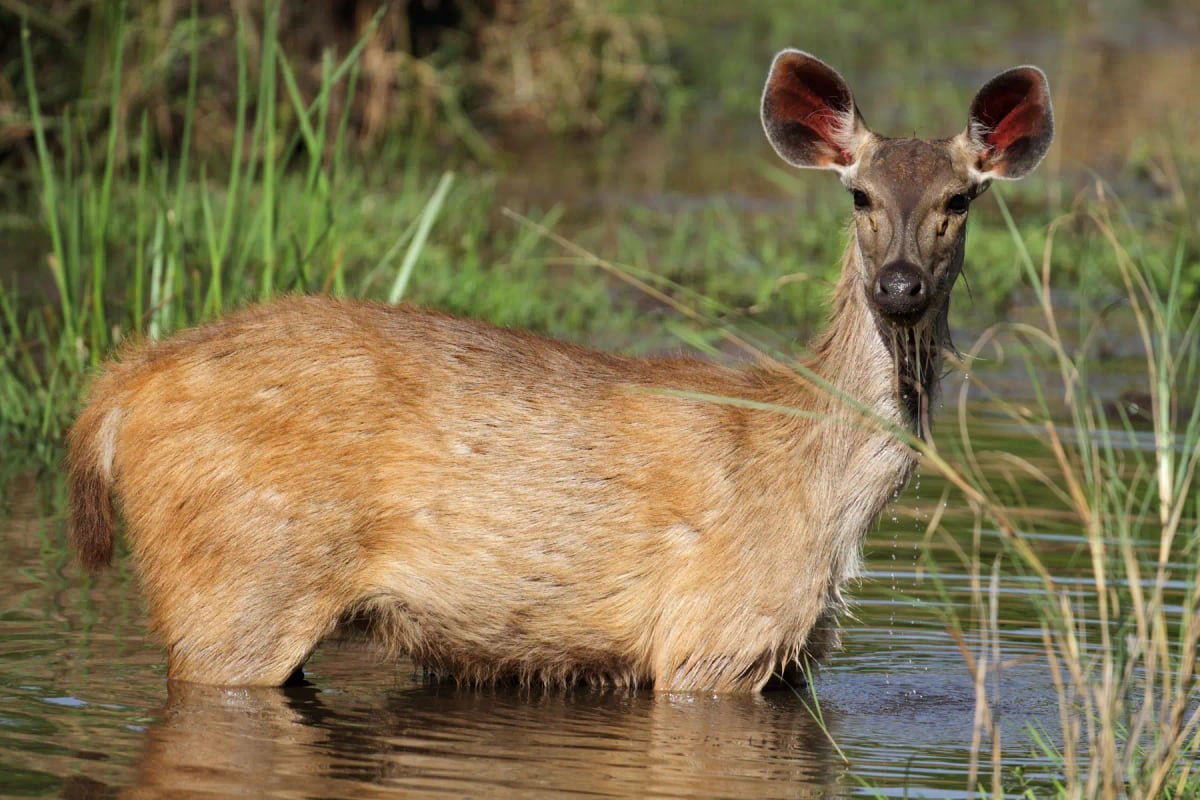
Sambar Deer
Rusa unicolor
The sambar deer is found throughout Thailand in forests ranging from the northern highlands to peninsular lowlands. It is a key prey animal for tigers and leopards in protected areas such as Huai Kha Khaeng Wildlife Sanctuary, a UNESCO World Heritage site. Poaching and the loss of forest cover remain serious threats. The IUCN lists the species as Vulnerable across its range.
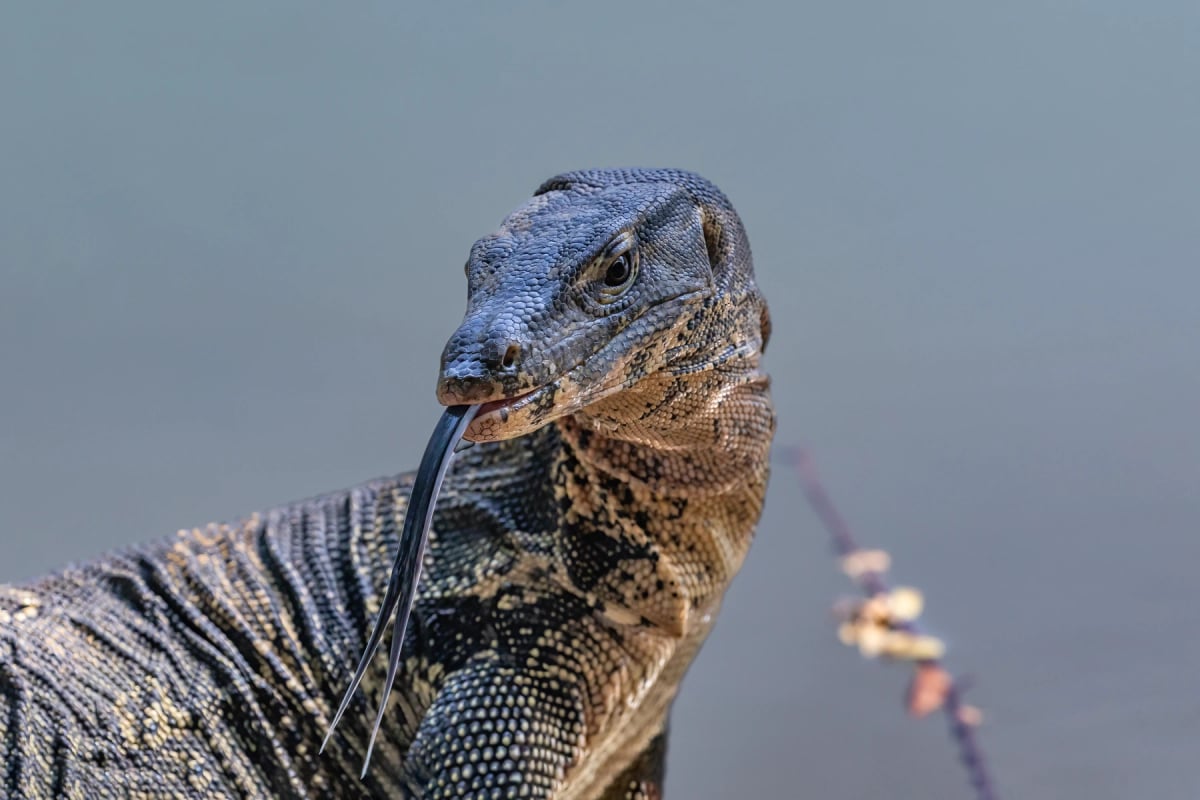
Monitor Lizard
Varanus salvator
Thailand is one of the best places in Asia to observe the Asian water monitor. In Bangkok it lives in canals, public parks and klongs, completely undisturbed by city life. In the countryside it is equally common near rivers, mangroves and rice paddies. Known locally as "hia," it is a deeply familiar animal in Thai culture, though the word carries strong negative connotations in everyday speech.
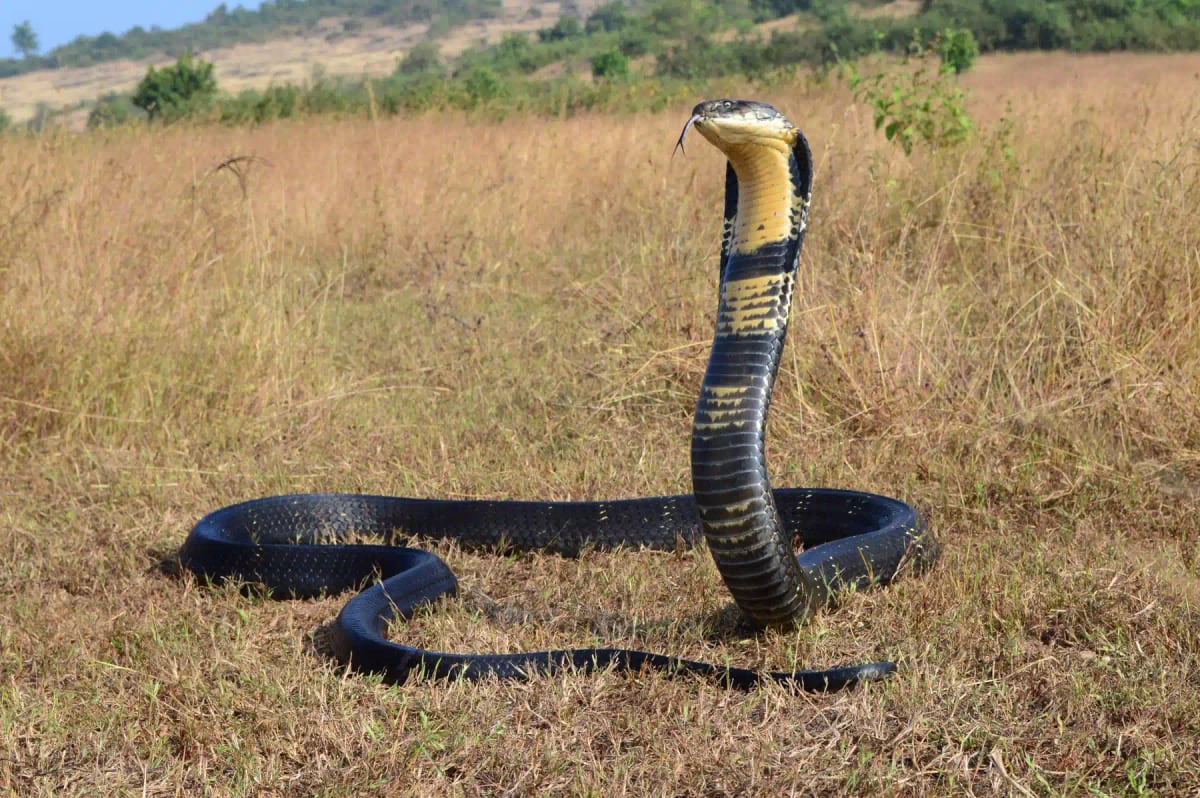
King Cobra
Ophiophagus hannah
Thailand has one of the most visible king cobra populations in Southeast Asia. The species is found across the country, from the northern hill forests to the southern peninsula, and occasionally appears near rural villages and rice paddies. Thailand's snake handlers and traditional medicine culture mean the king cobra is well known locally. Forest loss and collection for food, skin and entertainment have reduced its numbers, though it remains present throughout most forested areas.
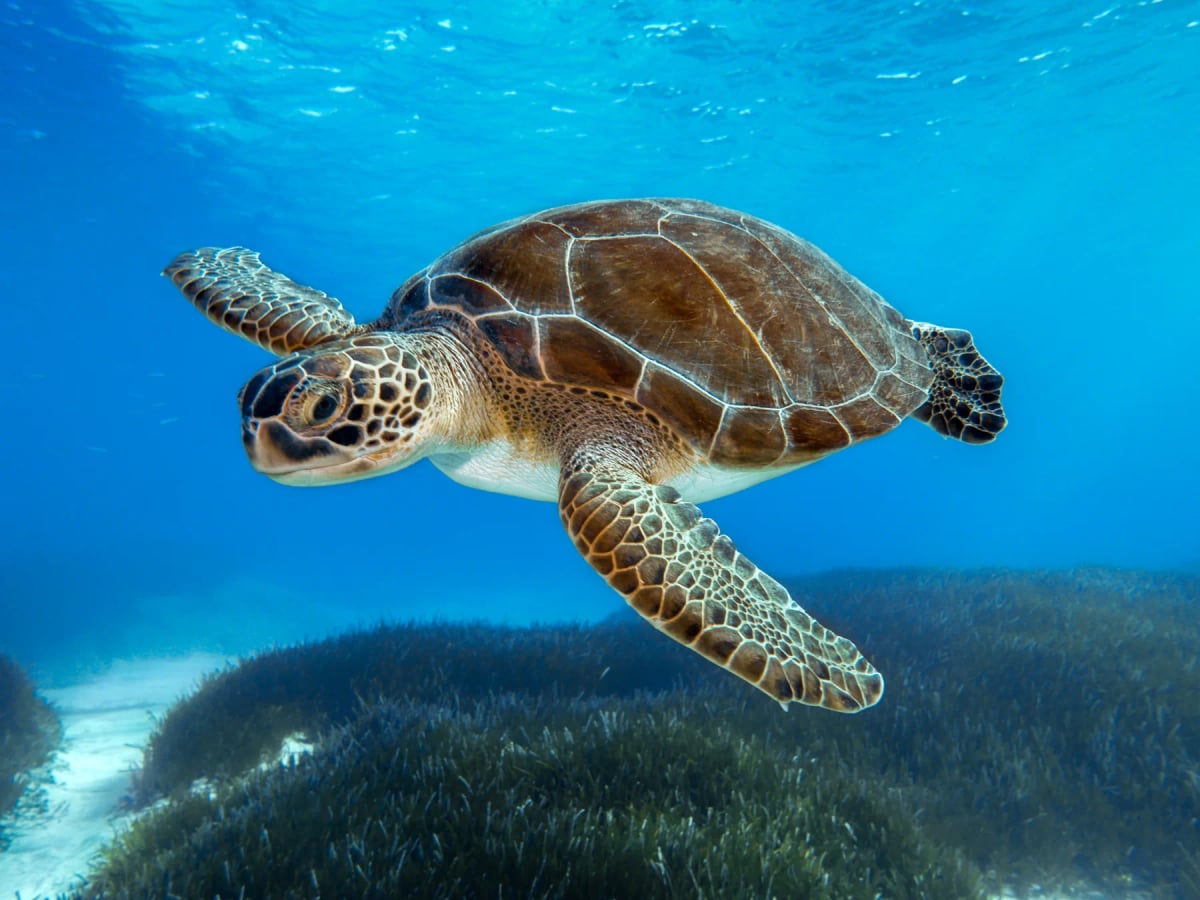
Sea Turtle
Cheloniidae & Dermochelyidae (families)
Thailand's coasts along the Gulf of Thailand and the Andaman Sea provide habitat for green, hawksbill, olive ridley and leatherback sea turtles. The Andaman coast, including waters around the Similan and Surin Islands, is particularly important foraging habitat for hawksbill turtles on coral reefs. Nesting has declined sharply over recent decades due to coastal development and tourism pressure, but conservation programs in Phuket, Phang Nga and the national marine parks work to protect remaining nesting beaches and rehabilitate injured turtles.
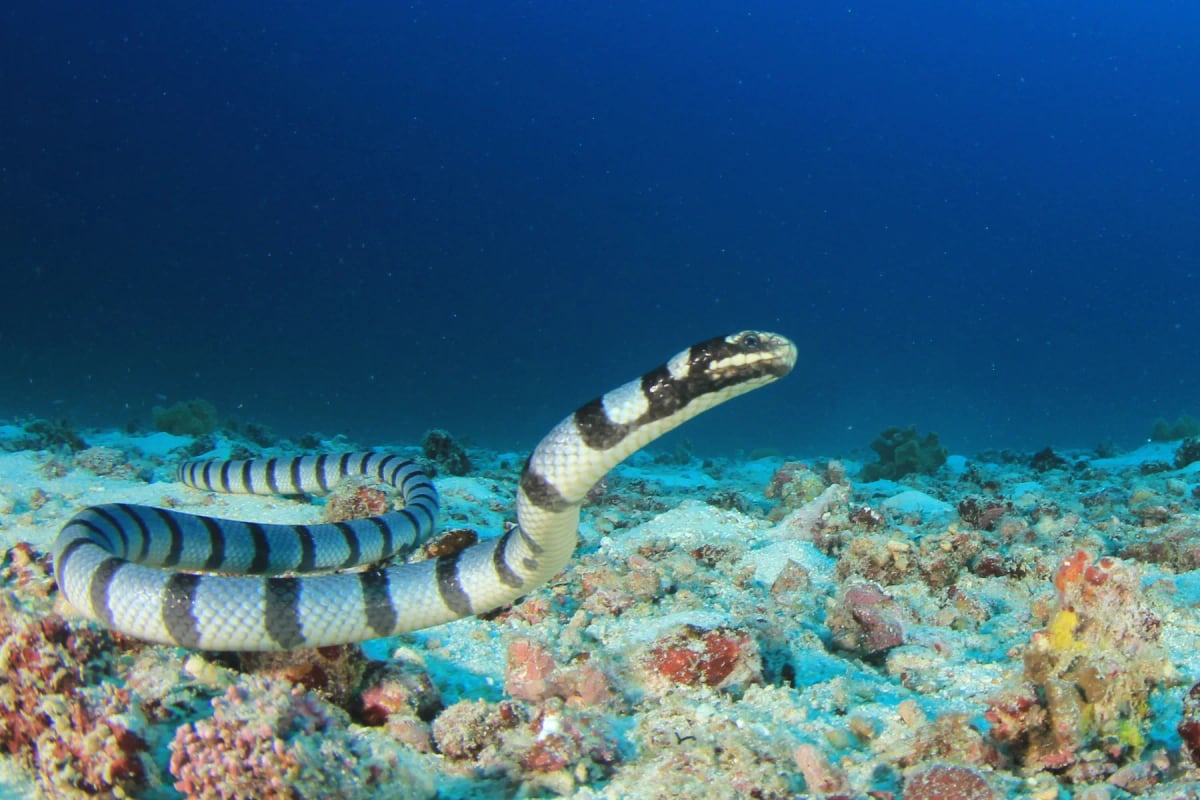
Sea Snake
Hydrophiinae / Laticauda spp.
Sea snakes inhabit both the Gulf of Thailand and the Andaman Sea coasts, hunting among coral reefs and rocky shallows. Sea kraits are commonly spotted around the islands of the Andaman Sea, where they come ashore to rest and lay eggs. Coral reef degradation and accidental capture in fishing gear are the main pressures facing sea snake populations in Thai waters.
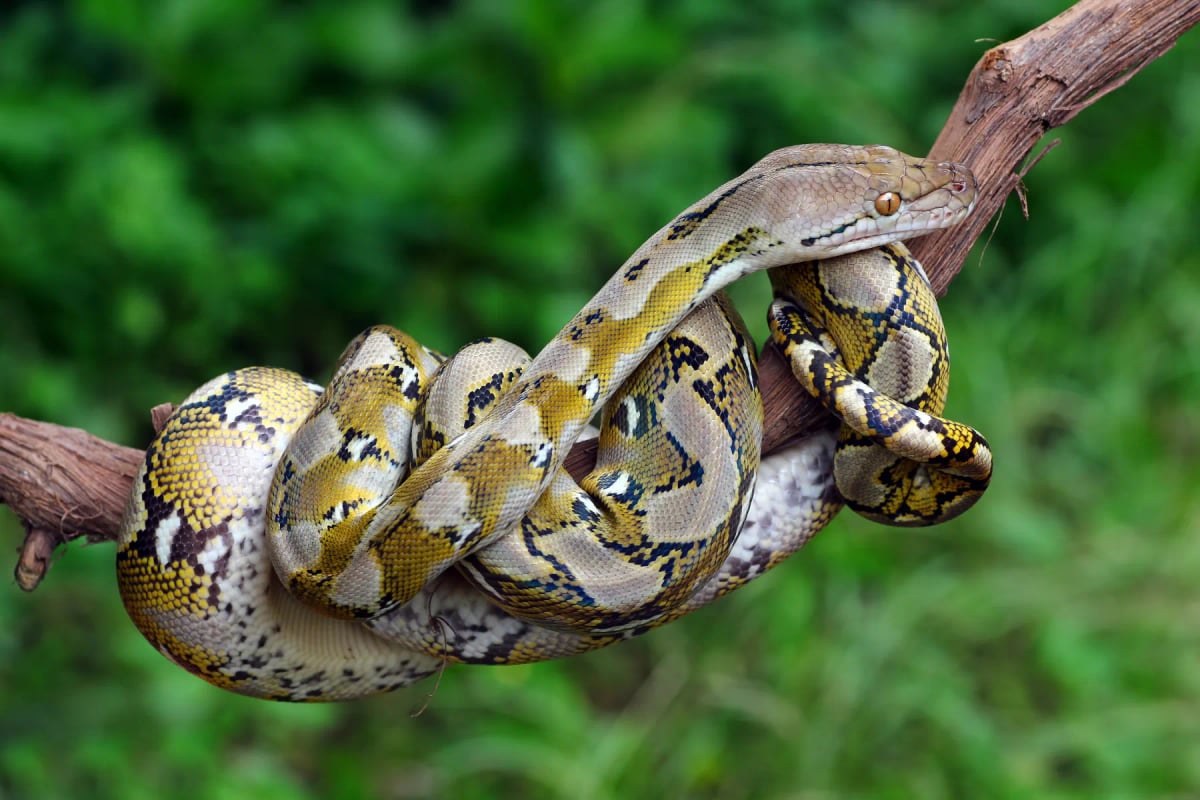
Reticulated Python
Malayopython reticulatus
Across Thailand, the reticulated python is found from the southern peninsula up through the central plains and into the northern forests. It is a frequent presence near canals, rice paddies, and the edges of national parks such as Khao Yai and Doi Inthanon. Although protected under Thai law, pythons are still captured for the skin industry and the live animal trade, putting ongoing pressure on wild numbers.
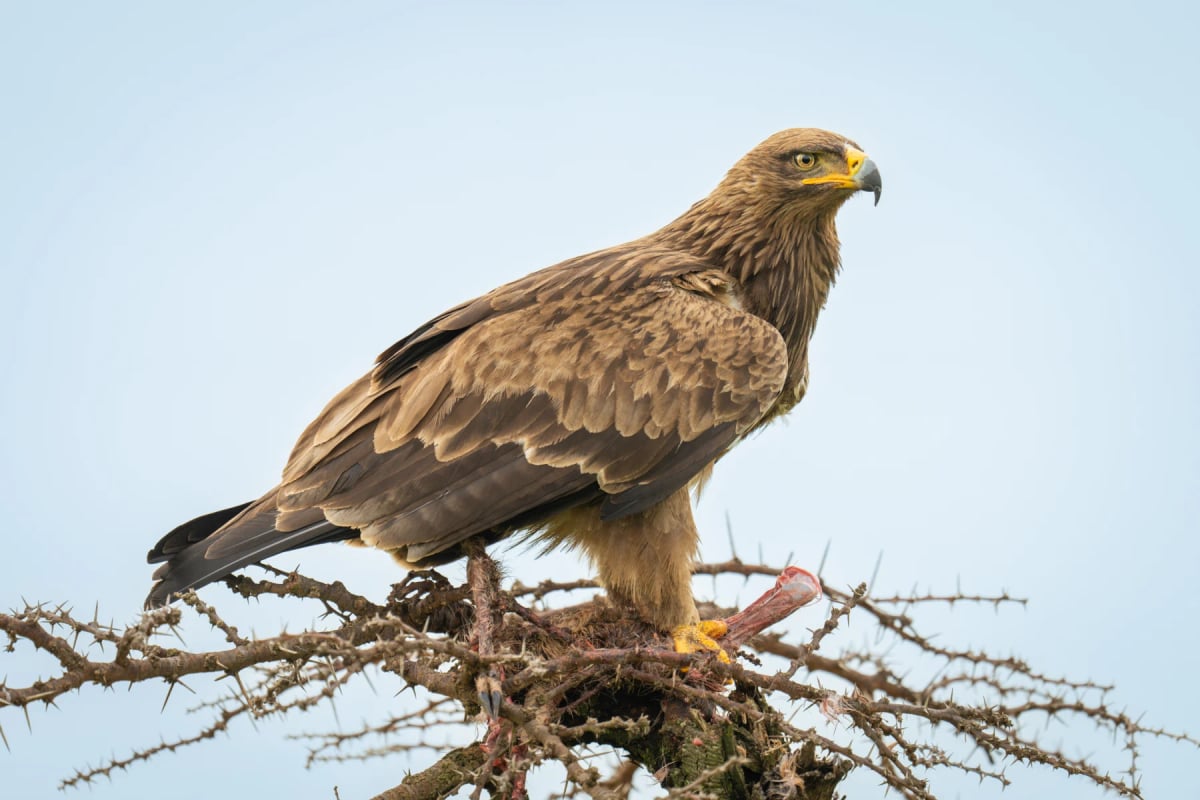
Steppe Eagle
Aquila nipalensis
Thailand sits at the southeastern edge of the Steppe Eagle's wintering range, with records of birds passing through or spending the cold months in open country and agricultural areas. Sightings are relatively uncommon, making each record noteworthy for local birdwatchers. Listed as Endangered by the IUCN, the species is under pressure from threats across its entire flyway, including electrocution, poisoning, and the steady loss of grassland habitats.
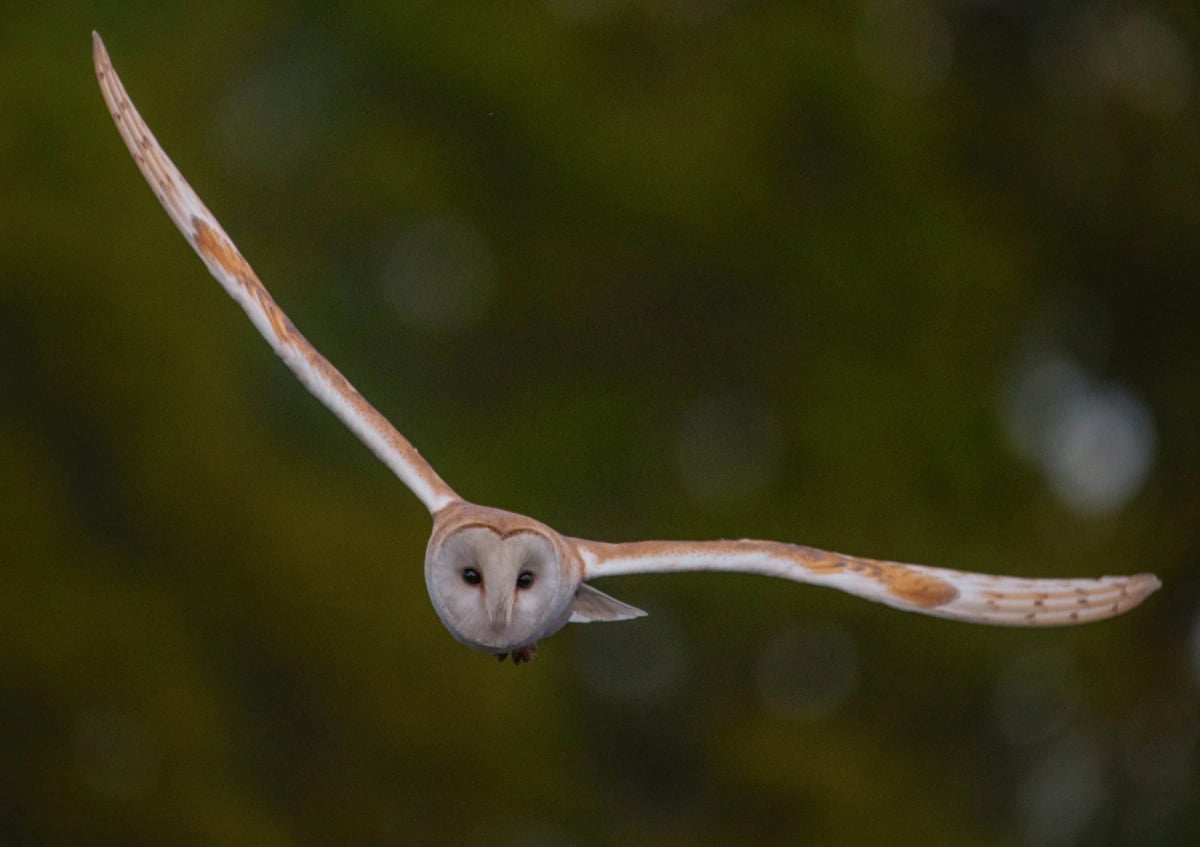
Barn Owl
Tyto alba
The barn owl is found across Thailand in open farmland, rice paddies, and areas near villages and towns from the central plains and the Chao Phraya basin to the northern valleys and the southern peninsula. It nests in old buildings, hollow trees, and cliff faces, and hunts rodents at night. In Thailand's extensive rice-growing regions, where rat damage to crops is a major agricultural concern, it is highly valued as a natural pest controller. Some farming communities actively install nest boxes to encourage barn owls as a biological alternative to chemical rodent control.
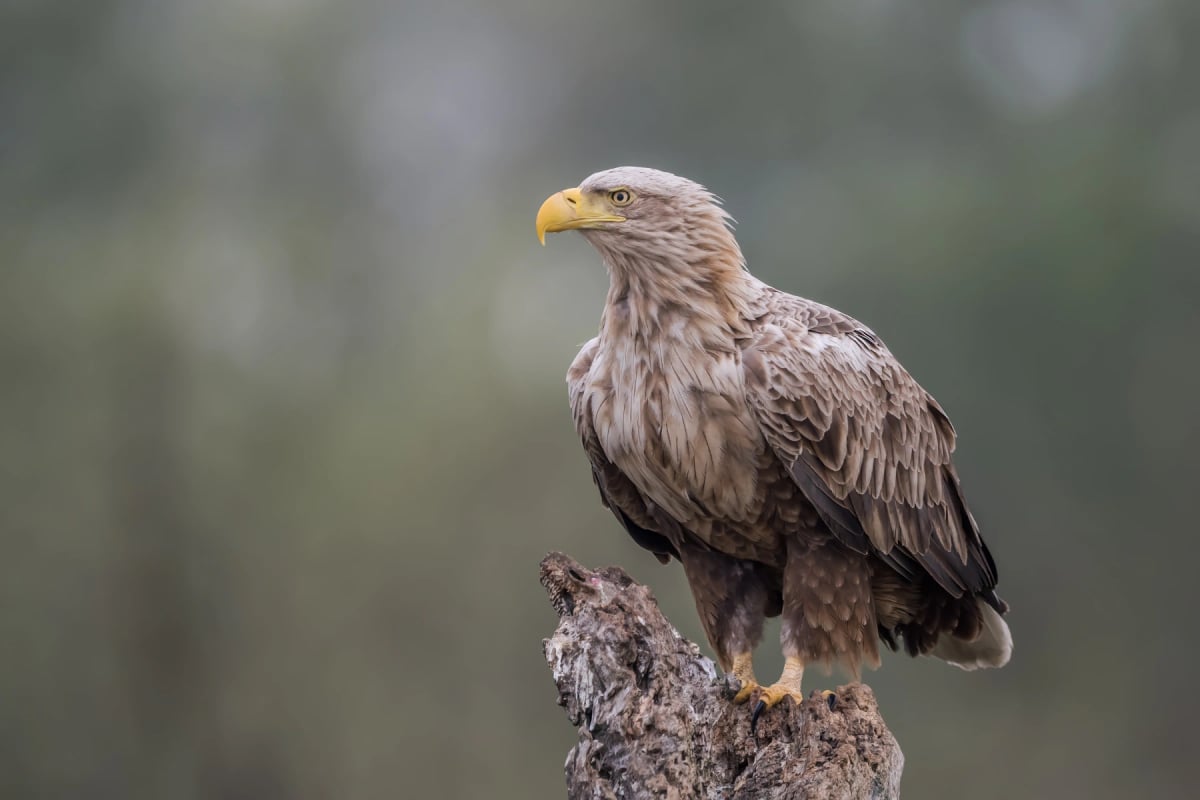
White tailed Eagle
Haliaeetus albicilla
The white tailed eagle reaches the southern edge of its range in Thailand, where it appears as a scarce winter visitor in coastal areas, large rivers, and wetlands in the northern and central regions. It preys on fish and waterbirds near suitable water bodies. With a wingspan of up to 2.5 metres, it stands out among local raptors. The IUCN lists it as Least Concern globally.
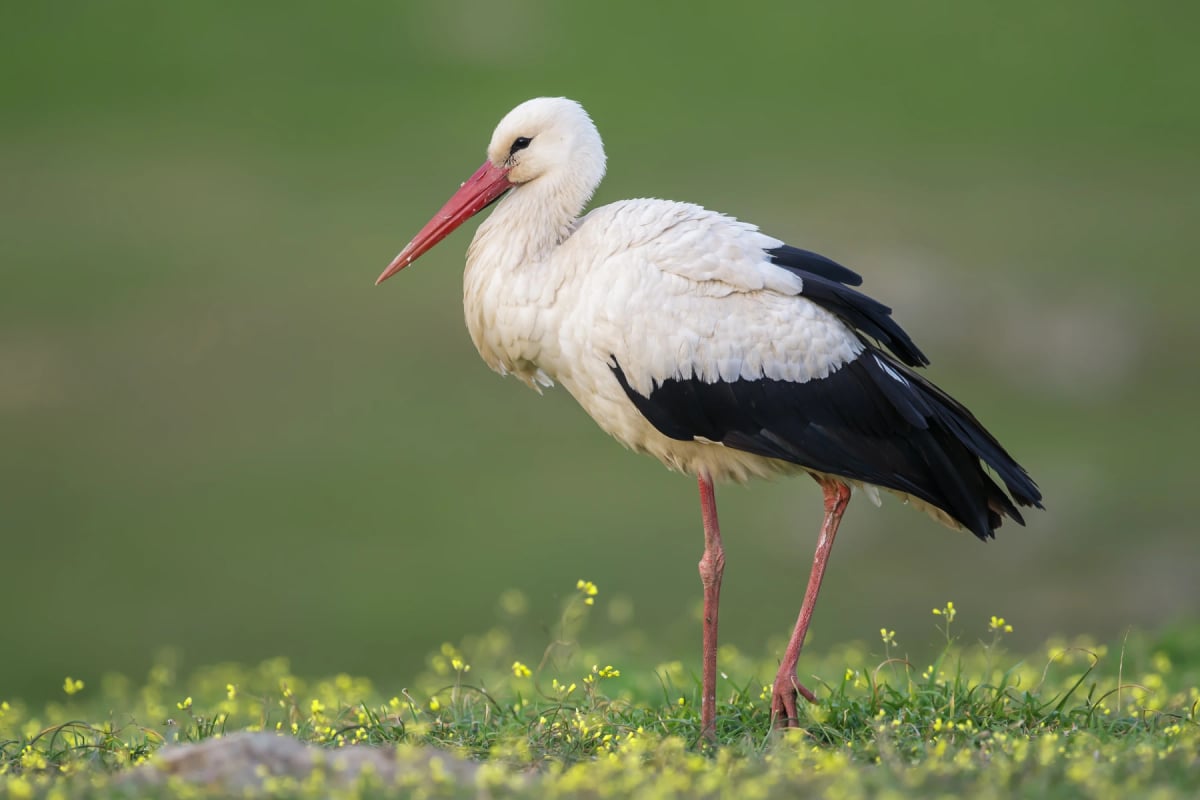
Stork
Ciconia ciconia
The white stork is a rare visitor to Thailand, occasionally recorded during migration across Southeast Asia. Sightings tend to occur in open lowland areas and wetlands. Standing over a metre tall with white plumage and a red bill, it is hard to miss. Its presence here sits well outside its core range, making any confirmed record in Thailand of real interest to local birdwatchers. IUCN status: Least Concern.
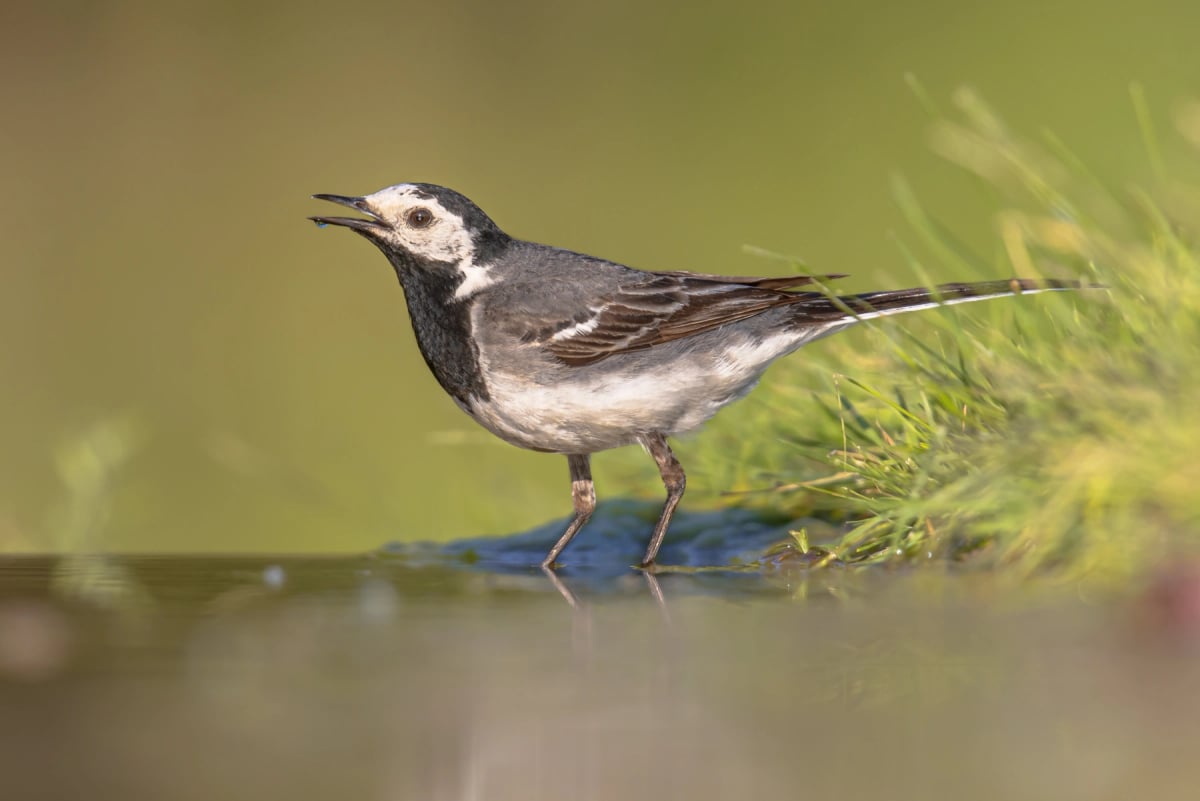
White Wagtail
Motacilla alba
Small black, white and grey bird with a slender tail that bobs up and down as it walks and feeds along the edges of water and open ground.
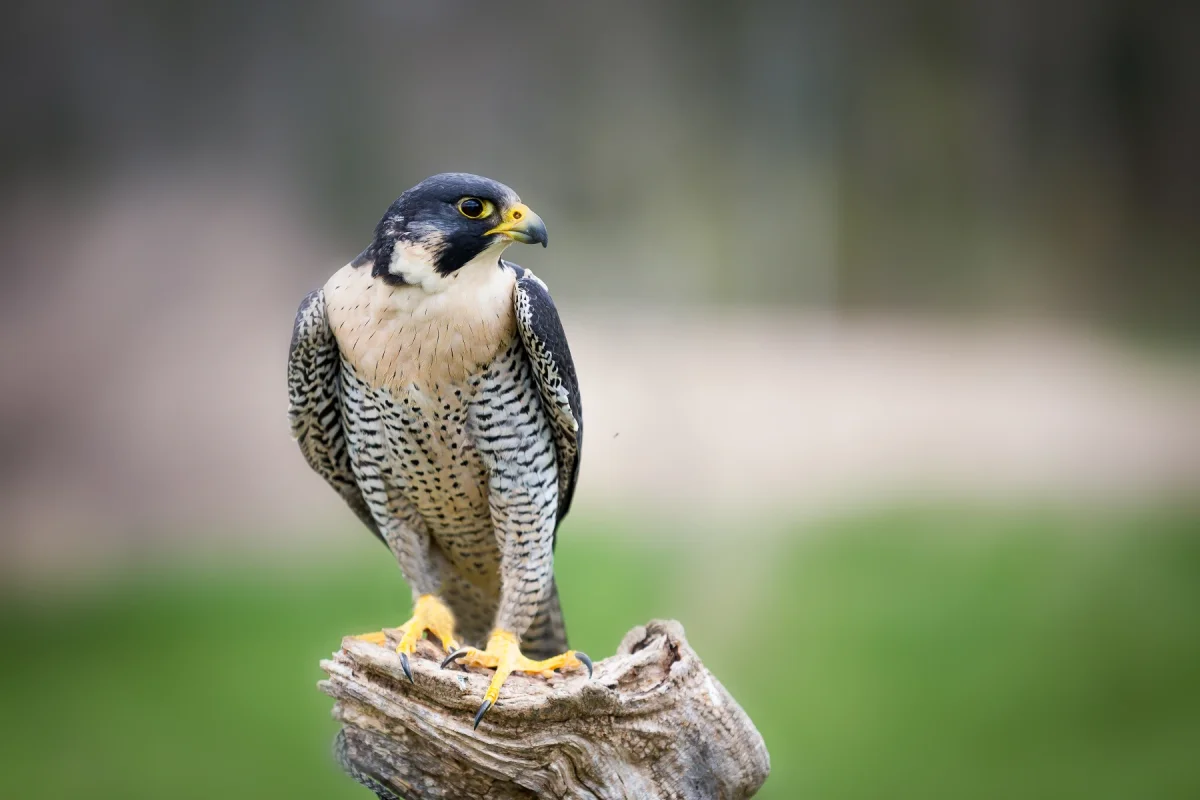
Peregrine Falcon
Falco peregrinus
Thailand receives peregrine falcons as migrants and winter visitors each year, with birds moving south from breeding grounds in Siberia and Central Asia. They appear across a range of open habitats, including wetlands, coastal areas, and agricultural plains. The species is regularly recorded at key birdwatching sites such as Laem Phak Bia and Pak Thale. Thailand forms part of the East Asian and Australasian Flyway used by many migratory raptors.
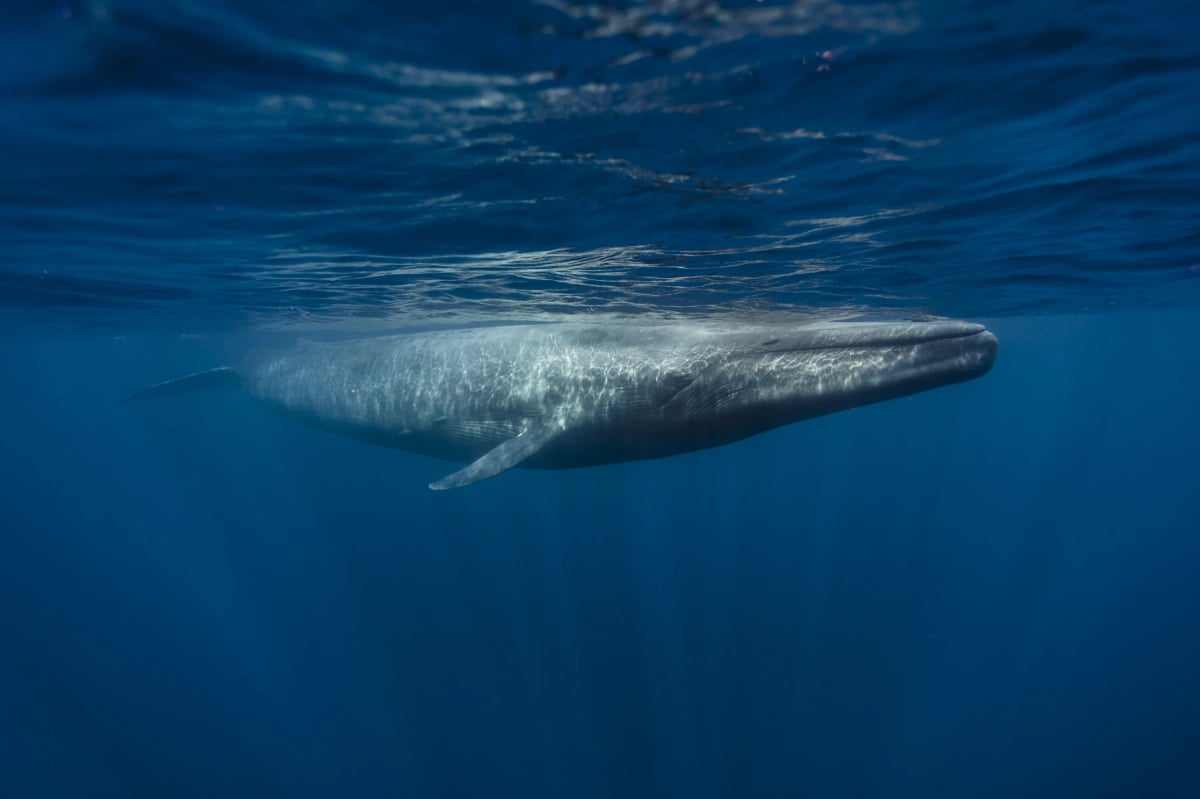
Blue Whale
Balaenoptera musculus
Blue whale records in Thai waters are rare, but the species has been documented in the Andaman Sea on Thailand's western coast, which connects to the broader Indian Ocean range used during migrations. The Andaman Sea supports deep, clear waters where large cetaceans occasionally move through. Increasing maritime traffic, coastal development, and fishing pressure in the region present challenges for any large whale passing through Thai waters. IUCN status: Endangered.
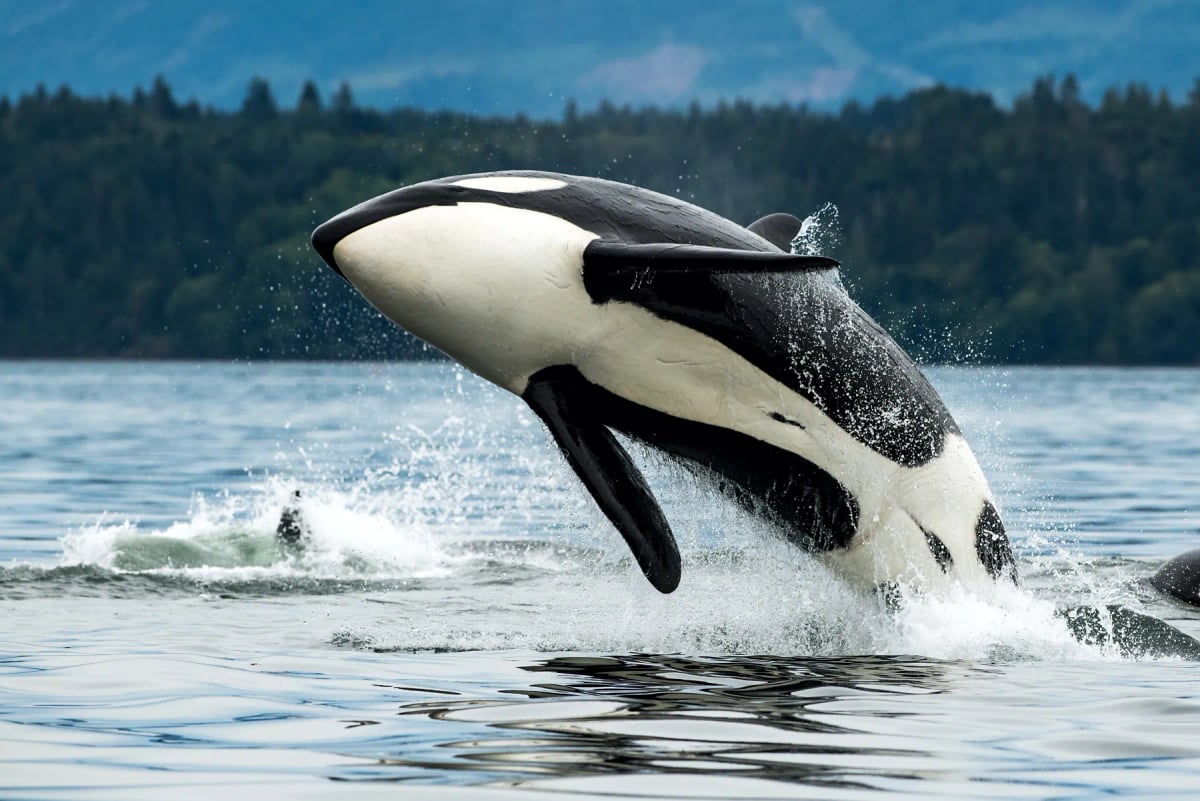
Orca
Orcinus orca
Orcas are only rarely sighted in Thai waters, with occasional records from the Gulf of Thailand and the Andaman Sea. These appearances are considered unusual given the warm, tropical nature of the region. Orcas generally prefer cooler seas, so any sighting here draws considerable attention from researchers. Their IUCN status is Data Deficient, meaning much about their presence in Southeast Asian waters remains poorly understood.
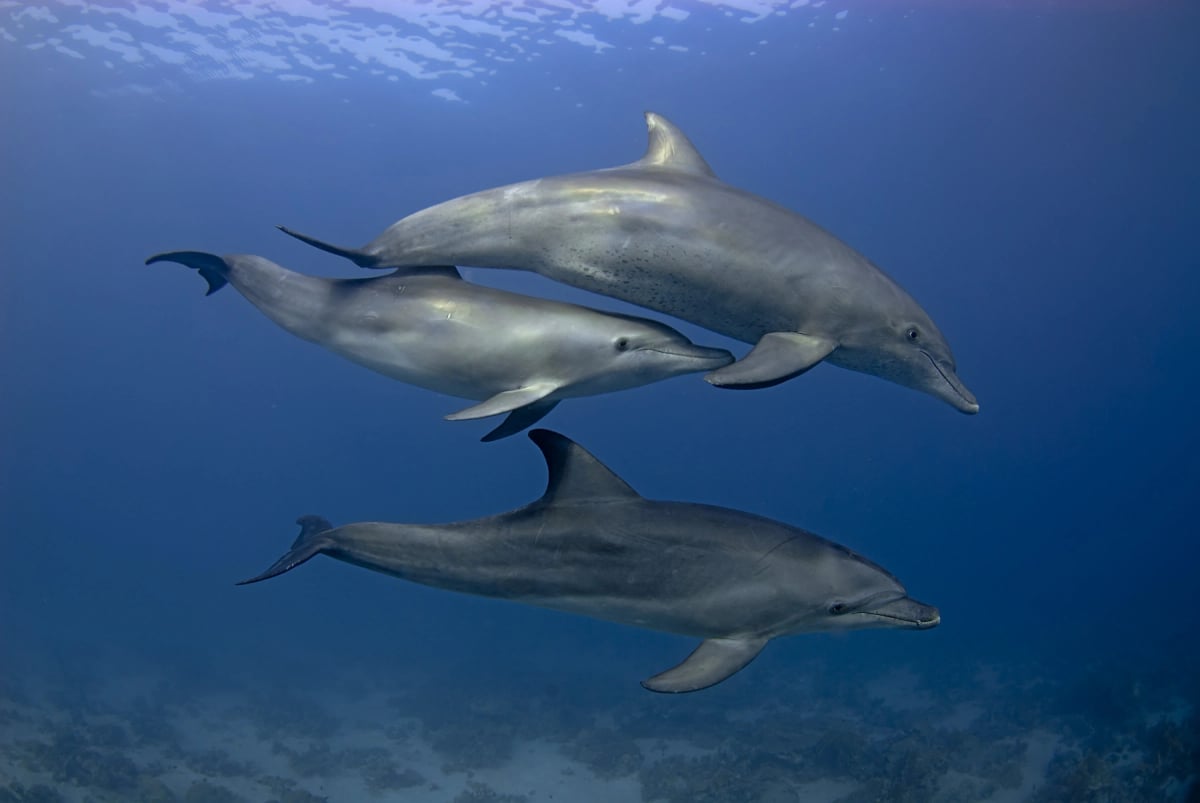
Bottlenose Dolphin
Tursiops truncatus
Bottlenose dolphins are found in the Gulf of Thailand and along the Andaman Sea coast, inhabiting shallow bays, estuaries, and waters near fishing communities. They are occasionally seen around the Samui Archipelago and near Phang Nga Bay. Interactions with fishing gear present a persistent threat to local populations. The IUCN classifies the species globally as Least Concern.
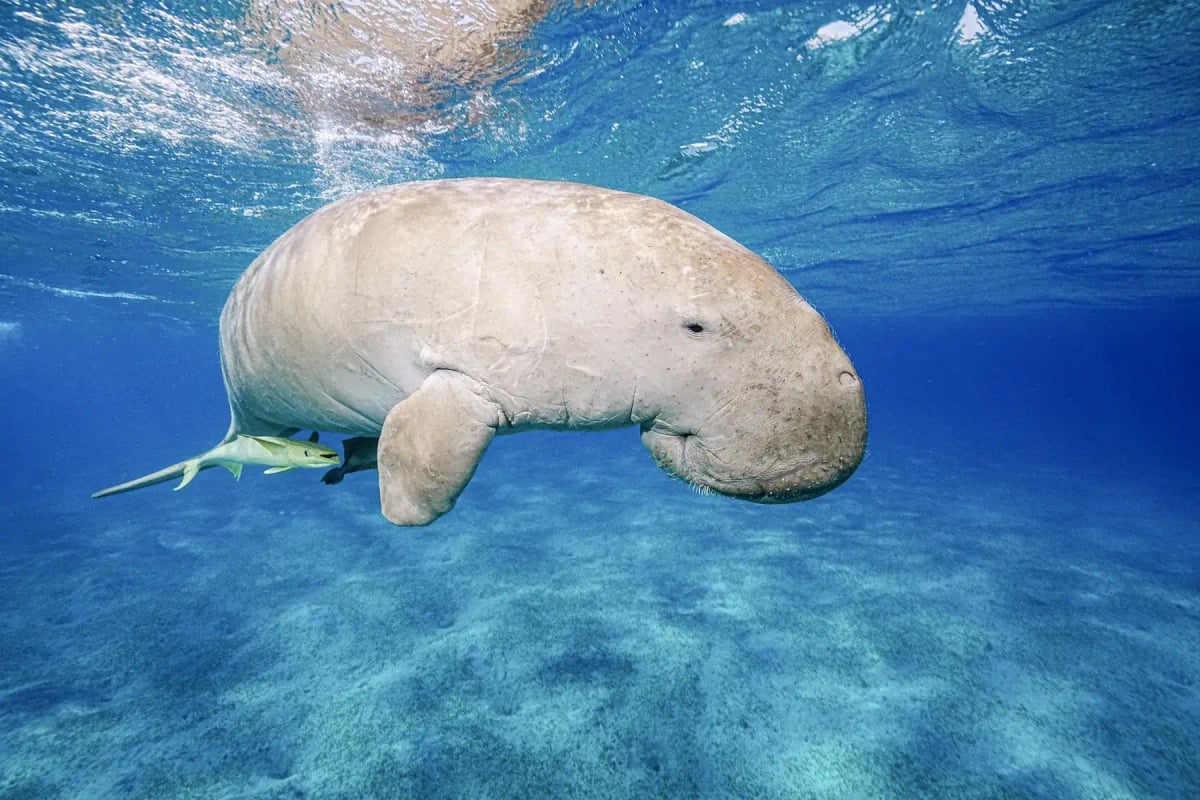
Dugong
Dugong dugon
In Thailand, dugongs live in the warm coastal waters of the Andaman Sea and, to a lesser extent, the Gulf of Thailand. The Trang Province coastline is considered one of the most important areas for the species in the country, where seagrass meadows provide their main food source. Boat traffic, fishing nets, and seagrass degradation are the chief threats to this small and vulnerable population.
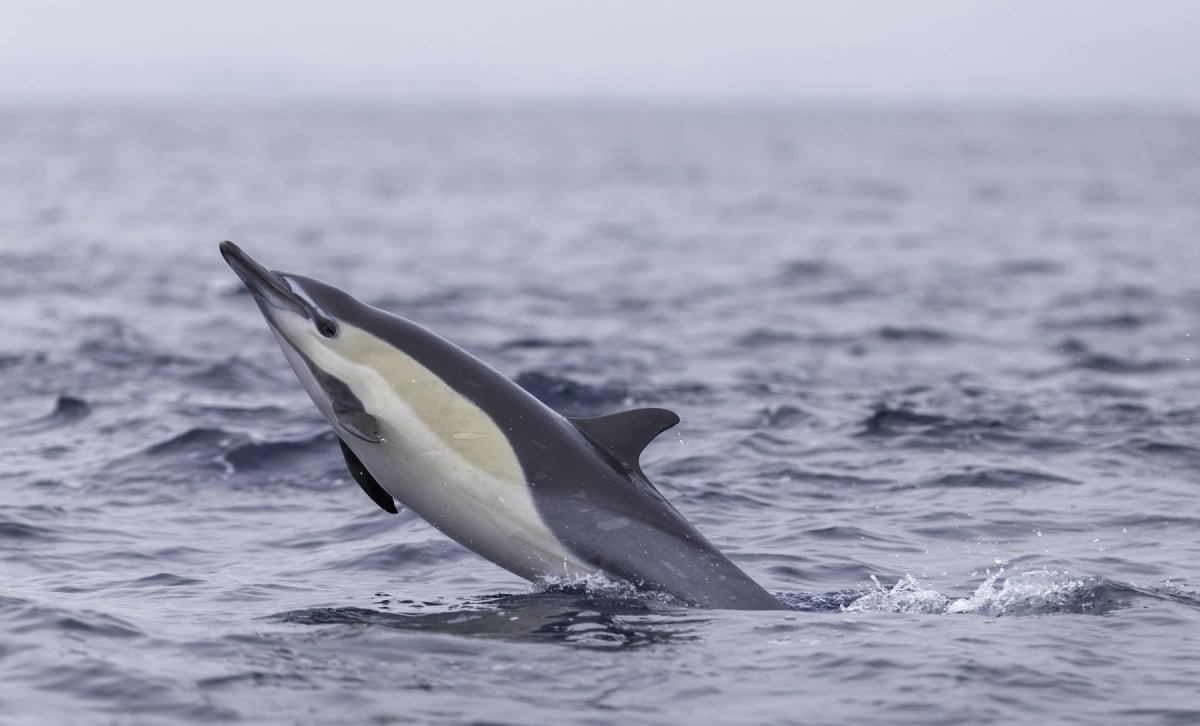
Common Dolphin
Delphinus delphis
Common dolphins are present in Thai waters, particularly in the Gulf of Thailand and the Andaman Sea. They are typically encountered offshore, where deeper water and abundant fish make ideal feeding conditions. Marine tourism has grown considerably along Thailand's coasts, and cetacean sightings, including the common dolphin, are an occasional highlight for divers and boat passengers. Their IUCN status is Least Concern.
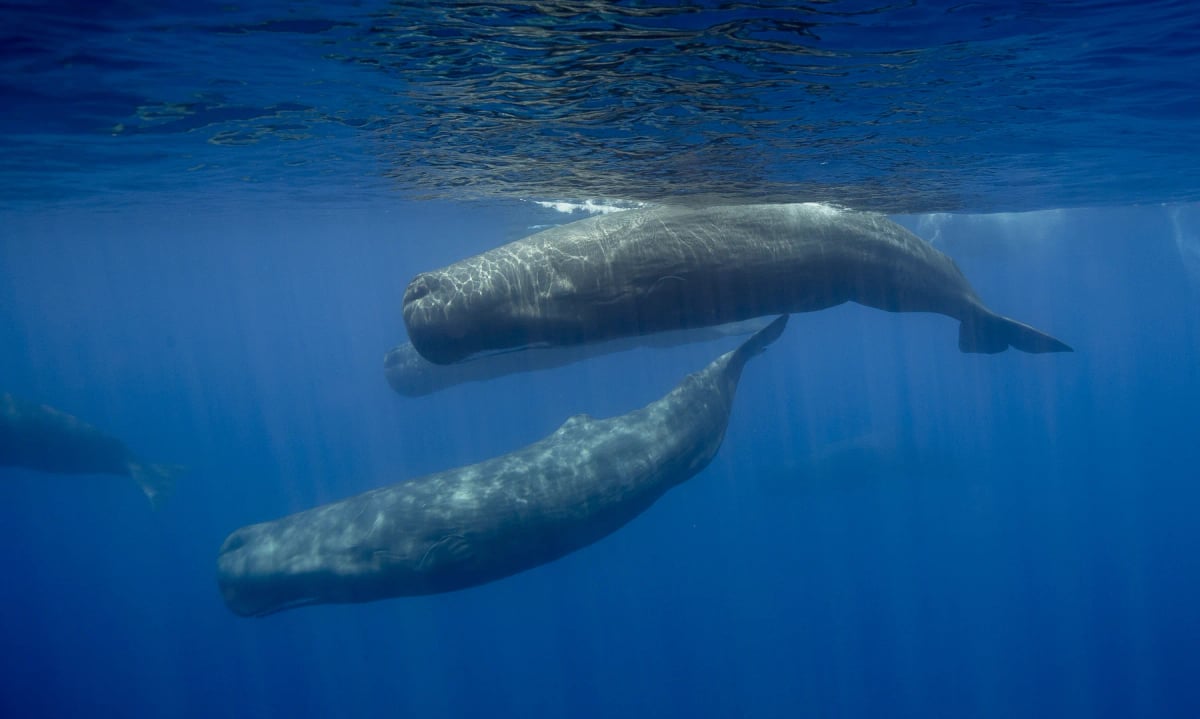
Sperm Whale
Physeter macrocephalus
Thailand's maritime territory includes waters in both the Gulf of Thailand and the Andaman Sea. Sperm whales are more likely to occur in the deeper Andaman Sea side, where offshore depths align with their hunting needs. Sightings are infrequent but recorded. As a Vulnerable species, the sperm whale faces pressure from busy shipping lanes, fishing activity, and marine noise in the broader Southeast Asian region.
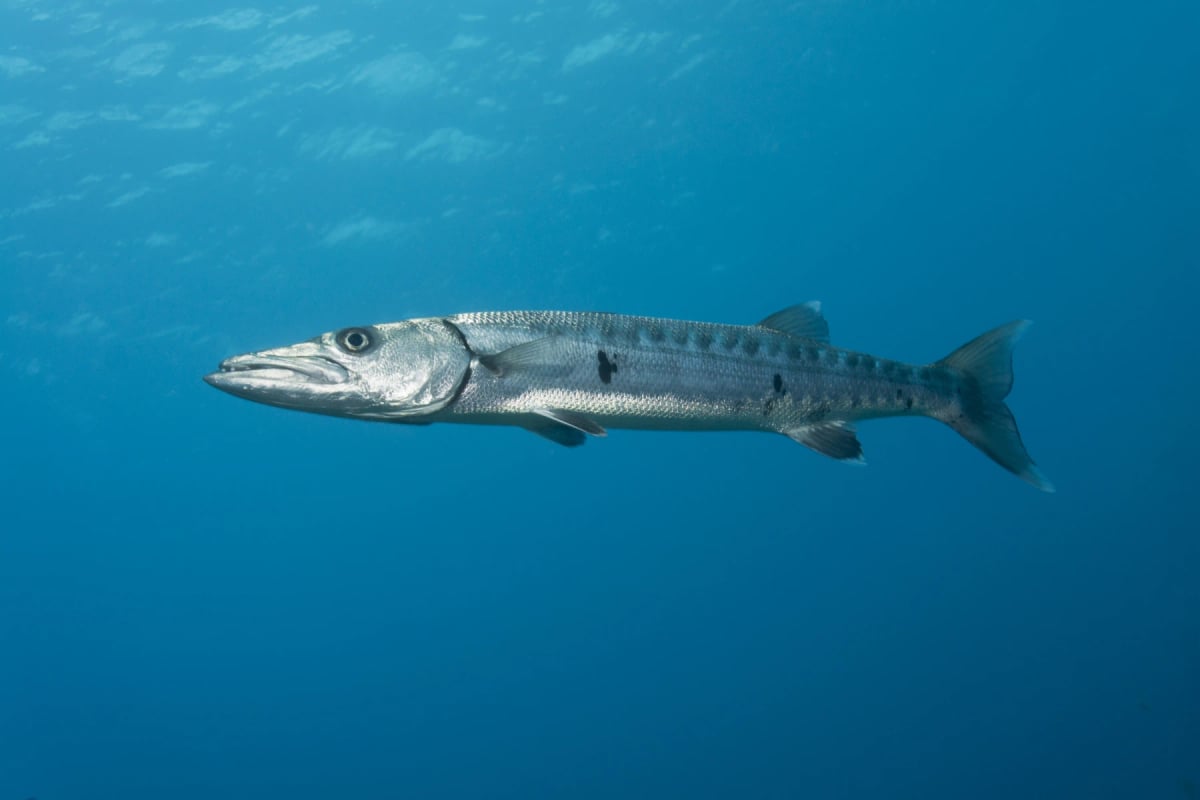
Barracuda
Sphyraena spp.
Barracudas are found throughout Thailand's tropical coastal and reef waters, on both the Andaman Sea coast and the Gulf of Thailand. The great barracuda and schooling species are regularly encountered by divers at reef sites around the Similan Islands, Koh Tao, Koh Phi Phi, and the Surin Islands Marine National Park. Thailand is one of Southeast Asia's most popular dive destinations, and barracuda sightings are a consistent feature of reef dives across both coasts. Large schools of barracuda circling above reef pinnacles are among the most spectacular sights on Andaman Sea dives.
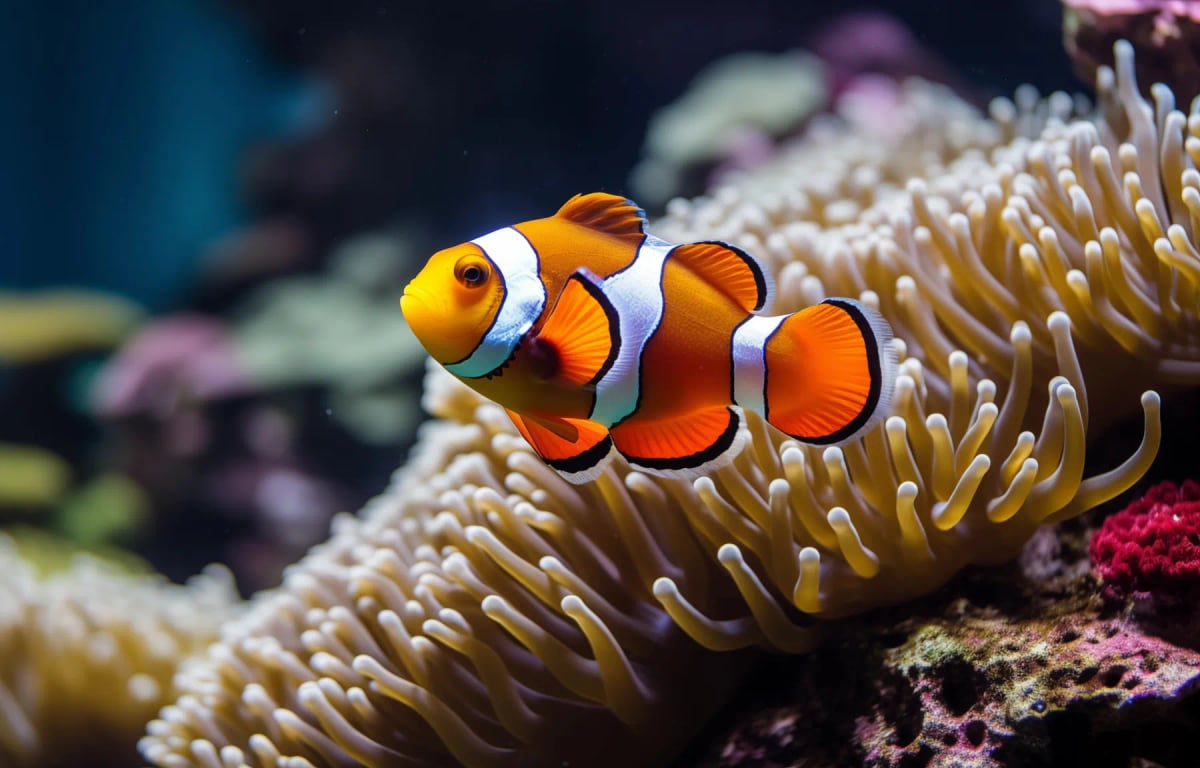
Clownfish
Amphiprioninae (over 30 species)
Clownfish are found throughout Thailand's coral reefs in the Andaman Sea and the Gulf of Thailand, including around the Similan Islands and Koh Tao. These small, bright fish rarely leave their host anemone and form tightly organized family groups. Thailand's reefs have faced pressure from coral bleaching and tourism, and marine national parks now play a key role in giving clownfish and their anemone partners the protection they need.
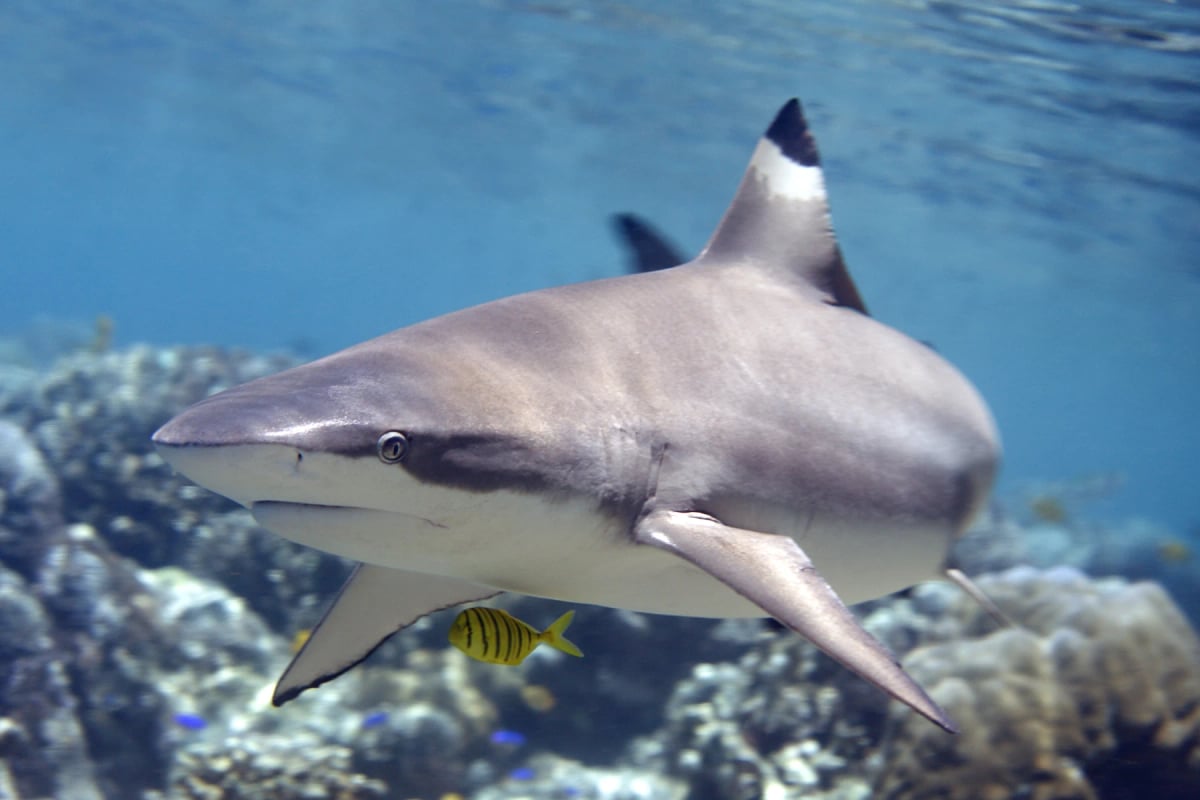
Reef Shark
Carcharhinus spp.
Reef sharks inhabit the coral reefs of the Gulf of Thailand and the Andaman Sea, including popular dive sites around the Similan Islands and Koh Tao. Blacktip reef sharks are the most commonly spotted species in Thai waters, often seen in shallow areas close to shore. Tourism has raised public awareness, but overfishing and reef degradation continue to threaten shark populations throughout the region.
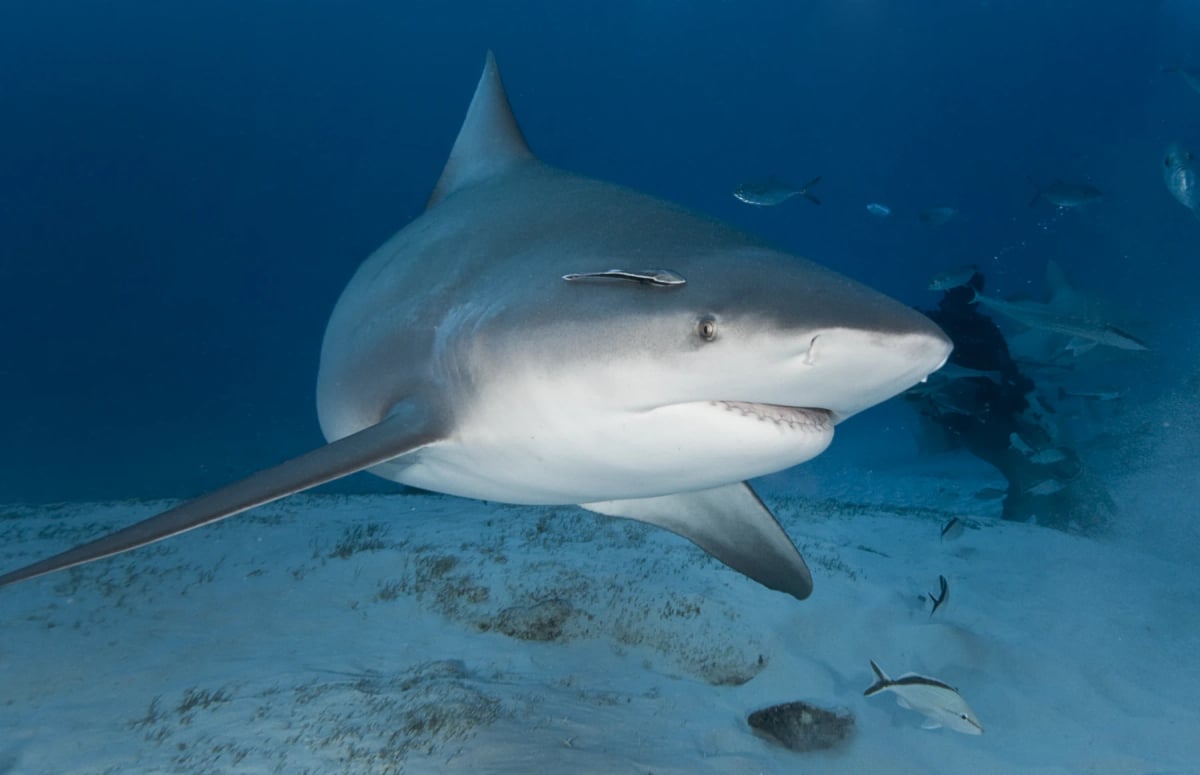
Bull Shark
Carcharhinus leucas
In Thailand, bull sharks inhabit warm coastal waters along both the Gulf of Thailand and the Andaman Sea, with occasional records from river mouths and estuaries. Habitat loss from coastal development and fishing pressure have contributed to declining sightings over recent decades. Rated Near Threatened globally, their status in Thai waters reflects broader concerns about shark conservation across Southeast Asia.
Researched and written by Juan Pablo. Sources: IUCN Red List, scientific literature and regional field guides. Last updated: .