Animals in Yemen
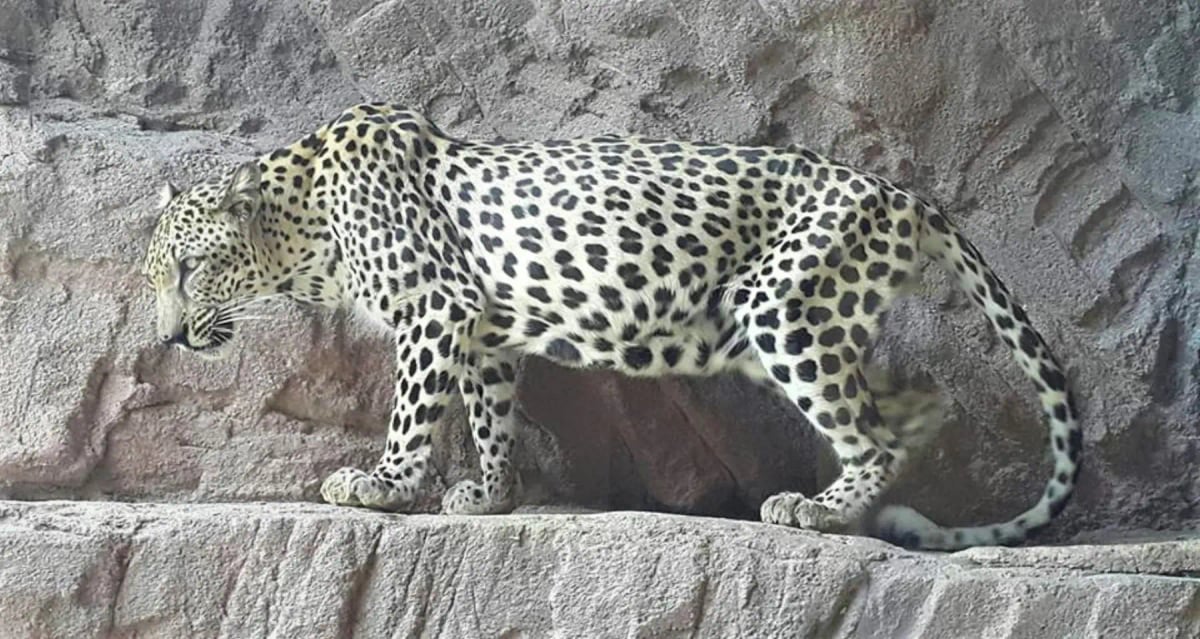
Arabian Leopard
Panthera pardus nimr
The Arabian leopard, considered critically endangered, is regarded as Yemen’s national animal. Native to the country’s remote highlands and rugged escarpments, this elusive predator symbolizes resilience and the fragile balance of Yemen’s ecosystems. Although sightings are rare due to its declining population, the Arabian leopard holds cultural and ecological significance and has become a focal point of local conservation efforts. Its presence serves as a powerful reminder of the urgency to preserve what remains of the nation's natural heritage.
View details→Wildlife in Yemen
Yemen has coastal plains, deserts, highland villages and the island of Socotra in the Arabian Sea, so wildlife appears in many different settings. Visitors usually meet nature on boat trips along coral reefs, guided tours on Socotra and short walks in valleys near farms. On these routes they may see sea birds, dolphins, whales, sharks and hardy land mammals close to lived in areas.
Most Dangerous Animals in Yemen
Despite its arid climate, Yemen is home to several dangerous species that inhabit both land and sea. Large predators such as leopards and wolves may present threats in remote areas, while the surrounding waters host powerful marine animals, including orcas and aggressive shark species. These dangers, although infrequent, demand caution in certain regions, especially for those venturing into wild habitats or the open ocean. Understanding and respecting Yemen’s complex natural environment is key to experiencing it safely and responsibly.
Top 10 Animals in Yemen
Yemen’s most emblematic animals are often tied to its extreme landscapes and unique blend of African, Asian, and Arabian influences. The species featured here stand out not only for their ecological roles but also for their symbolic value and rarity. As research expands and more attention is given to Yemen’s biodiversity, this evolving list continues to highlight species that resonate with the country’s rich natural identity and growing conservation interest.
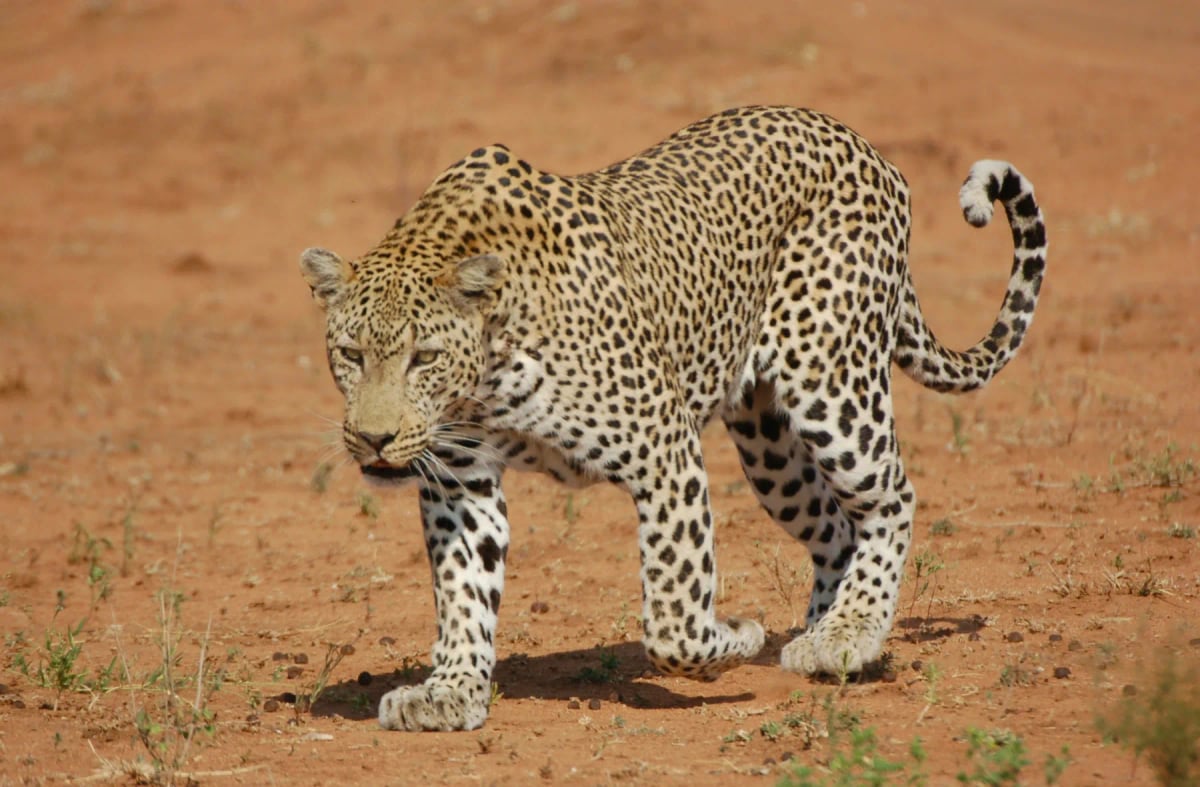
Leopard
Panthera pardus
The Arabian leopard, Panthera pardus nimr, clings to survival in Yemen's rugged mountain ranges, including the Haraz and the Hadhramaut. It is one of the rarest big cats in the world. Ongoing conflict has made conservation efforts nearly impossible, while poaching and the collapse of prey populations have pushed this subspecies to the brink. Fewer than 200 individuals are thought to remain across the entire Arabian Peninsula. IUCN status: Vulnerable.
Arabian Leopard
Panthera pardus nimr
Yemen is believed to support a population of around 50 mature Arabian leopards, distributed across the western highlands, central mountains, and the Hawf area near the Omani border. Confirmed presence has become increasingly difficult to verify since the outbreak of armed conflict in 2015, which has halted most fieldwork and enforcement. The subspecies faces acute pressure from prey depletion, retaliatory killings, and the almost complete collapse of conservation infrastructure across the country.
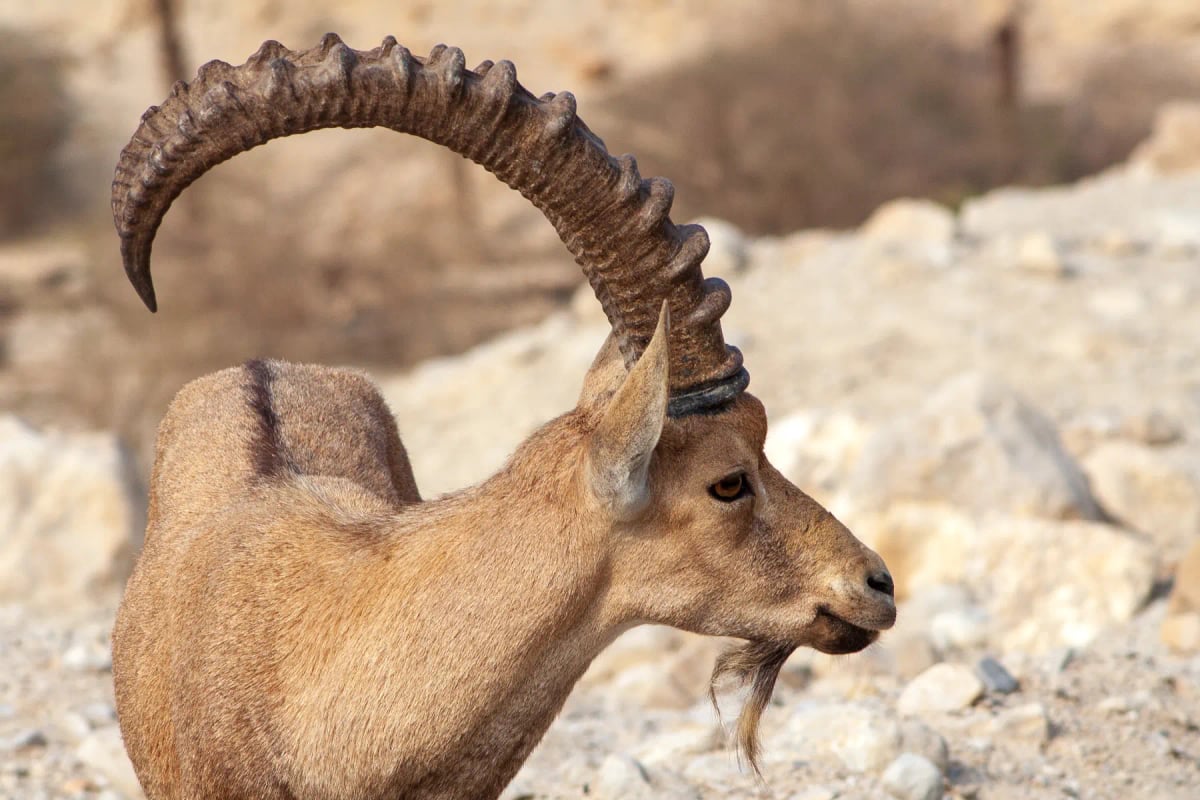
Nubian Ibex
Capra nubiana
Yemen's rugged highlands and western escarpments provide habitat for the Nubian ibex, particularly in the Haraz Mountains and areas along the steep western slopes above the Tihama plain. The species has long been part of this landscape, but ongoing conflict has made conservation work extremely difficult. Hunting pressure has increased in many areas due to weakened enforcement, and habitat disturbance continues. The current situation places Yemeni populations among the most at risk across the entire range. IUCN status: Vulnerable.
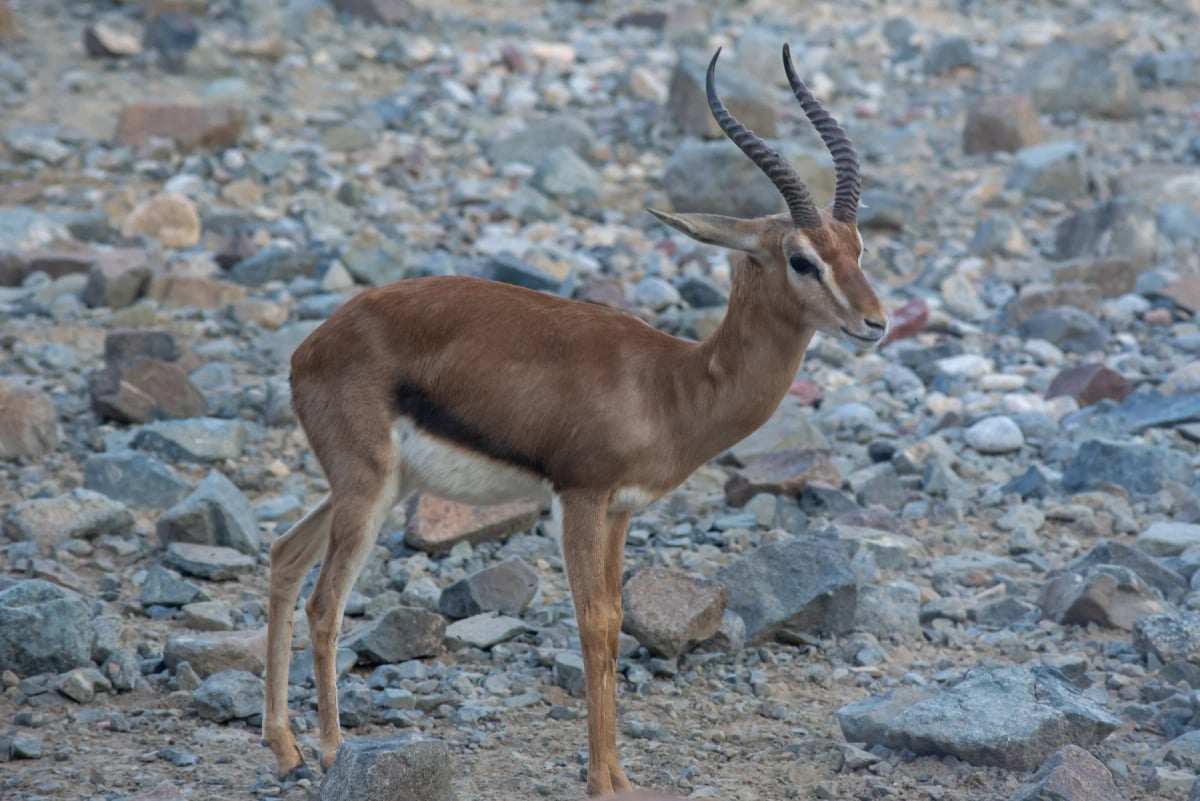
Arabian Gazelle
Gazella arabica
In Yemen, the Arabian gazelle inhabits arid mountain slopes and dry valleys in the western and southwestern parts of the country. The ongoing conflict since 2015 has severely limited wildlife monitoring and the enforcement of protections, leaving populations exposed to unregulated hunting and habitat disturbance. Reliable current data on the size or condition of Yemen's gazelle populations is difficult to obtain under the present circumstances.
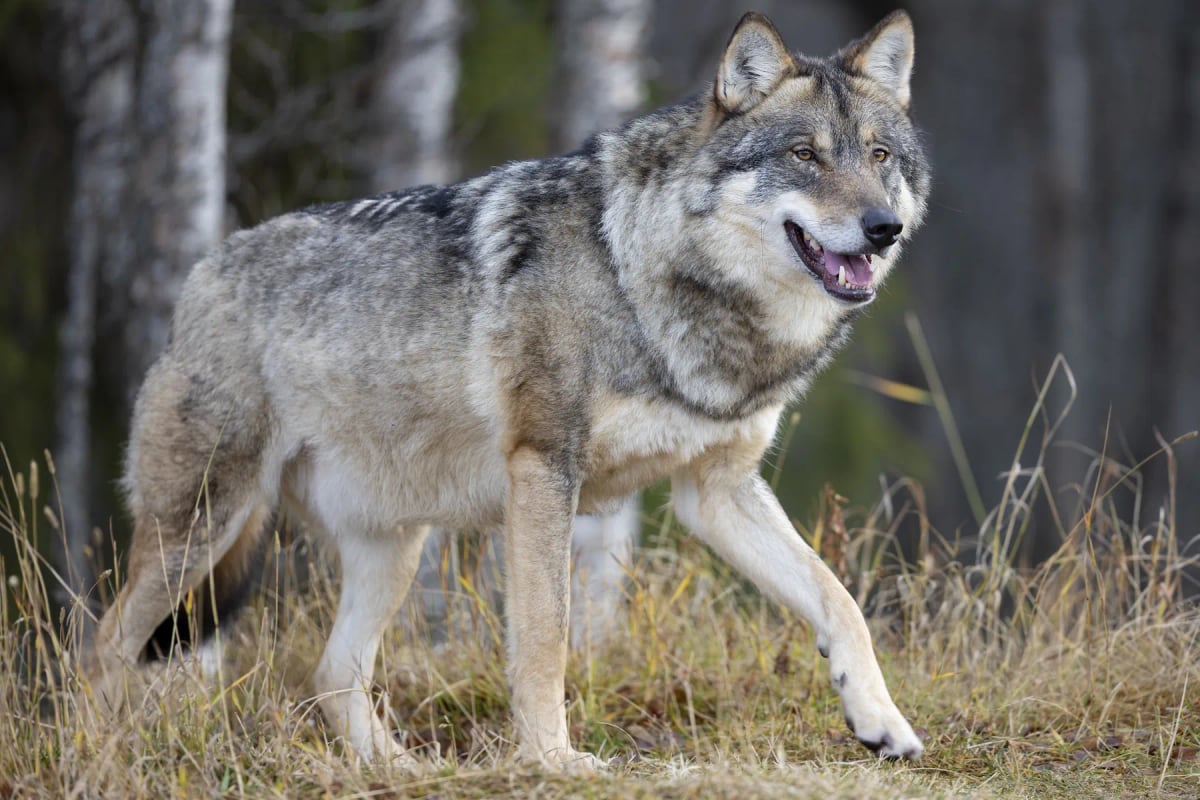
Gray Wolf
Canis lupus
The Arabian wolf, a small subspecies of the gray wolf, is found in Yemen in the mountainous interior and some arid lowland areas. It is one of the rarest forms of the species, surviving in a country where ongoing conflict has made wildlife monitoring extremely difficult. Prey scarcity and persecution by local communities are serious threats. The broader gray wolf species is listed as Least Concern globally, but the Arabian wolf faces much greater local pressure.
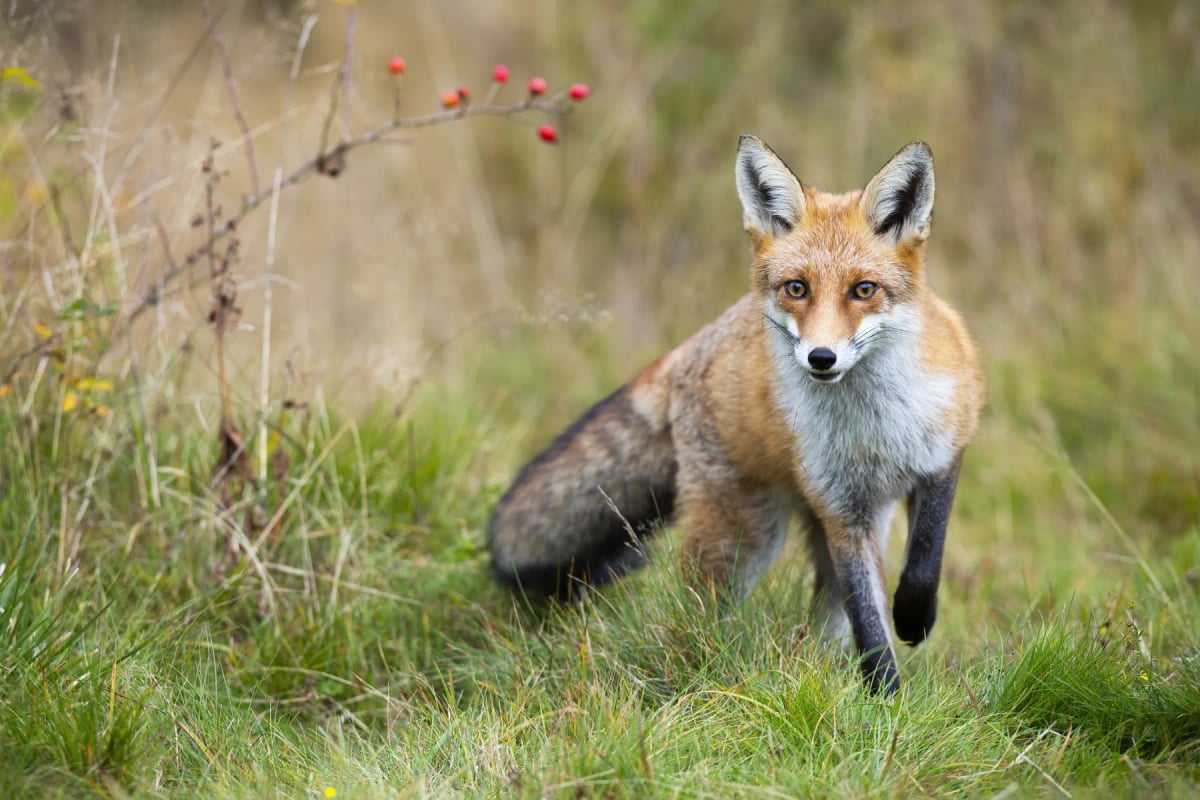
Red Fox
Vulpes vulpes
The red fox is present in Yemen across highland plateaus, arid lowlands, and areas bordering agricultural land. It is among the more resilient carnivores in the region, capable of surviving in harsh and dry conditions. It feeds on small mammals, invertebrates, and fruit. Ongoing conflict in Yemen has made wildlife monitoring difficult, but the species is not considered threatened. Its status across its global range is Least Concern.
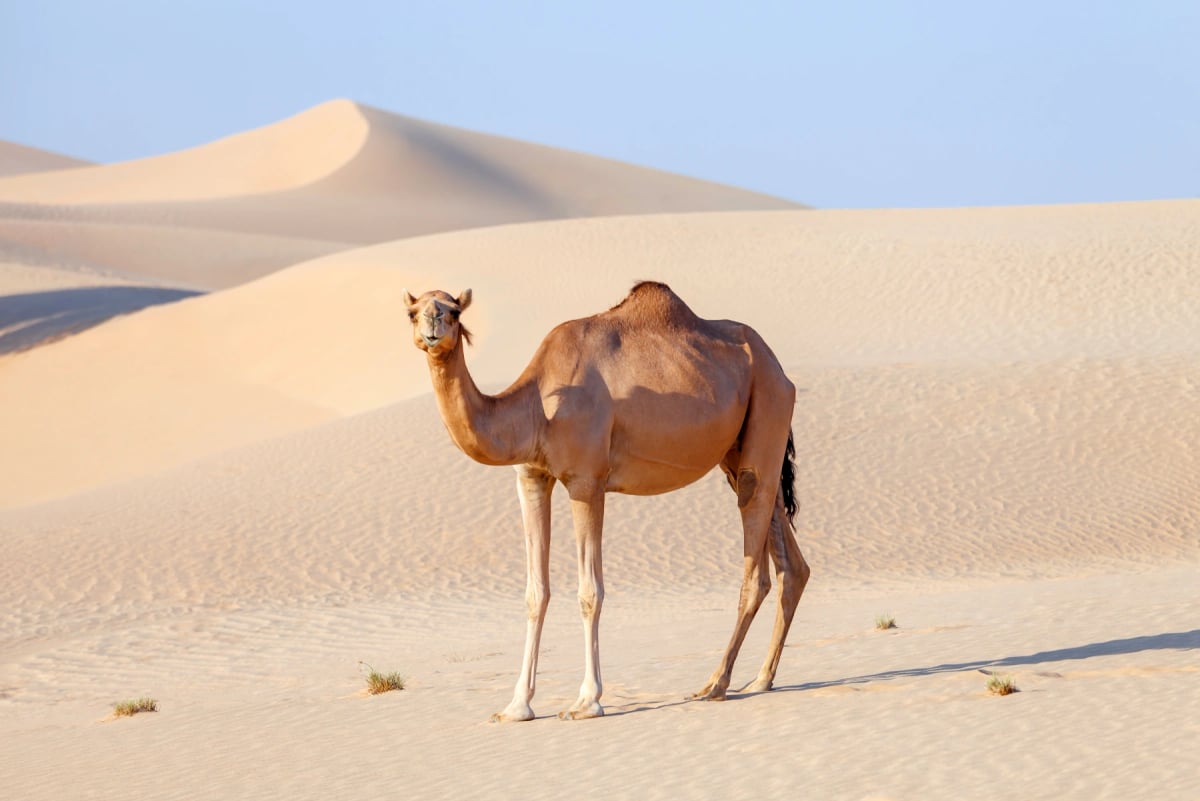
Dromedary Camel
Camelus dromedarius
Dromedary camels are found across the arid lowlands and desert regions of Yemen, including the Hadramawt plateau and the Tihama coastal plain. Pastoral communities rely on them for milk, meat, and transport, particularly in areas where roads are poor or nonexistent. Despite the ongoing humanitarian crisis, camels remain a vital resource for rural Yemeni families, providing food and a means of moving goods across difficult terrain.
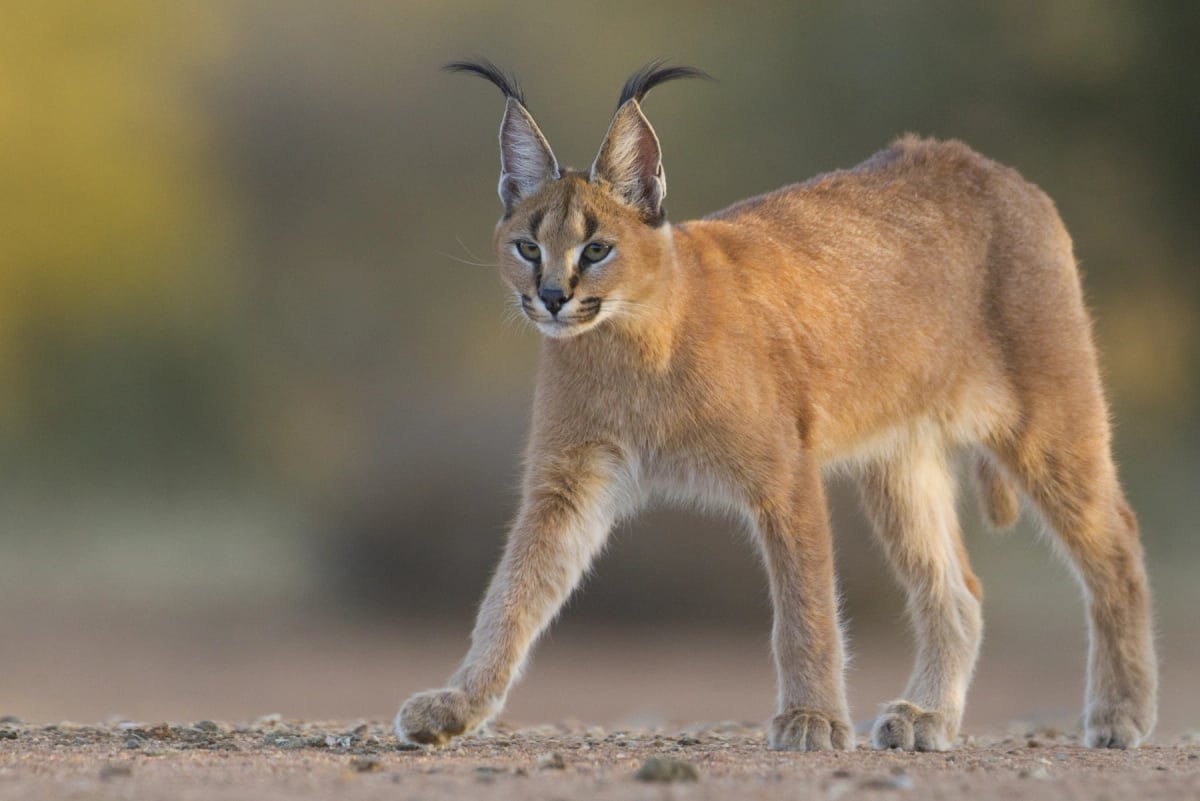
Caracal
Caracal caracal
In Yemen, the caracal is found in rocky escarpments, dry shrublands, and semi-arid valleys across the country, including highland areas. It preys primarily on small mammals and birds. The ongoing conflict in Yemen has severely restricted wildlife monitoring, leaving population estimates uncertain. Listed as Least Concern by the IUCN at the global level, the species faces particular vulnerability in Yemen due to the collapse of conservation infrastructure.
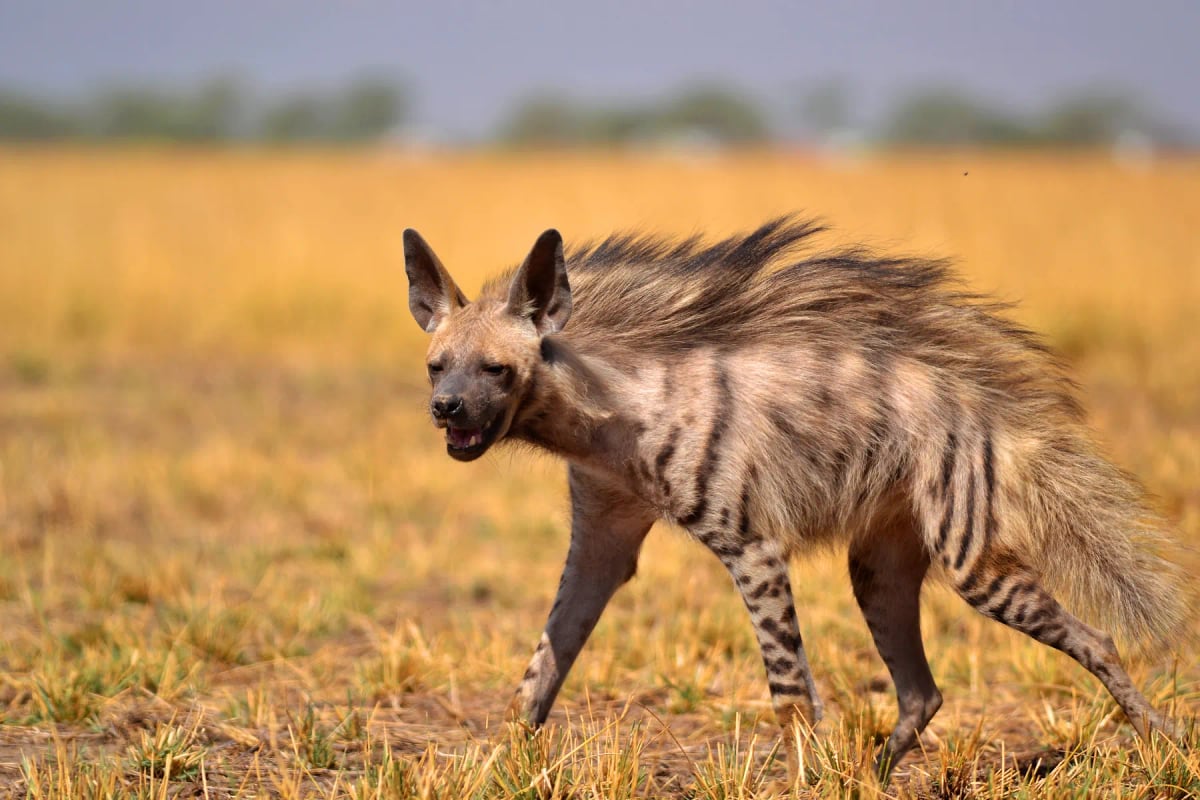
Striped Hyena
Hyaena hyaena
The striped hyena inhabits Yemen's rugged mountain ranges, rocky wadis, and semi-arid plains. It is nocturnal and solitary, scavenging carcasses and supplementing its diet with fruit and small animals. Yemen's ongoing conflict has severely disrupted wildlife monitoring, making population assessments difficult. The IUCN lists the species as Near Threatened. Habitat degradation and persecution remain ongoing concerns, and the breakdown of conservation infrastructure in the country has added further risk to its survival.
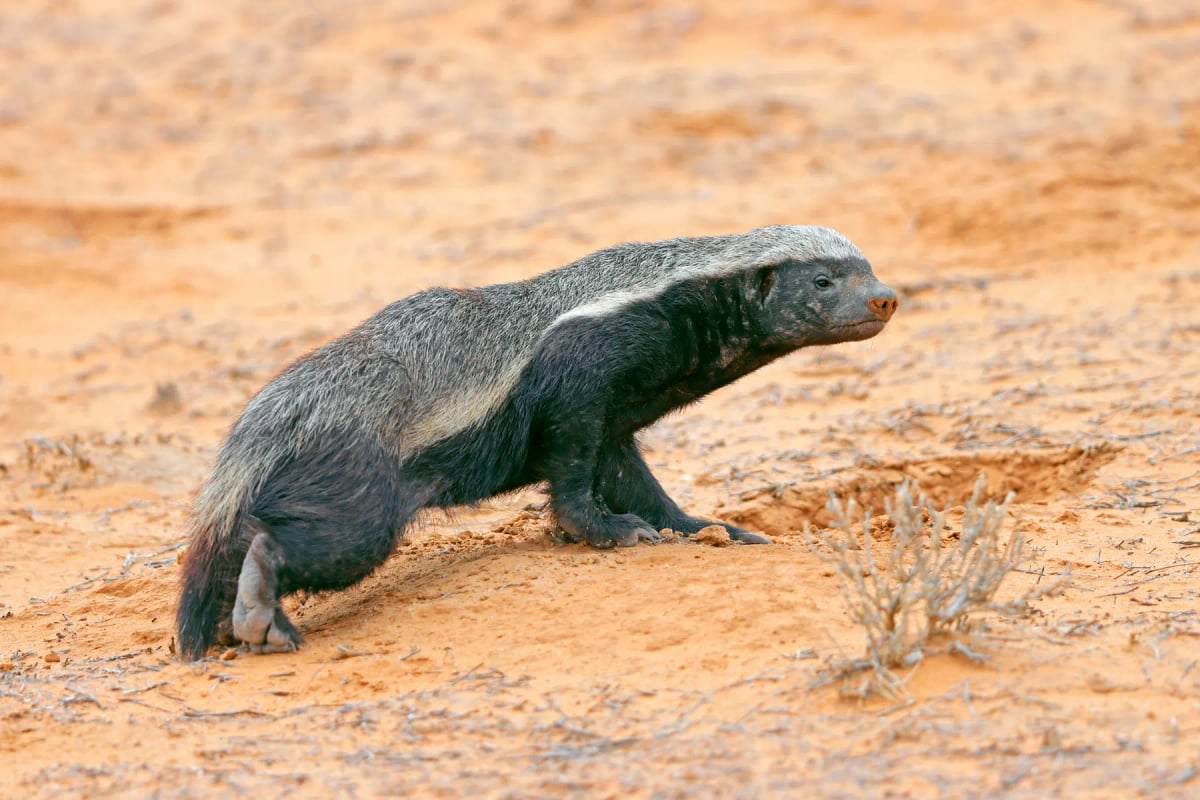
Honey Badger
Mellivora capensis
The honey badger ranges across Yemen's mountainous interior and arid lowlands, from the highlands near Sanaa to the drier coastal plains along the Red Sea and the Gulf of Aden. It hunts reptiles, rodents and insects and tolerates the harsh, hot climate well. Years of conflict have made field research difficult, leaving much about its local status unknown. The species is listed as Least Concern by the IUCN.
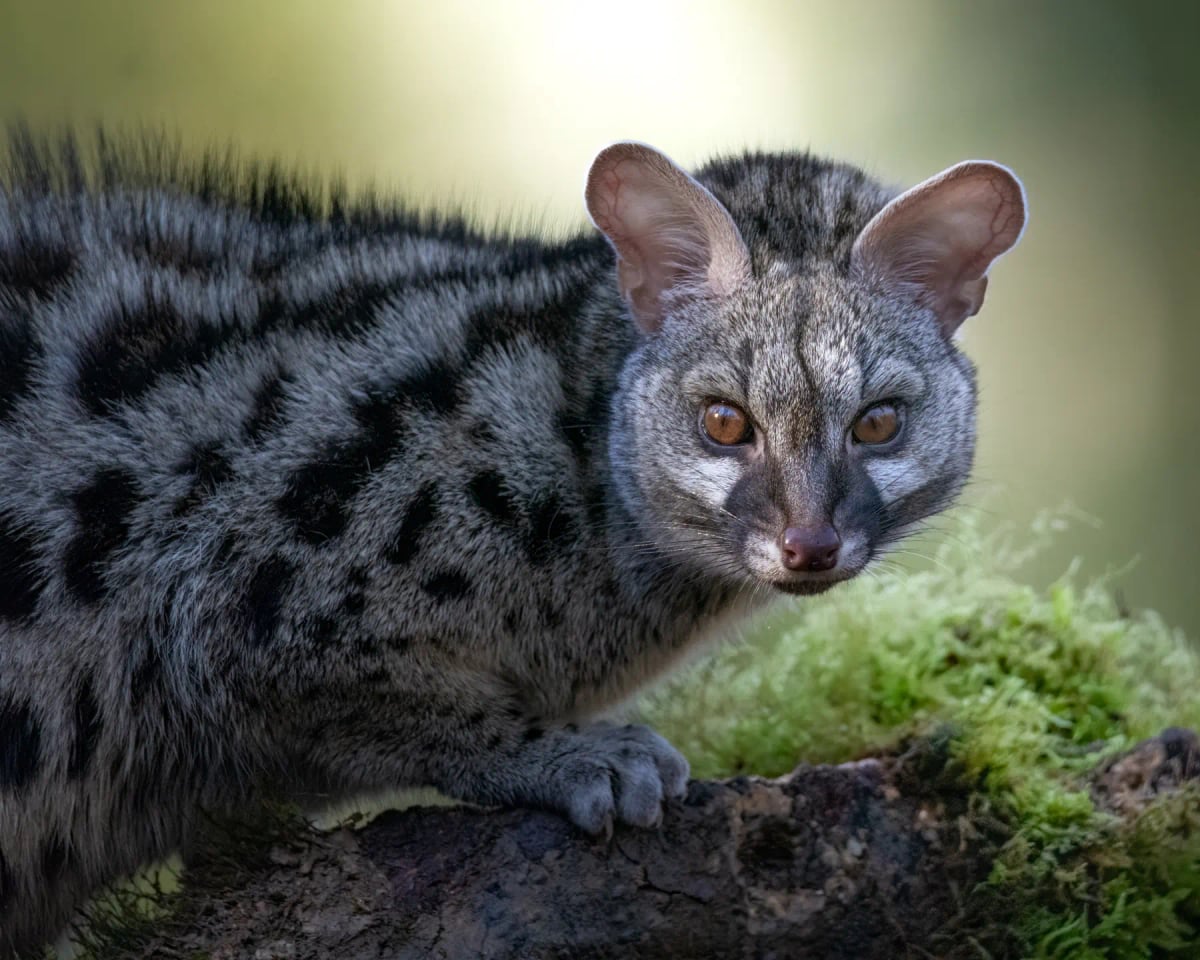
Common Genet
Genetta genetta
In Yemen, the common genet is found in the mountainous western and southern regions, where terraced slopes, rocky escarpments, and areas with shrub cover provide shelter. It is one of the few areas outside Africa where the species occurs naturally. Nocturnal and elusive, it feeds on small animals and insects. The IUCN lists it as Least Concern, though data from Yemen remains limited.
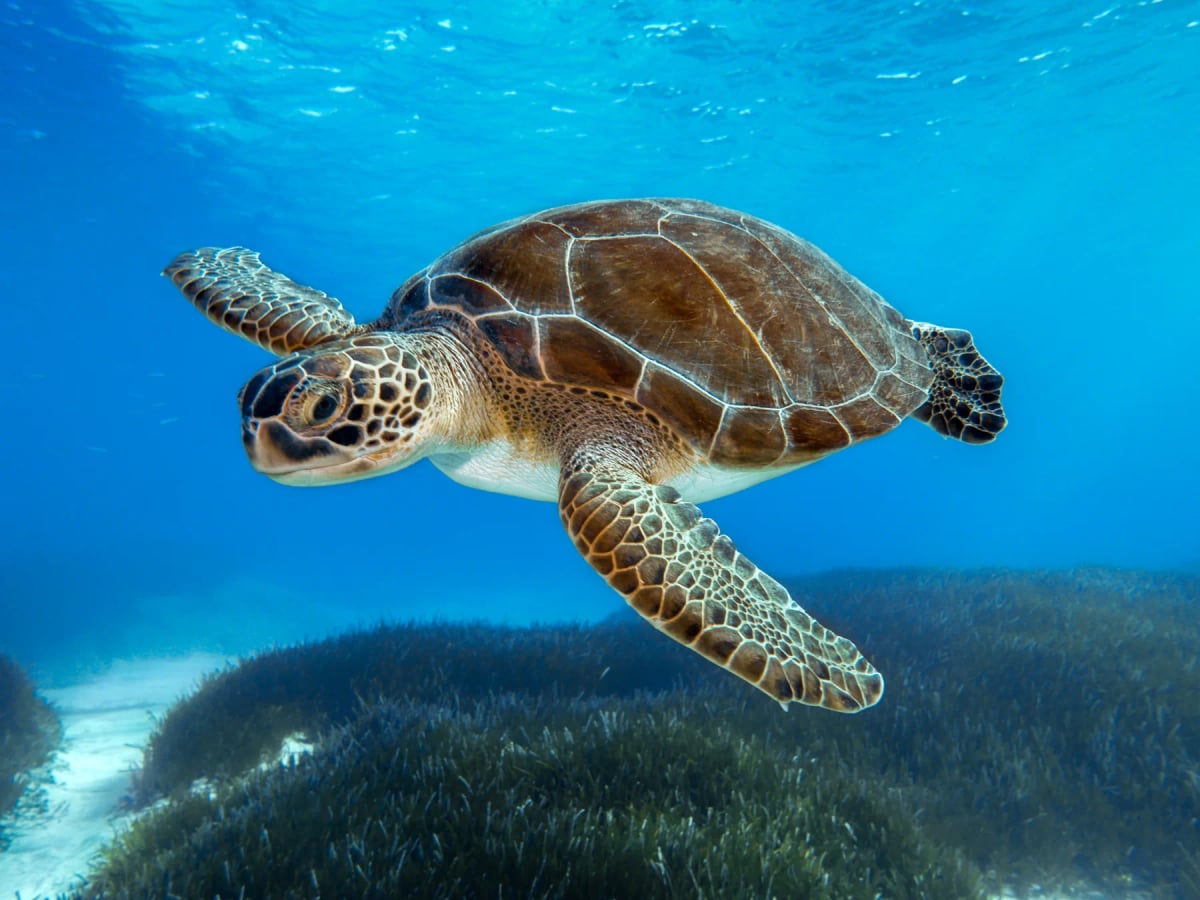
Sea Turtle
Cheloniidae & Dermochelyidae (families)
Yemen's coastline along the Arabian Sea, the Gulf of Aden and the Red Sea supports green and hawksbill sea turtles. The Socotra Archipelago, a UNESCO World Heritage Site with exceptional marine biodiversity, is one of the most important sea turtle habitats in Yemen, where green turtles nest on remote beaches and hawksbills forage on coral reefs. Nesting also occurs on beaches along the mainland coast. Ongoing conflict has severely limited conservation activity, and sea turtle populations in Yemeni waters remain largely unmonitored.
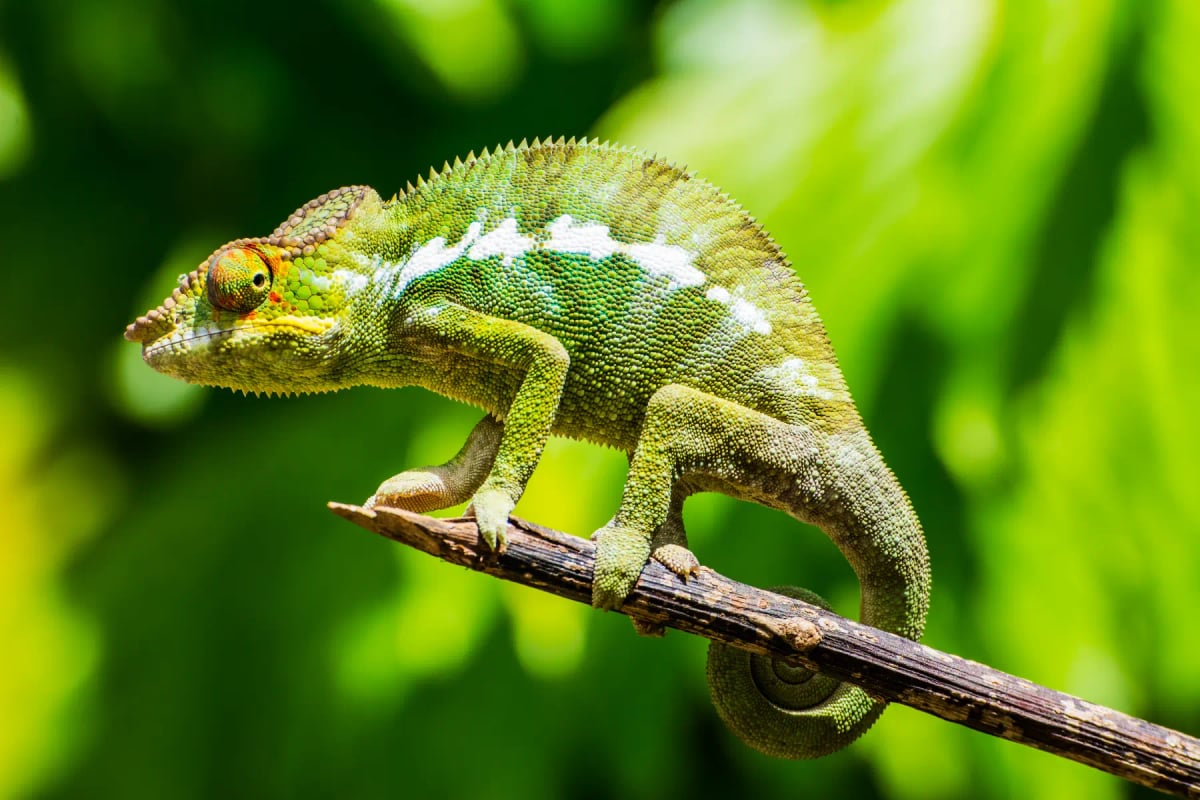
Chameleon
Chamaeleo chamaeleon
In Yemen, the common chameleon is associated with the highlands and coastal escarpments of the west, where more moderate temperatures and shrubby vegetation create suitable conditions. It is far less common in the dry interior lowlands. The species feeds on the insects found in these vegetated zones. Ongoing instability in the country has made any systematic study of its distribution and population status very limited.
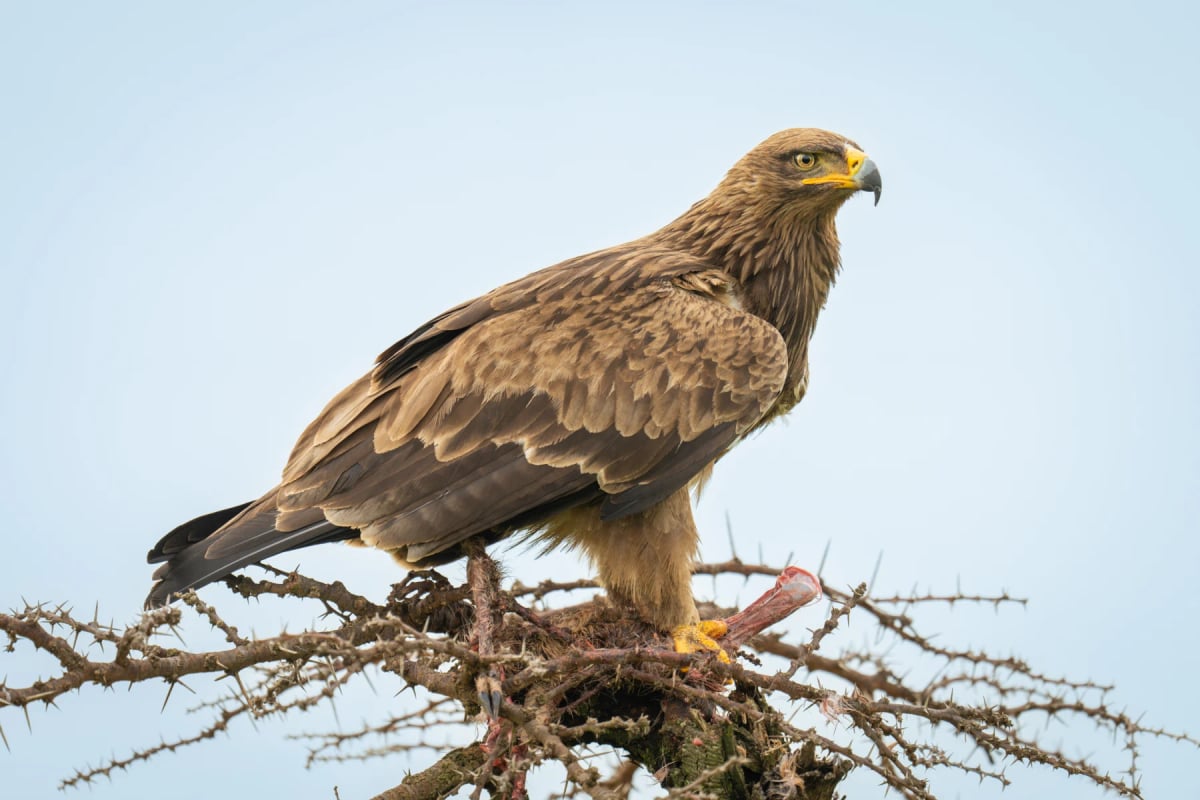
Steppe Eagle
Aquila nipalensis
Yemen lies on the migration route connecting Central Asian breeding grounds with East African wintering areas. Steppe Eagles pass over or through the country each year, crossing the Arabian Peninsula during both autumn and spring movements. The species is Endangered globally, and the ongoing conflict in Yemen has made systematic wildlife monitoring difficult, leaving much about the eagle's use of this corridor still unknown.
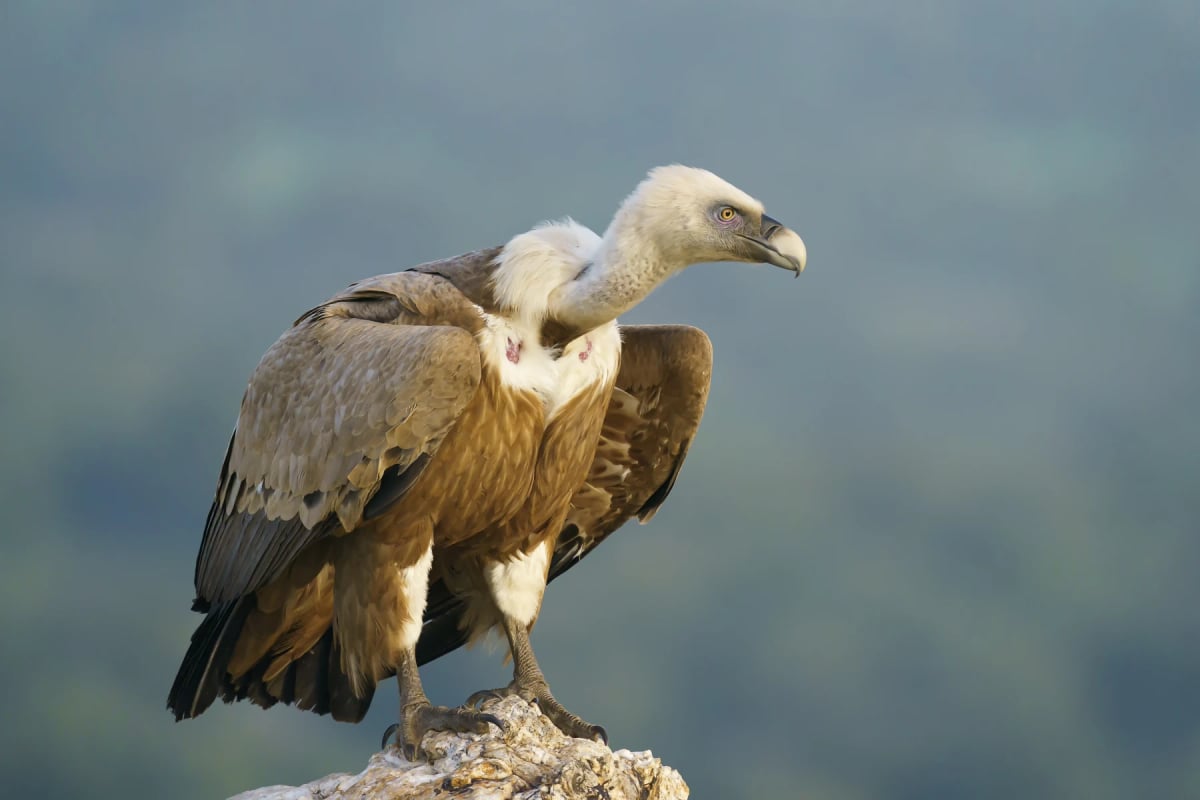
Griffon Vulture
Gyps fulvus
Yemen's rugged mountains and deep wadis provide nesting habitat for griffon vultures, particularly in the western highlands along the Haraz and Sarawat ranges. These birds nest in colonies on steep cliff faces and soar over arid plains in search of carrion. The ongoing conflict in the country has made wildlife monitoring difficult, but griffon vultures remain a visible part of Yemen's skies. IUCN status: Least Concern.
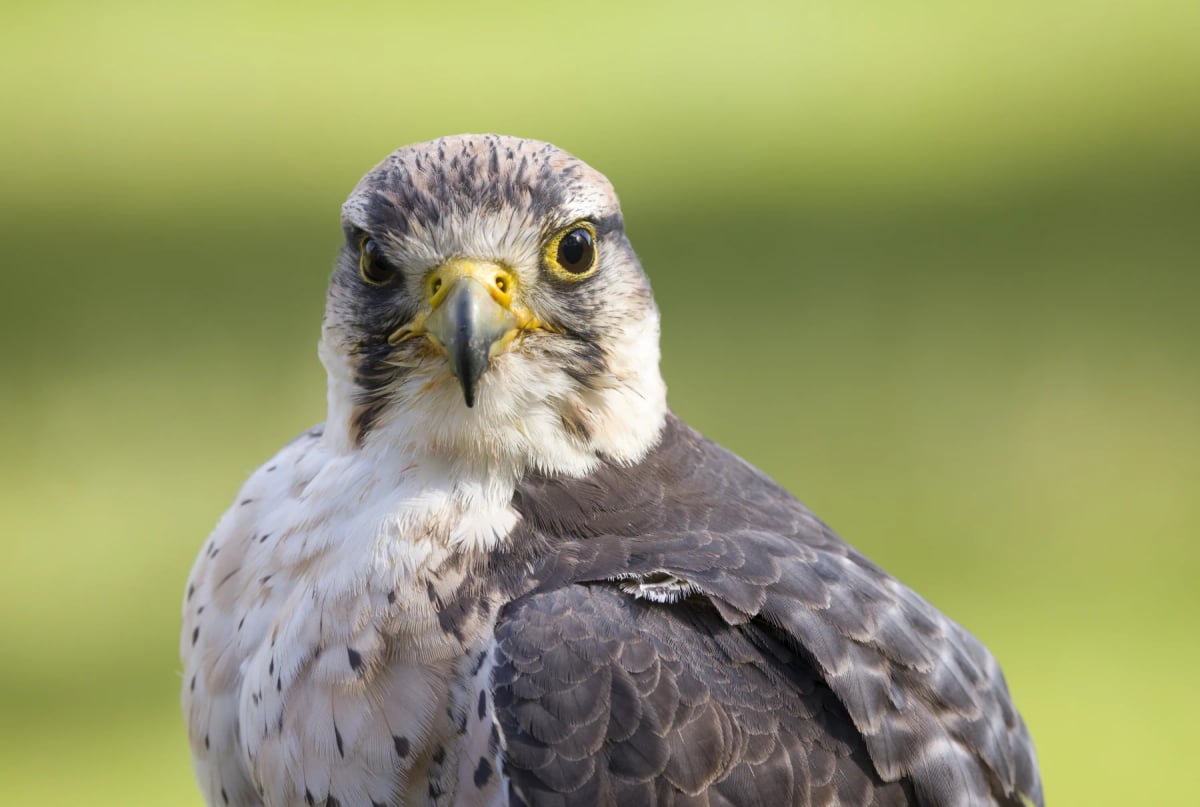
Lanner Falcon
Falco biarmicus
In Yemen, the lanner falcon is found in the highland plateaus, steep wadis, and rocky desert terrain that stretch across much of the country. It nests on cliff ledges and hunts birds across open ground. The species has long been valued in the falconry tradition of the Arabian Peninsula. It holds a Least Concern status with the IUCN, though ongoing conflict limits monitoring efforts.
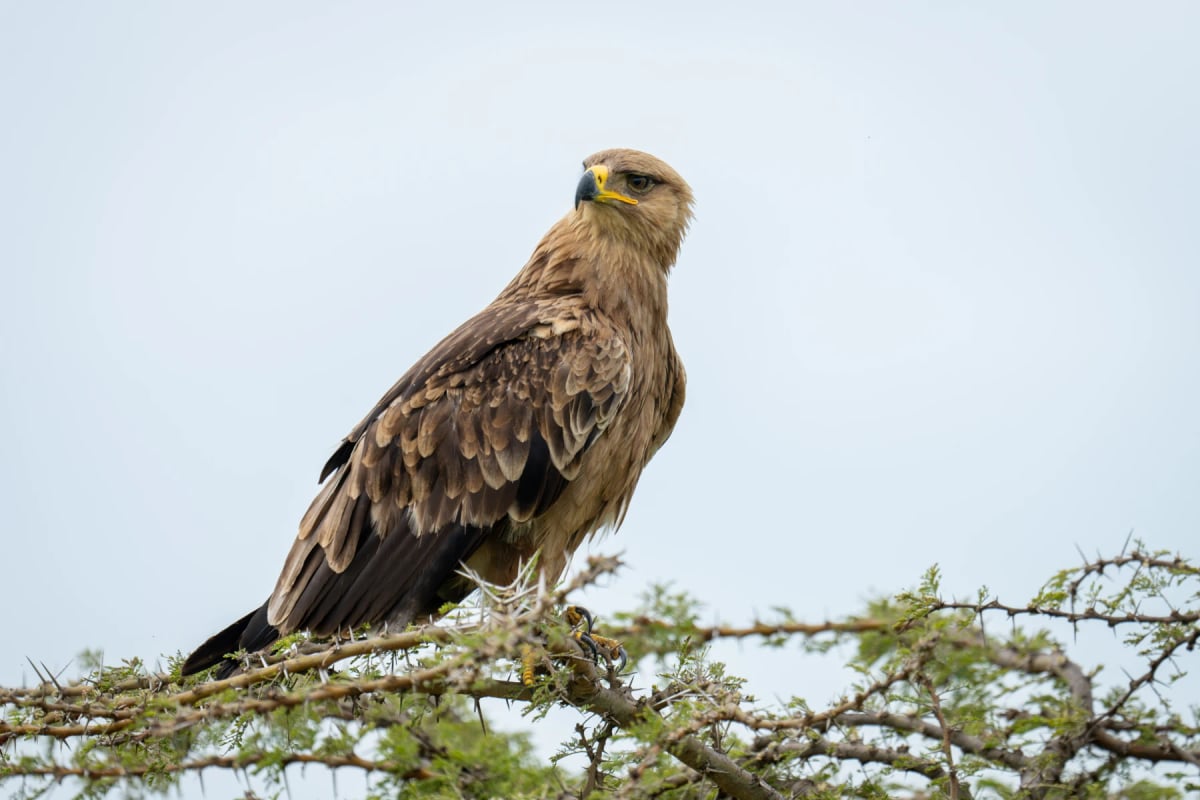
Tawny Eagle
Aquila rapax
The tawny eagle is present in Yemen across arid and semi-arid lowlands, rocky plains, and open scrub areas. It relies on a mix of active hunting and scavenging to survive in this dry environment. The ongoing humanitarian crisis in Yemen has severely limited wildlife monitoring, making it difficult to assess the current state of local eagle populations. The IUCN lists this species as Vulnerable.
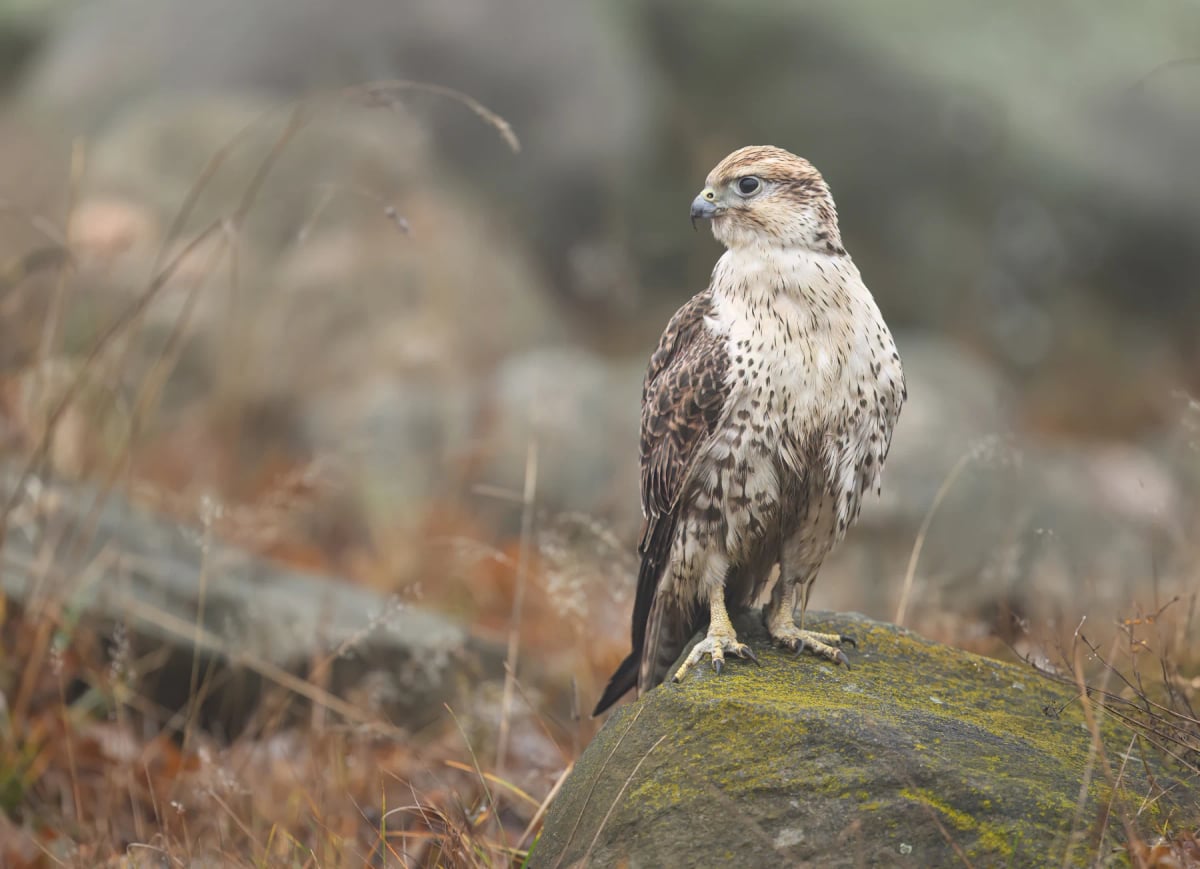
Saker Falcon
Falco cherrug
Yemen serves as a wintering ground for saker falcons migrating south from their Central Asian and Eastern European breeding areas. The species moves through and into the Arabian Peninsula each year, and Yemen's varied landscapes offer stopover and foraging habitat along the way. Demand for sakers in the falconry trade has long put pressure on the species throughout this region. The IUCN lists it as Endangered.
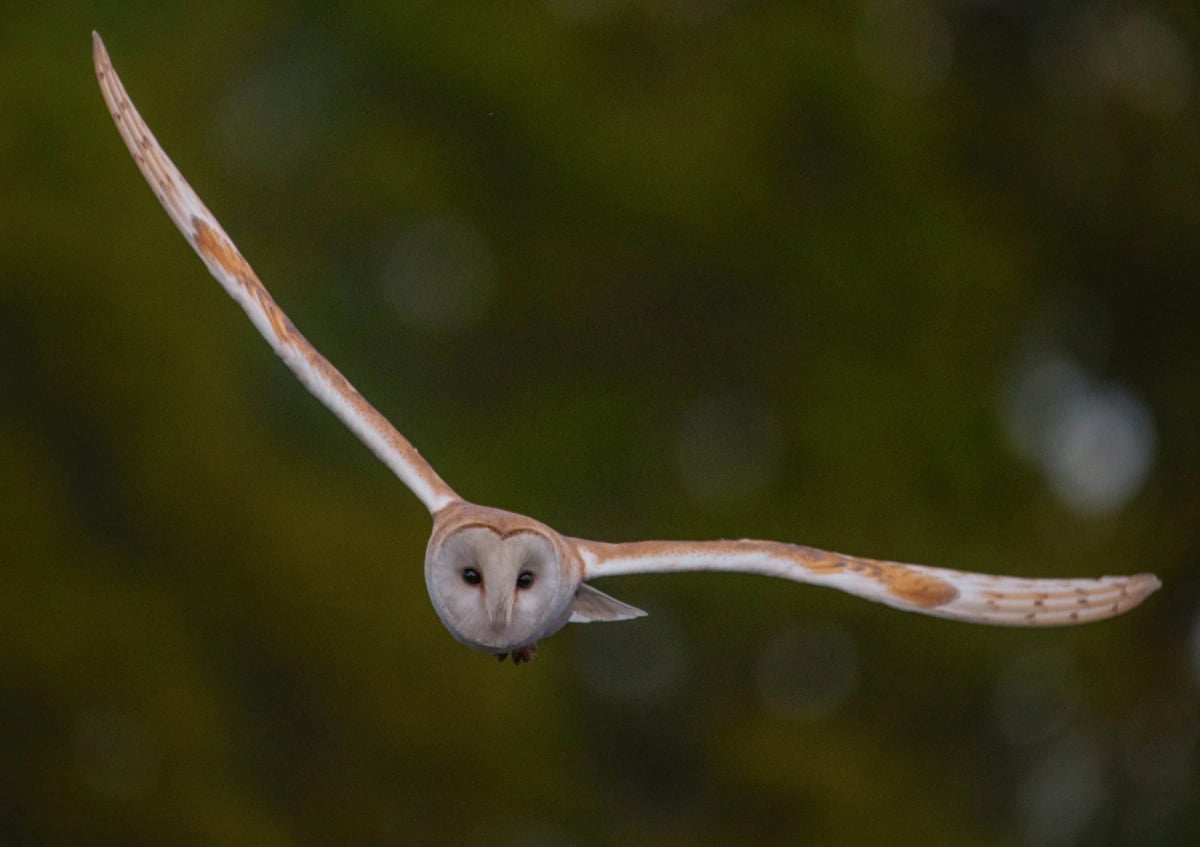
Barn Owl
Tyto alba
The barn owl is found in Yemen in open farmland, wadis, and areas near villages and towns from the coastal Tihama plain and the western highlands to the desert fringes of the interior. It nests in old buildings, cliff faces, and rocky outcrops, and hunts rodents and other small prey at night. The terraced agricultural landscapes of the Yemeni highlands, among the most ancient in the world, provide reliable habitat. In farming communities across the country it offers natural control of the rodent populations that damage stored grain.
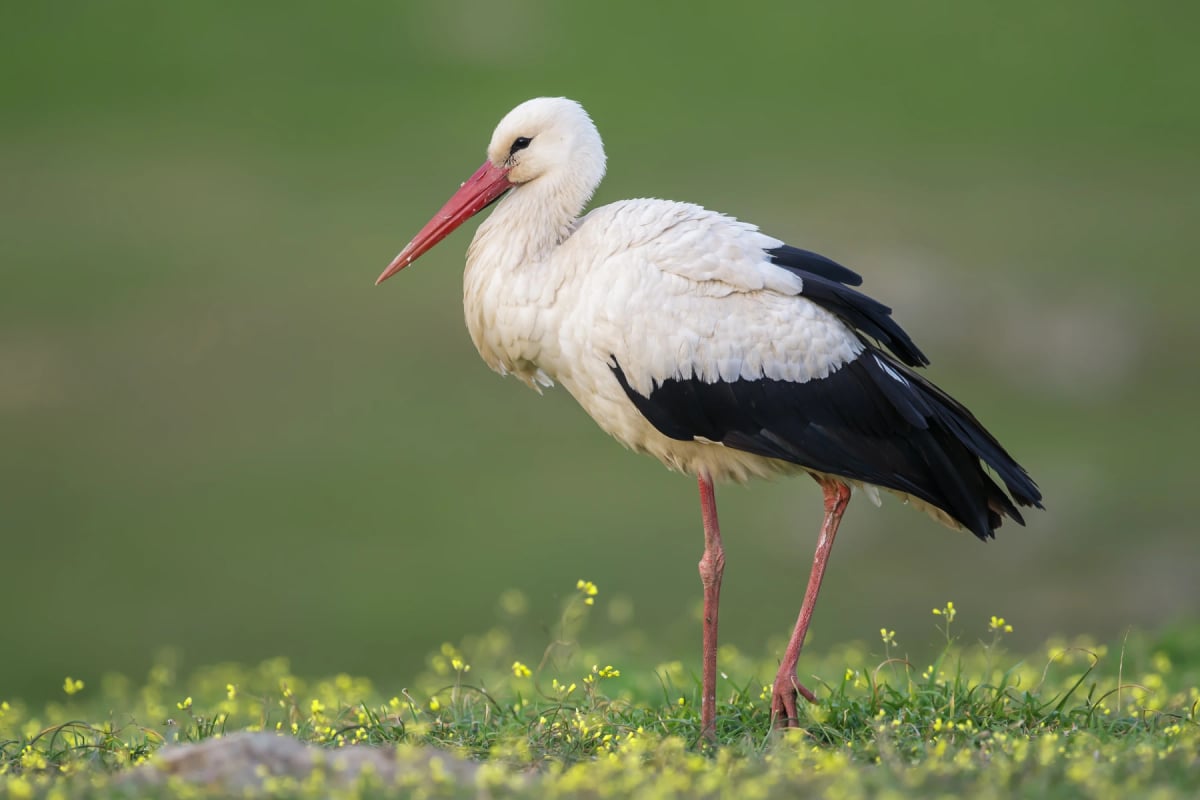
Stork
Ciconia ciconia
Yemen sits on the migratory route between the Horn of Africa and the Arabian Peninsula, and white storks have been recorded passing through during seasonal movements. Open valleys and agricultural areas in the highlands can offer temporary feeding stops for birds on the move. The species is not a regular breeder here, but migratory records confirm its passage. Ongoing conflict has made detailed wildlife monitoring in Yemen extremely difficult in recent years. IUCN status: Least Concern.
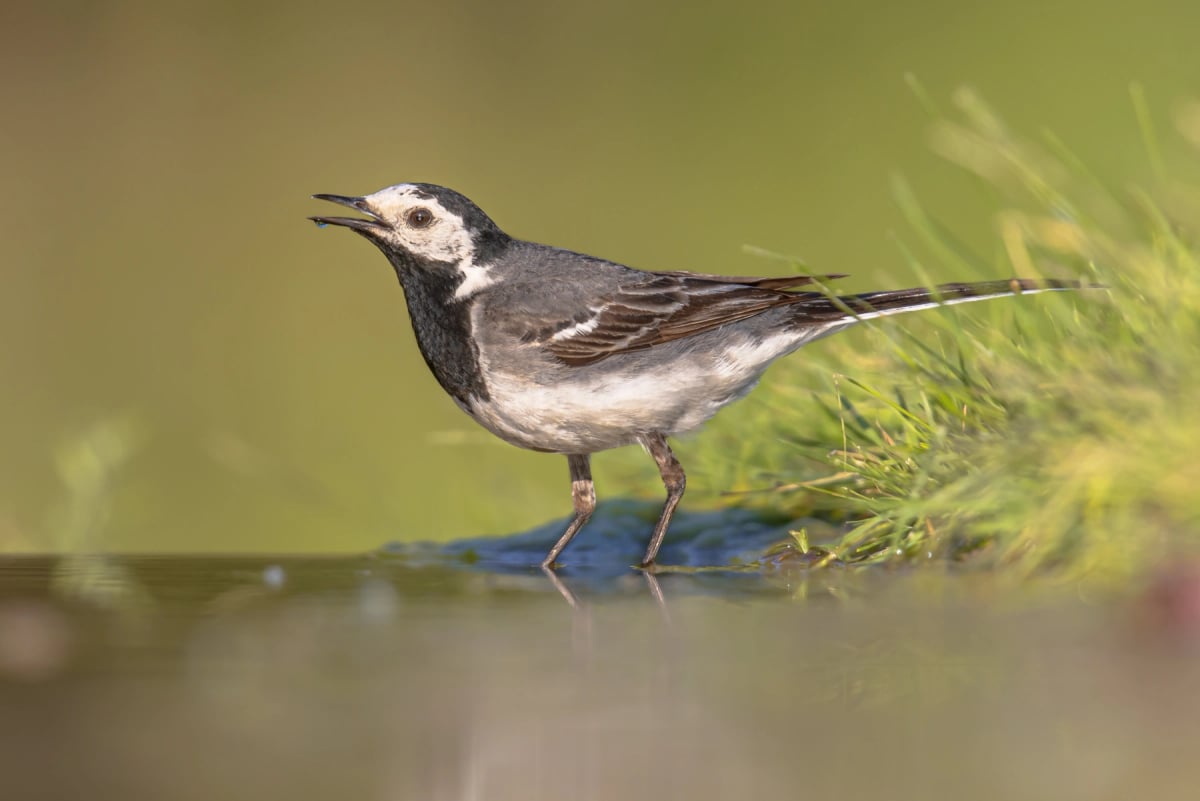
White Wagtail
Motacilla alba
Small black, white and grey bird with a slender tail that bobs up and down as it walks and feeds along the edges of water and open ground.
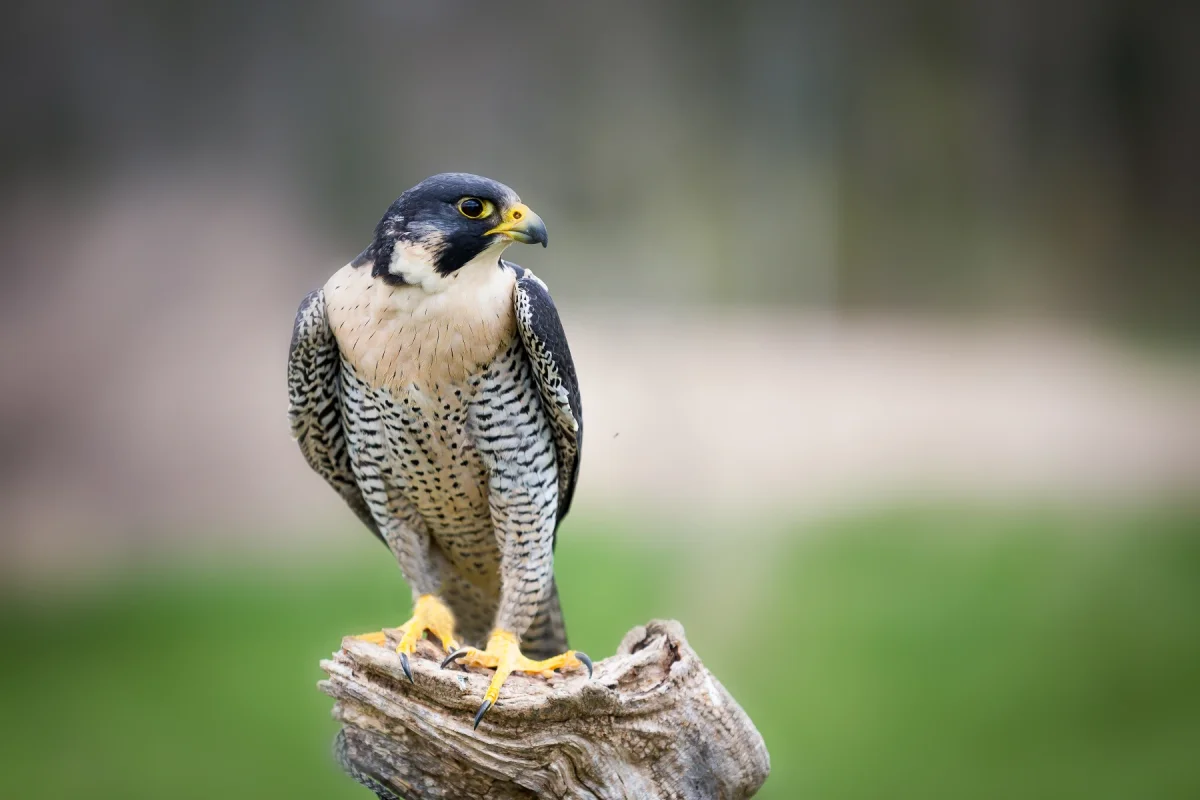
Peregrine Falcon
Falco peregrinus
The peregrine falcon passes through Yemen during migration, following routes along the Red Sea coast and over the Arabian Peninsula. Coastal cliffs and rocky escarpments in the western highlands offer resting points for birds moving between Africa and Asia. Yemen sits on a significant flyway, and falcons can be spotted riding thermals over rugged terrain. The species holds the status of Least Concern globally.
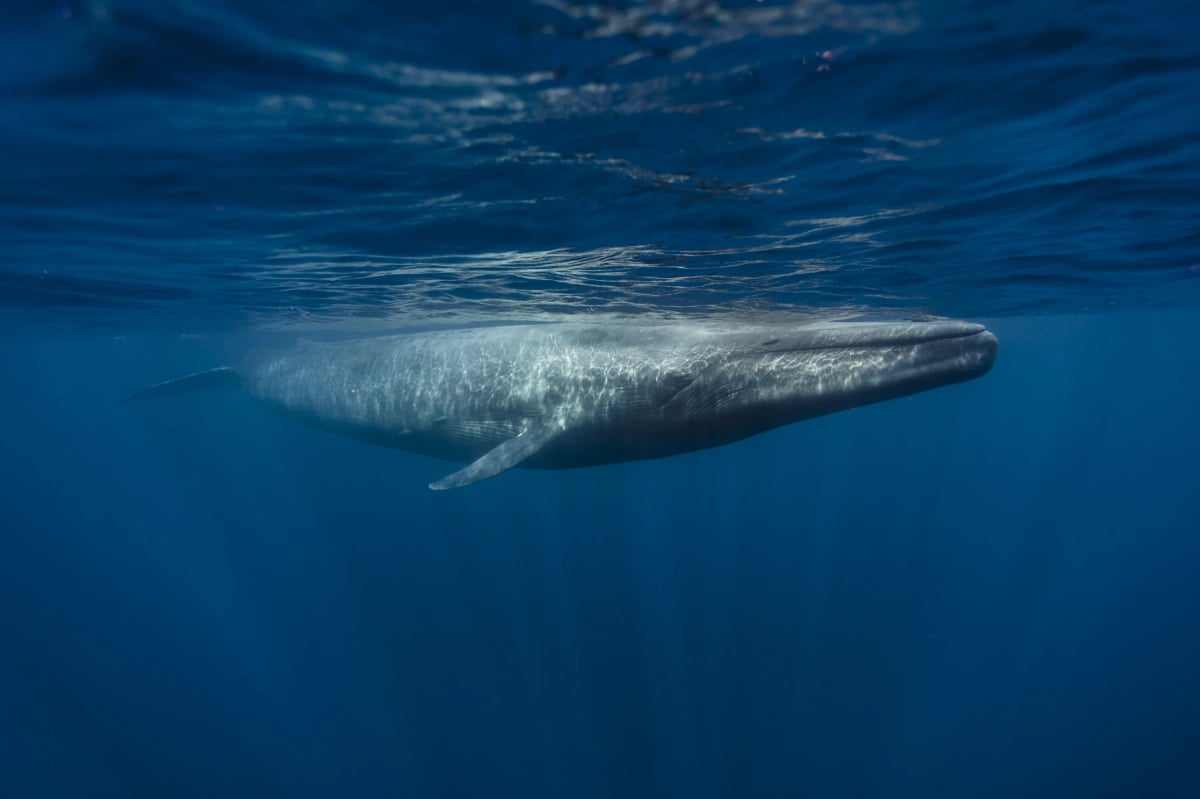
Blue Whale
Balaenoptera musculus
The waters surrounding Yemen, including the Arabian Sea and the Gulf of Aden, fall within the range of blue whales found in the Northern Indian Ocean. This population is considered genetically distinct from other groups worldwide. The region's chronic instability and limited marine monitoring make conservation particularly challenging, yet protecting these whales from vessel traffic and fishing activity remains an important regional priority.
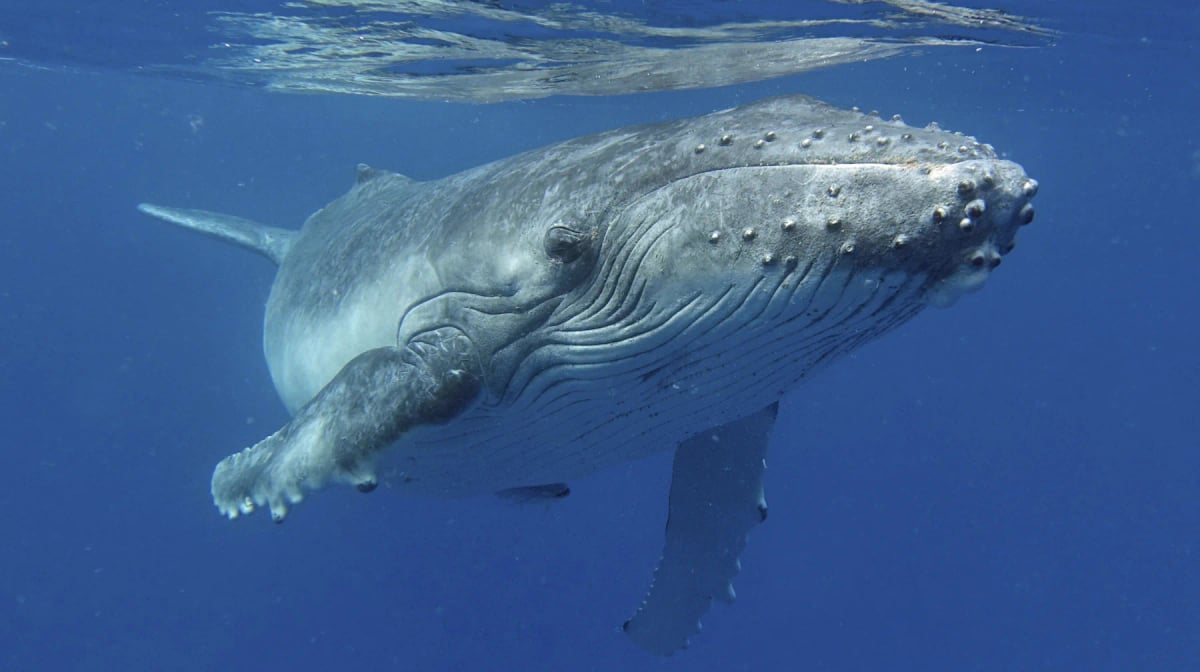
Humpback Whale
Megaptera novaeangliae
Humpback whales have been recorded in the Arabian Sea off the coast of Yemen, where a unique population is known to reside year round rather than undertaking the long migrations typical of the species elsewhere. This Arabian Sea population is considered isolated and is regarded as one of the smallest humpback whale populations in the world. Yemen's waters in the Gulf of Aden also fall within the broader range of this remarkable species.
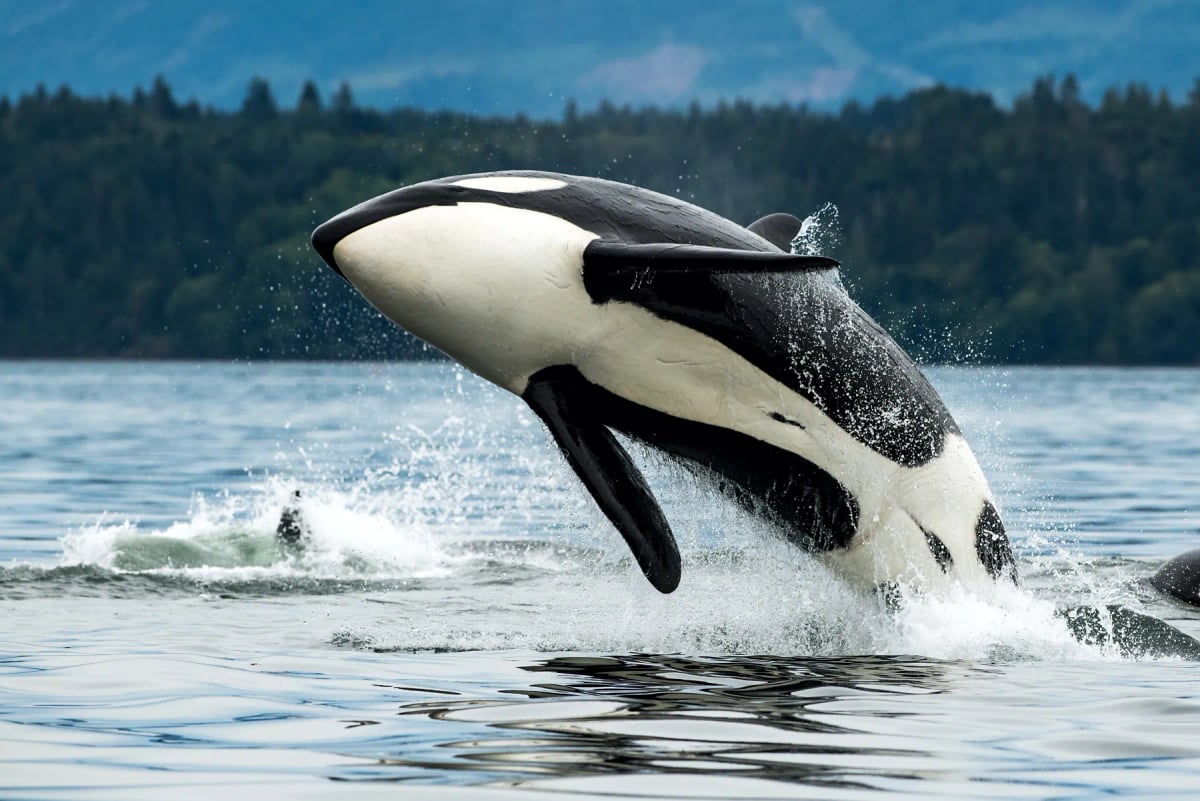
Orca
Orcinus orca
Orcas have been recorded in the Arabian Sea and Gulf of Aden, both of which border Yemen. These deep, open waters can support pods on wide-ranging journeys across the Indian Ocean. Yemen's prolonged conflict has made marine research in the region extremely difficult, so the frequency and behavior of orca visits to Yemeni waters are not well documented by scientists.
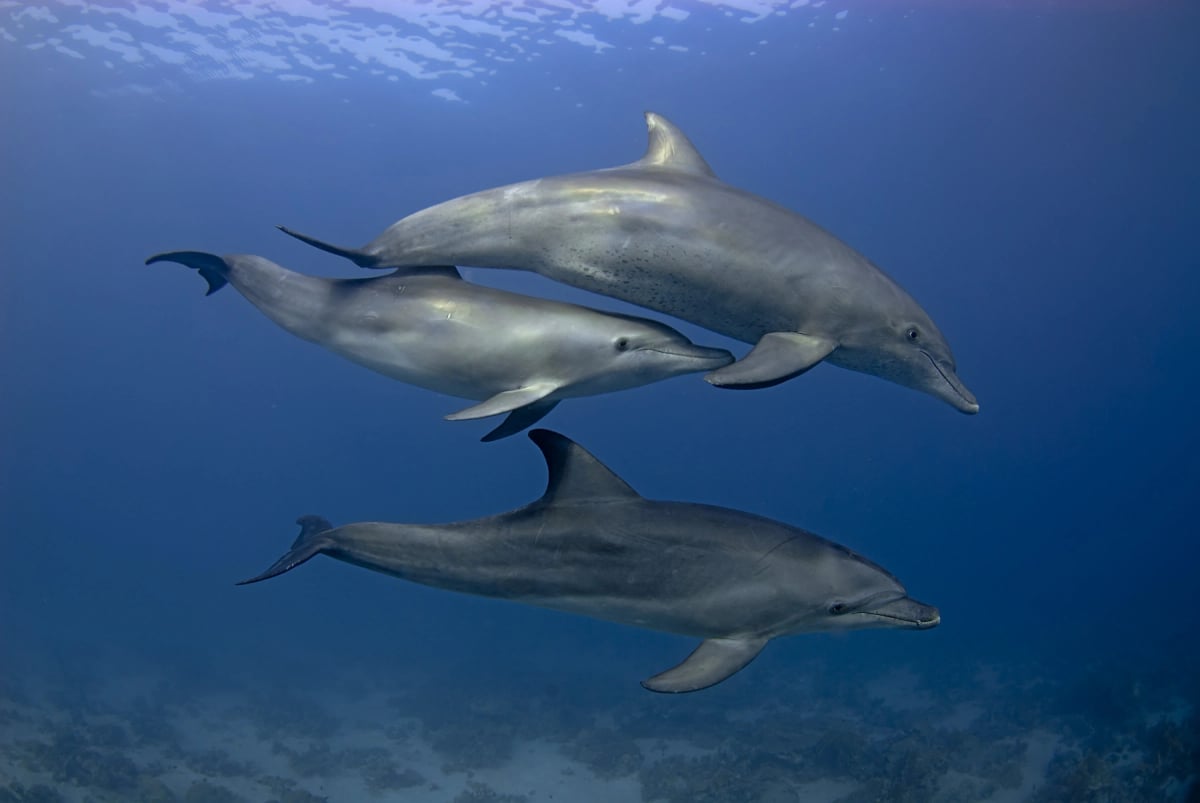
Bottlenose Dolphin
Tursiops truncatus
Bottlenose dolphins inhabit both the Red Sea coast and the Arabian Sea shoreline of Yemen, where warm waters and productive upwelling systems support healthy fish populations. They are observed in coastal bays and around the Socotra Archipelago, a region of exceptional marine biodiversity. Ongoing conflict in Yemen has severely limited scientific monitoring of marine wildlife. The IUCN lists the species as Least Concern.
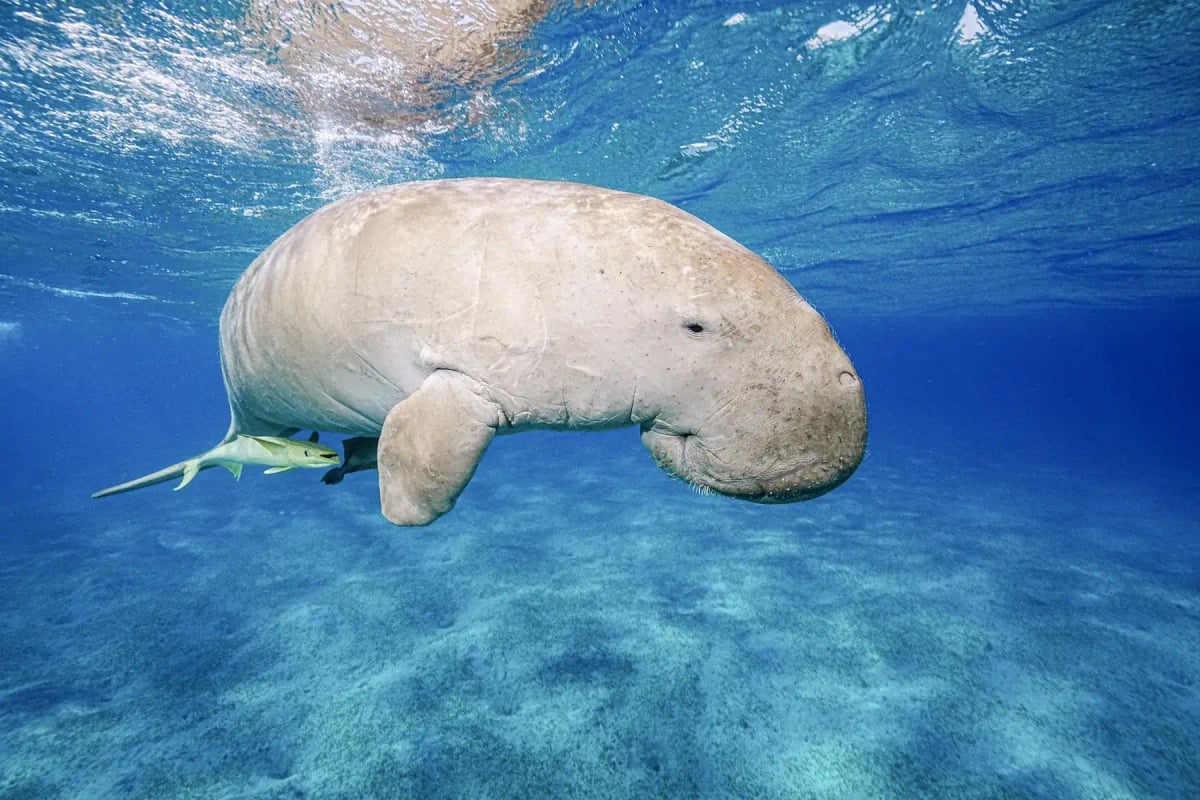
Dugong
Dugong dugon
Yemen's coastline along the Red Sea and the Gulf of Aden provides habitat for dugongs, where seagrass meadows grow in shallow inshore waters. The Socotra Archipelago, a UNESCO World Heritage Site, is considered a particularly significant area for marine biodiversity in Yemen, including dugongs. Ongoing conflict in the country has made systematic wildlife monitoring extremely difficult, leaving the true status of dugong populations largely unknown.
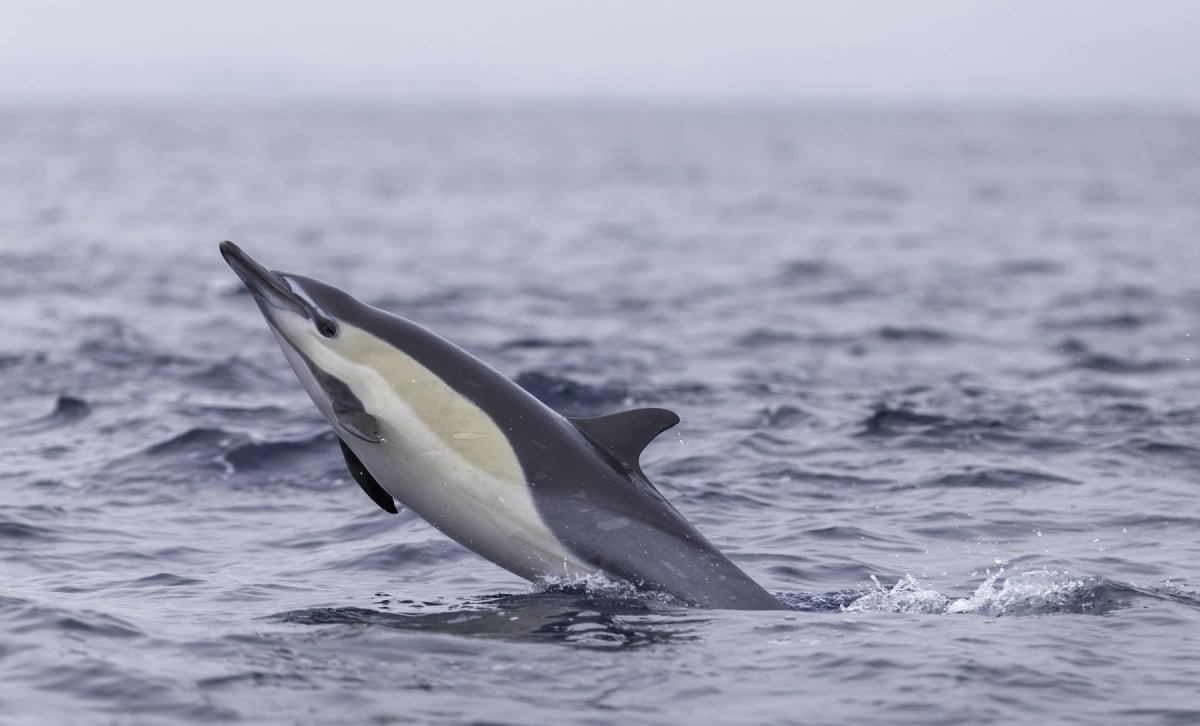
Common Dolphin
Delphinus delphis
Common dolphins inhabit the waters surrounding Yemen, including the Red Sea, the Gulf of Aden, and the Arabian Sea coast. These seas support diverse marine life, and common dolphins feed on fish and squid in both coastal and offshore environments. The Gulf of Aden in particular is a biologically rich corridor between the Indian Ocean and the Red Sea. Ongoing regional instability has limited scientific monitoring of cetacean populations in Yemeni waters.
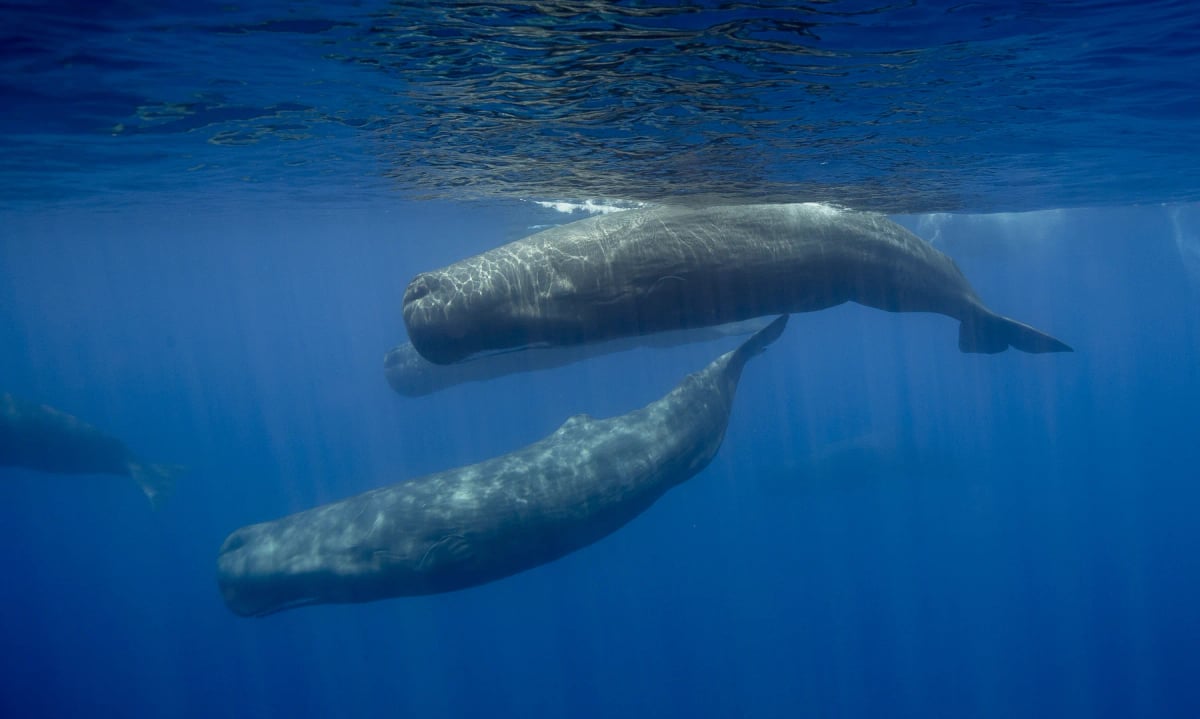
Sperm Whale
Physeter macrocephalus
Sperm whales are present in the Arabian Sea and the Gulf of Aden off the coast of Yemen, waters known for their great depth and rich marine life. Research has identified a distinct population of sperm whales in the Arabian Sea that appears to remain in the region year round. Ongoing conflict in Yemen has made conservation efforts difficult, leaving these whales with little protection from fishing gear and vessel activity.
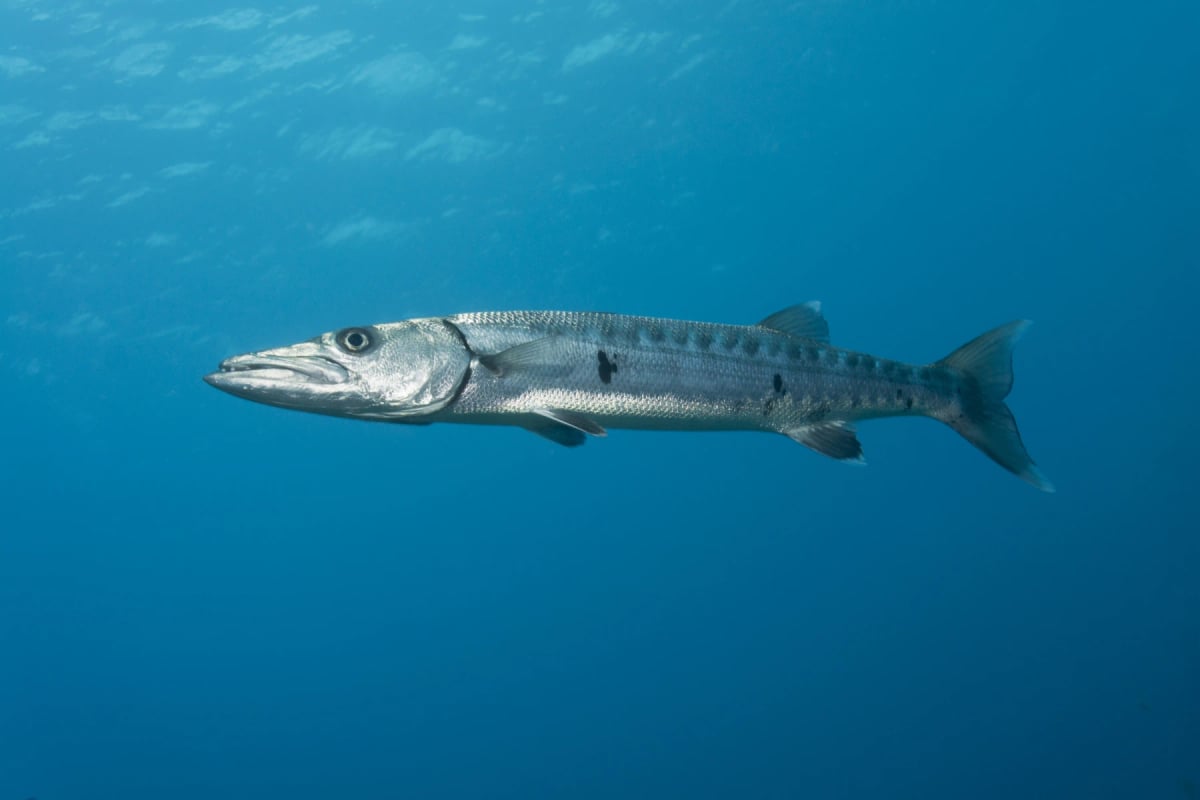
Barracuda
Sphyraena spp.
Barracudas are found in Yemen's coastal waters along both the Red Sea coast and the Gulf of Aden, inhabiting coral reefs, rocky coastlines, and open coastal areas. The Red Sea coast in particular hosts coral reef systems where several barracuda species, including the great barracuda and schooling chevron barracuda, are regularly encountered. Yemen's remote southern reefs and the waters around the Socotra Archipelago, a UNESCO World Heritage site with exceptional marine biodiversity, support particularly rich barracuda populations far from fishing pressure.
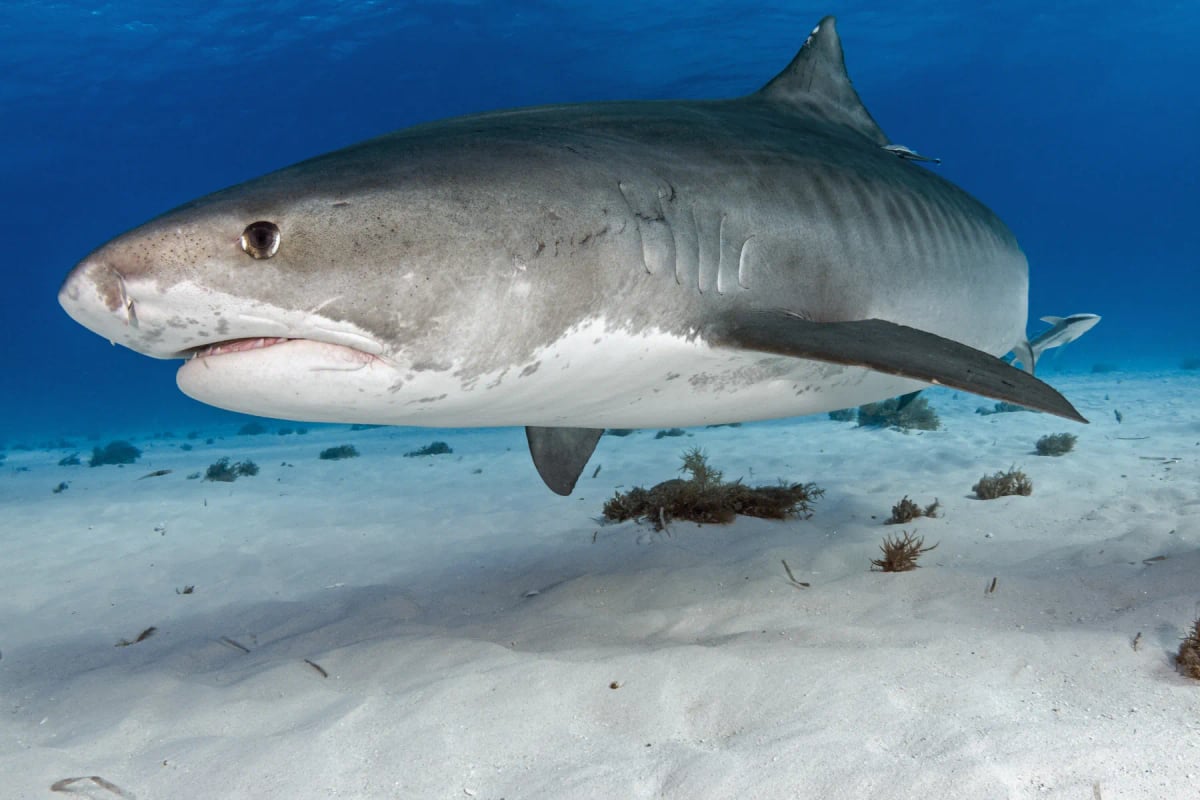
Tiger Shark
Galeocerdo cuvier
Yemen's coastline spans both the Red Sea and the Gulf of Aden, two bodies of water where tiger sharks are known to occur. These warm, tropical seas offer the shallow coastal zones, reef systems, and open water corridors that this species favours. Artisanal and commercial fishing in Yemeni waters has historically included sharks, though ongoing conflict has disrupted both fishing activity and conservation monitoring in the region. The IUCN lists the tiger shark as Near Threatened.
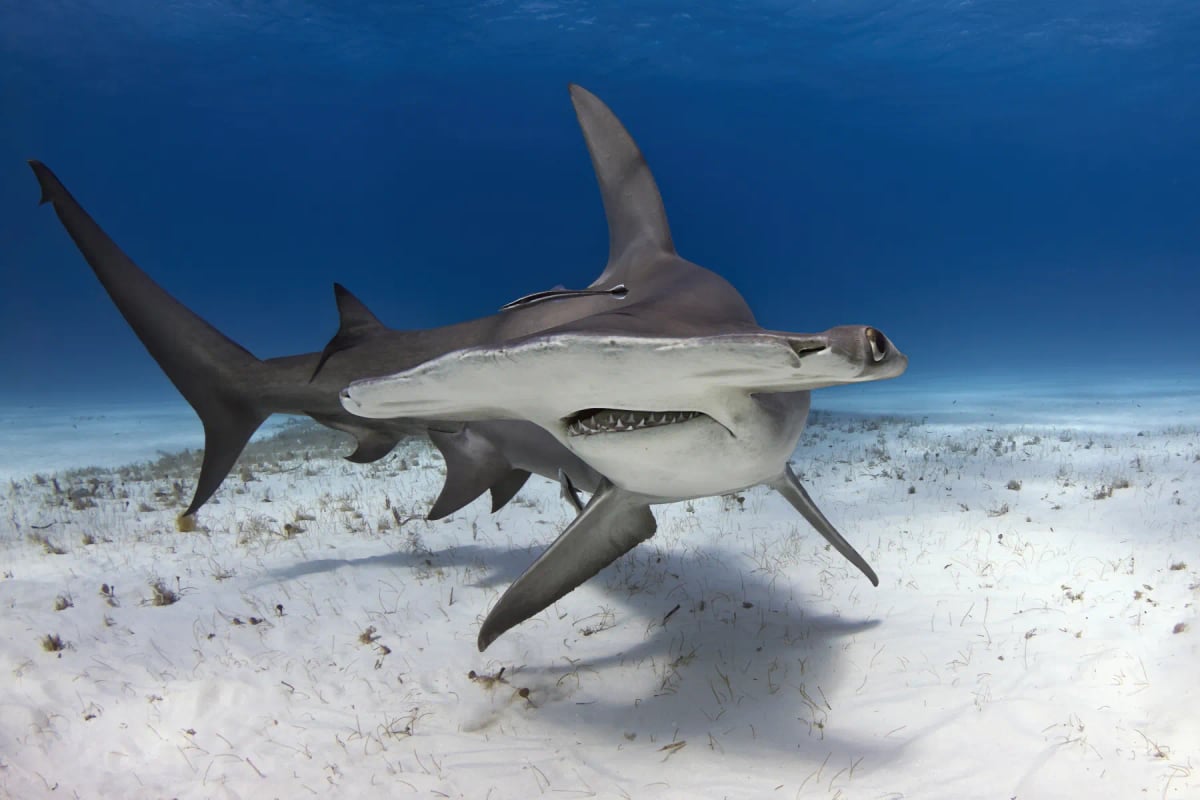
Hammerhead Shark
Sphyrna spp.
Hammerhead sharks are present in Yemeni waters across both the Red Sea and the Gulf of Aden. These seas are rich in marine biodiversity and provide important feeding grounds for sharks. Years of conflict have weakened Yemen's capacity to enforce fishing regulations, leaving shark populations with little protection. Unsustainable fishing and the fin trade continue to threaten hammerheads throughout the region.
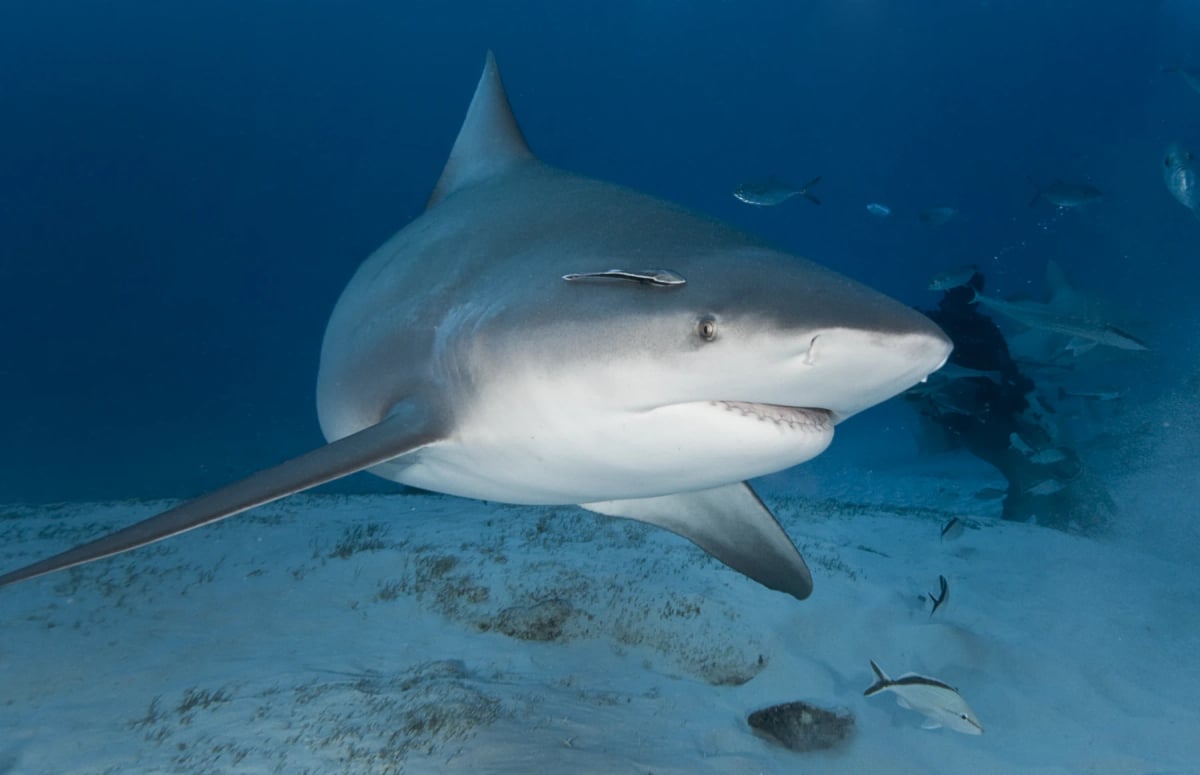
Bull Shark
Carcharhinus leucas
Bull sharks inhabit Yemen's coastal waters along both the Red Sea and the Gulf of Aden, where warm, shallow inshore habitats support a range of prey species. Estuarine zones near seasonal river outlets provide additional suitable habitat. Ongoing conflict in the region has limited scientific monitoring, but fishing pressure remains a concern for shark populations. Their Near Threatened IUCN status reflects risks across the broader Arabian Sea region.
Researched and written by Juan Pablo. Sources: IUCN Red List, scientific literature and regional field guides. Last updated: .