Animals in Togo
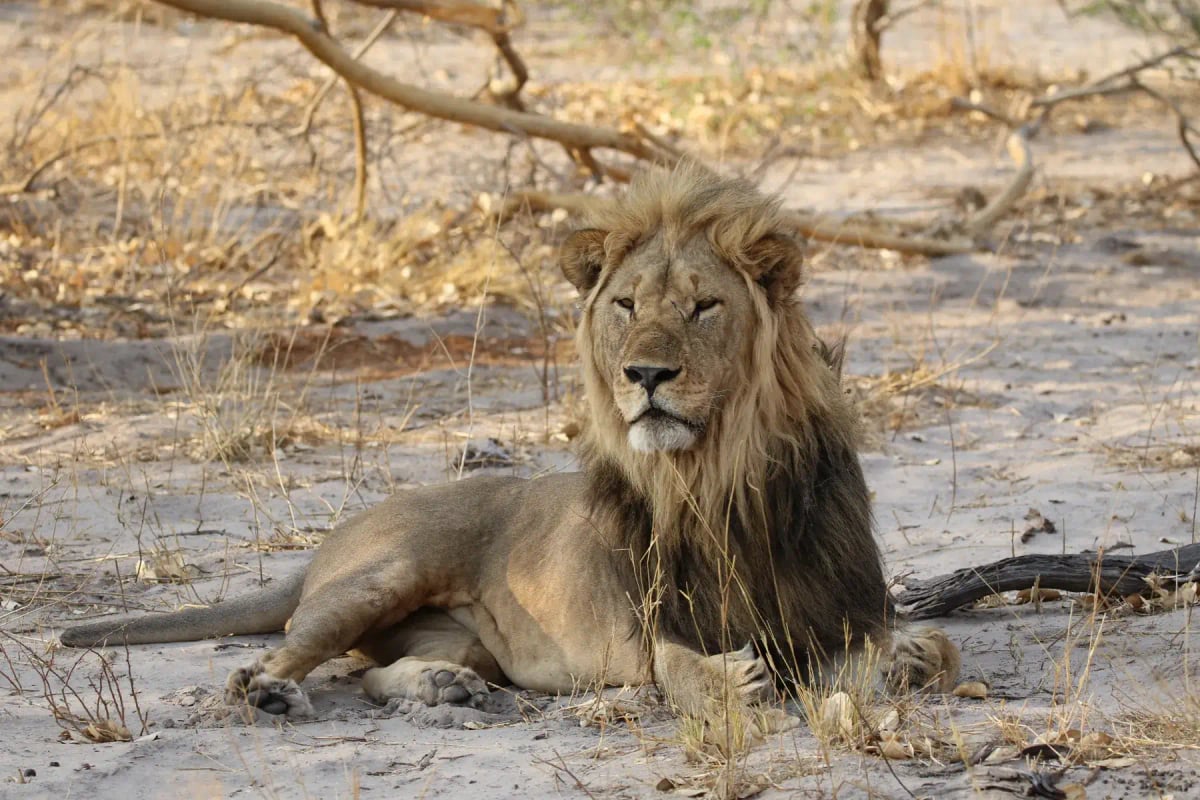
Lion
Panthera leo
The lion has been Togo's national symbol since independence, appearing as a pair of red lions on the country's coat of arms adopted in 1962. The two lions represent the bravery and resilience of the Togolese people, each armed with bow and arrow as a symbol of active defense of freedom. Like many African nations that chose the lion as a national emblem, Togo made this choice at a time when lions still roamed parts of the country. Today lions are functionally extinct in Togo, their disappearance driven by hunting and the loss of the savanna habitat they once occupied in the north.
View details→Wildlife in Togo
Togo packs a surprising range of habitats into a narrow country stretching from the Gulf of Guinea to the Sahel. The south is defined by coastal lagoons, mangrove forests and beaches that support manatees, dolphins and coastal birds. Moving inland, the Togo Mountains shelter chimpanzees, forest elephants and a rich bird community including the national bird, the African grey parrot. The north opens into savanna and gallery forests where hippos, buffaloes, kobs and raptors thrive. Fazao-Malfakassa National Park in the center is the largest protected area and the main destination for wildlife watching in the country.
Most Dangerous Animals in Togo
Togo's most dangerous encounters are concentrated around its rivers and wetlands. Hippos are responsible for more human deaths in Africa than any other large mammal and Togo's river systems, particularly the Oti in the north and the Mono in the center and south, hold resident populations that should never be approached by boat or on foot near the water. Buffaloes in the northern parks can be aggressive if surprised at close range. In the south, bull sharks enter river mouths and coastal lagoons and have been recorded in the Gulf of Guinea region. Forest elephants in the center warrant careful distance.
Top 10 Animals in Togo
Togo rewards wildlife travelers with variety across its climate zones. In the south, coastal lagoons and mangrove forests are the best places to encounter African manatees and waterbirds, while boat trips off the coast occasionally yield humpback whales and dolphins. The Togo Mountains in the center hold chimpanzees and the African grey parrot in patches of gallery and montane forest. The northern savanna is where large mammals concentrate: hippos along the Oti River, buffalo herds, kobs, hartebeest and the remnant elephant population connected to the WAP transboundary complex across the borders with Benin and Burkina Faso.
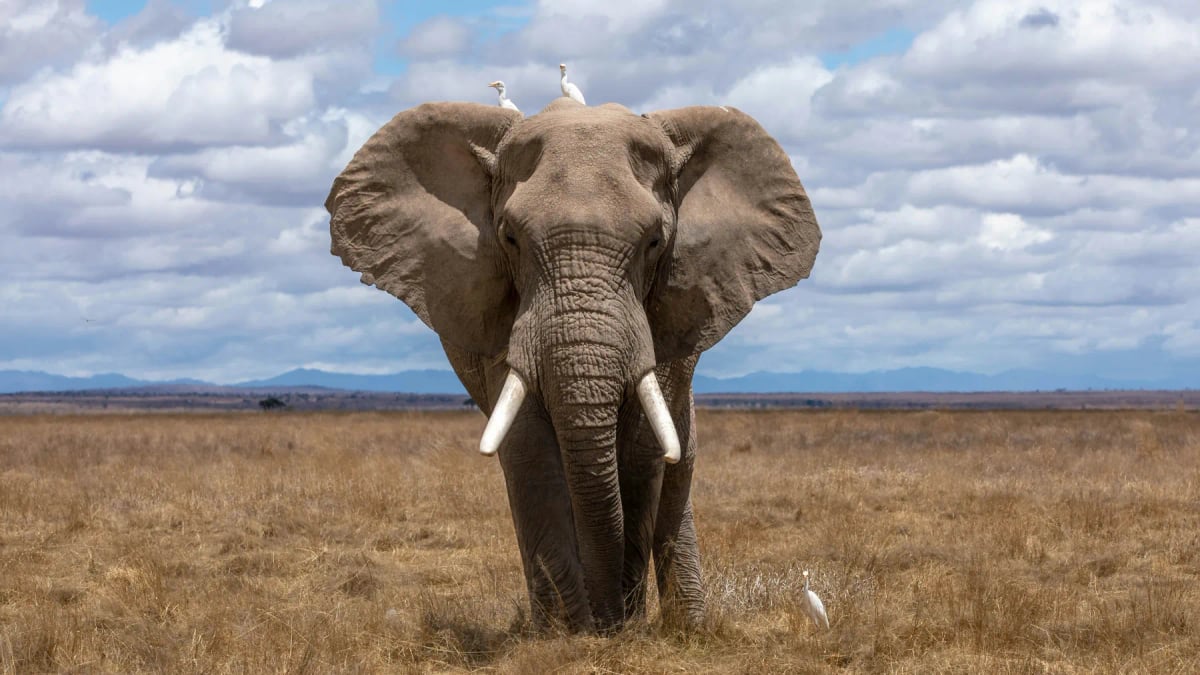
African Elephant
Loxodonta africana
Togo has one of the smallest elephant populations in West Africa, with only a few dozen individuals surviving in the northern savanna zone. These elephants are connected to the broader WAP complex and move between Togo, Benin and Burkina Faso, rarely remaining within Togo's borders for extended periods. The country's narrow shape limits the amount of contiguous habitat available, and the population depends entirely on the health of the wider transboundary landscape to survive.
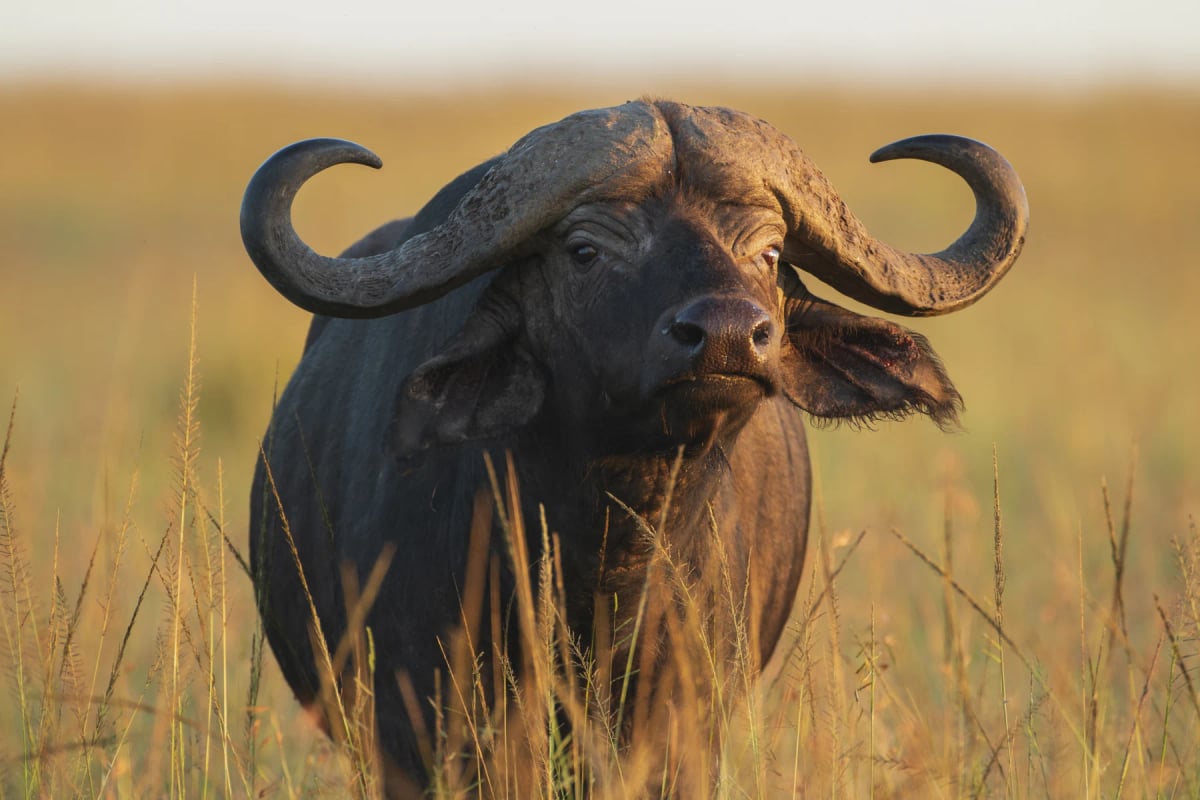
Buffalo
Syncerus caffer
Buffalo in Togo are largely confined to the Pendjari-Arly-W transboundary complex in the north, which Togo shares with Benin and Burkina Faso. This network of protected areas forms one of the last strongholds for large mammals in West Africa. Habitat loss and poaching have reduced buffalo numbers across the region, making cross-border conservation cooperation essential for keeping viable populations in Togolese territory. IUCN status: Least Concern.
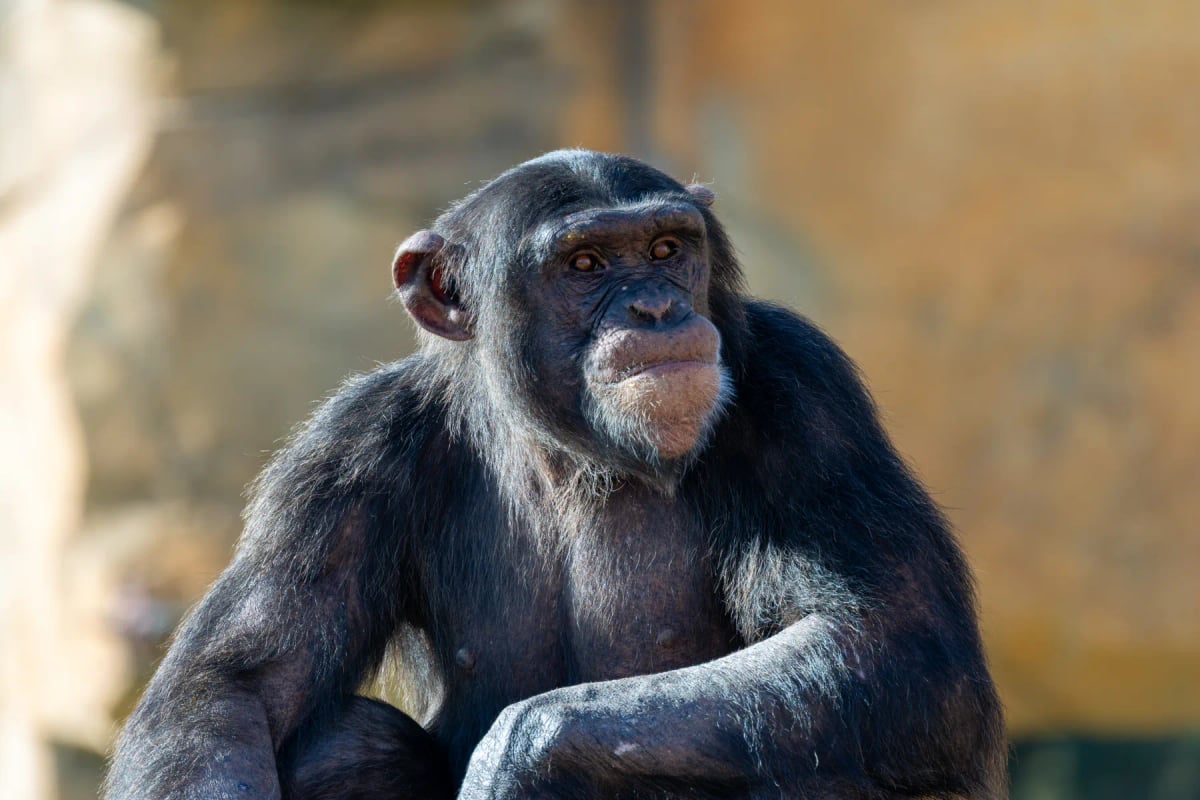
Chimpanzee
Pan troglodytes
Chimpanzees in Togo survive in very small and fragmented populations, largely confined to gallery forests and forest remnants in the western highlands near the Fazao-Malfakassa National Park. Heavy deforestation and agricultural expansion have drastically reduced their habitat over recent decades. Togo's chimpanzee population is considered one of the most vulnerable in West Africa, and urgent conservation action is needed to prevent local extinction.
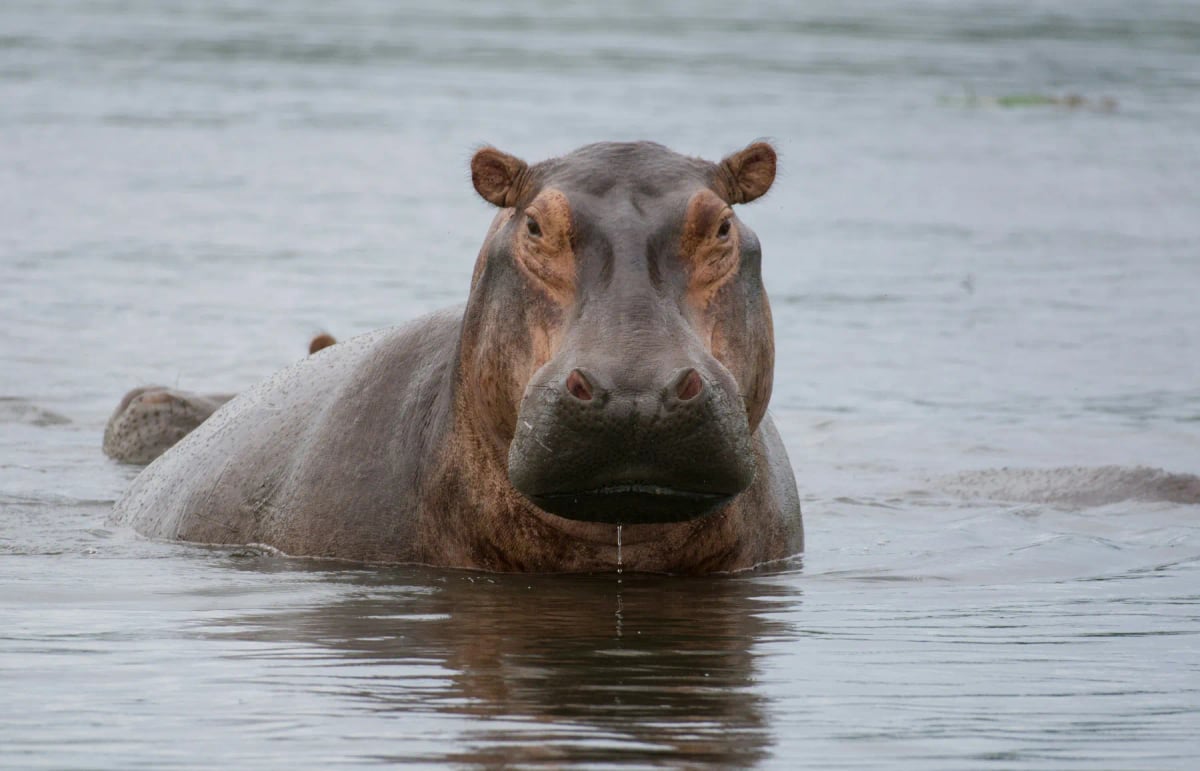
Hippopotamus
Hippopotamus amphibius
In Togo, hippos are present in small and scattered numbers, mainly in the Mono River basin and around Fazao-Malfakassa National Park in the center of the country. Habitat pressure from agriculture and human settlement along riverbanks has reduced suitable territory over time. Their population in Togo is considered small compared to neighboring countries, and ongoing monitoring is limited. The IUCN lists them as Vulnerable.
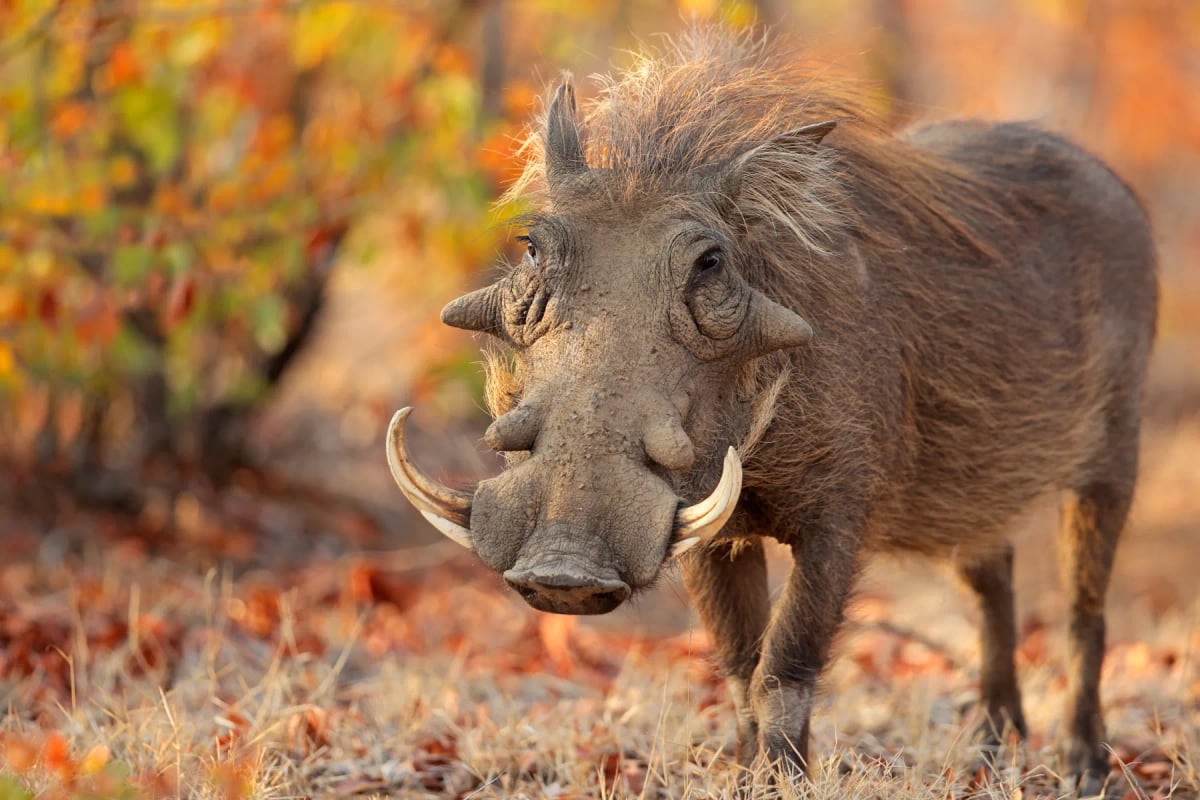
Warthog
Phacochoerus africanus
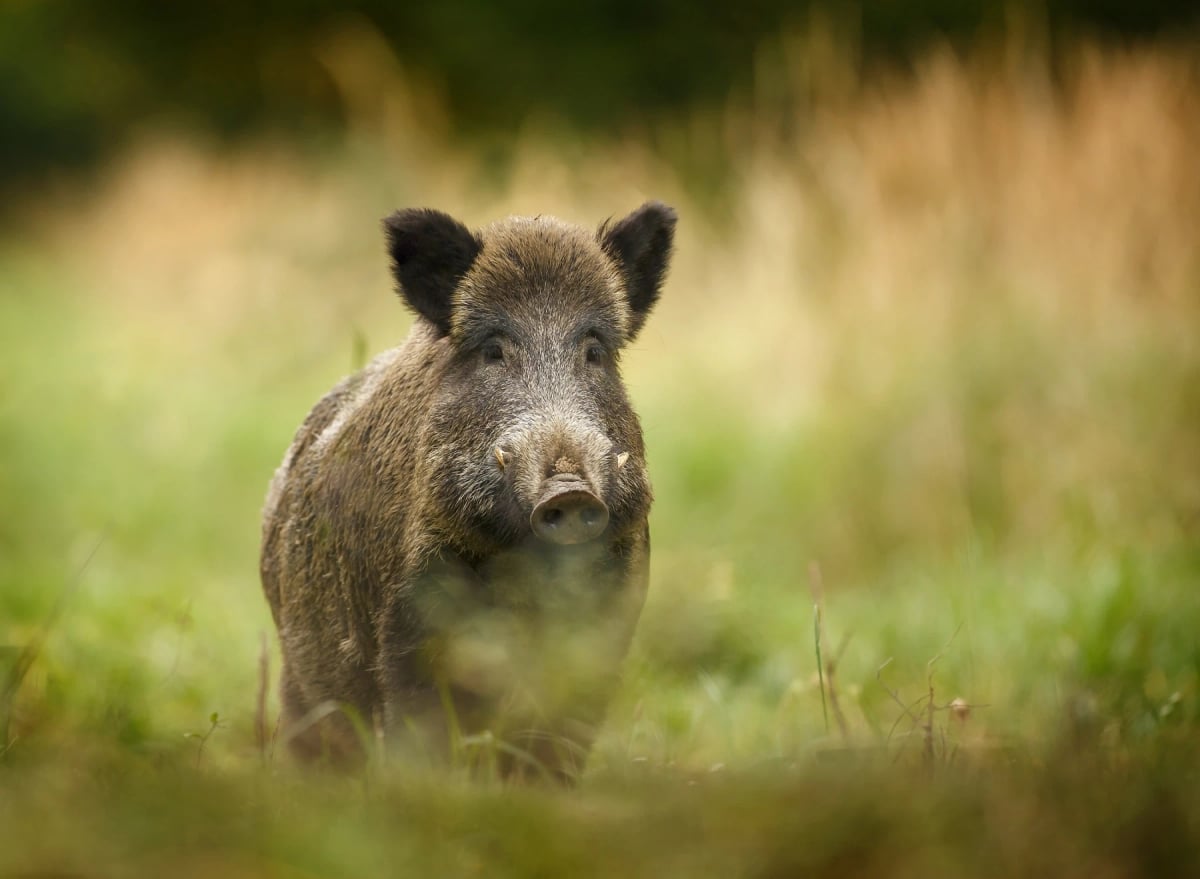
In Togo, warthogs are found mainly in the northern savanna regions, including the area around Fazao-Malfakassa National Park. Habitat loss from expanding agriculture puts some pressure on wildlife in this part of West Africa, but warthogs are adaptable animals and can persist in fragmented landscapes. They remain part of the local fauna and are occasionally spotted near farmland edges as well as protected areas.
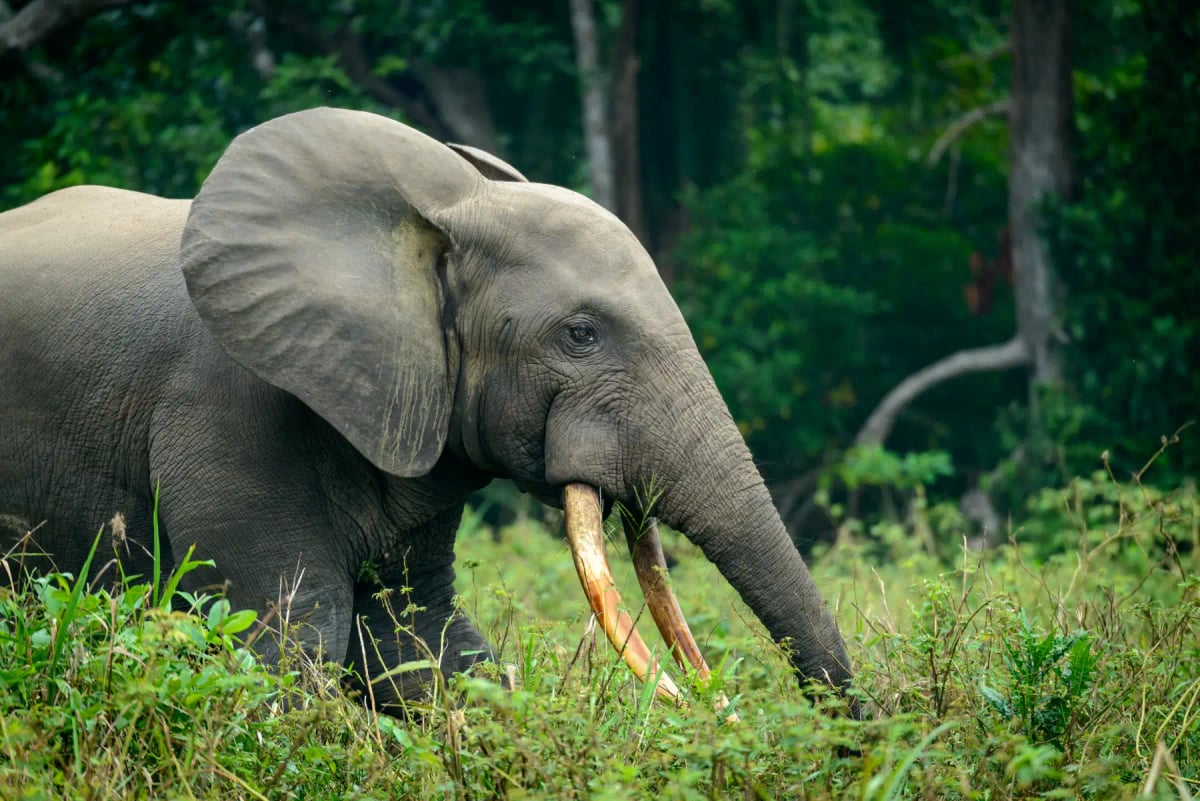
African Forest Elephant
Loxodonta cyclotis
Togo sits at the far western edge of the African forest elephant's range and any population in the country is extremely small, largely dependent on movements across the border with Benin through the Pendjari ecosystem. The country's forest cover is limited and heavily degraded, leaving little suitable habitat outside the border zone. Togo is considered a marginal range country for the species, with no confirmed resident breeding population and very few documented sightings in recent years.
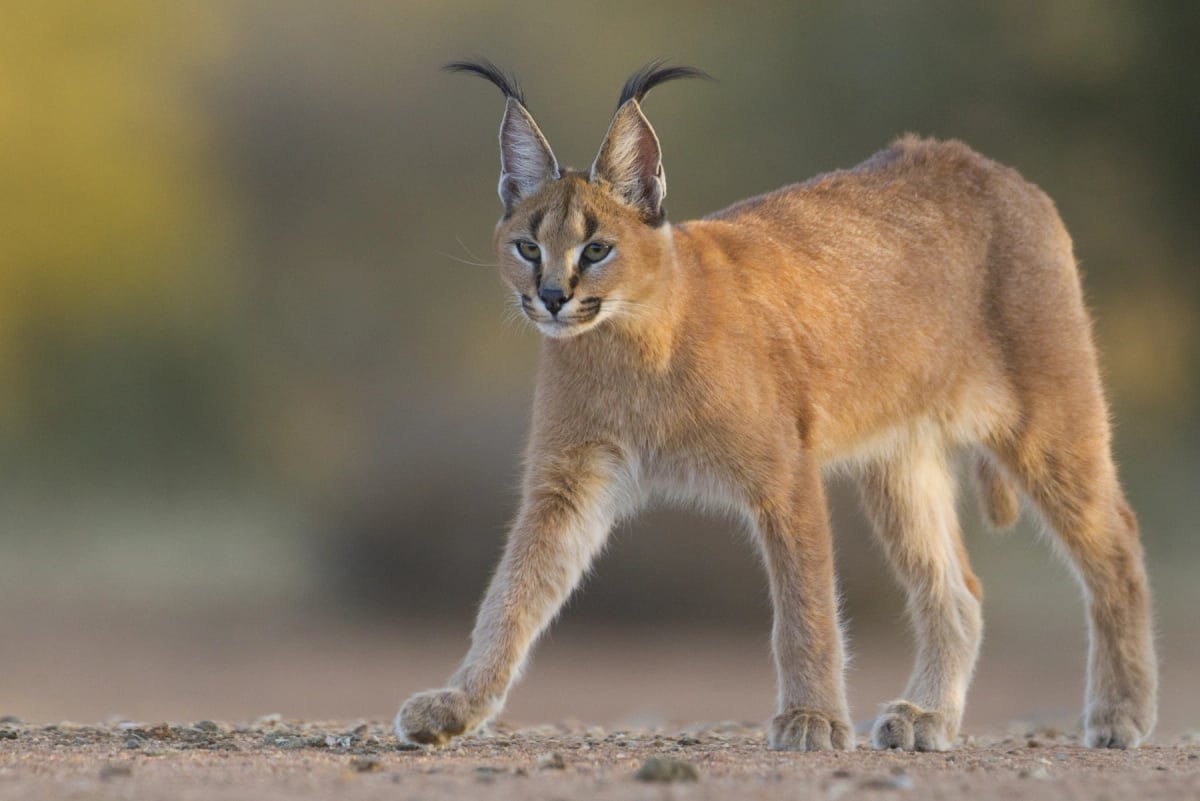
Caracal
Caracal caracal
In Togo, the caracal occupies savanna zones and dry woodlands in the northern part of the country, where open terrain and sparse vegetation suit its hunting style. This medium-sized wild cat, instantly recognizable by the black tufts on its ears, is solitary and hunts at night, taking rodents, hares, and birds. The IUCN classifies it as Least Concern, though habitat loss and human pressure remain ongoing concerns across West Africa.
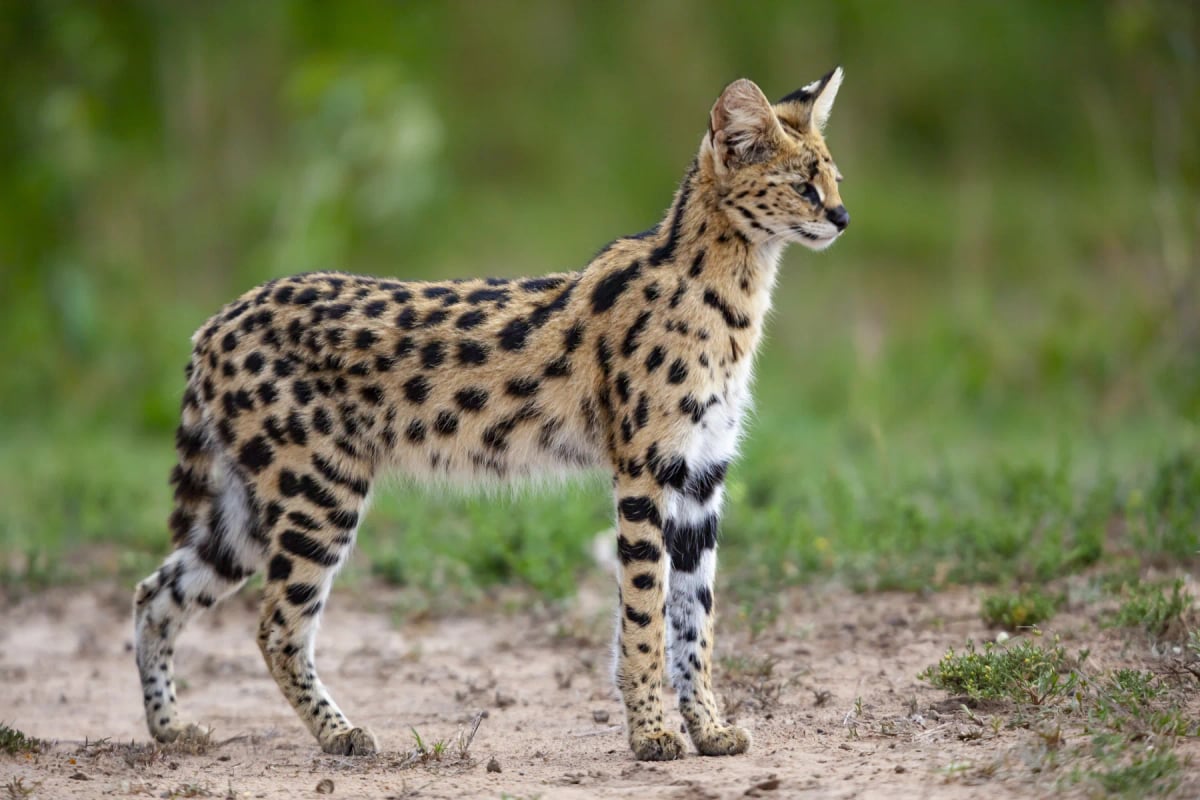
Serval
Leptailurus serval
The serval is present in Togo's Guinea savanna zone and along river corridors where tall grasses and wetland patches offer suitable cover. It preys on rodents, frogs, and small birds. As in much of West Africa, servals in Togo face pressure from habitat conversion for agriculture. The IUCN considers the species Least Concern overall, but continued land clearance may reduce suitable habitat across the country over the long term.
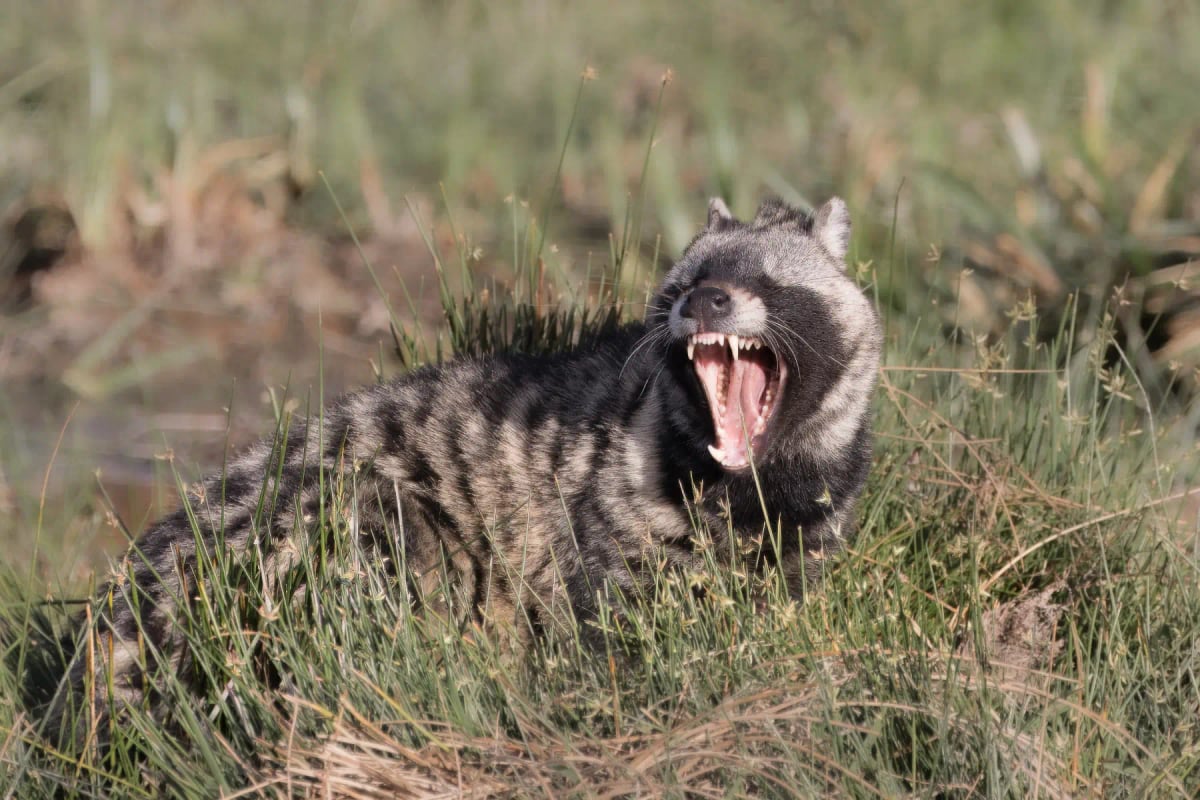
African Civet
Civettictis civetta
The African civet is present across Togo, from the forests of the southwest and the Kpalimé highlands to the Guinea savanna woodlands of the center and the drier north. Fazao-Malfakassa National Park, the largest protected area in the country, provides core habitat. Civets adapt to secondary forest and agricultural edges but are most reliably found wherever permanent watercourses and dense cover coincide.
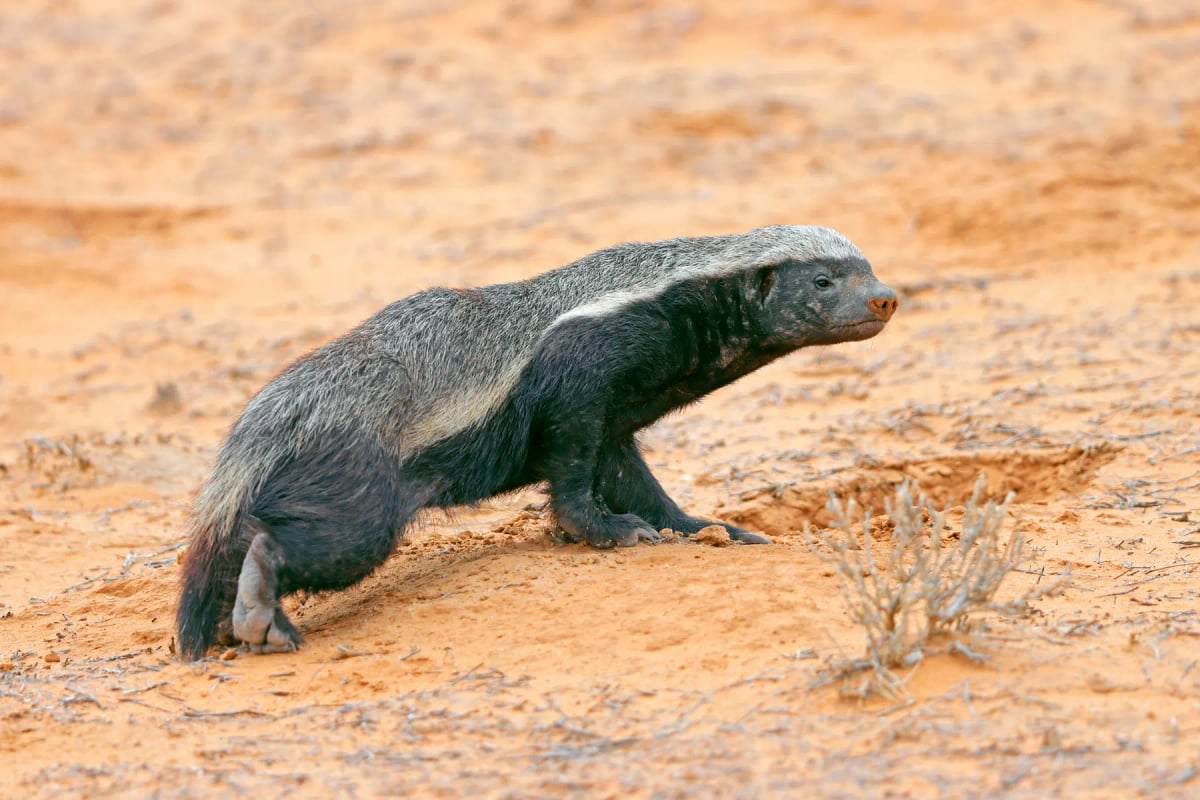
Honey Badger
Mellivora capensis
In Togo, the honey badger occupies the savanna and dry woodland of the north, including areas near Fazao Malfakassa National Park, rather than the more humid forest zones closer to the coast. It feeds on rodents, insects and wild fruit and is known to raid beehives without hesitation. Habitat loss from farming is a growing concern across the region, though the species remains Least Concern with the IUCN.
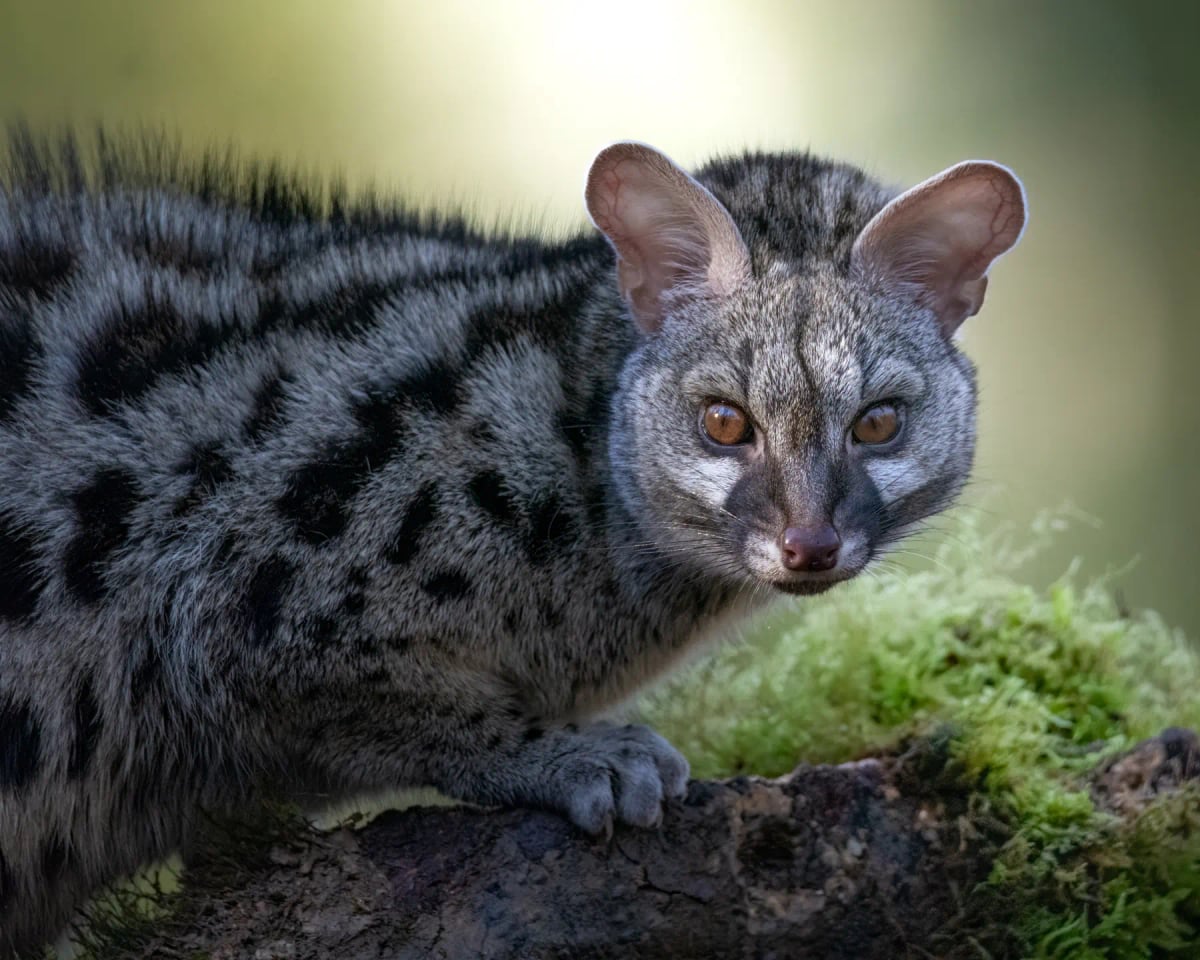
Common Genet
Genetta genetta
The common genet is present in Togo, where it inhabits the woodland savanna of the north and the denser forest edges and gallery forests of the south. It is a secretive, nocturnal animal rarely seen by people. It feeds on rodents, small birds, reptiles, and insects. Though not well studied in Togo specifically, its IUCN status is Least Concern across its broad West African range.
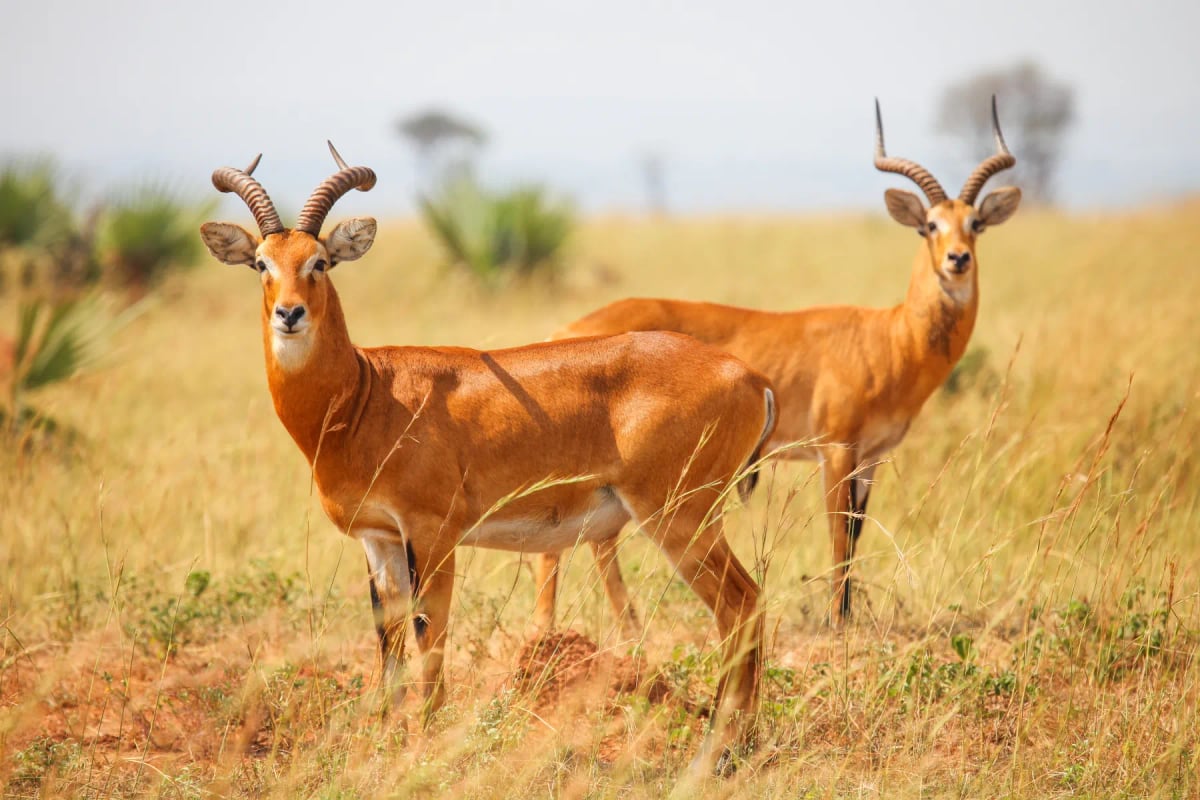
Kob
Kobus kob
In Togo, the kob inhabits the northern savannas, particularly around the Oti-Kéran and Fosse aux Lions protected areas, where seasonal floodplains and open grasslands provide suitable grazing ground. Populations are relatively small and face threats from habitat conversion and hunting. Males carry distinctive curved horns and compete for territory during breeding season. The IUCN lists the kob as Least Concern, but continued protection of northern reserves is important for the species.
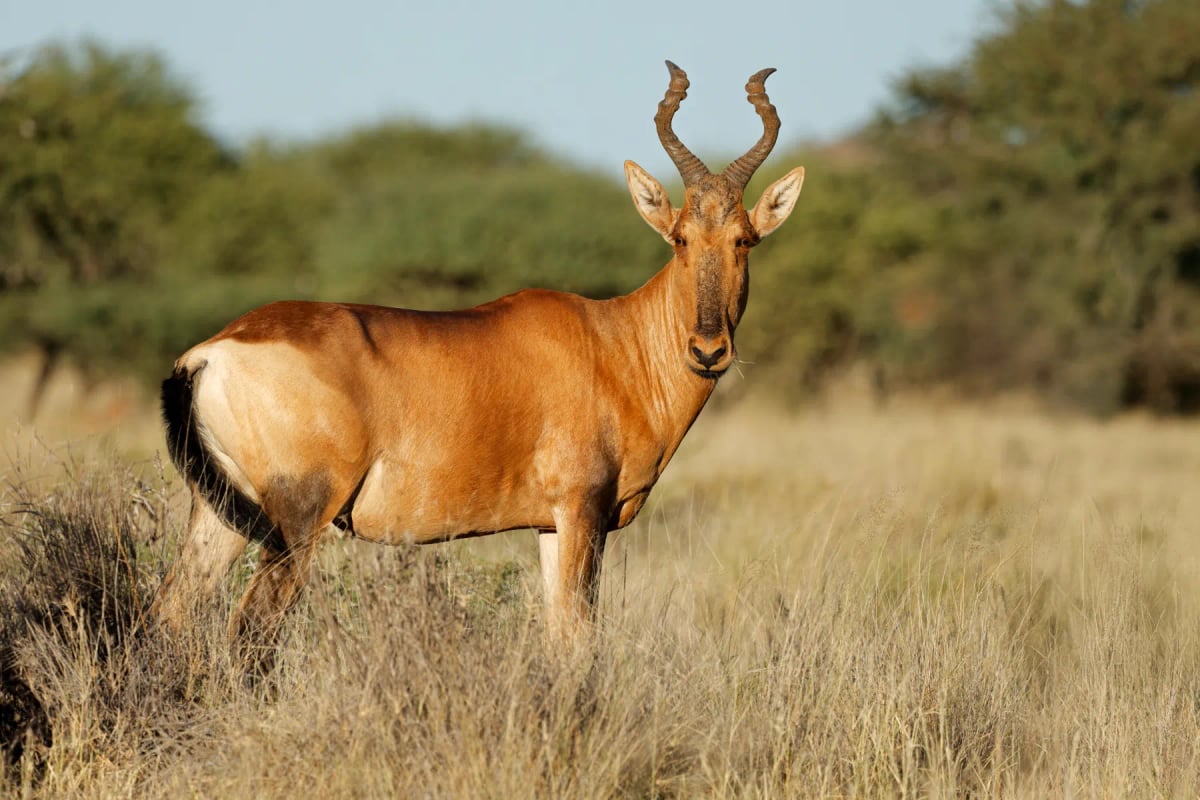
Hartebeest
Alcelaphus buselaphus
The hartebeest has a limited and fragmented presence in Togo, found mainly in the northern savanna regions near Oti-Mandouri Wildlife Reserve. Habitat loss driven by agricultural expansion has reduced available grazing land significantly over recent decades. Populations here are small and face ongoing pressure. Continued protection of northern reserves is important for the species to survive over the long term in this small West African country.
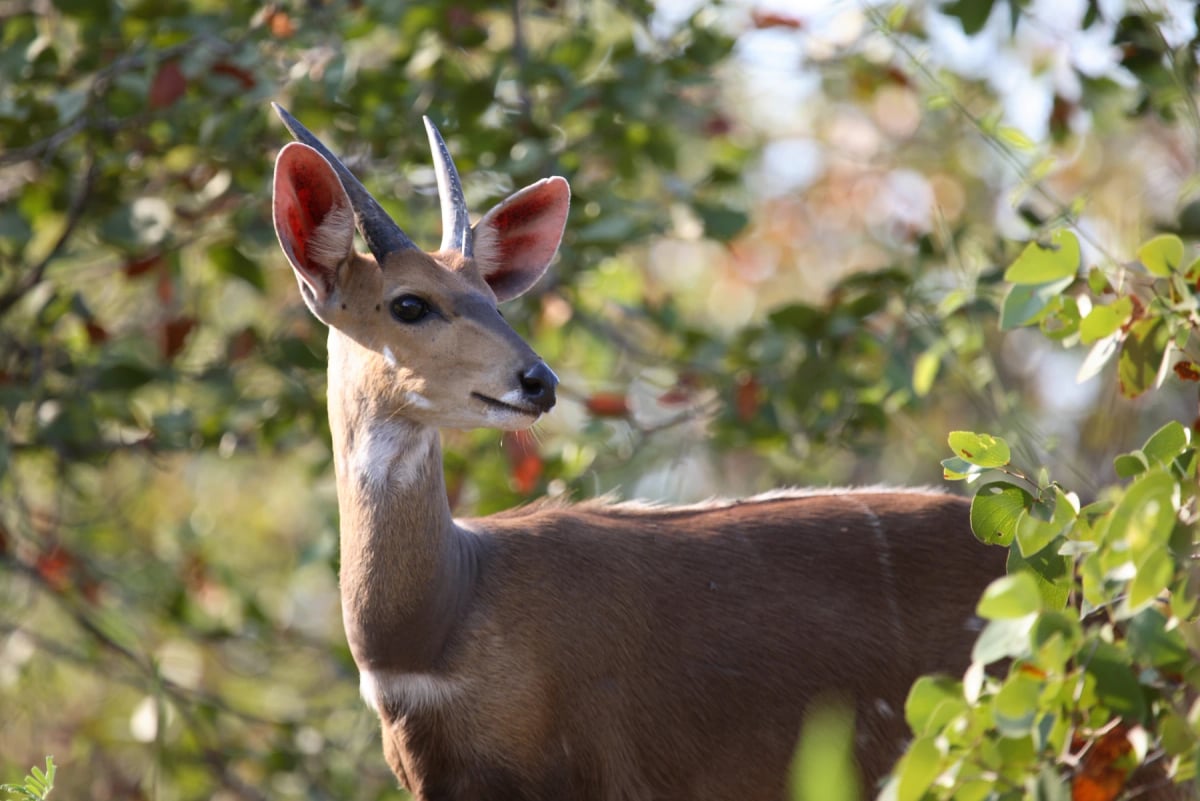
Bushbuck
Tragelaphus scriptus
In Togo, bushbucks inhabit fragmented forests, woodland margins, and dense vegetation along water courses in the northern and central regions. These elusive antelope remain difficult to observe due to their preference for thick cover and nocturnal activity patterns. Their distinctive coat patterns help them blend seamlessly into dappled light and shadow. Bushbucks are solitary animals that feed selectively on nutritious vegetation including leaves, shoots, and fruits.
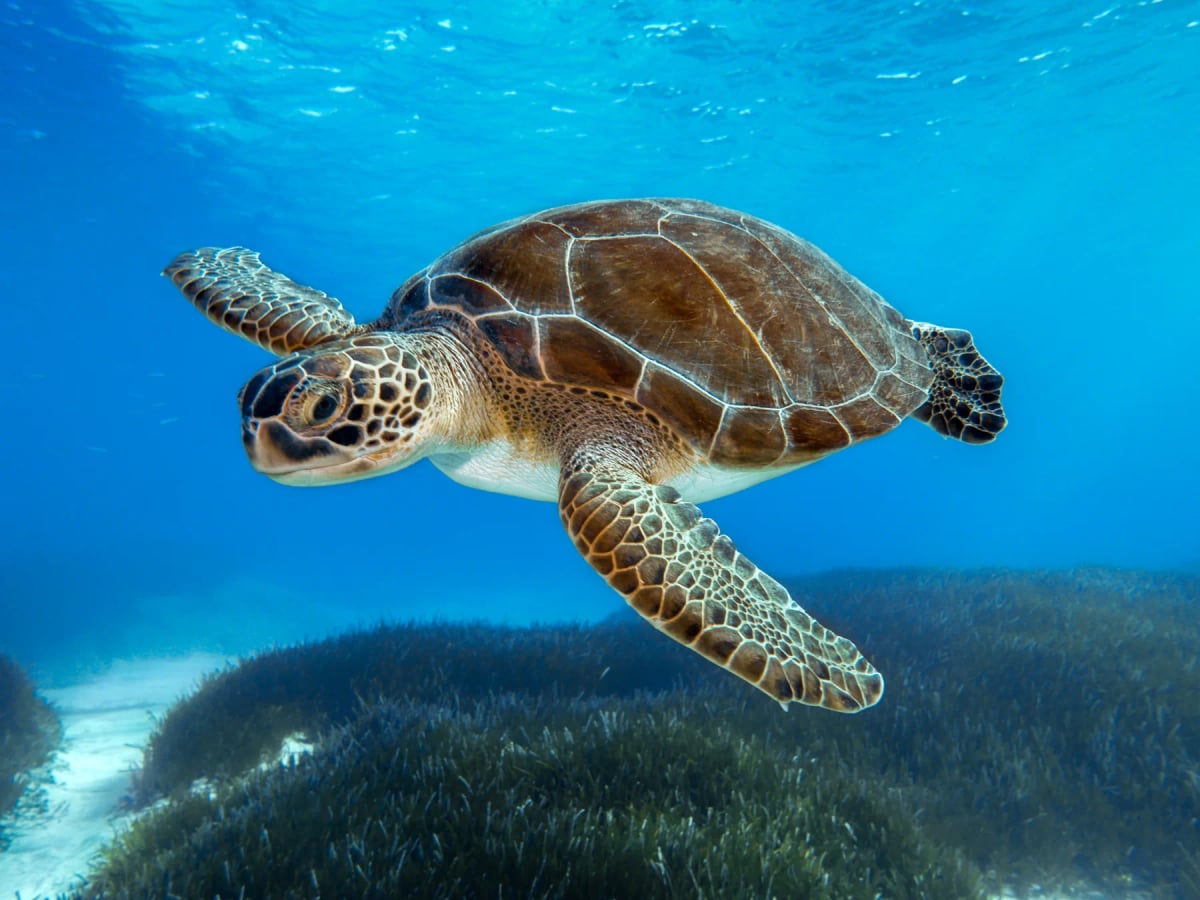
Sea Turtle
Cheloniidae & Dermochelyidae (families)
Togo's short Gulf of Guinea coastline is part of the West African sea turtle nesting corridor. Leatherback and olive ridley turtles nest on Togolese beaches, and green turtles are also present in coastal waters. Conservation programs have been established along the coast to protect nesting sites and reduce egg collection, which remains a significant threat. Togo participates in regional West African networks that coordinate sea turtle monitoring and protection across the shared nesting zone.
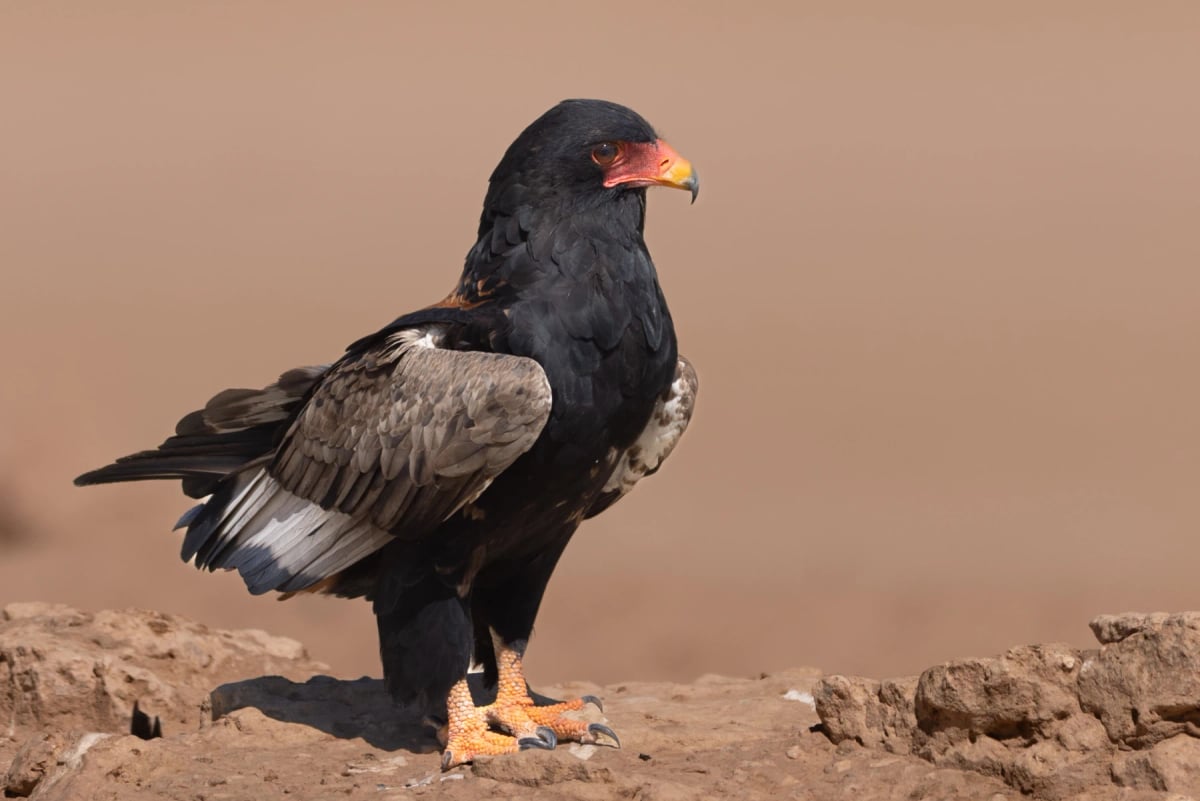
Bateleur
Terathopius ecaudatus
In Togo, the Bateleur inhabits the savanna and open woodland zones of the north, including areas around Fazao-Malfakassa National Park. It is an uncommon sight and its populations across West Africa have declined considerably. Classified as Endangered, it is threatened by habitat conversion for agriculture, poisoning, and disturbance at nest sites. Its presence in Togo reflects the western limits of its more continuous sub-Saharan range.
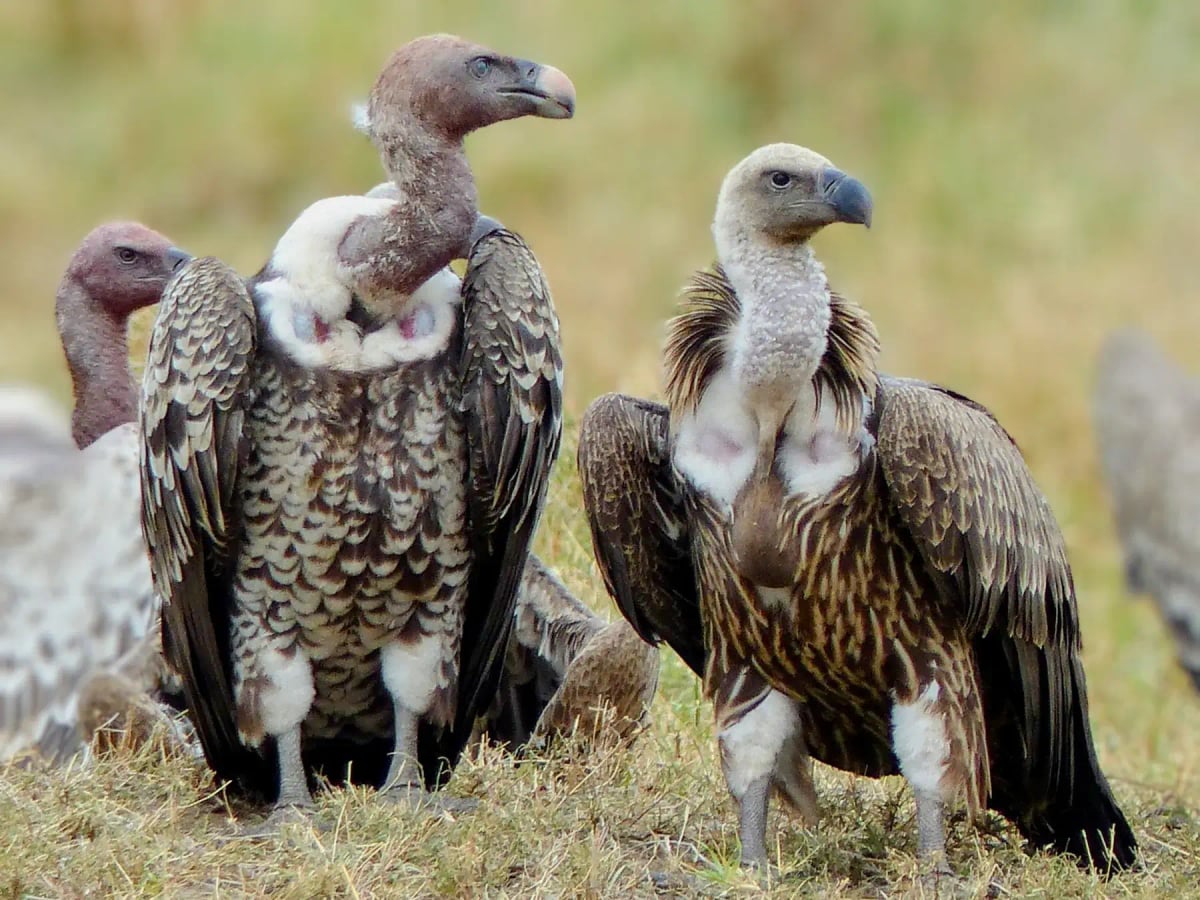
White backed Vulture
Gyps africanus
The white backed vulture is an uncommon but recorded resident in Togo, found mainly in the savanna habitats of the north, including the Fazao-Malfakassa National Park. As large mammal populations in Togo have declined, sightings of this vulture have become rarer. Critically endangered throughout West Africa, the species is under severe pressure from poisoning. Even a single poisoning event near a carcass can eliminate an entire local group of birds.
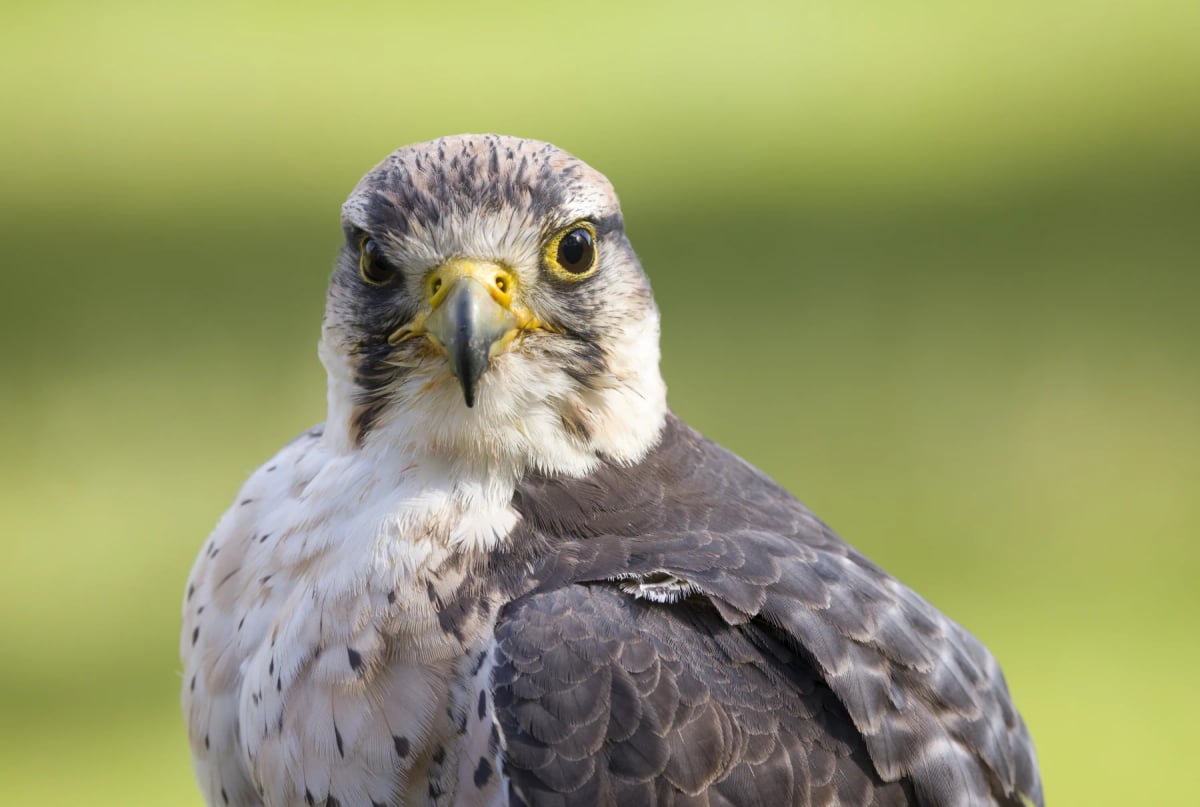
Lanner Falcon
Falco biarmicus
The lanner falcon is present in Togo across the drier savanna zones of the north, where open ground and scattered rocky outcrops provide hunting and nesting opportunities. It preys mainly on birds, using fast and low pursuit flights rather than steep dives. Habitat loss tied to agricultural expansion is a concern in the region. The species is thinly distributed across West Africa. The IUCN lists the lanner falcon as Least Concern.
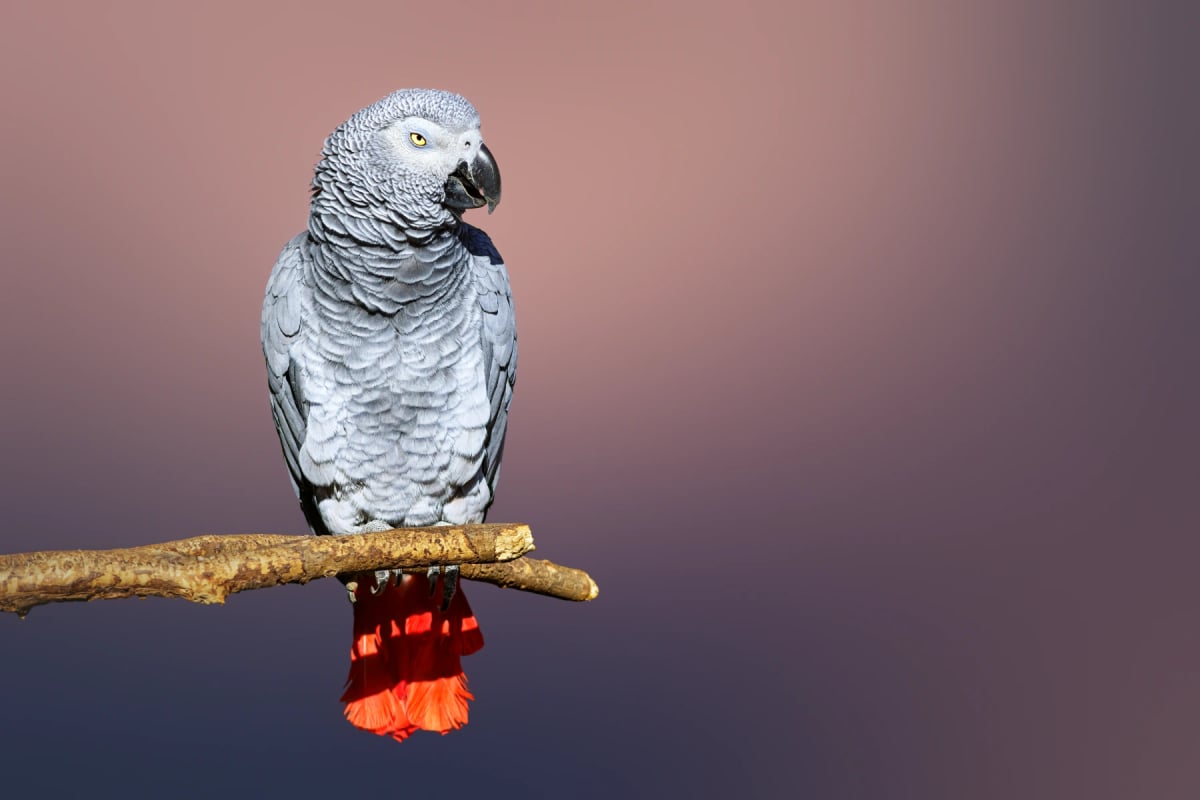
African Grey Parrot
Psittacus erithacus
Togo sits at the western margin of the African grey parrot's distribution, with birds present in the forested areas of the south and the forest savanna transition zones in the center of the country. The population is small and has been heavily affected by trapping for the international pet trade over several decades. Togo was listed among the countries subject to CITES significant trade review for the species, indicating documented commercial capture. Forest loss from agriculture has further reduced available habitat, leaving the species in fragmented patches across a country where its numbers were never large.
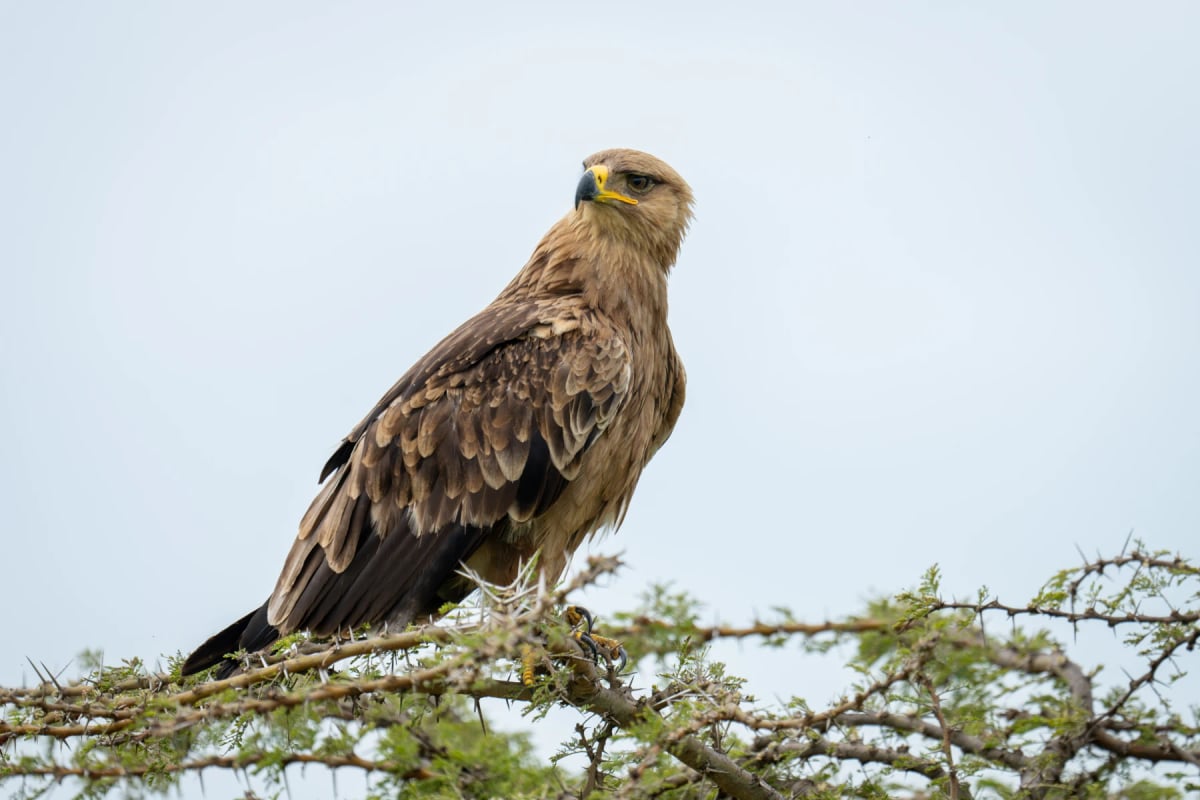
Tawny Eagle
Aquila rapax
The tawny eagle occurs in Togo's northern savanna belt, where open woodland and dry grassland provide suitable foraging habitat. It is far less common in the forest zones of the south. Like elsewhere in West Africa, populations here have declined noticeably over recent decades. Habitat loss driven by farming expansion and the use of pesticides are the primary concerns. The IUCN lists this eagle as Vulnerable.
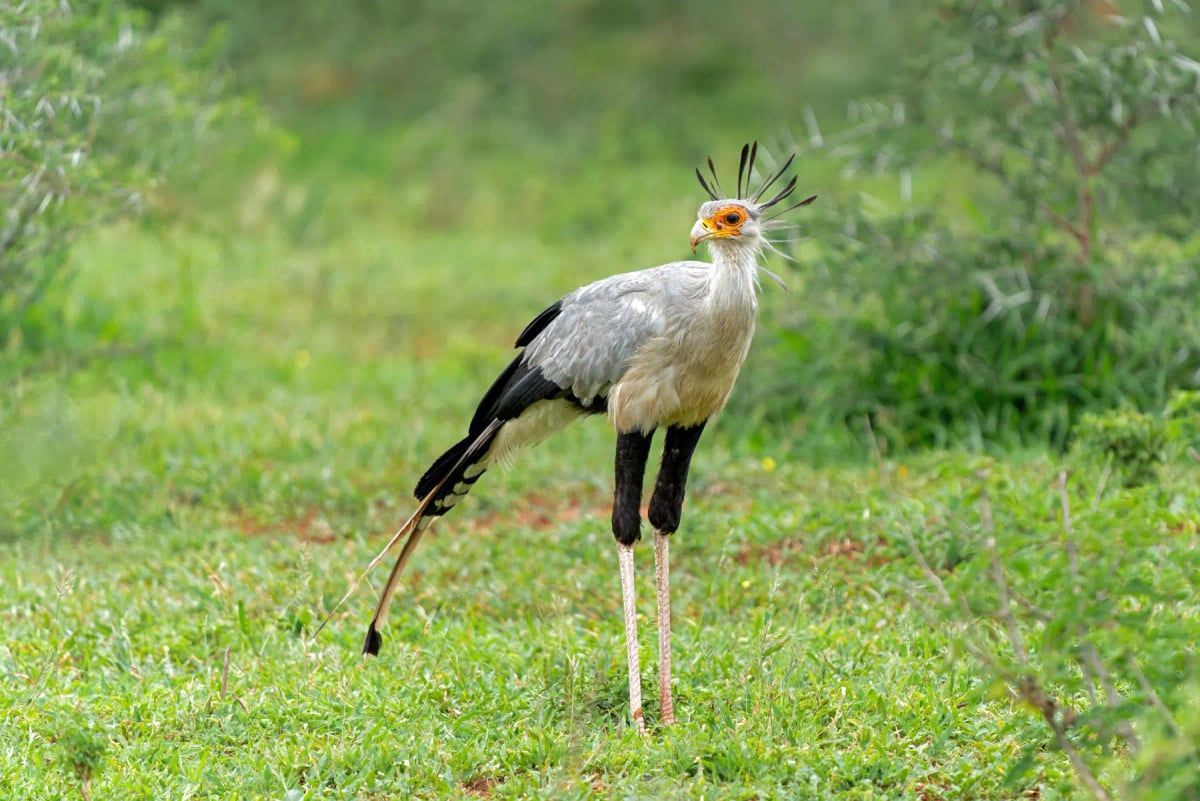
Secretary Bird
Sagittarius serpentarius
The secretary bird is present in Togo's northern savanna zones, where open grassy habitats provide the hunting grounds it depends on. It walks steadily through these landscapes in search of snakes, insects, and small vertebrates. Togo's savannas face ongoing conversion to farmland, which shrinks the space available to this Endangered bird. Sightings here are less frequent than in parts of East or southern Africa, making each record ecologically significant.
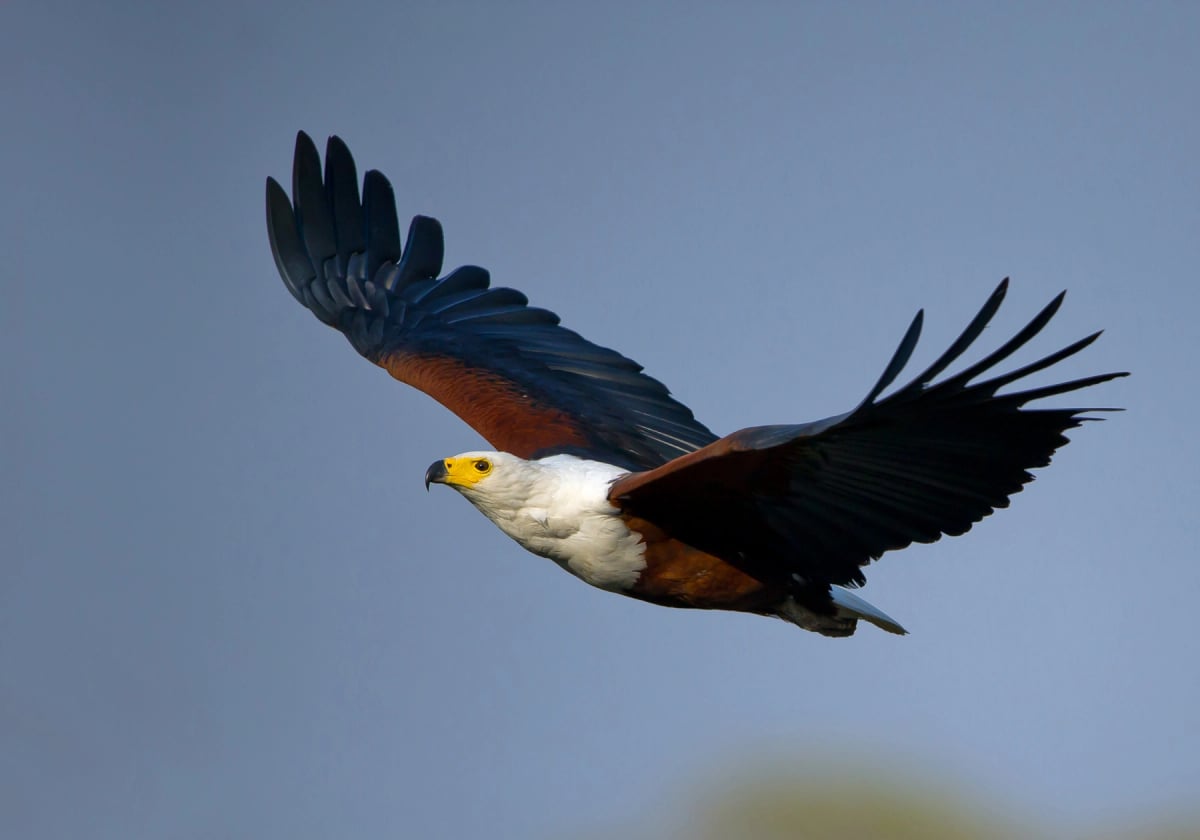
African Fish Eagle
Haliaeetus vocifer
The African fish eagle is present in Togo along the country's rivers and the coastal lagoon system near the Gulf of Guinea. The Mono and Oti rivers are the main freshwater corridors, and Lake Togo and the coastal wetlands near Lomé also provide suitable habitat. The species is not particularly common given Togo's relatively small size and limited freshwater coverage, but it is a resident near permanent water and can be observed along the main rivers and southern lagoons.
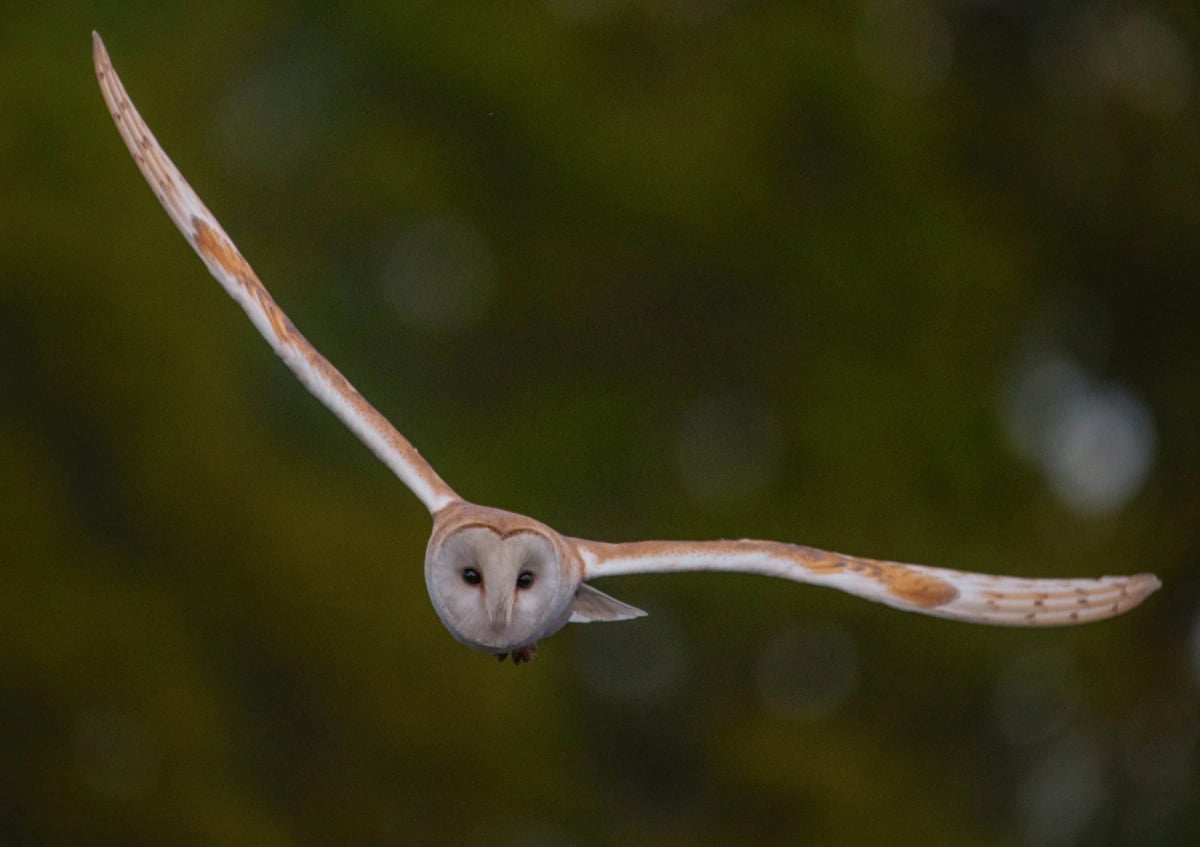
Barn Owl
Tyto alba
The barn owl is found across Togo in open savanna, farmland, and areas near villages and towns from the Sahel fringe in the north through the Guinea savanna to the more forested south. It nests in old buildings, hollow trees, and rocky outcrops, and hunts rodents at night. In farming communities across the country it helps control the small mammal populations that damage stored millet, sorghum, and maize. It is less commonly found in the dense forest zones of the southwest coastal region.
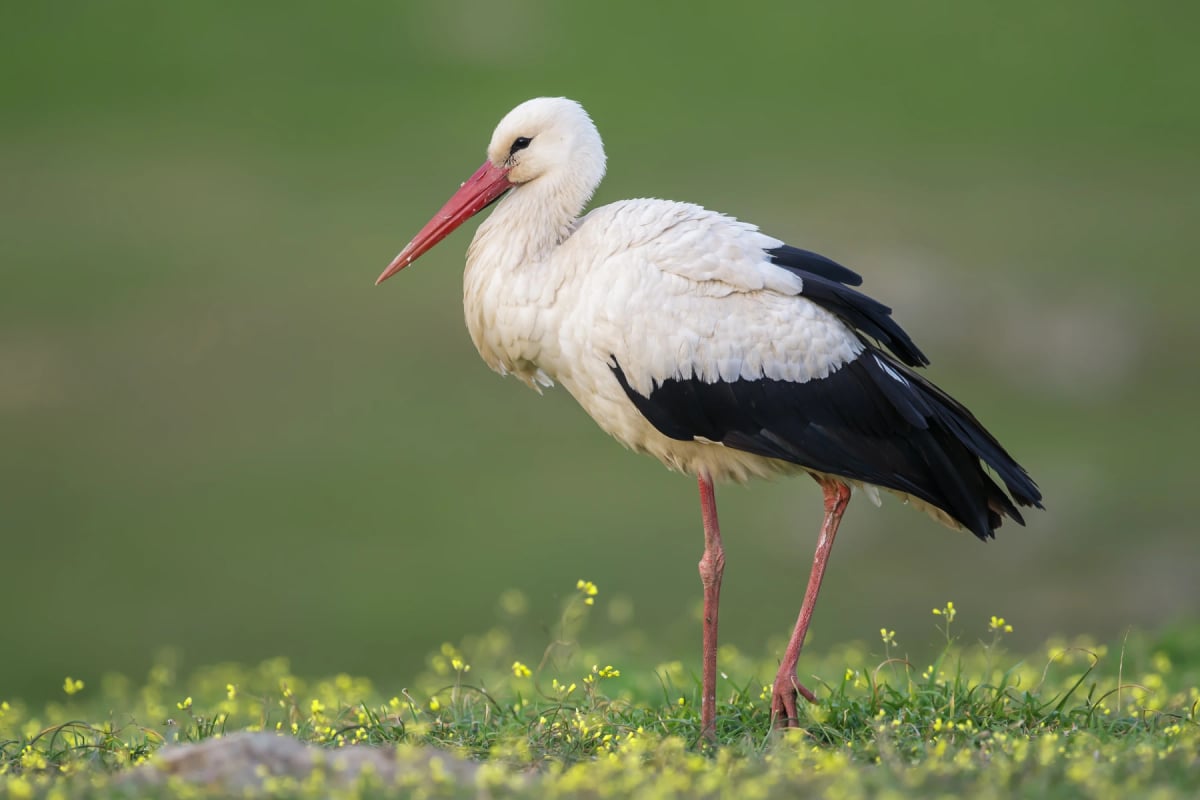
Stork
Ciconia ciconia
In Togo, the white stork passes through during its annual migration between Europe and sub-Saharan Africa. Flocks can be seen moving across the country's northern savanna and agricultural plains, typically between October and March. They feed on insects, frogs, and small animals found in open fields. Togo sits along a well-travelled corridor for migratory birds heading to and from their wintering grounds further south. IUCN status: Least Concern.
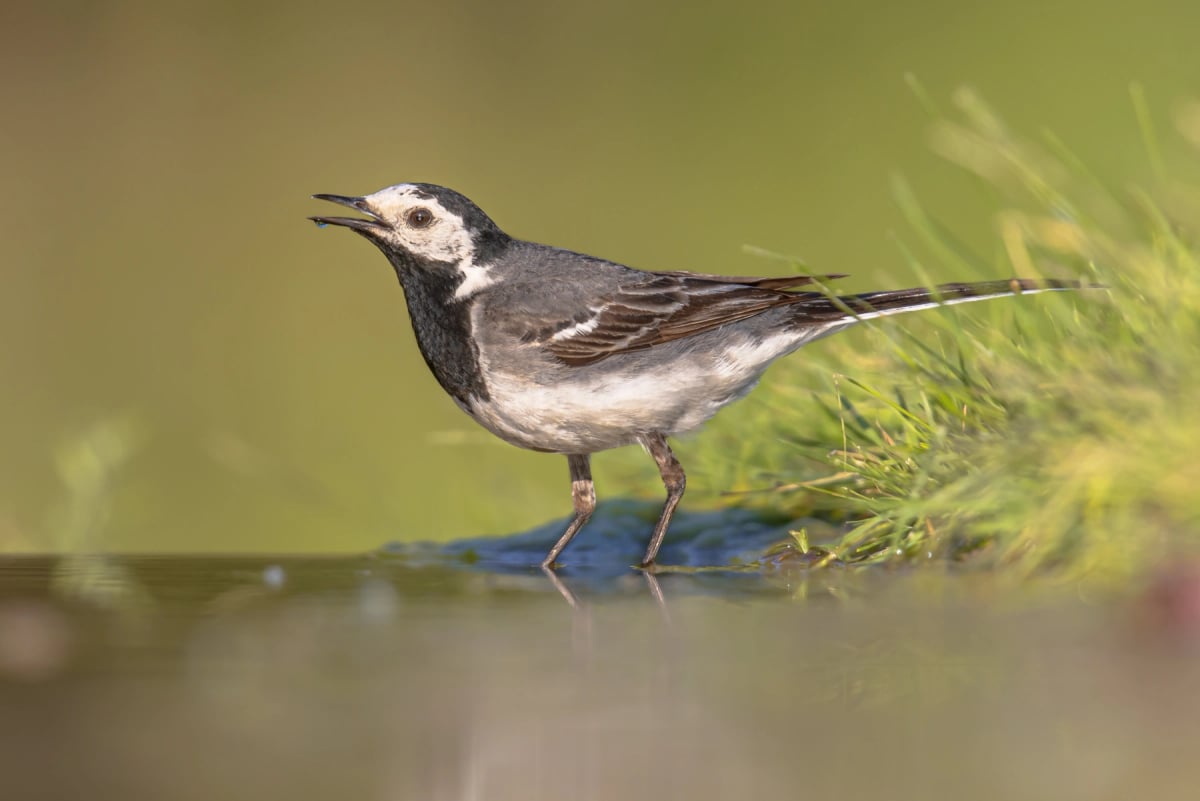
White Wagtail
Motacilla alba
Small black, white and grey bird with a slender tail that bobs up and down as it walks and feeds along the edges of water and open ground.
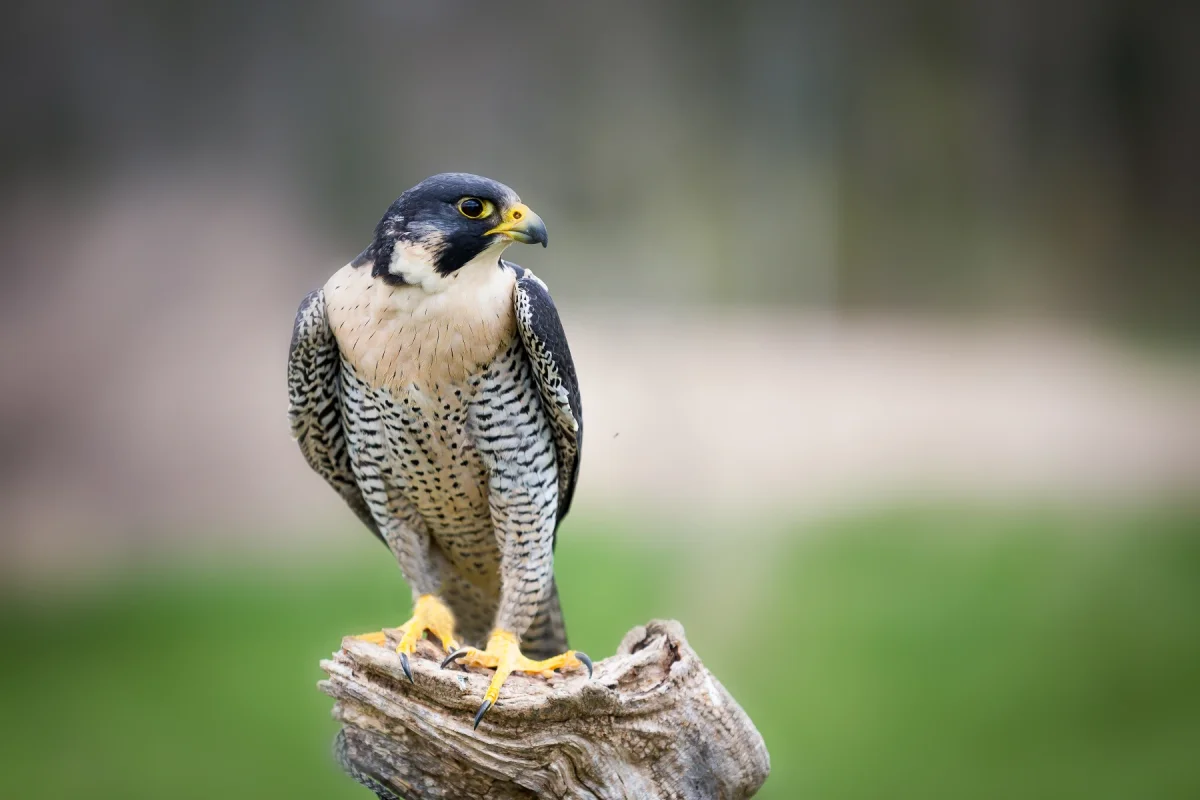
Peregrine Falcon
Falco peregrinus
The peregrine falcon occurs in Togo mainly as a passage migrant and winter visitor, moving through the country between the Sahara and the wetter regions further south. Open savanna, agricultural land, and rocky terrain in the north can offer good hunting opportunities for this bird. Systematic survey data from Togo is limited, but the IUCN lists the peregrine falcon as Least Concern globally.
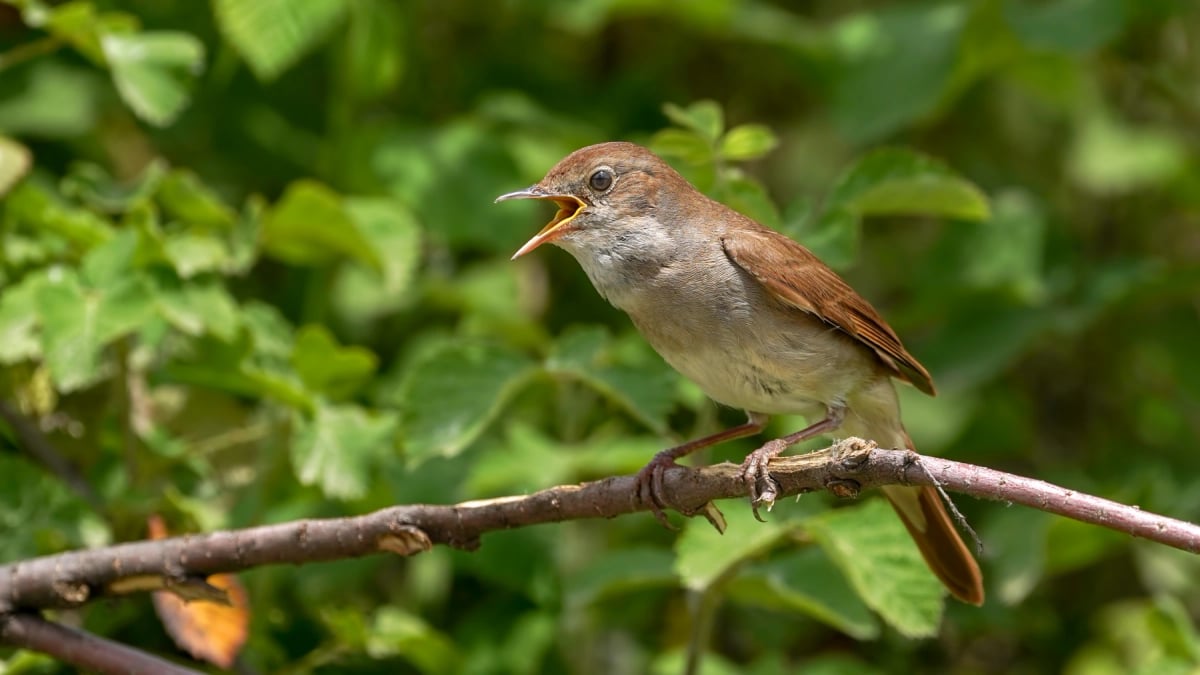
Nightingale
Luscinia megarhynchos
Togo forms part of the nightingale's West African wintering range, where the bird inhabits scrub and woodland edges in the Guinea savanna zone. It travels here from breeding grounds in Europe and western Asia each autumn, spending the dry season foraging quietly among vegetation. Togo's relatively small size belies its importance as a stopover and wintering site for many migratory birds making this journey. Its IUCN status is Least Concern.
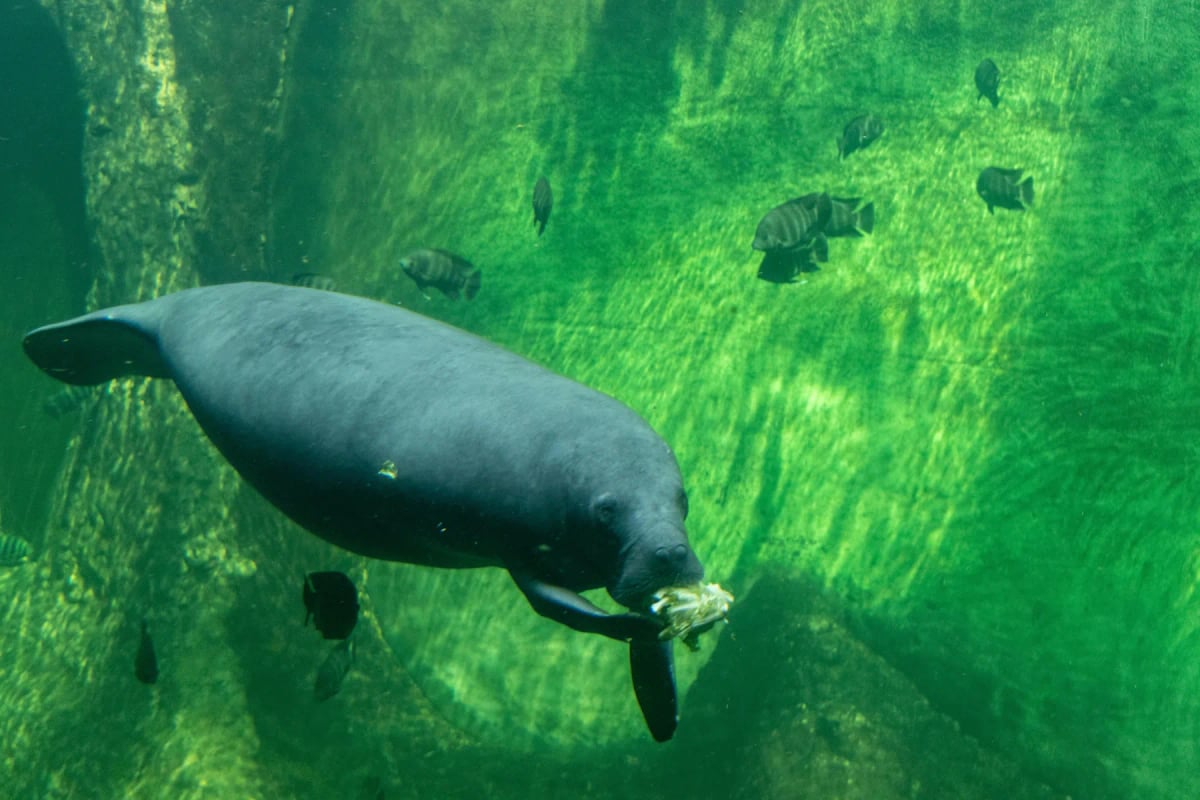
African Manatee
Trichechus senegalensis
In Togo, the African manatee is found in the coastal lagoon system that extends along the Gulf of Guinea and in the lower stretches of rivers draining toward the coast. The species is considered rare within the country and is seldom observed. Accidental entanglement in fishing gear and hunting remain the main threats, and very little research has been conducted on manatee populations within Togo specifically.
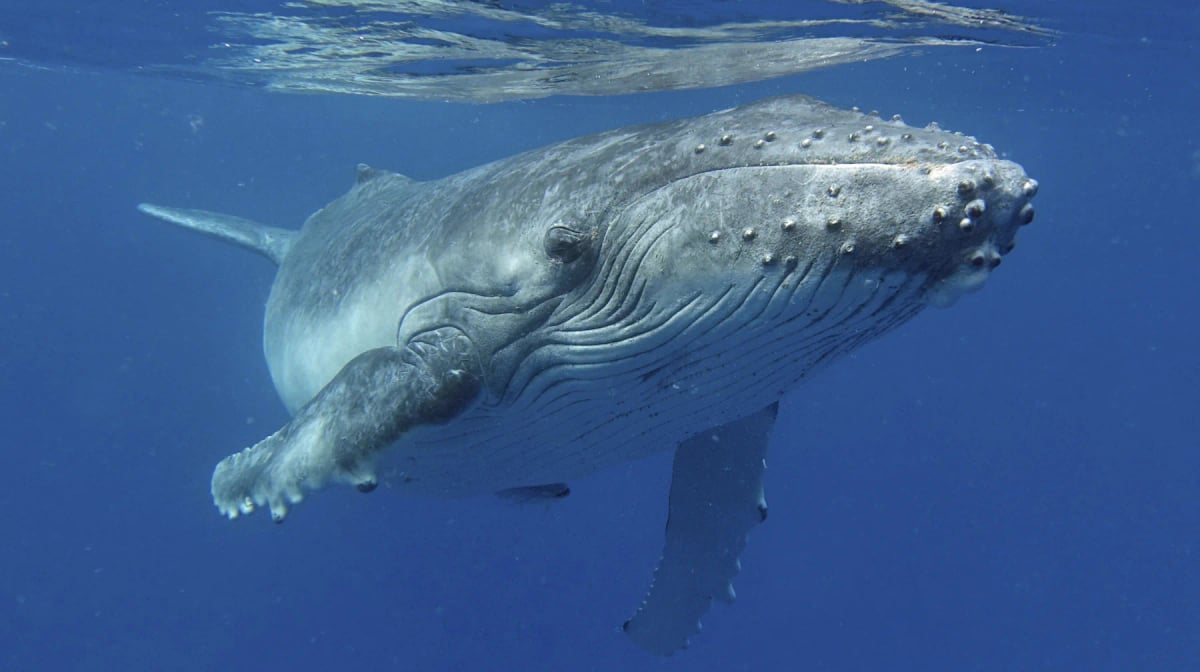
Humpback Whale
Megaptera novaeangliae
Humpback whales move through the Gulf of Guinea off the coast of Togo during their migrations along the West African coastline. This stretch of the eastern Atlantic connects their feeding grounds in colder southern waters with breeding areas in tropical seas. Sightings from Togo's short coastline are infrequent but part of a broader presence across the region. These whales can reach 16 metres in length and weigh up to 40 tonnes. The IUCN lists them as Least Concern.
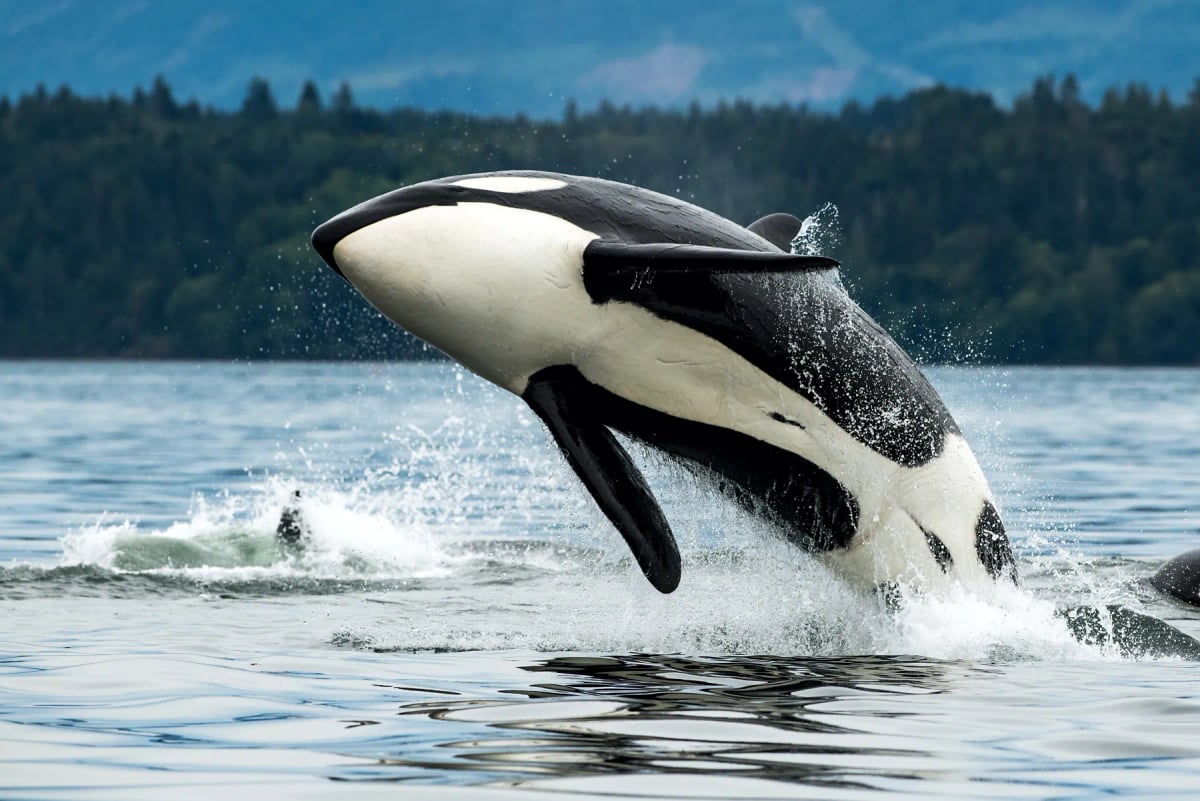
Orca
Orcinus orca
Togo has a short Atlantic coastline, and orca sightings in this part of the Gulf of Guinea are uncommon. When they do appear, it is generally in offshore waters rather than close to the shore. The warm tropical seas of West Africa are not typical orca habitat, but the species has a global range and can turn up in unexpected places. Their IUCN status is Data Deficient.
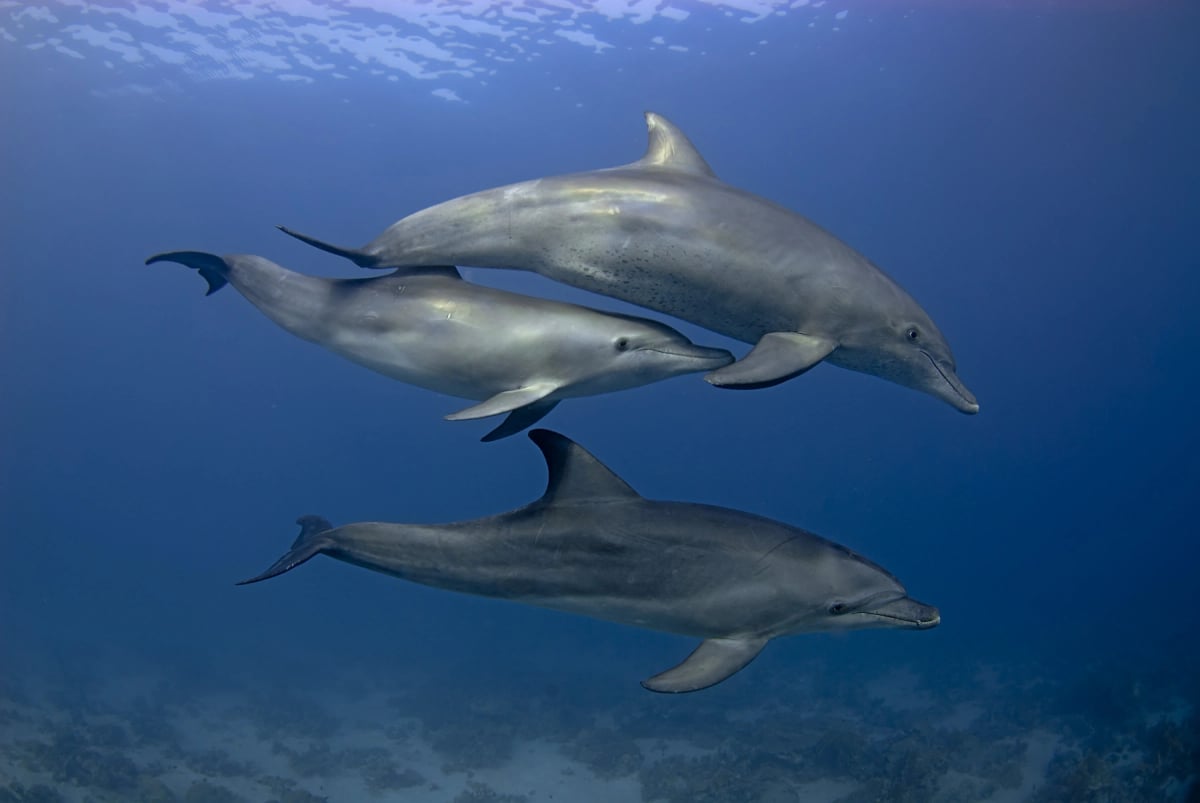
Bottlenose Dolphin
Tursiops truncatus
Bottlenose dolphins occur in the Atlantic coastal waters of Togo, a country with one of the shortest coastlines in West Africa. They are spotted near the shore and at the mouths of lagoons, often following fish aggregations. Artisanal fishing activity in the region creates some risk of incidental capture. The species is listed as Least Concern by the IUCN at the global level.
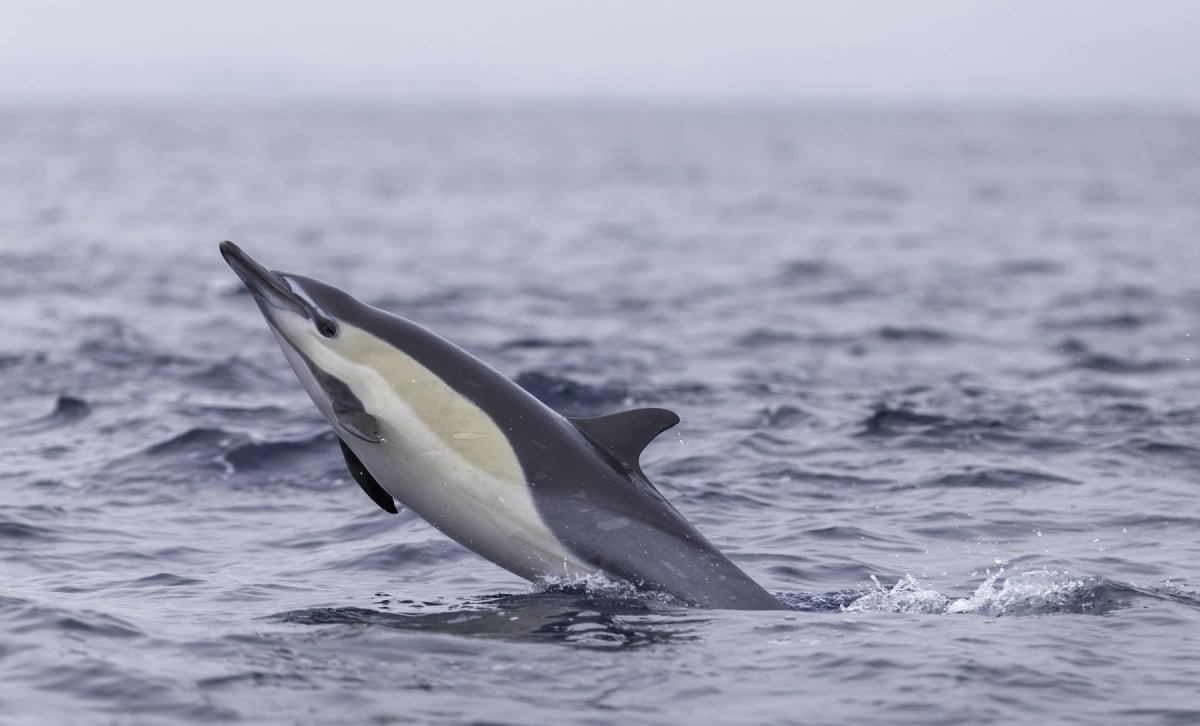
Common Dolphin
Delphinus delphis
Common dolphins are recorded in the Atlantic coastal waters off Togo, a country with a short but ecologically active coastline along the Gulf of Guinea. The shallow continental shelf here supports a variety of marine life. Dolphins are not regularly monitored in Togolese waters, but the common dolphin is among the cetacean species known from the broader Gulf of Guinea region. Their IUCN status is Least Concern.
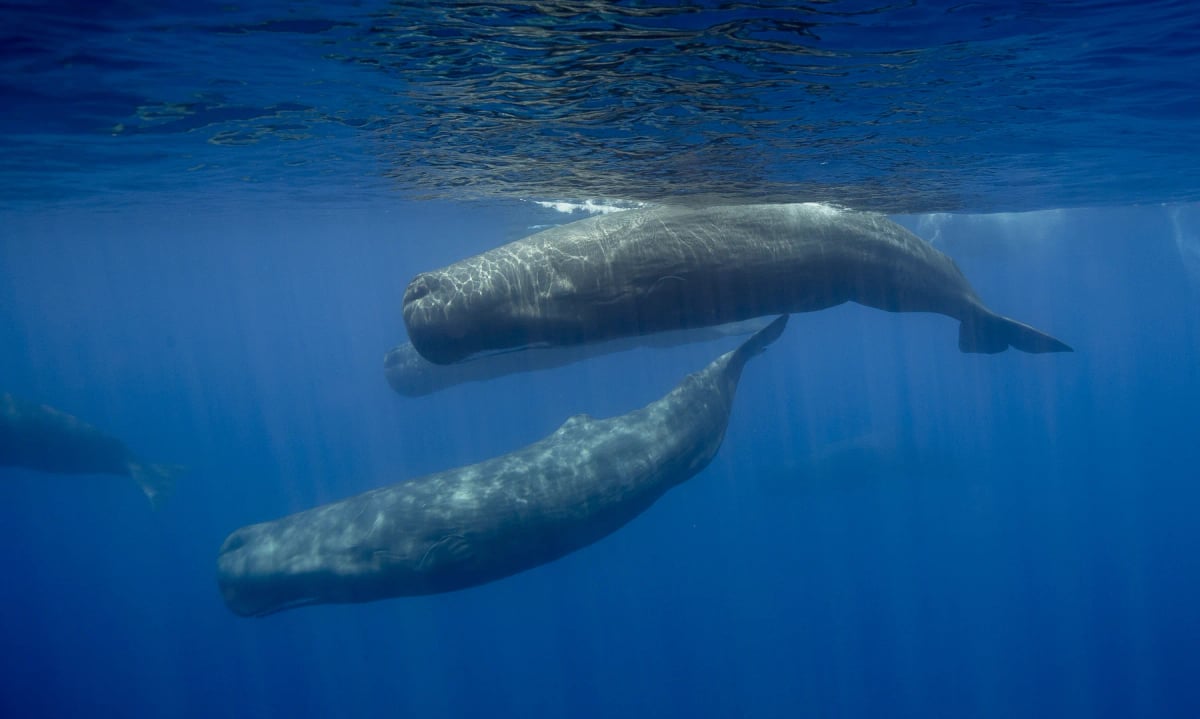
Sperm Whale
Physeter macrocephalus
Along the Gulf of Guinea coast of Togo, sperm whales occur in the deep Atlantic waters beyond the continental shelf. This stretch of West Africa sees these massive toothed whales moving through offshore zones where the ocean floor plunges sharply. Females and young tend to stay in warmer tropical waters, while large males range more widely. The IUCN lists them as Vulnerable.
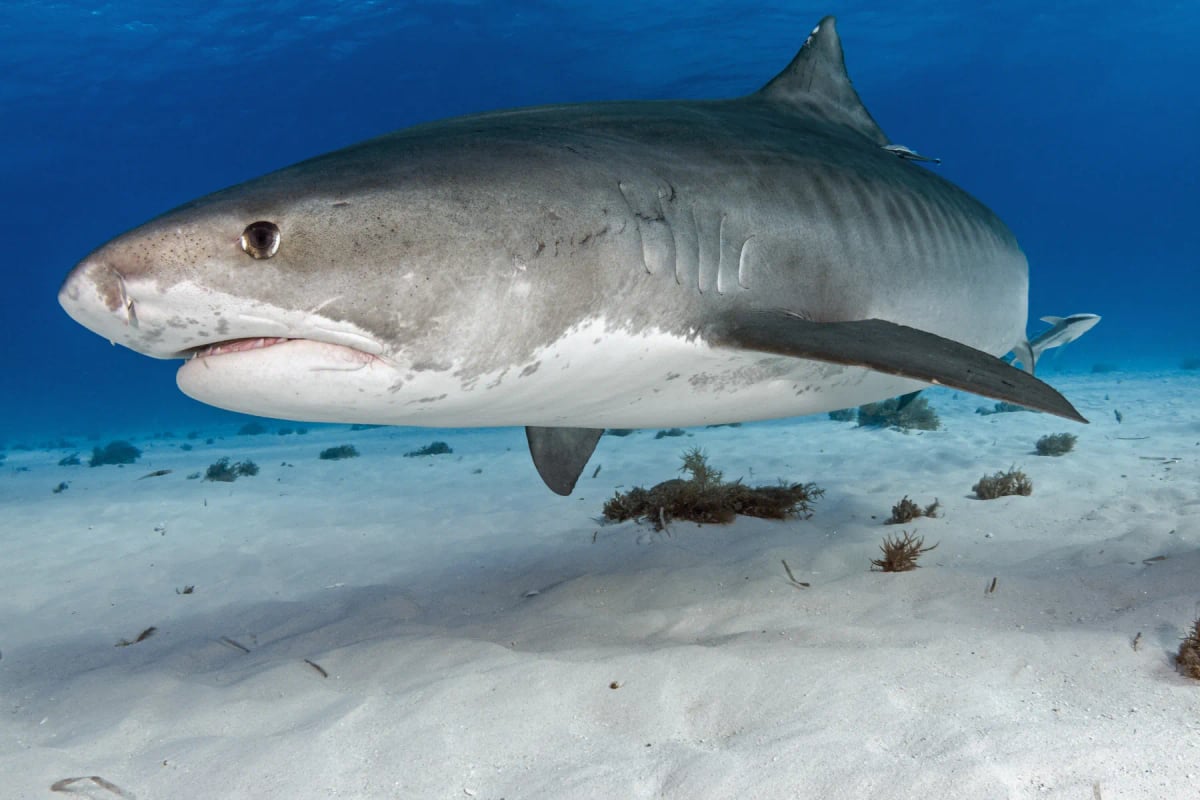
Tiger Shark
Galeocerdo cuvier
Togo has a short but active Atlantic coastline in the Gulf of Guinea, and tiger sharks inhabit the coastal and offshore waters of this region. They are drawn by the fish and other marine life supported by the productive West African upwelling zone. Artisanal fishing is widespread along this coast, and sharks are caught in nets with some regularity. The shark fin trade adds extra pressure on populations in the region. Their IUCN status is Near Threatened.
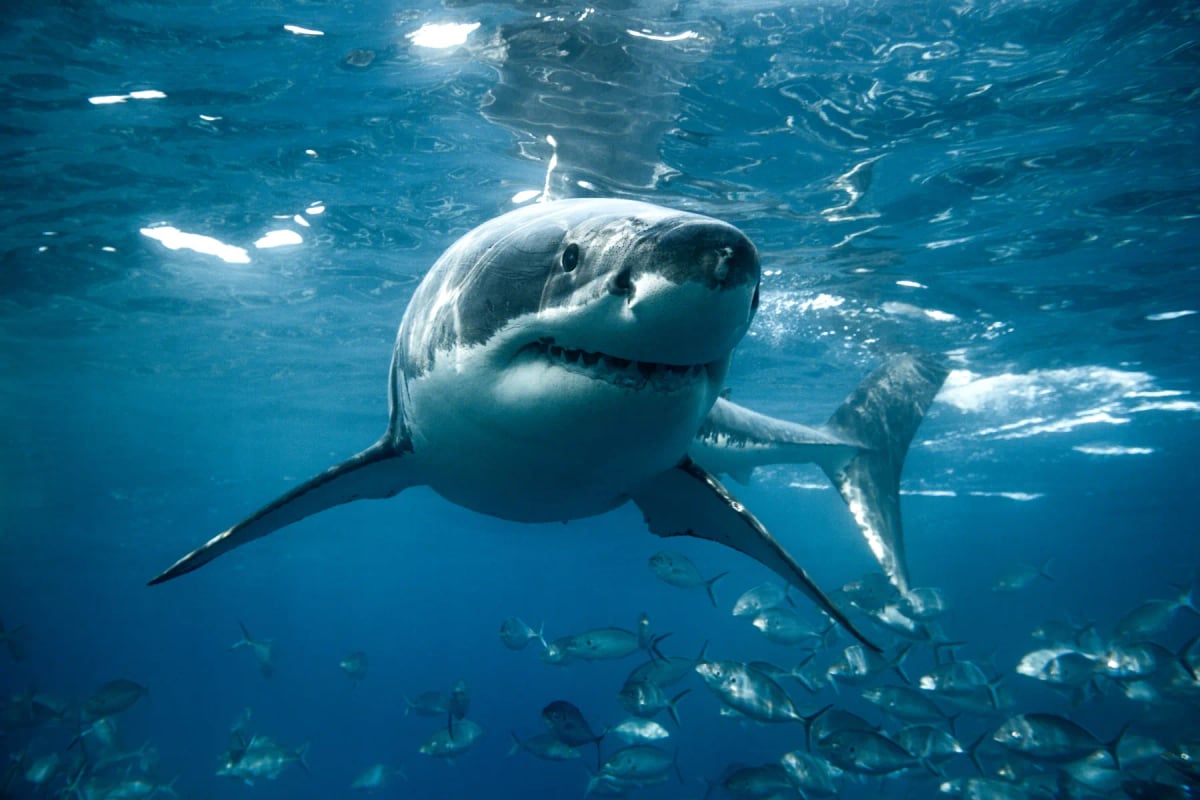
Great White Shark
Carcharodon carcharias
Togo's coastline on the Gulf of Guinea in the eastern Atlantic lies within the broader range of the great white shark along West Africa. While verified sightings in Togolese waters are rare, the species is part of the regional Atlantic fauna. Artisanal fishing is widespread along this coast, and bycatch poses a threat to sharks throughout the region, including this Vulnerable species.
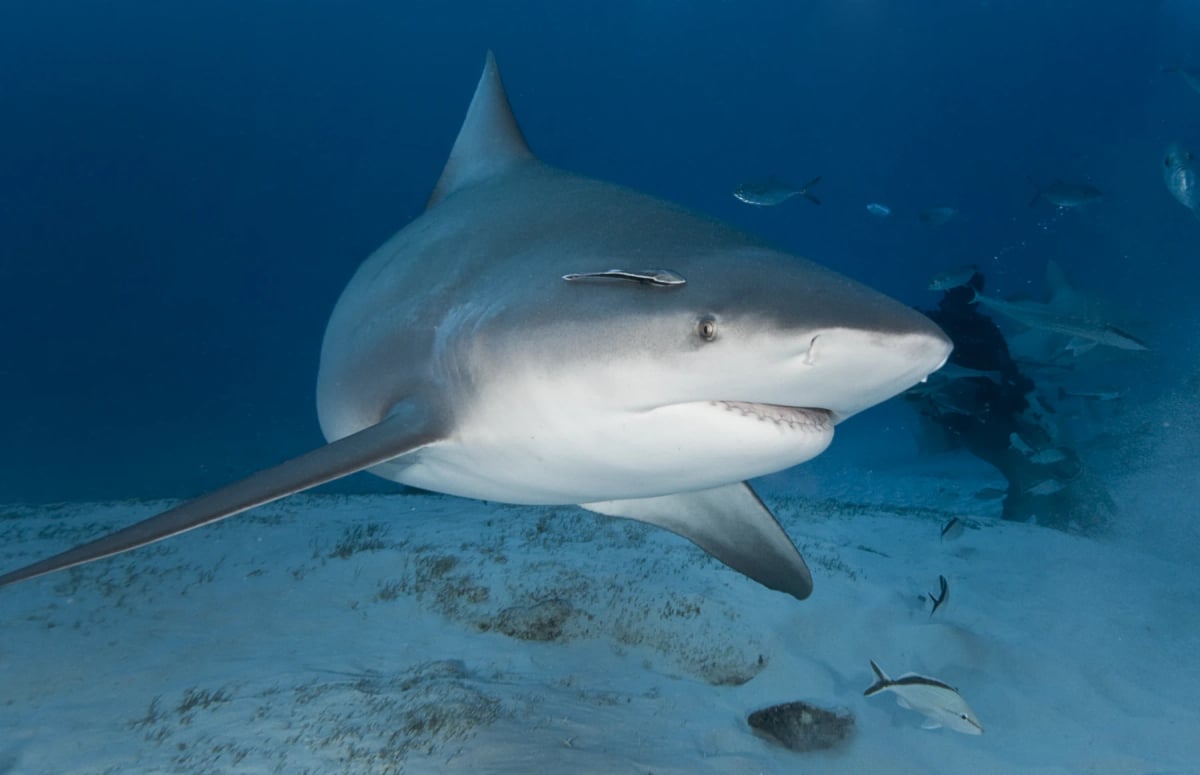
Bull Shark
Carcharhinus leucas
Togo's short Atlantic coastline and the Mono River estuary provide habitat for bull sharks, which are drawn to the warm, shallow waters typical of West Africa's Gulf of Guinea. Although sightings are infrequent, their tolerance for low salinity means river mouths offer suitable conditions. Fishing pressure in this region poses a threat to their populations, consistent with their Near Threatened IUCN status.
Researched and written by Juan Pablo. Sources: IUCN Red List, scientific literature and regional field guides. Last updated: .