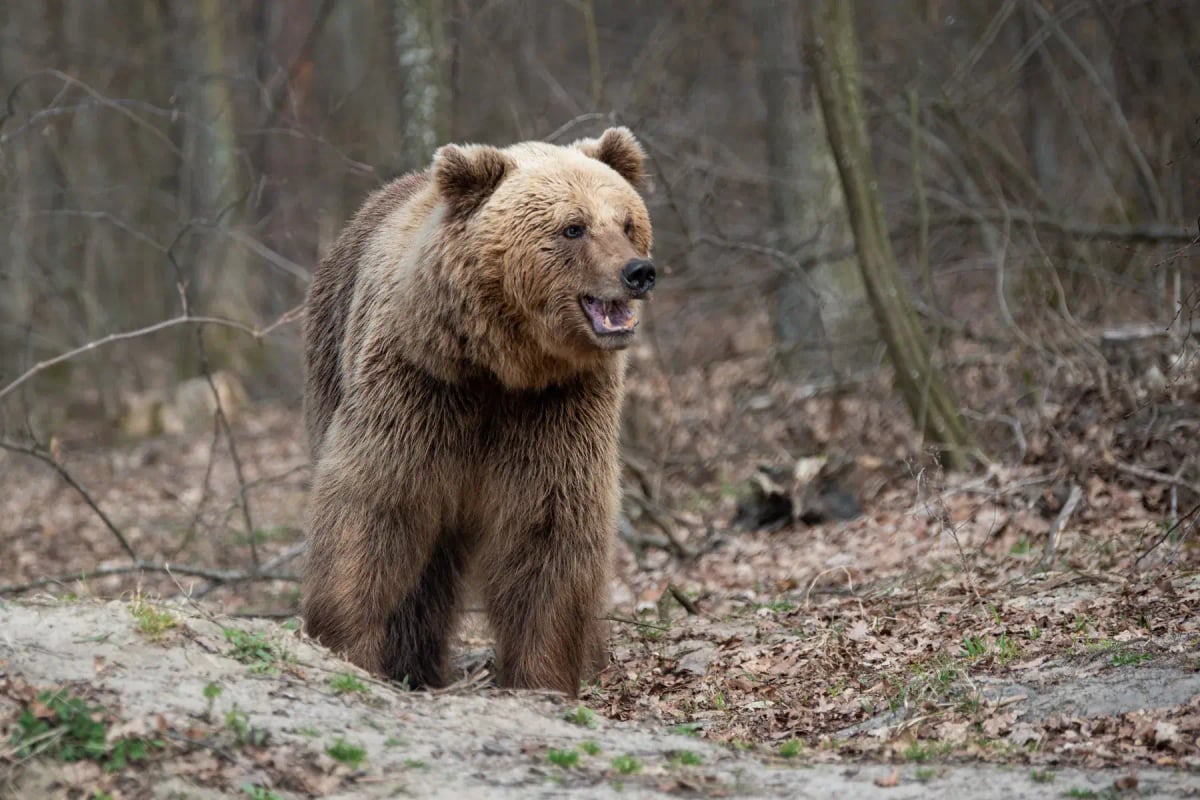
Animals in Lebanon
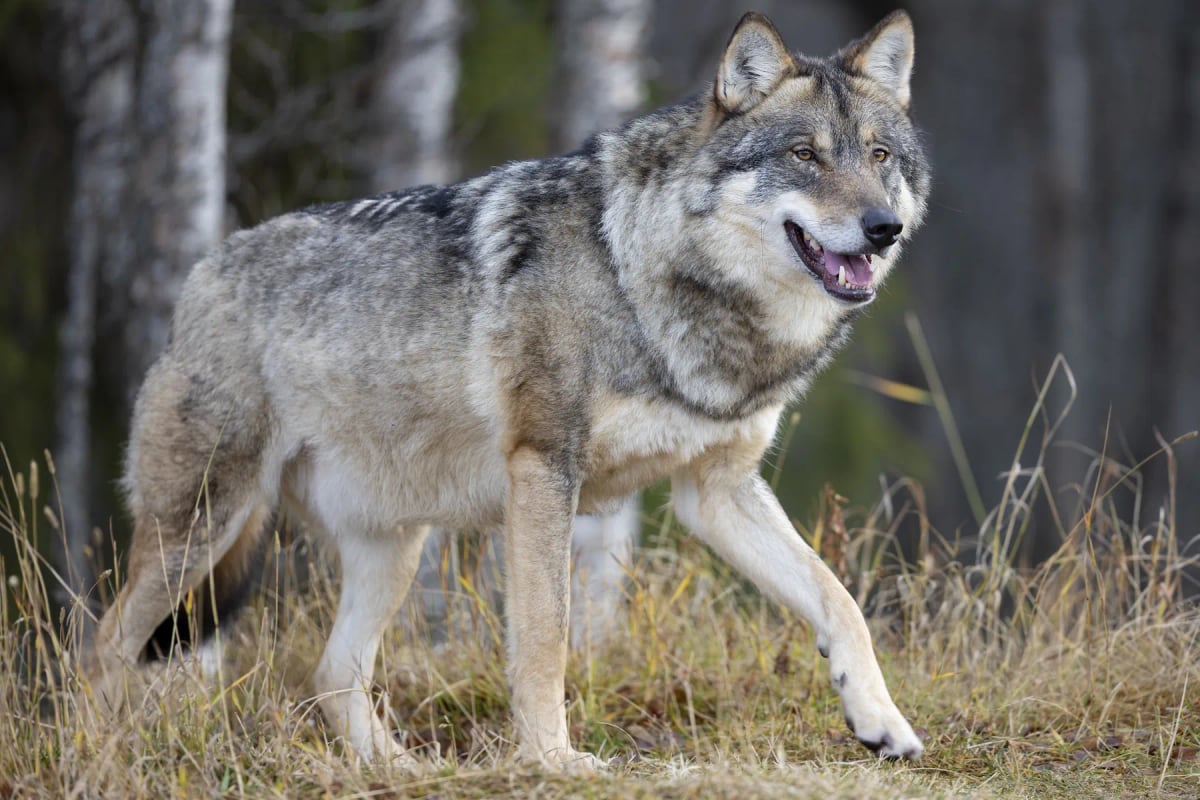
Gray Wolf
Canis lupus
The wolf is often used as an animal symbol for Lebanon and is linked to old stories about mountains and remote villages. People know it from legends, art, emblems and sports names rather than daily encounters. It suggests loyalty, shared effort and the quiet strength of groups that live close to rough hills and changing winter weather.
View details→Wildlife in Lebanon
Lebanon is a small country with Mediterranean coast, green hills and high mountain ridges. Visitors often meet wildlife on coastal walks, short drives to hill villages and marked trails in cedar forests and river valleys. From these easy routes they may see foxes, jackals, boar and many birds, while boat trips sometimes show dolphins and distant fins of large sharks.
Most Dangerous Animals in Lebanon
Danger for visitors in Lebanon appears mainly in quiet rural areas and offshore waters. Wild boar can react with force if they feel cornered in thick scrub, while striped hyenas and honey badgers are strong scavengers and hunters that usually avoid people. In the sea great white and hammerhead sharks use deeper zones, and most encounters stay brief and distant.
Top 10 Animals in Lebanon
The top 10 list for Lebanon highlights a fast peregrine falcon and a powerful great white shark that reflect sky and sea. The falcon hunts near cliffs and rocky slopes and can be seen from simple viewpoints during migration. Far offshore the shark moves through deeper waters and is mostly known from rare reports by fishers and long distance boat trips.
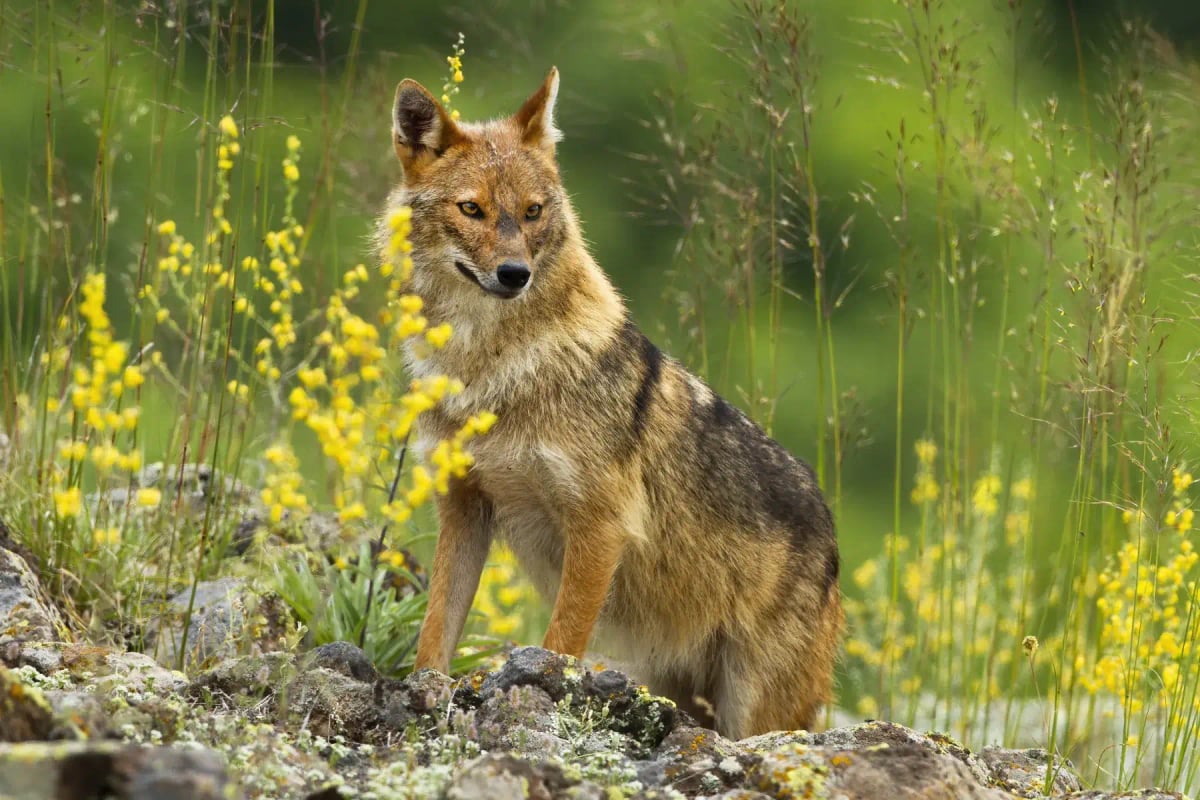
Golden Jackal
Canis aureus
In Lebanon, the golden jackal is found in coastal scrublands, the Bekaa Valley, and the foothills of Mount Lebanon, where it navigates a landscape shared closely with human communities. It feeds on a wide range of items, from small mammals and birds to fruit and food scraps. Habitat loss and hunting pressure have affected local populations, though the species remains present across much of the country. Its status is Least Concern.
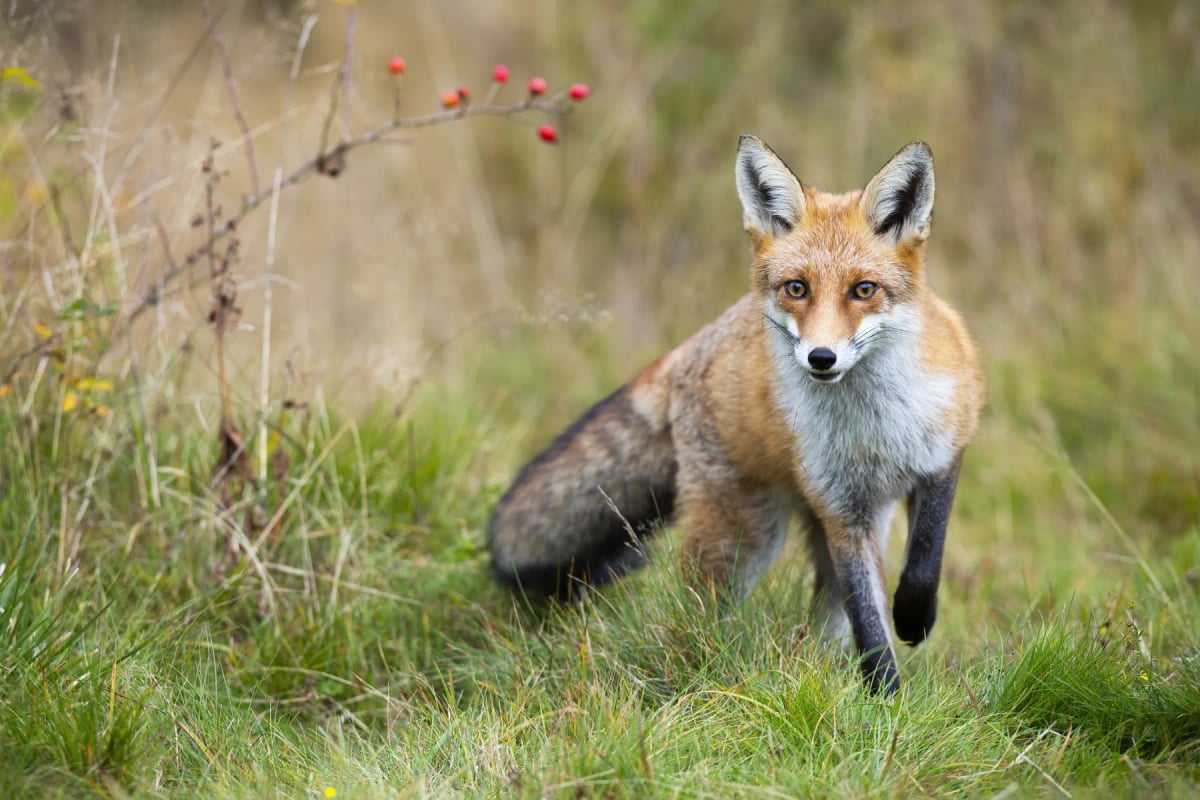
Red Fox
Vulpes vulpes
In Lebanon, the red fox is found across a surprisingly varied landscape for such a small country, from the cedar forests of the Mount Lebanon range to the Bekaa Valley and the coastal foothills. It is one of the more visible wild carnivores in the country and often ventures into villages and peri-urban areas at night. Habitat fragmentation is a concern, but the species remains widespread. Its IUCN status is Least Concern.
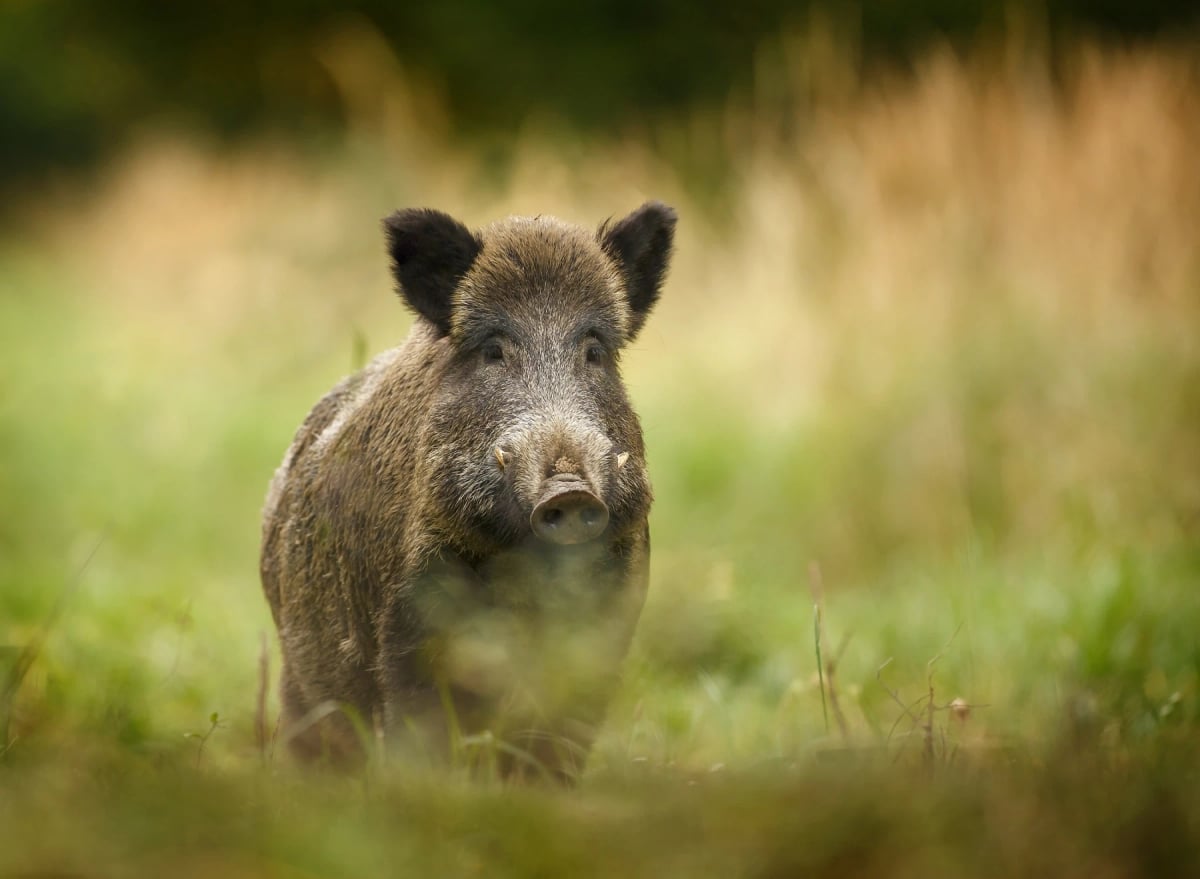
Wild Boar
Sus scrofa
Wild boars are found in the forested mountains of Lebanon, including areas around Mount Lebanon, the Chouf district and parts of the Bekaa Valley. Unlike in several neighboring countries, Lebanon's sizeable Christian population maintains a tradition of hunting and eating wild boar, alongside farmers who view the species mainly as a threat to crops and vineyards planted on forested hillsides.
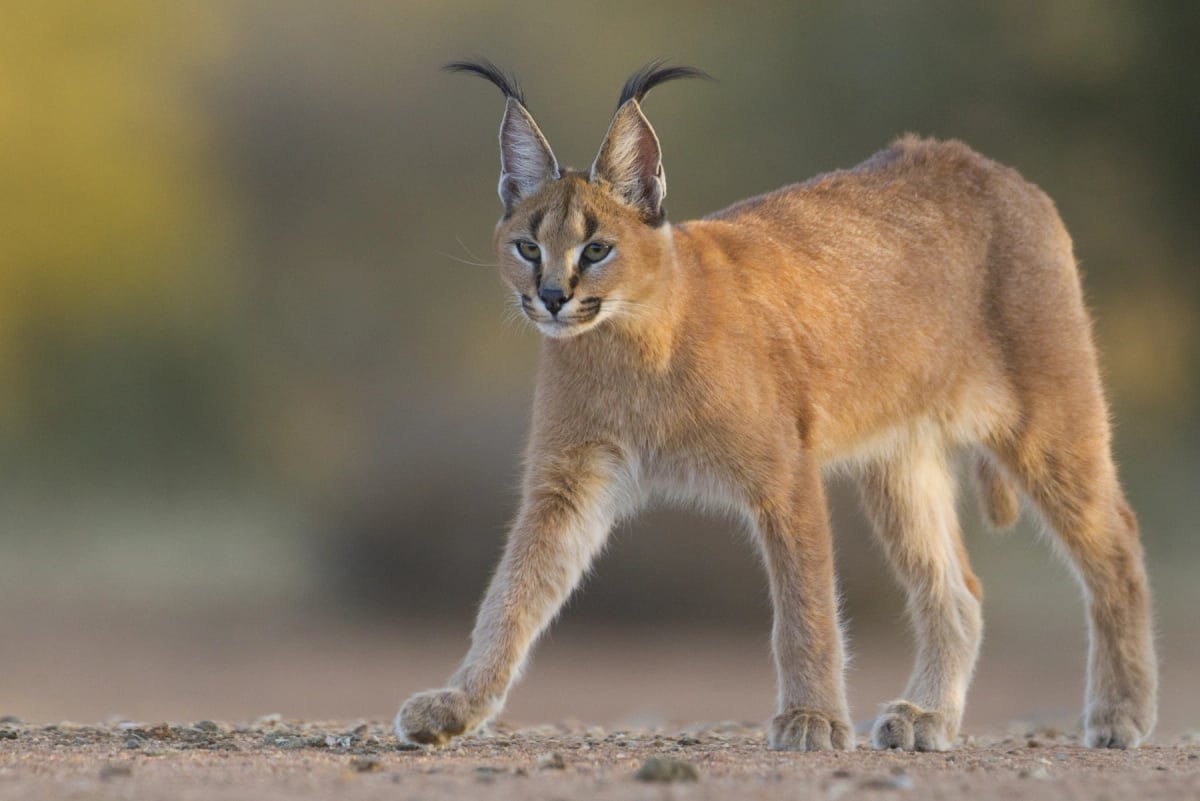
Caracal
Caracal caracal
In Lebanon, the caracal is a rare and infrequently recorded wild cat, associated with rocky hillsides, dry scrublands, and open terrain across the country. Its presence has been documented, though verified sightings are uncommon. Like elsewhere in the Middle East, it faces threats from habitat fragmentation and human encroachment. The IUCN lists it as Least Concern at the global level, but local populations are likely small and under pressure.
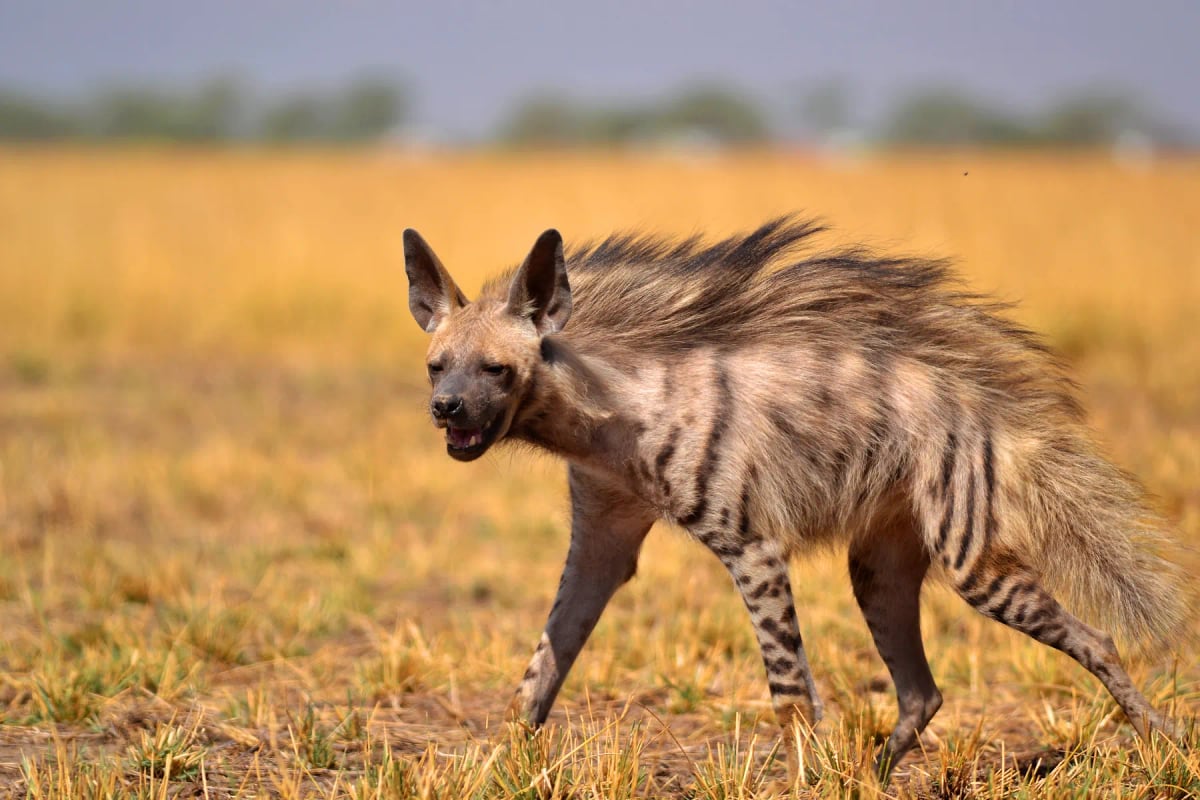
Striped Hyena
Hyaena hyaena
The striped hyena has a limited presence in Lebanon, mostly in remote and rocky areas away from dense human settlement. The Bekaa Valley and the drier slopes of the Anti-Lebanon Mountains provide some suitable habitat. Its numbers in Lebanon are believed to be small, and it is rarely documented. Habitat loss driven by urban expansion and agricultural development, combined with persecution, puts this already sparse population under considerable pressure.
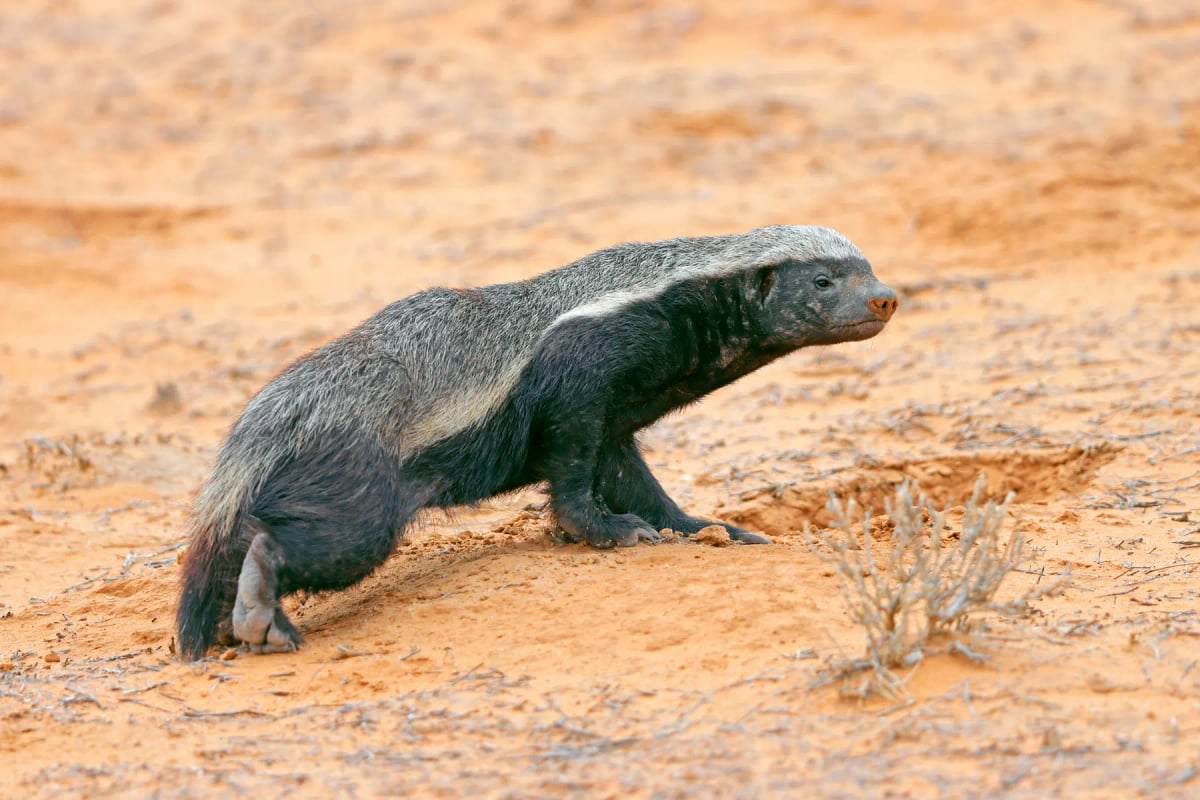
Honey Badger
Mellivora capensis
The honey badger is present in Lebanon at the northwestern edge of its Middle Eastern range, in mountainous and scrub habitats away from the densely populated coast. Researchers consider its presence likely linked to populations in neighboring Jordan and Israel, though Lebanese records remain limited. It hunts small vertebrates and insects and rarely comes into contact with people. The species holds Least Concern status with the IUCN.
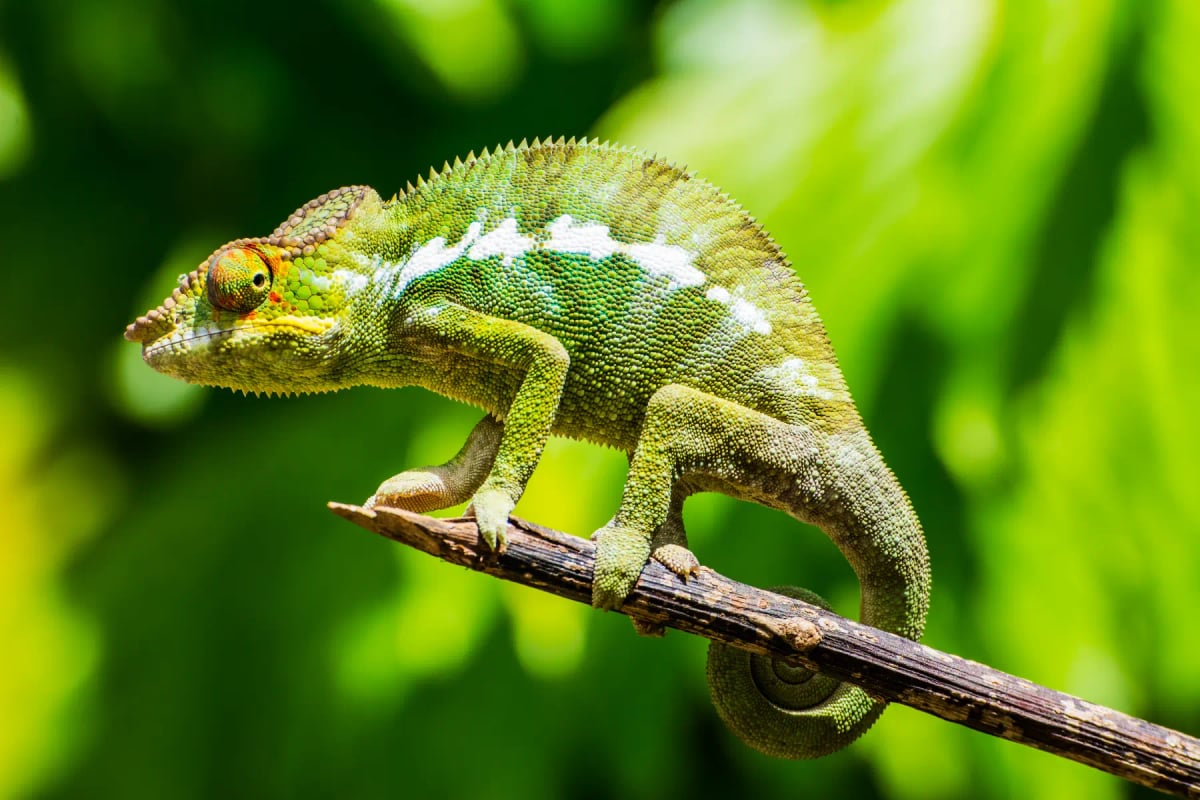
Chameleon
Chamaeleo chamaeleon
In Lebanon, the common chameleon (Chamaeleo chamaeleon) is found in coastal scrublands, terraced hillsides planted with olives and fruit trees, and the drier valleys of the western slopes. Its numbers have declined alongside widespread loss of natural vegetation across the Lebanese coast. The animal's ballistic tongue can reach prey in under a tenth of a second, making it a highly effective predator of insects despite its unhurried pace. IUCN status: Least Concern.
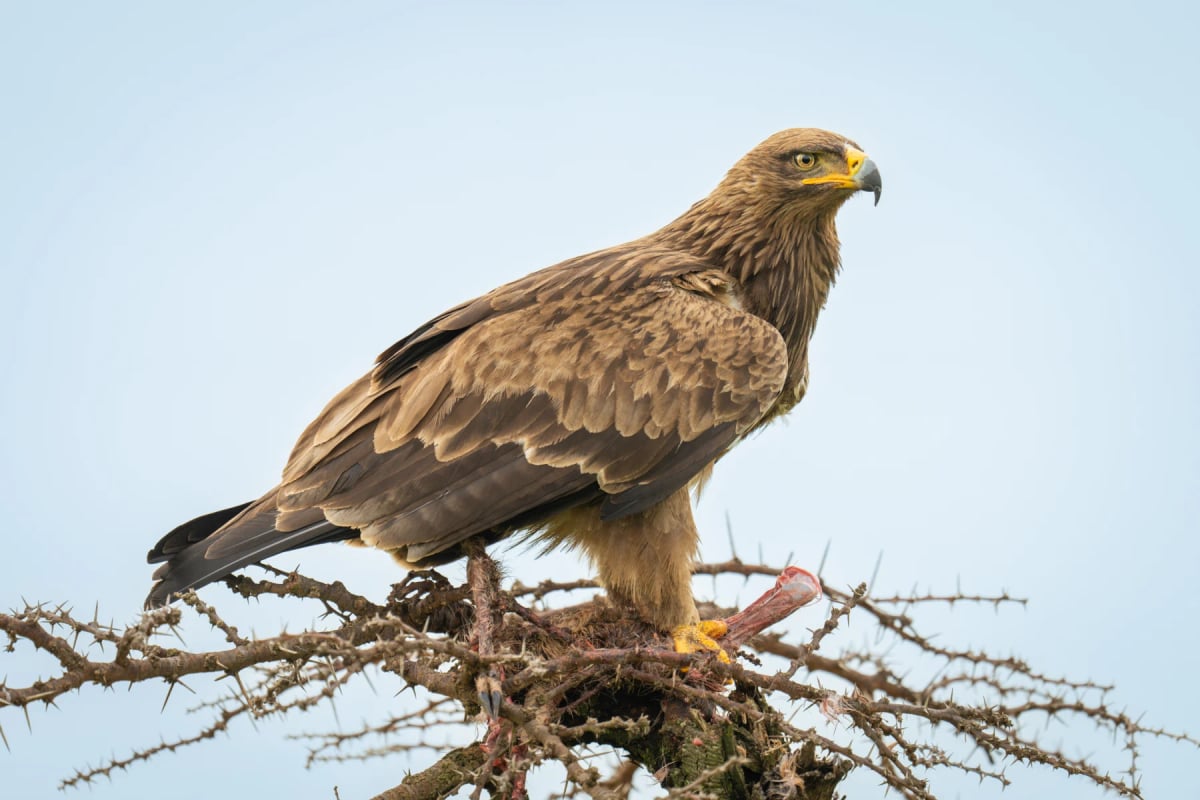
Steppe Eagle
Aquila nipalensis
Lebanon lies on the eastern Mediterranean flyway used by Steppe Eagles as they travel between Central Asia and Africa. The mountain ridges and the Bekaa Valley channel migrating raptors, and observers have recorded these large, dark brown eagles during both spring and autumn passage seasons. The species is classified as Endangered by the IUCN, and illegal hunting of migratory birds in the region remains a concern for conservationists.
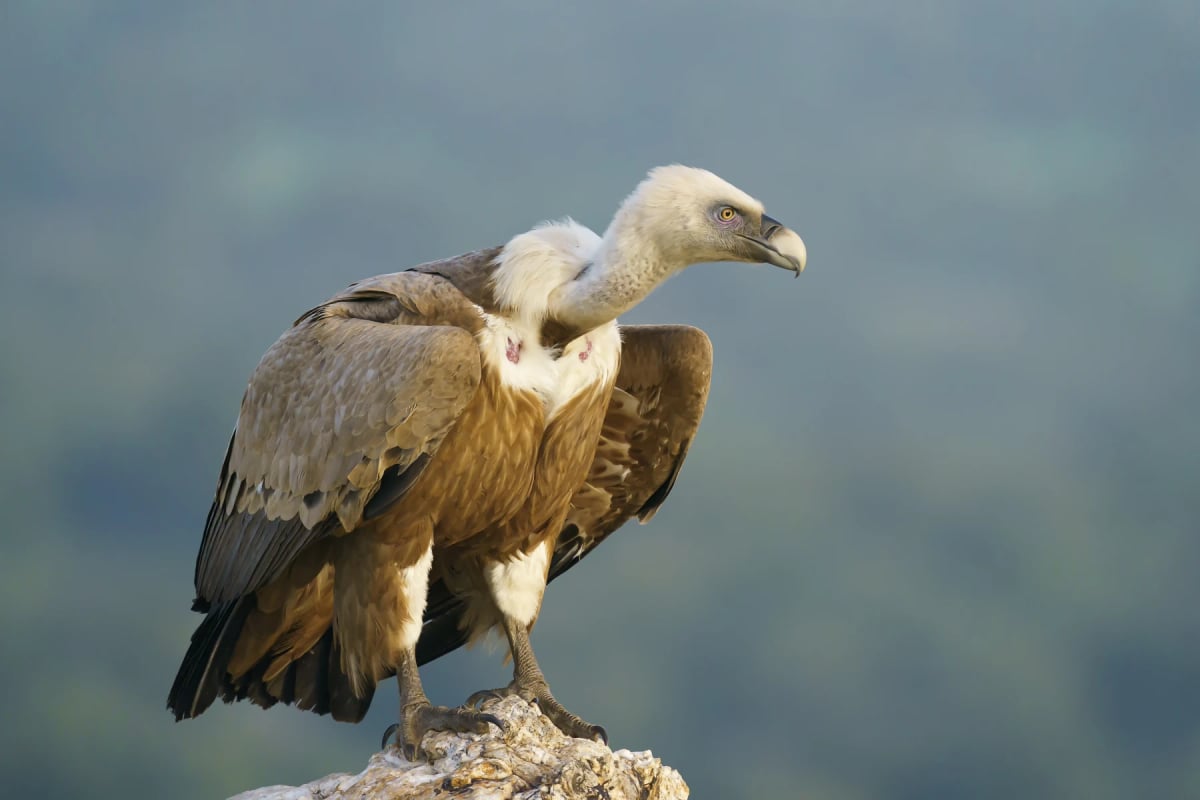
Griffon Vulture
Gyps fulvus
The griffon vulture has a small and fragile presence in Lebanon, where it is occasionally spotted soaring over the Mount Lebanon and Anti-Lebanon ranges. Historically it nested in the country, but breeding records are now scarce. It faces serious threats from illegal hunting, disturbance, and the broader decline of wild ungulate populations that it depends on for food. Conservation awareness efforts are growing, but the species remains vulnerable in this part of its range. Its IUCN status is Least Concern.
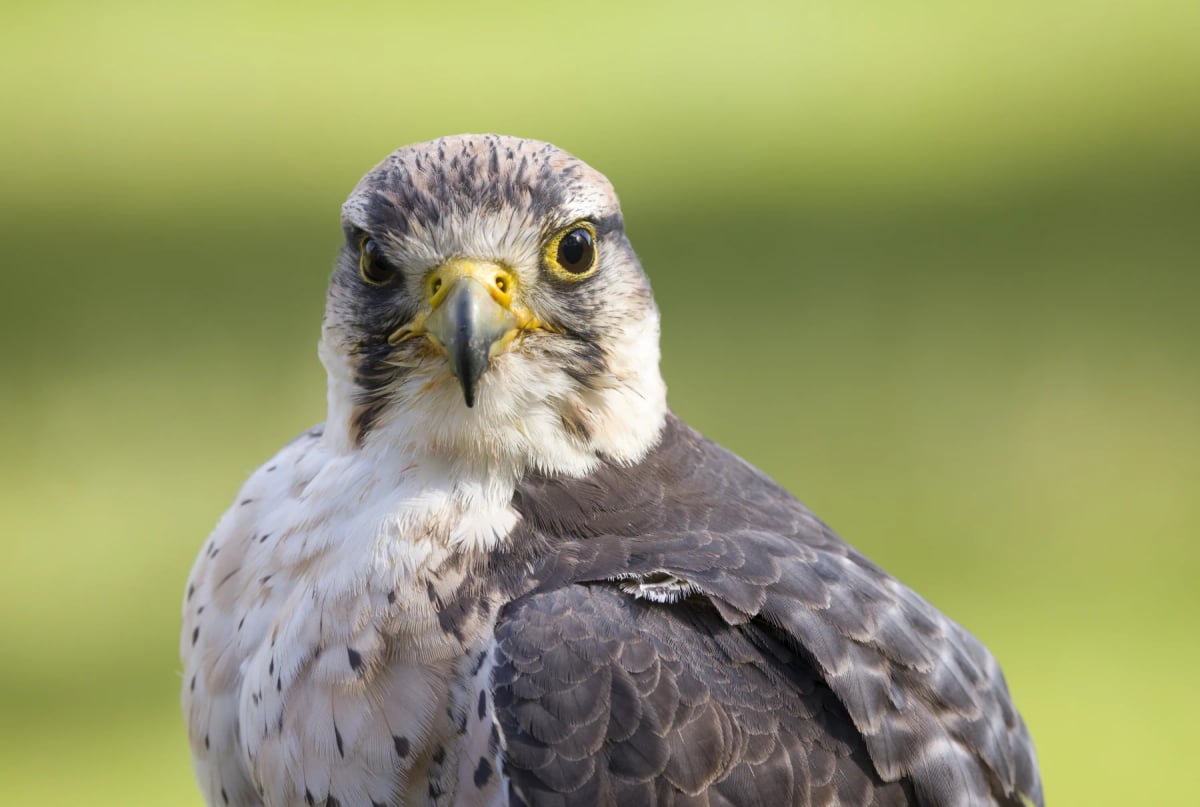
Lanner Falcon
Falco biarmicus
The lanner falcon occurs in Lebanon across rocky valleys, open hillsides, and semi-arid areas, particularly in the eastern parts of the country toward the Bekaa Valley. It is not among the most common raptors in Lebanon but is a known resident. Like elsewhere in the Middle East, it has cultural ties to falconry. Habitat loss and human disturbance remain ongoing concerns for the species here. IUCN status: Least Concern.
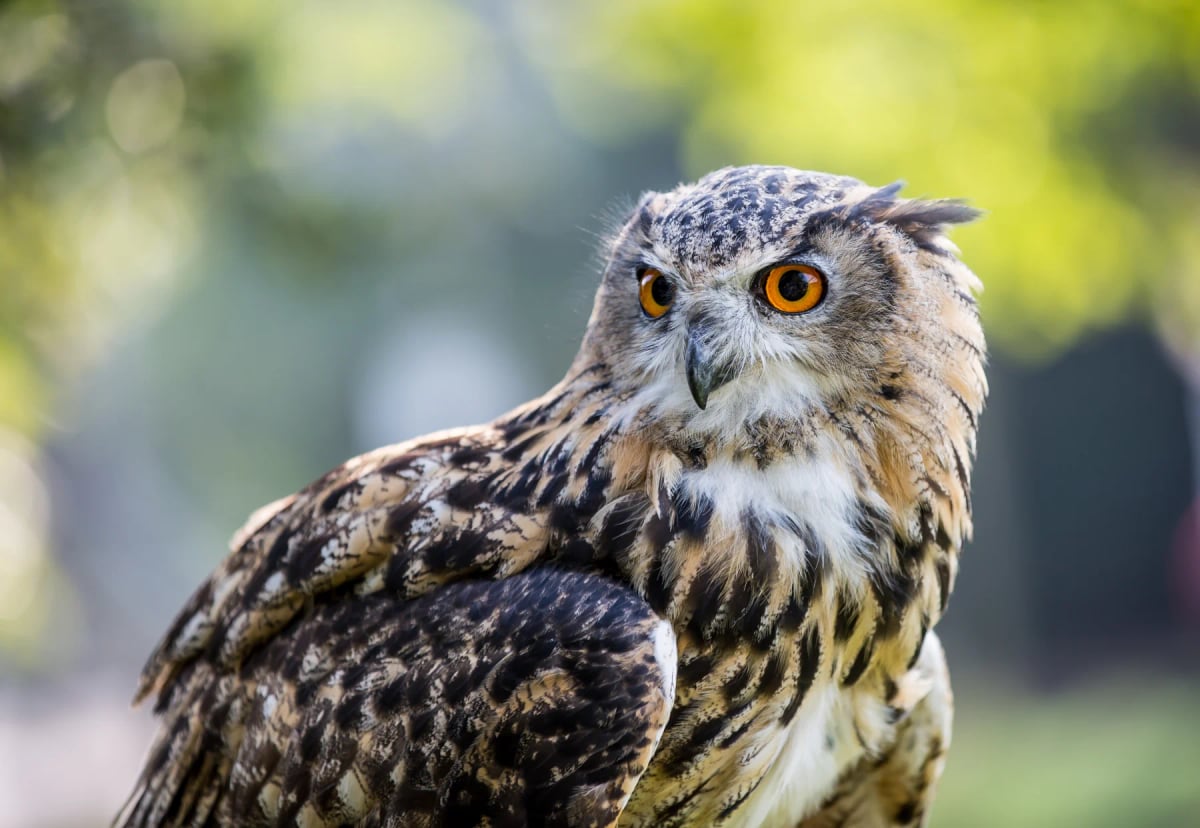
Eagle Owl
Bubo bubo
In Lebanon, the Eurasian eagle owl occupies rocky gorges and rugged hillsides, including areas around the Lebanon and Anti-Lebanon mountain ranges. It is largely nocturnal, hunting rodents, birds, and small mammals across scrubland and open terrain. Habitat loss and human disturbance put pressure on local pairs. Despite a small national population, it remains one of the most imposing birds of prey in the region. The IUCN lists it as Least Concern.
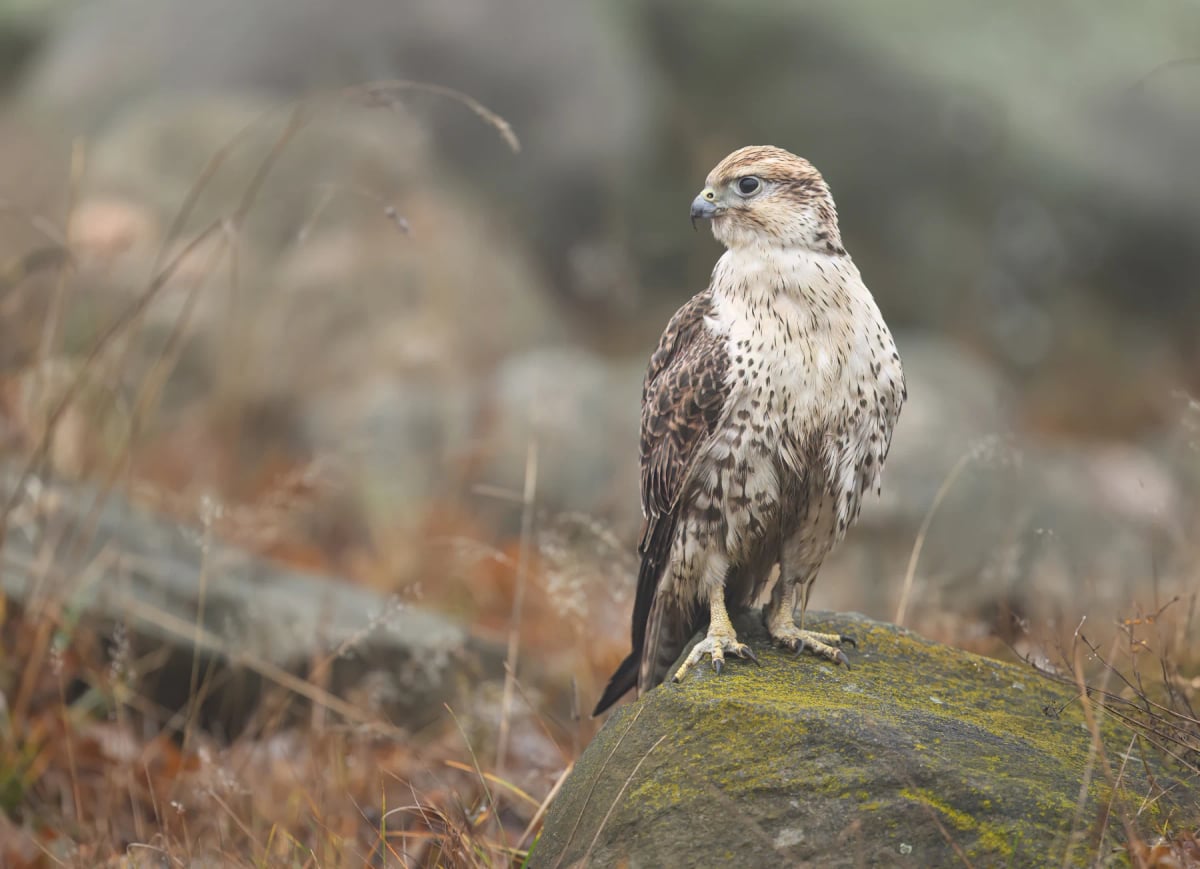
Saker Falcon
Falco cherrug
Lebanon sits along the eastern Mediterranean flyway used by many raptors during migration, and the saker falcon is recorded as an occasional passage migrant and winter visitor in the country. Open areas and agricultural land in the Bekaa Valley and the eastern regions can provide temporary habitat during the bird's movements south. Migratory raptors in Lebanon have historically faced pressure from illegal hunting. The IUCN lists the saker falcon as Endangered.
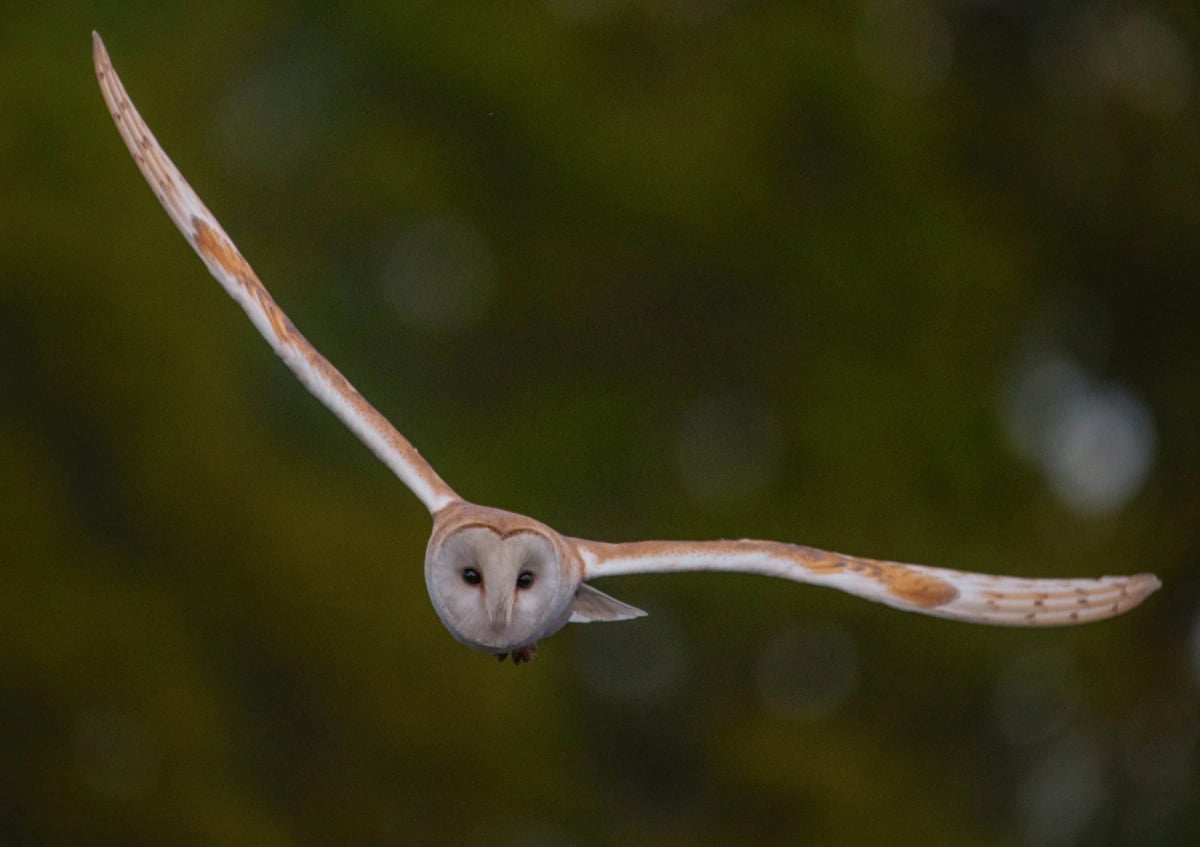
Barn Owl
Tyto alba
The barn owl is found across Lebanon in open farmland, scrubland, and areas near villages in the coastal lowlands, the Bekaa Valley, and the lower slopes of the Lebanon and Anti-Lebanon ranges. It nests in old stone buildings, ruins, cliff faces, and hollow trees, and hunts rodents at night. In the agricultural Bekaa Valley it plays a useful role in controlling small mammal populations. Its pale silhouette gliding silently over fields at dusk is a familiar sight in rural areas throughout the country.
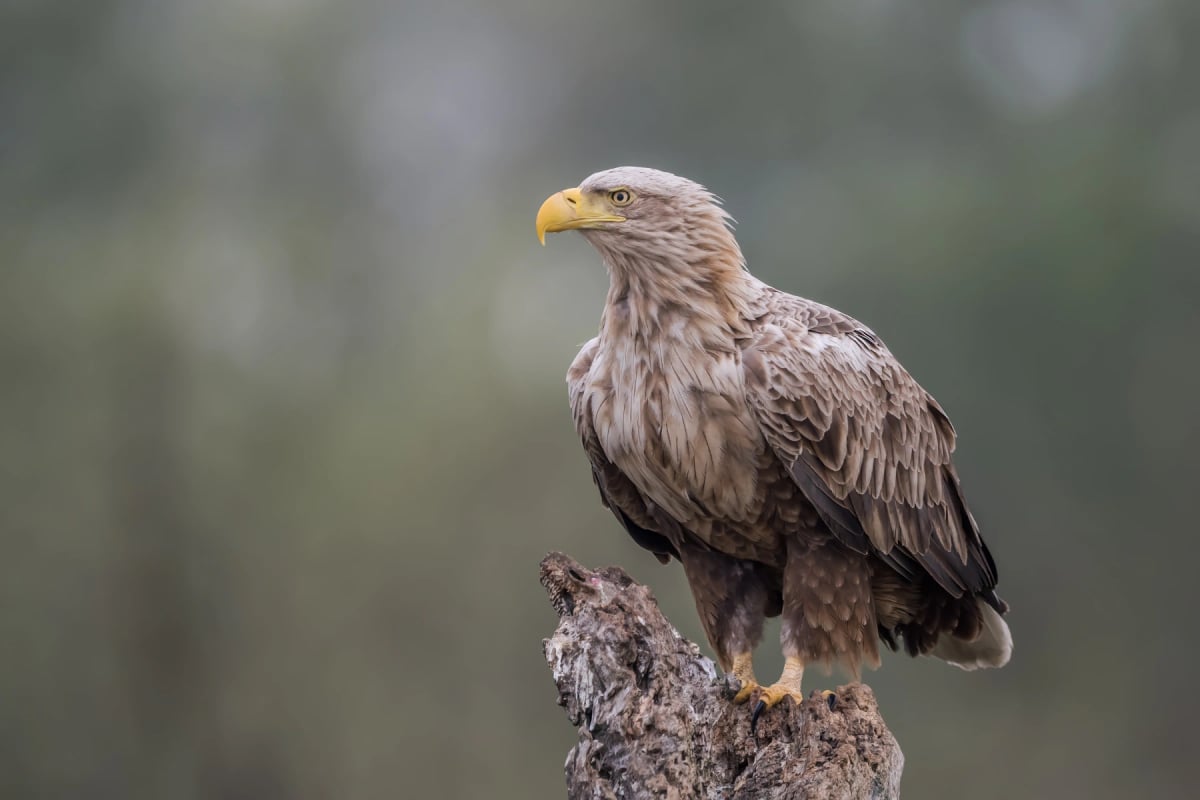
White tailed Eagle
Haliaeetus albicilla
Lebanon lies along an important raptor migration route between Europe and Africa, and the white-tailed eagle is recorded here as a passage migrant, particularly in autumn. Birds are most often spotted over coastal areas and inland valleys such as the Bekaa Valley. Illegal hunting of migratory birds has historically been a serious problem in Lebanon, though conservation campaigns have worked to reduce it. Its IUCN status is Least Concern.
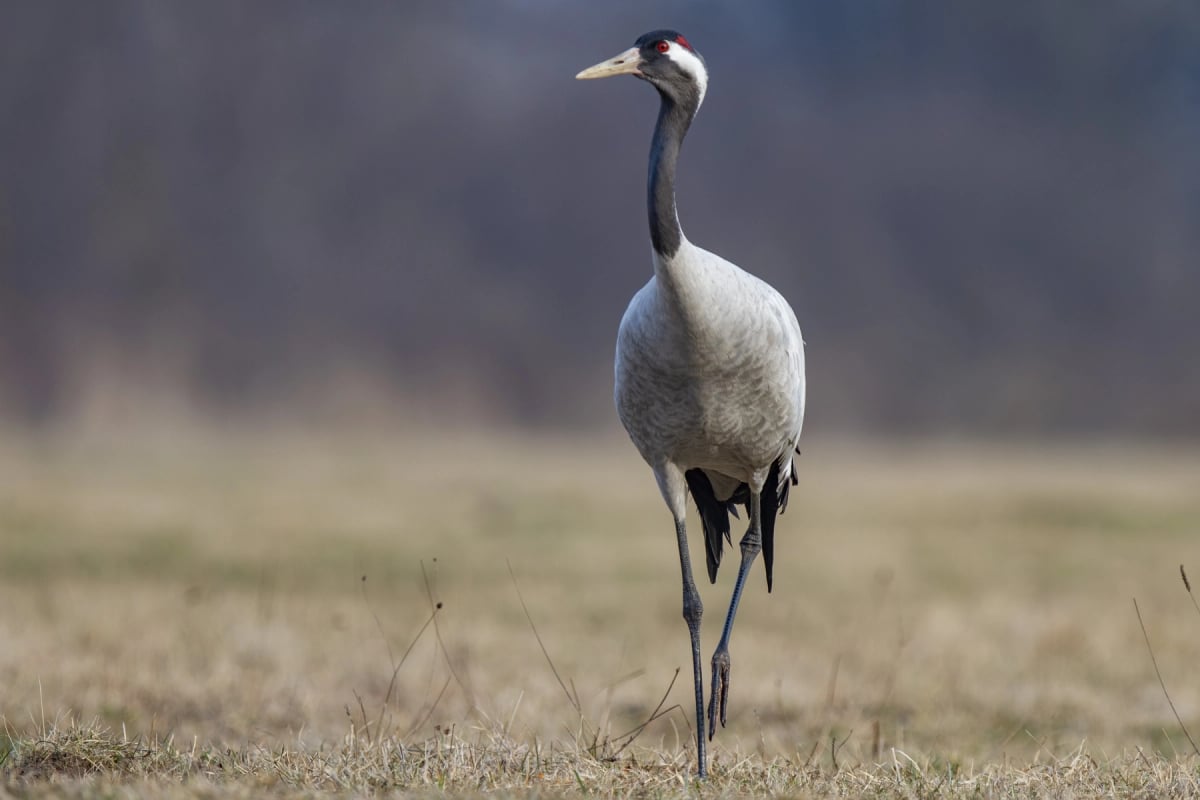
Crane
Grus grus
Lebanon lies along the path of common cranes migrating between Europe and their wintering grounds in Africa and the Middle East. Flocks can be seen passing over the Bekaa Valley and coastal areas each autumn and spring. The country's position along the eastern Mediterranean flyway makes it a notable stopover point for this and many other migratory species. The IUCN lists the common crane as Least Concern.
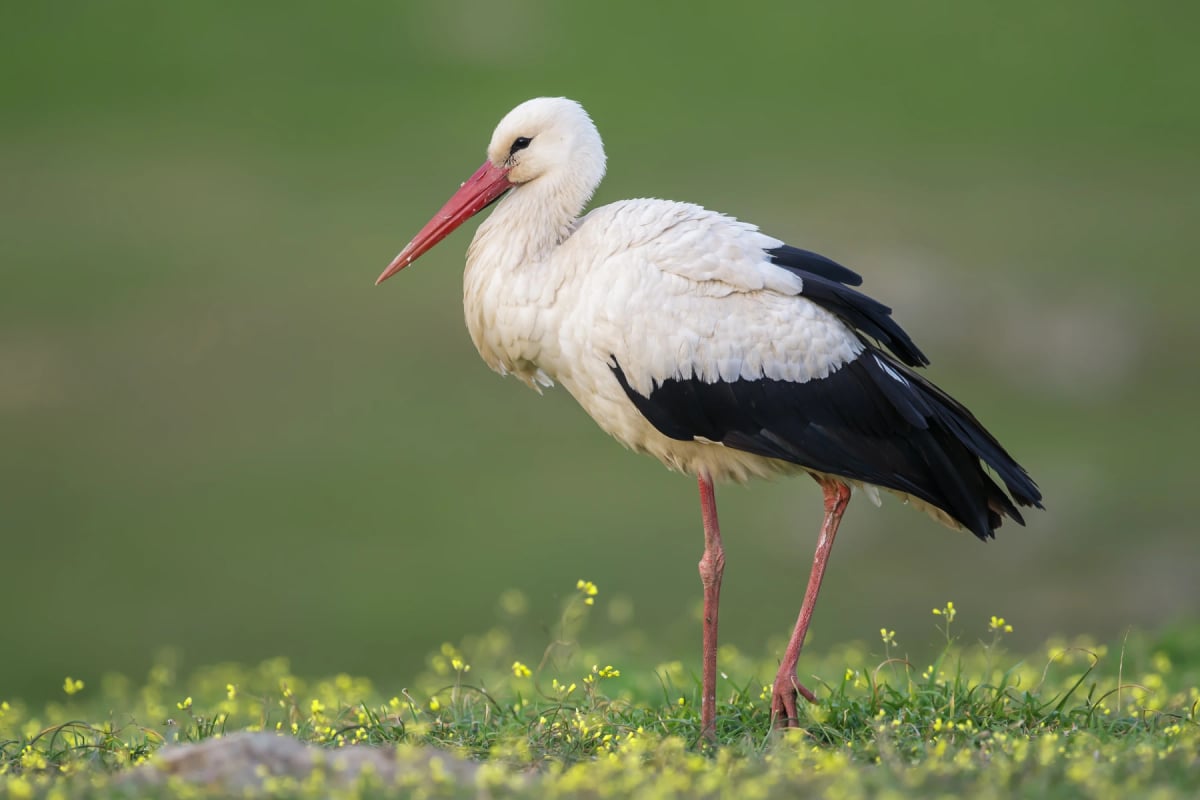
Stork
Ciconia ciconia
The white stork passes through Lebanon each spring and autumn, riding thermal currents along the eastern Mediterranean coast during its migration between Europe and sub-Saharan Africa. Travellers can spot flocks soaring above the Bekaa Valley and coastal plains. Standing up to 1.15 metres tall with white plumage, a red bill, and black flight feathers, it is one of the most striking birds to cross Lebanese skies. IUCN status: Least Concern.
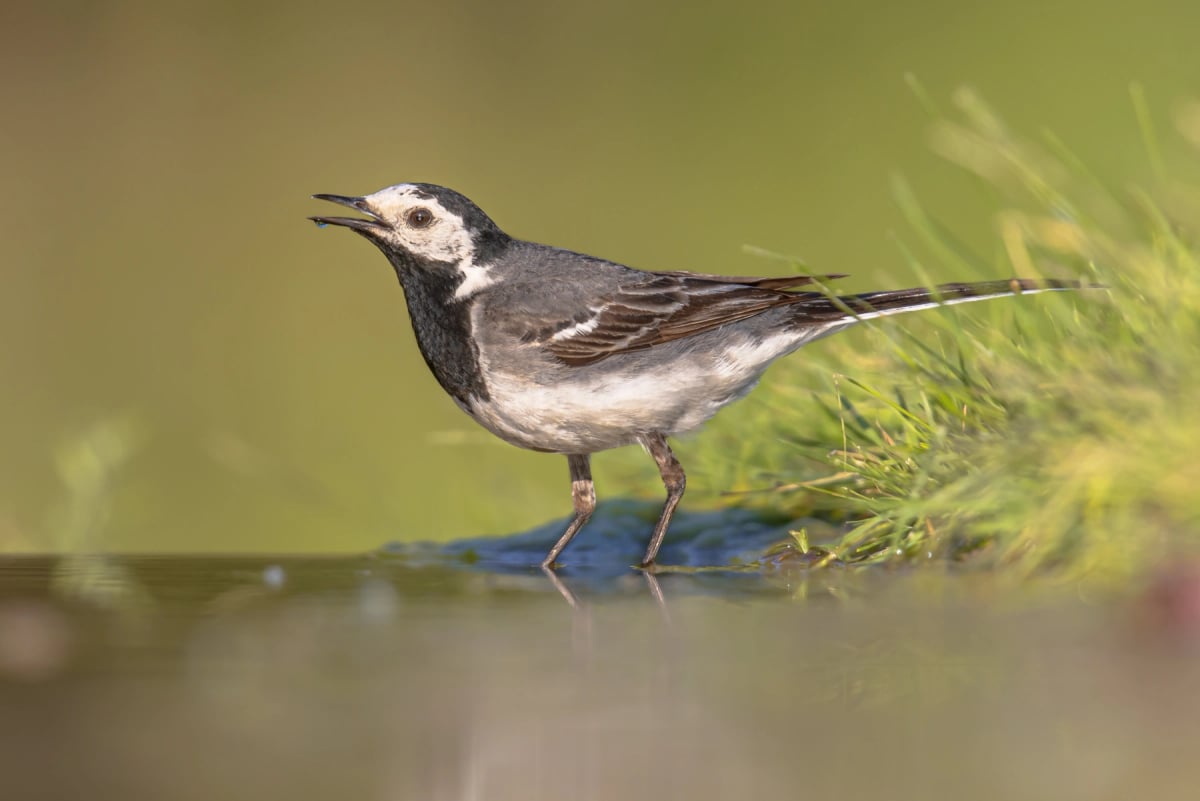
White Wagtail
Motacilla alba
In Lebanon, the white wagtail is seen both as a passing migrant and a winter visitor, frequenting the Bekaa Valley, coastal plains and the banks of rivers such as the Litani. It picks insects from open ground and wet margins, often appearing in farmland and urban parks. Some birds breed in suitable upland areas. Its IUCN status is Least Concern.
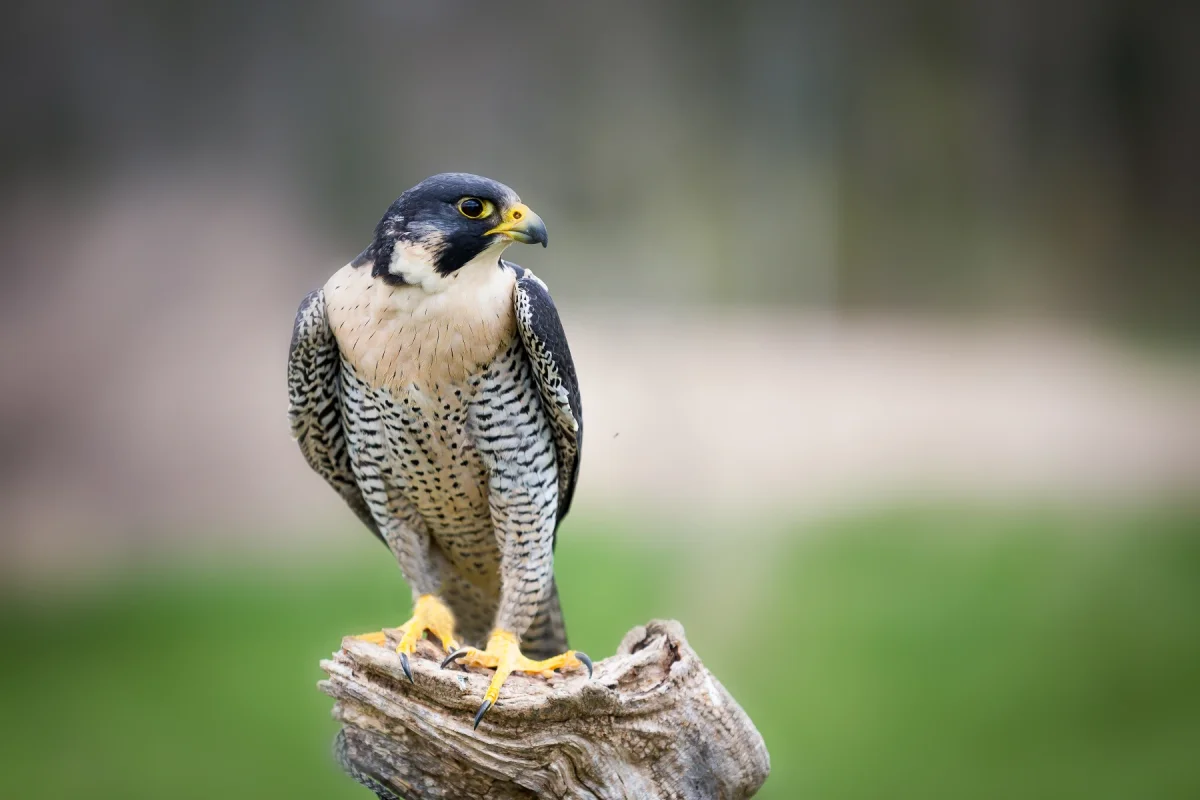
Peregrine Falcon
Falco peregrinus
Lebanon sits along one of the busiest bird migration routes in the world, the Syrian African Rift Valley flyway, and peregrine falcons are regular visitors during spring and autumn passage. Some birds may winter along the rocky cliffs of the Lebanese coast and the rugged terrain of the Mount Lebanon range. Conservation organizations in Lebanon have worked to reduce illegal hunting, which has historically threatened migrating raptors. IUCN status: Least Concern.
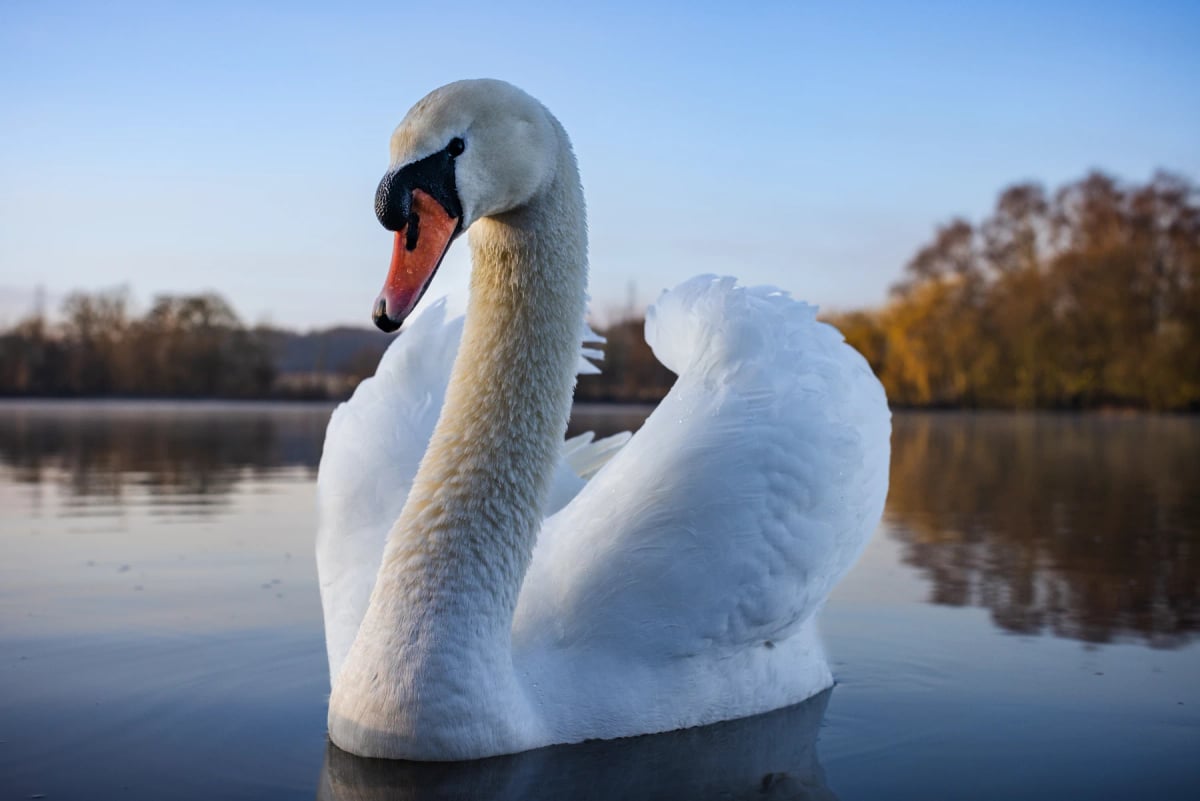
Mute Swan
Cygnus olor
In Lebanon, the mute swan is an uncommon visitor recorded mostly during migration or winter at coastal wetlands and freshwater bodies. Sites along the Lebanese coast and inland valleys can attract waterbirds moving between Europe and Africa. The species is not known to breed in the country. Any sighting of this large white bird along the Lebanese shoreline or rivers is considered notable by local birdwatchers. Its IUCN status is Least Concern.
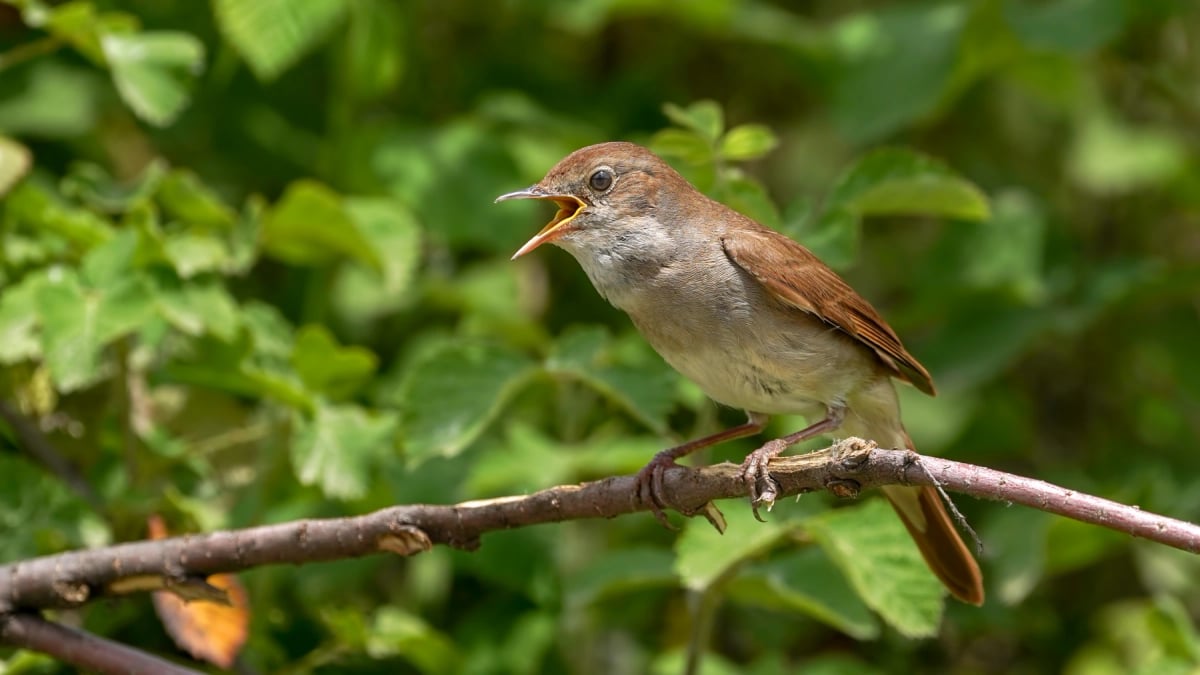
Nightingale
Luscinia megarhynchos
Lebanon lies along an important migration route between Europe and Africa, and the nightingale passes through the country each spring and autumn. Some birds also breed in the dense scrub and wooded valleys of the northern and coastal regions. The varied landscape of Lebanon, from coastal plains to forested mountain slopes, offers suitable habitat at multiple stages of the species' annual cycle. Its IUCN status is Least Concern.
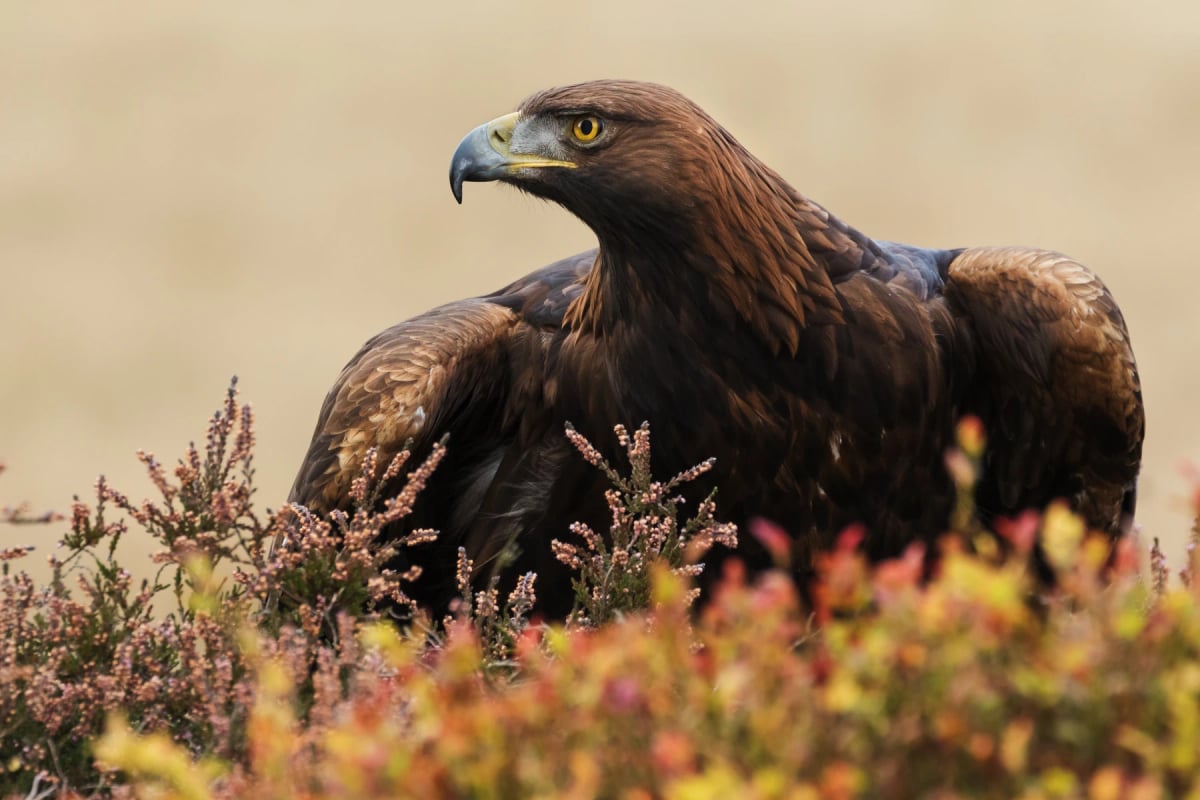
Golden Eagle
Aquila chrysaetos
In Lebanon, the golden eagle is an uncommon resident and passage migrant, observed in the Mount Lebanon and Anti-Lebanon ranges. It soars over rocky ridges and open hillsides in search of prey such as hares and partridges. Hunting pressure and habitat degradation pose ongoing challenges for the species in this region. Globally, the IUCN lists it as Least Concern.

Bottlenose Dolphin
Tursiops truncatus
Bottlenose dolphins are present in the eastern Mediterranean waters off Lebanon's coast, though they inhabit one of the most heavily impacted stretches of the Mediterranean Sea. Chronic pollution, unregulated fishing, and heavy coastal development put pressure on local cetacean populations. Classified as Least Concern by the IUCN globally, these dolphins face notably higher threats in Lebanese waters, where formal marine conservation infrastructure remains limited.
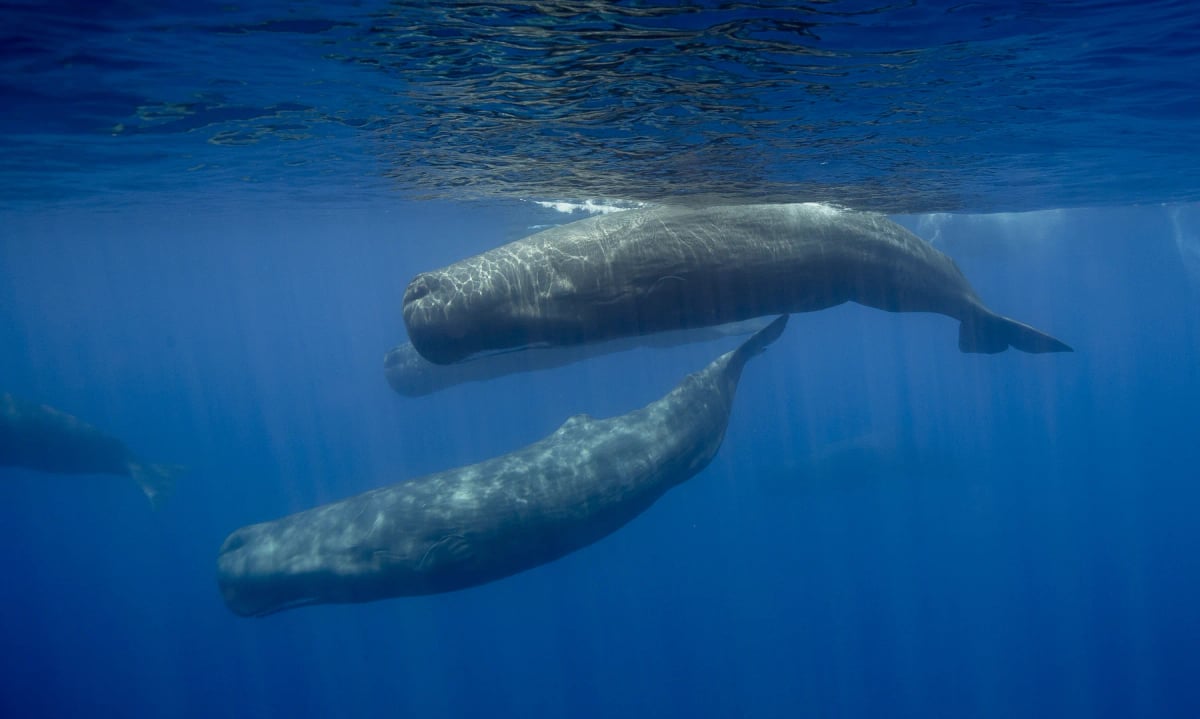
Sperm Whale
Physeter macrocephalus
The eastern Mediterranean Sea, where Lebanon's coastline sits, is home to a small but notable population of sperm whales. These whales rely on the deepwater basin of the Mediterranean to dive for squid and fish. The sea here is heavily trafficked by commercial vessels, making ship strikes a serious concern. Lebanon's waters form part of a broader Mediterranean range where this Vulnerable species faces ongoing pressure from human activity.
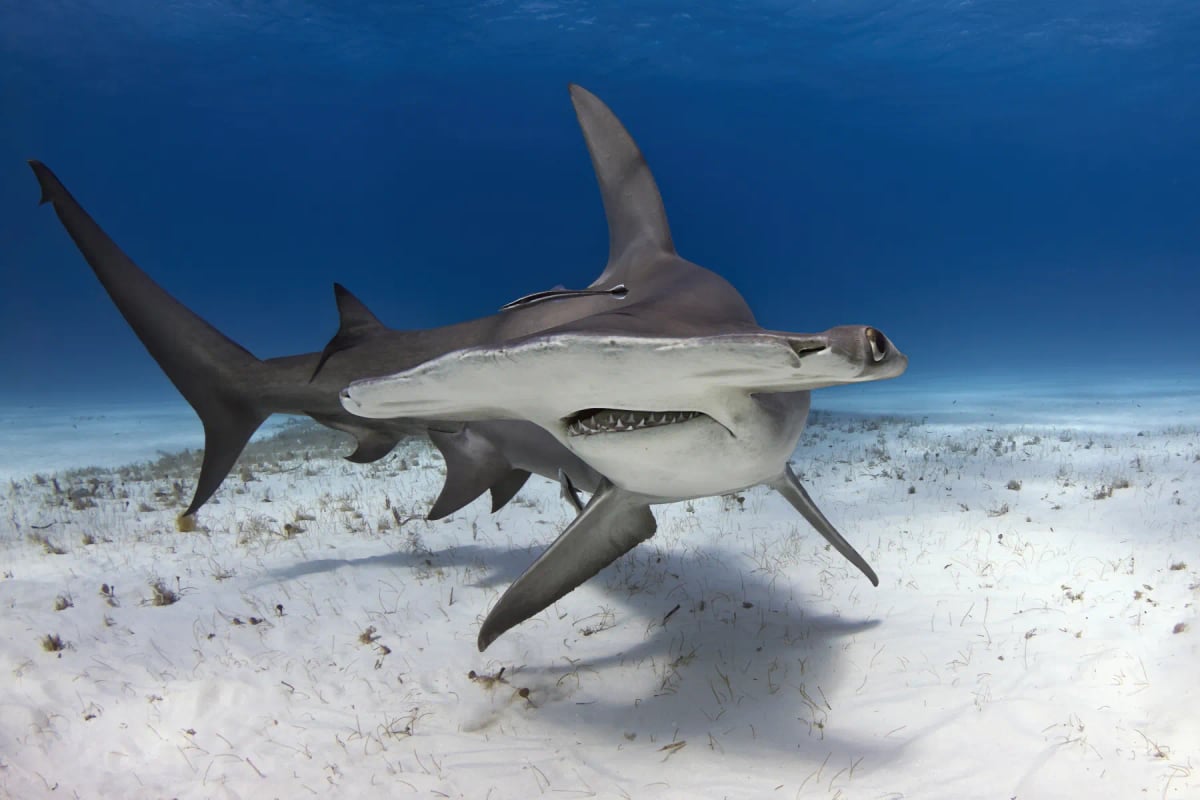
Hammerhead Shark
Sphyrna spp.
Hammerhead sharks are present in the eastern Mediterranean Sea, including the coastal waters off Lebanon. The Mediterranean population of hammerheads has suffered a dramatic decline over the past century due to intense fishing pressure and habitat disturbance. These sharks feed on fish and rays in offshore and coastal zones. Several species are now Critically Endangered, making conservation efforts in the Mediterranean especially urgent.
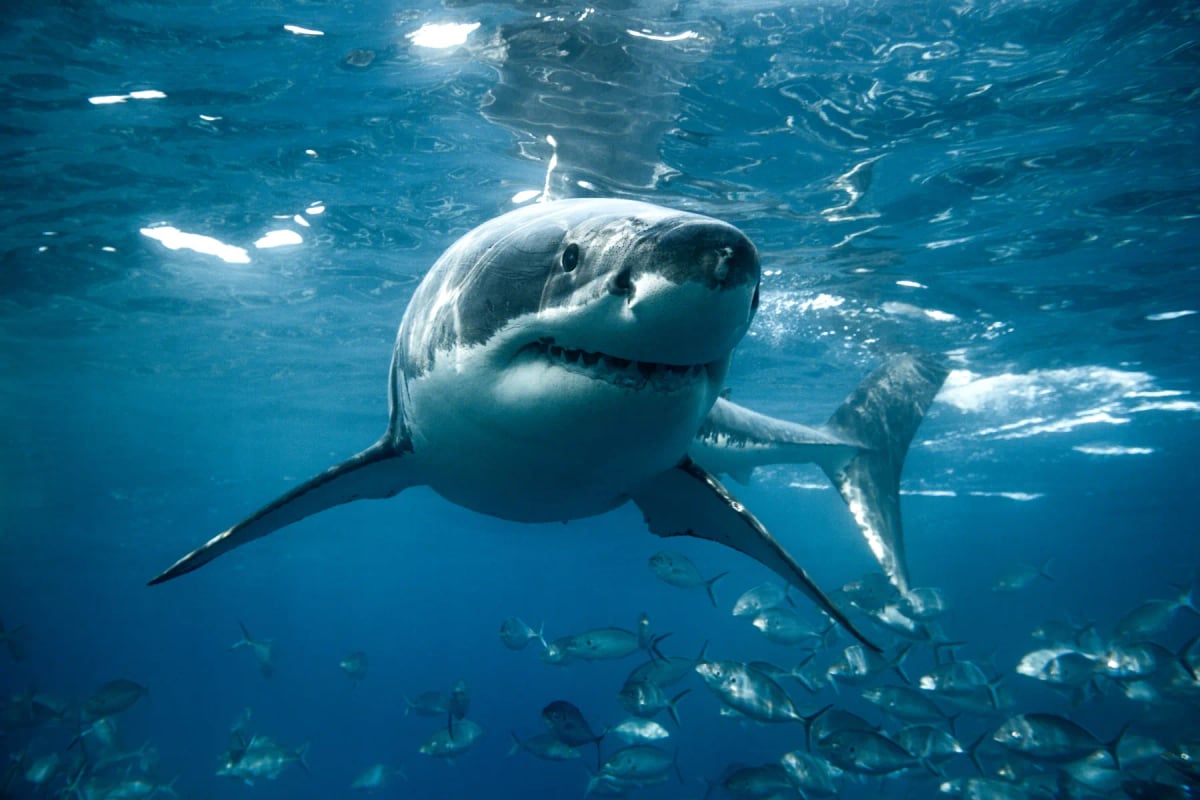
Great White Shark
Carcharodon carcharias
The great white shark occasionally passes through the eastern Mediterranean waters off Lebanon, though sightings are rare. This massive fish, the largest predatory shark on Earth, can reach six metres in length and weigh over a tonne. Classified as Vulnerable by the IUCN, it faces pressure from fishing activity and habitat loss across the Mediterranean, making every confirmed record from this region scientifically significant.
Researched and written by Juan Pablo. Sources: IUCN Red List, scientific literature and regional field guides. Last updated: .