Wolverine
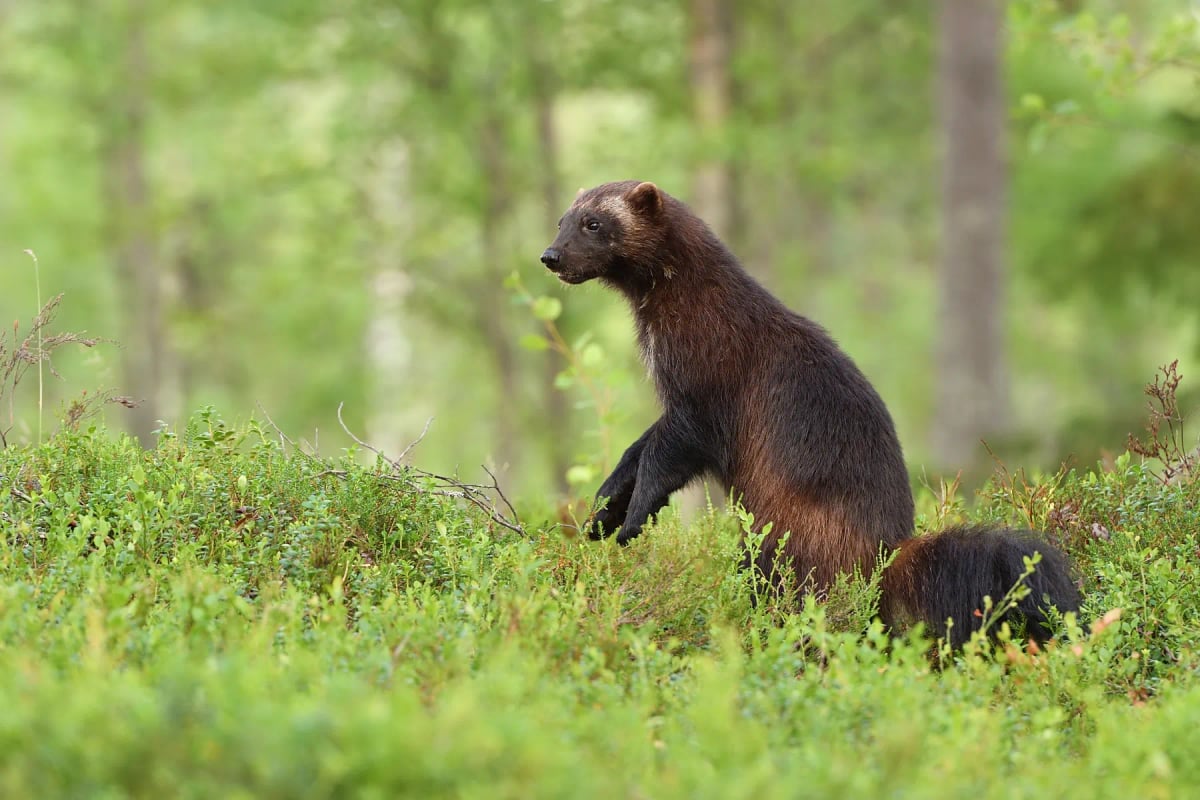
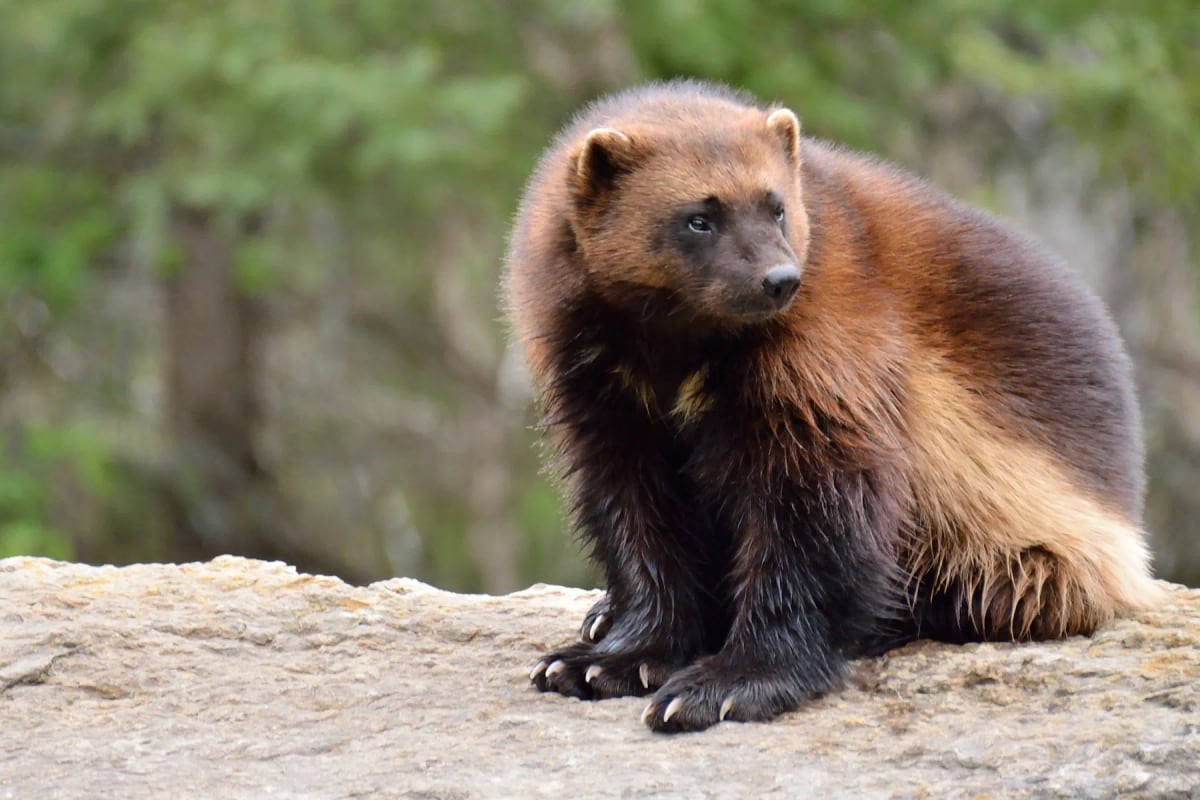
The wolverine is the largest land-dwelling member of the weasel family, but stocky enough to look more like a small bear than a weasel. It lives across the boreal forests, alpine meadows, and tundra of the Northern Hemisphere, from Canada and Alaska to Scandinavia and Russia. Its broad, well-padded paws spread its weight over snow the way snowshoes do, allowing it to chase down prey that would otherwise sink and tire. Wolverines are famous for their strength out of proportion to their size. They can drive wolves and even bears away from a carcass and crack frozen bones with their powerful jaws. Solitary and wide-ranging, a single individual may patrol a home range of several hundred square kilometers. Despite their fearsome reputation, wolverines are shy around people and are rarely seen in the wild.
Habitat and range
Wolverines are found across some of the coldest and most remote places on Earth. Their range stretches from boreal forests and alpine meadows in Canada and Alaska through Scandinavia and across Russia into Mongolia. Within these regions, they favor wilderness far from roads and settlements, typically at elevations where deep snow persists well into spring. They depend on snowpack to keep food caches frozen and to give birth in insulated dens beneath the snow. In the contiguous United States, wolverines survive in small, scattered populations in the Rocky Mountains. A single adult may roam a territory covering several hundred square kilometers, making them one of the most wide-ranging mammals relative to their body size anywhere in the Northern Hemisphere.
Diet
Food can be hard to come by in the frozen north, and wolverines have adapted to eat almost anything available. Carrion forms the backbone of their diet through winter, when fresh prey is scarce and the carcasses of moose, caribou, and other large animals left by wolves or harsh weather provide critical calories. When the opportunity arises, wolverines also hunt smaller mammals such as ground squirrels, snowshoe hares, and lemmings. Deep snow actually works in their favor during hunts, as it slows down ungulates like caribou while wolverines use their broad paws to stay on the surface. They are dedicated cachers, burying surplus meat in the frozen ground or under snow to revisit for weeks or even months afterward.
Strength and resilience
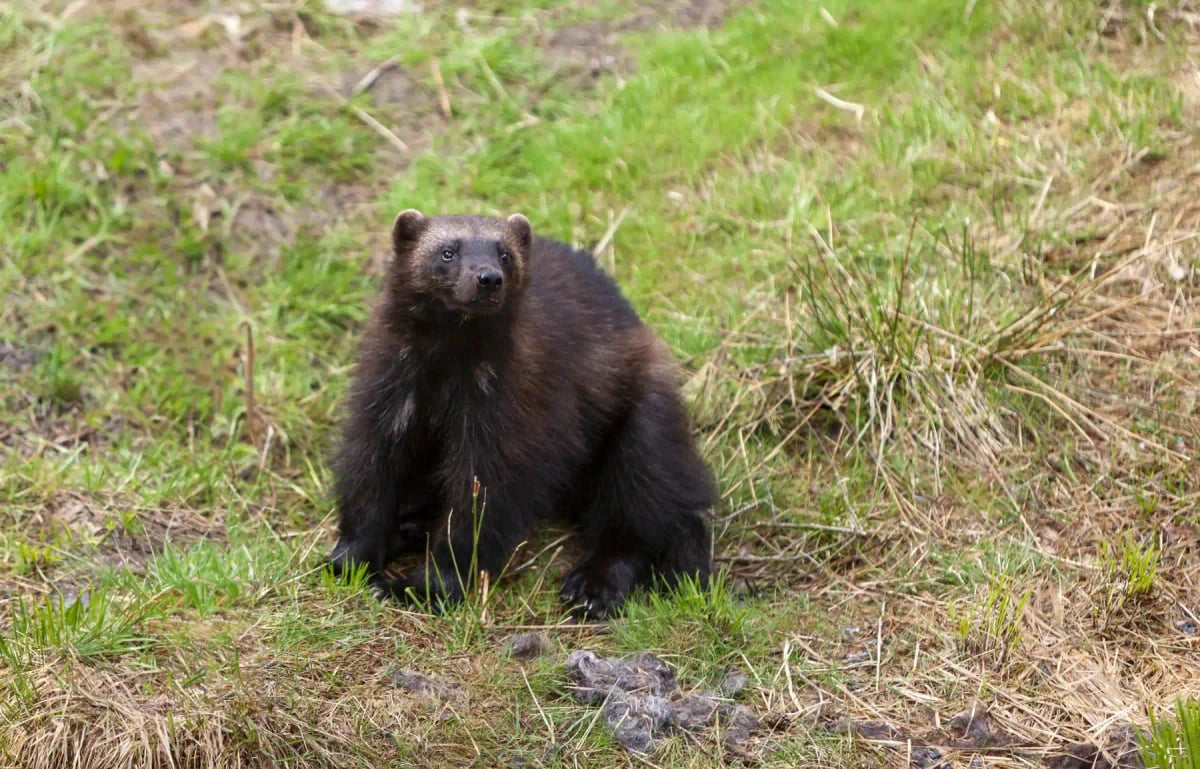
Pound for pound, few animals on Earth can match the wolverine. Its jaws generate enough force to crack through frozen bones and the thick hides of carcasses that other predators cannot open in winter. This physical power means that a wolverine often wins standoffs with animals many times its own weight. Documented observations show wolverines successfully chasing wolves and even black bears away from kills. Their endurance is equally impressive. In a single day, a wolverine can cover more than 40 kilometers across deep snow and steep mountain terrain without rest. Dense, oily fur resists frost and moisture, keeping the animal warm during blizzards. These physical qualities together make the wolverine one of the toughest animals in the boreal and alpine ecosystems it calls home.
Behavior
Solitary by nature, wolverines spend most of their lives alone, coming together only to mate. Males maintain enormous territories that often overlap with those of several females, which they mark using scent glands to signal their presence. Despite the fearsome reputation they have earned, wolverines are genuinely shy around people and will typically disappear long before a person gets close. Their boldness is reserved almost entirely for situations involving food: they will confront predators far larger than themselves rather than abandon a meal. Wolverines are active year-round and do not hibernate. Females give birth in late winter, usually to two or three kits, inside dens dug deep into snowdrifts. The kits grow quickly and are largely independent by autumn of their first year.
Conservation
The IUCN currently lists the wolverine as Least Concern at the global level, reflecting stable populations across much of Russia and Canada. However, the picture is more complicated in some parts of its range. In the contiguous United States, wolverines exist in very low numbers across fragmented mountain habitats, and climate change poses a serious threat because the species depends on deep, persistent snowpack for denning and food storage. As winters shorten and snowpack shrinks, suitable habitat is expected to contract. Wolverines are also affected by trapping, which is legal in parts of Canada and the United States. Conservation efforts in these areas focus on population monitoring, habitat protection, and a better understanding of how individual animals move across landscapes.
Where it is found
The Wolverine can be found in places such as:
Researched and written by Juan Pablo. Sources: IUCN Red List, scientific literature and regional field guides. Last updated: .
Technical factsheet
Frequently Asked Questions
What do wolverines eat?
Wolverines eat just about anything they can find. Carrion, meaning the carcasses of animals already dead, makes up much of their winter diet. They also hunt small mammals like lemmings, hares, and ground squirrels, and will occasionally take larger prey like caribou weakened by deep snow. They are also dedicated cachers, stashing surplus food under snow or frozen ground and returning to it weeks later.
Where do wolverines live?
Wolverines live in some of the coldest, most remote places in the Northern Hemisphere. Their range covers boreal forests, alpine meadows, and tundra across Canada, Alaska, Scandinavia, Russia, and Mongolia. They prefer areas far from human activity, usually at higher elevations where deep snow lingers into spring. In the contiguous United States, small scattered populations survive in the Rocky Mountains.
How strong is a wolverine?
Wolverines are extraordinarily strong for their size. Their jaws can crack through frozen bones and thick hides that larger predators cannot open in winter. They have been observed driving wolves and even bears away from carcasses. Their endurance is just as remarkable. A wolverine can travel more than 40 kilometers in a single day across deep snow and steep mountain terrain, all without stopping to rest.
Are wolverines dangerous to humans?
Despite their fierce reputation, wolverines are actually very shy around people. In the wild, they almost always retreat long before a person gets close. Their boldness shows up only when food is involved, not when facing humans. There are no documented cases of wolverines seriously injuring people in the wild. That said, like any wild animal, they should always be respected and observed from a safe distance.
Are wolverines related to bears?
Despite their stocky build and bear-like appearance, wolverines are not related to bears at all. They are actually the largest land-dwelling members of the weasel family, which also includes otters, badgers, and martens. Their compact, muscular body simply evolved to handle the extreme cold and physical demands of life in the far north, which happens to give them a silhouette that resembles a small bear.
Are wolverines endangered?
Globally, wolverines are listed as Least Concern by the IUCN, with populations in Russia and Canada remaining relatively stable. However, in the contiguous United States the situation is more worrying. Only small, fragmented populations survive in the Rocky Mountains, and shrinking snowpack caused by climate change threatens their ability to den and store food. Wolverines are also legally trapped in parts of their range.
How big is a wolverine's territory?
Wolverines are among the most wide-ranging mammals on Earth relative to their body size. A single adult can patrol a home range covering several hundred square kilometers. Males tend to hold even larger territories than females, and their ranges often overlap with those of multiple females. They mark these vast areas using scent glands, communicating their presence to other wolverines without ever needing to meet face to face.