Animals in Benin
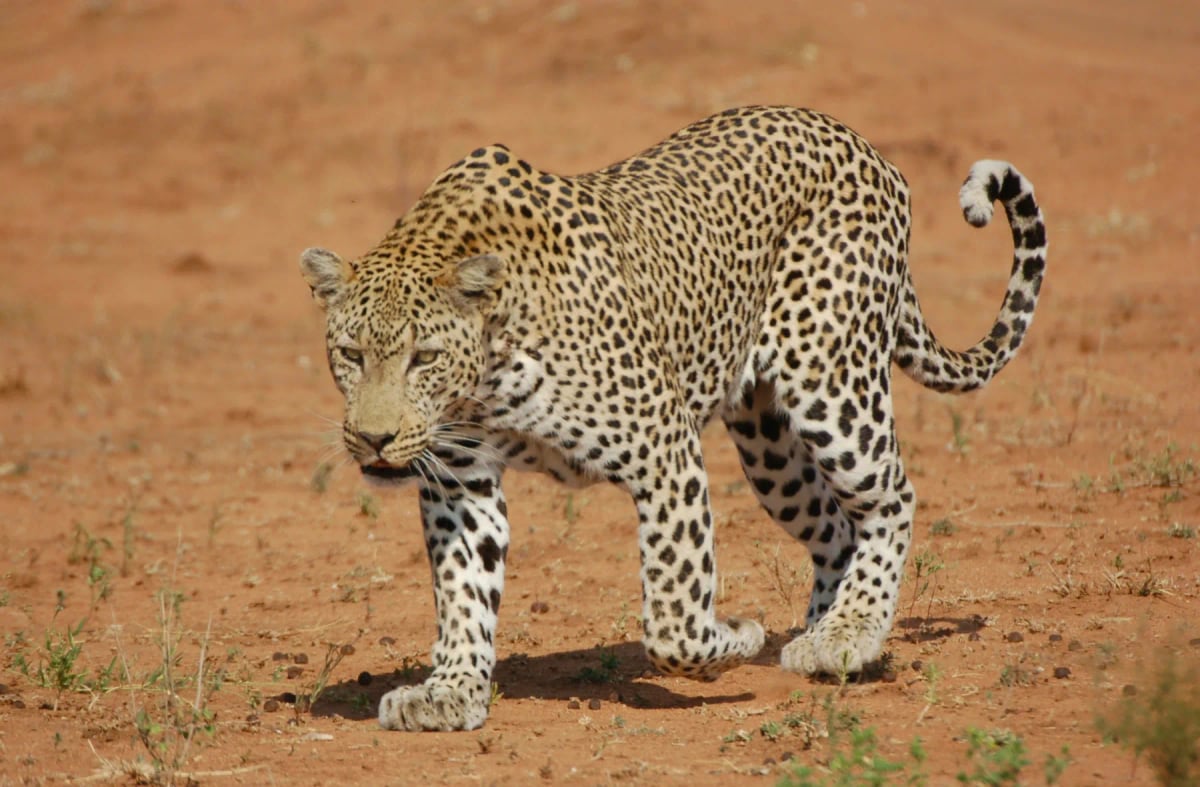
Leopard
Panthera pardus
The leopard, Benin’s national animal, symbolizes courage and strength. It appears in traditional art and mythology and remains a cultural emblem. Populations still survive in protected forests and national parks, where conservation programs aim to secure the species’ future.
View details→Wildlife in Benin
Benin combines savanna, forest and coastal ecosystems in a compact territory. Elephants, leopards and antelopes roam the north, while dolphins and whales inhabit the Atlantic coast. Wetlands and mangroves add to the country’s ecological diversity, attracting visitors seeking lesser known nature destinations.
Most Dangerous Animals in Benin
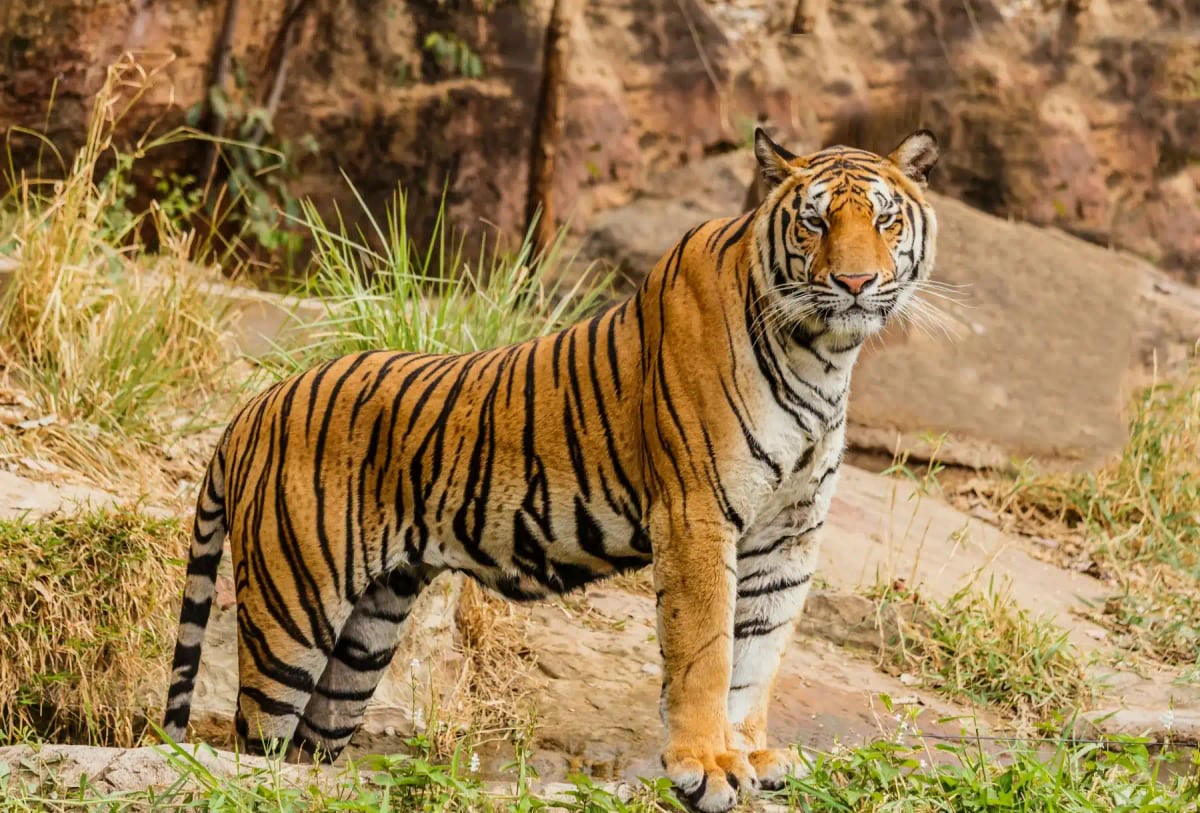
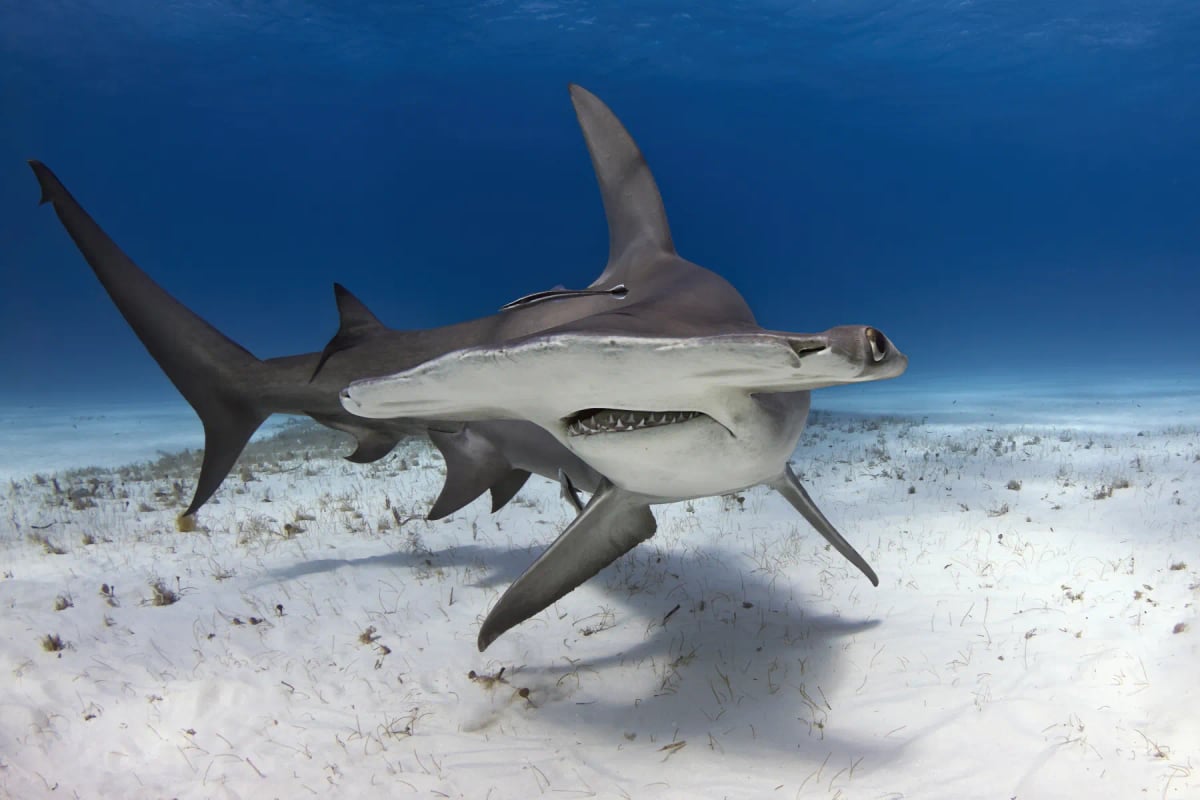
Benin is home to animals that require caution, including elephants, hippos, lions and venomous snakes. Along the coast, tiger and hammerhead sharks may appear in deeper waters. Local guides ensure safe observation and promote respect for both land and marine ecosystems.
Top 10 Animals in Benin
Benin’s remarkable fauna includes leopards, lions, cheetahs and hippos, often seen in Pendjari National Park. Raptors such as the bateleur and tawny eagle are also characteristic. These species represent the strength of West African wildlife and attract ecological tourism to the region.
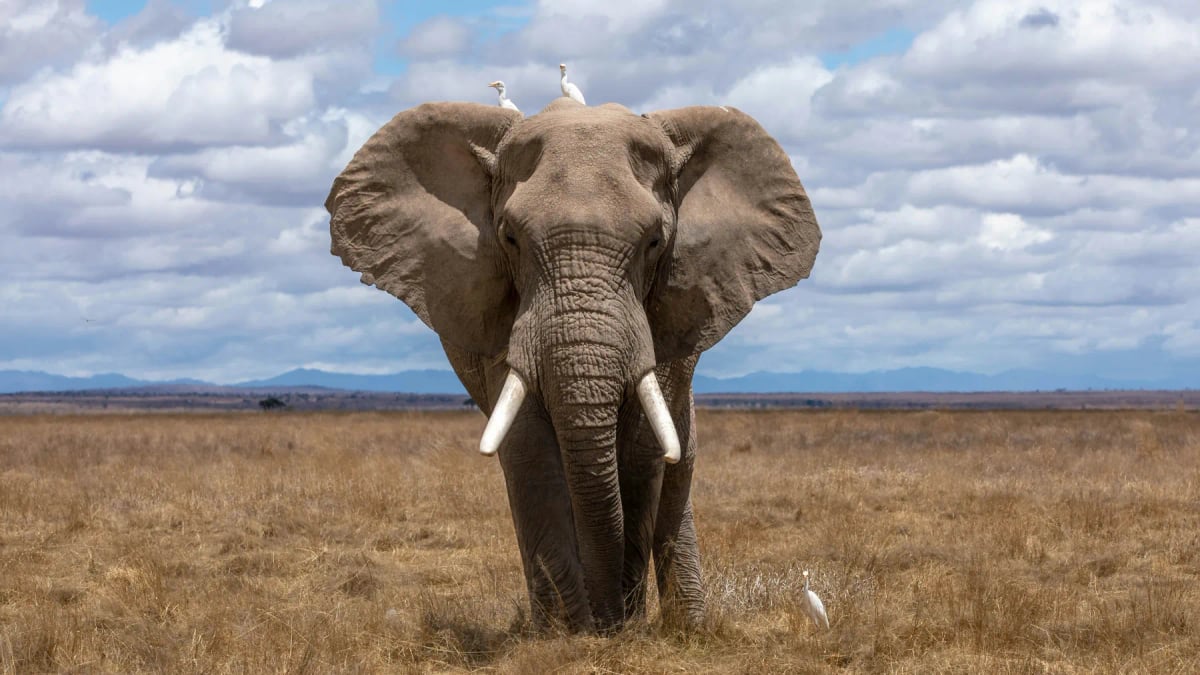
African Elephant
Loxodonta africana
Benin is part of the W-Arly-Pendjari complex, known as the WAP complex, which is the most important elephant landscape in West Africa. Pendjari National Park in the northwest holds the country's main population, with several hundred individuals that move freely across the borders with Burkina Faso and Niger. No single national park in the region is large enough alone to sustain a viable elephant population, making cross-border cooperation essential for the species' survival here.
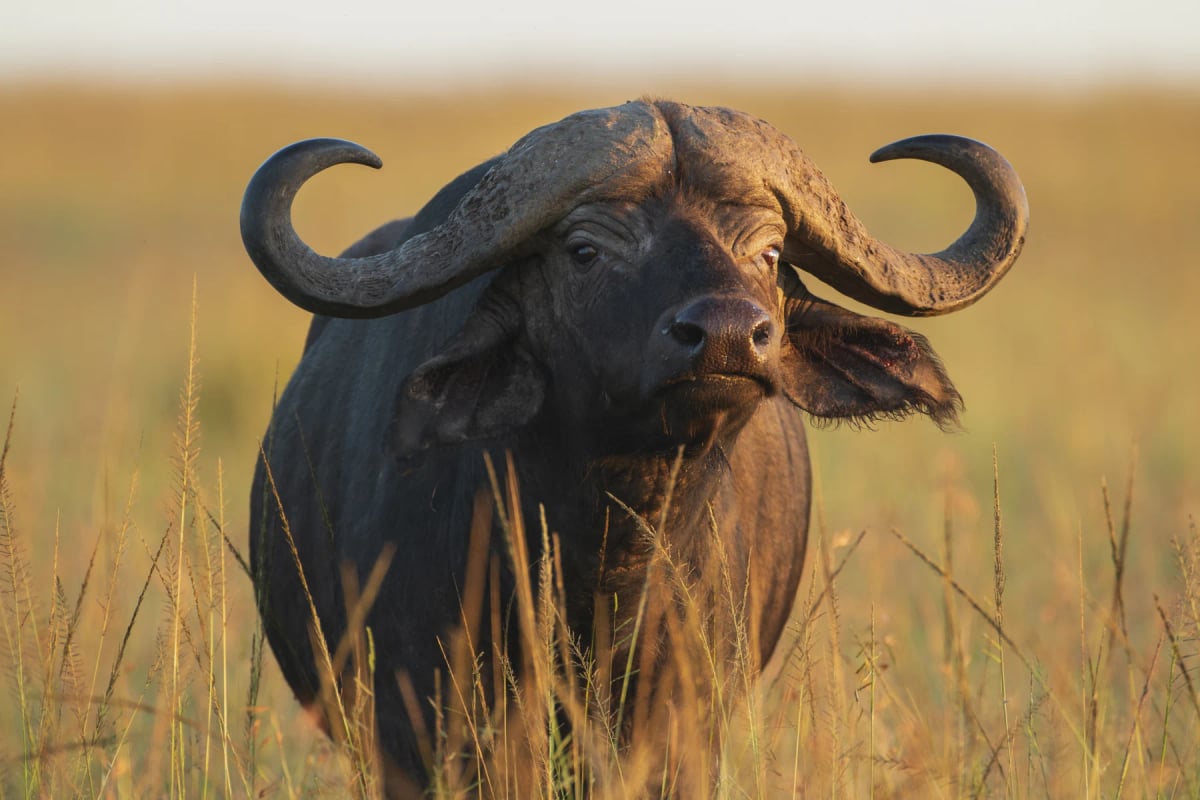
Buffalo
Syncerus caffer
In Benin, the African buffalo is most reliably found in the W National Park and the Pendjari Biosphere Reserve in the north, part of a transboundary protected area shared with Burkina Faso and Niger. These savanna ecosystems provide the open grasslands and reliable water sources that buffalo depend on. The species is central to ecotourism efforts in the region. Its global IUCN status is Least Concern.
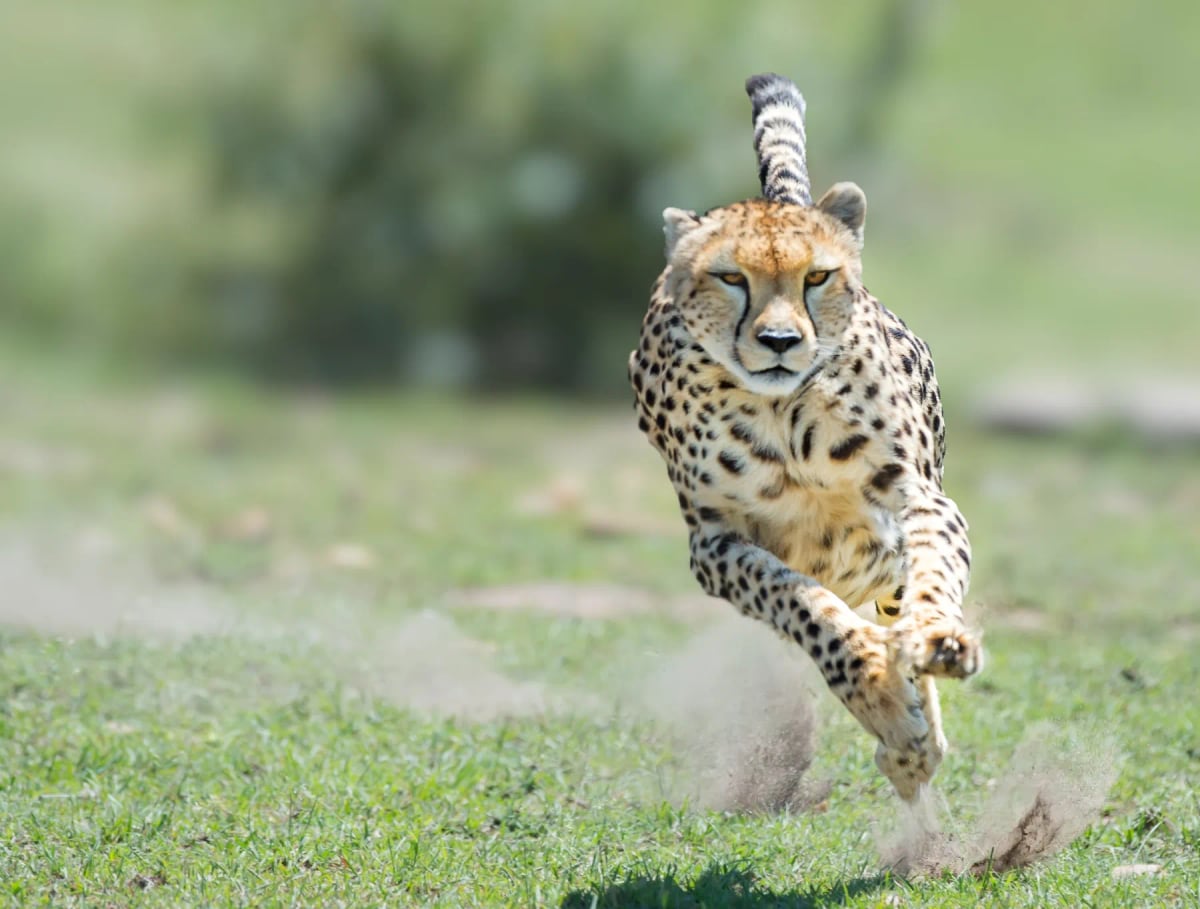
Cheetah
Acinonyx jubatus
The cheetah has a marginal and poorly documented presence in Benin, with records primarily associated with the W National Park complex near the borders with Burkina Faso and Niger. This transboundary protected area represents one of the last refuges for large carnivores in West Africa. Populations here are very small and face serious threats from habitat loss, reduced prey availability, and conflict with livestock herders in surrounding areas.
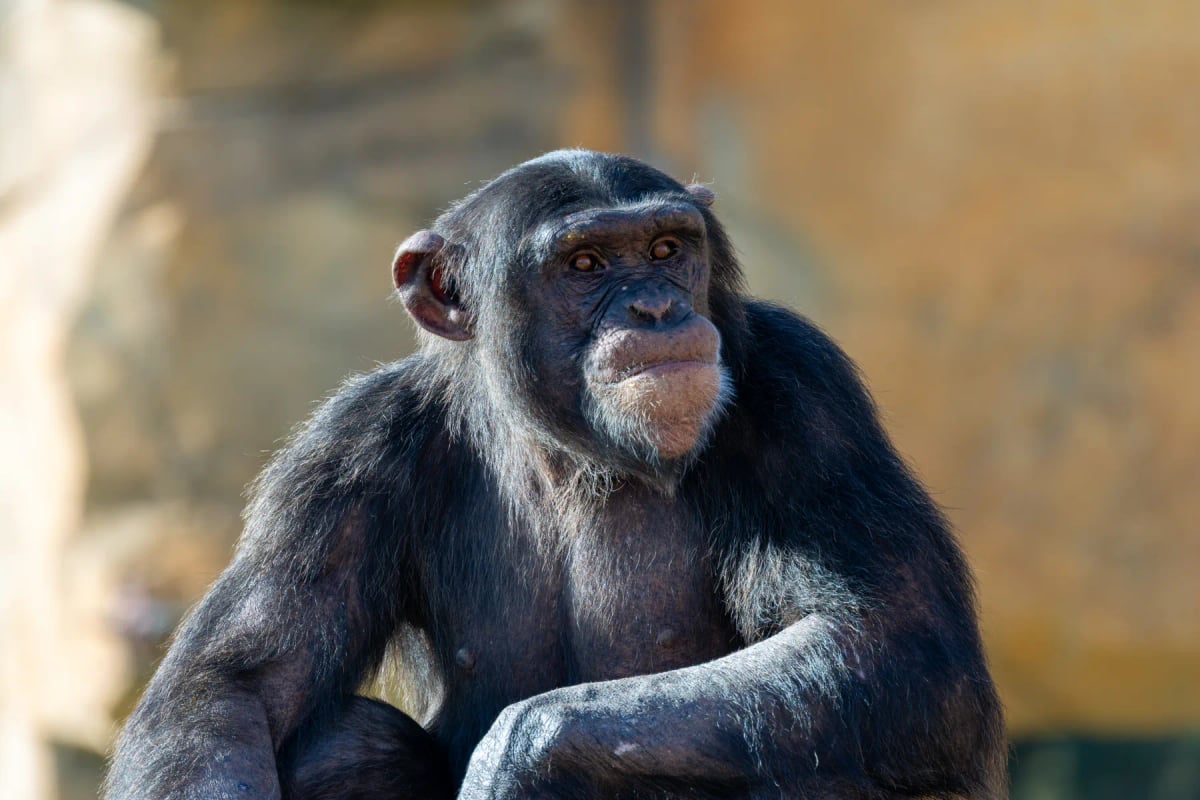
Chimpanzee
Pan troglodytes
Chimpanzees in Benin cling to survival in the forested areas of the northwest, particularly around the Atacora region. Their numbers are extremely low, making Benin one of the most fragile outposts of the species in West Africa. Deforestation for agriculture and charcoal production has stripped away much of their habitat, and continued monitoring efforts are essential for their persistence.
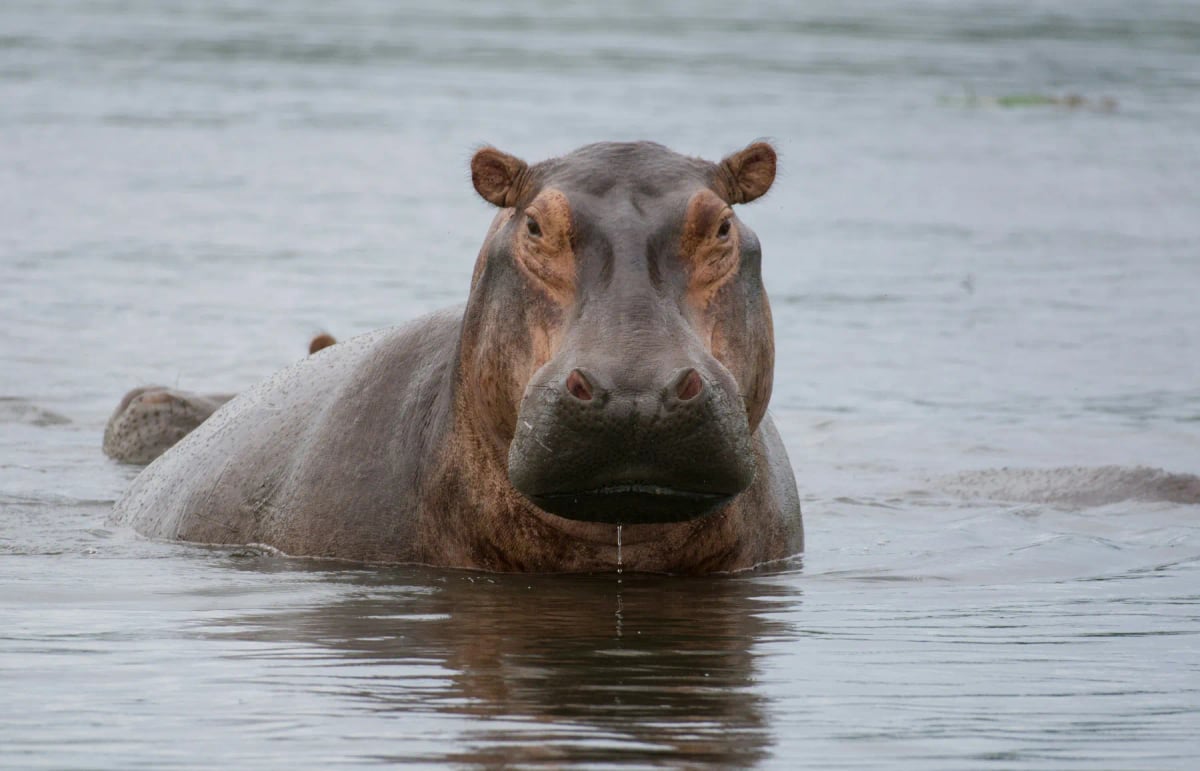
Hippopotamus
Hippopotamus amphibius
In Benin, hippopotamuses live along the Niger River in the north and within the W National Park, a transboundary protected area shared with Niger and Burkina Faso. This park is one of the most important refuges for large mammals in West Africa. Hippos here spend their days in the river and emerge at night to graze on the surrounding grasslands. The IUCN lists the hippopotamus as Vulnerable.
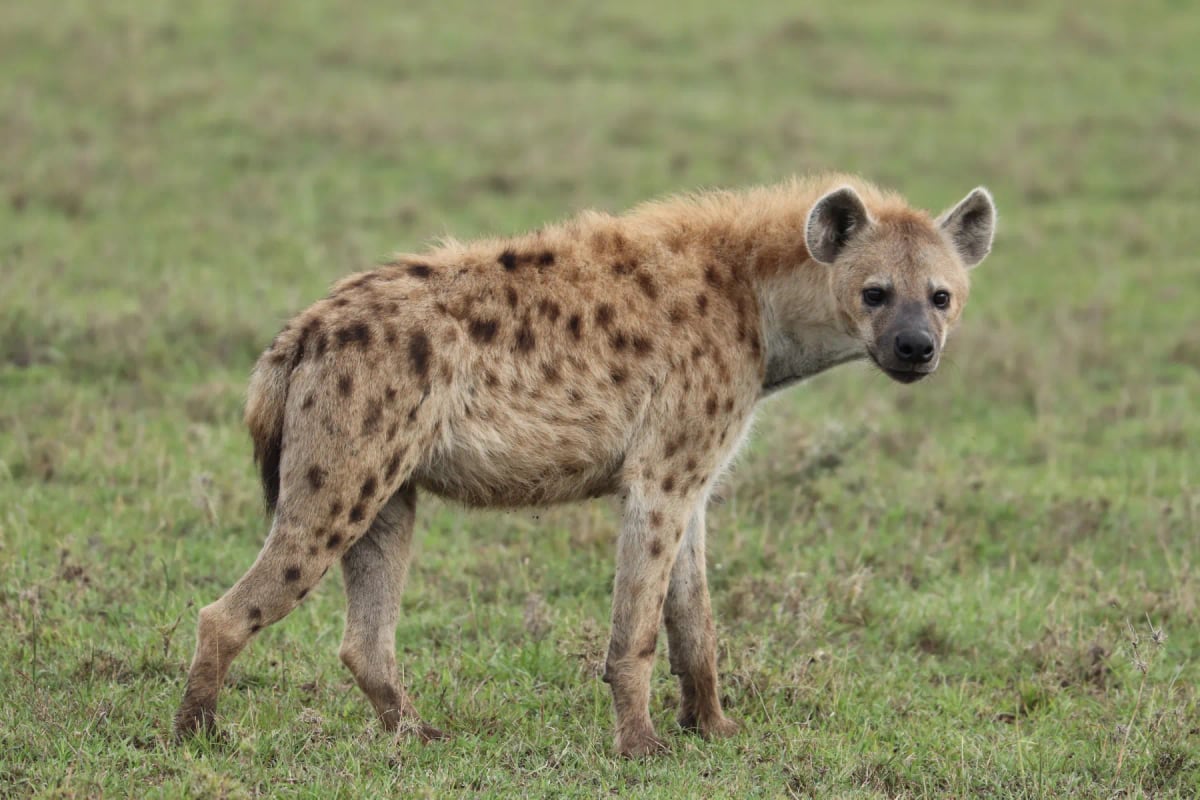
Spotted Hyena
Crocuta crocuta
In Benin, spotted hyenas are found mainly in the north, including the W National Park and Pendjari Biosphere Reserve, two of West Africa's most important protected areas. These parks shelter large prey like buffalo and kob, which sustain resident hyena clans. Outside protected zones, hyenas face growing pressure from agricultural expansion and retaliatory killings when they prey on livestock.
Leopard
Panthera pardus
In Benin, leopards are most commonly associated with the W National Park complex in the north, a transboundary protected area shared with Niger and Burkina Faso. This savanna ecosystem supports prey species such as kob and warthog, which leopards rely on. Outside protected areas, the species faces growing pressure from habitat clearance for agriculture and retaliatory killing by farmers who lose livestock.
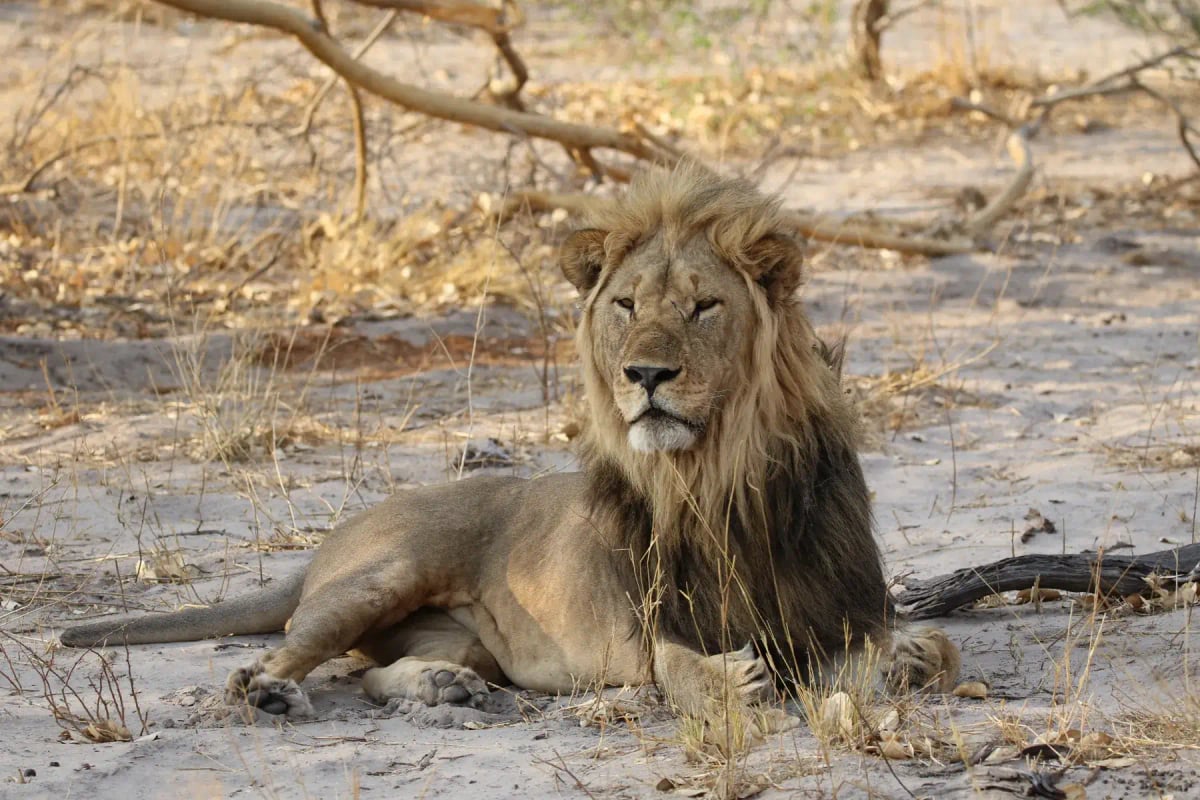
Lion
Panthera leo
In Benin, lions are found mainly in the W National Park complex in the north, part of the W-Arly-Pendjari ecosystem shared with Burkina Faso and Niger. This transboundary area is one of the last strongholds for lions in West Africa. The population is small but significant, and ongoing conservation efforts aim to keep it viable in the long term.
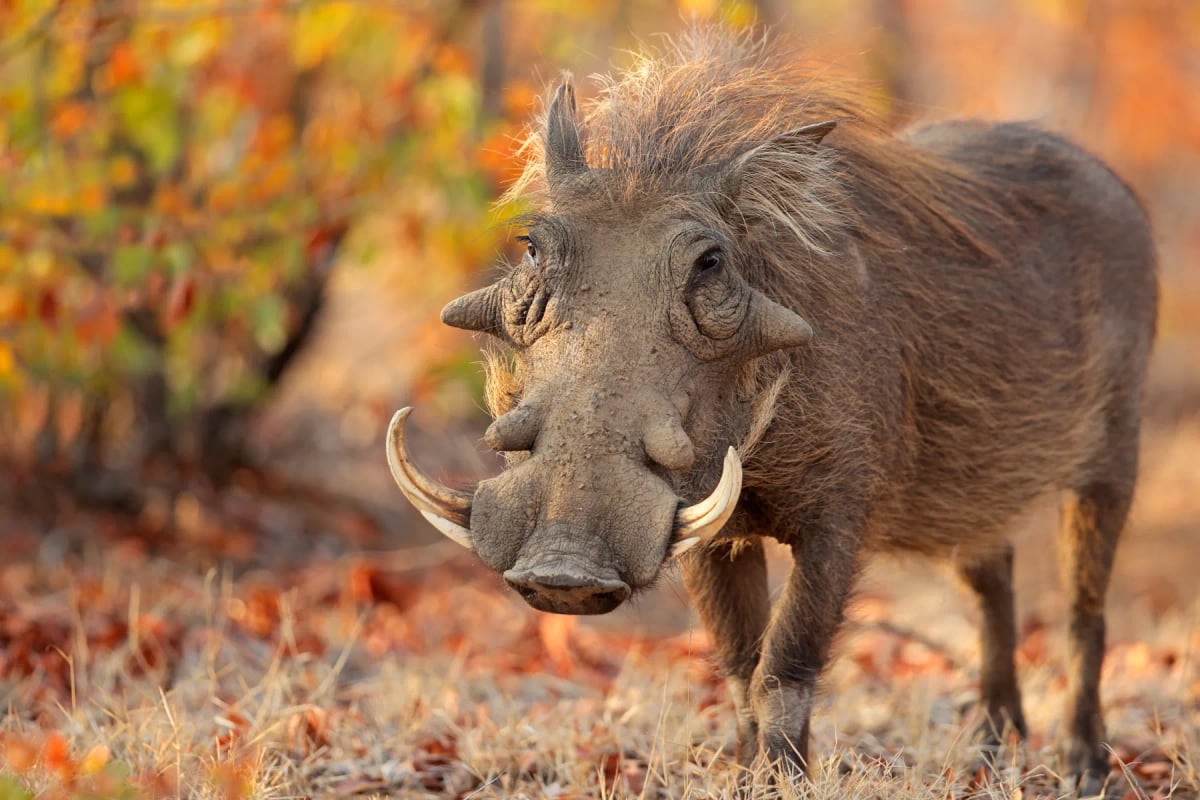
Warthog
Phacochoerus africanus
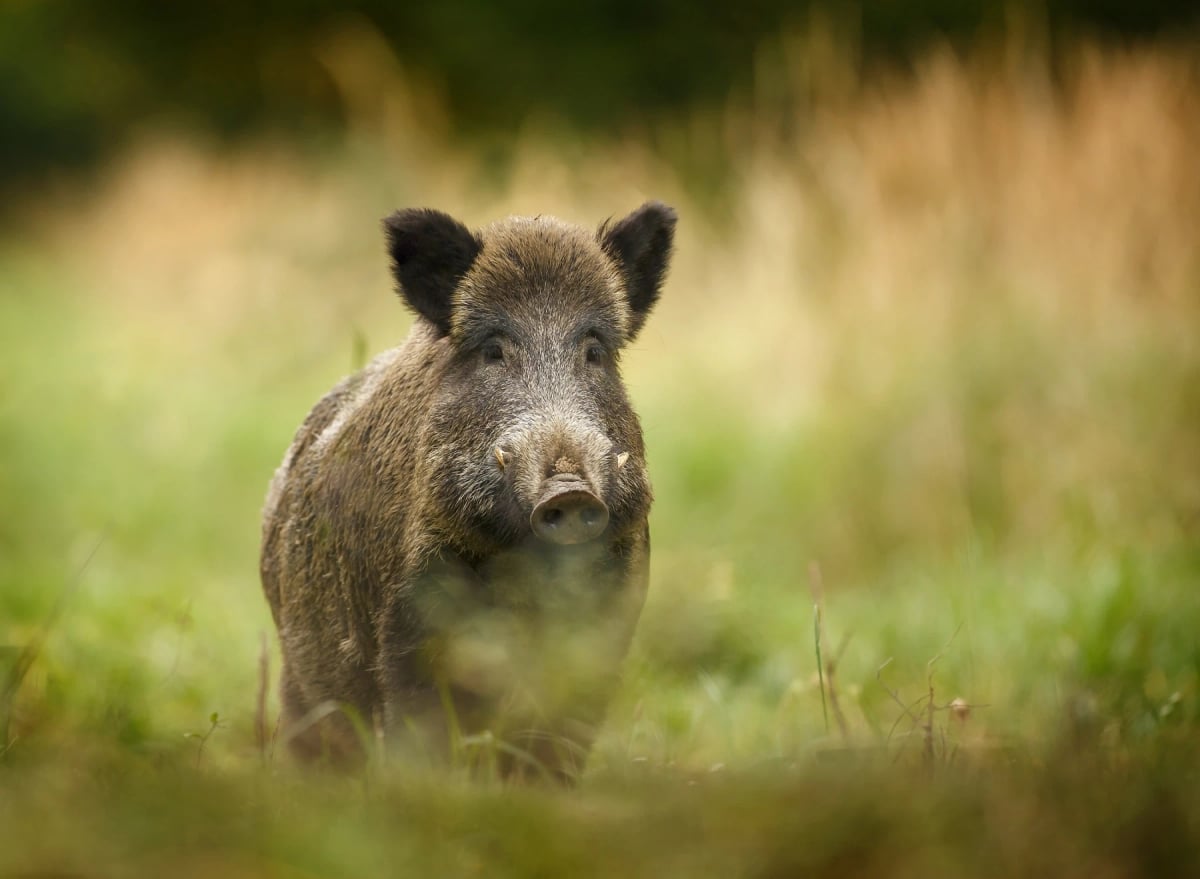
In Benin, the common warthog inhabits the northern savannas and protected areas such as Pendjari National Park, one of West Africa's most important wildlife reserves. It roots through the dry soil for grasses and bulbs, often sharing the landscape with lions and leopards that prey on it. Family groups are commonly spotted near water sources during the dry season. Its IUCN status is Least Concern.
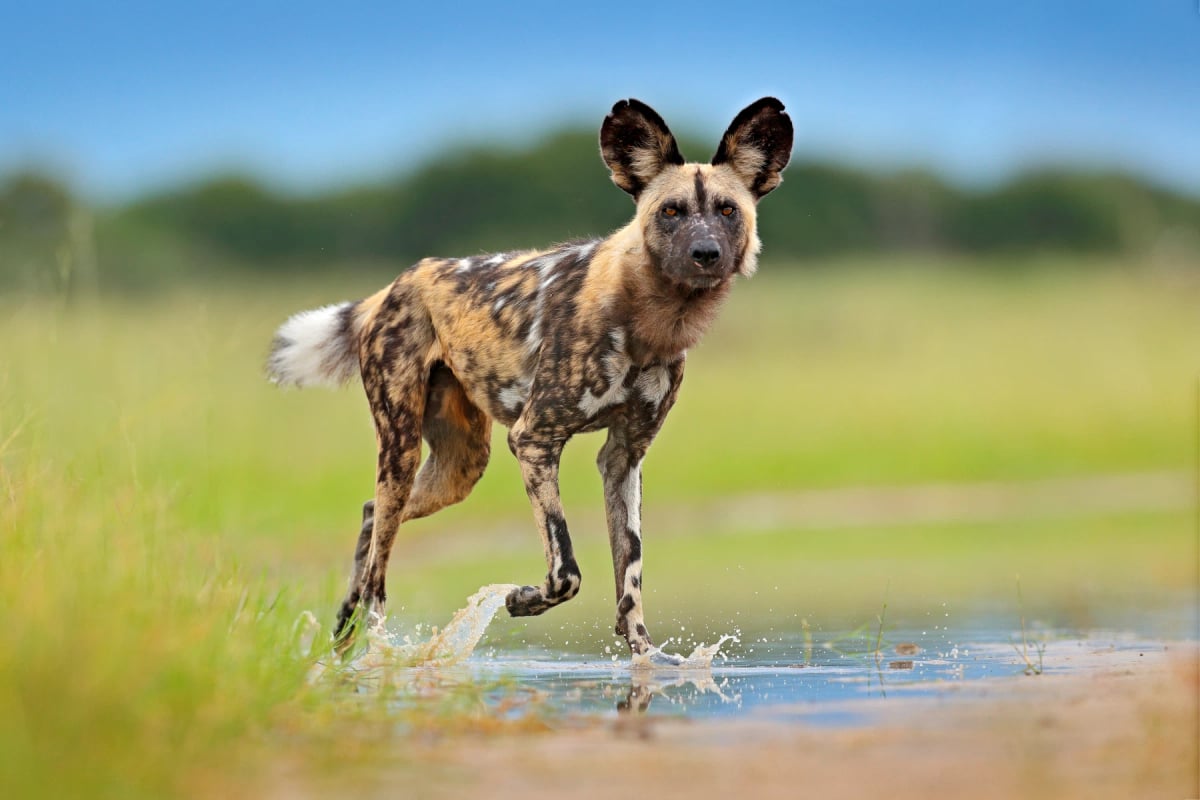
Wild Dog
Lycaon pictus
The African wild dog has an extremely limited and fragile presence in Benin, with records linked to the W National Park complex in the north of the country, a protected area shared with Burkina Faso and Niger. Habitat loss and conflict with people have reduced its numbers drastically. The park remains one of the few places in West Africa where a recovery might still be possible. IUCN status: Endangered.
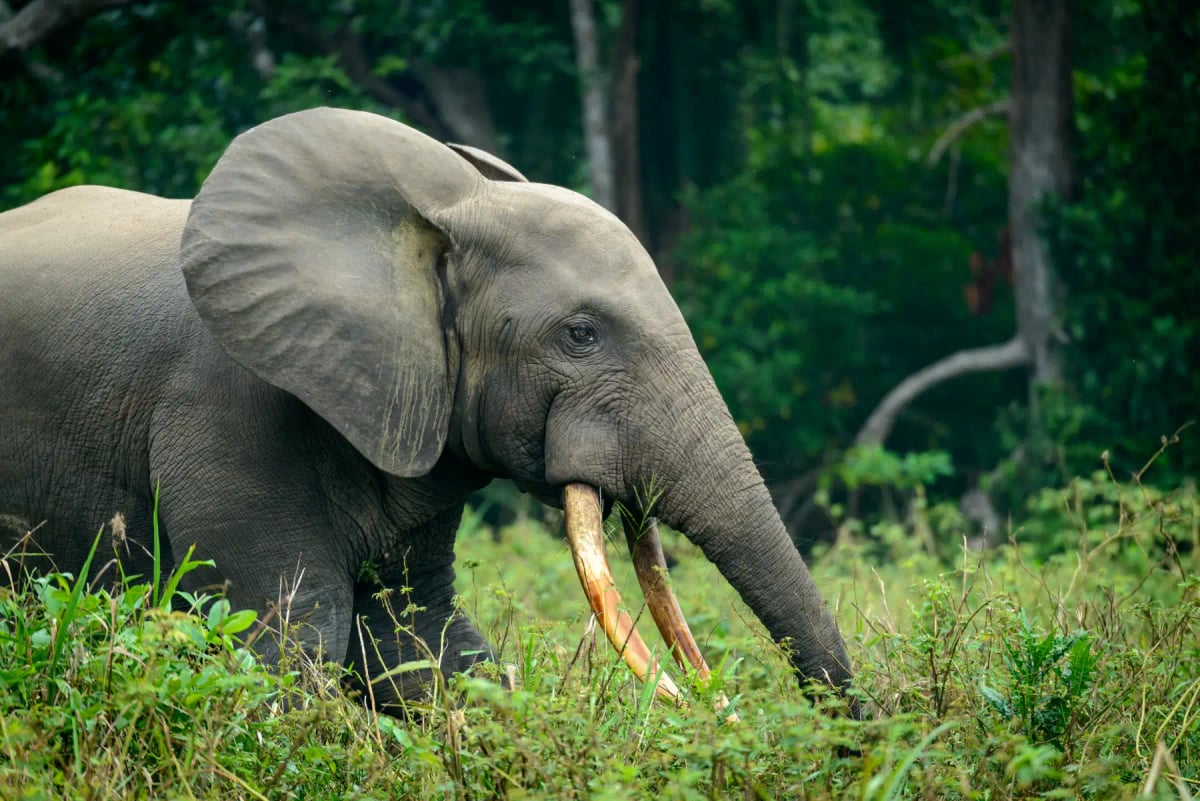
African Forest Elephant
Loxodonta cyclotis
Benin holds one of West Africa's more significant forest elephant populations within the W-Arli-Pendjari transboundary complex in the northwest of the country. Pendjari National Park is the core habitat, where forest elephants move across the borders with Burkina Faso and Niger in search of water and food. Despite not being rainforest, this protected savanna landscape supports a documented population that conservation programs have worked to protect for decades.
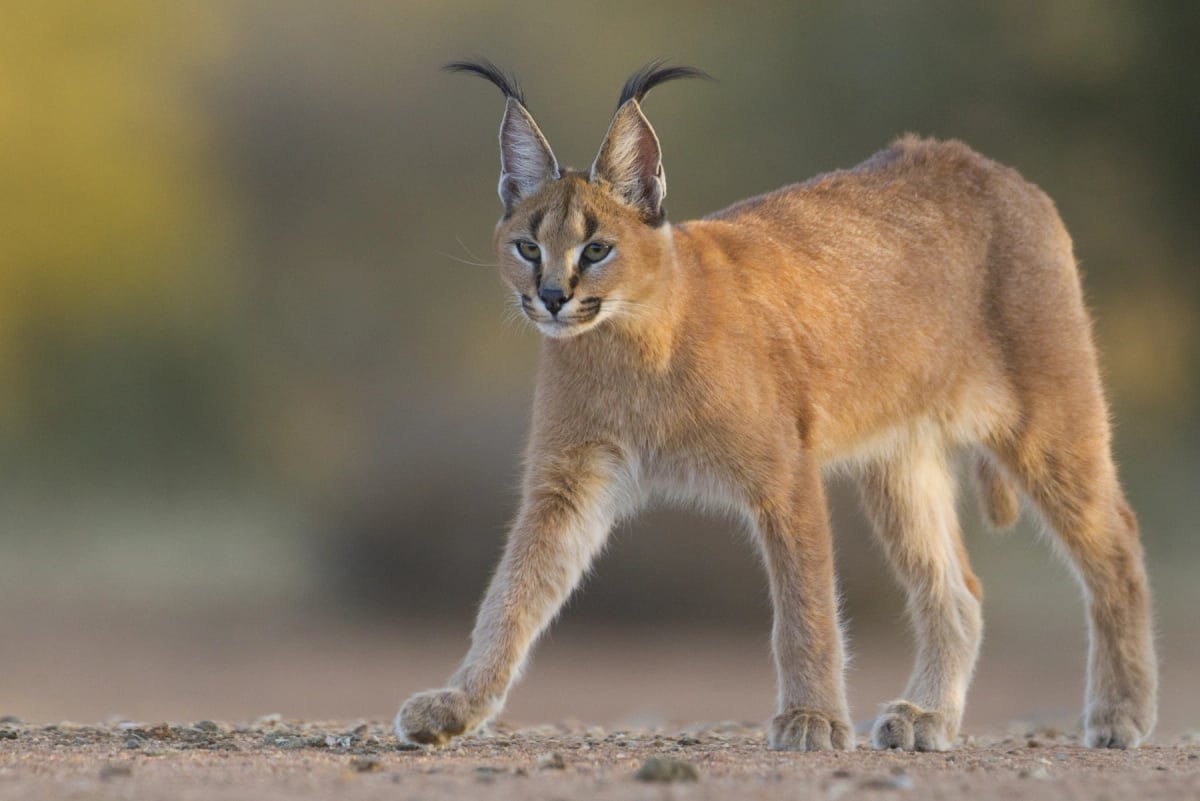
Caracal
Caracal caracal
In Benin, the caracal is present in the drier savanna zones of the north, including areas around Pendjari National Park, one of West Africa's most significant wildlife reserves. It favors open terrain with scattered bush and rocky patches. Prey includes rodents, hares, and ground-dwelling birds. The species is rarely observed due to its nocturnal habits, and little detailed survey data exists for this population. IUCN status: Least Concern.
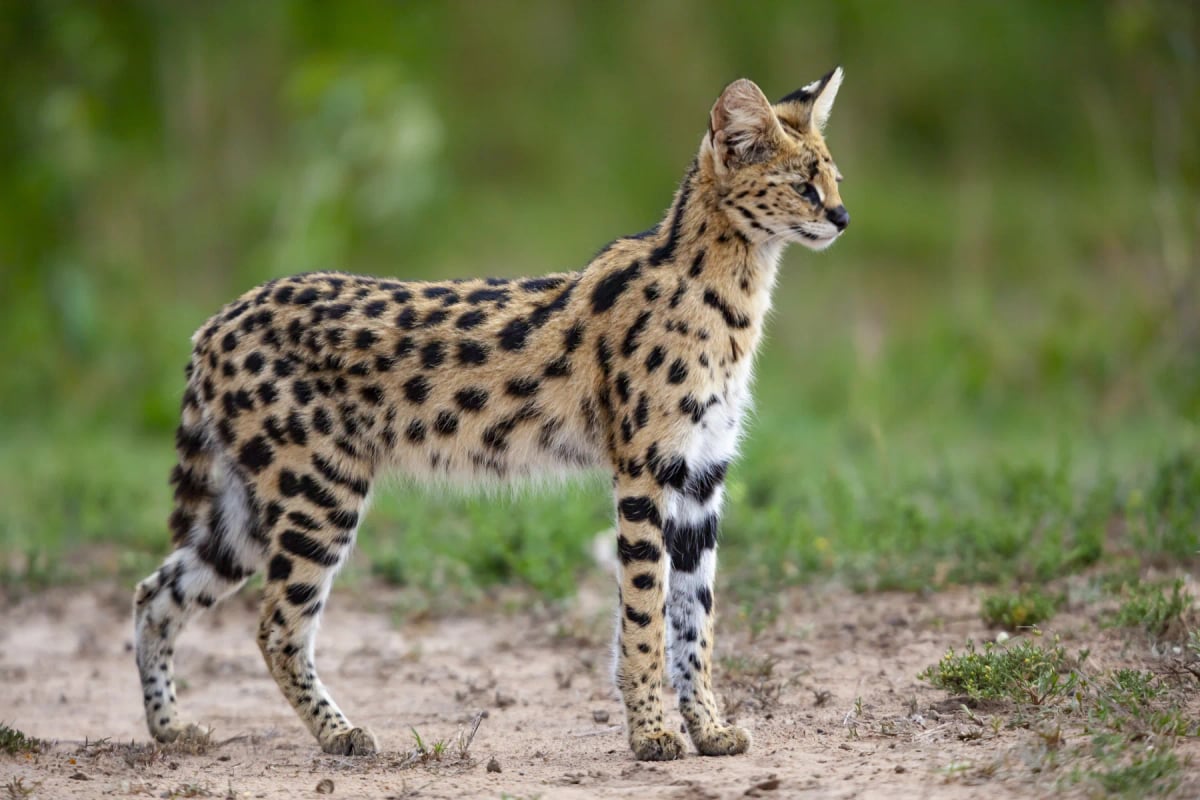
Serval
Leptailurus serval
In Benin, the serval is found in the moist savannas and gallery forests of the north, including areas around Pendjari National Park. It hunts at dusk and through the night, relying on its large ears to detect rodents hidden in the grass. This slender cat lives alone and marks its territory with scent. The IUCN considers it Least Concern, but habitat loss in Benin's south reduces suitable range.
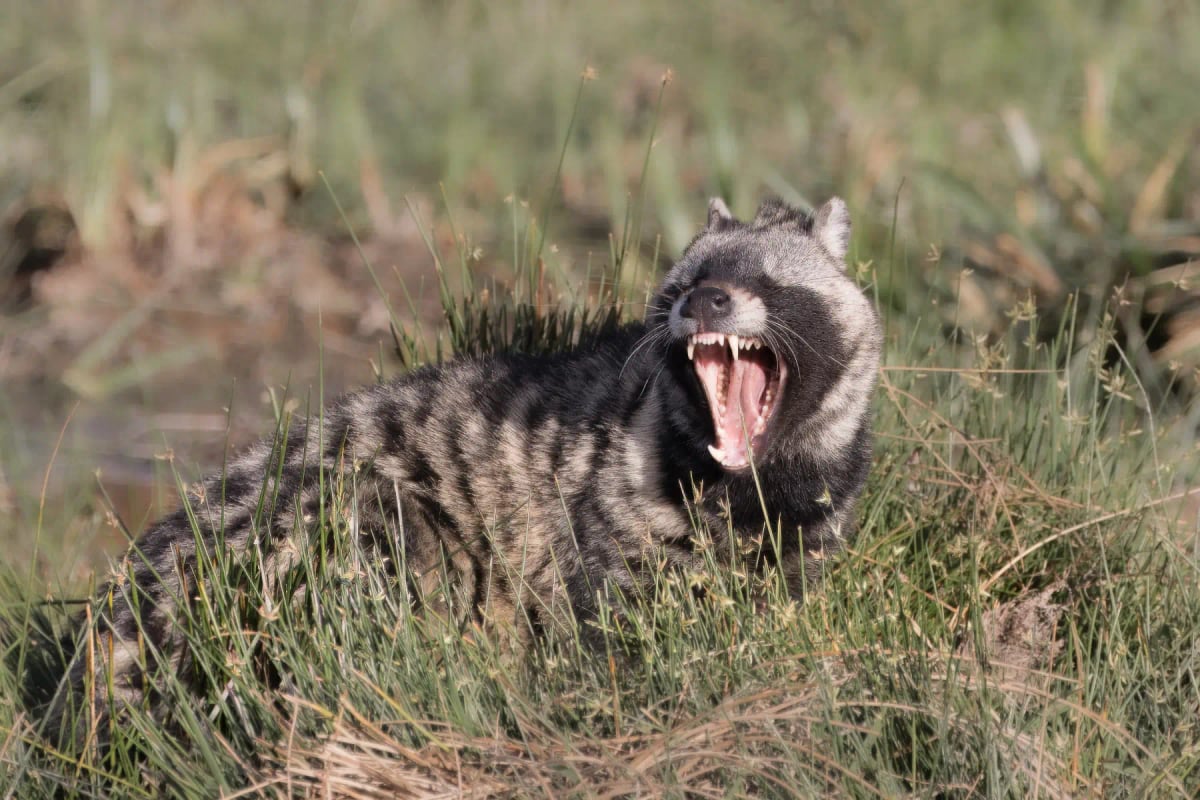
African Civet
Civettictis civetta
The African civet is present through Benin's southern forests and central woodland savannas, growing scarcer toward the drier north. It is a regular nocturnal resident in Pendjari National Park, where gallery forest, riverine cover, and savanna grassland mix to create ideal conditions. In the degraded forest zones of the south, civets adapt well to agricultural edges, provided dense cover and water remain available close by.
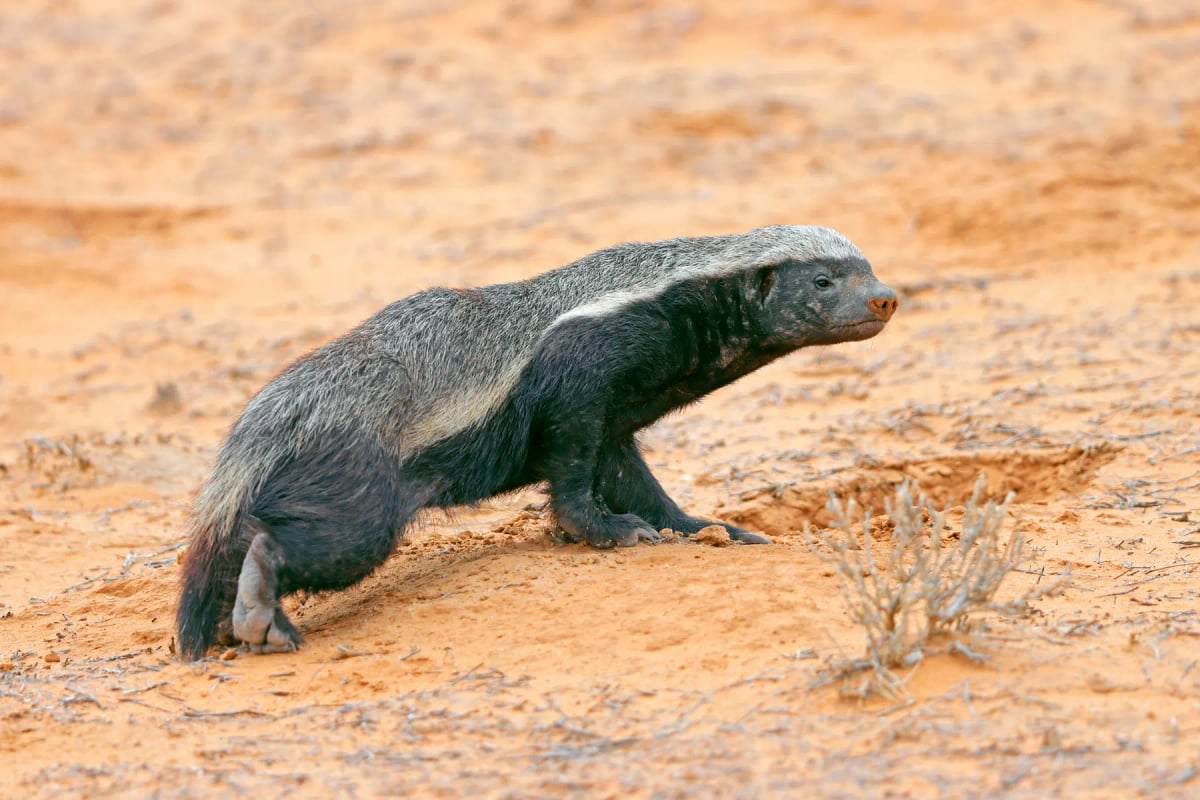
Honey Badger
Mellivora capensis
The honey badger is found in Benin's Guinea savanna zone and the drier Sudanian woodlands to the north. It is a versatile hunter, feeding on everything from scorpions and rodents to wild fruit and bee larvae. Though rarely seen, it plays a real role in controlling pest populations. It is listed as Least Concern by the IUCN, but habitat loss is a growing concern across West Africa.
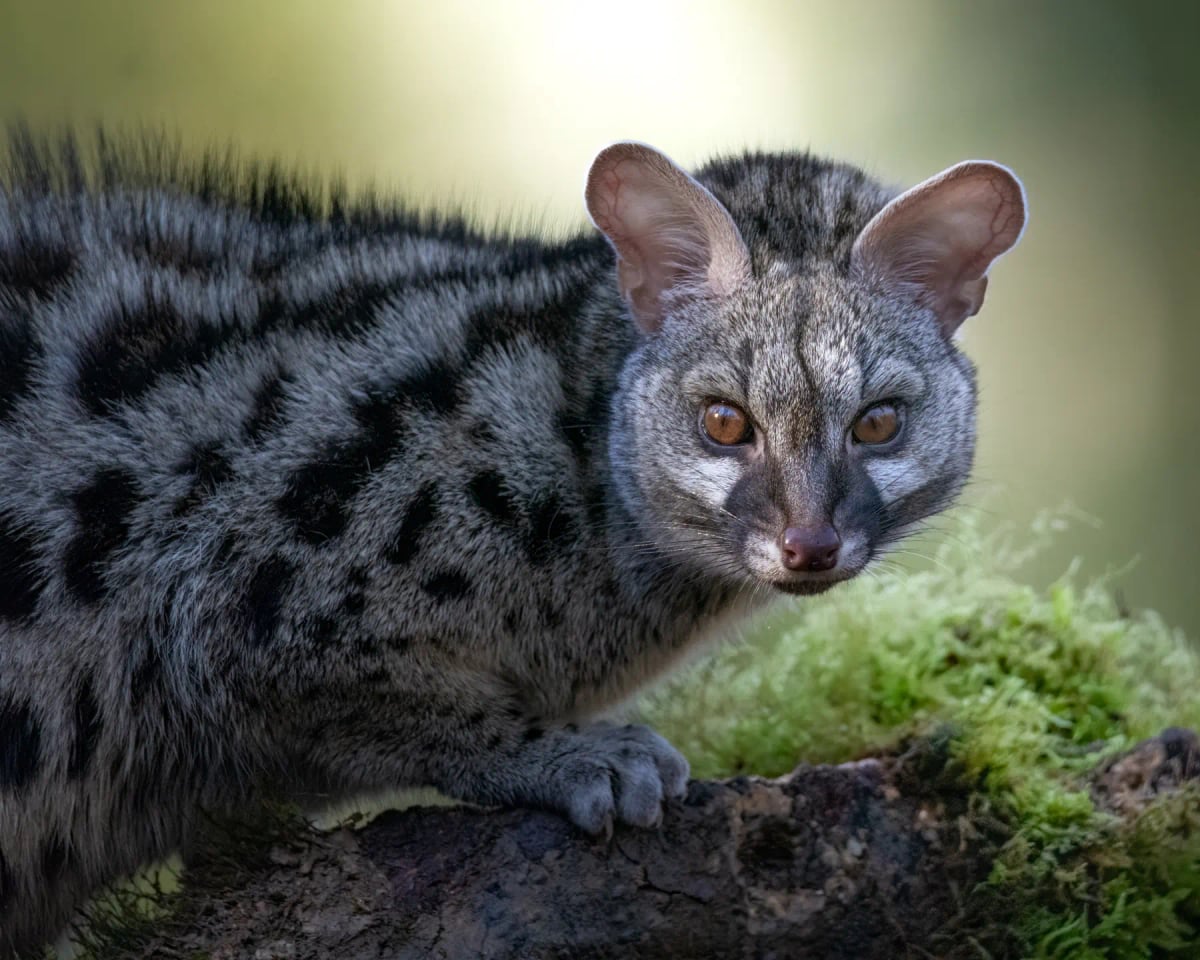
Common Genet
Genetta genetta
The common genet occurs in Benin across wooded areas, gallery forests, and savanna zones. It is an agile, nocturnal hunter that climbs trees with ease and forages near the ground for small mammals, birds, reptiles, and insects. In Benin it benefits from areas with dense cover near water sources. Its spotted coat provides excellent camouflage among the trees and shrubs of its habitat. Its IUCN status is Least Concern.
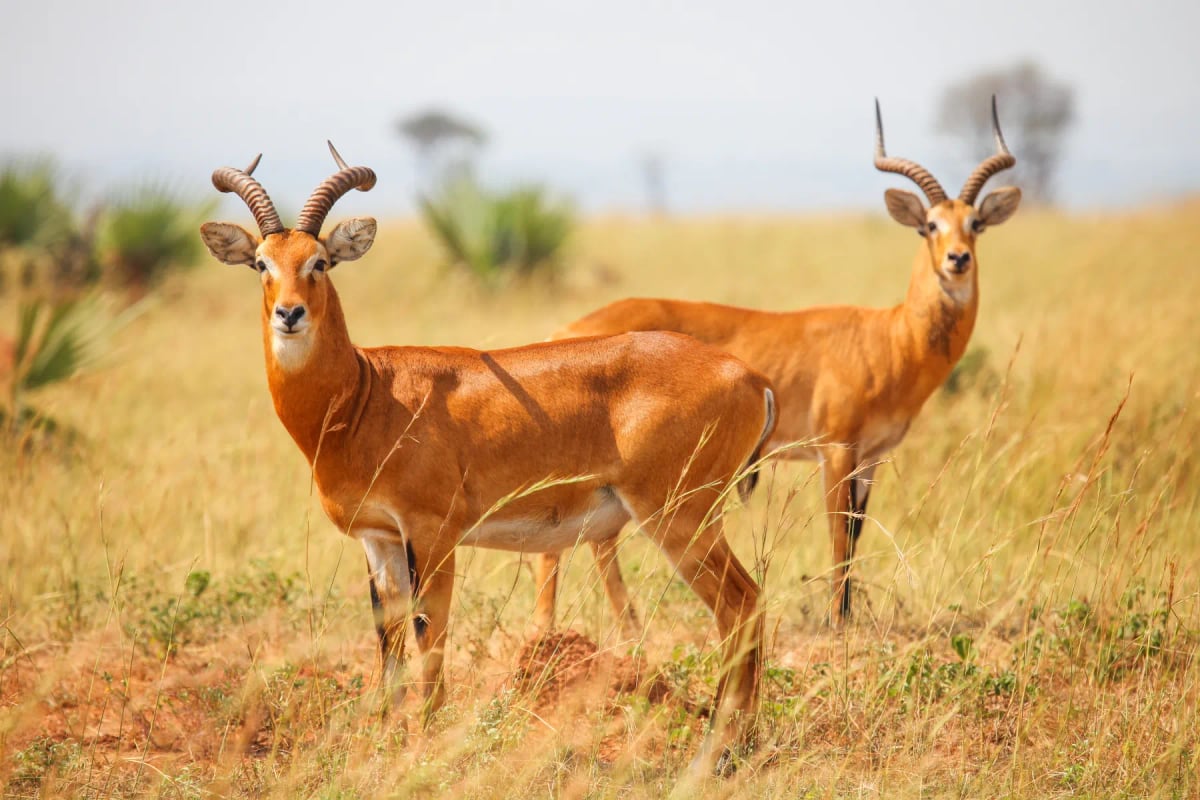
Kob
Kobus kob
The kob is found in northern Benin, particularly within the W National Park and the surrounding Pendjari region, where grassy floodplains and seasonal wetlands provide ideal grazing. Males are recognized by their curved, ridged horns and warm reddish coat. Kobs gather in herds near water sources during the dry season. Hunting pressure remains a concern, though protected areas offer vital refuge for the species. Its IUCN status is Least Concern.
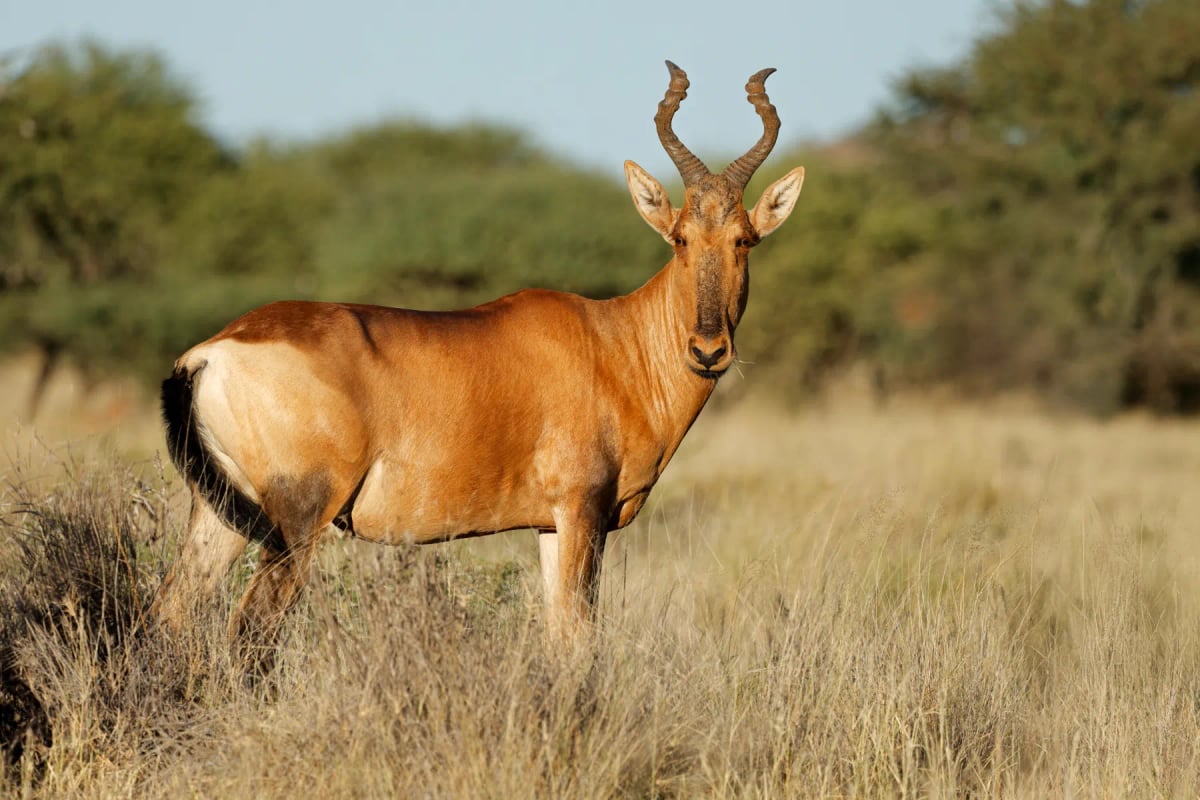
Hartebeest
Alcelaphus buselaphus
In Benin, the hartebeest is found mainly in the north of the country, including the W National Park, a protected area it shares with neighboring Niger and Burkina Faso. This large antelope grazes on tough grasses across the Sudanian savanna. Hunting pressure and habitat loss have reduced its numbers here, making protected areas essential to its survival in the region.
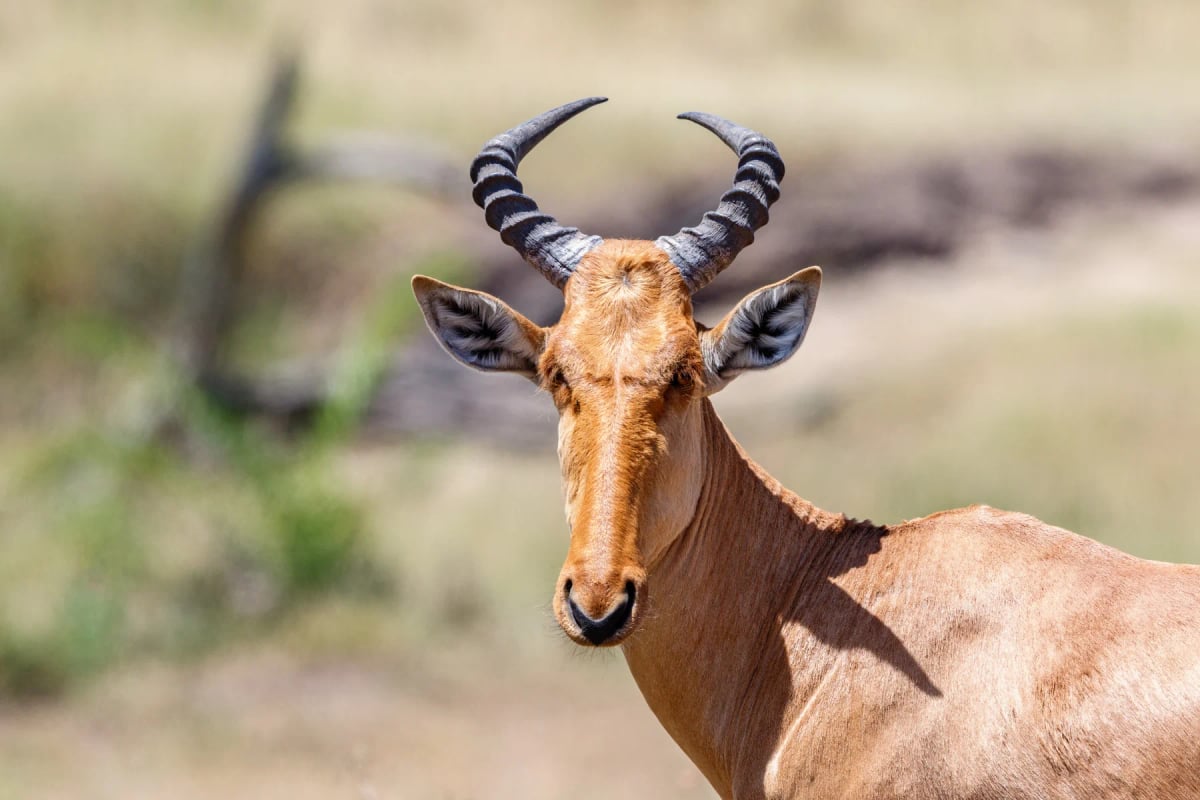
Topi
Damaliscus lunatus
In Benin, the topi is recorded in the north of the country, particularly within and around the W National Park, a protected area shared with Niger and Burkina Faso. This savanna ecosystem supports a range of large mammals, and the topi grazes on the grasses that thrive during the wet season. Its speed and alertness help it avoid predators in these open landscapes. IUCN status: Least Concern.
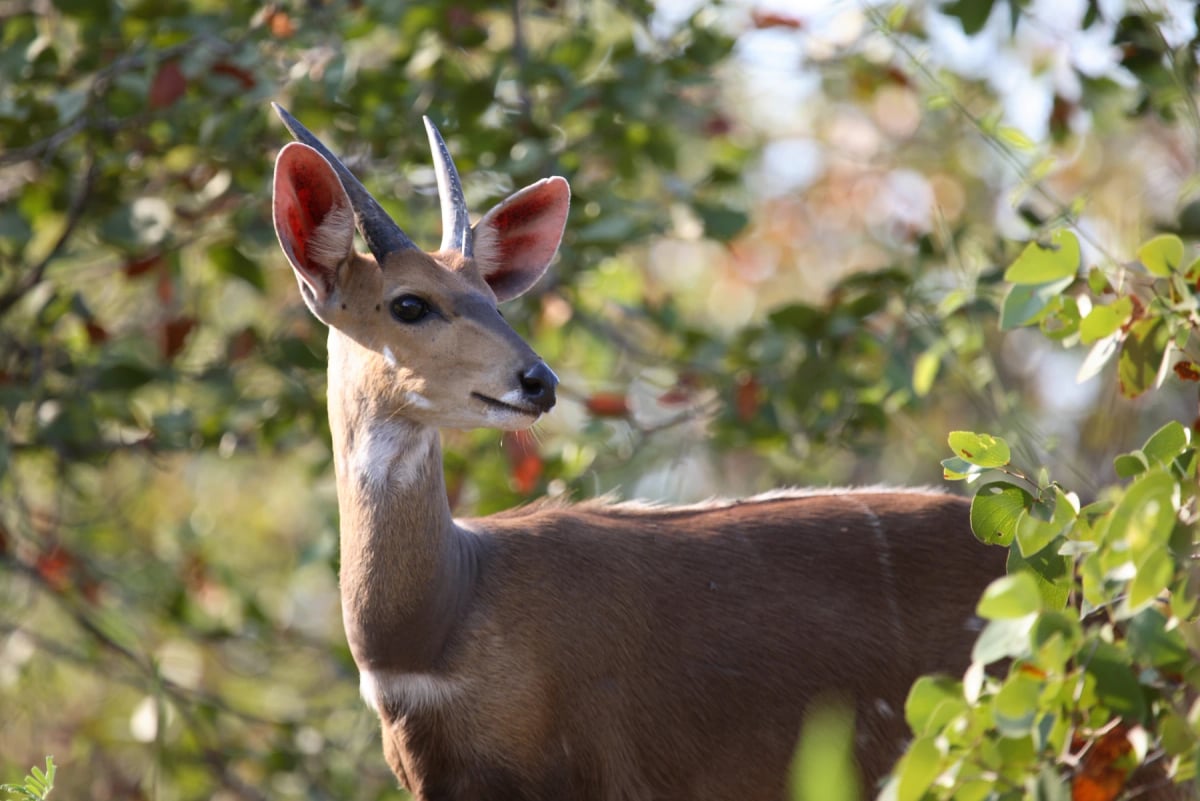
Bushbuck
Tragelaphus scriptus
In Benin, bushbucks inhabit forest edges and riverine corridors within the W-Arly-Pendjari complex and the country's southern woodland zones. These shy antelopes prefer areas with thick understory vegetation near permanent water sources. Pendjari National Park represents one of the more reliable locations to encounter this species in Benin, where forest cover provides the dense habitat they require.
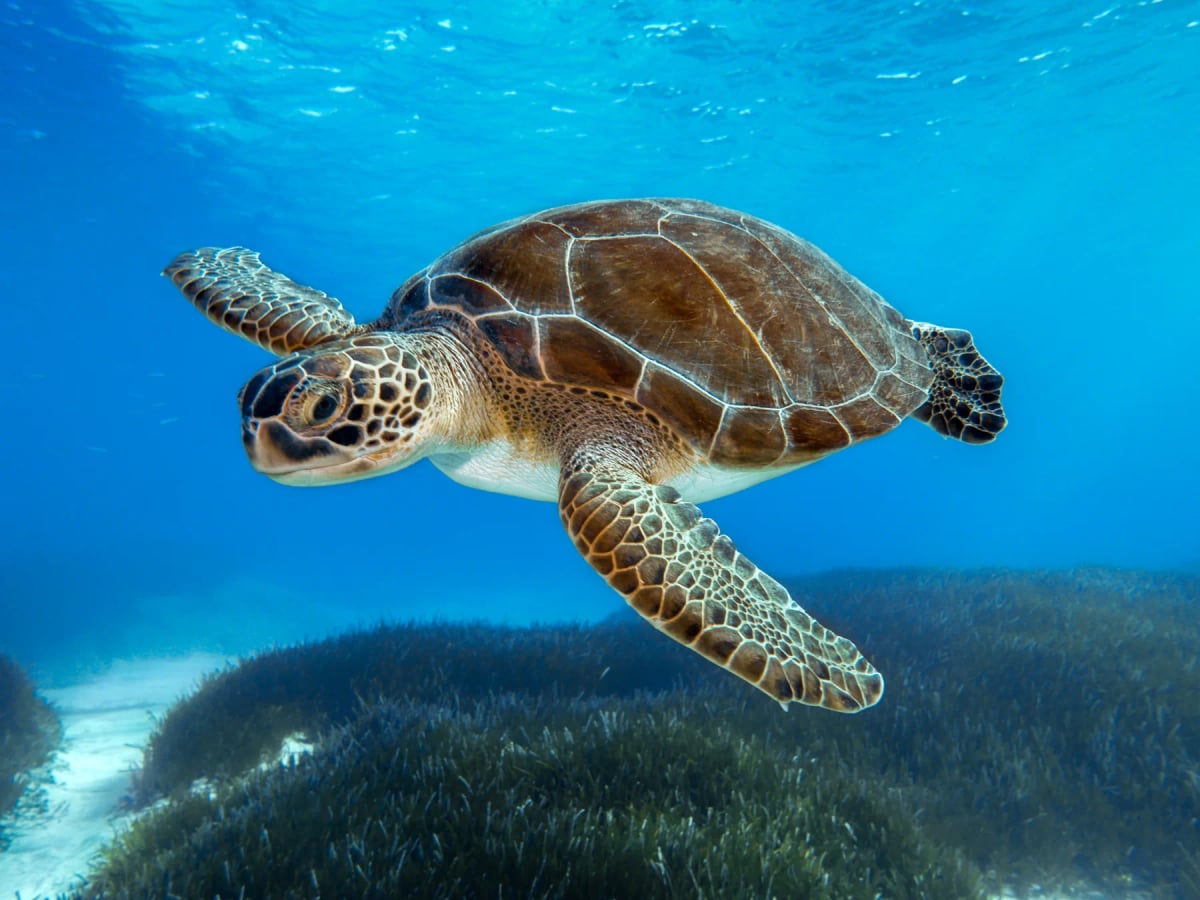
Sea Turtle
Cheloniidae & Dermochelyidae (families)
Benin's short coastline on the Gulf of Guinea is part of the West African sea turtle nesting corridor. Leatherback and olive ridley turtles are the main species recorded nesting on Beninese beaches, with some hawksbill activity also noted. Conservation programs have been established to protect nesting sites and reduce egg poaching, which remains a significant threat along this stretch of the Atlantic coast.
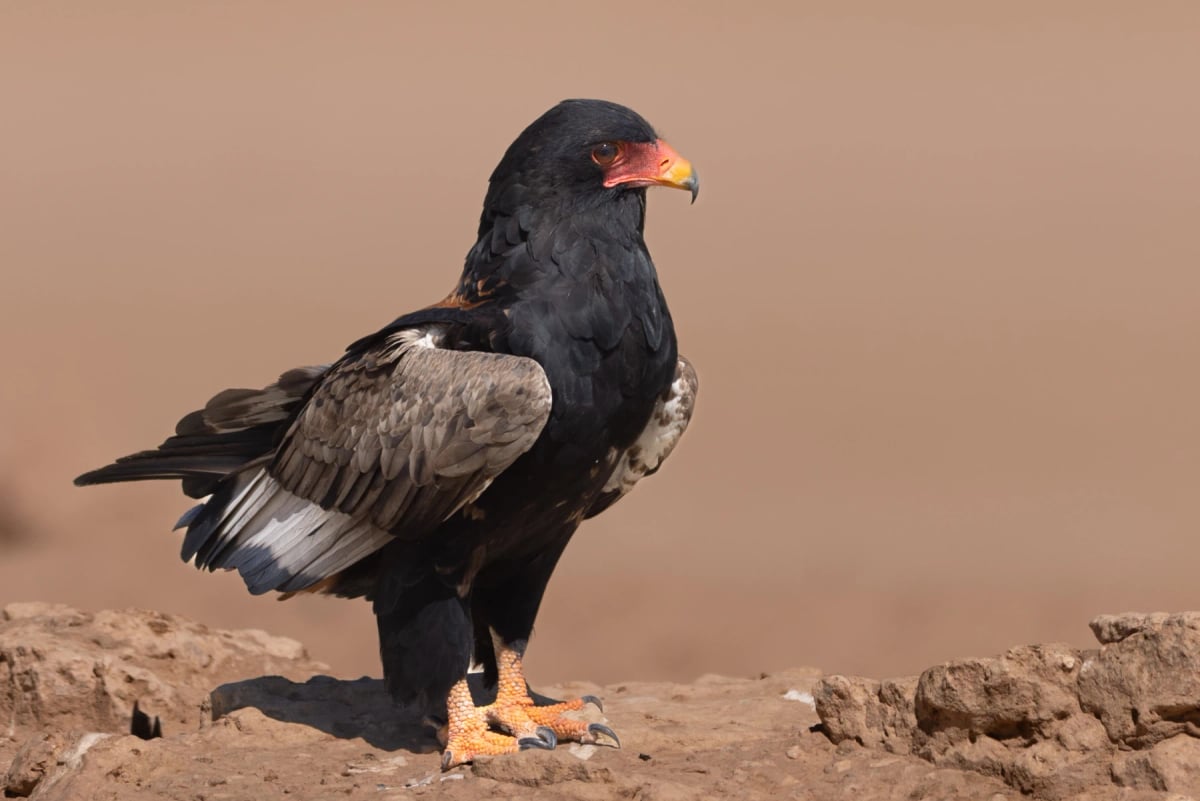
Bateleur
Terathopius ecaudatus
In Benin, the Bateleur is an uncommon but recorded resident of the northern savanna and the W National Park region, a vast protected area it shares with neighboring Niger and Burkina Faso. It hunts across open woodland and grassland, covering enormous distances each day. Habitat degradation and poisoning are among the threats pushing this IUCN Endangered species toward further decline.
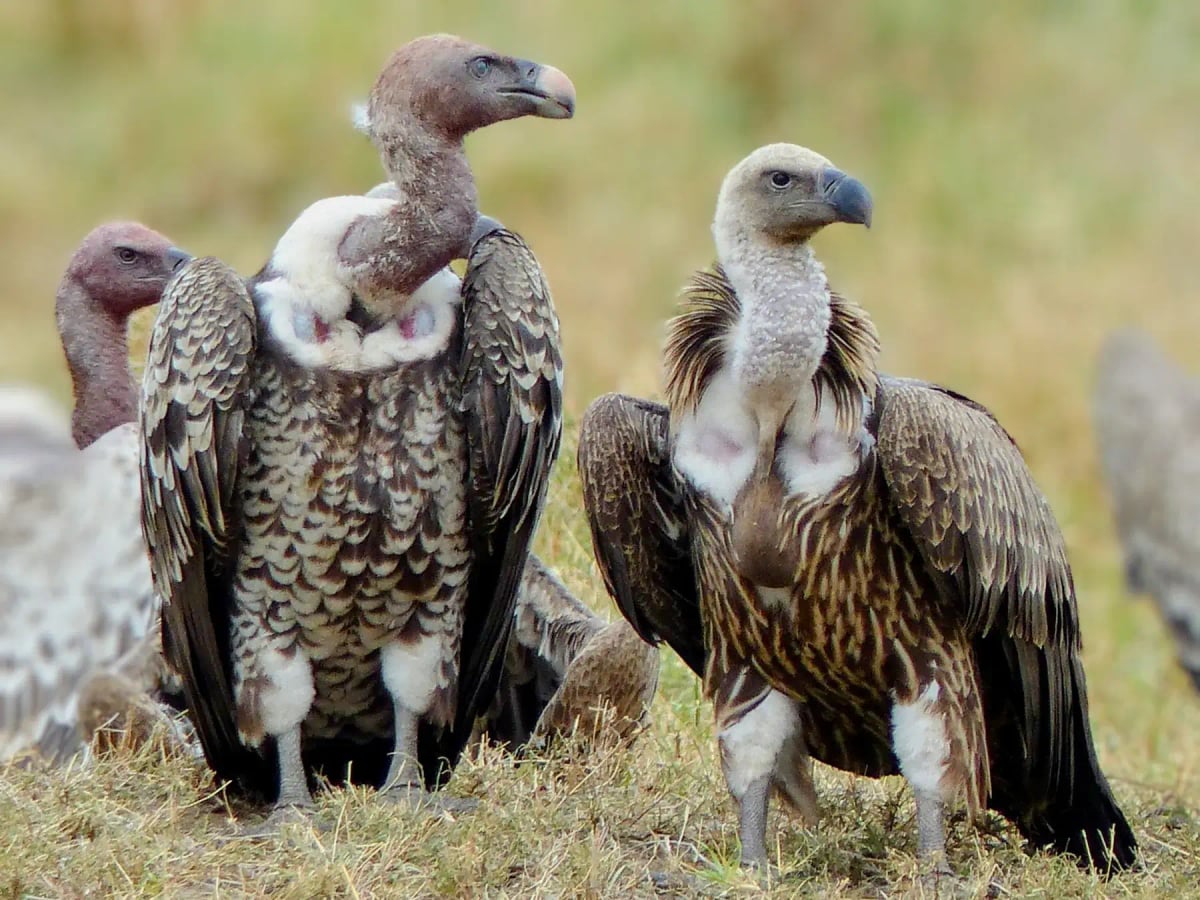
White backed Vulture
Gyps africanus
In Benin, the white backed vulture is most reliably seen in and around the W National Park and Pendjari National Park in the north, where large mammals still roam in meaningful numbers. These protected areas offer the habitat and food supply this species needs to survive. Critically endangered, the vulture is threatened across West Africa by poisoning events, which can kill dozens of birds at once when a carcass is laced with toxic substances.
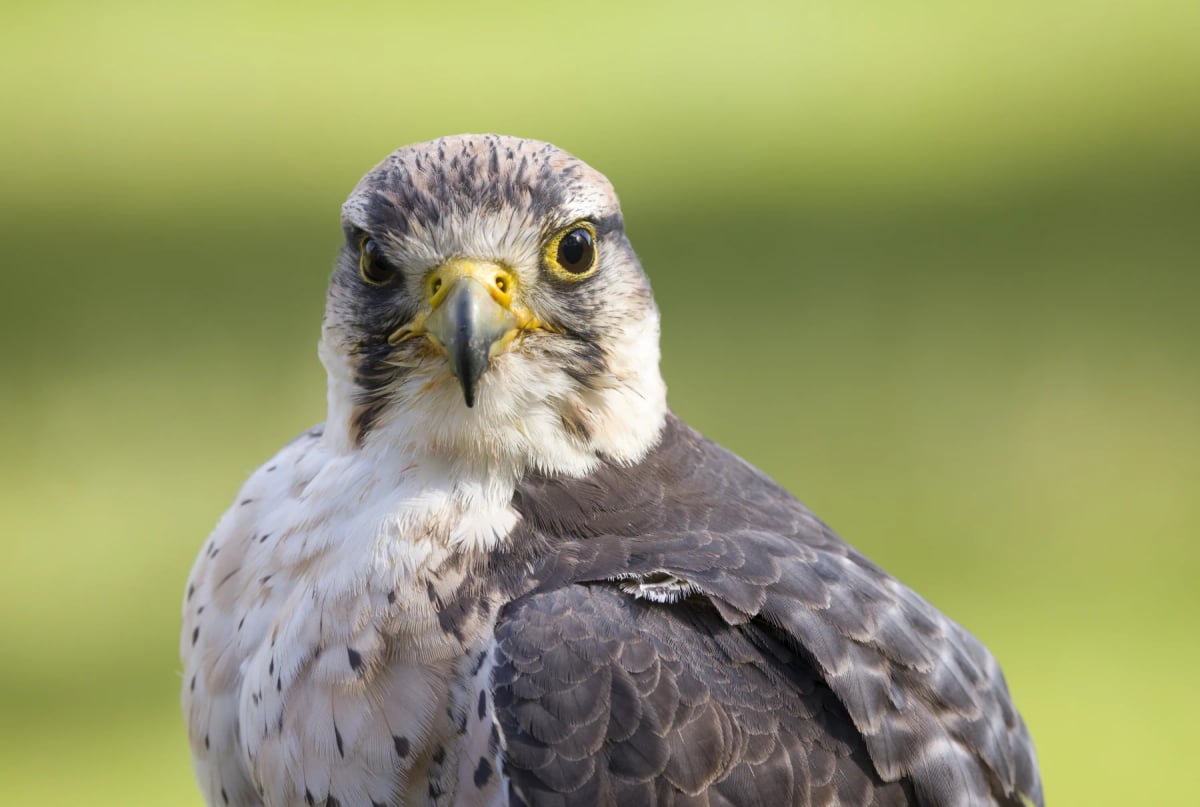
Lanner Falcon
Falco biarmicus
The lanner falcon is present in Benin mainly across the drier northern savannas and open Sudanian woodland, where it finds both suitable hunting grounds and rocky nesting sites. It feeds on birds, often working in pairs to drive prey into exposed areas before striking. Habitat loss tied to agricultural expansion in the region puts pressure on open landscapes that this raptor depends on across West Africa.
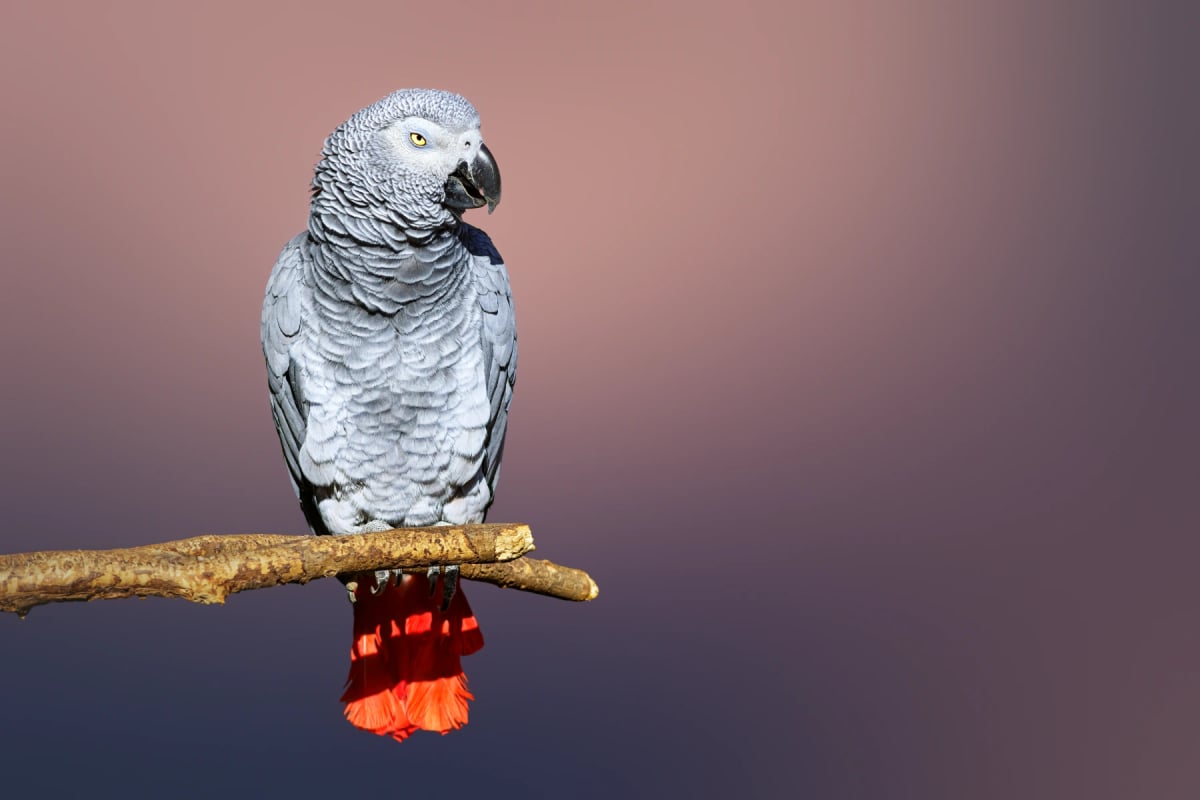
African Grey Parrot
Psittacus erithacus
Benin holds a small and poorly documented African grey parrot population in the forested areas of the south, where gallery forests and remnant patches of Guinea forest provide marginal habitat at the western edge of the species' range. Like Togo, Benin appeared in CITES significant trade review listings for the species, confirming documented commercial trapping. The country's forest cover is limited and fragmented, and the grey parrot is not among the characteristic species of Benin's predominantly savanna landscape. The population is considered peripheral and likely very small.
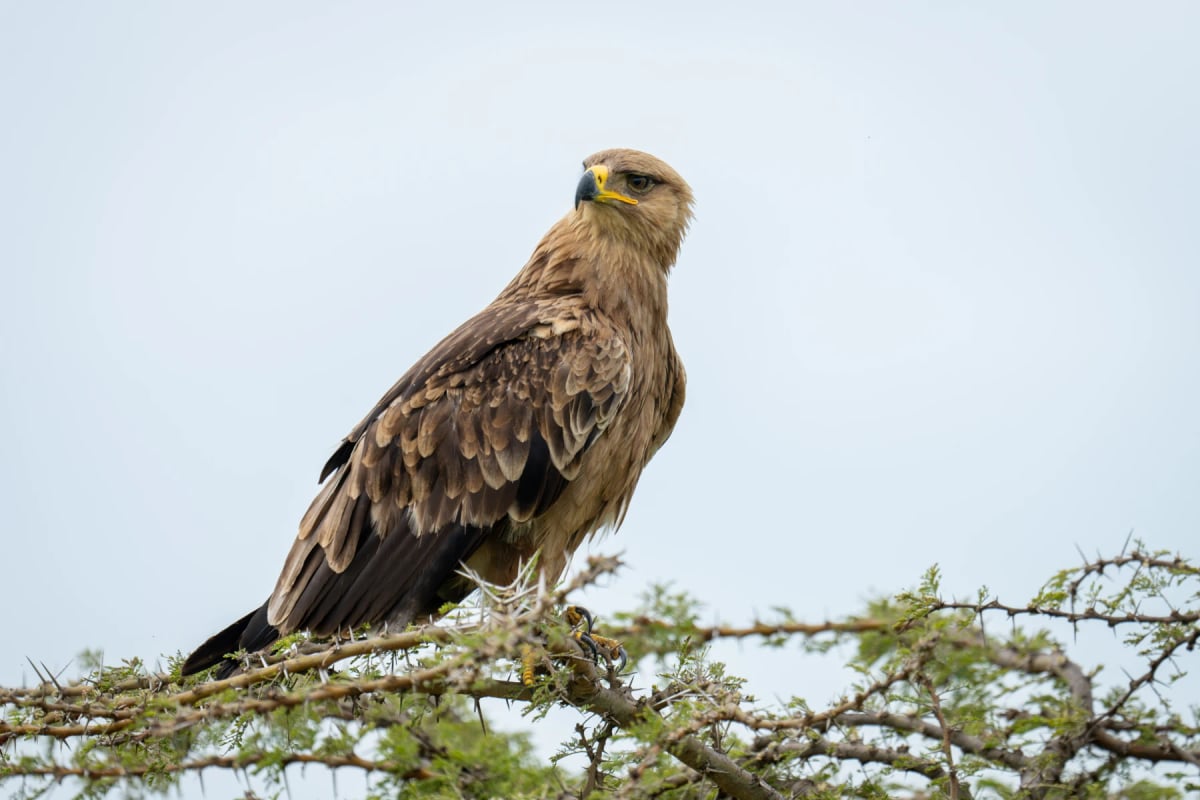
Tawny Eagle
Aquila rapax
The tawny eagle occurs in the drier northern regions of Benin, where Guinea savanna and open woodland provide suitable foraging habitat. It preys on small mammals, reptiles, and insects, and also scavenges carrion when the opportunity arises. Pressure from agricultural expansion and unintentional poisoning threatens its numbers in West Africa. The IUCN lists it as Vulnerable.
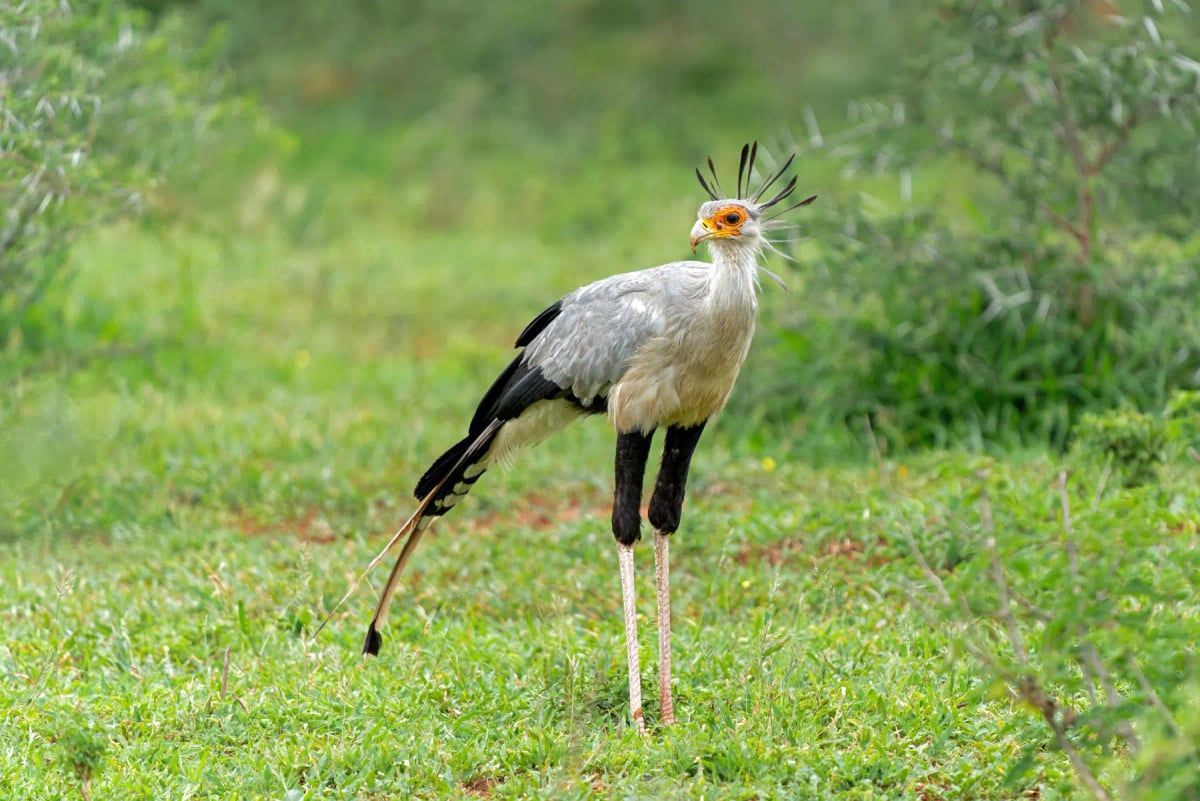
Secretary Bird
Sagittarius serpentarius
In Benin, the secretary bird inhabits open savannas and grasslands, including areas within and around W National Park in the north. It walks steadily through tall grasses in search of snakes, lizards, and large insects. Agricultural pressure across Benin's northern regions continues to reduce the open habitats this bird depends on. The IUCN lists it as Endangered.
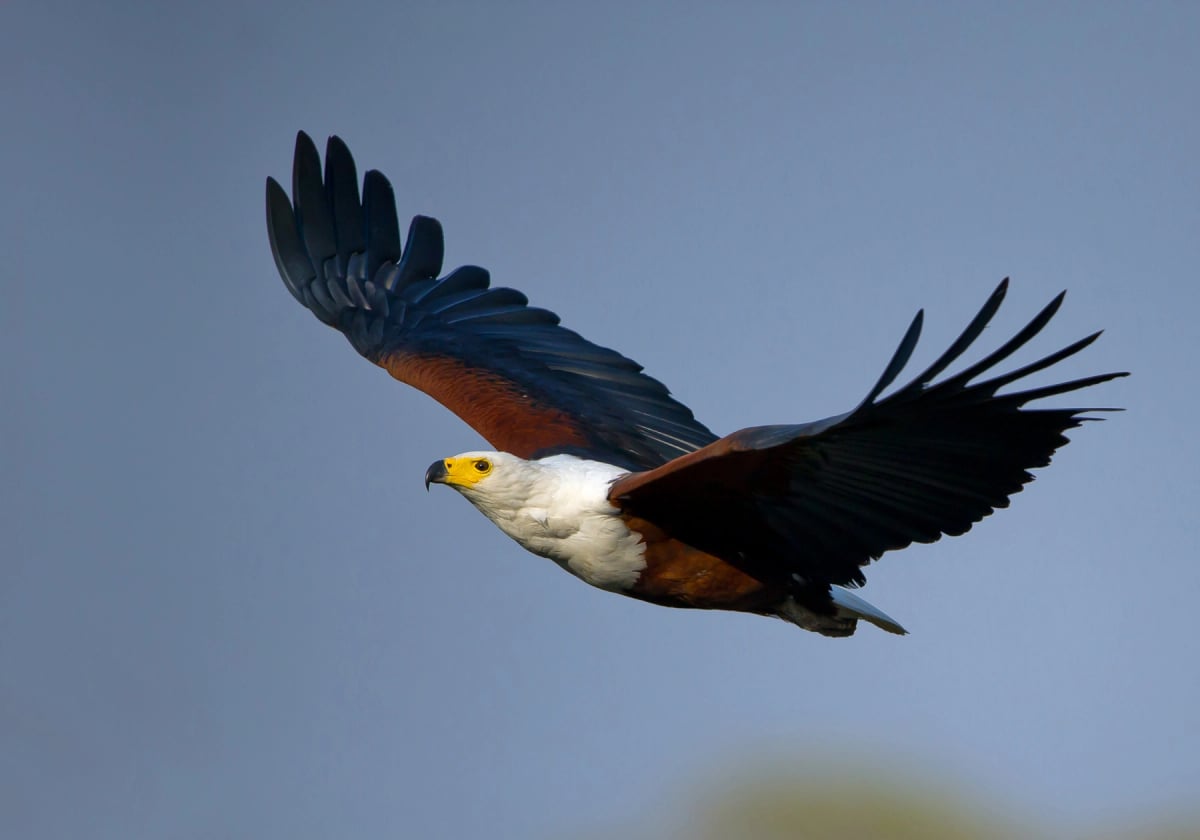
African Fish Eagle
Haliaeetus vocifer
The African fish eagle is present in Benin along the country's rivers, wetlands and coastal lagoons, particularly near Lake Nokoué, the Ouémé River delta and the waterways of the south. It is less abundant here than in East or southern Africa, but it is a regular resident near permanent water and can be seen perching on tall riverside trees or heard calling across the open water of the lagoon system.
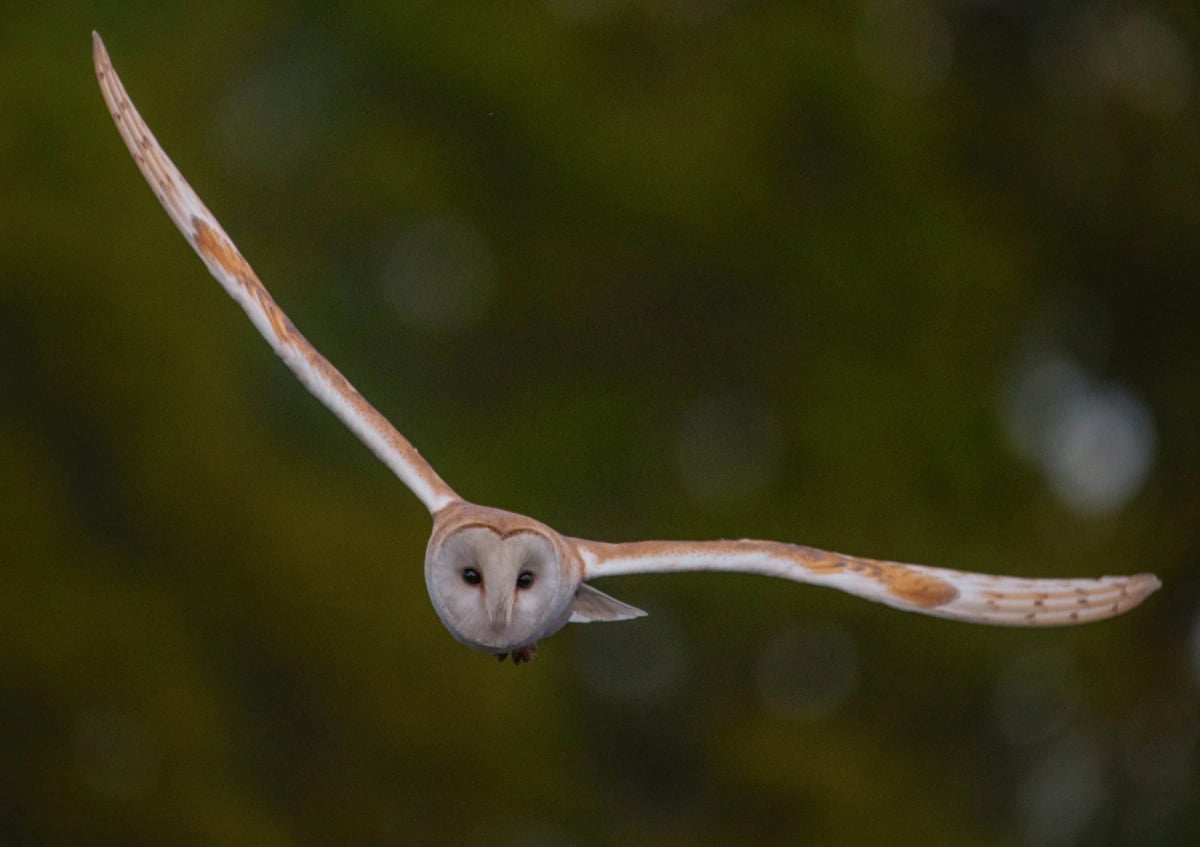
Barn Owl
Tyto alba
The barn owl is widespread across Benin in open savanna, farmland, and the outskirts of villages and towns from the Sahel zone in the north to the humid south. It nests in old buildings, rocky outcrops, and large trees, and feeds mainly on rodents. In rural communities across Benin it plays a useful role in controlling the small mammal populations that damage stored grain and crops.
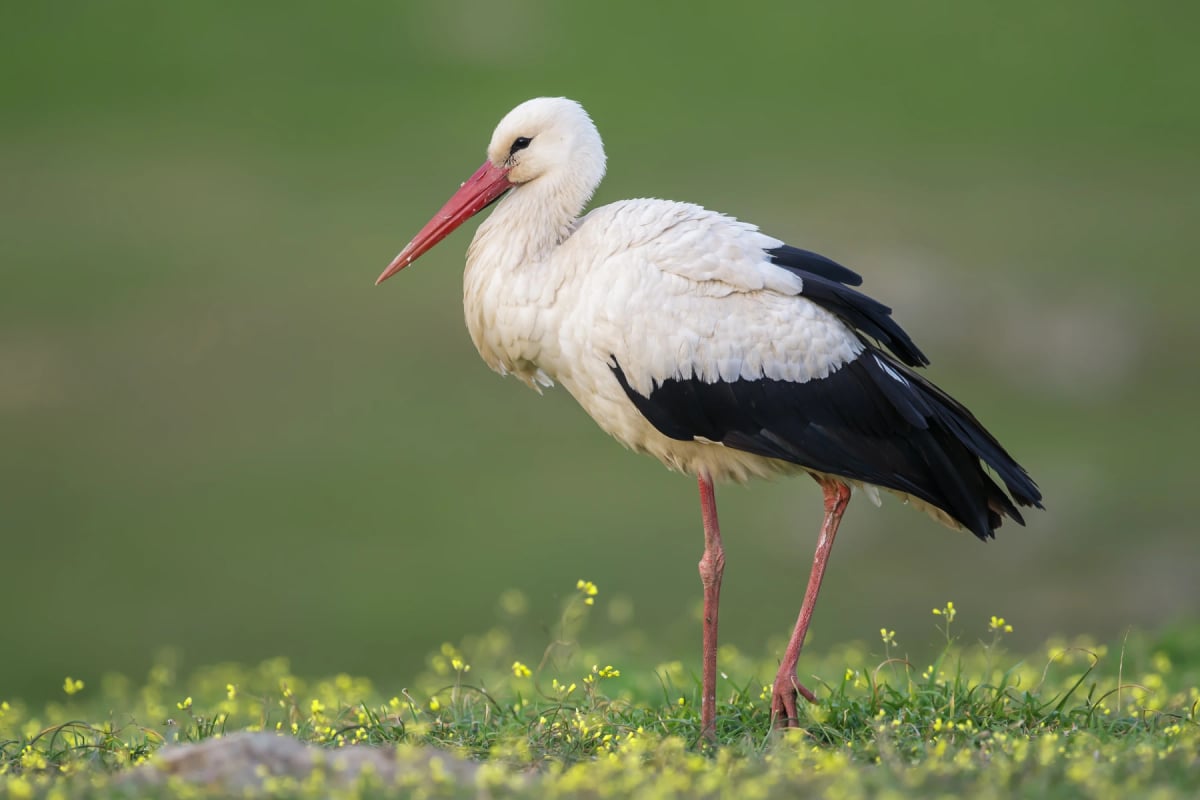
Stork
Ciconia ciconia
White storks visit Benin as part of their wintering stay in West Africa, arriving after their long journey south from breeding grounds in Europe and Asia. The open farmland, grasslands, and wetlands in the northern parts of the country attract foraging flocks. Storks are often seen alongside livestock, hunting insects disturbed by grazing animals. The IUCN lists the white stork as Least Concern.
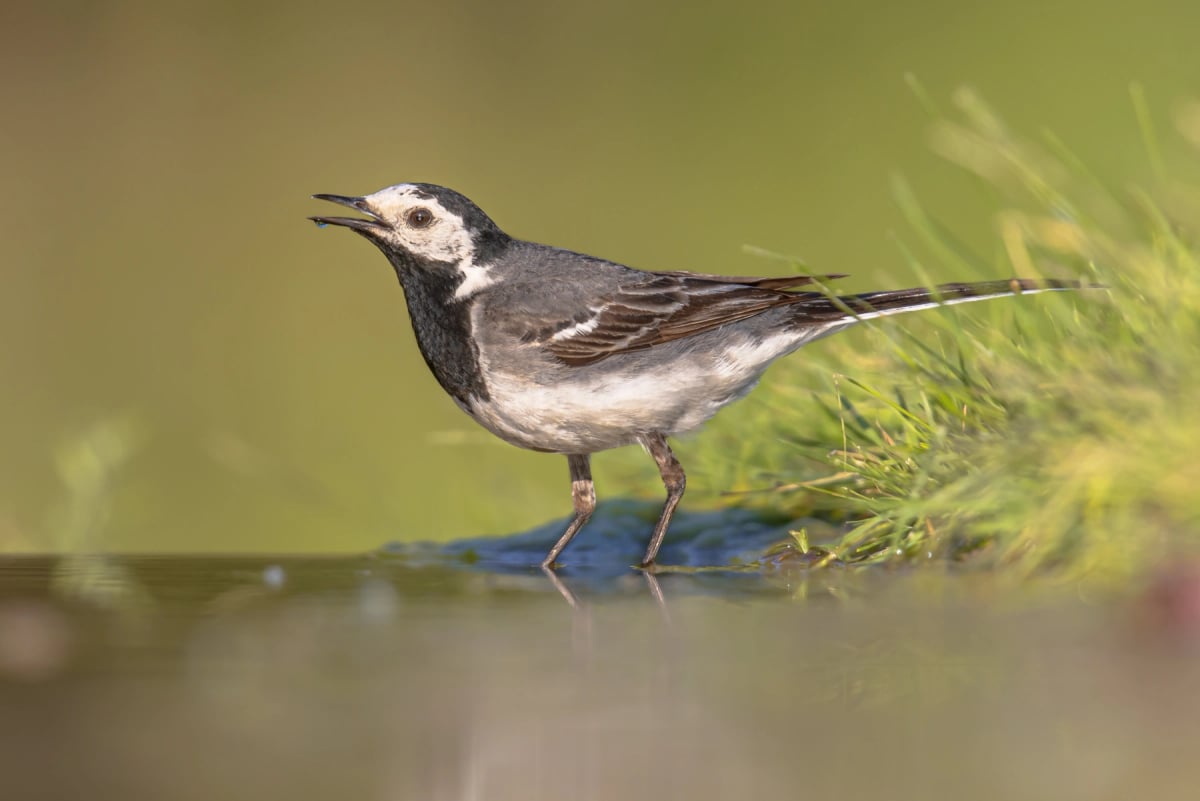
White Wagtail
Motacilla alba
Small black, white and grey bird with a slender tail that bobs up and down as it walks and feeds along the edges of water and open ground.
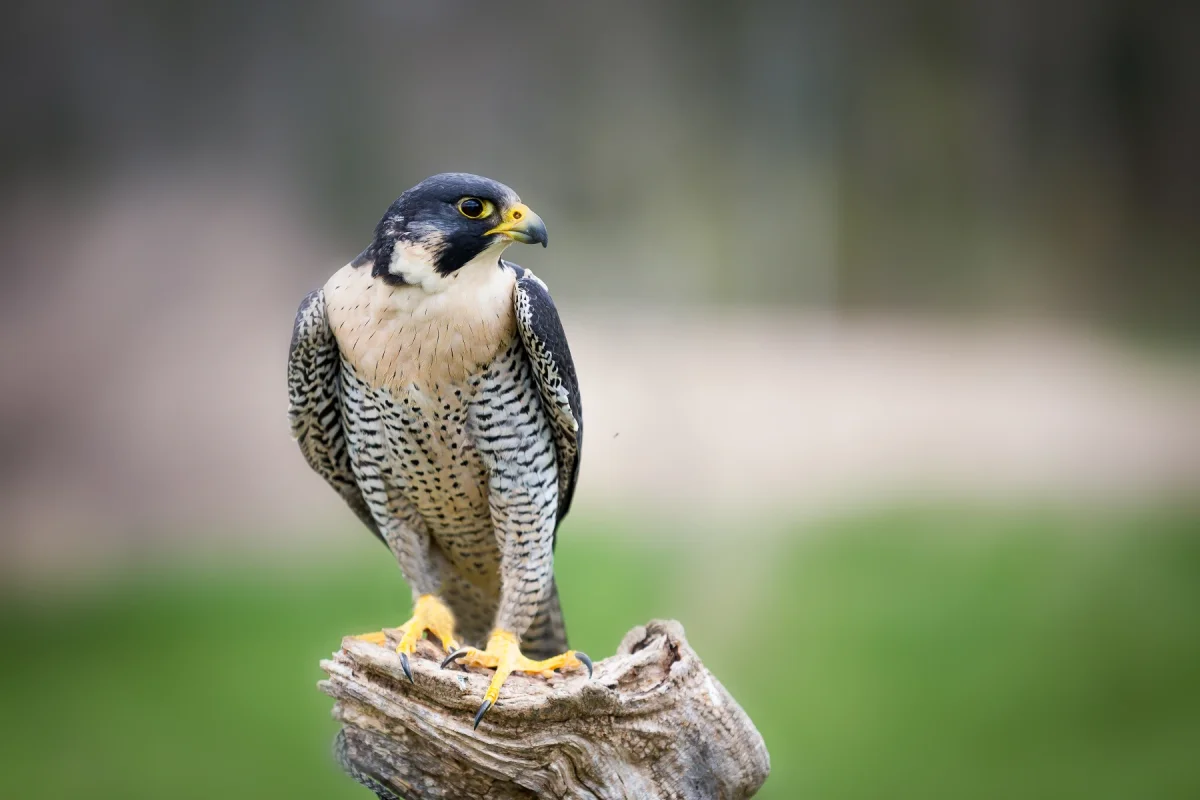
Peregrine Falcon
Falco peregrinus
In Benin, the peregrine falcon occurs mainly as a passage migrant and winter visitor, moving through the country during its annual journey between European and Central Asian breeding grounds and its African wintering areas. It can be seen hunting over open savanna, wetlands along the Niger River, and coastal lagoons in the south. The species does not breed locally but is a regular seasonal presence. Its IUCN status is Least Concern.
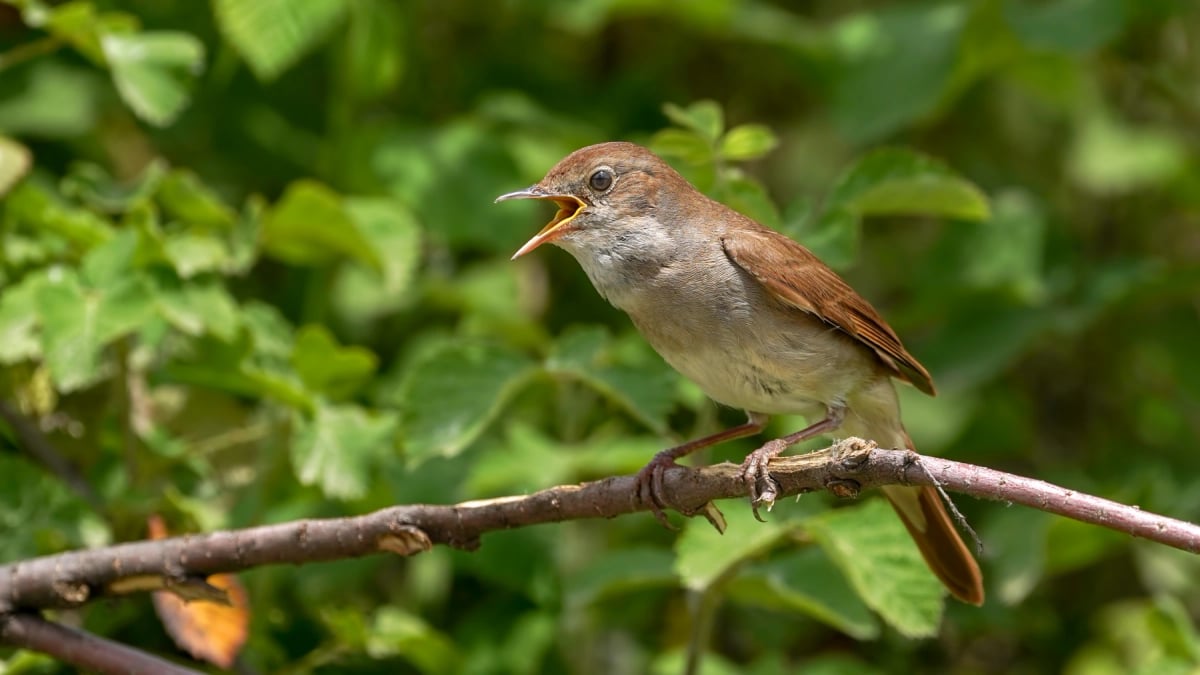
Nightingale
Luscinia megarhynchos
Benin serves as a wintering ground for nightingales that have migrated south from their European and Asian breeding territories. During the northern winter months, these birds move quietly through the country's Guinea savanna and Sudan savanna zones, foraging in dense scrub and low thickets. They are far less conspicuous at this time of year than on their breeding grounds, rarely singing and spending most of their time hidden in vegetation.
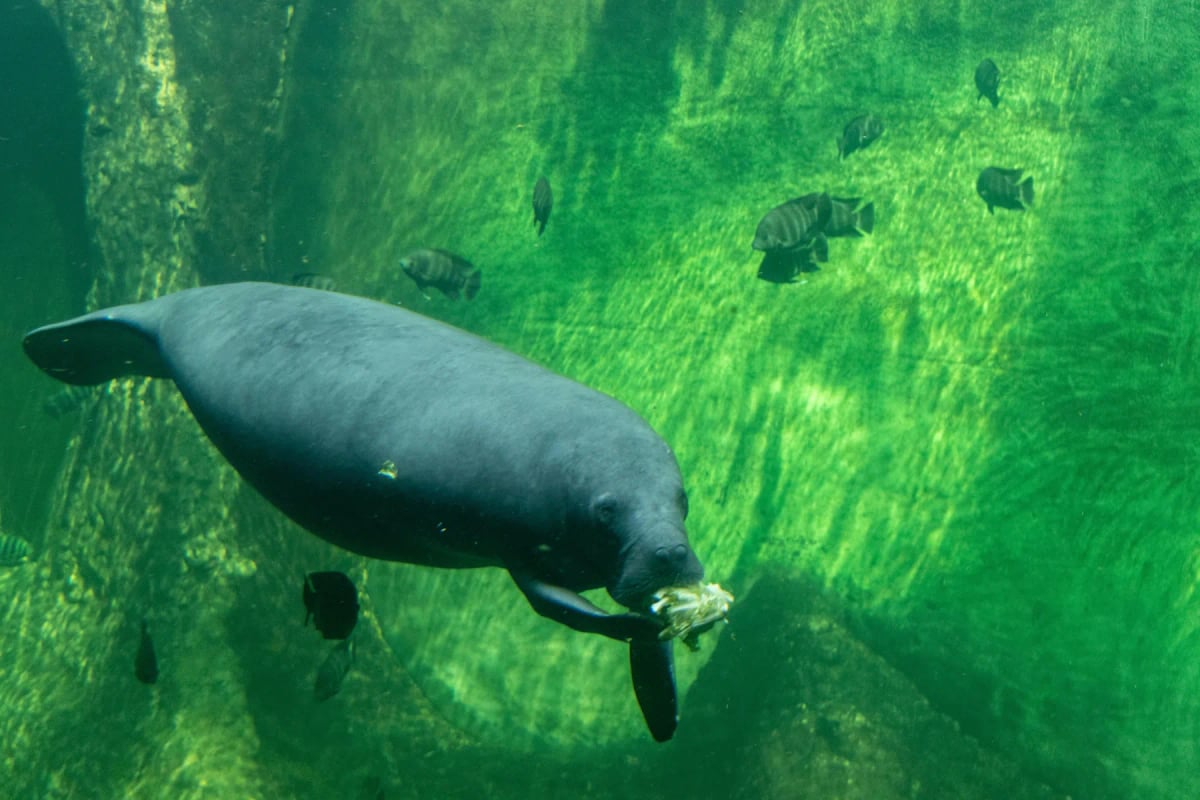
African Manatee
Trichechus senegalensis
In Benin, the African manatee inhabits the coastal lagoon system and the lower stretches of rivers such as the Ouémé and the Mono. These calm, shallow waters provide ideal feeding grounds. Local hunting pressure for bushmeat has been a persistent threat, and the species is considered rare across the country despite legal protection.
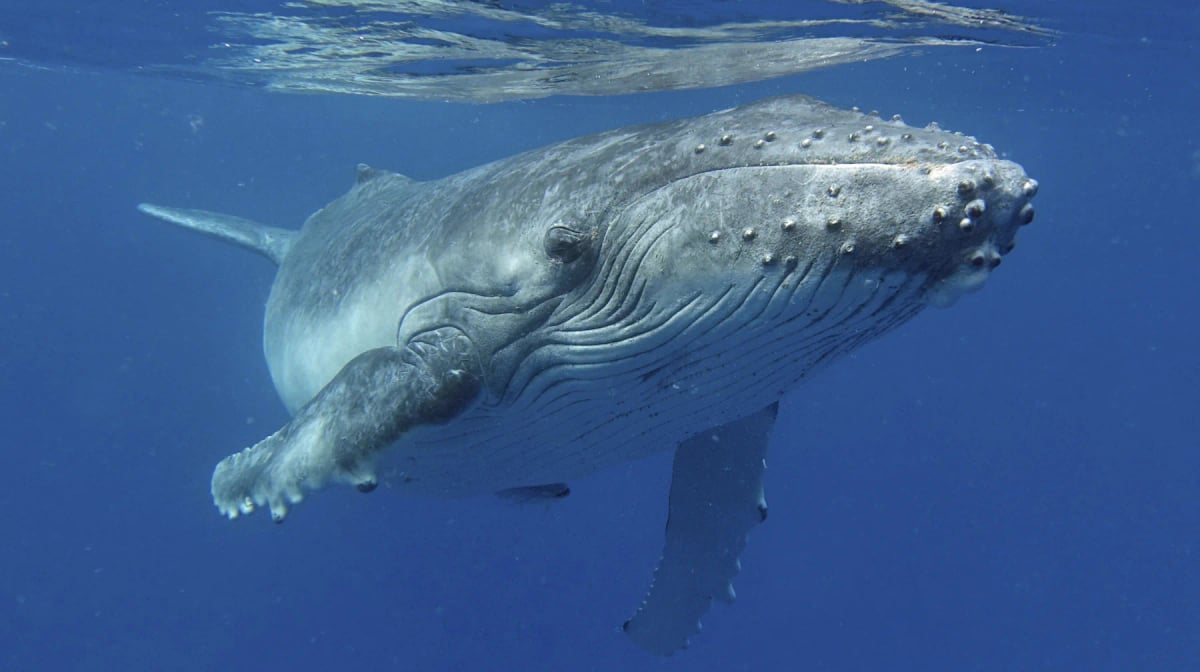
Humpback Whale
Megaptera novaeangliae
The coastal waters of Benin in the Gulf of Guinea form part of the migration corridor used by humpback whales traveling along the west coast of Africa. These whales move through the region between southern feeding grounds and tropical breeding areas, though sightings in Beninese waters are infrequent. Growing awareness of marine conservation in the Gulf of Guinea is helping to better document the presence of large whales. The IUCN lists the species as Least Concern.
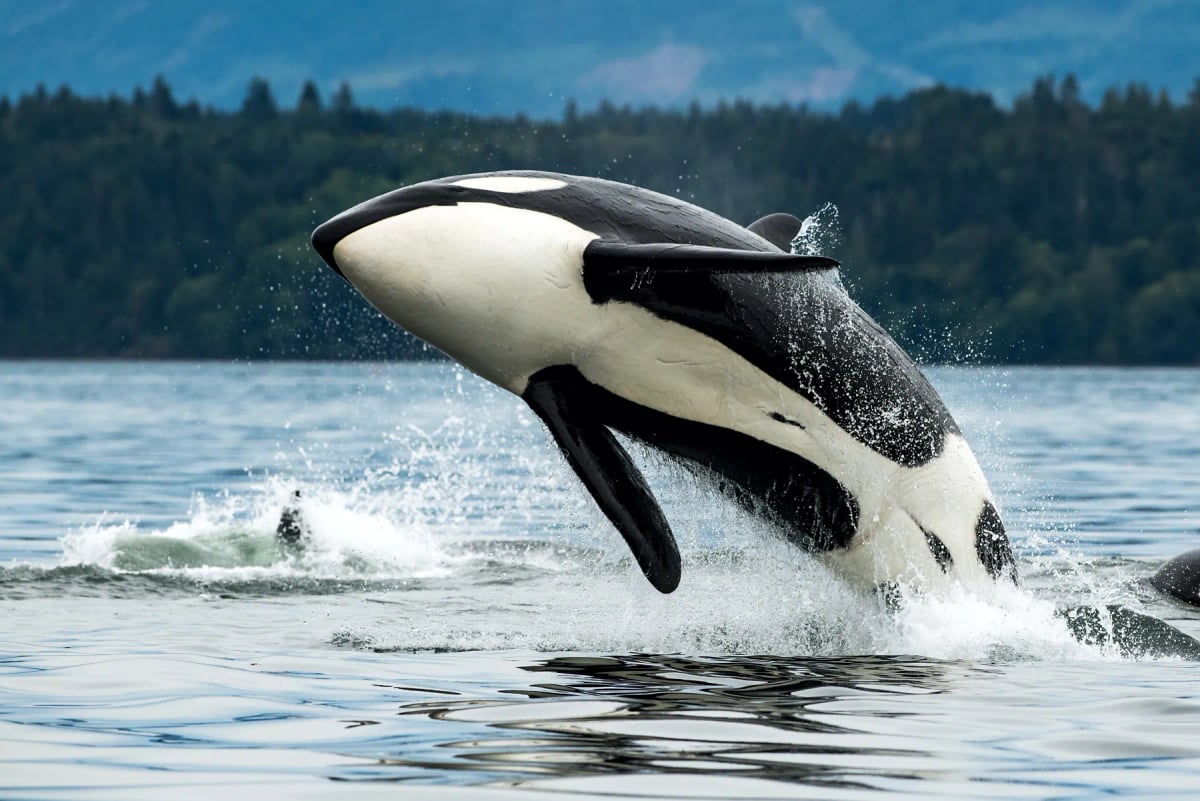
Orca
Orcinus orca
Powerful black and white dolphin and top marine predator that lives in tight family pods and cooperatively hunts fish, seals and sometimes large whales.
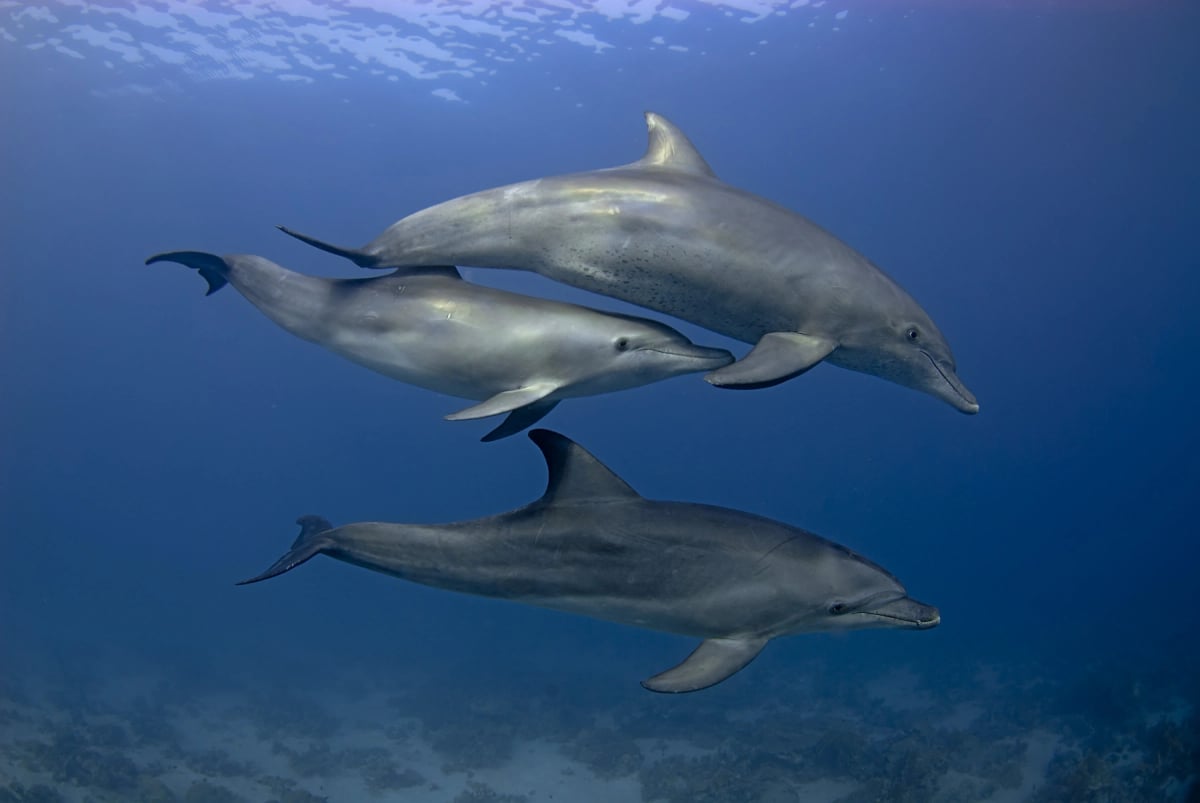
Bottlenose Dolphin
Tursiops truncatus
Along the short but ecologically active coastline of Benin in the Gulf of Guinea, bottlenose dolphins are present in nearshore Atlantic waters. They are occasionally seen by local fishing communities and are known to feed on the small pelagic fish abundant in this region. Artisanal fishing practices and coastal habitat change are the primary pressures on marine life here. The IUCN considers the bottlenose dolphin to be of Least Concern globally.
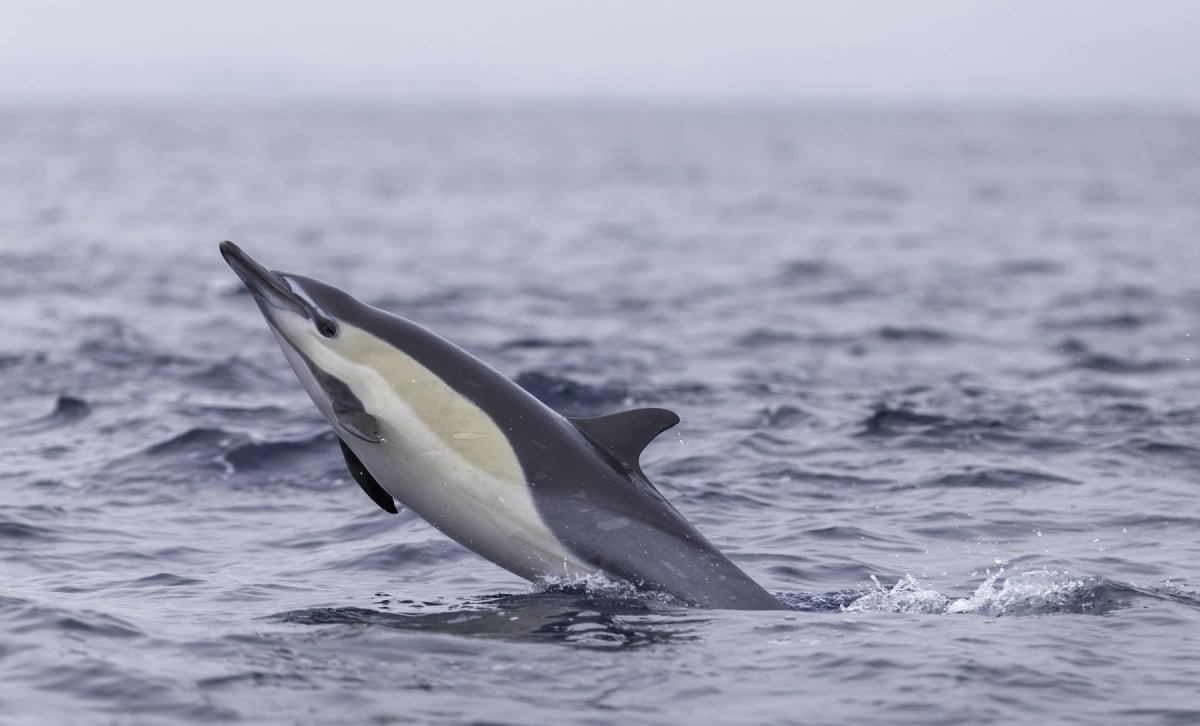
Common Dolphin
Delphinus delphis
The common dolphin has been recorded in the Gulf of Guinea off the coast of Benin, where warm Atlantic waters support a variety of marine life. This stretch of the West African coastline sees relatively little dedicated cetacean research, but dolphin sightings from fishing communities and vessels confirm their presence. Their cooperative hunting behaviour makes them effective predators of the small fish abundant in these tropical coastal waters.
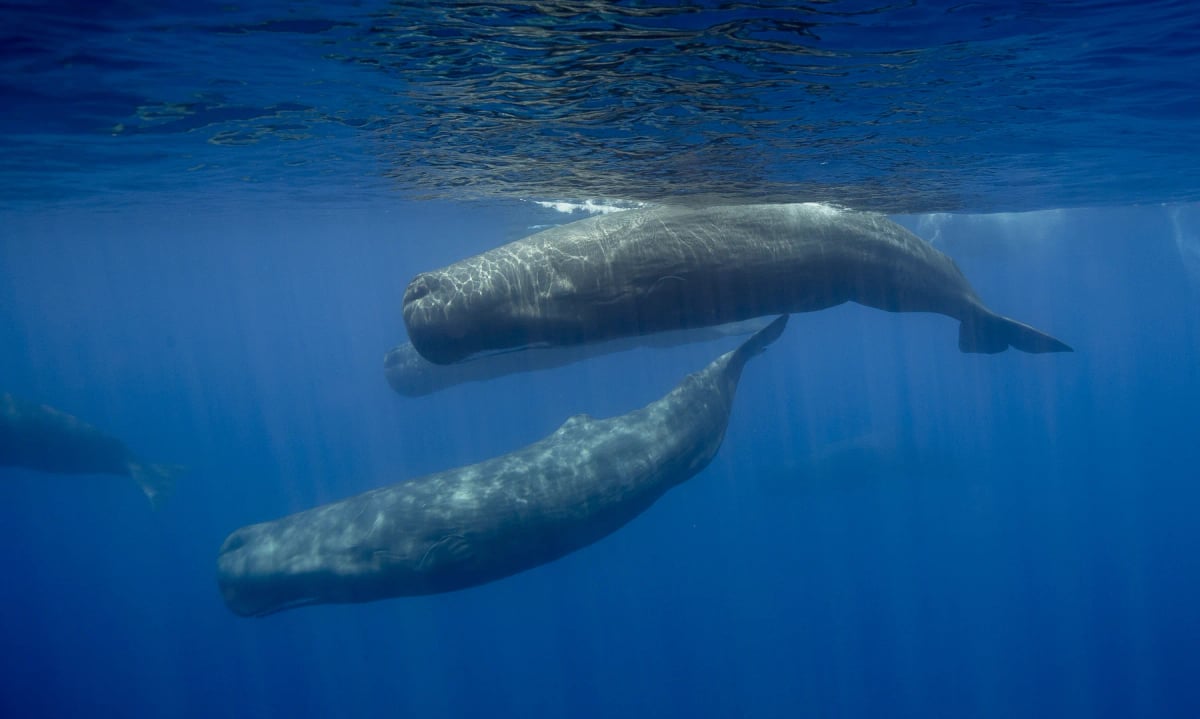
Sperm Whale
Physeter macrocephalus
Sperm whales move through the Gulf of Guinea waters off Benin's coastline, where the Atlantic Ocean provides deep offshore zones suitable for their diving behavior. These waters connect to a broader West African habitat shared with neighboring nations. Classified as Vulnerable by the IUCN, sperm whales in this region face threats from vessel traffic and ocean noise. Benin has limited large whale research, but the species is a confirmed presence in the area.
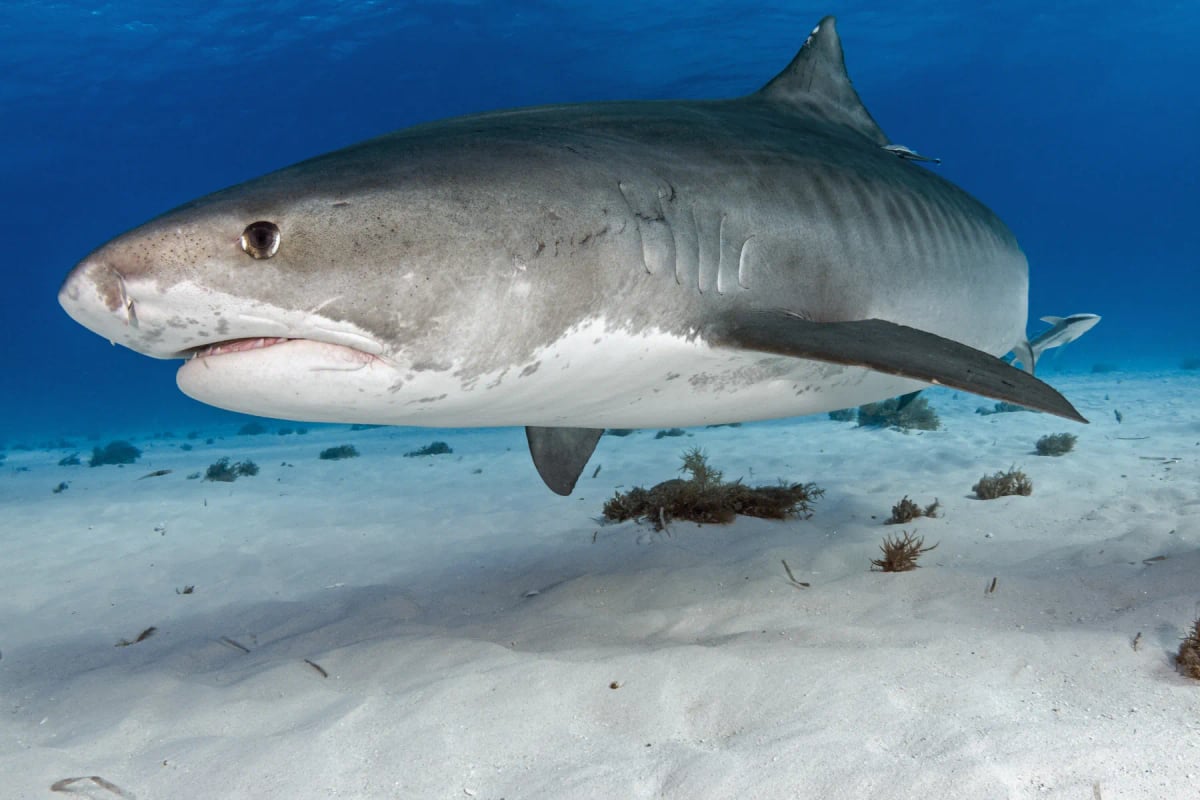
Tiger Shark
Galeocerdo cuvier
The tiger shark is found in the Gulf of Guinea waters off the coast of Benin, a relatively short but biologically active shoreline in West Africa. It moves through coastal shallows and offshore zones, feeding on the diverse marine life sustained by these productive tropical waters. Fishing pressure in this region is a key concern, as the species is listed as Near Threatened by the IUCN and is vulnerable to both targeted and accidental catch.
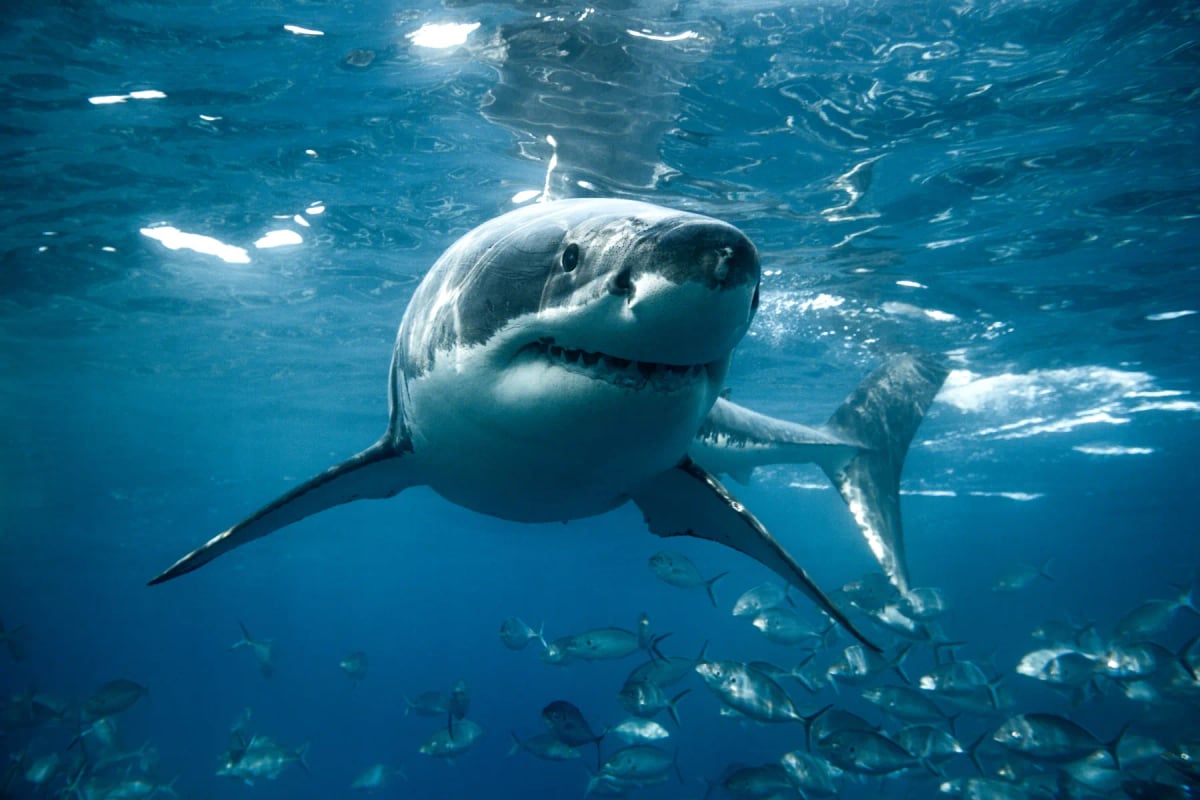
Great White Shark
Carcharodon carcharias
The great white shark's range extends along the West African coastline, including the Gulf of Guinea waters off Benin. Sightings in this area are infrequent, and the species is not well studied here. Warm equatorial waters are less typical habitat for this shark, and encounters likely involve individuals moving through rather than residing permanently. Fishing pressure in the Gulf of Guinea poses a risk across many shark species in this part of the Atlantic. Its IUCN status is Vulnerable.
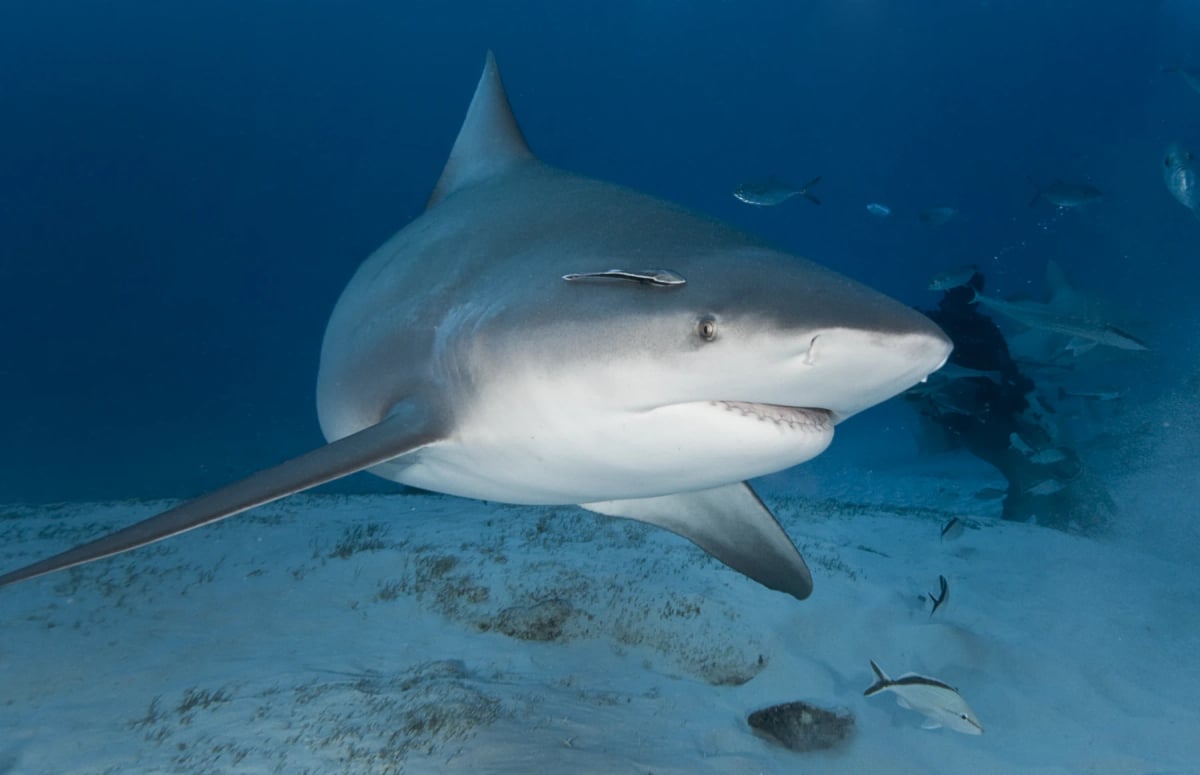
Bull Shark
Carcharhinus leucas
Along the Gulf of Guinea coastline of Benin, bull sharks occupy warm inshore waters and estuarine zones where rivers meet the Atlantic. The species benefits from the productivity of these West African coastal ecosystems, which support a diverse range of prey. Small scale and artisanal fisheries in Benin interact with bull sharks through incidental bycatch. Regional cooperation on shark monitoring across the Gulf of Guinea remains limited but is increasingly recognized as necessary.
Researched and written by Juan Pablo. Sources: IUCN Red List, scientific literature and regional field guides. Last updated: .