Animals in Texas
Wildlife in Texas
Texas stretches from desert canyons to hill country, pine woods and a long Gulf coast. Big Bend and Guadalupe offer wide views and river trails, while the Rio Grande valley and the coastal bend draw bird watchers each spring and fall. Along Padre Island, calm bays shelter dolphins and wading birds, and ferries link beaches with boardwalks over marsh. From Austin, San Antonio and Houston, weekend drives reach parks and refuges in a few hours.
Most Dangerous Animals in Texas
Risk in Texas depends on habitat and season. In rugged hills and desert edges, cougar is a powerful predator that keeps to quiet cover. In warm months, rattlesnakes rest on rocks and road shoulders, and cottonmouths stay near creeks and swamps. In Gulf waters, tiger and bull sharks move through channels near passes and jetties. Most reports note brief encounters at distance rather than close contact.
Top 10 Animals in Texas
Our Top 10 for Texas highlights a simple mix that visitors look for on land and along the coast. Cougar sets the wild tone in remote brush and canyon country, often sensed more than seen. Peregrine falcon adds fast flights over cliffs, bridges and city towers. Bald eagle brings winter views on large lakes and broad rivers. Together they sketch a clear plan for photos, lookouts and short stops across the state.
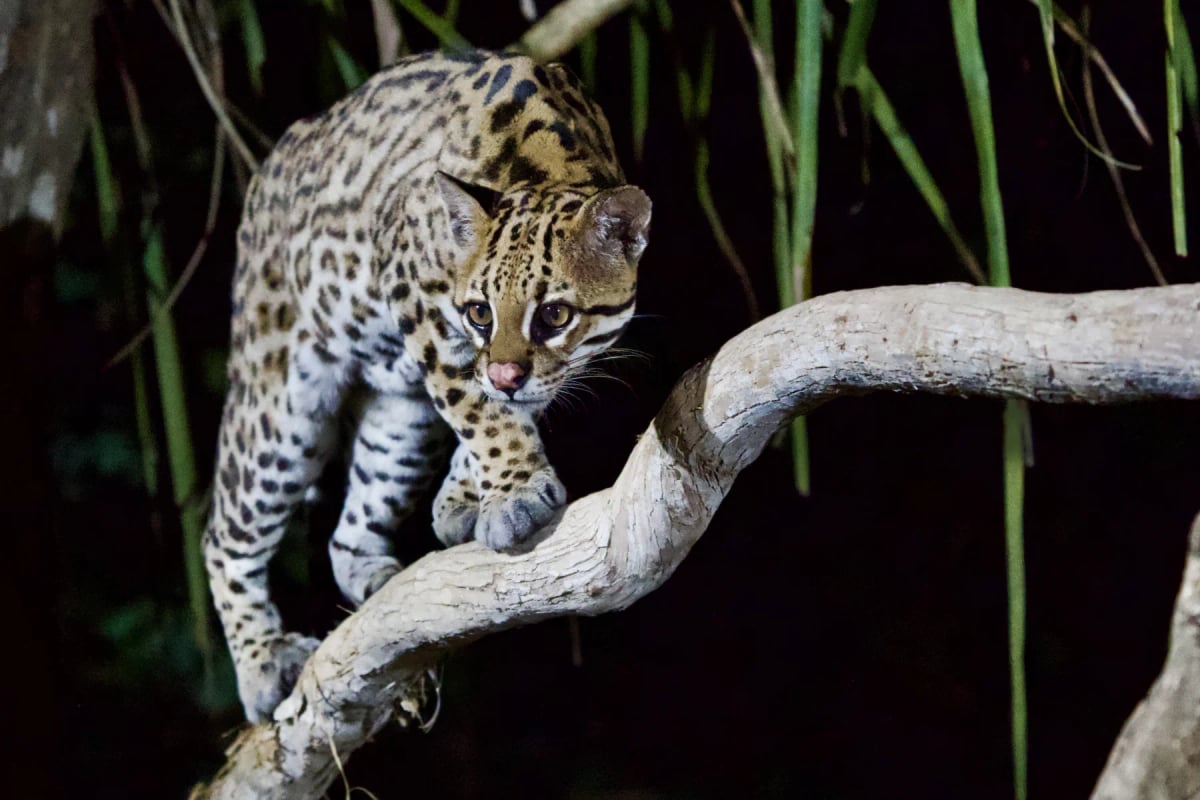
Ocelot
Leopardus pardalis
In Texas, ocelots cling to survival in the dense thorn scrub of the Rio Grande Valley, one of the last places in the United States where they still live wild. Fewer than 100 individuals are thought to remain, making this one of the rarest cat populations in the country. Road collisions and habitat loss are the greatest threats they face today. Their IUCN status is Least Concern globally, but the Texas population is critically imperiled.
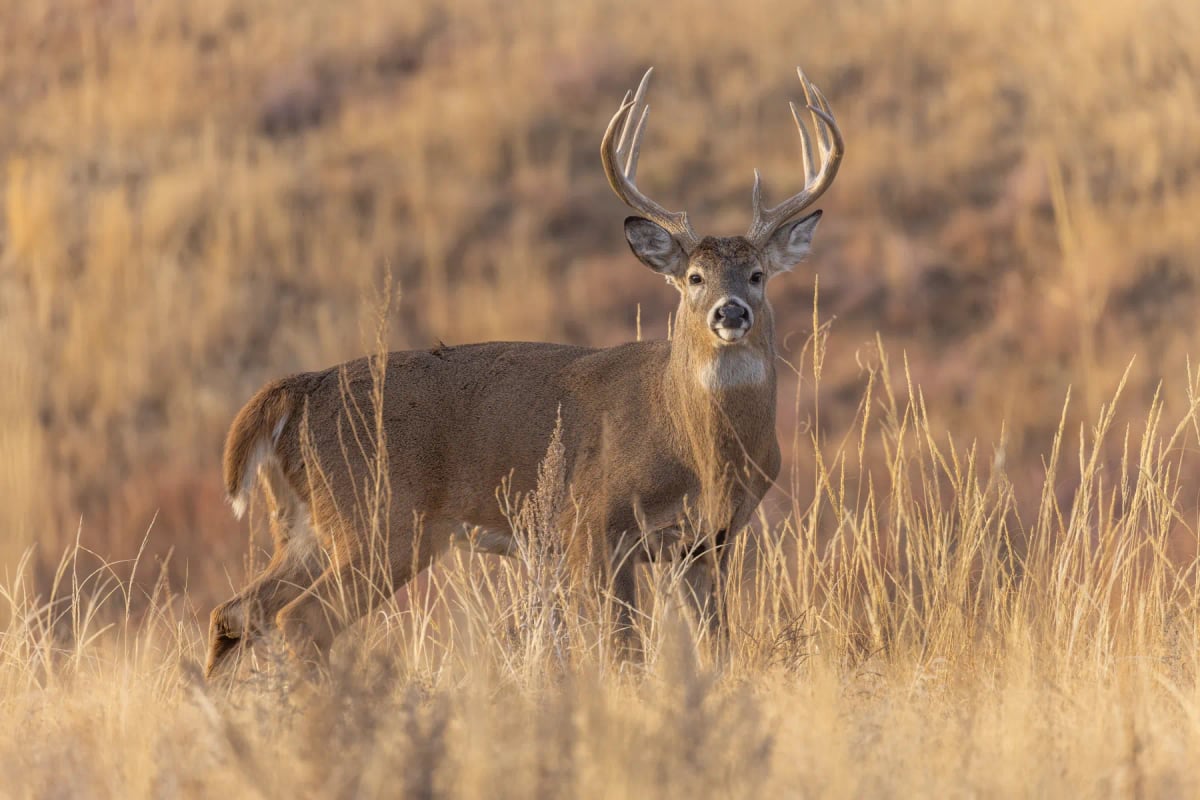
White tailed Deer
Odocoileus virginianus
Texas supports one of the largest and most intensively managed white tailed deer populations in the world. The Hill Country region in central Texas is especially well known for its dense deer numbers. Ranchers and wildlife managers use selective breeding and habitat management to support healthy herds. Deer hunting is deeply woven into the culture and economy of the state, generating significant revenue each season.
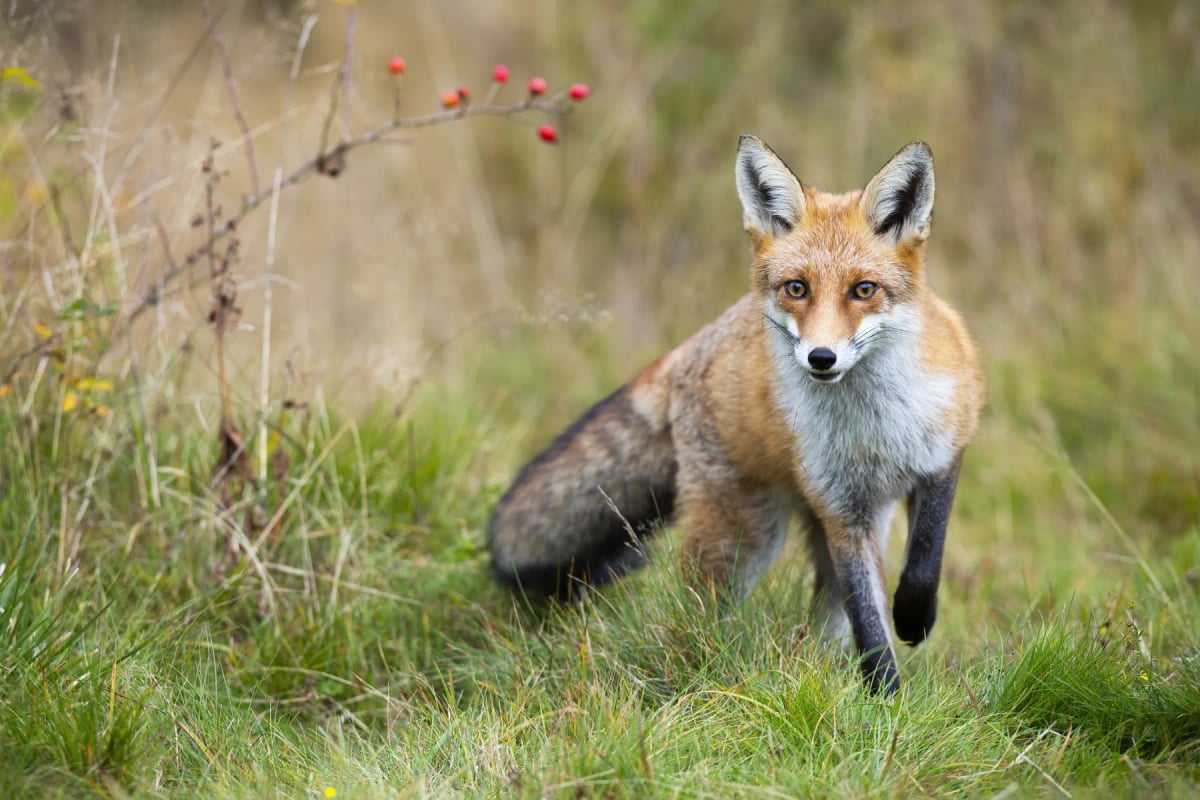
Red Fox
Vulpes vulpes
The red fox is found across much of Texas, particularly in the northern and central parts of the state, where open grasslands and mixed woodland provide good habitat. It is an opportunistic feeder, taking rodents, rabbits, birds, and fruit depending on the season. Red foxes adapt well to the edges of towns and suburban areas across Texas. The species is stable and carries an IUCN status of Least Concern.
American Bison
Bison bison
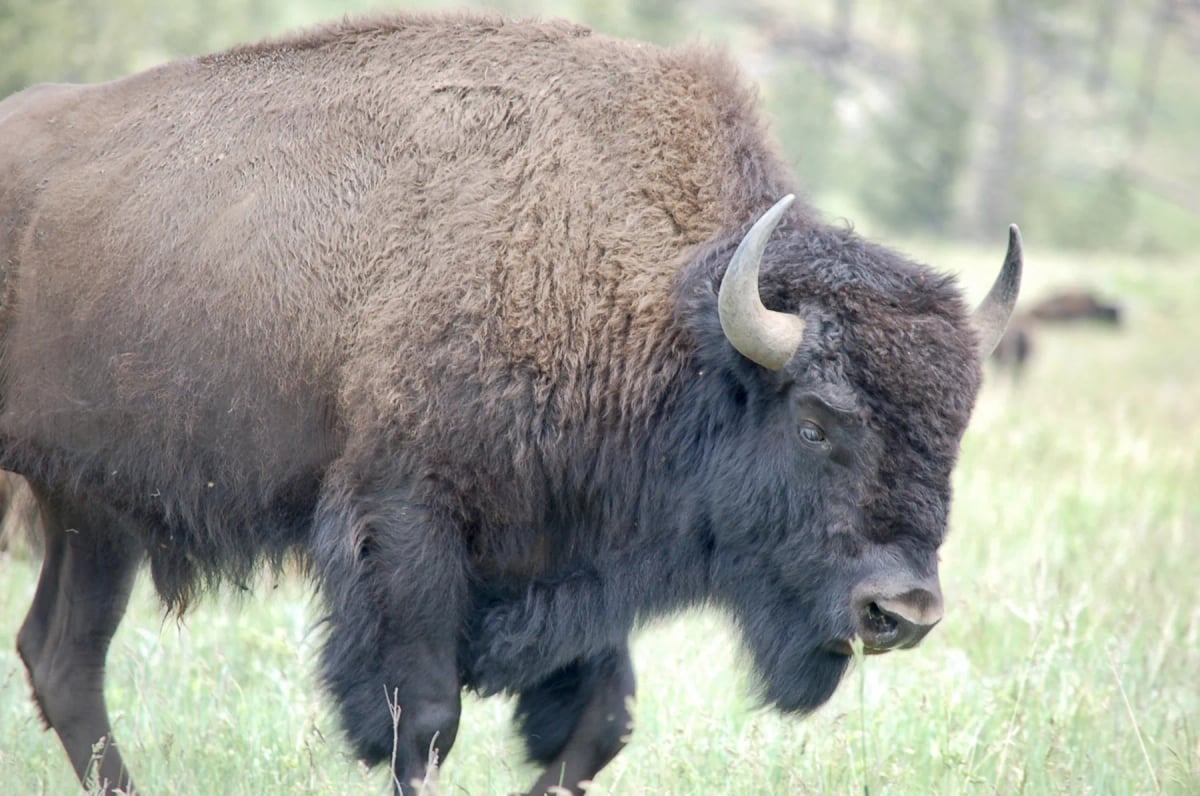
Texas holds one of the most historically significant bison herds in North America at Caprock Canyons State Park in the Panhandle. The Texas State Bison Herd descends directly from animals saved by rancher Charles Goodnight in the 1870s, making it one of the purest plains bison lineages known. The herd roams the rugged canyon landscape of the park and serves as a living symbol of the conservation effort that brought the species back from the edge of extinction.
Cougar
Puma concolor
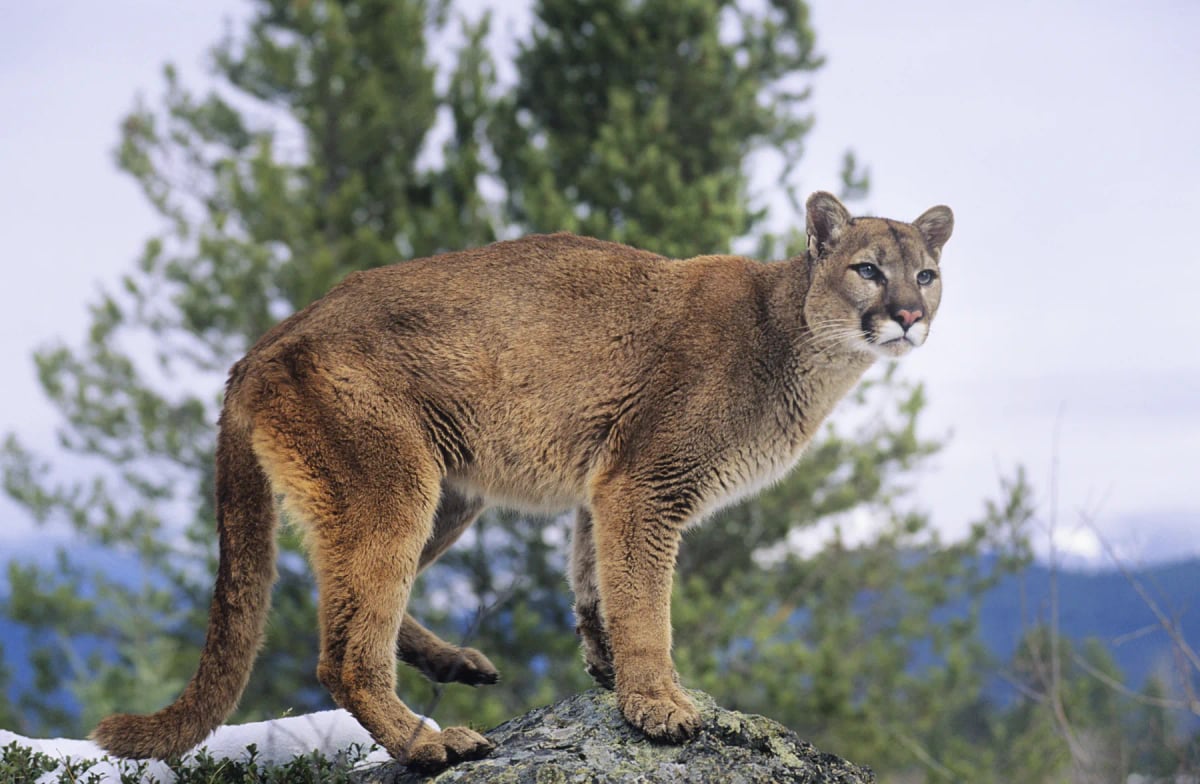
In Texas, cougars are most reliably found in the rugged Trans-Pecos region in the far west of the state, particularly around Big Bend. They navigate rocky canyons and desert scrub with ease. Texas holds a notable place in cougar conservation history: individuals from the state were introduced into Florida in the 1990s to help rescue the struggling Florida panther population through genetic diversity.
Coyote
Canis latrans
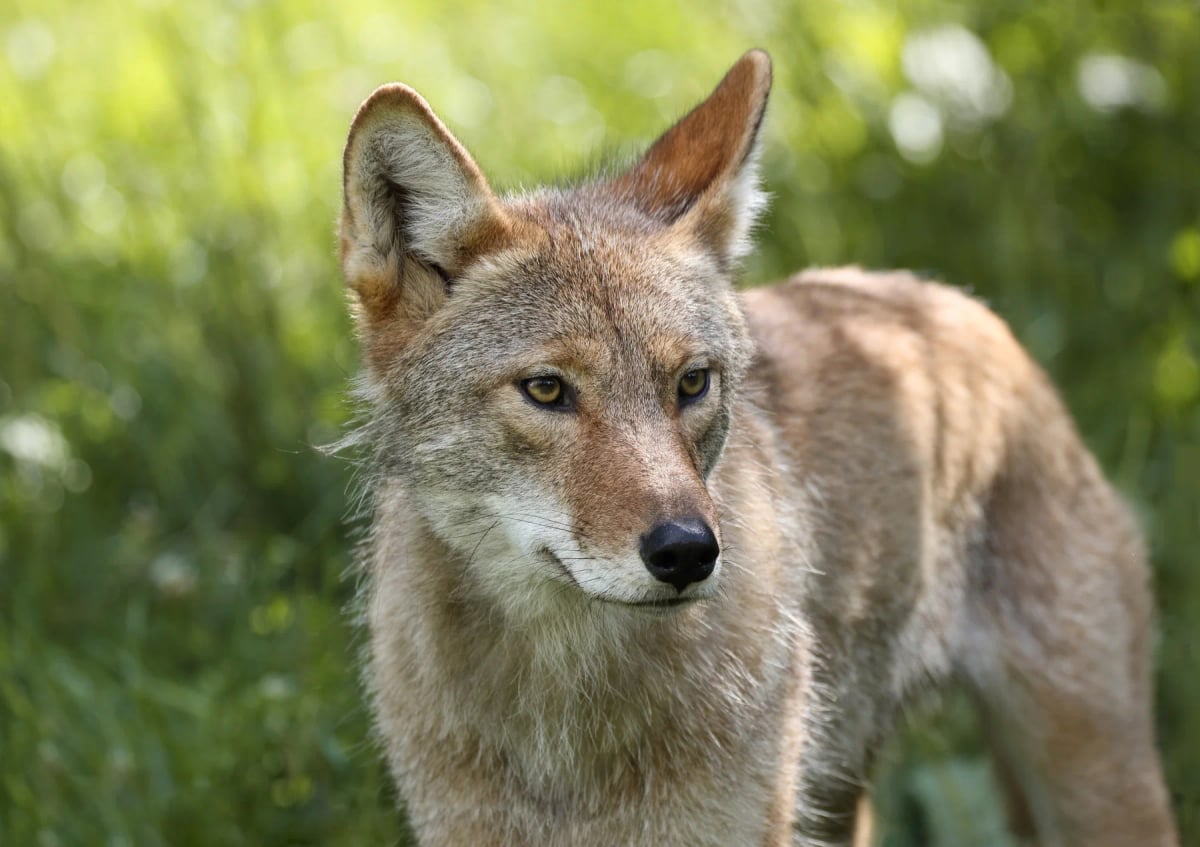
Texas supports one of the largest coyote populations in the United States, spread across the vast ranchlands of the west, the brushy scrub of the south, the coastal plains, and the piney woods of the east. Ranchers have long viewed the coyote as a threat to livestock, yet it also keeps rodent numbers in check across millions of acres of farmland. It is highly adaptable to the state's varied climates. Its IUCN status is Least Concern.
Bobcat
Lynx rufus
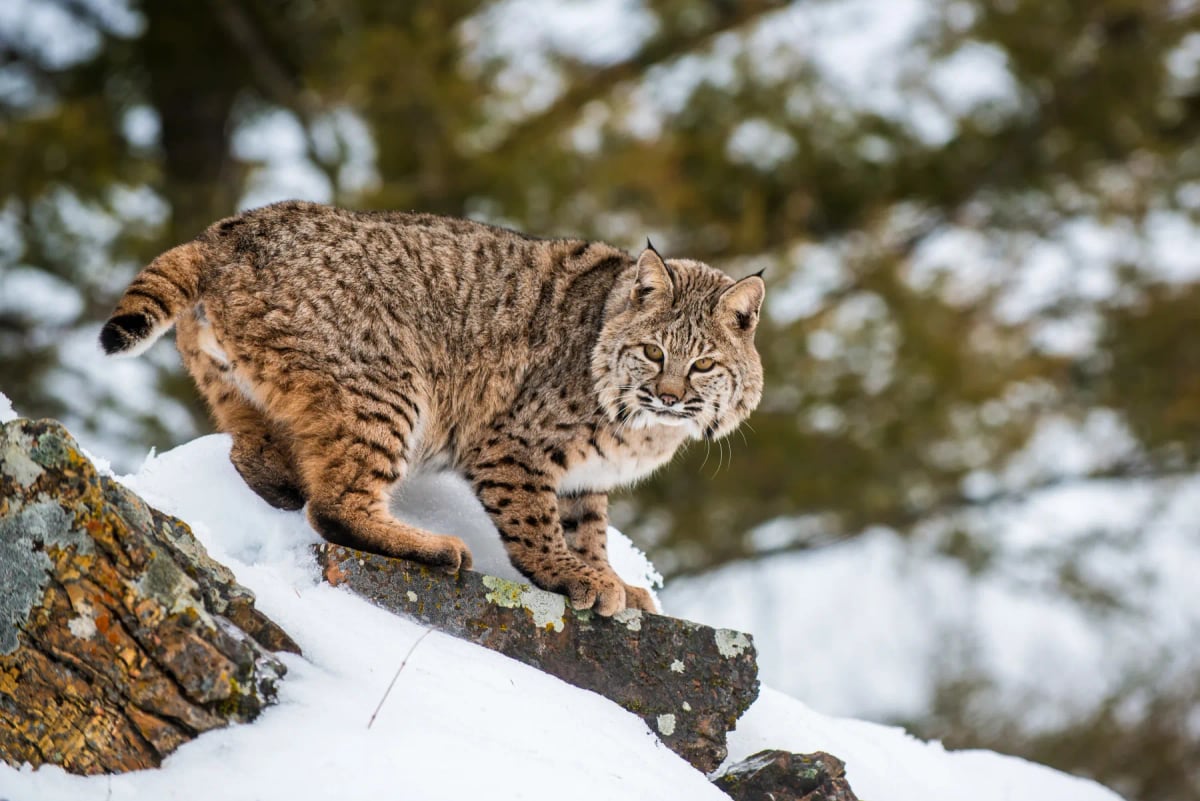
Texas supports one of the largest bobcat populations in the United States, with the animal present across virtually the entire state. It occupies a remarkable range of habitats, from the piney woods of East Texas and the Hill Country to the Chihuahuan Desert in the west and the brushlands of the south. Rabbits, rodents, and white-tailed deer fawns are key prey. Texas manages the bobcat as a furbearer, with regulated trapping and hunting seasons.
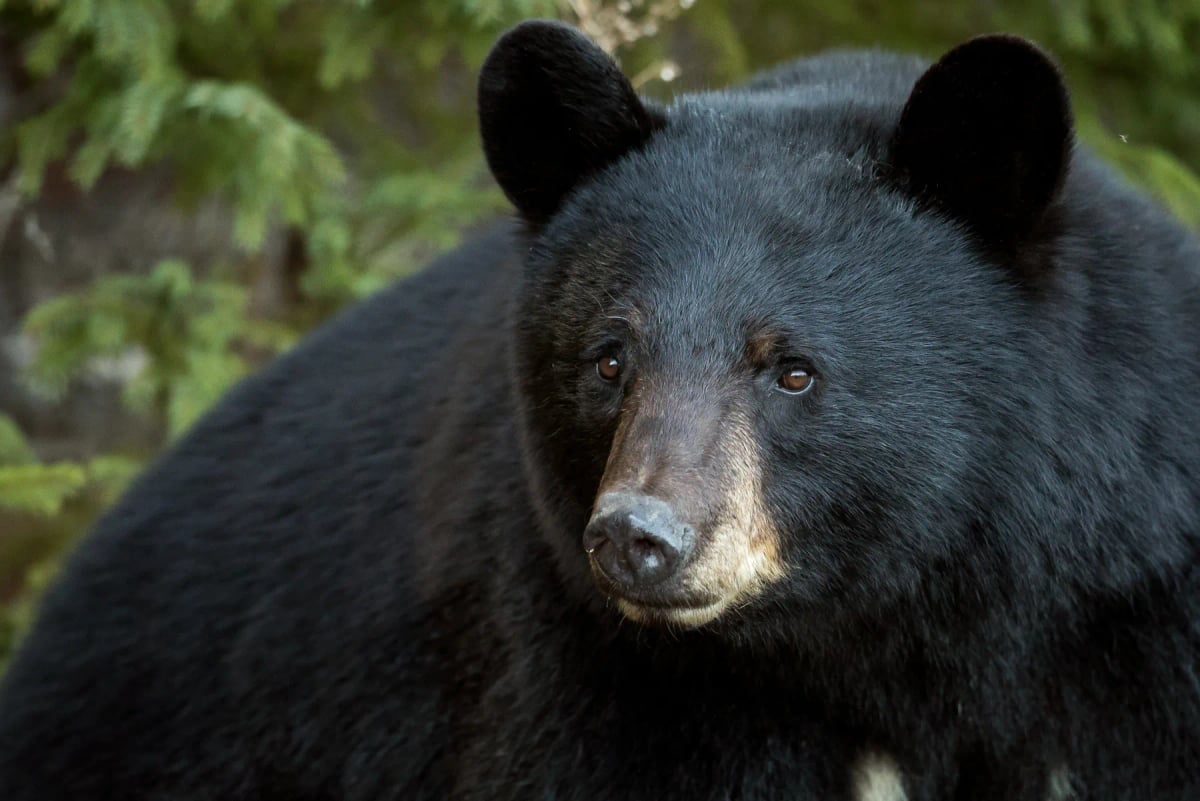
American Black Bear
Ursus americanus
The American black bear is found in two separate areas of Texas. In the Trans-Pecos region of West Texas, a recovering population centered on Big Bend National Park benefits from movement of bears crossing from northern Mexico. A smaller population also exists in the Pineywoods of East Texas. Both groups are protected under state law and remain relatively small compared to bear populations elsewhere in the country.
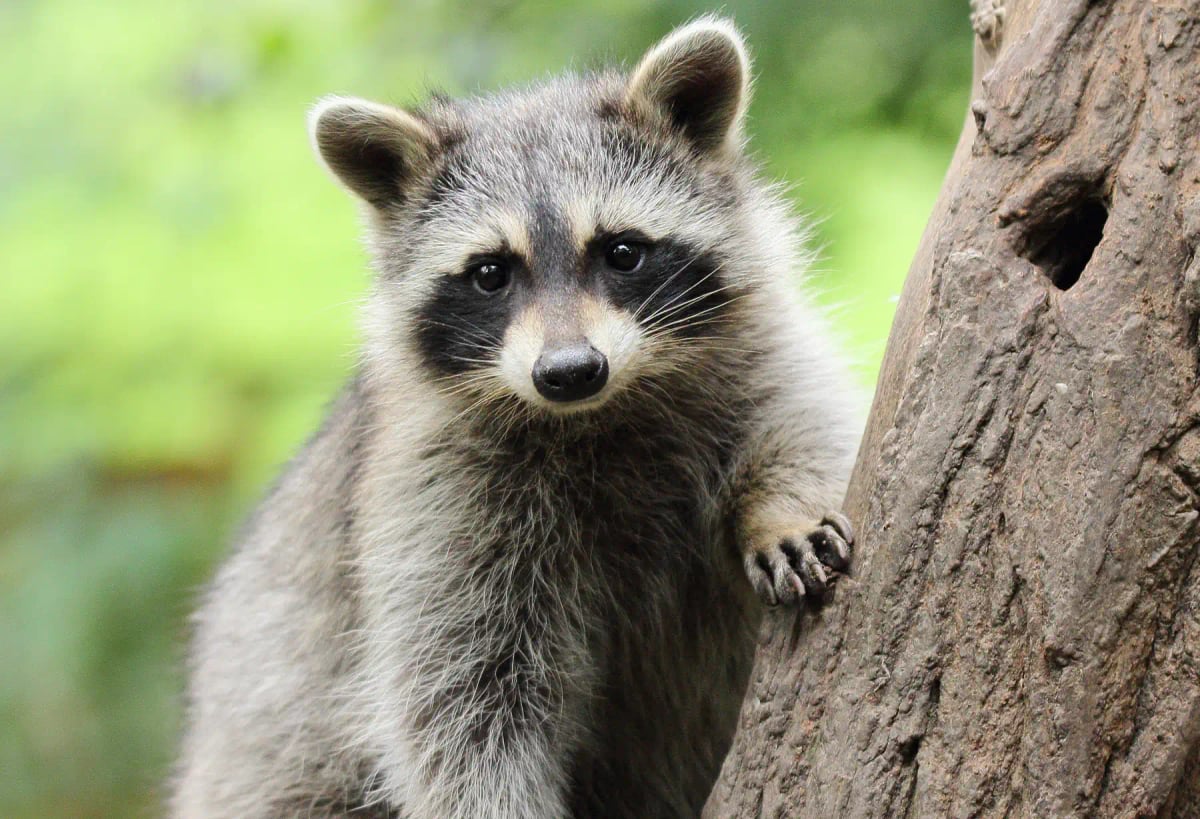
Raccoon
Procyon lotor
Raccoons are found throughout Texas in a wide range of habitats, including the piney woods of the east, the Hill Country, river bottomlands, and Gulf Coast marshes. They are less common in the dry western regions of the state. Highly opportunistic feeders, Texas raccoons eat everything from pecans and wild berries to fish and small invertebrates. They readily move into suburban areas in cities like Houston and San Antonio. Their IUCN status is Least Concern.
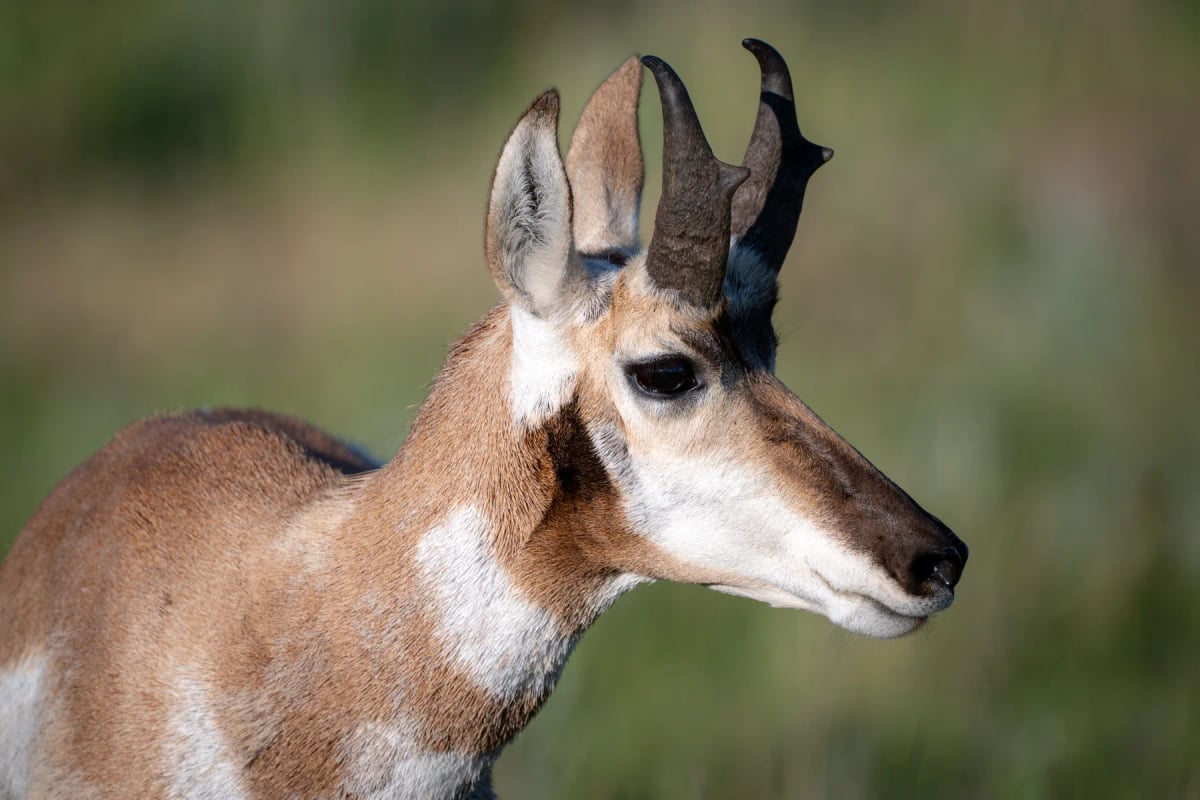
Pronghorn
Antilocapra americana
In Texas, pronghorns inhabit the wide open terrain of the Trans-Pecos region and the Panhandle, where shortgrass prairies and desert shrublands stretch for miles. Populations here declined sharply through the twentieth century due to hunting, fencing, and habitat change. Active management by ranchers and wildlife agencies has helped numbers stabilize. The pronghorn remains a symbol of the wild, windswept landscapes of western Texas. IUCN Status: Least Concern.
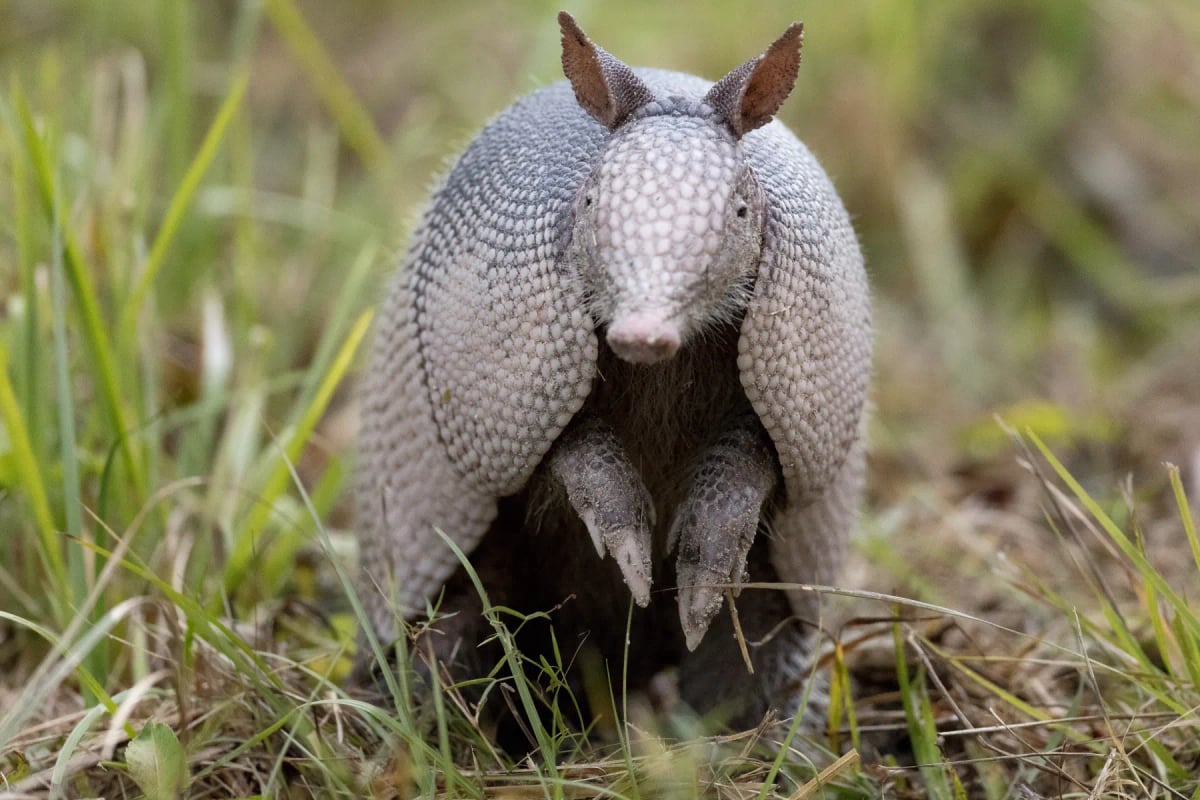
Armadillo
Dasypodidae spp.
Texas is the heartland of the armadillo's range in the United States, where the nine banded armadillo is one of the most recognizable wild mammals in the state. It is found throughout Texas, from the brush country of the south to the eastern forests and the plains of the north. The armadillo expanded into Texas from Mexico in the late nineteenth century and has since spread across much of the southern United States. It is the official state small mammal of Texas, reflecting the deep cultural association between the state and this distinctive armored animal.
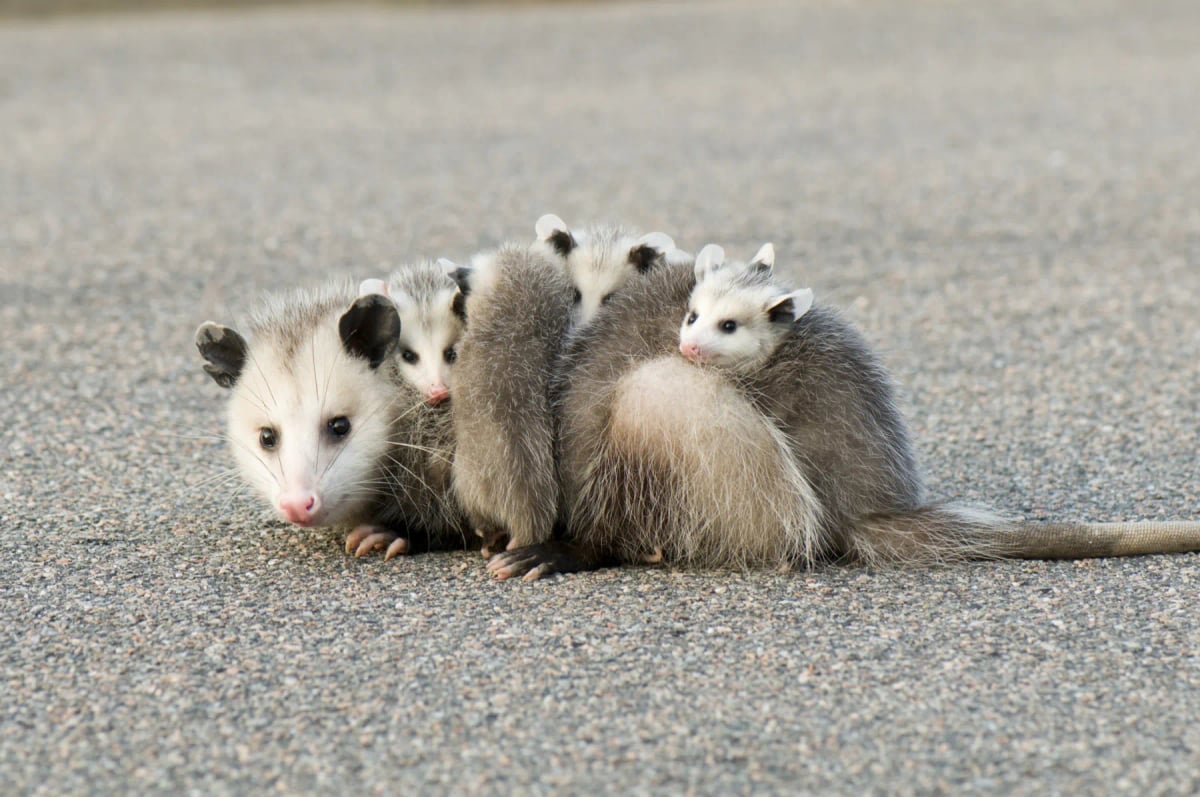
Opossum
Didelphis spp.
Opossums are found across nearly all of Texas, from the piney woods of the east to the brush country of the south. They adapt well to farms, suburbs, and river corridors, eating insects, fruit, and carrion. Texas populations belong to the Virginia opossum, the only marsupial native to North America. They are common, widespread, and listed as Least Concern, thriving even in heavily developed areas of cities like Houston and San Antonio.
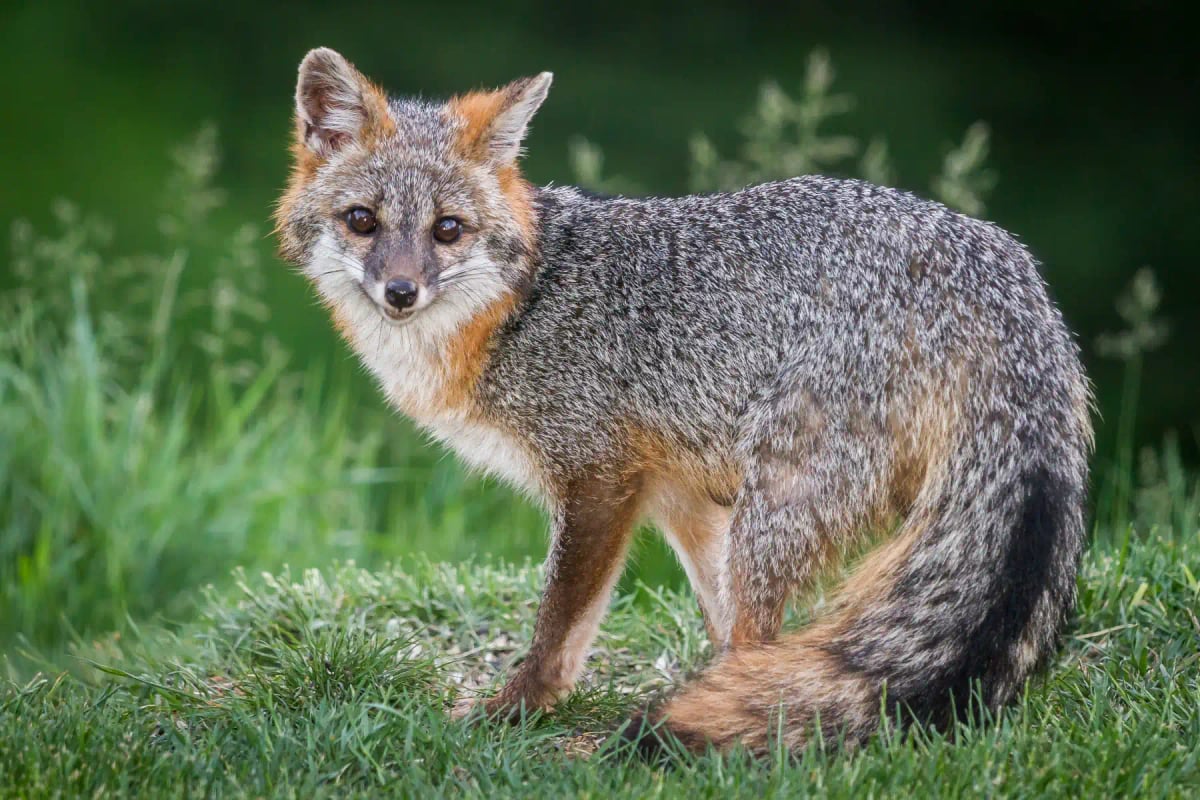
Gray Fox
Urocyon cinereoargenteus
In Texas, the gray fox occupies a wide variety of habitats, from the pine forests of the east to the brushy scrublands of the south and the rugged terrain of the Hill Country. It is one of the most widespread wild canids in the state. Opportunistic and adaptable, it feeds on rodents, birds, insects, and seasonal fruits. Its tree climbing ability gives it a clear advantage over other foxes in wooded parts of the state.
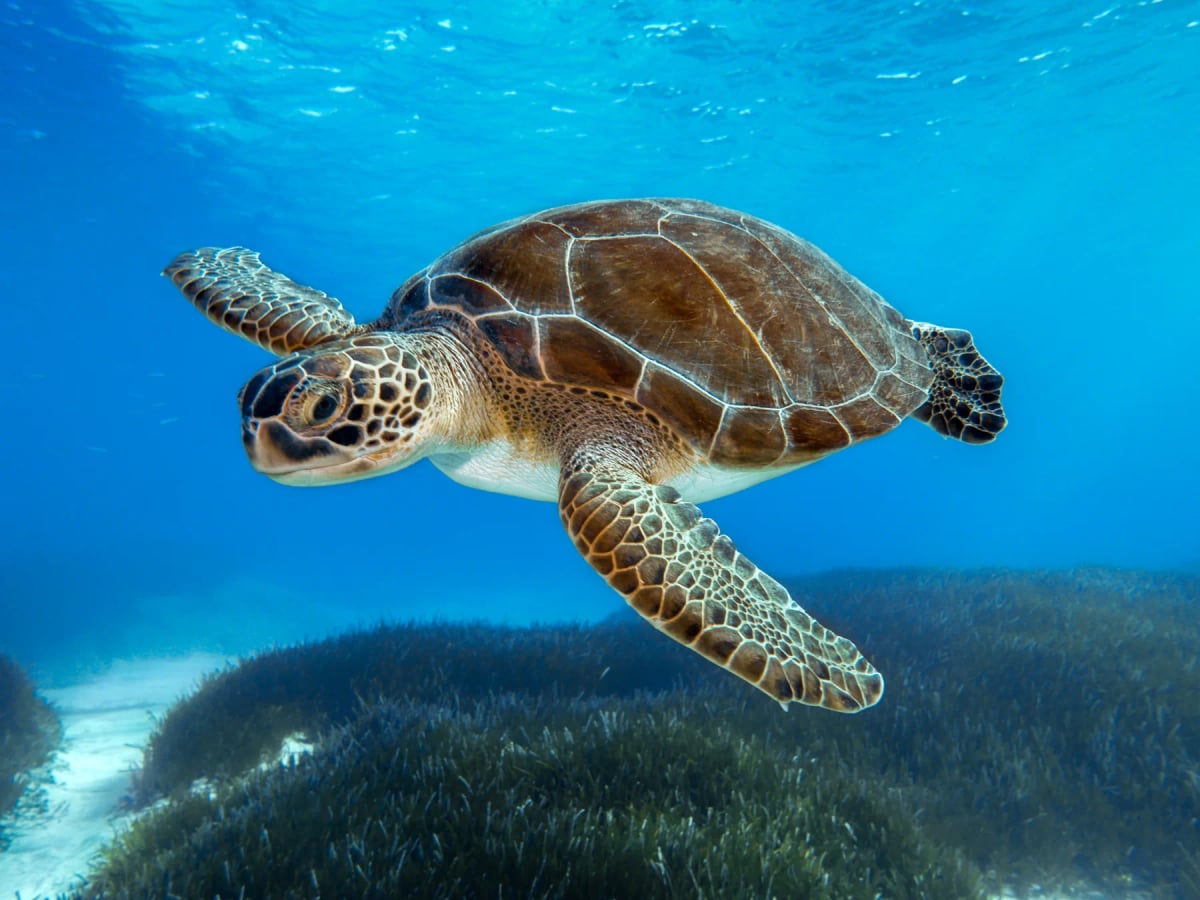
Sea Turtle
Cheloniidae & Dermochelyidae (families)
Texas is home to the most important nesting beach in the United States for the Kemp's ridley sea turtle, the rarest sea turtle in the world. Padre Island National Seashore is the primary nesting site for the species in the country, and a recovery program running for decades has helped bring the population back from near extinction. Loggerhead and green turtles also nest on Texas beaches in smaller numbers, and the Gulf of Mexico waters off the Texas coast are important foraging habitat for several species.
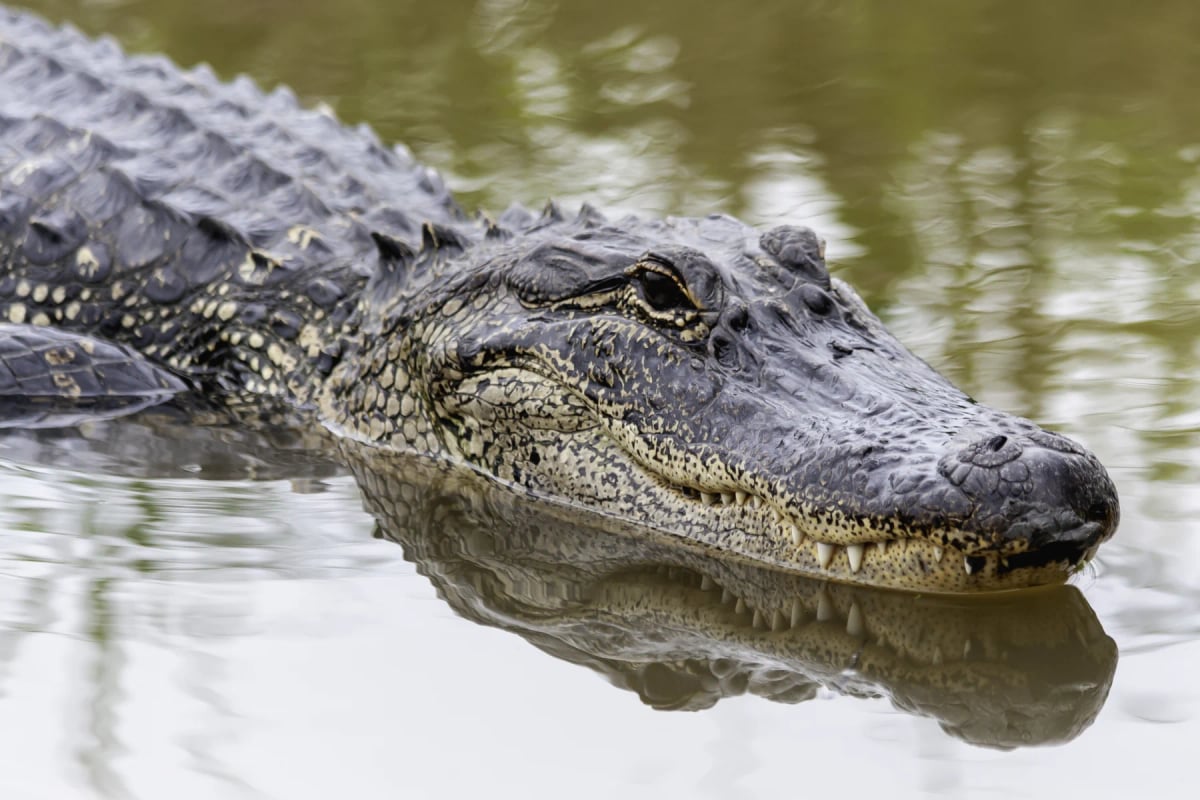
Alligator
Alligator mississippiensis
Texas has an estimated population of around 500,000 American alligators, concentrated in the wetlands, bayous, and coastal marshes of the eastern part of the state. The Sabine National Wildlife Refuge and the Big Thicket region are key habitats. Alligators are protected in Texas, and the state runs a management program that monitors populations and issues permits for regulated nuisance removal.
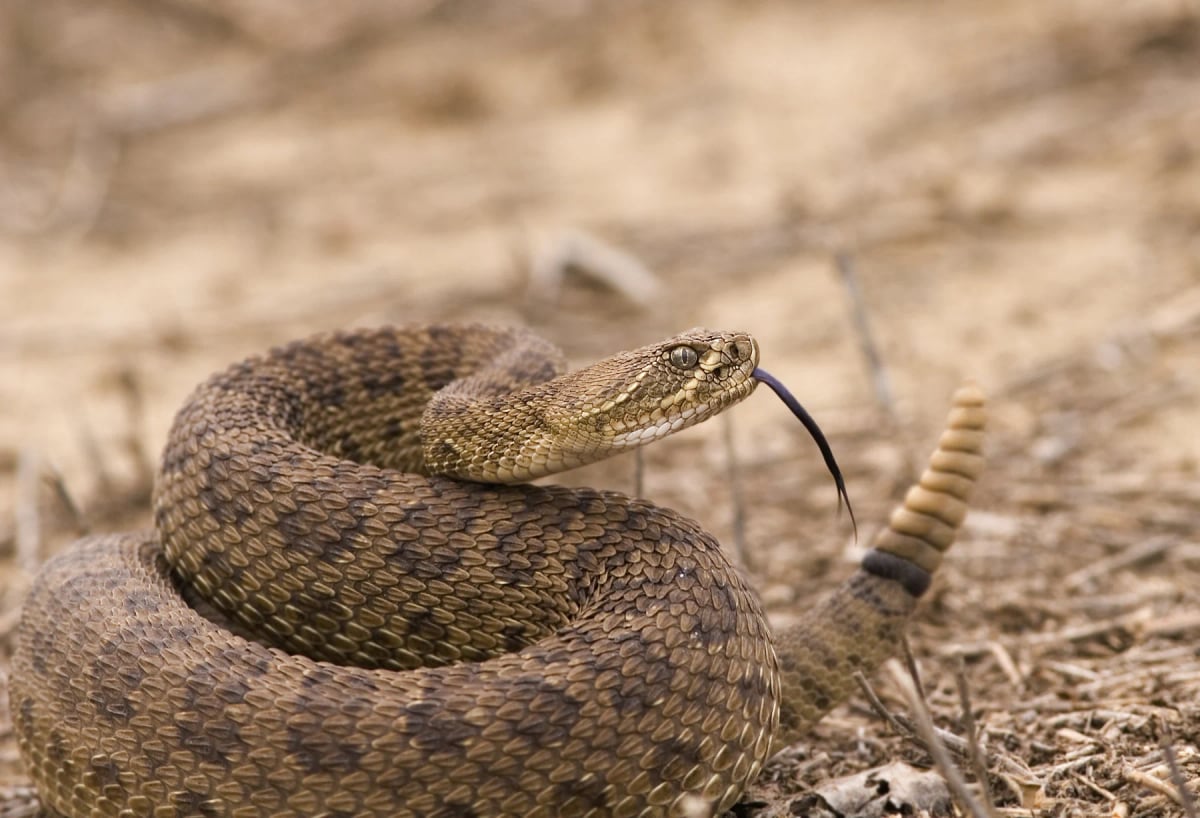
Rattlesnake
Crotalus spp. / Sistrurus spp.
Texas hosts more rattlesnake species than any other U.S. state, including the Western Diamondback (Crotalus atrox), the Timber Rattlesnake, and the Mojave Rattlesnake. They occupy diverse habitats from the Chihuahuan Desert and Hill Country to the coastal prairies of the Gulf Coast. Annual rattlesnake roundups, once common in the state, have drawn widespread criticism for the harm they cause to wild populations.
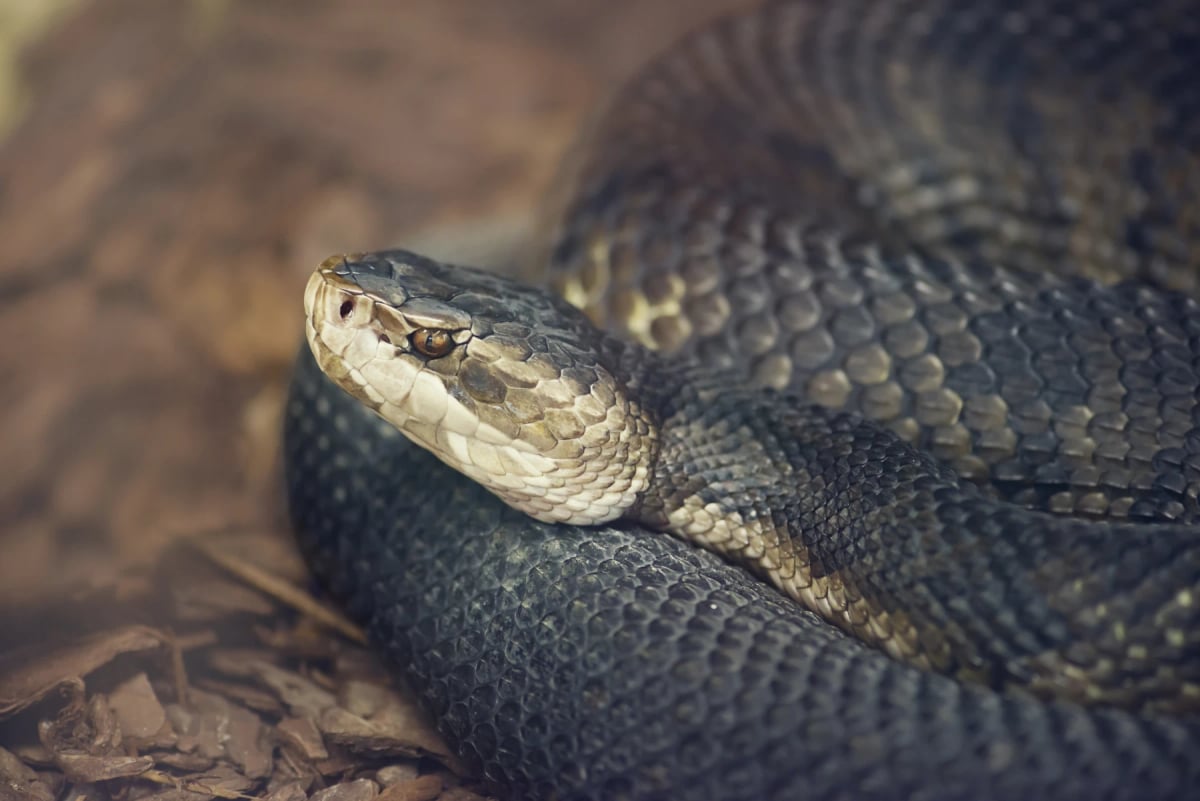
Cottonmouth Snake
Agkistrodon piscivorus
In Texas, the cottonmouth is found across the eastern and southeastern parts of the state, where river bottoms, swamps, and coastal marshes provide ideal habitat. It is an opportunistic predator that feeds on fish, amphibians, and small mammals near slow or still water. Its broad, triangular head and dark, keeled scales make it recognizable, though it is sometimes confused with harmless water snakes.
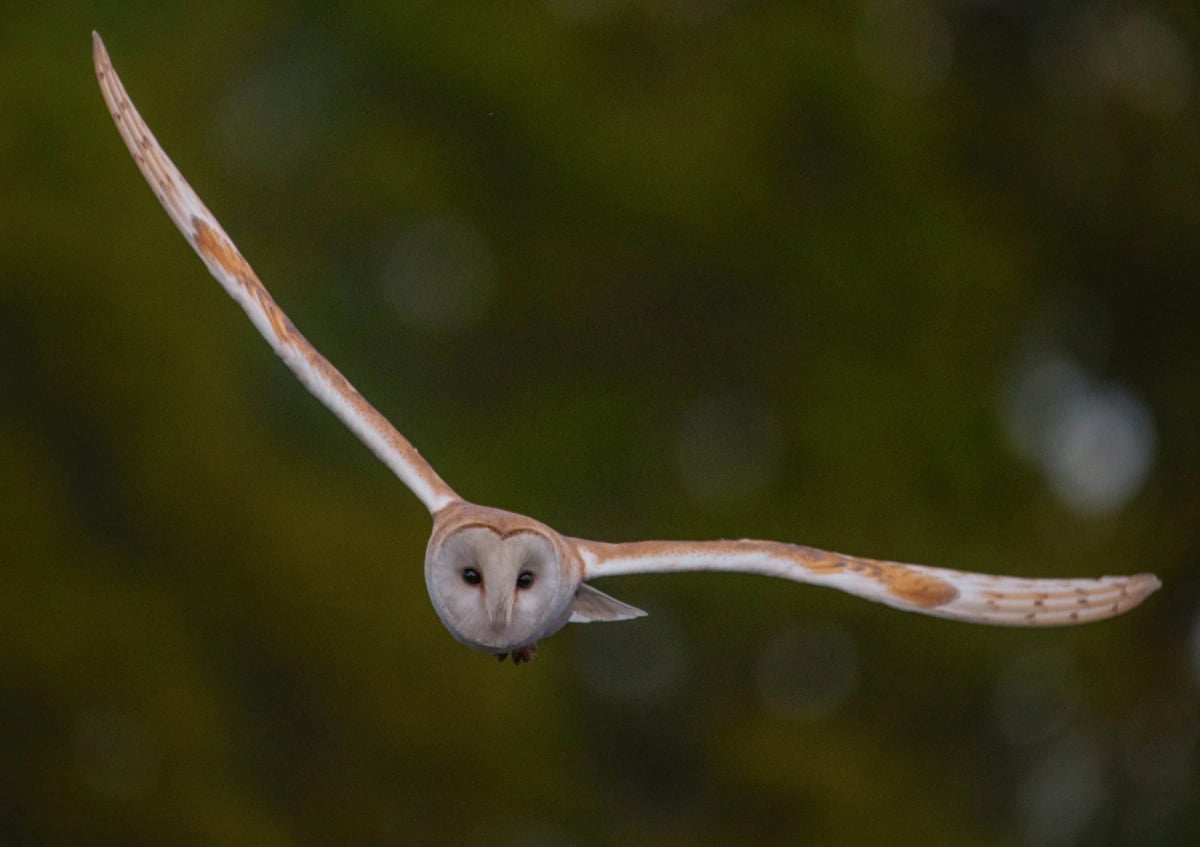
Barn Owl
Tyto alba
The barn owl is found across Texas in open farmland, grassland, and the outskirts of towns and villages throughout the state, from the Gulf Coast prairies and the Rio Grande Valley to the Panhandle plains and the Trans-Pecos region. It nests in old farm buildings, hollow trees, cliff faces, and occasionally in saguaro-like structures in the west, and hunts rodents at night year round. Texas's warm climate and extensive open agricultural landscape support one of the largest and most stable barn owl populations in the United States. In farming communities across the state it is actively encouraged as a natural and effective alternative to rodenticide use.
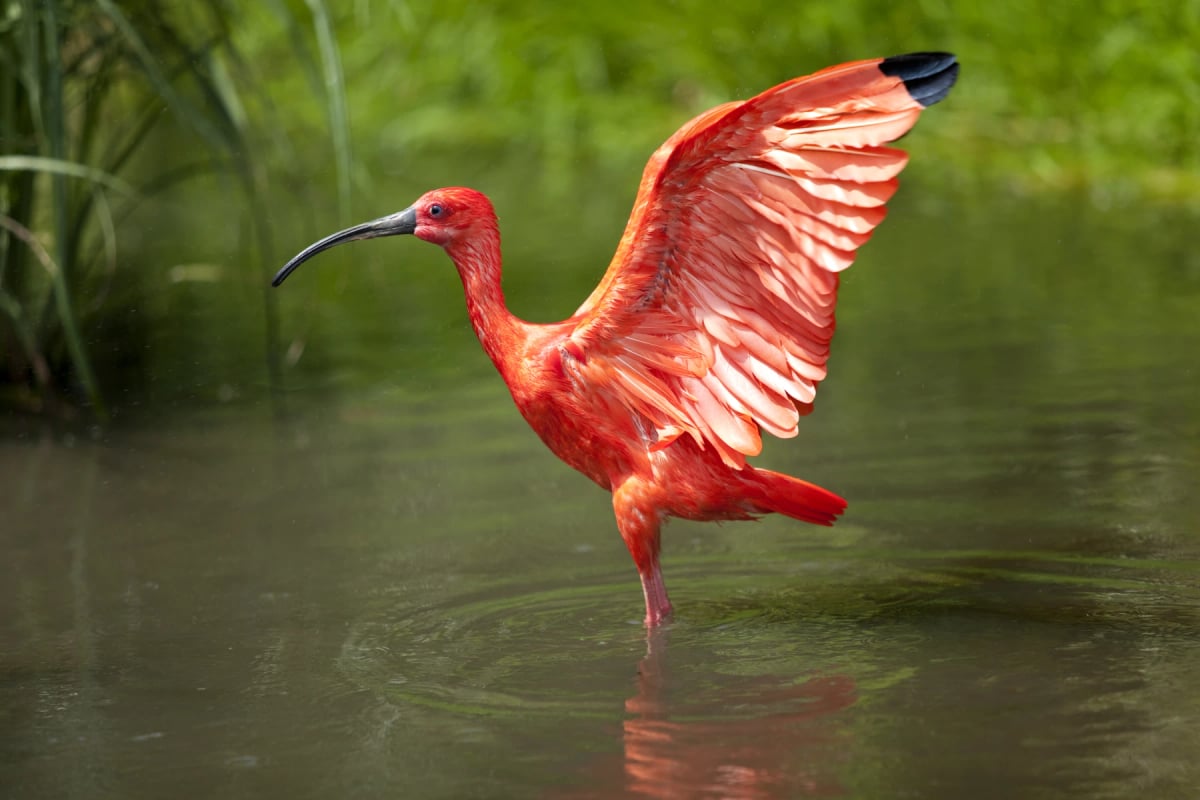
Scarlet Ibis
Eudocimus ruber
Texas receives occasional records of the Scarlet Ibis along its Gulf Coast, where coastal marshes, mudflats and tidal wetlands offer the kind of habitat this species favors. Sightings are rare and the birds are believed to be wanderers rather than residents. Texas birders treat any confirmed record as a significant find. The species probes shallow water and soft sediment for crustaceans using its long curved bill. The IUCN lists it as Least Concern.
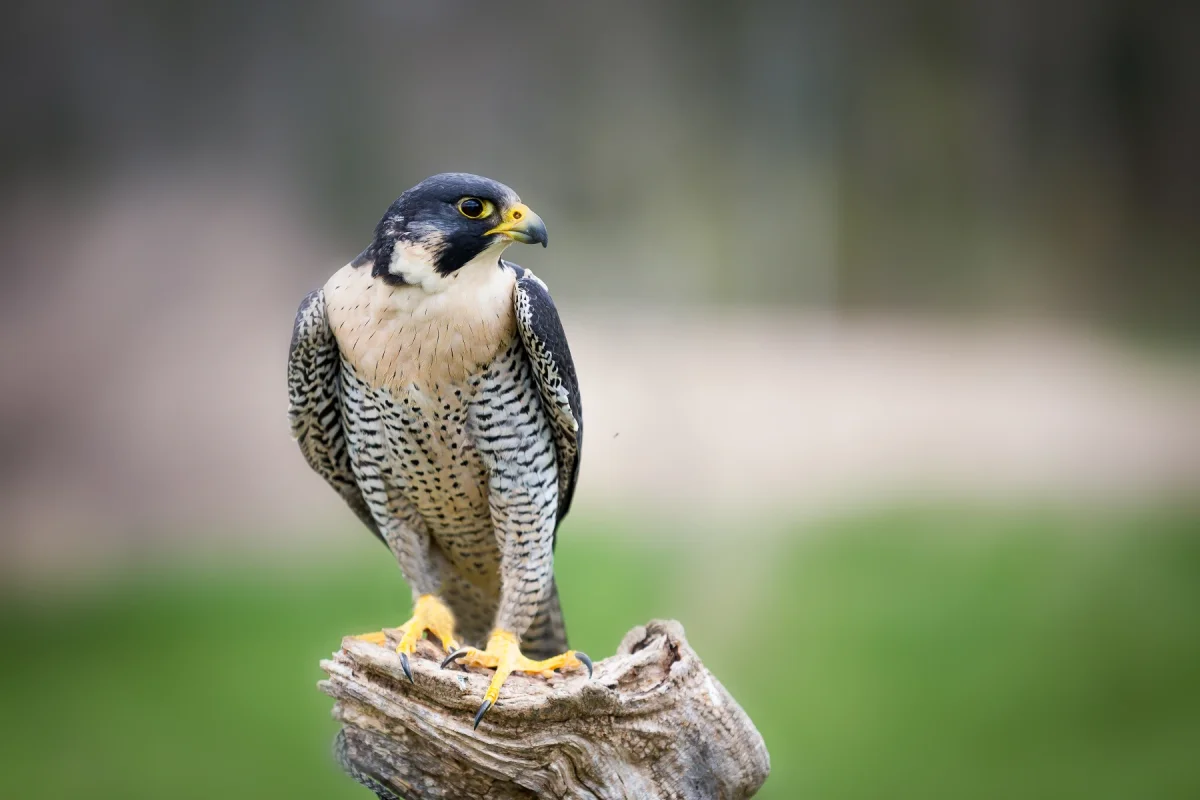
Peregrine Falcon
Falco peregrinus
Texas plays a key role in the peregrine falcon's annual migration, serving as a major corridor for birds traveling between breeding grounds in the north and wintering areas further south. The coast of Texas, including Padre Island and Bolivar Peninsula, sees impressive numbers each autumn. A small resident breeding population also exists in the Chihuahuan Desert of far west Texas, where birds nest on canyon walls in the Big Bend region.
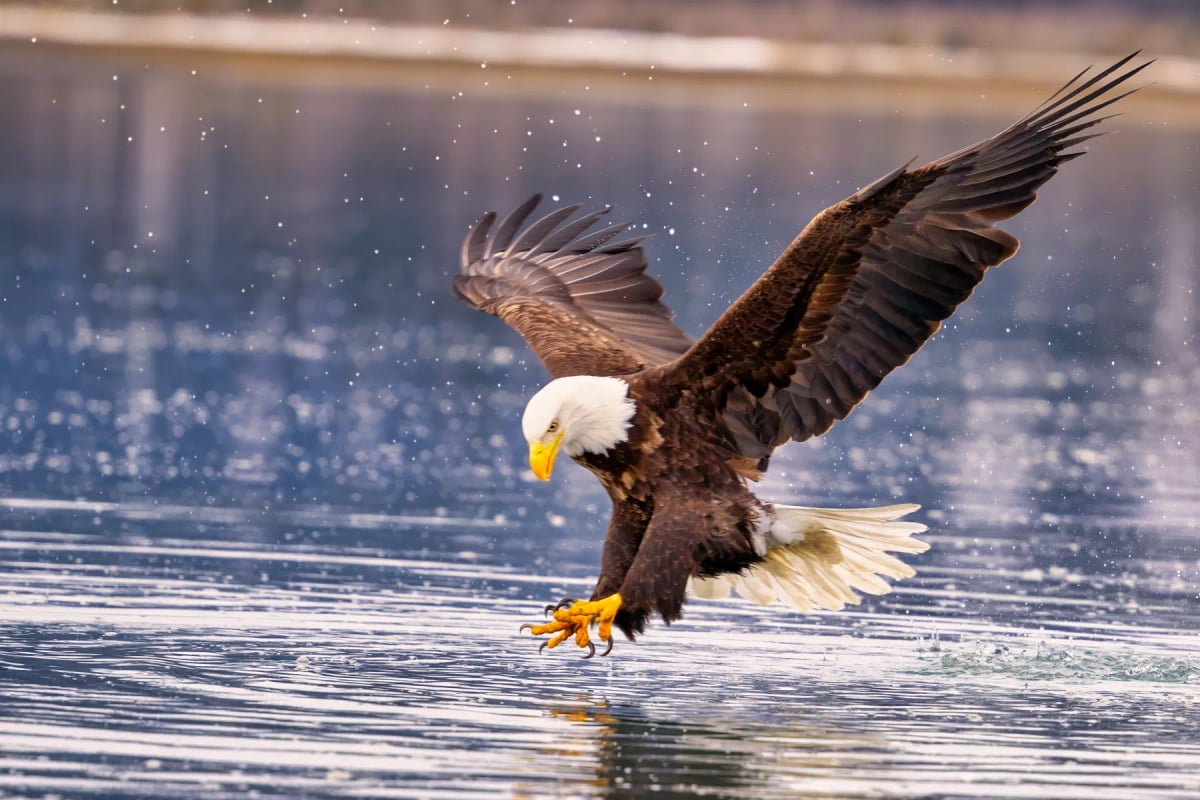
Bald Eagle
Haliaeetus leucocephalus
The bald eagle visits Texas mainly in winter, with significant numbers gathering along reservoirs and rivers between November and March. Some breeding pairs exist in the northeastern part of the state. Texas sits along an important migration corridor for birds moving between northern breeding grounds and southern wintering areas, making inland water bodies reliable spots for sightings during the colder months.
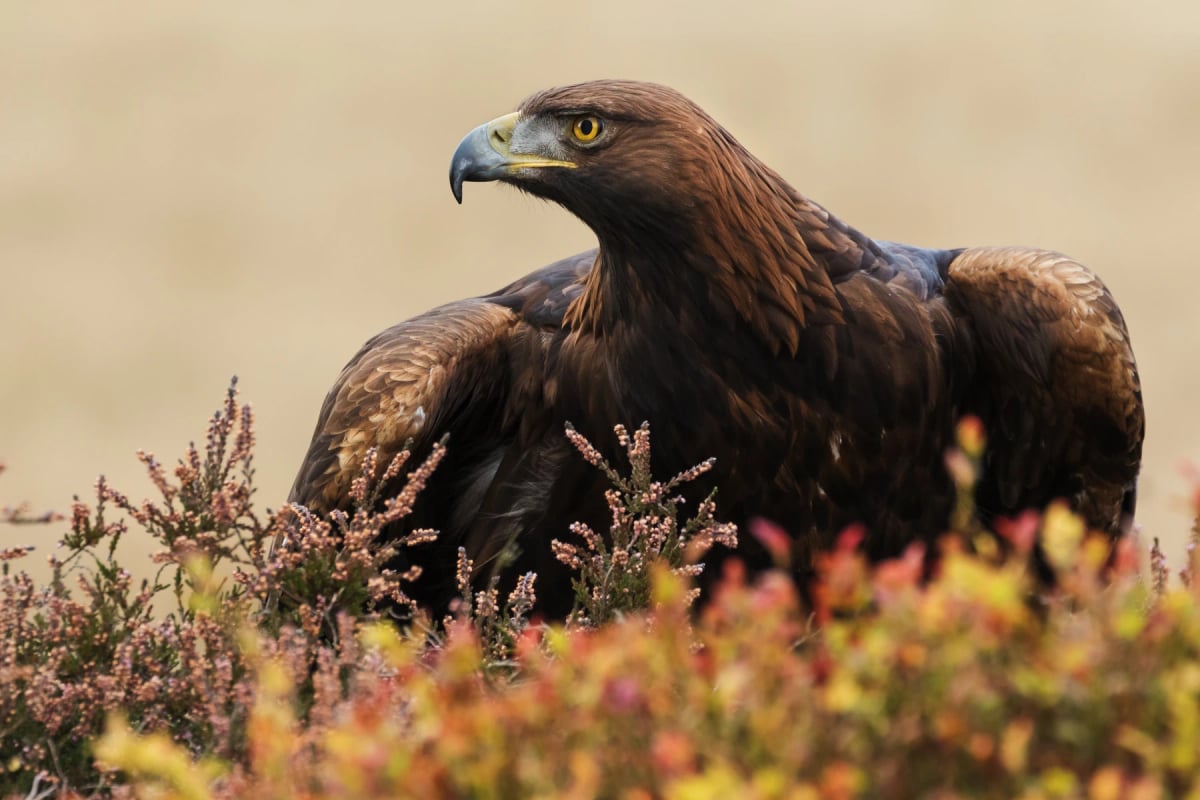
Golden Eagle
Aquila chrysaetos
In Texas, the golden eagle is most often seen in the Trans-Pecos region in the far west of the state, where rugged mountains and vast open deserts provide suitable habitat. Some individuals are year round residents, while others pass through during migration. It hunts jackrabbits and small mammals across scrubland and arid plains. Populations in Texas are relatively modest compared to the broader American West. The IUCN lists it as Least Concern.
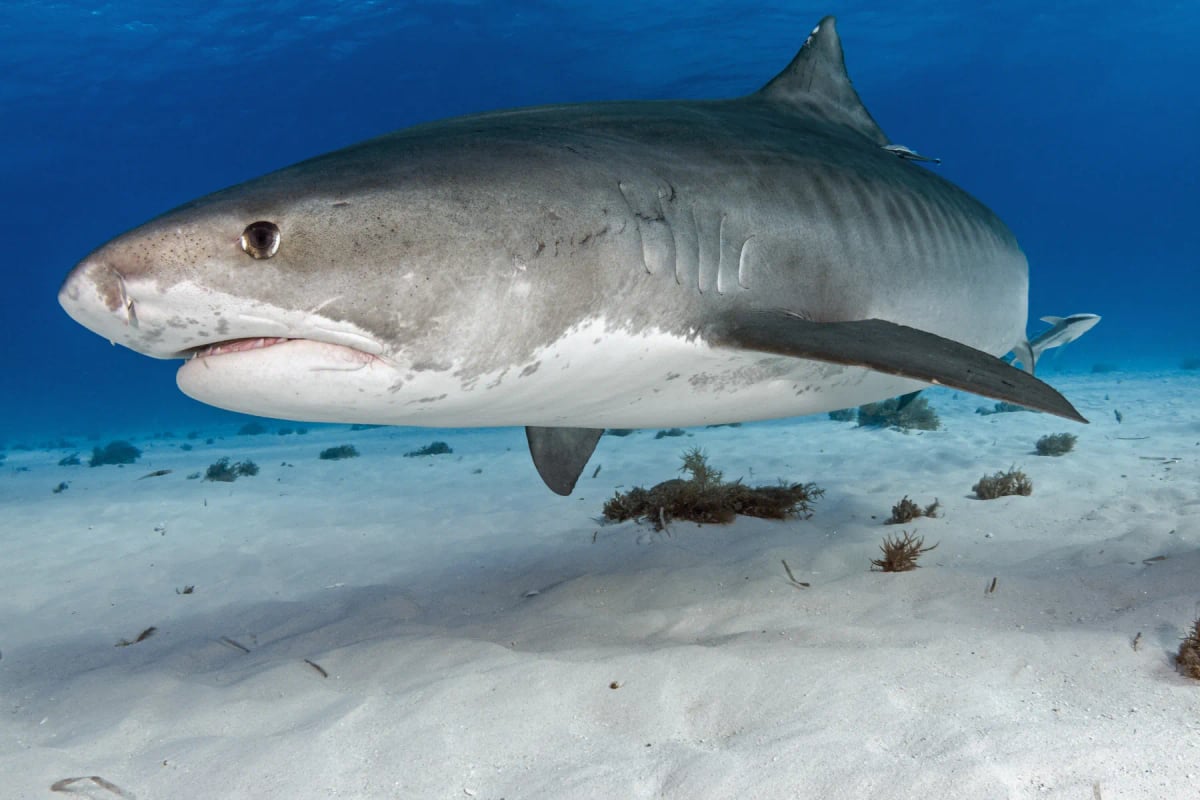
Tiger Shark
Galeocerdo cuvier
In Texas, tiger sharks frequent the warm, murky waters of the Gulf of Mexico, particularly around the barrier islands and coastal bays. They tend to move inshore during warmer months, feeding on fish, rays, and whatever else they encounter. The Gulf's productive coastal zone supports a range of shark species, and tiger sharks rank among the largest predators in these waters. The species holds a Near Threatened status globally.
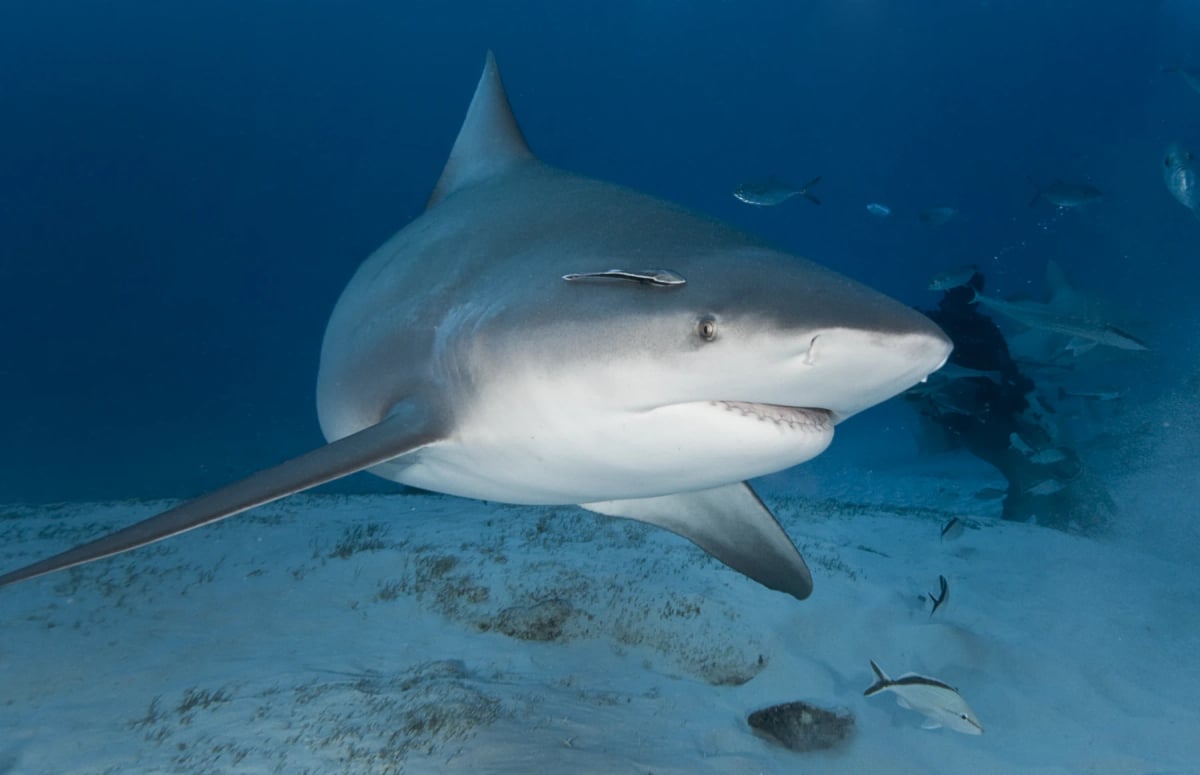
Bull Shark
Carcharhinus leucas
Along the Texas Gulf Coast, bull sharks are a regular presence in warm, shallow bays and estuaries. Systems such as Galveston Bay and the Laguna Madre provide suitable habitat for feeding and seasonal movement. Bull sharks have also been documented moving into tidal rivers along the Texas coastline. As a Near Threatened species facing pressure from fishing and coastal development, their populations in the Gulf of Mexico warrant ongoing monitoring.
Researched and written by Juan Pablo. Sources: IUCN Red List, scientific literature and regional field guides. Last updated: .