Animals in Laos
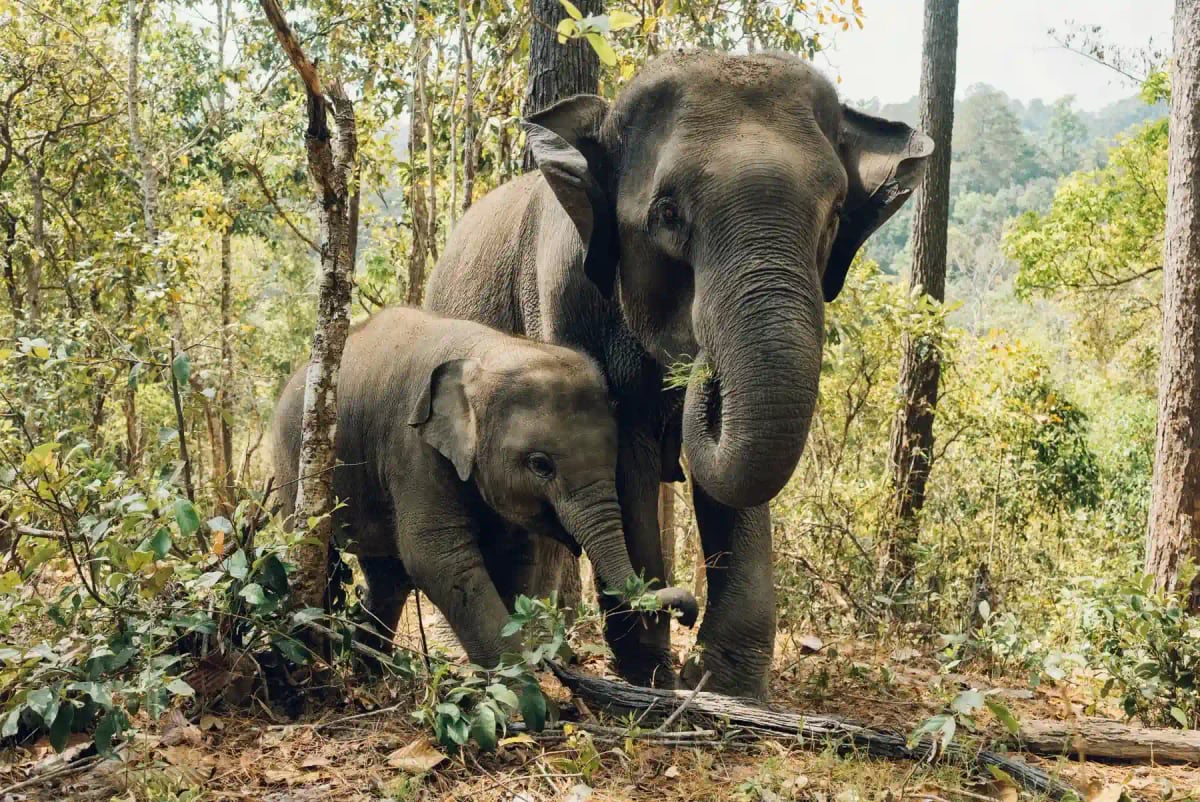
Asian Elephant
Elephas maximus
The Asian elephant is widely used as an animal symbol for Laos and is often linked to its history of forest work and river trade. Today visitors mainly learn about elephants in sanctuaries and community projects near tourist towns, where they can watch small groups being bathed or fed. The animal now represents care for remaining forests and a slower style of rural life.
View details→Wildlife in Laos
Laos is a landlocked country of forested hills, river plains and limestone mountains crossed by the Mekong. Visitors usually meet wildlife on boat trips between small towns, short walks to waterfalls and ranger guided trails in protected forests. Along these routes they may see monkeys, deer, wild dogs, bears and birds of prey while still staying close to simple guesthouses and villages.
Most Dangerous Animals in Laos
Danger for visitors in Laos appears mainly in remote forest or hill areas. Wild dogs, clouded leopards and bears rarely seek contact but are strong carnivores if surprised at close range. Wild boar, elephants and gaur can also react with force when they feel cornered, and large pythons, king cobras and monitor lizards live in dense cover. Most encounters are brief and distant.
Top 10 Animals in Laos
The top 10 list for Laos focuses on elephants, large pythons and a fast falcon that fit its forests and river valleys. Elephants appear in tours near villages and along gentle tracks by the river. Big snakes hide in warm lowland forests, while the peregrine falcon uses cliffs and open sky above valleys, sometimes seen from simple viewpoints or short boat trips at dusk.
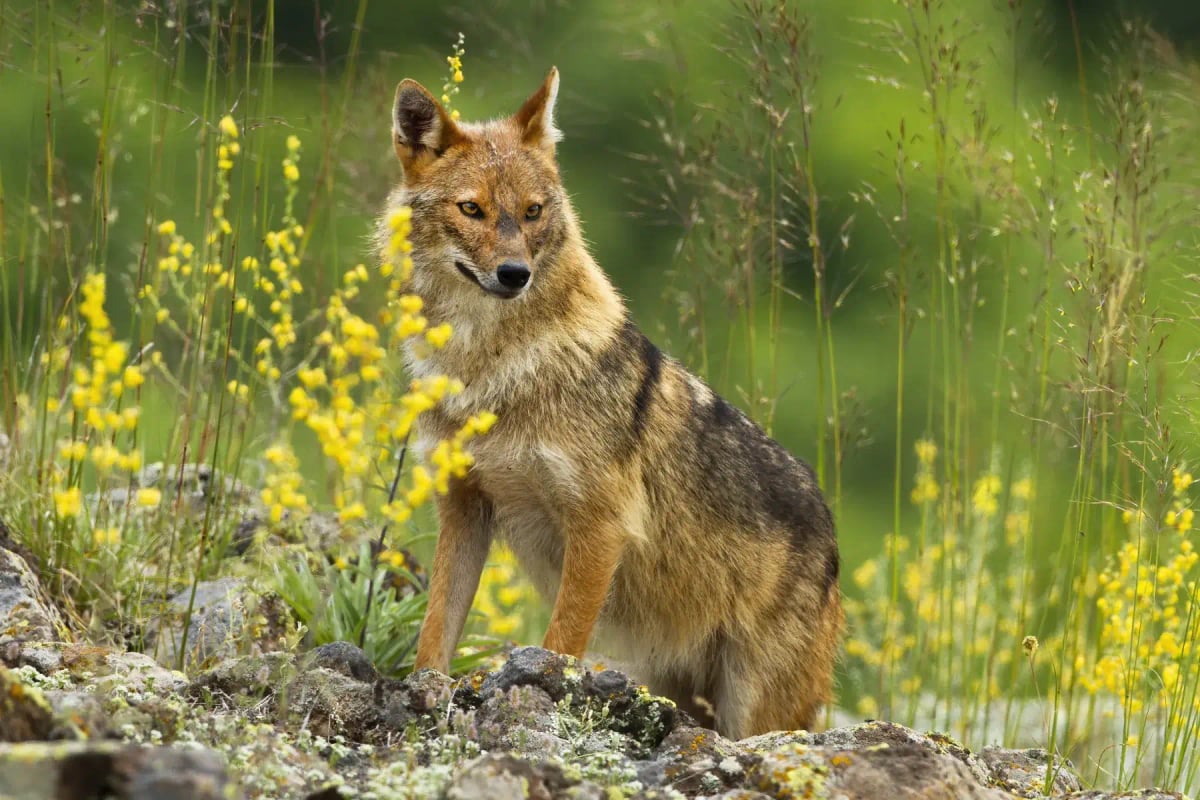
Golden Jackal
Canis aureus
The golden jackal occurs in Laos across open woodlands, grassland patches, and agricultural areas, particularly in the lowland regions bordering the Mekong River. It is less studied here than in South Asia or Europe, but it is known to forage widely on small vertebrates, insects, and plant matter. Like elsewhere, it tends to be most active after dark. Its status is Least Concern.
Asian Elephant
Elephas maximus
Laos was historically known as the Land of a Million Elephants, a name that reflects the deep cultural bond between the Lao people and this species. Today the wild population is estimated at between 400 and 600 individuals, scattered across forested areas in the north and east. The annual Xayaboury Elephant Festival celebrates the species, but habitat loss and a significant captive population kept for tourism and forestry complicate conservation efforts across the country.
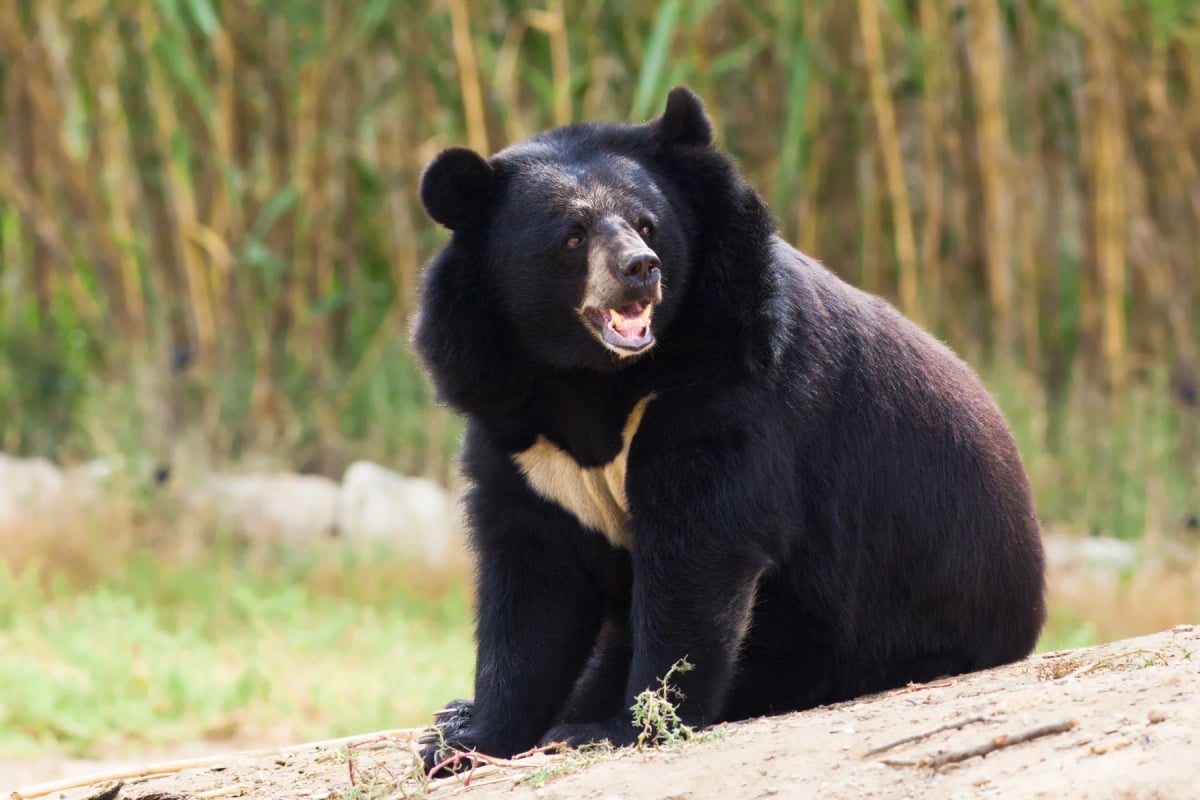
Asiatic Black Bear
Ursus thibetanus
The Asiatic black bear is distributed across forested areas of Laos, including the Nam Et-Phou Louey National Protected Area in the north and the Nakai-Nam Theun landscape in the center of the country. It shares its range with the sun bear in many of these forests. Both species face pressure from habitat loss and poaching for the traditional medicine trade, which is particularly active given Laos's role as a transit country for wildlife products. Camera trap studies have documented the species in several protected areas.
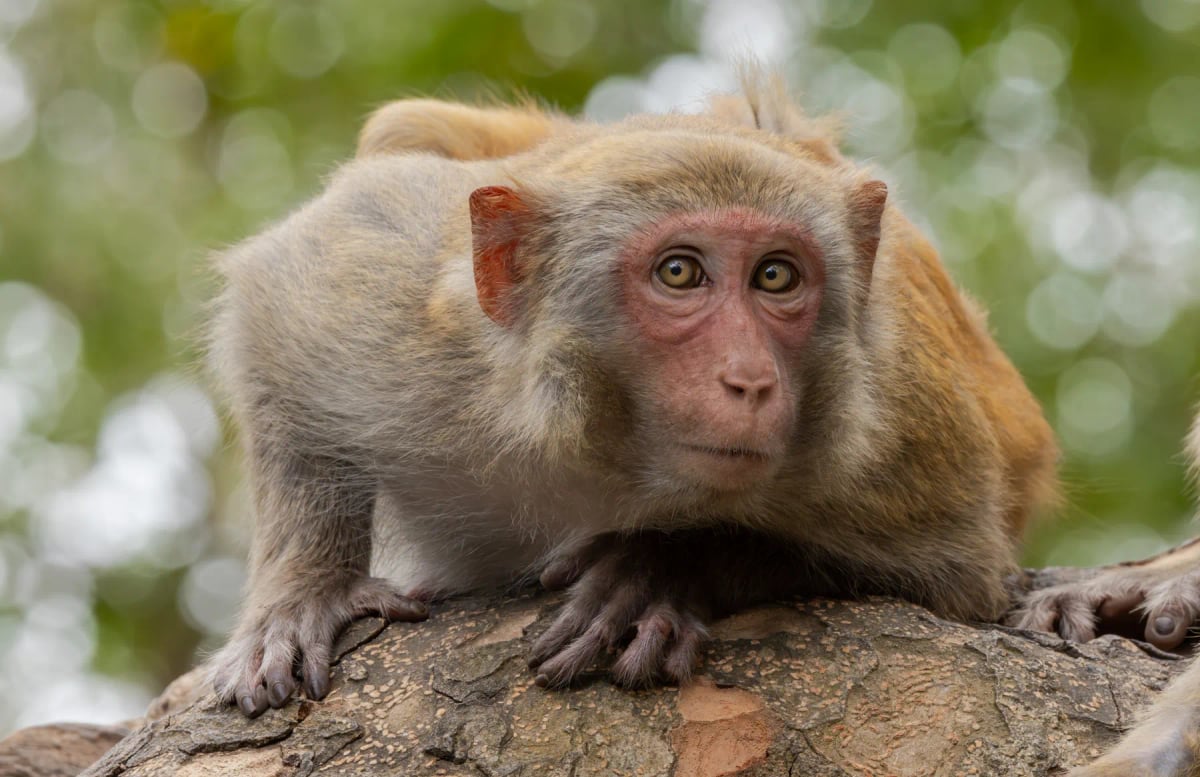
Macaque
Macaca spp.
Rhesus, Assamese, and pig-tailed macaques are found in Laos, living in tropical and subtropical forests across the country. They are present in protected areas such as Nam Et-Phou Louey National Park. Hunting and the wildlife trade are significant threats in Laos, where enforcement of wildlife protection laws can be difficult. Forest clearance for agriculture also reduces available habitat for forest-dependent populations.
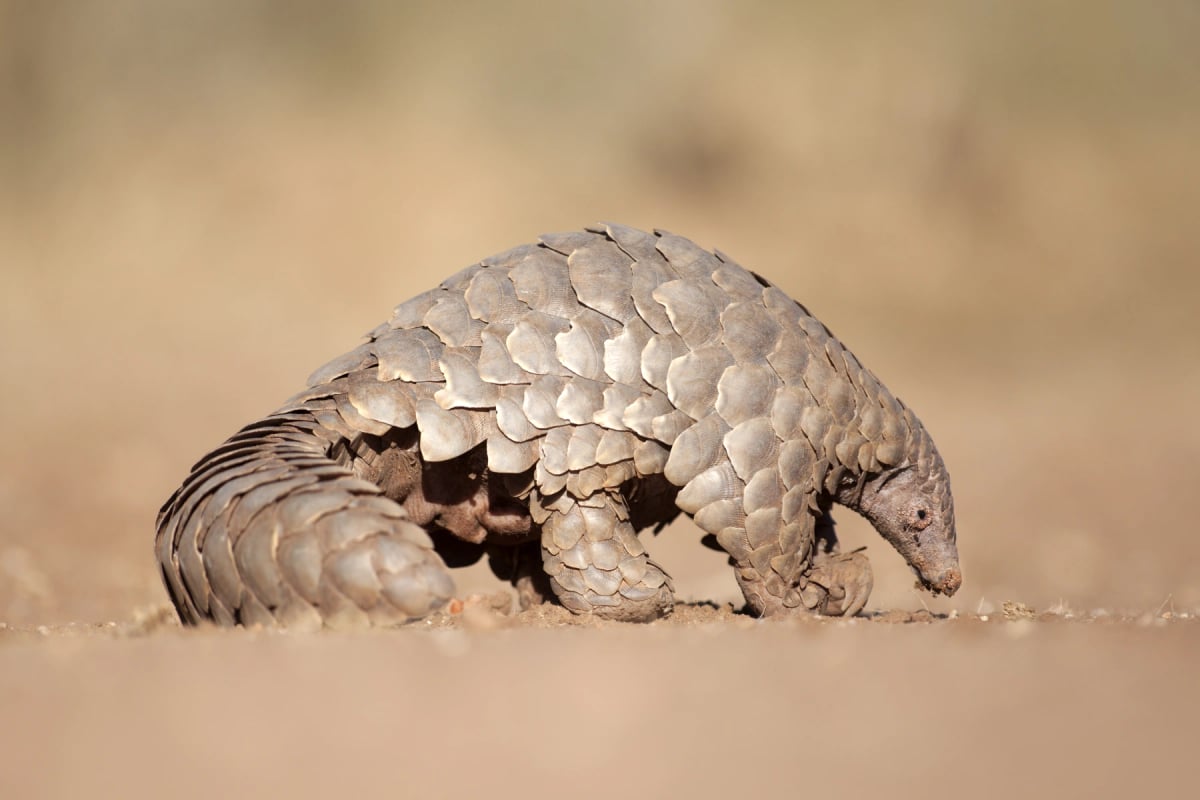
Pangolin
Manis spp.
Pangolins are found across forested areas of Laos, including the Nakai-Nam Theun National Park and other remote wilderness zones. Laos sits on a major trafficking route, making poaching a serious and ongoing threat. All Asian pangolin species are critically endangered. These solitary mammals sleep through the day in burrows or hollow trees and emerge at night to hunt ants and termites. Strengthening border controls is key to protecting them.
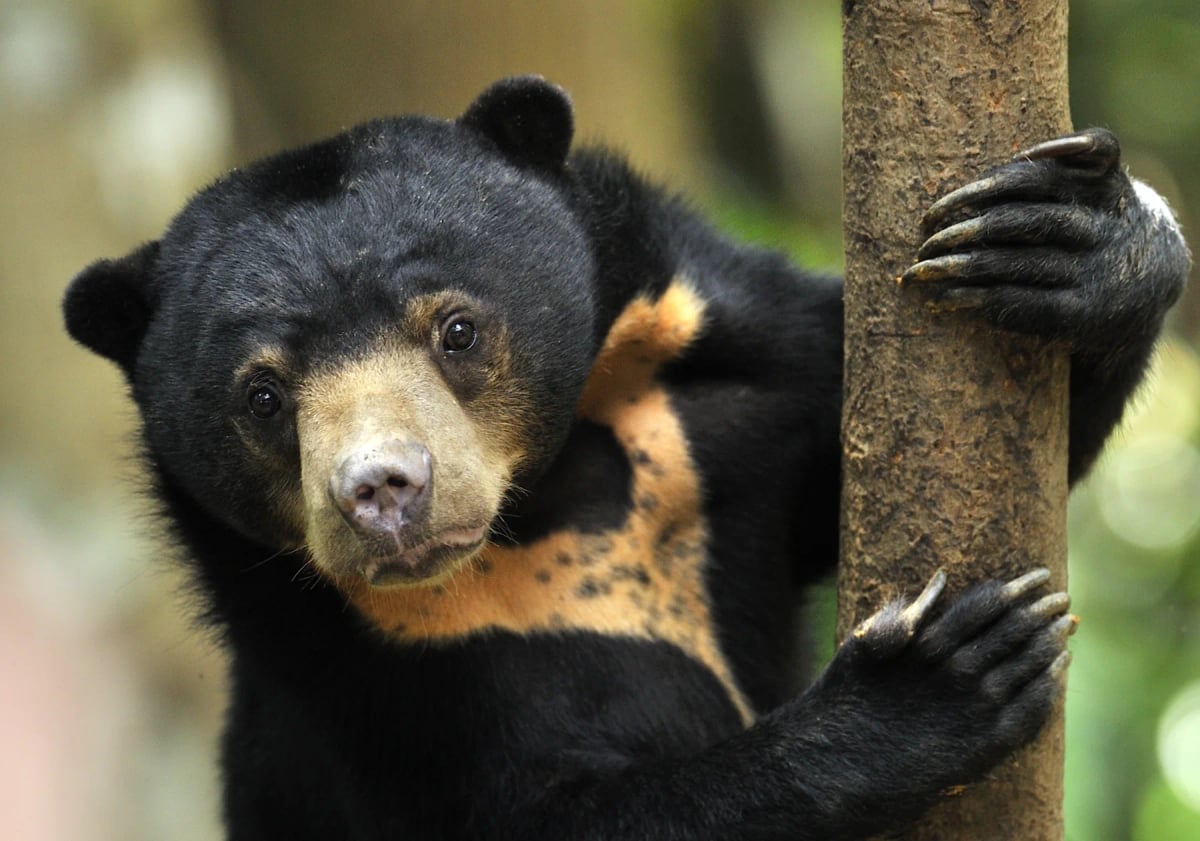
Sun Bear
Helarctos malayanus
The sun bear inhabits the dense tropical forests of Laos, including protected areas like Nam Et-Phou Louey. It is the smallest bear in the world and is known for the pale crescent patch on its chest, which is different on every individual. Demand for bear bile in traditional medicine has driven heavy poaching in the country. Conservation efforts focus on reducing this illegal trade to help this Vulnerable species recover.
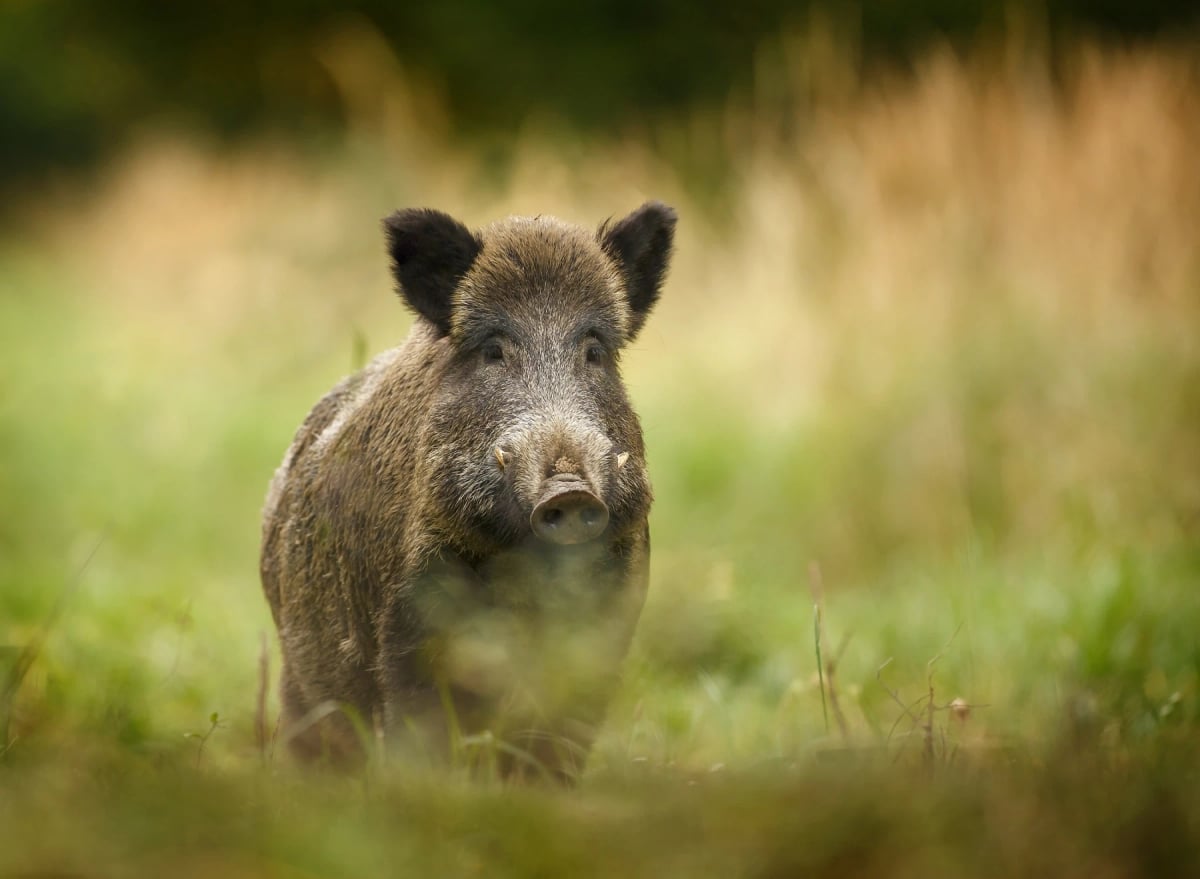
Wild Boar
Sus scrofa
Wild boars are widespread across the forests of Laos, from the northern highlands to the dense woodland along the Mekong basin. They are an important traditional food source for rural communities, who hunt them using snares and other long established methods. Wild boars also play a role as prey for the country's remaining large predators, though their foraging can damage crops near villages and farmland.
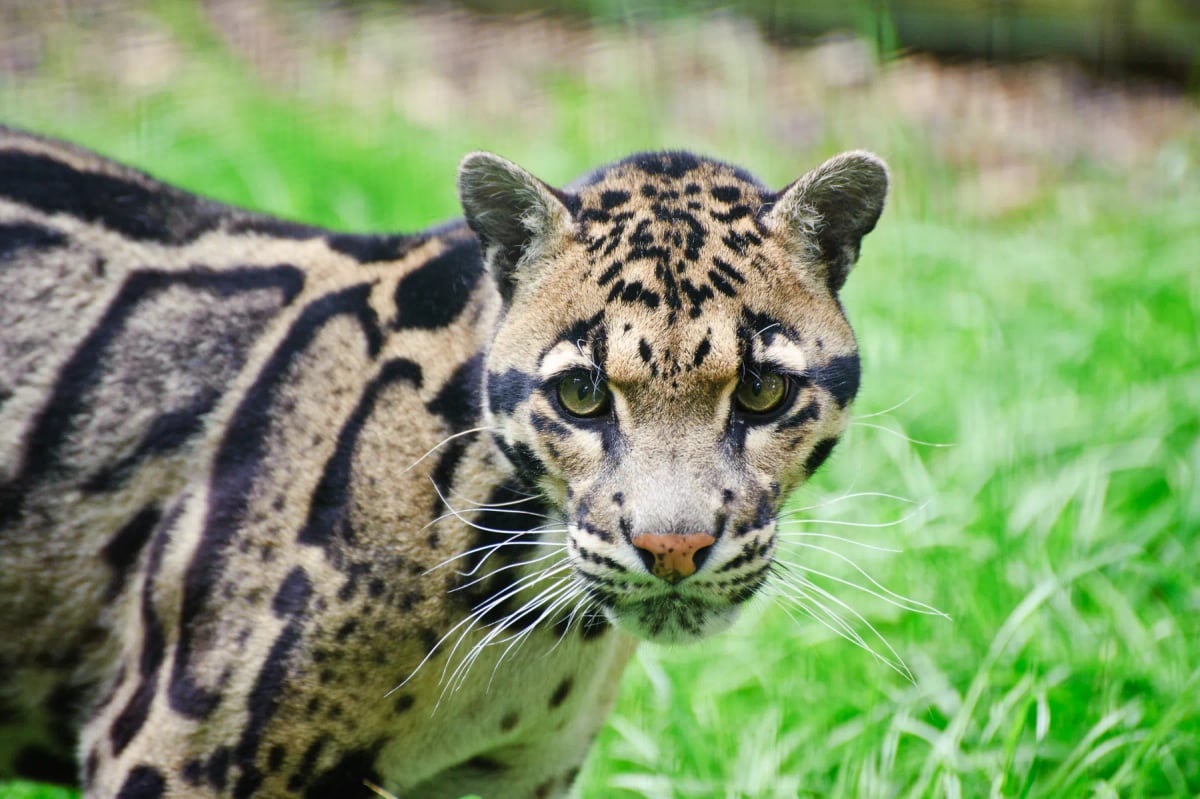
Clouded Leopard
Neofelis nebulosa
The clouded leopard inhabits the tropical and subtropical forests of Laos, particularly in the Annamite Mountains along the border with Vietnam and in the northern highlands. Laos still holds significant areas of forest, but illegal wildlife trade and hunting remain serious threats. Conservation programs involving local communities are working to reduce poaching pressure and protect the remaining habitat this cat needs to survive.
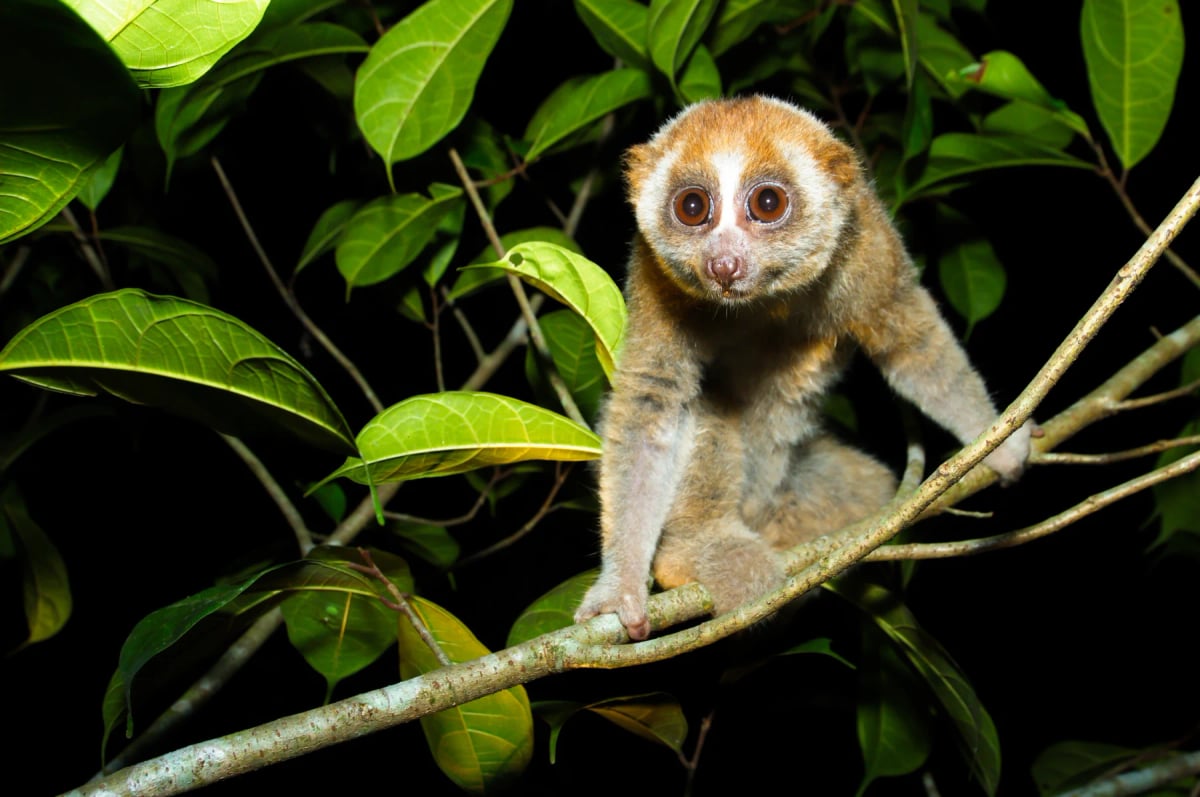
Bengal Slow Loris
Nycticebus bengalensis
In Laos, the Bengal slow loris inhabits tropical forests across much of the country, including areas within the Nam Et-Phou Louey National Protected Area. It is a slow-moving, venomous primate that feeds on tree gum, nectar, and small animals. Wildlife trafficking is a persistent threat in Laos. The IUCN classifies it as Vulnerable, and it appears regularly in illegal markets across the region.
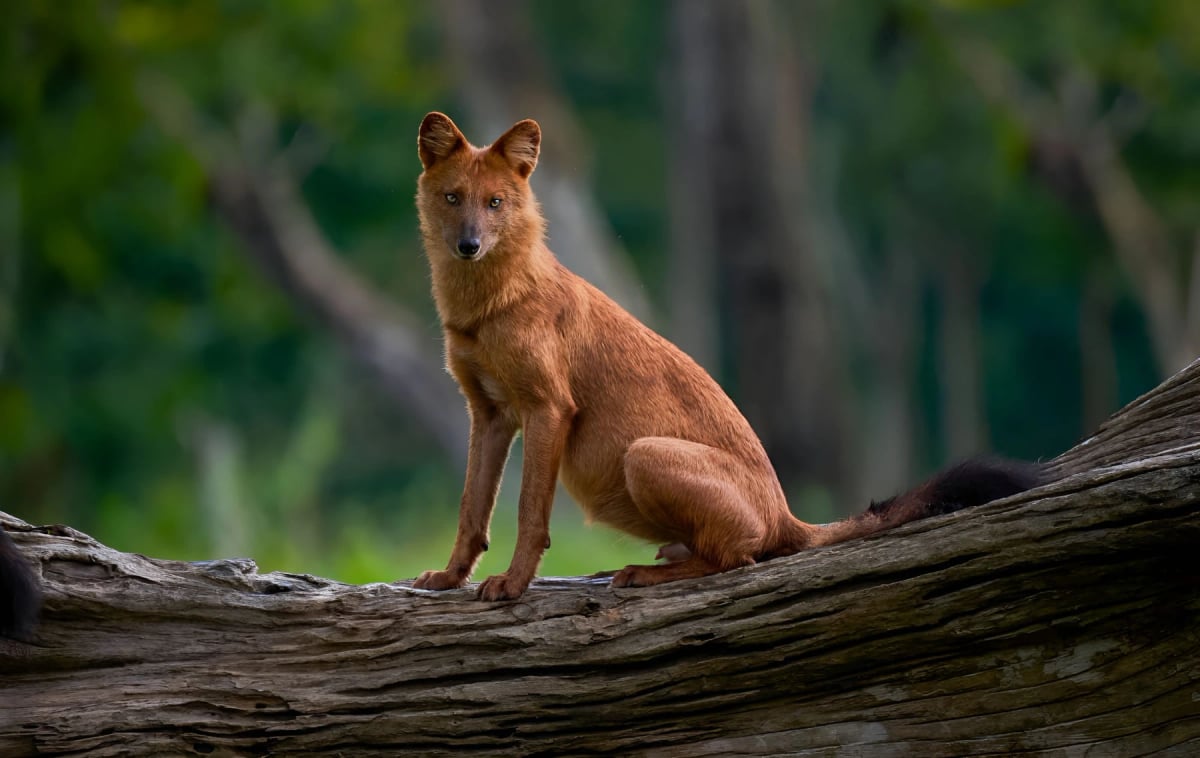
Dhole
Cuon alpinus
Dholes are present in the forests of Laos, including protected areas such as Nam Et-Phou Louey National Park, where camera trap studies have recorded them. They live in packs and rely on healthy deer and ungulate populations to survive. Widespread snaring, habitat loss, and prey depletion have hit their numbers hard across the country. Regional cooperation is vital for their future. The IUCN lists the dhole as Endangered.
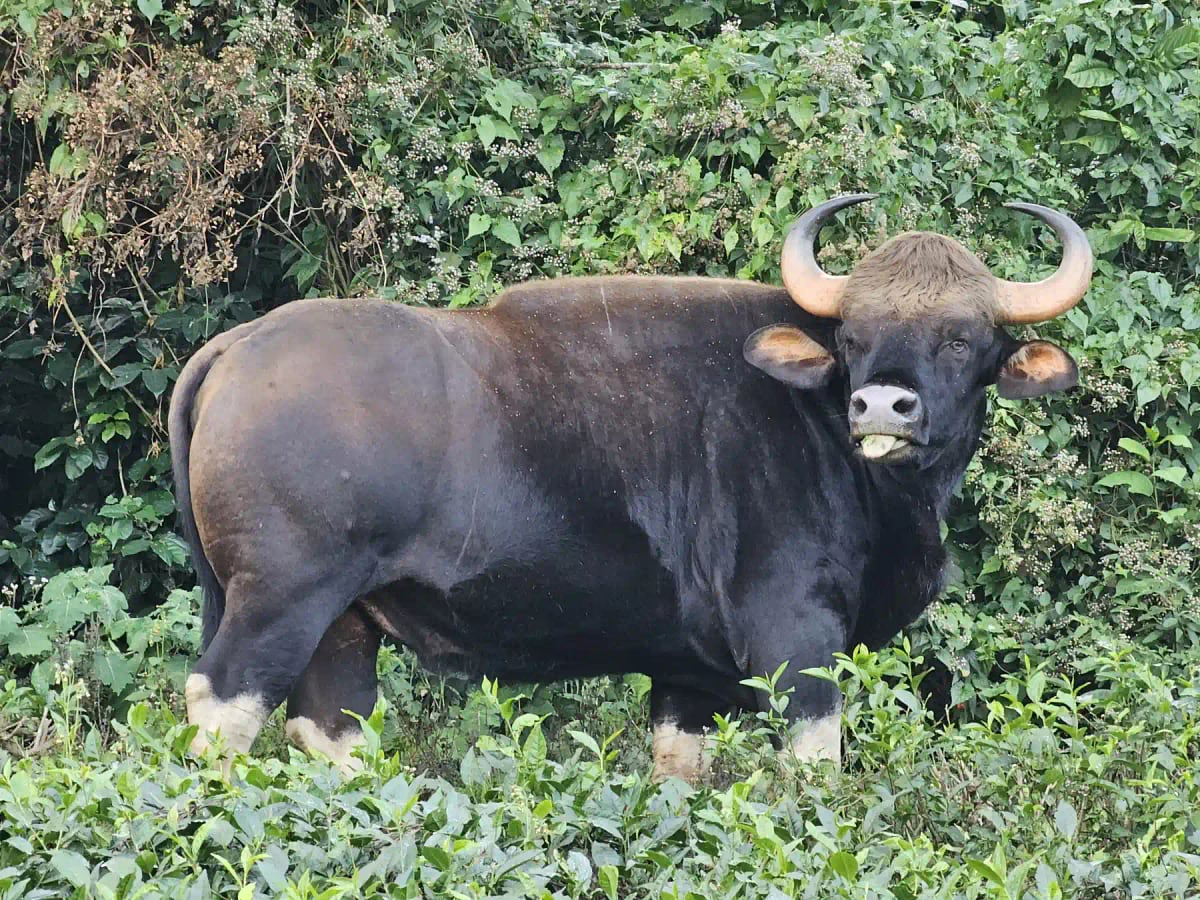
Gaur
Bos gaurus
Gaurs are found in the forested mountains and river valleys of Laos, including areas within the Nakai-Nam Theun National Protected Area. Hunting pressure and forest clearance for agriculture have reduced numbers considerably. The species is difficult to study in Laos due to dense terrain, but camera trap surveys have confirmed its continued presence in several protected zones across the country.
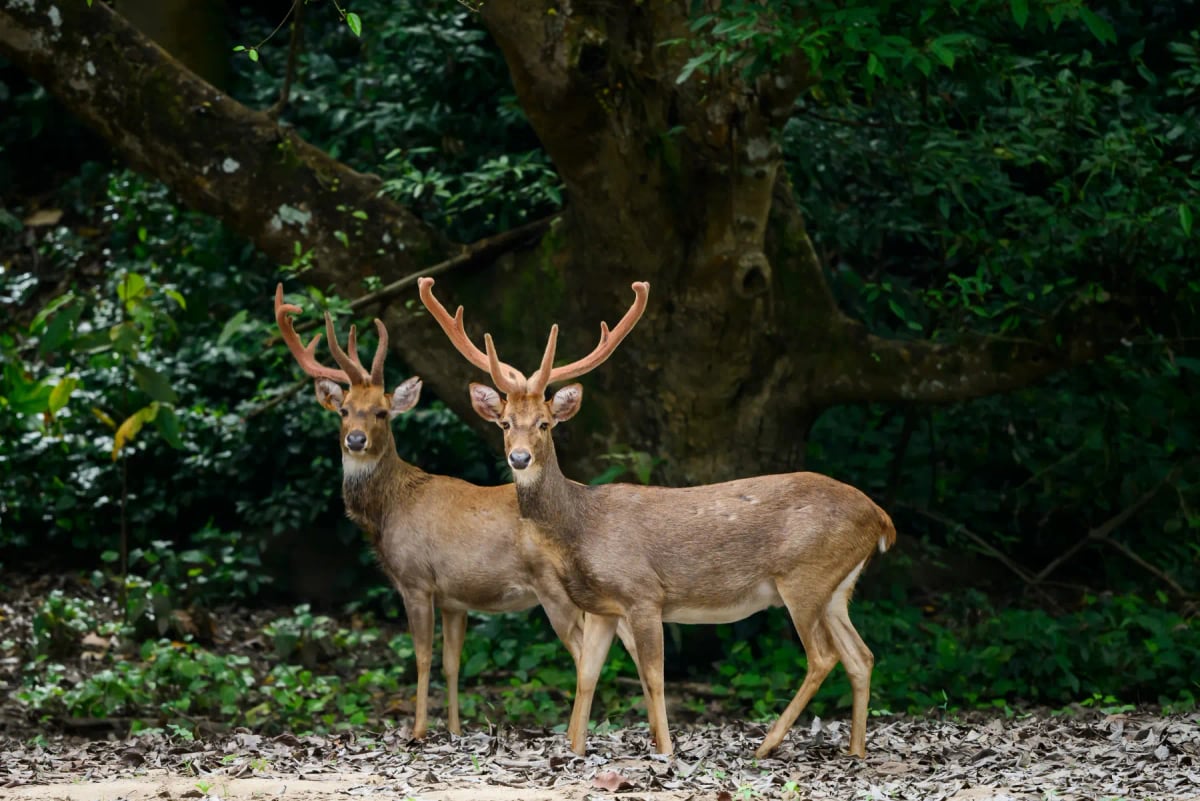
Eld's Deer
Rucervus eldii
Eld's deer was once present across lowland areas of Laos but has become extremely rare due to heavy hunting pressure and the conversion of forests to farmland. Any remaining individuals are thought to survive in remote, forested regions with little human presence. Surveys in recent decades have recorded very few confirmed sightings, making the status of the population in Laos deeply uncertain. Stronger wildlife protection laws are considered essential for the species to persist here.
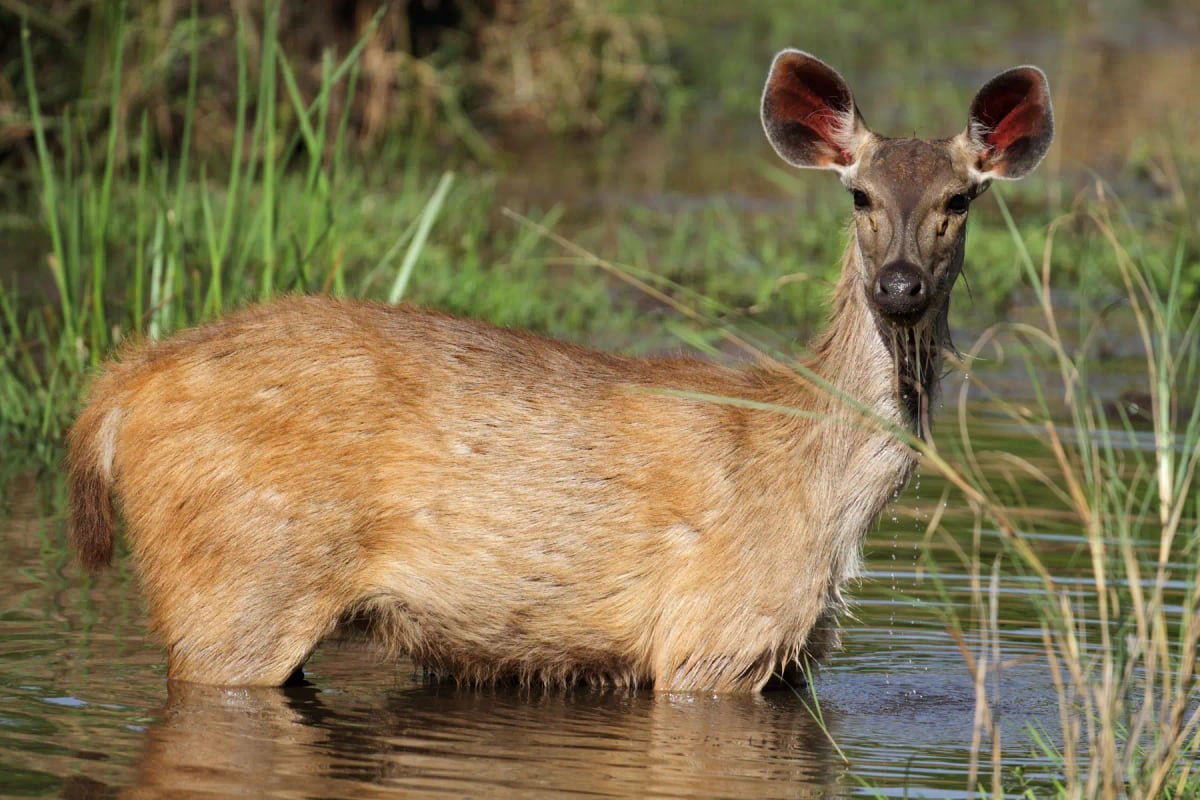
Sambar Deer
Rusa unicolor
Sambar deer are distributed across the forests of Laos, including the Nam Et-Phou Louey National Protected Area in the north and the Nakai-Nam Theun landscape in the center of the country. They are a key prey species for tigers and clouded leopards. Poaching driven by the illegal wildlife trade is a major concern in Laos, and forest loss from infrastructure development continues to reduce available habitat for large mammals like the sambar.
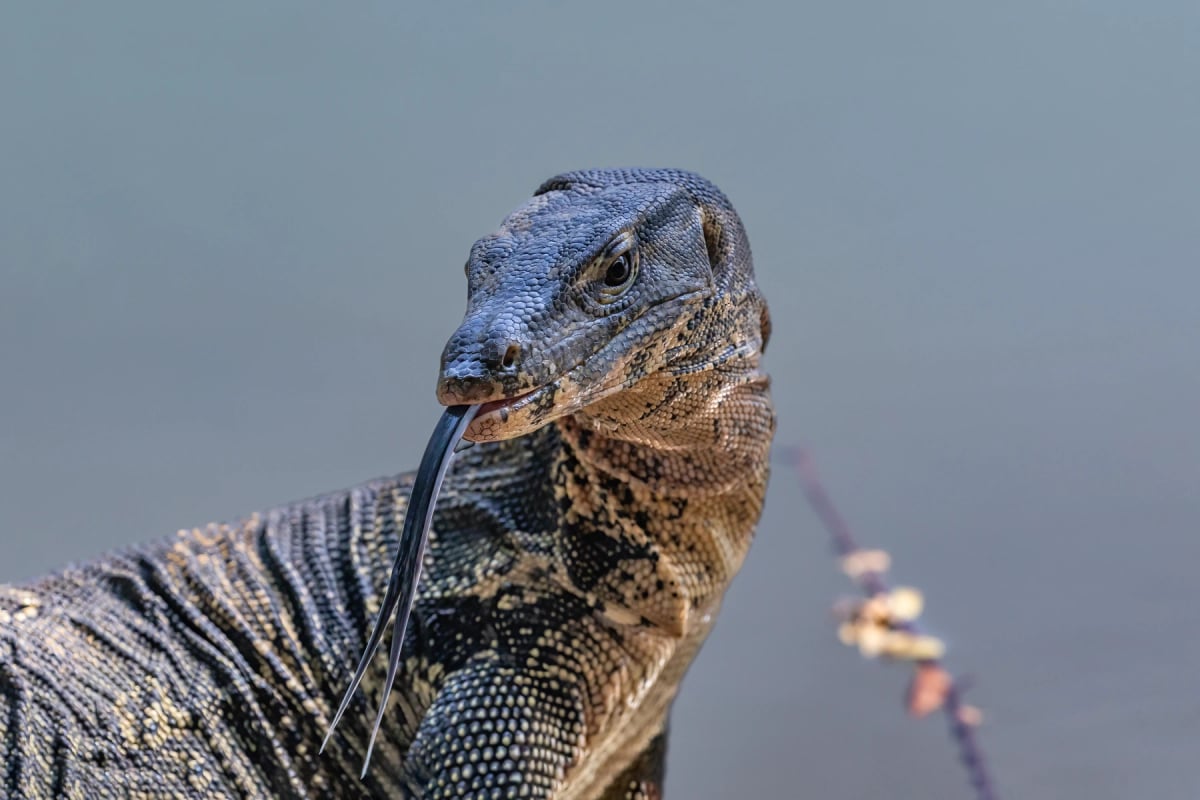
Monitor Lizard
Varanus salvator
In Laos the Asian water monitor is closely tied to the Mekong River and its tributaries, which provide the wetland habitat the species depends on. It is found along riverbanks, in flooded forests and around village ponds across the country. Widely distributed but not prominent in regional wildlife discussions, it is occasionally hunted for local consumption and sometimes caught as a byproduct of fishing activity.
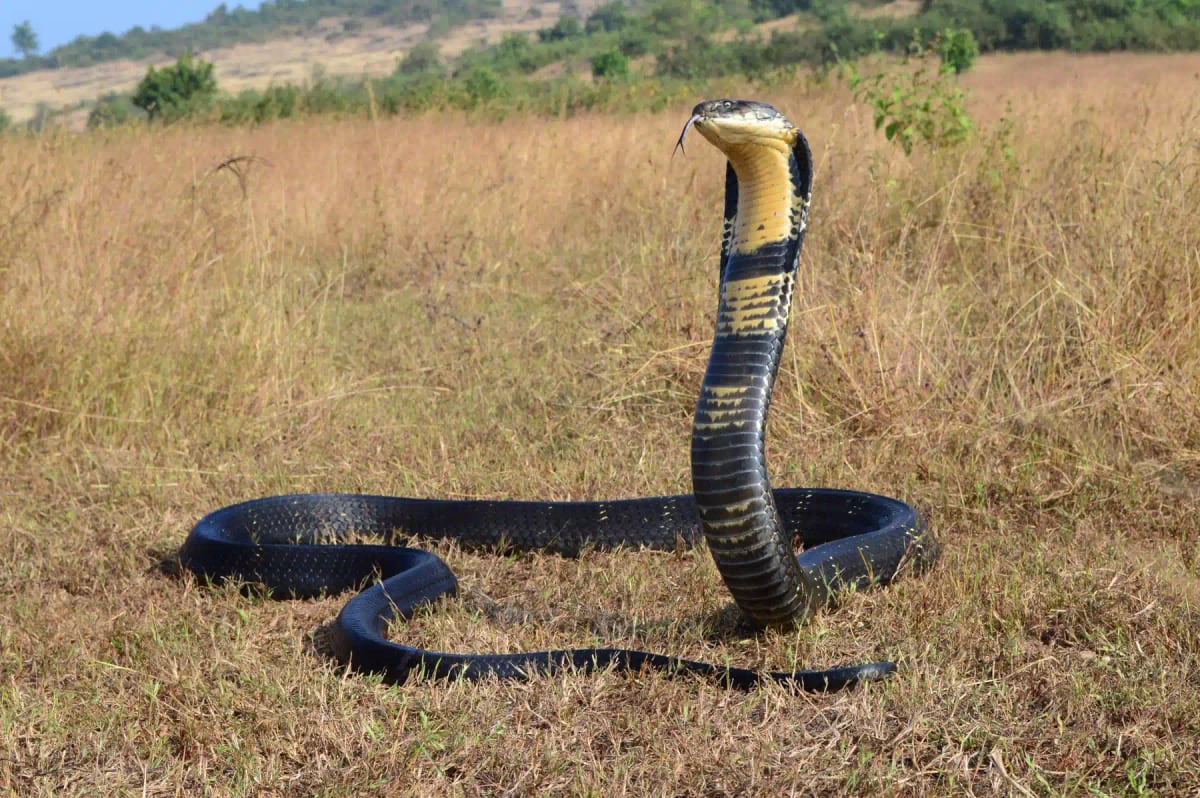
King Cobra
Ophiophagus hannah
Laos still holds significant areas of intact forest that provide good habitat for the king cobra. The species is found in the northern and central hill forests and along river valleys throughout the country. Like elsewhere in Southeast Asia, it feeds mainly on other snakes. Illegal wildlife trade is a significant threat in Laos, where king cobras are captured for export alongside many other reptile species.
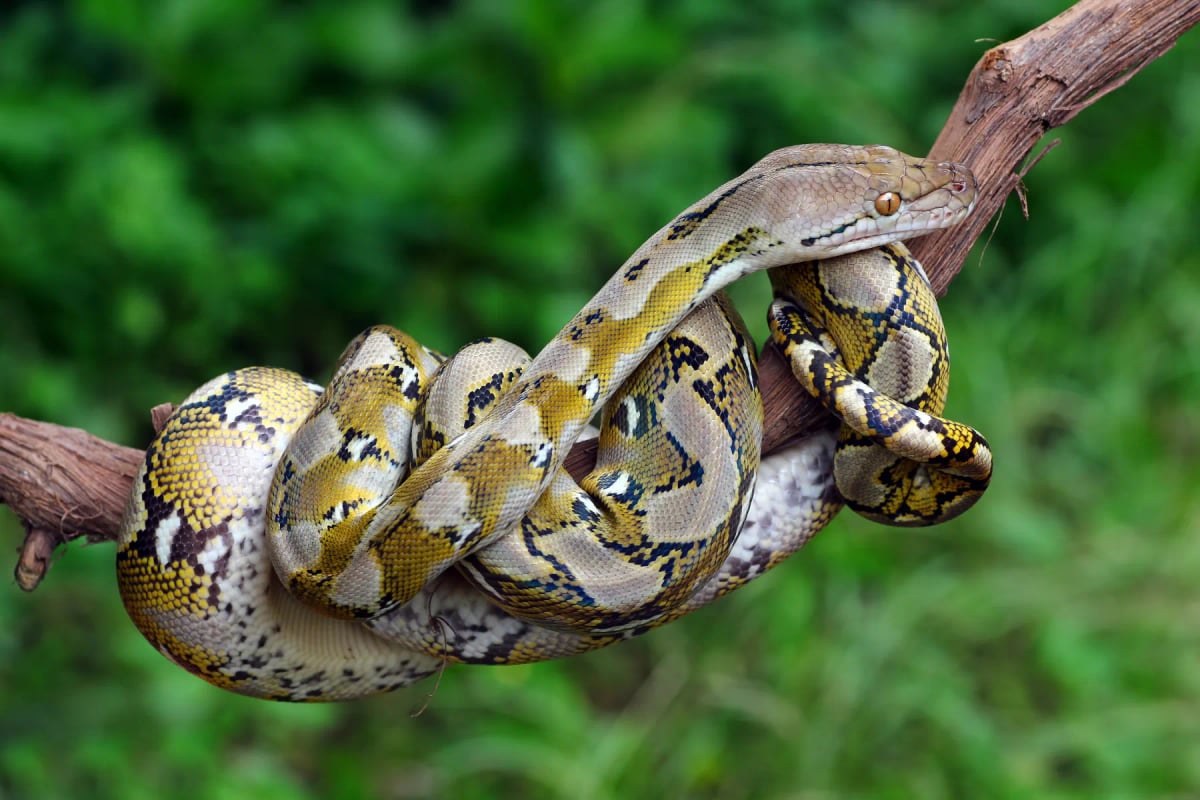
Reticulated Python
Malayopython reticulatus
The reticulated python occurs across Laos in lowland and montane forests, as well as along the many rivers and streams that cross the country. The Mekong corridor and the forested areas of southern Laos are key habitat zones. Demand for its skin and meat, along with forest clearance for agriculture, has placed increasing pressure on wild populations throughout the country.

White Wagtail
Motacilla alba
In Laos, the white wagtail is a winter visitor from breeding grounds further north, present mainly from October through March. It favours the banks of the Mekong River and its tributaries, as well as rice paddies and open ground in lowland areas. It is most often seen running nimbly along riverbanks or across flooded fields. Laos sits within the bird's broad wintering range across mainland Southeast Asia.
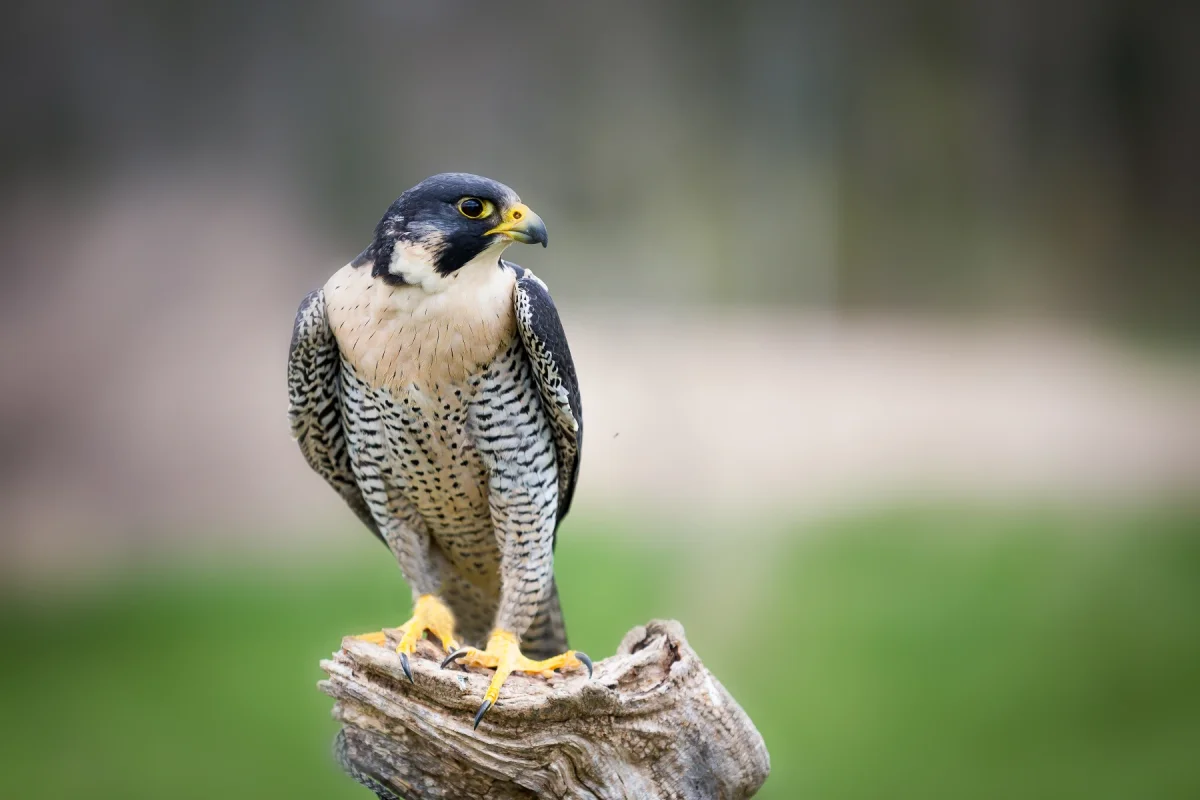
Peregrine Falcon
Falco peregrinus
In Laos, the peregrine falcon occurs mainly as a seasonal migrant, passing through the country during the northern winter. It can be spotted over forested hills, river valleys, and open areas across the Mekong lowlands. The karst limestone landscapes of northern and central Laos, with their dramatic cliff faces, may also offer resting and hunting perches for birds moving between breeding grounds further north. IUCN status: Least Concern.
Researched and written by Juan Pablo. Sources: IUCN Red List, scientific literature and regional field guides. Last updated: .